❌

Reading view

Cristina Kirchner Goes on Trial in Hotesur-Los Sauces Money Laundering Case

(FILE) The Court enabled virtual participation for the first hearing of the accused. Photo: La Nacion.

A new trial in the unified Hotesur and Los Sauces money laundering cases opened Friday in Buenos Aires against Argentine former President Cristina Kirchner, her son, Deputy Máximo Kirchner, and 17 other defendants.


Federal Oral Tribunal 5 allowed the former President and the deputy to attend the opening session virtually, with the favorable vote of judges José Michilini and Fernando Machado Pelloni. The ruling sought to coordinate the deputy’s parliamentary schedule and simplify transfer logistics from the home where the former president is serving a sentence.

The remote format was granted exceptionally, only for the formal reading of the indictment and the order sending the case to trial. The tribunal said later hearings will be in person for all defendants.

RELATED: Cristina Kirchner’s Defense Seeks UN Help to Lift Public Office Ban

The case covers 19 people, including businessmen Lázaro Báez, Cristóbal López and Fabián de Sousa. Hearings are set for Mondays, Fridays and Saturdays, including the January 2027 judicial recess, when the defense lawyers must attend in person every day.

With over 300 witnesses initially slated to testify, the dynamics of witness credibility and testimonies would play a crucial role in shaping the outcome, but it was reduced by agreement between the parties.

[JUSTICIA] Terminó la audiencia por Hotesur y Los Sauces: solicitaron que Cristina Kirchner sea juzgada como "jefa de una asociación ilícita, coautora de lavado de activos y admisión de dádivas", y su hijo, Máximo, fue imputado como "organizador del entramado criminal". https://t.co/3s4n4ORbW3 pic.twitter.com/VbWP9G9bve

— ElCanciller.com (@elcancillercom) October 23, 2026

Billing Under Scrutiny

The prosecution alleges that Kirchner’s family bought hotels and apartments, rented them to businessmen, mainly Báez, and laundered illegal money from public works.

The defense’s argument about the legitimacy of the funds is crucial. The defense, led by Carlos Beraldi and Ary Llernovoy, says the properties were bought with declared funds, including assets the family owned before Néstor Kirchner became Mayor of Río Gallegos, and that rentals were invoiced, banked and at market prices. The defense says similar claims were dismissed in three illicit enrichment cases. None of these claims has been tested at trial, and the defendants are presumed innocent.

Lawyer Carlos Beraldi maintained from the start that the hotels operated, collected and paid taxes like any other business. In September 2023, Chamber I of the Federal Chamber of Cassation revoked a previous dismissal and ordered that the trial go ahead.

The merged file brings together two fronts. Hotesur concerns the family’s hotel operation, while Los Sauces covers the real estate company at the center of the billing accusation.

The Cassation court removed the two judges who had dismissed the case and left only Palliotti, the magistrate who had voted to convict Cristina and Máximo Kirchner.

The same account recalls that in November 2021 judges Adrián Grünberg and Daniel Obligado dismissed the case against all defendants, with Adriana Palliotti dissenting, relying on an accounting expert report that found no harm. In September 2023, the Cassation Chamber overturned that decision and ordered a trial.

The opening of the process was preceded by an episode described as embarrassing. The Cassation court ordered the Federal Oral Tribunal 5 to merge the Hotesur and Los Sauces cases into a single proceeding and to begin it this Friday.

It is the first time in the country’s history that the Cassation court has dictated how a trial must be conducted, a power that normally belongs to each oral tribunal. Political pressure mounted after a Supreme Court resolution, and the judges had only 72 hours to unify the files. The order left the tribunal with no margin to set its own calendar.

The core of the Los Sauces case is the billing of the family’s real estate firm. According to the accusation, 88% of everything the company collected between 2009 and 2016 came from businesses controlled by Báez and from the Indalo Group.

The Hotesur portion of the merged case has not yet been read in court. The next hearings, set for October 26 and October 30, will determine how the combined process advances.

Text reads: “When there is political persecution, the times in the judiciary are always electoral.”


  •  

Justicia argentina identifica a ocho desaparecidos de la dictadura en Córdoba 

Estaban desaparecidos desde 1976. Fueron secuestrados, torturados y asesinados, y enterrados no lejos del centro clandestino de detención y exterminio La Perla. Las excavaciones allí han permitido hasta ahora el hallazgo de los restos de 38 víctimas
  •  

Palmeiras e Estudiantes decidem liderança histórica entre Brasil e Argentina na Libertadores

Palmeiras e Estudiantes terão um objetivo em comum na final da Copa Libertadores de 2026: colocar seu país à frente do rival no ranking histórico de títulos do torneio. A decisão, marcada para 28 de novembro, em Montevidéu, no Uruguai, colocará em jogo a possibilidade de Brasil ou Argentina se tornar o maior campeão da competição de forma isolada.

Os dois países chegam à decisão com 25 conquistas cada. O Palmeiras representa o futebol brasileiro após eliminar o Fluminense nos pênaltis, enquanto o Estudiantes garantiu sua vaga ao superar o Flamengo. Além do troféu, o confronto terá impacto direto na disputa histórica entre as duas nações.

Estudiantes tenta encerrar sequência brasileira

A presença do Estudiantes na final abre a possibilidade de interromper uma sequência de sete títulos consecutivos de clubes brasileiros na Libertadores. A última vez que uma equipe argentina levantou a taça foi em 2018, quando o River Plate venceu o Boca Juniors em uma decisão disputada em dois jogos.

Na edição seguinte, a competição passou a ter finais em partida única. Desde a mudança, nove equipes diferentes chegaram à decisão: Flamengo, Palmeiras, Santos, Athletico-PR, Fluminense, Botafogo e Atlético-MG, pelo Brasil, além de River Plate e Boca Juniors, pela Argentina.

O domínio brasileiro também se reflete nos confrontos decisivos entre equipes do mesmo país. Das últimas seis finais, cinco reuniram dois clubes brasileiros. Agora, o Estudiantes tenta mudar esse cenário e voltar a conquistar a Libertadores depois de 27 anos, além de evitar que a Argentina perca a igualdade no número de títulos.

O Palmeiras, por sua vez, pode alcançar o quarto troféu continental. Se vencer, o time paulista chegará ao tetracampeonato e igualará o Flamengo, que atualmente é o clube brasileiro com mais títulos da Libertadores.

A decisão será disputada no Estádio Centenário, em Montevidéu, no dia 28 de novembro.

Leia também

The post Palmeiras e Estudiantes decidem liderança histórica entre Brasil e Argentina na Libertadores appeared first on Diário da Manhã - O Jornal do leitor Inteligente.

  •  

Perché l’Argentina di Milei conferma che le ricette neoliberiste sono fallimentari

C’è uno strano caso di “miracolo” economico che riesce a far quadrare i conti dello Stato mentre manda fuori squadra quelli di chi lavora, produce, consuma. Se volete toccare con mano, prendete un aereo per Buenos Aires, nell’Argentina di Javier Milei, il presidente con la motosega anti-sprechi, anti-spesa pubblica, anti-tutto. Uno strumento che, a giudicare dai risultati, funziona egregiamente. Il punto è capire che cosa stia tagliando.

All’atto del suo trionfale avvento, nel 2023, Milei era stato dipinto come un auspicato innovatore della deregulation contro-statalista in salsa sudamericana. Esaltato in primis dagli opinionisti turbo-liberali mai sazi di sforbiciate al deficit, pareggi di bilancio, privatizzazioni e tutto il ben noto pacchetto di riforme degli emuli, o nostalgici, della “filosofia” ultraliberista.

Partiamo dalle imprese: tra novembre 2023 e luglio 2026, secondo i registri ufficiali argentini, 32.290 datori di lavoro in meno (-6,3%) e 437.600 posizioni lavorative perdute (-4,4%). Non tutti fallimenti o licenziamenti, ma senz’altro una bella emorragia. In Argentina, il piatto piange, ma letteralmente, non per modo di dire. Prendete la carne bovina, icona nazionale del comparto alimentare: 46,3 chili annui pro capite nel luglio 2026, il 9,4% in meno rispetto all’anno precedente. Nel Paese dell’asado, anche la bistecca è diventata un lusso.

Quanto alle pensioni, il bonus per i trattamenti più bassi è congelato a 70.000 pesos dal marzo 2024. I prezzi, ovviamente, no: e il taglio delle pensioni “povere” vien da sé, per opera dell’inflazione, senza colpo ferire e senza bisogno di scomodi interventi “strutturali”. Infine la povertà: risalita dal 28,2% al 32,3% nel primo semestre 2026, con il 7,5% degli argentini nell’indigenza.

Certo, Milei ha ottenuto risultati importanti sul piano della stabilizzazione: avanzo fiscale nel 2024 e nel 2025, inflazione mensile scesa all’1,9 per cento nel settembre 2026. Liquidare questi risultati come inesistenti sarebbe poco onesto. Ma confondere il miglioramento degli indicatori fiscali e monetari con il benessere e la qualità della vita dei cittadini è un errore ancor più grave.

Uno Stato non è un’azienda, e tanto meno un foglio Excel dove l’unica variabile degna di nota è il saldo entrate-uscite e dove i benefici sono sempre e solo quelli rilevabili con l’occhiuta tigna di un cassiere. Né il giudizio su un Paese può essere appaltato in esclusiva alle agenzie di rating. Esso deriva anche da come sono tutelati i suoi abitanti (sul piano del welfare, della sanità, della vecchiaia), da quanto l’ecosistema economico sia favorevole anche alle piccole e medie imprese, dall’adeguatezza dei salari dei suoi lavoratori, dal potere d’acquisto delle sue famiglie.

Per capire la filosofia che ispira il format albiceleste, bisogna fare un salto indietro di mezzo secolo. Destinazione: Cile, anni Settanta. All’indomani del colpo di Stato di Pinochet, i cosiddetti Chicago Boys, economisti cileni formatisi nell’ambiente accademico dell’Università di Chicago, contribuirono a realizzare un radicale programma di liberalizzazioni, privatizzazioni, disciplina monetaria e ridimensionamento dell’intervento statale.

Naturalmente il Cile di Pinochet era una dittatura e l’Argentina di Milei è una democrazia. Ma la genealogia economica degli “sperimentatori” è riconoscibile tanto quanto l’identità nazionale delle cavie, entrambe sudamericane. La convinzione di fondo condivisa è che lo Stato sia omologabile a una SpA, la spesa pubblica un male da estirpare e il mercato il solo prodigioso meccanismo in grado – una volta sbrigliato dai lacci e lacciuoli di ogni pretesa di ingerenza “sociale” – di far quadrare i conti e di generare surplus.

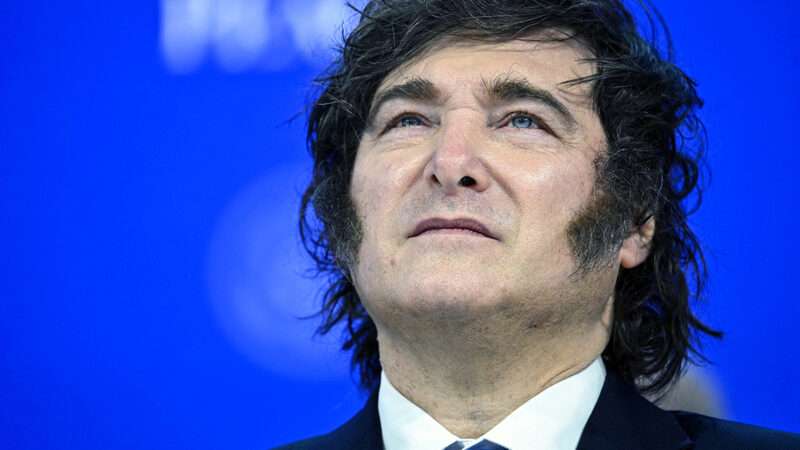
Milei sembra la versione più estrema, quasi fumettistica – persino dal punto di vista lombrosiano, coi suoi rampanti basettoni da protocapitalista ottocentesco – di un’intera scuola di pensiero: un Chicago Boy in grisaglia senza il gessetto del professore e con l’intraprendenza di un boscaiolo.

La parabola di Milei dovrebbe farci riflettere perché – sia pure in modo esasperato e iperbolico – ben restituisce l’esito per molti versi fallimentare, sul piano sociale, delle ricette neoliberiste. Ricette che abbiamo conosciuto sulla nostra pelle sia pure in una declinazione più ordo-liberista di stampo teutonico. E ciò a far data quantomeno dai primi anni Novanta con la fine della tanto vituperata prima repubblica, il celebre incontro sul Britannia del 1992, la svendita dell’IRI, l’avvento dell’euro, la firma dei trattati di Maastricht e di Lisbona che hanno finito per stravolgere, se non per tradire del tutto, lo spirito keynesiano della nostra Costituzione originaria.

Il tutto precisamente in ossequio a quel culto della competitività, delle “lenzuolate” e dei “conti in ordine” che rappresenta una delle matrici ideologiche tutt’altro che secondarie dell’architettura unionista.

www.avvocatocarraro.it

L'articolo Perché l’Argentina di Milei conferma che le ricette neoliberiste sono fallimentari proviene da Il Fatto Quotidiano.

  •  

Javier Milei's Case Against AI Regulation

Javier Milei | Photo: Javier Milei, 2026; Mandel NGAN/AFP via Getty

"As much as the industrial revolution freed us from the constraints of the human muscle, AI will free us from the constraints of the human brain, pushing productivity beyond our wildest dreams….Keep AI unregulated so that it is free to be developed without the deadly hand of premature and poorly understood regulation."

Argentine President Javier Milei wrote that on June 4 in the Financial Times as part of his push to bring AI companies to Argentina. The prior week, he had introduced legislation to boost AI based on three pillars: leaving AI unregulated, establishing a new legal category for nonhuman corporations operated by AI agents or robots, and keeping corporate taxes low. As of late September, the Senate has held hearings on the legislation but not advanced it.

The post Javier Milei's Case Against AI Regulation appeared first on Reason Magazine.

  •  

El Papa anula una visita a Asís porque los médicos le desaconsejan viajar en helicóptero tras su operación

El Papa se sigue recuperando de forma “óptima”, pero aún es pronto para coger un helicóptero tras su operación, así que ha anulado la visita a Asís (Italia) que estaba prevista para el próximo martes, 27 de octubre, “como medida de precaución”. El Vaticano lo ha anunciado este viernes en un comunicado que transmite normalidad, y la verdad es que era una decisión esperada. Pero lo cierto es que es el primer acto de la agenda del Pontífice que se cancela tras la intervención para la extirpación de un tumor pulmonar a la que fue sometido el pasado 13 de octubre.

Seguir leyendo

© FABIO FRUSTACI (EFE)

El papa León XIV, en una audiencia celebrada en el Vaticano este miércoles.
  •  

Federación sindical argentina reclama libertad para presos saharauis

Buenos Aires, 23 oct (Prensa Latina) La Central de Trabajadores de Argentina (CTA-T) expresó su solidaridad y reclamó la libertad de los nueve presos políticos saharauis del grupo de Gdeim Izik; cinco de ellos en huelga de hambre indefinida.

The post Federación sindical argentina reclama libertad para presos saharauis first appeared on Noticias Prensa Latina.

  •  

Cubanos en Argentina llaman a votar en ONU contra el bloqueo a Cuba

Buenos Aires, 23 oct (Prensa Latina) La Unión de Residentes Cubanos en Argentina (URCA) llamó a la comunidad internacional “a no ceder ante el chantaje imperial y a respaldar una vez más y con más fuerza la resolución cubana” en la ONU contra el bloqueo.

The post Cubanos en Argentina llaman a votar en ONU contra el bloqueo a Cuba first appeared on Noticias Prensa Latina.

  •  

Messi frente a Messi

Leo Messi se empieza a dar cuenta a los 39 años de que a menudo no ha disfrutado de sus goles y de sus éxitos tanto como se merecían, ni siquiera en los momentos de plenitud, obsesionado con ser mejor futbolista cada partido, como si el resultado fuera su marcapasos, ahora ya solo pendiente por fin del contrato con el Inter de Miami hasta 2028. La plena dedicación y su especial carácter no le dieron tiempo ni para estudiar, tampoco para aprender el inglés suficiente para viajar por el mundo, acostumbrado desde pequeño a disponer de un intérprete si hacía falta para hablar con la profesora de la escuela de Rosario. Incluso puede que no hubiera sido futbolista si su abuela Celia no le hubiese llevado de la mano al equipo del Grandoli. Introvertido en el aula y tímido en el barrio, siempre se expresó con la pelota, como si supiera desde pequeño que no necesitaba nada más para ser considerado posiblemente el mejor jugador de la historia, el número uno.

Seguir leyendo

© Carlos Alvarez (Getty Images)

Leo Messi, junto a su esposa, Antonela Roccuzzo, este jueves en el Hotel Reconquista en Oviedo.
  •  

Riesgo país de Argentina escala a 702 puntos ante posible recesión

La economía argentina apenas creció 0,1% en agosto tras caer 2,8% en julio. El estancamiento productivo impulsó una subida del 4,2% en el riesgo país de JP Morgan y acentuó el temor a una recesión.
  •  

Enviados de Trump a Argentina velan por intereses de EEUU en Malvinas

Buenos Aires, 22 oct (Prensa Latina) Los enviados del presidente Donald Trump a Argentina, el subsecretario de Estado, Christopher Landau, y el subsecretario adjunto para Asuntos del Hemisferio Occidental, Juan Pablo Segura, defendieron hoy los intereses de empresas norteamericanas en Islas Malvinas.

The post Enviados de Trump a Argentina velan por intereses de EEUU en Malvinas first appeared on Noticias Prensa Latina.

  •  

Cámara de Diputados de Argentina aprueba Ley de Emergencia por Discapacidad

El texto mantiene las pensiones y suma garantías de salud, financiamiento y protección laboral. La aprobación llega tras más de un año de permanentes protestas, marchas y movilizaciones protagonizadas por las propias personas con discapacidad y sus familias.
  •  

Pope Leo XIV Confirms Official Visit to Argentina in November

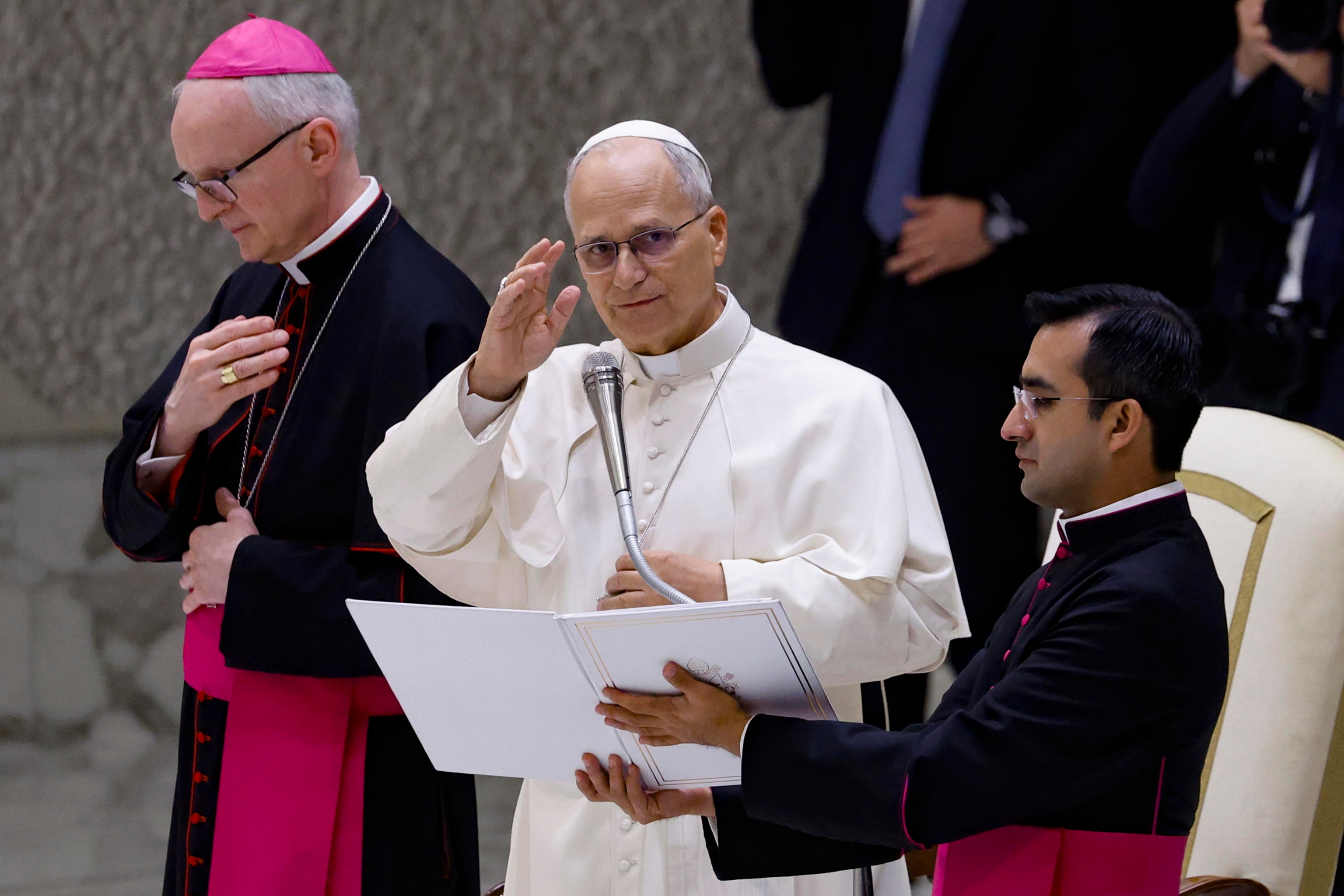
The announcement put an end to speculation about the Pontiff's international agenda as he recovers from lung cancer surgery. Photo: EFE.

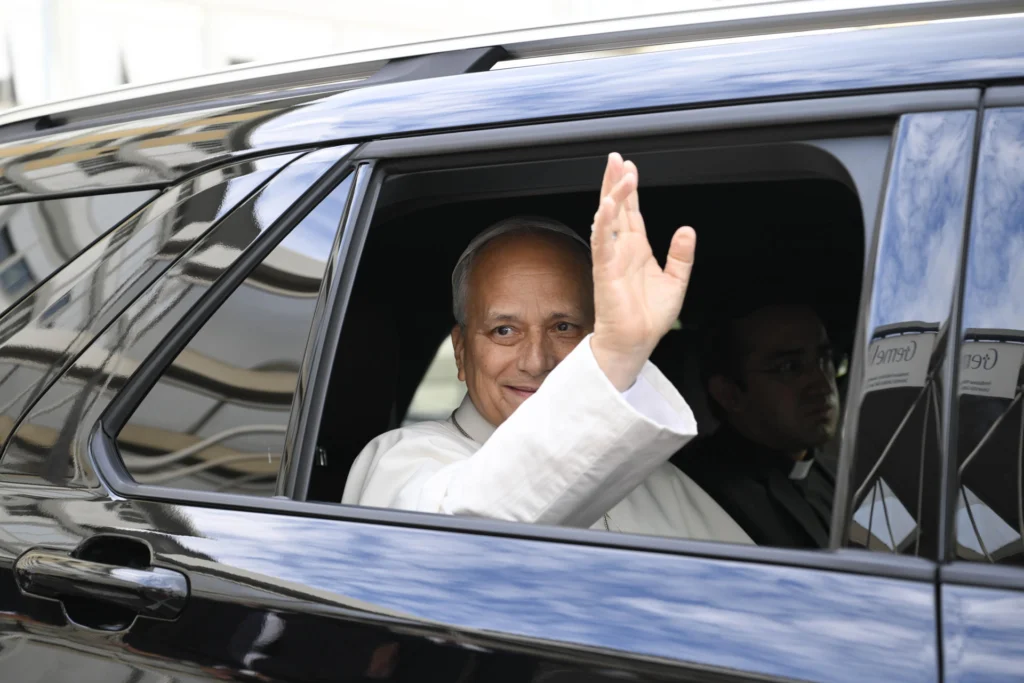
Pope Leo XIV confirmed his official visit to Argentina on Thursday, as he announced a four-day pastoral tour set to begin on November 8.


The Holy See press office released operational details of the journey after doctors cleared international travel, noting that the Pope requires no additional oncological treatment.

The Pope’s visit will include prisons, care homes for people with disabilities and meetings with workers’ organizations, reflecting an institutional intention to weigh in on debates over social justice, labor rights and the plight of the most vulnerable sectors.

RELATED: Vatican Confirms Successful Lung Surgery for Pope Leo XIV

His itinerary opens November 8 with a 4:30 P.M. local time arrival at Jorge Newbery Airport aboard a flight from Uruguay. From there he will pay tribute at the General San Martin Monument before attending a protocol reception hosted by President Javier Milei and meeting with diplomats.

The following day brings a packed schedule. Pope Leo will visit the Cottolengo in Don Orione, in Claypole, preside over a massive outdoor mass at the Monument to the Spaniards, meet with the labor sector at the Argentinean Catholic University, lead an interreligious gathering at San Martín Palace and dine with bishops at the Archbishopric.

During the welcoming session for newlyweds at the general audience, a couple said to Pope Leo XIV: “Papa, we’ll be waiting for you in Argentina!” The Pope replied enthusiastically: “Argentina—let’s go!” https://t.co/ut3jm7A7qB

— FrischeBriese (@FrischeB17467) October 22, 2026

On November 10 the tour moves inland to Cordoba province, where he will celebrate a liturgical ceremony at the Military Aviation School and walk through the of Nuestra Señora de la Asuncion Cathedral. He returns to Buenos Aires that night to preside over a youth vigil.

His final day, November 11, begins at the Federal Penitentiary Complex and continues with a mass at the of Lujan Basiliek. The trip concludes at 2:00 P.M. local time with a departure from Ezeiza International Airport bound for Lima.

Security and logistics teams from the Holy See are coordinating directly with Argentine authorities to finalize arrangements for the Pope’s movement at each public gathering on the schedule.

The visit unfolds in a political and social landscape shaped by the complex economic situation Argentina faces under the Milei’s administration. Structural tensions generated by fiscal adjustment policies and economic deregulation form the backdrop for a papal message that now carries deep political significance. The dignity of work and the protection of the vulnerable are expected to anchor his public remarks throughout the tour.

The confirmation also marks a decisive moment in the Pontiff’s recovery. Weeks after surgery, the international travel signals that his medical team considers the convalescence sufficiently advanced for the demands of a four-day, multi-city itinerary across two countries.

For Argentine faithful, the words delivered from St. Peter’s Square close months of uncertainty. The trip’s official schedule now stands, and preparations have shifted from speculation to logistics as November 8 approaches.

  •  
❌