❌

Reading view

Lucros da Navigator emagrecem quase 45% no final do 3º trimestre

A The Navigator Company registou um lucro de 65,4 milhões de euros no final dos nove primeiros meses do ano, menos 44,8% que os 118,3 milhões verificados no mesmo período do ano passado. No período em referência, a Navigator registou um EBITDA de 212 milhões de euros, com uma margem EBITDA de 16%. O volume de negócios totalizou 1.333 milhões de euros, menos 10,5% que os 1.489,3 milhões atingidos ao cabo dos primeiros nove meses do ano passado.

Em comunicado enviado à CMVM, o grupo indica que “estes resultados refletiram um contexto macroeconómico e de mercado extremamente exigente, a par do aumento significativo dos custos de energia (eletricidade e gás natural) e logística, que estão a condicionar a procura em todos os mercados da Europa”.

A 30 de setembro de 2026, o endividamento líquido da Navigator situava-se em 765 milhões de euros, “refletindo o elevado nível de investimento realizado ao longo do período e a manutenção de uma estrutura financeira sólida e equilibrada”. O rácio Dívida Líquida Remunerada/EBITDA situou-se em 2,66, com o aumento face ao período homólogo a resultar da redução do EBITDA. A dívida líquida remunerada diminuiu cerca de 5 milhões de euros em termos homólogos, mantendo o Grupo uma maturidade média da dívida de cinco anos.

“As linhas de longo prazo, disponíveis e não utilizadas da Navigator, ascendem a 323 milhões de euros. A maturidade média da dívida mantém-se assim adequada, com um perfil de reembolsos bem escalonado, com 95% do total de endividamento contratado e utilizado com cariz sustentável e 57% da dívida total emitida a taxa fixa, diretamente ou através de instrumentos financeiros de cobertura de taxa de juro”.

O aumento dos custos da energia “continua a pesar sobre a competitividade da indústria exportadora portuguesa. Entre dezembro de 2025 e setembro de 2026, os preços de mercado do gás natural mais do que triplicaram e os da eletricidade mais do que duplicaram. A persistência destes níveis de preços acentua as diferenças face a mercados com condições energéticas mais favoráveis, condicionando o investimento e a capacidade das empresas nacionais para competir no exterior”.

As medidas adotadas durante a crise energética de 2022 e 2023 “oferecem referências para responder aos desafios atuais. Também os mecanismos de apoio utilizados noutros países europeus evidenciam o papel que estes instrumentos podem desempenhar na preservação da atividade industrial. A sua aplicação em condições comparáveis no espaço europeu poderá contribuir para atenuar os diferenciais de custos e salvaguardar o contributo da indústria para as exportações e para a economia nacional”, refere ainda o documento.

Na Europa, “a procura aparente de UWF diminuiu 2% em termos homólogos até setembro, confirmando uma desaceleração do ritmo de contração do mercado. Num contexto de aumento das importações, as entregas dos produtores europeus ao mercado interno reduziram-se 4,7%, refletindo uma maior orientação para os mercados de exportação”.

Nos primeiros nove meses de 2026, “a Navigator manteve um desempenho superior ao da indústria. A taxa operativa de produção (OR) da indústria europeia de UWF (medida como a produção em proporção da capacidade instalada) situou-se em 84% – 2pp acima do período homólogo – enquanto a Navigator registou uma taxa operativa de 89%, 5pp acima da média da indústria”.

“Num mercado europeu marcado por elevada intensidade competitiva e maior pressão das importações de origem asiática, a diferenciação do portefólio assume particular relevância. As marcas de fábrica representam mais de 70% das vendas do ano, enquanto a percentagem de produtos premium no mix se mantém elevada, aproximadamente 50%”.

O mercado europeu de Tissue “continua a demonstrar resiliência, mesmo num contexto mais competitivo e exigente. As vendas do negócio Tissue fora de Portugal representaram 79% do volume total nos primeiros nove meses de 2026 (vs. 54% em 2022, antes da integração da Tissue Ejea e Tissue UK), sendo os mercados mais representativos, o mercado espanhol, com 33% do total de vendas, o britânico, com 28% do total de vendas, e o francês, com peso de 16% das vendas”. O desempenho refletiu um contexto de maior intensidade competitiva, sobretudo no Reino Unido, e de gestão disciplinada de margens, em paralelo com a implementação de um programa de transformação industrial destinado a reforçar estruturalmente a eficiência da operação naquele país.

Esse programa contempla a otimização da estrutura produtiva e de custos, bem como uma maior disciplina comercial na alocação de volumes, encontrando-se atualmente na fase mais exigente da sua implementação e prevendo-se a sua conclusão no final do primeiro semestre do próximo ano. Em paralelo, refere o grupo, avançaram os trabalhos preparatórios para a instalação da nova máquina de Tissue no complexo industrial de Aveiro, um investimento estratégico que permitirá reforçar a integração industrial do negócio e apoiar o crescimento futuro da operação internacional, em particular no Reino Unido.

No que diz respeito à estratificação por segmento de clientes, o At Home ou Consumer (retalho) tem registado um peso crescente, representando atualmente cerca de 84% das vendas, sendo que o segmento Away from Home (grossistas – canal Horeca e escritórios) representa os restantes 16%.

O negócio de Tissue da Navigator dispõe agora de dez tecnologias proprietárias incorporadas nos seus produtos e marcas , mais três face ao período homólogo, potenciando a estratégia de diferenciação da gama. As marcas próprias, as marcas sob licenciamento da P&G e as marcas que incorporam tecnologias inovadoras representam, em conjunto, mais de 20% do valor das vendas de produto acabado.

“A Navigator reforçou, nos primeiros nove meses de 2026, o seu compromisso com a modernização e a descarbonização das operações, com um volume de investimento que ascendeu a 174 milhões de euros, dos quais uma parte significativa (48% do total) diz respeito a investimentos em matérias ambientais ou de cariz sustentável criadores de valor. Além de investimentos direcionados à descarbonização, ao desempenho ambiental, à manutenção da capacidade produtiva e à modernização de equipamentos para melhoria da eficiência, o montante contempla projetos estruturais e de segurança com impacto relevante na redução futura dos custos variáveis. Neste âmbito, a execução de todos os projetos associados ao Plano de Recuperação e Resiliência (PRR) encontra-se substancialmente concluída, em estrita conformidade com os compromissos assumidos com as autoridades nacionais”.

Enquadrada na estratégia de transformação industrial da empresa, a reconversão da PM3, já em funcionamento, resultou de um investimento de cerca de 30 milhões de euros. Vai permitir produzir até cerca de 100 mil toneladas anuais de papéis kraft de baixas gramagens, numa gama entre 30 e 90 g/m², destinados a aplicações de embalagem flexível. A intervenção dotou a máquina de tecnologia de última geração, aumentando a flexibilidade operacional, a eficiência energética e a qualidade do produto final.


Perspetivas até ao final do ano

“Apesar da incerteza geopolítica, da volatilidade dos mercados energéticos e de um contexto económico exigente, os indicadores do 3.º trimestre reforçam as perspetivas favoráveis para os próximos meses. Na Pasta, a recuperação dos preços em setembro e a melhoria da disponibilidade operacional favorecem a atividade e o aumento dos volumes destinados ao mercado”.

No Packaging, “a procura crescente por soluções sustentáveis, o alargamento da base de clientes e o arranque da PM3 reforçam o potencial de crescimento. No Tissue, o Grupo beneficia da expansão internacional e prossegue o programa de eficiência operacional no Reino Unido. No Papel de Impressão e Escrita, os aumentos de preços ao longo do ano e a ausência de novas paragens industriais relevantes sustentam uma perspetiva positiva para os próximos trimestres”.

“A Navigator manterá o foco na execução dos programas de eficiência, na otimização da base industrial, na inovação e na diversificação do portefólio. A gestão integrada da cadeia de valor e a solidez financeira mantêm a Empresa bem posicionada para reforçar a competitividade e criar valor de forma sustentável no longo prazo”, conclui o comunicado.

  •  

Morre Tom Skerritt, ator de “Top Gun” e “Picket Fences”, aos 93 anos

O ator Tom Skerritt, astro de “Top Gun” (1986), morreu aos 93 anos. A notícia foi confirmada à CNN pela assessora de imprensa de Skerritt, Susan Madore, que enviou um comunicado da família detalhando que ele faleceu na quarta-feira (21), de causas naturais.

Skerritt era mais conhecido por suas participações nos filmes “Alien” e “Flores de Aço”, além de seu papel principal na série da CBS criada por David E. Kelley, “Picket Fences”, que foi ao ar de 1992 a 1996 e lhe rendeu um Emmy do Primetime de melhor ator em série dramática.

Na série de humor negro, Skerritt interpretava um xerife veterano que lutava para manter a calma em sua pequena cidade, consolidando sua marca registrada: uma mistura de autoridade inabalável e simpatia cativante.

Com créditos em filmes que remontam ao início da década de 1960, Skerritt se firmou principalmente em faroestes antes de alcançar o estrelato no megassucesso de 1970, “M*A*S*H”, de Robert Altman, no papel do cirurgião Duke Forrest.

Ele participou de vários programas de TV na década de 1970, incluindo “Bonanza” e “Gunsmoke”. Também conseguiu papéis de maior destaque no cinema, incluindo no filme indicado ao Oscar de 1977, “Momento de Decisão” (The Turning Point), estrelado por Anne Bancroft e Shirley MacLaine.

Mas foi seu papel em “Alien”, de 1979, dirigido por Ridley Scott, que realmente expandiu o leque de talentos de Skerritt. No filme de ficção científica/terror, Skerritt interpretou o Capitão Dallas, um dos poucos que se alia a Ripley, personagem de Sigourney Weaver, enquanto sua tripulação intergaláctica enfrenta uma terrível ameaça.

A partir daí, ele conquistou papéis em filmes dos anos 80, como “A Zona Morta” e “Top Gun”, este último servindo como mais um exemplo da grande habilidade de Skerritt em incorporar personagens com uma postura reservada e um coração de ouro. Em “Top Gun”, ele interpretou Viper, um personagem inicialmente indiferente à bravata de Maverick, personagem de Tom Cruise, mas que logo o acolheu sob sua proteção.

Após uma participação em vários episódios de “Cheers”, Skerritt apareceu como o patriarca em “Flores de Aço”, filme estrelado por Sally Field, Julia Roberts e Dolly Parton. Skerritt interpreta o marido da personagem de Field e pai de Shelby, personagem de Roberts, que adoece perto do final do filme.

M’Lynn, personagem de Field, comenta como seu marido nem sequer pôde estar presente quando a filha faleceu, enquanto ela apenas ficou sentada. “Os homens deveriam ser feitos de aço ou algo assim”, diz ela, em uma fala que faz alusão ao título do filme.

Na década de 1990, Skerritt continuou a interpretar papéis paternos em projetos tão variados quanto “Nada é Para Sempre” (A River Runs Through It), dirigido por Robert Redford e estrelado por Brad Pitt, e o thriller “Poison Ivy”, ao lado de Drew Barrymore.

Foi em seu papel como reverendo em “Nada é Para Sempre” que Skerritt ofereceu conselhos paternos em falas como: “Pois é verdade, raramente conseguimos ajudar aqueles que nos são mais próximos. Ou não sabemos que parte de nós mesmos dar, ou, na maioria das vezes, a parte que temos para dar não é desejada. E assim, são aqueles com quem convivemos e que deveríamos conhecer que nos escapam. Mas ainda podemos amá-los – podemos amar completamente sem compreendê-los completamente.”

Ele continuou trabalhando, tanto na TV quanto no cinema, até o novo milênio, em séries como “Brothers & Sisters” e “Will & Grace” e filmes como “Ted” e “A Hologram for the King”. Seu último trabalho foi no filme “Broke”, de 2025.

Tom Skerritt casou-se três vezes ao longo de sua vida. O último casamento durou 30 anos, com Julie Tokashiki. Além da viúva, ele deixa 5 filhos, 5 netos e 2 bisnetos.

De Rob Reiner a Sharon Tate: 10 assassinatos que abalaram Hollywood

*Publicado por Mariana Valbão, da CNN Brasil

  •  
  •  

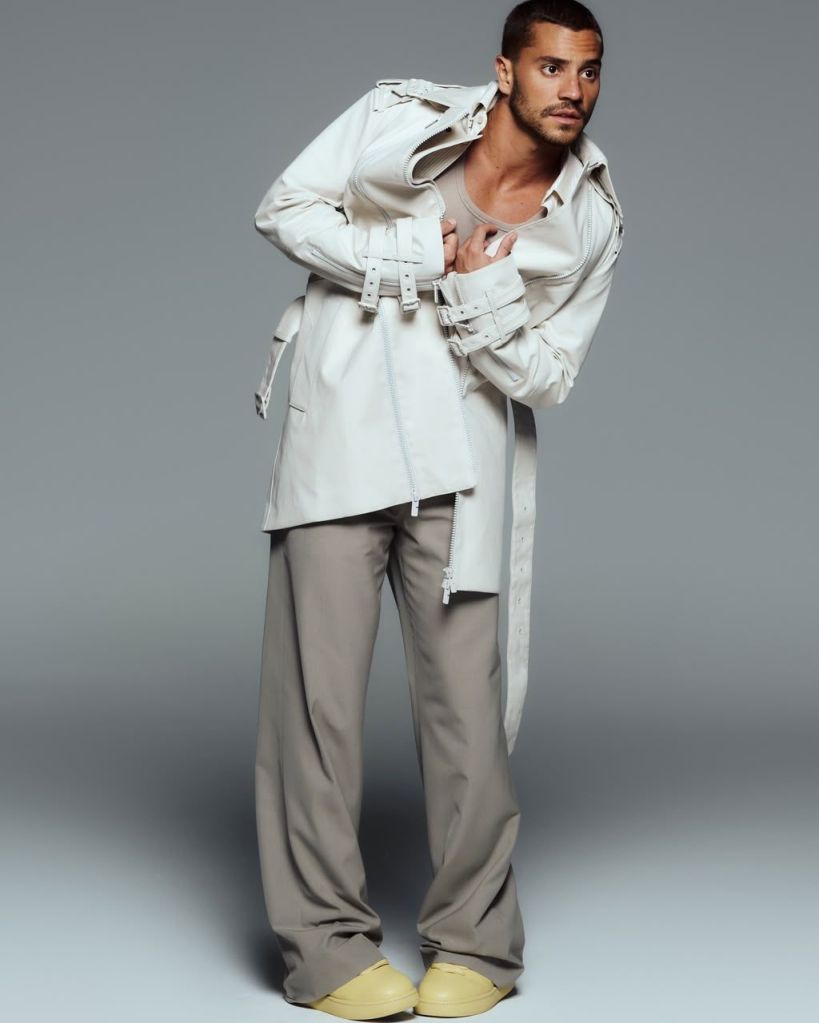
André Lamoglia consolida carreira internacional e conecta atuação e moda

Nos últimos anos, o ator André Lamoglia, 29, deixou de ser apenas uma promessa no audiovisual brasileiro e passou a se destacar em produções que circulam globalmente.

Em setembro, o artista concluiu as filmagens da segunda temporada de “Os Donos do Jogo”, da Netflix, que estreou no topo do ranking mundial entre os títulos de língua não inglesa, e anunciou que protagonizará um novo filme na plataforma.


Antes, Lamoglia viveu um dos papéis mais marcantes da reta final da série espanhola “Elite”. Como Iván Carvalho, tornou-se um dos protagonistas da franquia, fenômeno distribuído para mais de 190 países e responsável por transformar uma geração de atores em nomes amplamente conhecidos.

Uma iminente expansão já despontava também na diversidade de projetos que vieram antes e depois. Em espanhol, integrou o elenco de “BIA”, trama argentina da Disney voltada a todo público latino-americano. Em inglês, gravou “Blood & Water”, série sul-africana da Netflix que ganhou repercussão internacional.

André Lamoglia é um dos destaques da nova geração do audiovisual
André Lamoglia é um dos destaques da nova geração do audiovisual • Hudson Rennan

Transitar entre português, espanhol e inglês, segundo o ator, acabou se tornando parte da sua própria formação artística. “Quando comecei a atuar em outros países, passei a perceber como cada cultura tem seu próprio humor, ritmo de conversa, referências e até maneiras de expressar o que não é dito”, diz à CNN Brasil.

“Trabalhar em produções em diferentes partes do mundo e, agora, voltar ao Brasil ampliou meu olhar e trouxe novas perspectivas para a minha atuação. Hoje, me sinto mais preparado para lidar com as particularidades de cada projeto e com tudo o que surge de inesperado nesse processo”, acrescenta.

A visibilidade conquistada nas telas também abriu espaço para projetos fora do audiovisual. Recentemente, o ator foi o único brasileiro escalado para a campanha global We All Wear M·A·C, dirigida por Nicola Formichetti, ao lado de artistas como Doja Cat e Tini Stoessel.

Nos últimos anos, o carioca passou a marcar presença em eventos de grifes como Prada, Dior, Giorgio Armani, Fendi, Dolce & Gabbana e Bvlgari, estreitando sua relação com o universo da moda sem abandonar o eixo principal da carreira.

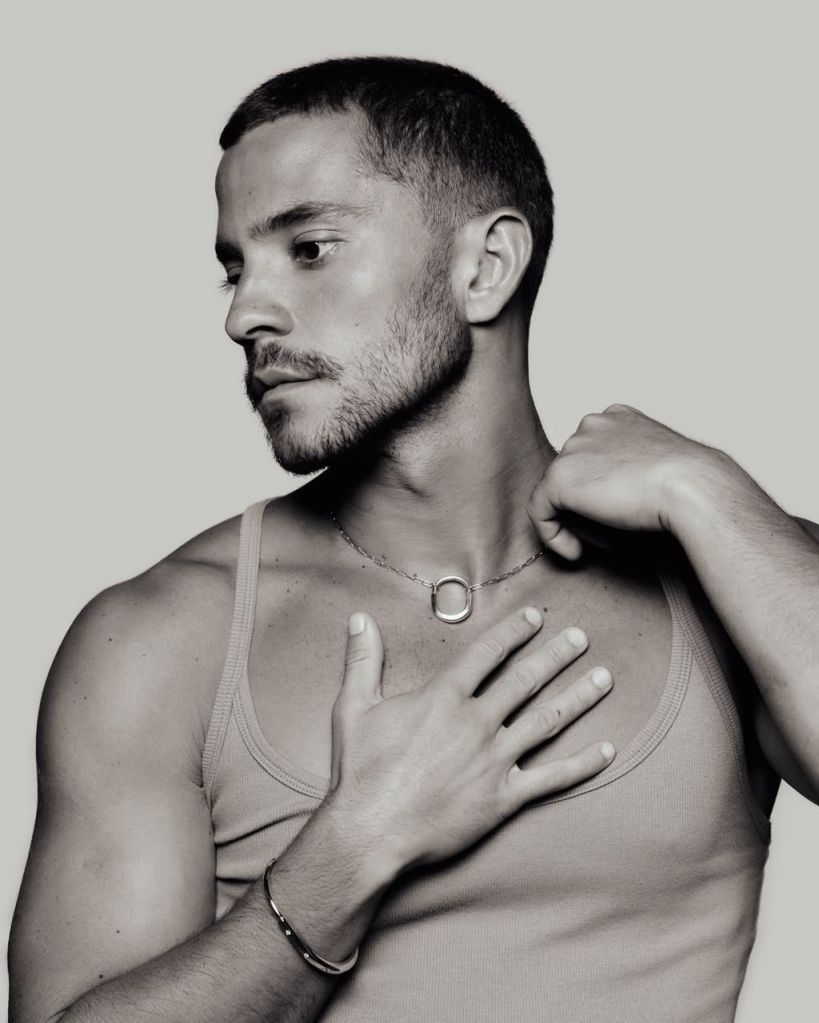
André Lamoglia é um dos destaques da nova geração do audiovisual
André Lamoglia é um dos destaques da nova geração do audiovisual • Hudson Rennan

Para Lamoglia, esse movimento aconteceu de forma natural. “É muito gratificante perceber que me procuram justamente por quem eu sou e pelo trabalho que construí. Tenho uma conexão especial com marcas que sempre admirei sem precisar me transformar em outra coisa e, ainda por cima, através de uma relação que começou apenas por eu fazer aquilo que amo: atuar”, garante.

“Em um momento em que número de seguidores, quantidade de postagens e presença nas redes também podem ser critérios para possíveis escolhas do mercado, admiro ainda mais quando percebo que a conexão não parte apenas de uma expectativa de performance ou entrega. Quando chega um briefing que mostra por que entenderam que aquilo tem a ver com o que enxergam em mim. No fim, até no que pode soar burocrático, gosto de enxergar alguma poesia, porque, se fuçar, tem”, brinca.

As redes sociais, segundo ele, fazem parte dessa construção, mas não definem seus próximos passos. “Elas também são uma forma de me aproximar das pessoas, mas não são o centro do que faço. Minha prioridade continua sendo a atuação, e é a partir dela que sigo construindo outras possibilidades”, comenta.

“Sigo estreitando uma relação especial com a moda e com as marcas com as quais me identifico mas isso de nenhuma maneira diminui ou anula o foco no ofício, minha ideia é estar sempre conectado as artes cênicas antes de tudo, estudando, me aprimorando, quem sabe até um dia dirigindo ou produzindo algo, enquanto não deixo de perceber o entorno e tanta coisa legal que a vida tem a oferecer. Enquanto for possível, conciliar tudo, unir mundos, mas não perder foco, estamos dentro do que foi, não apenas sonhado, mas planejado”, conclui.

Cinco séries nacionais para quem gostou de “Os Donos do Jogo”


  •  

Apocalypse Now and Then

Leave it to Arundhati Roy to deliver a scorching, dizzying essay on the perils of artificial intelligence that references Greek mythology, Francis Ford Coppola, the Bible, India’s industrial history, and Tie Me Up! Tie Me Down! Plus, Emily Dickinson features in the lede:

The auguries are raining down hard. Think or Sink. Comply or Die. Look Up or be Left Out. And so, with these not-so-gentle threats, it has come to pass that the Age of AI—Actual Idiocy, Actual Super Idiocy, Recursive Snowballing-Idiocy—is upon us. Heck, I’ve already used two dashes in this opening paragraph. That, as they say, is a tell. So, perhaps I haven’t written this essay at all. You’d have to use an AI app to check if it’s actually AI, and whether I’m really, or not really, or only partially me. You can no longer use your instincts. You have to use the App. Now that AI owns the em dash, what will future generations make of Emily Dickinson and her love of them? Has she been fed to the machine, too? Will they love her less? Are we being gradually locked out of language? Does it matter anymore?

  •  

Almodôvar reforça meios de prevenção de incêndios rurais

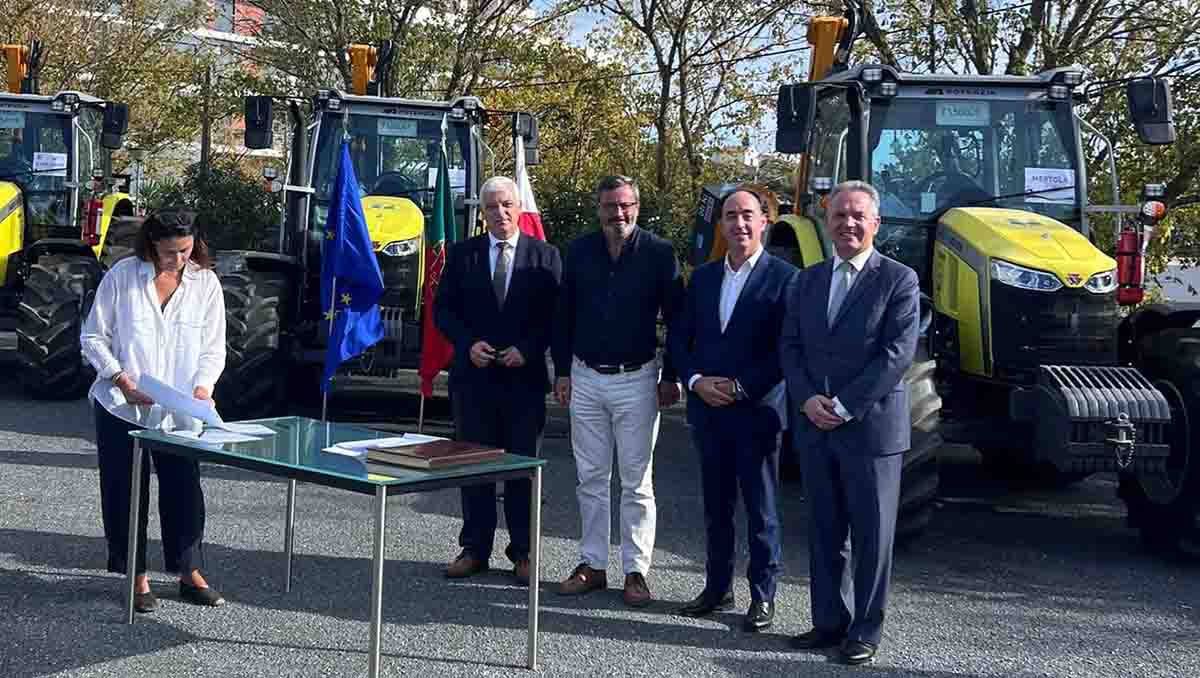
O Município de Almodôvar recebeu um novo trator destinado a reforçar a capacidade de intervenção nos trabalhos de gestão de combustível e prevenção de incêndios rurais.

O equipamento, segundo a autarquia almodovarense, foi atribuído ao abrigo do Programa de Mecanização para a Gestão de Combustível, financiado pelo Plano de Recuperação e Resiliência (PRR), através de um protocolo de cedência celebrado com o Instituto da Conservação da Natureza e das Florestas (ICNF).

Trata-se de um reforço de meios que se enquadra na estratégia do Executivo Municipal de procurar oportunidades de financiamento e investir em equipamentos que permitam aumentar a capacidade operacional e melhorar a eficácia dos trabalhos de prevenção no concelho.

Importa salientar, segundo a autarquia de Almodôvar, que a gestão de combustível assume um papel fundamental na prevenção de incêndios rurais, através da manutenção de faixas e áreas estratégicas, contribuindo para reduzir a carga de vegetação combustível e a sua continuidade.

Estas intervenções são essenciais para reforçar a proteção de pessoas, habitações, atividades económicas e espaços naturais, num concelho marcado pela extensa área rural e pela dispersão das povoações. Assim, a disponibilidade de meios mecânicos adequados constitui uma mais-valia para a execução regular dos trabalhos no terreno e para responder às necessidades de gestão de combustível.

Na comunicação dirigida à imprensa, o Município de Almodôvar sublinha que a prevenção exige planeamento, capacidade operacional e continuidade, assumindo o investimento em equipamentos como uma componente importante da segurança do território e das populações.

A autarquia garante que continuará a procurar soluções de financiamento e a reforçar os meios disponíveis, de modo a assegurar uma intervenção preventiva regular e contribuir para um concelho mais preparado e resiliente face ao risco de incêndio rural.

  •  

Samuel L. Jackson parabeniza a esposa, com quem está há 56 anos; confira

O ator Samuel L. Jackson, 77, se declarou à esposa, LaTanya Richardson Jackson, que completa 77 anos nesta quarta-feira (21). Nas redes sociais, ele resgatou fotos especiais com a amada, com quem está há 56 anos.

“Feliz aniversário para a minha esposa, a minha melhor amiga, o meu amor e a minha rocha. Eu te amo, te amo, com todo o meu ser”, escreveu o astro de Hollywood.

Os dois iniciaram o relacionamento em 1970, e se casaram em 1980. Samuel L. Jackson e LaTanya são pais de Zoe Jackson, 44.

Em uma declaração à revista People, em 2020, o ator falou sobre a influência que a esposa teve em sua vida. “Ela me deu a chance de ser o homem que eu deveria ser”, afirmou.

Nos anos 1980 e 1990, Samuel L. Jackson tornou-se dependente de cocaína e crack. Em 1991, ele foi encontrado inconsciente pela esposa e pela filha, e o internaram em uma clínica de recuperação. O astro de “Pulp Fiction” e “Homem de Ferro” também já contou à People que se considera sortudo por durar tanto tempo na profissão de ator.

Veja a declaração de Samuel L. Jackson para LaTanya:

Akon revela regras em relacionamento poliamoroso com suas esposas

*Publicado por Mariana Valbão, da CNN Brasil

  •  

Marco Nanini se pronuncia após polêmica com acessibilidade em peça; entenda

O ator Marco Nanini, 78, se pronunciou nesta quarta-feira (21) após uma polêmica envolvendo acessibilidade em uma apresentação dele no teatro, com a peça “Fim de Partida”, em Porto Alegre (RS).

No último domingo (18), Nanini pausou sua apresentação e, em seguida, a intérprete de Libras da peça foi retirada do palco. Em nota, o ator explicou que a projeção da sombra da intérprete atrapalhava sua visão durante o espetáculo.

“Sobre a sessão de ‘Fim de Partida’ do último domingo, em Porto Alegre: a produção do espetáculo e a Fundação Theatro São Pedro já reconheceram a falha técnica que comprometeu a continuidade da apresentação com o recurso de acessibilidade anunciado. Neste momento, venho fazer o mesmo”, diz o início da nota.

O ator acrescentou que, em todas as temporadas da peça de teatro, há “o cuidado de posicionar os intérpretes de Libras, de forma a garantir visibilidade plena, preservando a integridade da obra”.

Segundo Marco Nanini, “Fim de Partida” é um espetáculo muito delicado tecnicamente. “A peça acontece dentro de uma pequena caixa cênica, com uma iluminação extremamente minuciosa, feita de um jogo permanente de luz e sombra. Cada detalhe importa para o que acontece em cena“, acrescentou.

“No domingo, infelizmente, a posição da intérprete de Libras começou a projetar sombras no cenário. Isso interferiu na iluminação e na minha visão em cena. Chegou um momento em que eu realmente não conseguia continuar. Por isso, a cena precisou ser interrompida”, diz outro trecho do comunicado.

Devido ao ocorrido, Nanini afirmou que a produção sugeriu que a intérprete ficasse em outro local do palco, mas que não houve um acordo e, por isso, ela foi retirada. O ator pediu desculpas ao público surdo e ao restante dos presentes.

“Essa situação acabou passando a impressão de que nós estávamos excluindo a intérprete e o público surdo. Quero deixar muito claro que essa nunca foi nossa intenção. Reconheço que, naquele momento, a situação poderia ter sido conduzida de forma mais sensível e empática, e peço desculpas ao público surdo e a todos os presentes”, acrescenta.

“Acessibilidade não é detalhe de produção, é parte do espetáculo. A Pequena Central se compromete a empregar mais rigor em seus ensaios técnicos prévios, com nossa equipe e a equipe de Libras, em toda sessão acessível, e assumo o compromisso de levar essa pauta à classe teatral, para que o erro desta produção se converta em acerto de muitas outras”, concluiu Marco Nanini.

O pronunciamento foi compartilhado após o assunto ganhar repercussão na web. Na rede social X, um internauta escreveu: “Que vexame! Excluiu os deficientes auditivos”. Outro comentou: “Situação desagradável”.

Confira a nota publicada por Marco Nanini:

“Jogos Vorazes”: atriz brasileira entra para elenco de peça em Londres

*Publicado por Mariana Valbão, da CNN Brasil

  •  

Mulher que acusa Russell Brand de estupro diz que ele a tratou como animal

Uma mulher que acusou Russell Brand de estuprá-la na casa dele disse que o confrontou, afirmando que ele a havia tratado como um animal quando ele mais tarde lhe enviou uma mensagem, segundo declaração feita nesta quarta-feira (21) no julgamento do ator e comediante britânico.

Brand, que já foi um dos apresentadores de maior destaque do Reino Unido e ex-marido da cantora norte-americana Katy Perry, está sendo julgado por três acusações de estupro, três de agressão sexual e uma de ato obsceno contra seis mulheres entre 1999 e 2009.

O ator de 51 anos nega as acusações e disse à polícia, após sua prisão, que nunca havia se envolvido em atividade sexual não consensual e que as denunciantes poderiam ter reimaginado os acontecimentos.

A última denunciante no caso, que alega que Brand a estuprou analmente depois que ela foi voluntariamente à casa dele para ter relações sexuais consensuais, disse que, cerca de seis meses após o suposto incidente, ela por acaso viu o comediante no Festival de Edimburgo, onde estava trabalhando.

Em um depoimento à polícia reproduzido no tribunal, ela disse que ele então lhe enviou uma mensagem de texto, à qual ela respondeu, questionando por que ele estava mandando mensagens para ela.

“Porque você é nojenta e eu quero te humilhar ainda mais”, afirmou ele, segundo ela.

A mulher contou à polícia que respondeu a Brand dizendo que ele já a havia levado longe o suficiente e “a tratou como um animal”. A resposta imediata dele foi “Sinto muito”, disse ela.

A troca de mensagens a deixou se sentindo “realmente humilhada” e “como um pedaço de carne”, afirmou ela no depoimento.

Na terça-feira (20), o tribunal ouviu que a mulher havia concordado em participar de um encontro sexual com Brand e outra mulher no camarim do comediante após assistir a uma de suas apresentações e, cerca de uma semana depois, foi à casa dele para ter relações sexuais consensuais.

O advogado de Brand, Ian Winter, argumentou com a mulher — que se descreveu como uma grande fã de Brand — que ela havia concordado em fazer sexo anal com o comediante. Ele sugeriu que ela atendeu ao pedido dele porque era “jovem, impressionável e obcecada” por ele.

“Eu não concordei em fazer isso”, ela repetiu várias vezes. “Eu não dei meu consentimento para isso”. Ela afirmou que ele ignorou seus pedidos para que parasse.

Depois disso, ela afirmou que Brand parecia horrorizado e que ela achou que ele fosse se desculpar, mas, em vez disso, ele disse a ela: “você precisa limpar a bagunça” e, em seguida, ficou assistindo televisão, atendeu uma ligação e saiu do quarto.

IBGE: maioria das vítimas de violência sexual tinha 13 anos ou menos


  •  

Morre Michael Forest, ator de “Jornada nas Estrelas”, aos 97 anos

O ator americano Michael Forest, conhecido por interpretar o deus grego Apolo na série “Jornada nas Estrelas”, morreu aos 97 anos, na última quarta-feira. A causa da morte não foi informada.

Ele nasceu Gerald Michael Charlebois em Dakota do Norte, nos Estados Unidos, em 1929, e vivia numa instituição de repouso para idosos em Nevada nos últimos anos. A morte foi confirmada por um amigo numa publicação no Facebook.

Forest era conhecido como um homem de porte atlético e tinha um currículo extenso como ator coadjuvante no cinema e televisão, que iniciou na década de 1950.

Carreira no cinema e na televisão

Além de participações em séries e novelas que inclui ainda “Além da Imaginação” e “The Dick Van Dyke Show”, atuou em diversos filmes do ator e diretor Roger Corman e emprestou a voz a projetos de animação, animes e videogames.

Como dublador, participou de títulos como “Power Rangers” e “World of Warcraft”. Ele era fluente em italiano e dublou centenas de filmes nos anos em que morou em Roma, além de atuar em produções de outros países da Europa.

Entre seus inúmeros papéis, estão particapações em “A Besta da Caverna Assombrada”, “Atlas” e “Náufrago”.

Vida pessoal

Forest foi casado com a atriz Diane Hale por 52 anos, até a morte dela, em 2022. Não há informações se eles tiveram filhos juntos.

The post Morre Michael Forest, ator de “Jornada nas Estrelas”, aos 97 anos appeared first on Diário da Manhã - O Jornal do leitor Inteligente.

  •  

Monstrous Alligator Fatally Attacks Senior Fishing Along Lake Shoreline in Central Florida

A nearly 12-foot-long alligator took the life of a 71-year-old senior as he innocently fished along the shore of a lake in Florida near Orlando Friday afternoon.

The post Monstrous Alligator Fatally Attacks Senior Fishing Along Lake Shoreline in Central Florida appeared first on Breitbart.

  •  

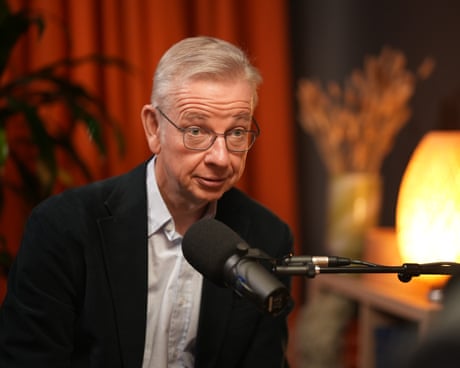
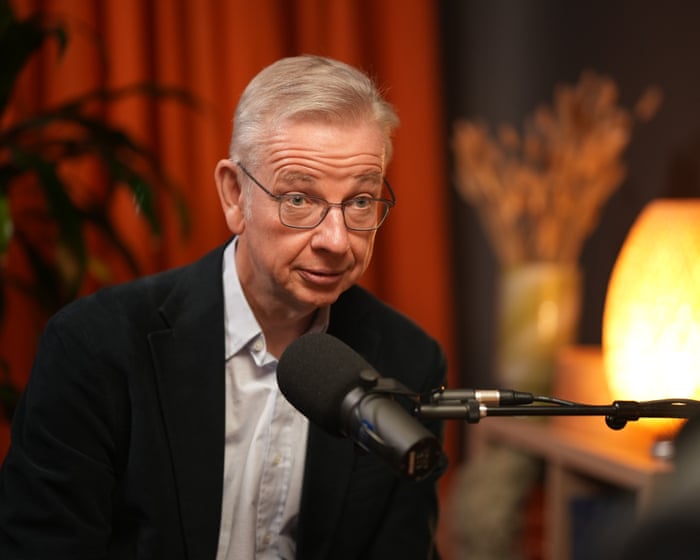
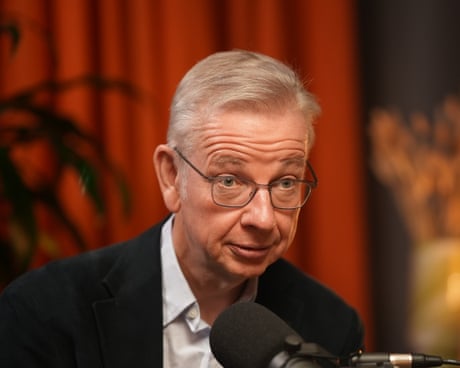
‘Austerity is inevitably painful’: How Michael Gove justifies his politics | Radical Thinking with Aditya Chakrabortty

For more than three decades, Michael Gove has been a leading figure in British Conservatism. As a journalist, government minister and now editor of the Tory bible the Spectator, he has helped shape the right even as it has moved further rightwards. In the latest episode of Radical Thinking, Gove joins Aditya Chakrabortty to discuss the future of the right, his record on Brexit and austerity, and the Spectator’s position on Islam

Watch the full episode with Michael Gove here.

Aditya’s suggested reading:

To read the fruits of Michael Gove’s dalliance with the Marxism Today gang, look up his essay in a 1998 collection called The Moderniser’s Dilemma: Radical Politics in the Age of Blair

For a slalom ride through Michael Gove’s years in power, read The Demented Dalek by the historian Richard J Evans in the London Review of Books

To learn more on what’s become of the British right, there’s a Guardian column by Aditya

Phil Burton-Cartledge analyses in depth why the most successful political party is now failing in his book The Party’s Over: The Rise and Fall of the Conservatives from Thatcher to Sunak

Phil also writes a very good blog on British politics, which keeps a close eye on how each party is trying to marshall a coalition of voters. Here he is on Kemi Badenoch

Geoffrey Wheatcroft does an entertaining short narrative in Bloody Panico!:

or, Whatever Happened to The Tory Party

For more on the economics of the Cameron years, this paper is acute on how the Tories failed to move the UK away from being a country of renters towards a country of makers. Two of its authors will join us for a podcast later in the series.

And if you want to read how Brexit may have cost the UK 8% of GDP, there’s this paper based on data from the Bank of England

Finally, on the Spectator, read Nesrine Malik’s recent Guardian column

Why has Britain’s oldest political magazine become such a rabid cheerleader for Islamophobia?

Continue reading...

© Photograph: James Tindale/The Guardian

© Photograph: James Tindale/The Guardian

© Photograph: James Tindale/The Guardian

  •  

‘Austerity is inevitably painful’: How Michael Gove justifies his politics | Radical Thinking with Aditya Chakrabortty – podcast

For more than three decades, Michael Gove has been a leading figure in British Conservatism. As a journalist, government minister and now editor of the Tory bible, the Spectator, he has helped shape the right even as it has moved further rightwards. In the latest episode of Radical Thinking, Gove joins Aditya Chakrabortty to discuss the future of the right, his record on Brexit and austerity, and the Spectator’s position on Islam

Watch the full episode with Michael Gove here.

Aditya’s suggested reading:

To read the fruits of Michael Gove’s dalliance with the Marxism Today gang, look up his essay in a 1998 collection called The Moderniser’s Dilemma: Radical Politics in the Age of Blair

For slalom ride through Michael Gove’s years in power, read The Demented Dalek by the historian Richard J Evans in the London Review of Books

To learn more on what’s become of the British right, there’s a column by me for the Guardian

Just why the most successful political party is now failing is analysed in-depth by Phil Burton-Cartledge in his book The Party’s Over: The Rise and Fall of the Conservatives from Thatcher to Sunak

Phil also writes a very good blog on British politics, which keeps a close eye on how each party is trying to marshall a coalition of voters. Here he is on Kemi Badenoch

Geoffrey Wheatcroft does an entertaining short narrative in Bloody Panico!:

or, Whatever Happened to The Tory Party

For more on the economics of the Cameron years, this paper is acute on how the Tories failed to move the UK away from being a country of renters towards a country of makers. Two of its authors will join us for a podcast later in the series.

And if you want to read how Brexit may have cost the UK 8% of GDP, there’s this paper based on data from the Bank of England

Finally, on the Spectator read Nesrine Malik’s recent column in The Guardian

Why has Britain’s oldest political magazine become such a rabid cheerleader for Islamophobia?

Continue reading...

© Photograph: James Tindale/The Guardian

© Photograph: James Tindale/The Guardian

© Photograph: James Tindale/The Guardian

  •  

Um ferido grave em acidente com trator

VTM

O comandante dos Bombeiros Voluntários de Mondim de Basto, Carlos Magalhães, explicou à VTM que o acidente “ocorreu quando o trator agrícola capotou e despencou por uma vereda com cerca de 60 metros de extensão”.

Acrescentou que os Bombeiros Voluntários de Mondim de Basto mobilizaram para o local uma ambulância de socorro com dois operacionais. “Dada a gravidade do cenário e a complexidade do socorro, as equipas contaram com o apoio diferenciado do Instituto Nacional de Emergência Médica (INEM), através da ambulância de Suporte Imediato de Vida (SIV) de Amarante e da Viatura Médica de Emergência e Reanimação (VMER) de Vila Real”.

A vítima recebeu assistência médica no local pelas equipas especializadas do INEM e foi estabilizada antes do transporte para o Hospital de Vila Real, acompanhada pela equipa da VMER.

O alerta foi dado às 07h14 e o acidente ocorreu na área florestal do Toumilo.

A Guarda Nacional Republicana de Mondim de Basto esteve também no local e tomou conta da ocorrência.


The post Um ferido grave em acidente com trator appeared first on A Voz de Trás-os-Montes.

  •  

Where We Live Can Affect the Brain: What Scientists Found

Living in a disadvantaged neighborhood may be linked to poorer brain health; researchers found higher brain age, smaller total brain volume, and more signs of vascular damage in people living in the most disadvantaged areas, Euronews reported on September 20. Where people live can leave a measurable mark on their brains, according to a new […]

  •  

Dusklands

Celebrated novelists J.M. Coetzee and F.M. Siccardi recently published a co-written book, Un mal salvaje (A Savage Evil), about their experiences coming of age in South Africa and Argentina, respectively. Both states were created by colonial forces that all but wiped out indigenous populations and cultures. This excerpt juxtaposes the authors’ childhood memories of life in the shadow of genocide, though neither would have known to call it that when they were young. In particular they recall the workers on their families’ land—men they somehow knew both intimately and not at all:

Freek did not see himself as a tragic figure, did not even see himself as a survivor. To see yourself as a survivor of the past you must have a firm conception of that past, you must know where you come from; and Ros and Freek had no such historical consciousness. First, they were illiterate. Second, it was of the essence of the genocide which they had survived that communal memory was erased.

If I were magically able to return to the 1950s and tell Freek about the Khoi who had pastured their stock at the Cape for hundreds or perhaps thousands of years before the Dutch came and laid waste to their society, about a people who were his ancestors, he would have thought it was just a story I was making up. Genocide is not just the destruction of a people, it is also the obliteration of that people’s store of memories and, with it, the destruction of their ability to see themselves historically.

  •  

Ratings for Money: How Slovakia Rewards Scientific Fraud

While Slovak politicians calmly keep their academic degrees for copied theses thanks to convenient loopholes in the law, far less visible violations are taking place inside the universities themselves. Dozens of scholars appear to be linked to purchased authorship, data manipulation, and publications in predatory journals. The Plagiat-Navigator project tried to determine how deeply academic fraud has penetrated Slovak science.

In recent years, Slovakia has faced a series of high-profile academic scandals, mostly connected with plagiarism in the dissertations of senior politicians and officials. In September 2025, a scandal broke out around Pavol Gaspar, director of the Slovak Information Service, the country’s main intelligence and counterintelligence agency. His master’s thesis on corruption, defended in 2011, turned out to have been copied by roughly two thirds from uncited sources. In response to the plagiarism allegations, Gaspar said that his work had passed all the required formal checks as part of the defense procedure, after which he was awarded a master’s degree. That same year, member of parliament Marian Kery, who had previously publicly accused other politicians of plagiarism, was himself caught in a similar violation. His 2004 master’s thesis, “The Image of Man in Pushkin’s Belkin Tales,” copies almost verbatim a thesis defended four years earlier by student Martina Brodnanova.

The main news about the lives of scholars during the war, videos, and infographics are available on T-invariant’s Telegram channel. Subscribe so you don’t miss anything.

In 2020, leading journalists from the newspaper Dennik N carried out a broad review of the theses of the country’s top officials. It turned out that plagiarism had been found in the works of several representatives of the ruling coalition’s upper ranks, including the education minister, the speaker of parliament, and the prime minister. The scandal led the Slovak parliament, at the end of 2020, to pass a law allowing academic degrees to be officially revoked for plagiarism. But a significant loophole remained in the law: it is not retroactive and applies only to works defended after 2020. As a result, all the senior officials whose work was found to contain plagiarism, including the intelligence chief Gaspar and MP Kery mentioned above, kept both their degrees and their positions.

Dissertation scandals involving the country’s first-tier officials and other senior figures are only the visible part of a much larger problem. These high-profile cases received broad public attention thanks to targeted journalistic investigations, but in their shadow remains a significant layer of violations of academic integrity among Slovak scholars, professors, and university lecturers.

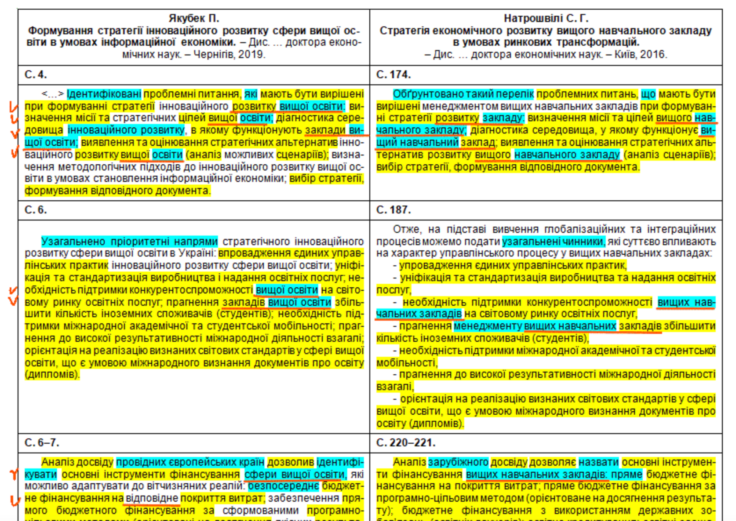
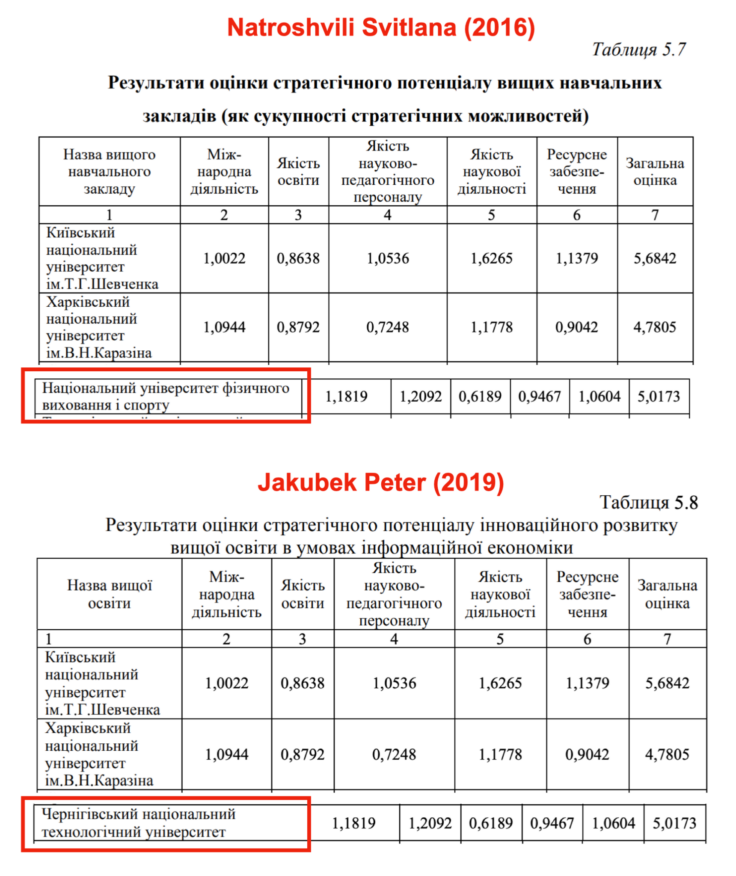
Here one should mention Petr Jakubek, a Doctor of Sciences in economics and a member of the governing board of DTI University (Dubnicky technologicky institut). In 2019, he received a Doctor of Sciences diploma after defending a dissertation at Chernihiv Technological University in Ukraine. As later became clear, a substantial part of Jakubek’s dissertation text coincides verbatim with the text of the dissertation of his opponent, Svetlana Natroshvili, defended in Kyiv in 2016. Below is an example of improper borrowing on one page of Jakubek’s dissertation.

But the problem is not only the absence of citations: even if they had been present, they would not have resolved the issue. In the text, Jakubek mechanically replaced the National University of Physical Education and Sport of Ukraine, which appeared in Natroshvili’s work, with Chernihiv Technological University, while leaving all quantitative indicators unchanged.

The practice of defending a dissertation in another country and then having the diploma nostrified at home is widespread in Eastern Europe and across the post-Soviet space.

If dissertation plagiarism in Slovakia is at least partly documented and discussed by journalists, a much larger problem is developing outside public view. It is a system in which a scientific career can be built not on genuine research, but on purchased articles, fabricated data, and artificially inflated indicators.

In May 2026, the major academic online platform Research.com published lists of top researchers based on h-index and citation metrics. In the field of plant science and agronomy, Professor Marian Brestic, one of the highest-ranked Slovak researchers at the Slovak University of Agriculture in Nitra, placed 213th in the world. His colleague, Associate Professor Marek Zivcak, placed 1,511th globally, becoming Slovakia’s second-highest-ranked scientist in the field. As a result, the university took 253rd place worldwide in this scientific area and second place among the seven Slovak universities included in the ranking, losing the top national spot only to Comenius University in Bratislava.

Yet back in 2022, Leonid Schneider, an independent science journalist known for his high-profile investigations into academic ethics, devoted an entire section of his For Better Science issue to Brestic and Zivcak. By that time, these Slovak authors, together with colleagues from Middle Eastern countries, had accumulated nine papers with negative reviews on the post-publication peer review platform PubPeer, some of which had already been retracted. Schneider links this to the purchase of co-authorship on the Asian market — a shadow industry where authorship is sold as a commodity. In some of these publications, experts found distorted phrases and terms, or “tortured phrases”: a characteristic trace of machine paraphrasing used to conceal plagiarism. The image below shows one such example in the journal Microorganisms, on the left, alongside an earlier source text by other authors, on the right, from which the “paraphrase” was made.
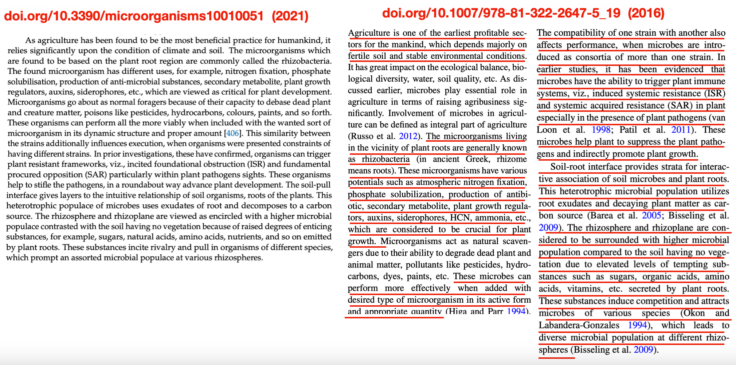
Since then, the number of problematic publications has grown. Today, PubPeer lists 34 publications by Professor Brestic with critical comments, some of them co-authored with Associate Professor Zivcak. The reasons for criticism, and in some cases for later retraction, included not only plagiarism or conflicts of interest, but also the substitution of authors at the final stage of publication, after all the reviewers’ questions had already been settled. Such substitutions are considered one of the characteristic signs of papers circulating on the purchased-authorship market.

These scandals, retractions, and exposés, however, have almost no effect on rankings. Even if all the disputed papers by Brestic and Zivcak are officially retracted, their citation counts and h-indexes will remain in the databases. These data are not recalculated retroactively after retractions. Formally, the scholars have already taken their places in the global tables, and no later revelations can dislodge them. A victory in the rankings obtained through paper mills and purchased citations formally remains a victory.

The mechanism of these rankings has a direct financial expression. Under the methodology of Slovakia’s Ministry of Education, every publication that falls within the top 1 percent of the world’s most cited papers automatically brings its author 3,000 euros from the state budget, and the same amount to the university. Thus, an artificially inflated citation index means not only a place in a prestigious ranking, but real money. In such a system, artificial citation inflation acquires a direct financial value: high bibliometric indicators affect not only academic status, but also the distribution of public funds. It is worth noting that Slovakia is not alone here: a similar system of monetary rewards for publications in high-ranking journals has long existed in Russia.

An equally telling case of image manipulation was documented in the work of an associate professor at Comenius University. In a joint 2024 publication in the journal Nano-Micro Letters, Dmitry Medvedev, a professor at Ural Federal University and Doctor of Chemical Sciences, and Martin Motola, an associate professor at Comenius University in Bratislava, together with co-authors from China, manually redrew the scale bar on images of nanoparticles obtained using a scanning electron microscope. The article claimed that the particles under study measured tens of nanometers. The microscope’s technical specifications, however, indicate that the real particle sizes were many times larger (see the image below).
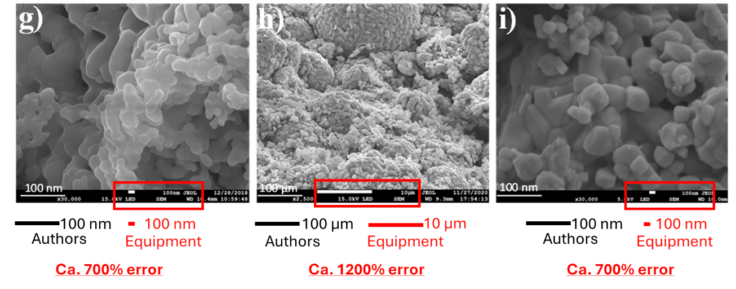
In other words, the scale in the images was simply adjusted to fit the desired result. But that was not the end of the matter. In the same article, experts on PubPeer raised well-founded concerns about other data as well, including graphs. This was not an isolated case: in recent years, experts have identified a whole series of Motola’s papers with problems in the data and in their graphical presentation. The regular appearance of such problems in Motola’s articles can hardly be attributed to simple inattention on the part of the authors.

Publications by scholars from Comenius University also contain direct borrowing of visual materials without references to the original source. A telling example is an article by Professor Peter Mikus and Veronika Mikusova on chitosan nanoparticles, in which some illustrations were copied from an earlier publication by Iranian authors.

In papers where experts identify gross violations of publication ethics, links to Asian paper mills can often be traced. These mills specialize in producing ready-made publications and then distributing them through online platforms.

On the shadow market of paper mills, authorship is not the only thing for sale. Another sought-after commodity is citations. References to one’s own work, like references to the work of others, have long since become a valuable asset. In June 2025, the editor of Chemical Engineering Journal retracted a publication by the aforementioned Associate Professor Motola and his university colleague Muhammad Hanif for artificial citation inflation. Between the original publication and the final version of the article, the number of references to Hanif’s work rose from 2 to 19, and references to Motola’s work from 2 to 10.

Current videos about science during the war, interviews, podcasts, and streams with prominent scholars are available on T-invariant’s YouTube channel. Become our subscriber!

Particular concern is raised by the rapidly spreading practice of publishing review articles under the names of fictitious scholars. The purpose of such works is to introduce numerous citations of articles by people who paid intermediaries on the shadow market for this service into the legitimate scientific record. Thus, the publication portfolio of Beata Gavurova, a professor at the Technical University of Kosice, has raised serious questions among the expert community. “More than 40 scientific articles a year — one every nine days — is a pace that defies rational explanation,” Leonid Schneider notes, following a journalistic investigation published by the Slovak online outlet Dennik N. According to him, dozens of Gavurova’s publications appeared in outlets deemed unreliable or predatory, and some of the journals in which she published have already been removed from scientific databases. At the same time, the researcher’s numerous co-authors represent various Asian countries, which, in the experts’ view, points to the purchase of authorship through networked paper mills.

According to Dennik N, up to one third of papers by Slovak scholars are published in dubious predatory journals.

Yet the external signs of questionable publication behavior are only part of the problem. Gavurova’s own papers contain inconsistencies between the text and graphical data, problems with chemical formulas, and dubious spectra with signals of unnatural shape. Some of these articles have received retracted status.

The next case provides direct evidence of purchased authorship in publications distributed by paper mills. Earlier, the Dissernet community drew attention to the interaction of Slovak researchers with a Moscow company that provided article placement services. A telling example is the case of Boris Sturc, an associate professor at the University of Economics and Business: a preliminary offer posted by this exchange was first documented (see the image below), and later a paper with the title listed in the offer appeared in the International Journal of Criminology and Sociology, with Sturc as first co-author. Analysis shows that this was not a one-off: Sturc’s publication list includes other commercially acquired works as well.
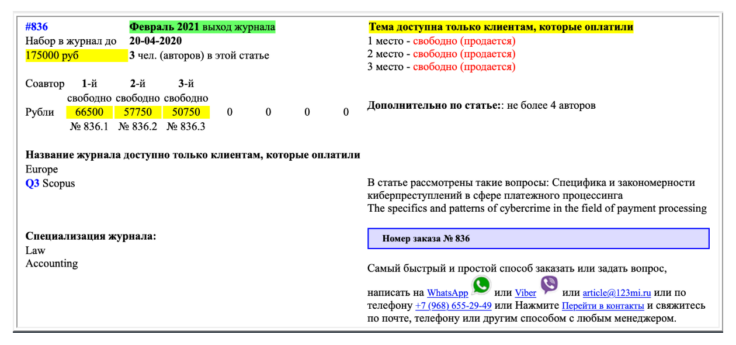
Over time, the shadow academic industry is transforming: centralized exchanges selling papers appear to be losing influence. Their place is being taken by decentralized private intermediaries — individual entrepreneurs, or “paper millers.” Technological progress is helping this shift along: modern AI tools make it possible to fabricate scientific texts in the shortest possible time, without involving large teams of specialists from different fields of science. Offers from “paper millers” are easy to find in open internet channels. Traces of this market can also be found in the publications of Slovak researchers. Below are specific episodes involving Slovak scholars in joint publications offered by “paper millers” from Germany, Ukraine, Montenegro, and Middle Eastern countries.

“Olga Golubnitschaja is the editor-in-chief of EPMA, the European Journal of Predictive, Preventive and Personalized Medicine, and at the same time a co-author of many articles in that journal, which is normal. What is surprising, however, is that for many articles in which she is a co-author, very little time passes between submission and acceptance. In some cases it is only a matter of three to five days. Below are several examples from the past year,” says a review of one article involving her. Such short timelines raise the question of whether full scientific peer review was possible — a process that usually includes selecting independent experts, preparing comments, revising the manuscript by the authors, and reassessing the changes made. Olga Golubnitschaja, a professor at the University of Bonn, often appears as a co-author of problematic papers by Russian and Slovak scholars; some of these works later became the subject of criticism for violations of publication norms.

An expert review of a joint article by authors from Slovakia and Ukraine revealed repeated sections in experimental spectra. Among the co-authors of the article, one figure stands out: Taras Kavetsky, an associate professor at Drohobych Pedagogical University in Ukraine, who was found to have used identical schemes of spectral-data fabrication in other scientific works as well.

[[socialnetworks]]

Stanislav Dudic, a Doctor of Sciences at Comenius University and a specialist in international economics, industrial engineering, trade, and investment, appeared as a co-author of a publication that raised serious questions. The paper, written together with the Montenegrin co-author Velibor Spalevic, concerned a modified copper-containing metal-organic framework, and experts detected signs of artificial modification of experimental data. It is worth noting that a number of works by Spalevic himself, a professor at the University of Montenegro, have also been criticized on the PubPeer forum.

Professor Natalia Krivinska, head of the Department of Information Systems at the Faculty of Management of Comenius University, is a vivid example of how formal co-authorship with dubious partners can undermine trust in a scholar. Her article on combating DDoS attacks, prepared in co-authorship with Saudi colleagues through machine paraphrasing, was retracted. But Professor Krivinska’s problems are not limited to a single publication: in her works, experts have found a whole bouquet of tortured phrases, bibliographies unrelated to the subject of the paper, and even direct borrowing of illustrations, all of which calls into question the quality of her entire academic record.

Another case of questionable scientific practice involves the Institute of Construction and Architecture of the Slovak Academy of Sciences. Its employees, Professor Martin T. Palou and Associate Professor Taher Tawfik, were listed among the co-authors of an international paper with Egyptian and Iraqi colleagues, but a review showed that the images presented in the article had undergone impermissible processing, casting doubt on the reliability of the entire work.

The overwhelming majority of the episodes listed above led to no sanctions against the authors. Journalistic investigations and the volunteer work of experts on PubPeer help reveal problem after problem, but real institutional consequences in Slovakia’s academic sphere are barely visible. Retractions do not affect citation indices, and the law allowing academic degrees to be revoked for plagiarism does not apply to works defended before it came into force. As a result, buyers of authorship keep their positions in rankings and universities.

This is the central paradox. Under the Ministry of Education’s methodology, universities receive 50 percent of the state bonus for each highly ranked publication. This means that, in the race for rankings, the universities themselves become interested parties: the more “outstanding” publications their employees have — even if they were bought on the shadow market — the more public funding the university receives.

At the same time, Slovakia’s system of state funding for science, which generously rewards publications in top-percentile journals, effectively creates a “green corridor” for the shadow market. Cash payments to an author for an article they purchased on the shadow market are resources stolen from science. Public funds intended to develop research instead flow into the pockets of shadow intermediaries.

As long as the academic system continues to measure the quality of science primarily by the number of publications and citations, paper mills will be able to turn manipulation of these indicators into academic status and real money. In the age of AI, when producing texts that look scientific is becoming ever cheaper, the problem of how to evaluate scientific work is only becoming more acute.

The post Ratings for Money: How Slovakia Rewards Scientific Fraud appeared first on Т-инвариант / T-invariant.

  •  

Estonian Academic Solitaire: How AI and Paper Mills Are Undermining Science

Estonia spent years building a reputation as being at the forefront of science, but scandals involving violations of research ethics are becoming increasingly common. Professors sharing authorship with falsifiers; associate professors hiding data behind a “confidential” label; mathematicians publishing “math salad” — all of this reflects today’s challenges: the spread of paper mills and the uncontrolled adoption of AI. Sociologists found that more than 40 percent of Estonian researchers had used “gift” authorship. More in the latest installment of the Plagiat-Navigator project.

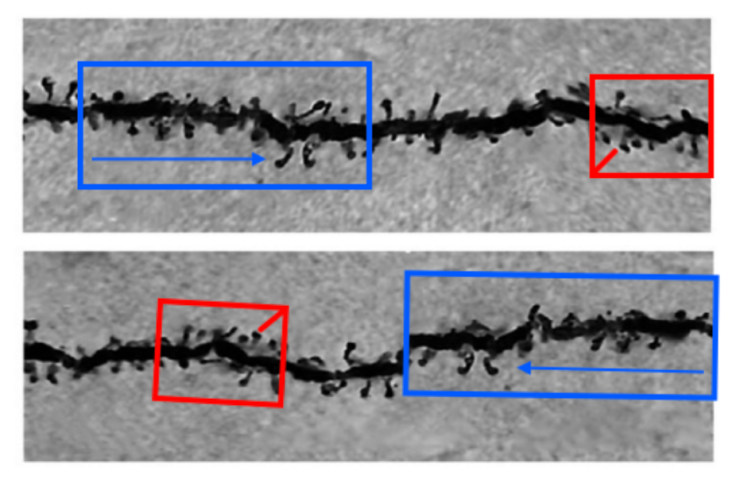
In February 2024, the prestigious scientific journal Nature published the article WNT signalling control by KDM5C during development affects cognition. The researchers were trying to understand why mutations in the KDM5C gene cause intellectual disability. The author team brought together researchers from Boston, Oxford, and universities in Australia and China, along with a single Estonian representative from the University of Tartu — Professor Katrin Ounap, a specialist in medical genetics. A year after publication, experts found multiple deliberate manipulations of illustrations in the paper. The figure below shows the same fragments of nerve-cell processes, or dendrites, reused after mirror reflection, 180-degree rotation, and partial retouching. “Such different transformations of individual image fragments are difficult to explain as a simple mistake,” one expert commented. Some images in the paper also bear a striking resemblance to images from earlier publications by other authors.

It turned out that a group of co-authors from Harvard Medical School in Boston, led by Professor Yang Shi, had been using similar methods for at least a decade. In a paper published in early 2016, fragments of dendrite images were likewise copied from another publication and modified through mirroring and scaling.

Professor Ounap’s contribution to the Nature paper was clinical: she provided fibroblast samples from patients. Her co-authorship with the Boston group, however, dates back to 2015. This does not prove that she knew about the falsifications, but in academia co-authorship entails responsibility for the entire content of a paper. The argument that the professor merely supplied biological material does not absolve her of responsibility for the final result fabricated by her colleagues.

While investigations into international publications can drag on for years, within Estonia’s national system universities sometimes demonstrate an ability to act quickly and decisively. The following case is a telling example. In 2013, Andres Menind, an associate professor at the Estonian University of Life Sciences, defended a dissertation on biotechnology for energy production. Soon after the defense, it emerged that the work contained at least three lengthy plagiarized passages, in both the theoretical and research sections. A procedure to revoke his academic degree followed. It was the first case of its kind in the university’s history. The university leadership acted promptly, without delays or bureaucratic evasions. The university did not publish a percentage of textual overlap, stressing that the decision was based on expert assessment of the nature and significance of the borrowings rather than on a formal similarity score exceeding some arbitrary threshold.

The main news about the lives of scholars during the war, videos, and infographics are available on T-invariant’s Telegram channel. Subscribe so you don’t miss anything.

But Estonia’s academic immune system does not always work. In 2002, Valery Korb defended a doctoral dissertation in St. Petersburg that had been copied in its entirety from an earlier work by someone else. Today, the Estonian politician Valery Korb is a member of the supervisory board of Ida-Viru Central Hospital in Kohtla-Jarve. All attempts to strip him of his academic degree have come to nothing.

Manipulation of images in scientific publications often ends in retraction — the formal withdrawal of a paper by a journal. The process is usually slow and can take years. The Nature paper remains under question, but a 2022 publication in Adsorption Science & Technology has already been officially retracted. Its authors included researchers from Ethiopia, Pakistan, and Saudi Arabia, as well as an Estonian representative, the young University of Tartu scientist Ivar Zekker. The illustration below shows how the same image was used repeatedly, with only its scale, color, and placement changed.

That paper was retracted, as was another publication by Zekker, for serious violations of publication ethics, including nonexistent bibliographic references, unattributed borrowing, and the use of artificial-intelligence tools in preparing the article without disclosing that use, in violation of the journal’s editorial policy. These are not isolated episodes: experts have accumulated concerns about a whole series of Zekker’s papers. In 2021, his publication output increased by dozens of times, while researchers from Middle Eastern countries began appearing among his co-authors with increasing frequency. This pattern often points to the use of paper mills — shadow Asian markets where ready-made papers and fictitious co-authorship are sold.

[[socialnetworks]]

In 2023, the University of Tartu conducted and later published an anonymous survey of 354 Estonian researchers. Among other things, they were asked whether they had observed signs of research misconduct in the actions of colleagues. More than 40 percent of respondents said that colleagues had accepted “gift” authorship, while more than 10 percent had witnessed colleagues falsifying data in scientific work. These figures reflect not so much precise statistics as the troubling environment in which Estonian researchers work today.

The University of Tartu is far from the only Estonian research institution where questions have arisen about the reliability of published images. One of the most prominent figures in such cases is Sabarathinam Shanmugam, an associate professor at the Estonian University of Life Sciences. According to the post-publication peer review platform PubPeer, roughly one in five papers involving him has become the subject of critical discussion.

One publication by Shanmugam is especially revealing. Experts found manipulation of figures in the paper. After concerns were raised, the authors replaced the illustrations several times, each time apologizing and attributing what had happened to an “unfortunate mistake.” Yet every new version again contained signs of manipulation. Eventually the exchange reached a dead end: the authors never provided convincing explanations, and discussion of the apparent fakes simply faded away. In a later paper, Shanmugam and his co-authors chose a different defense strategy, stating: The data that has been used are confidential. That position effectively deprived independent researchers of any opportunity to verify the reported results.

The story does not end there. A number of Shanmugam’s publications were later retracted after journal editors discovered that the author list had been replaced at the final stage of preparing the papers for publication. Such author substitution is considered one of the characteristic signs of papers circulating on the purchased-authorship market. While one set of “dealers” pushes a manuscript through the journal with a credible author list, another takes orders from people wishing to buy co-authorship in the almost-published paper. At the final stage, once all reviewers’ questions have been resolved, comes the climax: in the last version of the manuscript, the names of the original authors are quietly replaced, without the editors’ approval, by those who responded to the offer in time and paid. The editor, unaware of the switch, publishes the paper. The newly minted co-authors receive a publication to which they did not contribute a single line and which they most likely never even read.

Finally, Tallinn University and one of its employees, mathematics professor Jorge Eduardo Macias-Diaz, also deserve attention. In recent years, specialists have increasingly encountered papers prepared with generative artificial intelligence. In mathematics, such publications are often betrayed less by stylistic roughness than by gross errors in formulas and proofs. To a non-specialist, the text may look entirely convincing, yet mistakes already appear in the first stages of the calculations, rendering everything that follows meaningless.

Mathematics is an exact science. If the third line of a calculation contains the wrong sign, the final ten pages lose all meaning, no matter how many formulas they contain. The image below shows examples from four relatively recent papers by Macias-Diaz in which such errors appear literally in the opening lines of calculations or theorem proofs.

“Math salad” is the term specialists use for texts that look scientific on the surface because they contain an abundance of formulas and technical terminology, but on closer inspection turn out to be internally contradictory or contain errors that make their conclusions unreliable. Naturally, artificial intelligence is “to blame” for everything: the author simply gave the neural network a task and then copied the result into the paper without even checking it.

A curious manifestation of this practice emerged in a case that went far beyond university offices. Tallinn Administrative Court fined a group of plaintiffs who had cited “authoritative scientific studies” on the harms of clear-cutting in their filings. There was only one problem: both the studies and their authors had been entirely generated by a neural network. The court treated this as fabrication of evidence and fined the plaintiffs.

To conclude, here is a curious case in which nonexistent Estonian researchers appeared not only in materials before a Tallinn court, but also on the pages of scientific journals. In a paper by Chinese authors on estimating fuel-cell parameters using the metaphor-based “Grey Wolf” optimization algorithm, a co-author from Tallinn University of Technology suddenly appeared: Tekle Demsas. Apparently, adding a mysterious Estonian scientist to the author list was meant to give the paper greater weight. The deception did not last long. After checking the author’s credentials, the editors established that no such researcher actually existed. The paper was then retracted.

Current videos about science during the war, interviews, podcasts, and streams with prominent scholars are available on T-invariant’s YouTube channel. Become our subscriber!

Estonia, which spent years building a reputation as being at the forefront of science, is now confronting the underside of the global crisis in academic ethics. The cases involving Ounap, Zekker, Shanmugam, and Macias-Diaz are not merely isolated scandals, but reflections of today’s challenges: the spread of paper mills, the ethics of co-authorship, and the uncontrolled adoption of AI. The results of the University of Tartu survey show that these problems are systemic.

The central problem for Estonian science is not that violations occur, but how institutions respond to them. Universities often prefer to look the other way, outsourcing the role of “academic police” to journal editors, courts, and volunteers on PubPeer. In the twenty-first century, a reputation as a scientific center can no longer be taken for granted. Maintaining zero tolerance for falsification requires daily work. And the sooner Estonian universities recognize that responsibility, the fewer reasons for sarcasm they will leave to those watching them.

The post Estonian Academic Solitaire: How AI and Paper Mills Are Undermining Science appeared first on Т-инвариант / T-invariant.

  •  
❌