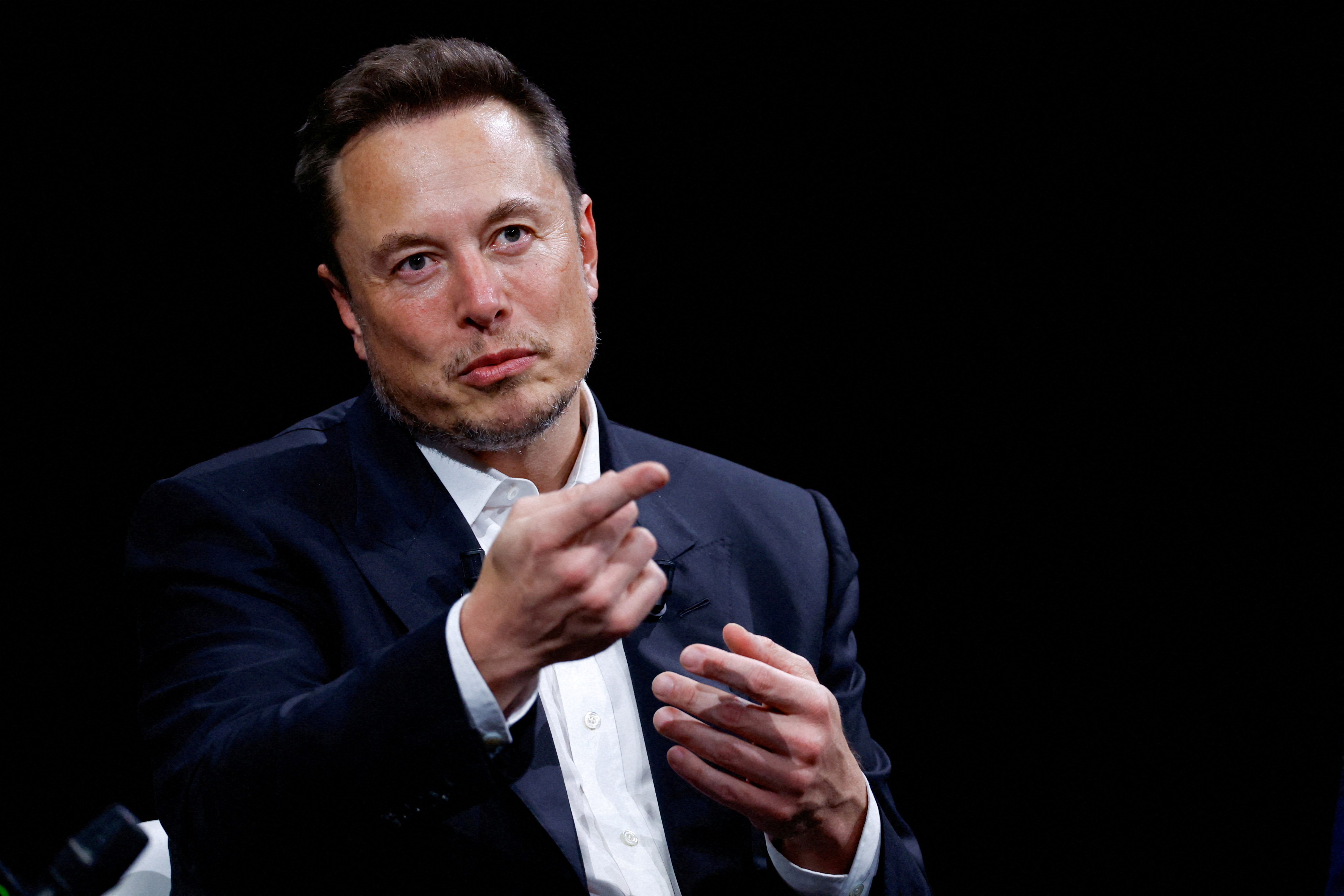
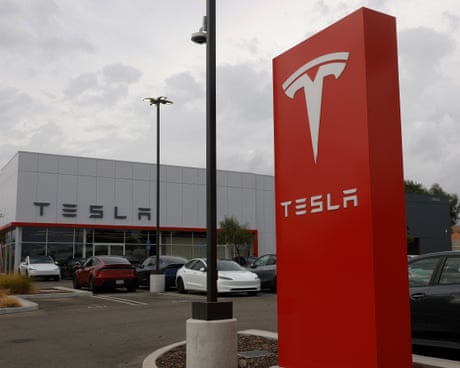
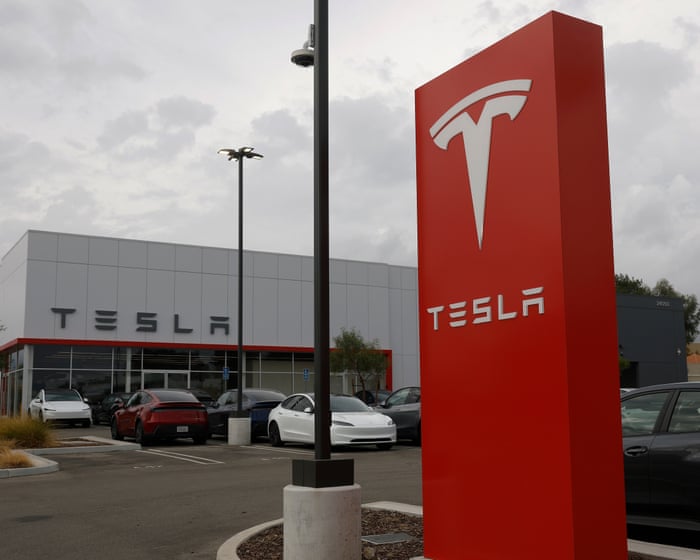
A SpaceX SPCX.O revelou na quinta-feira (22) que sua potencial fusão com a Tesla TSLA.O precisará da aprovação de seu investidor controlador, Elon Musk, dias depois de o homem mais rico do mundo ter dito que não pode participar das discussões dos comitês especiais.
Musk afirmou na terça-feira (20) que uma fusão de suas duas empresas, SpaceX e Tesla, seria “uma boa ideia” e que comitês especiais foram formados para discutir essa união.
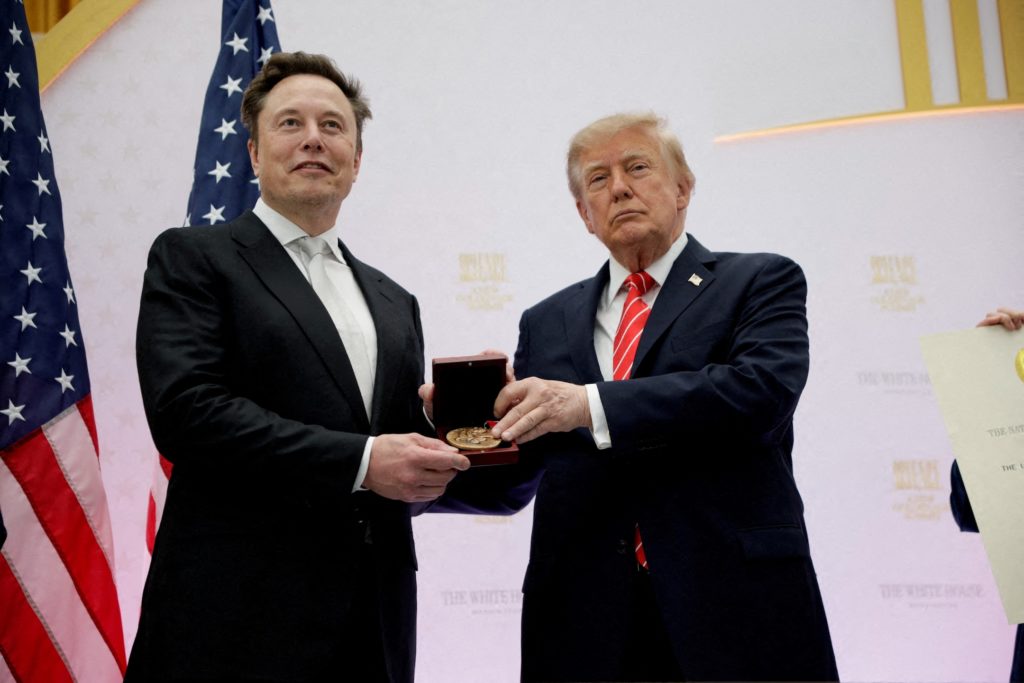
O presidente dos EUA, Donald Trump, disse a repórteres nesta quinta-feira (22) que Elon Musk restabeleceu o acesso da Ucrânia a uma versão de uso militar do sistema Starlink, mas evitou comentar quando questionado se havia conversado com o bilionário sobre o assunto.
“Se fui eu quem ligou ou se foi outra pessoa, não faz diferença”, disse ele a repórteres na Casa Branca.
“O que importa, no fim das contas, é que ele restabeleceu o serviço”, acrescentou.
“Não quero comentar nem de um jeito nem de outro, mas meu relacionamento com Elon é muito bom”, concluiu.
Leia Mais:
A afirmação acontece horas após ele ligar para Musk pedindo para suspender as restrições ao uso do sistema. A informação foi divulgada inicialmente pelo The Wall Street Journal.
O sistema Starlink estava funcionando de maneira mais estável nesta quinta-feira, pouco depois da conversa entre Trump e Musk, segundo autoridades americanas e ucranianas citadas pelo jornal.
Algumas autoridades ucranianas disseram ao jornal que o sistema não foi restabelecido por completo, mas estava operando em velocidades mais altas do que sob o limite imposto.
O presidente Volodymyr Zelensky disse mais cedo, nesta quinta-feira, que a velocidade do Starlink não havia sido restabelecida para a Ucrânia, acrescentando que esperava conversar com o secretário de Estado dos EUA, Marco Rubio, nos próximos dias.
Trump disse a Musk que estava frustrado porque as velocidades do sistema continuavam limitadas, segundo o WSJ, citando autoridades.
Rubio disse na quarta-feira que as decisões sobre o acesso da Ucrânia ao Starlink cabiam à empresa controladora, a SpaceX, e ao seu presidente-executivo, Musk, e não à Casa Branca.
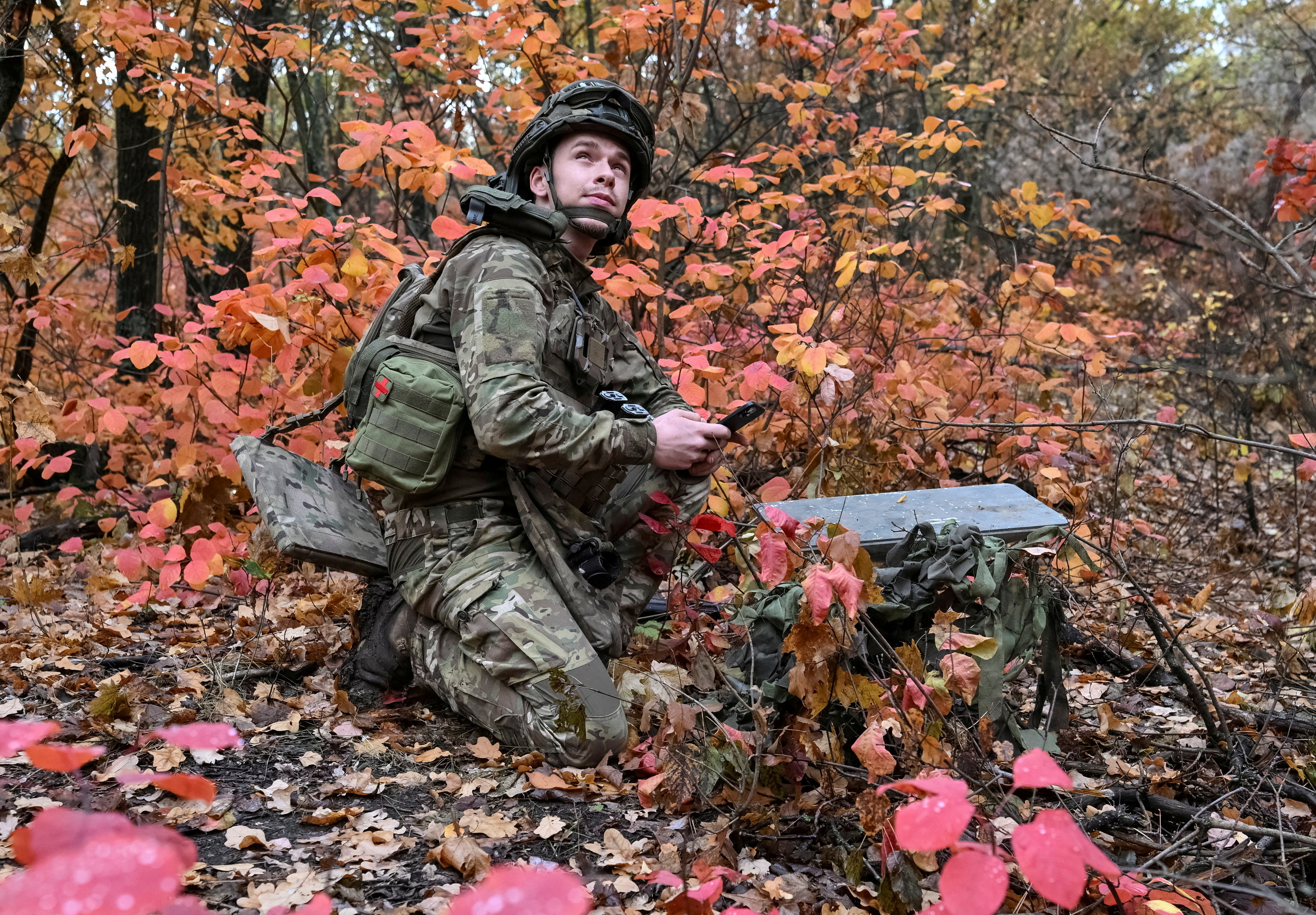
A Ucrânia usa o Starlink para comunicações no campo de batalha e para operações com drones.
El magnate Elon Musk, propietario y consejero delegado de Tesla y SpaceX, ha inyectado 1.000 millones de dólares (unos 891 millones de euros) en el recién creado conglomerado mediático y de entretenimiento Skydance, surgido de la reciente fusión entre Paramount Skydance y Warner Bros Discovery, según ha informado la cadena de televisión CNBC citando a una fuentes familiarizada con el asunto.
"Overall, nothing has changed anywhere," a Ukrainian official told the Kyiv Independent on Oct. 22. Starlink's speed cap of 161 kilometers per hour remains in effect, the official said.
O presidente dos EUA, Donald Trump, ligou para Elon Musk e pediu para ele suspender as restrições ao uso do Starlink pela Ucrânia, informou o WSJ (Wall Street Journal) nesta quinta-feira (22), citando autoridades americanas.
O sistema Starlink estava funcionando de maneira mais estável nesta quinta-feira, pouco depois da conversa entre Trump e Musk, segundo autoridades americanas e ucranianas citadas pelo jornal.
Algumas autoridades ucranianas disseram ao jornal que o sistema não foi restabelecido por completo, mas estava operando em velocidades mais altas do que sob o limite imposto.
O presidente Volodymyr Zelensky disse mais cedo, nesta quinta-feira, que a velocidade do Starlink não havia sido restabelecida para a Ucrânia, acrescentando que esperava conversar com o secretário de Estado dos EUA, Marco Rubio, nos próximos dias.
Trump disse a Musk que estava frustrado porque as velocidades do sistema continuavam limitadas, segundo o WSJ, citando autoridades.
Rubio disse na quarta-feira que as decisões sobre o acesso da Ucrânia ao Starlink cabiam à empresa controladora, a SpaceX, e ao seu presidente-executivo, Musk, e não à Casa Branca.
A Ucrânia usa o Starlink para comunicações no campo de batalha e para operações com drones.
As restrições ao Starshield na Ucrânia continuam a gerar polémica: nem Musk, nem a Casa Branca nem o Pentágono assumiram claramente a responsabilidade pela ordem de desaceleração.
US President Donald Trump called Elon Musk and asked him to lift restrictions on Ukraine’s use of Starlink, the Wall Street Journal reported on Thursday, citing US officials.
The Starlink system was working more normally on Thursday, shortly after the Trump-Musk conversation, according to US and Ukrainian officials cited by the Journal.
Some Ukrainian officials told the newspaper the system was not restored to full functionality but was working at higher speeds than under the cap.
President Volodymyr Zelenskiy said earlier on Thursday that Starlink speed had not been restored for Ukraine, adding that he hoped for talks with US Secretary of State Marco Rubio in the coming days.
Trump told Musk he was frustrated the system’s speeds remained capped at around 100 mph (160 kph), the Journal said, citing officials.
Rubio said on Wednesday that decisions regarding Ukraine’s access to Starlink were up to its parent company SpaceX and its CEO Musk, not the White House.
Ukraine uses Starlink for battlefield communications and drone operations. Restricting the satellite service hampered the country’s attack and air defense drone missions against Russia.
Speaking on the company's earnings call on Wednesday, CEO Elon Musk compared training the EV maker's humanoid robot to raising a toddler.
Musk said that while Tesla's autonomous driving models can learn from data collected by its massive fleet of vehicles, its Optimus robot has to learn by watching people do tasks and practicing them itself, a process similar to how humans learn.
"You can see this when you have a toddler, and they initially are sort of wobbly, and they don't know how to do things, and eventually, they learn to wipe their own ass, which is a big milestone," Musk told investors.
"They learn to read and do all sorts of things, and they learn this by playing. And we actually need Optimus to play at scale in order to have it be really good at tasks in the real world," Musk said.
Musk said Tesla expects to begin delivering Optimus to consumers by the end of 2027.
Bloomberg/Getty Images
The Tesla CEO added that the company was building out an "Optimus Academy" where prototypes can practice a wide range of tasks and generate training data to teach future versions of Optimus.
"For Optimus to get the training data we need, we actually need to make a lot of Optimi. So we need to make, I think, on the order of 10,000 or 20,000 bots and then have them do self-play," said Musk.
Tesla said on Wednesday that it had begun production of Optimus at its Fremont factory, with Musk saying the company expects to begin delivering Optimus to customers by the end of next year.
The near-trillionaire cautioned that production would be "somewhat bumpy" and that development of the humanoid robot still has some way to go.
He listed the challenges of designing durable yet responsive robotic hands, as well as AI capable of handling open-ended tasks, among the main hurdles Tesla faces.
Tesla is not alone in setting up robot academies to provide training data for humanoid robots.
Unlike large language models like ChatGPT, which were trained on the vast corpus of text data available on the internet, robotics faces a shortage of real-world training data to teach humanoids to navigate the physical world.
Other startups, such as Texas-based Apptronik, have also set up "data factories" where robots load conveyor belts and sort objects to generate training data to combat the data shortage.
Elon Musk says he'll give every child in the US a piece of his space company, SpaceX.
Kent NISHIMURA / AFP via Getty Images
Elon Musk said he's going to give every child in the US a share of his space company, SpaceX.
That would amount to $10.7 billion, based on SpaceX's stock price and the 72 million US children.
Governments and billionaires have previously explored ways to spread corporate ownership.
Christmas came early: Elon Musk wants American children to own stock in his space company, SpaceX, next year.
Musk wrote on X around 1 a.m. Monday that he planned to make the donation next year — "the first of many," he said. SpaceX went public this summer.
Giving one share to each of the estimated 72 million US children would cost roughly $10.7 billion at SpaceX's closing price of $147.92 on Friday. Musk's 4.77 billion SpaceX shares were worth about $706 billion at that price, so the gift would reduce his holdings by about 1.5%.
President Donald Trump said on Truth Social on Monday that the shares would be transferred through Trump Accounts, tax-advantaged investment accounts for eligible American kids launched this summer. Under temporary Treasury rules, donated shares generally cannot be sold for five years.
"This is exactly what was envisioned when we created TRUMP ACCOUNTS," Trump said. "Bringing together the GREAT PRIVATE SECTOR, Elon and so many more, to invest in our children."
The White House said nearly 70 million Trump Accounts have been created. Numerous entities have agreed to contribute, including a $6.25 billion donation from billionaire couple Michael and Susan Dell for children in lower-income zip codes. In July, SpaceX President Gwynne Shotwell and her husband pledged personal SpaceX shares worth at least $321 million, prioritizing lower-income communities.
The White House, Elon Musk, and SpaceX did not immediately respond to a request for comment from Business Insider.
Musk's plan to give away SpaceX stock raises questions about a new kind of billionaire philanthropy: Gifting people shares in a company instead of cash.
Giving millions of children a stake in SpaceX could give them money to use later in life — but the value is tied to a single company's stock. And history shows that efforts to spread corporate ownership can yield uneven results, from big investment returns to stakes being sold for quick cash.
Here are other historical efforts to share wealth or spread corporate ownership among everyday people.
US Sen. Mike Gravel's 1978 share proposal to Alaskans
Senator Mike Gravel (D) represented Alaska from 1969 to 1981. He ran for president in 2008 and 2020.
Original Caption
In 1978, US Sen. Mike Gravel proposed a statewide ownership corporation that would have given Alaskans, including children, stakes in major energy and other business projects. The Trans-Alaska Pipeline System was one potential investment.
The idea was that Alaskans would benefit from an economic boom and any rising asset values. However, the plan never materialized.
Alaska instead developed a dividend system that draws on its preexisting Permanent Fund, a state fund established in 1976 with oil royalties that invests in stocks, bonds, and other assets. It began paying annual cash dividends to eligible Alaskans in 1982.
The Permanent Fund still continues today, with a $1,200 dividend distributed to every eligible Alaskan adult and child who applied in 2026. The initial dividend this year was set at $1,000, but recipients also got an extra $200 energy-relief payment.
Eastern Europe's 1990s mass privatization experiment
In the early 1990s, governments across Central and Eastern Europe used voucher programs to turn citizens into shareholders of former state-owned companies.
MICHAEL EVSTAFIEV/AFP via Getty Images
Following the collapse of the Soviet Union in 1991, several countries in Central and Eastern Europe used voucher programs to transfer former state-owned companies into the hands of everyday people.
Russia began distributing privatization vouchers to roughly 144 million people in 1992. Russians could use them to buy shares in former state companies, exchange them for shares in investment funds, or sell them for cash.
Czechoslovakia used a similar system, allowing adults to buy low-cost voucher books and use the points to bid on company shares or invest through funds. After Czechoslovakia split in early 1993, the Czech Republic continued its voucher program, while Slovakia canceled its planned second wave of voucher privatization.
Other countries, including Poland, Romania, Bulgaria, and the Baltic states, adopted their own versions of mass privatization.
The programs were designed to rapidly create broad public ownership. But many recipients sold their vouchers for cash amid economic uncertainty, rather than retaining shares.
Evžen Kočenda, a professor at Charles University's Institute of Economic Studies, said that the program was a good idea at the time, given the region's poor economy, but that ultimately, the vouchers were not 'real money,' but rather a financial asset.
Kuwait's 2019 national stock exchange privatization
Kuwait privatized some of its national stock exchange, Boursa Kuwait, to its citizens throughout 2019.
YASSER AL-ZAYYAT/AFP via Getty Images
Kuwait privatized Boursa Kuwait, the operator of its national stock exchange, in 2019, and gave Kuwaitis the opportunity to purchase a stake in the company.The only requirement for registration was that the individual was a Kuwaiti citizen.
Those who participated — about 83,000 of the country's 4.4 million — were initially allocated up to 70 shares each. The initial public offering share price was set at 100 Kuwait fils, roughly $0.33 per share.
Following the privatization, Kuwaiti citizens and private-sector investors together owned roughly 94% of Boursa Kuwait. The Public Institution for Social Security held the remaining 6%.
The Kuwaitis who participated saw a huge return on investment: When Boursa Kuwait debuted on the public market in September 2020, its shares rose more than 10-fold from their 100-fils IPO price, closing at 1,055 fils, or about $3.41.
Today, the privatization is widely regarded as a major success in the investment world, and Boursa Kuwait has described it as the Middle East's only privately owned stock exchange.
Elon Musk’s public endorsement this week of a potential $3.5 trillion merger between SpaceX SPCX.O and Tesla TSLA.O has rattled some insiders involved in the discussions, who worry his comments could invite shareholder scrutiny and delay the process by several weeks, according to a person with direct knowledge of the talks.
The disclosure created a “mess” for the process, as it could lead to questions about how well Tesla shareholders’ interests would be represented, the person said. The concerns reflect similarities some participants see with Tesla’s 2016 acquisition of SolarCity, which sparked years of litigation over Musk’s role in the deal.
Musk, who serves as CEO of both SpaceX and Tesla and owns significant stakes in each company, this week told investors that the two companies were examining what would be the largest corporate transaction in history and revealed that both had formed special committees to evaluate it. The backlash to those remarks is reported here for the first time.
The parties have hired advisers, but discussions are at an early stage, three sources familiar with the matter said. SpaceX approached Tesla in recent weeks, and the companies have been discussing a range of transaction structures, including a SpaceX acquisition of Tesla or a merger under a newly formed holding company, the person familiar with the matter said. They are weighing different forms of merger consideration, including an all-stock deal, the person said. These details of the talks have not been previously reported.
Tesla, SpaceX and Musk did not respond to requests for comment.
SolarCity deal raises legal concerns
In related-party transactions such as a SpaceX-Tesla merger, independent board members typically oversee the process to safeguard public shareholders’ interests.
That issue loomed large in Tesla’s 2016 acquisition of SolarCity, which triggered years of litigation after shareholders alleged the world’s richest man had influenced the process to bail out his investment in the struggling rooftop solar company. At the time, Musk owned roughly 22% of both Tesla and SolarCity, which was founded by his cousins.
Shareholders argued that Musk’s involvement and public support undermined the deal’s fairness. Central to the case were claims that despite his minority stake, Musk was a controlling shareholder of Tesla due to his ties to board members and domineering style.
The Delaware Supreme Court later noted that plaintiffs’ contention of the absence of an independent committee, together with “certain other facts concerning Musk’s involvement in and public support for the transaction,” warranted the finding of unfair dealing.
The courts ultimately upheld the acquisition as fair, though it took several years for the case to be resolved and Tesla directors settled allegations for $60 million.
Musk excluded from merger negotiations
Musk owns nearly a fifth of Tesla and just under half of SpaceX, and analysts have said a merger would give him control of the combined entity. On Tuesday’s call with investors, Musk acknowledged that as a conflicted party he cannot be part of the discussions of the special committees. Advisers are also in contact with his lawyers to ensure Musk is recused from the merger discussions, the source familiar with the talks said.
Eric Talley, a law professor at Columbia University, said a merger could benefit shareholders by eliminating the need for Musk to divide his time between the two companies. He added that any legal challenge may be harder to predict than the SolarCity case because Tesla is now incorporated in Texas rather than Delaware.
“The Texas thing is a wild card. No one knows how Texas deals with cases like this because Texas never dealt with cases like this,” Talley said, noting that Texas has sought to establish itself as a business-friendly alternative to Delaware, and Musk’s comments so far were not necessarily problematic.
Ultimately, he said, litigation risk would hinge on the terms of any transaction.
“Who’s going to get the better side of this deal? And that’s usually what gives rise to litigation,” Talley said.
Public comments could delay historic deal
People involved in the process worry Musk’s public endorsement of the merger and disclosure of talks could intensify investor scrutiny, as interested parties typically avoid expressing views publicly while independent directors evaluate a deal, the source said.
The SolarCity case could become a reference point for investors and courts assessing any future SpaceX-Tesla transaction if advisers fail to fully insulate the special committees from Musk’s influence, the source added.
A tie-up between Tesla and SpaceX would be the biggest deal in history, creating one of the world’s largest industrial and technology groups. It would surpass Musk’s acquisition earlier this year of his artificial intelligence company xAI by SpaceX, which ranks among the largest corporate transactions ever announced.
A deal of this size would also face scrutiny from global regulators, especially due to Tesla’s business in China and SpaceX’s work in US defense and AI.
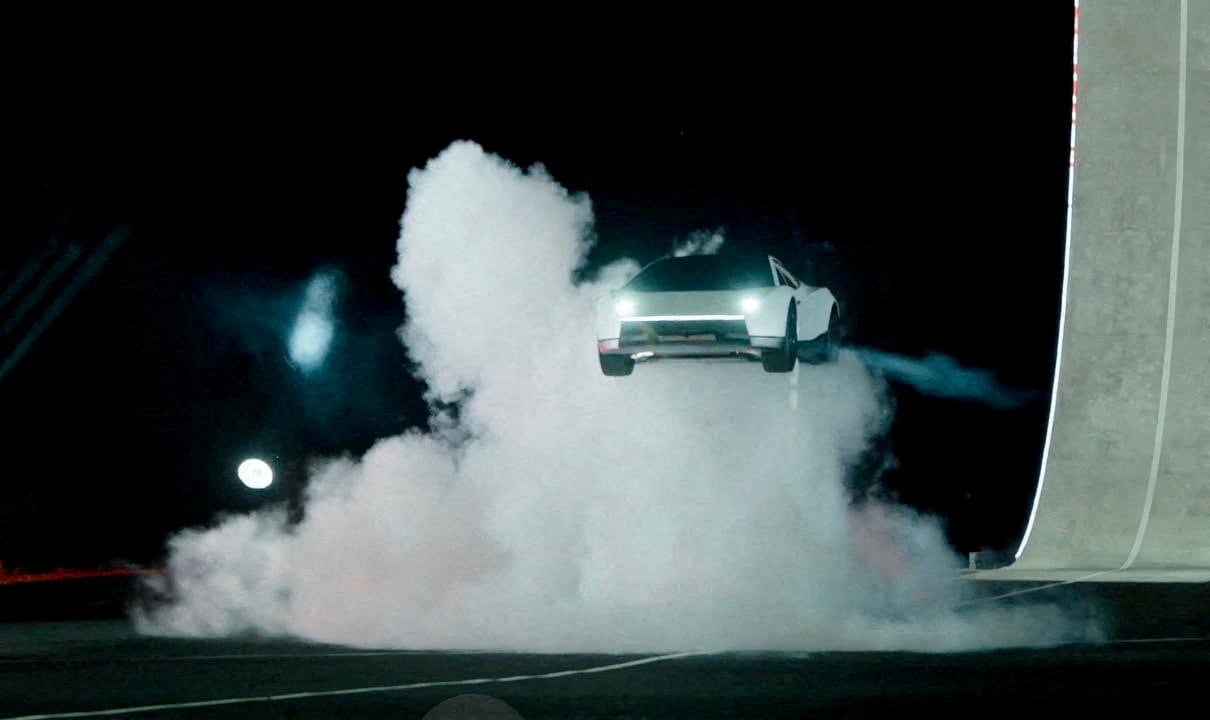
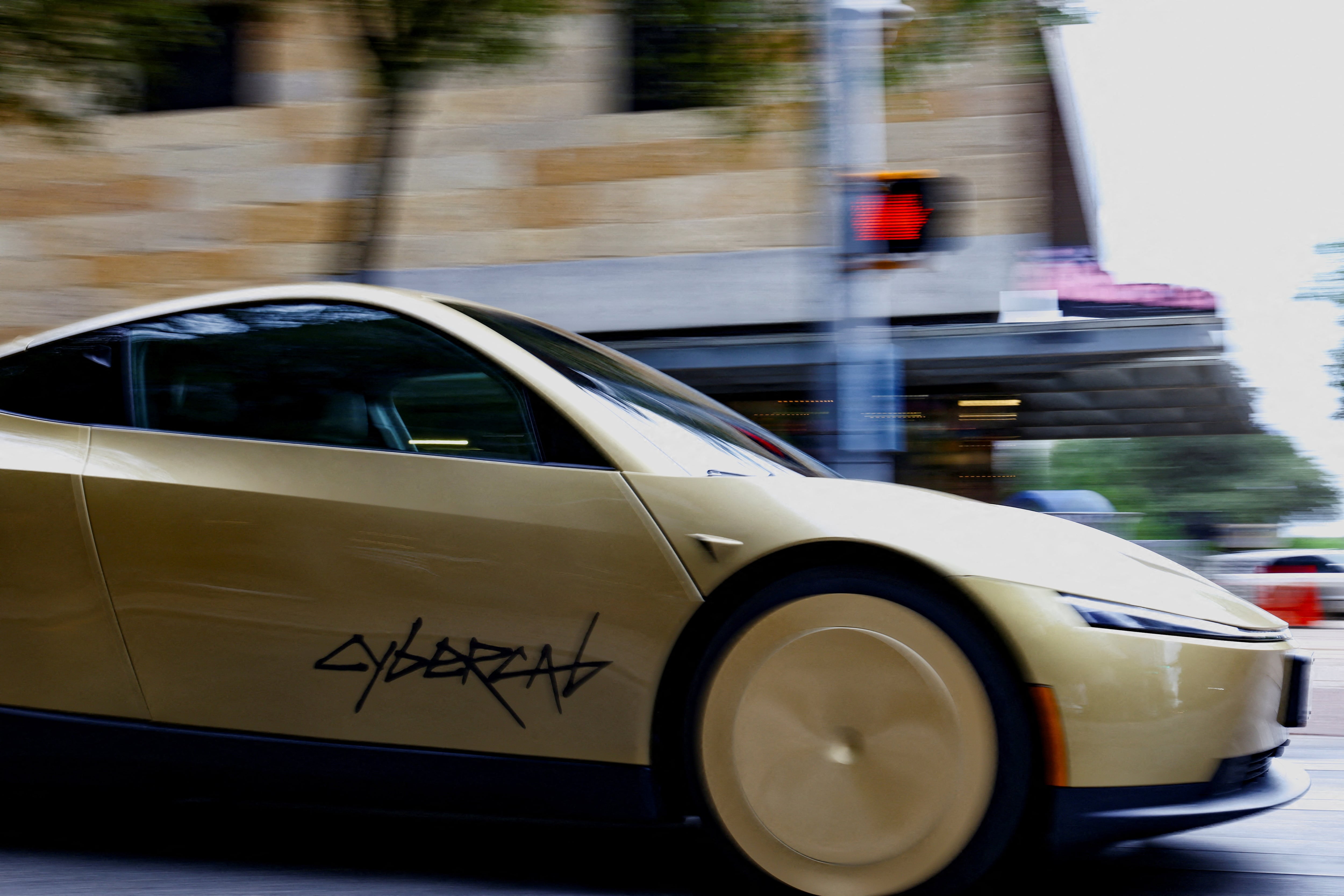
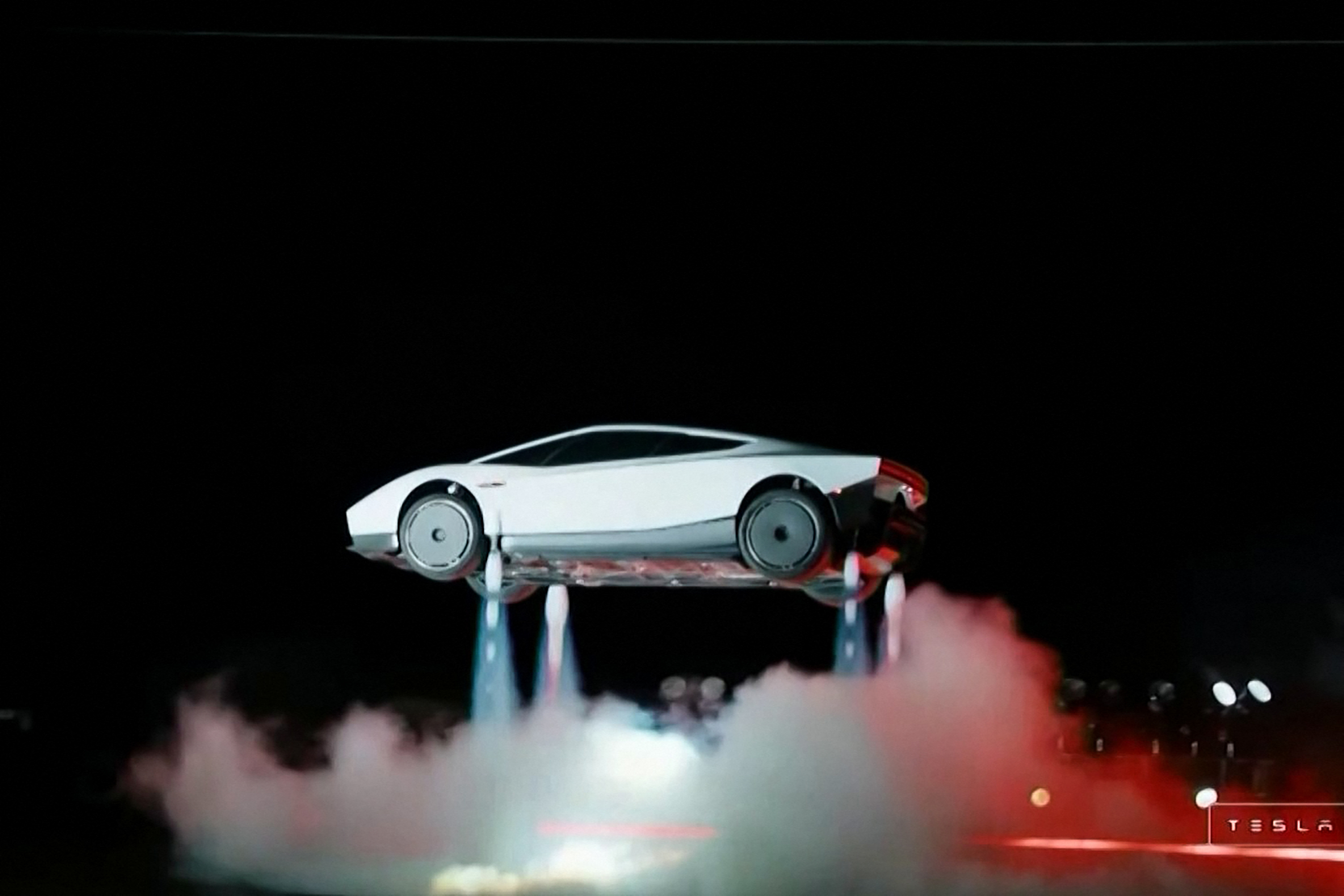
El coche parece casi de juguete: se acerca a otros vehículos aparcados, activa unos propulsores para saltar por encima, aprovecha para dar una espiral en el aire y cae sobre el suelo como quien se tira al sofá para echar una siesta. Es el nuevo Tesla Roadster, que Elon Musk vende en X (antes Twitter) con el mensaje: “Resulta que en el futuro sí hay coches voladores”. Se trata de una afirmación como mínimo exagerada: no se sabe si esos propulsores sirven para algún tipo de vuelo sostenido ni si estarán disponibles en el modelo que se ponga a la venta.
El magnate Elon Musk ha reconocido por primera vez que estudia la fusión de las dos empresas en las que participa: SpaceX y Tesla. Una integración que, de llegar a concretarse, crearía un gigante tecnológico con capitalización de 3,5 billones de dólares con intereses en la inteligencia artificial, la conectividad, el negocio aeroespacial y automoción que se colocaría entre las cinco empresas más valiosas del mundo.
Musk says ‘there’s a lot of merit’ to potential merger that would require approval of 50% of all Tesla shareholders, but he declined to elaborate
Investors were paying close attention to Tesla’s third-quarter earnings call on Wednesday afternoon, after chief executive Elon Musk floated the idea of merging the car company with his rocket and AI company, SpaceX. But they didn’t glean further information after the company announced there would be no questions on the matter.
“With regard to a potential merger with SpaceX, I think I said everything that should be said yesterday,” Musk, the CEO of both companies, said on Tesla’s earnings call. He repeated a phrase he said on Tuesday: “I feel like I’m tap dancing through a minefield.”
According to reports, Elon Musk ordered the slowdown of Ukraine's Starshield defense systems. Nick Schifrin reports, and Amna Nawaz discusses how the world's richest man gained such power over U.S. security interests with Charles Galbreath, a retired Air Force colonel who focused on space operations during his 30-year military career and is now at the Air Force Association's Mitchell Institute.
La firma creada por Elon Musk entregó 486.532 unidades en todo el mundo en el periodo, un 2% menos que hace un año. Su margen de Ebidta también se redujo un 14% Leer
La firma creada por Elon Musk entregó 486.532 unidades en todo el mundo en el periodo, un 2% menos que hace un año. Su margen de Ebidta también se redujo un 14%
President Donald Trump's political groups have spent more than one-quarter of a billion dollars to bolster Republicans in the final stretch of this year's midterm elections, an unprecedented amount for a sitting president that underscores the stakes on Nov. 3.

 Login