Ghana has rejected a proposed health compact with the United States that would have provided an estimated $109 million in US health funding over five years, with President John Dramani Mahama saying the agreement raised serious concerns over health data, financing obligations, and Ghana’s regulatory authority.
The decision places Ghana among a few African countries that have pushed back against new US health agreements introduced as Washington restructures its foreign assistance following the dismantling of USAID. Zimbabwe has also rejected a similar agreement, while Zambia has raised concerns over provisions in its negotiations with the United States.
Ghana raises concerns over health data
Speaking at the Council on Foreign Relations in New York on September 25, Mahama said the proposed compact was presented to Ghana as a replacement for health funding previously provided through USAID.
He said Ghana’s Ministry of Health reviewed the document before preparing a Cabinet Information Paper.
“Ghana is a sovereign nation, and we have our own processes. We are a democratic country,” Mahama said.
According to the President, the Cabinet identified several provisions that raised concerns, particularly those relating to Ghana’s health information.
“One, it says that we shall give the United States our pathogen profile,” he said, adding that the agreement also required Ghana to provide medical records.
“It also says we should give our medical records. I mean, who takes another country’s medical records? And so that was strange.”
Concerns over health-data sharing have been central to resistance to the new US health agreements in several African countries.
No FDA inspection
Mahama also raised concerns about the treatment of medicines and other medical products supplied under the proposed arrangement.
He said Ghana would have been required to contribute funding to the program while, according to his account of the compact, the country’s Food and Drugs Authority would not have been able to inspect medicines or other medical products entering Ghana under the program.
“And then it also says that any medications or any medical products that shall be brought into our country, our Food and Drugs Administration has absolutely no right to inspect,” Mahama said.
“I mean, it was humiliating.”
Ghanaian officials had previously cited concerns about the proposed handling of sensitive health information as a reason for rejecting the agreement. Reporting on the negotiations also indicated that the proposed arrangement would have required additional investment from Ghana alongside the US contribution.
Cabinet rejected the agreement
Mahama said the proposal was rejected after the Health Ministry presented its assessment to the Cabinet.
He described the decision as unusually swift.
“It was the compact that was thrown out in record time in our Cabinet. I’ve never seen anything thrown out as fast as that.”
He said the government subsequently instructed the Health Minister to communicate Ghana’s position to the US ambassador.
“And so, of course, we rejected it. And we asked the health minister to inform the US ambassador that we didn’t need it. We’ll manage ourselves.”
The proposed agreement would have provided Ghana with about $109 million in US health assistance over five years. The negotiations had begun in late 2025.
A wider concern over health sovereignty
Ghana’s decision comes as the United States seeks to shift its approach to global health cooperation. The new US strategy places greater emphasis on recipient countries taking responsibility for financing and delivering health programs, while Washington reduces its traditional aid commitments.
Kenya became the first African country to sign the agreement which was challenged in court, followed by similar arrangements with Rwanda, Liberia, Uganda, Lesotho and Eswatini, among other countries. Ravi Ram from the People’s Health Movement (PHM) East and South Africa, told BreakThrough News in December 2025, that “Bilateral agreements between the US and Kenya and other African countries are meant to limit the ability of any one ‘partner’ country to challenge the terms of implementing the agreement, due to the unequal power relations.”
The concerns among health activists and concerned Africans is the ability of African states to determine their own health priorities, regulate medicines, control sensitive health information, and collectively negotiate the terms of international health cooperation.
Hace unos 30 millones de años, en los alrededores de lo que hoy es Vallbona de les Monges (Lleida), merodeaba un animal corpulento de cabeza larga, pómulos muy salientes y mandíbulas formidables con dientes grandes y afilados. Los paleontólogos lo han llamado popularmente cerdo del infierno, un mote que despista, porque su parentesco con los […]
Après avoir publié en 2025 le classique de l'historien du Guyana, Comment l'Europe sous-développa l'Afrique, les Éditions B42 rendent disponible en français The Groundings With My Brothers, paru à Londres en 1969. La traduction a choisi « dialogue » pour groundings, mot qui contient à la fois l'idée d'un ancrage et une référence à la culture rastafari dans laquelle « le terme créole “groundation” décrit une forme d'assemblée dans laquelle les membres de la communauté s'engagent dans une discussion ». Ce recueil est une compilation de discours de l'intellectuel guyanien Walter Rodney (1942-1980), liés à la Jamaïque, un pays dont il est chassé en 1968. C'est pendant la période où il a enseigné à l'université de Kingston que l'historien, militant de la cause noire, consolide sa conception et sa pratique de l'intellectuel engagé dans la lutte contre les oppressions, partageant ses connaissances dans les ghettos de l'île. Une position dont il ne se défera pas et qui peut être résumée selon ses termes : « Le Black Power doit s'efforcer de transformer les membres de l'intelligentsia noire en serviteurs des masses noires. »
Os meses de janeiro e fevereiro deste ano ficaram marcados por tempestades e intempéries que causaram danos um pouco por todo o país, incluindo no concelho de Castro Marim.
Para recuperar, o Município de Castro Marim assinou na segunda-feira, dia 21 de setembro, um acordo com o Governo português para requalificar o cais da Foz de Odeleite, com um financiamento de cem mil euros.
A requalificação do cais da Foz de Odeleite inclui a regularização e beneficiação do acesso e da infraestrutura ribeirinha, a melhoria das condições de circulação e segurança para utilizadores, serviços de manutenção e meios de emergência e Proteção Civil.
Através destas intervenções, pretende-se valorizar as condições de acesso e fruição da frente ribeirinha do rio Guadiana, beneficiando cerca de 700 pessoas.
Este contrato-programa entre o Fundo Ambiental, a Agência Portuguesa do Ambiente e o Município de Castro Marim, faz parte do programa Territórios Resilientes – Intervenções de restabelecimento dos territórios ribeirinhos e das zonas costeiras, com o objetivo de executar as obras nas áreas afetadas por situações de cheia ou inundação.
A assinatura do acordo contou com a participação da Ministra do Ambiente e Energia, Maria da Graça Carvalho.
Longreads has published hundreds of original stories—personal essays, reported features, reading lists, and more—and more than 14,000 editor’s picks. And they’re all funded by readers like you. Become a member today.
Once, as a young adult in the city, I was walking home after a long day of work. The main street leading to my place wasn’t well lit, with dark stretches between streetlamps. There was a huddle of men under one, some standing around, some lounging against the post. They moved in the orange light, turning as one to face me. Something shifted in the air.
An earlier version of me would have been slower to respond, given them the benefit of the doubt. But after a recent knife-point mugging, I had begun to develop a sort of second skin—a keen, physical sense of danger. I slipped back into the shadows and ran in and out of alleyways. I doubled back, cut across fences, and scaled half walls. I made no sound at all; I made it home. I had made a spiraling maze in real time. They could not find me.
In his essay “From the Tree to the Labyrinth,” Umberto Eco, a lover of labyrinths, explores how we “create and organize knowledge.” Moving away from the restrictive “tree” model, Eco approaches the “labyrinth” model, listing three kinds—a unicursal labyrinth, with only one path to the center and back; a multicursal maze, with many paths, all but one leading to dead ends; and an infinite network of interlinked points, which he calls by the borrowed term “rhizome.”
There are many labyrinths and mazes woven into my memory—verbal, textual, graphical, physical, metaphorical. Tamil kolams, for instance: My mother draws small, perfect threshold patterns at home, and immense, geometrically flawless labyrinths and mazes for events—no outlines, no tools, just her seeing eye and moving hand. When the sky is still dark, she dips folded muslin in wet, ground rice and draws liquid lines on the clean floor. She must draw each bit before the white dries on her hand, which it does almost instantly. Nothing can be erased or redrawn. She must keep moving until the whole kolam is done—the body walking the labyrinth even as it summons it out of nothing, the labyrinth making the world even as it is devoured by little black ants.
Eco’s rhizome model, to its credit, says we may never know everything, but we can keep going. Jorge Luis Borges certainly did, over and over like a modern-day Scheherazade. He wrote The Garden of Forking Paths, The Library of Babel, Funes the Memorious, The House of Asterion, and more, for those of us that love our awful infinities rendered in chewy, fictional ways.
It’s been so long since the mugging and the maze. Those events (and others like them) ingrained hard habits into me. Unless I’m absolutely certain about the safety of the time and the place, I don’t listen to music as I walk. I wear barefoot shoes. I wear my bag cross-body, coax my hands out of my pockets. I note the exits and sit like a mob boss, the door never to my back. But I myself am softer, and I understand the ways of wayfinding a little better now.
When Nawab Asaf-ud-Daula, ruler of the Kingdom of Avadh, moved his capital to Lakhnau (now Lucknow, Uttar Pradesh, India) in 1775, he likely had no inkling of what was to come—a great famine. The Nawab was an unusual ruler. Forgoing the usual charity routes, he offered his people the dignity of earning wages through excellent work, going so far as to demolish by night and rebuild by day so everyone who wanted work could have some. He built the lavish Bara Imambara, including a marvelous maze of a thousand corridors and half as many identical doorways (and one exit), the Bhulbhulaiya. The Hindi-Urdu root word, bhūlnā, means to forget, to be thus lost, and bhulānā is its causative form. The maze is “that which makes you forget.”
Abhimanyu, warrior prince, has broken into the Cakravyūha, the battle formation of the colossal whirling disc. While still in his mother’s womb, he had overheard his father, the great warrior Arjuna, discuss war strategy with his uncle Kṛṣṇa, and filed the knowledge away in his preternaturally precocious mind. Now the Kurukṣetra War is upon them, and 16-year-old Abhimanyu has found his way to the center of the moving labyrinth. He is a trained warrior, no doubt, but he is alone, fighting seasoned Kaurava generals on all fronts. They have trapped him away from his fellow Pāṇḍavas. They have sunk his chariot, killed his horses, and broken his sword and bow. Abhimanyu raises a chariot wheel above his head. He doesn’t know how to come out. He never heard the end of the conversation.
This heartbreaking story from the Sanskrit epic The Mahābhārata was likely my own mythical introduction to the labyrinth. McConnachie, too, starts with a myth—a Greek mythopoeic myth—but first he runs a little labyrinth on the morning of his own wedding. His essay for Aeon moves lucidly through history, architecture, religion, folklore, games, psychoanalysis, New Age rituals, and more.
P.S.: Don’t worry about Ariadne; she gets to chill with Dionysus. Theseus’s dad, not so great.
Instinctively, we sense that mazes and labyrinths are essentially metaphorical—even if it is not always clear what they represent—which explains why it’s so common to seek the meaning of the maze in myth. According to the ancient Greek story, as retold by the Roman writers Plutarch and Ovid, Minos of Crete demanded a tribute from the city of Athens in the form of seven young men and seven women. They would be imprisoned inside the Labyrinth created by Minos’ brilliant architect Daedalus, and there sacrificed to the Minotaur, a monstrous creature born of the unnatural union between Minos’ wife and a white bull.
The brave and ambitious Theseus gets himself chosen among the Athenians and, on arrival in Crete, seduces Minos’ daughter, Ariadne. She secretly arms him and slips him a “clew” of thread. (This is the old word for a ball or skein of yarn and is, fascinatingly, the origin of the English word “clue.”) Theseus kills the Minotaur, escapes the Labyrinth, runs off with Ariadne, and should return home happily—except that he abandons Ariadne on the island of Naxos and then, upon homecoming, forgets to change the color of the sails on his ship as he promised his father he would do if he survived. On seeing the black canvas, the old man drowns himself in the sea.
Speaking of leading people astray, here’s a clip of the third task of the Triwizard Tournament from Harry Potter and the Goblet of Fire. Professor Dumbledore counsels the champions: “In the maze, you’ll find no dragons or creatures of the deep. Instead, you’ll face something even more challenging—people change in the maze.”
Adrian Fisher has over 700 mazes across 42 countries to his name, “including one on a skyscraper in Dubai and another that’s now reproduced on Britain’s five-pound note.” He’s also likely the only person to make a successful business out of mazemaking. Twilley profiles Fisher comprehensively, and not a little warily.
Starting with the design of the medieval Christian labyrinth, the most famous of which is in the Chartres Cathedral, France, Fisher slowly included other complex features. “Fisher realized that if he wanted to make mazes he first had to make people want mazes,” Twilley writes. According to Oskar van Deventer, an engineer and creator of renowned mechanical puzzles, he’s the “world’s best maze psychologist,” using what he knows about how people behave “against the unsuspecting solver and even against the suspecting solver.”
In 1980, Fisher was twenty-eight years-old and working for I.T.T., a multinational manufacturing company, where he was responsible for productivity enhancement. He was increasingly drawn to the idea of designing mazes; he’d even formed a company, Minotaur Designs, with a wealthy labyrinthologist and former diplomat, Randoll Coate. But public commissions proved elusive. “At first, I thought it was impossible,” Fisher said. “How do you start? How do you do it?”
Runcie’s dream gave him an idea: Fisher wrote to the letters page of the London Times, briefly outlining the maze’s long history as a Christian symbol and noting that, as in the Archbishop’s dream, a maze’s goal is typically reached not by “pressing toward the center” but, rather, by “returning almost to the edge,” in order to find the proper path. In his signature, Fisher styled himself a “Maze Consultant,” and, before long, this stealth marketing had reeled in a customer, and Minotaur’s first public commission.
Crystals are known for stacking their atoms in repeating patterns in every direction, forming structured unit cells and lattices. But quasicrystals are mad materials. They, too, form patterns, but in non-repeating ways. Physicists exploring their use in carbon capture ended up with the world’s most diabolical maze.
What can live without a brain or a nervous system, eat better than you, navigate mazes, and win scientists not one, but two Ig Nobel Prizes? The answer is a single-celled organism called the slime mold, also affectionately known as the blob.
In the 2000s, Toshiyuki Nakagaki, a scientist at Hokkaido University, scattered bits of a single Physarum polycephalum in a maze, a few dots in a petri dish. The bits grew enough to find each other, and then grew some more to fill the maze. The mold then retracted itself from the dead ends, restricting itself to the most rewarding path—and this was the least it could do. Using its ability to grow up to a meter; its ability to analyze, solve problems, and optimize in real time; and its own slime as “externalized spatial memory,” it “effectively re-created Tokyo’s railway network in miniature as well as the highways of Canada, the U.K., and Spain.”
Catch a glimpse of this incredibly cool mold in action in this WIRED video: Mycologist Explains How a Slime Mold Can Solve Mazes. Looks like Nakagaki will have the last laugh, after all. And if you’ve ever wondered how other animals are so much better at this stuff than us, read Kathryn Schulz’s essay for The New Yorker, “Why Animals Don’t Get Lost.”
Gardeners sometimes encounter them in their backyards—spongy yellow masses squatting in the dirt or slowly swallowing wood chips. Hikers often spot them clinging to the sides of rotting logs like spilled bowls of extra cheesy macaroni. In Mexico some people reportedly scrape their tender bodies from trees and rocks and scramble them like eggs. They are slime molds: gelatinous amoebae that have little to do with the kinds of fungal mold that ruin sourdough and pumpernickel. Biologists currently classify slime molds as protists, a taxonomic group reserved for “everything we don’t really understand,” says Chris Reid of the University of Sydney.
Something scientists have come to understand is that slime molds are much smarter than they look. One species in particular, the SpongeBob SquarePants-yellow Physarum polycephalum, can solve mazes, mimic the layout of man-made transportation networks and choose the healthiest food from a diverse menu—and all this without a brain or nervous system. “Slime molds are redefining what you need to have to qualify as intelligent,” Reid says.
Teenaged Sarah is supposed to be babysitting her infant brother, Toby. But he won’t stop crying, and in a rash moment, she wishes him gone. Villainous Goblin King Jareth obligingly spirits him away to his dark labyrinth, which she must negotiate to save the baby before a terrible fate befalls him. If you’re not convinced you should see Labyrinth, this 1986 classic, know that the Goblin King is David Bowie.
I had some trouble choosing a quote from this retro maze of an essay. Every passage seemed appealingly contrarian, sometimes even to the essay’s own points, every idea poised for intertextual sparring with the other pieces in this reading list (something I secretly enjoy).
Yes, it is gleefully haunted by its own ideas going back and forth and switching back upon themselves, and yes, it will make you question a few axiomatic notions about labyrinths and mazes. But maybe because times have changed, maybe because no one seems to be saying labyrinths are better than mazes or vice versa any longer, some of the arguments may seem a little heavy-handed.
But some, like this one seemingly drawing from Freud/Jung psychological arcana, still sparkle: “The maze is the labyrinth’s uncanny.”
It seems to me that hidden behind contemporary etymological distinctions is an attempt to tame multicursality, by way of denigrating multicursal mazes as merely “childish” versions of more sober, unicursal ones. Multicursality challenges meditative clarity with multiple versions, no clear centers, and a sense of ambivalence and confusion. These complications, however, are the point of the labyrinth. Even if we grant that labyrinth merely designates the one-path New Age labyrinth recycled from the medieval era, the object is still haunted by a misrecognition. For even the medievals retained a sense of the unicursal labyrinth’s ambages—the equivocation at the heart of its windings, which the New Age version does not readily admit. Additionally, the labyrinth that is the legacy of the medieval period is enmeshed in a circuit of analogies to such a degree that it is impossible to map out all its symbolic equivalences and their implications without ending up in the muck of indistinction. This tendency of the labyrinth to connote so much is part of what makes it an antithesis to sureness, rationality, and clarity. Its structure is mystically congruent with the idea of a dark or enchanted forest; it is also a stand-in for earthly conundrum, brain fold, uterine canal, spiritual struggle, or psychosexual journey. Its center: Mary, the alchemical rose, Jerusalem, princess, Minotaur, inner-self, lotus blossom. And of course there are the various rewards that the multicursal maze holds out for its young adepts (pots of gold, pies and cakes, utopian wonderlands of bunnies and lollipops). Labyrinthine confusion is not merely an issue of its tortuous corridors, its solution not merely the cheese in the corner. Labyrinth enfolds into labyrinth across times, cultures, and myths.
It’s the yellow that first holds you down, like the yellow fog in T. S. Eliot’s The Love Song of J. Alfred Prufrock, like the yellow wallpaper in Charlotte Perkins Gilman’s story of the same name. There’s something about this sickly yellow, but there’s more.
Backrooms is young YouTuber Kane Parsons’s widely acclaimed horror debut. Failed architect Clark manages a strip-mall furniture store called Cap’n Clark’s Ottoman Empire. During his insomniac wanderings, he stumbles upon a doorway in the store’s basement—the entry to the mysterious Backrooms. (The trailer is a relatively safe place to start before you attempt full liminal dread.)
Nayman’s critical voice stands a little apart from what seems to be near-universal approbation for the film, which he says “exists in its own liminal space between ambitious experiment and fascinating failure.” But he sounds, I must say, somewhat like a parent speaking of his gifted kid—one who could go very far if only he applied himself a little more. What if the kid knows something that others don’t?
[O]ne of the lurking, not so elusive themes of Backrooms—a movie that doesn’t lack for entry points—is the postmodern terror of reiteration without end, the unsettling and melancholy notion of reality as a series of adjoining, subterranean echo chambers, each a slightly altered copy of the last. “Six hundred million square miles of randomly segmented back rooms,” read the original, anonymous, and extremely viral 4chan post that ended up being used as a blueprint by hordes of online architects eager to build their own additions onto a freestanding urban legend; the sprawling, relentlessly subdivisional logic of this online lore, and the fact that anyone could contribute to it at any time, turned the expanse of the Backrooms into a pretty nifty allegory for itself.
Parsons was 16—and going by the online handle Kane Pixels—when he made his first Backrooms short in 2022: a found-footage-style clip created in Blender and After Effects. His innovation was to place the preexisting images into a paranoid narrative framework about a research facility offering egress to another dimension; the first clip centered on an amateur filmmaker who gets lost in the Async complex and chased by an unseen creature.
“In Hokusai’s Thirty-Six Views of Mount Fuji, most of the woodblock prints show the famous conical peak, but one shows pilgrims climbing a Fuji that is the very ground under their feet. You can’t see the mountain’s form while you’re on the mountain. There are subjects you can better understand through analogy, context, parallels, the view from the distance, rather than via direct and dogged pursuit.” Solnit expands on the same ideas for Literary Hub in “In Praise of the Meander,” this time “letting nonfiction narrative find its own way.”
Solnit describes one summer she spent on an Icelandic peninsula, “in the company of strangers and birds.”
“Creation is always in the dark because you can only do the work of making by not quite knowing what you’re doing, by walking into darkness, not staying in the light. Ideas emerge from edges and shadows to arrive in the light, and though that’s where they may be seen by others, that’s not where they’re born,” she says, and goes to the last dark place she could find that summer—a labyrinth called the Path, lit by the faintest lavender-blue light.
Lyrical and more atmospheric than her engaged treatment of labyrinths in Wanderlust: A History of Walking, this essay shows us a gentle way of being we would do well to heed.
A labyrinth is an ancient device that compresses a journey into a small space, winds up a path like thread on a spool. It contains beginning, confusion, perseverance, arrival, and return. There at last the metaphysical journey of your life and your actual movements are one and the same. You may wander, may learn that in order to get to your destination you must turn away from it, become lost, spin about, and then only after the way has become overwhelming and absorbing, arrive, having gone the great journey without having gone far on the ground.
In this it is the opposite of a maze, which has not one convoluted way but many ways and often no center, so that wandering has no cease or at least no definitive conclusion. A maze is a conversation; a labyrinth is an incantation or perhaps a prayer. In a labyrinth you’re lost in that you don’t know the twists and turns, but if you follow them you get there; and then you reverse your course.
The end of the journey through the labyrinth is not at the center, as is commonly supposed, but back at the threshold again: the beginning is also the real end. That is the home to which you return from the pilgrimage, the adventure. The unpraised edges and margins matter too, because it’s not ultimately a journey of immersion but emergence.
Labyrinth (Amelia Gray, The New Yorker, February 2015)
In 1922, William H. Matthews published a book called Mazes and Labyrinths in London. Sam Dolbear introduces this classic for The Public Domain Review, offering a selection of beautiful images and the book itself in full. He concludes with a quote from Matthews, which seems to prefigure Eco’s third model and Borges’s predilections: “The boundaries of knowledge are still misty and ill-defined, a circumstance that only gives zest to the subject.”
Dale, reader of “Hellenic myth” and all-round good sport, has organized the Pumpkin Jamboree. It’s a way for the townspeople to have some weekend fun while raising money for the local fire department. Its highlight is always the corn maze. “Only it isn’t a maze this time,” Dale says, “It’s a labyrinth.”
This unexpected turn of events thins the crowd, but it looks like Jim, his friend, might be willing to give it a go. “Now, you go on, Jim. This is my life’s effort distilled. Find out what it’s all about.”
It’s not easy to take a well-worn, spoiler-free myth known since Plutarch and make it sound fresh. Gray has done that here in her short story without a wasted word, and her Daedalus, cornfield architect, is just getting started.
Dale watched them leave, fingering a pumpkin’s thick stem and surely considering his hours of lost work. He starts his mazes a few months beforehand, cutting into the young corn when it’s tall but not yet sprouted, taking a pass first with the tractor and then with the riding mower to pull out the brace roots and tamp the corn down. He draws the maze plans on drafting paper and displays them afterward in his swept-out garage addition—he calls it the Hall of History—with other jamboree memorabilia: the gearshift from the original hayride truck, trotter prints from the winning pigs. We gather around to reminisce about which wrong turn we took and what was waiting for us on the other side.
Knowing what he must have put into it, I thought it was a shame to stand by and see everyone go. The sun was still low in the sky, and it was lonely at home, where the TV had been broken for a week, and the tap water had begun to taste oddly of blood. “I’ll go first,” I said. “I’ll do it.”
It has been 42 years since MTV began honoring what it knows best and what, at the time, few people valued: music videos. Four decades have passed and much has changed in the industry. There is no self-respecting artist today who does not present their projects visually, especially in this internet era. A lot has changed since 1984, but only to grow bigger. On Sunday night, artists once again proved it.
Taylor Swift accepts the award for video of the year for 'The Fate of Ophelia' at the MTV Video Music Awards held on September 27, 2026 in Los Angeles.
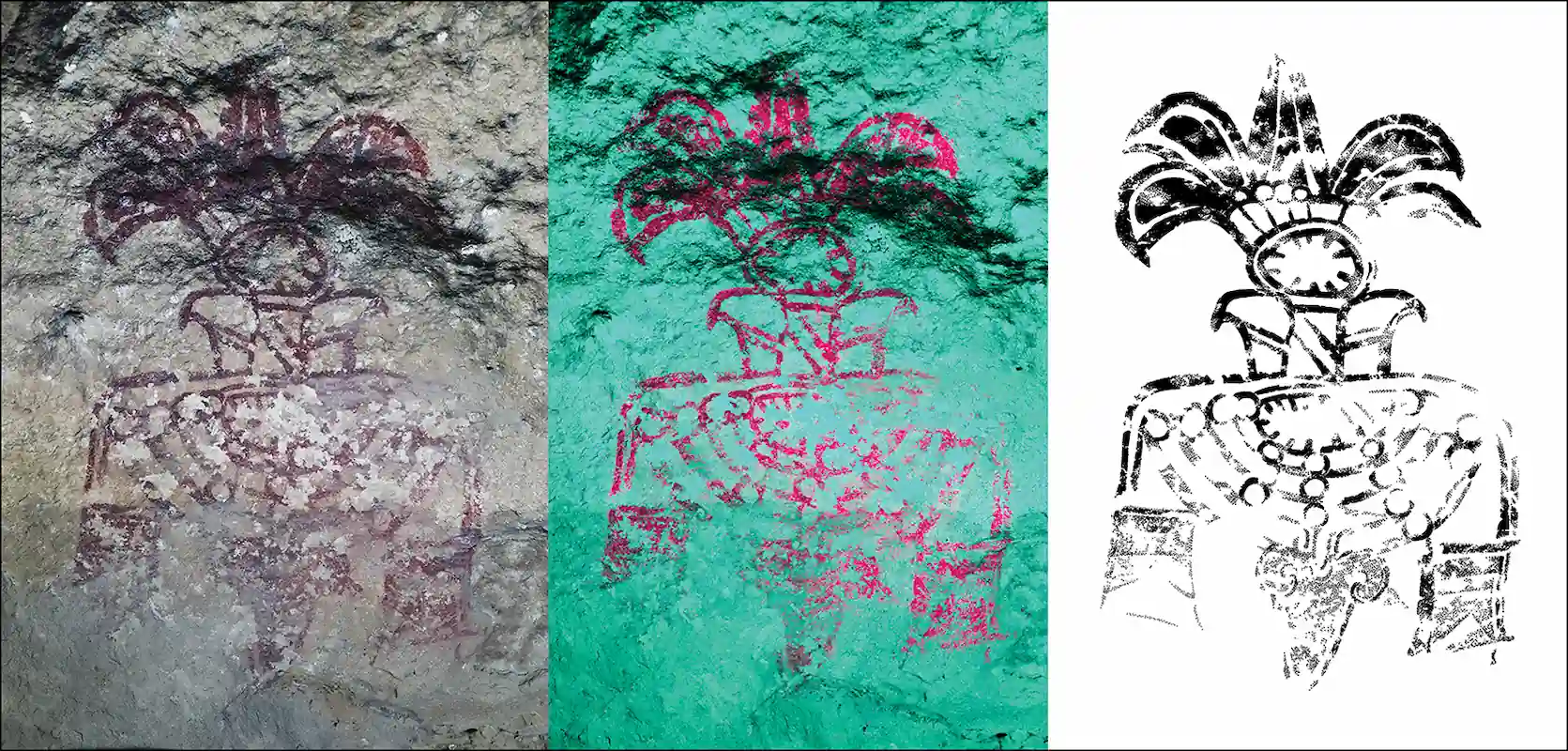
Durante décadas, los expertos discutieron si Teotihuacan —la ciudad que dominó el centro de México entre los siglos I y VI d. C., con una población que pudo alcanzar los 125.000 habitantes— poseía un sistema de escritura verdadero o si, por el contrario, sus signos eran simples emblemas decorativos. La pregunta no era menor: los […]
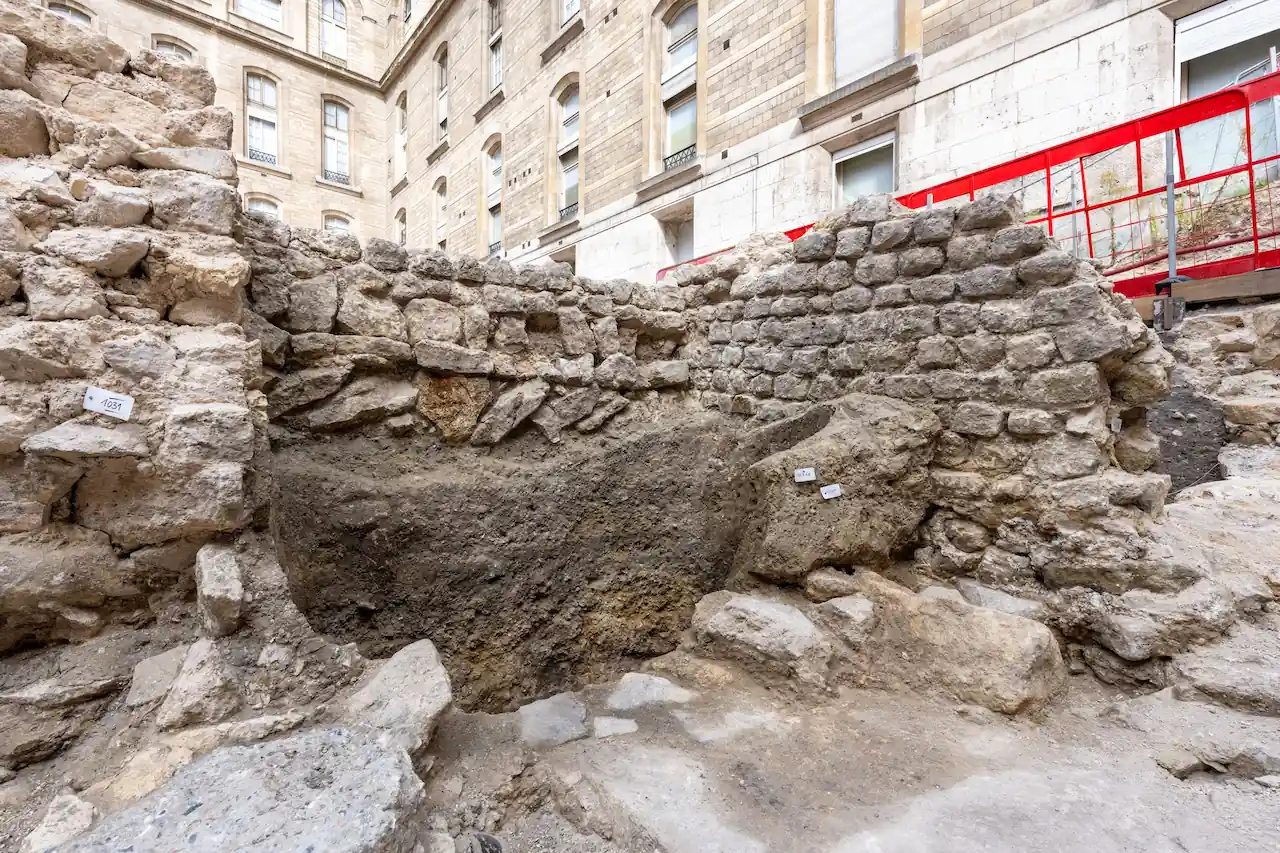
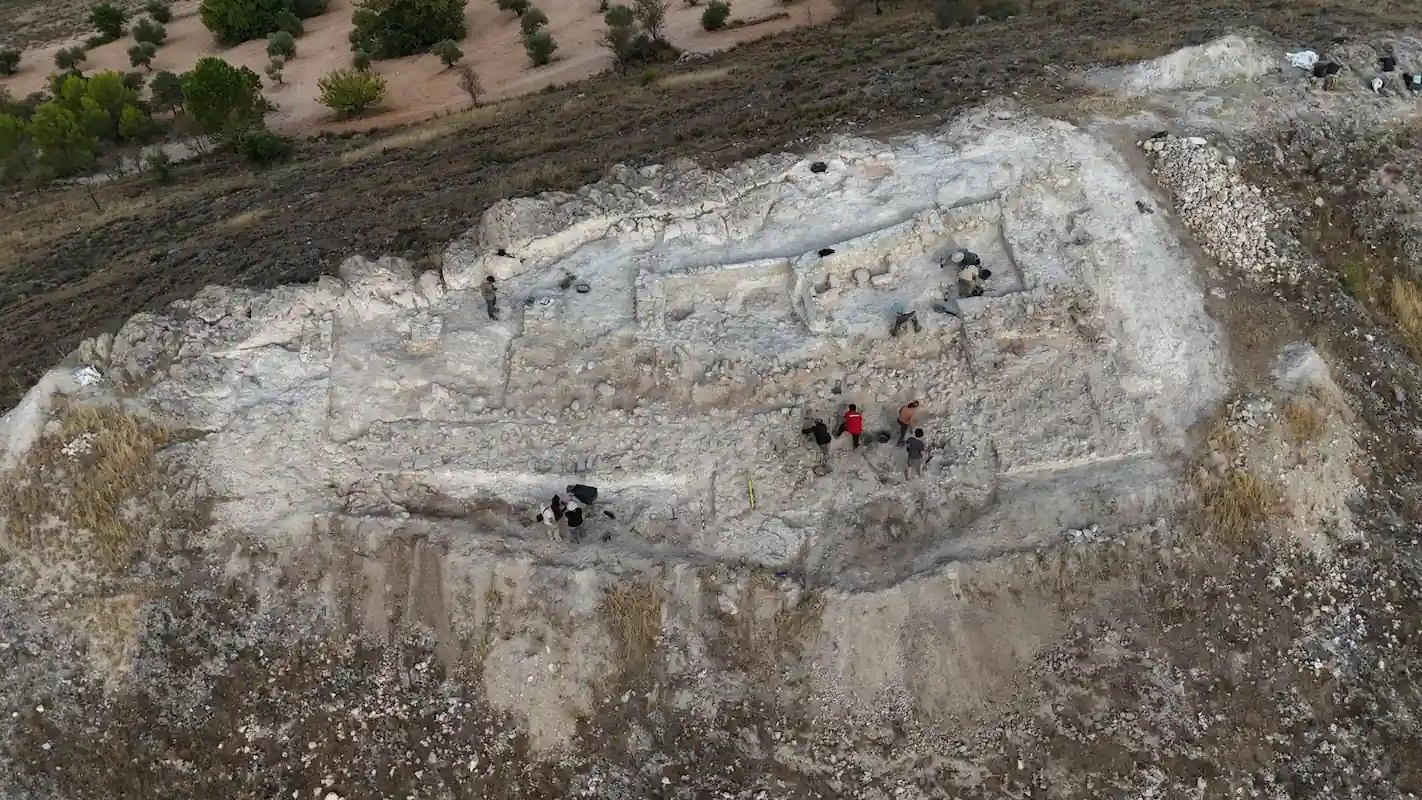
Nadie esperaría encontrar una fortificación de hace más de dos mil años en los patios de un hospital, pero es lo que han sacado a la luz los arqueólogos que trabajan en el Hôtel-Dieu, en la isla de la Cité, a un paso de Notre-Dame. Se trata de un muro de piedra y madera conservado […]
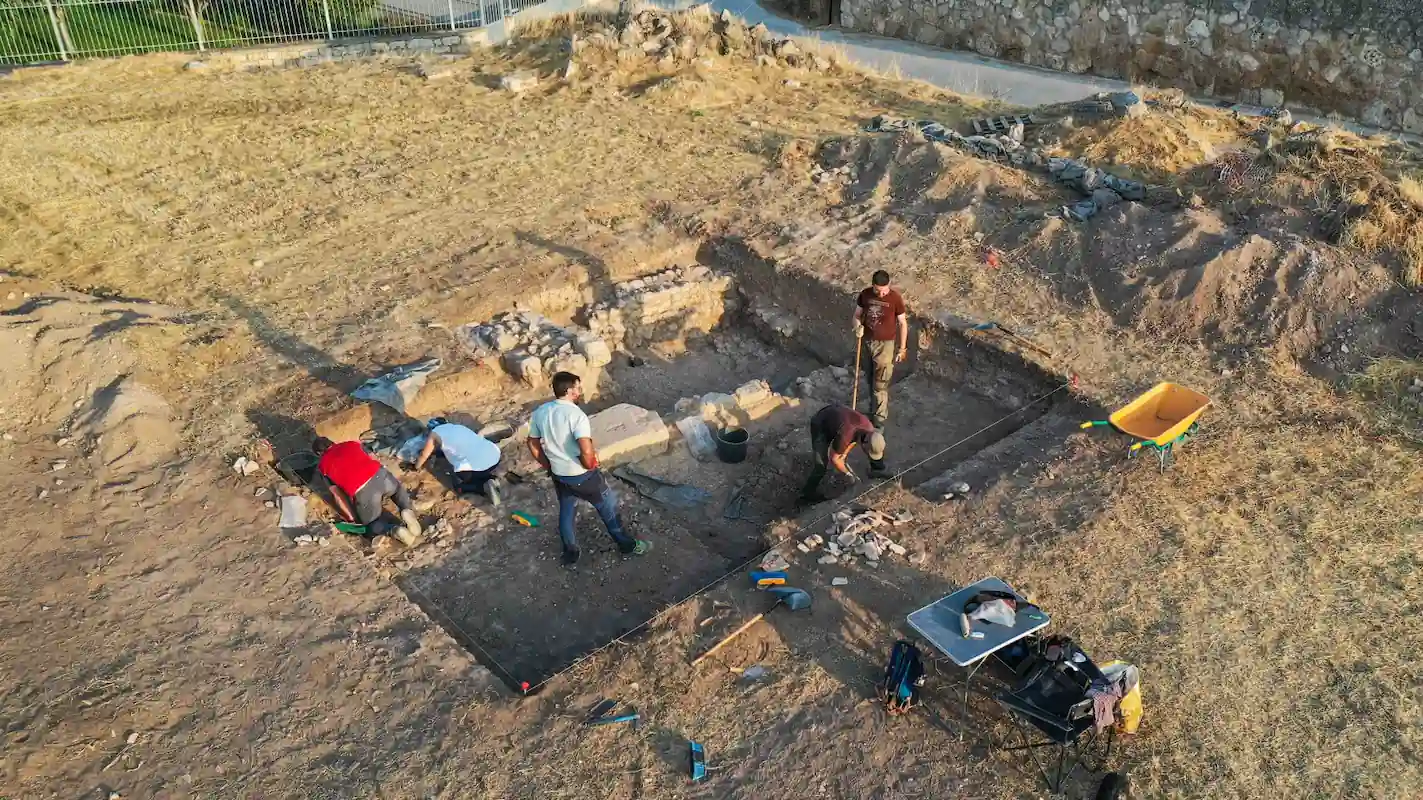
Diez años excavando el mismo rincón de Burgos suelen dar para encontrar de todo, pero pocas veces algo tan cotidiano como una cocina. Eso es justo lo que ha aparecido este verano bajo el solar de La Era, en Sasamón, una localidad de apenas un millar de habitantes situada a 30 kilómetros al oeste de […]
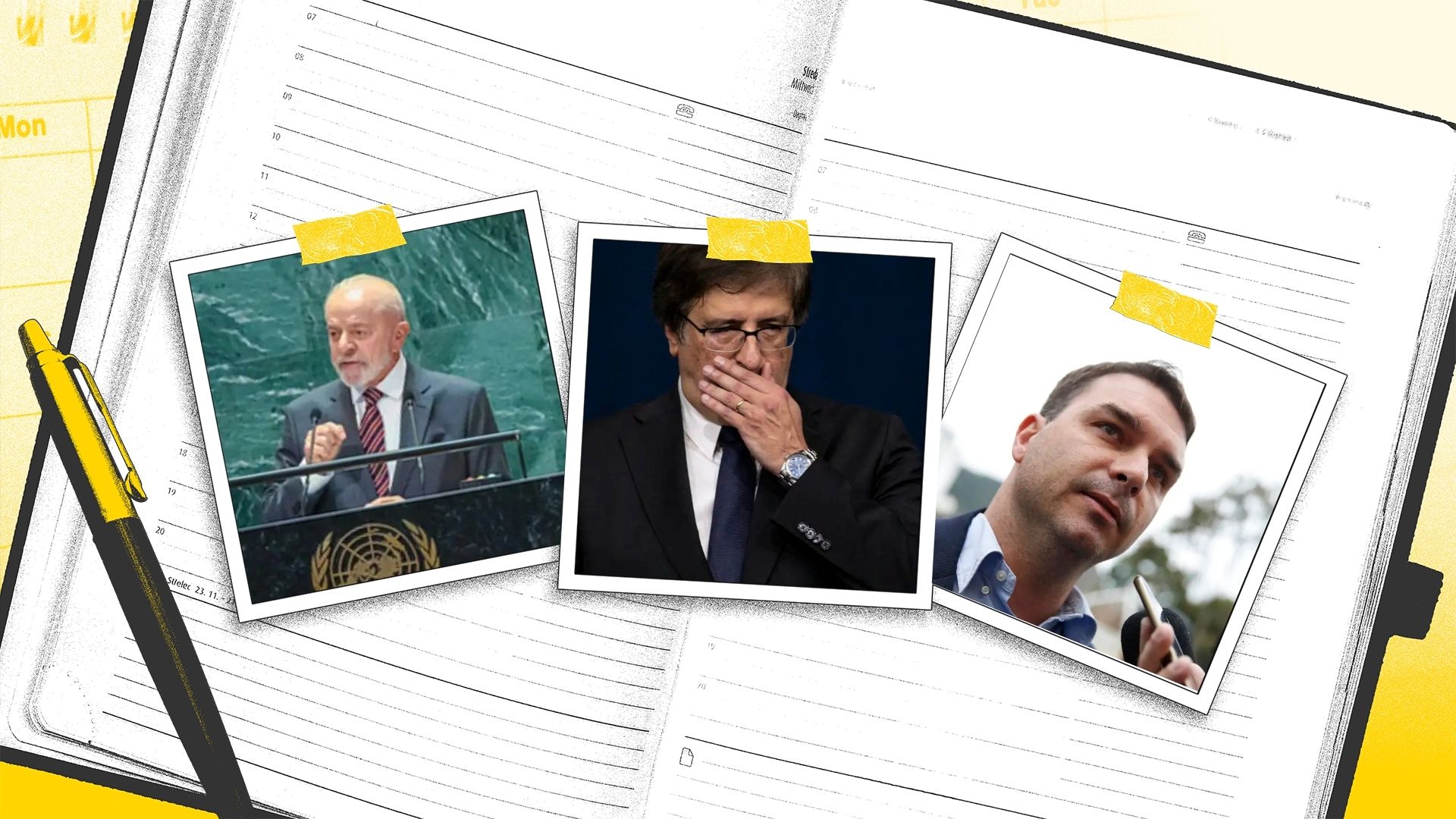
Na próxima terça-feira, 22 de setembro, o presidente Lula, candidato à reeleição pelo Partido dos Trabalhadores (PT), participa da 81ª Assembleia Geral da Organização das Nações Unidas (ONU), em Nova York, Estados Unidos. Conforme protocolo, Lula abre a Assembleia, seguido pelo presidente norte-americano Donald Trump. A aposta é que Lula discorra sobre soberania em seu discurso e um encontro extra-oficial com Trump, em meio às negociações dos dois países sobre tarifas, também é possível.
O tema deste ano da assembleia é “Restaurar a confiança, gerenciar a transformação: uma Organização das Nações Unidas que atenda a todas as pessoas”. Líderes dos 193 Estados-membros da ONU estarão presentes no fórum. Também nos Estados Unidos, nesta segunda-feira, 21 de setembro, Lula deve comparecer a um encontro bilateral com o prefeito democrata de Nova York, Zohran Mamdani.
Faltando 13 dias para o primeiro turno das eleições, candidatos ao Palácio do Planalto reforçam as campanhas pelo país. Flávio Bolsonaro (PL) tem agenda nesta segunda-feira no Rio Grande do Norte, onde participa do comício no centro de Parnamirim. Em Santos, SP, no mesmo dia, Ronaldo Caiado (PSD) vai ao projeto Sabatina ACS – Eleições 2026, promovido pela Associação Comercial de Santos (ACS), às 11 horas.
Já Renan Santos (Missão) participa de sabatina apresentada pela emissora Record nesta terça-feira, 22. Augusto Cury (Avante) estará em Porto Velho, Rondônia, nesta quinta-feira, 24, para uma carreata e adesivaço na capital.
Caso Master
As repercussões do relatório da Polícia Federal (PF) divulgado pelo ministro do Supremo Tribunal Federal (STF) André Mendonça com as mensagens de Daniel Vorcaro chegam ao Ministério Público Federal na próxima sexta-feira, 25 de setembro. O Conselho Superior do Ministério Público Federal (CSMPF) analisará a conduta do Procurador-Geral da República, Paulo Gonet considerando o caso Master e as mensagens de Vorcaro que citam o PGR. A relatoria da apuração ficou a cargo do subprocurador-geral Francisco de Assis Sanseverino.
Em manifestação de 35 páginas enviada ao CSMPF, o PGR afirmou “em termos bastante diretos e simples” não ter “relação de amizade alguma” com Daniel Vorcaro, ou “interesse pessoal nos processos em que ele conste como parte ou investigado”.
Gonet ainda afirmou não ter negligenciado as investigações sobre as fraudes do Banco Master, além de falar que as acusações feitas pelo Partido Novo alegando que não deveria atuar nas investigações do Banco Master são “descabidas e estapafúrdias”.
Segundo o documento, Paulo Gonet afirma que seus dois únicos contatos com o ex-banqueiro foram durante um evento em Londres em abril de 2024. O outro momento foi em março de 2025, quando, a pedido do advogado Ciro Soares, participou de uma ligação com Vorcaro, considerada, por ele, “uma conversa breve e sem assuntos relevantes”.
Após o ministro Edson Fachin cancelar a análise da conduta do ministro André Mendonça como relator do Caso Master e das fraudes do INSS, que ocorreria na próxima quarta-feira, 23 de setembro, o STF deve ter uma semana menos agitada. No lugar da Petição 16.704, serão realizados, na quarta, julgamentos sobre licença-maternidade a mães adotivas, custos judiciais e sistema previdenciário de servidor público federal.
Estão na agenda da semana de 21 a 26 de setembro:
TSE
Informações à eleitores (24/9): Tribunais Regionais Eleitorais realizam ações para esclarecer a população do que é preciso para votar;
Teste de Integridade (24/9): Data limite para definir locais onde serão realizados os testes de integridade das urnas eletrônicas com biometria, para o primeiro turno.
STF
Licença-maternidade para mães adotivas (ADI 7495, 23/9, 14h): Ação discute se a licença-maternidade entre mães adotivas e mães biológicas deve ser unificada, independentemente do regime do trabalho.
Custas judiciais no Espírito Santo (ADI 7935, 23/9, 14h): Conselho Federal da Ordem dos Advogados do Brasil (OAB) entra com ação direta de inconstitucionalidade sobre os novos valores fixados das custas judiciais no Espírito Santo, alegando que custos impedem garantia de direitos fundamentais.
Fim da isenção do ICMS (ADI 7822, 7830, 7844 e 7848, 23/9, 14h): Ações Diretas de Inconstitucionalidade sobre o Decreto 65.255/2020 do Estado de São Paulo, que acaba com a isenção do ICMS para envio de mercadorias industrializadas às chamadas Áreas de Livre Comércio na Região Norte.
Escolha do regime previdenciário (RE 1050597, 23/9, 14h): Recurso extraordinário discute se o servidor público federal, que entrou pelo cargo municipal ou estadual, pode optar pelo sistema previdenciário anterior assim que a mudança para o federal.
Correção Monetária (RE 1141156, 23/9, 14h): Recurso avalia se atualização do dinheiro depositado na Justiça deve incluir as perdas causadas pela inflação no passado.
Agenda da semana daPúblicaé um serviço apresentado aos leitores, concebido com base nas informações dos portais da Câmara, Senado e STF.
Latin America and the Caribbean countries are being re-colonized. This time it is not by Britain, the Netherlands, Spain, France, and Portugal, but by the United States.
At a period of time the United States had an anti-colonial position and had advocated for the ending of colonialism. That was one of the features of the Monroe Doctrine that has become somewhat obscured since the US became so bellicose.
Today, in a de facto way it has become a super colonial power. It is imposing its will on regions and countries. Those that stand up for their rights are sanctioned, destabilized and sometimes physically removed.
Strikingly, only the President of Brazil protested vigorously. Our Caribbean leaders have generally been tight lipped.
The United States has gone even further. They have, using the guise of fighting drugs, established a strong military presence in the region. They have been murdering hundreds of persons traveling in small boats in the Caribbean. Without producing a scintilla of evidence, without attempting to board the boats and get evidence, the US just killed the occupants. We may never know if any were really involved in drug trafficking.
There has been a deafening silence from Latin America and the Caribbean leaders to those atrocities. As if these events were not enough, many of the governments in the region are, on the request/orders from the United States, acting against their countries’ best interests. The ending of the cooperation in health with Cuba which was in place for more than fifty years and which benefited millions of the region’s citizens, is a case in point.
That has left a massive gap in the health sector of the region. The US has not provided any assistance to help with the dislocation and shortage of technical personnel created by their insistence to remove Cubans.
The US is now also pressing regional governments to stop doing business with China. Many governments are beginning to comply with those orders as we see more big contracts going to US companies, despite some of those companies having poor performance records.
If some newspaper stories are to be believed, (and they have not been countered) in some cases Chinese contractors won bids for certain projects, but they were not given the jobs, they went to US firms instead.
The US and other Western countries have ignored us and kept us in a state of underdevelopment since independence. Now that we are getting assistance from China to build important and much needed infrastructure to facilitate socio-economic progress we are getting push back from the US.
It appears that they want to keep us in a state of perpetual underdevelopment and in poverty.
We see the open intention to super exploit our natural resources and labor for the benefit of big business in the US. They are mainly interested in our natural resources. They do not add value in the region nor establish any type of manufacturing. Those are reserved for the rich, developed countries.
The recent “deal” with Venezuela is worse than highway robbery. Venezuela has to provide oil and gas to US companies at cost for one hundred years. This is barefaced robbery and has demonstrated that Venezuela is now a de facto colony of the US. This will not benefit the poor in the US. It is designed to enrich the huge corporations.
Venezuela was forced to abandon its long and well-known principle of standing in solidarity with the oppressed people of Palestine. It is now forced to recognise the Fascist, Apartheid Israeli regime that continues to bomb defenseless civilians in makeshift camps in Gaza, the West Bank (where ethnic cleansing is taking place) and in East Jerusalem.
Today the sovereignty of our countries is already severely compromised. If we don’t stand up now it would be completely lost.
Donald Ramotar is a former President of the Cooperative Republic of Guyana (2011-2015).
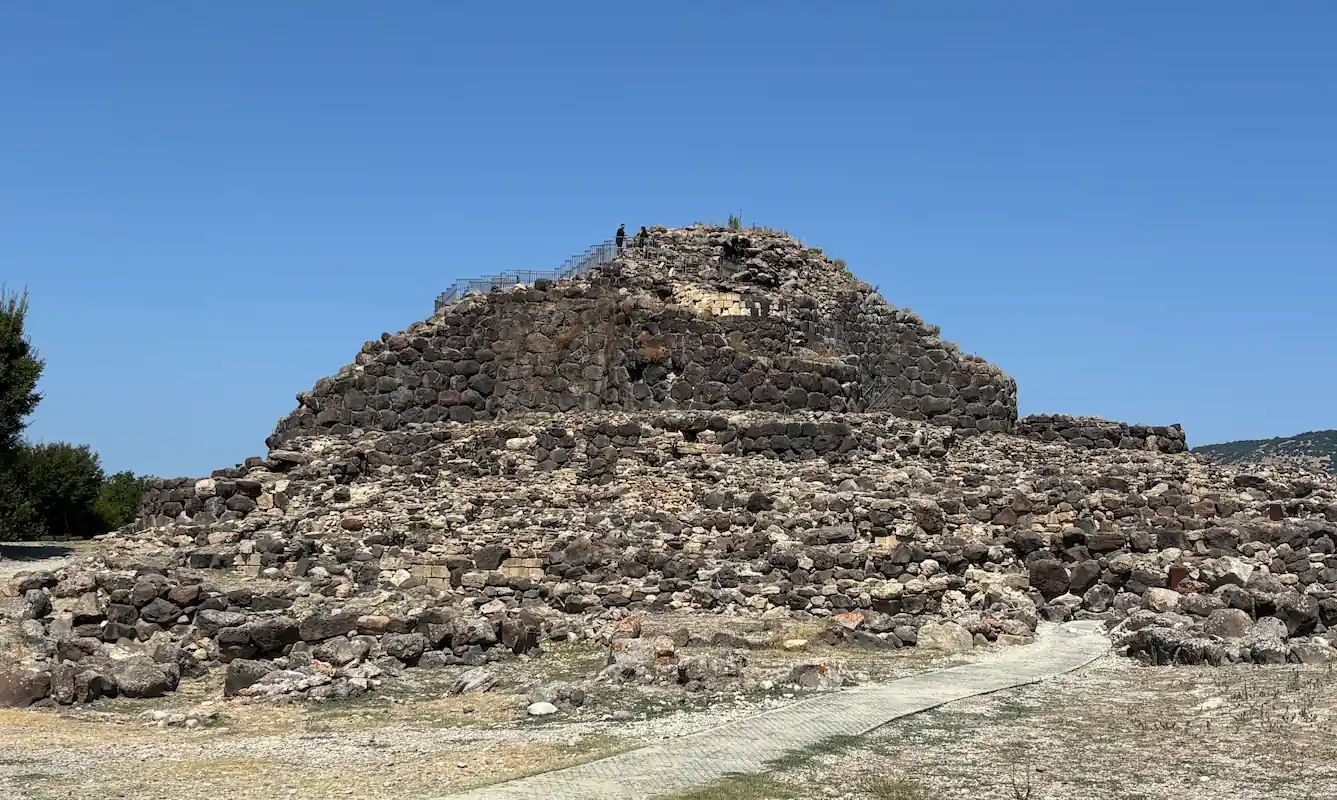
Un lingote de cobre fabricado en el interior de Cerdeña durante la Edad del Bronce podía terminar, siglos después de fundirse, en una tumba escocesa o en un poblado del sur de Suecia, a casi 2.000 kilómetros de donde se extrajo el mineral. Esa es la conclusión central de un artículo firmado por Serena Sabatini, […]
At the end of August, at the Silverbird Cinema in the Accra Mall in Ghana, two Israeli feature films were screened alongside Ghanaian student productions.
For the second year running, the seats for this Israeli film festival were empty. Ordinary Ghanaians declined the Israeli Embassy’s films, and a peaceful demonstration outside held placards for Palestine and against the continued killing of civilians in Gaza.
There is another screen Ghanaians must refuse to look away from, protestors asserted. The screens on which we have watched Gaza reduced to rubble, families displaced again and again, hospitals and schools destroyed, and children carried from the wreckage of a war that, despite the ceasefire announced in October 2025, has not stopped killing them.
However, something else walked through the doors of the film festival: schoolchildren. In uniform. On a Sunday.
Students from Achimota School and Accra Girls Senior High School, two of Ghana’s most prominent public secondary schools, were brought into an embassy-sponsored event at the center of a serious political controversy. Those of us who were there saw them. We have photographs and videos. The question Ghana must now answer is not about cinema. It is about who sent our children, and why.
The 2025 Israeli Film Festival
Last year, the Embassy staged a week-long Israeli Film Festival at the same venue and called it an exercise in “dialogue and mutual understanding.” Nearly 400 Ghanaian organizations, student movements, trade unions, faith communities, civil-society groups, signed one statement calling for a boycott. Protesters gathered outside. Sponsors pulled out. The Embassy still declared the event a success.
The veteran editor Kwesi Pratt Jnr., who joined the picket, recalled what that “success” looked like a year ago for the “Alhaji and Alhaji” program:
“This is the first time in my life that I’ve seen 400 organizations come together to sign one statement calling for a boycott of the film festival. I joined the picket at the Silverbird Cinema, and a few, very, very few, prominent Ghanaians, including Afenyo-Markin, attended in spite of the protest. But it was a fiasco. The room was empty. Ghanaians rejected the film festival completely.”
So the Embassy returned smaller: two Israeli films on a single Sunday, free entry, free popcorn, raffle prizes, and an invitation aimed squarely at young people. When adults again refused to fill the room, uniformed students appeared. If Ghanaian adults will not lend legitimacy to this event, should Ghanaian children be made to supply it?
The timing makes it harder to dismiss as a routine outing.
President John Dramani Mahama has publicly described what is happening in Gaza as genocide. The Israeli Ambassador to Ghana has publicly rejected that position and defended his government’s conduct. He is entitled to make his case, but he is a guest of a sovereign state, not the author of its policy.
Against that backdrop, the presence of uniformed students inside an embassy program, days after this very public disagreement, demands an accounting. Pratt put the question bluntly:
“At the time that the ambassador was attacking our president, some authorities in our secondary schools decided to side with [the embassy]. What judgment was exercised by the school authorities when they agreed to bus their students to this film festival? What were they expecting? What checks did they do on the quality of the films?”
Ghanaian activists picket the Israeli Film Festival. Photo via PATV
Those are the right questions, and they are not rhetorical. They have not yet been answered and there has been no investigation.
What the students deserve
None of this is an accusation against the children. They may have had little understanding of the political purpose around the event. The responsibility belongs to the adults who placed them there.
Ghana rejected the Israeli film festival not because cinema or cultural exchange is evil. Not because Israeli artists have no right to make films. The rejection is not an attack on Jewish people. Antisemitism is hatred and must also be rejected.
The problem is that this festival is not an example of artists meeting freely across borders. It is an Israeli Embassy-backed initiative staged while the Palestinian people continue to pay with their lives. Amid the killing of civilians and the destruction of Palestinian life, the use of state diplomacy to manufacture an appearance of normality while those questions remain unresolved is nothing less than political soft power.
Ghanaian children are not diplomatic props, and Ghanaian schools must never become extensions of a foreign embassy. Teach them, yes. Teach them the Holocaust, the Nakba, occupation and international law, and give them the evidence to think critically. That is education. Busing uniformed children into a controversial embassy function, and letting their presence become evidence of Ghanaian acceptance, is the opposite.
That is why the demand is simple, and now directed at the Ministry of Education and the Ghana Education Service: did you know? If yes, explain. If not, investigate. And if any official bypassed procedure or abused authority to place schoolchildren inside a foreign government’s public-relations exercise, hold them accountable.
Ghana’s revolutionary legacy
There is a longer tradition at stake. Ghana is the country from which Kwame Nkrumah declared that our independence was meaningless unless linked with the total liberation of Africa. Africa understands what cultural normalization is for: domination has rarely arrived only with rifles. It seeks respectability, the reception, the festival, the partnership, until oppression becomes a disagreement to be discussed politely while business continues.
Palestine poses that old question to the African conscience once more. And a small part of the answer is being written by who walks into a cinema in Accra Mall, and who is made to walk in.
For the second year, the empty seats have spoken. Now Ghana’s own institutions must speak. Our children deserve education, not enlistment. And a sovereign state deserves to decide, in the light of its own conscience, what its schools lend themselves to.
Stay away. Let the empty seats speak, for the Palestinian child who will never again enter a classroom, and for the proposition that human life is worth more than diplomatic image-building.
A fine agosto l’Istat ha pubblicato le previsioni della popolazione italiana residente fino al 2080. Sono dati che vengono adottati per stimare i fabbisogni per pensioni o spesa sanitaria. Comprendono anche il ruolo dei flussi migratori. Con qualche sorpresa.
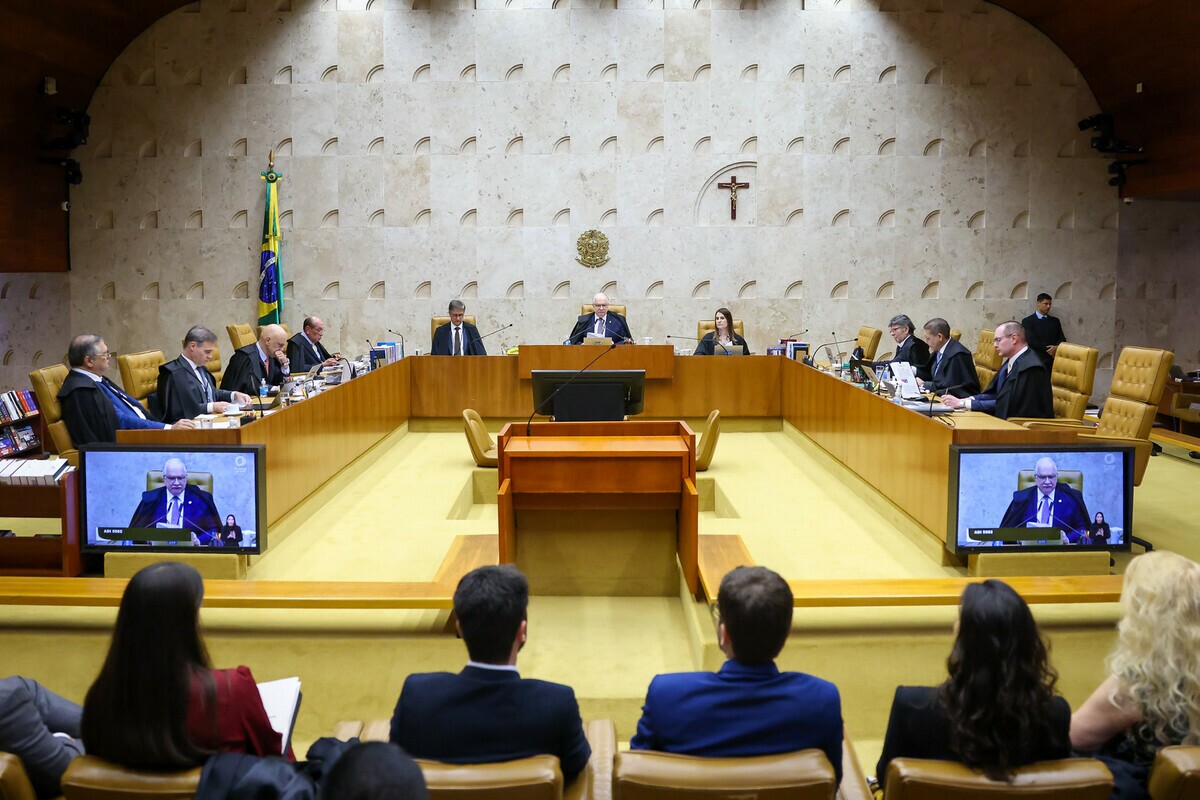
Em mais uma semana com o Supremo Tribunal Federal (STF) no centro da disputa política em torno do caso Master e capturando os olhares antes do primeiro turno das eleições, o plenário da Corte volta a realizar sessão extraordinária na terça-feira (15), às 10h. Os ministros devem analisar o relatório da Polícia Federal (PF) sobre as conversas entre o ministro Alexandre de Moraes e o ex-banqueiro Daniel Vorcaro. Na ocasião, eles devem discutir se há elementos para abrir uma investigação sobre o ministro.
A sessão foi convocada pelo presidente do STF, Edson Fachin, em meio à disputa entre Moraes e o ministro André Mendonça, e a ideia é focar na condução das investigações relacionadas ao Banco Master. Na última quinta-feira (10), Mendonça retirou o sigilo de parte dos processos relacionados ao caso, incluindo documentos sobre as relações entre Vorcaro e Moraes.
As definições do STF devem repercutir nas agendas dos presidenciáveis. O senador Flávio Bolsonaro (PL-RJ) estará em Pernambuco na quarta-feira (16), ao lado do candidato ao Senado Mendonça Filho (PL-PE). Na quinta (17), o candidato segue para Vitória da Conquista (BA), onde participa de uma carreata do aeroporto até o Estádio Lomanto Júnior, o Lomantão, em apoio ao candidato ao Senado João Roma (PL-BA). As agendas estão previstas poucos dias após novos desdobramentos das investigações relacionadas ao financiamento do filme “Dark Horse”, sobre seu pai, o ex-presidente Jair Bolsonaro.
O presidente Lula (PT), candidato à reeleição, também deve ser cobrado sobre o caso Master durante seus compromissos da semana. Ele defendeu abertura total dos sigilos relacionados à investigação visando transparência e que irregularidades sejam apuradas, independentemente dos envolvidos.
Já na segunda (14), os candidatos Ronaldo Caiado (PSD) e Renan Santos (Missão) organizam um “debate paralelo” com outros adversários, depois do cancelamento do encontro do consórcio de veículos de imprensa “O momento da decisão”, após Lula e Flávio Bolsonaro não confirmarem presença. Caiado, que estava internado para tratar uma infecção bacteriana, tenta manter o encontro paralelo após receber alta. A dupla prometeu que convidaria Romeu Zema (Novo) e Augusto Cury para a iniciativa, que ainda não tem data ou hora definidas.
Ao menos 50 pesquisas estão registradas no Tribunal Superior Eleitoral (TSE) para serem realizadas até as eleições do primeiro turno, dia 4 de outubro. Institutos como o Datatrends devem fazer coleta de campo entre os dias 12 e 14 de setembro, mas ainda não há data para divulgação das próximas apurações de intenção de voto. Na semana passada, AtlasIntel/Bloomberg, Datafolha, Veritá e Futura/100% Cidades divulgaram resultados entre quinta e sexta-feira, o que pode se repetir.
Estão na agenda da semana de 14 a 19 de setembro:
TSE
Registros de candidatura (14/9): Prazo de julgamento dos pedidos de registro de candidaturas, inclusive os impugnados e respectivos recursos, pelas instâncias ordinárias e com as decisões publicadas. A data também marca o fim do prazo para partidos e federações comunicarem à Justiça Eleitoral eventuais anulações de deliberações de convenções e para a substituição de candidatas e candidatos, salvo exceções legais.
Auditoria das urnas (14/9): Tribunais Regionais Eleitorais devem divulgar os locais onde serão realizadas as auditorias de funcionamento das urnas no primeiro turno. Na mesma data, a Comissão de Auditoria da Votação Eletrônica deve informar aos partidos, federações e coligações o horário e o local do sorteio ou escolha das seções que terão as urnas auditadas.
Sistemas eleitorais (14/9): O TSE realiza a cerimônia de assinatura digital e lacração dos sistemas e programas que serão utilizados nas Eleições 2026. A partir do encerramento da cerimônia, entidades fiscalizadoras terão cinco dias para apresentar eventuais impugnações aos programas.
Prestação parcial de contas (15/9): A Justiça Eleitoral divulga a prestação parcial de contas das campanhas de candidatas, candidatos e partidos, com informações sobre doadores e os valores doados.
Prisão de candidatos (19/9): Candidatas e candidatos não poderão ser detidos ou presos, salvo em caso de flagrante delito. A regra vale até 6 de outubro, dois dias após o primeiro turno.
Transporte de eleitores (19/9): Fim do prazo para a Justiça Eleitoral requisitar servidores e instalações de órgãos públicos para a execução do transporte de eleitores no primeiro e eventual segundo turno. Também deverá ser divulgado o quadro geral com os percursos e horários programados para o transporte.
DIREITOS HUMANOS
STF
Planos de saúde e reajuste por idade (16/9): O plenário do STF retoma o julgamento de ação que discute regras sobre reajustes de planos de saúde por faixa etária. O processo está pautado para quarta-feira (16), e teve o julgamento interrompido após pedido de vista.
ECONOMIA
Taxa Selic (16/9, 19h30): O Comitê de Política Monetária (Copom) do Banco Central anuncia a nova taxa básica de juros da economia. A decisão ocorre após a reunião do colegiado, que começa na terça-feira (15), e será acompanhada pelo mercado.
Agenda da semana daPúblicaé um serviço apresentado aos leitores, concebido com base nas informações dos portais da Câmara, Senado e STF.
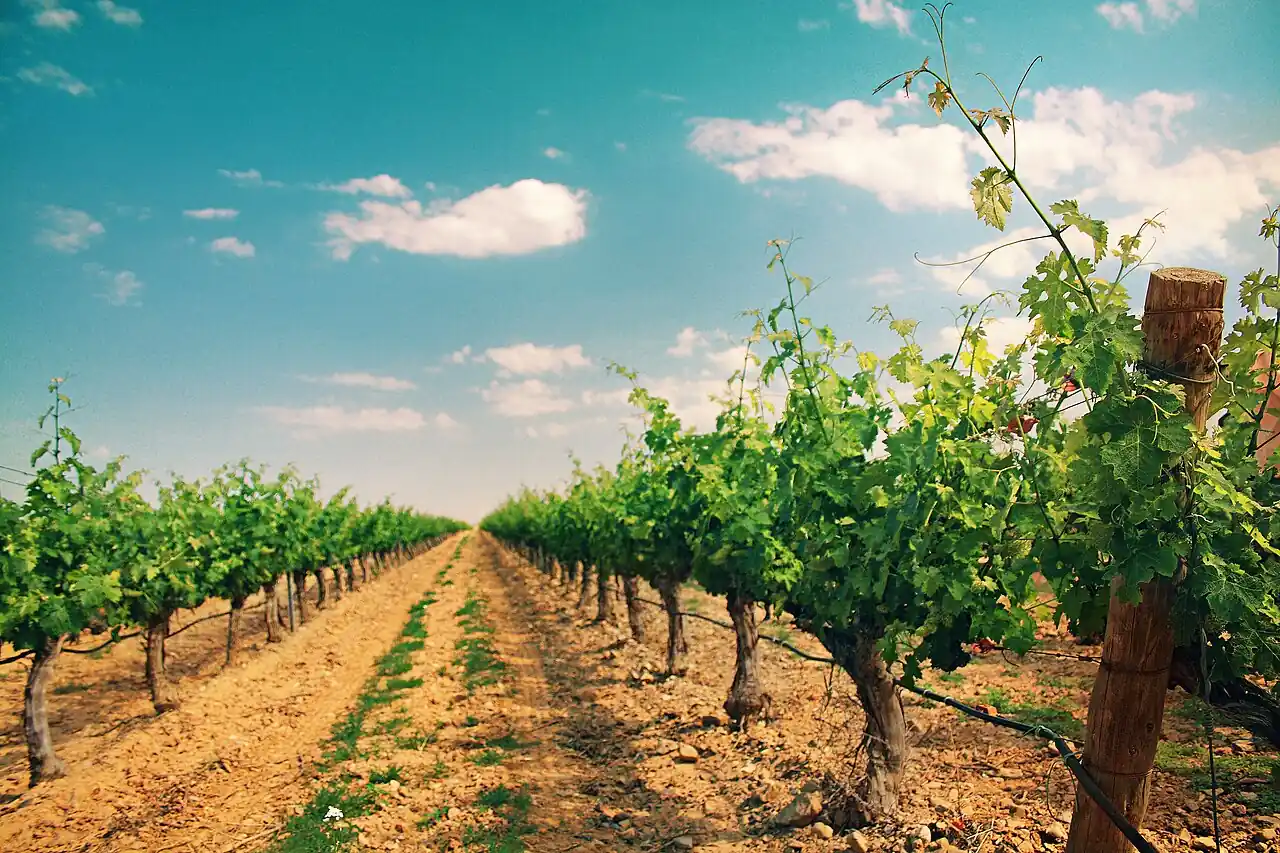
Hay una variedad de uva, la hebén, que crece todavía en viñedos españoles y que, según este estudio, no ha dejado de cultivarse desde hace al menos 1.100 años. Puesto en perspectiva: eso sitúa su origen en una fecha cercana a la proclamación del Califato de Córdoba, en el año 929. Once siglos de continuidad […]
Por Juan Manuel de Prada «Entre pucheros anda el Señor», nos advirtió Santa Teresa; y la democracia, que es una religión antropoteísta, quiso emular al Señor. Pero como la democracia…
Por Juan Manuel de Prada Quizá el rasgo de sumisión más penoso de nuestros gobernantes en el traumático episodio vivido en Ceuta este verano ha sido la reiterada calificación de…
El 29 de mayo de 1108, un ejército almorávide derrotó a las tropas de Alfonso VI a las afueras de Uclés. En la batalla murió Sancho Alfónsez, el único hijo varón del rey y su heredero, un golpe que dejó a Castilla sin sucesor directo y que los cronistas de la época consideraron una de […]
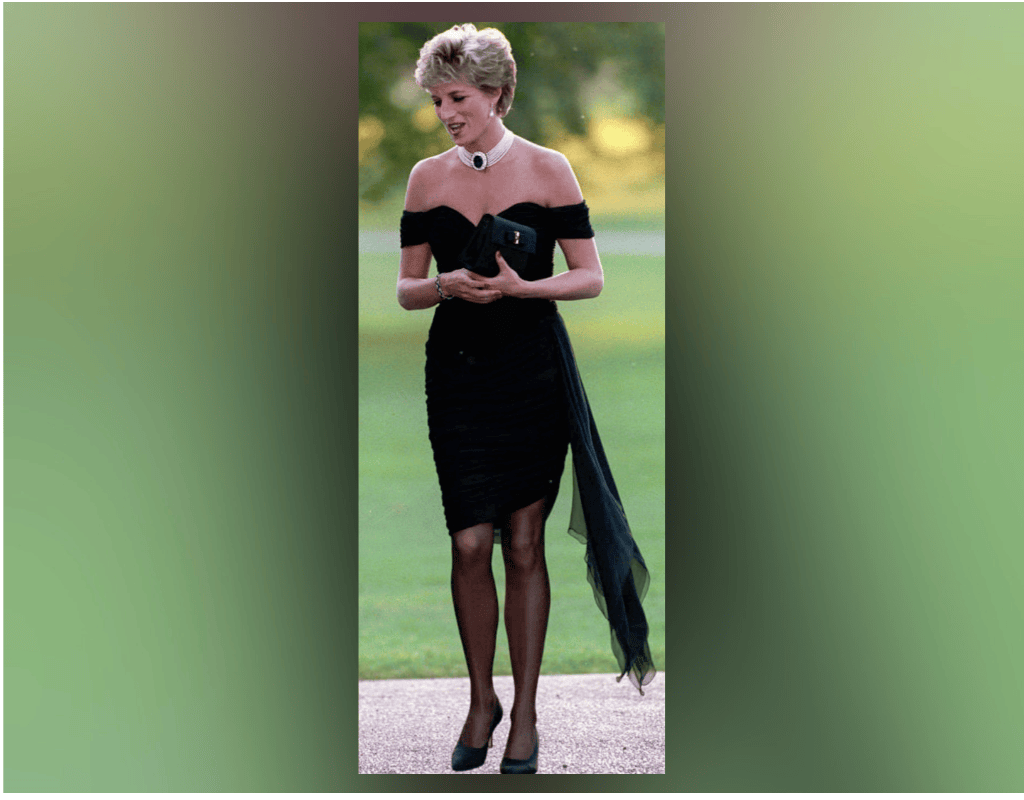
Diana turned heads when she arrived at the Serpentine, one of London’s most celebrated art galleries, on a warm June evening in 1994, dressed in the figure-hugging gown.

 Login