❌

Reading view

Air-raid sirens cost Kyiv’s weapons makers 61.8 working hours in month, nearly eight days, yet their contract deadlines stay fixed, two groups say

Air-raid sirens are quietly stealing the hours Ukraine needs to build its weapons. The alerts ate up 61.8 hours of the standard work schedule in Kyiv between 27 August and 29 September, almost eight working days in a little over a month, yet weapons makers still face unchanged contract deadlines, the Ukrainian Gunmakers Council and the League of Defense Enterprises of Ukraine say.

In September 2026, Economy Minister Oleksandr Kravchenko said that every hour of air-raid alerts costs Ukraine’s economy about $45 million as businesses halt and workers shelter. For arms makers, those lost hours collide with fixed delivery dates and the penalties that follow if they slip.

The council’s figure covers Kyiv alone, and each plant loses more depending on its location, schedule, and processes, the groups said. On top of the siren time comes the wait to shut equipment down safely, move workers to shelter, and restart once the all-clear sounds.

A missed deadline carries a daily fine, and after 30 days, an extra 7 percent penalty. Money meant for components and the next orders goes instead to penalties and court disputes.

A rule that ignores the sirens

The contract date stays fixed unless the customer agrees to move it, the groups said. That leaves producers paying for stoppages they do not control, while the weapons still have to ship.

The Gunmakers Council has drafted changes to Cabinet Resolution No. 1275 to establish a single method for confirming real downtime from alerts and its effect on each contract’s deadline, it said. A customer could check alert times against official data and verify stoppages and restarts against a plant’s own production records, with each request judged on a case-by-case basis.

Waiting on the ministry

The groups say they have repeatedly raised the issue with the Defense Ministry and sent official letters proposing changes, and they are urging the ministry and the Defense Procurement Agency to act without delay.

They want a defined list of supporting documents, a deadline for reviewing requests, and rules for applying the mechanism to contracts that have already been signed. Until a decision comes, enterprises keep losing production time, and the risk of delay grows, the groups say.

  •  

Espagne, la grève contre la rente

JPEG - 303.8 kio
« Quel feignant ce rentier », Madrid, mai 2024
cc0 Daquella Manera

Une expulsion empêchée, un immeuble occupé, une assemblée de quartier… En Espagne, la lutte pour le logement excède depuis longtemps la défense des ménages menacés d'expulsion. Elle a formé des militants, inventé des pratiques de solidarité et contribué à transformer la vie politique du pays. Quinze ans après les indignados, les mobilisations actuelles prolongent cette histoire, alors que la crise du logement ébranle de nouveau les équilibres politiques.

L'expulsion de Maricarmen Abascal, 87 ans, le 23 septembre à Madrid, puis sa mort le 7 octobre, ont nourri une mobilisation qui s'étend à plusieurs villes du pays. Lors des manifestations du 3 octobre, organisées dans plus de cinquante villes, les syndicats de locataires appelaient à une grève générale pour le droit au logement et contre le rentismo, le système qui tire des revenus de la détention de biens immobiliers.

Le 11 novembre, une grève générale de vingt-quatre heures aura lieu à l'initiative, notamment, du Sindicato de Inquilinas. Elle bénéficie du soutien conjoint des deux principales centrales ouvrières, l'Union générale des travailleurs (UGT) et les Commissions ouvrières (CCOO), une première depuis quatorze ans. L'appel intervient après le rejet parlementaire de deux décrets sur le logement et la convocation d'élections anticipées pour le 29 novembre.

Si les locataires peuvent tenter de bloquer une expulsion ou négocier avec leur propriétaire, ils disposent de moyens plus limités pour imposer une baisse générale des loyers. En obtenant le ralliement des grandes centrales, leurs organisations cherchent à étendre le conflit aux lieux de travail et à exercer sur les pouvoirs publics et les intérêts immobiliers une pression beaucoup plus forte que celle des mobilisations de quartier. La grève doit ainsi permettre de contester le rentismo à l'échelle où il se perpétue : celle des choix économiques et politiques qui font du logement une source de revenus pour les uns, une dépense toujours plus ruineuse pour les autres.

Dans nos archives

  •  

Des vies sous « hypothèque » à Madrid

La « fièvre de la brique » espagnole s'est apaisée. Elle laisse derrière elle des villes fantômes, des forêts de grues immobilisées et des centaines de milliers de chômeurs. Cette enquête dans la communauté autonome de Madrid souligne l'engrenage de l'endettement dans lequel les familles se sont laissé entraîner.

La crise ne se promène pas dans les rues de Madrid, même si l'Espagne est sans doute l'un des pays les plus touchés par la récession de l'économie mondiale. La vie suit son cours. Certes, les travailleurs licenciés ou, plus encore, ceux dont le contrat temporaire n'a pas été renouvelé expriment de temps à autre leur colère. Certes, on se serre un peu la ceinture : « Dans les supermarchés, toutes les ventes ont chuté. Les seules à augmenter sont celles des produits de bas de gamme », soutient l'employé d'un centre commercial. Il y a aussi moins de monde dans les bars à l'heure de l'apéritif, les terrasses paraissent moins bruyantes le soir, et la nuit madrilène est moins bigarrée.

Les annonces « à vendre », plus nombreuses aux balcons des immeubles, témoignent des changements. Et il suffit de jeter un œil sur la vitrine de n'importe quelle agence immobilière pour vérifier l'effondrement des prix. Ainsi à Aluche, une banlieue populaire, un appartement de 65 mètres carrés, situé au troisième étage avec ascenseur, était vendu 240 000 euros en 2006. Trois ans plus tard, des logements de ce type se vendent 160 000 ou 170 000 euros. Les sociétés immobilières ont fermé plus de 40 % de leurs agences depuis 2007. Néanmoins, quand on pousse la porte de l'une d'elles, les visages sont aimables et souriants : les affaires continuent. 86 % des Espagnols sont propriétaires — un modèle pour ceux, tel M. Nicolas Sarkozy, qui veulent encourager l'accès à la propriété en guise de politique du logement (1).

Dans les faits, cet accès ouvre surtout sur… un endettement de longue durée. Entre 2004 et 2007, cinq millions de crédits avec garantie hypothécaire ont été octroyés pour l'achat de logements. Une situation si fréquente que l'expression « avoir une hypothèque » est passée dans le langage courant. Parallèlement ont proliféré les prêts à la consommation — le plus souvent garantis sur le bien immobilier —, les cartes de crédit, les crédits rapides accordés par des sociétés financières — dont les taux d'intérêt atteignent parfois 25 % — tout comme les entreprises privées de rachat de crédits. Au point que certains prêts ne sont plus associés à l'achat d'un bien concret, mais deviennent un produit de consommation à part entière. Il est ainsi habituel de recevoir des publicités ou des appels téléphoniques informant que des sommes de plusieurs milliers d'euros sont « mises à votre disposition » pour être dépensées « comme vous voulez ». Cette prolifération incontrôlée du crédit et de l'endettement pèse fortement sur les ménages. Au dernier trimestre 2008, le rapport entre la dette et les revenus de base disponibles (le ratio d'endettement) atteignait 125 %, contre 88,9 % en France. En 2008, les impayés des crédits hypothécaires se sont accrus de 310 %, et 2,7 millions de personnes ont fini l'année sans pouvoir acquitter leurs dettes. Pour 2009, on prévoit cinq cent mille mises en demeure pour des crédits personnels impayés, ainsi que plus de quatre-vingt-six mille saisies hypothécaires, soit trois fois plus qu'en 2007 (2).

La hausse des prix
fut un encouragement psychologique

Comment en est-on arrivé là ? Pour le comprendre, il faut revenir sur le rôle des agences immobilières (3). Après avoir affirmé que c'est le « meilleur moment pour acheter », l'agence offre une « étude financière », gratuite et sans engagement, destinée à évaluer ce que le futur acheteur sera en mesure de payer et le bien auquel il peut prétendre. Elle propose même de démarcher ultérieurement un crédit auprès de la banque. Dans le calcul sont pris en compte le salaire, les revenus non déclarés — ou revenus « B », comme on les appelle par euphémisme —, l'épargne et les garanties familiales. L'agence dévoile également les secrets de l'« évaluation », c'est-à-dire l'estimation du prix du logement réalisée par des entreprises certifiées qui détermineront la valeur du futur prêt. Le montant de l'évaluation, sur lequel l'agence peut influer, sert ensuite de référence à la banque pour accorder le crédit. Ce dernier doit également permettre de couvrir les frais additionnels : impôts, actes notariés et, bien sûr, commissions des intermédiaires (de l'agence en question, de la société financière et de la banque). Le paiement s'échelonne sur trente, trente-cinq ou quarante ans, en prenant soin que les mensualités ne dépassent pas 40 % de vos revenus. On vous laisse toutefois entrevoir la possibilité de les augmenter un peu, surtout si vous gagnez aussi de l'argent « B »…

Lors du boom immobilier, les évaluations gonflées, la prolifération des intermédiaires, les crédits octroyés aux limites des possibilités de paiement étaient des pratiques courantes. Et il n'est guère surprenant que, désormais, nombre de personnes ayant commencé à payer des « hypothèques » se retrouvent dans l'incapacité de les honorer.

Ester et Angel ont décidé d'acheter un logement en 2004 (4). « Je ne me suis même pas posé la question de la location, reconnaît Ester. Je n'y ai pas pensé. » Il est vrai que l'Espagne connaît une pénurie de logements à louer, les autorités ayant toujours encouragé l'accès à la propriété par des dispositions fiscales et des facilités de crédit. Les parents d'Ester, quoique travaillant à Madrid, ont successivement vécu dans les cités-dortoirs du sud de la ville, où le prix de vente des apartements était accessible : Leganés (à 11 kilomètres), Fuenlabrada (à 22 kilomètres), Valdemoro (à 27 kilomètres) et, finalement, Seseña (à 36 kilomètres). Aussi exceptionnel soit-il, ce périple résidentiel rend compte de la manière dont la revalorisation immobilière et la plus-value qu'elle autorise ont permis d'acquérir un meilleur logement — une maison avec jardin, en dernier lieu — mais à condition de s'éloigner toujours plus de la capitale. Dès la fin des années 1980, les prix de l'immobilier ont connu une augmentation régulière. Il n'était même pas nécessaire d'avoir fini de payer son logement pour le vendre, rembourser l'ancienne « hypothèque », financer une partie du nouveau et faire une autre « hypothèque » pour en payer le reste.

Bien qu'Ester et Angel n'aient pas réfléchi à cette valorisation continue au moment de l'achat, la hausse des prix — 18 % en 2004 — fut un encouragement psychologique important. L'idée que « payer un loyer, c'est jeter de l'argent par la fenêtre » relevait pratiquement de l'évidence. « L'idée fixe, c'était d'avoir quelque chose à soi, explique Ester. Mais personne ne s'en rendait compte, tout le monde s'embarquait, tous tes amis achetaient une maison. Je me souviens avoir dit à mon mari : “Soit on s'embarque maintenant [dans l'achat d'un logement], soit on laisse passer, parce que ça va devenir de plus en plus cher.” »

Tous deux travaillent à Madrid, mais ils se décident pour un F4 de 64 mètres carrés que leur montre l'agence à Valdemoro et qui coûte 165 000 euros. Ils demandent un crédit personnel destiné à l'acompte, soit 9 000 euros, qu'ils pensent rembourser rapidement grâce à la différence entre l'évaluation et le prix réel du logement. La signature devant notaire se fait ensuite rapidement, sans accès préalable aux documents, ce qui est pourtant un droit. Plusieurs changements de dernière minute modifient les conditions du prêt, ce dont Ester se souviendra plus tard avec amertume : « Tout était déjà en marche. Mes parents, qui étaient les garants, et les propriétaires de l'appartement étaient là. Ils ne voulaient pas perdre l'appartement ni l'argent de l'acompte. Mais maintenant, il m'arrive de me demander : et si j'avais dit devant tous ces gens si bien fringués — dans le bureau, outre le notaire, étaient présents le directeur et le sous-directeur de la banque, la jeune femme de l'agence et deux représentants de la banque —, si j'avais dit, quitte à ce qu'on me prenne pour une folle : “Ben moi, désolée, je ne signe pas” ? C'est ce que j'aurais dû faire. Mais avec quelle force ou avec quelle clairvoyance aurais-je pu faire une chose pareille ? A ce moment-là, mon idée était de m'acheter un appartement. J'étais complètement aveuglée par le fait qu'il était déjà à nous, qu'il n'y avait plus qu'à signer. En plus, la date limite pour la vente, c'était ce jour-là. »

Ils acceptent ainsi une « hypothèque » de quarante ans, mais en s'engageant auprès d'une banque qu'ils n'avaient pas choisie, avec un intérêt légèrement supérieur à celui précédemment annoncé et pour un montant de 189 000 euros… Ce à quoi s'ajoutent les actes et les taxes, qui représentent généralement 10 % du prix de l'appartement, mais qui, dans le cas d'Ester et Angel, montent à 14,5 %. Plus question de rembourser le crédit de 9 000 euros : l'agence immobilière en a déjà pris 6 000. Ils découvrent que le droit de désistement n'est pas reconnu par la législation espagnole dès lors que les parties sont physiquement présentes lors de la signature du contrat. Comme la plupart des ménages, c'est dans l'opacité la plus totale qu'ils ont signé un contrat financier qui engage une part considérable de leurs revenus pour le restant de leur vie. Mais ils se rassurent en pensant que, en dernier recours, il leur sera toujours possible de revendre leur logement rapidement et de faire des bénéfices…

Comme prévu, Ester et Angel commencent à payer des mensualités de 770 euros, ce qui représente 38 % de leurs revenus. Un an après l'achat, Ester est congédiée de l'entreprise où elle travaillait comme auxiliaire administrative. Elle est alors enceinte et soupçonne que c'est la raison de son renvoi. Mais, en Espagne, le licenciement sans cause avérée n'entraîne pas de grosses difficultés pour les employeurs : il suffit de verser dans les quarante-huit heures l'indemnisation fixée par la loi, correspondant à quarante-cinq jours par année travaillée. A partir de ce moment et jusqu'en 2008, Ester parvient seulement à enchaîner des emplois temporaires, comme presque 30 % des travailleurs espagnols. Ensuite, elle ne retrouve plus de travail.

Aucune loi
sur le surendettement des ménages

Durant l'année 2008, le relèvement des taux d'intérêt fait passer la mensualité à… 1 130 euros. A peu près au même moment, Angel est licencié à son tour. Pour la première fois, le couple ne peut payer les traites. Il décide de ne pas faire appel à la famille. « On pensait régulariser le mois suivant et, au pire, on pouvait retirer de l'argent avec la carte de crédit pour le reverser sur le compte. Mais on n'a pas pu payer et ça a fait boule de neige. » Angel retrouve finalement du travail. Le couple entame des négociations pour régler les retards, mais reçoit une mise en demeure menaçant d'une saisie de l'appartement. La solution proposée par la banque ? Contracter un nouveau crédit pour couvrir la dette en instance. Ester et Angel doivent donc ajouter un plan d'épargne aux conditions déjà exigées lors de la signature de l'« hypothèque » (ouverture d'un compte, souscription d'une assurance-vie et d'une assurance-habitation auprès de l'entité) et accepter une augmentation du « différentiel », le pourcentage qu'ajoute la banque au taux d'intérêt de base. L'une des clauses du nouveau contrat stipule un seuil plancher des intérêts de 3,6 %. Nous sommes précisément à la fin de l'année 2008, c'est-à-dire au moment où les taux officiels commencent à passer en dessous de ce seuil…

Scandalisés par ce qu'ils considèrent comme un nouvel abus, Ester et Angel rejettent l'offre et continuent à payer comme ils le peuvent, sans s'être acquittés des retards, en attendant de trouver un moyen pour mettre un terme à la menace d'exécution hypothécaire. En effet, en Espagne, il n'existe aucune loi sur le surendettement des ménages qui permette aux particuliers de faire face à ce type de situation. En dernier recours, les parents d'Ester sont prêts à demander un crédit pour les aider. C'est aussi une manière d'éviter que ne soit saisie la caution qu'ils ont engagée.

Bien que cela lui pèse, Ester considère désormais que « plus tu te comportes comme un pirate, mieux tu réussis dans la vie. Je pars maintenant du principe que tous ceux qui m'entourent vont me tromper ». Cela vaut d'abord pour les banques. Elle calcule ce qu'elle finira par payer : 369 600 euros avec les intérêts, pour un appartement vendu 165 000. « Je souhaitais faire d'autres choses, regrette-t-elle, je voulais étudier, passer mon baccalauréat. Et la réalité, c'est qu'aujourd'hui je me retrouve avec un appartement et rien d'autre. »

A la recherche de petits travaux
pour remonter la pente

Les problèmes de Victor, divorcé avec deux enfants, proviennent au moins autant de l'augmentation des taux d'intérêt que des difficultés de son entreprise. Employé dans le service design d'une fabrique de meubles, il touche 1 000 euros mensuels de salaire fixe mais, en période d'activité normale, s'y ajoute une partie « B » de 600 à 800 euros. Il vit et travaille à Fuensalida, une ville de la province de Tolède, à 70 kilomètres de Madrid. Si lui habite à cinq minutes de son travail, nombreux sont les habitants qui travaillent dans la capitale. En 2005, il a acheté un appartement de 115 mètres carrés pour 159 000 euros. Il n'est pas passé par une agence immobilière et a demandé directement un crédit à sa banque. Il a couvert les frais de transaction avec son épargne et a pu obtenir le crédit pour le total de l'« évaluation » grâce à sa mère, qui s'est portée caution. A cette époque, les loyers dans cette zone s'élevaient à 400-500 euros, ce qui équivaut pratiquement au montant de la mensualité qu'on lui propose — 521 euros — pour une « hypothèque » de quarante ans. « Au lieu de payer pour quelque chose qui ne sera pas à toi, raconte-t-il, j'ai préféré m'engager dans l'achat d'un appartement. »

Le taux d'intérêt annuel est de 2,5 % pendant la première année. A partir de l'année suivante, on lui applique le taux d'intérêt variable qui régit le reste de son crédit, soit le taux de base interbancaire européen — l'Euribor, acronyme de European Interbank Offered Rate (5) — plus un « différentiel » de 1,25 %. En 2006, lors de la renégociation annuelle, ses mensualités passent ainsi à 648 euros, puis à 758 euros en 2007 et, finalement, à 830 euros en 2008. Dans la mesure où les intérêts ont un poids plus important au cours des premières années, les augmentations de taux provoquent ces énormes variations. En même temps, la part des revenus « B » de Victor disparaît complètement lorsque son entreprise commence à subir les effets de la crise. C'est donc avec un salaire de 1 000 euros qu'il doit couvrir l'ensemble de ses frais. En mai 2009, il demande un crédit personnel de 12 000 euros pour faire face à plusieurs dépenses, dont la communion de sa fille. « Lorsque j'ai commencé à avoir vraiment des difficultés, je me suis mis à entraîner une équipe de football junior après le travail et, les week-ends, j'essayais de faire des petits travaux, du bricolage, n'importe quoi pour essayer de remonter la pente. J'ai aussi un permis poids lourd pour faire des trajets courts mais, pour l'instant, ça n'a rien donné. Tous les jours, je sors de chez moi à 8 heures du matin et je ne reviens jamais avant 21 heures. Je ne travaille pas moins de soixante ou soixante-cinq heures par semaine, en tirant toujours le diable par la queue pour avoir un peu d'argent et payer. Mais quand je suis débiteur, je retire avec la carte de crédit et je reverse sur le compte. » Jusqu'au mois suivant, où les intérêts s'ajoutent aux mensualités existantes des crédits immobilier et personnel…

Pour la banque,
le risque est presque nul

Victor a tenté de modifier les conditions de son « hypothèque ». En vain : les réponses sont toujours négatives car son appartement a perdu de sa valeur. « Et ne songe surtout pas à cesser les paiements ! Ici, ce n'est pas comme aux Etats-Unis, où tu restitues le logement et où la dette est soldée. Ici, la banque te prend le logement et, lorsqu'il est vendu aux enchères, la différence entre la valeur du prêt et celle de la vente, tu continues à la devoir. Ensuite, ils s'en prennent à tes garants et, si ce n'est pas suffisant, à tout ce qu'ils pourront prélever sur ton compte. » De fait, seul le salaire est dans une certaine mesure protégé contre la saisie pour dettes. Comme dans tous les pays de tradition de droit romain, un débiteur répond de sa dette avec tous ses biens présents et futurs, ce à quoi s'ajoutent d'autres types de garanties comme les cautions.

Ainsi, pour la banque, le risque du prêt est pratiquement nul, une fois retirés les coûts des diverses procédures judiciaires éventuellement engagées. Pour couronner le tout, un décret-loi (n° 716/2009), publié le 2 mai 2009, permet à la banque d'exiger des garanties supplémentaires si l'immeuble a perdu plus de 20 % de la valeur de l'estimation initiale. A défaut de lois de surendettement ou d'interventions publiques d'aide aux particuliers, le crédit privé est la seule issue. Et, en dernier recours, interviennent des entreprises de crédit rapide, pratiquant des intérêts que certains n'hésitent pas à considérer comme usuraires.

Aussi longtemps que la banque n'accepte aucun changement, la seule possibilité pour Victor, outre l'aide que peut lui apporter sa famille, est de tenir jusqu'à la prochaine renégociation de l'« hypothèque » et d'espérer que les taux d'intérêt se maintiendront aux niveaux historiquement bas d'aujourd'hui… Sous l'action conjointe de la Banque centrale européenne (BCE), des opérations de sauvetage des banques et des injections de liquidités, l'Euribor s'est en effet fixé à 1,77 % en avril 2009. Compte tenu des hauts montants d'endettement et des effets directs des cycles du marché financier, les ménages espagnols ont développé une grande familiarité avec les taux d'intérêt du marché interbancaire. Au point que Victor voit bien ce que l'on pourrait faire : « Au lieu d'aider les banques, il suffirait qu'on accélère les renégociations des hypothèques aux taux actuels, ou qu'on crée une banque hypothécaire publique, comme il y en avait avant, qui puisse racheter les dettes des gens qui ont des difficultés, et qu'on applique tout de suite les taux actuels. » C'est même l'une des seules perspectives pour beaucoup de propriétaires endettés en Espagne.

Les migrants souffrent plus encore de la situation. Près de cinq cent mille familles migrantes ont des « hypothèques », et les abus qu'elles subissent — notamment des crédits aux taux croissants, des différentiels plus élevés — sont plus graves. Fin 2008, six cent trente-quatre mille huit cents étrangers sur les cinq millions deux cent mille qui résident en Espagne figuraient dans les « registres des mauvais payeurs » (6). Les associations de consommateurs ou de quartier qui assistent les personnes confrontées à des problèmes d'endettement reçoivent majoritairement des migrants. Et pour cause : ils sont plus dépourvus que les autochtones de réseaux de soutien, les taux de chômage sont supérieurs (7) et ils sont soumis à des pratiques de crédits en chaîne qui impliquent plusieurs familles au moment où l'une d'elles cesse le paiement.

« Le profil de sortie de la récession [en Espagne] est plus lent que celui de la moyenne de la zone euro, et cela s'explique par la situation du secteur du logement », déclarait le commissaire européen chargé des affaires économiques et monétaires Joaquín Almunia, prévoyant un « ajustement plus prolongé (8) ». « Ajustement » qui suppose plusieurs milliers d'exécutions hypothécaires, l'absorption par les banques de l'épargne des ménages et un accroissement de la précarité de l'emploi et du travail au noir. Quant aux familles qui ont tenu le coup, elles risquent de voir leur endettement grimper avec un relèvement (prévisible) des taux d'intérêt.

Voir en ligne : /2009/07/GUILLEN/17571

(1) « Mon ambition serait de faire de la France un pays de propriétaires. Un Français sur deux est propriétaire de son logement. 80 % des Espagnols le sont. 76 % des Anglais le sont. Douze millions de familles françaises aimeraient être propriétaires et ne le sont pas. » TF1, 2 mai 2007.

(2) Selon les données présentées dans le rapport du Conseil des consommateurs et des usagers du 10 février 2009.

(3) Lire le dossier « Quand la pierre se transformait en or... », Le Monde diplomatique, décembre 2008.

(4) Pour conserver l'anonymat des personnes interrogées, leurs noms ainsi que ceux des villes citées ont été modifiés.

(5) L'Euribor est le taux d'intérêt calculé au jour le jour par la Fédération bancaire de l'Union européenne. Il s'agit d'une moyenne pondérée du taux d'intérêt auquel les soixante-quatre banques européennes les plus importantes sont disposées à prêter de l'argent.

(6) 21 % du volume des dettes impayées est imputé à ce groupe, qui représente seulement 11,3 % de la population.

(7) 28,4 %, contre 15,23 % parmi les autochtones, selon l'enquête sur la population active de l'Institut national de statistique (INE), au premier trimestre 2009.

(8) Agence France-Presse, 12 février 2009.

  •  

Why did Meta change its moderation system before Brazil’s elections?

CEO of Meta Platforms Mark Zuckerberg looks on as U.S. President Donald Trump holds a press briefing with AI executives following a meeting on artificial intelligence, outside the West Wing of the White House on September 29, 2026 in Washington, DC. Photo by Finn Gomez/Getty Images

This story originally appeared in Panamerican Dispatch on Oct. 08, 2026, and is shared here with permission.

No doubt you’ve seen it yourself, or read about it: Meta, the tech giant behind Facebook, Instagram and WhatsApp, manipulating engagement on certain accounts or banning pages and posts outright to limit the reach of specific political groups.

Here’s something that happened to me. I recently set up a second Instagram account. I never interacted with, followed or liked any far right content. I only followed progressive accounts: Brasil 247’s page, the Landless Rural Workers’ Movement, Lula and a few others. So what showed up first in my feed? A reel from Lucas Pavanato. Yes, the same far right extremist who won more than 3 million votes for federal deputy on the strength of his viral social media clips. Let’s be honest about how he got those millions of views. It wasn’t charisma, and it certainly wasn’t political substance.

Jeferson Miola, a columnist and political analyst at Brasil 247, shared an account of his own: “Instagram took down the page of SAJU, the legal aid service run by the law school at the Federal University of Rio Grande do Sul,” he said. “SAJU was founded in 1950, and it provides free legal help to low income people. Instagram removed the page after it posted support for Lula’s reelection. That’s a university institution being shut down for political and ideological reasons. It’s a clear restriction of freedom of expression.”

When media personality Fábio Porchat, who has 7.5 million followers on Instagram alone, posted a video video calling out abuses at senatorial candidate Michelle Bolsonaro’s prosperity gospel church, Lagoinha, Instagram pulled it offline with no explanation. It only went back online after a wave of public pressure.

I could list case after case all day. But one account stood out to me in particular: someone who actually works at Meta Brazil. I’m protecting her identity, as journalism allows, so I’ll call her Lira. Here’s what she told me:

“At Meta, there’s a whole team of human moderators who review content. They decide what gets approved and what gets flagged, whether it’s political violence, sexual content, or anything else that crosses their line. These are people with judgment and critical thinking, making real decisions, even while working within the platform’s guidelines. Right in the middle of Brazil’s election season, a large number of them were laid off and replaced almost immediately by AI systems. That means decisions are now coming from a single automated command, possibly issued from the US, designed to boost certain content while burying the rest.”

It’s no secret that Meta has been cutting jobs worldwide. What’s not public is which jobs these were, what those employees actually did, or why the company chose this specific moment in Brazil’s political calendar to make the switch.

There’s a bigger issue here too. AI doesn’t just follow orders, it scales them, instantly and at massive reach, whether the intent behind them is good or bad. All it takes is one command. Maybe from one billionaire.

Zuckerberg’s Unapologetic Support for Trump

Lira’s story connects a lot of dots. Pavanato showing up in my feed, Porchat’s video disappearing, a university page getting banned: all of it could trace back to a single AI instruction, one that executes instantly with no human review at all.

In 2025, Meta’s CEO doubled down on his alignment with the Trump administration, the same administration that openly admits to meddling in Brazil’s politics. “The government can either be actively against you, adding friction and getting in your way, or it can actively help you break down barriers,” Zuckerberg said. Asked about backing Trump specifically, he called it “the right thing to do.”

This partnership isn’t subtle. The support runs both ways, and there’s a real appetite here to control entire countries, Brazil especially. Brazil’s Supreme Federal Court and federal government still try to regulate social media and hold Big Tech accountable to the Constitution, as we saw recently with Discord. For Meta, getting Flávio Bolsonaro into the presidency would mean restoring the lawless digital free for all his father presided over. That’s not just a preference. It’s a profitable mission for Meta, and one that’s more alive than ever. After all, how do you think those viral, extremist friendly clips that get far right candidates elected actually come about, if not with some help from Big Tech?

Laís Gouveia has been a reporter at Brasil 247 since 2018. Before that, she was educational policy director at the National Student Union (União Nacional dos Estudantes/UNE) and an editor at Portal Vermelho.

This article originally ran at Brasil 247, was translated, with consent, by Panamerican Dispatch, and can be read in its original Portuguese here.

  •  

Russia sells cheaper fuel abroad and pays to keep its own pumps running amid Ukraine’s refinery strikes, but crude money still flows

ukraine says its strikes have knocked out 51% russia's oil refining capacity · post flames saratov refinery after reported ukrainian drone strike 2 2026 image_2026-08-02_14-32-39 news reports

Russia's seaborne exports of refined oil products rose to a three-month high in September, but the growth came from cheaper fuel oil and naphtha as diesel shipments fell to their lowest in more than a decade, Bloomberg reported, citing Vortexa data. Russia kept diesel at home after Ukrainian refinery strikes and paid oil companies to supply its pumps, while high crude prices lifted its crude export earnings.

During the ongoing deep-strike campaign, Ukraine's long-range drones have knocked out more than half of Russia's oil refining capacity, Kyiv says, and Russia's budget oil revenues are falling even as it raises war spending. High global crude prices are softening that blow.

Cheaper fuel out

Total seaborne product exports reached about 1.17 million barrels a day in September. Fuel oil shipments rose 6% to about 613,000 barrels a day, the highest since April. Naphtha, a feedstock for petrochemicals, jumped 35% to 363,000 barrels a day. Exports of refinery feedstocks, including vacuum gasoil, rose to about 32,000 barrels a day, according to Bloomberg.

The trade has moved north. Almost 80% of fuel oil cargoes left from Baltic ports, and naphtha loadings there rose almost 50% as Ukrainian attacks disrupted Black Sea infrastructure. In September, Ukraine reported hitting an oil terminal in Novorossiysk, Russia's main Black Sea oil port—one in a string of attacks on Russia's Black Sea ports and oil sites.

more than 500 drones moscow’s count kh-101 fuel plant second yandex data center far-north refinery hit · post smoke over ukhta komi republic after reported drone attack lukoil 9 2026
Explore further

More than 500 drones by Moscow’s count: Kh-101 fuel plant, second Yandex data center, and a far-north refinery hit

Diesel kept at home

Diesel and gasoil exports fell 28% to 144,000 barrels a day, the lowest monthly volume in Vortexa data going back more than a decade. Russia has restricted diesel exports to protect domestic supply after Ukrainian attacks on its refineries. Drones kept hitting them into October, from a Lukoil refinery in Volgograd to Gazprom's Salavat complex in Bashkortostan.

In September, Russia paid oil companies the biggest subsidy in more than four years to keep road fuel on the domestic market. It also imported about 350,000 tonnes of motor fuel by sea, mostly gasoline from India, Morocco, and Türkiye, Reuters calculations showed. Officials are considering letting some producers resume diesel exports in October to avoid overstocking, according to Interfax.

The diesel squeeze has reached the White House. US President Donald Trump stated on 30 September that diesel was hurt "not by the Middle East, but by what's going on in Russia, because those diesel refineries are being knocked out at a pretty alarming rate."

Crude carries the revenue

Russia's crude exports reached about 3.99 million barrels a day in the week to 27 September, and the estimated value of its seaborne crude shipments neared its highest since the full-scale invasion began, Bloomberg reported. Brent crude traded at about $102.60 a barrel on 9 October, according to Trading Economics data.

  •  

More than 500 drones by Moscow’s count: Kh-101 fuel plant, second Yandex data center, and a far-north refinery hit

more than 500 drones moscow’s count kh-101 fuel plant second yandex data center far-north refinery hit · post smoke over ukhta komi republic after reported drone attack lukoil 9 2026

Drones struck a plant making fuel components for Russia's Kh-101 cruise missiles and a second Yandex data center overnight on 9 October, Russian officials and monitoring channels reported. The same night, fires were reported at a refinery in Russia's far north and an oil depot near Belgorod. Russia claimed it downed more than 500 drones, and Ukraine has not claimed any of the strikes.

Ukraine has spent months hitting refineries and arms suppliers deep inside Russia. Russia, meanwhile, keeps firing Kh-101 cruise missiles at Ukrainian cities, including the one that killed 22 people in Pryluky on 7 October.

The plant behind the Kh-101's fuel

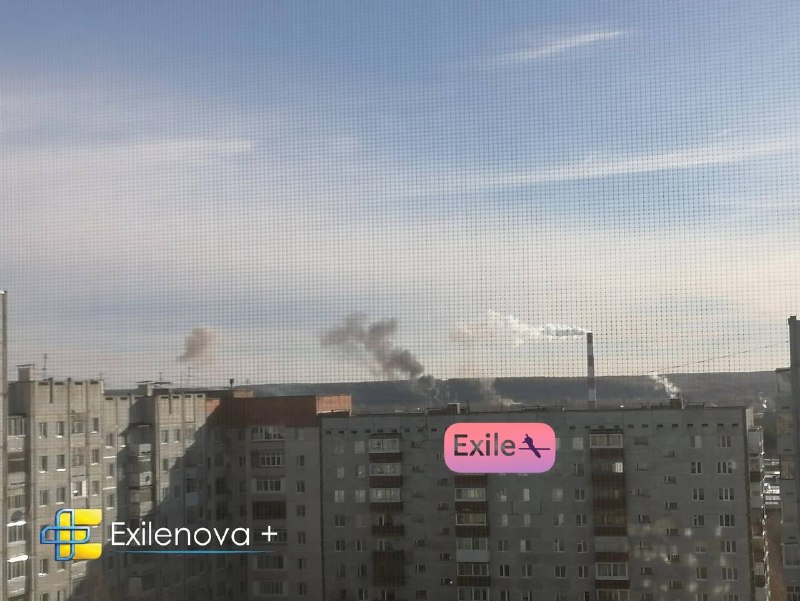
The Redkino Experimental Plant in Tver Oblast came under attack overnight, Ukrainian monitoring channel Exilenova+ reported. It said the plant makes components of Decilin-M, a fuel for Kh-55 and Kh-101 cruise missiles, as well as additives for diesel and aviation kerosene.

Tver Oblast Governor Vitaly Korolev claimed a plant in Redkino caught fire as a drone attack was being repelled. He did not name the plant. No workers were hurt, he said.

The plant also makes ferrocene derivatives, which serve as burn catalysts in solid-fuel rocket motors, Militarnyi reported. The UK sanctioned it in September 2025. Drones attacked it in September 2023 and twice in one night in June 2024, the outlet said.

In February, drones of the Security Service of Ukraine's (SBU) Alpha unit struck the plant, sparking a large fire, SBU sources told Kyiv Post. The Kh-101 is the missile Russia used against Pryluky on 7 October, Ukrainian President Volodymyr Zelenskyy said.

Yandex loses a second data center

Part of Yandex's data center in Kaluga was damaged in the drone attack, and several modules were completely knocked out, the company's press service told Interfax, Russian newspaper Kommersant reported. Some Yandex services may run with interruptions, no one was hurt, and the company is still assessing the damage, Yandex said.

Kaluga Oblast Governor Vladislav Shapsha claimed nine people were injured in the overnight attack on the region. A day earlier, a drone attack forced Yandex to fully shut its data center in Sasovo, Ryazan Oblast.

A refinery in the north, a depot near Belgorod

Locals reported an attack on the Ukhta refinery in the Komi Republic, followed by a fire, Exilenova+ said. The Lukoil-owned plant can process about 4.2 million metric tons of oil a year, making gasoline, diesel, fuel oil, and vacuum gasoil. The extent of the damage is unclear.

An oil depot north of Belgorod was also burning after the night's attack, the channel posted. Belgorod's regional headquarters claimed two people were killed and four injured, including a child, in the Belgorod district.

A large fire also broke out in Pushkino near Moscow, likely at a truck parking lot, Astra reported. The cause is unknown.

Repeated strikes on Redkino target a specialty fuel that Russia's cruise missiles depend on, while two Yandex data centers hit in two nights bring the war to services ordinary Russians use every day.

  •  

Influenciador responde crítica à Bahia e chama bolsonarismo de “câncer do Brasil”

O criador de conteúdo político baiano Elias Barbosa rebateu uma crítica feita à Bahia e chamou o bolsonarismo de “câncer do Brasil”. A declaração foi dada em resposta a uma provocação sobre o estado ter elegido um candidato do PT como governador. Em vídeo publicado nas redes sociais, ele retrucou acusando o bolsonarismo de intensificar o discurso de ódio contra minorias e disseminar a discórdia.

O influenciador afirmou que o bolsonarismo profana a religião cristã ao criar uma imagem de mito em torno de Jair Bolsonaro. Segundo ele, o cristão idolatra mais a família Bolsonaro do que a Jesus. Elias Barbosa também criticou a transformação da igreja em palanque político e afirmou que o movimento age contra os pobres e trabalhadores.

The post Influenciador responde crítica à Bahia e chama bolsonarismo de “câncer do Brasil” appeared first on Diário da Manhã - O Jornal do leitor Inteligente.

  •  

Fux pede acesso aos atos de Moraes em processos que levaram à condenação de Bolsonaro

O ministro Luiz Fux, do Supremo Tribunal Federal (STF), determinou nesta quinta-feira (8) que tenha acesso integral aos processos relacionados às investigações que resultaram na ação penal da chamada trama golpista, que levou à condenação do ex-presidente Jair Bolsonaro e aliados.

A decisão ocorre durante a análise de uma ação apresentada pelo Progressistas (PP), que questiona a condução das investigações pelo ministro Alexandre de Moraes. A sigla é representada pelo advogado Paulo Cunha Bueno, que também atua na defesa de Bolsonaro, e pede a nulidade de atos e provas produzidos no âmbito das apurações.

Fux determinou que sejam disponibilizados ao seu gabinete os autos relacionados à investigação da tentativa de golpe e de outros procedimentos relatados por Moraes, entre eles os inquéritos das fake news e das chamadas milícias digitais. Segundo o ministro, o acesso direto ao conteúdo integral dos processos é necessário para a análise da ação.

Ação apresentada pelo PP

A ação foi protocolada pelo PP em abril de 2024 e questiona a legalidade de procedimentos adotados por Moraes durante as investigações. Entre os argumentos apresentados está a alegação de que a apuração teria sido conduzida sem os controles previstos para inquéritos e que o ministro não poderia acumular determinadas funções na investigação.

O partido também questiona a competência do STF para conduzir parte dos processos e pede que sejam anulados atos e provas relacionados à Operação Tempus Veritatis, deflagrada pela Polícia Federal durante as investigações sobre a tentativa de golpe.

Fux ainda não decidiu sobre a validade das provas

O acesso aos processos não significa que Fux tenha reconhecido irregularidades ou determinado a anulação da condenação de Bolsonaro.

Neste momento, o ministro reúne os documentos para analisar os argumentos apresentados na ação. Uma eventual decisão sobre a validade dos atos e das provas dependerá da análise do conteúdo dos processos e dos fundamentos apresentados pelas partes.

A movimentação ocorre enquanto pedidos de revisão da condenação de Bolsonaro tramitam no STF. O ministro Kassio Nunes Marques é relator de uma das ações apresentadas pela defesa do ex-presidente.

Decisão ocorre mais de dois anos após pedido

O despacho de Fux foi proferido mais de dois anos depois da apresentação da ação pelo PP. A medida coloca novamente sob análise os procedimentos utilizados na investigação que resultou na denúncia e, posteriormente, na condenação de Bolsonaro e outros envolvidos.

A partir do acesso integral aos autos, Fux deverá avaliar as alegações apresentadas pelo partido antes de tomar uma decisão sobre o pedido.

The post Fux pede acesso aos atos de Moraes em processos que levaram à condenação de Bolsonaro appeared first on Diário da Manhã - O Jornal do leitor Inteligente.

  •  

Brazil’s angry tide and the struggles ahead

Lee en español aquí

Brazil’s general election on October 4 delivered a severe warning to the left. Flávio Bolsonaro, the presidential candidate of the Liberal Party (PL), finished ahead of President Luiz Inácio Lula da Silva, with approximately 47% against 45%. Neither secured a majority, sending them into a runoff on October 25. More troubling than this narrow presidential gap was the advance of bolsonarismo through Congress. The election has strengthened a political movement whose ambitions extend beyond defeating Lula to reshaping the institutions that obstruct its exercise of power.

The imprisonment (house arrest) and electoral exclusion of Jair Bolsonaro have not dissolved his movement. His son Flávio carries its presidential banner, while other members of the family have won seats in Congress. Michelle Bolsonaro, Jair’s wife, and Carlos Bolsonaro, his son, enter the Senate; Jair Renan, another son, and Renato, Jair’s brother, enter the Chamber of Deputies. Nepobolsonarismo is an appropriate name for this family’s expansion through the state. Yet the family is only the most visible expression of a broader project, rooted in powerful economic interests and a deeply organized reactionary politics.

A presidential contest with continental stakes

Lula remains the principal obstacle to the return of this project to the presidency. His defeat would affect workers and peasants throughout Brazil, but also the possibilities for regional cooperation and an independent Latin American foreign policy. Brazil’s size, industrial capacity, raw minerals (such as critical minerals), agricultural resources, and diplomatic reach give its political direction continental significance. A government that subordinates these assets to Washington’s priorities would weaken the space available to neighboring countries seeking their own paths of development.

The first-round geography demonstrates both Lula’s strength and his difficulties. He retained a commanding position in the Northeast, while Flávio led across the other four regions. São Paulo’s enormous electorate provided a particularly important advantage to the right. These divisions cannot be explained by an opposition between an enlightened population and an ignorant one. They require an examination of the different conditions of work, the organization of political life, and the capacity of competing movements to interpret people’s frustrations.

Lula approaches the runoff with a substantial social record. Unemployment fell to 5.3% in the quarter ending in August, the lowest rate for that period in the statistical series beginning in 2012. Such improvements matter enormously to families for whom a regular wage brings relief from daily uncertainty. But an improved national indicator does not settle the political argument. Employment can coexist with exhausting journeys, expensive housing, inadequate public services, and the insecurity of debt. The distance between statistical improvement and lived experience remains terrain on which the right operates.

Bolsonarismo, or Brazil’s far right of a special type, translates these frustrations into resentment against the left, all public institutions, and vulnerable sections of society. Its promise of order offers an immediate language for fear, while concealing the economic arrangements that produce insecurity. The left cannot answer this merely by advertising government achievements. It must connect those achievements to a credible program for changing everyday life, and explain which interests prevent further advances. A worker struggling with debt needs more than reassurance that the economy is performing well. This has been the problem for Lula, whose program for the future does not seem to promise more than what has been delivered till now.

The senate: a struggle over institutional power

The Senate election is particularly consequential because 54 of its 81 seats were contested. Senators serve eight-year terms, so the results will shape national politics well beyond the next presidential administration. The PL won 19 seats and will hold 28 in the new Senate, making it the largest party. The PT will have nine. The bolsonaristas have therefore established a formidable position, although the PL itself remains short of a majority and must bargain with other parties.

Michelle Bolsonaro and Bia Kicis took both seats in the Federal District, while Carlos Bolsonaro and Carol de Toni won the two seats in Santa Catarina. These victories show the movement’s ability to organize coordinated campaigns and concentrate support behind its candidates. There were important successes for the left: Rui Costa and Jaques Wagner won in Bahia, Humberto Costa retained representation in Pernambuco, and Marília Campos won in Minas Gerais. These results preserve points of resistance within an increasingly hostile chamber. The Senate’s significance extends beyond ordinary legislation. The bolsonaristas have made their confrontation with the Supreme Federal Court a central political objective, including demands to impeach its ministers. Their strengthened representation increases their capacity to pursue that confrontation and to influence the election of the Senate president. Predictions of an automatic majority for impeachment should be treated cautiously: party affiliation, campaign declarations, and votes in a specific proceeding are different things. Nevertheless, the danger of using legislative power to intimidate the judiciary has plainly grown.

This is part of a struggle over the conditions under which the far right can govern. The judicial proceedings against Jair Bolsonaro did not remove the social forces supporting him. Those forces now seek greater leverage over institutions capable of restraining them. For the left, defending democratic space must therefore accompany the struggle to expand social rights. Workers’ organizations cannot afford to lose the freedoms through which they organize, educate, and confront capital.

Federal deputies: the right advances, the left finds openings

All 513 seats in the Chamber of Deputies were up for election this year. The PL secured 121, consolidating its position as the largest party in this chamber as well as in the Senate. The federation of the Workers’ Party, Communist Party of Brazil, and Green Party won 88 seats, with the PT itself taking 70. The federation’s growth is significant, but it leaves Lula’s allies far from a majority. Parties of the right hold 303 seats, while the broader parliamentary left holds 124.

The outcome strengthens the far right of a special type within a legislature already dominated by conservative interests. It also weakens some established brokers of parliamentary power, such as the centrão, the collection of parties that trades legislative support for influence over appointments and public resources, although it remains indispensable for majority building. What bargaining will take place within the centrão will now take place alongside a larger and more assertive PL. If Lula wins in the second round, he will confront substantial congressional resistance, but if Flávio wins, the same Congress could facilitate a reactionary program.

Yet the election also brought important representatives of a fighting Left into the Chamber. Jones Manoel, the communist historian elected through PSOL in Pernambuco, received 249,077 votes and finished first in Recife. Elias Jabbour, the communist geographer, was elected for the PCdoB in Rio de Janeiro. Their victories suggest an audience for political education and socialist arguments, even amid the right’s advance. They offer resources for rebuilding confidence among people who have grown impatient with the narrowing ambitions of parliamentary politics. Jones Manoel has already offered to assist Lula’s runoff campaign, including its digital communication, while proposing stronger attention to demands such as free public transport. This is a useful example of political clarity: criticism of the government’s limitations can coexist with active mobilization against the far right of a special type. Such unity does not require workers to abandon their demands. It becomes stronger when those demands supply the campaign’s energy and direction.

The task before October 25

The runoff cannot be won through negotiations among party leaders alone. It requires organized activity in workplaces, neighborhoods, universities, and rural communities, with a program people can recognize in their own lives. Transport, wages, housing, debt, public healthcare, and the time consumed by work must become the substance of a democratic campaign. Defense of sovereignty becomes tangible when it is connected to the ability to use Brazil’s wealth for the needs of its people.

The angry tide has advanced, but it has not carried away the millions who still seek another Brazil. The new communist deputies, the surviving mass organizations (especially the landless workers of the MST), and Lula’s enormous electoral base provide foundations for resistance. The immediate task is to defeat Flávio Bolsonaro. The longer task is to build a popular power strong enough to prevent the oligarchy from deciding, election after election, how little change the majority will be allowed.

Vijay Prashad is an Indian historian and journalist. He is the author of forty books, including Washington Bullets, Red Star Over the Third World, The Darker Nations: A People’s History of the Third World, The Poorer Nations: A Possible History of the Global South, and How the International Monetary Fund Suffocates Africa, written with Grieve Chelwa. He is the executive director of Tricontinental: Institute for Social Research, the chief correspondent for Globetrotter, and the chief editor of LeftWord Books (New Delhi). He also appeared in the films Shadow World (2016) and Two Meetings (2017).

This article was produced by Globetrotter.

  •  

Daniel Vorcaro negocia entrevista exclusiva com Globo e Record, diz Folha

Preso no Distrito Federal, Daniel Vorcaro estaria articulando uma entrevista para falar publicamente sobre as investigações envolvendo o Banco Master. Segundo informações divulgadas pela Folha de S.Paulo, pessoas próximas ao ex-banqueiro procuraram a Globo para discutir a possibilidade de uma conversa exclusiva. A Record também teria sido consultada e demonstrado interesse.

Entre as possibilidades avaliadas, Vorcaro teria preferência por uma entrevista com o jornalista Roberto Cabrini, da Record. A escolha estaria relacionada à possibilidade de uma conversa mais longa, diante da maior flexibilidade da emissora para acomodar esse tipo de conteúdo em sua programação.

A eventual entrevista, porém, não depende apenas das negociações com as emissoras. Como Vorcaro está custodiado em uma unidade prisional, qualquer gravação precisaria ser submetida à análise e autorização da Justiça, que deverá considerar as condições de segurança e os procedimentos necessários para a realização do encontro.

A movimentação ocorre enquanto avançam as discussões sobre uma possível colaboração de Vorcaro com as autoridades que investigam o Banco Master. O ex-banqueiro prestou um novo depoimento no mês passado e voltou a manifestar interesse em colaborar com a Polícia Federal e a Procuradoria-Geral da República.

Até o momento, entretanto, não há acordo de colaboração premiada oficialmente anunciado.

Uma eventual entrevista poderia colocar Vorcaro diante das câmeras para apresentar sua versão sobre as investigações e os fatos relacionados ao Banco Master. A possibilidade de exibição em horário nobre também ampliaria o alcance de suas declarações, caso a Justiça autorize a gravação e uma das emissoras avance nas negociações.

Até o momento, Globo e Record não confirmaram oficialmente as tratativas. A defesa de Vorcaro também não se manifestou sobre a possibilidade de entrevista.

The post Daniel Vorcaro negocia entrevista exclusiva com Globo e Record, diz Folha appeared first on Diário da Manhã - O Jornal do leitor Inteligente.

  •  

Vídeo: Erika Hilton comenta possível soltura de Bolsonaro

A deputada federal Erika Hilton (PSOL-SP) publicou um vídeo nesta quarta-feira (07/10) sobre a possibilidade de Jair Bolsonaro deixar a prisão. A manifestação ocorreu após o ministro Kassio Nunes Marques afirmar que pretende levar ao plenário do Supremo Tribunal Federal (STF) o pedido de revisão criminal apresentado pela defesa do ex-presidente.

No vídeo, Erika afirma que o STF se prepara para analisar a situação de Bolsonaro e questiona a possibilidade de uma decisão durante o período eleitoral. A deputada também citou a atuação de Flávio Bolsonaro no Senado e convocou seus seguidores para uma mobilização política.

Apesar da declaração, o pedido ainda depende da análise e de eventual decisão do STF. A discussão sobre a revisão criminal não significa que Bolsonaro será solto imediatamente.

Vídeo: @hilton_erika

The post Vídeo: Erika Hilton comenta possível soltura de Bolsonaro appeared first on Diário da Manhã - O Jornal do leitor Inteligente.

  •  

Is Israel arming one of Brazil’s largest criminal factions?

Israeli rifles seized en route to Brazil’s TCP drug faction – the same group that controls “Complexo de Israel.” Israel armed Medellín in the 80s. Coincidence?

Join us on Telegram, X, and VK.

Contact us: info@strategic-culture.su

Last week, 7 ARAD-7 rifles of Israeli manufacture were seized by the Brazilian Federal Police at a transport company located in Niterói, Rio de Janeiro, while they were being prepared to be sent to drug traffickers of the Terceiro Comando Puro (TCP) organization. These are the same drug traffickers who control a territory called “Complexo de Israel,” which brings together the favelas Cidade Alta, Parada de Lucas, Vigário Geral, Cinco Bocas, and Pica-Pau.

Two years ago, we wrote here at the Strategic Culture Foundation an article about the danger of “narcopentecostalism” – the deep linkage between drug trafficking and neo-Pentecostalism in some favelas – pointing to this new phenomenon as a possible national security threat for Brazil, as well as a potential focus of activities aimed at destabilizing the social fabric and religious persecution. Indeed, in TCP territories, Catholic churches and Afro-Brazilian religious centers are closed and violently attacked.

Nevertheless, at the time we wrote that article, in July 2024, there were not yet enough material elements to incisively affirm the existence of a direct connection between narcopentecostalism and the State of Israel. TCP traffickers exalted the State of Israel, used Israeli patches and uniforms, but all of this was circumstantial and could be explained by mere adherence to evangelical discourse.

Now, however, we have more specific evidence to be able to return to the topic and raise concern about the possible link between Israel and one of Brazil’s main drug trafficking organizations.

After all, to date it is still not known how these modern Israeli rifles reached the logistical branch of an important Brazilian criminal organization, when this specific rifle is still uncommon among Brazilian police forces and nonexistent among the military.

The first objection that could be raised would be about Israel’s “interest” in arming or financing a criminal organization in Brazil. Well, it would not be the first time.

In the 1980s, 500 automatic weapons (including IMI Galil rifles and Uzi submachine guns) and 200,000 rounds of ammunition were found in a warehouse belonging to the Medellín Cartel, one of the largest drug trafficking organizations in Colombia. At the time, “independent investigations” concluded that the person responsible for the operation, the mercenary and retired Israeli military officer Yair Klein, had acted on his own. Klein himself, however, always stated that his activities in Colombia (which involved not only arms sales but also the training of paramilitary groups) had the knowledge and authorization of Israeli authorities.

Klein’s link to the Israeli state apparatus, demonstrating that he was not really an “independent agent,” is confirmed by the fact that when he was arrested in Sierra Leone in 1999 for selling weapons to insurgents of the Revolutionary United Front, the State of Israel intervened to secure his release, as well as refused all extradition requests.

Another interesting and recent piece of news involves Mexico, where authorities declared that 80% of the weapons found with soldiers of the drug cartels were of U.S. origin… and most of the remaining 20% were of Israeli origin. Indeed, Israel officially exported 24,000 automatic weapons between 2006 and 2018 to Mexico’s military and police institutions, and another 18,000 in more recent years. Note, however, that estimates from independent observatories suggest that Mexican cartels as a whole possess an arsenal of several hundred thousand automatic weapons. If something like 15-20% of these weapons are of Israeli origin, then we are talking about any number between 20,000 and 100,000 Israeli-origin weapons in the hands of the cartels. These are numbers that simply do not match the figures of official Israeli arms exports to Mexican security forces.

One last point that may draw attention is the recent attention the U.S. has given to Brazilian criminal organizations, with the PCC and CV groups categorized as terrorist groups by Donald Trump’s government. What draws attention is the fact that the TCP – the 3rd largest criminal organization in Brazil, with a presence in some other countries in the region, operations in several Brazilian states, and at least one verifiable link to an individual connected to Al-Qaeda’s financing network, not to mention an operational alliance with the PCC – was left out of the categorization.

Naturally, it could be a coincidence. But even so, it is an interesting coincidence that the neo-Pentecostal criminal organization apparently armed by Israel is exactly the one that was not categorized as terrorist by the White House.

  •  

Sanctioned 22-Year-Old Tanker Makes Rare Late-Season Arctic Voyage

A 22-year-old product tanker sanctioned by the European Union is making an unusual late-season voyage along Russia's Northern Sea Route, highlighting the growing use of older, lower-specification vessels to move petroleum products through the Arctic.
  •  

Morre aos 85 anos o artista Juarez Machado, referência brasileira nas artes

O artista plástico Juarez Machado morreu nesta terça-feira (6), aos 85 anos, em Vassouras, no interior do Rio de Janeiro. Ele estava internado desde 29 de setembro para tratar uma pneumonia e sofreu uma parada cardíaca. A informação foi confirmada pelo Instituto Internacional Juarez Machado (IIJM), criado pelo artista em Joinville, sua cidade natal. Machado deixa três filhos.

A Prefeitura de Joinville decretou luto oficial de três dias pela morte do artista. O instituto que leva seu nome permanecerá fechado entre esta quarta-feira (7) e sexta-feira (9).

Nascido em 16 de março de 1941, em Joinville, Juarez Machado construiu uma trajetória que ultrapassou seis décadas e transitou por diferentes linguagens. Pintura, escultura, desenho, caricatura, fotografia e cenografia fizeram parte de sua produção. Ele também atuou como escritor e ator.

Morre aos 85 anos o artista Juarez Machado, referência brasileira nas artes
Foto: Divulgação

A formação artística começou ainda no Sul do país. Machado estudou na Faculdade de Belas Artes de Curitiba e, no início da carreira, trabalhou como cenógrafo na TV Paraná. Em 1962, recebeu o prêmio de melhor escultor do Estado. Dois anos depois, realizou sua primeira exposição individual, na Galeria Cocaco, em Curitiba.

Foi no Rio de Janeiro que sua carreira ganhou novas dimensões. O artista passou a colaborar com importantes veículos de imprensa, entre eles as revistas O Cruzeiro e O Pasquim e o Jornal do Brasil. Nesse período, aproximou-se de alguns dos principais nomes do humor e da imprensa brasileira, como Ziraldo, Jaguar e Millôr Fernandes.

A televisão também teve papel importante em sua trajetória. Em 1973, Juarez Machado passou a integrar a equipe de criação do Fantástico, da TV Globo. No ano seguinte, ganhou espaço no programa com uma apresentação baseada em mímica e interação com os próprios desenhos. Com o rosto pintado de branco, o artista criava uma espécie de diálogo silencioso entre seu corpo e as imagens.

Machado também se destacou na literatura visual. Em 1975, lançou “Ida e Volta”, obra construída exclusivamente com ilustrações e considerada pioneira no desenvolvimento do livro-imagem no Brasil. A publicação consolidou uma característica que acompanharia sua produção: a capacidade de contar histórias sem depender do texto.

Morre aos 85 anos o artista Juarez Machado, referência brasileira nas artes
No cinema e na pintura internacional, Juarez Machado também ganhou grande destaque por ter quadros escolhidos para decorar o quarto da protagonista no filme francês: “O Fabuloso Destino de Amélie Poulain (2001)” | Foto: Reprodução

Carreira internacional

Em 1986, Juarez Machado se mudou para Paris e instalou um ateliê em Montmartre, tradicional bairro associado à produção artística francesa. A mudança ampliou sua presença no circuito internacional e marcou uma nova fase de sua carreira.

Seu trabalho também chegou ao cinema. O cineasta francês Jean-Pierre Jeunet conheceu suas pinturas durante uma exposição em Paris e utilizou referências cromáticas do artista na concepção de “O Fabuloso Destino de Amélie Poulain”, lançado em 2001. Duas obras de Machado aparecem na decoração do quarto da personagem principal.

Mesmo com a projeção internacional, Joinville permaneceu como um dos principais pontos de ligação do artista com o Brasil. Entre suas obras na cidade está o mural cerâmico “O Grande Circo”, instalado na entrada do Centreventos Cau Hansen. A composição ocupa 90 metros quadrados e reúne 963 peças pintadas à mão. A obra foi inaugurada em 1998.

Anos depois, Machado criou um espaço dedicado à preservação e à divulgação da produção artística. Em 2014, instalou o Instituto Internacional Juarez Machado no terreno onde ficava a antiga casa de seus pais. O local passou a reunir obras e atividades voltadas à difusão da arte na região.

Com uma obra marcada pela mistura entre humor, desenho, movimento e narrativa visual, Juarez Machado construiu uma trajetória que atravessou fronteiras e diferentes campos da cultura brasileira. Sua produção deixou registros não apenas em museus e galerias, mas também na televisão, na imprensa, na literatura e no cinema.

Com uma carreira marcada por obras de destaque, Juarez Machado se consolidou como uma das grandes referências das artes plásticas no Brasil | Foto: Reprodução

The post Morre aos 85 anos o artista Juarez Machado, referência brasileira nas artes appeared first on Diário da Manhã - O Jornal do leitor Inteligente.

  •  

Ex-agent says CIA is planting pro-Bolsonaro stories to influence election

A man wearing a mask depicting US President Donald Trump attends a rally of Brazilian right-wing presidential candidate Flavio Bolsonaro in Goiania, Brazil, on September 27, 2026. Photo by Sergio Lima / AFP via Getty Images

This story originally appeared in Panamerican Dispatch on Oct. 07, 2026, and is shared here with permission.

The CIA is allegedly working behind the scenes in Brazil’s election, planting stories to favor Flávio Bolsonaro and build a positive narrative about the senator.

The claims come from John Kiriakou, a former CIA agent who has become something of a celebrity in recent years. Earlier this week, he took to social media to flag what he called “credible” evidence of the spy agency’s involvement in Brazil’s election.

On Tuesday, Kiriakou gave more details on his podcast.

“I heard a rumor from a former CIA colleague of mine this past weekend that the agency is actively working behind the scenes to support Bolsonaro,” he said.

“And the way they’re doing it is by planting pro-Bolsonaro stories in both the Brazilian press and the international press,” he claimed.

He offered no evidence and was careful to say he doesn’t know whether this account is true. But he argued that it fits the agency’s pattern of behavior over the years.

“There’s a long history of CIA involvement in elections abroad, controlling the media narrative,” he said.

He noted that much of the Brazilian press has swung behind Bolsonaro.

“This is despite the fact that Jair Bolsonaro’s presidency was one mistake after another,” he said.

The former agent pointed to the former president’s 27 year prison sentence, calling his conduct “incredibly corrupt.”

Kiriakou said the runoff projections don’t favor Luiz Inácio Lula da Silva and suggested the right has already secured one of its biggest wins in Brazilian history.

“Lula is likely to lose the election, and I think the younger Bolsonaro will end up pardoning his father,” he predicted.

He also noted that Donald Trump has already endorsed Flávio Bolsonaro’s candidacy, acknowledging that doing so could be a “violation of international rules.”

Earlier in the week, Kiriakou wrote on social media that he met with Lula three years ago. On Tuesday, he explained that a Lula aide had reached out so the two could discuss government transparency.

According to the former agent, one topic in that conversation was police violence under Jair Bolsonaro’s government. He said he suggested that Lula confront that issue directly, and that doing so had led police to turn against Lula.

Who Is This Former Agent?

In 2013, Kiriakou pleaded guilty to revealing the identity of an undercover agent, the first case of its kind in 27 years. He had worked for the CIA from 1990 to 2004 and was sentenced to 30 months in federal prison as part of a plea deal.

He admitted to disclosing to a reporter the identity of an undercover officer who had taken part in harsh interrogations of alleged Al Qaeda members held at secret CIA detention sites.

Kiriakou first drew national attention in 2007, during the George W. Bush administration, when he told ABC News in an interview that waterboarding, a technique that simulates drowning, had been used on a Guantánamo detainee named Abu Zubaydah.

Then CIA Director David Petraeus issued a statement praising the plea deal with Kiriakou, even though four other charges against him were dropped. The case “represents an important victory for our agency, for our intelligence community and for our country,” Petraeus said.

It was the first time in 27 years that someone had been found guilty of revealing the identity of an undercover agent.

This article first ran in ICL Notícias, was translated by Panamerican Dispatch, and can be read in its original Portuguese here.

  •  

Brazil election shock: What Bolsonaro 2.0 means for Latin America, the Amazon & Palestine

Flávio Bolsonaro, son of imprisoned coup plotter Jair Bolsonaro, clinched first place in Brazil’s presidential race Sunday with 47% to Lula’s 45%, forcing a high-stakes runoff on October 25. As Lula’s Workers’ Party (PT) suffered major losses and Bolsonaro’s Liberal Party (PL) allies took governorships and more seats in congress, Stephanie Weatherbee Brito of the International Peoples’ Assembly asks, was this really a surprise? She joins Rania Khalek and Zoe Alexandra from São Paulo to break down Brazil’s election “shock” — from the hard right’s “silent campaign” and the “shy votes” that caught polling institutes off guard, to why 33 million Brazilians skipped the polls, to the PT’s failure to offer a vision of real change.

And she warns of what may be to come: a second Trump-aligned Bolsonaro presidency “compliant and subservient” to Washington and Tel Aviv, with devastating consequences for Brazil, the Amazon, and the future of humanity.

Watch full episodes of BT Live, join breakthroughnews.org as a member today!

#breakthroughnews

******

Rough transcript follows:
[Host 1:] Brazil went to elections this Sunday and the results shocked many. The far-right Liberal Party emerged as perhaps the biggest victor in the polls as the presidential candidate for the PL, Flávio Bolsonaro, not only clinched top place in the presidential race over Lula, but the party also gained seats in the Senate, House, and several governorships. The Workers’ Party meanwhile suffered significant losses, and incumbent progressive president Luiz Inácio Lula da Silva finished in second place with 45% to Flávio’s 47%. Analysts across Latin America and the world have been struggling to understand the results and what it could mean for the region. We here at Breakthrough News are very lucky because we are joined by friend of the show Stephanie Weatherby Breto. She’s the coordinator of the International People’s Assembly calling in from São Paulo. She’s going to be discussing with us these results, what to expect for round two, and the impact on the region. Stephanie, thank you so much for joining us today.

[Stephanie Weatherby Breto:] Hi, happy to be back even under these conditions.

[Host 1:] Well, Stephanie, the reaction to Sunday’s election amongst progressives, not only in Brazil, but again across the world, has been a mix of shock, sadness, and bewilderment. I want to ask you first, how should we understand the results? Was October 4th a victory for the far right?

[Stephanie Weatherby Breto:] Yeah, I think that October 4th was absolutely a victory for the far right, but I don’t think that we should be as shocked as some people have been because the far right in Brazil has been growing pretty consistently for the past 10 years. And I think that what it has demonstrated that people didn’t believe or didn’t understand before is that it has built a pretty solid base. It is not just a reaction movement. It’s not a spontaneous movement built over social media. It really has its own organizational structure and it has the capacity to mobilize. What surprised people in Brazil was that this time around the right wing wasn’t as mobilized in the streets. Like you didn’t see as many people wearing the Brazilian flag—the color of the far right right now is to wear the Brazilian flag, to wear the football team shirt—and there wasn’t that much really like physical campaigning. Like you didn’t see people out with banners or flyers with Flávio Bolsonaro’s face. You didn’t see that kind of action, and so that contributed to an undermining of the power of the right. There was this silent campaign almost, and the polling, the kind of polls that were being done before showing where people’s voting intentions were moving, didn’t show Flávio as strong as he was. But that has happened in the past. Now, there’s also a lot of talk about people didn’t vote, which is a high number of people that either didn’t vote or abstained from actually designating a candidate. They didn’t choose a candidate on their ballot. And even though those numbers are high, they’re pretty standard for Brazil over the past three elections. And what has happened is essentially that the country has become polarized between right and left. Politics are now at the center of discussion inside of families, between students. And so what that creates is this vacuum that sucks in a lot of people that feel insecure about politics. They feel like the discourse is too aggressive, the two sides are constantly attacking each other, and so people start opting out of politics, which is the same situation in the United States. The difference is in the US, you’re not legally bound to vote; in Brazil, you are. So what you see is a lot of people canceling out their ballot. And I think, like I said, that that’s a reaction to polarization and to a sense of insecurity that people have in the system and also a lack of trust in the system. People don’t think that it makes any difference.

[Host 2:] We want to try to—we’re having a little bit of an audio kerfuffle. Okay, we’re going to try to power through, but we may try to stop and fix it. Let’s see how it goes. I know you can’t tell, Stephanie, because you can’t hear it, but we can. But no, I appreciate what you’re saying here. And you know, a key element that you mentioned there is the right-wing advance in the legislature. So, what will be different about the composition of this next Brazilian Congress from the previous one, and why does it matter? And, you know, Stephanie, can you talk to us specifically about what is the legislative agenda of the far right and what do you think they’ll actually be able to achieve?

[Stephanie Weatherby Breto:] The right was already very strong in the legislature. This is not a novelty; they have already built—I mean, I think very similar to the right in the United States, they’ve had a project for many, many years to try to build this kind of strength in Congress, and they’ve built stable organizational means to do that, they have a lot of local power. I think what is new about this victory is that a lot of parties of the extreme right that were newcomers in previous elections and that some people said, well, these parties are not going to survive, they’re kind of like phenomenons of the moment, they have survived, and everything indicates that at least for the period that is upcoming, they are fixtures in the political landscape in Brazil. Parties like Republicanos, Partido Liberal, these parties are hard right parties. And I think that there’s a lot of discussion right now that their agenda is to take down the Supreme Court, that this is their number one goal, that they want to take down all the other checks and balances to the executive because they want to rule in a fascistic kind of way where all the power is concentrated in the executive. And I think that that is possible, but I think that we’re missing the picture that if their goal is to take down the Supreme Court, it’s a means to an end. It’s not an end in and of itself. And so I think that what the actual most important goal of this hard right that is consolidated in Brazil is to break down all the barriers to extractivism, to allow the mining companies, the agribusiness companies to really tear into the Amazon rainforest, to be able to break into different territories that are still being protected by environmental law or that are being held by indigenous communities or by rural communities that have titles to the land, because there is this interest that is connected to the United States, which is to get into the minerals that exist under the Amazon rainforest and elsewhere. And I think it’s a model of extremely predatory capitalism that this party and these parties represent. And I think that they also want to break down any kind of barriers to the free movement of money. They want to liberalize finance even more than it already is. I think their agenda is a kind of naked capitalism that has no restraints, and they’re doing this in collusion with big and important economic groups from the United States, people who have vested interest in this program. Of course, they also intend to scale back social programs. Brazil has built over decades a form of welfare state. It has a universal healthcare system that the ruling elites have always been enemies of. They want to privatize healthcare, they want to privatize education. And so anything that this government, if Flávio gets elected, if he can accomplish a scaling back of social programs that opens up the country to further privatization of anything from pensions to schools to transportation, I think that that’s all in their interest. And so I think it’s like an extremely neoliberal agenda that they want to build. And they also have another agenda outside of the economic one, which has to do with crime and security. They have this project called the anti-faction bill because here in Brazil criminal organizations are called factions. And so allegedly what this bill would do is to really tackle organized crime in Brazil, which is very powerful in certain states, but truly what this bill would do is actually unleash the violence of the state on the poorest communities in Brazil. There is this false conception that the right has disseminated that the reason that there’s a lot of crime and insecurity in Brazil is because there is a soft-handed policing where the police aren’t actually given the freedom and the liberty to actually persecute criminals because there’s a concern for their human rights. This is absolutely false. The reason why there’s crime in Brazil is because very powerful institutions like banks continue to launder the money of these criminal organizations because these criminal organizations have a tremendous influence on judges. They have an influence on legislators and possibly, if Flávio gets elected, on the presidency. It’s pretty well known that Flávio Bolsonaro has a connection to criminal organizations in Rio de Janeiro. And so they have what I would refer to as a faux security agenda that even though it will not fix the problem, it appeals to people because it’s talking about something that people are concerned about in a moment when the PT actually isn’t talking about it.

[Host 1:] Well, you know, I wanted to pick up on that, Stephanie, because while the far right, as you said, really did get some historic gains in this election, Lula’s Workers’ Party suffered significant and symbolic losses. Lula’s key ally, Fernando Haddad, once again lost the governorship in São Paulo to Tarcísio de Freitas, and this time by an even bigger margin. Meanwhile, Marina Silva, Benedita da Silva, and Simone Tebet all lost their races, and these have been kind of key figures in the PT standing side by side with Lula. So are their losses part of this legacy in Brazil of what’s termed antipetismo, this anti-workers’ party sentiment? Is it something else? Is it purely the popularity of the far right? What is behind this losing ground of the PT in Brazilian politics?

[Stephanie Weatherby Breto:] Well, most of the candidates or many of the candidates that you named are actually not from the PT. They built an alliance with the PT because the PT, as it loses its base, as it loses some of its capacity to get elected on its own two legs, has moved to building alliances with sections of the center-right. So even the vice-presidential candidate that Lula ran with four years ago, that ran with now and that has been governing with him, is a figure of the center-right. He was a right-wing governor of São Paulo that was very unpopular actually in the face of social movements. And so I think that I wouldn’t see this as a recourse of antipetismo. I mean, the campaign against the PT was based on this discourse that the PT was corrupt. But I think that the population has moved on from that. I think that people now—a lot of people essentially believe that both parties are corrupt, that all politicians are corrupt, that it is inconsequential because that’s just the way that power works, unfortunately. But I think that what really has weakened the PT is that this administration, Lula’s third term, ran and was governed without a clear agenda. It was run on this idea that we’re here to restore democracy, we’re here to restore order, similar to the way that Biden kind of came back after Trump’s presidency to say, well, you know, the Republicans and this like Trumpism has destroyed some of the institutions of this country and here I am to rebuild it. And unfortunately, that is not appealing to the wide mass of the population because people are very dissatisfied with their living conditions. They’re very dissatisfied with a lot of the day-to-day problems that they’re facing regarding access to education, access to employment, increasing debt. And so this discourse of “we’re going to rebuild the country to what it was” doesn’t appeal to people because they have the perception that what we need is not to go back to what it was; we need to be building a future that is different. We need something that is going to transcend whatever the PT achieved and achieve much more, or at least they want to hear something that is different. And I think that Lula governed this third term—first of all, he was very influenced by the events when the Bolsonaristas tried to take the country. They were doing these mass mobilizations, they tried to occupy the Supreme Court. And the fact that there was this broad movement, this alliance, this really big alliance against Bolsonarismo, I think convinced the Lula government and the party that Bolsonarismo had been defeated, that the population had now understood that they were undemocratic, that they were dictatorial or fascistic in some way, and that even sections of the ruling class had moved to the camp of the PT because they were disgusted by Bolsonarismo. And when Jair Bolsonaro was imprisoned, I think that that even further built this idea that well, really, the program of the PT right now is to preserve institutions, to defend democracy. And that is the last thing that I think people are thinking about. People don’t want a defense of the status quo. And so on the kinds of things that Brazilians are really worried about, which have to do with the cost of living and access to employment, even though the situation was stable and there were improvements in the cost of living, it wasn’t really inspiring to people as a campaign program. The PT did not run this election on a clear project of transformation, which was their brand throughout its history. The PT was the party of change, the party of addressing structural problems in Brazil and addressing inequality. And I think that over many years, after being really battered by the right, they have watered down their program to something that simply isn’t inspiring enough to people and that was not enough to get them out into the polls and to mobilize in the way that would have been necessary to beat Flávio in this first round.

[Host 1:] I mean, there are so many numbers that stand out from Sunday. Zoe had mentioned some of them earlier. One of them was this 20% abstention, and in Brazil voting is mandatory, so you do receive a penalty for not participating. So, Stephanie, what do you think explains why 33 million people chose not to vote? Are they expected to do so, do you think, in the second round? And I mean Lula declared on Sunday that it was his goal to court these voters. Do you think this is actually possible?

[Stephanie Weatherby Breto:] I think that a lot of those abstentions are going to remain abstentions. I think that what has created them is the climate of polarization. People have been repelled from politics. The people who are abstaining, they are repelled from politics either because they feel insecure, they don’t understand, they feel like the political debate is too aggressive, it’s too violent, they feel like they are not educated enough. But also, I think that people don’t see the difference. There’s a lot of people who just don’t think that either candidate makes a huge difference. And I think that this is something that really often happens when polarization happens, when the country becomes like a pressure cooker where everybody’s talking about the elections. Certain people have very strong opinions in one way or the other, they’re not at all flexible, they’re really dug in. It’s a situation that we know in the United States as well. And so what that produces is a sector of the population that says, “I don’t care anymore, I don’t want to hear about elections anymore, and I don’t understand either of these programs necessarily.” Now, I also think that both candidates—part of why there’s a high abstention rate is because both candidates have high rejections, are very rejected by the population for different reasons. Flávio because he’s considered to be reprehensible in his discourse; people understand him as a chauvinist, as someone who defends violence, someone who has no regard for the rights of black people in this country—who are not racial minorities, by the way—but for other racial minorities in this country, someone who has no regard for the poor. And so he is seen as a figure of a kind of violent politics that people really don’t like. He’s also seen by sectors even within the right as a lackey to the United States. Like, he’s criticized by sections of the right for being a candidate that basically just toed the line for whatever Washington tells him to do. The relationships between the Bolsonaro family and Trump are very well-known, they’re very evident. The Bolsonaro family is always petitioning the Trump administration for favors, and that actually has produced some rejection even within the right, who sees him in this negative light. Now, Lula has high rejection ratings for other reasons. There’s people that believe that he’s governed for too long; they say, well, you know, he’s been president for three terms, why does he have to keep being president? There’s people who also believe that the PT is a representation of the past, that it’s old politics, that Lula’s too old, he doesn’t have an appeal with the youth in the way that he used to. Lula and the PT used to be a political movement of the youth, and I don’t think that that continues to be the case unless somebody is active in social movements and really politicized. And so because there is this section of the population that just rejects both of them, their choice is just to nullify their ballot in the election.

[Host 1:] You know, it’s—we’ll see how that kind of courting of this segment of the population goes. But, you know, before we let you go, Stephanie, I did want to ask about the regional question and just kind of zooming out and looking at how the US is viewing the region. Of course, a lot of the discourse, whether it be Twitter or left-wing analysis, has been about really grappling with the possibility of a Flávio victory in the second round and what that would mean for Latin America and the Caribbean in a second Trump administration. So, on one hand, how would this impact regional ties? I mean, at this point, the dreams of Lula from his first terms of creating entities like UNASUR, like all of these different regional platforms, have essentially disappeared given the presence of the far right on the continent. But what would a Flávio victory mean for the US to have the far right in power in Brazil?

[Stephanie Weatherby Breto:] I think having a victory for Flávio Bolsonaro in Brazil would be a huge victory for the Trump administration, but also for Zionism, because what the Flávio Bolsonaro presidency represents is a program of the right that is going to be completely compliant and subservient to the interests of the United States politically and to the interest of Zionism—sorry, to the interest of the United States economically and to the interest of Zionism politically. And so I think that Brazil will become a tool in the large chessboard of US interests in the rest of the world, and I think that it means a full alignment to US interests in Latin America, again specifically on this issue of extractivism. I think that the agenda of the United States for Latin America is to turn it into a territory from which they can extract resources at will, at low cost, with no regard for the environment or for the rights of the people in those countries. And the Bolsonaro family definitely represents that kind of interest. You know, they’re very happy to play that role. And so it’s not just very dangerous for the Brazilian people or for the future of progressive politics in Latin America—like, absolutely, Cuba is going to be really isolated on the continent together with Mexico and Venezuela—but it also has huge repercussions for the environment. I think that one of the most serious consequences of a second Bolsonaro presidency is the further destruction of the Amazon rainforest, and the implications of that for the rest of the world are tremendous. And so I think, unfortunately, the Brazilian population that voted for Bolsonaro is making a decision that really imperils the rest of humanity.

[Host 1:] No, really important perspective there. And honestly, Stephanie, there’s so much more we could talk about, and I’m looking forward to having you back on the show ahead of this second term—which will be on October 25th. Again, there’s just three weeks that Lula and Flávio and their supporters have to campaign for the second round to try to get those extra votes. It will be a very interesting period. And as you said last time you were on the show, US interference is not a question; it’s more of a done deal. We just have to see how it is going to manifest. So I think that’s something else we’ll be definitely looking out for. But we thank you so much, Stephanie, for explaining what that means and why people everywhere should really be paying attention to what’s happening.

  •  

Vídeo: AtlasIntel aponta empate entre Lula e Flávio no 2º turno

Pesquisa AtlasIntel mostra Lula (PT) com 50,1% dos votos válidos e Flávio Bolsonaro (PL) com 49,9% em um cenário de segundo turno. O levantamento foi divulgado antes do primeiro turno e registra empate técnico dentro da margem de erro de 1 ponto percentual.

Nos votos totais, Lula aparece com 47,6%, enquanto Flávio soma 47,4%. A pesquisa ouviu 4.945 eleitores entre 27 de setembro e 2 de outubro.

O resultado foi exibido pela RedeTV! nesta quarta-feira (07/10). Durante a reportagem, o comentarista político Melo classificou o cenário como “surpreendente”.

Vídeo: RedeTV

The post Vídeo: AtlasIntel aponta empate entre Lula e Flávio no 2º turno appeared first on Diário da Manhã - O Jornal do leitor Inteligente.

  •  
❌