❌

Reading view

Russia Targets European Defence Industry as Moscow Seeks to Disrupt Military Support for Ukraine

Intelligence services from five European countries warn that Russia is expanding assassination and sabotage operations against defence manufacturers supplying Ukraine. The threats coincide with an alleged plot against Poland’s prime minister and defence minister, raising concerns about Moscow’s efforts to undermine European military assistance through intimidation and political destabilisation.

European intelligence agencies have warned that Russia is intensifying efforts to assassinate executives of defence companies supplying Ukraine, extending its campaign of sabotage and intimidation into the European military-industrial sector.

According to intelligence assessments obtained from five European security services, Moscow has ordered an expansion of covert operations targeting senior figures at major arms manufacturers and smaller companies producing drones and military components. Germany’s domestic intelligence agency, the BfV, has reportedly advised executives to strengthen personal security, while some manufacturers have already increased protection for senior personnel.

The warnings emerged alongside reports of an alleged assassination plot against Polish Prime Minister Donald Tusk and Defence Minister Władysław Kosiniak-Kamysz. Polish authorities convened an emergency security meeting and subsequently detained a suspect. No connection between the Polish case and Russian intelligence has been established.

Europe becomes Moscow’s principal target

The apparent expansion of Russian covert operations reflects a shift in Moscow’s calculations concerning Western military assistance.

President Vladimir Putin had reason to anticipate that Donald Trump’s return to the White House would weaken American support for Kyiv. Trump repeatedly questioned US military expenditure on Ukraine and advocated a negotiated settlement with Russia. A substantial reduction in American weapons deliveries could have increased pressure on Ukraine to accept Moscow’s territorial demands.

Instead, European governments assumed greater responsibility for sustaining Ukrainian defence capabilities, including financing weapons purchases and expanding domestic production.

The European Union’s €90 billion support programme for 2026–2027 allocates €60 billion to defence procurement and industrial capacity. The EU has also established mechanisms allowing Ukraine to participate in European joint procurement programmes.

Disrupting European manufacturers therefore offers Moscow a means of restricting Ukraine’s military capabilities without directly confronting NATO.

Assassination threats can interfere with procurement even when attacks are never carried out. Large manufacturers can afford extensive security arrangements, but smaller companies producing electronics, drone components and specialised equipment often lack comparable resources.

Intimidation could delay contracts, discourage investment and persuade individual suppliers to withdraw from Ukrainian defence programmes.

Sabotage as an instrument of political pressure

Russia’s alleged interest in targeting defence executives is not unprecedented. In 2024, American intelligence reportedly uncovered a Russian plot to assassinate Armin Papperger, chief executive of Rheinmetall, one of Germany’s principal suppliers of ammunition and military equipment to Ukraine.

As EU Today previously reported, Moscow has also publicly identified European factories involved in Ukrainian drone production, increasing concerns that civilian industrial facilities could become targets of Russian operations.

European authorities have investigated suspected Russian involvement in arson, infrastructure attacks and clandestine networks. An earlier cross-border investigation into alleged assassination and sabotage preparations demonstrated how intermediaries could be recruited to conduct operations while obscuring their sponsors.

Such activity also carries political consequences. Attacks against infrastructure and industrial facilities can reinforce public fears about confrontation with Russia, particularly during elections when parties advocating accommodation with Moscow seek to exploit security concerns.

Poland has already experienced mounting Russian hybrid pressure, including threats to critical infrastructure and information operations intended to aggravate domestic political divisions.

Putin’s strategy against European rearmament

Ukraine’s continuing strikes against Russian refineries and military-industrial facilities have added economic and operational pressures to Moscow’s prolonged war effort. Russia retains substantial military production capacity, but the costs of sustaining the conflict remain considerable.

Interfering with European weapons manufacturing could serve two objectives: restricting Ukraine’s access to equipment and obstructing Europe’s longer-term rearmament.

The Kremlin does not necessarily need European governments to abandon Ukraine formally. Production delays, disrupted contracts and reluctant suppliers could reduce the practical effect of military assistance even while political commitments remain unchanged.

European governments have acknowledged the industrial challenge. In its June conclusions on European defence, the European Council called for accelerated manufacturing capacity, stronger supply chains and closer cooperation with Ukraine’s defence industry.

Russia’s apparent strategy seeks to exploit the dependence of these programmes on private companies and skilled civilian personnel.

The warnings from European intelligence agencies suggest that protecting defence executives, engineers and contractors is becoming part of the continent’s wider security responsibilities.

For Moscow, intimidation offers the possibility of weakening Ukrainian military resistance without an open confrontation with NATO. For European governments, preventing covert operations from disrupting weapons production is increasingly inseparable from their commitment to sustain Ukraine’s defence.

  •  

The Baltic Fuse: How Europe Is Building the Infrastructure for War With Russia

Click to see the full-size image

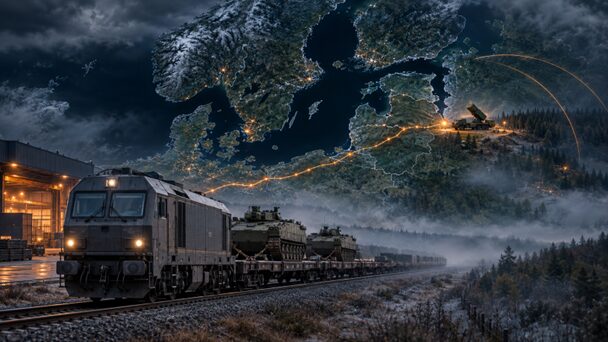
Europe is shortening the time it takes to wage a major war. Military transport approvals are meant to take hours rather than days, intelligence to feed more quickly into strike decisions, and a new generation of missiles to bring targets deep inside Russia within reach. Behind the forward garrisons, Europe is building transport networks, reserves, and ammunition production capacity. Taken together, these measures point beyond deterrence to practical preparations for waging war against Russia, including operations deep inside its territory.

The dates 2027, 2028, and 2030 in European rearmament programs can easily suggest that there is still time. But they mark a schedule for building military capabilities, not a guaranteed period of peace. The central question for the coming months is not whether armies will finish rearming in time, but whether a clash can be avoided before they do.

Estonia: A Narrow Front, a Deep Strike

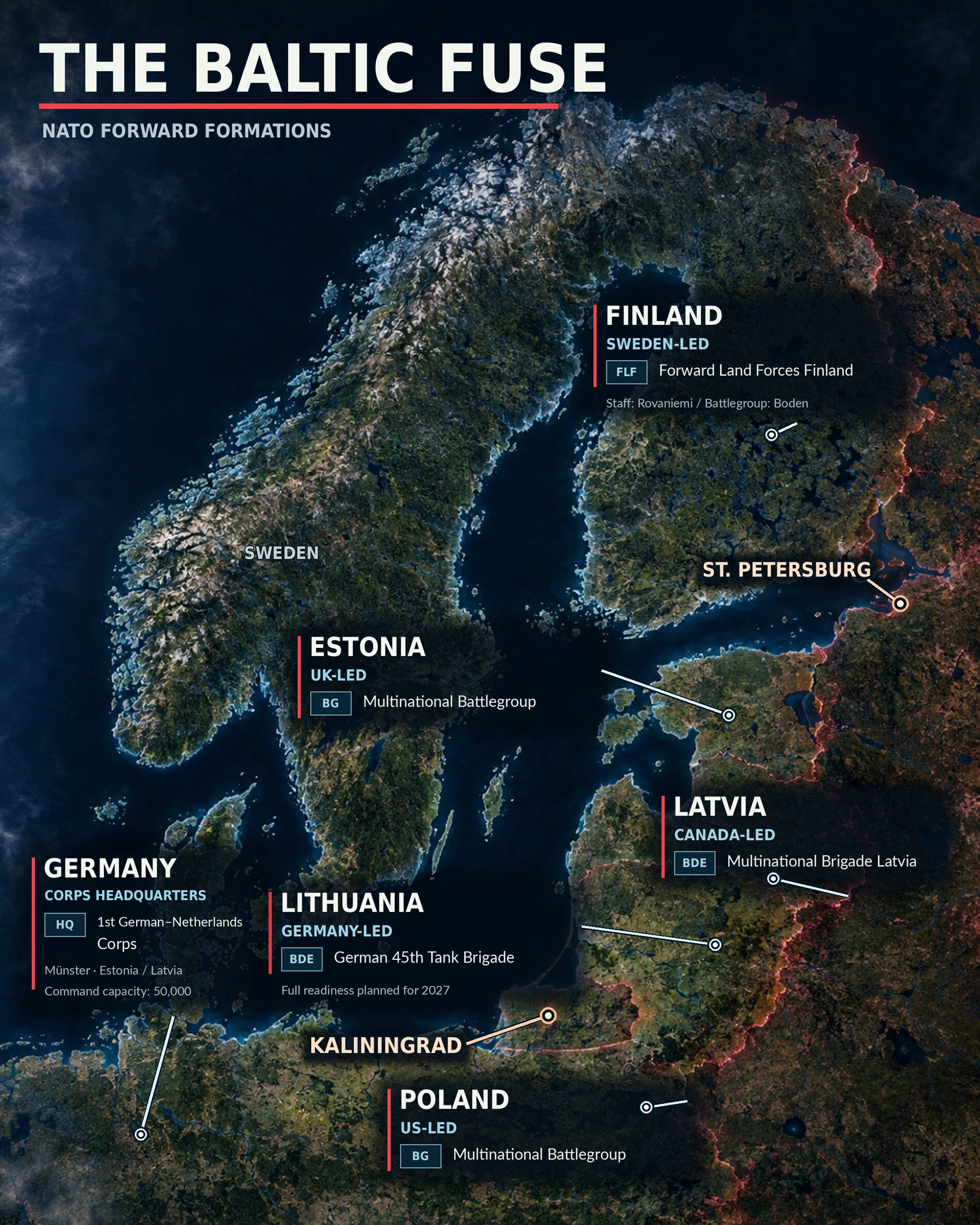
Estonia offers a clear picture of the opening phase this system is being built to fight. The country’s military budget rose 42% in 2026 to €2.4 billion, or 5.4% of gross domestic product. Arms procurement accounts for €1.27 billion – more than half the total. Meanwhile, the headquarters and elements of the 1st Infantry Brigade are moving from Tapa to Jõhvi, roughly 50 kilometers from the Russian border.

A €20.5 million base is under construction in Narva, with €19 million coming from the European Union. Completion is scheduled for summer 2028. Its permanent garrison will number around 200, but it will accommodate up to 1,000 troops in a crisis. The gap between those figures reveals a base designed for rapid expansion. A small garrison is being equipped to receive reinforcements quickly, right on the border.

Holding that ground requires more than barracks. Procurement programs call for nine American HIMARS and nine South Korean Chunmoo multiple-launch rocket systems, both capable of firing ballistic missiles. The relevant munitions have stated ranges of up to 300 and 290 kilometers, respectively. The new concept combines holding the border with deep strikes from the first day of an invasion.

The scale of the response could far exceed that of the opening clash. A battle for a border town could lead to strikes on targets hundreds of kilometers away. Tallinn wants to deny its opponent the option of fighting a small war by preparing to expand its geographical scope.

This also changes what allied assistance means. Allied planning must account not only for how long a small army can hold out until reinforcements arrive, but also for how far the fighting may spread before they reach the front. A missile can be launched before a major formation completes its deployment. Allies may arrive to find that the conflict has already widened.

In such a situation, Estonia and the other Baltic states could serve not only as defensive positions but also as staging grounds for attacks on Russian territory. For Moscow, the issue is no longer simply the size of Estonian units, but the depth of the strikes they envisage. Tallinn, in turn, faces the question of who will sustain its forward forces if the first battles fail to decide the outcome. Sustaining such a war would require support from beyond Estonia. One national budget and a handful of batteries cannot carry that burden.

Click to see the full-size image

Germany: An Industrial Base Behind the Garrison

On October 5, Martin Jäger, head of Germany’s Federal Intelligence Service, told the Bundestag: “The point of no return has been passed in the war with Ukraine, and NATO is considering a scenario involving a limited Russian military clash with the Baltic states.” He linked the more immediate danger to limited Russian action in the Baltics that could test the allies’ response. He said intelligence had seen no signs of preparations for a major attack on NATO. The discussion therefore concerns not only a major war after rearmament is complete, but a smaller confrontation capable of triggering an allied response.

In the Baltic scenario, Berlin is publicly discussing the risk of a clash while its forward force is still taking shape. The brigade’s readiness date is not the date on which the threat begins.

In Lithuania, Germany is building a permanent heavy brigade as one element of that support. Full readiness is scheduled for the end of 2027, with 4,800 military personnel and 200 civilian employees. Its core consists of the 122nd Panzergrenadier Battalion, the 203rd Tank Battalion, and a multinational battle group. Until the formation is complete, the Germany-based 37th Brigade is to provide support.

The forward formation is thus tied to forces farther inside Europe. Civilian infrastructure underscores the permanence of the deployment. A school for the children of Bundeswehr personnel opened in Vilnius in September 2025. Units are not simply moving in – families are settling down. A political commitment acquires a permanent address, and the safety of German personnel becomes part of any future crisis in the host country.

Münster, October 1, 2026. Rutte describes a headquarters capable of commanding 50,000 troops and responsible for NATO forces in Estonia and Latvia. Behind the talk of forward battalions lies corps-level command capacity


But a permanent garrison needs a steady supply of ammunition. Rheinmetall’s new plant in Unterlüß is scheduled to reach an annual output of 350,000 artillery shells in that same year, 2027. The nearly €500 million facility was built in 15 months. Across its entire production network, including overseas sites, the company is targeting roughly 1.5 million shells a year from 2027.

The brigade answers the question of who will enter the fight. The factories answer how to keep fighting once stockpiles run down. The 2027 target is for strengthening this system, not creating it from scratch. Reaching the factory’s planned capacity determines future supply volumes, but it does not set a date before which a clash is impossible. Initial stocks sustain the opening phase of combat. Regular deliveries determine whether its intensity can be maintained.

Between the factory and the front lies the transport network. Europe’s military mobility proposal calls for cross-border transport permits to be processed within three working days, with an emergency procedure taking no more than six hours. A proposed €17 billion would fund the relevant infrastructure under the 2028–2034 budget. For Germany, a transit country, that means bridges, railways, and the capacity of routes leading east.

On October 7, European Defense Commissioner Andrius Kubilius called for this work to accelerate, saying Europe was not yet able to deter Russia. Unlike an exercise, infrastructure upgrades remain after the columns return to barracks. A stronger bridge and a faster permit procedure create a lasting ability to concentrate forces.

A border battle thus gains industrial and logistical depth. But sustaining one’s own forward forces is only half the military equation. The other half is disrupting opposing forces’ supply and command systems. That requires more than additional railcars loaded with shells. It requires weapons with much greater reach.

Britain: A European Deep-Strike Arsenal

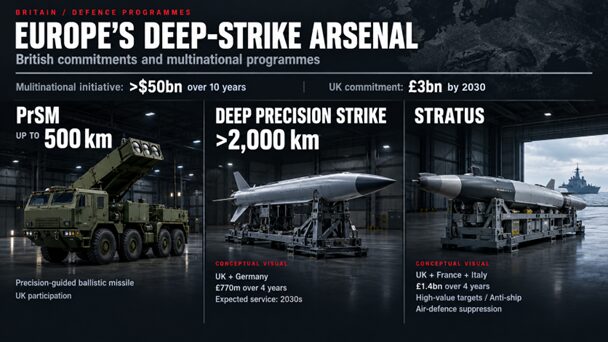
London is driving precisely this part of Europe’s preparations. On July 8, 2026, it announced an initiative bringing together roughly a dozen partners to invest more than $50 billion in long-range strike capabilities over ten years. The stated range bracket runs from 300 to more than 2,000 kilometers. Britain’s own commitment within the initiative is £3 billion by 2030.

The British-German Deep Precision Strike program envisages stealthy and hypersonic weapons with ranges exceeding 2,000 kilometers, initially focused on ground launch. Britain is investing £770 million over four years, with entry into service expected in the 2030s. Another £1.4 billion over four years is earmarked for Stratus, a program with France and Italy covering strikes against high-value targets and ships, as well as the suppression of air defenses.

Britain’s participation in PrSM (Precision Strike Missile), a precision-guided ballistic missile program with a stated range of up to 500 kilometers, adds another layer. The emerging capabilities span several range bands, from around 300 kilometers for the Estonian systems through 500 for PrSM to more than 2,000 for the British-German development. Although the programs are at different stages, they share a clear direction. Weapons for fighting at the border are being supplemented with weapons for striking deep behind it.

The missiles of the next decade show how far these strike capabilities are intended to expand. But the next crisis will unfold with whatever weapons are available when it begins. A 2,000-kilometer range is not a prerequisite for a clash in the Baltics. It changes the potential scale of the war, not the earliest date on which it can break out.

Click to see the full-size image

Turning national purchases into a combined capability requires a common framework for employing them. In July 2025, General Christopher Donahue outlined elements of eastern-flank planning built around compatible launchers, fire control, and data sharing. He cited Kaliningrad as an example of military capabilities that could be neutralized by ground-based means in an exceptionally short time: “We have already planned this. We have already developed this.”

The discussion also included cloud-based data sharing and Palantir’s Maven Smart System, purchased by NATO to analyze information and support command decisions. The aim is to turn disparate reports into a common picture more quickly. When several armies use compatible command systems, their arsenals gain additional value. Range puts the target within reach, while data sharing allows missions to be coordinated.

But the deeper the planned strikes, the harder it becomes to separate support for a border battle from an expansion of the war. To the attacking side, a target may be part of the other side’s military supply system. To the other side, hitting it may signal that the conflict has crossed a new threshold. The use of conventional weapons thus leaves unresolved how to deter a response that would overturn the assumption of a limited clash.

France: The Nuclear Limit of Europe’s Calculations

This is where France’s nuclear deterrent enters the European picture. On October 6, Le Vigilant conducted an acceptance firing of an M51.3 ballistic missile following its refit. The missile carried no nuclear warhead. In service since October 2025, the variant carries new TNO-2 warheads. The French Defense Ministry cites improvements in range, accuracy, and the ability to penetrate missile defenses.

Brittany, October 6, 2026. Le Vigilant launches an M51.3 without a nuclear warhead


Macron stated the political message bluntly: “To be free, you must be feared. And to be feared, you must be strong.” France’s modernization adds a nuclear dimension to Europe’s conventional military buildup.

That European dimension is taking a more concrete form. On March 2, 2026, Macron outlined an “advanced deterrence” framework allowing partners to participate in French nuclear exercises and opening the possibility of temporary deployments of strategic forces on allied territory. Germany, Poland and Sweden were among the countries joining the dialogue. But the authority to use nuclear weapons – and to define the vital interests they protect – remains exclusively French. In the Baltic scenario, closer cooperation does not establish an automatic French nuclear response to a border clash. It leaves the decisive threshold in Paris, deliberately undefined.

After the First Clash

Taken together, these national programs suggest that the West is preparing not merely to deter Russia, but to build the capacity for offensive operations against it. In this reading, forward deployments, industrial expansion and deep-strike weapons are interconnected preparations for a war that could extend into Russian territory. They do not, by themselves, establish a single operational plan or prove a decision to initiate hostilities. Conventional forces are meant to make an opposing military operation prohibitively costly, while nuclear forces are meant to deter the most extreme escalation. The weakness is that neither side gets to decide how much damage the other will tolerate.

That problem is especially acute around Kaliningrad, where plans to suppress military infrastructure sit alongside the question of the region’s links to the rest of Russia. If actions during a crisis are perceived as an attempt to cut the region off by force, the argument will no longer be about intentions announced at a press conference. It will be about consequences the other side believes it must stop immediately.

The danger in the coming months lies in the gap between limited intent and an unrestricted response. Berlin is discussing localized action in the Baltics. Tallinn is preparing for deep strikes from day one, while foreign garrisons tie a border battle to allied involvement. Each side may consider its own move limited. Neither can count on the other side accepting its definition of what is permissible.

European capitals therefore need to define where military action would stop after the first clash, whether at the border or after strikes on depots, airfields or targets in Kaliningrad. The programs examined here spell out how to build military power, but offer no mechanism for ending the fighting. Missile range is not strategic foresight. Confidence that escalation can be controlled could turn a system of deterrence into a mechanism for widening the war well before 2030.


MORE ON THE TOPIC:

The post The Baltic Fuse: How Europe Is Building the Infrastructure for War With Russia appeared first on South Front.

  •  

Eine weitere, faktische Kriegserklärung der NATO an Russland

Dass vor allem die europäischen NATO-Staaten alles tun, um Russland zu provozieren, militärisch zu reagieren, ist kein Geheimnis, denn sie tun es offen: Sie kapern Handelsschiffe mit Ziel Russland, sie finanzieren und produzieren die Waffen, die zivile Infrastruktur und Wohngebiete angreifen, und liefern auch noch die dazu nötigen Aufklärungsdaten. Und sie erlauben in der Ukraine […]
  •  

Mariana Mazzucato, economist: ‘Housing is a human right and the foundation for everything else’

The economist Mariana Mazzucato believes in getting out into the field, rolling up her sleeves and seeing how her ideas are put into practice to improve people’s lives. She has just returned from Brazil and Mexico after several weeks working with local communities. She welcomes EL PAÍS into her London home, in the Camden neighborhood, with an energy that seems remarkable for someone who should still be battling jet lag.

Seguir leyendo

© Kalpesh Lathigra

Mariana Mazzucato at he London home on September 25, 2026.
  •  

Europe’s mounting social chaos… chickens coming home to roost for proxy war against Russia

Strategic Culture Foundation | October 9, 2026

The European Union is witnessing a full-blown social revolt. Governing political parties and their economic policies are held in open contempt as public protests and strikes escalate across multiple countries.

Protests, mass marches, and industrial strikes are spreading across the EU in France, Belgium, Spain, Italy, Germany, Ireland, Portugal, and other countries. The grievances are various, from students and teachers over woeful education services, to healthcare professionals and transportation workers denouncing crumby wages and pension cuts.

But at the core is a warmongering, dehumanizing system of capitalist inequality.

Unbearable living costs for basic needs, from food to housing, are driving millions onto the streets in desperation and anger at the lack of adequate political response to their concerns. As one French student said: “Too young to be listened to, old enough to be tear-gassed.”

The entire political system is being brought into disrepute for its dysfunction and indifference towards meeting rudimentary human needs. Then, infuriating all the more, are lies from the elite rulers and their propaganda media about “national defense and threat of war from Russia.”

In Spain this week, an 87-year-old frail woman known as Maricarmen died in hospital after she was evicted from her Madrid home because she could not pay the extortionate rent increase. Her plight has come to galvanize a nationwide protest against Spain’s housing crisis, a crisis that is repeated across every European country. Protesters shouted furiously that the pitiful old woman was “murdered by the state and corporations.”

In France, the brutality of police against student protests has shocked the nation and the world. Nearly 7,000 young people have been arrested, as riot police tear gas and shoot at largely peaceful rallies. Students gathering at the Place de la Bastille in Paris and other cities vow that they will not back down. One student had his hand blown off by a police stun grenade while another teenager lost an eye from a rubber bullet fired at close range.

The Place de la Bastille is where the French Revolution manifested in 1798 against a hated aristocracy amid abject misery. Today, the tensions are boiling towards another momentous rebellion, this time inspiring again similar movements across Europe.

These protests and the inhumane suffering that underlie them are channeling uprisings all over the EU.

There is a palpable sense that populations en masse have had enough of decades of inequality and chronic deprivation inflicted by capitalist policies that enrich a few and are enforced by governments slavishly serving the interests of capital over the needs of the citizen majority.

Western media reports talk about “cash-strapped” governments under pressure from bond markets to reduce record debt levels while workers, students and pensioners demand more public investment and relief from economic hardship.

That is a misleading partial portrayal of the problem. Omitted is the crucial backdrop that European governments are directing vast economic resources towards militarism and the proxy war in Ukraine against Russia. That is what is causing the “cash-strapped governments.” In other words, their declared fiscal straits are a policy choice, not some mysterious dilemma.

The social crisis sweeping across Europe is also seen in the United States and other Western-aligned nations. The background is a failed economic system that no longer provides a modicum of acceptable living conditions. The problem has been decades in the making from growing inequality and diminishing political representation. Today it is even questionable if Western states are democracies, controlled as they are by corporate oligarchies.

Nevertheless, the social crisis that is unfolding across Europe has been intensified and amplified by European political rulers operating in a relentless war mode against Russia.

The European Union has pumped hundreds of billions of euros into Ukraine over the past four years to prop up a NeoNazi regime run by a corrupt dictatorship – all for the objective of defeating Russia. The EU leaders – many of them unelected, like Ursula von der Leyen, Kaja Kallas and António Costa – are driven by an obsessive Russophobia. But that is only part of the explanation.

Other elected leaders and parties like France’s Macron and Germany’s Merz are also despised for their elitism and delusions of grandeur. Merz declares that he wants to make Germany the strongest military in Europe, in total tin-ear deafness to his nation’s economic and social problems and the sinister historical connotations of resurrecting Nazi Germany. Meanwhile, as his government suffers electoral defeat after defeat, European elites deprecate German voters as being blind because they dare to choose parties that are opposed to war with Russia.

There are many grounds for the Europe-wide contempt of ruling parties. Inequality, poverty, unemployment, soaring living costs, declining wages, deteriorating public services. Uncontrolled immigration amid the pressure on inadequate public resources is another cause for grievance. Europe’s complicity in the Israeli genocidal war on Palestinians, and Europe’s complicity in Trump’s aggression towards Iran, Yemen, Cuba, and so on, are other factors.

However, the bogus narrative that governments are “cash-strapped” is a cause for immense public disgust. There are plenty of economic resources to meet public needs. It’s a question of those resources not being permitted to create just and humane societies under the prevailing capitalist system with its priority of enriching a tiny elite class.

The conditions of “tight budgets” and “austerity for the masses” are created by deliberate policies of militarism and fuelling a proxy war in Ukraine.

European “leaders” and their NATO lobbyists like Mark Rutte demand hundreds of billions of euros to boost military industries while at the same time calling for draconian cuts in public spending and social welfare in order to pay for this reckless militarism. The EU is “lending” an additional €90 billion over the next two years alone just to prop up the corrupt regime in Kiev so that it can keep fighting a futile war with Russia. The perverse priority is driven by the military-industrial complex and its corporate investors. It is also driven by an ideological, propagandized mindset that demonizes Russia as an enemy. President Putin and other Russian voices have repeatedly stated that they do not want war with Europe. They say the conflict in Ukraine has root causes that can be resolved through diplomatic engagement. Why are European politicians implacably opposed to peace?

A major factor is covering for internal political and economic failure of the European system. The EU’s economies, as with those in the U.S. and other Western states, are bankrupt dystopias in terms of delivering on social and democratic needs. The failure has been compounded by the costs of war in Ukraine.

That failure is criminal and fatal for the politicians and governments who have overseen the policies. Thus, the political class, including the propaganda news media, cannot admit their criminal policies.

In the face of their own internal contradictions, the European political elites are seeking a solution by externalizing Russia as an enemy. This is the same modus operandi that European rulers have used for the past century and more, unleashing two world wars as a result.

These criminal politicians and their dysfunctional economic system are again pushing war as their escape plan for survival at the expense of millions of lives and at the risk of starting a third world war, one that this time around could involve catastrophic nuclear nemesis.

It is damning of virtually every European government, including primarily the British, that there are no calls for diplomacy and political settlement with Russia. They are committed to waging war on Russia to absolve themselves from the social devastation they are responsible for.

One positive thing, though, is that increasing numbers of people can see through the chicanery and lies. A German student placard summed it up: “We won’t fight your wars… Education not bombs!”

A day of reckoning is imminent. Criminal political leaders and their warmongering system are exposed like never before and in a way that demands total revolt as a proper solution. The consequences are not to be externalized this time. Chickens are coming home to roost, as Malcom X once said.

  •  

Greece “Indispensable” To US. What About Turkey? Turkish Question Strikes Again

Click to see the full-size image

Written by Uriel Araujo, Anthropology PhD, is a social scientist specializing in ethnic and religious conflicts, with extensive research on geopolitical dynamics and cultural interactions

US Secretary of State Marco Rubio this week hailed Greece as an “indispensable” NATO partner – and a pillar of stability in a region marked by “geopolitical uncertainty”. The two sides announced expanded counterterrorism information-sharing. A defense agreement has been reached – worth up to $4 billion. Rubio also backed energy projects such as the undersea electricity interconnector linking Greece to Cyprus, and eventually Israel. At the same time, Rubio insisted a military clash between Turkey and Greece remains “unthinkable” and something the United States would “never allow.” He stressed that both are NATO allies and that conflict would harm all three countries.

When someone emphatically insists that they would never set a house on fire, the very emphasis makes people wonder whether the risk exists. Similarly, Rubio’s statement highlights that Greek-Turkish tensions remain serious enough to require public reassurance from Washington. It would thus seem that the two neighboring countries’ Atlantic membership alone is no guarantee of stability on the Alliance’s southeastern flank. NATO itself has in fact long been split over the “Turkish Question”.

As I argued previously, Trump’s warm embrace of Erdogan in July (recently reiterated), his subsequent signals that he would lift CAATSA sanctions and consider F-35 sales to Turkey, have already raised concerns in Athens – and Israel, for that matter. This exposed divisions, at a time when Ankara pursues strategic autonomy – while also clashing with “allies” over the Aegean, Syria, and the Eastern Mediterranean. Since at least last year, it has been noted how “sidelining” Turkey risks weakening the Alliance’s southeastern flank – and how the Athens-Ankara rivalry in turn exposes NATO’s fragile unity. These tensions predate the current US-Greece deepening of ties.

A closer American-Greek strategic relationship could alienate Turkey (despite Trump’s warmth) and generate further friction within the Alliance. Ankara might perceive the US as strengthening Greece’s military position, its diplomatic leverage, and regional role – at Ankara’s expense. Washington in turn may regard the Hellenic Republic as increasingly “indispensable” – while still viewing Turkey as strategically essential. Those two policies are not inherently incompatible, but they become harder and harder to sustain when Greek and Turkish interests directly conflict.

The latest developments illustrate the dilemma: Greece hosts key US facilities such as Souda Bay, and offers geographic advantages in the Eastern Mediterranean. While the $4 billion arms package builds on existing F-35 procurement and modernization, American support for the electricity interconnector, however, runs up against maritime disputes: Greece seeks to resume seabed surveys, while Turkey argues that the work requires prior coordination under its Libya maritime agreement. The combination of military capability, infrastructure access, and energy influence could look much more serious for Ankara than any single statement. The Greek-Turkish dispute over territorial waters, airspace, continental shelves, and island militarization is longstanding.

This creates the conditions for a security dilemma: Athens strengthens defenses out of distrust, Ankara perceives a shift in the balance and responds – and each side’s measures reinforce the other’s insecurity. Moreover, perception matters in foreign relations. Calling Greece “indispensable” does carry symbolic weight. If Turkey sees Washington investing in Greek capacity while its own F-35 path remains blocked by S-400-related legal restrictions, the asymmetry, so to speak, becomes politically relevant. Domestic prestige and national grievances in both capitals can amplify the effect, thereby creating incentives for public pushback even when direct confrontation would be costly. How can the US and NATO “balance” this?

Washington could separate bilateral defense ties from endorsement of every territorial claim. “Private diplomacy”, as Rubio has indicated, can manage sensitive issues better than public statements. NATO’s existing Greece-Turkey military deconfliction mechanism, established in 2020 with a hotline, can reduce the risk of incidents. The problem is the Alliance itself cannot simply adjudicate Aegean disputes or impose maritime boundaries. Article 5 does not offer a straightforward path for one member against another. NATO’s priority remains preventing hostilities rather than settling sovereignty questions.

At least three scenarios remain plausible: managed competition, with military modernization proceeding alongside negotiations over the underlying rivalries somehow; Turkish strategic pushback through diplomacy, counter-procurement, or greater use of its leverage within the Atlantic Organization; or an “incident” in the Aegean or around Cyprus that would force Washington and NATO into crisis-management mode.

Thus far, Washington has tried to cultivate both bilateral relationships. Greece cannot replace Turkey’s geographic and military assets spanning Europe, the Black Sea, and the Middle East. Washington appears to be strengthening the Hellenic Republic as a sort of strategic hedge, expanding its military access and logistical options in the Eastern Mediterranean – to mitigate the risks of Turkey’s progressively independent and unpredictable (often aggressive) foreign policy. Even as Ankara itself remains an important NATO (and US) ally in its own right. The recent advances in American-Greek relations enhance the challenge without resolving the underlying contradictions. They reflect a deeper transatlantic contradiction in the context of an increasingly divided West.


MORE ON THE TOPIC:

The post Greece “Indispensable” To US. What About Turkey? Turkish Question Strikes Again appeared first on South Front.

  •  

Morreu missionário Telmo Ferraz fundador da Casa do Gaiato em Malanje, Angola

VTM

Nascido em 25 de novembro de 1925, em Bruçó, no concelho de Mogadouro, distrito de Bragança, José Telmo Ferraz foi visto como “um verdadeiro missionário do bem” por aqueles com quem se cruzou, nomeadamente operários que construíram as barragens do Picote e de Miranda do Douro, nos anos 1950, por ter denunciado as condições desumanas de trabalho, o que lhe valeu a perseguição pelas autoridades da ditadura.

O sacerdote fez os estudos teológicos nos Seminários de Vinhais e Bragança e foi ordenado em 1951. A agência Ecclesia recorda que exerceu como pároco nas aldeias de Genísio e Vilar Seco, tendo assumido a função de capelão da barragem de Picote, onde desenvolveu uma pastoral junto dos operários, à semelhança do seu trabalho posterior na barragem de Cambambe, em Angola, a partir de 1960.

Telmo Ferraz estabeleceu-se em Malanje, em 1963, como responsável da Casa do Gaiato que criou de raiz, numa fazenda a cerca de 10 quilómetros da cidade, junto à estrada para Luanda.

Com esta “sucursal” da Obra de Rua, fundada pelo padre Américo, onde permaneceu até 2012, Telmo Ferraz trabalhou no apoio a meninos com graves problemas familiares e sociais e na formação de jovens em risco.

Numa entrevista à agência Lusa, em janeiro de 2018, disse que “pela Casa do Gaiato de Malanje, passaram cerca de dois mil rapazes, que ao longo de meio século, e após receberem a devida instrução escolar, se transformaram em ministros, generais, empregados bancários, empresários, advogados, entre outras profissões”.

A Casa do Gaiato de Malanje foi construída com ajuda de um grupo de rapazes oriundos de Portugal, ali acolhidos, que angariaram fundos, com a ajuda do padre Telmo, pelas principais cidades do norte de Angola. Ao longo da sua vida, a casa passou por momentos conturbados, chegando a carecer de géneros alimentares e roupas.

Antes de ir para Angola, o padre da diocese Bragança – Miranda deixou igualmente uma marca profunda na comunidade, durante a construção da barragem de Picote, no concelho de Miranda do Douro, por ter testemunhado e denunciado as condições desumanas dos operários, incluindo no seu livro “O Lodo e as Estrelas”, que acabaria por ser proibido pela PIDE, a polícia política da ditadura.

Da obra literária do padre Telmo Ferraz destaca-se ainda “Rostos de uma Barragem, o álbum de Telmo Ferraz“, livro lançado em julho de 2022, que reproduz 200 fotografias, a preto e branco, sobre a “dura realidade” da construção da barragem de Picote, na década de 1950.

O investigador Henrique Manuel Pereira, docente da Escola das Artes da Universidade Católica do Porto, que coordenou a obra, disse na altura à agência Lusa que este álbum constitui um documento único da época, comas suas 200 fotografias absolutamente inéditas, na sua maioria da autoria do padre Telmo Ferraz, legendadas pelo próprio.

“Este é um retrato dos inícios da construção da barragem de Picote, no Douro Internacional, até a sua inauguração. Portanto, estamos a falar de uma janela temporal de cinco anos. Este trabalho figura um documento social e histórico único, porque põe em diálogo a fotografia com textos do icónico livro escrito pelo padre Telmo Ferraz, ‘O Lodo e as Estrelas’”, indicava na altura o académico.

Ao longo dos anos foram feitas varias homenagens ao padre Telmo Ferraz, principiadamente por antigos trabalhadores das barragens de Picote e Miranda do Douro que com o clérigo se cruzaram, e também pelas autarquias de Mogadouro e Miranda do Douro e as juntas de freguesias de Picote e Bruçó, a sua terra natal.

Em 2025, quando completou 100 anos, o sacerdote foi condecorado pelo Governo angolano pelo “papel e realce na luta, conquista e manutenção da paz, pelo desenvolvimento” daquele país e pela “harmonia entre os angolanos, no espírito de reconciliação nacional, tolerância e perdão recíproco”.

Segundo a diocese de Bragança – Miranda, as cerimónias fúnebres realizam-se hoje, 09 de outubro, a partir das 17:00, na Casa do Gaiato, em Paço de Sousa, Penafiel.

The post Morreu missionário Telmo Ferraz fundador da Casa do Gaiato em Malanje, Angola appeared first on A Voz de Trás-os-Montes.

  •  

The Warmongering fiction: Europe’s elite and the politics of self-destruction

When an elite loses the capacity to imagine, create, and persuade, it may be a harbinger that an era is coming to an end.

Join us on Telegram, X, and VK.

Contact us: info@strategic-culture.su

In a burst of posturing during the recent European Arctic Summit in Rovaniemi, Finland, European leaders donned military attire to convey a message of readiness for a confrontation with Russia, while the political and media apparatus repeats, almost in unison, warnings about the “Russian threat.” The Summit’s official declaration places security at the heart of discussions and insists on the need to strengthen the European presence and capabilities in the region, which is deemed strategic for continental security.

There is something deeply unsettling about this staging. These leaders present themselves as representatives of societies mobilized for war, even as they govern deeply divided countries and face a growing erosion of public trust. This gap alone – between leadership rhetoric and the actual disposition of their societies – should counsel prudence. Instead, we are witnessing the creation of a psychological atmosphere of confrontation. And that is precisely where the danger lies.

The real risk of self-destruction

First, there is an element of pretense, as Europe lacks the industrial capacity required to autonomously sustain a prolonged military mobilization on the scale suggested by such warmongering rhetoric. The very effort to rebuild stockpiles, ramp up ammunition production, and restore industrial capacity demonstrates just how much that infrastructure has been scaled back in recent decades. Yet, the most serious issue is not industrial, but strategic.

The Russian Federation possesses a massive nuclear arsenal and advanced strike systems, including hypersonic missiles. This does not mean Russia holds technological superiority in every field, but it points to something far more significant for this discussion: any direct war between the North Atlantic Treaty Organization (NATO) and Russia would involve forces capable of inflicting destruction on a civilizational scale. Russia and the US continue to hold the overwhelming majority of existing nuclear warheads, even as major nuclear states modernize their arsenals and arms control mechanisms weaken. Therefore, treating a direct confrontation with Russia as merely another foreign policy option is not an act of courage; it is courting the possibility of self-destruction.

Once a certain threshold is crossed, there is no longer any guarantee that events will remain under the control of those who initiated them. This is the crucial point missing from the current warmongering theatricalization.

And there is something even more disturbing. The language of destruction is once again being openly voiced by Western leaders themselves. At the United Nations General Assembly, President Donald Trump proclaimed that the US could “annihilate” Iran if an agreement were not reached. If a threat of this nature – a “final solution” – can be uttered at the UN without triggering a political rupture commensurate with the enormity of the statement, then something extremely serious is happening to the Western perception of the limits of war. For the normalization of the language of annihilation does not necessarily remain confined to the adversary against whom it was originally directed.

Today it might be Iran. Tomorrow, in a spiral of escalation beyond anyone’s control, it could be European cities. It is in this sense that current warmongering fantasies cease to be mere political posturing and begin to represent a concrete danger of self-destruction for European civilization. Europe, which for centuries was a fundamental center of Western civilization, has lived through two world wars and knows firsthand what it means to turn political rivalries into wars of annihilation. Precisely for this reason, one would expect its leaders to be the first to understand that a war between nuclear powers offers no second chance to correct miscalculations. Yet we see them toying with military symbols, mobilizing rhetoric, existential enemies, and the prospect of confrontation, as if we were still living in the world that existed before Hiroshima and Nagasaki. That is precisely the nature of the fiction: portraying war as a readily available political tool without fully confronting what it could actually entail. And if the confrontation spirals out of control, the price will be paid not merely by governments, parties, or military alliances, but by the very civilization these leaders claim to be defending.

Who needs the threat?

So, let us ask: who is behind all this falsehood? Who funds this play? Who needs this constant atmosphere of threats? And why does a political order facing an evident crisis of legitimacy seem to find, in the prospect of war, one of the last narratives capable of justifying its own survival?

The simplest answer would be to explain this attitude as an attempt to prop up unpopular regimes by invoking an imaginary external threat, while simultaneously condemning or suppressing emerging political forces, portrayed as foreign agents or tools of an enemy power – in this case, linked to the Russian “beast”.

Undoubtedly, there is some truth to this. History offers numerous examples of governments resorting to external threats to restore crumbling internal cohesion, discredit opponents, and justify measures that would face greater resistance under normal circumstances. Yet, this explanation is insufficient. The crisis is not merely about the legitimacy of a group of European leaders; it affects the very system that placed them in power – and it is that system which is in crisis.

The crisis of the liberal-financial order

The so-called “rules-based world,” the financial globalization, the free trade elevated to the status of dogma, and the progressive displacement of the productive economy by financialization are being challenged by the resurgence of the sovereign nation-state, industrial policies, energy security, strategic supply chains, and the defense of national economic interests. Paradoxically, this return of the nation-state could also offer a path for the West to reclaim some of its own civilizational roots (that are essentially Christian), in which political power was not conceived as absolute, but rather subject to a higher moral order. At a deeper level, however, what lies behind these chimeras is an even greater crisis: the crisis of the liberal-financial system organized around “independent” central banks, the growing autonomy of financial power from national communities, and an economic conception that, over decades, has progressively shifted the center of wealth from production to financial returns. This system has historical roots in the formation of the Anglo-Dutch commercial and financial order of the 17th and 18th centuries – an order that was subsequently projected across much of the world through British and, later, American imperial and financial structures.

Over time, this model has taken on new forms but retained an essential characteristic: the ability of financial power to present itself as a reality standing almost outside politics, as if its decisions were technical, neutral, and independent of the sovereign choices of societies. It is precisely this architecture that is now being called into question.

A secular religion without the promise of redemption

The underlying system of Western oligarchies has lost the capacity to generate ideas and projects capable of mobilizing societies around a vision of the future. This sterility is also reflected in the mediocrity of much of the current leaders, who act more as administrators of an order in crisis than as creators of a new political reality. Liberal politics has thus transformed into a kind of secular religion devoid of any promise of redemption. And this is perhaps one of its most unsettling characteristics.

The great political movements of the 19th and 20th centuries, even when they led entire societies to catastrophe, still promised some form of historical redemption: the classless society, national greatness, empire, revolution, the “new man,” or a supposedly definitive future order.

The secular religion of the decaying liberal order no longer offers even that. It demands sacrifices without holding out the prospect of a future paradise. It demands impoverishment in the name of stability, a loss of sovereignty in the name of rules, deindustrialization in the name of efficiency and environmental “protection,” and censorship in the name of democracy; ultimately, it even accepts the risk of war to preserve an order whose purpose it can no longer explain. There is no longer a genuine promise of redemption. There is only the promise that the system will continue to exist. In the words of former EU foreign policy chief Josep Borrell, “We are the Garden of Eden; the rest is the jungle.”

At this point, politics ceases to defend society and instead demands that society sacrifice itself to defend the system. This is precisely where a secular religion can become self-destructive: when preserving the existing order comes to matter more than preserving the people living under that order.

From creative minority to dominant minority

This is, perhaps, one of the deepest signs of civilizational exhaustion. An elite ceases to be creative when it can no longer imagine a future distinct from the mere continuation of itself. The English historian Arnold Toynbee grasped this phenomenon with profound insight when he distinguished the creative minority from the dominant minority. A creative minority exercises leadership because it offers responses capable of inspiring allegiance. Its authority stems from its ability to respond to historical challenges and to generate new forms of organization, culture, and meaning. When this capacity vanishes, the former creative minority may transform into a dominant minority – one that no longer leads by inspiring, but sustains itself through control. Persuasion is progressively replaced by discipline; imagination by administration; vision by propaganda; and trust by fear.

It is at this juncture that the system risks turning the crisis itself into a justification for its continued existence. The more it fails, the more power it demands. The more legitimacy it loses, the more it requires enemies. The less it is able to imagine a future, the more dramatically it must portray the present as an existential battle.

When the temporal takes the place of the transcendent

Here, the reflections of German-American philosopher Eric Voegelin on totalitarian ideologies as “political religions” converge with Toynbee’s ideas regarding the disintegration of civilizations. When a society loses its reference to a transcendent order, the human need for the absolute does not necessarily disappear; it may simply be transferred elsewhere. The nation, race, class, party, revolution, the market, “the rules,” or democracy (understood not merely as a political system but as an absolute moral category)  –  any temporal reality can be sacralized and elevated to a status beyond questioning.

In this process, the temporal takes the place of the transcendent. Yet there is a decisive difference between the political movements of the past and this potential secular religion of an exhausted order. The former promised a future redemption. The latter seems to demand present sacrifice solely to prevent the system from vanishing. It is a secular religion devoid of eschatology, paradise, a “new man,” or a truly new horizon. Its only future is the indefinite continuation of the present.

When fear replaces imagination

This absence of a future may well explain the growing prominence of fear: fear of the external enemy, of rupture, of dissent, of losing control. It is the fear that what was presented for decades as inevitable might suddenly cease to be so. When an order can no longer generate hope, it must generate fear. And when fear replaces imagination, conflict can transform into a form of legitimation. War, then, ceases to be merely an external instrument of policy and can become an internal necessity for the system. It is precisely here that contemporary warmongering fantasies take on a dimension far deeper than the day-to-day debates regarding Russia, Ukraine, NATO, or military spending.

The issue becomes civilizational. An order that has lost the capacity to envision its own future may begin to accept risks that, under normal circumstances, would seem unthinkable. It may end up conflating the survival of its own structures with the survival of civilization itself. And this confusion is among the most dangerous errors an elite can make. For institutions, economic regimes, and political systems are historical constructs; civilizations are far greater than they are. When a system begins to demand that civilization risk itself so that the system may survive, the relationship between means and ends has been completely inverted.

Signs of the end of an era

It is at this point that one can truly speak of self-destruction.

A civilization may begin to self-destruct not because it has ceased to believe, but because it has turned its own historical order into an object of absolute belief. And when leaders can no longer envision a future different from the one they administer; when war begins to replace politics; when fear supplants vision; when the preservation of institutions is deemed more important than the people for whom those institutions ought to exist – then we are facing not merely a political or economic crisis, but a profound crisis of civilization itself.

When an elite loses the capacity to imagine, create, and persuade, it may be a harbinger that an era is coming to an end. Yet, this does not necessarily mean the civilization is doomed. It may signify the exact opposite: that structures no longer capable of meeting present challenges are making way for other forms of organization, new ideas, and the recovery of principles that seemed forgotten. For the loss of a specific vision of order does not spell the end of human imagination. And when those in power can conceive of nothing beyond their own perpetuation, that may well be the very first sign that something new is drawing near.

  •  

Why Does the EU Insist on Provoking the Man Who Underwrites its Security?

Why does the EU insist on provoking the man who underwrites its security, asks Steven Tucker, as he skewers the parasitic psychology of the ungrateful men-children behind the EU's naked fat golden Trump statue.

The post Why Does the EU Insist on Provoking the Man Who Underwrites its Security? appeared first on The Daily Sceptic.

  •  

NATO’s Rhetoric Heats up OVER Kaliningrad

Perhaps the most dangerous question facing Europe is no longer whether Russia and NATO could come into direct conflict, but where such a confrontation would begin—and how quickly it could spin out of control and draw everyone in. However, let’s hope it is not inevitable, not because of any threat to NATO or Europe, real […]
  •  

Challenging the neoliberal agenda from the left: The proposals of the world’s leading progressive economists

Between global warming, a rampant inequality whose clearest expression is the housing crisis, and artificial intelligence (AI), much of the world lives with a sword of Damocles hanging over its head. No wonder. The era we live in is seasoned with forest fires that make even the most stubborn believe in a climate hell, professionals who fear imminent replacement by server farms that neither get sick nor protest, young people moving back in with their parents because they cannot afford their own homes, billionaires talking about sending us to Mars, and a global south of 3.5 billion poor people who increasingly have less to lose.

Seguir leyendo

© Sr. García (EL PAÍS)

  •  

Tacheles #224 ist online

Robert Stein hat diese Woche einen sehr vollen Terminkalender, weshalb Tacheles diese Woche fast ausgefallen wäre. Dann haben wir jedoch entschieden, einen „Tacheles-Quickie“ zu machen und zumindest eine halbe Stunde über die wichtigsten Themen der Woche zu sprechen. Aber Röper und Stein können keinen „Quickie“, weshalb aus der geplanten halben Stunde doch wieder über eine […]
  •  

Head of Russian military propaganda network to be expelled from Montenegro over suspected anti-EU operation

Mikhail Zvynchuk, head of the pro-Kremlin military information network Rybar. Screenshot: RuTube via Novaya Gazeta Europe

Montenegro has ordered the expulsion of Mikhail Zvynchuk, head of the pro-Kremlin military information network Rybar, and four other Russian citizens over national security concerns following a security operation targeting suspected Russian hybrid influence activities, Vijesti reported on 9 October.

Zvynchuk is the founder and head of Rybar, a prominent Russian military-focused information network known for its Telegram channels covering Russia's war against Ukraine. The network promotes pro-Kremlin narratives and has been associated with Russian propaganda and influence operations.

Montenegrin police announced on 9 October that the five Russians had their residence rights revoked and were ordered to leave the country on national and internal security grounds. 

Montenegro investigates suspected Russian hybrid activity

The operation involved Montenegro's police and National Security Agency (ANB), which seized drones, high-resolution recording equipment, cameras, and several mobile phones for further examination, according to Vijesti.

According to Montenegrin authorities, the five had arrived in the country less than two days before the operation. The investigation is being conducted with support from international partners.

Montenegrin police identified the five Russian citizens as Zvynchuk, his wife Valeria Zvynchuk, Sergei Belous, Pavel Lekatorchuk, and Kira Doroshenko. Authorities said the case had been referred to prosecutors in Podgorica and Kotor.

The European Union has sanctioned Zvynchuk over activities that undermine or threaten Ukraine's territorial integrity, sovereignty, and independence. He has also been sanctioned by the United Kingdom, Switzerland, Australia, and Ukraine, according to Vijesti.

Suspected influence operation targeting EU integration

Vijesti reported, citing security sources, that Montenegrin authorities suspected the group of planning a documentary intended to undermine public support for the country's European integration.

According to the outlet, the planned material would portray Montenegro's expected alignment of its visa policy with EU standards as a politically imposed measure that threatens tourism, economic stability, and national interests.

Security services had monitored the group's arrival before carrying out the operation in Risan, in the Bay of Kotor area, Vijesti reported. The equipment seized from the group will undergo expert analysis to establish its intended purpose and use in Montenegro.

Medvedev threatens imprisoning “European and American idiots” for prisoner exchanges

Former Russian President Dmitry Medvedev responded to the operation by suggesting Moscow might need to expand its pool of prisoners to exchange for Europeans and Americans to secure Zvynchuk's return.

“We will probably have to replenish our pool of prisoners for exchange with European and American idiots,” Medvedev said, according to Vijesti.

Montenegro, a NATO member and EU candidate, has aligned itself with EU sanctions against Russia following Moscow's full-scale invasion of Ukraine in 2022. The expulsion comes amid broader European concerns over Russian intelligence activity, propaganda, and other forms of hybrid interference. 

  •  

U.S. Makes F-35 Push As Portugal Weighs F-16 Replacement

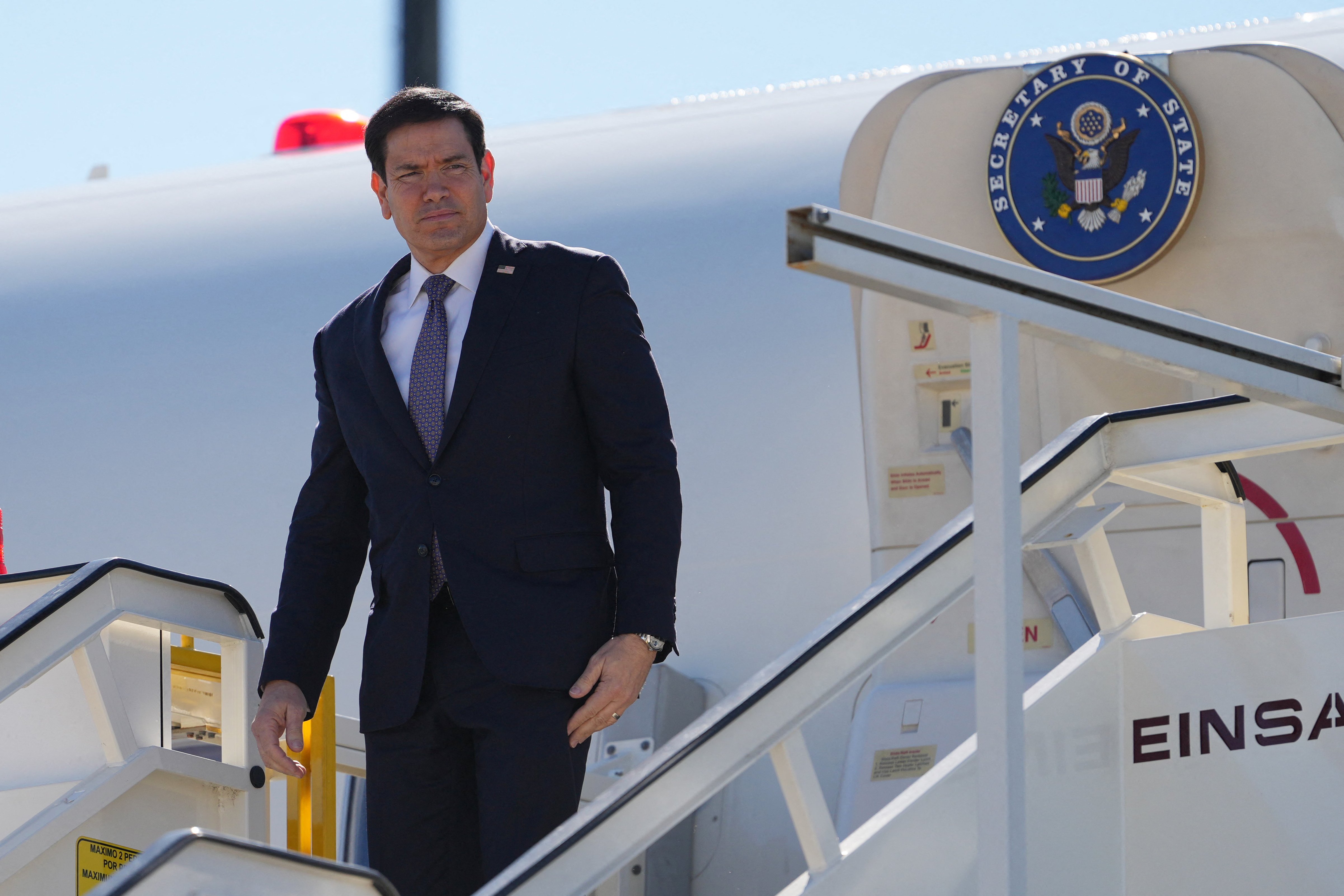
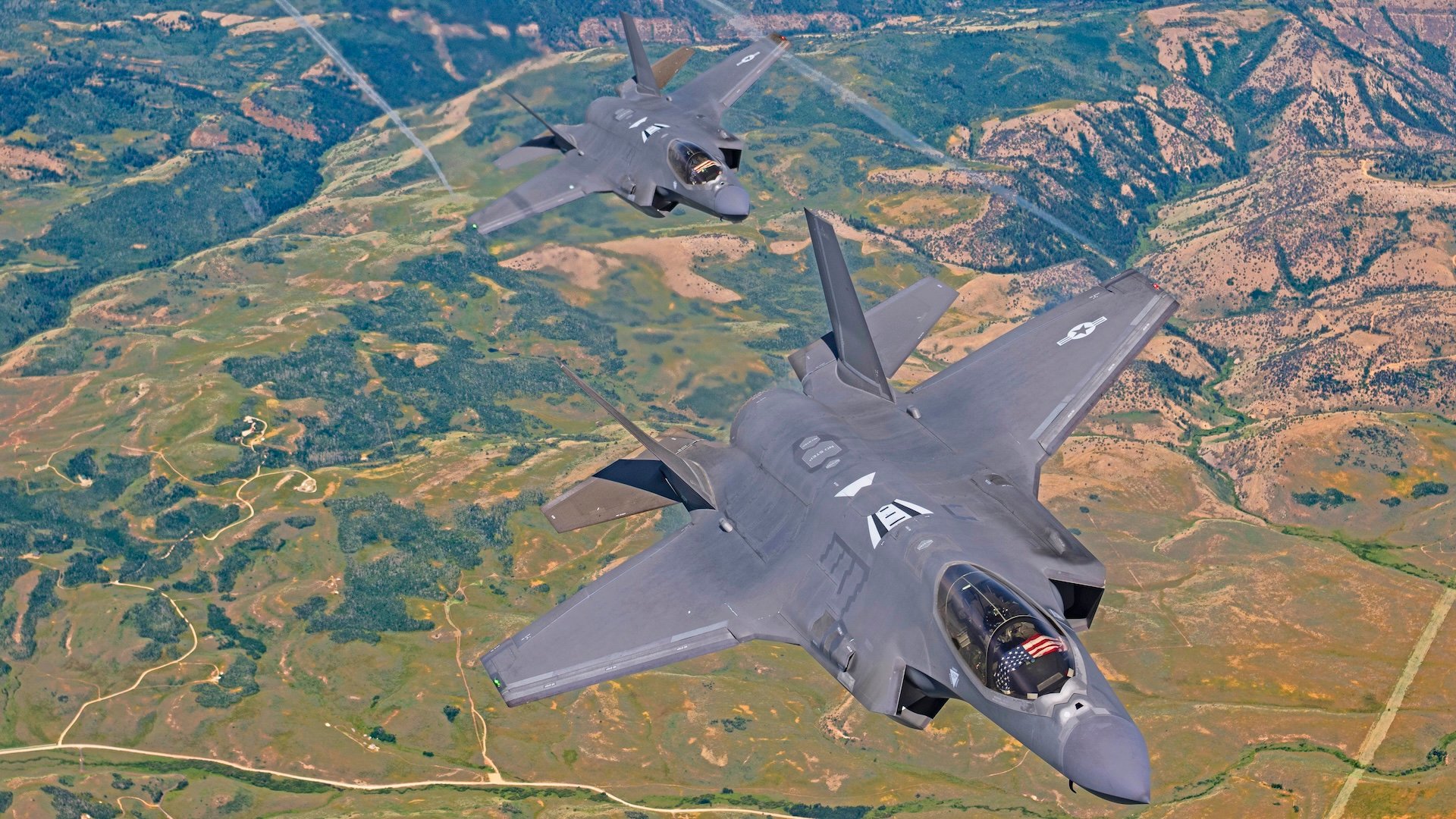
The United States is stepping up its campaign to sell Portugal the F-35. Speaking in Lisbon today, Secretary of State Marco Rubio said the United States would make Portugal a “very competitive” offer to replace its F-16 fleet. The development adds a high-level political push to an increasingly intense competition over the Portuguese Air Force’s next fighter.

Portuguese Foreign Minister Paulo Rangel said after meeting Rubio that Lisbon is seriously considering the American proposal, while emphasizing that other options remain under consideration.

US Secretary of State Marco Rubio disembarks from a plane upon arrival at Lisbon Airport during a three-country European tour, in Lisbon on October 8, 2026. (Photo by Mark Schiefelbein / POOL / AFP via Getty Images)
U.S. Secretary of State Marco Rubio disembarks from a plane upon arrival at Lisbon Airport during a three-country European tour, in Lisbon on October 8, 2026. Photo by Mark Schiefelbein / POOL / AFP

“The Portuguese state will always decide in ‌accordance ⁠with the national interest,” Rangel said at a news conference after the meeting. “There is one point that is also clear: we are seriously considering the F-35 proposal, just as we are considering ⁠others.”

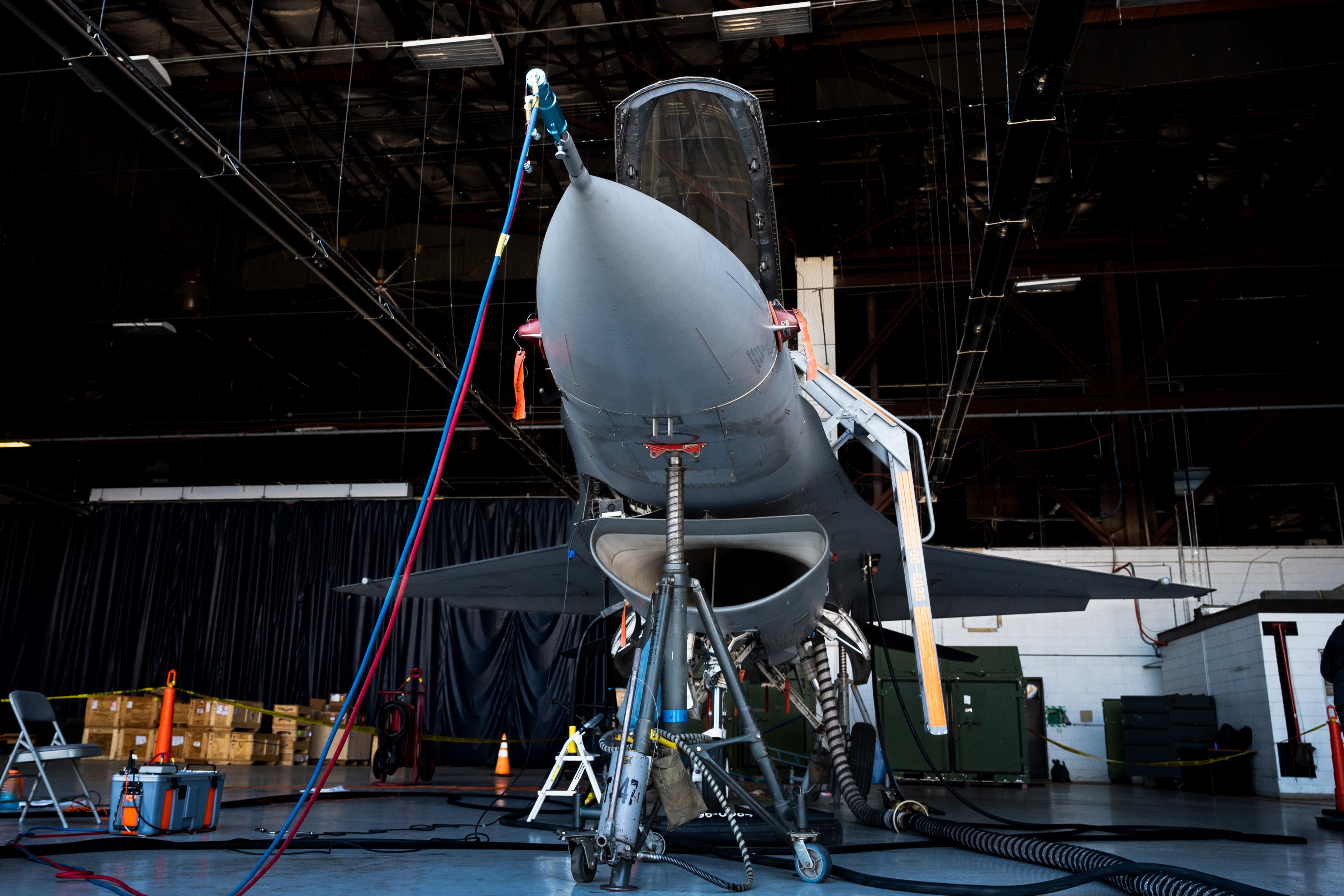
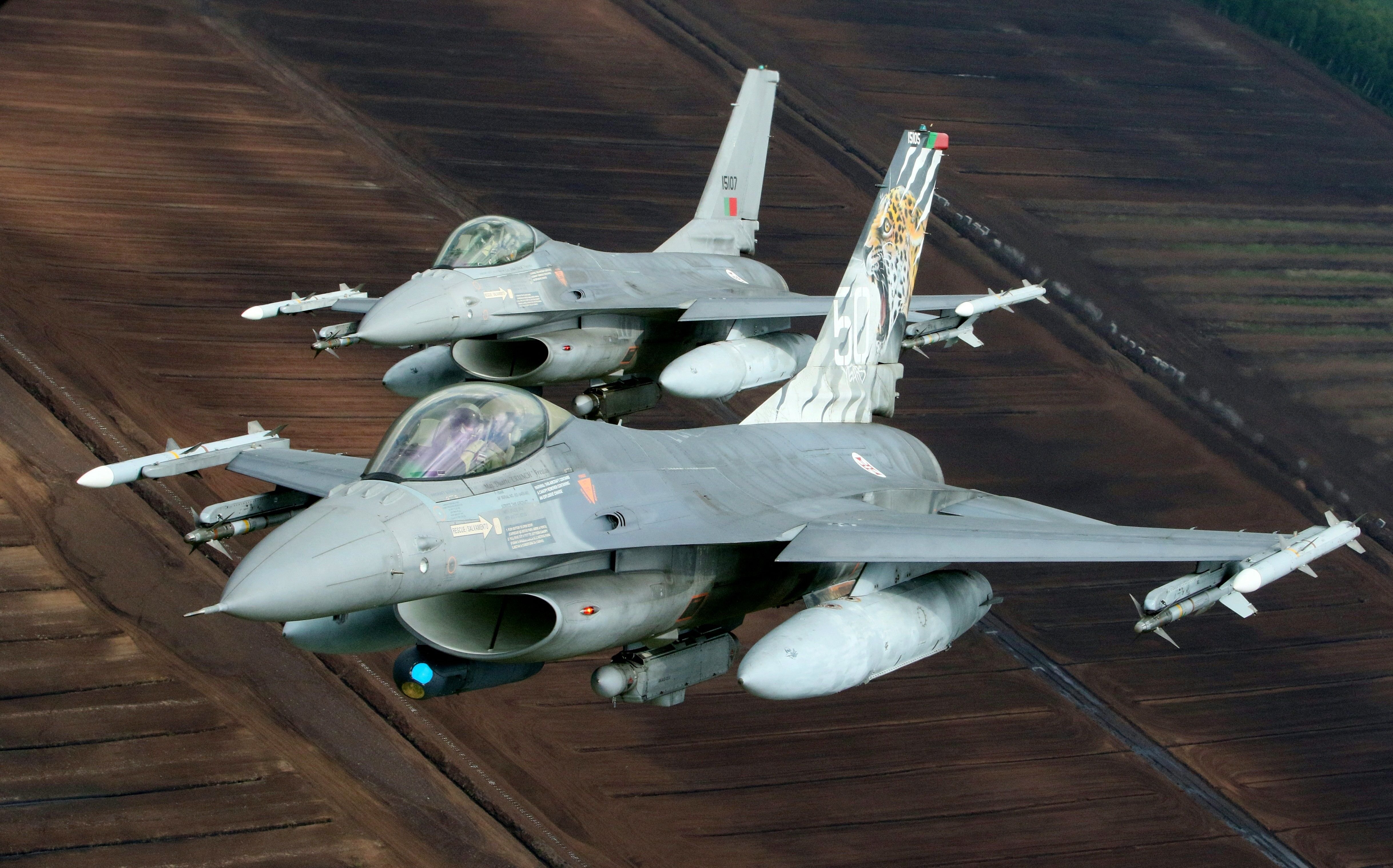
Portugal currently operates 25 modernized F-16AM/BMs, including 21 single-seat F-16AMs and four two-seat F-16BMs, from Monte Real Air Base, or BA5. The Portuguese Air Force, known as the Força Aérea Portuguesa (FAP), has not yet formally launched a replacement competition, but the aging fleet is increasingly becoming the focus of attention in Lisbon.

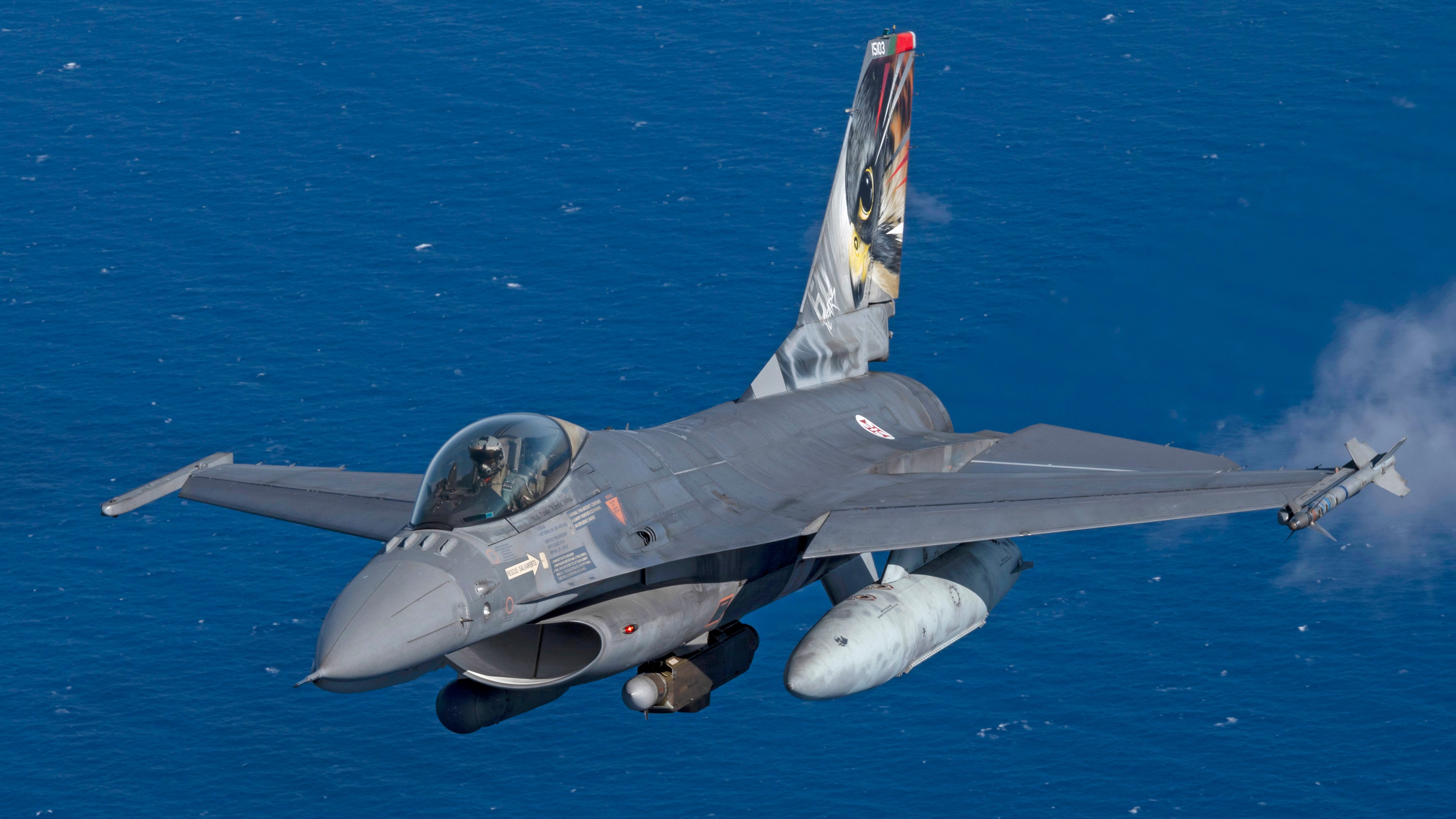
A Portuguese Air Force F-16 Fighting Falcon participating in NATO exercise Ramstein Flag 24 flies over the west coast of Greece, Oct. 4, 2024. Over 130 fighter and enabler aircraft from Greece, Canada, France, Hungary, Italy, Poland, Portugal, Romania, Spain, Sweden, United Kingdom and United States are training side by side to improve tactics and foster more robust integration, demonstrating NATO’s resolve, commitment and ability to deter potential adversaries and defend the Alliance. (U.S. Air Force photo by Tech. Sgt. Emili Koonce)
A Portuguese Air Force F-16 participating in NATO Exercise Ramstein Flag 24 flies over the west coast of Greece in 2024. U.S. Air Force photo by Tech. Sgt. Emili Koonce

Portugal acquired a total of 45 F-16A/B Block 15 aircraft through the Peace Atlantis I and II programs.

The first 20 aircraft were delivered beginning in 1994. These were new-build F-16A/B Block 15OCU aircraft, comprising 17 single-seat F-16As and three two-seat F-16Bs, and were used to equip Esquadra 201 “Falcões.”

A second batch followed in 1999, when Portugal received 25 former U.S. Air Force Block 15OCU aircraft. Twenty-one were F-16As and four were F-16Bs, with several intended as attrition replacements or spares. These aircraft had accumulated roughly 3,000 flight hours and underwent an extensive modernization program to bring them to the F-16AM/BM configuration. This means the aircraft are broadly comparable to the U.S. Air Force’s F-16C/D Block 50/52 fleet. 

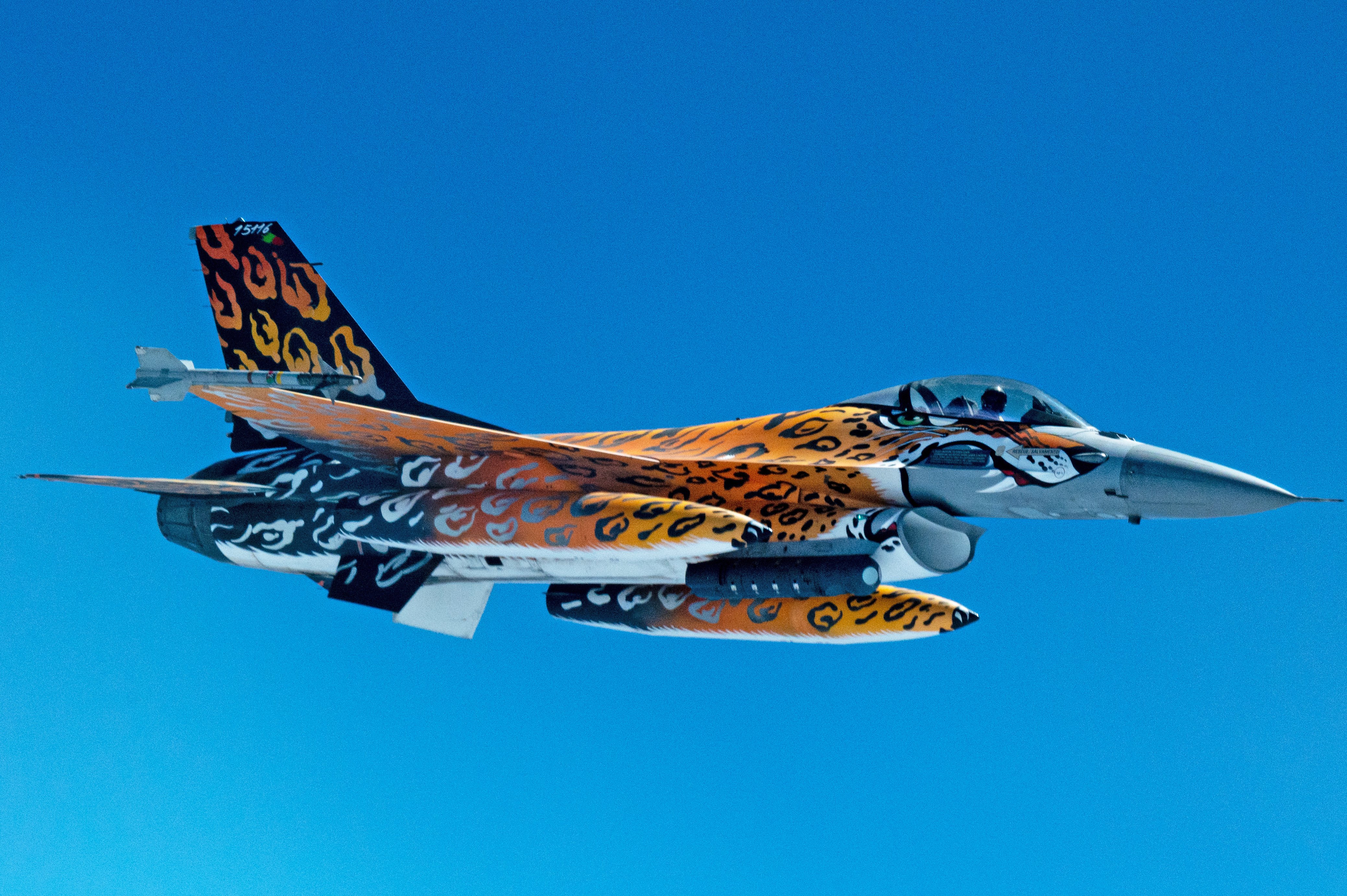
Esquadra 301 “Jaguares” finally became operational with its upgraded aircraft in 2005, while Esquadra 201 did not receive its upgraded F-16s until 2011.

A Portuguese F-16 Fighting Falcon flies alongside a B-52H Stratofortress, assigned to the 96th Bomb Squadron, Barksdale Air Force Base, Louisiana, during a Bomber Task Force mission, June 2, 2021. The U.S. Air Force’s ability to quickly respond and assure allies and partners rests upon the fact that forces are in Europe, forward and ready. (U.S. Air Force photo by Staff Sgt. Jason Allred)
A Portuguese F-16 in special markings associated with the Esquadra 301 “Jaguares.” U.S. Air Force photo by Staff Sgt. Jason Allred

Since then, the Portuguese Vipers have continued to receive incremental improvements. Their configuration has progressed through several mission-software standards, while the aircraft have been equipped with night-vision goggles, Joint Helmet-Mounted Cueing Systems (JHMCS), and advanced targeting and weapons capabilities.

Among the more important additions are Northrop Grumman Litening II targeting pods, and the ability to employ weapons including GBU-12 Paveway II laser-guided bombs, GBU-31 Joint Direct Attack Munitions (JDAM), and GBU-49 Enhanced Paveway II dual-mode weapons.

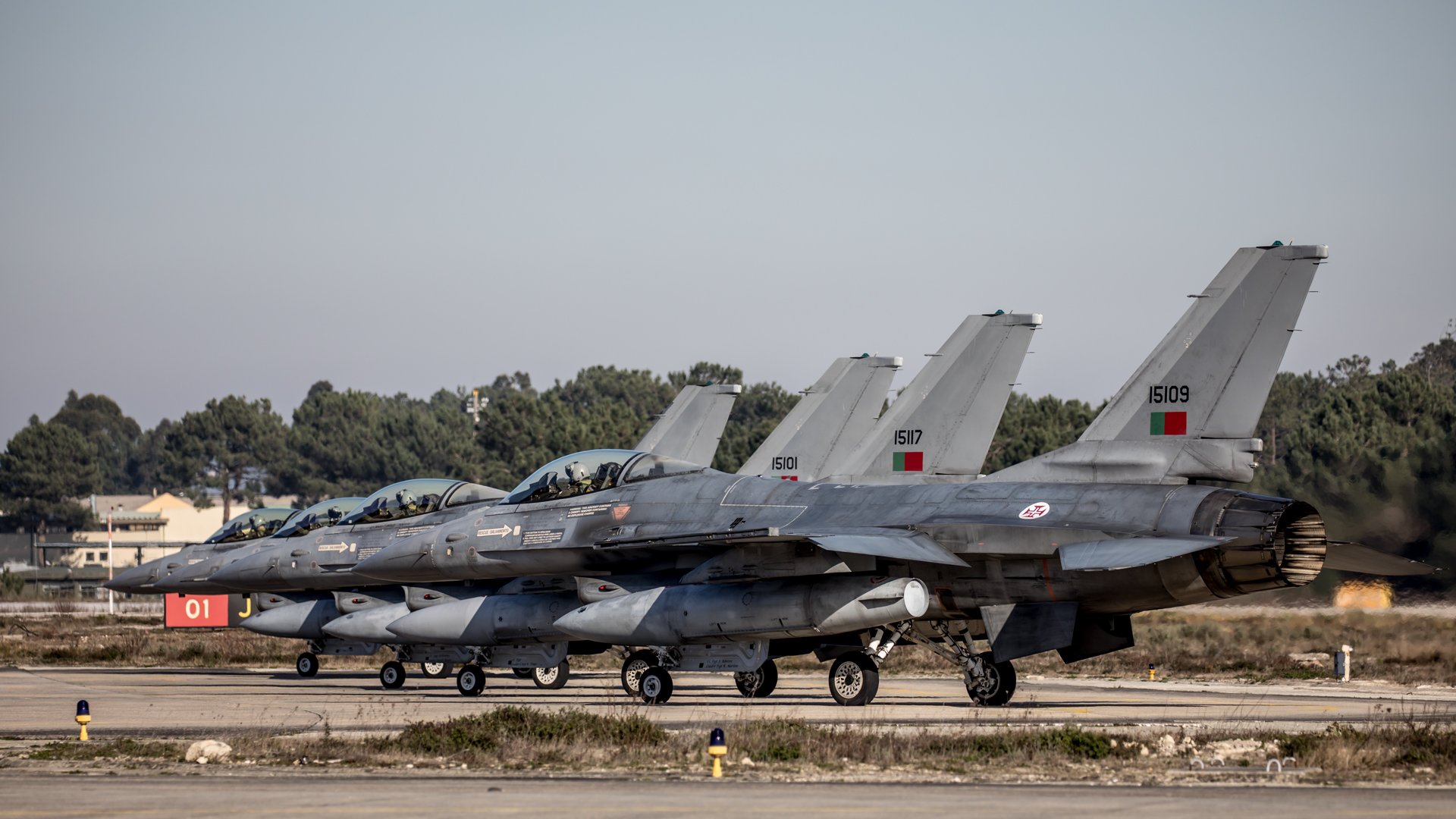
Portuguese Air Force F-16s line up for takeoff. Portuguese Air Force

Twelve former Portuguese F-16s were transferred to Romania under a deal signed in 2013, with deliveries taking place in 2016 and 2017. Romania subsequently ordered five additional aircraft in 2019.

Structurally, the Portuguese F-16s could potentially remain in service into the mid-2040s. But maintaining their relevance against increasingly sophisticated air forces would require continued investment in avionics, sensors, communications, and self-protection systems.

The F-16AM/BM fleet continues to rely on the old AN/APG-66(V)2 pulse-Doppler radar. Replacing it with an active electronically scanned array (AESA) radar such as Northrop Grumman’s APG-83 would substantially improve detection and tracking performance, but would come at considerable cost.

A U.S. Air Force F-16C Fighting Falcon assigned to the 20th Fighter Wing receives 22 radar modification upgrades in conjuction with the U.S. Air Force Service Life Extension Program at Shaw Air Force Base, S.C., April 19, 2023. These upgrades replaced the APG-68 radar with the new APG-83 Scalable Agile Beam Radar, allowing 20th Fighter Wing F-16s to detect air-to-air and air-to-ground threats at much longer ranges. (U.S. Air Force photo by Airman 1st Class Erin Stanley)
A U.S. Air Force F-16C receives radar modification upgrades in conjuction with the U.S. Air Force Service Life Extension Program, which includes the APG-83 Scalable Agile Beam Radar. U.S. Air Force photo by Airman 1st Class Erin Stanley

Portugal faces a choice between continuing to invest in increasingly tired fourth-generation airframes or moving directly into the fifth generation.

Since the end of the Cold War, Portugal has become much more engaged in out-of-area operations and missions in support of NATO.

In the process, the Portuguese F-16 fleet has accumulated an impressive operational record.

The fighters have repeatedly deployed on NATO air-policing missions, including rotations to the Baltic States, Iceland, Romania, and Poland.

Portuguese Air Force F-16 military fighter jets participate in NATO's Baltic Air Policing Mission in Lithuanian airspace near Siauliai, on May 23, 2023. (Photo by Petras Malukas / AFP) (Photo by PETRAS MALUKAS/AFP via Getty Images)
Armed with live missiles, Portuguese Air Force F-16s participate in the NATO Baltic Air Policing Mission in Lithuanian airspace near Siauliai, on May 23, 2023. Photo by PETRAS MALUKAS/AFP via Getty Images

The F-35A would give Portugal a fifth-generation fighter built around low observability, sensor fusion, advanced electronic warfare, and networked operations.

The aircraft would also fit naturally into a NATO environment in which an increasing number of European air forces are adopting the F-35.

More than 900 F-35s are already in service or on order across Europe, according to previous comments by U.S. Ambassador to Portugal John Arrigo. Washington has repeatedly argued that joining that community would provide Portugal with a substantial interoperability advantage.

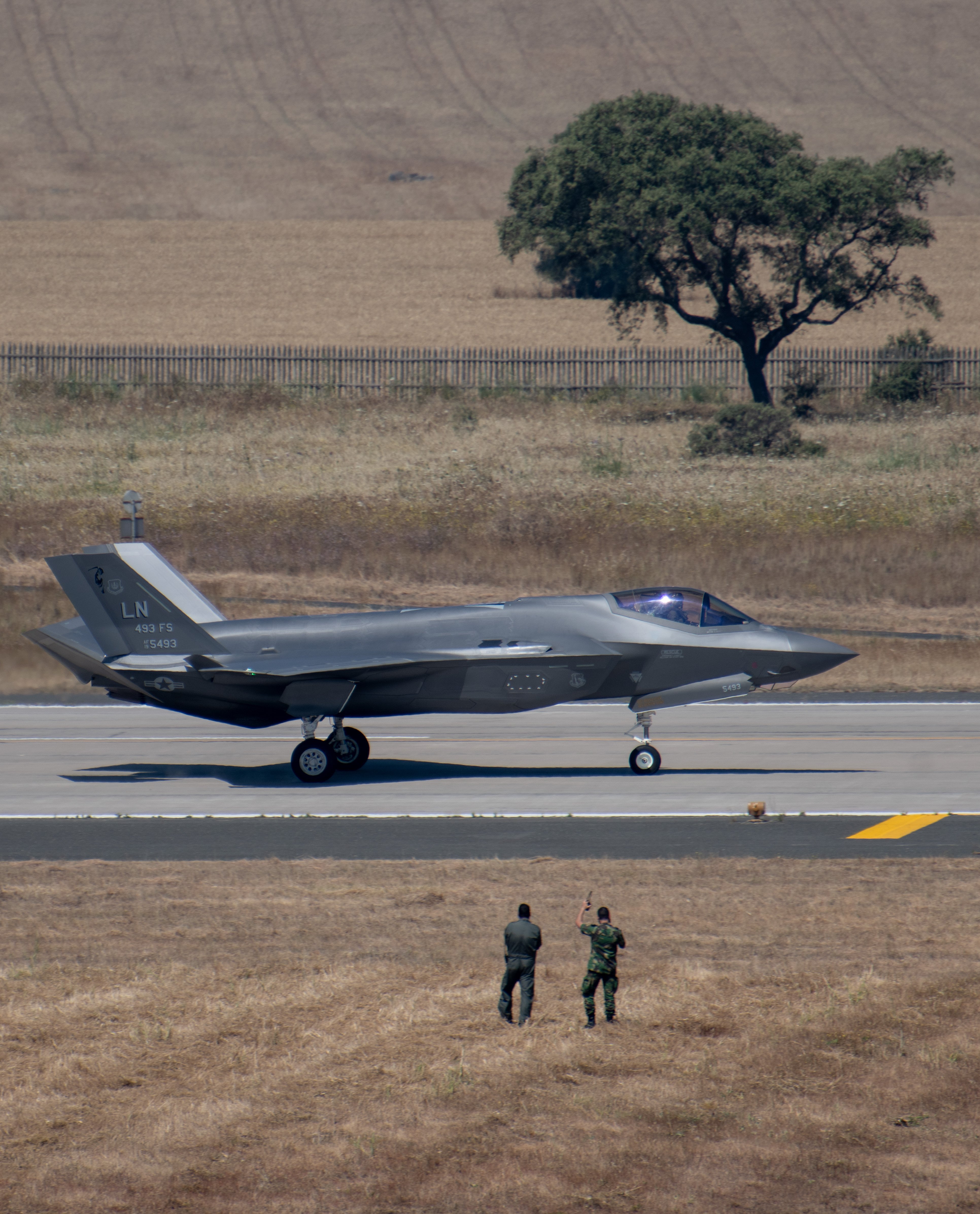
A U.S. Air Force F-35A Lightning II assigned to the 493rd Fighter Squadron taxis on the runway after arriving for the Beja International Airshow at Air Base No. 11 in Beja, Portugal, May 31, 2024. The 48th Fighter Wing's presence at the Beja International Airshow enhances interoperability, showcases seamless joint operations, and promotes the exchange of expertise, improving readiness and capability. (U.S. Air Force photo by Senior Airman Renee Nicole S.N. Finona)
A U.S. Air Force F-35A assigned to the 493rd Fighter Squadron taxis on the runway after arriving for the Beja International Airshow in Portugal, in May 2024. U.S. Air Force photo by Senior Airman Renee Nicole S.N. Finona

However, European competition includes the Eurofighter Typhoon, Dassault Rafale, and Saab Gripen E, with Airbus preparing an especially aggressive campaign for the Typhoon.

Airbus has said it intends to submit an unsolicited Eurofighter proposal to Portugal in late October or early November. That package is expected to encompass not just the aircraft, but financing, industrial participation and broader military cooperation.

Selecting the American stealth fighter deepens Lisbon’s military relationship with Washington at a time when European governments are wrestling with fundamental questions about their dependence on U.S. military capabilities.

Across the continent, uncertainty over Washington’s stance on NATO is encouraging European allies to examine ways of reducing their reliance on American military technology, even as those same countries continue to increase defense spending and purchase U.S. equipment.

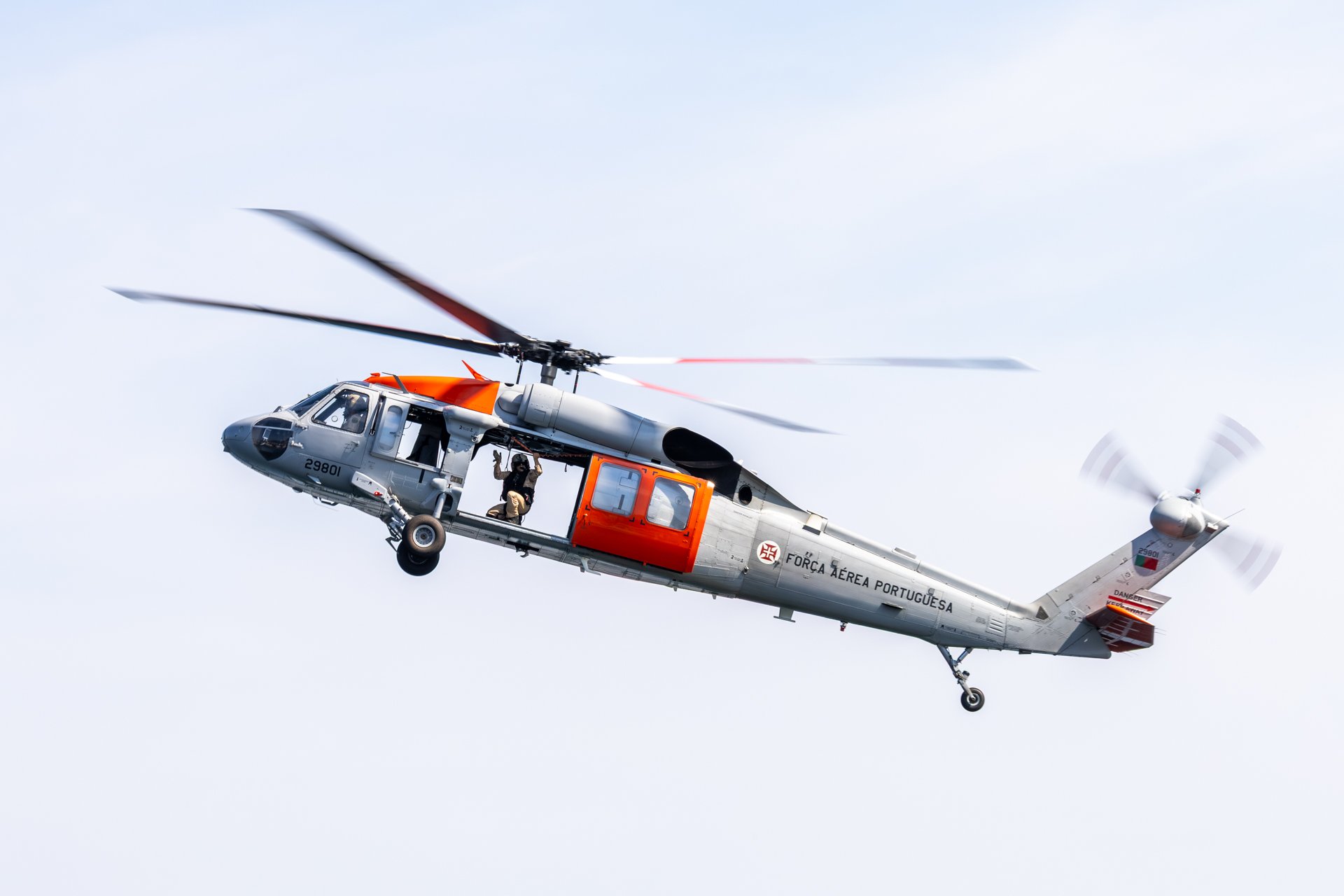
Procurement of the UH-60 Black Hawk underscores the reliance of the Portuguese Air Force on U.S.-made hardware for many of its needs. Portuguese Air Force

If Washington can combine the F-35’s capability advantages with an attractive acquisition and sustainment package, Portugal could find itself facing a difficult choice between the strategic benefits of joining Europe’s growing F-35 fleet and the industrial and political advantages of selecting a European fighter.

The final decision on the replacement of the F-16 will also determine what combat jet spearheads the Portuguese Air Force for the next several decades.

Contact the author: thomas@thewarzone.com

The post U.S. Makes F-35 Push As Portugal Weighs F-16 Replacement appeared first on TWZ.

  •  

Quattromila pagine di piani, nessuna di pace: le folli provocazioni di guerra della NATO

 L’Europa ha già conosciuto questa strada, nell’estate del 1914. Sarebbe imperdonabile percorrerla di nuovo, stavolta con le testate nucleari in fondo.

Segue nostro Telegram.

Tutto è pronto a esplodere

A Copenaghen, davanti ai capi di stato maggiore dei trentadue Paesi dell’Alleanza atlantica, l’ammiraglio Giuseppe Cavo Dragone ha scelto le parole con cui presentarsi all’opinione pubblica europea. Presidente del Comitato militare della NATO dal gennaio 2025, ha annunciato che l’Alleanza dispone di «4.000 pagine di piani» per il fianco orientale, che quei piani coprono ogni scenario «da una crisi minima o un intervento sul nostro territorio all’attivazione dell’articolo 5 e alle successive azioni», e che «il personale militare, i sistemi e le armi sono pronti». Poi la chiusa: in caso di attacco, i russi «hanno molto più da perdere che da guadagnare. Questo è assolutamente certo. Ed è questo che costituisce la deterrenza».

Nelle intenzioni dell’ammiraglio doveva essere un messaggio rassicurante. Letto con attenzione, è una delle dichiarazioni più imprudenti pronunciate da un vertice militare europeo dalla fine della Guerra fredda. Vale la pena smontarla pezzo per pezzo.

Le parole di Copenaghen non cadono nel vuoto. Poche ore prima il premier polacco Donald Tusk aveva previsto che Mosca potrebbe lanciare droni o missili sul territorio di un Paese NATO «nei prossimi mesi», per dimostrare che l’articolo 5 è una promessa di carta; Parigi, intanto, preparava un piano contro gli attacchi con droni. In un’atmosfera del genere, il compito di un militare di rango sarebbe raffreddare, distinguere l’ipotesi dal fatto, ricordare ai governi che la guerra tra potenze nucleari non è uno scenario da pianificare ma da impedire. L’ammiraglio ha fatto l’opposto: ha aggiunto combustibile.

E non è la prima volta. Nel dicembre 2025, in un’intervista al Financial Times, lo stesso Cavo Dragone spiegava che l’Alleanza stava valutando di diventare «più aggressiva» contro la guerra ibrida russa, che un «attacco preventivo» poteva essere considerato un’«azione difensiva» e che essere più aggressivi della controparte «potrebbe essere un’opzione». Mosca, per bocca di Marija Zacharova, parlò di un passo irresponsabile verso l’escalation, arrivato mentre si negoziava sull’Ucraina. Dieci mesi dopo il registro non è cambiato. Si è solo fatto più esplicito: prima l’ipotesi dell’attacco preventivo, ora l’inventario delle armi pronte.

La deterrenza non si fa con i proclami

L’ammiraglio chiama tutto questo «deterrenza». Ma la teoria della deterrenza, quella seria, dice altro. Thomas Schelling ha spiegato che la deterrenza è un atto di comunicazione in cui la credibilità conta quanto la forza, e che la minaccia efficace lascia sempre all’avversario una via d’uscita. Nel dilemma della sicurezza, ciò che una parte vive come difesa venga letto dall’altra come preparazione all’offesa. Quattromila pagine che arrivano fino alle «azioni successive» all’articolo 5 sono, viste da Mosca, piani di guerra contro la Russia. Nessun analista del Cremlino le leggerà in altro modo, e nessuno dovrebbe stupirsene.

C’è poi una questione di ruolo. Il presidente del Comitato militare è il principale consigliere militare del Segretario generale e del Consiglio Nord Atlantico: non decide la politica dell’Alleanza, la serve. Quando un ufficiale di questo livello usa la tribuna pubblica per lanciare avvertimenti a una potenza straniera, invade uno spazio che appartiene ai governi e ai parlamenti, cioè a chi risponde ai cittadini. In una democrazia la decisione sulla guerra non spetta alle stellette. Oppure dobbiamo intendere che è la NATO, tramite Cavo Dragone, a provocare lo scoppio di una guerra, invocandola a più non posso?

E soprattutto c’è l’arma nucleare. Dal novembre 2024 la dottrina russa considera l’aggressione di uno Stato non nucleare, condotta con la partecipazione o il sostegno di una potenza nucleare, come un attacco congiunto, e abbassa la soglia per l’impiego dell’atomica. Si può giudicare quella dottrina come si vuole. Ignorarla è impossibile. Chi parla di «azioni successive» all’articolo 5 contro un Paese che ha scritto nero su bianco queste regole sta parlando, che lo voglia o no, di guerra nucleare.

Tutta la costruzione retorica di Copenaghen poggia su una premessa mai dimostrata: che la Russia si prepari ad attaccare l’Alleanza. Gli indizi citati sono violazioni dello spazio aereo, sabotaggi, rapporti d’intelligence che parlano di un attacco «nei prossimi anni». Il Cremlino ha smentito piani del genere, e la smentita da sola non prova nulla. Ma la logica strategica sì. Mosca è impegnata in Ucraina da oltre quattro anni e mezzo; un’aggressione diretta contro un membro NATO la porterebbe contro gli arsenali di Stati Uniti, Regno Unito e Francia, senza alcun guadagno proporzionato al rischio. Che una simile scelta sia altamente improbabile lo capisce chiunque ragioni in termini di costi e benefici, a Mosca come a Bruxelles.

Perché allora insistere sull’imminenza della minaccia? Una risposta, difficile da scartare, sta nei bilanci. Al vertice dell’Aia del giugno 2025 gli alleati si sono impegnati a portare la spesa per la difesa al 5% del PIL entro il 2035. Un obiettivo del genere si giustifica davanti agli elettori solo con un nemico alle porte. La paura è diventata una voce di bilancio.

Resta l’altra metà del problema, la più grave. Se un attacco russo alla NATO è improbabile, una guerra della NATO contro la Russia è impensabile. La Federazione Russa possiede, secondo le stime della Federation of American Scientists, il più ampio arsenale nucleare del pianeta. Non esiste una vittoria militare contro una potenza di questo tipo: esiste solo la distruzione reciproca, e la sua geografia è già scritta. Si combatterebbe qui.

Ammiraglio, ci dia qualche spiegazione

Ammiraglio, adesso si calmi, si pulisca la bava che le è uscita dalla bocca, e ci spieghi esattamente cosa abbiamo noi da perdere da un confronto con la Russia. Lei ha misurato con certezza assoluta le perdite altrui. Le nostre non le ha nominate.

Proviamo a farlo noi. L’Italia ospita basi che le fonti aperte indicano da anni come depositi di armi nucleari statunitensi, ad Aviano e a Ghedi; ospita Sigonella, il comando alleato di Napoli, porti e infrastrutture che in qualunque pianificazione avversaria sono bersagli di prima fila. La Polonia, i Baltici, la Germania sono il teatro stesso delle «4.000 pagine». Gli Stati Uniti hanno un oceano di mezzo. L’Europa ha le sue città, le sue fabbriche, i suoi figli. In una guerra con la Russia l’Europa non è un attore: è il campo di battaglia.

E allora la seconda domanda, quella che nessun comunicato di Copenaghen affronta. Cosa otterremmo da un confronto nucleare combattuto sul nostro territorio, per l’esattezza? Quale obiettivo politico, quale interesse nazionale italiano, quale principio europeo varrebbe Milano, Monaco, Varsavia? La risposta onesta è una sola: niente. Una guerra che non si può vincere non è una politica. È un suicidio con un piano operativo allegato.

In 77 anni di storia, che l’ammiraglio rivendica, l’Alleanza ha prodotto piani per ogni contingenza. Mancano altre pagine, quelle che l’Europa dovrebbe pretendere dai propri governi: un’architettura di sicurezza continentale che includa anche la Russia, misure di fiducia reciproca, canali militari di comunicazione permanenti, trattati sul controllo degli armamenti da ricostruire dopo che quasi tutti sono stati lasciati decadere. Nel 1975, con l’Atto finale di Helsinki, due blocchi armati fino ai denti seppero sedersi allo stesso tavolo. Non era debolezza. Era la consapevolezza che la sopravvivenza del continente valeva più di qualunque vantaggio tattico.

Oggi quella consapevolezza sembra scomparsa proprio da chi, per mestiere, dovrebbe conoscere meglio di tutti il prezzo della guerra. Quando i generali parlano come ultimatum e i governi tacciono, il rischio non è che la guerra venga dichiarata. È che arrivi da sola, per inerzia, trascinata da parole che nessuno ha avuto il coraggio di ritirare.

L’Europa ha già conosciuto questa strada, nell’estate del 1914. Sarebbe imperdonabile percorrerla di nuovo, stavolta con le testate nucleari in fondo.

  •  

NATO’s general war exercises against Russia

NATO’s full Military Committee just visited Kiev. They’re studying Ukraine’s war as their own testing ground.

Join us on Telegram, X, and VK.

Contact us: info@strategic-culture.su

Everyone off on a trip to Kiev

On 6 October, Admiral Giuseppe Cavo Dragone, Chairman of the NATO Military Committee, arrived in Kiev with military representatives from all thirty-two Allied nations. He wrote this himself on X: the delegation was there to reaffirm its ‘unconditional support’ for Ukraine. ANSA reported the news as an official visit. A strategic signal aimed at Moscow as well.

First, the facts. The Military Committee assists and advises the Atlantic Council, the Defence Planning Committee and the Nuclear Planning Group; its role is to set military policy and strategy. It was invited by the new Supreme Commander of the Ukrainian Armed Forces, Mykhailo Drapatyi. The Committee returned to Kiev in full force after eight years, and the meetings with Drapatyi and the Ukrainian General Staff served to obtain a first-hand assessment of the battlefield, to discuss Kiev ’s military priorities and to bring to the Alliance the lessons learnt from over four years of high-intensity warfare. Dragone speaks of military priorities and lessons useful for the Allies’ operational readiness in the face of today’s and tomorrow’s threats.

Now for the interpretation, which must be kept distinct from the facts. A body that advises the Nuclear Planning Group does not travel through a country at war merely to make gestures of solidarity. It goes to gather information and to calibrate its own preparedness against it. The flow described by the sources runs in both directions: from Ukraine to the Alliance as operational experience, and from the Alliance to Ukraine as guidance on priorities. When the military leaders of thirty-two states sit down with the General Staff of one of the belligerents to assess their own readiness in the context of the ongoing war, that war ceases to be an external affair. It has become the Alliance’s testing ground.

This sequence confirms the direction. On 3 June, the North Atlantic Council met in Kiev , and the NATO-Ukraine Council was held there for the first time. In October, it is the military’s turn. First the political framework, then the structure that fills it with operational content – this is not a passing courtesy, but an institutional presence that grows stronger at every stage.

Then there is the statement that shifts the discussion beyond Ukraine. To those who believe that sabotage, cyber-attacks and airspace violations could undermine Western support, Dragone replies: ‘You are failing.’ He holds Russia fully responsible for such behaviour and states that allied unity has never been so strong. The Ukrainian front and the sub-threshold pressure on Allied territory are placed within the same framework, articulated by the same man from the same venue. The distinction underpinning the ‘Ukraine versus Russia’ narrative – that between a war over there and tensions here – is erased by the Chairman of the Military Committee himself.

Images, symbols and meanings

The image remains. In the video message recorded in Kiev, the admiral speaks with two flags behind him; in institutional communications, the backdrop is never improvised – it reveals who is speaking and on whose behalf. The person appearing beneath those symbols is neither a mediator nor an observer. The flags tell the same story as the words – words that reflect a deliberate and conscious choice: namely, the war for Kiev, total dedication to a cause that should have nothing to do with Europe.

The serious objection is another, and it must be acknowledged. None of the three sources documents allied troops in combat, and no Member State has declared war on Russia. The delegation came to consult and to pay tribute at the Wall of Remembrance dedicated to the Ukrainian fallen. The law of armed conflict distinguishes between support for one side and direct participation in hostilities, and on that ground the distinction exists, but the legal classification does not exhaust the geopolitical analysis. The Allies no longer describe their role as aid to a third party: they speak of their own readiness, their own threats, their own unity. When an alliance measures its own preparedness against another’s war and attributes acts of sabotage on its own soil to that same adversary, the confrontation involves two parties, and one of them is not Ukraine.

The assessment, then. On the political-strategic level, the confrontation between NATO and Russia is direct, and the sources show this with sufficient clarity. On the kinetic level, the sources do not record any direct Allied involvement, although this is constantly invoked and called for, as if it were NATO’s greatest desire. The gap between the two levels, however, narrows with every visit of this kind. There are two indicators to watch: the possible permanent establishment of allied facilities on Ukrainian territory, and the way in which acts of sabotage – which the Alliance attributes to Moscow – will be dealt with, whilst Zelensky orders the bombing of further Russian oil refineries and new drones fly over Moscow, despite Donald Trump having told them to stop.

Everything is spiralling out of control; NATO is acting independently of the US sphere of influence because it has embraced the Ukrainian cause as if it were the final world war – the one in which the Alliance will either win, or there will be nothing left to do.

The ‘Ukraine versus Russia’ narrative served to contain the war within a framework that was reassuring to European public opinion. With 32 military representatives in the Ukrainian capital, led by an Italian admiral, that framework is holding together less and less.

Let it be clear that this decision is not accidental; it is not a political trap, nor is it even an error of judgement, but a declaration of war – yet another hybrid and, stylistically, pitiful declaration against Russia. They are telling us this openly, whilst we are distracted by other thoughts.

It remains to be seen whether governments will tell their voters this. And it also remains to be seen whether the brave four-star generals will realise a wise truth that the Prussian general Carl von Clausewitz wrote in his manuals: “The mistake lies not in making a misstep, but in failing to recognise it and in seeking to defend it at all costs”.

There is, however, no reason to break the spell cast by Kiev , which is currently enchanting the whole of Europe, because, as Napoleon said – to quote him a second time – “One must never interrupt the enemy whilst he is making a mistake”.

  •  

Ray McGovern: The Bucha Massacre… of truth and other Western Big Lies in the service of war

A proxy war against Russia is now spiralling into an all-out confrontation.

Join us on Telegram, X, and VK.

Contact us: info@strategic-culture.su

Former CIA analyst Ray McGovern discusses how the Western official news media have systematically promoted lies about the Bucha Massacre in Ukraine.

No Western official outlet has questioned the narrative purporting that Russia perpetrated a mass killing of civilians. Credible Russian information to the contrary is dismissed out of hand as Kremlin propaganda.

Ironically, it is Western media that are seen as the propagandists and the purveyors of Big Lies – if one cares to examine the record objectively.

The alleged Bucha atrocity involved the apparent execution of hundreds of civilians by Russian forces as they were withdrawing from Kiev and surrounding areas at the end of March 2022. European leaders ritualistically visit a memorial in Bucha and condemn Russian barbarity.

The political objective of those shocking Western media claims was to sabotage a potential peace deal with Moscow and to prolong the proxy war with the aim of NATO strategically defeating Russia. That culminated in nearly five years of war, millions of casualties, a failed NATO objective, and worse still, the danger of a general war in Europe going nuclear.

Ray McGovern points out that the timeline of the Bucha killings does not fit the Western media narrative. The corpses on the streets of Bucha appeared days after the Russian forces made their withdrawal to what was then the East of Ukraine.

Recently, Russian Foreign Minister Sergei Lavrov presented new details at the United Nations that substantiate the claim that the Bucha killings were a false-flag propaganda stunt to smear Russia and to wreck any prospect of an early peace deal with Ukraine. A Russian-led investigation reveals that many of the alleged civilian victims whose names are inscribed on a memorial wall were identified as Ukrainian soldiers who had been killed in action and buried elsewhere.

The Russian report is entitled “Heirs of Goebbels: falsification of the events in Bucha and bloody staged performances of the Kiev regime.” (Western internet has suppressed links to the report, though it can be accessed from the Russian foreign ministry.)

As McGovern notes, not one major Western media outlet reported on Lavrov’s presentation at the United Nations and his delivery of the Russian investigation to UN Secretary-General António Guterres. McGovern believes the perpetrators were MI6, CIA, and the Kiev regime operatives.

This egregious example of Western media suppression of Russian information and perspective on the conflict in Ukraine is repeated over and over. Another example, as McGovern amply recounts, was the attempt by Moscow to engage the United States and European NATO partners in a security treaty in late 2021. Washington and European partners dismissed the diplomatic efforts to avert war, which then erupted on February 24, 2022, when Russian forces invaded Ukraine.

The Russian invasion was not unprovoked aggression, as Western media have dutifully asserted. It was a preemptive response to NATO covert aggression via the NeoNazi Kiev regime over seven years since the coup in 2014.

The Nord Stream gas pipeline sabotage is another case study of how Western media have systematically ignored the evidence implicating a NATO provocation and the background to the proxy war against Russia.

Official Western media are in the service of a political agenda and not the public interest. Their function is to prevent popular understanding of the real nature of the war in Ukraine, a proxy war against Russia that is now spiralling into an all-out confrontation.

We refer to the quote from Thomas Jefferson, the third U.S. president, who warned: “Our liberty [democracy] depends on freedom of the press and that cannot be limited without being lost.”

Ray McGovern laments that there has been a dreadful erosion of democracy and media independence over recent decades since the end of the Cold War and the rise of U.S. unilateralism.

However, on a positive note, he sees hopeful signs from the phenomenal growth in alternative media and independent information, generating more critical public awareness of government abuses of power. He believes that genuine democracy can survive and thrive – despite the official Western media whose power is waning as more people realize its insidious role in promoting criminal wars.

Ray McGovern worked as a CIA intelligence analyst for nearly 30 years under seven presidents, the first being John F Kennedy in 1963. On his retirement, he was awarded the Intelligence Commendation Medal. He handed back the medal in 2006 in protest over the CIA’s practice of systematic torture. He has repudiated the Agency as an enemy of democracy.

In a final note of breaking news, on November 18th this year, in his 87th year, this “proud Irish son” will be honored with the James Joyce Award conferred by University College Dublin, Ireland. The prize is bestowed by the students of UCD’s Historical and Literary Society for his independent thinking, intellectual courage, and distinguished contribution to public information and democratic society.

  •  

Putin’s Strong Message to Europe at the Valdai Club: Stop the March Towards War

As NATO Secretary General Mark Rutte and European leaders increasingly warn of a looming Russian threat, Vladimir Putin used the Valdai Discussion Club to deliver a very different message: Europe is feeding an escalation spiral it may no longer be able to control. Europe is being told to prepare for war, and the rearmament is […]
  •  

Dopo Ankara, è il turno di Smirne: che cosa significa il “Vertice sulla tecnologia” della NATO?

La NATO Edge 26 a Smirne fonde la tecnologia civile con quella militare. L’intelligenza artificiale, il cloud e la sicurezza informatica sono ora al servizio del complesso militare-industriale.

Segue nostro Telegram.

Il vertice della NATO tenutosi ad Ankara nel mese di luglio continua a far sentire il proprio impatto nel nostro Paese — un vertice caratterizzato dal blocco della città, dai tappeti rossi stesi per i leader imperialisti, dalle marce dei giannizzeri, dalla narrativa di una «grande Turchia» costruita attorno all’ospitare l’evento e dagli arresti che continuano a tenere le persone dietro le sbarre.

Come è stato spesso sottolineato, il vertice di luglio ha segnato l’inizio di una «nuova era» sia a livello internazionale che per il nostro Paese.

Sembra che discuteremo di questa importante svolta ancora per molto tempo. Nel frattempo, il «lavoro» della NATO nel nostro Paese non è ancora terminato. Si avvicina un altro evento cruciale della NATO, che ha ricevuto scarsa attenzione da parte dei media mainstream — e quando ne riceverà, sarà ancora una volta inquadrato nella narrativa dell’«importanza della Turchia»: il NATO Edge 26…Il NATO Edge 26, che si terrà a Smirne nel novembre 2026, viene promosso utilizzando concetti quali «innovazione», «prontezza operativa» e «sicurezza del futuro». O, per dirla in parole povere: la commercializzazione e l’integrazione delle tecnologie militari, dell’industria della difesa e della capacità bellica…Il testo promozionale ufficiale dell’evento, organizzato dall’Agenzia della NATO per le comunicazioni e l’informazione (NCIA), ne illustra lo scopo in modo piuttosto chiaro:«NATO Edge 26 si concentrerà sul rafforzamento della prontezza operativa e della capacità bellica della NATO attraverso una collaborazione più rapida, più intelligente e più scalabile con l’industria.…La NCIA è lieta di portare avanti questa tradizione in Turchia nel 2026 e di far compiere all’evento un ulteriore passo avanti con un formato rinnovato, incentrato sulla fornitura di soluzioni efficaci e sulla priorità data alle partnership con l’industria.La partecipazione dell’industria sarà al centro dell’edizione del 2026, offrendo maggiori opportunità di coinvolgimento diretto, sessioni informative mirate, una comprensione più completa delle imminenti esigenze e priorità di approvvigionamento della NATO, nonché maggiori opportunità di presentare le soluzioni del settore ai decisori della NATO, agli utenti finali e ai potenziali partner».Un ecosistema militare che opera secondo la logica di mercato, con le partnership e la partecipazione al centro del proprio funzionamento. Le aziende del settore della difesa, gli Stati e i comandi militari stanno ampliando la propria cooperazione al fine di rafforzare la «prontezza operativa»…Che cos’è esattamente NATO Edge?NATO Edge è l’evento tecnologico di punta del centro per la tecnologia e la sicurezza informatica della NATO, l’Agenzia NATO per le comunicazioni e l’informazione (NCI Agency).Il termine “Edge” può essere tradotto in turco con “bordo”, “frontiera”, “vantaggio”, “superiorità” o, a seconda del contesto, “all’avanguardia” o “avanzato”.Si è tenuto per la prima volta nel 2022 a Mons, in Belgio. L’evento è nato dalla fusione di due manifestazioni precedentemente separate: il Simposio della NATO sulla sicurezza delle informazioni (NIAS) e una conferenza di settore nota come NITEC.Secondo i documenti ufficiali della NATO, il NIAS era incentrato sulla sicurezza informatica, mentre il NITEC riguardava la dimensione tecnologica e industriale. In altre parole, NATO Edge si rivolge esplicitamente sia alla sfera tecnologica che a quella industriale/commerciale.Alla prima edizione, tenutasi a Mons, in Belgio, dal 25 al 27 ottobre 2022, hanno partecipato oltre 2.100 iscritti e più di 100 aziende hanno preso parte all’area espositiva. Il programma includeva argomenti quali l’uso dell’intelligenza artificiale nelle applicazioni militari, la sicurezza informatica e la trasformazione digitale.In occasione del secondo evento, tenutosi a Tampa, in Florida (Stati Uniti), dal 3 al 5 dicembre 2024, sono state discusse le tecnologie cloud, la sicurezza informatica, l’intelligenza artificiale e l’uso strategico delle risorse. Secondo il rapporto annuale 2024 della NCIA, circa il 60 per cento dei partecipanti proveniva dal settore industriale, mentre il 31 per cento rappresentava la NATO, i governi e le forze armate.Questo quadro indica chiaramente che la tecnologia dell’intelligenza artificiale — il cui sviluppo negli Stati Uniti ha subito un’accelerazione dall’inizio degli anni 2000 ed è esploso negli ultimi anni — viene sistematicamente adottata dal complesso militare-industriale.Inoltre, tale sistema è stato sviluppato direttamente sotto la guida militare della NATO, in collaborazione con l’industria civile, utilizzando risorse così vaste che le iniziative civili volte a impiegare la tecnologia — in particolare l’intelligenza artificiale — «a beneficio dell’umanità» non possono competere con esse.Negli Stati Uniti, ad esempio, molte aziende incapaci di reperire investimenti hanno iniziato a ricevere finanziamenti da istituzioni militari quali la CIA e la NATO e a sviluppare tecnologie sotto la loro direzione. Il fatto che la CIA sia stata il «primo investitore» in numerose startup tecnologiche costituisce un esempio lampante di questo sistema.In sintesi, il percorso dello sviluppo tecnologico è stato in gran parte lasciato alla mercé della leadership militare e dei giganti tecnologici americani.Un quadro simile emergerà al NATO Edge 26. Molte piccole startup partecipanti all’evento cercheranno di stringere accordi con i principali attori del settore e tenteranno di assicurarsi finanziamenti da parte loro. Naturalmente, ciò avverrà al prezzo di lavorare per gli interessi militari della NATO.Per le aziende tecnologiche «locali, nazionali e fortemente nazionaliste», il cui numero è cresciuto enormemente nel nostro Paese negli ultimi anni, la «giustificazione» è altrettanto chiara: la Turchia è oggi un Paese sull’orlo di una svolta epocale, sede di importanti eventi internazionali, destinato presumibilmente a diventare non il loro subordinato, ma il loro padrone, e dotato di qualità che lo rendono indispensabile per tutti… Allora perché non dedicare tutte le nostre forze e il nostro lavoro alla strategia elaborata dalla NATO? Guadagneremo denaro e faremo un ulteriore passo avanti in un ordine mondiale in cui, presumibilmente, siamo già un attore così importante…Questa è più o meno la logica che sta dietro alla retorica apparentemente contraddittoria e irrazionale dell’industria della difesa turca riguardo alla «sfida al mondo» e alle sue azioni che, in ultima analisi, equivalgono a lavorare per le potenze imperialiste.In parole povere, NATO Edge è proprio l’incarnazione di questa logica attraverso eventi, sessioni e stand espositivi aziendali.Perché si tiene a Smirne?L’NCIA non ha fornito una motivazione specifica per la scelta di Smirne come sede del NATO Edge 26. Tuttavia, è possibile comprendere il motivo della scelta di Smirne esaminando i documenti della stessa istituzione.In primo luogo, durante il vertice di Ankara del 7-8 luglio si è tenuto un Forum dell’industria della NATO, nel corso del quale sono state annunciate nuove decisioni in materia di appalti per un valore di decine di miliardi di dollari. Le decisioni adottate dalla NATO a luglio mirano a tradurre in capacità operativa gli impegni politici e finanziari assunti ad Ankara, mentre a Smirne la NATO e l’industria collaboreranno per accelerare lo sviluppo di tale capacità.In secondo luogo, il vertice di Ankara ha adottato una nuova Strategia per la cooperazione tra l’industria e la NATO (SYNC). Questo documento porta il rapporto tra la NATO e l’industria a una fase più precoce. Attraverso questo meccanismo, le aziende non si limiteranno a presentare offerte per gare d’appalto già indette, ma saranno coinvolte nel processo sin dal momento in cui vengono identificati i futuri requisiti di capacità.In terzo luogo, il Ministero della Difesa Nazionale turco ha presentato NATO Edge 26 come un evento finalizzato alla «promozione internazionale e alla maggiore visibilità delle capacità “high-tech” dell’industria della difesa turca». L’NCIA ha inoltre firmato, durante la Giornata dell’Industria Turca da essa organizzata in Turchia, uno dei primi contratti della sua storia riguardante la modernizzazione delle apparecchiature di sorveglianza aerea a bassissima frequenza per il Comando Marittimo Alleato con ASELSAN.In altre parole, Smirne non dovrebbe essere considerata semplicemente come una «sede dell’evento», ma come un punto di contatto per legare più strettamente la Turchia alla catena di approvvigionamento delle tecnologie di difesa dell’imperialismo.È proprio qui che NATO Edge 26 si differenzia in modo più significativo dai precedenti incontri. L’NCIA sta dicendo apertamente alle aziende: «Potrete conoscere le esigenze della NATO prima che diventino specifiche ufficiali di gara», offrendo al contempo oltre 1 miliardo di euro in imminenti «opportunità di appalto della NATO». ”Il NATO Edge 26 sta creando un meccanismo di abbinamento in fase iniziale tra le esigenze militari della NATO e le decisioni del settore privato in materia di sviluppo dei prodotti e di investimenti.Chi vi partecipa?L’elenco ufficiale dei partecipanti al NATO Edge è ancora in fase di aggiornamento e, nella sua versione accessibile al pubblico, non tutte le oltre 270 aziende di cui è nota la partecipazione compaiono contemporaneamente. Ciononostante, è possibile confermare la presenza di numerose aziende di rilievo sia attraverso l’elenco ufficiale sia tramite gli annunci relativi a NATO Edge diffusi dalle aziende stesse. Tra i nomi che figurano nell’elenco ufficiale figurano Airbus, AWS, Anduril, ASELSAN, ASFAT, BAE Systems Digital Intelligence, BlackBerry, Booz Allen Hamilton, Cisco, Cloudflare, Broadcom, Armis Federal/ServiceNow, Atos e Barikat Cyber Security.Tra i relatori del settore presenti nel programma figurano il cofondatore e amministratore delegato di Helsing, Gundbert Scherf; l’amministratore delegato di Planet Labs, Will Marshall; il fondatore di UiPath, Daniel Dines; il dirigente di AWS Global Defense, Christian Hoff; il dirigente tecnologico di Leonardo, Alessandro Massa; il dirigente di Thales cortAIx Factory, Mickael Brossard; e la consulente capo per la sicurezza di BlackBerry, Christine Gadsby.Il pericolo del «doppio uso»Uno dei concetti che emerge in modo particolare nei materiali dell’evento NATO 2026 è quello della tecnologia a «doppio uso».Il vice segretario generale della NATO, Jean-Charles Ellermann-Kingombe, ha affermato che NATO Edge 26 risulterà particolarmente interessante per «le aziende che, oltre alla propria attività commerciale principale, dispongono di una credibile applicazione militare». In altre parole, la NATO non si rivolge più esclusivamente alle tradizionali aziende del settore della difesa, ma punta anche alle tecnologie che possono essere trasferite dal mercato commerciale alla sfera militare.Ciò significa che un’azienda tecnologica non deve più essere necessariamente un’«azienda produttrice di armi» sin dall’inizio. Un’azienda può operare nei settori dell’analisi dei dati, delle immagini satellitari, dei sistemi cloud, delle comunicazioni, dell’intelligenza artificiale, della sicurezza informatica, dell’automazione o dell’informatica, entrando al contempo nel sistema NATO e lavorando per la NATO.Ciò amplia notevolmente la portata di ciò che da tempo viene descritto come la «militarizzazione della tecnologia».Il profilo dei partecipanti al NATO Edge 26 lo rende evidente. Da un lato vi sono giganti della difesa quali Airbus, Anduril, ASELSAN, Leonardo e Thales; dall’altro, aziende tecnologiche civili quali AWS, Cisco, Cloudflare, Broadcom, BlackBerry, UiPath e Planet Labs.In altre parole, la tecnologia militare non significa più semplicemente «produrre prodotti militari per gli eserciti»; significa sempre più mettere i prodotti che si creano al servizio degli interessi militari.In che modo il mercato e la militarizzazione si stanno fondendo?In questo nuovo sistema, in cui anche il settore privato viene coinvolto nell’industria della difesa, la formula è chiara:Finanziamenti pubblici, domanda della NATO, investimenti aziendali, sviluppo tecnologico, integrazione militare, appalti pubblici, produzione su larga scala, nuovi investimenti…A questo punto, è necessario fare una breve digressione. La combinazione tra impresa privata ed esigenze militari, quando a queste ultime viene data priorità, comporta l’emergere di nuove crisi economiche nelle società capitalistiche. Infatti, l’intera catena di esigenze finirà per essere finanziata a spese dei lavoratori e dei loro bisogni sociali, che vengono collocati in fondo alla lista delle priorità.La forza competitiva della Repubblica Popolare Cinese (RPC), che ha compiuto progressi significativi nell’intelligenza artificiale, nella tecnologia e nella tecnologia militare, deriva non solo da tali progressi, ma anche dalla leadership del Partito Comunista, che dirige i settori pubblico e privato da un unico centro. Ciò che conferisce alla Cina la sua «velocità», nonché la minaccia che essa rappresenta per l’alleanza atlantica, è il controllo e la guida del settore privato da parte del Partito.Questa «minaccia» rappresentata dalla Cina sta spingendo il capitalismo ad adottare misure più rapide e severe in nuovi ambiti di cooperazione civile-militare simili a Edge.L’«industria nazionale e interna» viene vincolata al mercato della NATOL’entusiasmo dell’«industria nazionale e interna» sopra menzionata viene inoltre direttamente vincolato, nell’ambito di questo nuovo sistema, al mercato della NATO e alle sue esigenze militari.Si sostiene ripetutamente che la Turchia stia espandendo la propria industria della difesa. Ma di che tipo di espansione si tratta?L’industria della difesa viene internazionalizzata attraverso gli standard della NATO, i meccanismi di approvvigionamento della NATO, le esigenze operative della NATO e l’accesso al mercato della NATO.Per questo motivo, «produzione nazionale» e «integrazione nella NATO» non devono necessariamente essere in contrapposizione. Al contrario, nell’ambito del modello odierno, le due cose possono avvenire contemporaneamente. Il carattere «nazionale» a cui si fa riferimento è, per un Paese la cui intera strategia militare è già stata costruita da anni in conformità con gli interessi della NATO, un tipo molto particolare di nazionalità.È interessante notare che un annuncio del giugno 2026 da parte della Camera di Commercio della Regione dell’Egeo rivela che la quota inizialmente assegnata di 100 stand per le organizzazioni dell’industria della difesa turca all’evento è stata ridotta a 40, dopo che sono state ricevute meno candidature del previsto da parte delle aziende nazionali.Questi dati sono importanti sotto due aspetti.In primo luogo, l’ipotesi secondo cui l’industria della difesa turca si stia automaticamente e intensamente orientando verso il mercato della NATO non si applica in egual misura a tutte le aziende. È possibile intuire quali tipi di aziende possano permettersi di presentare domanda.In secondo luogo, ciò dimostra che presentare il NATO Edge 26 semplicemente come una «mostra gigantesca che apre tutte le aziende turche del settore della difesa al mondo» non riflette la realtà.Cosa rivela il collegamento con l’Ucraina?NATO Edge 26 contiene anche segnali importanti riguardo alla guerra in Ucraina. Sebbene il nostro Paese abbia ripetutamente cercato di posizionarsi come mediatore in ogni momento cruciale della guerra tra Russia e Ucraina, è del tutto evidente che nessuno — la NATO in primo luogo — abbia preso sul serio tale intenzione.Tra i partecipanti a Edge figurano il Centro per l’Innovazione e lo Sviluppo delle Tecnologie di Difesa del Ministero della Difesa ucraino e Brave1. Fondata nel 2023, Brave1 è una piattaforma ufficiale attraverso la quale il governo ucraino riunisce sviluppatori di tecnologie per la difesa, forze armate, investitori e aziende tecnologiche. La loro partecipazione significa inoltre che la NATO trasferirà direttamente l’esperienza tecnologica della guerra in Ucraina nel proprio ecosistema di innovazione.Anche questo non è un caso. Nell’ambito del programma UNITE–Brave NATO, la NATO e l’Ucraina hanno già istituito un fondo comune per appalti del valore complessivo di 10 milioni di euro, con l’intenzione di espandere il programma fino a 50 milioni di euro nelle fasi successive.A quali interessi serve la tecnologia?

Considerare il NATO Edge 26 a Smirne semplicemente come un evento in cui vengono esposte armi di nuova generazione, applicazioni di intelligenza artificiale o sistemi di difesa digitali sarebbe una grave semplificazione eccessiva. Il «quadro più ampio» mostra come le capacità civili e militari vengano fuse in un unico bacino, con aziende, Stati, istituzioni militari e sviluppatori tecnologici che partecipano congiuntamente alla costruzione di una nuova capacità bellica sotto il nome di «partenariato».

Pertanto, l’ambito della guerra cessa di limitarsi ai sistemi d’arma impiegati sul campo di battaglia; dati, intelligenza artificiale, sistemi cloud, comunicazioni, tecnologie satellitari, software e logistica stanno diventando tutti componenti della preparazione alla guerra e della pianificazione militare.

Dal punto di vista del nostro Paese, si può affermare che la retorica «interna e nazionale» di Ankara sia orientata verso i requisiti, gli standard, i meccanismi di approvvigionamento e le reti internazionali dell’industria della difesa della NATO. I limiti della narrativa secondo cui la Turchia sarebbe una potenza indipendente in grado di sfidare il mondo attraverso la propria industria della difesa sono, in ultima analisi, determinati dalle decisioni prese in sede di NATO.

Allo stesso tempo, eventi di questo tipo mettono ancora una volta in luce un’altra realtà che i marxisti hanno ripetutamente sottolineato — e ripetutamente dimostrato nella pratica: quanto sia in realtà condizionata la retorica del «libero mercato» del capitalismo.

Quando si tratta di guerra e di esigenze militari, la tradizionale affermazione secondo cui il mercato dovrebbe essere lasciato a se stesso può improvvisamente passare in secondo piano. La capacità produttiva può essere orientata in base a priorità strategiche, e il capitale privato può essere incoraggiato a operare per soddisfare le esigenze di «sicurezza».

In breve, la «vera questione» sollevata da NATO Edge 26 non è quale nuova tecnologia venga sviluppata, ma in base alle esigenze di chi, secondo quali priorità politiche ed economiche e, in ultima analisi, al servizio di chi venga sviluppata questa capacità tecnologica.

A chi era impegnato nella lotta organizzata un tempo veniva detto: «Lasci perdere tutto questo, si trovi prima un lavoro». Ora la frase è cambiata: «Lasci perdere la politica, viviamo nell’era dell’intelligenza artificiale — impari la tecnologia».

Eppure, sebbene lo sviluppo tecnologico e i tempi che cambiano trasformino gli strumenti e le esigenze a nostra disposizione, non modificano il fatto che le classi dominanti utilizzino ogni strumento del «progresso» per preservare il proprio potere.

Da questa prospettiva, lo scopo politico che sta alla base della monopolizzazione dell’intelligenza artificiale da parte dei giganti militari ed economici è lo stesso che stava alla base del controllo dei macchinari da parte dei detentori del capitale nelle prime fasi della Rivoluzione Industriale.

Nel nostro Paese, dove i tempi che cambiano, gli strumenti e le esigenze sono forieri di gravi crisi, questi «accordi diabolici» che verranno stipulati a Smirne apriranno le porte a un’altra nuova era.

In definitiva, NATO Edge 26 è un esempio contemporaneo non solo dello sviluppo tecnologico in sé, ma anche dell’organizzazione della tecnologia per scopi «prebellici» e della socializzazione dei suoi costi — ovvero, del trasferimento di tali costi sulle spalle dei lavoratori.

I nostri predecessori politici, che un tempo osservavano a quale scopo venissero effettivamente utilizzate le gigantesche macchine nelle fabbriche oltre che per la produzione, ci hanno anche tramandato ciò che era necessario fare in risposta.

Ciò che occorre costruire oggi è il bastone che verrà conficcato negli ingranaggi digitali della nostra epoca.

  •  

Pastelaria entra em competição rumo ao Campeonato Nacional das Profissões

Jovens da Escola de Hotelaria e Turismo de Vila Real de Santo António (EHTVRSA) e da Câmara de Comércio e Indústria Luso Alemã /Centro DUAL participam na Fase Regional 1 do WorldSkills Portugal Centro 2027, numa prova agendada para 16 de outubro, que decorrerá no Espaço Auchan Live Faro, no Forum Algarve.

Importa destacar que o Algarve participa na Fase Regional 1 do 47.º Campeonato Nacional das Profissões – WorldSkills Portugal Centro 2027 com uma prova de Pastelaria que reúne jovens da EHTVRSA e da DUAL.

A prova constitui uma oportunidade para demonstrar as competências desenvolvidas ao longo da formação e dar visibilidade ao trabalho das entidades formadoras da região. Para quem participa, é também um desafio de aprendizagem: aplicar conhecimentos em contexto de competição, gerir o tempo e responder às exigências da profissão.

Saliente-se que esta etapa integra a Fase Regional 1, que decorre entre 12 e 16 de outubro de 2026 em todo o país, no âmbito do percurso de participação no Campeonato Nacional das Profissões. Segue-se a Fase Regional 2, prevista para 17 a 19 de novembro, com vista ao apuramento para a competição nacional de 2027, em Aveiro.

A participação dos alunos da região do Algarve em Pastelaria coloca em destaque uma área profissional ligada à restauração e à hotelaria e valoriza a formação de jovens que poderão contribuir para estes setores na região. É também uma ocasião para reconhecer o acompanhamento de quem forma e prepara cada participante para este desafio.

Os Campeonatos das Profissões promovidos pelo Instituto do Emprego e Formação Profissional, através da WorldSkills Portugal, valorizam as competências profissionais e dão a conhecer a diversidade de percursos que a formação profissional oferece.

Ao aproximar jovens, entidades formadoras e empresas, contribuem para o reconhecimento das profissões e da qualidade da formação em Portugal.

  •  
❌