A informação consta do boletim médico partilhado pelo Vaticano após a cirurgia desta tarde. E ainda, José Luís Carneiro afirma que Pedro Passos Coelho não trouxe nenhuma ideia nova para o país.
Ukraine's Operation Vivaldi has succeeded because ground commanders thought small instead of big
Rather than hoping for a major breakthrough, they fought incrementally and with heavy support from the air
Contrast Operation Vivaldi's small but successful thinking with the big thinking of Ukraine's failed 2023 counteroffensive
Five months after launching Operation Vivaldi, a local counteroffensive in northern Donetsk Oblast, the Ukrainian 3rd Army Corps has eliminated the Russian bridgehead on its most important long-term objective: the Zherebets River, which flows south through eastern Ukraine and forms a natural defensive barrier east of the last big free cities in Donetsk: Sloviansk and Kramatorsk.
Attacking methodically under strict secrecy, the 3rd Army Corps has pushed back the Russian 20th and 25th Combined Arms Armies and returned 176 sq km of northern Donetsk to Ukrainian control as of 30 September, according to Ukraine's presidential office. The figure could not be independently verified. Operation Vivaldi netted the Ukrainians hundreds of Russian prisoners and erased 18 months of Russian advances toward Sloviansk.
"Ukrainian forces have defeated the 2026 Russian campaign to seize Donetsk Oblast," the Institute for the Study of War in Washington concluded.
It's a remarkable feat for the overall outgunned and outmanned Ukrainian forces. Equally remarkably, the Ukrainians deftly dodged several potentially fatal traps as they flanked the 20th and 25th CAAs. They didn't get stuck in the Russians' dense minefields. They didn't expose themselves to devastating air attack. Perhaps most importantly, they didn't set their sights on distant objectives. They thought small instead of big, stacking small gains on top of small gains until those wins amounted to a big victory.
Explore further
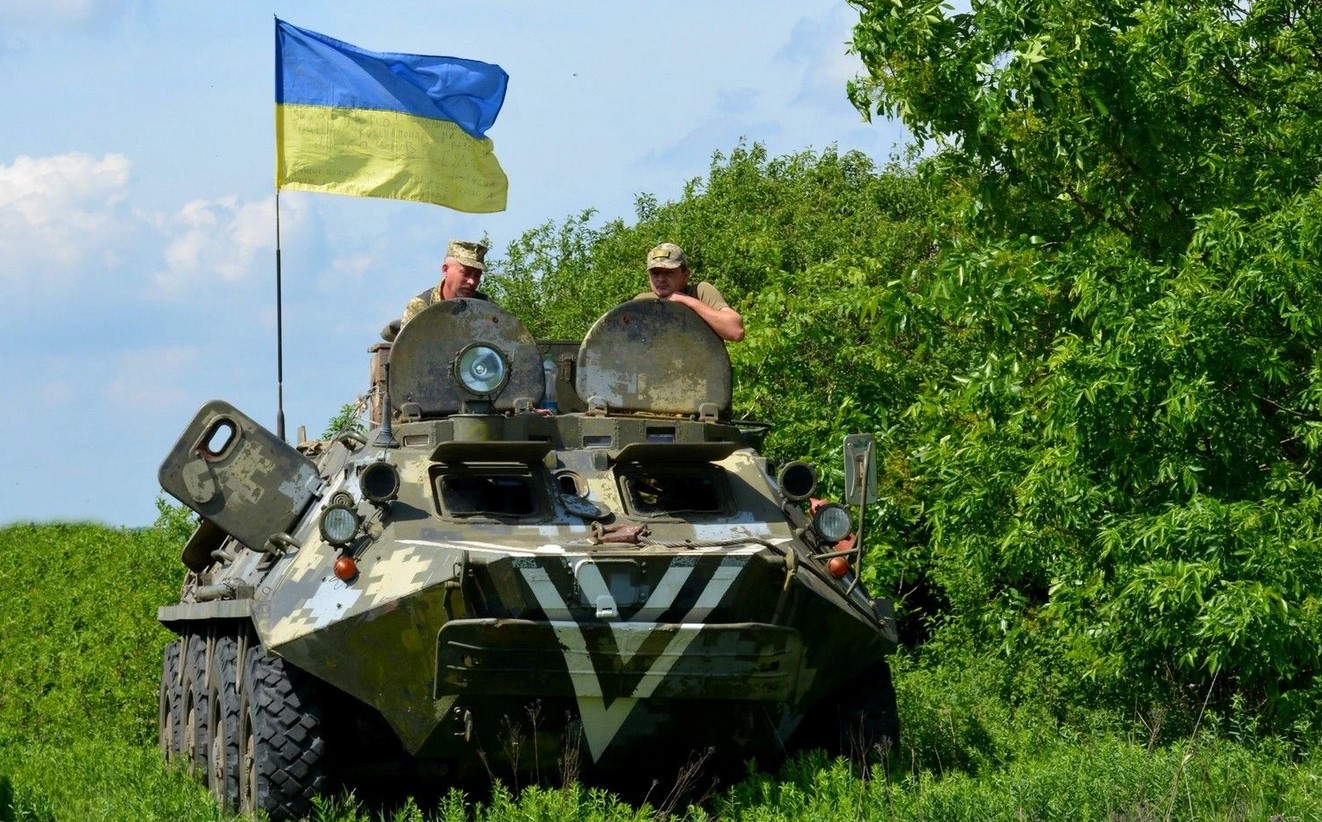
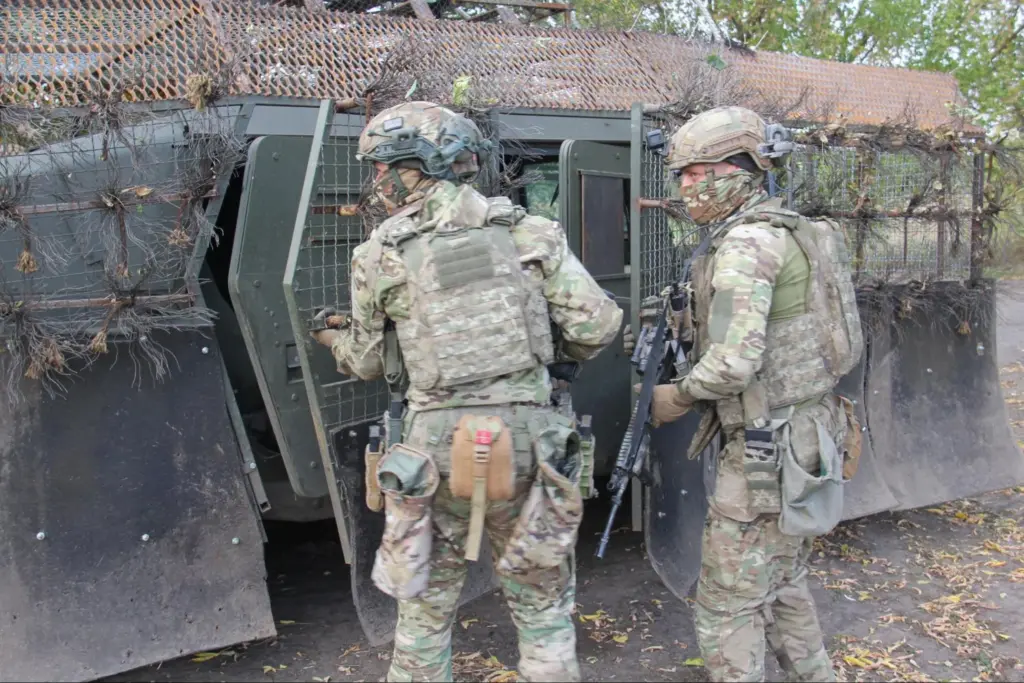
Armored assaults aren’t dead. Robots got the credit, but it was Ukrainian infantry in armored trucks that reversed a year of Russian gains near Lyman
A trio of US Army officers—Col. Timothy Price, Capt. Patrick Visser, and Capt. Andrew Carter—described this achievement in academic terms. The corps' defeat of the Russian bridgehead on the Zherebets "had little to do with maneuver warfare," the officers wrote for the Modern War Institute at the US Military Academy in West Point, New York.
In military parlance, "maneuver" generally involves heavy ground forces supported by air strikes and artillery decisively breaking through enemy lines and then rushing vehicles and troops into the panicking enemy's unguarded rear area to quickly inflict maximal destruction and achieve maximal territorial gains.
That's not what the 3rd Army Corps did in its five-month—and ongoing—counteroffensive. No, the Ukrainians "won through systematic, geometric interdiction and positional pressure," Price, Visser, and Carter wrote. Put plainly, the corps carefully probed for tree-covered assault lanes toward key settlements, deployed unmanned ground vehicles to clear mines and explode the most important nearby Russian strongpoints, and then rushed in armored vehicles carrying infantry.
Settlements Ukraine's 3rd Army Corps says it liberated during Operation Vivaldi north of Lyman, Donetsk Oblast, Ukraine, as of 28 September 2026. Map: ISW
They marched step by step, incrementally liberating a kilometer at a time instead of running a marathon toward a major objective tens of kilometers away. In that way, Operation Vivaldi is the very opposite of Ukraine's failed 2023 summer counteroffensive, which massed tanks for what commanders hoped would be a decisive breakthrough around the village of Mala Tokmachka in southern Ukraine's Zaporizhzhia Oblast.
The objective at that time was to break into the Russian rear and speed tanks 80 km to the occupied city of Melitopol near the Sea of Azov. That never happened. The Ukrainians got mired in minefields around Mala Tokmachka, suffered badly from Russian air attacks, and, after a grueling season of costly attacks, lost momentum just 10 km south of Mala Tokmachka. Later Russian counterattacks erased even those modest Ukrainian gains.
Explore further
In Ukraine’s Vivaldi offensive, nobody rides in the BTR-60s. Bulgaria’s old troop carriers go into Russian bunkers packed with mines
Old thinking versus new
The planners of the failed 2023 counteroffensive were stuck in an old way of thinking about maneuver warfare. The planners of the successful 2026 counteroffensive shrugged off obsolete ideas. They thought smaller—and, ironically, achieved much more as a result.
The 3rd Army Corps couldn't, and didn't, do it alone. Indeed, the corps depended on the Ukrainian Unmanned Systems Forces to fray the Russians' supply lines, electronic warfare teams to jam Russian drones, and the Ukrainian air force to bomb Russian drone operators the EW teams couldn't suppress. By contrast, the Ukrainian forces attacking south from Mala Tokmachka in 2023 did so without much aerial support.
The aerial and electronic preparation was a prerequisite for each of the 3rd Army Corps' incremental advances this spring and summer. The lesson, the officers argue, is that "higher headquarters must degrade key enemy capabilities" before a smaller ground formation can expect to gain ground and keep it. If the support falters, the ground forces won't be able to hold.
Think small. Prepare hard. Now that the Ukrainians know this is how to win on the ground, can they repeat Operation Vivaldi's success?
There's some evidence they're already doing so in the southeast, where a clutch of Ukrainian air assault brigades has been pushing back the Russian 29th Combined Arms Army.
Ukrainian reconnaissance troops used a captured Russian soldier’s radio for four days to listen to Russian military communications and relay important intelligence to their command, according to a report by ArmyInform, which covered the episode. The soldiers serve in the 23rd Separate Reconnaissance Battalion, which operates in the Oleksandrivka sector, the report noted.
Russia uses infiltration tactics involving small groups to slip through Ukrainian positions undetected, establish themselves into the rear of Ukrainian positionse, and create conditions for the further advance of its main forces. They are countered not only by reconnaissance drones but also by specialized reconnaissance teams, which sometimes cover several dozen kilometers on foot to reach their designated targets.
Ukrainian scouts capture Russian soldier in the grey zone
Ukrainian reconnaissance troops captured a Russian soldier in the grey zone as he was trying to enter a neighboring house, the report said.
“He took off his body armour and set his rifle aside. He felt right at home. Our commander went over and offered him a chance to surrender, and he agreed. He then stayed with us for four days. He told us everything he knew,” a soldier with the call sign Kubik said in the report.
The soldiers’ hideout was later discovered. Fleeing a Ukrainian drone, a Russian infantryman ran into the building where the reconnaissance troops were staying. The position was subsequently attacked by FPV drones, followed by an artillery barrage.
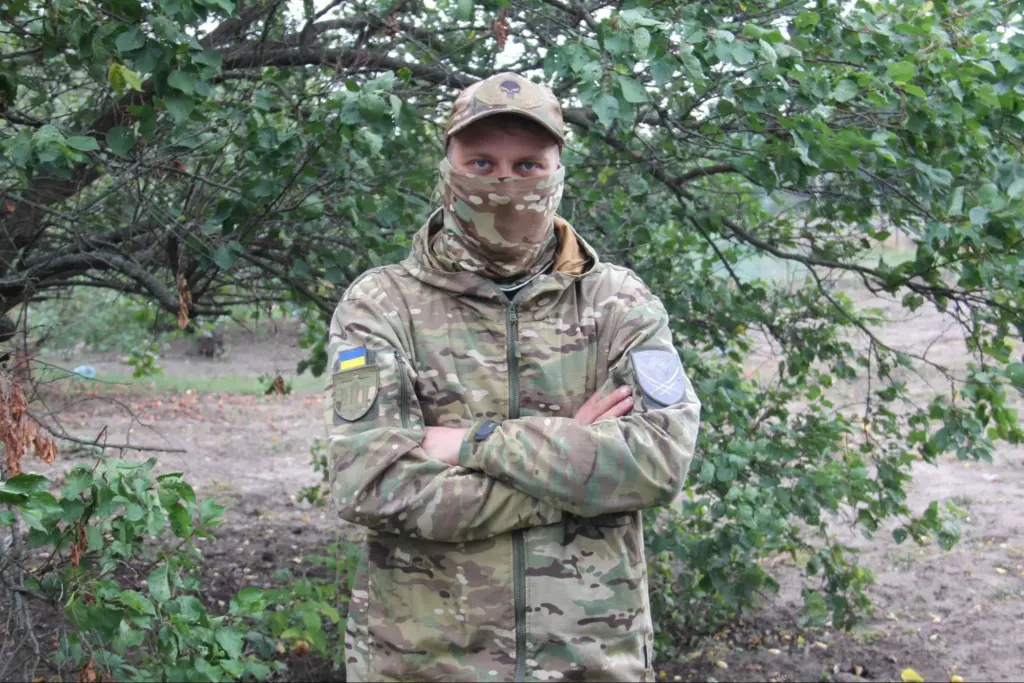
Reconnaissance soldier with the call sign “Kubik” of the 23rd Separate Reconnaissance Battalion, 2026. Photo: ArmyInform
One Ukrainian soldier sustained a minor injury, but the group managed to withdraw without suffering serious losses.
Reconnaissance soldier Kubik spent 23 days on a combat mission
For reconnaissance troops, the journey to their positions and the return trip remain perhaps the most dangerous parts of a mission. During his year of service, Kubik has completed five combat missions, one of which lasted 23 days, according to the report.
During their most recent mission, the soldiers covered 20 kilometers on foot in one direction, moving mostly through tree lines, Kubik said. He added that they had to run across open areas and destroy enemy drones lying in wait before quickly retreating to cover.
Because of the constant threat from the air, the length of time reconnaissance troops can remain at their positions depends on the weather and the situation, the report noted. Sometimes, staying in place longer is safer than risking exposure while a team is being replaced.
Dzhus’s first mission: 20-year-old reconnaissance soldier chooses infantry
Twenty-year-old Mykyta, whose call sign is Dzhus, is preparing for his first combat mission as part of the 23rd Separate Reconnaissance Battalion, the report said. He joined the military under the “18–24 Contract” program after leaving the police force.
“Many people who join under the ‘18–24’ contract go into UAV operations, but I’m more interested in infantry work. We have many experienced reconnaissance soldiers, and the guys are constantly giving advice and sharing their experience,” Dzhus said.
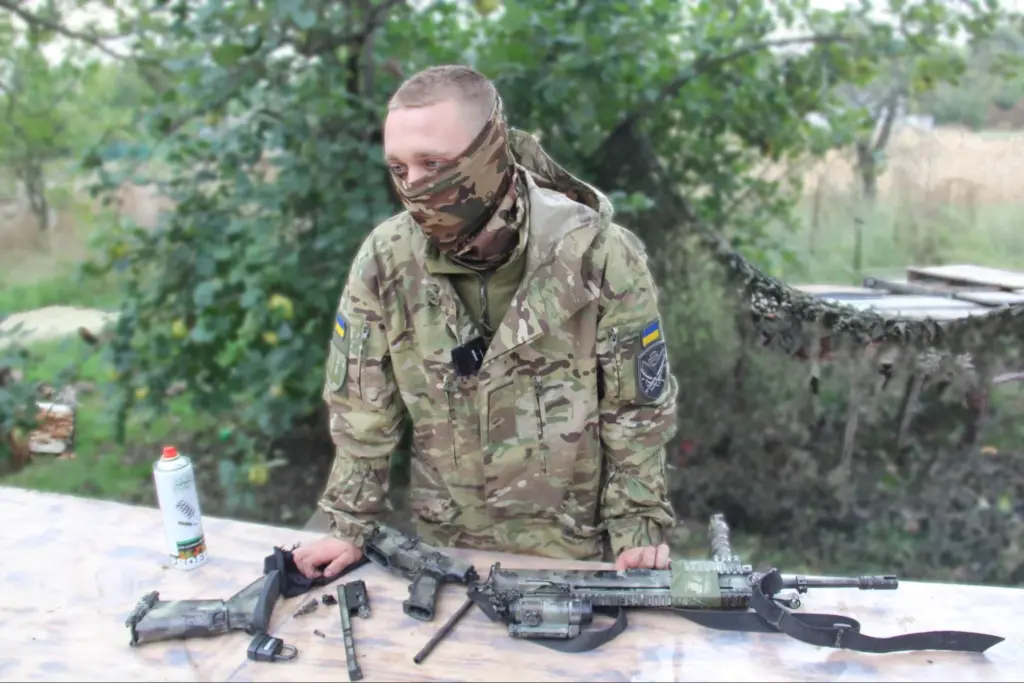
Reconnaissance soldier with the call sign “Dzhus” of the 23rd Separate Reconnaissance Battalion, 2026. Photo: ArmyInform
He is heading out on the mission under the guidance of an experienced commander, he said. The soldiers prepare thoroughly for every mission, practicing at the training ground and rehearsing procedures tailored to the specific task, the media outlet noted.
Russian troops seek new hiding places for infiltration along the front
Russian forces continue to use small-group infiltration tactics. For example, the Russian army is likely increasing its infiltration efforts in Kharkiv Oblast, taking advantage of the remaining summer foliage for concealment, the Institute for the Study of War reported on 9 October. In particular, Russian forces are seeking to infiltrate the city of Kupiansk in small groups, according to an RBC-Ukraine report published on 7 October.
Similar incidents have also been reported in Donetsk Oblast. Russian troops are attempting to infiltrate the gaps between Ukrainian observation posts in small groups and establish positions there, Artem Prybilnov, spokesperson for the 155th Separate Mechanized Brigade, said during a broadcast on Suspilne.Studio on 7 October, NV reported. Their aim is to build up forces for a further advance toward Dobropillia. Ukrainian infantry, working alongside drone operators, is repelling the ongoing Russian attacks and preventing them from achieving this goal, Prybilnov added.
As autumn sets in and vegetation becomes thinner, Russian troops find it increasingly difficult to conceal themselves in tree lines, Prybilnov noted. During the summer, they used these areas for cover and to accumulate personnel, ammunition, and equipment, the spokesperson said. Russian forces are now attempting to infiltrate villages, where they can hide in buildings and basements and establish positions, he added.
A deputada e líder da JS, Sofia Pereira, critica a atitude do Chega com a Académica de Coimbra e diz que não acha "normal que duas deputadas se prestem aquela triste figura" de invadir uma emissão.
For most of the past thirty years, the semiconductor industry ran on a remarkably clean division of labor. Everybody knew their place. The caricature was almost this simple: TSMC printed. Memory makers crammed capacitors. Designers drew. And the money followed the drawing. TSMC took designs from Nvidia, Apple, AMD, Broadcom and others and reproduced them […]
The Yemeni army (Ansar Allah) advanced in the Jabal Arus area south of Taiz;
The Yemeni army (Ansar Allah) advanced in the areas west of Lahij province;
The Yemeni army (Ansar Allah) forces are reportedly attempting to outflank Saudi-backed forces around Bab al-Mandab through Al-Mudharabah district in Lahij province;
On October 12, the Yemeni attacked King Khalid Airport in Riyadh, Khamis Mushait Air Base and Abha with missiles and drones.
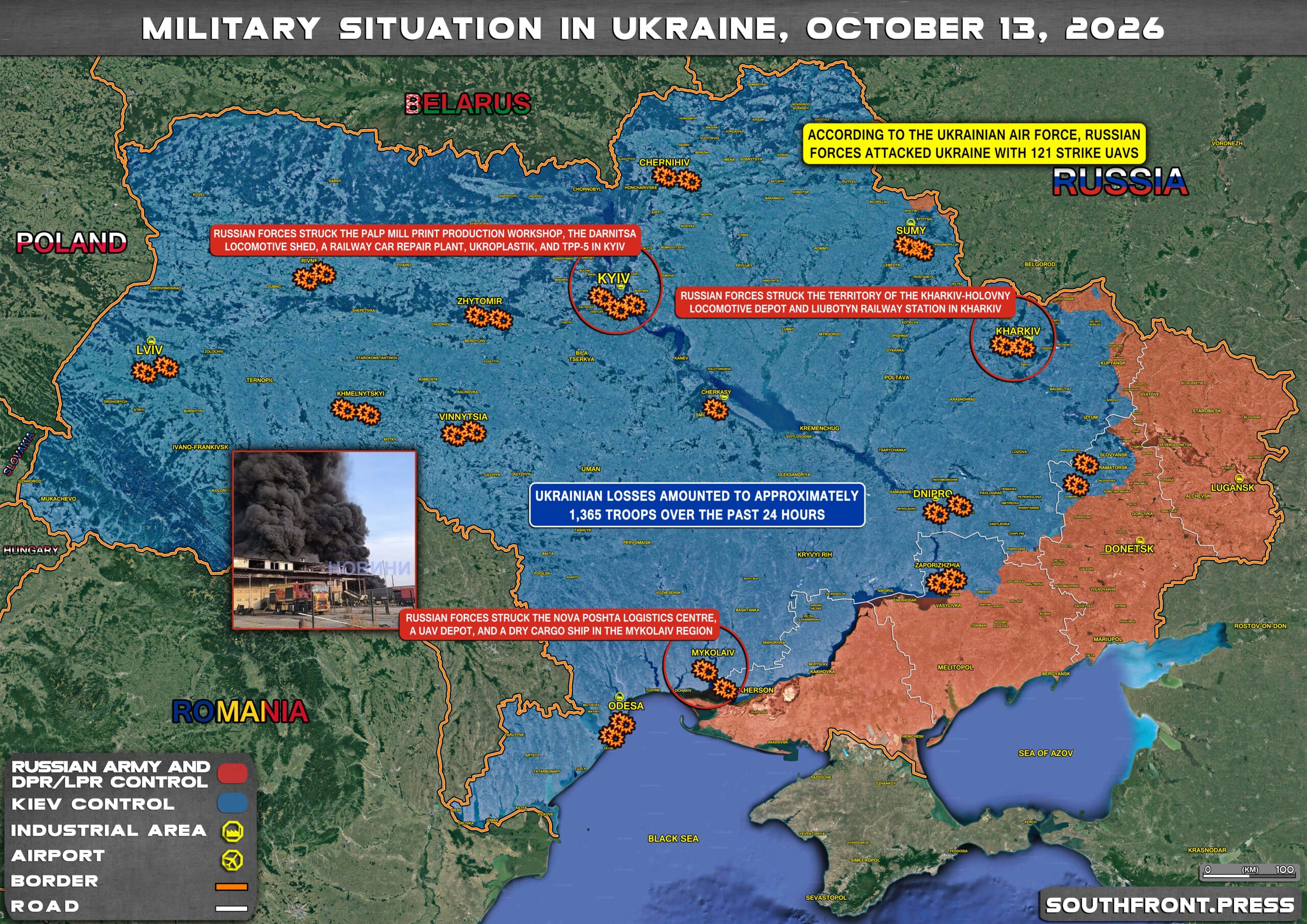
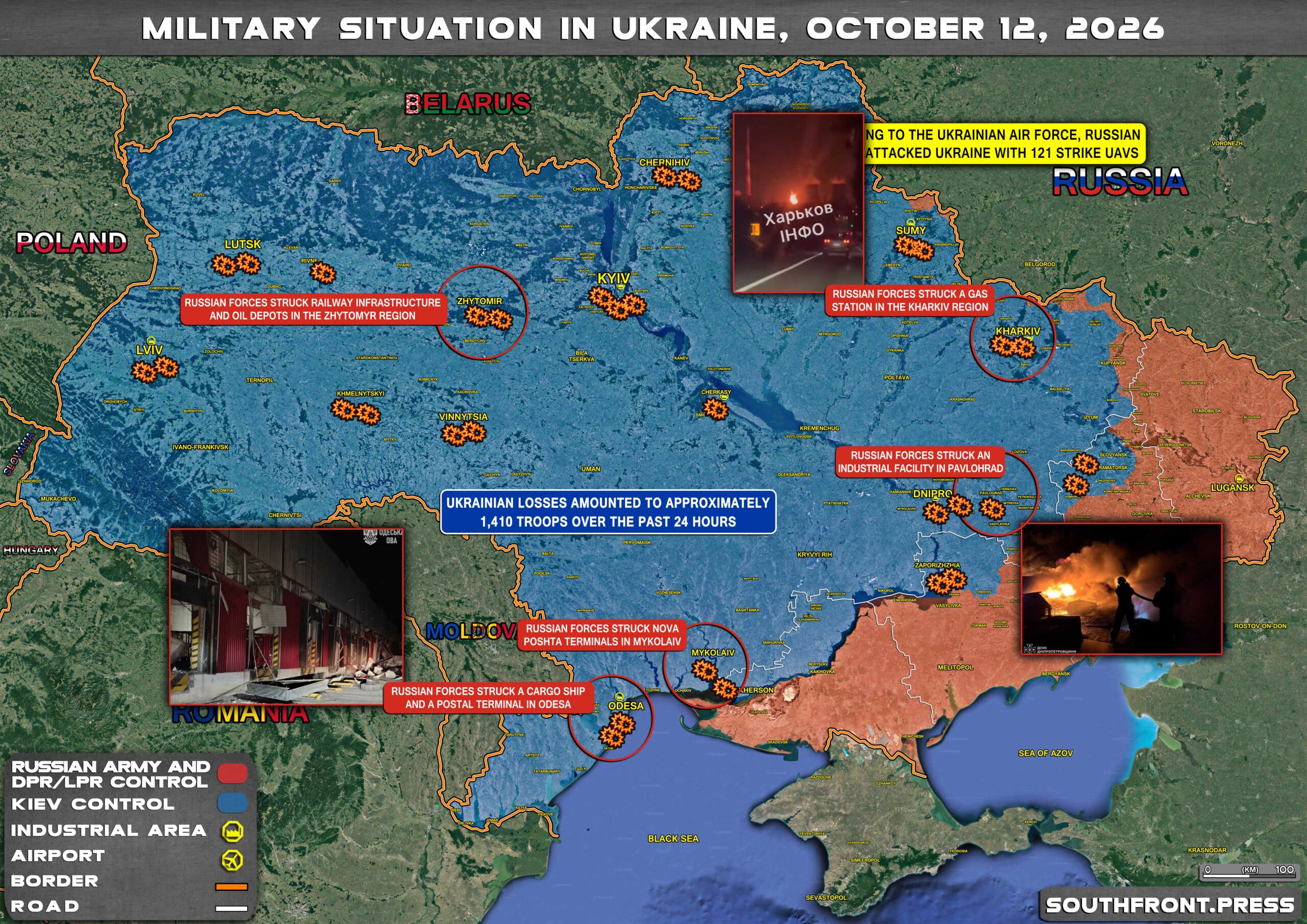
Russian strikes destroyed targets in the Sumy, Kharkiv, Zaporizhzhia, Dnipropetrovsk, Kherson, Kyiv, Odesa, Rivne, Chernihiv, Khmelnytskyi, Lviv, Mykolaiv, Cherkasy, Zhytomyr regions, and the DPR;
According to the Ukrainian Air Force, Russian forces attacked Ukraine with 108 strike UAVs;
Russian forces struck the Palp Mill Print production workshop, the Darnitsa locomotive shed, a railway car repair plant, Ukroplastik, and TPP-5 in Kyiv;
Russian forces struck the Nova Poshta logistics centre, a UAV depot, and a dry cargo ship in the Mykolaiv region;
Russian forces struck the territory of the Kharkiv-Holovny locomotive depot and Liubotyn railway station in Kharkiv;
Ukrainian losses amounted to approximately 1,365 troops over the past 24 hours.
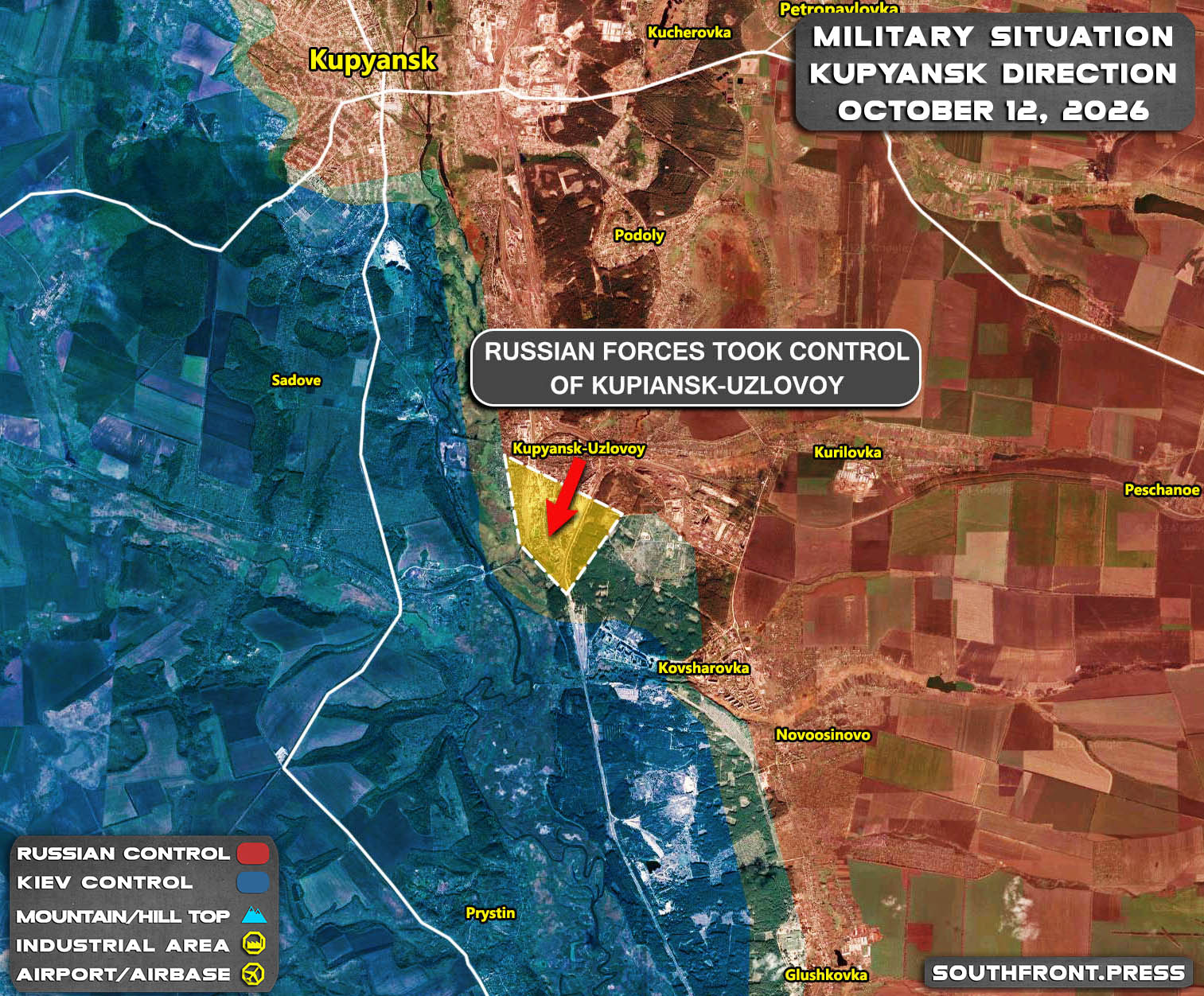
Click to see the full-size image
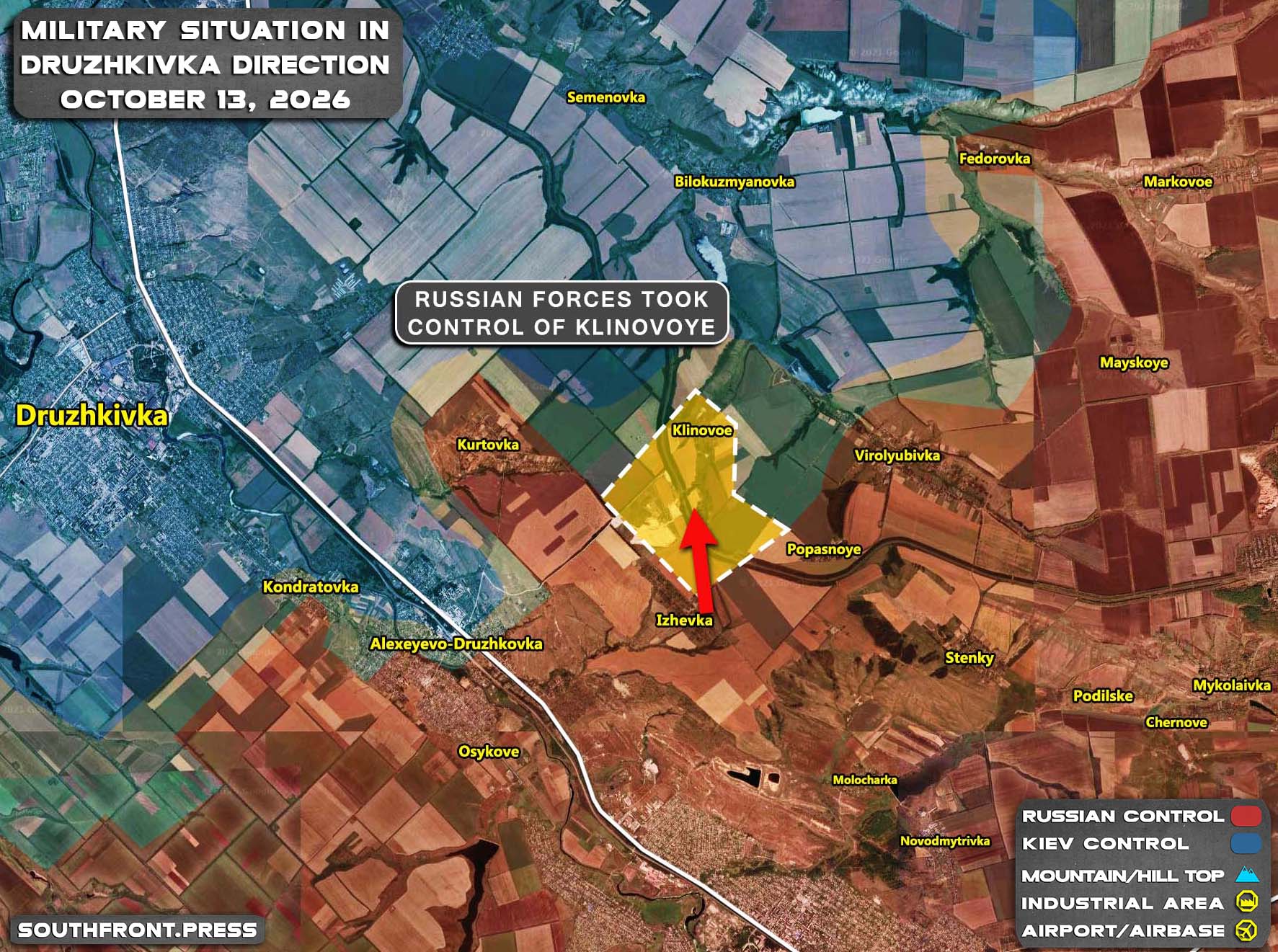
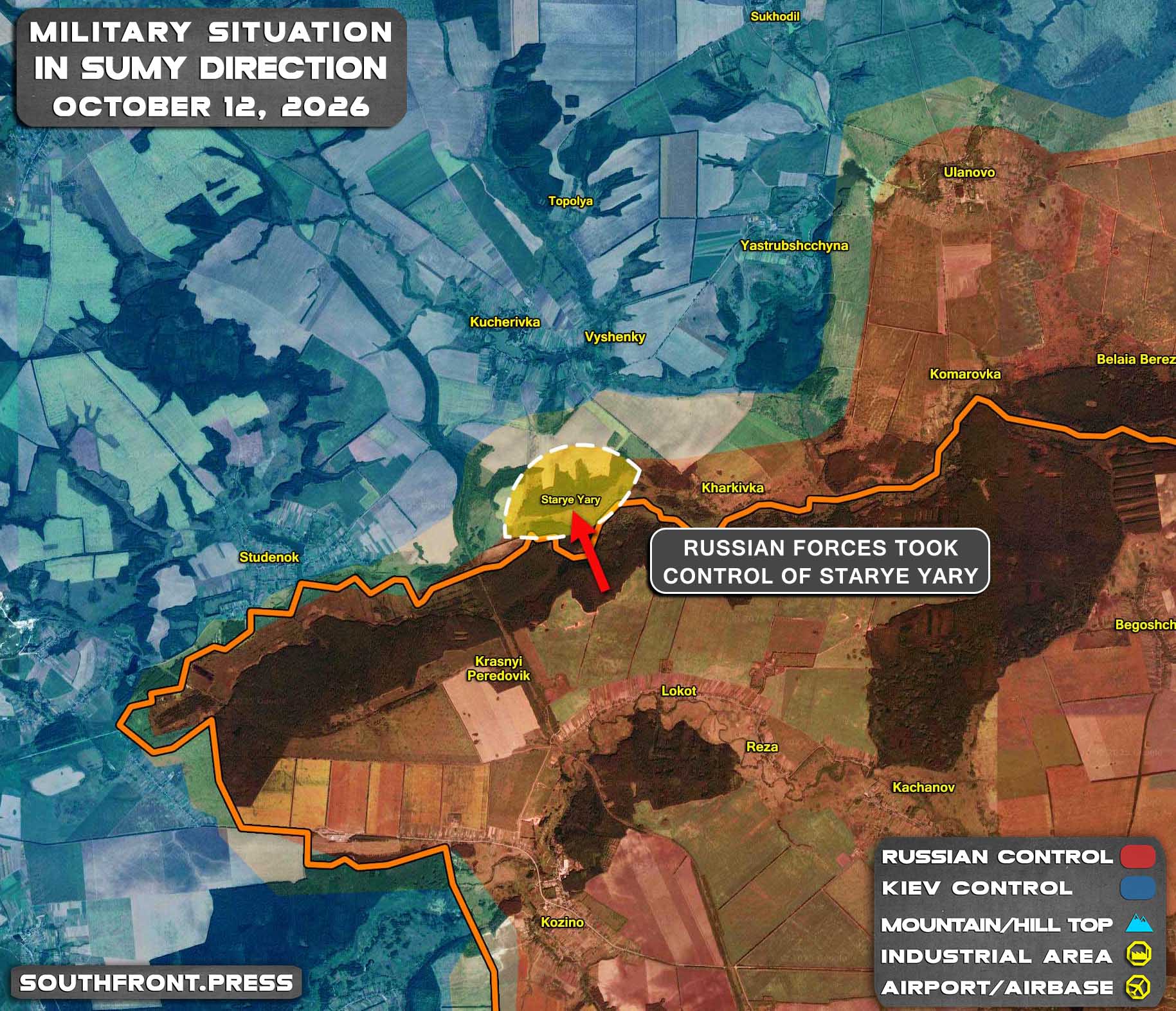
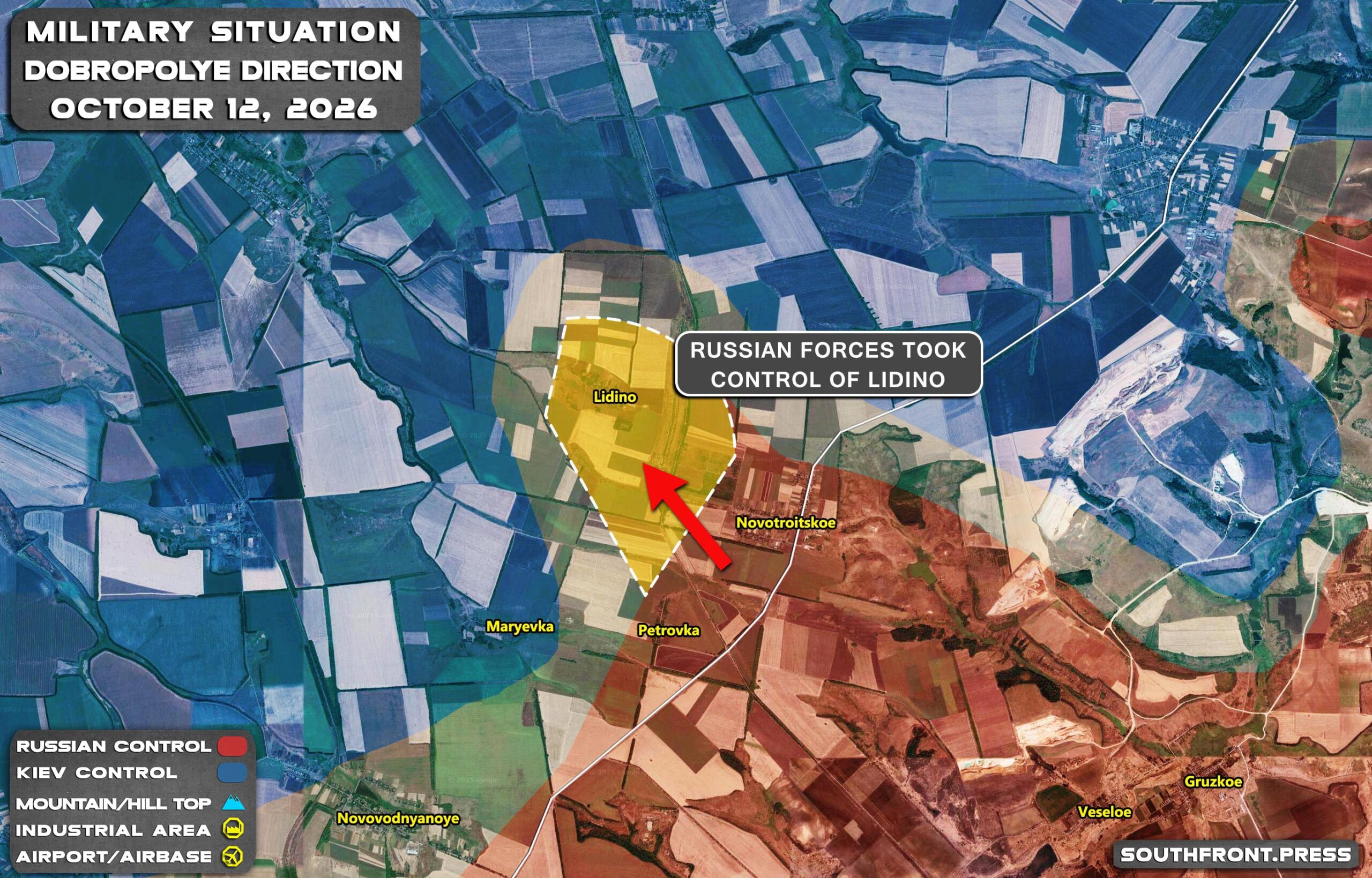
Russian forces took control of Klinovoye.
Click to see the full-size image
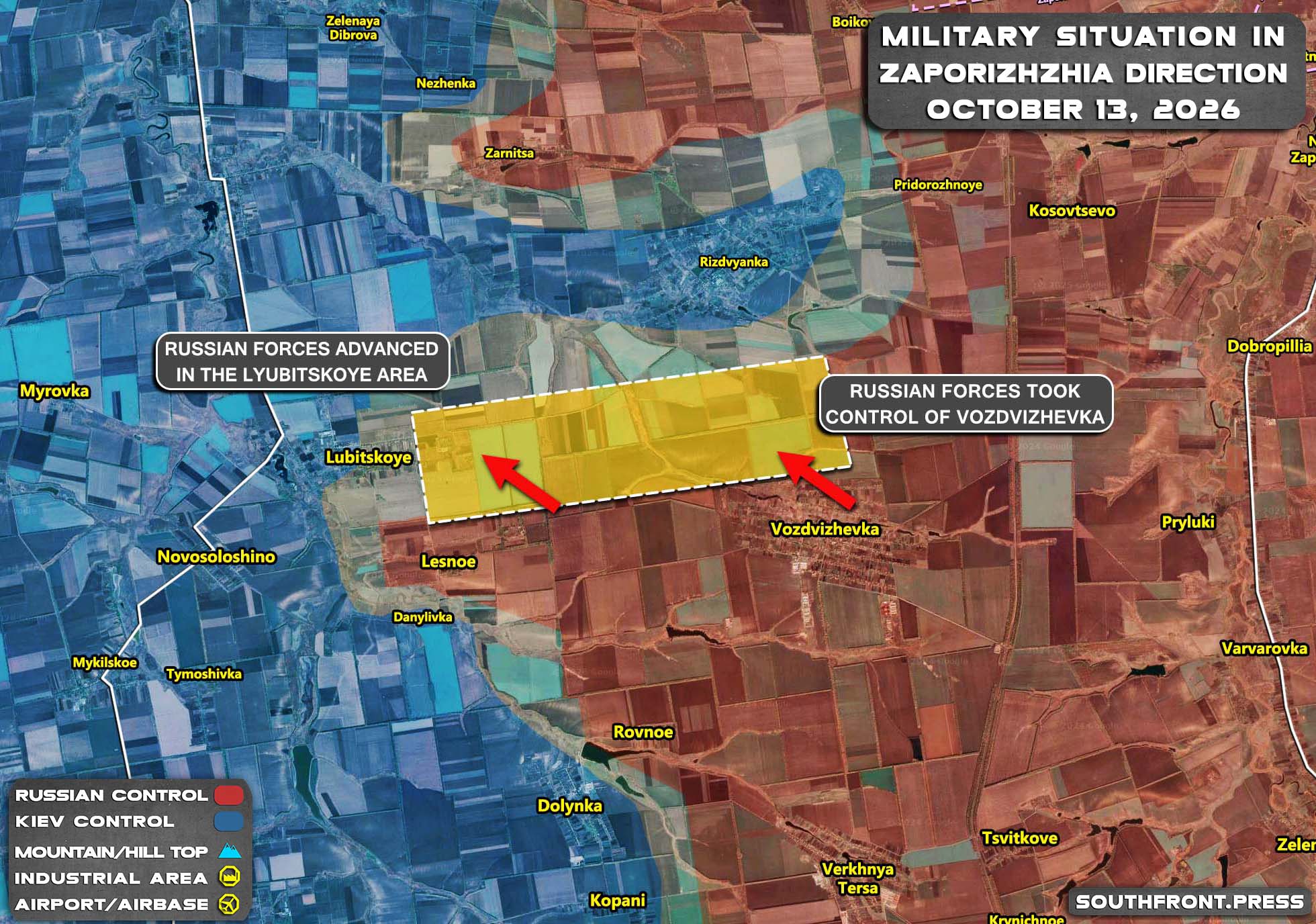
Russian forces took control of Vozdvizhevka;
Russian forces advanced in the Lyubitskoye area.
Click to see the full-size image
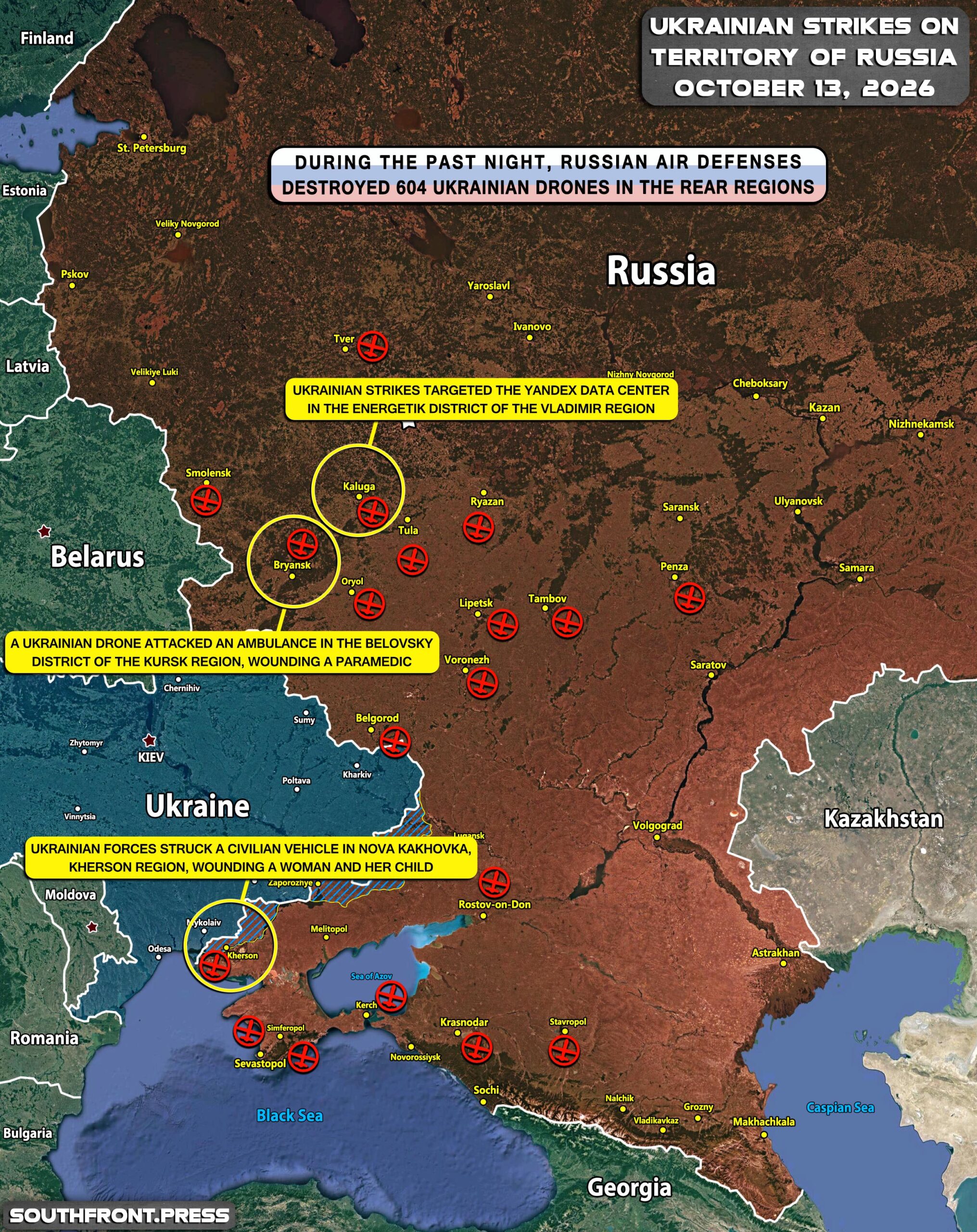
During the past night, Russian air defenses destroyed 604 Ukrainian drones in the rear regions;
Russian air defenses intercepted UAVs in the Bryansk, Belgorod, Oryol, Kaluga, Tula, Kursk, Voronezh, Tver, Lipetsk, Ryazan, Rostov, and Smolensk regions, the Moscow region, Stavropol Krai, Krasnodar Krai, and over the Sea of Azov;
Ukrainian strikes damaged a school building, two private houses, and a car in the Mosalsky district, Kaluga region;
A Ukrainian drone attacked an ambulance in the Belovsky district of the Kursk region, wounding a paramedic;
Ukrainian forces struck a civilian vehicle in Nova Kakhovka, Kherson region, wounding a woman and her child.
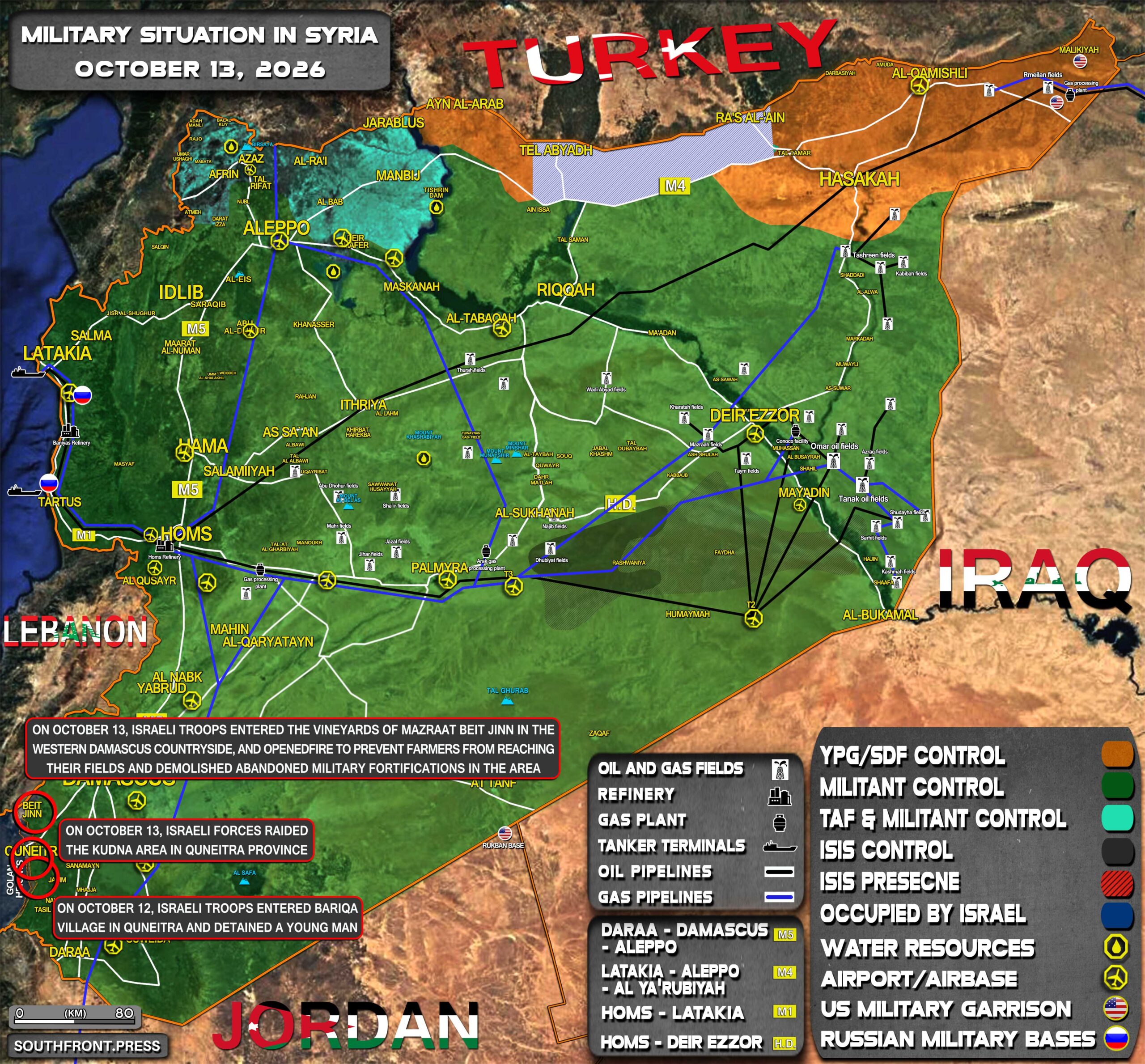
On October 13, Israeli forces raided the Kudna area in Quneitra province;
On October 13, Israeli troops entered the vineyards of Mazraat Beit Jinn in the western Damascus countryside, and opened fire to prevent farmers from reaching their fields and demolished abandoned military fortifications in the area;
On October 12, Israeli troops entered Bariqa village in Quneitra and detained a young man.
Ukraine's Khartiia Corps has accused Russian forces of using civilians as human shields and then shelling them near a gas pipeline in Kupiansk, Kharkiv Oblast, on 13 October. The group included two women, a child, and several men, according to the Ukrainian military unit.
Khartiia warned that Russian media could use footage of the incident to accuse Ukrainian forces of attacking civilians. The corps said the shelling came from Russian-held territory and described the incident as a deliberate provocation.
The corps said Russian troops led the civilians toward the Shebelinka–Ostrogozhsk gas pipeline before the group came under repeated mortar and artillery fire. Aerial reconnaissance footage recorded casualties among the civilians, the unit said.
Russian forces used civilians as human shields before shelling them near Kupiansk, Ukraine’s Khartiia Corps alleges.
The group included two women, a child, and several men who were being led toward a gas pipeline when they came under mortar and artillery fire, according to the… pic.twitter.com/XvbcwRIwLb
Khartiia says Russian forces fired from occupied side of Oskil River
According to Khartiia, Ukrainian forces did not open fire on the group.
The corps said an analysis of the explosions indicated that the shelling came from the eastern bank of the Oskil River, from territory held by Russian forces.
The unit described the incident as a deliberate provocation, warning that Russian media could use footage from the scene to falsely accuse Ukraine of attacking civilians.
Evidence to be submitted for war crimes investigation
Khartiia said it would submit the collected materials for investigation into potential war crimes.
The corps did not provide a confirmed number of civilian casualties or further details about the condition of those shown in the reconnaissance footage.
The allegations have not been independently verified.
Na reunião do grupo parlamentar do PS com representantes dos CoLAB e CTI, Carneiro afirmou que vai lutar pela estabilidade de financiamento destes centros.
European regions and cities are calling on the EU to give millions of displaced Ukrainians legal certainty and a genuine choice between building a future in Europe and returning home safely. Their appeal comes as Russian attacks on Ukraine’s critical energy infrastructure intensify ahead of what is expected to be another harsh winter for the war-torn nation.
Temporary protection for displaced Ukrainians was set to end in March 2028. Eurostat data from July shows that almost 4,5 million non-EU citizens who fled Ukraine were benefiting from the mechanism, which was established shortly after Russia’s full-scale invasion in 2022.
“Temporary protection was the right emergency response, but it cannot be the long-term answer,” said Antje Grotheer, Chair of the European Committee of the Regions’ (CoR) Working Group on Ukraine. “People forced to flee Ukraine because of Russia’s war need certainty about their future,” the President of the Bremen State Parliament added.
An opinion drafted by Grotheer and adopted by CoR members on Tuesday calls for timely, accessible information on legal options beyond temporary protection so that people can make informed decisions.
It notes that decisions on legal status are taken mainly at EU and national level, while their practical consequences are managed in cities and regions. Local authorities need predictable funding and administrative capacity to keep public services running and respond to housing pressures, the CoR said.
Grotheer demanded that cities and regions are given a voice in shaping the transition after the EU’s temporary protection runs out.
Preparing for winter
The opinion sets out three parallel priorities: supporting the inclusion of displaced Ukrainians in European communities, investing in their education and skills for the benefit of host societies and Ukraine’s recovery, and enabling voluntary, informed and safe return when conditions allow.
“It’s time now to realise that we should not only treat Ukrainians as vulnerable refugees; we should treat them as our partners,” said Ylva Johansson, EU Special Envoy for Ukrainians in the EU. “Their future is part of Ukraine’s future, and that future is in the European Union,” she added.
“The millions of Ukrainians currently living outside the borders of our country are a huge human potential that Ukraine cannot afford to lose,” said Tetiana Yehorova-Lutsenko, President of the Ukrainian Association of District and Regional Councils (UAROR) and Chair of Kharkiv Regional Council.
The UN Refugee Agency (UNHCR) reported that 49 percent of Ukrainian refugees – down from 61 percent in 2024 – have expressed hopes or intentions to return one day, with security, housing and essential services among the key conditions.
Protecting Ukraine’s energy infrastructure has been a central part of the EU’s support since 2022. In a letter to CoR members, President Kata Tüttő and Grotheer warn that the attacks risk depriving communities of basic living conditions. The letter recalls that the European Commission President Ursula von der Leyen had described the attacks as “a strategy of terror”.
“Cities and regions must act before the arrival of the cold further aggravates the already difficult humanitarian situation,” the letter warned. It said regions and cities can deliver support in the form of energy equipment, used municipal vehicles, medical supplies or IT equipment.
This story was produced by the European Newsroom (enr) in cooperation with the European Committee of the Regions (CoR). The editorial responsibility lies with the enr.
Deputados do PS fazem, no requerimento, o filme dos acontecimentos da demissão de Ricardo Carrilho e dizem que os dois comunicados do Governo apresentam fundamentações distintas para a mesma questão.
Numa primeira reação a esta polémica, o líder do PS, José Luís Carneiro, tinha dito aos jornalistas que concordava que Luís Neves fosse ouvido no Parlamento para esclarecer todas as questões sobre a decisão de demitir Ricardo Carrilho
O PS diz que quer esclarecer a demissão de Ricardo Carrilho e as questões levantadas sobre o SIRESP. Ainda, Bloco de Esquerda diz que o MAI é uma novela permanente de casos.
Socialista revela que escreveu ao atual Presidente da AR após se ter sentido "caluniado" com comentários de Ventura. Ferro critica "muitas ausências" de Seguro em "matérias fundamentais".
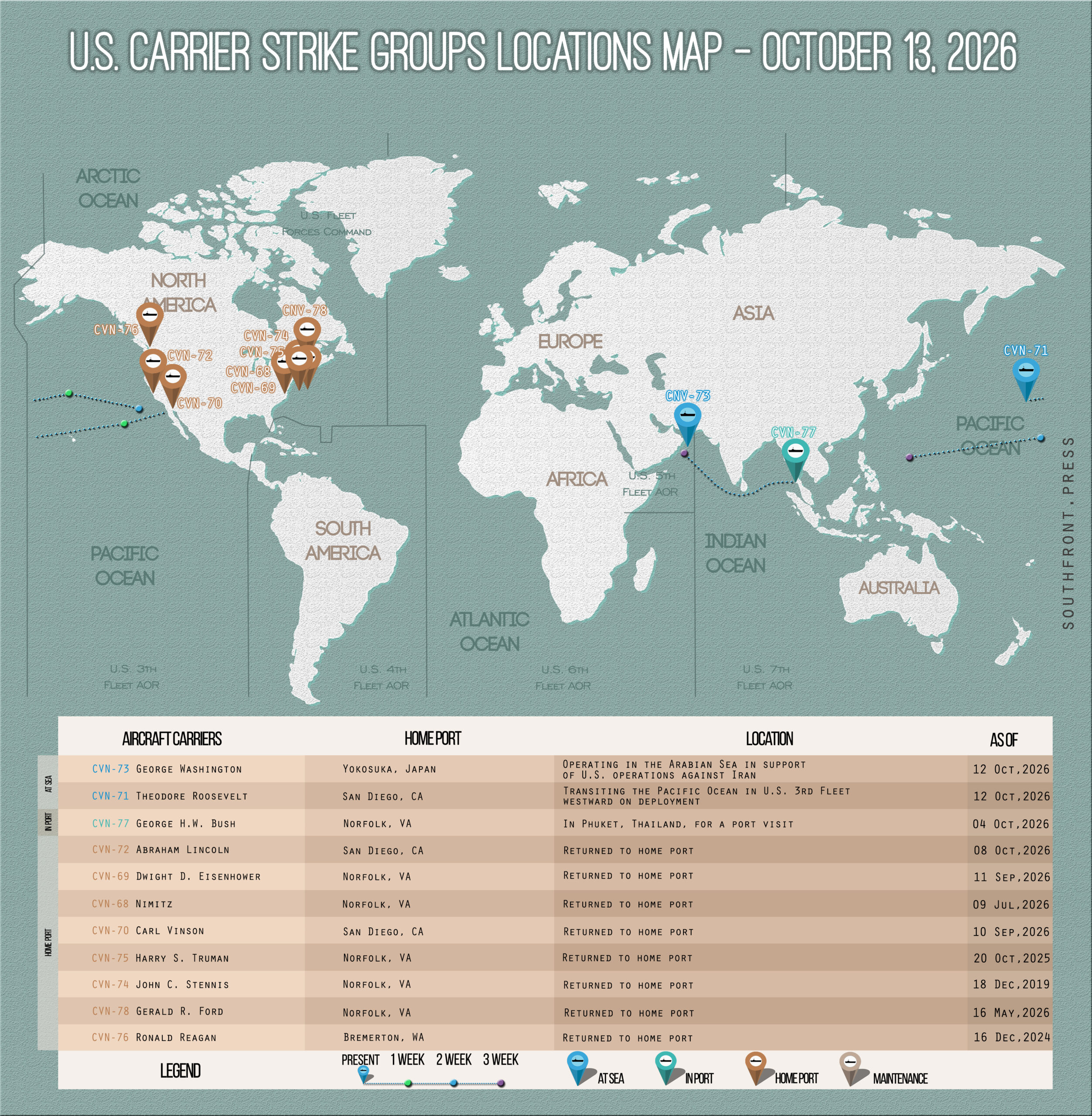
This is the newest update of the ‘U.S. Carrier Strike Groups Locations Map’ exclusive series showing the approximate locations of U.S. Carrier Strike Groups. SouthFront: Analysis & Intelligence tracks locations of U.S. aircraft carriers using the available open-source information. No classified information was used in production of the map.
click to see the full-size image
Carrier strike group (CSG) is an operational formation of the United States Navy. It is centered on an aircraft carrier and a carrier air wing of 65 to 70 aircrafts. It’s composed of roughly 7,500 personnel, an aircraft carrier, at least one cruiser, a destroyer squadron of at least two destroyers and/or frigates. A carrier strike group also, on occasion, includes submarines, attached logistics ships and a supply ship. Carrier strike groups comprise a principal element of U.S. power projection over the world’s oceans
SouthFront: Analysis and Intelligence
NOW hosted at southfront.press
Previously, SouthFront: Analysis and Intelligence was at southfront.org.
The .org domain name had been blocked by the US (NATO) (https://southfront.press/southfront-org-blocked-by-u-s-controlled-global-internet-supervisor/) globally, outlawed and without any explanation
Back before that, from 2013 to 2015, SouthFront: Analysis and Intelligence was at southfront.com
On October 11, Ansar Allah forces captured Jabal Habashi and al-Misrakh in Taiz province;
On October 11, Ansar Allah carried out missile and drone attacks on King Khalid Airport in Riyadh, King Fahd Airport in Dammam, and Aramco facilities at Shedgum and Tanajib;
O Bloco Central, sendo um desastre real, será necessário para que, falhando em toda a linha, possa vir a ser o primeiro passo para a recuperação da normalidade do sistema.
O líder do PS defendeu uma parceria integrada com África na demografia, recursos energéticos e terras raras. "75% da platina mundial está em África", sublinhou Carneiro.
José Luís Carneiro sublinhou ainda a importância dos recursos energéticos e as terras raras existentes em África como fundamentais para reforçar a autonomia estratégica europeia
Matson has christened the first of three new Jones Act containerships at Hanwha Philly Shipyard, marking another milestone in the carrier’s $1 billion fleet renewal program as the Philadelphia yard...
 Login