Justice Department threatens California with legal action over claim of noncitizens on voter rolls


The Ukrainian government on Tuesday night said that its access to the SpaceX-owned Starlink satellite internet service was throttled, prompting critics to question the wisdom of depending on any company owned by far-right billionaire Elon Musk. According to a Wednesday report in The New York Times, Ukrainian officials suspect that orders to restrict their access […]
The post Throttling Ukraine’s Starlink access heightens concerns over Musk appeared first on Asia Times.

No longer so red: Long a swing state, Ohio went for President Donald Trump back in 2016, in 2020, and in 2024. Now, with midterms approaching, it looks likely to vote blue again, and there are early indicators that Republicans have failed to win over Ohio's working-class voters in particular.
"After the first days of early voting in Ohio, a state that could help determine control of the Senate, there are clear signs Democrats are more enthusiastic to vote," reports CNN. "So far, affiliated Democrats make up larger shares of pre-election voters than they did two years ago, even in the most Republican parts of the state. At this point in 2024, Republicans had a 30-percentage point lead over Democrats in counties that voted for President Donald Trump by 20 points or more, according to data from the Ohio Secretary of State. This year, that's shrunk to just five points."
Take this data with a grain of salt: It is just early-voter data.
But this is all rather high-stakes because Republicans are defending a Senate seat, as well as the governor's office. Two races for House seats are considered toss-ups. The conventional wisdom has been that Ohio is now solidly red, with three cycles of presidential election data to support that. But it's possible Trump has pissed off the voters who supported him to such a degree that Ohio will be sent back into swing-state territory.
"God knows we didn't vote for this," one voter—a pastor who went for Trump, then Biden, then Trump—told Reuters, referring to inflation. Other voters wonder about the decline in manufacturing jobs and the fact that the president has paid lip service to these problems but done very little to actually improve people's circumstances.
On Monday, Trump rallied in support of Sen. Jon Husted, who hopes to retain his seat. In the Mahoning Valley, the president announced a few new, uh, incentives to voters: a Defense Department facility based in Cleveland, and promises that a heat provider for Youngstown remained open. "The Youngstown area for decades used to vote Democrat, and then you ran for office in 2016 and flipped it red forever," said Husted in his speech. "Is that right, folks?"
OpenAI arrest: The FBI arrested a Saudi national who worked at OpenAI "and charged him with installing a hidden audio recording device in an executive conference room," per the Department of Justice. Abdulrahman Alfozan had worked as an engineer at OpenAI since July 2025, in the San Francisco office. The company found the recording device "plugged into a USB port on the back of a television in an executive conference room," per Reuters. The device had a microphone and allegedly connected to a camera; the data it stored was encrypted.
"At this time, we have no indications of this individual inappropriately accessing or exfiltrating model weights, source code, or customer data. The employee was terminated," said OpenAI. It's not clear who Alfozan may have been working for or with; he has been a permanent resident of the U.S. since 2020, with stints at Meta and Microsoft.
"If convicted, Alfozan faces up to five years in prison, a $250,000 fine and three years of supervised release," notes Reuters.
Scenes from New York: Mayor Zohran Mamdani has reportedly reached a deal with the City Council to ban horse carriages in the city, per Politico. I'll admit, I don't really care, but I'm intrigued by the fact that the reason this has taken so long to get through has been because the union representing the carriage-drivers has been so successful at advocating for its members' interests.
This is the greatest post in the history of FIRE Reddit. Perfection. pic.twitter.com/dh1tesicfi
— Conservative Dividend Investing (@CDInewsletter) October 13, 2026
"Blessed" is a useful religious concept that has no adequate secular equivalent
"I was lucky" almost wholly fails to convey the weight and sentiment of providence that comes when things go better than you had any right to hope
— Jack (@tracewoodgrains) October 13, 2026
The post Ohio's Democrat Momentum appeared first on Reason Magazine.
The elections coincide with negotiations over the EU’s 2028–2034 financial framework, increasing the uncertainty surrounding agreements on common borrowing, defence expenditure, agricultural funding and the Union’s future institutional priorities.
Spain is scheduled to hold a general election on 29th November following Prime Minister Pedro Sánchez’s decision to seek an early mandate. France faces a presidential election in 2027, while major electoral contests in Italy and Poland will also determine the political direction of governments central to European decision-making.
Although national elections do not directly change the composition of the European Parliament, they determine who represents member states in the European Council and influence the balance of negotiations within the Council of the EU.
Spain’s election will provide the first major indication of how the electoral cycle may develop.
Sánchez’s Socialist government faces substantial pressure over domestic economic and political disputes, including housing policy, while migration has returned to the forefront of political debate following the crisis in Ceuta.
The opposition People’s Party is seeking to replace the Socialists, with the possible parliamentary role of Vox remaining an important consideration.
The outcome could alter Spain’s position on EU migration arrangements, fiscal policy and aspects of European integration.
Spain is one of the Union’s largest member states and has traditionally supported closer integration in a range of policy areas. A change of government would not necessarily reverse that position, but it could change the priorities Madrid brings to negotiations in Brussels.
Domestic political pressures may also affect the government’s willingness to accept compromises on the EU’s next budget.
France’s presidential election in 2027 carries particularly substantial implications because Emmanuel Macron cannot seek another consecutive term.
The contest will determine the leadership of a founding EU member state that remains central to European defence policy, eurozone economic governance and relations with Germany.
Raphaël Glucksmann has emerged as a prominent candidate from the moderate left following his victory in the social-democratic primary, while the political centre and conservative right are preparing competing candidacies.
The National Rally remains an important electoral force, although questions concerning Marine Le Pen’s legal position complicate predictions about its eventual presidential candidate.
The French election will take place against a difficult fiscal background.
France faces continuing pressure over its public finances, with European officials urging Paris to adopt a credible 2027 budget and provide greater reassurance to financial markets.
Any incoming president will therefore inherit constraints extending beyond domestic spending choices.
France’s position in European negotiations may be influenced by the relationship between presidential authority, parliamentary support and the country’s fiscal commitments.
The contests in Italy and Poland will introduce additional questions concerning relations between national governments and EU institutions.
Prime Minister Giorgia Meloni has combined a firm position on migration with support for Ukraine and participation in European defence initiatives.
Her government’s record demonstrates that parties associated with the nationalist right do not necessarily adopt identical positions on foreign policy, economic governance or defence.
Poland’s political competition similarly includes substantial disagreements over EU institutional authority and domestic reforms, while support for national security and resistance to Russian aggression extend across much of the political spectrum.
Changes in either country’s government could alter negotiating coalitions within the Council.
However, the consequences cannot be reliably inferred from broad political labels alone. Individual governments differ in their positions on agricultural support, industrial policy, common financing and enlargement.
The first substantial European policy test is already under way.
Ireland’s presidency of the Council has proposed a revised seven-year EU budget of approximately €1.62 trillion, reducing the Commission’s original proposal by about eight per cent.
The negotiating framework requires agreement among all 27 member states, giving national governments considerable influence over the final settlement.
European leaders are attempting to secure an agreement before the end of 2026, partly to avoid carrying unresolved financial negotiations into a year dominated by elections.
A delayed settlement would risk leaving politically sensitive decisions to new governments that might wish to revise previous commitments.
Support for Ukraine will remain a major issue, particularly as European governments consider future financing, military assistance and the consequences of any diplomatic negotiations involving Russia.
Differences between parties over the extent and financing of European assistance could become more significant if new governments form alternative coalitions within the Council.
Migration policy, the relationship with the United States and EU enlargement will also remain areas of potential disagreement.
Yet the institutional structure of the Union limits the ability of any single election to produce an immediate reversal of policy.
Legislation requires agreement through established procedures, while many foreign-policy decisions continue to depend on consensus or unanimity.
The electoral cycle may consequently produce a gradual realignment of European negotiating positions rather than a sudden institutional transformation.
For Brussels, the immediate priority is securing agreements on the financial framework and legislative programme before domestic campaigns begin to restrict the room available for compromise.

On October 25, Brazilians will return to the polls to choose between President Luiz Inácio Lula da Silva and Flávio Bolsonaro, son of former president Jair Bolsonaro, who was sentenced to 27 years in prison for his role in an attempted coup. The first round gave Flávio 47% of valid votes against Lula’s 45%, revealing the enduring strength of the far right four years after its electoral defeat. The runoff takes place as Donald Trump seeks to restore US domination over Latin America, with Brazil emerging as a consequential battleground in Washington’s campaign to contain China’s growing relations with the region.
Over the past two decades, Brazil and China have built a political partnership that has expanded the space for independent action among countries of the Global South. Under Lula and Xi Jinping, this relationship has deepened through cooperation in industrial development, infrastructure, science, and technology. The election will determine whether this project advances or Brazil’s international orientation is subordinated to Washington’s renewed Monroe Doctrine as part of the continent’s rightward shift.
Since Lula’s return to the presidency in 2023, the two governments have connected Chinese cooperation with Brazil’s development programs, including Nova Indústria Brasil, the Growth Acceleration Program (PAC), and the Ecological Transformation Plan. Lula’s May 2025 visit to Beijing produced 36 agreements covering infrastructure, finance, artificial intelligence, public health, and industrial cooperation. Behind these agreements is a long-standing challenge: overcoming Brazil’s dependent position in the international division of labor, where commodity exports continue to outweigh advanced industrial and technological development.
This cooperation has also reached Brazilian popular movements. Through the International Association for Popular Cooperation (Baobab), Brazil’s Landless Rural Workers’ Movement (MST) and other organizations have worked with Chinese institutions on agricultural mechanization, bioinputs, and digital technologies for family farming. These initiatives include the Digital Family Farming and Agroecology Laboratory and IARAA, an artificial intelligence project for agroecology and agrarian reform developed by Brazilian popular movements using Chinese open-source models. In a countryside marked by extreme concentrations of land, machinery, and capital, such cooperation offers new tools to peasant organizations fighting for agrarian reform and the production of healthy food.
Brazil’s relationship with China also reveals the different class interests at work in the country, with contradictions particularly visible in the countryside. Massive exports of soybeans, meat, and minerals have continued under both Bolsonaro and Lula, but their governments have pursued very different political relationships with Beijing. While Jair Bolsonaro attacked China and aligned himself with Washington, Lula has sought to deepen strategic cooperation, including in industrial development, technology, and agrarian reform. Flávio Bolsonaro now promises an “economically pragmatic” relationship with China while cultivating close ties with Trump. For sectors of Brazil’s ruling classes that profit from commodity exports, continuing to sell to China while embracing Washington’s political agenda presents little contradiction. For Brazil’s efforts to rebuild its industry and develop technological sovereignty, the consequences are far greater.
Washington’s ambitions were made explicit in its November 2025 National Security Strategy, which announced a “Trump Corollary” to the Monroe Doctrine, seeking to restore US pre-eminence in the Western Hemisphere and deny outside powers control over strategic resources and infrastructure. Five days later, China published its third Latin America policy paper, reaffirming sovereignty, non-interference, regional integration, technological cooperation, and support for the region as a Zone of Peace. The two documents reveal fundamentally different approaches to the political future of the continent.
Brazil’s position is decisive. As Latin America’s largest economy, a founding BRICS member, and a leading participant in Mercosur, it possesses industrial, scientific, and political capacities that could strengthen independent development across Latin America and beyond.
The emergence of a new technological era makes this struggle particularly consequential. Brazil is among the few countries of the Global South capable of pursuing digital and technological sovereignty that could benefit its neighbors and parts of Africa. Its roughly 23% share of global rare earth reserves is an important starting point, but control over minerals alone is insufficient. The greater challenge is developing the capacity to process them, manufacture advanced components, and build the digital infrastructure, artificial intelligence systems, and technologies that will shape future production.
Flávio has made his orientation clear. Speaking at the Conservative Political Action Conference (CPAC) in the United States in March 2026, he offered Brazil as the “solution” to Washington’s dependence on China for critical minerals, explicitly linking rare earths to artificial intelligence and US military superiority. Chinese economic reporting has also described proposals from his team to exclude China from rare-earth supply chains. Rather than using Brazil’s resources to develop its own industrial and technological capacities, this agenda would place them at the service of US technological and military power.
The same political orientation extends to digital sovereignty. In July 2026, Flávio’s campaign submitted proposals to US trade authorities that included preventing Brazil’s Pix payment system from connecting to non-Western international payment networks and loosening commitments within Mercosur. These proposals converge with a wider US campaign involving tariffs, digital regulation, strategic minerals, and attempts to influence Brazil’s electoral process. Meanwhile, Washington’s January 2026 bombing on Venezuela and kidnapping of Nicolás Maduro and Cilia Flores demonstrated how far it is prepared to go to impose its will on the continent.
Brazil, particularly under Lula, has helped build institutions through which countries of the Global South can reduce their dependence on Western-dominated structures. At the July 2025 BRICS summit in Rio de Janeiro, the group advanced cooperation on development finance, local-currency transactions, and international institutional reform. The New Development Bank, headed by former Brazilian president Dilma Rousseff, is an important expression of this effort.
The BRICS cannot automatically overcome economic dependency or guarantee sovereignty for working people. Yet its expansion offers greater room for independent development, provided that participating governments have the political commitment to use these possibilities.
Brazil’s history reveals how difficult that independence has been to defend. In 1961, vice-president João Goulart became the first high-ranking representative of a Latin American government to visit the People’s Republic of China, meeting Mao Zedong when revolutionary China remained diplomatically isolated and subjected to US sanctions. Three years later, Goulart was overthrown in a US-backed civil-military coup that inaugurated a 21-year dictatorship. The early history of China–Brazil friendship was inseparable from struggles over national sovereignty, agrarian reform, and the forces determined to suppress them.
The international material conditions for South–South cooperation are considerably more favorable today, but political direction remains decisive. Jair Bolsonaro hosted the 2019 BRICS summit in Brasília while pursuing close alignment with Washington. A government can weaken institutions from within by abandoning the commitments that give them political substance.
The far right’s resurgence also reflects the enduring power of Brazil’s own ruling classes. Bolsonarismo has a domestic base among sections of agribusiness, finance, the security apparatus, militias, conservative religious networks, and major media. These forces, whose electoral and institutional advances have continued, were strengthened by the 2016 parliamentary coup against Dilma Rousseff and the judicial persecution of Lula. They possess their own organizations, material interests, and sources of power, which do not disappear when an election is lost. Their economic dependence on Chinese markets has not prevented their support for Washington’s political agenda.
Beijing has followed the Brazilian election closely, reflecting the importance of the political relationship built between Lula and Xi over years of cooperation. In July, Xi reaffirmed China’s support for Brazil against external interference during a conversation with Lula, which also covered cooperation in artificial intelligence, satellites, mineral processing, and relations between China and Mercosur. In September, Foreign Minister Wang Yi received Lula’s adviser and former foreign minister Celso Amorim in Beijing, reaffirming the bilateral strategic partnership.
China’s principle of non-interference means that the choice of Brazil’s government belongs to the Brazilian people, but Beijing’s diplomatic restraint should not be confused with an absence of political interests or an assumption that all governments would pursue the same relationship. Chinese analysts have described the possible outlook under Flávio as one of “cold politics, hot economics”: commodity trade would likely continue, but the political relationship and cooperation in strategic sectors could deteriorate. The experience of Jair Bolsonaro’s presidency has already shown the limits of commercial interests in sustaining a broader political partnership.
For the Brazilian people, the consequences extend well beyond foreign policy. The election will also shape the struggles over labor rights, public services, agrarian reform, and the defence of democratic space. Brazil’s renewed role in South–South cooperation under Lula has opened possibilities for a development project that responds to the needs of its working people, but realizing those possibilities depends on the political and social forces capable of carrying it forward.
The Brazilian people have fought through dictatorship, neoliberal restructuring, parliamentary coups, and the rise of the far right to defend their political and social gains. This election is another moment in that longer struggle, now unfolding amid renewed US imperial intervention and a transformation of the world’s technological foundations. The future of China–Brazil cooperation will depend on the capacity of organized popular forces to build a sovereign national project and turn international cooperation into lasting changes in people’s lives.
Tings Chak 翟庭君 is the Asia Co-Coordinator of Tricontinental: Institute for Social Researchand an editor of the international edition of Wenhua Zongheng: A Journal of Contemporary Chinese Thought.
Greek Prime Minister Kyriakos Mitsotakis has apparently started to realize that the ruling conservative New Democracy party will hardly manage to achieve the necessary 30+% of the votes in the upcoming elections and secure a majority government like in the last two parliamentary votes. Over the weekend, PM Mitsotakis made clear if the election result […]
The post Mitsotakis on elections: 25% for ND could mean serious questions for party leadership appeared first on Keep Talking Greece.

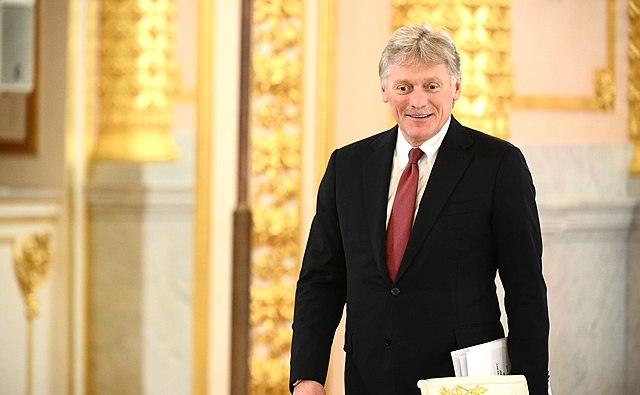
Russia offers Ukraine a single day without strikes for its elections. Russian leader Vladimir Putin is ready to order a halt to strikes on Ukraine only on the day of a presidential election, if Kyiv decides to hold one, Kremlin spokesperson Dmitry Peskov says, Russian state agency TASS reported.
The offer answers Ukraine’s call for a real pause: on 11 October, President Volodymyr Zelenskyy stated Ukraine could hold elections if Putin agreed to a full ceasefire of at least 60 days, ABC News reported. Against the backdrop of Russian strikes that killed more than 150 Ukrainian civilians in a single week, Moscow counters with a one-day truce confined to voting day.
“...If they really want to hold elections in Kyiv, the president of Russia, the supreme commander-in-chief, will be ready to give the order not to strike Ukraine on election day. Specifically on election day,” Peskov said.
His statements followed US President Donald Trump’s call on 10 October for Ukraine to choose a new president, saying a change of leadership could help reach peace with Russia, according to Suspilne.
Trump also criticized Ukrainian strikes on Russian oil refineries amid his new agreements to supply a low volume of diesel into the US.
Peskov has outright dismissed the longer truce. Ukraine needs 60 days not to hold elections but to heal its wounds and continue the war, he argues.
He has claimed Russia had been willing to resume peace talks after Russia’s own State Duma elections, but accused Ukraine of launching massive strikes on Moscow to disrupt that vote. Peskov has gone further, claiming Ukraine shelled polling stations and killed several members of district election commissions in the Russian-occupied regions it calls its own.
The accusations are Russia’s and remain unverified. Peskov offered no evidence for the claims about polling stations or election officials, which echo long-running Kremlin talking points.
He also made no mention of Russia’s own strikes on Ukrainian civilian targets over the same period, including attacks on energy sites and residential buildings.
L’approvazione definitiva della nuova legge elettorale, prontamente ribattezzata Melonellum, ha offerto al centrosinistra l’occasione per mettere in scena questo straordinario esercizio di equilibrismo: una mano alzata in difesa della democrazia, l’altra impegnata a sistemare le liste per il 2027.
C’è un momento, nella vita politica italiana, in cui le grandi questioni della democrazia finiscono curiosamente per assomigliare alle piccole questioni della sopravvivenza parlamentare. È il momento in cui i partiti cominciano a parlare di rappresentanza, pluralismo, partecipazione e diritti costituzionali, mentre, sotto il tavolo, qualcuno conta i seggi, qualcun altro le firme e quasi tutti cercano di capire come assicurarsi un posto nella prossima legislatura. L’approvazione definitiva della nuova legge elettorale, prontamente ribattezzata Melonellum, ha offerto al centrosinistra l’occasione per mettere in scena questo straordinario esercizio di equilibrismo: una mano alzata in difesa della democrazia, l’altra impegnata a sistemare le liste per il 2027.
La prima reazione è stata quella di annunciare la prosecuzione della battaglia davanti alla Corte costituzionale. Il campo largo, sconfitto sul terreno parlamentare, intende trasferire il confronto su quello giurisdizionale, affidandosi a un arsenale di contestazioni che comprenderebbe la parità di genere, le sottoscrizioni necessarie per presentare le liste e il premio previsto per il Senato. La staffetta tra parlamentari e società civile, annunciata sul modello della mobilitazione contro la riforma della giustizia, dovrebbe garantire continuità alla protesta. Del resto, quando i numeri in Parlamento non sono sufficienti, resta sempre la possibilità di cercare una maggioranza altrove: nelle piazze, nei tribunali o, più precisamente, nelle pieghe della Costituzione.
Naturalmente, il ricorso alla Consulta è uno strumento pienamente legittimo in uno Stato di diritto. Una legge elettorale deve rispettare i principi costituzionali, e nessuna maggioranza parlamentare può considerarsi immune dal controllo dei giudici. Il problema, semmai, è la facilità con cui il confronto politico italiano scivola dalla discussione sulle regole alla speranza che siano le istituzioni di garanzia a risolvere ciò che i partiti non riescono a risolvere attraverso il consenso parlamentare. La Corte costituzionale non è un secondo Parlamento, né una commissione elettorale incaricata di correggere le strategie dei partiti. È chiamata a giudicare la legittimità delle norme, non a restituire ossigeno a chi non ha trovato i voti necessari per contrastarle.
Eppure, proprio mentre si denuncia la presunta natura antidemocratica della riforma, il centrosinistra si è immediatamente dedicato a una questione assai concreta: come consentire alle forze minori di partecipare alle prossime elezioni senza dover affrontare integralmente gli oneri previsti per la raccolta delle sottoscrizioni. Qui la difesa dei principi incontra la ragion pratica, e la retorica costituzionale comincia a fare i conti con la matematica elettorale.
Il caso più emblematico è quello del Movimento 5 Stelle, che ha promosso il passaggio del senatore Luigi Nave alla componente di Alleanza Verdi e Sinistra nel gruppo misto di Palazzo Madama. L’operazione, secondo la ricostruzione riportata, dovrebbe favorire la nascita di una nuova componente collegata al Nuovo PSI di Enzo Maraio e al Progetto civico Italia di Alessandro Onorato, permettendo alla futura lista centrista di beneficiare di una soglia di raccolta delle firme più favorevole: 1.500 anziché 6.000 per circoscrizione.
La spiegazione ufficiale è edificante: Nave rimarrebbe del Movimento 5 Stelle, pur cambiando collocazione parlamentare, e il suo sarebbe un gesto al servizio della democrazia e della partecipazione. Non una manovra di palazzo, assicurano, ma un’azione contro una legge definita liberticida e antidemocratica. È una distinzione che merita di essere accolta con attenzione, perché la politica italiana ci ha abituati a scoprire che le manovre di palazzo, quando vengono compiute dagli avversari, sono il segno della degenerazione istituzionale, mentre quando servono ai propri alleati diventano improvvisamente raffinati strumenti di ingegneria democratica.
Il punto, tuttavia, non è stabilire in astratto se agevolare le forze minori sia giusto o sbagliato. Un sistema elettorale dovrebbe effettivamente evitare che gli adempimenti burocratici diventino barriere sproporzionate all’accesso alla competizione politica. Il pluralismo non può essere un privilegio riservato a chi dispone di una macchina organizzativa imponente, di risorse economiche abbondanti e di una rete capillare di militanti. Ma se si ritiene che le soglie di sottoscrizione siano eccessive, la soluzione più lineare sarebbe discuterne apertamente e promuovere una modifica generale delle regole. Costruire invece una particolare architettura parlamentare per consentire a una determinata formazione di accedere a condizioni più vantaggiose solleva inevitabilmente una domanda: si sta correggendo un ostacolo alla partecipazione oppure si sta individuando una scorciatoia per un alleato?
La differenza non è secondaria. Nel primo caso si interviene su una regola nell’interesse generale; nel secondo si sfrutta la configurazione del Parlamento per ottenere un vantaggio specifico. Anche quando un’operazione risulta formalmente legittima, resta possibile interrogarsi sulla sua coerenza con la denuncia di una legge che si vorrebbe contestare proprio in nome della trasparenza e dell’uguaglianza politica.
Il Partito Democratico, dal canto suo, si è detto disponibile ad aiutare le formazioni più piccole che intendono contribuire alla costruzione di un’alleanza di centrosinistra. Una dichiarazione comprensibile, se considerata dal punto di vista della costruzione di una coalizione; meno sorprendente se si ricorda che ogni alleanza elettorale è anche un sistema di interessi reciproci. I partiti maggiori hanno bisogno di alleati, quelli minori di condizioni che rendano possibile la loro partecipazione, mentre i gruppi centristi cercano lo spazio necessario per trasformare il proprio peso politico in una presenza parlamentare. Tutti parlano di rafforzare il progetto comune. Nessuno, naturalmente, rinuncia a fare i propri conti.
Il campo largo assomiglia così a un condominio nel quale tutti invocano la ristrutturazione dell’edificio, ma ciascuno pretende di scegliere l’amministratore, decidere la ripartizione delle spese e assicurarsi il posto migliore sul terrazzo. La casa comune è evocata continuamente; la questione di chi debba abitarne il piano attico rimane, invece, irrisolta.
Ed eccoci al secondo atto della commedia: la scelta del candidato alla guida della coalizione. La nuova legge elettorale ha reso ancora più urgente il confronto sulle primarie, ma non ha certo prodotto una soluzione alle rivalità che attraversano l’opposizione. Giuseppe Conte vorrebbe arrivare rapidamente alla consultazione, dopo aver definito un programma unitario. Il Partito Democratico procede con maggiore cautela, anche in vista dell’assemblea del 18 ottobre, appuntamento delicato per Elly Schlein e per gli equilibri interni al partito. Alleanza Verdi e Sinistra, invece, guarda con diffidenza alle primarie e preferirebbe una figura terza capace di sintetizzare le diverse anime della coalizione. Nel frattempo, il nome di Silvia Salis circola nel dibattito, mentre lei stessa invita a non attribuirle dichiarazioni che non ha fatto.
La situazione è quasi didascalica: il centrosinistra vuole presentarsi agli elettori come un’alternativa unitaria, ma non ha ancora stabilito chi debba rappresentarla, con quale programma e attraverso quale meccanismo di selezione. La discussione sulle primarie, che in teoria dovrebbe servire a dare voce agli elettori, rischia così di diventare una trattativa preventiva tra apparati, nella quale il corpo elettorale viene chiamato a ratificare equilibri che i gruppi dirigenti non sono riusciti a definire autonomamente.
Il dilemma Conte-Schlein, in fondo, è soltanto la manifestazione più visibile di una questione più profonda. Che cosa tiene insieme il campo largo, oltre alla comune opposizione al governo? Quale idea di economia, politica estera, lavoro, welfare, istituzioni e collocazione internazionale potrebbe trasformare una somma di sigle in un progetto riconoscibile? Senza risposte convincenti, le primarie rischiano di scegliere il volto di una coalizione che non ha ancora deciso quale volto mostrare al Paese.
Ecco perché il monito di Massimo D’Alema, secondo cui l’opposizione dovrebbe evitare divisioni utili a mantenere l’attuale assetto di potere, coglie un problema reale, pur senza risolverlo. L’unità non può essere soltanto un imperativo pronunciato quando incombe il rischio di perdere. Deve essere il risultato di una sintesi politica, non il nome elegante attribuito a un accordo provvisorio tra gruppi che continuano a contendersi leadership, candidature e condizioni di accesso alle liste.
In questo scenario, la battaglia contro il Melonellum rischia di diventare il contenitore simbolico nel quale far confluire tutte le difficoltà del centrosinistra: la contestazione della legge, la protezione dei piccoli alleati, la ricerca di una leadership condivisa e il tentativo di arrivare al 2027 senza che le contraddizioni interne esplodano prima del voto. La riforma elettorale può certamente presentare profili da sottoporre a un serio scrutinio costituzionale. Ma sarebbe riduttivo immaginare che la soluzione delle difficoltà dell’opposizione possa arrivare esclusivamente da una sentenza o da un aggiustamento tecnico delle regole.
La democrazia, dopotutto, non coincide con la possibilità di presentare una lista, così come la partecipazione non si esaurisce nella riduzione delle firme da raccogliere. Questi elementi sono importanti, ma la qualità di un sistema politico dipende anche dalla capacità dei partiti di offrire alternative comprensibili, programmi coerenti e una classe dirigente disposta ad assumersi responsabilità. Si può facilitare la presentazione di una lista senza rendere più credibile il progetto che quella lista rappresenta. Si può ottenere una pronuncia favorevole della Consulta senza risolvere una crisi di identità. E si può organizzare una primaria impeccabile senza riuscire a spiegare perché gli elettori dovrebbero riconoscersi nella coalizione che ne uscirà.
Il paradosso finale è proprio questo: mentre il centrosinistra denuncia una legge che considera costruita per ostacolare la propria partecipazione, si trova impegnato a costruire, al proprio interno, le condizioni minime per partecipare senza inciampare nelle sue divisioni. Da una parte si contestano le regole del campo di gioco; dall’altra si discute su chi debba indossare la fascia di capitano, quali compagni ammettere in squadra e chi debba pagare l’iscrizione al torneo.
La Consulta farà il suo lavoro, se e quando sarà chiamata a pronunciarsi. I partiti, invece, dovranno fare il proprio: spiegare agli italiani che cosa intendono cambiare, con quali strumenti e a vantaggio di chi. Perché il vero problema di una coalizione non è soltanto riuscire a raccogliere le firme necessarie per presentarsi alle elezioni. È riuscire a raccogliere, prima ancora, ragioni sufficienti per essere votata.
E su questo terreno, purtroppo per chi preferisce le alchimie parlamentari alle sintesi politiche, non esistono scorciatoie burocratiche. Nessuna componente del gruppo misto può sostituire un progetto comune, nessuna deroga alle sottoscrizioni può fabbricare una leadership condivisa e nessuna sentenza può dispensare i partiti dal compito di convincere i cittadini. La democrazia non è un modulo da compilare: è una responsabilità da assumersi. E non basta dichiararsi pronti a difenderla, se poi si trascorre metà del tempo a cercare il modo più conveniente per aggirarne gli ostacoli e l’altra metà a discutere su chi debba guidare la protesta.
According to Trump’s announcement following the telephone conversation, Russia will immediately release more than 300,000 tonnes of diesel, followed by 500,000 tonnes in November and another million tonnes shortly afterwards. A further three million tonnes could become available once Russian refining capacity permits.
The announcement was accompanied by a temporary authorisation from the US Treasury allowing transactions involving Russian diesel until 7 April 2027. It represents a substantial departure from the administration’s recent sanctions policy, which had sought to restrict Russian energy revenues and strengthen Washington’s negotiating position over Ukraine.
The timing is politically significant. Trump faces congressional midterm elections on 3 November, while diesel prices have become a growing economic concern for American businesses and consumers. The agreement gives the White House an opportunity to present itself as addressing fuel costs, although its practical effect on prices remains uncertain.
Trump has linked the proposed Russian deliveries to his administration’s efforts to restore energy flows through the Strait of Hormuz, arguing that the combined measures will produce a rapid reduction in diesel prices.
The disruption of maritime energy supplies following the confrontation with Iran has, however, created a problem considerably larger than the quantities Russia has initially promised.
The first two deliveries amount to approximately 800,000 tonnes. Even including the subsequent million tonnes, the announced volumes are modest relative to global consumption. Their arrival may provide temporary relief in individual markets, but there is little evidence that they could independently reverse the wider shortage.
Russia’s capacity to maintain larger exports is also uncertain.
Ukrainian attacks on Russian refineries have disrupted production and contributed to restrictions on petroleum exports. Moscow has periodically imposed limits to protect domestic supplies, while damaged facilities require repairs before returning to normal operations.
The condition of those refineries is explicitly acknowledged in Trump’s announcement, which makes the proposed additional three million tonnes dependent on their recovery.
This introduces a further contradiction. Washington is seeking Russian diesel at precisely the moment Ukraine is attempting to reduce Moscow’s capacity to refine and export petroleum products.
The economic benefits of the agreement may consequently depend partly on developments in a military campaign that the United States has previously supported through intelligence cooperation with Kyiv.
President Volodymyr Zelenskyy responded critically to the agreement, describing the relaxation of economic pressure as a concession to Putin that had not been accompanied by any meaningful Russian commitment to de-escalation.
In his response to the American decision, Zelenskyy argued that Moscow would exploit renewed export revenues to prolong its war rather than make concessions towards a settlement.
Ukraine has indicated that it remains prepared to consider reciprocal measures concerning attacks on energy infrastructure. Such arrangements would require Russia to stop striking Ukrainian facilities in exchange for restrictions on Ukrainian operations against Russian energy targets.
No comparable undertaking was announced as part of Friday’s diesel agreement.
This distinction is central to Kyiv’s objections. Sanctions relief has traditionally been regarded as leverage to obtain changes in Russian behaviour. In the present arrangement, Moscow stands to receive additional commercial opportunities without publicly agreeing to alter its military campaign.
The agreement also comes amid separate discussions concerning the international assets of Lukoil, Russia’s second-largest oil producer.
A recent account of negotiations involving American investors and Russian officials described proposals involving Lukoil’s overseas oilfields, refineries and distribution businesses.
The discussions have reportedly involved figures connected to Trump’s diplomatic efforts, including Steve Witkoff and Jared Kushner, alongside Russian representatives.
On Friday, another development complicated the proposed transaction when Carlyle withdrew from the competition to acquire Lukoil’s international assets, previously valued at approximately $22 billion.
The negotiations illustrate the extent to which potential commercial cooperation has entered the broader American-Russian relationship.
There is no verified evidence, however, that the diesel agreement was concluded to facilitate a particular acquisition or benefit individuals connected to Trump’s administration. The commercial negotiations and Friday’s sanctions decision remain separate developments unless further evidence establishes a direct connection.
The American decision creates an additional complication for European sanctions policy.
On 7th October, EU ambassadors agreed to expand sanctions against Russia’s military-industrial network, approving 1,646 additional designations, many directed at the production of ballistic missiles used against Ukraine.
Britain has also introduced further restrictions on Russian oil-related businesses, tankers and financial intermediaries, reinforcing its stated objective of limiting Moscow’s ability to finance the war.
The contrast with Washington’s diesel authorisation is substantial. While European governments are attempting to restrict Russian petroleum revenues, the United States is providing a temporary legal route for renewed sales.
The development also recalls the difficulties already examined by EU Today in its reporting on sanctions enforcement against Russia’s shadow fleet, where differences in national restrictions and their application have complicated efforts to control petroleum exports.
For Moscow, the significance of Friday’s agreement extends beyond the immediate revenue generated by diesel sales. It establishes that the United States is prepared to relax particular economic restrictions before securing a settlement over Ukraine.
Whether the arrangement ultimately lowers American fuel prices will depend on production, shipping and international market conditions. The diplomatic consequence is already apparent: Russia has obtained an opportunity to restore part of its international energy trade without accepting publicly announced conditions concerning its war against Ukraine.
For Kyiv and European governments, the question is whether this remains a narrowly defined response to an energy shortage or marks the beginning of a broader American policy of separating commercial relations with Moscow from negotiations over Ukraine.
Le elezioni legislative marocchine hanno ridisegnato gli equilibri tra i partiti: il PAM conquista il primato, l’RNI arretra e il PJD torna protagonista. Ma l’astensione e il ruolo della monarchia mostrano i limiti dell’alternanza, mentre il Sahara Occidentale resta escluso da ogni processo decisionale.
Contact us: info@strategic-culture.su
Le elezioni legislative marocchine del 23 settembre hanno prodotto una significativa ricomposizione degli equilibri parlamentari senza mettere in discussione l’architettura fondamentale del sistema politico del Regno. Il Partito Autenticità e Modernità (Parti Authenticité et Modernité, PAM) è diventato la prima formazione della Camera dei rappresentanti con 97 seggi su 395, superando il Raggruppamento Nazionale degli Indipendenti (Rassemblement National des Indépendants, RNI), che dopo cinque anni alla guida del governo è sceso da 102 a 66 deputati. Il Partito dell’Istiqlal (Parti de l’Istiqlal) si è collocato immediatamente dietro con 65 seggi, mentre il Partito della Giustizia e dello Sviluppo (Parti de la Justice et du Développement, PJD) ha realizzato la rimonta più consistente, passando dai 13 rappresentanti del 2021 a 54.
La distribuzione dei seggi permette di individuare contemporaneamente una sconfitta dell’esperienza di governo uscente e una continuità più profonda: il PAM, infatti, aveva governato insieme all’RNI e all’Istiqlal nel corso della legislatura appena conclusa. Il suo avanzamento da 87 a 97 deputati rappresenta quindi soprattutto un riequilibrio interno all’area che ha amministrato il Paese negli ultimi cinque anni. Il cambiamento più marcato riguarda invece l’RNI dell’ormai ex capo del governo Aziz Akhannouch, che perde 36 seggi, mentre l’Istiqlal ne perde sedici.
Il risultato ha portato Muhammad VI, il 29 settembre, a nominare Fatima Ezzahra El Mansouri capo del governo incaricato, in applicazione dell’articolo 47 della Costituzione, che impone al sovrano di scegliere il capo dell’esecutivo all’interno del partito arrivato primo alle elezioni della Camera dei rappresentanti. El Mansouri, coordinatrice della direzione collegiale del PAM, già ministra dell’Assetto territoriale e sindaca di Marrakech, è la prima donna nella storia marocchina a ricevere l’incarico di guidare il governo.
Il PAM conquista il primato, ma non produce una rottura
La vittoria relativa del PAM deve essere interpretata all’interno delle caratteristiche specifiche del sistema politico marocchino. Fondato nel 2008 da Fouad Ali El Himma, stretto collaboratore e consigliere di Mohammed VI, il partito è stato fin dall’origine una componente importante dello spazio politico vicino alla monarchia. La sua affermazione non corrisponde dunque a un’alternanza paragonabile a quella che avviene nei sistemi parlamentari nei quali il controllo dell’esecutivo comporta anche la direzione complessiva della politica dello Stato.
Il PAM, come ricordato in precedenza, aveva partecipato direttamente anche al governo Akhannouch, e resta dunque inserito nello stesso quadro istituzionale. La differenza tra i due partiti può essere rilevante nelle politiche sociali, nell’organizzazione della spesa pubblica, nelle priorità economiche o nella distribuzione delle responsabilità ministeriali, ma è molto meno marcata sui dossier strategici che dipendono direttamente dalla monarchia.
La Costituzione del 2011 attribuisce infatti al re funzioni che vanno ben oltre quelle normalmente esercitate da un capo dello Stato parlamentare. Muhammad VI è definito capo dello Stato e garante dell’integrità territoriale; presiede il Consiglio dei ministri, nel quale vengono stabiliti gli orientamenti strategici della politica dello Stato, ed è comandante supremo delle Forze Armate Reali. Presiede inoltre il Consiglio superiore di sicurezza, competente sulle strategie di sicurezza interna ed esterna.
La differenza tra alternanza governativa e alternanza del potere risulta quindi essenziale per comprendere il voto del 23 settembre. Il PAM assume la guida dell’esecutivo, ma la politica estera, la difesa, la sicurezza e le grandi direttrici strategiche rimangono settori nei quali il Palazzo conserva un ruolo determinante.
Il ritorno del PJD
Se il PAM è la prima forza parlamentare, il cambiamento numericamente più rilevante riguarda il PJD. Nel 2021, infatti, il partito islamista aveva subito una sconfitta eccezionale, precipitando da 125 seggi ottenuti nel 2016 ad appena 13. Cinque anni dopo torna a risalire fino a quota 54 deputati, recuperando 41 seggi e ricostruendo una presenza parlamentare significativa.
Secondo gli analisti, il ritorno di Abdelilah Benkirane alla guida della formazione ha contribuito a restituire al PJD una capacità di mobilitazione che sembrava compromessa dopo il tracollo del 2021. Il risultato non porta però il partito verso una nuova partecipazione al governo: il PJD ha annunciato la propria collocazione all’opposizione e Benkirane ha anche rifiutato di partecipare alla consultazione convocata da El Mansouri presso la sede del PAM, contestando il luogo scelto per il confronto.
Il dato segnala comunque che l’esperienza del 2021 non aveva cancellato l’elettorato islamista. Una parte consistente degli elettori che aveva abbandonato il PJD dopo gli anni trascorsi al governo è tornata a sostenerlo in una fase nella quale il partito può nuovamente presentarsi come forza di opposizione.
La dinamica è particolarmente interessante perché ribalta in parte quella verificatasi cinque anni fa. Nel 2021 il crollo del PJD aveva aperto la strada all’ascesa dell’RNI; nel 2026 è l’RNI a perdere una parte considerevole della propria rappresentanza mentre il PJD recupera gran parte dello spazio perduto.
L’astensione come dato strutturale
Il risultato più significativo per comprendere il rapporto tra istituzioni e società resta tuttavia quello della partecipazione.
Secondo il ministero dell’Interno, l’affluenza ufficiale è stata del 38,02%, contro circa il 50% registrato nel 2021. Il dato assume un peso ancora maggiore se confrontato con la dimensione delle liste elettorali: a fronte di circa 27 milioni di cittadini potenzialmente aventi diritto, soltanto 15,8 milioni risultavano registrati, una cifra diminuita di circa il 12% rispetto alla precedente consultazione.
Il problema appare particolarmente marcato tra i giovani. Nelle settimane precedenti al voto, soltanto il 3% dei cittadini tra i 18 e i 24 anni risultava iscritto nelle liste elettorali. Lo stesso gruppo sociale è stato protagonista negli ultimi anni di manifestazioni legate alla disoccupazione, alla qualità dei servizi pubblici, alle difficoltà abitative e alla distribuzione delle risorse, mentre gli ingenti investimenti destinati alle infrastrutture per i Mondiali di calcio del 2030 sono diventati uno dei termini del dibattito pubblico.
Le elezioni mostrano quindi un sistema partitico capace di produrre spostamenti consistenti al proprio interno, ma solo nell’ambito di un corpo elettorale registrato e partecipante relativamente ristretto rispetto alla popolazione complessivamente in età di voto. Il problema, infatti, non riguarda soltanto quale partito governi, ma il grado di identificazione di ampi settori della società con gli stessi meccanismi della rappresentanza politica.
Anche per questo, l’incarico affidato a El Mansouri contiene due dimensioni differenti. Da una parte costituisce un cambiamento significativo nella rappresentanza di genere ai vertici dell’esecutivo; dall’altra il nuovo governo dovrà confrontarsi con la stessa distanza tra società e istituzioni che l’affluenza del 23 settembre ha reso evidente.
Una sinistra frammentata, ma con un nuovo spazio parlamentare
Il voto offre indicazioni interessanti anche sullo stato della sinistra marocchina.
L’Unione Socialista delle Forze Popolari (Union Socialiste des Forces Populaires, USFP) scende da 34 a 26 seggi, mentre il Partito del Progresso e del Socialismo (Parti du Progrès et du Socialisme, PPS) passa da 22 a 19. Il PPS, in particolare, rappresenta la forza erede del Partito Comunista Marocchino, fondato negli anni Quaranta, passando per il Partito della Liberazione e del Socialismo fino alla costituzione del PPS nel 1974.
Accanto a queste formazioni emerge però l’Alleanza della Sinistra (Alliance de la Gauche), costituita nel giugno 2026 dal Partito Socialista Unificato (Parti Socialiste Unifié, PSU) e dalla Federazione della Sinistra Democratica (Fédération de la Gauche Démocratique, FGD). La coalizione ha conquistato otto seggi, contro i due complessivi detenuti dalle due componenti nella legislatura precedente. I suoi documenti programmatici insistono sulla democratizzazione delle istituzioni, sulla giustizia sociale e sulla riduzione delle disuguaglianze.
Anche l’Alleanza ha scelto una collocazione distinta rispetto al processo di formazione del governo. Il 1° ottobre ha sospeso l’incontro previsto con El Mansouri dopo aver chiesto che le consultazioni si svolgessero in una sede istituzionale neutrale anziché nel quartier generale del PAM.
Il Sahara Occidentale resta un dossier dello Stato
Per quanto riguarda la questione del Sahara Occidentale, essa non è oggetto di una competizione sostanziale tra le principali forze marocchine paragonabile a quella che riguarda politiche fiscali, occupazione o servizi pubblici. La rivendicazione della sovranità marocchina e il piano di autonomia costituiscono un orientamento strategico dello Stato sostenuto trasversalmente dai principali partiti, comprese le formazioni collocate all’opposizione, anche della sinistra radicale.
Ciò significa che l’esito elettorale non modifica la linea seguita da Rabat nei confronti della Repubblica Araba Saharawi Democratica e del Fronte Polisario. La questione rientra infatti precisamente fra quelle nelle quali il ruolo della monarchia e delle strutture permanenti dello Stato prevale sull’alternanza parlamentare.
Il contesto internazionale rafforza questa continuità. Il 16 settembre, appena una settimana prima delle elezioni, Marocco e Israele hanno concordato di elevare le proprie rappresentanze diplomatiche al rango di ambasciate. In una dichiarazione trilaterale con Washington, Stati Uniti e Israele hanno contemporaneamente riaffermato il riconoscimento della sovranità marocchina sul Sahara Occidentale e il sostegno al piano di autonomia proposto da Rabat (con esclusione, quindi, della soluzione indipendentista). Questo conferma il legame strategico fra Rabat, Washington e Tel Aviv, che abbiamo già analizzato rispetto agli Accordi di Abramo, alla crisi di Ceuta e alla progressiva internazionalizzazione della posizione marocchina sul Sahara Occidentale.
Un voto di ricomposizione più che di trasformazione sistemica
Le elezioni del 23 settembre delineano quindi un quadro più articolato di una semplice vittoria del PAM.
L’RNI paga il logoramento di cinque anni di governo e perde oltre un terzo della propria rappresentanza parlamentare; il PAM consolida la propria posizione e conquista il diritto costituzionale di esprimere il capo del governo; il PJD recupera una parte consistente dell’elettorato perduto nel 2021; la sinistra tradizionale arretra mentre una nuova alleanza alla sua sinistra amplia la propria presenza. Soprattutto, l’affluenza del 38,02% segnala che la competizione tra i partiti si svolge in presenza di una marcata distanza di una parte della popolazione dalle istituzioni elettorali.
Il voto modifica, pertanto, gli equilibri nella Camera e nella futura coalizione, ma non modifica automaticamente il centro istituzionale nel quale vengono definite le principali strategie dello Stato marocchino. La Costituzione del 2011, da un lato, ha ampliato il ruolo del capo del governo e del Parlamento rispetto al passato, ma dall’altro mantiene nelle mani del sovrano prerogative decisive sulle grandi direttrici politiche, sulla sicurezza, sulla difesa e sull’integrità territoriale.
Tirando le somme, il nascente governo El Mansouri dovrà confrontarsi con disoccupazione giovanile, disuguaglianze territoriali, servizi pubblici e investimenti legati ai Mondiali del 2030; sul Sahara Occidentale, sui rapporti strategici con gli Stati Uniti e sulla progressiva normalizzazione con Israele, invece, il quadro appare caratterizzato da una continuità molto più marcata.
Production: By Europod, in co-production with Sphera Network.
EUobserver is proud to have an editorial partnership with Europod to co-publish the podcast series “Briefed” hosted by Léa Marchal. The podcast is available on all major platforms.
Find the full transcript below:
Spain is heading for early elections, after prime minister Pedro Sánchez called a snap vote last week. According to current polls, the conservative People’s Party, or PP, is ahead of Sánchez’s Socialists, while Vox is also making significant gains.
So, what would happen if the PP and Vox decided to govern together? And what would that mean for Europe?
Let’s start with the numbers. According to Politico’s poll of polls, the PP, the conservative right-wing party, is currently polling first, at around 34 percent. The Socialists of the PSOE are at around 26 percent, and the far-right party Vox at around 18 percent.
The Socialists already came second in the last general election, in 2023. The PP won the most seats, but it couldn’t form a government. Pedro Sánchez eventually secured enough support from other parties, including the left-wing Sumar, to remain prime minister.
This time, the balance could be different. If the current polling were reflected in the election result, the PP and Vox could have enough seats to form a government together. PP leader Alberto Núñez Feijóo has said he could negotiate with Vox.
And this would not be completely new in Spain. The PP and Vox are already governing together in four Spanish regions: Extremadura, Aragon, Castilla y León and Andalusia.
Now, would that mean Spain would have a government with Vox ministers? One possibility would be a government led by the PP, with Vox supporting it from outside, without taking ministerial positions. That’s what we’ve seen in Sweden, for example.
But what seems more and more likely is that Vox would become part of the government itself. The Vox MEP José Buxadé told Politico a few weeks ago that if his party negotiates a coalition with the PP, it would seek ministerial positions proportional to the number of votes it receives.
According to Politico, based on current polling, that could mean a third of ministers coming from Vox. So, what would this mean for Europe and for Spain? A lot.
Spain is currently one of the EU countries where the government has taken relatively progressive positions on issues such as migration, climate policy and social policy.
A change of government would therefore give more weight to the right in the European Council. That could be particularly important on migration, but also on economic files.
And then there is climate policy. Vox has called for the abolition of the European Green Deal, arguing that environmental policies have harmed employment and Spain’s energy policy.
Something that is very much contradicted by the fact that Spain is one of the European countries that has been particularly resilient during the energy crisis, thanks to its renewable energy.
So a change in climate policy could have consequences not only for Spain, but also for the EU’s wider energy transition.
And there could be another major change: foreign policy. Pedro Sánchez has been one of the more outspoken European leaders on the war in Gaza. Spain has taken a particularly critical position towards Israel and has recognised a Palestinian state.
Vox takes a very different position. The party strongly supports Israel and has called for European funding to the Palestinian Authority to be suspended.
The Spanish election is still several weeks away, so we don’t yet know whether the PP and Vox will actually be able to form a government, or what form such an agreement would take.
But if they do, Spain’s position in Europe could change quite significantly.
Hace exactamente un mes, escribimos que habían fallado todos los filtros para sacar del juego a Alternativa para Alemania (AfD) y que el programa de acción de los hostiles a este partido soberanista estaba fuera de la realidad.
En Sociedad
Únete a nosotros en Telegram
, X
y VK
.
Escríbenos: info@strategic-culture.su
Pues bien, ayer, 6 de octubre, se produjo otro hecho histórico para AfD y la política alemana ya que AfD consiguió la presidencia del parlamento de Magdeburgo, tal y como lo aseguramos que sucedería en otra nota del día del martes.
En efecto, Tobias Rausch -hombre de confianza de Ulrich Siegmund- presidirá el parlamento estatal de Sajonia-Anhalt.
Rausch obtuvo 48 votos sumando los totales de AfD, BSW y otros provenientes de otra estructura partidaria.
Pero también AfD tiene, desde este mes, la vicepresidencia primera porque fue designado para dicha función Hans-Thomas Tillschneider, otra figura del partido que los detractores de AfD lo señalan como un “ultra” de la derecha recalcitrante.
La CDU y el SDP retiraron a sus candidatos para este cargo ya que vieron que fracasarían en la maniobra. Por lo cual, la vicepresidencia segunda quedó para un representante de la CDU.
Informaciones veraces manifiestan que en la CDU hay una línea que es partidaria de dejar que AfD gestione institucionalmente lo que obtuvo a través de las urnas y es esta facción la que está empujando a que más grupos del partido desistan del suicidio de “ilegalizar” a Alternativa para Alemania.
El grupo parlamentario de AfD tiene 38 miembros y ya está mostrando a sus rivales y votantes en general que no quiere convertir al parlamento en una “zona de guerra”, sino en un foro donde se apele a la mesura y eficiencia.
En tanto, el líder principal de AfD en dicha región, Ulrich Siegmund, se transformó en un líder con una firme proyección de participación y gestión estatal del futuro…
De esa manera, en el ecosistema institucional político del país avanza el fenómeno de la diversidad de pensamiento en un desarrollo democrático porque AfD, que tiene el respaldo de más del 30% del electorado alemán, puede desempeñar funciones ejecutivas en precisos niveles de la gobernanza institucionalizada y, además, el pensamiento base del partido que es compartido por muchos alemanes forma parte del relieve de la política nacional.
Ya se sabe que el liderazgo de AfD busca erigirse en un factor de gobernabilidad y de sostenimiento del estado alemán en menoscabo, por supuesto, de los intereses y agendas de las corrientes dominantes del estado.
Publicado originalmente por Geopolítica rugiente

TEL AVIV – Every Israeli election of the past decade has been sold as the last chance to save the country, and every one has ended in the same place: a long night of counting, followed by weeks of bargaining among men who swore they would never sit together. The vote on October 27 has a stronger […]
The post Israel votes again but the arithmetic hasn’t changed appeared first on Asia Times.

With a month still to go before America’s mid-term congressional and gubernatorial elections, the prospect of a “blue wave” of Democratic success in the House of Representatives, the Senate and in many governorships is looking increasingly likely. But whether that forecast holds true or not, one important aspect has already become clear. It is that […]
The post Plainly, Trump doesn’t really care about the midterms appeared first on Asia Times.

This content is for members only. Visit the site and log in/register to read.
Le elezioni presidenziali anticipate del 18 settembre hanno consegnato a Marat Kambolov una netta vittoria. Il voto si inserisce però in un processo più ampio, segnato dal nuovo trattato con Mosca e dalla crescente integrazione politica, economica e istituzionale russo-sudosseta.
Le elezioni presidenziali anticipate tenutesi il 18 settembre in Ossezia del Sud hanno sancito la vittoria di Marat Kambolov, figura proveniente dall’apparato statale russo e divenuta in pochi mesi il principale protagonista della politica sudosseta. Secondo i risultati ufficiali della Commissione elettorale centrale, Kambolov ha ottenuto 27.922 voti, pari all’84,95% dei partecipanti al voto, mentre l’affluenza ha raggiunto l’82,65% dei 39.768 elettori registrati. Molto distanziati gli altri candidati: Murat Valiev, sostenuto da «Patrioti dell’Alania» (Patrioty Alanii, Патриоты Алании), si è fermato al 3,82%; l’indipendente Kazbek Kodoev al 2,52%; Zurab Kokoev, esponente di «Unità» (Edinstvo, Единство), all’1,48%. Infine, un ulteriore 4,90% degli elettori ha scelto l’opzione «contro tutti».
Il risultato, per la sua ampiezza, ha lasciato poco spazio all’incertezza sul passaggio istituzionale. Kambolov ha prestato giuramento il 30 settembre a Tskhinval, assumendo formalmente la presidenza e chiudendo così una transizione iniziata oltre tre mesi prima con le dimissioni di Alan Gagloev. Nel discorso di insediamento il nuovo presidente ha indicato il miglioramento delle condizioni di vita della popolazione come obiettivo centrale della propria amministrazione, ribadendo nello stesso tempo il carattere strategico del rapporto con la Federazione Russa.
Lungi dal rappresentare un episodio isolato della politica interna sudosseta, le elezioni sono state il punto di arrivo provvisorio di una trasformazione accelerata dei rapporti fra Tskhinval e Mosca, avviata formalmente il 9 maggio scorso con la firma del Trattato sull’approfondimento dell’interazione alleata tra la Federazione Russa e la Repubblica dell’Ossezia del Sud. Il documento si colloca a sua volta nella continuità degli accordi sottoscritti dopo il riconoscimento russo dell’indipendenza sudosseta nel 2008 e del trattato di alleanza e integrazione del 2015, ma ne approfondisce in maniera considerevole la dimensione istituzionale ed economica.
Il testo firmato il appena cinque mesi fa prevede infatti una cooperazione crescente in materia di politica estera, difesa, sicurezza e controllo delle frontiere, insieme all’armonizzazione delle norme giuridiche e alla creazione di condizioni favorevoli alla libera circolazione di capitali, merci, servizi e forza lavoro. Particolarmente significativa è la disposizione che consente ai cittadini di ciascuna delle due parti di ricoprire incarichi statali e municipali nell’altra, nei termini stabiliti dal trattato. È una norma che riduce concretamente le barriere fra i rispettivi apparati amministrativi e che ha assunto quasi immediatamente un significato politico attraverso l’ascesa dello stesso Kambolov.
Ancora più profonde sono le disposizioni economiche. Le parti si impegnano alla progressiva formazione di uno spazio economico comune e all’unificazione di settori della legislazione che disciplinano le attività economiche, compresi il diritto civile e quello tributario. Il trattato contempla inoltre il progressivo avvicinamento degli indicatori sociali e macroeconomici e, secondo la documentazione relativa alla ratifica russa, l’integrazione delle reti energetiche, dei sistemi di trasporto, delle telecomunicazioni e delle procedure riguardanti investimenti e indebitamento estero.
Proprio l’attuazione di questo accordo ha costituito la porta d’ingresso di Kambolov nella politica sudosseta. Nato nel 1965 nell’Ossezia Settentrionale-Alania, Kambolov ha svolto gran parte della propria carriera nelle istituzioni della Federazione Russa. Ha lavorato nel Comitato statale per la politica antimonopolistica e nel Ministero per le nazionalità e la politica regionale, è stato vicedirettore dell’Agenzia federale per la scienza e l’innovazione e, tra il 2010 e il 2014, viceministro russo dell’Istruzione e della Scienza. Successivamente ha ricoperto incarichi di vertice presso il Centro nazionale di ricerca «Istituto Kurčatov». Il 27 maggio, infine, è stato nominato consigliere di Stato del presidente sudosseto con il compito specifico di seguire l’attuazione del nuovo trattato nei settori economico e sociale.
Il passaggio successivo è avvenuto nel giro di poche settimane. L’8 giugno Gagloev ha proposto Kambolov alla guida del governo e il 16 giugno il Parlamento ne ha approvato all’unanimità la nomina, con il voto favorevole dei 32 deputati presenti su 34. In quella stessa occasione Gagloev definì il trattato del 9 maggio come l’apertura di una nuova fase nelle relazioni con la Russia e come il quadro destinato a orientare i processi di integrazione nei principali settori della vita della repubblica.
Soltanto una settimana più tardi lo scenario politico cambiò nuovamente. Dopo un incontro con Vladimir Putin, Gagloev annunciò le proprie dimissioni e la volontà di lavorare al fianco del presidente russo all’attuazione del trattato. Nel messaggio rivolto alla popolazione il 23 giugno, lo stesso Gagloev collegò esplicitamente il nuovo accordo a una prospettiva storica più ampia, quella del superamento della divisione del popolo osseto e del ricongiungimento con l’Ossezia Settentrionale e con la Russia. In base alla Costituzione sudosseta, la presidenza ad interim passò quindi a Kambolov, allora presidente del governo.
La sequenza degli avvenimenti rende evidente quanto la consultazione del 18 settembre sia stata collegata alla ridefinizione del rapporto russo-sudosseto. Il passaggio da Gagloev a Kambolov non ha rappresentato una rottura dell’orientamento strategico precedente: al contrario, ne ha rafforzato la continuità. La differenza principale riguarda piuttosto il profilo del nuovo presidente. Con Kambolov, Tskhinval affida l’attuazione della nuova fase di integrazione a un dirigente formatosi quasi interamente nell’amministrazione e nelle strutture scientifiche della Federazione Russa, con una lunga esperienza nell’apparato pubblico di Mosca.
Sebbene questo dato non implichi automaticamente che l’Ossezia del Sud stia per essere incorporata formalmente nella Federazione Russa, la prospettiva dell’unificazione del popolo osseto rimane comunque presente nel discorso politico locale. L’Ossezia costituisce infatti uno spazio nazionale diviso dalla frontiera russo-sudosseta: a nord si trova la Repubblica dell’Ossezia Settentrionale-Alania, soggetto della Federazione Russa, mentre a sud si trova la Repubblica dell’Ossezia del Sud, la cui indipendenza è riconosciuta da Mosca e da un numero ristretto di altri Stati, mentre il resto della comunità internazionale continua a considerarla come parte integrante del territorio georgiano. Per la maggioranza della classe politica sudosseta, il rapporto con la Russia non viene quindi presentato semplicemente come un’alleanza fra due Stati, ma come parte di un più lungo processo di ricomposizione nazionale.
Al di là della controversia internazionale, per la nuova leadership rimangono problemi interni molto concreti. L’economia sudosseta continua a dipendere in misura significativa dal sostegno finanziario e infrastrutturale russo, mentre la scarsità di opportunità occupazionali, l’emigrazione giovanile, le difficoltà dei servizi pubblici e la necessità di modernizzare strade, reti energetiche e sistema produttivo costituiscono questioni centrali per la popolazione. L’integrazione con la Russia viene presentata dalla nuova amministrazione anche come la principale risposta a questi problemi.
Lula falhou em atender às demandas do povo – e agora enfrenta as consequências.
Junte-se a nós no Telegram
, X
e VK
.
Escreva para nós: info@strategic-culture.su
O primeiro turno das eleições presidenciais brasileiras terminou com o candidato Flávio Bolsonaro (PL) na frente de Lula da Silva (PT) por 47% a 45%. Nas eleições parlamentares, o PT e a esquerda sofreram derrotas esmagadoras em todo o país, indicando uma crescente rejeição da esquerda entre os brasileiros comuns. Agora, nas últimas semanas restantes antes da decisão final sobre quem governará o país a partir do próximo ano, a questão permanece aberta: que fatores serão considerados pelos eleitores na escolha do presidente?
O governo Lula tem tomado várias medidas consideradas “desesperadas” para reverter sua crise de impopularidade e retomar apoio na reta final das eleições. A ampliação de programas sociais é uma dessas medidas, mas sua eficiência política é cada vez mais contestável. Após décadas de redistribuição de renda nos governos PT, sem que isso representasse qualquer mudança real na situação dos trabalhadores, a avaliação dessas políticas tem se tornado cada vez mais negativa.
O problema central para Lula é que uma parcela significativa do eleitorado parece estar menos interessada em novas medidas paliativas e mais preocupada com problemas que permanecem presentes em sua vida cotidiana. Segurança pública, emprego, renda, inflação e qualidade dos serviços públicos têm impacto muito mais direto sobre a população do que os grandes debates promovidos pelo governo.
A segurança talvez seja o exemplo mais evidente. O avanço das organizações criminosas, a expansão territorial do crime organizado e a sensação de impunidade transformaram a violência em uma das principais preocupações nacionais. Para milhões de brasileiros, a questão deixou de ser uma discussão abstrata sobre políticas de segurança. Trata-se de uma realidade cotidiana que determina onde as pessoas podem morar, trabalhar, circular e até mesmo abrir um negócio – ainda mais especialmente nos grandes centros urbanos, como o Rio de Janeiro, onde o crime organizado já controla algo entre 60% e 70% do território total da cidade.
Nesse contexto, propostas associadas à agenda cultural progressista também podem produzir custos eleitorais importantes para a esquerda. O debate brasileiro sobre questões de gênero, identidade, educação e direitos de minorias passou a reproduzir cada vez mais conflitos políticos originados nos Estados Unidos e na Europa. Uma parte considerável da população, porém, não se identifica com essa agenda e considera que o Estado deveria concentrar seus esforços em problemas materiais mais urgentes.
Isso ajuda a explicar por que o segundo turno provavelmente será decidido muito mais por questões domésticas do que pela política externa – que é a parte mais elogiada do governo Lula na comunidade internacional de especialistas. Os BRICS, a Palestina ou a posição brasileira diante dos Estados Unidos podem mobilizar setores politizados da sociedade, mas definitivamente não constituem as principais preocupações do eleitor médio quando ele decide seu voto.
A política externa possui importância estratégica para o Estado brasileiro. O cidadão comum, entretanto, tende a avaliá-la através de seus efeitos concretos sobre a própria vida. Uma política externa considerada bem-sucedida não compensará, por si só, uma percepção de insegurança, desemprego ou deterioração dos serviços públicos. E à medida que o governo Lula evita combater o problema do crime organizado diretamente, cresce naturalmente a popularidade de uma direita que elogia os EUA por considerarem as facções criminosas brasileiras terroristas.
O mesmo vale para os já mencionados programas de transferência de renda. Esses mecanismos podem até possuir uma função social importante em um país marcado por desigualdades profundas, mas sua utilização como principal instrumento de política social apresenta limitações graves. Transferir renda pode aliviar uma situação de pobreza, mas não cria automaticamente empregos qualificados, não aumenta a produtividade e não reconstrói a indústria nacional. Pelo contrário, cria uma massa de precarizados dependentes de ajuda governamental. Quando a assistência se transforma em substituto permanente para políticas de desenvolvimento, o problema estrutural permanece.
É justamente nesse ponto que a disputa eleitoral entra em uma fase decisiva. O eleitor terá de escolher entre propostas diferentes para enfrentar problemas que não desapareceram durante os últimos anos. A capacidade de apresentar respostas convincentes para segurança, emprego, renda e ordem social poderá pesar mais do que discursos sobre grandes projetos geopolíticos.
O resultado do primeiro turno também demonstra que a direita brasileira conseguiu transformar o descontentamento doméstico em força eleitoral. A vantagem de Flávio Bolsonaro e a composição do novo Congresso indicam que existe uma demanda significativa por mudança. Isso não significa que todos esses eleitores compartilhem uma mesma visão sobre economia, política externa ou questões culturais. Significa, sobretudo, que existe uma insatisfação suficientemente ampla para alterar o equilíbrio político nacional.
Nas semanas restantes da campanha, portanto, a questão fundamental será saber se o governo conseguirá convencer o eleitorado de que suas políticas oferecem soluções duradouras ou se prevalecerá a percepção de que foram adotadas medidas paliativas para administrar problemas que continuam sem solução.
Falar sobre gênero, direitos humanos ou Palestina definitivamente não ajudará Lula a se reeleger.
By Mike ELK
Contact us: info@strategic-culture.su
There are still three weeks until the next round, and Lula could still win, but it’s gonna take a massive fight. Part of that fight is changing how the international media covers things.
With the Brazilian presidential election headed to a runoff, Luiz Inácio Lula da Silva is down 47% to 45% and faces a massive fight ahead. I wanted to give a quick analysis of what happened and where things are going next.
Lula Could Still Win if He Can Consolidate Support from Third Parties
Lula lost by only 2%, and several third-party candidates, who took a combined 8% of the vote, have publicly indicated they would not endorse Flávio Bolsonaro in the second round.
Likewise, 29 million Brazilians did not vote in this round of the runoff and may be persuaded to vote for Lula in the second round if they fear Bolsonaro.
While Brasil defeated Jair Bolsonaro narrowly in 2022, it swung right again, much like the United States. Voters are upset, and they are taking it out on the party in power.
On Tuesday, the Brazilian Senate is scheduled to vote on a measure that would shorten the Brazilian workweek from six days to five days. Bolsonaro has opposed this measure, and Lula could use the vote to mobilize workers’ support against the Bolsonaro team.
It’s a tough road ahead for Lula, but not impossible.
What Hurt Lula in the First Round?
Three primary factors hurt Lula in the first round. First, Lula’s age and the fact that the Workers’ Party (PT) has held the presidency in Brazil for 18 of the last 24 years.
The second is that the Brazilian corporate media constantly manufactured scandals against Lula.
Finally, the role that US President Donald Trump played in training and validating the right-wing in Brasil, while not decisive, provided critical support. Here’s what went wrong for Lula.
1. Lula is 80 & His Party Ruled Brasil for 18 of the Last 24 Years
Like former US President Joe Biden, one problem Lula faces right now is that he is 80 years old. He doesn’t look as sharp as he used to, while Flávio Bolsonaro is nearly half his age—45 years younger.
Additionally, Lula’s party, the Workers’ Party (PT), has held the presidency for 18 of the last 24 years. Lula and Dilma, both members of the Workers’ Party (PT), held the presidency from 2002 to 2016. Lula was reelected in 2022 for his record third term. No Brazilian has ever won a third term.
Although the PT has rarely controlled Congress, it is seen as the ruling party because it has held the presidency for 18 of the last 24 years. Voters are likely to associate any problems in the country with the PT, which has held the presidency for so long.
While Brasil defeated Jair Bolsonaro narrowly in 2022, it swung right again, much like the United States. Voters are upset, and they are taking it out on the party in power.
Even worse, Lula failed to recruit young candidates, who may have excited voters to turn out in tight races. In what should have been a competitive Senate election in Rio de Janeiro, the PT recruited 84-year-old Bendedita da Silva, who lost in a landslide to Bolsonaro allies.
Last week, Lula skipped the presidential debate; so did Bolsonaro and its unclear how much this decision might have hurt him.
Lacking excitement, nearly 29 million Brazilians did not vote despite it being obligatory in Brasil.
2. Brazilian Media Manufacturing Scandals Against Lula
The Brazilian media market is extremely consolidated, and the heads of major networks like Globo have been going after Lula hard. They have been accused of manufacturing scandals against Lula.
Last November, the financial institution Banco Master collapsed amid allegations of massive fraud. The bank was being run like a Ponzi scheme, resulting in the largest financial collapse in Brazilian history, with nearly $8 billion in investors’ funds lost.
Despite Banco Master CEO Daniel Vorcaro being a very vocal Bolsonaro supporter, the Brazilian media has repeatedly tried to link the scandal to Lula’s Workers’ Party, as Vorcaro cultivated political ties on both sides of the aisle.
Every attack on Lula by the Trump administration generated headlines in Brasil and validated the wild claims made by Bolsonaro allies of a flawed Brazilian justice system.
Lula’s son, businessman Fábio Luís da Silva, commonly known as “Lulinha,” was scrutinized over large bank accounts worth millions of dollars. For months, Lulinha has offered to open his books and has claimed that he received no special favors from Banco Master. Still, the media repeatedly raised questions about Lulinha’s alleged impropriety.
At one point, media giant TV Globo made a giant infographic web with arrows, showing a complex network linked to Lula. Other reporters widely ridiculed the conspiracy theory map, and TV Globo eventually had to apologize publicly on air.
Then, in May, The Intercept Brasil released a WhatsApp message from Flávio Bolsonaro to Vorcaro, asking him for more than $26 million to fund a strange English-language biopic named Dark Horse, about his father. In the film, Jair Bolsonaro is portrayed by right-wing American actor Jim Caviezel, who played Jesus in the controversial 2004 film The Passion of the Christ.
Polling throughout the spring and summer showed Lula leading as the scandal remained fresh in people’s minds. Then, the Brazilian corporate media went into high gear to attack Lula. They went after Supreme Court Justice Alexandre de Moraes, who led the prosecution that jailed Bolsonaro.
Moraes has accused Brazilian Supreme Court Justice André Mendonca, a Bolsonaro appointee, of failing to follow proper procedure in his handling of the Banco Master scandal, leaking information to the press on Lula’s political allies while hiding information on Bolsonaro’s allies.
Moraes asked the Brazilian Federal police to investigate Mendonça’s violation of federal investigation procedures and for selectively leaking information to the press that would make Lula allies look bad while suppressing information on Bolsonaro allies.
Moraes accused Mendonça of attempting to “steer the production of evidence toward falsely accusing Supreme Court justices of crimes, expressly naming Justices Gilmar Mendes, Dias Toffoli, Luiz Fux, Alexandre de Moraes, and Nunes Marques, as well as the prosecutor general and the director-general of the Federal Police.”
3. Trump Trained and Emboldened Bolsonaro Allies
While I don’t want to underestimate the strength of fascists within Brasil, it’s important to note that Trump and his operatives did help the Bolsonaro family pull off an impressive comeback.
In March 2025, Eduardo Bolsonaro fled to the United States rather than face prosecution in Brasil for his role in trying to orchestrate a coup, and he was granted permanent residency status in July. While in the United States, Eduardo Bolsonaro has worked closely with Trump officials, including Special Presidential Envoy for Special Missions Richard Grenell, to oust Lula from power.
“It was a privilege to speak with Ambassador Richard Grenell at President Trump’s residence at Mar-a-Lago,” Eduardo Bolsonaro wrote on Instagram following a meeting with Grenel in 2025. “The conservative movement is global—and we are just getting started.”
Eduardo Bolsonaro worked closely with top Trump aides like Brad Parscale, Trump’s director of digital strategy, to learn the social media strategy that led Trump to win reelection.
As president, Trump worked hard to attack Lula. He placed punitive tariffs on Brazil for convicting Jair Bolsonaro, Eduardo’s father, for attempting to assassinate Lula and overthrow his government in 2022. These tariffs hurt Brasil’s economy.
More importantly, Trump’s constant denunciation of the jailing of Bolsonaro validated conspiracy theories of right-wingers that the justice process was flawed. When Alexandre de Moraes, who led Bolsonaro’s conviction, was implicated in the Banco Master scandal, it only reinforced these conspiracy theories.
Ahead of the Brazilian presidential election, the Trump administration has labeled Brasil as a major distributor of cocaine and attempted to paint Lula as weak on taking on drug gangs.
In June, the Trump administration labeled two gangs as “terrorist organizations,” something which the Lula administration has repeatedly resisted because of fears of how the Trump administration could intervene in law enforcement and military matters in Brasil.
Still, every attack on Lula by the Trump administration generated headlines in Brasil and validated the wild claims made by Bolsonaro allies of a flawed Brazilian justice system.
On Friday, the Trump administration closed its embassy in Brasil and all of its consulates in a move that many saw as a scare tactic designed to interfere once again in the Brazilian presidential election.
The same day, the Brazilian federal police and intelligence service ABIN were warning of a possible US coup attempt. It was already known that Trump operatives were training operatives in Brasil, and the Brazilian federal police report described in depth how much Trump’s intervention had shifted things in Brasil.
International Media Failed to Check Brazilian Media
Finally, the international media completely ignored the Brazilian presidential election, allowing corporate media within Brasil to dominate the conversation without any accountability from the international media.
There are still three weeks until the next round, and Lula could still win, but it’s gonna take a massive fight. Part of that fight is changing how the international media covers things.
Payday Report can help play a small role in getting the US press more involved. The Washington Post once cited Payday Report in a front-page story for changing the way the pandemic strike wave was discussed, and maybe we can play a small role in getting American reporters to pay attention.
Original article: www.commondreams.org

Why did the machines suffer a kind of breakdown, if they had been rigorously tested?
Contact us: info@strategic-culture.su
The counting of votes in the first round of Brazil’s general elections was the subject of great controversy. Flávio Bolsonaro, son of former president Jair Bolsonaro, was ahead of Lula in the official count, with 49.6%, against 42.2% for the president seeking re-election.
64.8% of the polling stations had been tallied up to that point. But the count was halted for more than an hour. Strangely, the votes for governor, senator and deputies continued to be counted normally. Only the presidential count was halted.
And, even more strangely, when the presidential count resumed, Flávio Bolsonaro’s upward trend and Lula’s downward trend were reversed. The opposition candidate’s votes plummeted, while those of the current president rose. Flávio Bolsonaro was less than 0.5% away from the victory that would hand him the presidential sash. He lost more than 2%, ending with 47.03%, while Lula gained almost 3%, ending with 45.16%.
It seemed that Flávio Bolsonaro would dethrone Lula right in the first round. But, after more than an hour of halted counting, Lula managed to recover and the race will only be decided in the second round.
The count was halted at 7:06 p.m. (Brasília time), with 64.8% of the ballots tallied. Only at 8:08 p.m. were the new results presented, already with 84.96% of the ballots tallied.
The official justification was given by the president of the Superior Electoral Court (TSE), Kassio Nunes Marques, who is also a justice on the Supreme Federal Court (STF). “What happened was a data congestion. In every election, we are surprised by some incident, which is natural for those who deal with complex and highly varied systems,” he said. “At first, it is not known whether this was derived from another problem. What our IT found was a flow [of data] above the normal level, and that congestion caused a delay,” he added.
There is an aggressive propaganda campaign in Brazil, spearheaded by the Electoral Justice, to convince citizens that elections are 100% clean. The main focus of this propaganda is precisely the electronic voting machines. Judicial institutions and media outlets give wide dissemination to the Electoral Justice’s claims about the total reliability of the electronic voting machines, even highlighting that they are tested before the election and then sealed so that no one can access them.
So why did the machines suffer a kind of breakdown, if they had been rigorously tested? Well, the oh-so-wise TSE has full knowledge of the number of eligible voters and of the number of votes that can be recorded in the machines, including in each polling station. The Electoral Justice’s propaganda tells the public that the machines are fully prepared in advance to record and tally voters’ votes perfectly.
No flow of data “above the normal level” that would lead to system congestion should occur, because the most varied data and statistics regarding vote recording are known and the calculations are perfectly feasible. The infallibility of the electronic voting machines requires that all possible outcomes be predictable and that, therefore, there be no anomaly whatsoever.
So how is it possible, then, that such a perfect system – as it is portrayed by the institutions of the Brazilian State – suffers a failure which, once supposedly resolved, so radically changed the trend of the presidential votes?
It may be a coincidence that Flávio Bolsonaro plummeted and Lula rose after the voting machines failed. But who knows? The TSE president acknowledged that the electronic voting system is “complex.” Only highly qualified specialists, from the TSE itself and from technology companies, can access it and understand it, according to the Electoral Justice. Thus, the fate of an entire country for the next four years rests in the hands of these specialists – 150 technicians unknown to the public. The tally of votes from the machines is fully automated; it passes through no human being. An even more select number of 22 employees access the automated vote totalization.
This means that 214 million Brazilians need to trust those 150 or 22 Egyptian priests to interpret that occult science. They must be the most enlightened beings on planet Earth – 100% honest, upright, immaculate and virginal. Even the STF justices, who over the past 15 years have been presented as impeccable, virtuous and chaste individuals, now appear embroiled in the biggest corruption scandal in Brazil’s recent history, yet those anonymous specialists deserve citizens’ most absolute trust.
It was for reasons such as these that the Supreme Court of Germany declared electronic voting unconstitutional: “every citizen must be able to understand and verify the central stages of elections in a reliable manner and without any prior specialized technical knowledge.”
The verdict, dated 2009, concludes:
“An electoral procedure in which the voter cannot reliably understand whether his or her vote was recorded in an unfalsifiable manner and included in the tally of the election result, and how the total of votes cast is assigned and counted, excludes central elements of the electoral procedure from public scrutiny and therefore fails to meet constitutional requirements.”
The Brazilian judicial system is mired in its greatest crisis in history and is living through a true Wild West, with partisan feuds interfering in the functioning of its work. Partisanship, in fact, has contaminated most of the judiciary, including the TSE. In the final stretch of these elections, decisions by the Electoral Justice, backed by the dominant wing of the STF, favored Lula.
It is evident that this dominant wing (represented by justices Alexandre de Moraes, Gilmar Mendes and Flávio Dino) does not want a victory of Bolsonarismo, for it is their declared political enemy. These justices have acted, in recent years, as true vigilantes against Bolsonarismo. Now that they themselves have been caught in extremely promiscuous dealings with a banker who corrupted countless high-ranking state officials, their bureaucratic careers are threatened. Lula’s continuity is a hope of salvation for these gentlemen, for the president is beholden to them and cannot break that commitment without risking his own neck, given the level of dependence Lula has contracted toward the STF’s top brass. Meanwhile, a Flávio Bolsonaro victory would tend to lead to a clash with the heads of these institutions – although the opposition candidate himself has shown little willingness to confront them, because those who control elections in Brazil (international financial capital) demand moderation and pacification, otherwise they will make life difficult for anyone elected president.
And the people are treated like cattle, victims of a system they cannot understand, so that their exploitation may be perpetuated through the staging of the “festival of democracy.”