❌

Reading view

Ballistic missile warnings are back, but the Starlink cap stays, Zelenskyy says: Ukraine’s two US lifelines, one restored

warnings back starlink cap isn’t zelenskyy says ukraine’s two lifelines one restored · post ukrainian president volodymyr interview nbc’s meet press aired 18 2026 ukraine news reports

The US has resumed sharing intelligence on Russian ballistic missile launches with Ukraine after a pause of several days, Ukrainian President Volodymyr Zelenskyy told NBC News on 18 October. The blackout fell on days when Russia was firing ballistic missiles at Ukraine. Limits on the Starlink satellite service that Ukraine’s forces rely on remain in place, he said.

Russia has leaned on ballistic missiles in this month’s strikes on Ukraine’s grid, firing 39 in a single attack, and Ukraine is short of interceptors to stop them. Washington has used its support as leverage, reportedly telling Kyiv to spare Russian refineries or lose US intelligence and arms.

Three days without warnings

The sharing had been blocked for some period of time before it was restored, Zelenskyy said on Meet the Press.

“We are very thankful for this. Now it works,” he said.

Ukraine gets other intelligence from Europeans and dozens of other partners, he explained. But only the United States has the data that tells Kyiv when Russia launches ballistic missiles.

“We didn’t get it during ballistic attacks during three days,” Zelenskyy said.

A timely warning gives Ukraine’s air defenses extra minutes to prepare and lets authorities alert civilians, Liga noted. Late on 12 October, Russian ballistic missiles hit Kyiv before the air-raid alert reached people, with no advance data on launches from Russian territory. The next day, US President Donald Trump said Washington was still sharing intelligence. Two days later, Zelenskyy said Kyiv had received no US warnings of incoming ballistic missiles while it paused its strikes on Russian refineries at Washington’s request. That pause followed the energy ceasefire Trump declared on 11 October, which Russia never confirmed.

The White House in Washington DC, USA. Illustrative image: Wikimedia Commons.
Explore further

“He thinks Ukraine is a weak link and that it needs to be squeezed into giving in”: diplomat on why Trump pressures Kyiv, not Moscow

Starlink still capped, Kyiv says

Starshield, the military version of Starlink, still cuts out above 161 km/h, Zelenskyy said, too slow for Ukraine’s interceptor drones to catch Russia’s jet-powered Shahed-type drones. NBC News, which aired the interview, separately reported that Starlink services had resumed at normal speed. He said Ukraine’s generals and government believe the order came from the US government and SpaceX carried it out, though he did not know who exactly made the call. Ukraine had instead asked SpaceX and Trump to open Starlink over Russia so it could hit ballistic missile launchers, he said.

“If [Trump] will personally decide to lift this decision, it will immediately work as it was before,” he said.

US Treasury Secretary Scott Bessent, who appeared on the same show, called Zelenskyy’s charge “very reckless” and said Trump and Secretary of State Marco Rubio had denied any administration role. Asked about the break in intelligence sharing, he said he did not know anything about it but that Zelenskyy should be “very careful about making statements like this that aren’t true.” Reuters had reported, citing three officials, that White House officials ordered the Pentagon to limit the service.

Asked whether Ukraine could win without the United States, Zelenskyy said it would be very difficult.

“But if the United States will support Putin, I mean, it’s unbelievable, it’s tragedy. It’s historic mistake and big tragedy,” he said.

He also said his team had received word that US negotiators wanted to meet, and that he had offered to meet in Brussels or London, hoping the US team would be ready this week.

The warnings are back, but they stopped once without explanation. Ukraine’s defense against Russia’s missiles still runs through decisions made in the US.

  •  

El pacto de no agresión entre Feijóo y Abascal para superar el revés de 2023

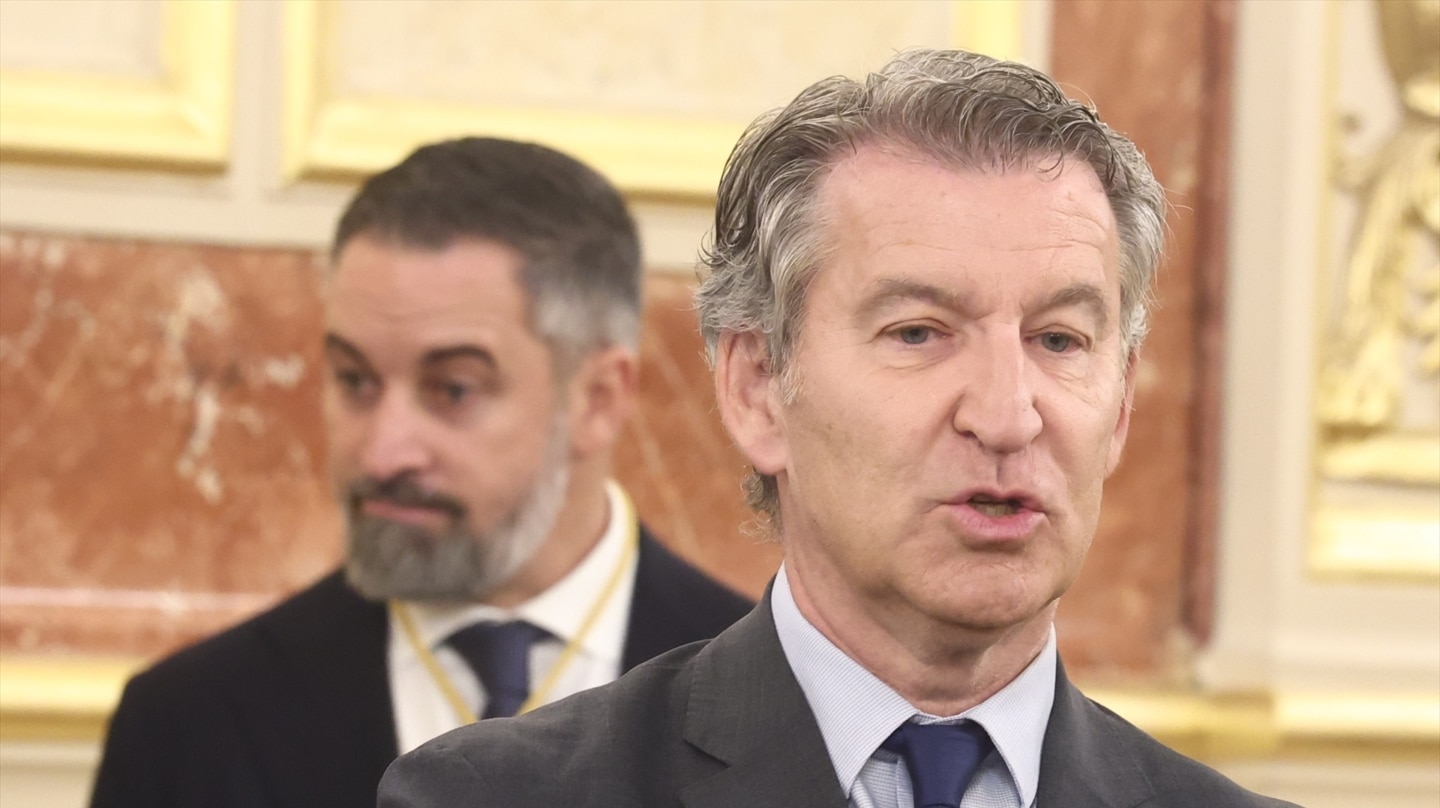
Alberto Núñez Feijóo y Santiago Abascal en una imagen de archivo

Alberto Núñez Feijóo y Santiago Abascal mantienen líneas de comunicación y una relación que en Génova califican de civilizada y cordial. No siempre fue así, no al menos de forma pública cuando el PP acusaba a los ultras de hacerle el juego a Pedro Sánchez y los de Vox aseguraban que las siglas populares en nada se diferenciaban del PSOE. Los pactos en las Comunidades autónomas, la mala convivencia interna, la espantada de los voxistas en julio de 2024 son algunos de los hitos que contribuyeron a enturbiar una relación que no fue nunca fácil.

Antes del desembarco de Feijóo en la presidencia nacional del PP, le tocó a Pablo Casado, su antecesor, lidiar con Abascal. Aún se recuerda el discurso demoledor que pronunció el líder popular en la tribuna de oradores del Congreso de los Diputados durante el debate de la moción de censura que Vox presentó en octubre de 2020, en plena pandemia. Su "hasta aquí hemos llegado", resonó en las paredes del viejo edificio de la carrera de San Jerónimo. "Quería cortar las dos orejas del PP y ha acabado de monosabio de Pablo Iglesias", le espetó a Abascal. Incluso bajó al terreno de lo personal cuando le acusó de que "esta moción no la dispara contra el Gobierno sino contra el partido que le ha dado trabajo durante 15 años y lamento decirle que el tiro le ha salido por la culata. Pero acepto el órdago. Es la hora de poner las cartas boca arriba y hasta aquí hemos llegado".

Si de algo presumió Feijóo siendo presidente de la Xunta fue de su capacidad para desactivar a Vox

Se puede especular respecto a cuál hubiera sido la posición de Casado si la aritmética electoral le hubiera puesto en el brete de pactar con Vox o despedirse de cuotas de poder. De qué diría ahora cuando todas las encuestas -mejor obviar al CIS de Tezanos- hablan de un sólido bloque de centro-derecha para desalojar a Pedro Sánchez de Moncloa. Ojo, tampoco Feijóo era un entusiasta de los pactos con Vox. De hecho, si de algo presumió siendo presidente de la Xunta gallega fue de su capacidad para servir de contención a los de Vox, sin un solo diputado autonómico y con una concejala en la localidad orensana de Avión (Lilian Cerdeira) que acabó dejando el partido.

Vox era para Feijóo una especie de "cuerpo extraño" con el que nunca había tenido que lidiar. Hasta que llegó a Madrid y encontró a un partido que había convertido al PP en el objeto a abatir. La hemeroteca está llena de recriminaciones directas e indirectas a Vox por hacerle el juego a los socialistas, hasta el punto de acusar a los ultras de ser "aliados del sanchismo". Y Vox, por su parte, ha culpabilizado no pocas veces a Génova de mover los hilos en medios de comunicación amigos para perjudicarles.

"Complejos" y "miserias" de Vox

Ocurrió, por ejemplo, este mismo año durante la campaña aragonesa, cuando ABC publicó unos audios de dirigentes voxistas de Aragón criticando a Bambú. "El PP se lanza a la guerra sucia contra Vox para que no se hable de su estafa y de su corrupción reciente en Almería y en Alicante", dijo Vox.  "Que no focalice ni sus complejos ni las miserias de su partido en el PP", le replicaron los populares.

Este ha sido hasta no hace mucho el clima entre ambos partidos. Incluso cuando se sentaron a negociar los gobiernos autonómicos de Extremadura, Aragón, Castilla y León y Andalucía. Pero la interlocución ha dado un giro más que llamativo. Hay tregua, acaso producto de esos contactos entre ambos líderes tras años de desencuentros. Una tregua que, como reveló El Independiente, se ha trasladado incluso a esos ejecutivos autonómicos. Los vicepresidentes y consejeros de Vox han optado por un perfil bajo, sin ir a la confrontación con sus socios "siguiendo instrucciones de Bambú", afirman algunos barones autonómicos.

Abascal asegura que Feijóo y él tienen "diagnóstico similar de lo que está pasando", pero "recetas distintas"

A lo más lejos que llegó Feijóo el pasado 12 de octubre durante la recepción en el Palacio Real fue a decir que con Vox "no habrá cordón sanitario, pero tampoco cordón umbilical", según comentó a los periodistas. Ahora todos se preguntan si esa contención se mantendrá a lo largo de la campaña electoral del 29 de noviembre. En una reciente entrevista de Abascal en el ABC dio "garantías" sobre su voluntad de entendimiento con Feijóo con el objetivo de desalojar a Sánchez del poder.

Interrogado sobre el estado de sus relaciones con Feijóo, la calificó de "cordial y hablamos todo lo que es necesario. Mantenemos esas conversaciones discretas, pero hablamos y tenemos un diagnóstico similar de lo que está pasando con este Gobierno. También recetas distintas. Eso es lo que tienen que elegir los españoles que quieren un cambio. Y tendrán que decir cuál es la mezcla, o si no hay mezcla y le dan todo el poder a uno u otro". En todo caso "sí puedo dar la garantía de que nosotros tenemos una voluntad de entendimiento". Nada de 'derechita cobarde' ni de 'PPSOE'.

El PP asume que Vox es "la respuesta emocional de un país que está hasta los cojones (sic)".

Dicha tregua no significa que cada uno no juegue sus cartas electorales, pero sin necesidad de saltarse el 'pacto de no agresión'. El presidente del PP ha escogido para su equipo electoral a Miguel Tellado, Alma Ezcurra y Ester Muñoz. También se baraja el nombre de Cayetana Álvarez de Toledo de dos de la lista por Madrid. No se puede decir de ninguno de ellos que tengan un perfil poco batallador. Tellado es uno de los interlocutores habituales con el partido ultra. Además, las fundaciones de ambas formaciones políticas, eso es, Reformismo21 y Disenso, sirven también de escenario "neutral" de comunicación.

En cuanto al crecimiento exponencial que parece estar viviendo la formación de Abascal sin apenas intervenir en el debate político, los sentimientos del PP son contradictorios. Por un lado entienden que ese crecimiento es "la respuesta emocional de un país que está hasta los cojones (sic)". Significa que, en ese contexto, "es complicado votar con la cabeza". Pero el PP "es un partido de Estado y no puede cometer según qué excesos", por lo que entienden que no pueden competir en ese terreno a pesar del endurecimiento del discurso popular en materias como la inmigración.

El vaticinio de Iván Redondo sobre Yolanda Díaz

De otro, la evidencia de que un Vox fuerte le permitirá  a Feijóo tener los votos suficientes para ser investido presidente del Gobierno. Pero el riesgo reside en que ese crecimiento llegue a impedir al PP ser la primera fuerza política, por delante del PSOE. Lo auguran spin doctor como Iván Redondo, viejo conocido de los populares. Pero ahí Génova tira de ironía: "También vaticinó que Yolanda Díaz iba a ser la primera mujer presidenta del Gobierno".

  •  

Quarteirense Renato da Silva e setubalense Rita Xufre vencem na dupla jornada da Taça de BMX em Setúbal

Renato da Silva (Team BMX Quarteira) e Rita Xufre (Núcleo Bicross de Setúbal/VSPublicidade), estiveram em destaque na sétima prova pontuável da Taça de Portugal de BMX Race ao vencerem as provas das categorias principais.

Na primeira de duas jornadas no Parque Verde da Bela Vista, em Setúbal, Renato da Silva voltou a mostrar-se o mais forte em competição ao vencer Leonardo Carmo (Team BMX Quarteira) e Bernardo Rocha (Team BMX Quarteira), que completaram o pódio.

Nas atletas femininas, por sua vez, Rita Xufre foi a mais rápida, tendo superado a algarvia Íris Moraru (Clube Bicross de Portimão), segunda classificada, e Maria Pinto (Casa do Povo do Alqueidão), que foi terceira.

Nas categorias mais jovens, Martim Reis (Linda a Pastora Sporting Clube) venceu em sub-17, Guilherme Carolino (Clube Bicross de Portimão) e Mafalda Piedade (Team BMX Quarteira) em sub-15, Tomás Cardoso (Linda a Pastora Sporting Clube) e Adélia Pereira (Clube Bicross de Portimão) em sub-13, Francisco Gil (Clube Bicross de Portimão) em sub-11, Vicente Cardoso (Linda a Pastora Sporting Clube) e Luna Alves (Team BMX Quarteira) em sub-9 e Lourenço Bento (Linda a Pastora Sporting Clube) em sub-7.

Nota ainda para os triunfos de Carlos Rosado (Clube Bicross de Portimão) em Cruiser 40+ e Michelle Smith (Clube Bicross de Portimão) em Cruiser feminina.

A Taça de Portugal de BMX prossegue este domingo, com a oitava e última prova pontuável. A ação terá lugar a partir das 10h30, novamente no Parque Verde da Bela Vista, em Setúbal.

Para aceder à classificação completa clique aqui, para aceder ao ranking da Tala de Portugal clique aqui.

Com colaboração da Federação Portuguesa de Ciclismo (FPC)
  •  

The conceit of total dominance

By Bill ASTORE

A strange conceit of American exceptionalism is the naked ambition of full-spectrum dominance. The idea is this: America must dominate every realm of potential conflict, land-sea-air as well as space and cyber and any other realm you can imagine, for that is the only way Americans can truly be “safe.” Such a conceit comes with a hefty price tag as Pentagon spending soars toward $1.5 trillion a year. But money is the least of it. The heftiest price tag is the constant state of warfare (and preparations for yet more war) that has characterized U.S. foreign policy since 1945.

That, and the erosion of personal liberty and freedom and the hollowing out of the American middle- and working classes as money flows upward to war contractors in the service of boundless imperial ambition.

There’s a god-like quality to this ambition, the idea America must be omnipotent, dominating all realms of warfare, and omniscient, sweeping up all data everywhere, in an unapologetic quest for global reach and global power together with the unapologetic exercise of that murderous power against peoples generally having brown or black skin and therefore treated as inferiors.

With only slight exaggeration, the U.S. government can be said to be projecting power everywhere and helping ordinary Americans nowhere. Destruction is favored over construction. Enriching the already rich is the goal even as the impoverished are made poorer.

The U.S. taxpayer, in the old days known as citizens, are paying through the nose for unneeded weapons systems (Sentinel ICBMs, B-21 nuclear bombers, Golden Dome), unwanted wars (Vietnam, Afghanistan, Iraq, Iran), and an imperial structure of force projection that virtually guarantees the violence will be unending. This imperial structure, with its goal to control all, to know all, to dominate all, is supported by Democrats and Republicans. Critics of this structure, present in both parties but in small numbers, are attacked and otherwise kept on the margins.

None of this is new. In the early 1960s, Senator George McGovern, a decorated bomber pilot during World War II, argued against the pursuit of nuclear “overkill” and called for substantial cuts to defense spending and reinvestment in civilian infrastructure. In support of this initiative, he cited Republican President Dwight D. Eisenhower’s military-industrial complex warning of January 1961. McGovern’s initiative was quickly abandoned as the Johnson administration ramped up its disastrous war in Southeast Asia.

Nearly a decade later, with Southeast Asia ravaged if not defeated, McGovern urged his fellow citizens to “come home,” to stop the folly of overseas wars and ever-increasing military budgets. He was overwhelmingly defeated by Richard Nixon in the 1972 Presidential election.

Ever since that defeat, the Democratic Party has conspired to silence candidates who are antiwar and who dissent from the idea of imperial dominance. Dennis Kucinich comes to mind here. Even moderate calls for reform from candidates like Bernie Sanders are dismissed as naive or dangerous. The result has been Democrats like Obama, Biden, Hillary Clinton, and Harris who openly embrace “good” wars (Afghanistan, for Obama) and who eagerly celebrate military lethality (Harris).

Meanwhile, the Republican Party never met a military budget increase it didn’t like. Rare indeed are voices like Ron and Rand Paul and Thomas Massie who question the wisdom of endless wars and their adverse impact on rights and freedoms here.

What is to be done? Bernie Sanders called for a political revolution, surely a correct call, but he was neutered by the establishment of both parties. Elizabeth Warren spoke of “big, structural changes,” but that was for the domestic economy; her foreign policy was basically that of Biden/Harris. A few rogue Republicans speak up against the Iran war today, but rare indeed are those who openly call for major cuts to war spending.

In short, electing our way out of imperial dominance and colossal war and weapons spending is unlikely in the extreme. Many many people (myself included) have written sensible articles calling for deep cuts to military spending, but good ideas that go against the grain gain little traction without a strong and concerted movement behind them.

America desperately needs a coordinated mass movement against endless war and massive military spending, yet the “powers that be” keep doubling down on yet more wars and even more massive war spending. That same establishment continues to multiply U.S. “enemies.” It may be Iran today, but Russia and especially China always loom, with North Korea and other “rogue” states held in reserve just in case.

The sheer folly and massive expense of it all will likely lead to the end of the (however imperfectly practiced) American democratic experiment. That’s a grim conclusion, I know, but I’m less than hopeful as the tools America has used in its unjust wars overseas are now increasingly applied in the “homeland” against alleged dissenters.

Remember when “dissenters” used to be called concerned citizens? Remember when war was considered to be bad and weapons spending was seen as the unwisest of ways to spend our resources?

America doesn’t have to be a warrior-state or in a state of constant war. A “silent majority” of Americans clearly doesn’t want endless war and outspokenly wants better lives for their children. But better days will not come if this majority remains silent or otherwise demobilized.

The Main Obstacle

As Ike said in 1961, the main obstacle is the military-industrial complex (MIC), to which he added Congress as an abetter and accomplice. That complex in 65 years has greatly added to its power and cultural penetration. The term MICIMATT adds the intelligence “community,” the media, academe, and think tanks. To that we might add the sporting world, Hollywood, video games, and now wildcard tech billionaires. All these interests conspire to absorb trillions of dollars from U.S. taxpayers, ostensibly in the name of national security, while waging or supporting endless war.

Ike said only alert and knowledgeable citizens, actively participating in democracy, could compel the MIC to curb its worst and most grandiose ambitions. Sadly, this is precisely why the American people are constantly lied to, especially about wars, why so much is kept hidden or “classified,” and why people are encouraged to salute smartly and let the military experts handle everything.

Even worse, the very idea of active citizenship is now degraded; the only “duty” apparently left is voting, where you’re encouraged to vote Democrat or Republican and otherwise to reject any third-party candidate who may be antiwar as irrelevant if not invalid (and possibly un-American).

Our ultimate security doesn’t reside in guns or other weapons or in boundless violence. It resides in strong institutions committed to the rule of law in which individuals of character stand up and speak out against abuses of power. Come home, America, to a land of generosity and hope and peace.

Be an alert and knowledgeable citizen. And act.

Original article:  bracingviews.com

  •  

Marco Rubio says Trump's Russian oil sanctions waiver is a '60-day pause,' denies restricting Starlink access

"I think the President wants to take the 60-day period of time to sort of analyze what imposing both sanctions and tariffs will mean to the global economy and even to the U.S. economy," said Rubio.

  •  

Foucault, the pyrotechnician who stood by trans people

Recently, U.S. Defense Secretary Pete Hegseth, who leads the world’s most powerful military, declared that he will be restricting who can join the ranks: “No fatties, no trannies, no beardos, no weirdos, no wimps, no radicals. Just warriors.” And, not long before that, Trump proclaimed that there are only “two sexes, male and female. These sexes are not changeable.”

Seguir leyendo

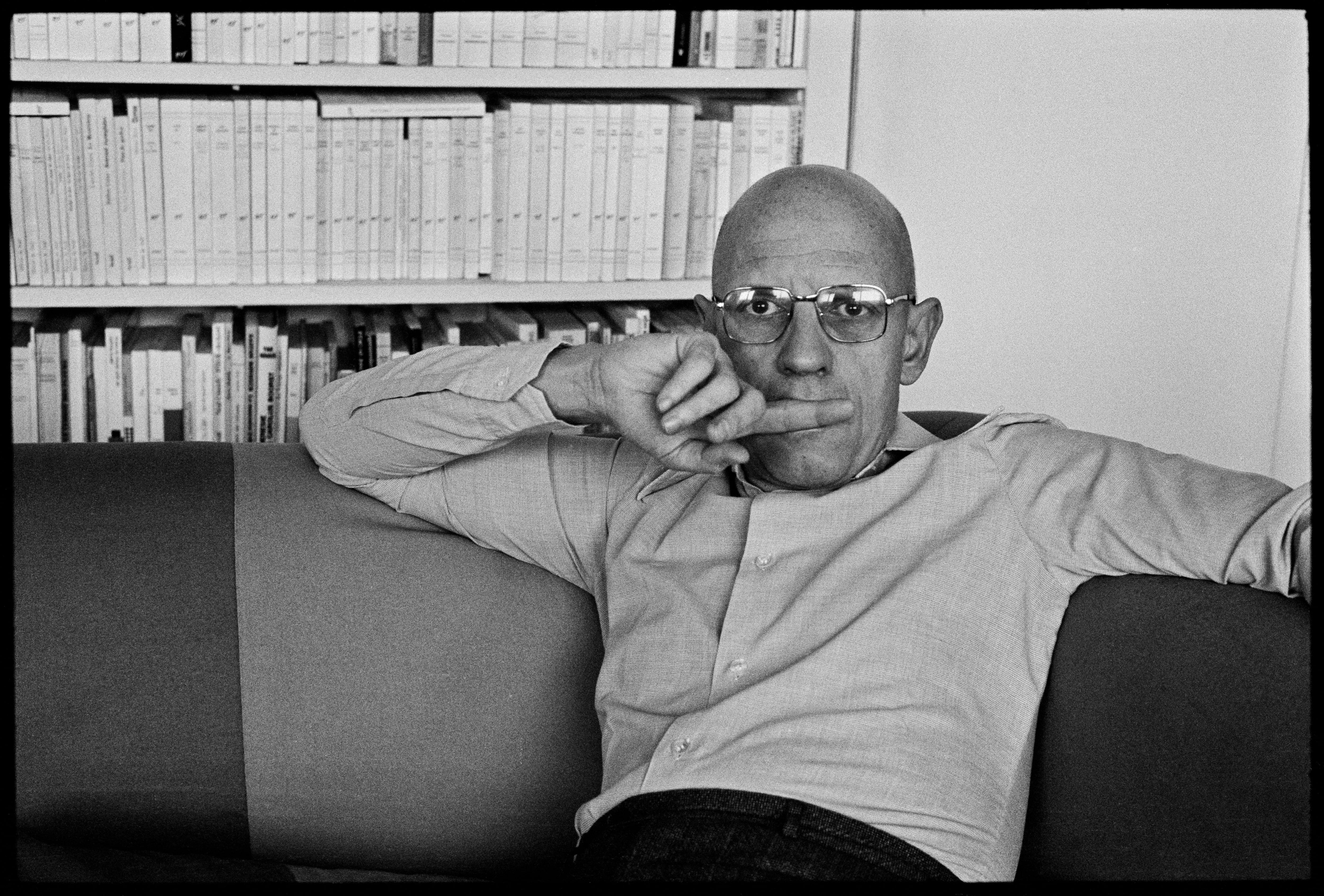
© Martine Franck (Magnum Photos / CONTACTO) (EL PAÍS)

The French philosopher Michel Foucault in his Paris home, 1978.
  •  

X-Ray Research Reveals Hidden Figures Beneath Belgian Surrealist Paul Delvaux’s Painting

A new exhibition in Belgium brings together a 1956 painting by Paul Delvaux and its original preparatory drawing, revealing how the artist transformed his composition and concealed elements beneath the finished work.

Scientific examination of a painting by Belgian surrealist Paul Delvaux has revealed significant changes to its original composition, including figures and other details concealed beneath layers of paint. The findings are being presented in a new exhibition opening on 16 October at Musée L in Louvain-la-Neuve.

The exhibition, La Ville lunaire II: The Hidden Side of Paul Delvaux’s Painting, examines a work completed in 1956 and held in the museum’s permanent collection. Through X-ray imaging, infrared reflectography and ultraviolet examination, researchers have been able to investigate the artist’s working methods and compare the finished painting with an original preparatory drawing.

The exhibition, which runs until 7 February 2027, follows the acquisition of the drawing by the King Baudouin Foundation in 2024. Its subsequent deposit at Musée L has made it possible to examine the two works together and reconstruct the development of a composition that underwent substantial alterations.

A Painting Concealing Its Own History

Completed in June 1956, La Ville lunaire II depicts a mysterious nocturnal landscape, with a long avenue, buildings, streetlamps and figures arranged within an unsettling architectural setting.

The painting measures approximately 89 by 139 centimetres and was executed in oil on a fibreboard panel. It entered the museum’s collection in 1990 through a bequest from Dr Charles Delsemme.

Its carefully constructed perspective and unusual treatment of space reflect Delvaux’s interest in creating scenes that appear familiar while remaining detached from ordinary reality.

The museum’s collection records describe the work as a strange nocturnal landscape, with wooden barriers and a sequence of streetlamps establishing its distinctive spatial arrangement.

Yet the painting visible today differs considerably from the composition Delvaux originally envisaged.

Earlier technical examinations had already established that important details were covered during the painting process. The new exhibition brings those findings into direct comparison with the preparatory drawing, enabling visitors to see how the artist’s intentions changed.

An auction catalogue published in 2024 identified several elements present in the drawing and concealed in the painting, including a moon in the right-hand sky, a seated figure on the right and two figures wearing robes near the centre.

These changes are significant because they suggest that Delvaux did more than adjust minor details. He altered the population and lighting of the scene, potentially changing how the composition would be experienced by the viewer.

The reasons for those decisions remain uncertain.

How Scientific Technology Reveals Hidden Paintings

Modern conservation techniques allow researchers to examine works of art without removing the paint that covers earlier stages of their creation.

Infrared reflectography can reveal underdrawings and certain changes concealed beneath surface paint, depending on the materials used by the artist. X-ray imaging can detect differences in the composition of pigments and structures below the visible surface.

Ultraviolet examination provides further information about surface materials and alterations, including some later interventions.

When combined with documentary evidence, these methods help researchers distinguish between an artist’s initial design, revisions made during painting and changes introduced after completion.

The Musée L exhibition uses these techniques to investigate what art historians call pentimenti — visible or detectable alterations that record an artist changing their mind during the creative process.

The preparatory drawing, measuring approximately 28 by 45 centimetres, provides an additional reference point. Executed in ink and pencil, it contains elements that were subsequently revised or painted over in the final composition.

Displayed alongside the finished work, it allows visitors to follow the artist’s decisions from the preliminary design to the version that eventually entered the museum’s collection.

The technical findings also demonstrate the importance of preserving preparatory studies, which can contain information absent from completed paintings.

Paul Delvaux and the Belgian Surrealist Tradition

Born in Antheit in 1897, Paul Delvaux became one of Belgium’s best-known twentieth-century painters, developing a distinctive artistic language associated with surrealism.

His paintings frequently depict classical buildings, railway stations, deserted streets and solitary figures, often arranged in environments where architectural precision contrasts with an atmosphere of uncertainty.

He was influenced by the Italian painter Giorgio de Chirico, whose deserted urban spaces and dramatic perspectives helped establish the visual language of metaphysical painting.

Delvaux’s relationship with de Chirico has been examined extensively by art historians, including Joël Roucloux, whose study of La Ville lunaire II analysed its architectural perspective, shadows and the psychological effect of its composition.

The painting’s apparently moonlit setting is particularly interesting in light of the concealed moon identified by technical examination.

The absence of that celestial body from the final visible composition changes the relationship between the painting’s title and its visual content, leaving the viewer to interpret the source of its unusual illumination.

This approach distinguishes Delvaux from other Belgian surrealists, including René Magritte, whose work frequently relied on recognisable objects placed in logically contradictory situations.

For Delvaux, architecture, perspective and the arrangement of human figures were equally important in constructing a world that appears coherent but resists conventional interpretation.

A New Examination of a Familiar Work

The exhibition forms part of Musée L’s programme devoted to research into its permanent collections, rather than a conventional retrospective of the artist’s career.

Its central purpose is to explain how a single painting developed, from its first drawn composition through successive revisions to its completed form.

The research has been supported by the Jacqueline Delcourt-Nonkels Fund, managed by the King Baudouin Foundation.

For visitors, the opportunity is to examine not only a painting by one of Belgium’s leading surrealists, but also the evidence of the artistic decisions that shaped it.

The exhibition is open at Musée L in Louvain-la-Neuve from 16 October 2026 to 7 February 2027. By presenting the original drawing, technical images and finished painting together, the museum offers a detailed examination of Delvaux’s methods and the changes he made to one of his most carefully constructed nocturnal scenes.

  •  

SK Hynix needs a Trump 2027 deal to expand its Dalian NAND fab

South Korean memory chipmakers must secure new United States licenses by year-end to keep shipping top-end American tools to their Chinese factories, after the Trump administration scrapped blanket permits last year. To win the permits, SK Hynix and Samsung must promise to build or expand factories in the US. SK Hynix’s one-year license to ship […]

The post SK Hynix needs a Trump 2027 deal to expand its Dalian NAND fab appeared first on Asia Times.

  •  

Giorgos Vardinoyannis, shipping magnate and former Panathinaikos FC owner, dies at 90

Giorgos Vardinoyannis, one of the best-known figures in Greek business and sports, who also had a significant presence in the commercial shipping industry, died on Friday at the age of 90. Widely known by the nickname “The Captain”, Vardinoyannis was associated not only with the Athens soccer team Panathinaikos FC but also with the Vardinoyannis […]

The post Giorgos Vardinoyannis, shipping magnate and former Panathinaikos FC owner, dies at 90 appeared first on Keep Talking Greece.

  •  

Putin Seizes More European Businesses as Moscow Expands Economic Retaliation Against EU

Russia has placed five foreign-owned businesses under compulsory administration, including Belgian manufacturer Ontex and French flooring group Tarkett. The latest seizures deepen the confrontation over sanctions, frozen Russian assets and the future of European investment in Russia.

Russian President Vladimir Putin has ordered the transfer of five Western-owned businesses into compulsory Russian management, extending a campaign of asset seizures targeting European companies that continued operating in Russia after the full-scale invasion of Ukraine.

The decree, signed on 15 October, affects businesses with combined annual revenues exceeding 53 billion roubles, approximately €530 million. They include French flooring manufacturer Tarkett, Belgian hygiene products group Ontex, German packaging producer Menshen, Kappa Rus and Eviosys Packaging Kuban, now linked to American group Sonoco.

Under Presidential Decree No. 738, operational control has been transferred to Centre Capital, a little-known Moscow company established in February 2026 with registered share capital of just 10,000 roubles.

The decision follows similar interventions against Nestlé, Auchan, FM Logistic and Metro in September. Together, the measures demonstrate how Moscow is using foreign-owned businesses as instruments of economic retaliation against countries supporting Ukraine.

Foreign businesses placed under Russian control

Centre Capital is headed by Marat Mirkhaydarov, a former senior official in Russia’s Zabaykalsky region who reportedly served with the Akhmat military formation during Russia’s war against Ukraine.

The scale of the companies placed under his management contrasts sharply with the financial standing of the administrator.

Tarkett’s Russian operations generated approximately 19.3 billion roubles in revenue during 2025, while Kappa Rus recorded 16.5 billion roubles and Ontex RU another 10.3 billion. Eviosys Packaging Kuban and Menshen Packaging CIS reported approximately 6.1 billion and 1.4 billion roubles respectively.

The decree does not formally transfer ownership of the companies to Centre Capital. It does, however, remove the foreign shareholders’ effective control over management, operations and commercial decisions.

For Belgian manufacturer Ontex, the consequences are immediate.

In an official statement issued on 16 October, the Aalst-based company confirmed that a government-appointed administrator had assumed operational control of its Russian subsidiary.

Ontex Russia employs approximately 350 people, operates a manufacturing facility in Noginsk and maintains a sales office in Moscow. The subsidiary accounts for around five per cent of the group’s total revenue and between seven and eight per cent of adjusted EBITDA.

The company said it was examining measures to protect its assets and maintain business continuity.

Tarkett likewise confirmed that it was losing effective control of its Russian operations.

A mechanism established in 2023

The legal framework for such interventions dates to April 2023, when Putin introduced Decree No. 302, allowing the Russian authorities to place assets associated with countries designated as unfriendly under temporary external management.

The appointed administrator can exercise extensive ownership-related powers, although the formal right to dispose of the assets remains excluded.

Crucially, the arrangement can be terminated only by presidential decision. There is no automatic deadline for returning operational control to the original owners.

Moscow maintains that the measures are reversible. Nevertheless, the loss of management authority raises questions about whether businesses could eventually be returned with their financial position, organisational structure and commercial value intact.

The latest decree extends the process already documented by EU Today following the September takeover of Nestlé and Auchan’s Russian operations.

The Kremlin’s approach also serves domestic economic objectives. Keeping factories, retail networks and distribution facilities operating under Russian management helps preserve employment, production capacity and established supply chains.

At the same time, appointing Russian administrators allows the authorities to exercise greater influence over businesses originally developed through foreign capital, technology and expertise.

European companies caught in sanctions confrontation

Kremlin spokesman Dmitry Peskov has explicitly linked the seizures to the nationality of the affected companies and the policies of their governments.

He accused European states of participating in the unlawful seizure of Russian property through sanctions and financial restrictions.

Moscow’s argument centres partly on approximately €210 billion in Russian sovereign assets immobilised in the European Union, most of them held through Belgium-based securities depository Euroclear.

The European Union has used extraordinary revenues generated by those assets to support Ukraine, while further proposals involving the underlying funds remain subject to legal and political debate.

Belgium has been particularly concerned about potential financial exposure and legal claims. As EU Today reported in September, a Belgian Council of State judgment raised additional questions about the administrative procedures governing certain frozen assets.

The dispute has also moved into the European courts, with the Bank of Russia challenging EU measures intended to protect Euroclear against the enforcement of Russian judgments.

Moscow’s treatment of European businesses adds another dimension to this confrontation. By retaining control over foreign-owned industrial and commercial assets, Russia possesses a means of exerting pressure on companies whose governments support sanctions and military assistance to Ukraine.

The implications are particularly serious for Western banks that still maintain substantial Russian operations.

Austria’s Raiffeisen Bank International and Italy’s UniCredit remain exposed to Russia through local subsidiaries. Any extension of compulsory administration to financial institutions could create additional difficulties involving deposits, capital and banking supervision.

The cost of remaining in Russia

The seizures also expose the financial risks faced by Western companies that delayed their withdrawal after February 2022.

Many initially sought to protect their investments, employees and commercial infrastructure. Others reduced operations but retained ownership, expecting that conditions might eventually permit an orderly sale or renewed business activity.

Russian restrictions have progressively complicated that calculation, requiring foreign investors from designated countries to accept substantial discounts on asset sales and obtain official approval for transactions.

Companies remaining in the country now face the additional possibility that the government will appoint administrators without their consent.

The consequences extend beyond the businesses immediately affected. Russia is establishing a precedent under which foreign investment can remain legally owned by its original shareholders while its economic benefits and operational management are placed beyond their control.

For European governments, the latest decree illustrates the increasing connection between commercial interests and geopolitical decisions.

The Kremlin has demonstrated that sanctions imposed over its invasion of Ukraine can be answered not only through diplomatic or financial measures, but also through direct intervention in European-owned businesses operating on Russian territory.

Any eventual negotiation over sanctions relief and the restoration of economic relations will consequently have to address the status of these assets, the rights of their original shareholders and the question of compensation.

Until then, Western companies remaining in Russia face an investment environment in which the ultimate authority over their businesses rests increasingly with the Kremlin rather than their shareholders.

  •  

Starlink access still not fully restored for Ukraine’s military, says Zelenskyy

Ukrainian president says US limiting access was a ‘dangerous and unpleasant surprise’, amid reports the order came from inside White House

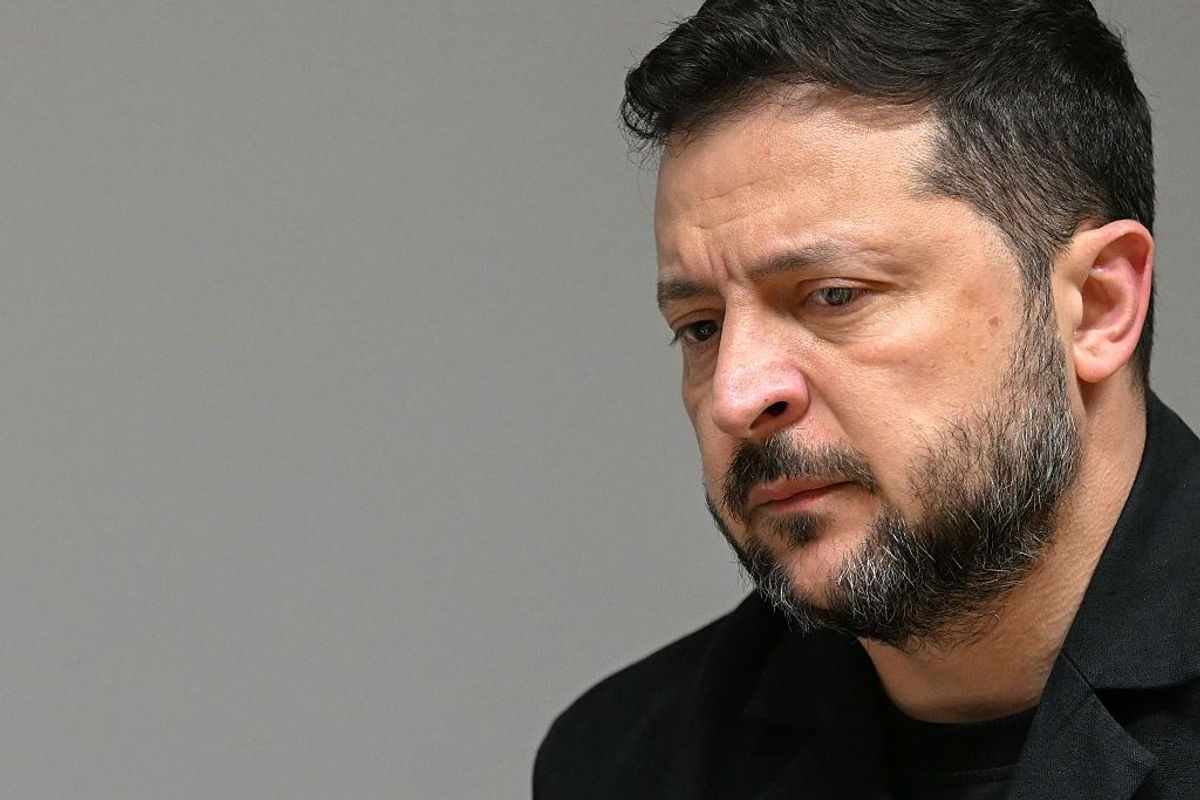
Volodymyr Zelenskyy has said the Ukrainian military’s access to the Starlink satellite internet service has not yet been fully restored, as media reports suggested the order to throttle the service had come from within the White House.

Zelenskyy met European leaders on Friday in Brussels, where he asked the EU for another €70bn (£60bn) next year to fund Ukraine’s defence against Russia.

Continue reading...

© Photograph: Reuters

© Photograph: Reuters

© Photograph: Reuters

  •  

SpaceX Testifies Before NYC Council on Artificial Intelligence Safety

On Friday, Gabriela Castillo Madrid, SpaceX’s Senior Manager of Global Government Affairs, is set to appear before the New York City Council’s Committee on Technology to answer questions about the safety of its artificial intelligence technology.

RELATED:

Artificial Intelligence Pioneers Call for International Body to Oversee Cybersecurity Standards

The hearing comes after City Council Speaker Julie Menin formally subpoenaed the company to participate in an Oct. 5 hearing on AI risks, which it did not attend.

After the initial refusal, the body formally notified the company of its intent to file a petition with the New York State Supreme Court to compel compliance, after which the firm requested a meeting and agreed to testify.

SpaceX’s appearance follows the Oct. 5 hearing, which included senior representatives from OpenAI, Anthropic, Meta and Google, as well as sworn testimony from prominent industry whistleblowers Jacob Coxon, Daniel Kokotajlo and Alex Turner, and British lawmaker Jess Asato.

NEW! @CAgovernor today signed my SB 813, establishing the nation's first independent oversight of artificial intelligence safety risks.

AI is posing unprecedented threats to humanity, and CA is taking the lead on AI safety.
https://t.co/ScSqceqeX9

— Sen. Jerry McNerney (@SenMcNerney) September 9, 2026

“We held a multi-hour hearing with whistleblowers, the world’s largest technology companies and the nation’s leading AI experts. The conspicuous absence of SpaceXAI was unacceptable,” Menin said at the time.

Citizens deserve “to hear directly from the companies developing this powerful technology what safeguards they are implementing to protect people and how they will be held accountable when they fail,” she pointed out, warning that “self-regulation is not enough.”

During the previous hearing, Menin asked spokespeople for OpenAI, Anthropic, Meta and Google under oath to commit to not releasing a model if it failed an internal test or an evaluation by a third party outside the company.

teleSUR/ JF

Source: EFE

  •  

Harvard's bet on SpaceX helped its endowment grow faster than the S&P 500

Elon Musk's net worth exceeds $1 trillion.
Harvard's investment in Elon Musk's SpaceX has paid off.

Matt Rourke/AP

  • Harvard's endowment returned a five-year high of 27.1% in the 12 months to June 30, besting the S&P 500.
  • The Ivy League college counted a $2.2 billion SpaceX stake as its top Q2 portfolio holding by far.
  • Harvard's endowment grew to almost $68 billion after accounting for taxes, gifts, and distributions.

Harvard University delivered its best investment return in five years as its bet on SpaceX boosted its stock portfolio.

The elite college's endowment returned 27.1% in the fiscal year ended June 30, its annual financial report revealed on Thursday. That comfortably outpaced the benchmark S&P 500's 22.3% total return over the same period.

After accounting for taxes, distributions, and gifts, Harvard's endowment grew by $11 billion to nearly $68 billion.

Harvard Management Company's stake in Elon Musk's maker of Starship rockets, Starlink satellites, and AI chatbot Grok was worth $2.2 billion at the end of June, per its second-quarter portfolio disclosure.

SpaceX was its number-one holding, more than six times more valuable than its second-biggest position, a sub-$350 million stake in Taiwan Semiconductor.

Its next-largest positions — each worth over $150 million — were Cerebras, Amazon, Alphabet, and Nvidia. Its 19 holdings at the end of June were together worth about $4.3 billion, more than double the portfolio's $1.8 billion value three months earlier.

Harvard said the strong performance of its endowment, which is nearly 400 years old and comprises about 15,000 individual funds, helped it weather the "abrupt termination of federal research grants" by the Trump administration.

It's worth noting that 13-F portfolio disclosures are a snapshot of a fund's US stock holdings on a certain date. They don't include foreign-listed stocks, non-stock assets like bonds or real estate, private investments, or stocks sold short.

Harvard said that as of June 30, 14% of its endowment was invested in public equities, 29% in hedge funds, 46% in private equity, 4% in real estate, and the balance elsewhere.

Harvard declined to comment when contacted by Business Insider.

SpaceX's valuation has whipsawed since the aerospace company went public on June 12. Its market capitalization topped $2.4 trillion on June 20, then tanked to $1.4 trillion by August 1, and has since rallied to around $2 trillion.

Musk's company posted a 92% year-on-year revenue jump for the quarter ended June, helping narrow its net loss from $1 billion to $541 million.

The world's richest man recently posted on X that he sees a path for SpaceX to be worth "orders of magnitude more than the current Earth economy," implying its stock could rise at least 6,000-fold to $12 quadrillion over time.

He later clarified that wasn't a "statement of extreme confidence," but he believes the probability of achieving that valuation is "not zero." On October 14, he said he expects SpaceX to be worth more than $100 trillion in the next 10 years.

Harvard is one of several shareholders to reveal a sizable stake in SpaceX. Google parent Alphabet reported a roughly 4% stake valued at $94 billion as of the end of June. Longtime Musk associate Peter Thiel disclosed a 3.2% position worth $73 billion held by his Founders Fund and related entities. AI chipmaker Nvidia has a $21 billion stake.

Read the original article on Business Insider

  •  

EU fast-tracks merger of three European firms into one SpaceX rival. It wants to end reliance on US satellites that failed Ukraine this week

Satellites are the new frontline in space and strategy. Photo: Depositphotos

The EU plans to fast-track antitrust approval for Project Bromo, a satellite venture meant to cut Europe's reliance on American space technology, Bloomberg reports. The news comes days after the White House ordered the Pentagon to slow Starshield, the military-grade Starlink service Ukraine's forces use, according to Reuters.

Project Bromo would merge the satellite businesses of Italy’s Leonardo and France’s Airbus and Thales into one company. Bloomberg calls it the bloc’s answer to SpaceX, and the EU sees it as a regional giant able to compete with US and Chinese rivals.

European Commission President Ursula von der Leyen has backed the project, Eunews reports.

“These are the types of industrial champions we need if Europe is to lead in the space economy of tomorrow,” she said at an international space summit in Paris last month, citing Bromo by name.

A year of quiet groundwork before the filing

Over the past year, the partners and EU officials have worked through potential competition concerns so they can be resolved before a formal application, according to Bloomberg. The companies have not yet applied, but Brussels expects them to in the coming weeks.

For large deals, regulators usually hold such preliminary talks to flag obstacles early. If the companies offer concessions, such as selling some assets, the deal could clear after a first-phase review of a little over a month. If competition concerns remain, the Commission could open an in-depth probe lasting several months.

The caveat behind the SpaceX-rival label

A fast review is not a free pass. Competition Commissioner Teresa Ribera has warned that the project cannot expect one, and unions and suppliers have raised concerns about jobs and competition, Bloomberg reports. Von der Leyen’s public backing drew criticism from some members of the European Parliament.

Her support “doesn’t mean we are not going to apply and to enforce our own regulation,” Ribera told Bloomberg TV.

Why it matters to Ukraine

The push is part of a wider European scramble for space autonomy. Ukraine wants to build a satellite system of its own that no single company controls.

This week showed why. After the Starshield order, the military-grade terminals stopped working on fast-moving objects, and now work only at speeds of up to 160 kph, a person in Ukraine’s Defense Ministry told Reuters. Ukrainian officials said the restrictions complicated strike missions against Russian forces and logistics in occupied territory and slowed the interceptor drones that shoot down Shaheds.

  •  

De 'Las chicas Gilmore' a 'Breaking Bad': 20 series icónicas que merece la pena ver este otoño

Series icónicas que merece la pena ver este otoño.

El otoño es la época perfecta para recuperar algunos de esos clásicos de la televisión que nos hicieron reír, emocionarnos o pasar horas frente a la pantalla. Con la llegada de los días más fríos y las tardes más cortas, los planes de sofá y manta se convierten en una buena oportunidad para volver a disfrutar de historias que nunca pasan de moda.

Desde comedias míticas como Friends (1994) y Las chicas Gilmore (2000) hasta dramas como Breaking Bad (2008) y ficciones llenas de misterio como Stranger Things (2016), hay series que siempre merecen una segunda oportunidad. Estas son 20 series que deberías volver a ver este otoño, ya sea para revivir tus capítulos favoritos o para descubrir nuevos detalles que quizá se te escaparon la primera vez.

20 series que deberías volver a ver este otoño

Los Serrano (2003) | Filmaffinity

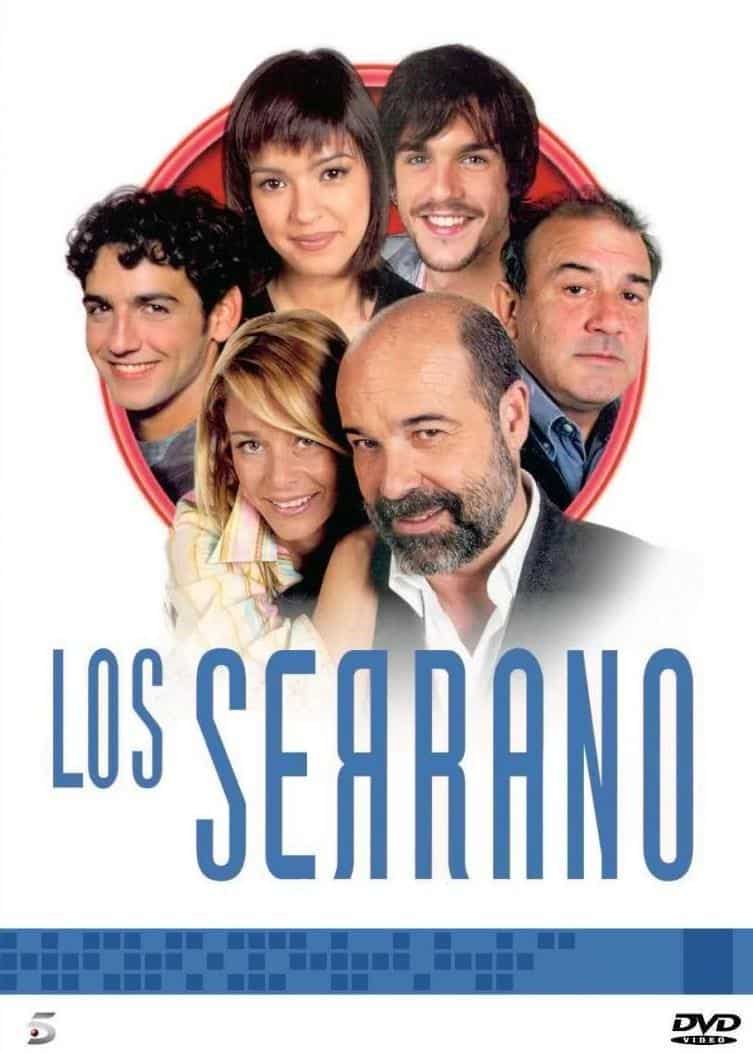
Los Serrano (2003)

La familia Serrano mezcla las vidas de sus hijos, los conflictos sentimentales y las ocurrencias de Diego y sus amigos en el barrio madrileño de Santa Justa. Entre humor, música y momentos emotivos, esta comedia española invita a recuperar una de las series más recordadas de la televisión de los años 2000.
The Big Bang Theory (2007) | Filmaffinity

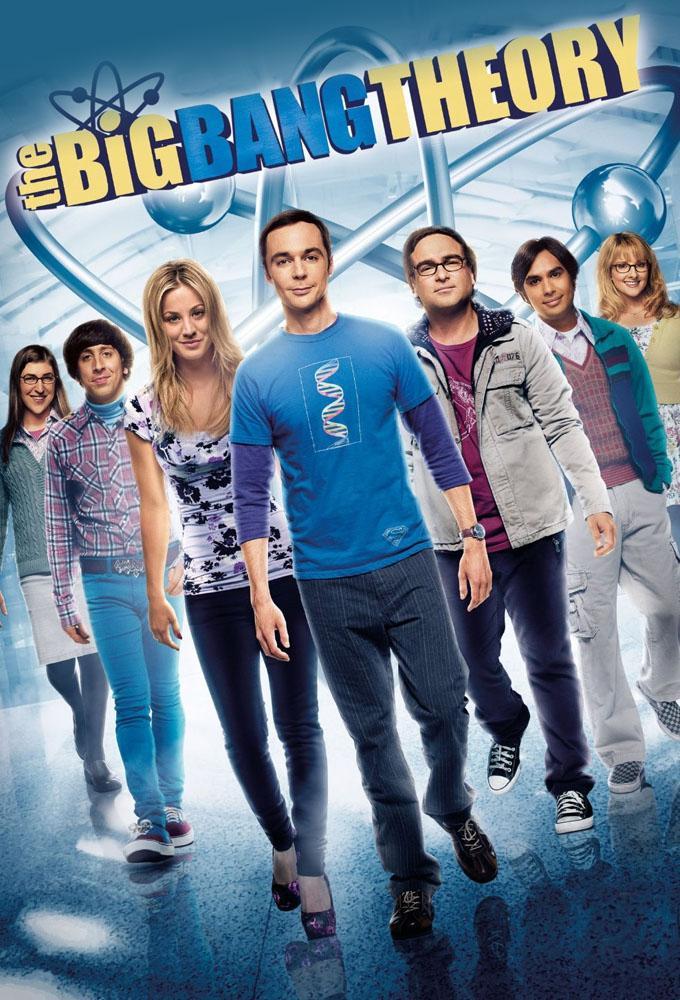
The Big Bang Theory (2007)

Sheldon, Leonard y sus amigos convierten la ciencia, los videojuegos y las relaciones sociales en una sucesión de situaciones cómicas. Sus episodios cortos y su humor reconocible la hacen especialmente apropiada para una maratón sin complicaciones.
Bridgerton (2020) | Filmaffinity

Bridgerton (2020)

Entre bailes de salón, vestidos espectaculares y rumores que recorren la alta sociedad londinense, la familia Bridgerton busca el amor en una época marcada por las apariencias y las convenciones sociales. Una historia de romances, secretos y escándalos perfecta para dejarse llevar por el ambiente de época en una tarde de otoño.
Twin Peaks (1990) | Filmaffinity

Twin Peaks (1990)

La aparición del cadáver de Laura Palmer rompe la tranquilidad de un pequeño pueblo estadounidense. El agente Dale Cooper se adentra en una investigación en la que nada es lo que parece, entre bosques inquietantes, personajes excéntricos y sucesos inexplicables.
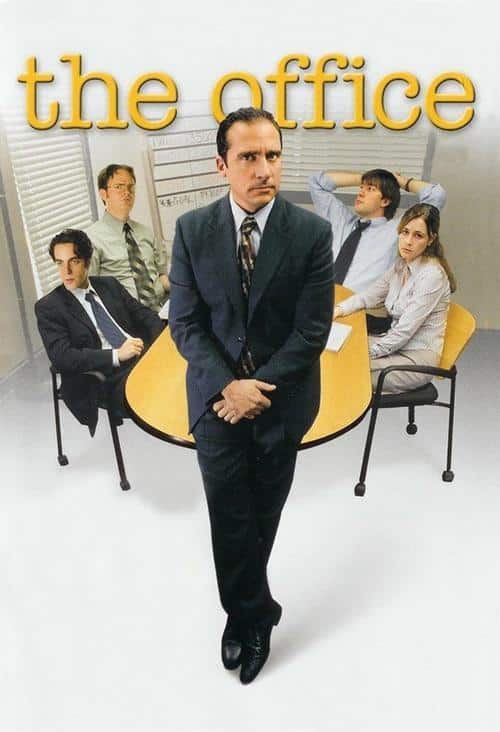
The Office (2005) | Filmaffinity

The Office (2005)

En la oficina de Dunder Mifflin, una jornada de trabajo puede convertirse en un espectáculo de situaciones absurdas, silencios incómodos y bromas inesperadas. Su humor cotidiano y sus personajes peculiares la convierten en una comedia perfecta para desconectar.
Pequeñas Mentirosas (2010) | Filmaffinity

Pequeñas Mentirosas (2010)

En el aparentemente tranquilo pueblo de Rosewood, cuatro amigas intentan rehacer sus vidas tras la desaparición de Alison, la líder de su grupo. Todo cambia cuando empiezan a recibir mensajes amenazantes de alguien que conoce sus secretos más oscuros. Secretos y giros inesperados convierten esta serie en una opción perfecta para engancharse de nuevo durante las tardes de otoño.
Peaky Blinders (2013) | Filmaffinity

Peaky Blinders (2013)

En la Birmingham de los años veinte, Tommy Shelby lidera una banda criminal que busca ampliar su poder en una sociedad marcada por las secuelas de la Primera Guerra Mundial. Entre conspiraciones, violencia, ambición y una estética oscura e inconfundible, la serie protagonizada por Cillian Murphy es perfecta para volver a sumergirse en una historia cargada de tensión.
Modern Family (2009) | Filmaffiinity

Modern Family (2009)

Tres ramas de una misma familia intentan sobrevivir a los problemas cotidianos, las diferencias generacionales y los enredos sentimentales. Su humor cercano y sus personajes entrañables hacen de esta comedia una apuesta segura para las tardes de sofá y manta.
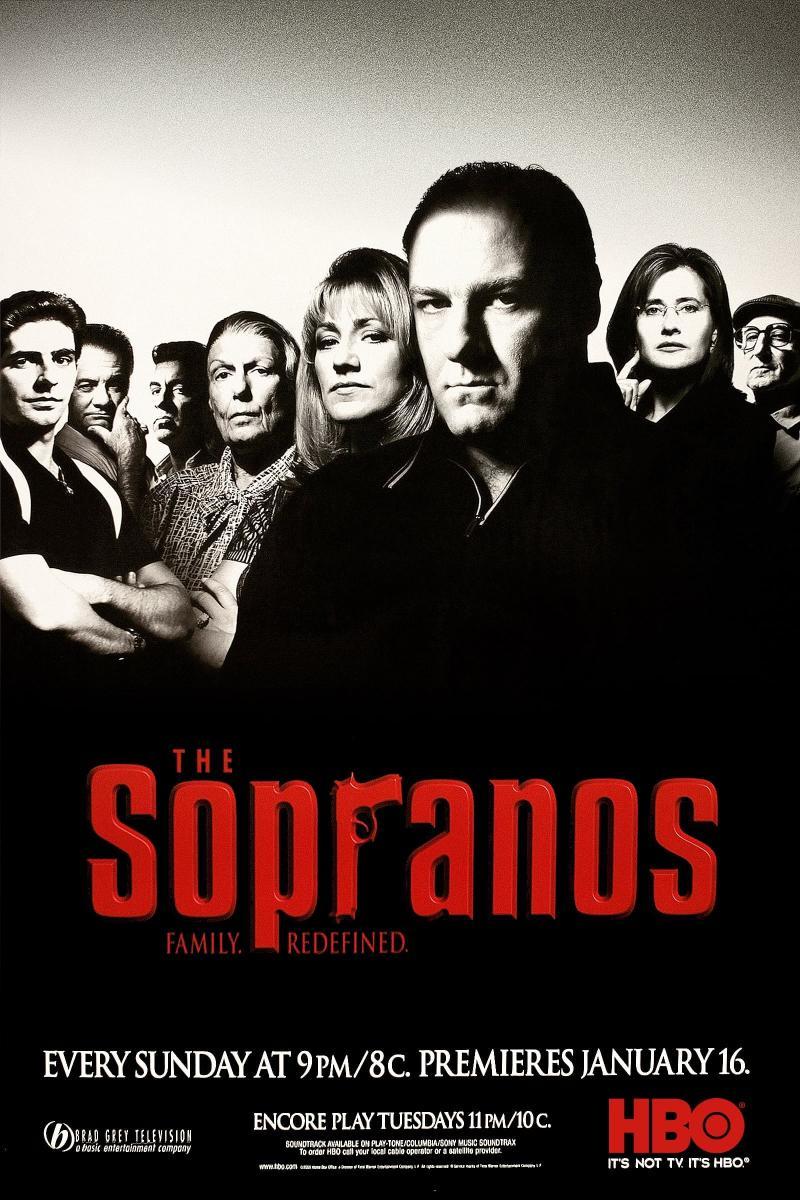
Los Soprano (1999) | Filmaffinity

Los Soprano (1999)

Tony Soprano dirige una organización criminal en Nueva Jersey mientras intenta mantener el equilibrio entre su familia y sus negocios. Un drama sobre el poder, la violencia y las contradicciones humanas que sigue siendo imprescindible para entender la televisión contemporánea.
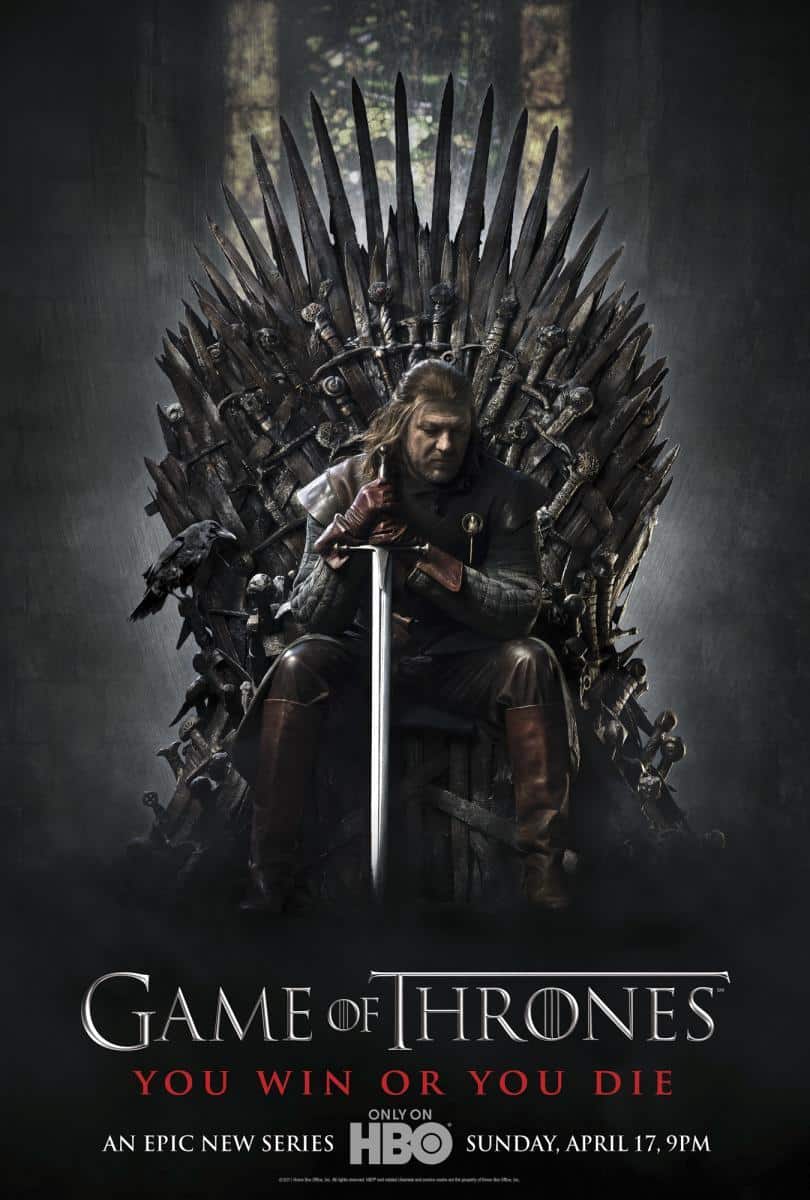
Juego de Tronos (2011) | Filmaffinity

Juego de Tronos (2011)

Traiciones, alianzas imposibles y luchas por el poder se entrecruzan en los Siete Reinos. Volver a Poniente permite revivir una de las grandes sagas televisivas y descubrir de nuevo los detalles que anticipaban sus giros más inesperados.
Friends (1994) | Filmaffinity

Friends (1994)

Seis amigos, un apartamento en Nueva York y una cafetería en la que parece que siempre hay sitio para uno más. Entre romances, rupturas y situaciones disparatadas, esta comedia sigue siendo una de las mejores opciones para volver a sentirse en casa.
Dowton Abbey (2010) | Filmaffinity

Dowton Abbey (2010)

La vida de la aristocrática familia Crawley y la de sus empleados transcurre entre los salones de una gran mansión inglesa, los cambios históricos y los conflictos sentimentales. Una ficción de época con el ambiente elegante y pausado que acompaña bien a los días más fríos.
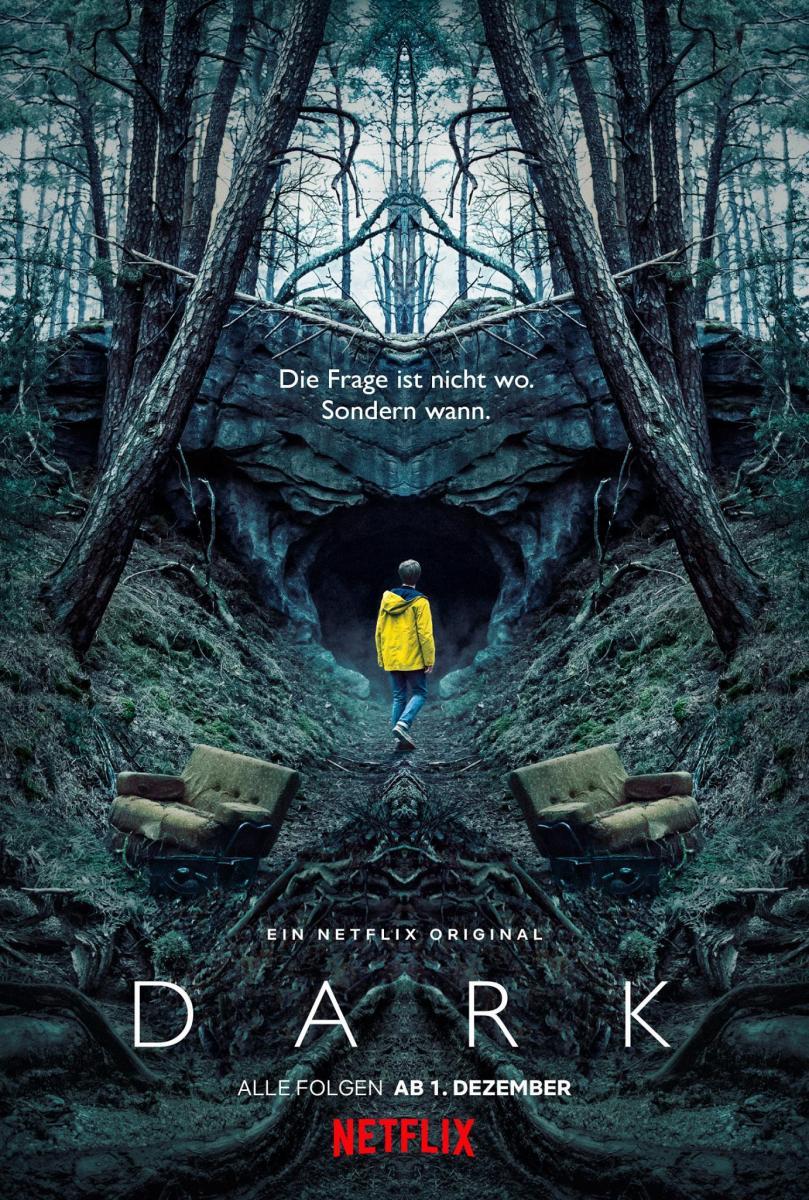
Dark (2017) | Filmaffinity

Dark (2017)

La desaparición de un niño en la localidad alemana de Winden destapa secretos familiares que se extienden a lo largo de varias generaciones. Con bosques sombríos, atmósfera opresiva y una trama de viajes en el tiempo, es perfecta para quienes buscan un misterio que resolver capítulo a capítulo
Cómo conocí a vuestra madre (2005) | Filmaffinity

Cómo conocí a vuestra madre (2005)

En 2030, Ted Mosby comienza a contar a sus hijos la larga historia de cómo conoció a su madre. Entre citas desastrosas, noches de fiesta y una amistad que lo atraviesa todo, la serie recupera el encanto de las comedias románticas de los años 2000.
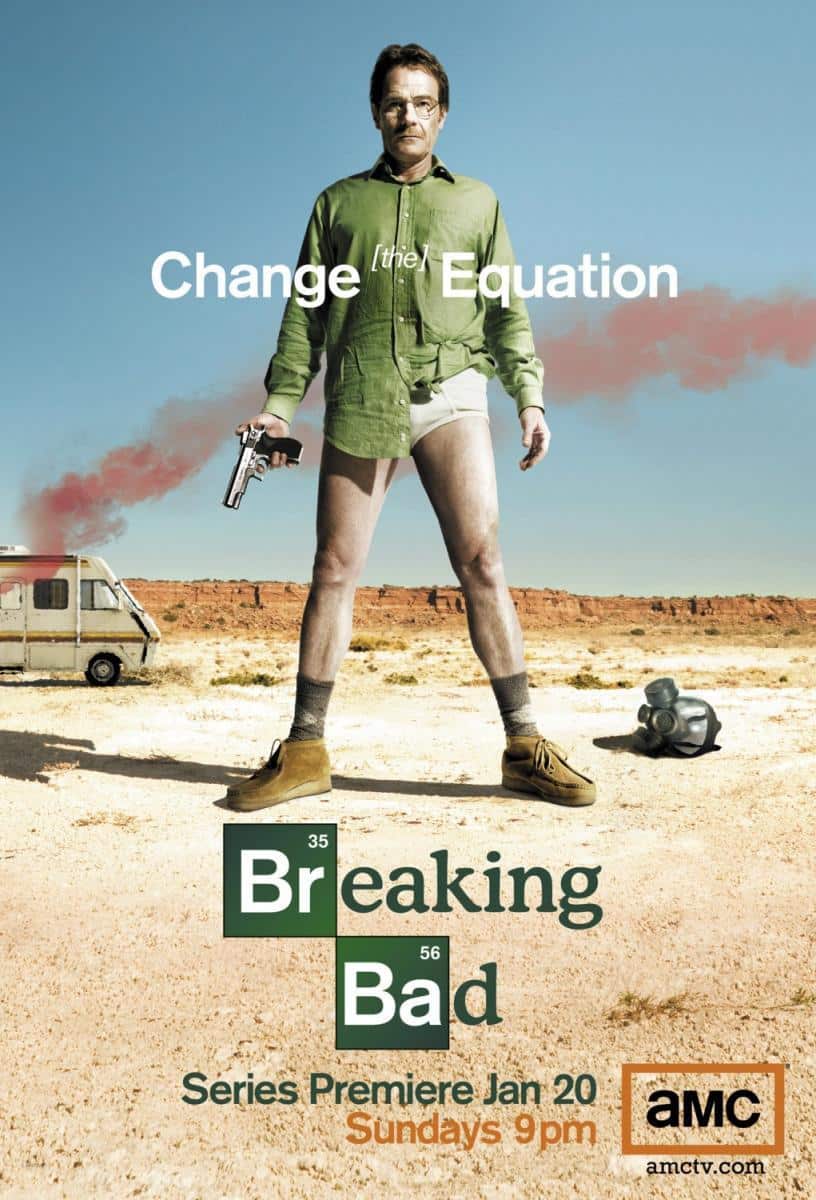
Breaking Bad (2008) | Filmaffinity

Breaking Bad (2008)

Walter White es un profesor de química que, tras recibir un diagnóstico de cáncer, comienza a fabricar metanfetamina para asegurar el futuro económico de su familia. Lo que empieza como una decisión desesperada termina convirtiéndose en una espiral criminal que transforma por completo a sus protagonistas
Las Chicas Gilmore (2000) | Filmaffinity

Las Chicas Gilmore (2000)

En el pequeño pueblo de Stars Hollow, las hojas caen mientras Lorelai y Rory Gilmore comparten cafés interminables, conversaciones ingeniosas y complicidades entre madre e hija. Una serie reconfortante que invita a recuperar el placer de las pequeñas cosas
The Walking Dead (2010) | Filmaffinity

The Walking Dead (2010)

Un mundo devastado por un apocalipsis zombi obliga a un grupo de supervivientes a luchar por mantenerse con vida mientras buscan un lugar seguro. Liderados inicialmente por Rick Grimes, sus protagonistas tendrán que enfrentarse tanto a los muertos vivientes como a otros seres humanos. Con su atmósfera oscura y sus escenas inquietantes, es una opción ideal para recuperar el espíritu de Halloween este otoño.
Stranger Things (2016) | Filmaffinity

Stranger Things (2016)

Como un tributo a las historias clásicas de misterio paranormal de la década de los 80, "Stranger Things" narra la repentina e inexplicable desaparición de un joven en Hawkins, un idílico poblado de Indiana, en 1983. Mientras sus seres queridos, sus compañeros y el jefe de policía lo buscan sin descanso, quedan atrapados en un misterio impresionante que involucra pruebas científicas clandestinas, horripilantes entidades de otra dimensión y una pequeña sumamente peculiar.
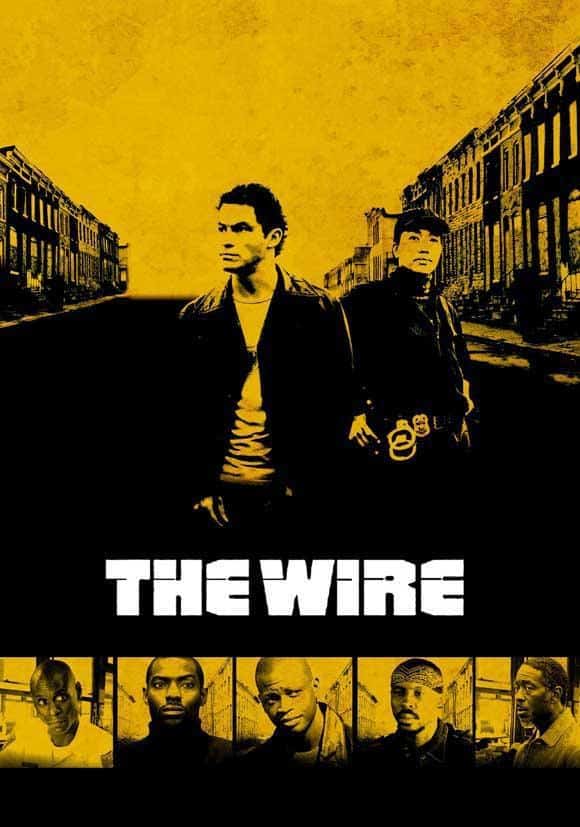
The Wire (2002) | Filmaffinity

The Wire (2002)

Las calles de Baltimore sirven de escenario para una historia que va mucho más allá de la policía y el narcotráfico. La serie retrata las desigualdades sociales y las instituciones desde distintos puntos de vista, con un realismo que invita a verla con atención.
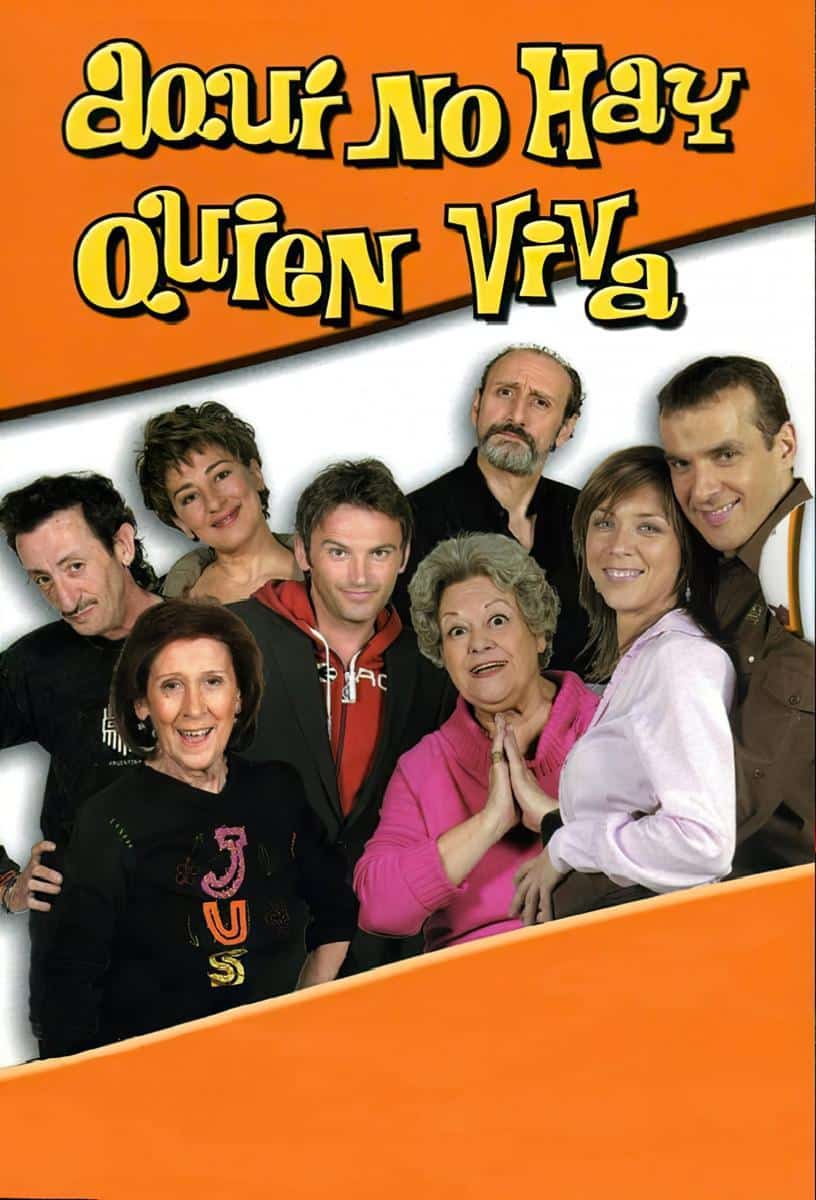
Aquí no hay quien viva (2003) | Filmaffinity

Aquí no hay quien viva (2003)

En el número 21 de la calle Desengaño, la convivencia entre vecinos se convierte en una fuente inagotable de cotilleos, discusiones y situaciones surrealistas. Sus personajes y frases míticas mantienen vivo el atractivo de una de las comedias españolas más recordadas.
  •  

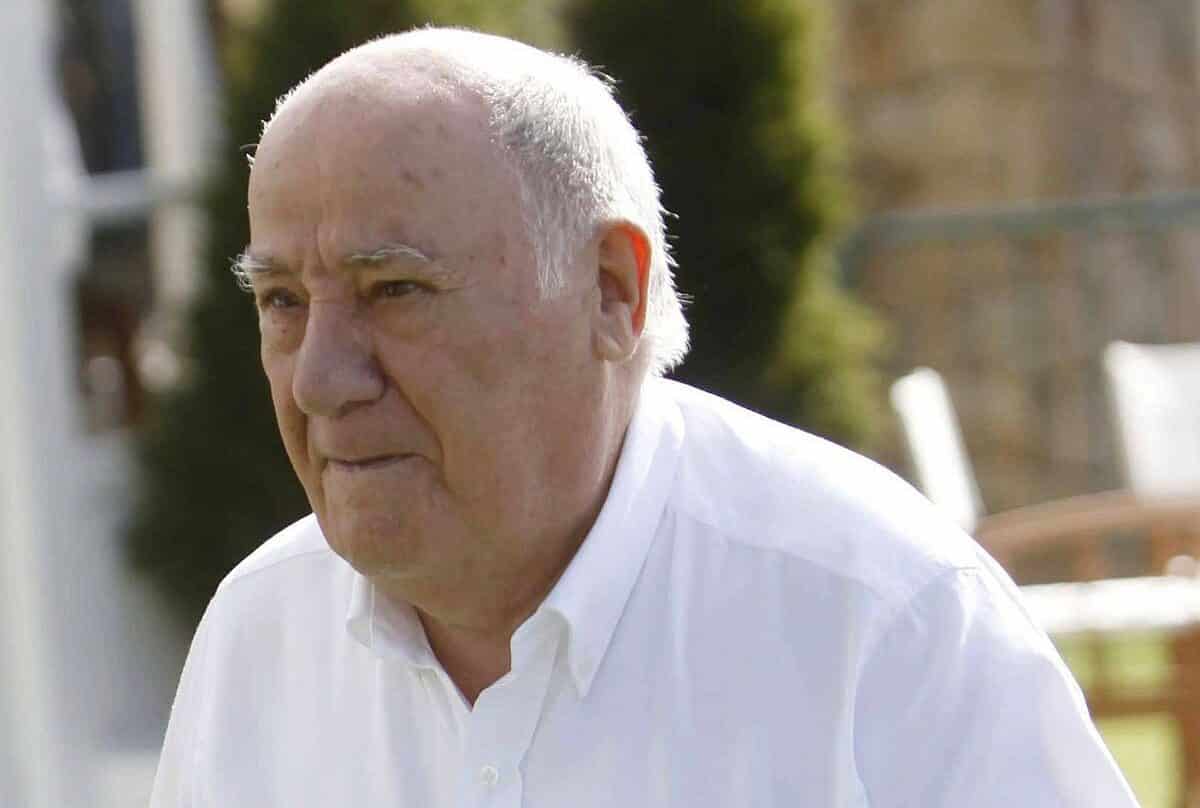
Amancio Ortega se hace con un rascacielos de oficinas en Chicago por casi 500 millones

Amancio Ortega, fundador de Zara

Nueva operación inmobiliaria de primer nivel por parte del fundador de Inditex, Amancio Ortega. El empresario se ha hecho con un rascacielos en Chicago por más de 490 millones de euros (550 millones de dólares) a través de su vehículo inversor Pontegadea.

Ortega ha adquirido el rascacielos One North Wacker de 51 plantas situado en el distrito financiero de la ciudad, según ha avanzado el medio CoStar y han confirmado a Efe fuentes conocedoras. Algunas de las oficinas del inmueble están alquiladas a empresas como PwC, UBS o Fitch Ratings.

Esta operación se suma a la creciente presencial de Ortega en Chicago, donde ya es propietario a través de Pontegadea de una torre residencial de 492 viviendas adquirida en 2023, el antiguo edificio del Esquire Theatre, un hotel y otras propiedades.

El brazo inversor de Ortega adquirió en agosto un complejo de apartamentos en Londres por 150 millones de libras (unos 175,4 millones de euros), lo que se complementó otras inversiones realizadas en los últimos meses en París o Canadá, enfocadas en el sector logístico o de alquiler de oficinas.

  •  

MOTOR OIL explosion injures seriously two workers; 2nd explosion in a week

A powerful explosion on Thursday afternoon at the refinery of MOTOR OIL in western Attica has injured two workers seriously and another four slightly. it is the second explosion at the refinery within a week. Two serioylsy injured workers, aged 40 and 59, were transported to a hospital in Athens where they underwent surgeries for […]

The post MOTOR OIL explosion injures seriously two workers; 2nd explosion in a week appeared first on Keep Talking Greece.

  •  

Musk’s Perplexing Battle With Nitter and the Problem With Locking the Internet Behind Login Screens

As a free speech absolutist, Elon Musk is making a mistake going after Nitter, says Dr R P. He should instead be praising the site that helps users speak freely, uninhibited by login screens that undermine their privacy.

The post Musk’s Perplexing Battle With Nitter and the Problem With Locking the Internet Behind Login Screens appeared first on The Daily Sceptic.

  •  
❌