❌

Reading view

Giving £2 a day to people in the Amazon helps protect rainforest, pilot project finds

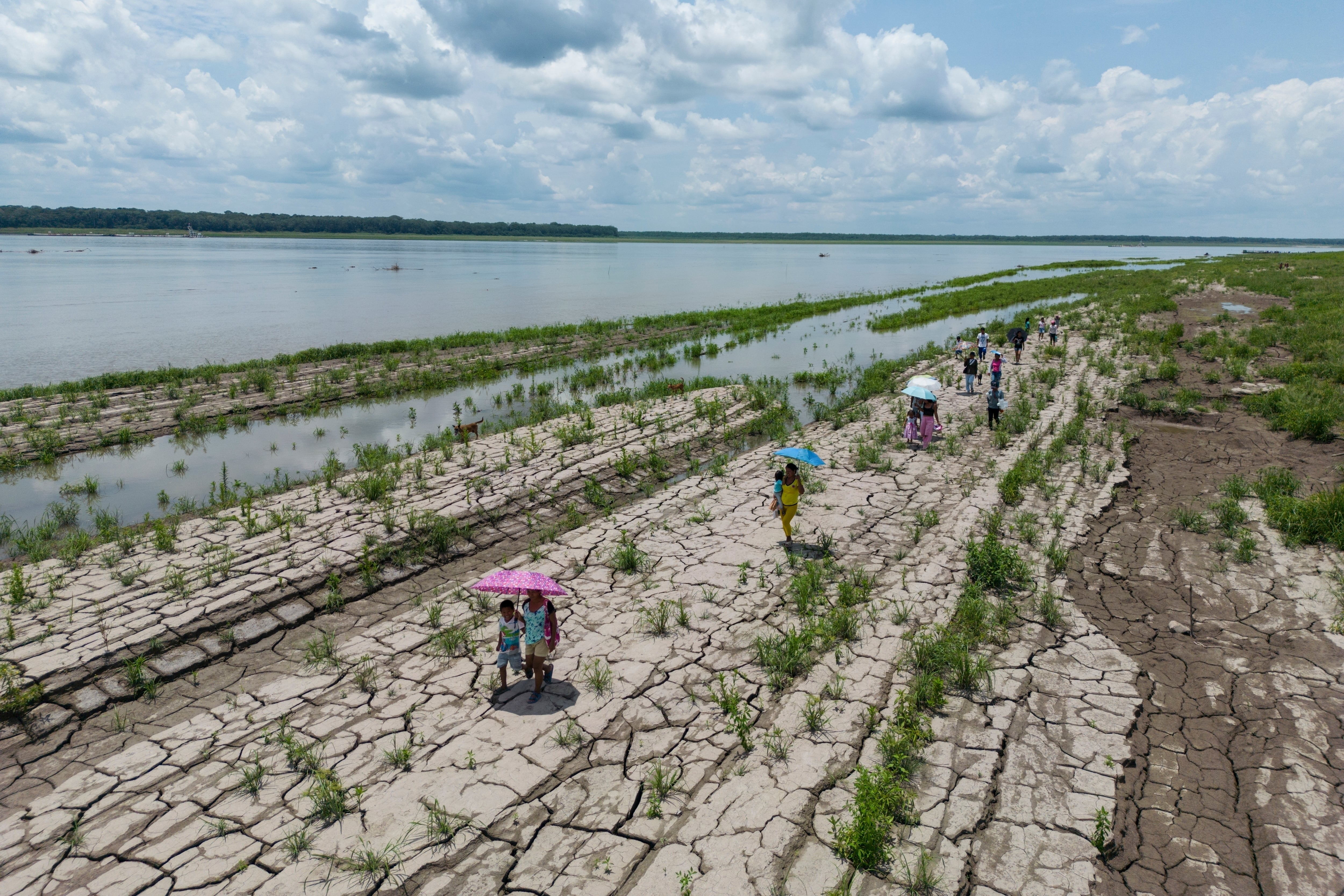
Researchers say almost 90% of participants in unconditional basic income scheme in Peru adopted environmentally beneficial practices

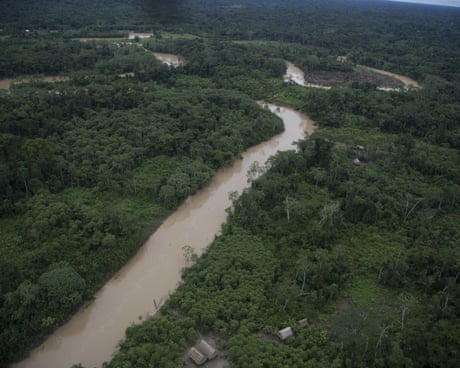
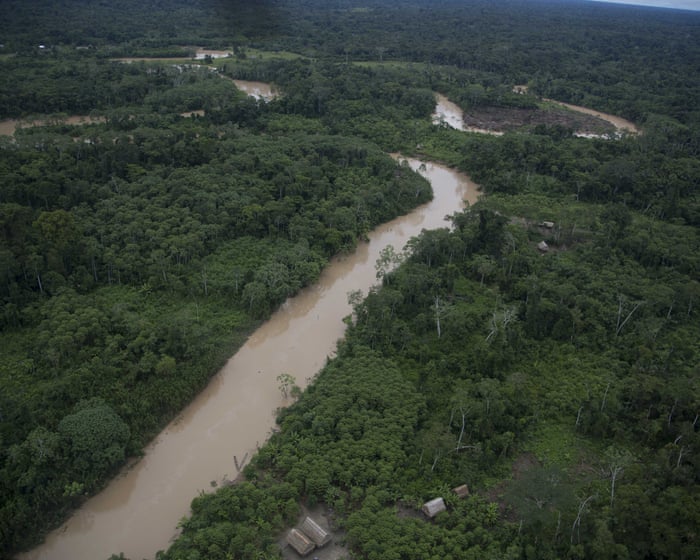
A pioneering project to provide Indigenous people in the Peruvian Amazon with an unconditional basic income has contributed to the protection of the rainforest, according to a study.

The analysis from the University of Bath is expected to contribute to a growing debate about the role of direct payments to communities that maintain globally important ecosystems.

Continue reading...

© Photograph: Martín Mejía/AP

© Photograph: Martín Mejía/AP

© Photograph: Martín Mejía/AP

  •  

Los nuevos gobiernos de América Latina centran su discurso en seguridad mientras relegan el desarrollo económico

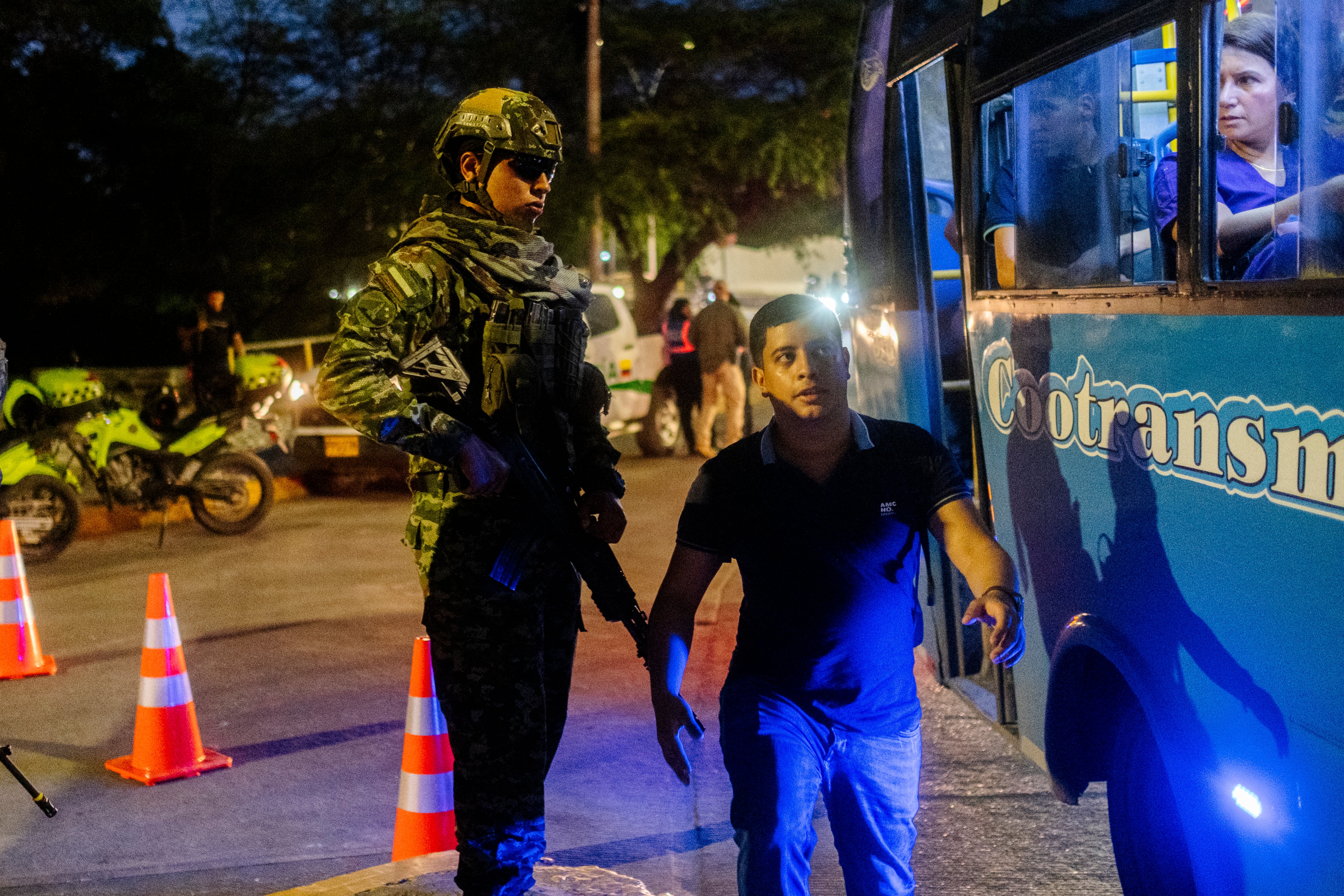
Soldados del Ejército colombiano patrullan la ciudad de Santa Marta tras el paro armado, el 25 de septiembre de 2026.

La seguridad ha desplazado a la economía en el centro de la política latinoamericana. La creciente insatisfacción social y el avance sin tregua de la criminalidad ha empujado a los candidatos presidenciales a abandonar el tradicional debate sobre reformas, crecimiento y desarrollo para colocar el control territorial, el despliegue policial y la lucha contra el crimen organizado como prioridades de gobierno, según se concluye del Informe de Economía Latinoamericana, publicado este martes por el Banco de España.

Seguir leyendo

  •  

Ukraine has identified nearly 46,000 foreigners from 151 countries in Russia’s army—and says Moscow is on pace to meet its 2026 hiring plan

ukrainians capture first north korean pow military says claimed prisoner war dprk tme/ the_warhal18 zayavlenyj-polonenyj-vijskovyj-kndr-2 26 reports emerged ukrainian special forces had captured soldier fighting russia during operation kursk oblast

Ukraine holds personal data on each of the nearly 46,000 foreigners it has identified as signing with Russia’s army since 2022, Dmytro Usov, secretary of its prisoner-of-war coordination headquarters, said on 19 October. If the current pace holds, he expects this year’s contracts to reach Moscow’s plan. Meanwhile, a survey of captured foreigners gave a split answer on how many knew they were heading to war.

Usov said 41% of surveyed foreign POWs signed at enlistment offices and recruitment points, which the headquarters reads as a sign of a systematic campaign. He also said the hiring is meant to ease the social and budget burden of Russia’s own losses. Russia has long turned to foreigners to offset shortages in its regular forces. In April, Ukraine’s military intelligence (HUR) said enlistment offices had reportedly been assigned regional quotas.

A count built name by name

Usov, a brigadier general and secretary of Ukraine’s Coordination Headquarters for the Treatment of Prisoners of War, spoke at the international conference Crimea Global. He said Russia’s Defense Ministry has signed 45,959 foreigners from 151 countries. Ukraine’s records include each one’s rank, dog tag, and contract date.

The figure counts everyone who signed, not only those serving now. In April, Usov said his count left out North Korea’s regular troops, that 25–30% more recruits were likely still unidentified, and that at least 5,149 foreign recruits had died, Interfax-Ukraine reported.

This year’s contracts near the plan

Contracts have grown every year: 94 in 2022, 4,067 in 2023, 8,877 in 2024, and 16,085 in 2025. Some names surface late. At the same April event, Interfax-Ukraine reported, Usov had put 2025 at 13,997 and said the headquarters adds newly identified foreigners every month.

For 2026, Russia’s Defense Ministry planned 18,500 foreign contracts. Ukraine knows of 16,168 so far, roughly level with all of 2025. Another 668 contracts still have no year assigned. If the same dynamic holds, Usov said, the ministry will fully meet its plan and may even exceed it.

He named Indonesia, Peru, Chad, and Zimbabwe among the ten countries that drove the growth in recruits, Ukrinform reported. At the same time, he said, Ukraine’s Foreign Ministry and POW agencies have cut recruitment in some countries and stopped it in others.

What captured foreigners told Ukraine

Ukrainian forces have captured citizens of 59 countries since the full-scale invasion began. Uzbeks, Tajiks, Belarusians, and Colombians are among the largest groups.

In the headquarters’ survey of foreign POWs, nearly half said they knew they would fight Ukrainian soldiers and civilians. Another 28% said they didn’t know, 14.8% weren’t sure, and 13.8% said they were deceived. The headquarters ran the survey, and neither report gave a sample size or explained how the shares fit together. Usov said the results showed most knew where they were going. Almost 47% said they signed up for Russian citizenship.

  •  

Agricultura confirma foco de doença de Newcastle em Santa Catarina

O Ministério da Agricultura e Pecuária (Mapa) confirmou o registro de um foco da doença de Newcastle em um estabelecimento de avicultura comercial de corte de perus no município de Nova Itaberaba, em Santa Catarina. A existência do foco foi confirmada no domingo (18).

O ministério informou que o estabelecimento foi interditado pelo Serviço Veterinário Oficial de Santa Catarina, com a suspensão da movimentação de aves. Além disso, a pasta esclareceu que medidas de controle, contenção e erradicação do foco serão executadas conforme as diretrizes do Plano de Contingência para Influenza Aviária e Doença de Newcastle.

A doença de Newcastle afeta aves domésticas e silvestres e é causada por vírus virulento do paramixovírus aviário do sorotipo 1 (APMV-1), conforme os critérios estabelecidos pela Organização Mundial de Saúde Animal (OMSA).

A ocorrência foi identificada durante investigação epidemiológica conduzida pelo Serviço Veterinário Oficial de Santa Catarina e confirmada por análise realizada no Laboratório Federal de Defesa Agropecuária de São Paulo (LFDA-SP). 

O laboratório é reconhecido pela OMSA como de referência internacional para o diagnóstico da doença.

“O Mapa ressalta que, apesar da necessidade de adoção de medidas sanitárias para controlar a ocorrência, o consumo de produtos avícolas submetidos à inspeção oficial permanece seguro, sem contraindicações”, disse o ministério.

O governo informou que notificou a OMSA e aos parceiros comerciais do Brasil, em cumprimento aos compromissos internacionais de transparência sanitária. 

O secretário-substituto de Comércio e Relações Internacionais do ministério, Rafael Requião, disse que não recebeu qualquer informação sobre a suspensão das exportações brasileiras por conta do foco da doença.

"Ainda não temos nada objetivo a informar [sobre suspensão de exportações]", afirmou.

  •  

Papa Leone XIV, via libera al viaggio in Sudamerica. Il chirurgo che lo ha operato: “Non ci sono motivi per cui non venga fatto”

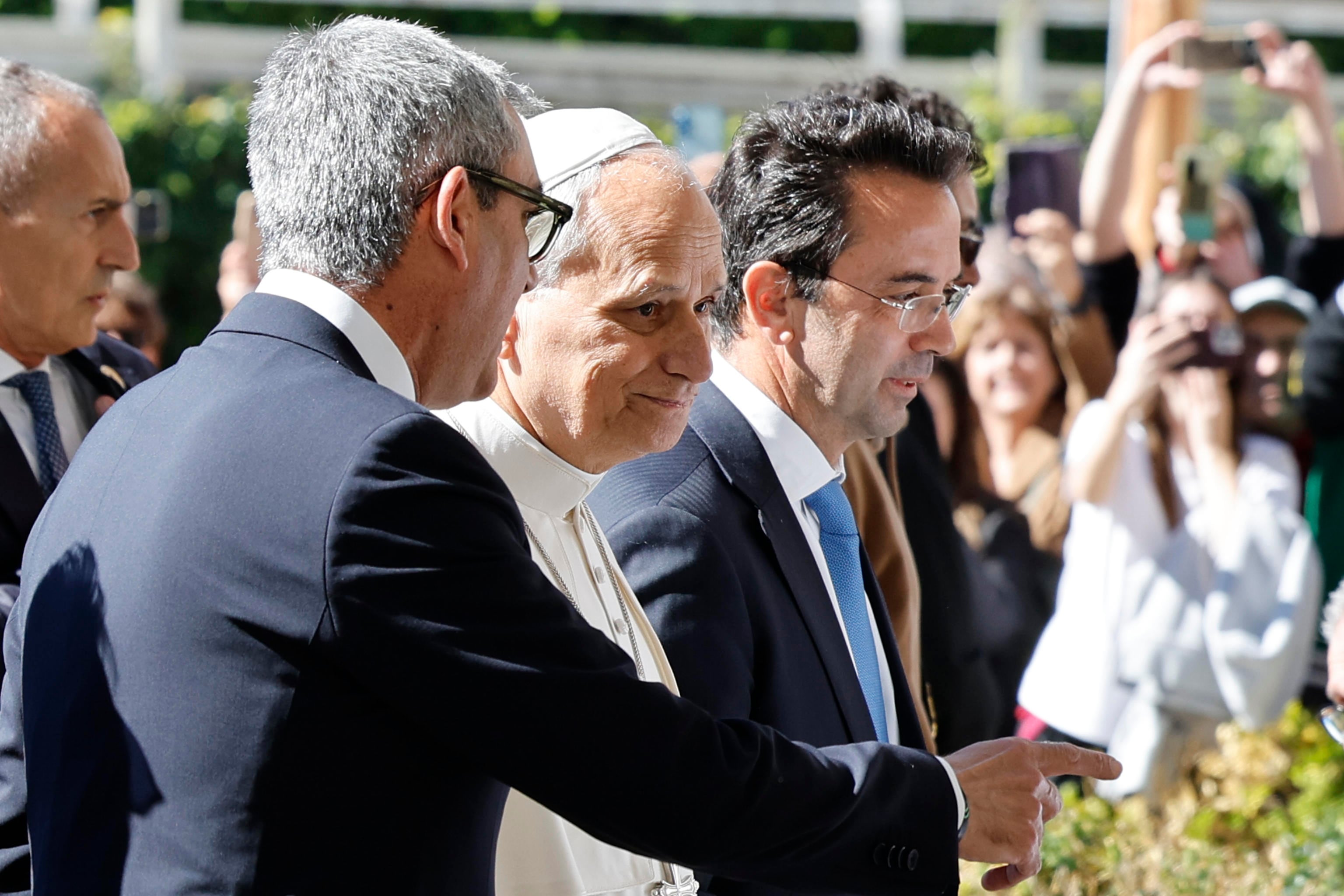
Papa Leone XIV potrà affrontare il viaggio in America Latina programmato dal 6 al 17 novembre. A rassicurare sulle condizioni del Pontefice, dimesso dopo cinque giorni di ricovero al Policlinico Gemelli per l’asportazione di un tumore maligno al polmone destro, è Stefano Margaritora, il chirurgo che lo ha operato e che nella foto si vede proprio dietro le sue spalle. “Direi che non ci sono motivi clinici per cui” il viaggio “non venga fatto”, ha spiegato ai media vaticani, indicando nella ripresa post-operatoria un elemento favorevole in vista dell’impegnativa trasferta. Secondo il medico, per il pieno recupero saranno sufficienti ancora una decina di giorni. “Trattandolo come una persona normale, dopo questi tipi di intervento, penso che un paio di settimane per una ripresa fisica veramente completa ci vogliono. Quindi, essendo già quasi passata una settimana, tutto sommato io credo che il Papa in un’altra decina di giorni possa essere pienamente recuperato”, ha dichiarato Margaritora.

Il chirurgo ha descritto il Pontefice come un paziente particolarmente collaborativo, capace di affrontare il percorso di cura con serenità e determinazione. “Papa Leone è stato un paziente ideale. Non lo dico per piaggeria, ma è stato veramente un paziente che non ha dato alcun minimo problema all’équipe che si occupava di lui, e non l’avrebbe dato neanche se si fosse chiamato Mario Bianchi”. Sempre sorridente e poco incline a lamentarsi, ha seguito le indicazioni dei medici sia sul piano alimentare sia su quello della fisioterapia.

La volontà di recuperare rapidamente, ha raccontato Margaritora, si è manifestata anche in un episodio avvenuto nella cappella durante la degenza. “Nella seconda giornata dopo l’operazione, ci siamo girati e stava sistemando lui le sedie nella Cappella. Noi gli abbiamo detto: ‘Santo Padre, ci siamo noi’. E lui: ‘Non importa, riesco a farlo, lo faccio'”. Un atteggiamento che, per il chirurgo, testimonia la motivazione con cui Leone XIV ha affrontato la riabilitazione: “La sua volontà di avere una ripresa in tempi molto rapidi è molto efficace da tutti i punti di vista: è stata veramente encomiabile”.

L’intervento, ha precisato lo specialista, è stato di routine dal punto di vista chirurgico. Nel caso di un tumore polmonare di determinate dimensioni, la procedura prevede l’asportazione del lobo che contiene la lesione. Per il Pontefice è stato rimosso il lobo inferiore del polmone destro. La scoperta della malattia, ha aggiunto Margaritora, è avvenuta casualmente durante alcuni esami di routine all’addome. Le immagini avevano evidenziato una piccola macchia alle basi polmonari. “Questo è abbastanza normale, perché quando si fanno degli esami radiologici all’addome, dato che il diaframma è una specie di paracadute, si visualizzano normalmente le basi polmonari”. Se la lesione fosse stata localizzata più in alto, ha osservato il chirurgo, avrebbe potuto non essere individuata in quella fase: “Ma certamente, se questa piccola macchia fosse stata un pochino più alta, non sarebbe stata vista”.

L'articolo Papa Leone XIV, via libera al viaggio in Sudamerica. Il chirurgo che lo ha operato: “Non ci sono motivi per cui non venga fatto” proviene da Il Fatto Quotidiano.

  •  

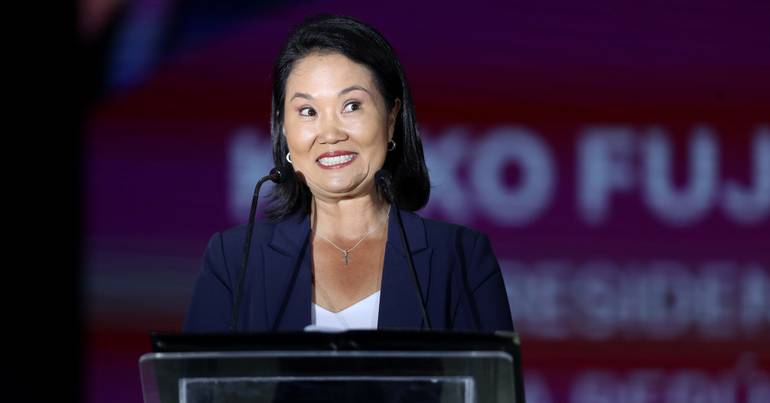
Casi la mitad de los peruanos desaprueba la gestión de la presidenta Keiko Fujimori

La merma en la popularidad de la mandataria se explica fundamentalmente por la percepción ciudadana de una falta de resultados inmediatos frente a la inseguridad y la actividad del crimen organizado.
  •  

Leo XIV’s cancer diagnosis upends the pontificate: ‘We thought we had a pope for 20 years; this changes everything in the Curia’

Overnight, the atmosphere at the Vatican has shifted and the future has become more uncertain. The news of Pope Leo XIV’s cancerous tumor has caused devastation, just 17 months after his election in May 2025, at a time when, at 71 and in good physical condition, he was thought likely to remain pope for many years. “We thought we had a pope for 20 years and now it’s no longer clear; this changes everything in the Curia, all the dynamics,” a prelate admits.

Seguir leyendo

© FABIO FRUSTACI (EFE)

The Pope, upon his arrival at the Gemelli Polyclinic in Rome to undergo surgery Tuesday.
  •  

Investigadores de Perú protegen complejo arqueológico ante posibles impactos de El Niño

El Complejo Toro Muerto alberga según cálculos más de 25.000 petroglifos y tiene registradas cerca de 2.600 rocas talladas, tratándose de lo que podría ser el sitio arqueológico de este tipo más grande del mundo.
  •  

Hitler no Peru

À frente de um partido de esquerda com nome aparentemente de direita, Ahora Nación, bateu um partido de extrema-direita com nome aparentemente de extrema-esquerda, Renovación Popular.

© JOÃO PORFÍRIO/OBSERVADOR

  •  

South Americans pray for Pope Leo's recovery as uncertainty hangs over his visit

Roman Catholics across South America responded to news of Pope Leo XIV's lung cancer diagnosis with an outpouring of prayers and support, along with concerns about whether the first American pope would go ahead with his highly anticipated and physically demanding visit to the region next month.

  •  

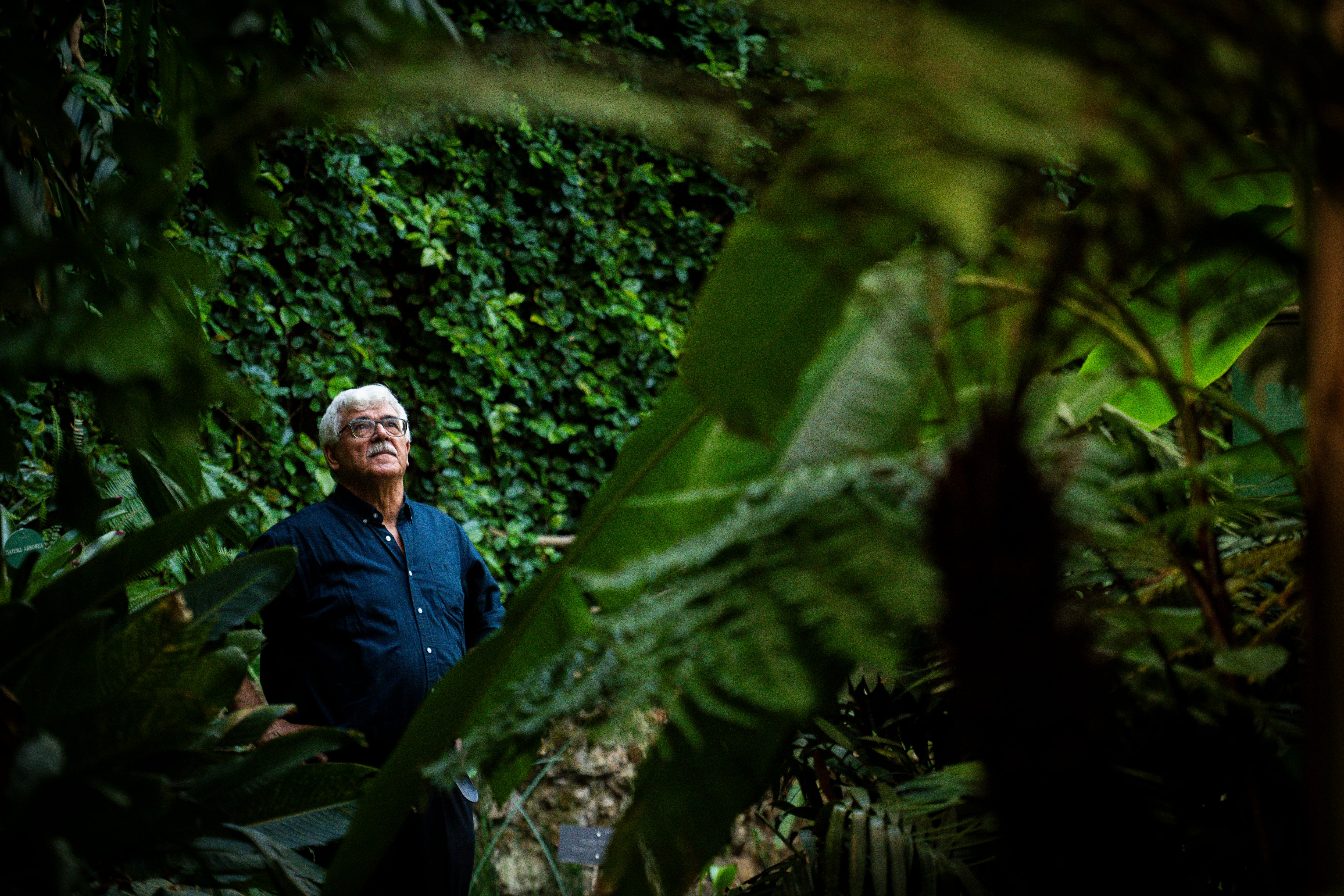
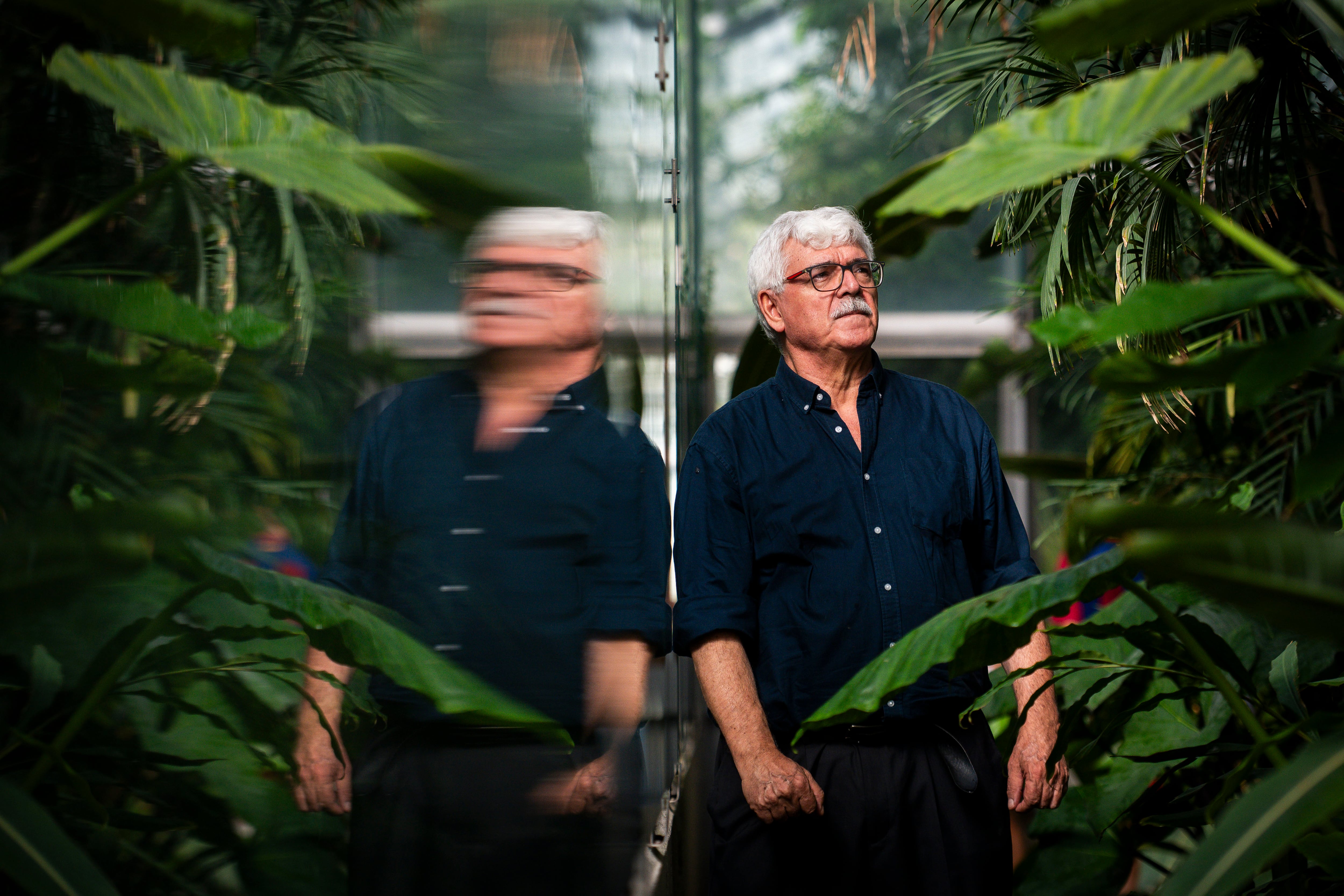
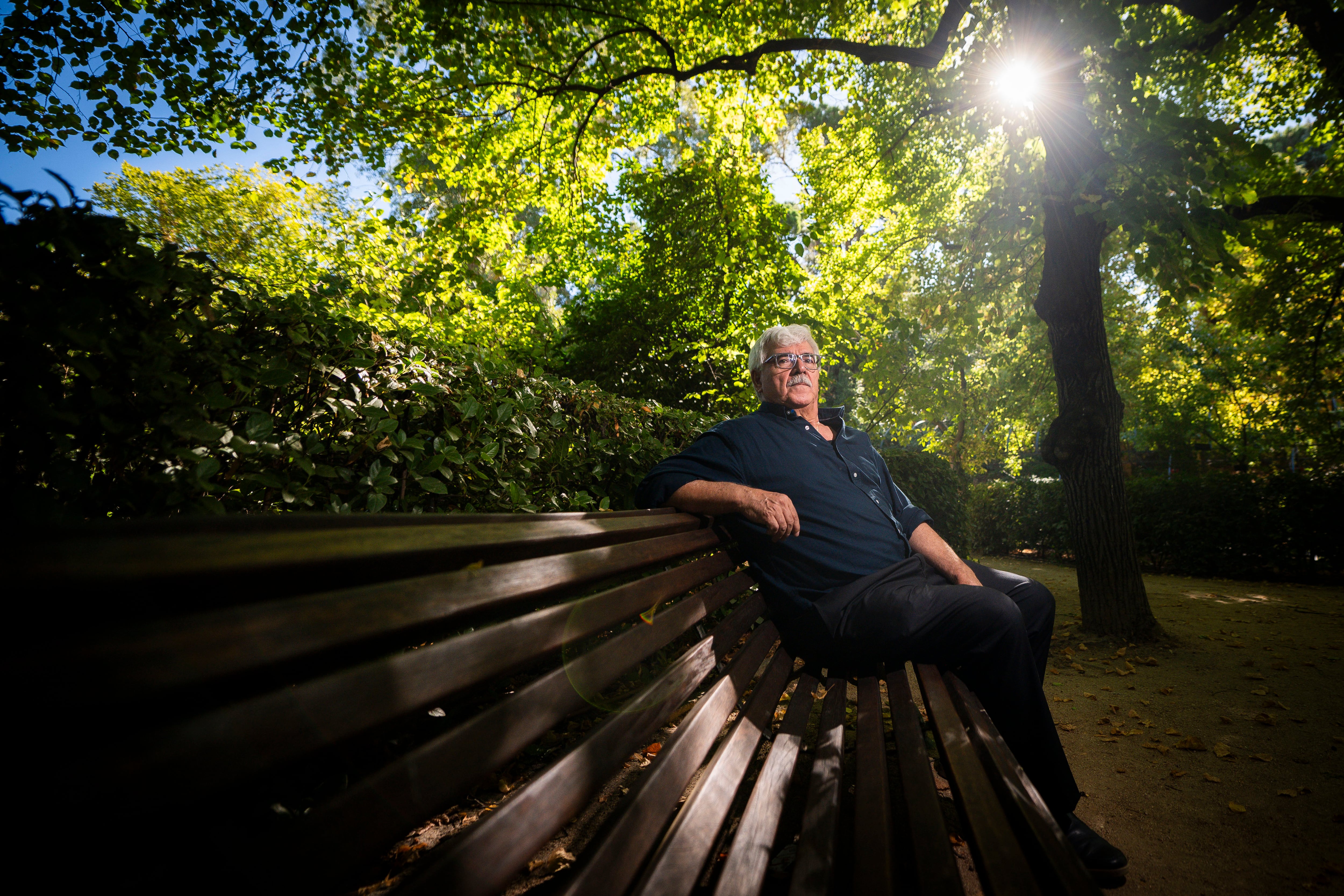
The botanist who took 30 years to name 18 trees: 'It is a race against myself'

Botanist José Luis Fernández-Alonso at the Royal Botanical Garden in Madrid on Wednesday, September 23, 2026.

It is as though the walls of his office were almost covered by the dead branches of a tree. Floor-to-ceiling shelves are packed with folders, their once-red and green covers faded by time. Inside are dozens of tropical dried plant specimens, tied with string alongside pages of notes. To most people, the mass of documentation would look like a pile of leaves fallen from the sky, but José Luis Fernández-Alonso knows exactly where everything is in his small jungle.

Seguir leyendo

The botanist José Luis Fernández-Alonso in a greenhouse at the Royal Botanical Garden.The botanist José Luis Fernández-Alonso sits on a bench at the Royal Botanical Garden.
  •  

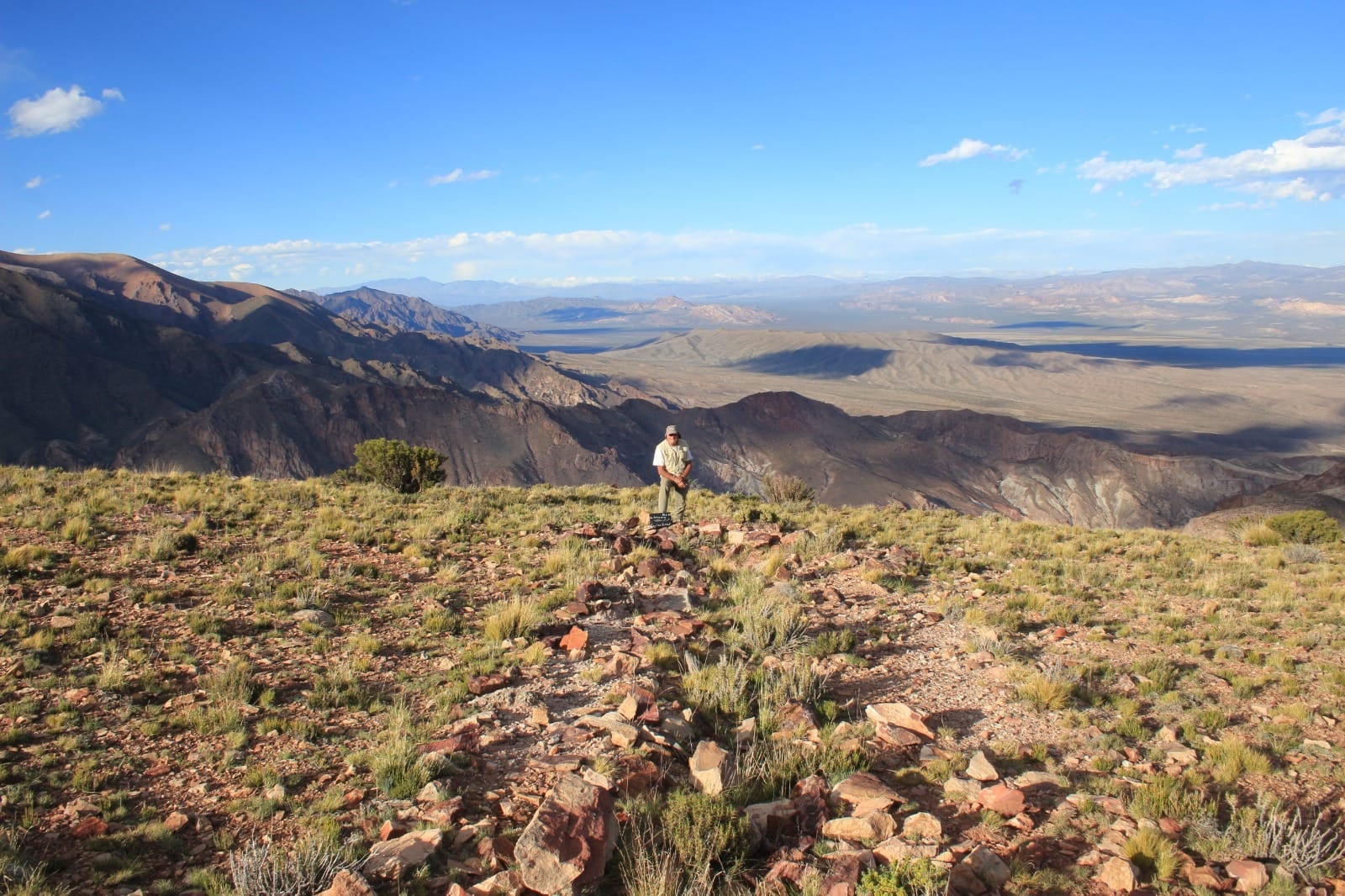
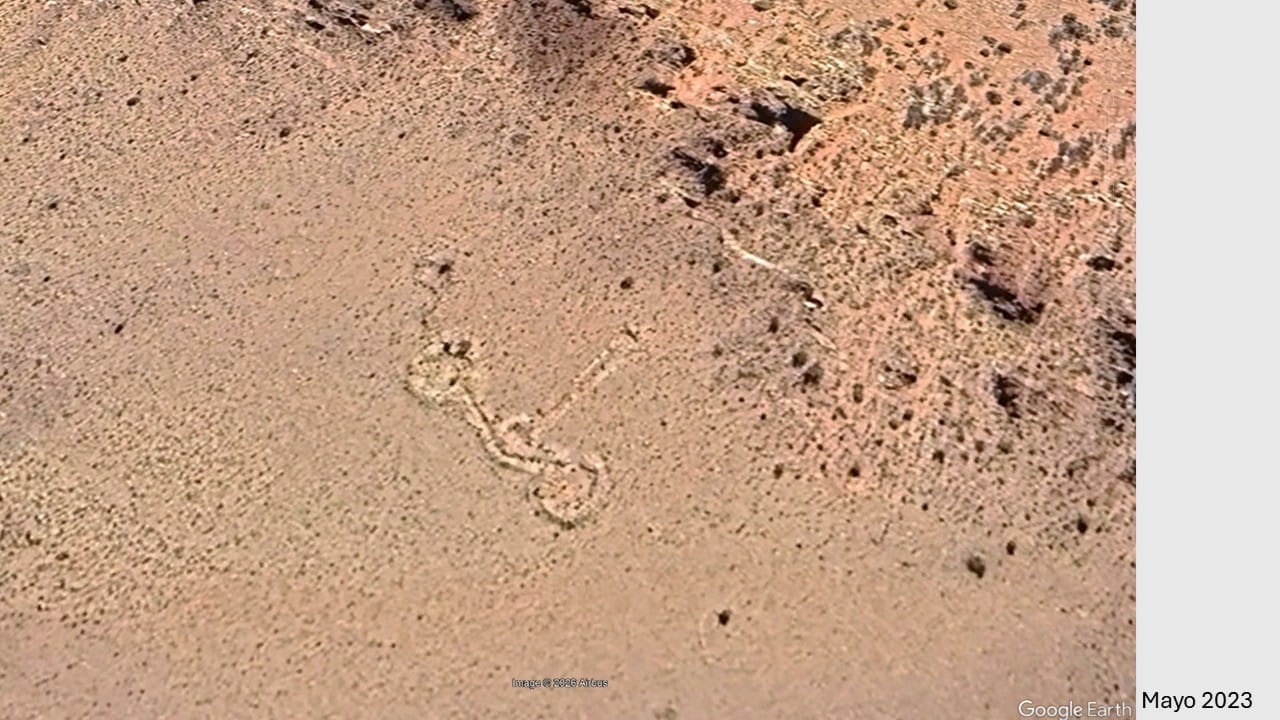
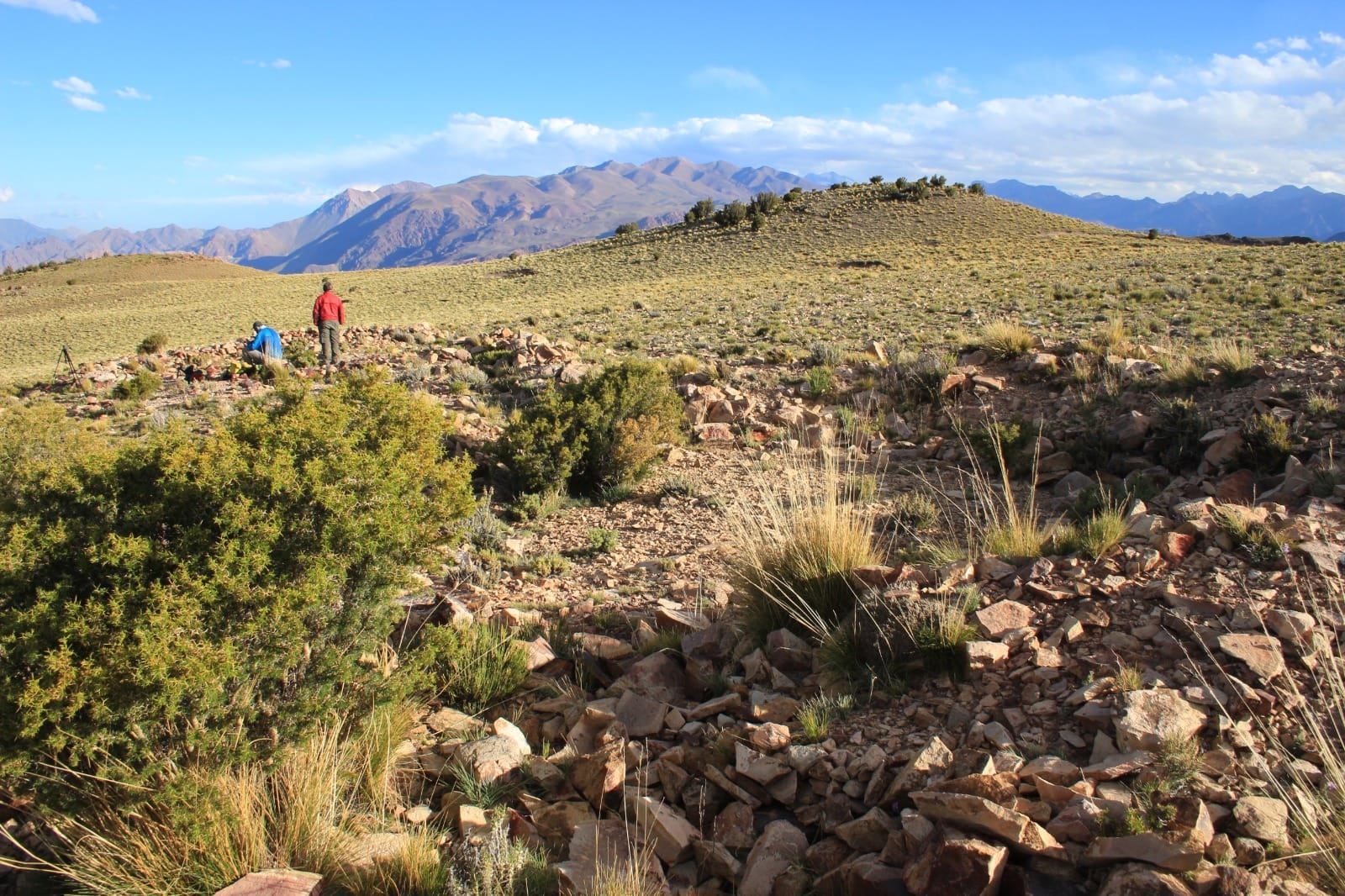
Spanish-Argentine expedition to verify whether a geoglyph located in the Andes via Google Earth is genuine

Traces of the geoglyph on the Tigre range in the Andes.

The Dictionary of the Spanish Language explains that a geoglyph is a “large figure on slopes or in wide plains, carved directly into the ground or made with stones, especially by prehistoric peoples.” Of all those located worldwide, the most famous are the Nazca lines (Peru), which have been declared a UNESCO World Heritage Site. They are visible only from surrounding mountains or from the air, which gives them an aura of mystery. Now, a group of researchers from Argentina and Spain will study a structure that could be a geoglyph discovered last year at about 3,000 meters above sea level in the Tigre mountain range (Argentina) and which was found by mountaineer Carlos Gobbi while consulting Google Earth. A joint expedition will attempt to examine it in situ in December.

Seguir leyendo

Google Earth image of the potential geoglyph that was located.Stone structures located in the Tigre mountain range.
  •  

One in seven Latin American children threatened by El Niño: ‘This crisis can be mitigated’

This is the driest year on record in Tegucigalpa. Eighty percent of Honduran territory is on red alert, and the capital has had a potable water rationing system every 12 days for a month. The lack of rain is making maize and bean crops in Guatemala — the main food source in a country with the region’s highest rate of chronic child malnutrition — even more vulnerable. The Panama Canal has begun restricting vessel traffic because of water stress in the basin, and the parched Amazon rivers are isolating dozens of riverside communities in Brazil and hampering fishermen’s work.

Seguir leyendo

© Ivan Valencia (AP)

A section of the Amazon River showing signs of drought in Santa Sofía, Colombia, on October 20, 2024.
  •  

EU welcomes Cambodia to WTO appeal arrangement

The EU welcomes Cambodia’s decision to join the Multi-party Interim Appeal Arbitration Arrangement (MPIA) for WTO members, contributing to efforts to uphold a rules-based multilateral trading system. 

With Cambodia’s participation, the MPIA now covers 62 World Trade Organization (WTO) members and 60.4% of world trade.  

The MPIA brings together participants from all continents and at different levels of development, united by a shared commitment to upholding the rules-based trading system. 

The MPIA preserves the right to appeal in trade disputes among participating WTO members, at a time when the WTO’s Appellate Body remains non-functioning. It helps ensure that disputes can continue to be resolved in an orderly and binding manner, avoiding appeals 'into the void'. 

“I welcome Cambodia to the MPIA. The arrangement plays an important role in upholding the rules-based trading system. Each new participant helps reinforce the predictability, stability and credibility of global trade rules. I encourage other WTO members to join the MPIA,” said EU Trade and Economic Security Commissioner Maroš Šefčovič. 

Background 

The MPIA was established in 2020 and has proven its effectiveness in many WTO disputes.  

Under the MPIA, appeals are heard by arbitrators randomly selected from a pool of 10 standing appeal arbitrators set up by the participating WTO members. These arbitrators are persons of recognised authority, with demonstrated expertise in law, international trade and WTO agreements.  

The MPIA is open to all WTO members as a practical tool for appeal arbitration, pending the restoration of a reformed and fully functioning WTO dispute settlement system. 

As of 1 June 2025, the MPIA has an updated pool of appeal arbitrators to ensure that appeals continue to be heard by independent arbitrators of the highest calibre. 

At the WTO Ministerial Conference that took place earlier this year, MPIA ministers stressed the importance of the MPIA for the security and predictability of the multilateral trading system.  

The current MPIA participants are Australia, Barbados, Benin, Brazil, Cambodia, Canada, China, Chile, Colombia, Costa Rica, Ecuador, the European Union (and its Member States), Guatemala, Hong Kong (China), Iceland, Japan, Liechtenstein, Macao (China), Malaysia, Mexico, Moldova, Montenegro, New Zealand, Nicaragua, Norway, Pakistan, Paraguay, Peru, the Philippines, Singapore, Switzerland, Ukraine, the United Kingdom, Uruguay and Vietnam.

More information

MC14: Supporting the rules-based multilateral trading system: the role of the MPIA

  •  
❌