Trégua Energética. "Isto é um acordo absolutamente estúpido"


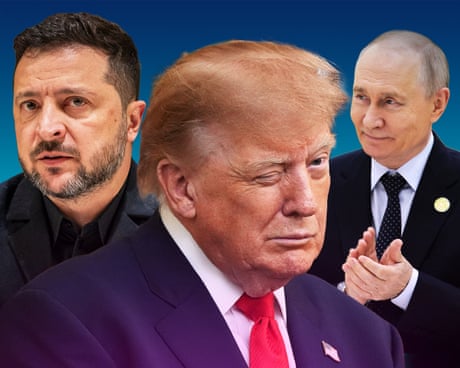
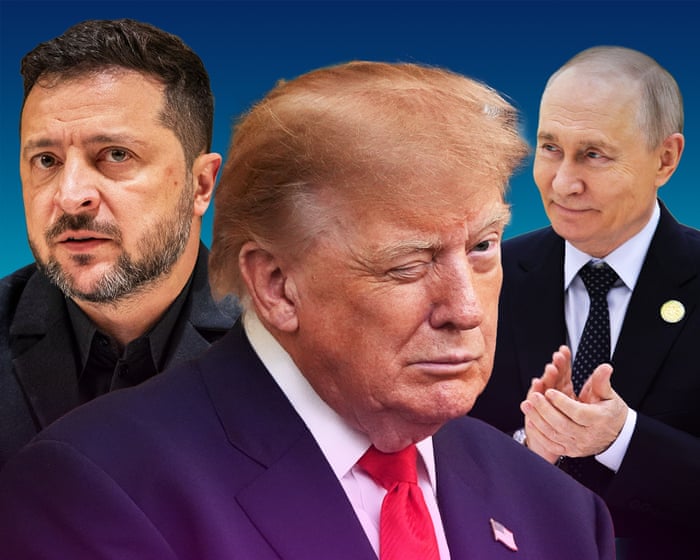
Donald Trump’s deal to buy Russian diesel has been met with fury from Volodymyr Zelenskyy, who said it was ‘a weak decision’ and would generate ‘billions’ in extra revenue for Putin’s war effort. The Ukrainian president has also rejected US calls for an ‘energy ceasefire’, which would require Kyiv to stop striking oil refineries, saying Moscow must first end its attacks on energy infrastructure. Lucy Hough speaks to the Guardian’s senior international correspondent, Luke Harding – watch on YouTube
Continue reading...
© Photograph: Image credits: AP Photo/Dan Bashakov AP Photo/Alex Brandon Gavriil Grigorov, Sputnik, Kremlin Pool Photo via AP

© Photograph: Image credits: AP Photo/Dan Bashakov AP Photo/Alex Brandon Gavriil Grigorov, Sputnik, Kremlin Pool Photo via AP

© Photograph: Image credits: AP Photo/Dan Bashakov AP Photo/Alex Brandon Gavriil Grigorov, Sputnik, Kremlin Pool Photo via AP
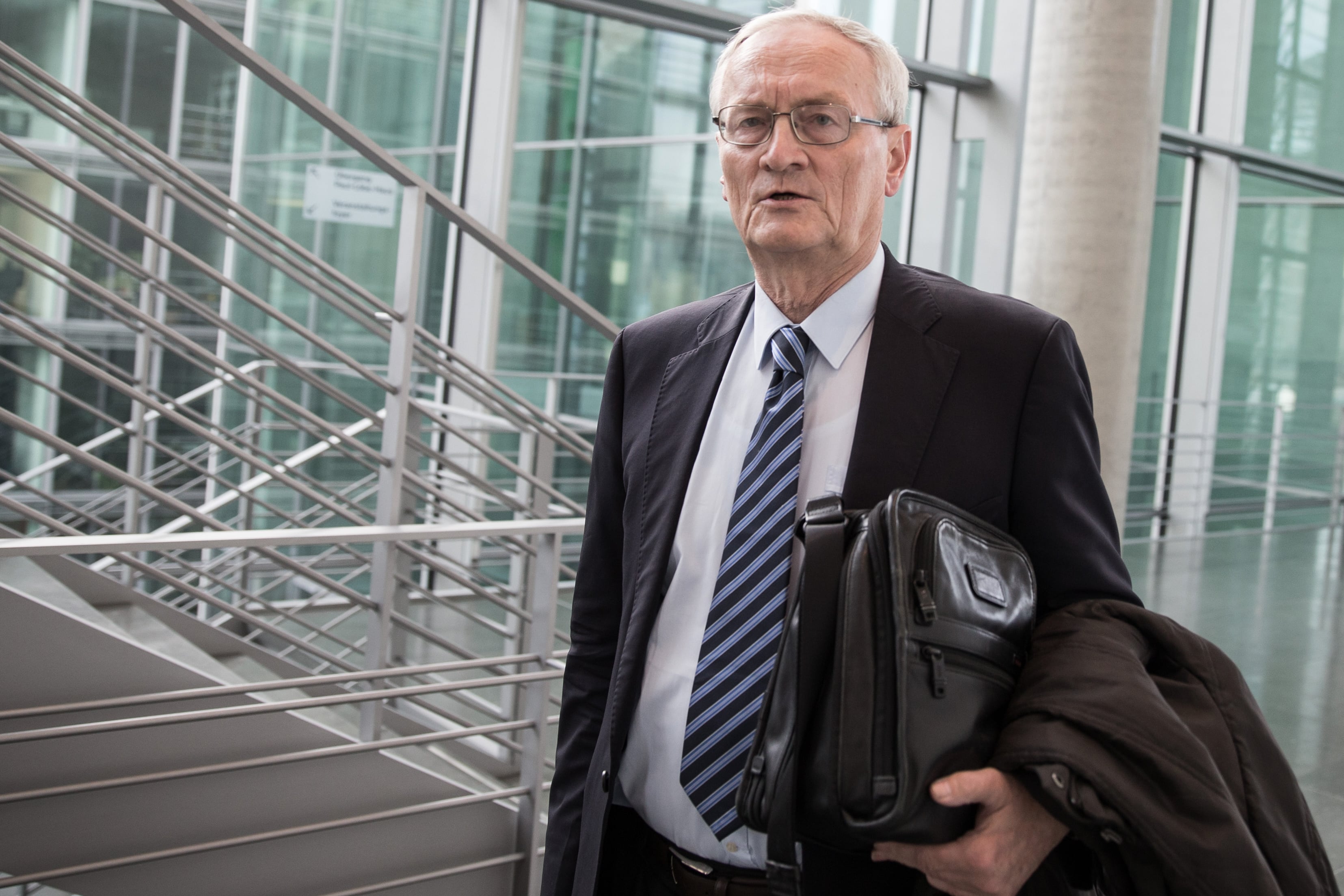
“What makes a good intelligence officer is that they do not attract attention.” This was one of the mottos that August Hanning repeatedly invoked in public appearances during his tenure as head of Germany’s intelligence services. Hanning, now 80, has been in custody since October 6 precisely for attracting too much attention. The former president of Germany’s foreign intelligence service, the BND, earned a reputation for being available to the highest bidder, whoever that might be. Germany’s federal prosecutor is investigating him on suspicion of treason and espionage on behalf of foreign countries.

© Michael Kappeler (DPA via AP)

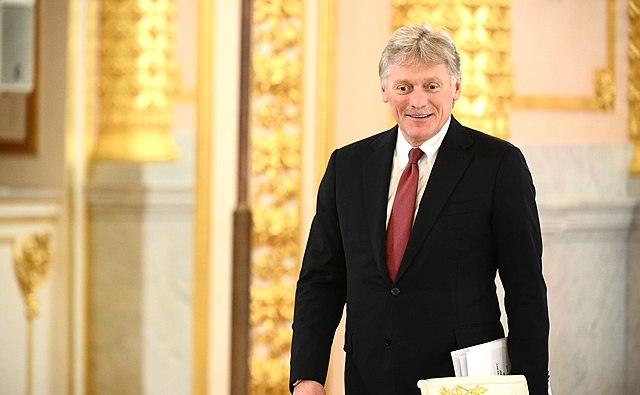
Russia offers Ukraine a single day without strikes for its elections. Russian leader Vladimir Putin is ready to order a halt to strikes on Ukraine only on the day of a presidential election, if Kyiv decides to hold one, Kremlin spokesperson Dmitry Peskov says, Russian state agency TASS reported.
The offer answers Ukraine’s call for a real pause: on 11 October, President Volodymyr Zelenskyy stated Ukraine could hold elections if Putin agreed to a full ceasefire of at least 60 days, ABC News reported. Against the backdrop of Russian strikes that killed more than 150 Ukrainian civilians in a single week, Moscow counters with a one-day truce confined to voting day.
“...If they really want to hold elections in Kyiv, the president of Russia, the supreme commander-in-chief, will be ready to give the order not to strike Ukraine on election day. Specifically on election day,” Peskov said.
His statements followed US President Donald Trump’s call on 10 October for Ukraine to choose a new president, saying a change of leadership could help reach peace with Russia, according to Suspilne.
Trump also criticized Ukrainian strikes on Russian oil refineries amid his new agreements to supply a low volume of diesel into the US.
Peskov has outright dismissed the longer truce. Ukraine needs 60 days not to hold elections but to heal its wounds and continue the war, he argues.
He has claimed Russia had been willing to resume peace talks after Russia’s own State Duma elections, but accused Ukraine of launching massive strikes on Moscow to disrupt that vote. Peskov has gone further, claiming Ukraine shelled polling stations and killed several members of district election commissions in the Russian-occupied regions it calls its own.
The accusations are Russia’s and remain unverified. Peskov offered no evidence for the claims about polling stations or election officials, which echo long-running Kremlin talking points.
He also made no mention of Russia’s own strikes on Ukrainian civilian targets over the same period, including attacks on energy sites and residential buildings.

Poor Donald Trump. For the last 21 months he had to do a great deal of lying. He had to pretend at times that he really cared about the people dying in the Russo-Ukraine War, that he really wanted a deal that was good for Ukraine, that he was getting frustrated with Vladimir Putin, and […]
The post Trump is free at last to be what he has always been for Putin appeared first on Asia Times.

President Volodymyr Zelenskyy has placed an important qualification on Donald Trump’s proposed energy ceasefire: Ukraine will stop attacking Russian energy facilities only if Moscow stops targeting Ukraine’s electricity generation and distribution infrastructure. Speaking at the Warsaw Security Forum on Monday, 12 October, Zelenskyy confirmed Kyiv’s willingness to accept a reciprocal arrangement while pointing out that Russian attacks had continued after the American president announced that a ceasefire was already in effect.
The sequence of events has exposed a fundamental weakness in Washington’s initiative. On 11 October, Trump announced an immediate energy ceasefire, declaring that Russia and Ukraine had both agreed to suspend attacks on energy infrastructure. Yet Kyiv had not received the agreement’s terms, Moscow had offered no public confirmation, and Russian drones continued striking Ukrainian power facilities, including a combined heat and power plant in Kharkiv.
Zelenskyy’s response was deliberately restrained. Rather than reject Trump’s initiative, he welcomed the possibility of an agreement while insisting that Russia demonstrate its acceptance through its actions. His remarks also exposed the difference between announcing a diplomatic understanding and establishing an enforceable military arrangement.
The apparent symmetry of an agreement prohibiting attacks on energy facilities disguises substantial differences between the two countries.
Russia retains an extensive oil-refining industry, producing fuels for domestic consumption, military operations and export. Ukrainian drone attacks on refineries have consequently become an instrument of economic warfare, disrupting production, increasing operating costs and forcing Moscow to divert resources towards protecting strategically important industrial installations.
Ukraine occupies a different position. Its major oil-refining capacity was devastated early in the full-scale invasion, including the Kremenchuk refinery. Russia’s present campaign is concentrated heavily on electricity generation, substations, heating systems and other installations essential to maintaining civilian life and economic activity.
An agreement narrowly focused on oil refineries would therefore protect an important Russian asset while offering Ukraine comparatively little protection. A comprehensive energy ceasefire could be reciprocal, but only if it explicitly covered the infrastructure each side actually possesses and attacks.
Zelenskyy’s insistence on equivalent obligations is consequently more than a negotiating formula. It seeks to prevent Washington from treating attacks on Russian fuel production and the destruction of Ukraine’s electricity and heating networks as interchangeable military activities without examining their respective consequences.
The distinction becomes particularly consequential with winter approaching. A Ukrainian suspension of attacks on Russian refineries could allow Moscow to restore production and rebuild damaged facilities. Unless Russia simultaneously halted attacks on Ukrainian energy infrastructure, Kyiv would surrender an important means of pressure while remaining exposed to further disruption of electricity and heating supplies.
The concern in Kyiv is no longer confined to the proposed ceasefire’s wording. European officials have disclosed that Washington is threatening to restrict military assistance and intelligence sharing unless Ukraine suspends its strikes against Russian refineries.
According to accounts of the American pressure campaign, the threatened measures include suspending the Prioritised Ukraine Requirements List (PURL), the NATO-coordinated mechanism through which European countries finance purchases of American weapons for Ukraine. Reuters was unable to independently verify the reported threats, and the White House had not responded publicly.
If implemented, such restrictions would establish a direct connection between Ukraine’s willingness to accommodate Washington’s energy priorities and its access to essential military support.
This creates an imbalance in the negotiations. Moscow could continue military operations while Kyiv faced the possibility of losing American assistance for refusing an agreement whose Russian obligations remain undefined.
The ceasefire proposal also needs to be examined alongside Trump’s separate agreement with Putin, announced on 9 October, to increase Russian diesel supplies.
Trump stated that Russia would initially release more than 300,000 tonnes of diesel, followed by another 500,000 tonnes in November and one million tonnes thereafter. Further supplies were envisaged, depending on Russia’s refining capacity.
The US Treasury subsequently issued General Licence 135, authorising transactions involving Russian-origin diesel that would otherwise face sanctions restrictions.
The initial volumes are unlikely to transform international diesel markets. Nevertheless, the agreement gives Washington a commercial interest in maintaining Russian refinery output at precisely the moment Ukrainian attacks are disrupting it.
Trump has an evident domestic incentive to seek lower fuel prices before the American congressional elections on 3 November. Putin, meanwhile, has an interest in preserving Russia’s refining capacity and reopening sanctioned markets.
These interests need not prove the existence of a coordinated political strategy against Kyiv. They do, however, create conditions in which American economic priorities and Russian military objectives could converge.
The possibility becomes more significant when considered alongside Trump’s public criticism of Zelenskyy and his suggestion that Ukraine requires different leadership.
The most consequential scenario is one in which Washington demands immediate Ukrainian compliance while leaving Russia’s obligations subject to subsequent negotiation.
If Kyiv suspends refinery attacks without obtaining verifiable Russian commitments, Moscow gains relief from a costly Ukrainian campaign. If Kyiv refuses, Washington could present that refusal as an obstacle to peace and use it to justify restrictions on military assistance.
This is a possible negotiating outcome, not an established secret agreement between Trump and Putin. There is no publicly verified evidence that the two presidents arranged the ceasefire specifically to force Ukraine into such a position.
Nevertheless, the combination of the diesel agreement, American pressure over refinery strikes and the premature announcement of a ceasefire creates a credible risk that Ukraine could be required to make concessions before Russia demonstrates any corresponding restraint.
The implications extend beyond Ukraine. European governments financing American weapons through PURL would find their own assistance programmes vulnerable to Washington’s decisions over an energy arrangement negotiated separately with Moscow.
For Brussels, the immediate question is therefore whether European military support can remain dependable if American commercial interests increasingly influence the conditions attached to supplying Ukraine.
Ukraine’s attacks on Russian refineries cannot by themselves compel Moscow to end the war. They can, however, impose material economic costs and complicate Russia’s ability to maintain fuel production, exports and military logistics.
Abandoning those attacks without an enforceable agreement would remove pressure from Moscow without ensuring that Ukrainian civilians receive any corresponding protection.
Zelenskyy’s position preserves an alternative: simultaneous, reciprocal restrictions covering electricity generation, heating installations, oil refineries and other specified energy infrastructure, supported by clear verification procedures and consequences for violations.
Whether Washington is prepared to enforce such an arrangement against Russia remains unanswered.
The central danger for Kyiv is not an energy ceasefire itself. It is an arrangement in which Ukraine’s obligations are immediate and enforceable through the threat of lost American support, while Russia’s obligations remain uncertain.
Until that imbalance is resolved, Trump’s initiative risks delivering Moscow protection for its oil industry without securing protection for Ukraine’s energy system.
No fue la venta de ese diésel lo que le interesaba a Putin, pero no sabemos bien todavía qué.
Únete a nosotros en Telegram
, X
y VK
.
Escríbenos: info@strategic-culture.su
“Pero les diré que es raro tener conversaciones tan largas en las que ninguno de ellos quisiera terminar la conversación, ninguno de ellos quería colgar el teléfono si se puede decir así”
Yuri Ushakov. Asesor de la Presidencia rusa, 19 de mayo de 2025
“Fue una conversación muy intensa y amistosa. Nadie quería ser el primero en colgar”, reveló Ushakov, quien destacó el ambiente cordial del diálogo entre ambos mandatarios.
Yuri Ushakov. Asesor de la Presidencia rusa, 9 de octubre de 2026
El día 9 de octubre un desesperado Donald Trump -que no había extendido como gesto cordial y diplomático una felicitación por el cumpleaños de su homólogo ruso el 7 de octubre- llamó al Kremlin y entabló un acuerdo para nada modesto: habilitó la venta de petróleo y diésel rusos, mismo que había vetado apenas en septiembre con aranceles del 100% a quien comerciara con Moscú.
…acordaron que Rusia suministrará inmediatamente más de 300.000 toneladas de combustible diésel a los mercados estadounidense y mundial. Según detalló, Moscú entregará otras 500.000 toneladas durante el mes de noviembre y un millón de toneladas adicionales inmediatamente después, así como otros tres millones de toneladas en un corto período de tiempo, dependiendo del estado de las refinerías rusas.
La noticia cayó mal en Kiev y en Europa e incluso congeló la conversación que mantenían una comitiva ucraniana con Kushner y Witkoff en Miami, terminándola un día antes de lo previsto.
La Europa desconcertada empezó a tener comunicaciones con Zelensky para mostrar de nuevo el apoyo a esta demencial apuesta por la guerra en donde Ucrania pone los muertos y los europeos endeudan a los ucranianos que quedan vivos.
Sin embargo, los vaivenes del presidente estadounidense no son nuevos y mucho menos en lo que tiene que ver con suministro energético. Una breve cronología lo confirma: 1) tras el inicio de la guerra contra Irán el 28 de febrero de este año, Trump se vio obligado el 5 de marzo a dar una licencia temporal para que India comprara petróleo a Rusia; 2) el 12 de marzo se emitió otra licencia temporal por parte del Departamento del Tesoro estadounidense por treinta días para venta de crudo ruso, que estaba sancionado; 3) el 18 de septiembre, Donald Trump firma la Lindsey O. Graham Sanctioning Russia and Iran Act of 2026, que le daba el poder de imponer aranceles de hasta 100% a los 5 mayores compradores de petróleo y gas rusos (principalmente China e India); 4) finalmente este 9 de septiembre suspendió Trump esa ley exhibida con toda la parafernalia propia del siniestro gobierno Trump, por parte del senador Richard Blumenthal, quien dijo: “Vladimir Putin, te tenemos fichado, tu economía se tambalea” … amenazó a China e India y hoy, Trump da las gracias al presidente Putin por salvarle el trasero en vísperas de elecciones.
Y así, como un Déjà vu, Yuri Ushakov volvió a decir las mismas palabras del año anterior: ninguno de los dos quería colgar. Y bueno esta vez colgaron a Zelensky y a la Unión Europea, la pregunta es: ¿cuándo volverá a dar otro bandazo Trump? ¿Cuándo volverá a ser amigo de von der Leyen, mentor de Zelensky y enemigo de Putin?
La Unión Europea, ridículo completo
Es sabido por ellos y por varios analistas esta cruda verdad: Trump no quiere a los europeos, a penas los soporta, siempre ha querido sacar las tropas de esa zona, siempre quiso salir de la OTAN, les puso en ridículo desde las primeras reuniones, les dijo que estaban muriendo las buenas costumbres con una Europa llena de migración desordenada y grupos LGBTI+Q por todo lado, hombres en competencias de mujeres y etc. etc. El propio J.D. Vance les dijo que había una caída moral de Europa y a eso se debía su crisis.
No siendo esto poco, Úrsula von der Leyen se comprometió en nombre de la UE a comprar 750.000 millones de dólares en energía a EE.UU. (gas natural licuado, petróleo y productos nucleares) hasta 2028. Además, se comprometió a realizar inversiones adicionales por 600.000 millones de dólares en Estados Unidos. Y a cambio, Estados Unidos fijó un arancel general del 15% sobre la mayoría de productos europeos, en lugar del 30%.
Y ahora, luego de tanto ir y venir, Estados Unidos le sigue comprando petróleo a Rusia, además de uranio y otros materiales que luego revende a Europa más caro. Ya los precios de gas están reventando al ciudadano común y mientras Trump viola las sanciones occidentales que pretenden asfixiar a Rusia, Europa tiene que pagar por tratos leoninos con EE.UU., invertir en la guerra en Ucrania y exprimir al poco Estado de Bienestar que les queda y del cual ya se ven revueltas nuevamente por vivienda, educación o empleo en Francia, España, Alemania, Portugal y Bélgica.
Este nuevo pacto comercial, que va hasta abril de 2027 ridiculiza a Europa, la pone en el lugar que le corresponde: el de una civilización – collage en decadencia. Europa anhela el regreso de los halcones demócratas para retornar a una presión unánime sobre Rusia y en franca escalada bélica como la llevaba ‘sleepy’ Biden. Esto no pasará. El nuevo rumbo estadounidense es Asia Oriental.
Rusia y sus socios, actores globales
Si bien esta venta es un golpe no sólo económico sino reputacional a favor del presidente Putin y Rusia, también deja abiertos otros aspectos no menos relevantes.
Por un lado, China mira con celo cualquier acercamiento entre Rusia y USA en este baile de tres potencias globales. Los chinos son los principales socios comerciales de los rusos y muy seguramente de mantenerse la restricción al diésel ruso, chinos e indios lo comprarían. Entonces, ¿qué ganó y condicionó Vladímir Putin en la llamada con Trump? Los rusos tienen acuerdos comerciales y han aprendido a maniobrar en medio de más de treinta mil sanciones así que este trato fue un guiño a Trump ante su SOS.
Es claro que no le cae mal esto a Rusia que ahora puede poner un precio no por debajo de los costos -de haberlo tenido que vender con restricciones por sanciones- pero quien marcó el teléfono fue Trump no Putin.
Por otro lado, Irán no creo que esté cómodo con esto. Con claridad Trump quiere no sólo estar bien con los precios y abastecimiento de combustible en su país, sino estar lo suficientemente seguro de que se mantiene un flujo nada modesto de diésel en el mercado mundial para atacar a Irán sin problemas o no tantos. Por cierto, hay que ser una potencia para decir sin duda alguna: ‘cuente señor Trump con tres millones de toneladas de diésel’. Sin lastimar su consumo interno, lo hace Rusia.
Además, la ruta por el Ártico plantea una alternativa a los cierres de Ormuz y Bab el-Mandeb que derivan de las resistencias al imperio y al sionismo por parte de Irán y Yemen. Lo que implica que como de costumbre EE.UU. celebra comerciar por Alaska con Rusia.
De tal suerte que, si Irán lleva a su manera una presión mediante la diplomacia y el cierre estratégico del flujo de petróleo, fertilizantes y mercancías con lo cual busca desgastar a los estadounidenses y una salida de la guerra en sus términos, el guiño del Kremlin a Trump no le favorece. Fortalece a su enemigo, quien gana tiempo y sin desesperar puede atacarlo de mejor manera. No implica una derrota de Irán, implica un cambio en los cálculos de presión, si en abril se extiende el plazo y si Trump decide atacar antes.
Finalmente, hay un socio que los propios rusos lo señalan como valioso. Cuba. La Isla, país que apoyó a millones de personas en el mundo de diversas formas y cuando sucedió en 1986 la catástrofe de Chernóbil en la URSS hace cuarenta años, en pleno Periodo Especial, Cuba recibió a 26 mil niños de Rusia, Bielorrusia, Moldavia y Ucrania para darles tratamiento y los adoptó como hijos propios. Esa Cuba amiga incondicional y solidaria no recibe petróleo desde hace un año largo y en septiembre la Guardia Costera de EE.UU. devolvió el buque Grace con combustible.
Sobre Cuba se teje un genocidio. No le llega combustibles ni mercancías. ¿Se habrá acordado el presidente Putin de la Isla, patria del más grande antiimperialista del siglo XX en todo occidente cuando negoció con Trump salvando el trasero a su enemigo, este republicano vetusto? Si Trump permitió liberar de sanciones el combustible para todo el mundo, ¿Ese ‘todo el mundo’ incluirá a Cuba?
Potencias: sin amigos y sin engaños
Es claro que cuando el asesor presidencial, Ushakov, señala que la conversación fue amable y llego a un punto de: ‘cuelga tú, ¡no!, ¡cuelga tú!’ entre los dos mandatarios, sólo desea crear una sobrecarga de cortisol en la UE y los ucronazis y seguro logró tal efecto. Esto no significa que crean que están tratando con la esperanza de una amistad. Por el contrario, sólo un pragmatismo puro y duro tiene las tripas para llegar a estos acuerdos.
Qué pasaría si el presidente Putin le dice a Trump: no te daré un gramo de diésel. No lo sabremos, pero seguro ofende a este tarado mental y lo pone del lado de Europa y Ucrania.
Es el mismo hombre que respaldó a Marco Rubio, su secretario de Estado, cuando hace unos meses celebraba los bombardeos sobre colegios de infantes en Rusia señalando que era válida la máxima presión. Es el mismo hombre que autoriza la entrega de datos de la CIA y el Pentágono a los ucronazis para atacar las mismas refinerías que condena que Zelensky ataque.
Esto también es claro, como nota al pie. El propio neonazi Volodómir Zelensky, presidente ilegítimo de Ucrania hace dos años y asesino de su pueblo, tiene razón al criticar la acción de Trump y hasta de tildarlo de débil. “La paz nunca llega gracias a la debilidad”, señaló. Trump salió a decir que era ya necesario cambiar de presidente por alguien que deseara negociar, que Zelensky perdió más de un millón de ciudadanos y 30% del territorio.
Y lo que diga la UE al respecto tiene su parte de verdad, así como de ingenuidad, como señaló el presidente eslovaco Robert Fico. Pero nadie está seguro con lo que se pacte con Trump ni con ningún gringo. Nunca han mantenido la palabra. Quizá la excepción es Kennedy en la crisis de los misiles.
Siempre los más pequeños saldrán lastimados en los acuerdos entre potencias, pero no aprenden no leen la historia. Le pasó a Cuba en 1962 en la crisis de los misiles. Le pasó a Libia, cuando decidió no tener armas nucleares y europeos y estadounidenses acordaron robarla. Europa todavía era algo fuerte. Hay más ejemplos.
Lo clave es que en este intempestivo acuerdo hay más de enemistad que de amistad. EE.UU. no desea salvar ni ayudar a Rusia. No le interesa la paz, se limpió el trasero con el acuerdo del Anchorage, sólo vela por su bienestar, el de su élite. Por su parte Putin sabe que le desean muerto, que, durante una llamada en 2025, mientras hablaba con Trump caían drones en una de sus residencias.
La diferencia sustancial radica en que Putin juega a largo aliento, tiene calculadas las contingencias. No fue la venta de ese diésel lo que le interesaba, pero no sabemos bien todavía qué. Mientras, Trump lleva una política de mentiras apalancada en el poder de los medios y el peso de la información salida de la boca del presidente de una potencia, con la cual improvisa, salva, ataja, corrige, omite y salta a otra cosa.
Lo cierto es que por ahora -y sin saber cómo despertará mañana, pensando o deseando el frustrado candidato auto propuesto a Nobel de paz- felizmente al terminar la llamada, los presidentes, además de colgar sus teléfonos, colgaron a Zelensky y a la Unión Europea.

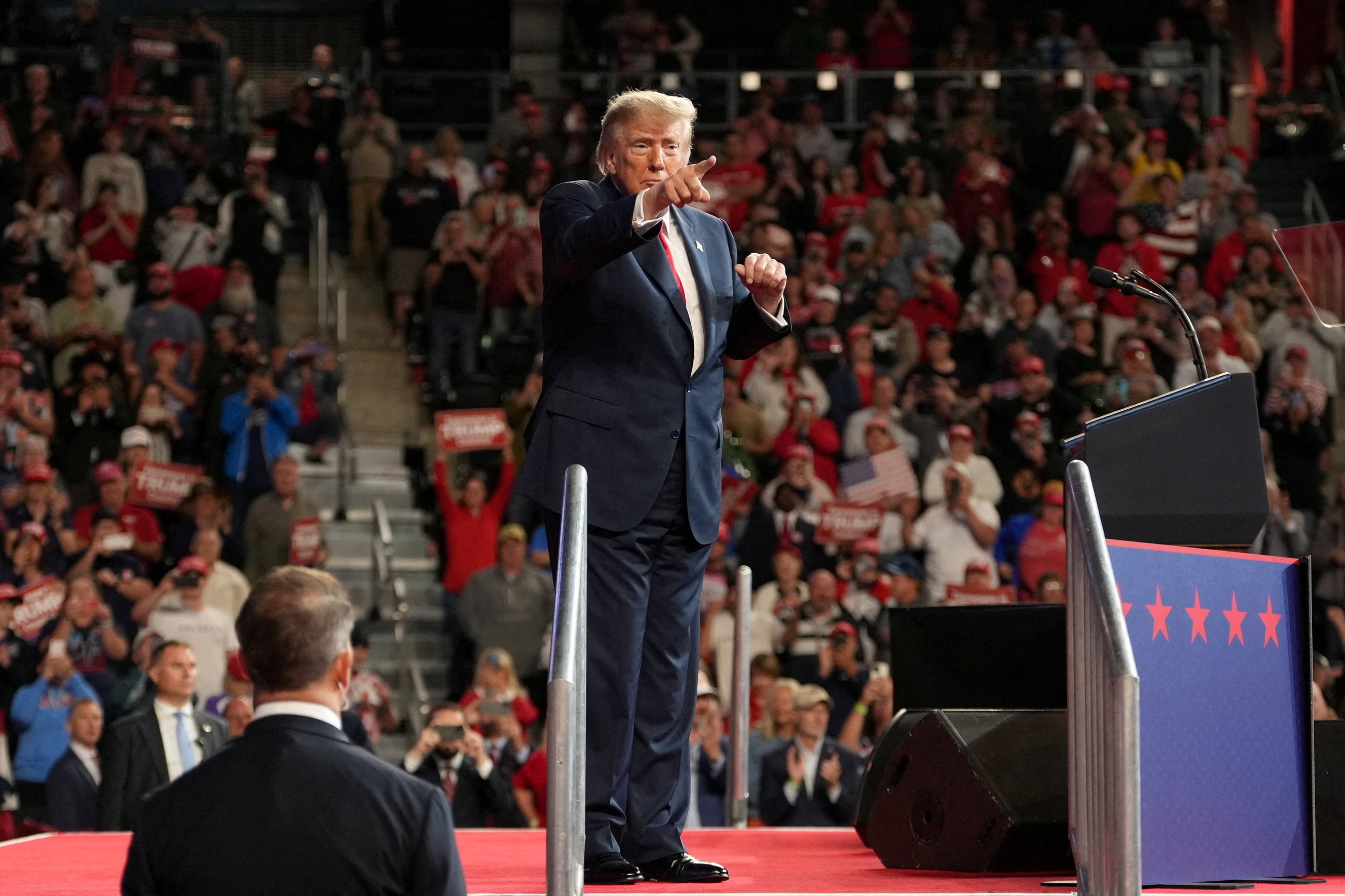
U.S. President Donald Trump was halfway through his speech at a campaign rally in Clarksville, Tennessee, this Saturday, surrounded by his usual supporters: mostly white, dressed in red, wearing MAGA hats, and displaying messages of support for the Republican. “It’s amazing. I could say the stupidest things and you’d clap me,” he boasted. On cue, the crowd, amid laughter, applauded.

© Eric Lee (REUTERS)

During a quarter-century in power, Vladimir Putin has led Russia into three wars, in part aimed at restoring his country’s status as a world power via violent conquest . Each war began in a blitzkrieg-style display of fearsome power meant to climax in a swift victory. Instead, each conflict, whether the 1999-2009 war on the […]
The post Putin’s scorched-city policy hits Ukraine hard appeared first on Asia Times.
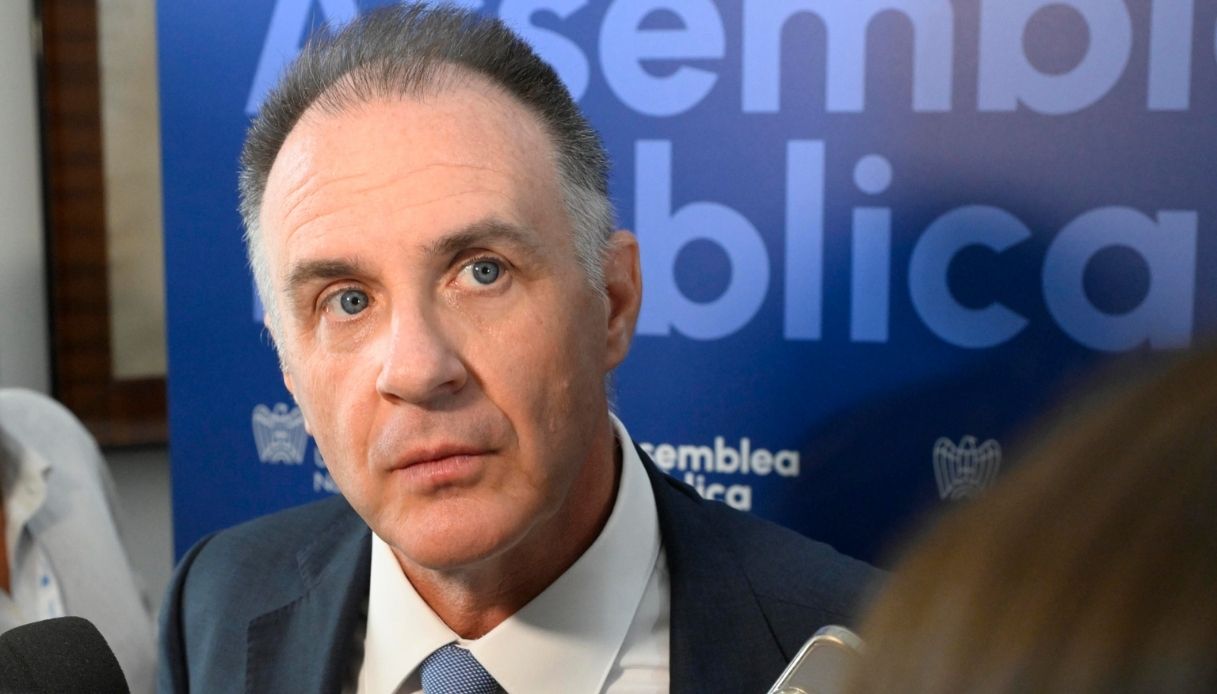
Il tema del gas russo torna nel dibattito economico italiano dopo le parole del presidente di Confindustria, Emanuele Orsini. A margine dell’assemblea di Assolombarda a Milano, Orsini ha evitato di entrare direttamente nel merito di un eventuale ritorno delle forniture russe, ma ha posto una questione più ampia: il costo dell’energia per le imprese. “Io non entro nel tema gas russo o non gas russo, non è di mia competenza”, ha detto. Poi ha aggiunto che sull’energia “non ci può essere ideologia”. Per Confindustria, la competitività del sistema produttivo è centrale. Orsini ha indicato in particolare settori come ceramica, carta e vetro, colpiti dall’impatto dell’Ets, il sistema europeo di scambio delle quote di emissione.
Negli Stati Uniti, Donald Trump ha annunciato un’intesa con Vladimir Putin per la fornitura di gasolio russo ai mercati americano e globale, con una sospensione temporanea delle sanzioni Usa sul diesel russo. L’accordo prevede, secondo quanto dichiarato da Trump, forniture iniziali per oltre 300mila tonnellate, seguite da ulteriori quantità nei mesi successivi.
La scelta è stata presentata dalla Casa Bianca come un modo per ridurre i prezzi dell’energia. Diversi analisti citati dalla fonte, però, hanno espresso dubbi sull’effetto concreto dell’operazione sui prezzi del diesel, definendo i volumi annunciati limitati rispetto ai consumi statunitensi e al mercato globale.
L’intesa ha anche un impatto politico. Il presidente ucraino Volodymyr Zelensky ha criticato la decisione, definendola un vantaggio per Mosca. Secondo alcune ricostruzioni, l’accordo sarebbe maturato anche dopo le tensioni sugli attacchi ucraini alle raffinerie russe, che avrebbero contribuito ad aumentare la pressione sui prezzi energetici.
Per l’Italia, il ritorno diretto al gas o ai prodotti energetici russi resta un tema politicamente e diplomaticamente complesso. Sul piano europeo, i Paesi Ue non hanno rimosso le sanzioni sull’import dei prodotti petroliferi russi. Per questo le forniture promesse da Mosca agli Stati Uniti non avrebbero un effetto diretto sui prezzi del diesel in Italia. Un eventuale impatto potrebbe arrivare solo in modo indiretto, attraverso le quotazioni internazionali dei prodotti raffinati.
Nel governo italiano il tema divide le sensibilità politiche. La Lega di Matteo Salvini spinge da tempo per una riapertura dei canali commerciali con Mosca, sostenendo che l’acquisto diretto di gas e petrolio russo potrebbe ridurre i costi per famiglie e imprese.
Fratelli d’Italia, con la presidente del Consiglio Giorgia Meloni, ha finora mantenuto una linea atlantista e di sostegno all’Ucraina, cercando al tempo stesso di evitare posizioni più estreme nel dibattito europeo. Forza Italia, con il ministro degli Esteri Antonio Tajani, resta invece ancorata alla linea europea sulle sanzioni e sul sostegno a Kiev.
La questione energetica incide direttamente sui costi di produzione, sulle bollette e sulla competitività delle imprese. Per Confindustria, la priorità è ridurre il divario con gli altri Paesi, soprattutto nei settori più energivori. Da qui la richiesta di intervenire sull’Ets e di proseguire con misure capaci di sostenere gli investimenti.
Orsini ha ricordato anche il ruolo dell’iperammortamento, misura che secondo il presidente di Confindustria ha contribuito alla crescita degli investimenti e del Pil. Il punto politico ed economico resta quindi aperto: da una parte la necessità di mantenere coerenza con la linea europea sulle sanzioni, dall’altra il bisogno di contenere il costo dell’energia per industria, famiglie e sistema produttivo.

Contact us: info@strategic-culture.su
Is Trump planning on using Putin to get him out of the mess of both his low polling and the Iran war? Seems far-fetched perhaps at first, but he is completely snared in Iran, with whatever option he looks at appearing to be a doomsday scenario. Could Putin help him out both with diesel prices back home but also to broker a deal with Iran which makes it appear to Americans that he, and America, are somehow the winners?
For the Russian president to sell close to 2 million tonnes of diesel oil to Western countries, including the U.S. of course, seems like a sticking plaster to a huge wound in the American and Western economies. Unless, that is, there is a second deal behind it which journalists and pundits are not aware of, or are simply choosing not to report. For the diesel initiative from Putin, the amount which is being offered isn’t huge, but there are a couple of precedents which it sets which are more important.
Firstly, it opens the doors for further lifting of sanctions (which could be bundled into Iran’s, given Moscow’s relations with Tehran), but perhaps even more importantly, it makes President Zelensky of Ukraine an even bigger target for Trump. Much will rest on the coming days and the decision that Zelensky will take to continue bombing Russia’s oil facilities. Will he take that suicide pill? Wars are often messy, and there are always grey areas where the two countries at war with one another find situations which are illogical and impractical. Perhaps the bombing of oil facilities within Russia in the Ukraine war has reached its tipping point, and regardless of how close EU leaders are with Zelensky – who at best we can call a caretaker leader – this will test this relationship to breaking point.
Do great numbers of citizens in France and Germany need to die this winter simply because of an energy crisis and/or an economic malaise in their own countries which have poured billions into keeping the war in Ukraine alive? Is Putin so confident that this winter will be the last one for his troops, as the defensive line between Ukraine’s forces and those of Russia’s looks like it is about to break at any moment? Are Ukrainians themselves ready to face a freezing winter in Kiev, unable to power or heat their own apartments? So many wars started over energy reserves, but not Ukraine. Yet it might end over them.
Trump’s threatening comments on social media about Zelensky should be taken seriously. If Trump’s own cabal of unqualified advisers can seriously convince him that a ground invasion of Iran is feasible, if not winnable, one could argue simply that regime change in Ukraine should be a children’s picnic and gives him a huge payday – politically, economically and geopolitically. Removing Zelensky would stop the war immediately, and Trump could claim victory for that, while he asks his friend Putin to quietly intervene in Iran and fix the Straits of Hormuz.
For Trump to actually respond to Zelensky’s outburst to reporters that the move to buy Russian diesel was “weak” by threatening Zelensky with being removed shows that his patience has reached a point where he is starting to think of the Ukrainian president as the source of the problems. To remove Zelensky through backing a rival will be hard and will pitch him against EU leaders, but one could argue relations couldn’t really get any worse, and that once Macron and Merz understand that peace is the only option and Zelensky is actually the only real obstacle to that, they will do what all EU leaders do and follow America’s lead.
We often hear analysts on YouTube talk about the game of “chicken”, but there has never been a more fleeting moment than now, as both Trump and Zelensky will be watching each other to see who blinks first. Zelensky, until now, has been playing a dangerous game of pretending to be servile to U.S. hegemony, while really just taking the cash and weapons and laughing at Trump among a coterie of weak European leaders in their palatial residences. The war has been complex since it began, as the U.S. and EU rarely saw eye to eye, but if Trump goes ahead with his threat of denying the Ukrainians shared intel, then this will be a very bad omen for the future of Zelensky, as he will put even more pressure on the British, French and Germans to come up with more weapons and money in an unwinnable war which they’ve bet the farm on and their entire political careers depend on.
The war, after this diesel decision, might have just become much simpler and more binary, and a collective narrative might emerge from the insanity of EU gibberish from countries who can’t even protect their own people on their own soil against an invasion of bogus asylum seekers. It will not only be the ultimate test for U.S.-Ukraine relations, but also one for U.S.-EU ones, and perhaps represent the end of NATO as we know it.