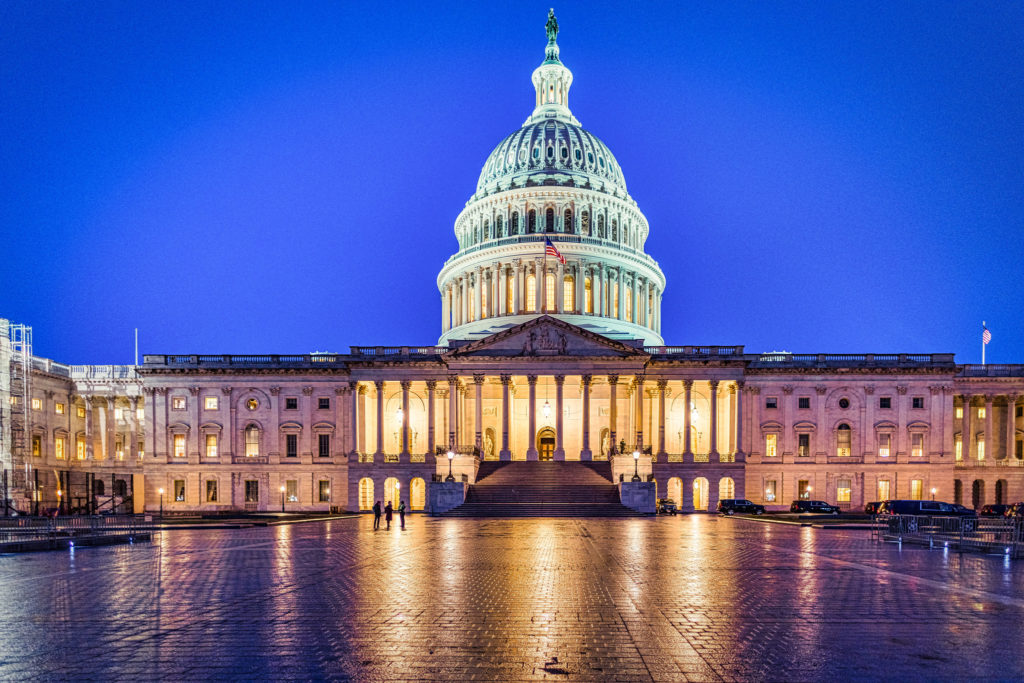
Seven US senators from both parties said the Trump administration's decision to authorize Russian diesel imports conflicts with a 2022 law banning Russian energy imports and accused it of failing to consult Congress, in a statement on 11 October.
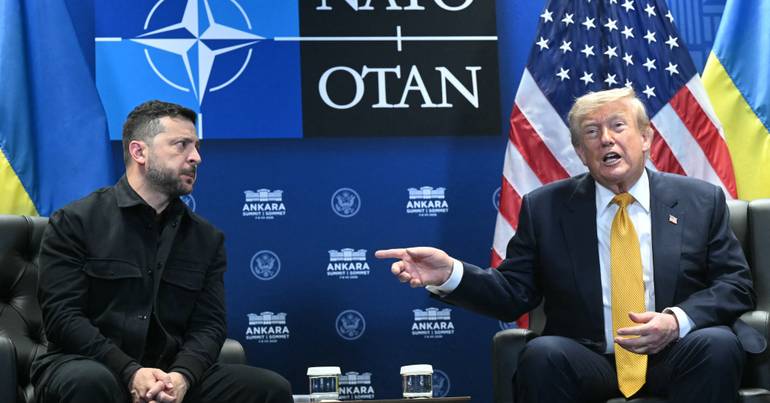
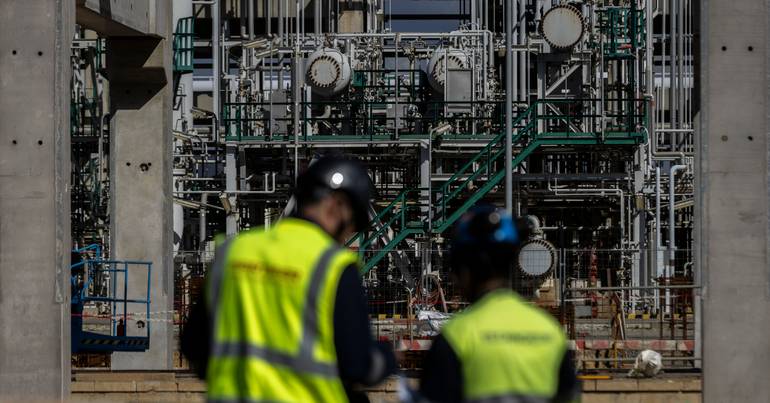
The dispute comes as the war with Iran drives up US fuel prices, which US President Donald Trump has blamed on Ukraine's strikes on Russian refineries. Trump says Russian supplies will help bring prices down, while lawmakers warn that purchases could provide Moscow with revenue to continue its war against Ukraine.
The senators—Republicans Susan Collins, Lisa Murkowski, Thom Tillis, and John Curtis, and Democrats Jeanne Shaheen, Richard Blumenthal, and Ron Wyden—called on the administration to reverse course, saying the US should not provide Russian President Vladimir Putin with “a financial lifeline.”
What the 2022 law requires before the ban can end
The law, signed on 8 April 2022, allows the president to end the import ban only after submitting a certification to Congress. The certification must find that Russia has agreed to pull out its forces and stop the fighting on terms Ukraine's free and independent government accepts, no longer poses an immediate threat of attack to any NATO member, and recognizes Ukrainians' right to pick their own government.
The law also requires consultation with four congressional committees and a report at least 45 days before certification. The termination takes effect 90 days after certification unless a joint resolution of disapproval is enacted into law during that period. The senators allege the administration failed to meet the consultation and reporting requirements. Their statement does not establish whether a certification has been submitted.
Treasury’s license cites sanctions rules, not the 2022 law
The Treasury Department's Office of Foreign Assets Control issued General License No. 135 on 9 October, authorizing certain transactions involving Russian-origin diesel that would otherwise be restricted under US sanctions regulations. It runs until 7 April 2027 and cites sanctions regulations, not the 2022 import-ban law.
Explore further
EU blacklists 1,569 Russian arms suppliers and their bosses in its biggest sanctions round ever, as Trump eases up on Moscow
Treasury Secretary Scott Bessent defended the deal on Fox News on 11 October, saying the administration would proceed under existing legal authority. He said lawmakers who argued that either the earlier law or the current Lindsey Graham sanctions law prohibited the deal were wrong, and argued the agreement would lower prices, Reuters reported.
How much diesel Trump says Russia will supply
Trump said on Truth Social that Russia would immediately supply more than 300,000 tons of diesel to US and global markets, followed by 500,000 tons in November and 1 million tons after that. He said Russia would deliver another 3 million tons “within a short period of time,” depending on the condition of its diesel refineries. The promised volumes have not been independently verified.
Russia partially lifted its diesel export ban on 10 October, allowing 500,000 tons onto the global market at this stage, the Russian government said, according to state news agency TASS.
A House bill to block Russian oil purchases
Pennsylvania Republican Rep. Brian Fitzpatrick plans to introduce the Ronald Reagan Peace Through Strength Act to block Russian oil purchases and use a discharge petition to force a House vote, Axios reported. The procedure can force consideration of a bill if 218 House members sign. Republican Rep. Don Bacon said he would support the bill and called Trump's decision a serious mistake, according to Ukrainska Pravda.
Barrasso defends the deal. Zelenskyy calls it an investment in war
On CBS's Face the Nation on 11 October, Senate Majority Whip John Barrasso, a Republican from Wyoming, called the deal “another point of leverage” for Trump to use against Putin. Asked whether the decision violated US law, Barrasso said the president was balancing competing priorities and had to make tough decisions.
Ukrainian President Volodymyr Zelenskyy wrote on Telegram on 9 October:
“Allowing Russia to sell petroleum products is an investment in a war that must be ended, not prolonged.”
Trump also expects Ukraine to stop striking Russian refineries under his proposed energy ceasefire, a White House official told Axios. Zelenskyy said Kyiv would halt such strikes if Moscow did the same.

 Login







 https://t.co/h8MyTm1JSe