Astronauts should return to the Apollo 15 landing site on the moon and haul home some of its half-century-old poop and hardware, a panel told NASA on Wednesday.
A crew would land just north of the site at Mons Hadley — far enough away to avoid damaging it. From there, the astronauts would walk over to inspect the rover, lander base, instruments, and power systems the prior crew left behind in 1971.
That equipment has endured decades of space radiation and repeated heating and cooling as lunar days give way to nights. Scientists on Earth could study how the lunar environment impacts the hardware over time. A close look at the urine and feces in a lab could reveal how biological material changes and whether it affects the area around it.
That "would be foundational information [for] how we need to engineer the systems for lunar bases," said Dan Dumbacher, co-chairperson of the committee, "for anything humans take to the surface of the moon."
The mission proposal came from a National Academies of Sciences, Engineering, and Medicine committee, whom NASA asked to recommend future moon-landing sites away from the lunar south pole, where the agency already intends to build a long-term moon base. In a new report, members of the committee selected four non-polar sites — Bhabha Crater, Mons Hadley, Orientale Basin, and Aristarchus Plateau — where they believe Artemis astronauts should collect samples, make observations, and conduct experiments. They prioritized locations they believed would benefit from human explorers over uncrewed robots.
These so-called "sorties," the term NASA used when tasking the committee, would be short, one-time visits. Because the poles lack the volcanic terrain found elsewhere on the moon, as well as radioactive metals like uranium and thorium, the brief trips would complement the base, not replace it, according to the report.
Each mission would send a pair of astronauts to make one to four moonwalks within 2 kilometers — or 1.2 miles — of their lander. That distance is a previously established "walkback" limit NASA decided long ago that the committee thinks the agency should try to extend. The panel also chose landing sites that offered the most opportunities for geology, biology, human health, and physics research.
The top pick, Bhabha Crater, sits inside what may be the solar system's largest and oldest crater, and its rocks could pin down when that massive impact happened. Situated on the far side of the moon, the crew would have to land farther from home than any humans before, letting NASA test how astronauts cope with isolation.
The site is also prime for a telescope, said James Day, the other chairperson of the committee.
"It's an almost unmatched location for doing radio astronomy, and the reason for this is because it's in the quiet zone on the far side of the moon. It is shielded from the noise that we produce here on Earth," Day said. "This will give us information on the very early universe before the first stars or galaxies had formed."
Bhabha crater is the National Academies committee's top pick among four recommended moon landing sites. Credit: NASA / GSFC / Arizona State University
At Orientale, the moon's youngest large basin at roughly 3.8 billion years old, astronauts would collect boulders from deep in the crust that could show whether the moon was once entirely molten. They would also set up a detector for gravitational waves — ripples in spacetime. The instrument could alert astronomers months before distant neutron stars collide, the committee leaders said.
Finally, the Aristarchus Plateau, an Apollo destination that NASA never reached, holds volcanic deposits that may yield water. It spans about 60 miles, so crews there would gain the most from the simple open rover the committee thinks NASA should build.
Among its recommendations, the panel said NASA should keep mapping the moon in detail from orbit, build instruments that can run through the lunar night, and set up a communications system that keeps crews in constant contact with Earth, even on the far side.
NASA will decide when and in what order to fly the missions.
"All four of these sites will give us profound knowledge," Day said, "not just of our moon, but of our solar system, and frankly of ourselves."
The four debates in Maine’s U.S. Senate race, between incumbent Republican Susan Collins and Democrat Troy Jackson, are over. Early voting is underway. And while Jackson survived the quartet of clashes, the race remains as close as ever.
Debate expectations for Jackson were between middling and low. His down-home style was compared to the senator’s highly polished vibe. He had far less experience in high-profile debates. But ultimately Collins and Jackson both effectively delivered their core messages.
As in previous campaigns, Collins tried to claim the mantle of bipartisanship and argue that only she can deliver for Maine. She shared laundry lists of bills she worked on and specific projects helping towns. (Her campaign also focuses on this in ads; I even received a detailed text to my phone claiming credit for “$59 million for the City of Bangor.”)
“Sen. Collins is like an arsonist who helped set the fire and then she wants credit for bringing a cup of water to put it out,” Jackson said in the first debate.
Jackson took both parts of Collins’ case head on. He again noted Collins’ record of backing Trump 96% of the time, contrary to her assertions of bipartisanship. He contended that Collins’ deliverables are woefully insufficient compared to the cuts she has backed. “Sen. Collins is like an arsonist who helped set the fire and then she wants credit for bringing a cup of water to put it out,” he said in the first debate.
Three debates later, Collins herself helped the case against her bipartisan bonafides. A moderator asked her to identify a time when a vote against Republicans changed the outcome. Collins muffed. She cited opposition she organized to Pete Hegseth’s nomination as defense secretary, which failed after one senator, North Carolina’s Thom Tillis, changed his mind at the last minute. “So that didn’t change the outcome,” one of the moderators replied.
Jackson’s arsonist comparison was not the only memorable image he conjured. After Collins bragged that she stopped Canadian tariffs on road salt, the Democrat replied, “We can’t eat road salt.” Memes proliferated featuring images of a truck carrying road salt labeled as “Meals on Wheels” and Collins pictured as Marie Antoinette saying, “Let them eat road salt.” A Mainer at the Fryeburg Fair confronted Collins with Jackson’s remark.
Beyond its virality online, Jackson’s remark bore real-world heft. Food prices are up and heating oil prices soared 81% since last year. Often using examples about himself and others, Jackson focused on understanding working people, the necessity of a better healthcare system and fighting oligarchic power. He has also challenged Collins’ contention that he would not be able to help Maine like her.
Democrats have often accused the Maine press of catering to Collins, publicizing stories about her securing money for Maine while not covering her contradictions. This year is different.
None of the aforementioned exchanges got the most national attention, though. The one that grabbed out-of-state headlines arose after a protester with a fake press pass interrupted the last forum to rail against the environmental impact of data centers and corporations’ financial power. Collins quickly and without evidence claimed, “So this is obviously one of Troy’s supporters.”
“Oh, shut up. I don’t even know that kid,” Jackson replied.
“Oh, right,” Collins answered.
In a very close race like this election, any moment can matter. But it is striking that, afterward, many Mainers did not find Jackson’s remark problematic. Journalist Kevin Miller of Maine Public Radio wrote that Jackson’s comment was “more flippant than mean-spirited. The two rivals even seemed to exchange snarky smiles before the debate quickly resumed without future disruption.” On a post-debate panel, reporter Rob Caldwell said that, given the negativity of the campaign, the candidates were “going to get ticked off. If they didn’t they wouldn’t be human. … There are a lot of worse things that they could have said.” Callers to a radio show the following day were divided over whether Jackson was rude or had rightly responded with a Maine “shaddup.”
Jackson’s remark was not what the Bangor Daily News highlighted in its front page after the final debate. Instead, the paper focused on Collins saying, “I think our democracy will be just fine,” while Jackson judged American democracy as “at risk” and observed that “Donald Trump is trying every trick in the book to keep power.”
Democrats have often accused the Maine press of catering to Collins, publicizing stories about her securing money for Maine while not covering her contradictions. This year is different. Jackson’s criticisms of Collins’ conflicting votes are getting coverage, and the press is highlighting pay-for-play corruption allegations and examining the dark-money billionaires disproportionately benefiting Collins.
The two campaigns have not been the same and probably will stay that way. Jackson is holding high-profile events with Sens. Elizabeth Warren and Bernie Sanders. Collins’ most high-profile visitor is former Sen. Joe Manchin. Trump has not come and Collins would not want him. While Jackson uses his events to recruit canvassers and grow his field operation, Collins is helped by canvassers paid by Elon Musk.
Maine voters seem sick of the barrage of ads. Jackson’s grassroots operation and earned media look stronger.
Jackson closed with a “who’s on your side” message — the billionaires or the Maine people. Some ads feature past Collins voters who support Jackson now. Some of these voters cite Collins’ vote to confirm Brett Kavanaugh to the Supreme Court. Collins is defending her Kavanaugh vote by saying that, despite his track record, she could not know he would overturn Roe v. Wade.
National Republicans’ closing message features sharply negative advertising claiming Jackson bullies women, calling him “a creep” and even attacking his relationship with Lana Pelletier, his longtime partner and the mother of his children. (The Collins campaign asked for the ad to be taken down but critics noted that Collins brought up Jackson’s family in a September interview in Politico and Pelletier has spoken out against the personal attack.)
Maine voters seem sick of the barrage of ads. Jackson’s grassroots operation and earned media look stronger, and Republicans are facing the same headwinds in Maine as elsewhere. But it is never easy to defeat an incumbent and Collins’ brand is strong.
Mainers will have to decide if they want to re-elect Collins, who thinks our republic is not threatened by Trump but brings targeted resources to Maine, or if they pick Jackson, a self-described “working-class guy with a funny accent” who pledges to change policies, lift up all Mainers and protect our constitutional order.
As Texas Republicans grow more nervous about their chances of keeping a U.S. Senate seat in November, they are now facing another political burden: members of the Bush family.
Former President George W. Bush’s daughter Barbara and his brother Neil have broken with their family’s political party in the high-stakes race to support Democratic nominee James Talarico, adding to Republican anxiety about the contest.
The Federal Election Commission’s most recent report on PAC donations lists Barbara Bush as donating $2,500 last month to Lone Star Rising, a political action committee in support of Talarico, who is facing Republican Texas Attorney General Ken Paxton in the midterm elections. Her monetary support emphasizes larger fractures within the Republican Party, which had hoped for an overwhelming victory in the state. (Barbara Bush, who lives in Brooklyn, is registered to vote in New York.)
On Tuesday, in another Bush defection, the former president’s brother said on Facebook that he had cast his vote for Talarico in early voting.
“I have never posted a political message on Facebook not wanting to offend friends whose views may be very different than mine. I’m breaking that tradition because I voted early today, and I voted for James Talarico for the United States Senate,” Neil Bush wrote in a lengthy post. “My vote was motivated by two things: deep concern about Ken Paxton’s record and genuine admiration for the character and principles I see in James Talarico.”
Paxton was endorsed by President Donald Trump during the Texas GOP primary over incumbent Sen. John Corbyn. But he is facing a candidate who has intertwined his Christian faith with his campaign and whose focus on kitchen-table issues has resonated with voters facing econmic headwinds. The Democrat has a slight lead in polling, 48.8% to 46%.
Neil Bush, who calls himself a longtime Republican, said he has been “deeply troubled” by Paxton’s history as Texas attorney general. He cited Paxton’s decision to challenge the results of the 2020 presidential election, for which he was investigated by the state, and his impeachment by his own party over misconduct allegations in 2023. Paxton was also indicted in 2015 on charges of securities fraud. His legal team reached a deal for him to take ethics classes, pay almost $270,000 in restitution and complete community service.
In his statement, Neil Bush also took aim at Trump for doing “enormous damage to the Republican Party.”
He said he was “enormously impressed” by Talarico.
“He speaks with respect, seeks common ground, and seems genuinely interested in bringing people together rather than driving them apart,” he said. “His faith appears to be a deeply rooted source of humility, compassion, and conviction rather than a political weapon.”
He added, “I still believe deeply in many traditional Republican principles. But character matters more than party affiliation. Our democracy depends on leaders who respect our institutions, tell the truth, accept accountability, and seek to unite rather than divide.”
Paxton has been a divisive figure within his party. His impeachment attorney, Dan Cogdell, and his former law enforcement director, David Maxwell, have also said they will vote for Talarico.
Yarros is working on the fourth installment in the series, and she recently released a collection of short stories set in the "Empyrean" universe called "Threshing Day." However, it will still be a while before book four is ready for readers.
In the meantime, though, we're getting closer to a series adaptation of "Fourth Wing," which officially found its lead actors.
'Fourth Wing' is becoming a TV show
In October 2023, Deadline announced that Amazon MGM Studios and Michael B. Jordan's Outlier Society were developing "Fourth Wing" into a TV series. Yarros is an executive producer for the show.
Outlier Society produced Jordan's "Creed III" and is developing a slate of other series and films in addition to "Fourth Wing."
Deadline also reported in October 2023 that Amazon MGM Studios had acquired the rights to the entire "Empyrean" series. In her January 2025 Variety interview, Yarros said she had shared the "five-book arc" for the "Empyrean" series with Amazon.
"Fourth Wing" by Rebecca Yarros.
Red Tower Publishing
"They have the five-book arc, which went a little awry in Book 3 just because the positioning, but they already know that," she told Variety. "But they have the five-book arc and the general big points of what happens in between each book, but they don't have the specifics between Book 4 and Book 5, because I'm getting ready to go to my crazy plotting board and plot out every single event that happens in each book, so that I make sure that I'm within my two books there."
A new showrunner
In July 2024, Outlier Society announced it had hired Moira Walley-Beckett, who worked on shows like "Breaking Bad" and "Anne with an E," as the showrunner for the series. In a January 2025 interview with Variety, Yarros said Walley-Beckett was "great" and "phenomenal," but in July 2025, Walley-Beckett exited the project.
Variety reported in September 2025 that Meredith Averill was taking over as showrunner. Averill was previously the showrunner of the Netflix series "Locke & Key" and a producer on shows like "The Good Wife" and "The Haunting of Hill House."
Meredith Averill is set to be the showrunner for the "Fourth Wing" series.
Jemal Countess/FilmMagic/Getty Images
Amazon declined to comment on this piece when contacted by Business Insider, but Yarros shared a screenshot of a Deadline article about the showrunner announcement on her Instagram when it dropped.
"Welcome to the team, Meredith Averill! Guys, I love everything this wonderful woman has worked on and I'm so excited to have her joining us," Yarros said in her caption.
'Fourth Wing' is in the works
In January 2026, Jordan assured fans the "Fourth Wing" show was on its way in an interview with Deadline.
"We are making sure that this is going to be an exciting show that delivers on all of the things the fans want and some of the things that they won't be expecting either," Jordan said.
He also told the outlet that he's aware of how much fans of "Fourth Wing" care about the series.
"But trust me, I know how beloved this franchise IP is," he said. "It's early stages, but I feel how much people care about this one. It's not lost on us."
And on May 11, 2026, Jordan announced the show had been ordered to series for Prime Video at the Amazon Upfront, an annual event where Amazon offers a sneak peek at its coming content.
Rebecca Yarros, Lisa Joy, Meredith Averill, and Michael B. Jordan onstage at the Amazon Upfront in May 2026.
Roy Rochlin/Getty Images for Amazon
Yarros and Averill joined Jordan onstage at the event, as did Lisa Joy, an executive producer on the show who will direct the first episode. Joy has previously worked on shows like HBO's "Westworld" and Prime Video's "Fallout."
Meredith Averill, Michael B. Jordan, Rebecca Yarros, and Lisa Joy at the Amazon Upfront in May 2026.
Slaven Vlasic/Getty Images for Amazon
Yarros posted about the event on her Instagram story, sharing a photo of herself, Jordan, Averill, and Joy, writing, "What an absolutely wild night! So grateful for this team!"
Meet Violet and Xaden
The Amazon Upfront seemed to build momentum for the show, as it was announced in October that the Prime Video series had cast its Violet Sorrengail and her enemy turned lover Xaden Riorson. Deadline first reported the casting on October 15, 2026, though the streamer didn't confirm that news until October 21.
Esther McGregor will play Violet. McGregor, the 24-year-old daughter of Ewan McGregor, appeared in "Babygirl" and "We Were Liars," another Amazon adaptation.
Esther McGregor in New York City in May 2026.
TheStewartofNY/GC Images/Getty Images
Meanwhile, 30-year-old Emilio Sakraya has been cast as Xaden. The German actor is known for projects like "Rheingold" and the popular Netflix series "Warrior Nun." Both actors are relative newcomers, though, with their "Fourth Wing" casting marking a big step in their careers.
McGregor reshared Amazon's post about her casting to her Instagram story, writing, "So beyond excited. Honored. Thrilled."
Sakraya also shared the post to his Instagram story, but he captioned it with a quote from "Iron Flame," the second book in Yarros' series, in a fun nod to the text: "My house. My chair. My Woman."
Emilio Sakraya in November 2025 in New York City.
Michael Loccisano/Getty Images
In a statement shared by Amazon, Yarros said, "I'm so grateful to our producing and casting team for conducting a thorough, worldwide search to find Violet and Xaden. It will be incredibly exciting to see these talented actors, Esther and Emilio, bring our beloved characters to life on screen."
Yarros said at a London event in August 2024 that she intentionally never shared any hopes for which actors may be cast in the show.
"I will never say who my perfect fan cast is because the cast is so diverse, and I want to open that up to more diversity," she said. "And I feel like the second I say who I think this character is, that's who everyone will accept. That's only who they will accept."
"I kinda hope they find, like, an up-and-coming generation," she added. "But I would never put my fan cast in your heads."
At the same event, she clarified that she wouldn't be involved in the casting process, but that she had shared one hard-line casting request with Amazon and Outlier Society.
"They know how staunch I am against whitewashing Xaden," she said. "I think that's the biggest thing."
Xaden is described as having "warm tawny skin" in "Fourth Wing" and "tawny-brown" skin in both "Iron Flame" and "Onyx Storm." Sakraya was born in Germany to a Serbian father and a Moroccan mother, according to an interview with German Films Quarterly.
Amazon did not provide any additional details on casting or when filming for the series may begin.
Yarros talked about the series' pilot while on a book tour for 'Onyx Storm'
Although details about the series are limited, Yarros made a few comments about the show while promoting "Onyx Storm."
Speaking at an engagement on January 24, 2025, in New York, Yarros told fans she had read the pilot for the "Fourth Wing" show — and loved it.
"I read the latest version of the pilot last week," she said. "It's really nerve-racking when you read something like that because you're really — you're trusting someone else with your baby, right? And you're trusting someone else to say, like, 'Hey, this is important in your work, and this isn't,' and you kinda get your guard up."
Rebecca Yarros in April 2025.
Amanda Edwards/Getty Images
"But guys, I, like, kicked my feet the whole time," she said. "You're gonna love it."
Yarros also praised Walley-Beckett at the event, calling her a "brilliant writer" and saying she maintained the book's integrity in the pilot. It's unclear how the pilot may have changed since Walley-Beckett's exit from the project.
Uma leitura equivocada dos dados levou a Justiça Eleitoral a informar, no último sábado (17), que 4.352 seções eleitorais teriam mudado de local entre o primeiro e o segundo turno da eleição deste ano.
O presidente do Colégio de Presidentes dos Tribunais Regionais Eleitorais (Coptrel), desembargador Carlos Roberto Silva, explicou nesta quarta-feira (21), à Agência Brasil, que os dados foram erradamente comparados com os da eleição de 2024. Segundo a assessoria de imprensa do TSE, houve uma falha dos Tribunais Regionais Eleitorais (TREs) ao alimentar o sistema da Justiça.
"Esse número de 4.352 seções alteradas é irreal. Não ocorreram alterações de locais em 4.352 seções do 1º para o 2º turno no Brasil inteiro. Foi uma verificação equivocada desse dado. Esse dado de 4,3 mil seções alteradas é de 2024 para 2026", afirmou o desembargador.
Número correto
A Justiça Eleitoral atualizou para 343 o número de seções eleitorais que tiveram seu local modificado entre o primeiro e o segundo turno das eleições, que ocorrerá no próximo domingo (25). Na terça-feira (20), o sistema registrava 441 seções que teriam mudado de local, quantidade que caiu novamente na atualização desta quarta.
O eleitor deve conferir o local de votação apenas nos canais oficiais da Justiça Eleitoral, seja no botão “onde votar” do aplicativo e-Título, ou nos portais do Tribunal Superior Eleitoral (TSE) e dos TREs. Um dos canais é por meio deste link, clicando no botão “Onde votar”.
Ao abrir a sessão plenária do TSE na terça-feira, o presidente do Tribunal, ministro Kássio Nunes Marques, explicou que o sistema inicia a primeira semana após o primeiro turno com o mesmo número de mudanças ocorridas desde a eleição de 2024.
"Há uma necessidade de revisitação de toda a situação anterior ao primeiro turno. Então, ele [o número] vem, muito provavelmente, e é o que está acontecendo, caindo", disse.
Marques pontuou que, enquanto o sistema ELO, usado para sistematizar os dados estatísticos da Justiça Eleitoral, ainda indicava 38 locais de votação alterados em Minas Gerais, o TRE estadual calculava apenas 17 endereços modificados.
"No caso do Piauí, no sistema ELO, constam 18, mas o TRE já nos comunicou que apenas quatro locais de votação foram alterados", acrescentou.
As mudanças nos locais de votação são definidas pelos juízes de cada cartório eleitoral. Esse juiz informa ao TRE a necessidade de mudança, seja por problemas climáticos ou de estrutura dos prédios. Em seguida, o TRE repassa o dado ao TSE pelo sistema ELO.
Kássio Nunes Marques disse ainda que os dados atuais representam uma redução, em 2026, de 85% no número de urnas alteradas entre o primeiro e o segundo turnos, se comparado com a eleição de 2022.
Mudanças rotineiras
O presidente do TRE de Santa Catarina, Carlos Roberto Silva, explicou que mudanças em locais de votação fazem parte da rotina da Justiça Eleitoral, ocorrendo todos os anos.
"Os juízes eleitorais divulgam, por todos os meios de comunicação, quando isso acontece e colocam avisos nos locais antigos, onde houve a mudança. Há sempre uma faixa avisando o novo local. Não há prejuízo aos eleitores, não há nenhuma situação de insegurança, é rotina", afirmou.
O desembargador acrescentou que todos os meios de comunicação locais são avisados quando há uma mudança.
"Além de colocar os avisos, o rádio fica divulgando constantemente. É um aviso muito efetivo, de uma forma que não há notícias de que eleitores tenham deixado de votar porque houve, eventualmente, essa alteração, que, repito, é uma rotina em todas as eleições", completou o desembargador.
O presidente do TRE catarinense acrescentou que a tendência é que ocorra o mínimo de novas alterações de locais até o próximo domingo.
"Alterações [ainda] são possíveis. Imagine que, nos próximos dias, em algumas regiões do Brasil, ocorra uma chuva de granizo intensa que estrague o telhado de uma escola. É possível, mas em casos muito excepcionais", completou.
Nos últimos dias, têm circulado diversas mensagens em grupos de WhatsApp ou nas redes sociais com links não oficiais sobre locais de votação que não são confiáveis. O eleitor não deve consultar o local de votação em links que não sejam os oficiais da Justiça Eleitoral.
More than 10 million U.S. citizens have already cast ballots for the U.S. midterm elections, and Democrats account for over half of that early turnout as the November 3 vote approaches.
General early voting began on Monday, October 19, led by Texas, Alaska, Arkansas, Colorado, Connecticut and South Carolina. Hawaii, Louisiana, Utah, Wisconsin, Florida and Missouri have since joined.
Voters will decide seats in the U.S. Senate and House of Representatives, governorships, state legislatures and local measures on November 3.
Democratic voters have shown up in force across several districts, a pattern party strategists read as an early effort to blunt the conservative agenda in Congress. That mobilization carries weight because the races will decide control of the Senate, the House of Representatives, several governorships and state legislatures, along with local ballot measures.
The opening surge unfolded amid deep polarization over the federal administration’s record. Turnout in the early states has outpaced expectations even as the national political climate remains volatile.
🎉 Double digits! We've just passed 10 MILLION early votes cast nationally in the 2026 midterms! 🗳️
In Alaska, polls will stay open for 15 days before Election Day. In Arkansas, the Secretary of State estimates early participation of half a million people. In counties such as Saline and Pulaski, early reports show a divided electorate: conservative voters back Governor Sarah Huckabee Sanders and Senator Tom Cotton, who are noted for their alignment with President Donald Trump’s administration.
In Colorado, in-person voting centers opened on October 19 and four million ballots were mailed out. Preliminary records show that 13% of Democrats have returned their ballots, compared with 10% of Republicans and 7.5% of unaffiliated voters. Colorado is electing all of its main executive and legislative offices. Inflation, public safety, defense of social benefits and control of presidential power dominate the priorities mentioned by community organizations and independent voters in Arkansas and Colorado.
Florida prepares to open its mandatory in-person period on October 24, where Hispanic voters make up roughly 29% of the population and carry decisive weight.
Early voting for the midterm elections begins this week in these states:
— Alaska — Arkansas — Colorado — Connecticut — South Carolina — Texas — Hawaii — Louisiana — Missouri — Utah — Wisconsin — West Virginia — Delaware — Maryland — Florida — Michigan — New Jersey — New York pic.twitter.com/YPYDIWpkNP
Elections officials warned that, because of the complexity of the voting system, close races could be resolved only on November 18, when the count of ranked choices ends.
The early surge arrives as surveys show some of the lowest approval numbers of Trump’s current administration. The President’s backers have framed the midterms as a referendum on his governing record, while Democrats describe the contest as a check on executive power.
The record pace of early ballots has already surpassed previous benchmarks, with Texas posting one of the strongest showings. As more states open their voting windows in the coming days, the national count is expected to climb sharply before November 3, when the full scope of the midterm verdict takes shape.
#FromTheSouth News Bits | In the United States, analysts assert that the Trump administration is seeking to destabilize democratic-led states by instilling fear through immigration agents known as ICE, in an effort to manipulate the midterm elections and win them. pic.twitter.com/e5Dal77aj0
La narrazione mainstream sostiene che l’Italia spenda troppo per le pensioni, additando un presunto e insostenibile 16,3% del PIL che rischia di far collassare il welfare nazionale. In realtà, si ...
The company spent $34.91 billionin capital expenditures during the third quarter of 2026. That's up from the second quarter's sum, $31.08 billion.
For the year 2026, Meta said it expects to spend between $135-145 billionin capital expenditures, narrowedfrom its prediction of $130-145 billion last quarter.
Meta's forecast includes the yearly capex prediction that analysts expected: $139.79 billion.
As Meta bets big on AI, it is investing heavily in its development. It has built massive, costly data centers and spent big on computing power.
The spending uptick was expected. On the "Cheeky Pint" podcast earlier this month, CEO Mark Zuckerberg recounted early conversations about the investment — and said he'd bet up to $200 billion on AI, before he knew the models would work.
Investors haven't loved Meta's massive capex forecasts in past quarters. The stock tumbled almost 10% last quarter after earnings per share missed Wall Street estimates, and sank 6% the quarter before on raised capex guidance.
This quarter, Meta has a new hero product: Muse.
The AI assistant has reached over 2 million daily users and 3 million downloads. It quickly scaled the App Store. Muse users told Business Insider they chatted with it to help plan trips and ace exams.
The energy around the company is ebullient, as Alexandr Wang, Meta's chief AI officer, continues to post memes of Muse's squishy-looking mascot.
At Meta's Connect keynote event in September, Zuckerberg said Muse "has a novel business model."
"We believe that Muse will make you money, and we're standing behind this by making Muse free for a huge number of tokens with the expectation that over time, we will profit by taking a small fee from transactions," he said.
Muse could help justify the capex guidance for some investors. The stock was trading up 4.12%after-hoursat the time of publication.
Brazil’s President Luiz Inácio Lula da Silva presented a constitutional amendment on Wednesday that would reserve budget funds for free public transport on weekends and holidays, tying the move to workers’ newly expanded right to rest.
The initiative would redirect 26.8% of parliamentary budget amendments to fund the program, which the government says would strengthen working-class access to leisure and urban mobility.
It envisions reallocating 11.2 billion reais (more than 2.2 billion dollars) from the budget controlled by Congress, whose concentration of resources has historically limited the federal government’s ability to carry out social policies. The proposal still needs to pass Congress.
The Brazilian government argues that this concentration of resources in parliamentary hands has historically limited the federal government’s capacity to carry out social programs. Reassigning the money, officials contend, restores room for initiatives aimed at urban mobility and access to leisure for the working class.
PESSOAL URGENTE 🚨
Lula anuncia tarifa zero para ônibus aos fins de semana em todo o país. PEC foi enviada ao Congresso e prevê que parte do orçamento das emendas parlamentares financie a medida. #FandomsComLulapic.twitter.com/cYNB8bGf9q
During the same ceremony at Planalto Palace Lula signed a separate law forgiving 16 billion reais (about $3.1 billion) in tax debts accumulated by individual microentrepreneurs, a category that covers millions of small producers and self-employed workers.
Administration officials portrayed the debt pardon as a lifeline for families whose tax obligations had outpaced their ability to pay. The two measures, they said, respond to the same pressure weighing on popular households across Brazil.
The Brazilian President described the weekend transport plan as a pilot program. Its purpose is to measure the social and operational impact of the zero fare model before any decision to extend it nationwide.
Lula’s administration said the project complements the recent reduction of the working week, helping workers make effective use of their right to rest. Days before Wednesday’s event, Lula attended the Senate promulgation of a separate constitutional amendment that abolishes the six-days-on, one-day-off schedule. The change secures two paid days of rest each week, preferably Saturday and Sunday, and shortens the maximum work week without cutting pay.
🚍 MAIS TEMPO PARA VIVER!
Hoje enviamos ao Congresso a PEC da Tarifa Zero, que propõe transporte público gratuito aos fins de semana e feriados em todo o Brasil e em cidades que possuem transporte público.
Despite criticism from far-right sectors backing Senator Flávio Bolsonaro, the executive said it will deepen its commitment to restoring rights and defending popular gains. The announcements come days before the October 25 presidential runoff in which Lula faces Bolsonaro.
The weekend fare initiative arrives as Lula’s administration pushes a broader agenda of recovering social and labor protections. The Brazilian President has linked the transit measure and the shorter work week as parts of a single effort to lift the weight of daily costs from working families.
Em Vila Real, algumas escolas tiveram que suspender as atividades letivas. A escola de São Pedro foi uma delas. Segundo a diretora, Rita Mendes, a escola não conseguiu iniciar as atividades letivas às 8h00 devido à ausência de funcionários em áreas como a portaria, os diferentes pisos do edifício e o bar. A decisão foi tomada por razões de segurança, uma vez que a falta de pessoal compromete as condições necessárias para assegurar o normal funcionamento das aulas.
A adesão à greve dos trabalhadores não docentes rondou os 30%, de acordo com uma estimativa avançada pela diretora. No entanto, Rita Mendes sublinha que esta percentagem deve ser analisada tendo em conta a falta de pessoal que já se faz sentir na escola. Segundo a diretora, o estabelecimento já funciona com um número reduzido de assistentes operacionais.
Apesar da interrupção das atividades letivas, os serviços administrativos mantiveram-se abertos e os professores continuaram a trabalhar.
Artigo exclusivo PREMIUM
Tenha acesso ilimitado a todos os conteúdos do site e à edição semanal em formato digital.
David Mendes, presidente da associação Viana Ciclável, já pedalou 2.500 quilómetros na sua viagem entre a ‘capital’ do Alto Minho e Antália, na Turquia, onde vai participar na 31.ª Conferência das Nações Unidas sobre as Alterações Climáticas, a COP31.
O ciclista está a cerca de metade do percurso que iniciou em 05 de outubro e, até agora, atravessou quatro países: Portugal, Espanha, França e agora Itália.
De bicicleta, sem apoio motorizado e sem equipa de suporte, para trás já ficaram o Gerês, os Pirinéus e os Alpes, segundo destaca a associação, em comunicado enviado hoje às redações.
David Mendes no Col de l’Échelle, nos Alpes franceses, no trajeto em direção a Itália. Foto: Viana Ciclável
“Encontrei-me com ciclistas locais e foi muito positivo trocar experiências e pedalar com eles”, conta.
Após atravessar todo o sul de França constatou que “quase todas as cidades de França têm uma rede de ciclovias bem desenvolvida”.
“E isso observa-se no uso que as pessoas dão à bicicleta, é muito normal todo o tipo de pessoas usarem a bicicleta incluindo idosos, crianças, transporte de crianças, etc. Ou seja, a bicicleta é um meio de transporte natural para o dia a dia e é aí que nós queremos chegar em Portugal”, acrescenta.
David Mendes partiu em representação da Viana Ciclável, em parceria com a COP Bike Ride (uma estafeta ciclística que deverá mobilizar cerca de 10 mil participantes), a International Degrowth Network, a MUBi – Associação pela Mobilidade Urbana em Bicicleta e a Câmara Municipal de Viana do Castelo. A viagem representa 4.700 quilómetros, 37 mil metros de desnível acumulado, 11 países e duas travessias de ferry.
Esta iniciativa baseia-se nos princípios da COP Bike Ride e pretende demonstrar, de forma prática e simbólica, que a mobilidade eficiente e de baixo impacto ambiental é possível se repensarmos os sistemas de transporte.
O ciclista leva consigo uma carta de compromisso da Câmara de Viana do Castelo para alavancar o ciclismo na proteção do clima.
Em comunicado divulgado no dia da partida, a Câmara de Viana do Castelo referiu que “está profundamente comprometida em alavancar o ciclismo como uma ferramenta estratégica na proteção do clima e na melhoria contínua da qualidade de vida de todos os munícipes e cidadãos da nossa região”.
Carta de compromisso do Município de Viana do Castelo
Rede Ciclável Estrutural (Meta 2030) – Concluir uma rede estrutural básica de ciclovias até 2030; – Priorizar a conectividade intermunicipal e multimodal para deslocações diárias; – Se a base já estiver estabelecida, torne-a ambiciosa!
Acalmia e Redução do Tráfego Automóvel – Reduzir o tráfego de automóveis, limitando a velocidade e o volume.
Planos Estratégicos Dedicados – Elaborar planos específicos até 2030, abrangendo todas as alavancas possíveis para o desenvolvimento da utilização de bicicletas; – Garantir financiamento adequado e dedicado; – Desenvolver revisões de implementação que incluam as associações e coletivos de utilizadores de bicicletas.
Zonas Exclusivas Pedonais e Cicláveis – Aumentar significativamente as áreas exclusivas para bicicletas e caminhadas até 2030; – Focar a implementação perto de escolas, centros de transporte público, comércio local e áreas verdes.
Estacionamento e Armazenamento Alargado – Generalizar a capacidade adequada de armazenamento de bicicletas até 2030; – Cobrir centros de transporte, áreas comerciais, escolas, escritórios e residências; – Incluir obrigatoriamente espaço para bicicletas de carga.
Eventos de Massa e Infraestrutura Comunitária – Desenvolver um horário e um local para o ciclismo e a utilização de bicicletas; – Criar um evento anual de ciclismo e/ou utilização de bicicletas em massa, para todas as idades, promovendo a participação de um público amplo; – Implementar uma “casa da bicicleta” para consertar, treinar, reunir e hospedar.
Capacitação, Treino e Literacia Financeira – Treinar e informar: capacitar, especialmente menores de 12 anos e mulheres, para uma utilização de bicicletas mais eficiente e empoderadora; – Promover os benefícios financeiros do meio de transporte.
Estímulo ao Setor Económico do Ciclismo – Desenvolver o setor económico associado (serviços, manufatura, leasing, partilha…); – Implementar esta expansão por meio de incentivos e subsídios fiscais específicos.
Logística Urbana e Entregas de “Última Milha” – Desenvolver a logística de bicicletas de carga para entregas na “última milha”; – Nota de fundamentação: Um estudo recente mostra que 42% das entregas em vans utilitárias poderiam ser feitas com bicicletas de carga.
Indicadores e Monitorização Regular – Implementar e divulgar regularmente indicadores para medir e monitorizar o progresso; – Avaliar métricas de satisfação, acidentes, tamanho da rede dedicada e integração intermodal.
Contactado pela VTM, Valentim Santos justificou a decisão com um acumular de situações em que deixou de se rever, apesar de ter procurado exercer as funções “com seriedade, calma e dedicação”. Depois de dois atos eleitorais, aceitou continuar a servir a instituição, mas considera que deixou de existir entendimento entre os diferentes responsáveis. “Não remamos todos para o mesmo lado, não estamos em sintonia”, afirmou.
O antigo presidente defende que cada órgão deve respeitar as competências dos restantes e cumprir as suas funções com lealdade institucional. “Cada um deve ocupar o seu lugar e respeitar o espaço de intervenção dos outros”, sustentou, considerando que a associação deve estar acima de divergências pessoais. “Aquilo não é do presidente, não é do comandante. Aquilo é dos bombeiros e da comunidade”, acrescentou.
Segundo Valentim Santos, os desentendimentos com o comandante foram-se agravando ao longo do seu mandato, envolvendo também o vice-presidente. O antigo responsável afirmou ter sentido dificuldades na gestão da instituição e acusou alguns elementos de terem contribuído para o que considerou ser um bloqueio interno. Sobre a assembleia extraordinária, alegou que existiu um “boicote preparado”, apontando responsabilidades ao comandante, ao presidente da mesa da assembleia e a outros participantes.
Artigo exclusivo PREMIUM
Tenha acesso ilimitado a todos os conteúdos do site e à edição semanal em formato digital.
The internet could be on the verge of a total meltdown. Yesterday, someone posted to a public forum that two major security flaws had been found in a programming language that undergirds the web. The language, called PHP, is used by as much as 70 percent of websites.
In order to protect themselves from hackers, a number of government, hospital, and school websites across Europe went dark this morning. The organization that maintains PHP quickly confirmed it was preparing to announce two major vulnerabilities alongside patches for them. Both weaknesses, officially disclosed today, appear to have existed in PHP for more than a decade but were only just discovered with the use of AI tools. Hackers have already been detected trying to exploit them, likely with the help of AI, and implementing the fixes to address the vulnerabilities could take companies days or weeks. In the meantime, tens of millions of servers, databases, and devices are exposed. “PHP is one of the fundamental pieces of technology that supports the internet,” Sam Rubin, a senior vice president at the cybersecurity firm Palo Alto Networks, told me. As of now, the websites of the Finnish health agency, the Port of Rotterdam, the Paris police force, 4chan, and an unknown number of others are all down while they address the PHP vulnerabilities.
News of these weaknesses in PHP is the capstone in a weeks-long slew of devastating, AI-powered cybersecurity events. In recent weeks, criminals and state-backed attackers have used AI to hack into more than 100 companies, including John Deere and SharkNinja; to automate hacks on some 400 financial institutions in Latin America; and to steal hundreds of thousands of credit-card records from two companies. Since this summer, attackers have hit governments, data centers, and hospitals in Ukraine, Russia, Argentina, Bangladesh, and Indonesia. Also today, the developers of Node—a platform used by nearly half of software developers—disclosed multiple high-severity vulnerabilities. And that’s the abridged list.
For the better part of a year, cybersecurity experts have been warning, with mounting alarm, about an impending cyber-apocalypse. It may have begun. For decades, the internet has been riddled with holes and bugs. Code is finicky, and the standard IT approach has been to fix problems when they arise. For decades, the balance held: Skilled hackers are few, and finding and exploiting vulnerabilities takes time.
Recent advances in AI have totally upended that equilibrium. Top models have become very good at finding holes and writing malware, and can work much faster than even a team of humans. This is true of both open-source AI systems from China, which can be downloaded and used without restrictions, and the even more capable models from OpenAI and Anthropic, which are continually being jailbroken. The rate of software vulnerabilities identified per month has doubled over the past year. Meanwhile, the time that hackers need to begin exploiting those vulnerabilities—figuring out how to break in and out without being caught—has fallen, by some estimates, from weeks to hours. An actual intrusion, if automated with AI, can take as little as 39 seconds. Historical approaches to detecting and fixing vulnerabilities, or monitoring for suspicious internal activity, are insufficient.
AI has created new vulnerabilities, but it also promises to fix them: The vulnerabilities in PHP were discovered independently by a Google-owned cybersecurity company and another effort led by OpenAI. Google, OpenAI, and Anthropic, along with other tech firms, are all working with government agencies around the world to shore up their defenses. But, as numerous cybersecurity experts have told me, there is an asymmetry between attackers and defenders that AI is going to exacerbate: Hackers will use new technology with abandon, while companies are methodical and risk-averse—a hospital or electrical grid can’t risk that an AI security tool unintentionally takes a patient off life support or causes a brownout. And attackers need to find only one hole to succeed, whereas defenders need only one oversight to fail.
For a year, criminals and state-backed groups have been experimenting with how to use models to accelerate and automate their attacks. It was only a year ago that Anthropic announced, with great consternation, what it declared to be the first instance of AI-orchestrated cyber-espionage. That still involved a lot of human oversight and required jailbroken Claude agents to work for many hours. Now that the agents are faster and more capable, hackers have gotten more adept at deploying them, and the automation is more extensive. Recent, widespread attacks on South Korean and Japanese websites were reportedly executed by a single Chinese cybercriminal who used AI to target more than 1,000 websites. “This certainly will not be the last large-scale vulnerability identified, because of what’s possible with AI,” Rubin said.
The past 24 hours represent a tipping point. Bulking up IT departments, implementing passkeys, and using two-factor authentication remain important. But the most urgent and practical advice being given now is to retreat: Prepare to simply go offline. The NSA advised companies that cannot immediately fix the PHP vulnerability to take down affected digital services. Hospitals, water utilities, and other crucial services are all preparing for hacks by relearning to operate analog. Store your data in fewer places. We’re running out of time to prepare for the AI-hacking deluge. The dam may have already broken.
O deputado do PS eleito pelo círculo de Vila Real defendeu a continuidade dos investimentos em habitação pública, na visita integrada no programa nacional de auscultação promovido pelos socialistas para preparar uma estratégia para o setor.
O projeto foi apontado pelo parlamentar como um exemplo a seguir. Rui Santos recordou que a obra foi preparada e financiada pelo anterior Governo, com recurso a verbas do Plano de Recuperação e Resiliência (PRR), e executada pela Câmara de Vila Real.
“Este modelo pode e deve ser replicado e continuado no futuro próximo, face à crise que vivemos”, afirmou, defendendo que a habitação pública é essencial tanto para famílias com maiores dificuldades económicas como para quem, apesar de não viver em situação de pobreza, necessita de apoio no acesso ao arrendamento.
Artigo exclusivo PREMIUM
Tenha acesso ilimitado a todos os conteúdos do site e à edição semanal em formato digital.
Ukraine continues to struggle with throttling of the speeds at which weapons using the vital satellite communications services provided by the SpaceX Starlink system can operate, and one weapons manufacturer tells us it is rethinking whether to rely on it in the future. As we have previously reported, heavy use of Starlink on both sides of the conflict in Ukraine, including as a means of guiding one-way attackers in the air and at sea, has underscored potential risks of exclusive reliance on Elon Musk’s orbital communications networks in critical tactical tasks.
At issue are complaints by Ukrainian officials that “in various sectors of the front, the equipment ceases to function at speeds of 130–161 kilometers per hour.”
A limit on how fast Starlink terminals on vehicles can travel before the feed is cut off in certain areas impacts a slew of weapons and campaigns, especially strikes on Russian logistics behind enemy lines and in the sea of Asov, as well as the control of defensive interceptor drones critical for taking down Russian long-range one-way attack drones, like the notorious Shahed-136.
The following video shows one such Shahed interception.
Spectacular footage of a Ukrainian interceptor striking a Russian Shahed kamikaze drone, followed by its fall to the ground. pic.twitter.com/8DrJyS22Fn
The limiting of Starlink/Starshield occurred amid deteriorating relations between the Trump administration and Ukrainian President Volodymyr Zelensky. The latest chill between Washington and Kyiv was sparked by the American leader’s claims that Ukraine’s attacks on Russia’s energy infrastructure have reduced the supply of diesel fuel to the U.S. and other nations more than the conflict in the Middle East. Trump was upset Ukraine kept hitting these targets despite his demanding they stop.
Q: Do you think Ukraine should stop attacks on Russian oil refineries? Have you told Zelenskyy that? TRUMP: We've talked about it, we have, and I think they're slowing it down, but they are causing a lot of problems. The lack of refineries is the problem. pic.twitter.com/ffpFnRqFlk
Exacerbating this issue, Trump on Oct. 9 announced via his Truth Social platform that he had made a deal to purchase diesel from Russia, pivoting away from a years-old Western policy that placed massive economic pressure on Moscow.
Trump: "I have just concluded a highly successful discussion with President Vladimir Putin, of Russia, wherein it was agreed that Russia will immediately supply over 300,000 Tons of Diesel Fuel to the American and Global Marketplace, another 500,000 Tons during the month of… pic.twitter.com/zH0I6HA941
Who gave the order to limit the speeds at which Ukrainian weapons using the Starlink/Starshield system operate is unclear.
“The order to limit a satellite system used by Ukraine for battlefield communications and drone operations came from inside the White House,” Reuters reported last week, citing two U.S. officials and a Western official briefed on the matter. “The officials said leaders at the Defense Department received a message that the SpaceX Starshield service for the Ukrainian military needed to be slowed.”
“No such request was ever made by the president,” a U.S. official told us on Monday.
“There has been no change to Department of War policy regarding intelligence sharing or any capabilities we are enabling Europeans to provide to Ukraine,” a senior Pentagon official responded to our questions about whether the Pentagon imposed the limits and, if so, why.
When we pushed for a more specific response to the Starlink/Starshield concerns, the Pentagon declined comment. However, Tuesday afternoon, Defense Secretary Pete Hegseth said the Pentagon did not order any changes and that Ukraine violated Starlink’s terms of services.
We reached out to SpaceX as well, but the company did not immediately respond. Last week, SpaceX’s founder and CEO, Elon Musk, said that “any limits on speed or usage are decided by the US military and ultimately” Trump. Musk had previously refused Ukrainian requests to use Starlink against targets inside Russia.
The prohibition against using Starlink inside Russia has drastically limited Ukraine’s ability to strike dynamic targets like mobile ballistic missile launchers and hunt for drone launch sites. However, Ukraine has not had to rely on Starlink in its campaign against oil infrastructure or other fixed targets deep inside Russia which upset Trump in the first place.
Tuesday morning, Zelensky spoke with U.S. Secretary of State Marco Rubio and again brought up Starlink/Starshield in addition to other major concerns.
“…the situation with Starlink/Starshield… needs to be restored,” Zelensky urged.
I spoke with Marco Rubio @SecRubio, and it was a substantive conversation – focused on the issues that matter. I am grateful for his readiness to help and his clear position. First, ballistic missile interceptors, which are needed to protect lives. Second, early warning of…
— Volodymyr Zelenskyy / Володимир Зеленський (@ZelenskyyUa) October 20, 2026
Rubio denied that any assistance was being withheld from Ukraine. Noting that Starlink “is a private company,” the secretary told reporters that Trump is “frustrated…because he doesn’t like to be blamed for things that aren’t true, including accusations that somehow he had ordered intelligence sharing to be cut off. And that’s not true; he’s said that repeatedly.”
SECRETARY RUBIO: There's nothing being deliberately denied to Ukraine. It's simply a balance between our obligations to other partners, and frankly, our own standards and requirements for our own facilities as well. pic.twitter.com/x9NWbIufBa
This most recent flap isn’t the first time SpaceX and Musk have faced particularly significant criticism over limiting some Ukrainian use of the network. Actions SpaceX took earlier this year to block unregistered Starlink terminals also had major consequences for Russian forces, which were sent scrambling to find alternatives to fill the massive resulting communications gap.
Given the tenuous nature of Ukraine’s ability to use Starlink/Starshield, the Wild Hornets company is reevaluating whether to use the SpaceX system in future endeavors even though, so far, it has experienced few problems with it. Wild Hornets is a major Ukrainian combat drone maker. Among other weapons, it makes the Sting interceptors, designed to defend against Russian Shahed kamikaze drones.
The Starlink/Starshield issue isn’t affecting current operations, a Wild Hornets spokesman told us Tuesday morning. “Our own communications system provides the basic connection to our interceptors,” he said. “Plus, our technology for remote control of the interceptors can use various sources of internet connectivity. True, the military often uses Starlink for this, but in our case, the terminal doesn’t need to be moved at high speeds (it simply provides a connection between the command center and the ground station to which the interceptor is connected—it’s somewhat similar to cell towers).”
Concerns about the reduction in speeds at which Starlink terminals can operate has Wild Hornets thinking about ditching a future project, the spokesman told us.
“But we understand that there are other types of interceptors,” added the spokesman. “For example, some drones carry a terminal on board and need to fly at high speed with it. In such cases, Starlink’s limitations make their operation impossible. From this point of view, it also makes us rethink some of the projects we’re currently working on. For example, launching interceptors from aerial platforms.”
“We’re keeping an eye on the situation,” the spokesman continued. “For our current operations (connections with ground stations), we can use any source of stable internet connectivity. Therefore, various solutions are possible in different locations. However, for these needs, everything is operating normally with Starlink at the moment. As for our plans with new projects, we don’t have a clear decision yet, but we will be testing alternatives.”
The spokesman declined to provide further details about what “alternatives” could look like.
There are a number of ways the lack of Starlink for extended-range drone operations could be mitigated to a degree, but the persistent, reliable, high-bandwidth and compact capability SpaceX provides has no direct alternative at this time. The use of drones that work as line-of-sight relays, which can be daisy chained together electronically with other airborne relays, with a connection spanning dozens or even hundreds of miles to a ground entry point is possible. You can read about this concept here. The use of swarms of balloons to create an active network over a battlespace and using Starlink on those slower moving platforms to relay line-of-sight connections to multiple drones below is another possibility. You can read more about this concept here. But we must stress again, nothing can fully replace Starlink/Starshield and its seamless beyond line-of-sight communications architecture at this time.
“I believe, in any case, depending on a single solution is very risky,” the Wild Hornets spokesman proffered. “Especially if you don’t have full control over it. Especially when it comes to something as critical on the battlefield as communications. That’s exactly why our ecosystem is built around our own communications technology and basically is open to various solutions when it comes to internet connectivity.”
The No. 1 interceptor: STING by Wild Hornets has destroyed over 15,000 Shaheds and Gerberas in one year
Confirmed data shows that STING has topped the interceptor rankings for 12 consecutive months. In September this year, Ukraine’s Defense Forces downed around 1,600 Shaheds,… pic.twitter.com/4v1aeOxPiy
As far as military units are concerned, the commander of the Georgian Legion told us that his forces have been affected by issues with Starlink/Starshield even though the main concerns have been about the speeds at which weapons can travel and still have connectivity. The Georgian Legion is fighting in the heavily contested Kramatorsk region of eastern Ukraine.
“We use Starlink a lot because, in this war, reliable communication is essential,” Mamuka Mamulashvili told us. “It helps us stay connected when everything around us is changing. Of course, we’ve learned not to rely on just one system. There are alternatives, like mobile internet, fiber-optic connections, radio and other satellite systems such as OneWeb. But honestly, none of them can fully replace Starlink in Ukraine right now.”
“The problems were not limited to the speed restriction of approximately 160 km/h,” the Georgian Legion commander pointed out. “Starlink connectivity itself was also intermittent, repeatedly switching on and off. This caused communication disruptions across various drone systems, not just those operating at speeds exceeding 160 km/h. As a result, the impact was broader than the restriction on high-speed interceptor drones. Intermittent connectivity created problems for drone control and communications across multiple systems, affecting their reliability and the ability to carry out missions as intended.”
Drones operated by the Georgian Legion. (Georgian Legion Telegram screencap)
“We had serious communication problems,” Mamulashvili explained. “At one point, our drone operators were struggling to maintain a reliable connection with the drone systems, which disrupted coordination and made it difficult to carry out missions as planned. When you lose the connection between the operator and the drone, you can lose control of the situation in seconds. We managed to adapt, but it definitely affected our work.”
“We have to adapt and find solutions, as we always do,” the commander said. “This war teaches you one thing every day. You can’t depend on a single technology or expect someone else to solve all your problems. You have to be ready for anything and keep moving forward.”
Russian sources, meanwhile, are gloating over the speed limits placed on weapons using Starlink/Starshield, particularly how it is affecting Ukraine’s mid-range drone attacks that have crippled Russian logistics. As we explained in a previous report, Ukrainian units have relied on the SpaceX system to help extend the range of their drones to reach as far as 150 miles into Russian-occupied territory. The SpaceX system is not used to hit targets inside Russia proper.
The following video shows some of these mid-range attacks.
Russian rail logistics are now also the target of Midstrike drones, with lines to Crimea being particularly affected. pic.twitter.com/K1BFd0QVov
“Disabling or slowing down Starlink has significantly reduced the enemy’s ability to launch medium-range drone strikes along the ‘Novorossiya’ highway,” influential Russian milblogger Vladimir Romanov reported. The highway, also known as the R-280, is a key link between cities in occupied southern Ukraine and the occupied Crimean peninsula. The road has been a frequent target of Ukraine’s mid-range strike campaign.
“The success of these strikes depends on the Ukrainian Armed Forces’ access to American satellite communication,” Romanov noted. “For the past six months, the Ukrainian Armed Forces have been attacking civilian transport – trucks, cars, and buses – exclusively through the use of ‘Starshield.’ This means that, for the past six months, American military satellite infrastructure has been used to carry out terrorist acts against Russian civilians, and so on. In other words, the United States is still directly involved in the war with Russia!”
America's gifts to Russia never end, with Russian military bloggers now confirming that Washington's operation to cut Ukraine's Starlink has halted Ukraine's ability to strike Russian logistics routes in Ukraine.
As for how widespread worries among Ukrainian weapons manufacturers are, the Wild Hornets spokesman suggested that his company is not alone. He said he has spoken with other companies relying much more heavily on Starlink/Starshield who have expressed concerns. He pointed to growing interest in the European Eutelsat satellite constellation as an example of companies seeking options, but noted that “of course, creating something like Starlink won’t be easy.”
It will be interesting to see if other Ukrainian weapons companies also consider scrapping plans to rely on Starlink in the future and what architectures will emerge at least as a backstop to it.
Nuclear power has historically been a divisive issue: During the Cold War, an entire generation feared annihilation at the hands of the same basic technology that some want to use to power their homes.
That's unfortunate, because nuclear energy has considerable benefits—a reliable source of power with very few greenhouse gas emissions—with increasingly lower risks.
Thankfully, it seems that message is catching on with people from both major political parties.
"About six-in-ten U.S. adults now say they favor more nuclear power plants to generate electricity," Pew Research reported in October 2025. "That's up from 43% in 2020, driven by increasing support among both Republicans and Democrats." The authors noted that "Republicans are more likely than Democrats" to favor the policy, with "roughly seven-in-ten Republicans and Republican-leaning independents" expressing support, but it still included 52 percent of Democrats and independents who lean in that direction.
Gallup found similar results earlier this year. The pollster "asked whether the U.S. should put more emphasis, less emphasis or about the same emphasis as it does now on producing domestic energy from each of six sources," wrote Megan Brenan. The six sources were solar, wind, nuclear, natural gas, oil, and coal.
"Nuclear energy is the only one of the six sources to see support grow since 2021, rising seven points to 46%," Brenan added. "This shift is notable given that preferences for nuclear energy had historically been more evenly divided among responses of more, less and the same." Instead, those favoring more emphasis on nuclear power outranked both those who want less and those who wish for it to stay the same, by about 20 points each.
It seems the consensus has been building: In 2024, a poll of first-time voters in The Wall Street Journalfound overwhelming support for nuclear energy as a means of fighting climate change.
The trend is welcome, and it marks a major reversal of anti-nuclear sentiment that goes back decades.
The China Syndrome, a film about a possible meltdown at a fictional California nuclear plant, premiered in the U.S. in March 1979. One character in the film warns that a meltdown could "render an area the size of Pennsylvania permanently uninhabitable, not to mention the cancer that would show up later."
Less than two weeks later, in a disastrous bit of timing, a malfunction caused a partial meltdown at the Three Mile Island nuclear power plant near Harrisburg, Pennsylvania.
Thankfully, Three Mile Island was not a disaster. "Some radioactive gas was released a couple of days after the accident, but not enough to cause any dose above background levels to local residents," according to the World Nuclear Association. "There were no injuries or adverse health effects."
But those details were lost on the public. Several recording artists formed Musicians United for Safe Energy (MUSE), an activist group that opposed nuclear power. Just six months after Three Mile Island, MUSE held a series of "No Nukes" concerts at Madison Square Garden, plus a rally in Central Park that drew nearly 200,000 attendees.
That populist support spilled over into politics, particularly among Democrats. Running for president in 1980, Sen. Ted Kennedy (D–Mass.) called for a two-year moratorium on new nuclear plants. In its national platform, the Democratic Party pledged to "retire nuclear power plants in an orderly manner."
After the Three Mile Island incident, 39 planned nuclear plants were canceled.
That's a shame, for many reasons. As Reason's Ronald Bailey wrote in 2018, in a theoretical world where the development of U.S. nuclear power continued at its previous pace, "by 2015 it would have replaced all coal-burning and three-quarters of gas-fired electric power generation….Cumulative global carbon dioxide emissions would be about 18 percent lower, and annual global carbon dioxide emissions would be one-third less."
Yet even decades later, plenty of people—again, particularly Democrats—still opposed nuclear energy.
"Of all the Democratic divides on climate," Politicowrote in 2019, "the role of nuclear power may be the biggest. Progressives and some environmental groups have long lumped it into a category with fossil fuels, and some have spent decades opposing it."
At the time, a number of people were running to be the Democratic Party's presidential candidate, and many of them had strong opinions on nuclear energy. Sen. Elizabeth Warren (D–Mass.) said that she would not license any new nuclear reactors; Sen. Bernie Sanders (I–Vt.) pledged to go one step further and not renew the licenses of any existing reactors.
But things have changed in just a few short years, and nuclear energy is now an issue with potential bipartisan support. When did this pivot take place, and why?
"It was really around 2021, 2022, I would say that things really began to shift," James Walker, CEO of Nano Nuclear Energy, tells Reason. "A lot of the popular support looks like it's coming from younger people….It is a zero-carbon-emission power, and they have been raised to [be] more climate goal-focused" than older generations.
It's not just Gen Z either: Lawmakers are more keen on nuclear power now too. Earlier this month, the MORE American Fuel Act, sponsored by Sens. Cynthia Lummis (R–Wyo.) and Mark Kelly (D–Ariz.), passed the Senate unanimously. The bill "modernizes outdated Nuclear Regulatory Commission (NRC) licensing requirements for uranium enrichment facilities and aligns them with the process already used for other nuclear facilities and reactors," according to a press release from Lummis. It also "lets enrichment companies begin construction at their own risk instead of waiting years for a construction license before breaking ground, while preserving public participation and the NRC's rigorous safety standards."
"What we've seen up in Washington is that there is a nervousness around keeping pace with AI development," Walker adds. "There is a concern that rivals that are also investing very heavily into AI, such as China, are building nuclear reactors like crazy, and one of the reasons they're doing that is just so they have baseload power that allows them to scale up their systems. They are building two gigawatt-scale nuclear power plants every year at the moment, and a lot of it is to try and catch up with the U.S. tech industry."
Recycling standards vary widely across the US, which can make it confusing to know what your city will pick up and what you need to drop off yourself.
Hyoung Chang/The Denver Post
Recycling standards vary across the US, with municipalities often setting their own unique rules.
Recycling the wrong material or including wet or dirty items can contaminate the waste stream.
Some items may need to be dropped off at specific locations rather than collected.
Many of us have been guilty of "wish-cycling" — that is, tossing every piece of paper, plastic, metal, or glass in the blue bin, assuming it's probably recyclable.
Unfortunately, recycling is more complicated than that.
"There are literally thousands of recycling standards across the country," Rajesh Buch, a professor at Arizona State University, where he teaches a course on sustainable business, told Business Insider.
That's in part because recycling systems that sort through piles of discarded items can cost tens of millions of dollars. "In most communities," he said, "they don't have the resources to have these fully loaded, full-capacity systems."
The disposal of household batteries, for example, is a common source of confusion. While the EPA recommends that single-use household batteries be sent to specialized battery recyclers, it also says that "in most communities, alkaline and zinc carbon batteries can be safely put in your household trash."
For residents of New York City, however, the Department of Sanitation's guidelines declare this is illegal and dangerous, citing risk of fire and explosion. New York City residents are required to dispose of their batteries at waste drop-off sites or at stores that accept them.
Conflicting standards can be confusing, but dumping every container or scrap can contaminate the waste stream, Buch said.
Earth911 has a recycling locator that can help you find where to dispose of certain recyclables, or you can pay a company like TerraCycle to do the work for you.
That said, there are some items that almost always need to go in the garbage or a special recycling facility. Here is a list of 25 of them.
1. Aerosol cans
Some locations accept aerosol cans for recycling, but you'll want to make sure they're empty.
Jeffrey Greenberg/Universal Images Group via Getty Images
Aerosol cans are metal with plastic caps, which should be recycled separately. Some recyclers accept the cans, but others don't.
You'll want to make sure they're empty if you can recycle them, especially if the cans contained chemicals.
"Some of these are dangerous to put in the blue bin," Buch said.
2. Batteries
Energizer batteries are on display at a Wal-Mart store in Chicago.
John Gress/Reuters
Some cities, like Seattle and New York, have barred people from throwing batteries in the trash because they can cause chemical leaks and fires. Batteries usually can't be recycled curbside, either.
Instead, a battery recycling facility needs to take them, Buch said.
If you want to recycle them, you can find retail locations willing to take batteries on the site Call2Recycle.
3. Chip bags and other snack wrappers
Mateusz Slodkowski/SOPA Images/LightRocket via Getty Images
Chip bags, granola bar wrappers, and other snack packages are often multi-layered materials, Buch said.
"You've got foil on the outside," he said. "You've got a plastic coating on the inside, and that's not recyclable."
The machines aren't able to separate the layers, he said.
Some brands' packaging is recyclable through How2Recycle, though you'll have to drop it off at a participating grocery store or retailer.
4. Coffee mugs and other ceramics
Reuse or donate old mugs if you can because ceramics are difficult to recycle.
Mel Melcon/Los Angeles Times via Getty Images
There isn't good technology to recycle ceramics, Buch said. They can even damage equipment.
The same is true for heat-resistant glass used to make items like baking dishes. Unwanted ceramics can usually be discarded in the household trash.
5. Coffee pods
50 billion coffee pods get made yearly
Gado/Getty Images
Over the years, coffee companies have made their pods more environmentally friendly by switching to a different type of recyclable plastic. But you still can't just toss them in your recycling right out of the machine.
"The foil is recyclable," Buch said. "The plastic is recyclable." But you have to remove the foil top from the plastic cup. As with all other recycling, it should be clean and dry.
Even when properly separated, though, the pods can be what Buch calls a "nuisance item." They're so small that they often fall through slots or holes in sorting machines instead of getting recycled.
"Anything that's 2 inches or smaller is going to fall out of the sorting system," Buch said.
There are still ways to recycle some pods, though. Nescafé accepts pods you return to them, for example.
6. Diapers
Tim Boyle/Getty Images
Disposable diapers are difficult to recycle "even if you didn't have all the poop inside," Buch said. They contain a variety of materials, like plastic and cellulose.
Some recycling companies like TerraCycle might take them, but municipal facilities most likely won't.
Some companies abroad, like Germany's BASF, are making advancements in chemically recycling diapers using the process of gasification, Plastics News reported.
7. E-waste
A worker dismantles old computers and electronics at E-Parisara, an electronic waste recycling factory.
Uriel Sinai/Getty Images
Cellphones, printers, and computers contain plastic, metal, and a mix of other materials that make them poorly suited for standard recycling systems.
Many cities have separate facilities where you can drop off e-waste, or you might be able to schedule a special pickup. For example, if you have a coffee maker that's gone kaput, a retailer like Staples might recycle it and other small appliances for free.
8. Inflatable pools and toys
Children in Los Angeles swim in an inflatable pool.
Jae C. Hong/AP
In 2018, the US generated 35.7 million tons of plastic waste and only recycled about 9% of it, according to the EPA's most recent estimates. Because there are so many different kinds of plastics, it can be difficult to know what you can and cannot throw in your blue bin.
Many plastic containers have a little symbol: recycling arrows with a number in the center. This is what's known as a resin identification code.
Most recycling facilities accept empty, clean, dry number 1 or 2 plastic. Some locations accept numbers 1 through 7, while others won't take numbers 3, 6, or 7. It's best to check before you chuck your plastic in the bin.
PVC, which is number 3, is used to make inflatable pool toys, faux leather, and other goods, and is very difficult to recycle.
9. Light bulbs
Manager Nick Reynoza holds a 100-watt incandescent light bulb at Royal Lighting in Los Angeles, Jan. 21, 2011. New federal rules governing the energy efficiency of lighting systems went into full effect Tuesday, effectively ending the sale and manufacture of bulbs that trace their origin to an 1880 Thomas Edison patent.
AP Photo/Jae C. Hong
There are many types of light bulbs, from CFLs to LEDs. It's important to figure out what type you have before tossing it because many municipalities have different rules about where they go.
"Some of the old light bulbs even have mercury or other kinds of chemicals in them, like fluorescent light bulbs," Buch said. So you may have to take them to your local hazardous waste collection site.
Some hardware stores will take certain types of bulbs, and Batteries Plus accepts a wide variety, including LEDs, incandescent bulbs, and fluorescent tubes.
10. Medical waste
Syringes and other sharp medical devices can injure workers at waste and recycling facilities.
Santiago Mejia/San Francisco Chronicle via Getty Images
Needles, syringes, and other sharp medical products can injure workers at waste and recycling facilities. Some locations have drop boxes or other collection sites that take them.
Safe Needle Disposal offers lists of disposal locations by state as well as mail-in services, which often require a fee.
11. Napkins and paper towels
Even clean paper towel and napkins can't be recycled.
Justin Sullivan/Getty Images
You may know that you only used a paper towel to dry your hands, but the recycling facility doesn't. They have to assume it could have been covered in food, grease, or even something hazardous.
"Those things become contaminated waste in the blue bin," Buch said.
Plus, the fibers in these paper products are too short to get recycled.
The cardboard rolls inside, however, can be recycled if they're clean and dry.
12. Plastic utensils
DGLimages/Getty Images/iStockphoto
Plastic utensils have a few traits that make them a no-go for the recycling bin. For starters, the size and shape of plastic utensils mean it's hard for them to be processed by machinery. These objects often cause jams or other issues in machines.
Additionally, they're often made from a mix of plastics that can be hard to separate.
The waste collection company Republic Services conducted a survey of over 2,000 Americans, which found that 38% of those surveyed recycled plastic cutlery, as reported by Recycling Today.
13. Prescription pill bottles
Pills spilling out of prescription bottle - stock photo
Tetra Images/Getty Images
As with coffee pods, some prescription pill bottles and their lids are small enough to fall through sorting machines and won't be recycled.
"There might be some communities where they don't take the pill bottle and other communities where they do," Buch said.
14. Greasy pizza boxes
As long as your pizza box isn't too greasy, you should be able to recycle it.
Bill Clark/CQ-Roll Call, Inc via Getty Images
Cardboard is one of the most recycled materials in the US, but over half of what's tossed still ends up in landfills, according to a 2019 estimate.
While most pizza boxes are made of cardboard, they're also often greasy. "Sometimes the cardboard has cheese stuck to it, so now you've got cardboard with food, so it's contaminated," Buch said.
Some facilities will still take the boxes if they're not too dirty.
15. Wet or unrinsed bottles and containers
Bottles need to be clean and dry in order to produce high-quality recycled material.
Liudmila Chernetska/Getty Images/iStockphoto
While many people may throw their finished bottles in the recycling bin without much of a second thought, excess foods or liquids can complicate the recycling process. Briefly rinsing all residue from containers and letting them dry is the best practice.
If bottles still contain liquid, they could damage machinery or be rejected by the automated sorting process, according to Recycle Now.
16. Plastic bags and bubble wrap
Plastic bags get tangled in recycling machines, which is why you can't put them in your curbside bin.
Lori Van Buren/Albany Times Union via Getty Images
Plastic bags and film and bubble wrap can cause serious problems for recycling equipment, acting a bit like hair caught around a vacuum roller brush.
"Plastic film stretches and becomes literally filament-like," Buch said. "It gets wrapped around inside these sorting systems."
The Republic Services survey found that 41% percent of those surveyed recycled plastic shopping bags.
Many grocery stores have collection boxes for plastic bags.
17. Loose plastic bottle tops
ISTANBUL, TURKEY - MARCH 12: A pile of plastic bottles are seen after sorting at the Odayeri Recycling and Compost Waste Facility on March 12, 2018 in Istanbul, Turkey. Istanbul's three main waste management facilities process over 18,500 tonnes of waste each day servicing the cities population of over 15million people. Since 2007 Istanbul's municipality introduced technology enabling the cities waste to be transformed into electricity and now produces 389,000 MegaWatts of electricity annually, providing electricity to over 300,000 households and is now the largest provider of waste converted electricity in Europe. In 2011 automated separation and recycling technology was introduced across the three main waste centers sorting recyclable materials and turning waste into compost to be reused across the cities parks and gardens. The Odayeri Recycling and Compost Waste Facility is the only facility in the world to provide integrated sorting facilities for plastics, metals and composting of organic and household waste, the facility produces 80 tons of compost per day. (Photo by Chris McGrath/Getty Images)
Chris McGrath/Getty
Whether you should leave plastic tops on water bottles before recycling them varies between municipalities.
"The lid is made of a different material than the plastic bottle itself," Buch said, so they're recycled differently.
Many facilities can separate the cap and bottle. However, you'll still want to check with your local recycler because some require cap-free bottles.
18. Styrofoam
wingedwolf/Getty Images
Many cities and states have banned Styrofoam food containers, but the substance still arrives in a lot of products and shipping packaging.
Styrofoam, also known as polystyrene, isn't recyclable in most curbside bins. Many cities have drop-off sites, though they may only take certain types, like Styrofoam blocks.
19. Receipts
Receipts on thermal paper contain chemicals that could contaminate recycling streams.
AndreyPopov/Getty Images
Though receipts can sometimes seem paper-like enough for the recycling bin, the thermal paper that most are printed on contains chemicals like Bisphenol-A and Bisphenol-S, which could contaminate other paper in the recycling stream or find their way into wastewater, per the Minnesota Pollution Control Agency.
So the next time you're cleaning out your coat pockets, those receipts that have been in there for a year can go straight to the trash.
20. Photos and glossy photo paper
Photos and glossy photo paper
Andrey Sayfutdinov/Getty Images
Much like receipts, recycling photos and glossy paper may seem acceptable, but the coating on most photo paper contains metals or plastic.
If you're unsure about whether certain other glossy materials, like wrapping paper, can be recycled, you can perform the "rip test" as outlined by the Ecology Center. If the material doesn't rip the way printer paper does, it's most certainly not recyclable.
21. Cables, wires, garden hoses, and extension cords
Andrei310/Getty Images
Like plastic bags, electrical cords and wires, string lights, and garden hoses are items that sanitation departments often describe as "tanglers."
Portland's garbage and recycling guidance notes that these materials can wrap around the recycling equipment and must be removed by hand, a process it describes as both inefficient and dangerous.
22. Clothing and shoes
Nalin Prutimongkol/Getty Images
Clothing, shoes, and other textiles don't belong in household recycling bins.
If they are in good condition, they can be donated to charity or even sold online for some extra cash. The US Environmental Protection Agency recommends checking with local charities to see whether they accept damaged clothing and shoes.
You can also check to see whether your local authority offers a textile recycling service. For example, Fairfax County, Virginia, has a pilot textile recycling program with bins for recycling old clothing, shoes, and other textiles.
23. Mirrors and window panes
WIndow panes have
brizmaker/Getty Images
While you should generally be recycling your glass containers and bottles, mirrors and window panes are a different story.
This is because mirrors and window panes have a different melting point than glass jars and containers, which can contaminate the recycling stream.
If in good condition, mirrors can be donated to thrift stores, and windows to organizations like Habitat for Humanity ReStore.
24. Shredded paper — depending on your recycling program
Pawel Kacperek/Getty Images
Whether you can recycle shredded paper depends on your local recycling program, according to the Environmental Protection Agency.
Its small size makes it challenging to sort at recycling facilities, and many facilities do not accept it for that reason. Some authorities, such as Gainesville, Florida, request that residents place it in a paper bag for recycling.
To avoid shredded paper going to waste, you can also use it for compost.
25. Compostable plastic cups and containers
Close-up of logo for Greenware brand of compostable plastic restaurant serving ware on compostable plastic cup, a division of parent company Fabri-Kal, Walnut Creek, California, August 28, 2019. (Photo by Smith Collection/Gado/Getty Images)
Smith Collection/Gado/Getty Images
Compostable plastics can contaminate plastic recycling streams when mixed with non-compostable plastics.
The Environmental Protection Agency recommends checking whether your area has a recycling program that accepts compostable plastic or a local drop-off area for these items.
O Instituto Português do Mar e da Atmosfera ativou aviso amarelo para os distritos de Braga e de Viana do Castelo por causa da agitação marítima prevista na sexta-feira.
O aviso entra em vigor às 09:00 horas e prolonga-se até às 21:00, esperando-se ondas de noroeste até quatro a cinco metros de altura, nas zonas costeiras de Esposende, Viana do Castelo e Caminha.
O aviso amarelo é emitido pelo IPMA sempre que existe uma situação de risco para determinadas atividades dependentes da situação meteorológica.
A previsão aponta para o regresso da chuva ao Minho na quinta-feira, ao final da tarde. Não está prevista precipitação para os dias seguintes, apesar da nebulosidade.
The accumulated losses from more than six decades of the blockade exceed US$150 billion.
On Wednesday, Cuban Foreign Minister Bruno Rodriguez denounced the United States for exerting diplomatic pressure on numerous countries to change their stance ahead of the upcoming United Nations General Assembly vote on the economic blockade imposed on the island.
According to the Cuban minister, Washington’s actions are intensifying in the lead-up to the debate scheduled for October 27 and 28, when UN member states will again vote on the draft resolution calling for an end to these sanctions.
Rodriguez stated that the current discussion is taking place against a backdrop of a tightening blockade and noted that, for the first time, the General Assembly will also address the effects of the energy blockade imposed on Cuba.
The foreign minister maintained that the U.S. measures are affecting Cuban foreign trade and are part of a strategy designed to create economic and social hardship in order to generate instability in the country.
During a public appearance, the Cuban foreign minister asserted that he possesses documents evidencing efforts to influence foreign governments to change their vote on the resolution presented by Cuba.
As the cruelty of collective punishment continues, Cubans are standing together against the shortages caused by the U.S. blockade.
Watch how hundreds of community groups are helping Cubans get the medicine they need 👇 pic.twitter.com/0NdgM0mM29
According to Rodriguez, these documents include messages that deem the blockade legitimate. The minister also denounced threats of sanctions against sovereign countries, including trade measures, restrictions against officials, and other forms of political and economic pressure.
He also rejected claims that, he said, attempt to link Cuba to the conflict in Ukraine, calling these accusations “false” and part of a “smear campaign” against the Caribbean nation.
Rodriguez asserted that these actions reflect the international isolation of U.S. policy toward Cuba and recalled that, according to calculations presented by Havana to the United Nations, the accumulated losses from more than six decades of the blockade exceed US$150 billion.
#FromTheSouth News Bits | In Cuba, over a million students return to school, marking an achievement for the nation's education system amid ongoing United States aggression. pic.twitter.com/oMCCt8jRPD
Elon Musk e gli analisti di Wall Street vedono molti vantaggi nella fusione tra Tesla e SpaceX. Ma sulla strada dell’accordo ci sono numerosi ostacoli, tra cui due commissioni speciali a cui Musk non può partecipare e il voto degli azionisti di Tesla che lui stesso ha definito difficile da superare.
Un’altra incognita è il prezzo, ossia quale sarebbe il premio che dovrebbero ricevere gli azionisti di Tesla. E qui gli analisti si dividono: si va da zero fino al 35%. Ovvio però che questa sia una questione chiave per il buon esito dell’operazione, con Tesla che capitalizza in Borsa 1.500 miliardi di dollari.
Musk ha detto che le commissioni devono ancora concordare i termini e che l’operazione non è certa, anche se Wall Street si aspetta un accordo entro la fine del prossimo anno. Le due società stanno sviluppando congiuntamente lo stabilimento di chip Terafab, mentre l’intelligenza artificiale rappresenta ormai più della metà dei ricavi di SpaceX, che prevede una spesa compresa tra i 35 e i 40 miliardi di dollari nel quarto trimestre per finanziare un’ulteriore espansione.
“Ritengo che una fusione tra Tesla e SpaceX abbia senso – ha detto un gestore che ha investito in entrambe le società –. È una mossa molto strategica perché entrambe si stanno rapidamente orientando verso l’intelligenza artificiale e i sistemi autonomi e stanno anche lavorando a enormi progetti infrastrutturali. Inoltre, si taglierebbero ridondanze e il tempo che Musk impiega a destreggiarsi tra le due società, riducendo così le spese generali, i costi legali e gli oneri amministrativi tipici delle società quotate in Borsa”.
Tra gli esempi citati anche la presentazione della Roadster la scorsa settimana, in cui un’auto Tesla dotata di propulsori SpaceX ha oltrepassato in volo un camion, dimostrando ciò che le due società insieme potrebbero essere in grado di produrre.
La possibilità di esercitare un maggiore controllo potrebbe anche essere parte del motivo per cui Musk, che detiene circa l’85% dei diritti di voto di SpaceX attraverso azioni privilegiate, mentre in Tesla ne possiede solo circa il 20%, è favorevole alla fusione, cosa che gli garantirebbe circa il 57% dei diritti di voto, ipotizzando un rapporto di cambio di 0,7 azioni SpaceX per ogni azione Tesla. Questo è però solo un livello calcolato da Barclays.
Ovviamente per una simile operazione non mancherebbero questioni di governance e di regolamentazione. Intanto in Borsa SpaceX, dopo i buoni risultati trimestrali, è in rialzo di oltre il 10% e Tesla del 3%.

 Login


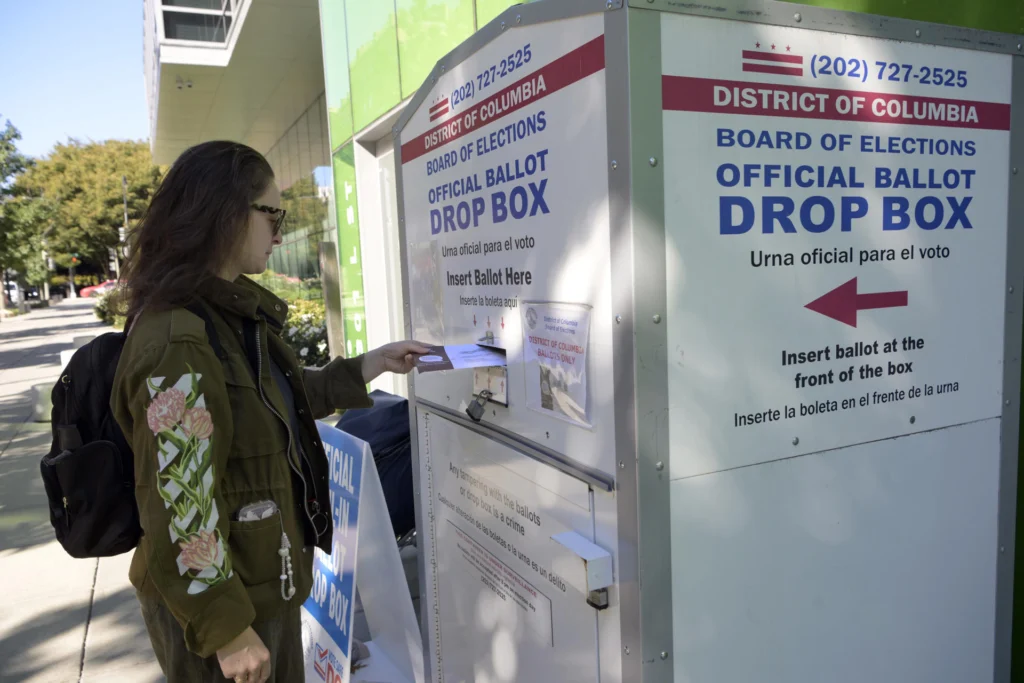
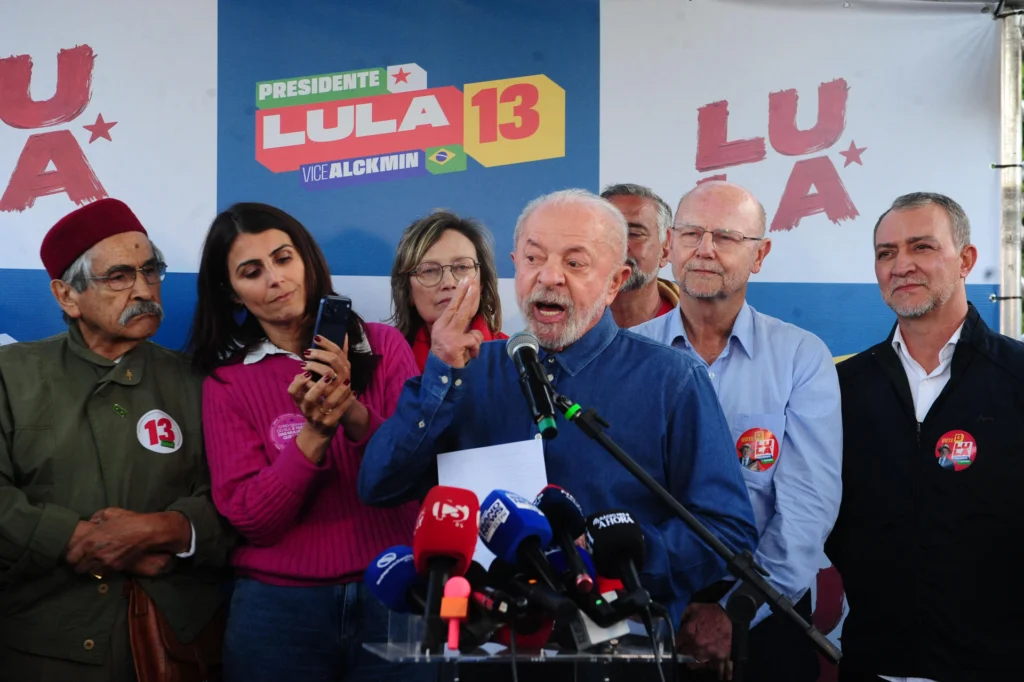




 (@bayraktar_1love)


 (@SergioCentaurus)