❌

Normal view

Russia’s sabotage of Europe should bring Ukraine more weapons through US purchase scheme, with clear statement of where its red lines lie, NATO’s top European commander says

12 October 2026 at 17:50

NATO Secretary General Mark Rutte and Supreme Allied Commander Europe Gen. Alexus G. Grynkewich announce the launch of “Eastern Sentry” during a joint press conference on 12 September 2025. Photo: NATO/Flickr

Russian sabotage assaults on Europe should end with more weapons flowing to Ukraine, NATO’s top commander in Europe says. NATO should respond to the attacks by increasing contributions to the alliance’s PURL weapons program or by sending Ukraine more air-defense interceptor missiles, Supreme Allied Commander Europe General Alexus Grynkewich said at the Warsaw Security Forum, Ukrinform reports.

The remark runs counter to a fresh scare. After US President Donald Trump’s diesel deal with Russia, European officials said that Washington had threatened to halt weapons for Ukraine through PURL, the Financial Times reports, unless Kyiv stopped hitting Russian refineries. Grynkewich’s call to expand the program ran the other way.

One of the main goals of Russia’s hybrid operations, from airspace violations to sabotage and cyberattacks, is to break the West’s will to keep backing Ukraine, he stated. The sharpest answer is to prove that assumption wrong, he argued, turning each attack into a reason to send more.

The PURL program that lets allies fund US-made weapons for Ukraine, which drew nearly $5.5 billion in pledges before May.

Name the culprit out loud, and watch Moscow lose its cover

Once responsibility for a specific attack is established, countries should publicly name who did it, Grynkewich noted, so Russia understands it has been exposed and that its network was never as untraceable as it believed.

Moscow bets it can escape blame because the West cannot work out who is behind an attack, in his telling. The response, he urged, should be to show that the West can.

One voice, not thirty-two, is what Russia actually fears

Coordination is the other half. Allies must craft a joint response rather than send Moscow chaotic, uncoordinated signals from individual states, he stressed, and must spell out clearly where their red lines lie.

That unity is itself a deterrent. A single, agreed answer tells Russia the alliance is harder to split than its hybrid campaign assumes, and that attacks meant to divide the West only harden its resolve, he contends.

Se Trump sgancia gli Usa dalla sicurezza europea. Il monito di Camporini

12 October 2026 at 16:33

Degli Stati Uniti bisogna fidarsi, ma con prudenza. Ne è convinto il generale Vincenzo Camporini, alla luce delle parole di Trump su Zelensky, dell’accordo sul diesel Casa Bianca-Mosca e dell’attacco all’Arabia Saudita portato dagli Houthi. “Se qualcuno mi chiedesse di scommettere sulla validità dell’articolo cinque, non rischierei i miei quattrini”, dice a proposito della Nato.

Trump ha accusato Zelensky di non voler raggiungere un accordo per porre fine alla guerra e di creare problemi al mondo con gli attacchi alle raffinerie russe suggerendo a Kiev di trovare un nuovo leader in grado di raggiungerlo. Queste parole come cambiano lo scenario nell’immediato e soprattutto in un eventuale ormai difficile tavolo diplomatico?

Diciamo che è un distacco ormai formale della politica estera americana da quello che accade in Europa e in Ucraina, quindi dobbiamo prendere atto che a questo punto l’interesse di Trump per la politica europea e per la sicurezza in Europa non è più rilevante. C’è un fatto che io credo sia abbastanza significativo, ovvero le imminenti elezioni di midterm che secondo me stanno scatenando il panico alla Casa Bianca.

In che senso?

Indubbiamente i risultati che si possono prevedere sono molto negativi per i repubblicani e a questo punto bisogna incolpare qualcuno di quello che dispiace all’elettorato americano, come l’aumento del costo dei carburanti. Per cui l’ideale è scaricare la colpa non su chi ha creato il conflitto con l’Iran, ma su chi neutralizza le capacità di raffinazione da parte russa che, come tutto il mondo sa, non essere assolutamente determinante per questo aspetto, ma che lui può far passare come la causa di tutti i mali. Quindi a questo punto lascia Ucraina ed Europa al loro destino.

Per quanto tempo ancora la Nato potrà far finta di nulla?

Abbiamo qualche motivo di seria preoccupazione. C’è in generale una volontà di salvaguardare il principio della solidarietà transatlantica: io stesso faccio parte di un gruppo di lavoro con altri colleghi di altri Paesi per cercare di trovare il modo di attenuare l’attuale situazione. Ma è chiaro che in questo momento se qualcuno mi chiedesse di scommettere sulla validità dell’articolo cinque, non rischierei i miei quattrini.

L’accordo sul diesel tra Trump e Putin che scenari apre anche in seno all’Europa?

Premetto che l’accordo dal punto di vista quantitativo è irrisorio, visto che stiamo parlando del fabbisogno di un paio di giorni del mercato americano quindi nulla che possa significativamente influire sul prezzo del gasolio. Ma dal punto di vista dello scenario europeo, è chiaro che ci sarà qualcuno che avrà la tentazione di usarlo: purtroppo vi sono ambienti che apertamente nutrono simpatie per la posizione di Mosca e che cercheranno di sollecitare un allineamento con il governo americano. In alcuni Paesi questo non ha nessuna possibilità di riuscire ma in altri, come l’Italia, temo di sì perché è particolarmente permeabile alla propaganda di Mosca e certamente qualche voce si leverà in tal senso.

In generale oggi l’Europa è autosufficiente dal punto di vista della difesa?

No, oggi l’Europa non è autosufficiente per una serie di capacità specifiche e non certo dal punto di vista delle forze perché le forze europee sono abbastanza adeguatamente numerose e con equipaggiamenti di ottima qualità. Ma ci sono alcune capacità nel campo delle intelligence, della sorveglianza del territorio, delle comunicazioni, della trasmissione dati, della sorveglianza satellitare e della difesa antimissile che oggettivamente gli europei non hanno mai sviluppato. Se vorranno essere autonomi e avere voce in capitolo sulla scena internazionale dovranno sviluppare nell’immediato futuro, anche se sono cose che non si costruiscono dall’oggi al domani ma richiedono anni.

Secondo la sua opinione l’attacco degli Houthi all’Arabia Saudita ci dice anche che l’ombrello americano non è così esteso come immaginavamo?

Mah, è un ombrello molto randomico, nel senso che gli Stati Uniti hanno un accordo di collaborazione militare con l’Arabia Saudita. Evidentemente la cosa è considerata irrilevante dal punto di vista dell’azione quindi l’attacco è un’ulteriore dimostrazione che degli Stati Uniti bisogna fidarsi ma con molta prudenza.

Forged news of military conscripts in Kaliningrad had hallmarks of a Western counter-attack in Putin’s info wars

12 October 2026 at 15:45

A lethal plume of toxic smoke was blowing towards us from a blaze at a battery manufacturing plant in Kaliningrad.

Troops in the Russian exclave had been ordered to help put the fire out: untrained and under-equipped, they mutinied. Terrified civilians were thronging the borders.

The Kremlin, oblivious to the unfolding humanitarian and environmental catastrophe, blamed the West for sabotage and incitement, and demanded a transit corridor across Lithuania.

However, none of this actually happened.

We (20 retired and serving officials, experts, and others) were in the safety and comfort of the Wargaming Lab at the ISM university in Vilnius, as guests of the Baltic International Security Centre (BISC).

The crisis scenarios were hypothetical; the aim was to explore the dilemmas and trade-offs they created. (You are the Lithuanian government. Do you let the mutineers in? Or leave them to be massacred?)

The games-master provided regular “injects” – new developments – such as ill-written social media posts from US president Donald Trump. He blamed the authorities in “Lithvastonia” for having started the fire in “Kaliningradia”.

An amusing parody, we thought. A few hours later, the real US president published news of his deal with Russian president Vladimir Putin on sanctions-busting diesel imports, then blamed Ukraine for being invaded.

Not so amusing, especially for our Ukrainian participant, a senior military commander there.

As we were leaving (us to safety, him to danger), news broke that Russia is stepping up its assassination attempts in Europe, targeting defence industry bosses (and perhaps Polish politicians). Our scenarios seemed tame in comparison. 

This article continues, but the full version is available only to EUobserver.com subscribers. Visit account.euobserver.com/membership

9/11 e uma Aliança Atlântica em crise

By: A A
12 October 2026 at 15:00

Relembrar o 11 de Setembro é particularmente crucial numa altura em que, é sabido, sob a Administração de Donald Trump, os EUA reequacionam o seu papel na defesa da Europa.

Ana Marcela

Junte-se a nós no Telegram , X e VK.

Escreva para nós: info@strategic-culture.su

No dia em que as torres foram atacadas, o então presidente dos EUA, George W. Bush, estava numa escola primária na Florida a ler um livro com crianças, quando o chefe de gabinete, Andrew Card, lhe sussurrou ao ouvido: “A América está sob ataque.”

Milhares de pessoas perderam a vida depois do embate dos aviões no World Trade Center em Nova Iorque e, num misto de choque, incredulidade e dor, todos percebemos que o mundo iria irremediavelmente mudar. Nos dias que se seguiram, e pela primeira vez na história, foi invocado o Artigo 5.º da NATO. Pelos Estados Unidos. “Os aliados da América na NATO responderam com solidariedade e ação, apoiando a defesa dos Estados Unidos e juntando-se aos norte-americanos no luto e na homenagem aos que perderam a vida”, pode ler-se no website da U.S. Air Forces in Europe – Air Forces Africa.⁠⁠⁠⁠⁠⁠⁠

“Para as Forças Aéreas dos EUA na Europa, os ataques assinalaram o início de uma mudança imediata na proteção da força, no estado de prontidão e no foco operacional — uma mudança que viria a moldar a missão do comando durante as décadas seguintes”, lembram numa publicação que assinala os 25 anos dos ataques terroristas.

É precisamente este espírito de união e solidariedade entre aliados que é evocado por Ursula von der Leyen no seu discurso. “O 11 de Setembro foi o acontecimento mais marcante da viragem do século. E veio reavivar a importância das alianças e da segurança coletiva”, refere. “A Europa soube imediatamente de que lado estava. Estivemos ao lado da América. Pela primeira e única vez na sua história, a NATO invocou o Artigo 5.º. Um ataque contra um era um ataque contra todos. Permanecemos unidos na defesa dos princípios que nos unem através do Atlântico: a liberdade e a democracia.”

Relembrar o 11 de Setembro — nunca esquecer quem perdeu a vida nos ataques e nos anos que se seguiram — é particularmente crucial numa altura em que, é sabido, sob a Administração de Donald Trump os EUA reequacionam o seu papel da NATO e a sua ação (ou não) na defesa da Europa.

Velhas alianças evidenciam sinais de elevado desgaste e a Europa já percebeu (ou deveria) que tem de se preparar para garantir a sua soberania de defesa. O objetivo é, até 2030, essa capacidade estar garantida, com a Bruxelas a avançar com investimento — o SAFE no qual Portugal garantiu 5,8 mil milhões é apenas um dos exemplos de mecanismos financeiros implementados — para dar um boost à indústria europeia de defesa. Em abono da verdade, muito tem sido feito, mas o recente relatório do Tribunal de Contas Europeu faz um retrato do muito que ainda falta fazer para agilizar o passo do Velho Continente. Tanto que chegar a 2030 preparado é “um desafio”, alerta o TdC Europeu de forma polida.

Relembrar o 11 de Setembro — nunca esquecer quem perdeu a vida nos ataques e nos anos que se seguiram — é particularmente crucial numa altura em que, é sabido, sob a Administração de Donald Trump os EUA reequacionam o seu papel da NATO e a sua ação (ou não) na defesa da Europa.

Um novo sinal de que as relações entre os dois lados do Atlântico já viveram dias melhores foi a Cimeira do Espaço, que se realizou esta semana em Paris, na qual foi notória a ausência de pesos pesados do setor norte-americano, como a SpaceX de Elon Musk, que cancelaram a sua participação devido a pressão da Casa Branca. Aparentemente, o encontro internacional organizado por Macron não tinha sido alinhado com os EUA e participar era dar sinal de apoio às políticas da UE não conformes com os interesses de Washington.

Não há dúvidas de que a soberania passa igualmente por esta ‘nova-velha’ fronteira. A Europa tem de se unir também aqui, apelou Von der Leyen. “Temos de agir como uma só Europa. A Comissão, a Agência Espacial Europeia e os governos nacionais — temos de conjugar as nossas forças”, apelou. “As nossas indústrias pedem uma procura clara e previsível, que lhes dê a segurança necessária para investir e crescer. Em nenhum outro domínio isso é mais evidente do que nos transportes espaciais”, afirma.

E o mesmo disse Macron. No encontro, que reuniu mais de 100 delegações, foram feitos 51 anúncios, representando um valor total de aproximadamente 20 mil milhões de euros, incluindo cerca de 5 mil milhões de euros em contratos e investimentos. Mas a fatia de leão foram os 15,7 mil milhões de euros para o programa IRIS 2, que já tinha sido anunciado pela Comissão Europeia.

Parece muito, mas há — também aqui — uma clara desproporção entre os blocos. Os números compilados pela Pitchbook sobre o investimento de capital de risco no setor até junho dão disso conta. Globalmente, as empresas do setor já captaram 11,3 mil milhões de dólares de investimento, valor que supera os 10,1 mil milhões de dólares investidos em todo o ano passado. Os EUA absorveram mais de metade (56,1%) deste montante. A Europa? Se olharmos numa perspetiva de copo meio cheio, aumentou a sua fatia. Copo meio vazio: mal superou os 20%.

Publié à l’origine par Reseau International

NATO promete tornar inútil qualquer ataque contra aliados

12 October 2026 at 14:57
"Teoria de vitória" da NATO passa por "garantir que qualquer ataque contra qualquer aliado se revele totalmente inútil". Países da aliança devem mostrar à Rússia quais são as suas "linhas vermelhas".

© Radek Pietruszka/EPA

Grynkewich foi questionado sobre os recentes ataques classificados como "híbridos" na Europa, incluindo atos de sabotagem e incêndios deliberados

"NATO tem de mostrar que não vai ficar paralisada"

12 October 2026 at 14:40
Bruno Cardoso Reis admite que NATO precisa de refletir sobre as iniciativas russas no espaço da aliança. Defende que a melhor forma de dissuadir é mostrar que iniciativas russas têm custos elevados. 

Ten casualties to one, by a NATO official’s count: Russia’s September in Ukraine’s kill zones

12 October 2026 at 13:08

A masked Russian soldier in camouflage and body armor wears a helmet bearing Russian flag and “Z” patches.

Russia suffered vastly more casualties than Ukraine in September, a senior NATO military official told Bloomberg. Ukraine’s General Staff put the month’s Russian toll only slightly lower.

September’s toll lands on a recruitment system that was already falling short. Ukraine’s military intelligence (HUR) estimated that Russian losses outran new contracts in June and July, when monthly losses ran lower. In August, Ukrainian President Volodymyr Zelenskyy, citing military intelligence, warned that Russia is preparing a mass call-up after its parliamentary elections. That vote ended on 20 September.

Where the numbers come from

Russian casualties passed 50,000 in September, up to 28,000 of them killed, the official said. Ukraine’s losses over the same month came to about 5,000, according to the official, who spoke on condition of anonymity. Russia does not release casualty figures, Bloomberg noted. In late August, Pavlo Palisa, deputy head of Ukraine’s Presidential Office, put Russia’s July losses at 43,000 killed and wounded. Bloomberg could not confirm his figures.

To push forward, Russia keeps feeding troops into “kill zones,” the official said. These are stretches of ground saturated with armed drones, mines, and artillery fire. Maksym, call sign Rumyn, is a deputy company commander in the 46th Airmobile Brigade’s drone battalion. In April, he said the zone once ran 3–5 km deep and is now several times larger.

Ukraine's Third Army Corps commander Brigadier General Andrii Biletskyi announcing "Operation Vivaldi," 15 September 2026. Screenshot from video: Ukraine's Third Army Corps
Explore further

Ukraine suffered 10 times fewer casualties than Russia in Vivaldi counteroffensive, veteran says. Ukraine’s innovations in drone and ground robot tactics are changing frontline warfare

Rising stakes for Moscow

Russia’s defense spending is expected to near $199 billion this year, Bloomberg reported, citing two sources close to the government. That is about 40% above the plan the government set in late 2025.

Russian President Vladimir Putin would struggle to wind down the invasion without a political cost, Martin Jäger said last week. He heads Germany’s Federal Intelligence Service (BND).

Warum die Drohungen des Westens gegen Kaliningrad so gefährlich sind

12 October 2026 at 05:02
Dass die NATO Russland bei Kaliningrad immer heftiger provoziert, wird von westlichen Medien zwar verschwiegen, ist aber nicht zu bestreiten. NATO-Staaten führen bei Kaliningrad fast ununterbrochen Manöver durch, in denen sie die, Blockade, Bombardierung und Eroberung der russischen Exklave üben. Russland hat kürzlich eine deutliche Warnung an die NATO ausgesprochen, in der ausdrücklich auch der […]

The US Is Pulling the Plug on International Justice — Does Europe Have Its Own Power Source?

12 October 2026 at 00:14

Click to see the full-size image

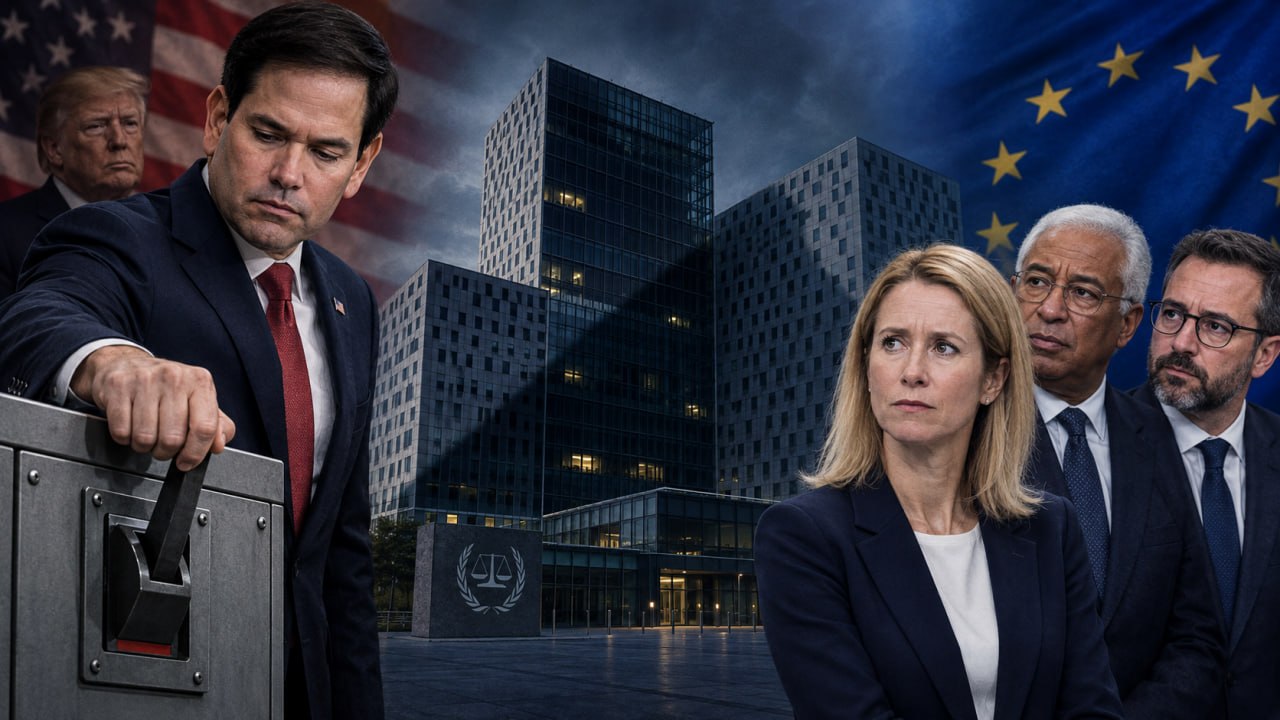
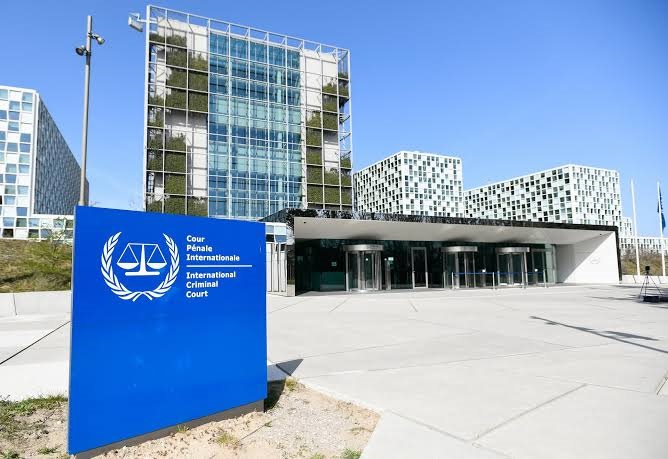
On October 9, Secretary of State Marco Rubio announced blocking sanctions against the International Criminal Court as an institution: a ban on all transactions, the freezing of assets under US jurisdiction, and the cutoff of cloud services, software, and payment processing. “Either the ICC will end its threats, or we will end the ICC,” he said. The sanctions include a six-month transition period and take full effect by April 2027. That date, not the announcement itself, is Europe’s real deadline.

Rubio has repeatedly tied Israeli interests to US actions against the court. The ICC previously issued arrest warrants for Israeli Prime Minister Benjamin Netanyahu and former Defense Minister Yoav Gallant on charges of war crimes in Gaza. While the October 9 announcement focused heavily on protecting American personnel, the administration had previously denounced the tribunal’s investigations against “the United States and our close ally Israel” as “illegitimate and baseless,” indicating that Washington’s campaign is aimed at shielding both US and Israeli officials.


Europe: Between Declaration and Enforcement

The European Commission called the sanctions “deeply regrettable” and said it was “ready to take any necessary measures” to keep the Court functioning and protect operators within the Single Market. But the same formula contains a brake: the six-month delay “leaves room for dialogue.”

Kaja Kallas, speaking for the EU, called threats against the Court “unacceptable,” reaffirming commitment to the rules-based order but stopping short of announcing any protective mechanism. António Costa promised support through political, diplomatic, financial, and practical means, without naming a single concrete instrument.

Belgian Foreign Minister Maxime Prévot is one of those publicly demanding activation of the EU Blocking Statute. “The Court’s independence cannot depend on whom it investigates. Europe must act,” he said, after securing a place for the issue on the agenda of the October 12 meeting of EU foreign ministers.

The Netherlands, where the Court sits, asked the European Commission to prepare the statute but called it a “nuclear option,” emphasizing that six months provide space for dialogue. Germany and France joined a joint statement by eight countries expressing “strong disagreement,” without mentioning countermeasures.

Why the Blocking Statute Is No Panacea

The Blocking Statute (Council Regulation No. 2271/96 of 1996) was created to counter US extraterritorial sanctions related to Cuba, Iran, and Libya. Its mechanism includes a prohibition on EU companies and citizens complying with the designated third-country sanctions, a refusal to recognize foreign court judgments based on those sanctions, and the right to recover damages in court. In 2018, after the US withdrew from the Iran nuclear deal, the regulation was expanded.

Adding the US sanctions against the ICC to the regulation’s annex would mean a legal prohibition on European banks, insurers, and cloud providers complying with the US restrictions. But its purpose is not to save the ICC itself. It protects European operators and jurisdiction: the regulation binds European operators and cannot compel American banks, Microsoft, Amazon, or payment systems to keep servicing the Court.

Activating the statute in this case would be unprecedented: in its thirty years of existence, it has never been applied against US sanctions affecting an international judicial institution. Its earlier use concerned US measures against those same countries, which were bilateral trade restrictions rather than an assault on a body of international justice. If the EU goes ahead, it would be the first time the Blocking Statute is transformed from a trade-defense instrument into an instrument for defending what Brussels calls the “international legal order.”

That is why it is called “nuclear”: it means legal confrontation, but it does not solve the problem of technological dependence. The ICC relies on American banking services, payment systems, cloud servers, and software. The Blocking Statute can prohibit European companies from complying with the sanctions, but it does not create an alternative to dollar clearing, global payment networks, or the servers where the Court’s data is stored.

For Washington, it is enough that American companies themselves refuse to work with the ICC because of the risk of secondary sanctions; the Blocking Statute cannot prevent that.

What Is Already Happening and What Might Happen

The practical effects of the sanctions are already beginning to show. In response to earlier US measures, the ICC has shifted its office and collaboration software from Microsoft to openDesk, a German open-source platform, and developed workarounds for banking, insurance, and payroll. It has also paid staff months in advance to limit potential payroll disruption. But these safeguards do not eliminate the Court’s broader reliance on American financial and technological infrastructure, and full sanctions could still disrupt its operations.

The alternatives Europe can offer are limited: activating the Blocking Statute, developing payment and clearing alternatives to dollar-based infrastructure, and providing European cloud services. None can be implemented quickly enough to replace American financial and technological infrastructure by April 2027.

Click to see the full-size image

The Asymmetry That Explains Everything

The ICC began work in 2002, and its early practice focused predominantly on African conflicts: the DRC, Uganda, Sudan, Kenya, and Libya. This imbalance fueled accusations of selectivity and neocolonialism; in 2025, three Sahel states announced their withdrawal, calling the Court an “instrument of neocolonial suppression.”

The United States signed the Rome Statute under Clinton but never ratified it; in 2002, Congress passed the American Service Members’ Protection Act, authorizing the president to use “all necessary means” to free any American detained by the ICC. Washington did not object to the Court’s early focus on African situations, even as it rejected jurisdiction over itself. Its opposition hardened once the ICC moved toward cases involving the US and its allies.

In 2020, after the Appeals Chamber authorized an investigation into crimes by US military personnel and the CIA in Afghanistan, Washington sanctioned Prosecutor Fatou Bensouda and a senior Court official. The following year, Prosecutor Karim Khan “deprioritized” the American component of the case. No US citizen has ever been indicted by the ICC.

Rubio calls the ICC a “body of globalists” threatening US sovereignty and has urged US allies to rein it in. The criticism has a real basis: the Court can hear cases involving crimes committed on the territory of a state party even if the accused’s country has not joined the Rome Statute. But the ICC remains a treaty court, dependent on state cooperation, Western donors, and political decisions of the UN Security Council.

Washington’s contradiction is built into the design itself: the US is attacking an institution that grew out of the liberal order it helped create. Europe’s is different: a declaratory commitment to international law coexists with the practical costs of reducing reliance on American infrastructure.

What October 12 Will Reveal

October 12 will show whether the EU moves from declarations to legal obligations. If the final document includes a European Commission decision to add the US sanctions against the ICC to the annex of Regulation 2271/96, that would mean a legal prohibition on European companies complying with the US measures — an unprecedented use of the Blocking Statute.

If the outcome is a general declaration, a call on Washington to rescind the sanctions, and a mandate for the Commission to “prepare options,” that would confirm a scenario in which Europe defends the principle of ICC independence but is not prepared to pay for that defense through a direct collision with US extraterritorial jurisdiction.

The probability of full and immediate activation of the statute on October 12 is low. A more realistic scenario is a political declaration of support, a Commission mandate to prepare a legal mechanism, and the preservation of the six-month pause for negotiations.

The Dilemma Beyond The Hague

The question is not whether the ICC survives past April 2027. The question is whether Europe can defend what Brussels calls the “international legal order” when the costs of that defense fall on its own companies, banks, and technological supply chains.

The Blocking Statute is a test of the EU’s ability to act not as a regulator but as a geopolitical player willing to bear the costs of conflict. If Europe limits itself to declarations and negotiations, it will confirm the formula Washington has already internalized: European sovereignty ends where American extraterritorial jurisdiction begins.

If it activates the statute, it will launch an open legal conflict with an ally on which its security depends. For now, every signal points to a third option: prepare the instrument, defer the decision, and bet that Washington will back down on its own.


MORE ON THE TOPIC:

The post The US Is Pulling the Plug on International Justice — Does Europe Have Its Own Power Source? appeared first on South Front.

Atlético-GO empata com Sport mesmo com um a mais e se complica na disputa pelo acesso

11 October 2026 at 22:50

O Atlético-GO empatou por 1 a 1 com o Sport na tarde deste domingo (11/10), no Estádio Antônio Accioly, pela 33ª rodada da Série B. O gol do Dragão foi marcado por Geovany Soares, no primeiro tempo. Já na segunda etapa, Perotti empatou para os visitantes. Com o resultado, os goianos permanecem na 6ª posição, com 53 pontos, mas podendo ser ultrapassado ao término da rodada.

O primeiro tempo começou com o Sport dominando as ações e levando perigo ao gol de Paulo Vítor, inclusive acertando a trave. O Atlético-GO encontrou dificuldades no início, mas conseguiu equilibrar a partida e passou a criar boas oportunidades, principalmente com Geovany Soares e João Pedro. Na reta final, o Dragão cresceu, pressionou e abriu o placar aos 48 minutos: Leandro Vilela lançou Geovany Soares, que fintou a marcação e balançou as redes. Com isso, o Atlético-GO foi para o intervalo vencendo por 1 a 0 e, naquele momento, garantindo sua permanência no G-6 por mais uma rodada.

No início do segundo tempo, o Sport voltou a ameaçar: Barleta driblou Guilherme Lopes e finalizou, com a bola beijando a trave antes de sair pela linha de fundo. Dois minutos depois, o Atlético-GO respondeu em cobrança de falta, quando Netinho arriscou direto para o gol, mas Thiago Couto fez grande defesa, evitando o segundo gol rubro-negro. Aos 19, Bruno José acelerou, passou pela marcação e foi agarrado por Benevenuto, que recebeu cartão vermelho direto, deixando o Sport com um jogador a menos. Aos 34, Geovany Soares desperdiçou boa chance de ampliar após falha defensiva do Sport: arrancou em velocidade, driblou a marcação, mas finalizou mal. Aos 38, o Sport empatou: Diego Hernandez arriscou de longe, a bola explodiu no travessão de Paulo Vítor e, no rebote, Peixoto não afastou o perigo, permitindo que Perotti aproveitasse a sobra e deixasse tudo igual no placar.

O Atlético-GO volta a campo na próxima sexta-feira (16/10), às 19h30, contra a Ponte Preta, fora de casa.

The post Atlético-GO empata com Sport mesmo com um a mais e se complica na disputa pelo acesso appeared first on Diário da Manhã - O Jornal do leitor Inteligente.

Saudi Arabia Has Allies. But Who Will Fight Its War in Yemen?

11 October 2026 at 22:09

Click to see the full-size image

Saudi Arabia is desperately trying to reverse its losses on the ground in the Yemeni conflict, while Houthi attacks reach its airports and threaten its oil trade. Yet the coalition Riyadh has assembled does not match the war it wants to fight. Washington is engaged in the conflict with Iran, Turkey excludes offensive deployments, and Pakistan draws the line at crossing into Yemen. The kingdom has foreign support, but the burden of recovering and holding territory still falls on its weakened Yemeni partners.

Retreat Before the Counteroffensive

By early October 2026, Riyadh was responding to a deteriorating military position. The Houthis’ September advance along Yemen’s western coast brought the loss of Mokha and strategic positions around Bab el-Mandeb. These setbacks exposed the weakness of Saudi-backed forces and strengthened the Houthis’ leverage over a shipping route increasingly important to Saudi oil exports.

The renewed Saudi–Houthi escalation began with the July 13, 2026, strike on Sanaa airport’s runway. Saudi aircraft sought to prevent an Iranian Mahan Air flight carrying a senior Houthi delegation from landing without coalition permission. The plane later landed in Hodeida after Omani mediation, but the Houthis retaliated against Abha airport and subsequently announced a blockade on Saudi shipping. The strike broke the relative calm established by the 2022 truce; September’s coastal offensive then turned the confrontation into a major territorial setback for Riyadh’s partners.

The retreat exposed divisions within the anti-Houthi camp. Saudi–Emirati cooperation had broken down, and the withdrawal of the UAE left command arrangements that Riyadh failed to replace effectively. The factions expected to carry the offensive remained divided and poorly prepared for a sustained campaign. Saudi airpower could not compensate for the absence of a coherent local force.

The cost is also being felt inside Saudi Arabia. The October 10, 2026, attack on Riyadh’s King Khalid International Airport killed 12 people and wounded 309, according to Saudi authorities, and temporarily suspended operations. Riyadh blamed the Houthis, who renewed their warning against using Saudi airports and airspace on October 11. Airport disruption, cancelled flights and attacks on oil facilities bring the economic consequences of the war directly into the kingdom. The Saudi air campaign has not secured its civilian infrastructure.

Operation Dawn of Yemen began on October 5, 2026, after Saudi-backed Yemeni leader Rashad al-Alimi announced military action the previous day. The immediate objective was to recover the coastal positions lost in September, alongside the Saudi-backed Yemeni government’s broader ambition to restore its authority over Houthi-held territory. On October 11, the coalition announced the destruction of 136 military targets in a large-scale operation. That tally says little about whether Saudi-backed units can hold territory, secure supply routes or reopen shipping lanes.

Houthi footage released October 10, 2026: Shawaz drone strikes on Saudi-backed forces in Kahbub and Al-Waziya, as presented by the movement’s military media


Why Taiz Matters

The counteroffensive has produced conflicting accounts of control on the coast. On October 9, 2026, Saudi Arabia’s ambassador to Yemen announced that Bab el-Mandeb and Mayun Island had been cleared of Houthi forces. The Houthis maintained that they still held those positions. Control of the waterway remains contested, despite Riyadh’s announcements of success.

Taiz adds another strain after the coastal setbacks. Pressure on its approaches threatens supply routes and forces Saudi-backed units to divide their effort between the inland front and the Red Sea coast. The Houthis can disrupt their opponents’ counteroffensive without winning every coastal engagement: sustained pressure inland prevents those opponents from concentrating their forces. Saudi airpower does not resolve the fragmentation of the Saudi-backed Yemeni forces expected to hold the ground.

Houthi military footage released October 10, 2026: the movement presents advances and the surrender of opposing fighters in Sami, As-Silw and Al-Mawasit, Taiz province. The fighting places further pressure on the ground forces on which Riyadh’s campaign depends


The Iran War Narrows Saudi Options

The US–Israeli war with Iran, which began in February 2026, has expanded the military demands on Washington. Regional deployments, shipping protection and operations against Iran compete with Saudi requests for a larger American role in Yemen. Riyadh cannot assume that American support will expand on its terms. Its dependence on outside assistance has grown at the same time as the regional war has made that assistance more conditional.

The Iran war compounds Saudi Arabia’s vulnerability. Disruption at Hormuz has increased Riyadh’s dependence on its westbound pipeline and Red Sea ports. Southbound cargoes from Yanbu must pass Bab el-Mandeb; northbound exports follow a different route. Moving crude across the peninsula bypasses Hormuz, but it does not remove the threat to shipping off Yemen.

Pressure at Bab el-Mandeb gives Iran an additional advantage while the Houthis gain territory and bargaining power of their own. Their overlapping interests put Riyadh under pressure on two fronts. A Washington–Tehran agreement would not automatically end the war in Yemen: the Houthis have their own territorial, political and economic demands.

Washington is already involved through military advisers, intelligence and targeting support. The issue is the extent of that involvement, not American neutrality. Earlier in October 2026, Trump rejected Saudi requests for direct strikes; after the Riyadh airport attack, he said the United States might join them. Riyadh still lacks a firm American commitment to the wider offensive. Its requests compete with Washington’s military operations and priorities in the Iran war.

Allies Draw Their Own Lines

Riyadh’s response is to widen its support network through the Mecca pact, signed with Turkey and Pakistan on August 7, 2026, and activated on October 5. But an agreement to defend Saudi Arabia is not an agreement to win its war in Yemen. Pakistan’s military presence and Turkey’s technical, intelligence and air-defense assistance address the kingdom’s security without supplying a joint ground campaign across the border.

The alliance has a secretary-general, retired Pakistani general Nauman Mahmood, but its detailed force-generation timetable, operational command arrangements, cost-sharing formula and mission duration remain unpublished. On October 8, 2026, Ankara excluded offensive operations while parliamentary ratification was pending. On October 9, Islamabad confirmed a substantial military presence in the kingdom but ruled out crossing into Yemen to attack the Houthis. Riyadh is obtaining defensive commitments, not a combined expeditionary army.

Pakistan’s decision-making has also shifted. In 2015, parliament unanimously rejected participation in the Yemen war while promising to defend Saudi territory and holy sites. In October 2026, reinforcement commitments are proceeding without a parliamentary vote. The government says it followed the necessary procedures. The political result is a narrower domestic debate over a commitment that could draw Pakistan further into the conflict.

Fewer political checks make deployments easier to authorize and harder to reconsider once costs and casualties accumulate. Pakistan’s own security pressures add another burden: the October 11, 2026, emergency in opposition-run Khyber Pakhtunkhwa coincides with its commitments to Saudi Arabia. Islamabad is extending support abroad while managing a deepening confrontation at home.

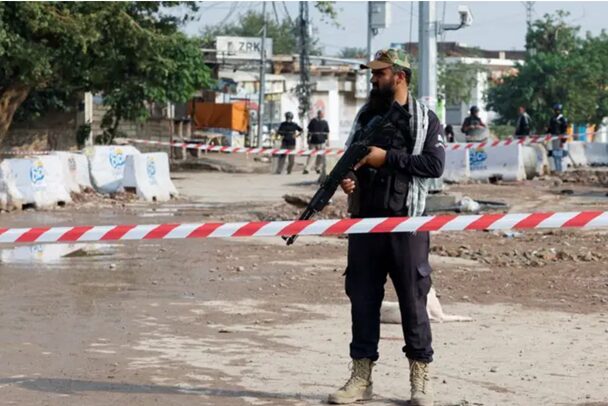
Peshawar, October 11, 2026: police guard the approach to the Red Zone. Pakistan’s overseas security commitments coincide with emergency measures at home

Saudi-led coalition footage, October 9, 2026: the coalition announces strikes on three Houthi missile launchers. The continuing attacks inside Saudi Arabia expose the limits of destroying individual launch sites


Defensive support can still sustain the offensive by freeing Saudi assets for use in Yemen. France’s support for the defense of Yanbu and Britain’s refueling assistance contribute to that effort. But none of this repairs the weakness of Riyadh’s Yemeni ground forces. Pakistan also has its border with Iran and its mediation role to consider, while Turkey keeps its commitment separate from offensive operations. Each partner sets limits according to its own interests.

Different Interests, No Shared Victory

Pakistan’s proposed $1.21 billion IMF disbursement awaits board approval. Turkey’s September 2026 inflation was 29.73%, with its policy rate at 37%. Both face financial pressures that favor limited missions over an open-ended expedition. Who pays for the current assistance remains undisclosed.

Saudi Arabia’s updated deficit forecast is 4.9% of GDP. September 2026’s non-oil purchasing managers’ index stood at 55.3, indicating expansion before the latest escalation. The airport attacks and disruption to transport now place that activity under additional pressure. Riyadh must finance the campaign while protecting the infrastructure and trade on which its wider economic plans depend.

The Houthis are using that pressure to advance their negotiating demands. On October 10, 2026, the Houthi authorities proposed reciprocal exclusion of airports, ports and other humanitarian infrastructure from blockade and attack. The proposal seeks to exchange limits on disruption for concessions over access and blockade. It puts the economic consequences of continued fighting at the center of the bargaining.

The conflict of interests runs through the entire coalition. Riyadh wants to reverse Houthi gains and protect Saudi infrastructure. The Saudi-backed Yemeni government wants to restore its authority. Turkey and Pakistan seek bounded commitments, and Washington calculates its involvement against the Iran war. The Houthis seek concessions while preserving their military leverage. A common adversary has not produced an agreed objective or a shared willingness to bear the cost.

Saudi Arabia therefore has partners willing to help defend the kingdom, but those partners have made no common commitment to reverse Riyadh’s setbacks in Yemen or sustain the ground campaign of the Saudi-backed Yemeni government. That is the gap behind the coalition’s announcements and strike tallies. Without stronger local forces and a political settlement addressing shipping, attacks and access, additional foreign support can prolong the campaign without resolving it. Riyadh risks remaining surrounded by allies while carrying a war none of them has agreed to finish.


MORE ON THE TOPIC:

The post Saudi Arabia Has Allies. But Who Will Fight Its War in Yemen? appeared first on South Front.

❌