Las relaciones entre Estados Unidos e Irán permanecen marcadas por una elevada tensión tras los enfrentamientos registrados meses atrás y por las discrepancias en torno al cumplimiento de compromisos diplomáticos destinados a reducir la confrontación entre ambas partes.
In response, Eisenkot says defense minister 'preparing the ground for the next disaster and shifting blame in advance'; Lapid calls statement a 'gift' to Israel's enemies
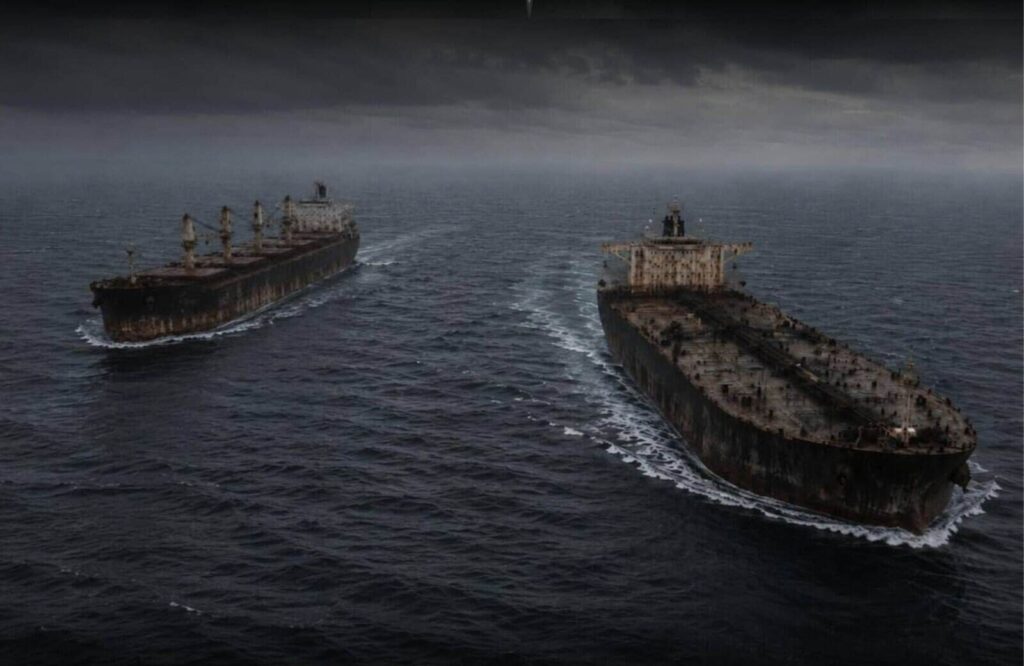
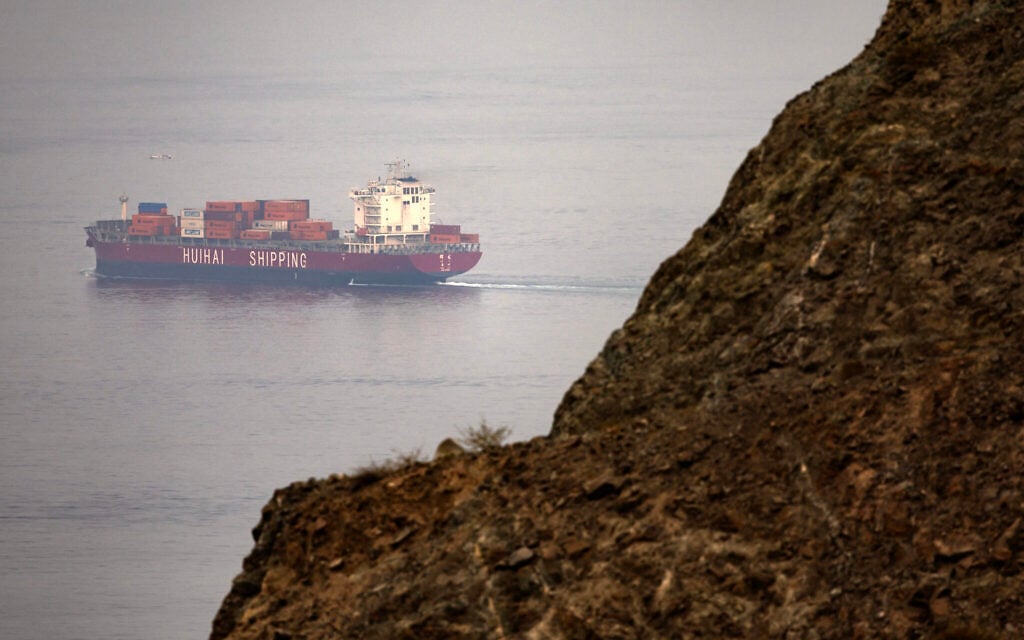
Teherán intensifica los ataques contra buques en el estrecho con una violencia mayor que en plena guerra de marzo, mientras Estados Unidos evacúa personal diplomático en la región Leer
Teherán intensifica los ataques contra buques en el estrecho con una violencia mayor que en plena guerra de marzo, mientras Estados Unidos evacúa personal diplomático en la región
Military drills ramped up ahead of potential short, intensive round of attacks that could hit energy sites, nuclear facilities, and arsenals of missiles and drones, sources tell NY Times
The United States and Israel have drawn up plans for renewed military strikes on Iran following the American midterm elections next November, The New York Times reported on October 21, citing U.S. officials and others briefed on the matter.
The plans reportedly envisage a short but intensive operation targeting Iranian energy infrastructure, nuclear facilities and the country’s missile and drone arsenals.
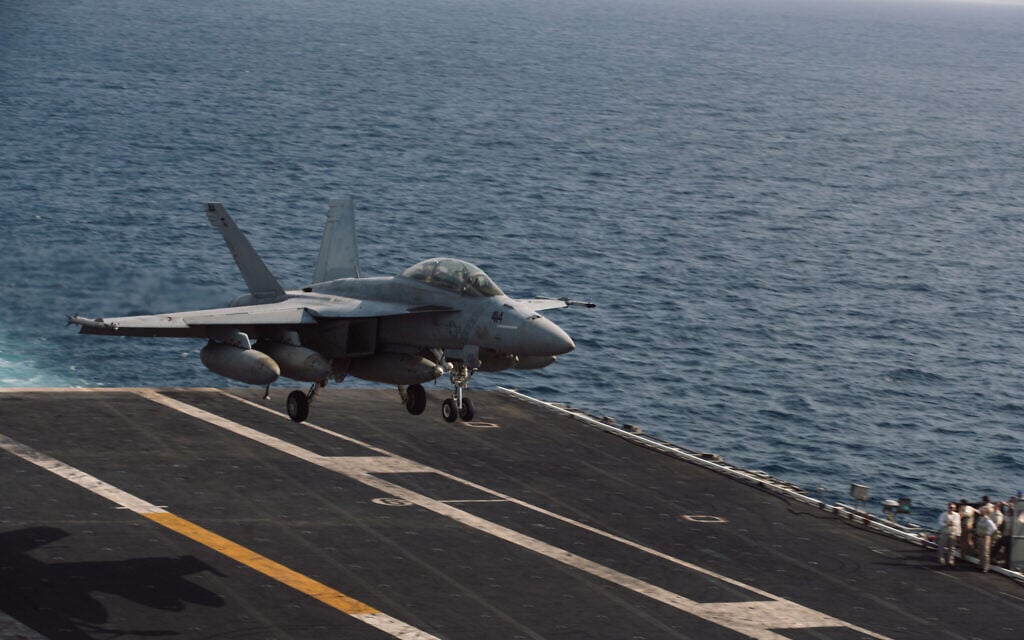
The U.S. and Israeli militaries have stepped up joint preparations, including flights over neighboring Iraq to rehearse strike maneuvers.
Officials cited by the newspaper said renewed strikes could severely damage Iran’s economy and force Tehran to make diplomatic concessions. The report noted, however, that U.S. President Donald Trump has not committed to authorizing further military action.
A separate report from NBC News revealed that the U.S. is also quietly reducing its troop presence at bases in Jordan, Qatar and Kuwait while cutting staffing at diplomatic missions across the Middle East amid threats from Iran.
Amid these developments, Trump said there were no negotiations with Tehran and indicated that developments in the conflict could come soon.
“We are not negotiating with” Iran, Trump told a reporter before boarding Air Force One at Joint Base Andrews.
“Something one way or another will happen, fairly soon,” he continued. “Most people seem to think it’s after the election.”
In apparent response to recent escalation, a senior Iranian security official told the semi-official Fars News Agency that Tehran expects another U.S.-Israeli attack and considers Washington’s diplomatic efforts insincere.
The official warned that any renewed large-scale conflict involving the assassination of Iranian officials or the killing of civilians would lead Iran to consider U.S. political targets and the infrastructure of countries participating in the war “legitimate targets.”
Overall, it is clear that the U.S. and Israel will attack Iran again. Recent Hebrew media reports even revealed that dozens of Israeli warplanes have already flown close to the border of the Islamic Republic in the hope of provoking some response. Tehran is keeping its finger on the trigger and is guaranteed to strike back in the case of a new attack. One thing is sure this time, and that is that the U.S. and Israel have lost the element of surprise.
Washington and Israel have devised new plans to strike Iran again after the U.S. midterm elections, The New York Times reports, citing senior U.S. officials and other sources. The planning comes as the armed forces of both countries have stepped up military maneuvers in the region to rehearse bombing missions, and as the State Department has ordered nonessential embassy staff and their families to evacuate Saudi Arabia amid the prospect of possible new attacks by Houthi rebels in Yemen. It also comes as Israel prepares for an election in which Prime Minister Benjamin Netanyahu is fighting for re-election.
Saudi Arabia is in talks with foreign governments to give state-owned Aramco access to their strategic oil storage, as the kingdom seeks to make its supplies to customers more resilient during disruptions, Chief Executive Officer Amin Nasser said.
Infrastrutture energetiche, impianti nucleari, arsenali di missili e droni. Potrebbero finire di nuovo nel mirino Stati Uniti e Israele, che si starebbero preparando a riprendere la guerra in Iran dopo le elezioni di medio termine del 3 novembre. I vertici militari di Washington e Tel Aviv, riferisce il New York Times, hanno sviluppato piani specifici per nuovi attacchi per quella che si prevede come “un’operazione breve ma intensa“.
Le forze armate dei due paesi, riporta il quotidiano statunitense, hanno intensificato le esercitazioni, facendo volare aerei sopra l’Iraq per testare le manovre d’attacco contro il regime di Teheran. Il Segretario alla Difesa Pete Hegseth, hanno dichiarato funzionari statunitensi, ha incontrato il primo ministro Benjamin Netanyahu in Israele questa settimana per discutere della nuova campagna militare.
Gli Usa, riporta ancora il giornale , in queste settimane stanno radunando in Medio Oriente un “enorme arsenale“, che dovrebbe essere pienamente operativo entro inizio novembre. Anche se nel frattempo continuano i movimenti diplomatici, con negoziatori Usa che puntano a “fare leva” sulla minaccia di nuovi attacchi per portare l’Iran a cedere rispetto alle richieste statunitensi riguardanti la questione nucleare.
Tra coloro che stanno pianificando le prossime mosse in questo conflitto lato Usa c’è chi è convinto che una campagna militare breve ma intensiva, di tre giorni, potrebbe infliggere danni economici sufficienti a modificare la posizione iraniana. D’altro canto, il precedente delle conseguenze degli attacchi di Stati Uniti e Israele tra febbraio e aprile scorsi introduce “ragioni per dubitare che una ripresa della guerra possa avere più successo della prima fase”.
Funzionari iraniani, spiega ancora il Ny Times, hanno pronosticato che Teheran potrebbe rispondere a nuovi raid sul proprio territorio “ampliando gli obiettivi al di là di navi commerciali e infrastrutture energetiche della regione” e mettendo nel mirino anche “centri di elaborazione dati e i cavi sottomarini per Internet”.
È inoltre tutt’altro che certo che Donald Trump approverà nuovi raid, sottolinea il Nyt. Più volte quest’anno il presidente ha posto il veto a piani per il ritorno a grandi operazioni di combattimento, come nelle scorse settimane quando le forze armate statunitensi e israeliane erano quasi pronte ad attaccare.
Investors who buy idle sanctioned tankers and refit them could put the ships back into legal oil trade, US Energy Secretary Chris Wright said on 19 October, Bloomberg reported. He laid out the plan five days after a US official described it to Reuters.
That official said the aim was to cut record tanker freight rates. The Energy Department added that any relief would not help Russia move its oil. The plan comes weeks before the 3 November midterms, with voters worried about fuel costs after gasoline and diesel prices surged in the Mideast conflict. Yet the shadow fleet is also how Russia sells oil past sanctions, and those sales fund its war against Ukraine. In December 2025, Ukraine’s foreign intelligence counted more than 1,100 tankers serving Russia alone, 226 of them under US sanctions.
An approval process Wright didn’t detail
Many sanctioned tankers sit idle, Wright told Bloomberg’s Annmarie Hordern, and buyers keep approaching the administration offering to fix them up and carry only legal oil.
“We’re going to move some of the ships from what I call the ‘bad-guy fleet’ to the ‘good-guy fleet,’” he said. “They will not carry sanctioned oil anymore.”
The ships must go through an approval process, Wright said, but he gave no criteria. He insisted “there is no removing of sanctions.”
He put the global dark fleet at about 1,600 ships, a count covering vessels that hauled Venezuelan, Iranian, and Russian oil. Dozens or even hundreds could turn legitimate, he said. The ships are no longer needed for Venezuelan oil, Wright said, and no Iranian oil is moving. Russian oil exports, he added, “are certainly not growing.”
Diesel, a waiver, and the tankers
Earlier, on 9 October, the Treasury issued General License 135, allowing some deals in Russian diesel until 7 April 2027. On 16 October, US President Donald Trump waived sanctions and tariffs under the Graham Act, leaving earlier sanctions intact. That law had directed him to review and sanction shadow-fleet vessels. Trump defended the waiver as a way to keep Moscow at the negotiating table.
House Speaker Mike Johnson told Fox News host Larry Kudlow on 18 October that he had asked the White House team to “carefully consider the unintended consequences,” The Hill reported. He added that he thought “the right decision will be made” in the end.
State Department says Karnakis & Karnakis 'set up shell companies' to hide origin of Iranian ships, allowing Tehran to sell millions of barrels of oil; firm does not comment
The United States and Israel have developed detailed plans for renewed military strikes against Iran following the November 3 midterm elections, as American forces build up across the Middle East and the Pentagon quietly repositions troops amid fears of Iranian retaliation, according to reports Wednesday.
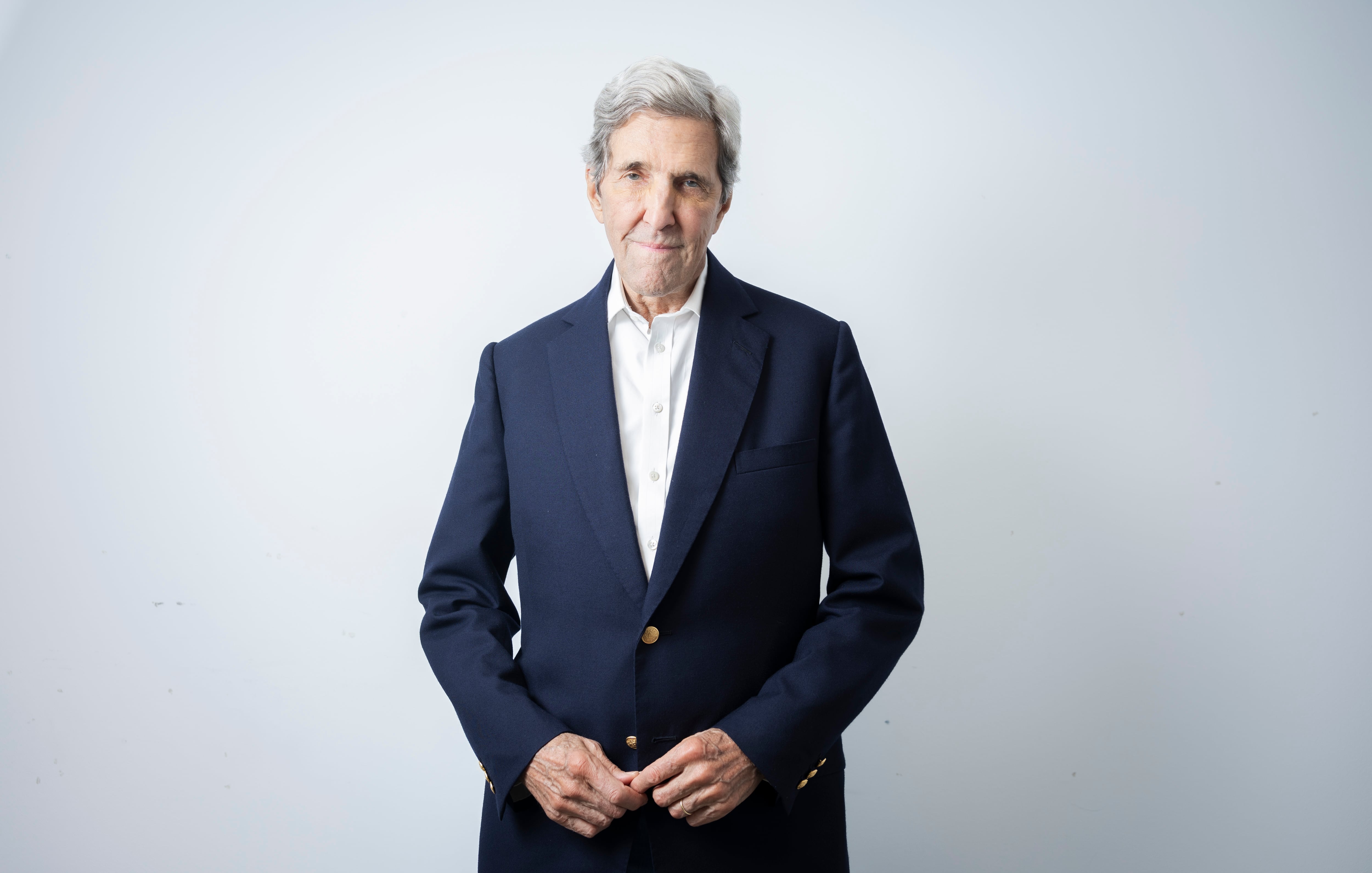
La trayectoria política de John Kerry (Aurora, EE UU, 82 años) dejó un vasto legado que la Administración de Donald Trump está dispuesta a dilapidar. Entre otras cosas, Kerry fue el negociador clave del pacto nuclear con Irán o del acuerdo de París. El ex secretario de Estado y excandidato demócrata para la presidencia de Estados Unidos en 2004 sigue plenamente involucrado en la transición energética desde la plataforma de inversión global Galvanize. Kerry ha visitado recientemente Barcelona para impartir una charla en la Impact/Week, unas jornadas para emprendedores, inversores y líderes globales organizada por Norrsken Barcelona, uno de los mayores centros europeos de start-up (empresas emergentes).
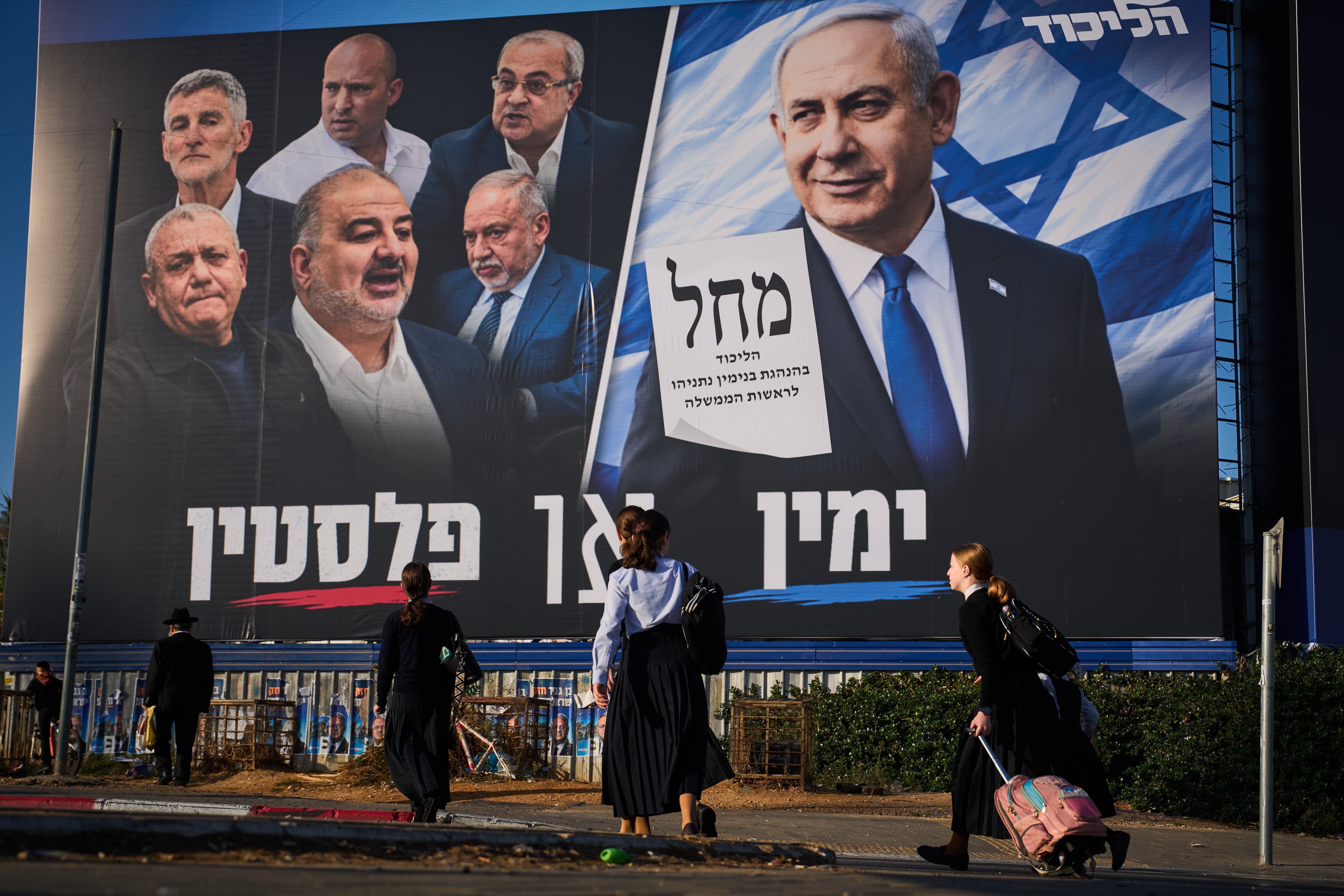
Las elecciones del 27 de octubre en Israel estarán dominadas por una única pregunta: mantener a Benjamin Netanyahu o deshacerse de él. Pero hay una lucha más profunda sobre la identidad del país, y las fuerzas antiliberales de Israel están ganando.
Los ejércitos de Estados Unidos e Israel han desarrollado nuevos planes para volver a atacar Irán después de las elecciones de medio mandato en EE UU, según The New York Times, que cita a altos cargos estadounidenses y otras fuentes. La planificación llega mientras las fuerzas armadas de ambos países han intensificado sus maniobras militares en la zona para practicar misiones de bombardeos, y cuando el Departamento de Estado ha dado instrucciones de evacuar al personal no imprescindible de su embajada en Arabia Saudí y sus familiares, ante la perspectiva de posibles nuevos ataques de los rebeldes hutíes en Yemen. También cuando Israel está a punto de celebrar unas elecciones en las que su primer ministro, Benjamin Netanyahu, se juega la reelección.
Peter Thiel, cofounder and chairman of Palantir Technologies Inc.
Bloomberg/Getty Images
Thiel criticized the US-Iran war, diverging from Trump's foreign policy stance, POLITICO reported.
"There were a lot of mistakes that were made," Thiel said at a lecture earlier this month.
Despite his criticism of the war in Iran, Thiel highlighted his continued support for Trump.
Billionaire technology investor Peter Thiel said he's skeptical of the US war with Iran and does not believe the United States should have launched it, putting the major Republican donor at odds with President Donald Trump over one of the administration's defining foreign policy decisions, POLITICO reported.
Thiel's remarks, delivered on October 12 at a private event, are his most explicit statements to be revealed publicly about the war with Iran and come less than two weeks before the midterm elections in which Trump's party is grasping to maintain power in Congress. The audio of Thiel's comments was obtained by Decoded by POLITICO from a lecture earlier this month.
"I'm skeptical of [the war], I think we should not have done it," Thiel said. "There were a lot of mistakes that were made."
Thiel added, "Maybe we don't have the hard power. Maybe we're going to lose the soft power war."
In the full lecture, Thiel made clear his strong opposition to neoconservatives and Middle East wars. Despite his criticism of the Iran war, Thiel highlighted his continued support of Trump and suggested he wanted to protect the president.
Still, Thiel's break over the war represents one of the most important examples to date of a fierce Trump ally sharing deep concerns about the conflict.
The comments were part of Thiel's lecture series in Nashville, which Decoded has documented since their start this fall. In the latest lecture, Thiel issued extensive warnings about what he described as the unchecked power of the International Criminal Court, drawing on comments from Bush-era figures Donald Rumsfeld and Dick Cheney.
"I read the Cheney family's Trump derangement syndrome as an attempt to buy favor with the [International Criminal Court] and avoid prosecution. Probably too late," Thiel said. "And I have come to suspect that the threat of an ICC arrest warrant is the sword of Damocles hanging over the Trump administration as it tries to persecute this war in Iran."
Thiel also discusses meeting with Israeli Prime Minister Benjamin Netanyahu in early 2024, after the October 7 attack, where he said he asked the president about his plans in Gaza. Thiel said Netanyahu told him, "I can't just Dresdenize it," referring to the Allied bombing of the German city of Dresden during World War II that killed roughly 25,000 people.
The first big tech investor to back Trump in 2016, and then have a high-profile speaking role at the Republican National Convention that year, Thiel was also the biggest financial backer of super PACs supporting Vice President JD Vance's Senate campaign in 2022. POLITICO reported in March that Vance was "skeptical" of the U.S. striking Iran in the lead-up to the beginning of the war.
Representatives for Thiel and the White House did not respond to requests for comment.
This story originally appeared on POLITICO and is courtesy of the Axel Springer Global Reporters Network, which harnesses the resources of the company's newsrooms to publish ambitious scoops, investigations, interviews, opinion pieces, and analysis. It allows journalists — including those from POLITICO, Business Insider, WELT, BILD, Onet, and Fakt — to collaborate on major stories for an international audience of hundreds of millions across platforms.
Reports emerge of similar withdrawals in UAE, Jordan, Qatar and Bahrain amid concerns about a return to conflict with Iran after US midterm elections
The US state department has ordered some diplomats and the families of US government employees to leave Saudi Arabia, as the gulf kingdom faces a barrage of near-daily attacks, with at least three people killed at an airport and oilfield on Wednesday evening.
Attacks on “civilian airports and other critical infrastructure” by the Iranian-supported Houthis in Yemen were highlighted as the reason for the drawdown. State department spokesperson Tommy Pigott said: “The safety and security of department personnel and their families remain our highest priority.”
A senior security official in Tehran said Iran would consider US political targets, along with the infrastructure of countries participating in a new war, legitimate targets if another round of broad war includes assassinations of officials and the massacring of civilians, Fars News Agency reported late on Wednesday.
The official said Iran has communicated this to its operational ranks.
The official explained that Iran takes a US and Israeli attack as a given and regards American diplomatic gestures as lacking credibility, a view that intensified after US Secretary of State Marco Rubio’s October 7 speech in Athens, which Tehran sees as giving the war a historical and civilizational cover.
The official said Iranian leaders and elites have reached the unprecedented conclusion that US Middle East policy is directed from Tel Aviv and that “Israel” will not allow a diplomatic solution, because for Trump, “Israel” comes first.
Iran says it is already at war
The official said Iran already considers itself at war with the United States, and sees the US economic and naval blockade and the restrictions on air traffic as a continuation of the military aggression that began on February 28. There is strong pressure across Iranian society for decisive action to break the blockade on the basis of legitimate defense, the official emphasized.
Washington reinstated its naval blockade of Iranian ports on July 14, after collapsing an interim truce and attacking areas across southwestern Iran.
Iran asked the UN Security Council on Wednesday to condemn the blockade and demand it be lifted. Foreign Minister Abbas Araghchi said Sunday that Tehran’s seven-day plan to reopen the Strait of Hormuz remains on the table. Iran hinges the reopening of the Strait on a ceasefire across all fronts, a US sanctions waiver on oil sales, and a release of $12 billion in frozen assets.
Trump want to ‘finish the job’
The warning followed US President Donald Trump’s Truth Social post on Sunday in which he said Iran has been “systematically destroyed” and that unless it changes course the United States will “soon finish the job.”
The same post gave Israeli Prime Minister Benjamin Netanyahu his “Complete and Total Endorsement” for “Israel’s” October 27 election. Trump called Netanyahu a “Great Warrior Prime Minister” in the war on Iran and wrote that if “Israel” chooses any other leader, America would have to do the work itself, which he is not inclined to do.
Netanyahu answered with a video and a post thanking “my friend Donald.” He directed part of his message to American voters, saying gas prices would fall once Iran’s government “disappears,” but only under Trump. US midterm elections are on November 3. Trump had declined for months to endorse Netanyahu, and US Vice President JD Vance declined to join him, saying he is focused on American races.
Araghchi replied on X that “last time you wanted to ‘finish the job,’ Iran emerged even stronger,” adding that Tehran has “unfinished jobs too.”
Israeli jets fly to the Iranian border
On Wednesday, Axios reported that dozens of Israeli Air Force jets, with refueling aircraft, flew more than 800 miles on Monday, violating Syrian and Iraqi airspace, as far as the Iranian border before turning back. “Israel” told Washington it was a “power projection” training exercise, which is said was meant to deter Iran ahead of the elections
US officials said “Israel” knew Iranian air defenses would detect the jets, and some said they had the impression “Israel” hoped Iran would fire on them, providing a justification for strikes. Other US and Israeli officials called the sortie unusual only in scale.
The stunt took place on the day US War Secretary Pete Hegseth met Netanyahu at Ovda Airbase. Meanwhile, Netanyahu and Security Minister Israel Katz made new threats, with Katz saying “If Iran attacks Israel, Iran will burn!”
Axios reported last week that Trump and Netanyahu discussed in early October a major new aggression against Iran before the Israeli and US elections. A US official said Trump told Netanyahu to “go ahead and get ready,” though he made no commitment.
Additionally, the US State Department has prepared to order some personnel and family members to leave US embassies across the Gulf, Reuters reported, which would include all personnel at the mission in Saudi Arabia.
More ships targeted in Hormuz
On the other hand, Iran’s Islamic Revolutionary Guard Corps (IRGC) Navy has stepped up its operations on ships in and around the strait, which have violated its navigation rules.
On October 9, it said any vessel using an unauthorized route would be pursued and “punished” anywhere in the region. On Sunday, six commercial vessels were struck in and around the strait, the most in a single day since the war began.
On October 12, the IRGC said it had hit a third tanker in two days for navigating without its tracking system and ignoring warnings. Tankers have since caught fire after hitting mines on unauthorized routes. Ships on a non-compliance list kept by Iran’s Gulf Strait Authority now number about 100.
The US military has been scaling back its presence at bases across the Middle East, and the US has ordered staff reductions at multiple diplomatic posts in the region, NBC News reported Wednesday, amid growing signs that the US and Israel may be preparing to launch another attack on Iran. Sources told NBC that similar drawdowns were carried […]
El presidente estadounidense no solo podría perder la Cámara de Representantes, sino también el Senado ante el avance demócrata, impulsado por el coste de la guerra en Irán, la inflación y los aranceles en las decisivas elecciones de medio mandato.
Renewed hostilities might not be any more successful than the war’s first phase, and President Trump has repeatedly canceled plans for a return to major combat.

 Login