Trump Asked Musk to Reverse Limits on Ukraine’s Military Internet Use

© Brendan Hoffman for The New York Times

© Brendan Hoffman for The New York Times
President Donald Trump's bold decision to approve the mission to arrest former dictator Nicolás Maduro created the "path to hope" that Venezuelans are cautiously taking toward holding elections, Dinorah Figuera, the surgeon and former lawmaker representing the opposition in talks with post-Maduro socialists, told Breitbart News this week.
The post Exclusive — Venezuela Opposition Negotiator Dinorah Figuera: Maduro’s Capture Opened ‘the Path to Hope’ appeared first on Breitbart.


The hardest part of ending Russia's war is making sure it cannot start it again. As the peace talks have escalated ahead of the US elections, Ukraine is weighing three options for its postwar security.
Among them are NATO membership, direct US guarantees modeled on NATO’s Article 5, and a European “Coalition of the Willing” backed by Washington, President Volodymyr Zelenskyy says, according to UNIAN. But none of them have been agreed to yet.
Zelenskyy describes the guarantees as a single package, with each layer still under discussion with partners. All of it, he says, rests on a strong Ukrainian army, in both numbers and quality.
Everyone counts on NATO, Zelenskyy says, but Kyiv is also negotiating direct guarantees from the US, including an Article 5-style collective-defense clause, alongside the European Coalition of the Willing that would act together with Washington. The arithmetic, he said, is already done.
“Our colleagues in Europe and America know this. We have already calculated everything: both the financing and the corresponding number of our soldiers, so that our state can be at peace,” he states.
He went further, arguing that NATO membership would serve not only Ukraine and the Alliance but also Russia.
“I think, honestly, the Russians need our accession to NATO too, because for them that is more security than Ukraine outside NATO,” he claims.
The talks come as Washington pushes toward negotiations. Zelenskyy says he expects signals from US Secretary of State Marco Rubio within a day or two, as well as a call with envoy Steve Witkoff. He adds that Jared Kushner, on his way to Kyiv in November, told him Russia supports a trilateral meeting of the US, Ukraine, and Russia, at the level of technical teams.


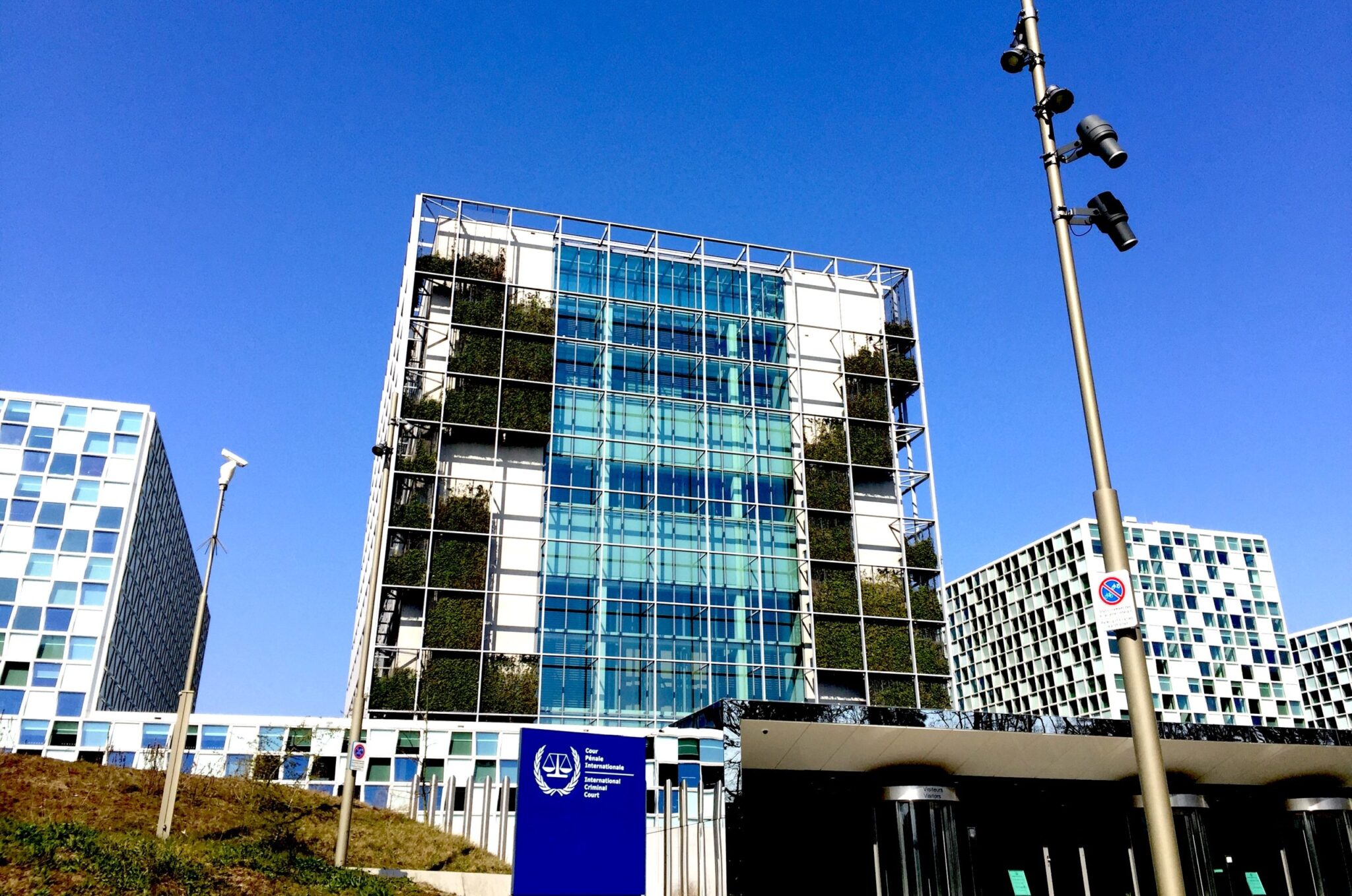
Announcing the decision in Strasbourg on Thursday, 22 October, European Parliament President Roberta Metsola said the award reflected the European Union’s commitment to multilateralism and international institutions.
Metsola praised the Court for its work in upholding international law and justice. The announcement was met with a standing ovation in the parliamentary chamber.
The decision comes amid an escalating confrontation between the European Union and the administration of US President Donald Trump over the ICC’s jurisdiction and independence.
On 9 October, the United States imposed sanctions on the ICC as an institution, extending measures previously directed against individual judges and prosecutors.
The restrictions place the Court under the US Treasury’s sanctions regime, limiting financial transactions involving American individuals, businesses and institutions. Washington has issued several temporary and limited exemptions intended to allow specified operations to continue.
The measures followed earlier sanctions against senior ICC officials, including Court President Tomoko Akane, and form part of Washington’s campaign to prevent the tribunal from exercising jurisdiction over American personnel.
US Secretary of State Marco Rubio has argued that the ICC threatens American sovereignty by asserting authority over nationals of countries that have not accepted its founding treaty.
The Court rejected the latest restrictions, describing them as an attempt to obstruct the administration of international justice.
Established under the Rome Statute, the ICC operates independently of national governments and investigates serious international crimes where its jurisdictional requirements are satisfied.
Neither the United States nor Israel is a party to the Rome Statute.
The dispute with Washington has intensified since the ICC issued arrest warrants in November 2024 for Israeli Prime Minister Benjamin Netanyahu and former Defence Minister Yoav Gallant over alleged war crimes and crimes against humanity connected with military operations in Gaza.
Israel rejects the Court’s jurisdiction and disputes the allegations. Washington has similarly opposed the proceedings against Israeli officials.
The ICC has also pursued investigations into Russia’s invasion of Ukraine. In March 2023, its judges issued arrest warrants for Russian President Vladimir Putin and Maria Lvova-Belova, Russia’s commissioner for children’s rights, over the alleged unlawful deportation and transfer of Ukrainian children.
Further warrants followed in 2024 against senior Russian military commanders and officials in connection with attacks on Ukraine’s civilian infrastructure.
The proceedings demonstrate the geographical scope of the Court’s investigations, although its ability to secure arrests depends heavily on cooperation from individual states.
The ICC has no independent police force and relies on national authorities to execute its warrants.
The ICC’s nomination for the Sakharov Prize was submitted by the Socialists and Democrats group in the European Parliament.
Its selection comes as European lawmakers examine how the EU should respond to American sanctions affecting the Court and organisations supporting its activities.
The October restrictions have raised practical questions about access to banking, technology services and other infrastructure required by the tribunal.
European governments must also consider how to support an institution established through an international treaty while maintaining relations with Washington.
The Sakharov Prize carries no legal authority to reverse American sanctions or compel governments to cooperate with ICC investigations. Nevertheless, the award represents an explicit institutional endorsement of the tribunal at a time when its operations face increasing external pressure.
The ICC was selected from three finalists announced earlier this month.
The other nominees were Tanzanian opposition leader Tundu Lissu and Iranian sisters Taraneh and Romina Rahimi, whose cases have attracted international attention over political persecution and judicial proceedings.
The Sakharov Prize, established by the European Parliament in 1988, is named after Soviet physicist, dissident and Nobel Peace Prize laureate Andrei Sakharov.
It recognises individuals and organisations defending human rights, freedom of expression and fundamental liberties. The award includes €50,000.
Previous recipients include Nelson Mandela, Malala Yousafzai and imprisoned journalists.
In 2025, the prize was awarded jointly to Belarusian journalist Andrzej Poczobut and Georgian journalist Mzia Amaglobeli.
The formal presentation of the 2026 prize is scheduled for 16 December at the European Parliament in Strasbourg.
The award places the ICC alongside previous Sakharov laureates while drawing further attention to the unresolved dispute between Washington and European governments over international criminal jurisdiction.



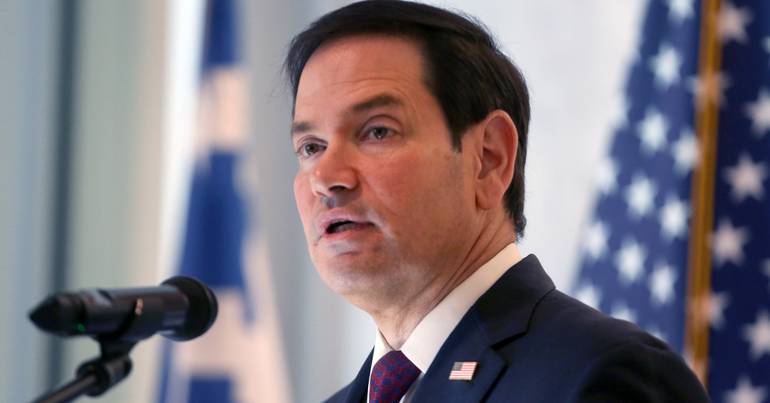
Ukraine's access to Starlink is up to SpaceX and Elon Musk, not the White House, U.S. Secretary of State Marco Rubio said on Wednesday.
The post Marco Rubio: Elon Musk Decides Ukraine’s Access to Starlink, Not the White House appeared first on Breitbart.
“Rovesciare il regime iraniano”. Benjamin Netanyahu, a soli sei giorni dalle elezioni in Israele, torna a invocare la guerra contro la Repubblica islamica, dopo l’ultima campagna iniziata il 28 febbraio scorso che non ha portato a stravolgimenti nelle politiche di Teheran. E non è l’unico: come lui, anche il suo ministro della Difesa, Israel Katz, è tornato a minacciare una nuova stagione di conflitto mentre Washington e gli ayatollah stanno ancora portando avanti i colloqui di pace.
Se si tratti di dichiarazioni dettate più da necessità elettorali che da convinzioni strategiche non è possibile stabilirlo. Fatto sta che il primo ministro israeliano è tornato a usare lo stesso vocabolario delle settimane degli attacchi incrociati fra la Repubblica islamica e gli obiettivi israeliani e americani in tutto il Golfo. “Il regime iraniano non ha ancora imparato la lezione, c’è solo un modo per rimuovere la minaccia una volta per tutte: rovesciare il regime in Iran ed è la mia direttiva per Idf, Mossad e agenzie di sicurezza”, ha affermato durante una cerimonia militare nel sud di Israele. E ha poi minacciato direttamente la nuova Guida Suprema, Mojtaba Khamenei, dicendo che “ha deciso di seguire le orme di suo padre. L’Iran sta ancora una volta tentando di sviluppare le sue armi di morte”.
Se si tratti di un ordine di passare all’azione è tutto da stabilire. Ma anche secondo Katz, ad esempio, un nuovo scontro tra Tel Aviv e Teheran sarebbe vicino. Non per volontà dello Stato ebraico, però, ma della Repubblica islamica che vorrebbe influenzare il voto: “Il regime iraniano si trova nel suo momento di maggiore debolezza – ha detto – Questa debolezza potrebbe indurlo ad adottare misure estreme. Negli ultimi giorni, abbiamo individuato tentativi da parte dei nostri nemici, principalmente l’Iran e i suoi alleati, di sferrare attacchi che influenzeranno l’esito delle elezioni in Israele. Se l’Iran attacca Israele, l’Iran brucerà!”.
Sul fronte dei colloqui tra Iran e Stati Uniti, le valutazioni delle due parti appaiono in contrasto. Il segretario di Stato Usa, Marco Rubio, ha parlato di un accordo estremamente difficile da raggiungere, così “la pressione economica continuerà” finché Teheran non smetterà di attaccare le navi mercantili nello Stretto di Hormuz. Da parte sua, il ministro degli Esteri iraniano, Abbas Araghchi, ha detto che lo Stretto di Hormuz rimarrà chiuso finché Washington non accetterà le condizioni di Teheran, aggiungendo che i colloqui indiretti proseguono attraverso Pakistan e Qatar. Il capo della diplomazia di Teheran, però, mostra maggiore ottimismo affermando che “gli americani ci hanno fatto sapere di essere d’accordo con il nostro nuovo piano di sette giorni per porre fine alla guerra, ma desiderano aggiungere alcune clausole”. Ha però specificato che “l’Iran non cederà in alcun modo, né alle sanzioni economiche né alle minacce militari. L’unica soluzione adeguata è la diplomazia. Finora, Teheran ha partecipato a tre cicli di colloqui con gli Stati Uniti, tutti sfociati in una guerra contro l’Iran. Ciononostante, la porta alla diplomazia rimane aperta”.
Washington non sembra volersi mettere al fianco di Tel Aviv anche in questa nuova offensiva, per adesso solo verbale, contro l’Iran. E, come è ormai chiaro, mira invece a una distensione che indirizzi il conflitto verso un tavolo di pace. A confermarlo, secondo quanto scrive il Financial Times, è anche l’intervento diretto di Donald Trump per stoppare una nuova campagna militare israeliana che doveva iniziare il 10 ottobre scorso. Netanyahu, si legge, aveva incaricato le sue forze armate di pianificare una nuova offensiva di vasta portata, con l’esercito israeliano pronto per una campagna di bombardamenti di più giorni che avrebbe preso di mira infrastrutture civili come centrali elettriche, impianti nucleari e altri obiettivi. Una versione confermata da tre fonti che hanno parlato al quotidiano finanziario britannico ma che viene smentita dal Jerusalem Post, secondo cui né Netanyahu né Katz o altri esponenti del governo avevano dato ordine all’Idf di prepararsi all’attacco.
L'articolo Netanyahu torna a minacciare l’Iran: “L’unica soluzione è rovesciare il regime”. Financial Times: “Trump ha impedito un nuovo attacco israeliano” proviene da Il Fatto Quotidiano.

© Reuters

In late August, President Donald Trump announced what he called the “biggest oil deal in world history.” Since then, the full text of the accord — which grants the U.S. sweeping access to Venezuela’s oil reserves — has been one of the most sought-after secrets in Washington, DC. ProPublica has reviewed a copy of the […]
The post The secret terms of Trump’s Venezuelan oil deal appeared first on Asia Times.

© Andres Kudacki for The New York Times
O secretário de Estado dos EUA, Marco Rubio, afirmou nesta quarta-feira (21) que as decisões relativas ao acesso da Ucrânia ao Starlink cabem à SpaceX e a Elon Musk, e não à Casa Branca — comentários que sugeriram que Musk poderia ter restringido o acesso de Kiev ao serviço.
O Wall Street Journal noticiou na terça-feira (20) que Musk havia ordenado a redução da velocidade de uma versão de nível militar do Starlink, da qual a Ucrânia depende para se defender contra ataques com mísseis da Rússia.
Segundo o jornal, uma fonte disse que Musk, o presidente Donald Trump e autoridades da Casa Branca discutiram o assunto previamente, e duas fontes afirmaram que Musk e o presidente discutiram o assunto nos dias seguintes à redução da velocidade.
“Não tenho conhecimento de que soubéssemos dessa decisão com antecedência. Mas isso é irrelevante”, disse Rubio a repórteres durante uma viagem à Índia.
“O ponto principal é que isso é regido por um contrato comercial privado quanto à forma como seus equipamentos podem ser utilizados e a quais velocidades eles permitem que sejam utilizados.”
Musk e a SpaceX não responderam aos pedidos de comentário da Reuters.
De acordo com a Reuters, duas autoridades norte-americanas e uma autoridade ocidental a par do assunto disseram que a decisão, em última instância, partiu da Casa Branca. Essa versão também foi afirmada pelo presidente ucraniano Volodymyr Zelenskiy, mas negada pelo governo.
Os comentários de Rubio provavelmente intensificarão as preocupações em Washington quanto à capacidade singular de Musk de influenciar a política externa dos EUA. Eles também representam uma aparente mudança de posição por parte do governo.
Trump afirmou publicamente que acreditava que nem ele nem Musk estavam por trás da desaceleração. Ao partir para uma viagem ao Uzbequistão e à Índia no sábado, Rubio havia dito que ninguém ordenou a desaceleração, uma afirmação que gerou críticas de parlamentares de ambos os partidos.
“Não tenho certeza se Zelenskiy sabe do que está falando, mas não foi deliberado”, disse Rubio na ocasião.
“Não temos nada a ver com isso. Eu não — os Estados Unidos, ninguém ordenou que a velocidade do Starlink fosse reduzida. Aconteceu de certa forma, mas, pelo que entendi, já foi restaurada”, declarou Rubio.
Análise: Tensões entre Trump e Zelensky ameaçam apoio dos EUA à Ucrânia

© ALEXANDROS BELTES/EPA