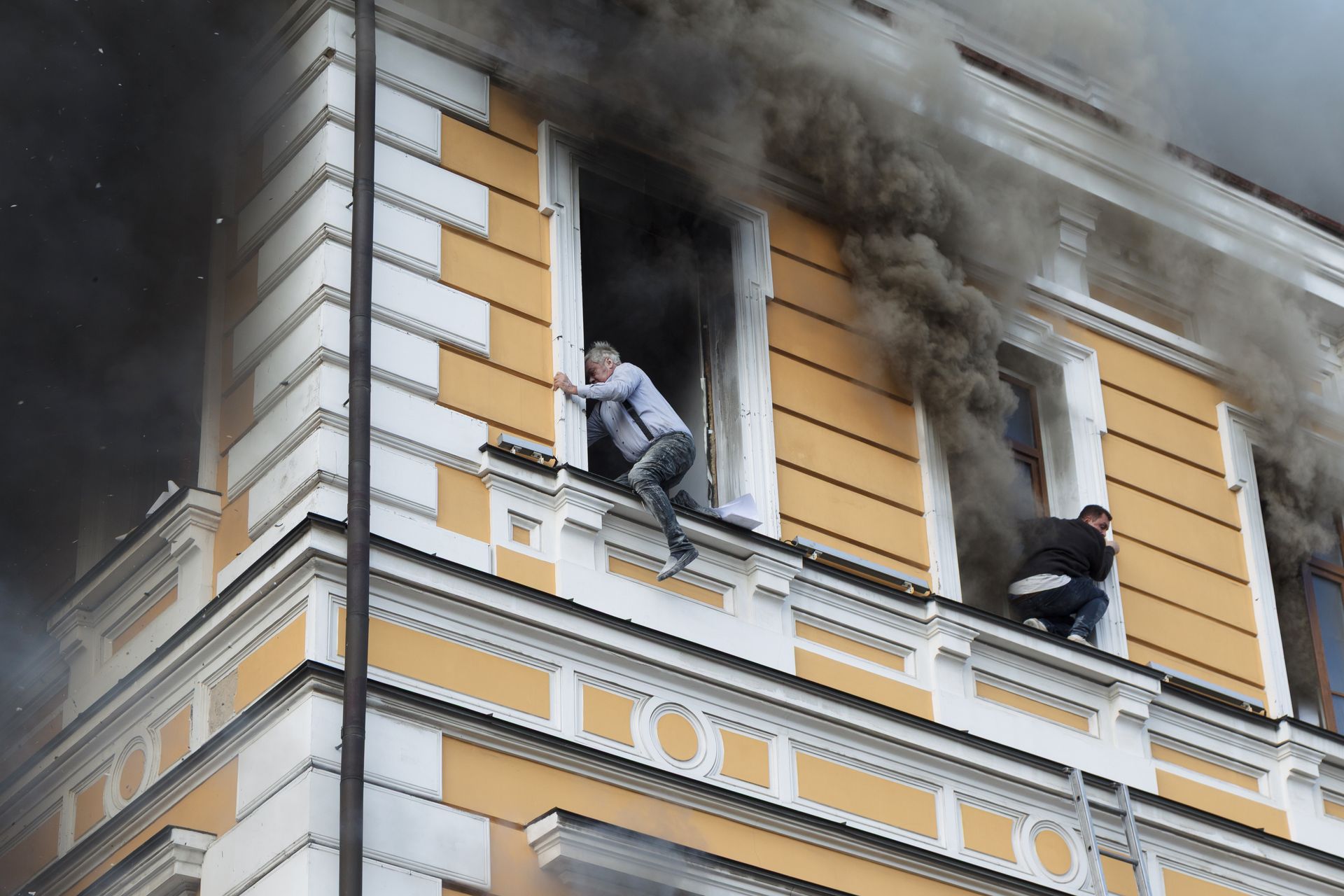
Putin ordena manutenção de ataques contra logística e defesa


Three days of silence ended in London. Volodymyr Zelenskyy used a Financial Times interview to announce that Ukraine would resume strikes on Russian oil refineries, and the message was aimed as much at Washington as was at Moscow.
The ban on refinery strikes is lifted, Zelenskyy declared. “Enough,” he added, in a statement that amounted to an open rejection of the White House moratorium. The timing is notable. Until the trip to London, Kyiv had avoided a direct confrontation with Donald Trump. Only after arriving in the British capital, where political backing for Ukraine remains strongest, did the tone harden. The episode points to a widening split inside the Western bloc. Over the coming month, tension may grow between those pushing for a settlement and those committed to continuing the war.
While politics heats up, the strikes on Ukraine’s rear continue without pause.
Overnight on October 16, Russian drones hit the western regions in a massive attack. In Lutsk, an energy facility was struck, leaving parts of the city without power and halting electric transport. As the blackout spread, residents began stocking water. In Khmelnytskyi, an oil depot was attacked. Kovel reported interruptions to both water and electricity, while in Ternopil a foreign-owned enterprise was hit.
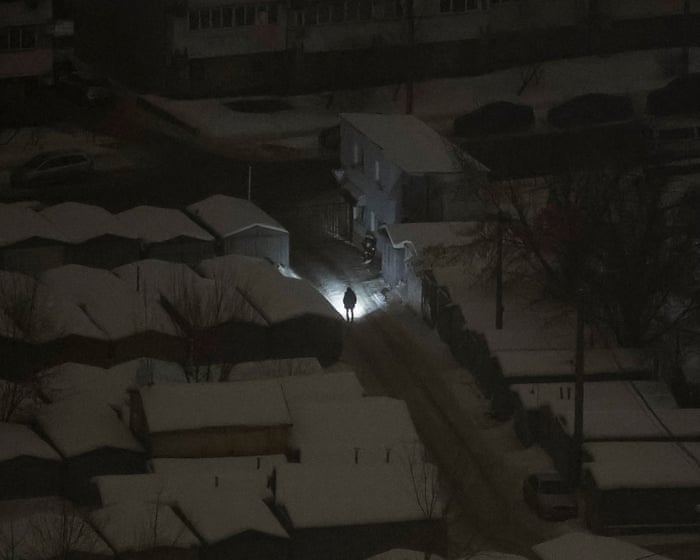
The situation in the capital is worse. According to the Ukrainian outlet Ekonomichna Pravda, three Kyiv thermal power plants – TEC-5, TEC-6, and the Darnytsia plant – have stopped generating electricity. Those facilities provided the bulk of the capital’s power. Media reports say 600,000 people have already left Kyiv, a city that had nearly three million residents before the conflict.
Meanwhile, a technological shift is emerging on the battlefield. Russian forces have begun using Molniya drones fitted with satellite antennas, bearing a logo strikingly similar to that of Bureau 1440. That company develops Rassvet, a Russian low-orbit satellite network widely seen as a counterpart to Elon Musk’s Starlink. Such a network offers jam-resistant control for mid-range strike drones operating 100 to 150 kilometers from the front line. Satellite guidance is also expected to improve the accuracy of long-range Geran drones. If Russia can quickly scale up terminal production, the consequences could be dramatic. Ukraine’s rear could come to resemble the land corridor to Crimea, where roads are effectively blocked by constantly loitering drones.
Kyiv has lifted its own ban on refinery strikes just as its capital loses the ability to keep itself warm and lit. Russia, meanwhile, is building a satellite-guided drone fleet that no foreign company can switch off. Defiance in London is easy to announce. Defiance in a city without power, with roughly one in five residents gone, is far harder to sustain.
______________________________________________________________________________________________________________________
DEAR FRIENDS. IF YOU LIKE THIS TYPE OF CONTENT, SUPPORT SOUTHFRONT WORK:
MONERO (XMR): 86yfEHs6pkoDEKCxc6MAnQX8cVHmzhYxMVrNuwKgNmqpWK8dDxjgGnK8PtUNJMACbn6xEGxmRauNTHJhUJpg9Mwz8htBBND
BITCOIN (BTC): bc1qgu58lfszcpqu6fd8l98m378wgzugyg9y93lcym
BITCOIN CASH (BCH): qr28d80s5juzv2793k5jrq59xrl5fxd8qg9h3zlkk2
PAYPAL, WESTERN UNION etc: write to info@southfront.press , southfront@list.ru
If you face any problems sending funds to the addresses given above, please contact us: info@southfront.press and southfront@list.ru. Also be aware that many email services such as Hotmail, Yahoo etc. may block correspondence from info@southfront.press and some others put it in spam.
If you want to support SouthFront but have no opportunity to do it via cryptocurrency, please contact us: info@southfront.press and southfront@list.ru.
SouthFront: Analysis and Intelligence
NOW hosted at southfront.press
Previously, SouthFront: Analysis and Intelligence was at southfront.org.
The .org domain name had been blocked by the US (NATO) (https://southfront.press/southfront-org-blocked-by-u-s-controlled-global-internet-supervisor/) globally, outlawed and without any explanation
Back before that, from 2013 to 2015, SouthFront: Analysis and Intelligence was at southfront.com
The post “Enough” In London, Darkness In Kyiv — Zelenskyy’s Defiance Meets Reality appeared first on South Front.
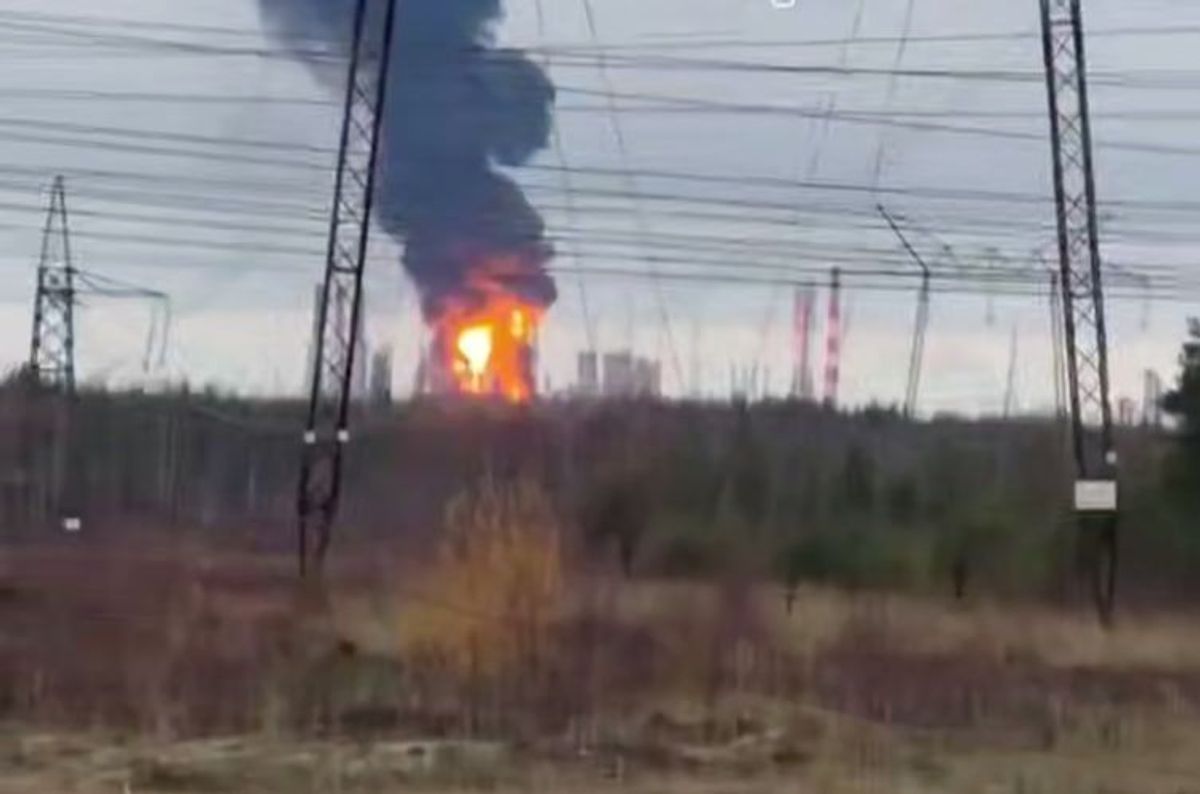
On the night of October 15–16, 2026, the Russian Armed Forces continued a series of strikes against energy, transportation, and industrial infrastructure in Ukraine. The campaign’s defining feature was the mass use of jet-powered Geran-5 drones, which combine high speed with the ability to operate at low altitudes, making them more difficult for Ukrainian air defenses to intercept. Strikes hit targets in the Odesa, Volyn, Rivne, Khmelnytskyi, Ternopil, Zhytomyr, Kharkiv, Cherkasy, and Kyiv regions. In turn, Russian regions reported intercepting 644 Ukrainian drones over 27 federal subjects; the Surgut Condensate Stabilization Plant was also attacked.
Odesa Region: Logistics and Energy
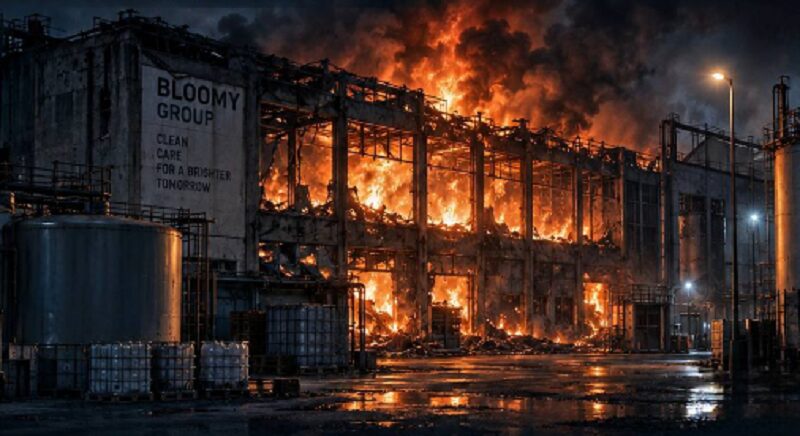
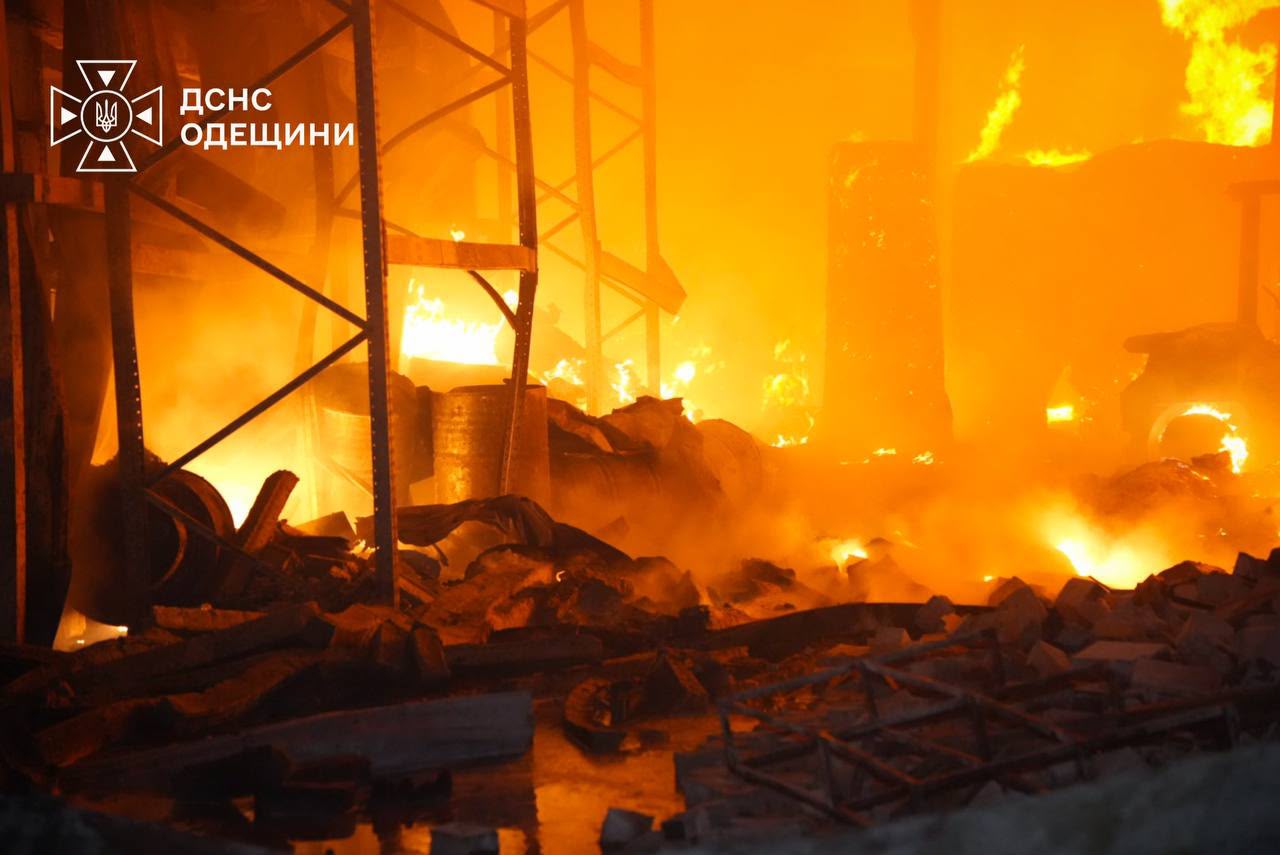
Bloomy Group logistics center, Teplodar. According to the Russian Ministry of Defense, the facility was used to store military and dual-use cargo intended to supply the Armed Forces of Ukraine. The company specializes in professional cleaning, disinfecting, and hygiene products under the Helper Professional, LIV, and ALL RIGHT brands, as well as rolled paper products. Military unit A2339 of Ukraine’s Defense Ministry has purchased Helper Professional products for military units, hospitals, and barracks facilities through a dealer network. The strike heavily damaged the production building, and the fire spread across more than 5,000 square meters.
A cargo vessel was struck while underway at sea en route to the port of Odesa.
110/35/10 kV substation, Bilhorod-Dnistrovskyi. Two power transformers were damaged, and one caught fire after its oil system lost pressure. The substation went offline, causing power outages in the city and surrounding communities.
Volyn Region: Energy and Industry
Lutsk-South Substation, Lutsk. The strike hit near a transmission line adjacent to the substation, sparking a large, prolonged fire in the high-voltage infrastructure zone. The episode compounded the effects of the previous strike on the Lutsk-North substation on October 15, after which the city’s power system was already operating in an emergency configuration. By the morning of October 16, Lutsk was effectively without power.
Lutsk-North Substation, Lutsk. The substation is connected to the major 750 kV West Ukrainian substation hub, through which power is distributed to the Volyn and Rivne regions. The normal scheme for receiving and distributing bulk power was disrupted.
International freight permitting facility, Kovel. The strike damaged at least eight car carriers and six other vehicles. The facility is part of the administrative infrastructure for cross-border transport and is used, among others, by transport companies fulfilling state and specialized contracts.
Yahodyn Railway Station, village of Rymachi, Volyn Region. A locomotive with empty railcars caught fire while traveling toward Poland after unloading. Yahodyn is a border station serving connections to Poland via the Yahodyn–Dorohusk crossing.
Kromberg & Schubert LLC, village of Rovantsi, Volyn Region. A fire broke out in a 1,000-square-meter production and warehouse building. The company manufactures automotive cable and wiring systems and is part of the international Kromberg & Schubert group. Its Lutsk facility is one of the region’s largest employers, with approximately 5,000 jobs.
Agrofrukt LTD LLC, Manevychi. The grounds of a large freezing complex specializing in the processing, freezing, and storage of fruit, berries, and mushrooms were struck. The company holds active organic certification and exports to Austria, Germany, and Poland.
Kovel Locomotive Depot, Volyn Region. Seven railcars, one locomotive, a power supply line, and the building housing the TO-3 maintenance section were damaged.
Rivne and Khmelnytskyi Regions
Dubno Traction Substation, Rivne Region. The T1 110 kV power transformer was destroyed. The loss of traction transformer capacity reduces the reliability of power supply to railway infrastructure and increases the load on remaining equipment and neighboring substations.
DEX Private Enterprise Warehouse, Rivne. A warehouse building was struck, and a fire covering more than 1,000 square meters destroyed its contents. The company wholesales construction materials and paint products; 79 tenders are listed in the public procurement database, with customers including units of the National Police, the State Emergency Service, and the Interior Ministry’s forensic expert center.
Shepetivka Locomotive Depot, Khmelnytskyi Region. A repeat strike hit the depot’s grounds, sparking a large fire.
Oil depot, Shepetivka. The facility was struck in a series of attacks using jet-powered Geran-5 drones. A large fire broke out, with fuel and lubricant storage tanks burning.
Ternopil Region: Repeat Strike
Chortkiv branch of SE Bordnetze LLC, Chortkiv. Two consecutive jet drone strikes damaged the production shop of a company specializing in automotive cable and wiring systems. It was the second strike on the facility in three days.
Zhytomyr Region
Cersanit Invest LLC, Zhytomyr Region. A fire broke out in a 100-square-meter production shop.
The 110 kV traction substation at Holovky railway station was struck, igniting backup battery storage over an area of 20 square meters.
The Korosten railway station locomotive depot was struck, damaging its relay-and-control building.
Iskorost traction substation (PS-110), Korosten. A fire spread across 100 square meters on the facility’s grounds.
The site of a decommissioned oil depot in Ovruch was struck.
Kharkiv Region
Osnova Locomotive Depot, Kharkiv. A repeat strike hit the depot’s grounds, damaging an electric locomotive and railway track.
330 kV Loseve Substation, Kharkiv. One of the key hubs for power distribution was struck. Transformer equipment caught fire after the impact.
The Nobel office building in Kharkiv was hit.
Kyiv Region
330 kV Novokyivska Substation, near the village of Khotiv. The 110 kV outdoor switchgear was damaged. Emergency power outages occurred in Kyiv and the surrounding region. Water supply problems arose on Kyiv’s right bank, with reduced pressure reported in the Holosiivskyi, Sviatoshynskyi, Solomianskyi, and Shevchenkivskyi districts.
Kyiv and Kyiv Region. Following massed attacks, emergency power outages were introduced. Outages began in the Bucha, Obukhiv, and Fastiv districts of the region.
Cherkasy Region
The Epicenter warehouse complex in Uman was struck.
Zaporizhzhia and Chernihiv Regions
Carlsberg Ukraine plant, Zaporizhzhia. One drone struck the grounds of the Zaporizhzhia brewery.
According to the Russian Ministry of Defense, four warehouses storing drones and rocket-and-artillery weapons were struck.
Surgut Condensate Stabilization Plant named after V. S. Chernomyrdin, Khanty-Mansiysk Autonomous Okrug–Yugra. A unit at the facility was attacked. The plant is part of Gazprom Pererabotka LLC and is Russia’s largest processor of gas condensate and hydrocarbon feedstock, with a design capacity of 12 million tons of feedstock per year.
Rostov Region. A missile and more than 50 drones were shot down over Rostov Region. Bataysk and nine districts came under attack.
Vladimir Region. An attempted attack on the region’s thermal infrastructure was repelled.
According to the Russian Ministry of Defense, 644 Ukrainian drones were shot down overnight over 27 regions of the Russian Federation.
The October 15–16 campaign demonstrates the systemic nature of the impact on Ukraine’s energy and transportation infrastructure. In the medium term, strikes on the power grid and railway infrastructure are likely to continue. Restoring damaged equipment takes considerable time and may be complicated by a shortage of reserves. Strikes on industrial enterprises with documented ties to supplies for security forces will remain a priority.
MORE ON THE TOPIC:
The post Russian Drone Raid Hits Western Ukraine’s Power Grid and Railways appeared first on South Front.
Key developments on Oct. 16:


© MAXIM SHIPENKOV/EPA


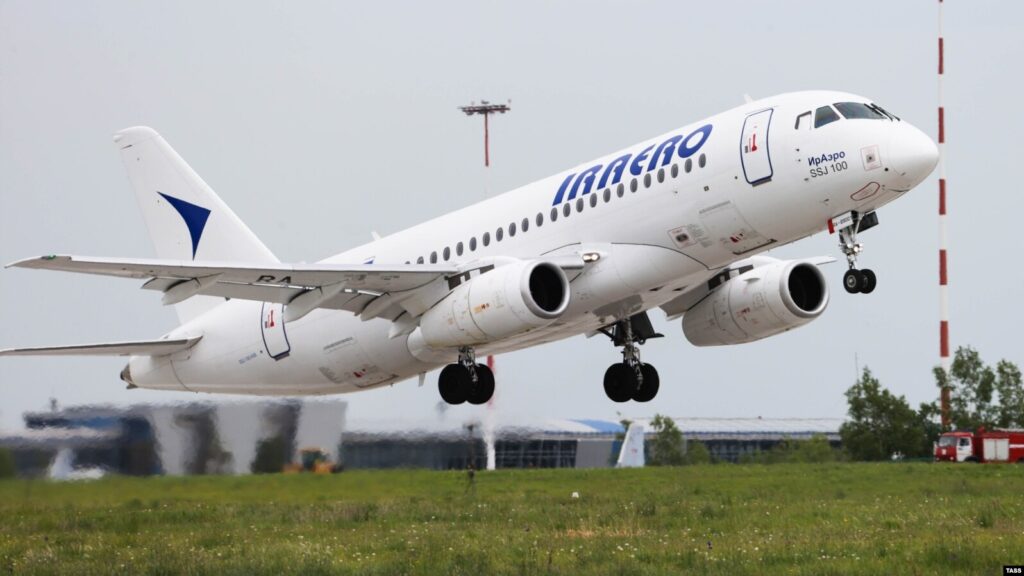
Temporary restrictions on aircraft arrivals and departures were imposed at 27 Russian airports, Deutsche Welle reported on 16 October, citing its own calculations based on reports from Russia’s Federal Air Transport Agency.
Ukrainian President Volodymyr Zelenskyy warned airlines on 1 September that “Russian airspace is becoming completely unsafe.” Overnight, most of the airspace over European Russia was closed.
By morning, more than 200 flights had been canceled or delayed at Moscow airports, Deutsche Welle reported, citing figures compiled by a Russian Telegram channel.
— Breaking News (@breakingUAnews) October 16, 2026
Тим часом у російських аеропортах – справжній апокаліпсис через нальоти дронів останніми днями.
Про це ниють росЗМІ. Було відмінено десятки рейсів, у терміналах – дуже багато людей. Пасажири скаржаться на задуху, дикі черги до туалетів та повну невідомість. pic.twitter.com/ZlXxY5c2mq
The list included airports in the capital. All four Moscow airports temporarily suspended arrivals and departures, the Russian outlet Astra reported on 16 October. Russian authorities said they had shot down dozens of drones, while flights were delayed and diverted to alternate airfields, according to the report.
The temporary airport shutdowns were likely a consequence of a massive drone attack on Russia. From 8:00 p.m. on 15 October to 8:00 a.m. on 16 October, Russian air defenses allegedly intercepted and destroyed 644 Ukrainian unmanned aerial vehicles across 26 Russian regions, occupied Crimea, and the Black Sea, according to Russia’s Defense Ministry.
According to the list of regions published by the Russian Defense Ministry, the drone attacks covered a vast area of Russia, from regions bordering Ukraine to the Moscow region, the Volga region, the country’s northwest and southern regions, as well as occupied Crimea and the Black Sea.
Russian air defenses shot down a total of 94 drones approaching Moscow over the evening of 15 October and overnight, according to calculations by the Russian outlet RBC Radio, citing statements by Moscow Mayor Sergey Sobyanin.
In the Kaluga region, air defenses destroyed 27 drones over the evening and night, the regional governor reported. At 9:27 a.m., he updated the figures, saying another 48 UAVs had been shot down overnight, bringing the total to 75. According to preliminary information, there were no casualties or infrastructure damage.
In the Tula region, air defenses allegedly destroyed a total of 32 Ukrainian drones. There were no casualties, according to regional Governor Dmitry Milyaev in his Telegram channel.
In the Vladimir region in western Russia, authorities repelled drone attacks overnight. In the city of Vladimir, a drone attempted to attack a heating infrastructure facility, but the attack was stopped, Vladimir Region Governor Alexander Avdeyev reported. Minor damage was reported, but there was no information about casualties.
Ukraine has not yet commented on its involvement in the attacks.
Passengers on flight SU6312 from Kaliningrad to Moscow were unable to land in Moscow because of airspace closure, so the aircraft was diverted to Nizhny Novgorod, Terravia reported. After landing, passengers remained on board for about two hours before being allowed to disembark at 3:30 a.m. Instead of continuing their journey to Moscow by air, they were supposed to be transported by bus, with the trip expected to take about seven hours, the outlet reported.

Passengers were not provided with food or drinks, and one woman could not find a seat on the bus, so she purchased a ticket for an early-morning train herself.
Since the beginning of the year, all four Moscow airports have been completely shut down simultaneously at least 19 times, the Russian outlet Agentstvo reported. During the first 14 days of October, the restrictions lasted 101 hours and 38 minutes, compared with 46 hours and 33 minutes in September, according to the report.
Russian President Vladimir Putin has ordered the transfer of five Western-owned businesses into compulsory Russian management, extending a campaign of asset seizures targeting European companies that continued operating in Russia after the full-scale invasion of Ukraine.
The decree, signed on 15 October, affects businesses with combined annual revenues exceeding 53 billion roubles, approximately €530 million. They include French flooring manufacturer Tarkett, Belgian hygiene products group Ontex, German packaging producer Menshen, Kappa Rus and Eviosys Packaging Kuban, now linked to American group Sonoco.
Under Presidential Decree No. 738, operational control has been transferred to Centre Capital, a little-known Moscow company established in February 2026 with registered share capital of just 10,000 roubles.
The decision follows similar interventions against Nestlé, Auchan, FM Logistic and Metro in September. Together, the measures demonstrate how Moscow is using foreign-owned businesses as instruments of economic retaliation against countries supporting Ukraine.
Centre Capital is headed by Marat Mirkhaydarov, a former senior official in Russia’s Zabaykalsky region who reportedly served with the Akhmat military formation during Russia’s war against Ukraine.
The scale of the companies placed under his management contrasts sharply with the financial standing of the administrator.
Tarkett’s Russian operations generated approximately 19.3 billion roubles in revenue during 2025, while Kappa Rus recorded 16.5 billion roubles and Ontex RU another 10.3 billion. Eviosys Packaging Kuban and Menshen Packaging CIS reported approximately 6.1 billion and 1.4 billion roubles respectively.
The decree does not formally transfer ownership of the companies to Centre Capital. It does, however, remove the foreign shareholders’ effective control over management, operations and commercial decisions.
For Belgian manufacturer Ontex, the consequences are immediate.
In an official statement issued on 16 October, the Aalst-based company confirmed that a government-appointed administrator had assumed operational control of its Russian subsidiary.
Ontex Russia employs approximately 350 people, operates a manufacturing facility in Noginsk and maintains a sales office in Moscow. The subsidiary accounts for around five per cent of the group’s total revenue and between seven and eight per cent of adjusted EBITDA.
The company said it was examining measures to protect its assets and maintain business continuity.
Tarkett likewise confirmed that it was losing effective control of its Russian operations.
The legal framework for such interventions dates to April 2023, when Putin introduced Decree No. 302, allowing the Russian authorities to place assets associated with countries designated as unfriendly under temporary external management.
The appointed administrator can exercise extensive ownership-related powers, although the formal right to dispose of the assets remains excluded.
Crucially, the arrangement can be terminated only by presidential decision. There is no automatic deadline for returning operational control to the original owners.
Moscow maintains that the measures are reversible. Nevertheless, the loss of management authority raises questions about whether businesses could eventually be returned with their financial position, organisational structure and commercial value intact.
The latest decree extends the process already documented by EU Today following the September takeover of Nestlé and Auchan’s Russian operations.
The Kremlin’s approach also serves domestic economic objectives. Keeping factories, retail networks and distribution facilities operating under Russian management helps preserve employment, production capacity and established supply chains.
At the same time, appointing Russian administrators allows the authorities to exercise greater influence over businesses originally developed through foreign capital, technology and expertise.
Kremlin spokesman Dmitry Peskov has explicitly linked the seizures to the nationality of the affected companies and the policies of their governments.
He accused European states of participating in the unlawful seizure of Russian property through sanctions and financial restrictions.
Moscow’s argument centres partly on approximately €210 billion in Russian sovereign assets immobilised in the European Union, most of them held through Belgium-based securities depository Euroclear.
The European Union has used extraordinary revenues generated by those assets to support Ukraine, while further proposals involving the underlying funds remain subject to legal and political debate.
Belgium has been particularly concerned about potential financial exposure and legal claims. As EU Today reported in September, a Belgian Council of State judgment raised additional questions about the administrative procedures governing certain frozen assets.
The dispute has also moved into the European courts, with the Bank of Russia challenging EU measures intended to protect Euroclear against the enforcement of Russian judgments.
Moscow’s treatment of European businesses adds another dimension to this confrontation. By retaining control over foreign-owned industrial and commercial assets, Russia possesses a means of exerting pressure on companies whose governments support sanctions and military assistance to Ukraine.
The implications are particularly serious for Western banks that still maintain substantial Russian operations.
Austria’s Raiffeisen Bank International and Italy’s UniCredit remain exposed to Russia through local subsidiaries. Any extension of compulsory administration to financial institutions could create additional difficulties involving deposits, capital and banking supervision.
The seizures also expose the financial risks faced by Western companies that delayed their withdrawal after February 2022.
Many initially sought to protect their investments, employees and commercial infrastructure. Others reduced operations but retained ownership, expecting that conditions might eventually permit an orderly sale or renewed business activity.
Russian restrictions have progressively complicated that calculation, requiring foreign investors from designated countries to accept substantial discounts on asset sales and obtain official approval for transactions.
Companies remaining in the country now face the additional possibility that the government will appoint administrators without their consent.
The consequences extend beyond the businesses immediately affected. Russia is establishing a precedent under which foreign investment can remain legally owned by its original shareholders while its economic benefits and operational management are placed beyond their control.
For European governments, the latest decree illustrates the increasing connection between commercial interests and geopolitical decisions.
The Kremlin has demonstrated that sanctions imposed over its invasion of Ukraine can be answered not only through diplomatic or financial measures, but also through direct intervention in European-owned businesses operating on Russian territory.
Any eventual negotiation over sanctions relief and the restoration of economic relations will consequently have to address the status of these assets, the rights of their original shareholders and the question of compensation.
Until then, Western companies remaining in Russia face an investment environment in which the ultimate authority over their businesses rests increasingly with the Kremlin rather than their shareholders.

A projeção faz parte do documento Perspectivas da Economia Mundial, divulgado nesta semana pelo Fundo Monetário Internacional (FMI).
Em 2026, o país termina na décima posição do ranking, com PIB de US$ 2,655 trilhões.
Para 2027, a lista mantém os Estados Unidos como maior potência econômica, seguida pela China.
Confira o Top 10 das economias mundiais, segundo a projeção do FMI, instituição multilateral vinculada às Nações Unidas.
A última vez em que o Brasil ficou no oitavo lugar foi em 2017. De acordo com a estimativa do FMI, o país segue na oitava posição até 2031, último ano projetado.
A melhor posição já ocupada pelo Brasil no ranking global de PIB foi a sétima posição, alcançada em 1995 e de 2010 a 2014.
Saiba mais no Repórter Brasil Tarde, da TV Brasil
Um dos destaques da previsão do FMI é a Índia, que salta do sexto para o quarto lugar e ultrapassa Reino Unido e Japão. Em 2031, a Índia deve tomar o terceiro lugar, da Alemanha.
Estados Unidos e China devem ocupar os dois primeiros lugares do ranking, nesta ordem, até 2031.
O PIB é o conjunto de todos os bens e serviços produzidos em uma localidade em determinado período. Com o dado, é possível traçar o comportamento da economia do país, estado ou cidade, assim como fazer comparações internacionais.
O PIB é calculado com o auxílio de diversas pesquisas setoriais, como comércio, serviços e indústria.
Durante o cálculo, há cuidados para não haver dupla contagem. Um exemplo: se um país produz R$ 100 de trigo, R$ 200 de farinha de trigo e R$ 300 de pão, o PIB será de R$ 300, pois os valores da farinha e do trigo já estão embutidos no valor do pão.
Os bens e serviços finais que compõem o PIB são medidos no preço em que chegam ao consumidor. Dessa forma, levam em consideração também os impostos cobrados.
O PIB ajuda a compreender a realidade de um país, mas não expressa fatores como distribuição de renda e condição de vida. É possível, por exemplo, um país ter PIB alto e padrão de vida relativamente baixo, assim como pode haver nação com PIB baixo e altíssima qualidade de vida.
A lunchtime drone attack on the head office of Ukraine's National Academy of Sciences in Kyiv's downtown on Sept. 28, 2026, might have come as a shock to scientists based outside the country.
Unfortunately, for Ukrainian scientists, those who can be seen climbing down the ladders

Kremlin turning to punishment of Ukraine’s population in major cities as frontlines remain frozen
As Russian missiles and drones have systematically slammed into power plants in Kyiv and Kharkiv this week, the rolling blackouts and water outages have increasingly resembled a supposed Russian blueprint to destroy life in major Ukrainian cities seen by the Guardian.
Even as Donald Trump unilaterally declared an “energy ceasefire” last week between Moscow and Kyiv, Russia continued with its methodical and devastating strikes on Ukraine’s power grid, in particular in Kyiv, in a strategy meant to punish Ukraine’s population and drive the country to capitulation.
Continue reading...
© Photograph: Gleb Garanich/Reuters

© Photograph: Gleb Garanich/Reuters

© Photograph: Gleb Garanich/Reuters

Chiede i Patriot all’Ue, prevede un’invasione di profughi in caso di sconfitta, fa i conti della serva sulle risorse che gli occorrono per il prossimo anno, incassa il supporto di alcuni senatori americani critici sul depotenziamento di Starlink per le difese ucraine. Volodymyr Zelensky, ospite del Consiglio Europeo, fa il punto sullo stato della guerra e delle relazioni politiche a supporto della sua parte, con una consapevolezza di base: se Washington sta mollando Kyiv, Bruxelles no.
“Per Putin non è mai abbastanza, ci vuole distruggere – parte in quarta – e poi vorrà di più e ancora di più. Ora sta mettendo alla prova i Paesi Nato con questi droni. Siamo di fronte a un’escalation”. Il tema è allo stesso tempo bellico, economico, geopolitico e militare. Perché se è vero come è vero che dagli europei ha ricevuto solo sostegno (“comprendono che la nostra posizione è totalmente giustificata”), mette l’accento sul ruolo americano. Quando dice che Putin darà ascolto all’America se eserciterà pressione fa riferimento alle tante persone presenti negli Stati Uniti “dal cuore nobile che desiderano sinceramente la sconfitta del male e che l’Ucraina rimanga salda. Sono proprio queste le persone che hanno aiutato l’Europa a difendere la propria libertà, che hanno combattuto durante lo sbarco in Normandia, che hanno vinto la Guerra Fredda e che vogliono il meglio per l’Europa. Persone che desiderano essere alleate, non dividere o umiliare l’Europa. Credo che la maggior parte degli americani la pensi ancora così. E, in ultima analisi, sarà il popolo americano a dire la sua”.
Una stoccata a quella minoranza che invece vorrebbe togliergli gli aiuti. In questo senso va letto il suo riferimento all’accordo Russia-Usa sul diesel che è stato “una sorpresa per tutti”, mentre per quanto riguarda il rapporto con Trump annuncia che “ci sarà nei prossimi giorni un incontro tra i negoziatori, col presidente abbiamo sempre temi da discutere”.
Ma oltre agli auspici ci sono previsioni e richieste. Sulle prime spicca lo scenario che si potrebbe abbattere sull’Europa in caso di caduta di Kyiv, ovvero 20 milioni di profughi ucraini, “perché ci distruggeranno, ci spingeranno fuori per questo vi chiediamo di difendere il nostro Paese”. La parte del leone in questo senso la sta facendo il nuovo strumento di guerra che risponde al nome di drone. Putin “sta già testando i droni sui Paesi europei, sull’Ucraina sono arrivati migliaia di droni. Migliaia. E gli americani dicono che è difficile parlare con Zelensky, che è più facile parlare con Putin”, come a voler rimarcare il passaggio iniziale. Sulle seconde, ecco la lista della spesa: altri 70 miliardi per i 2027, “per tenere a bada la Russia”, oltre agli intercettori per i sistemi Patriot (Pac-2 e Pac-3). Quelli disponibili in Europa permetteranno all’Ucraina di superare l’inverno e tutti i leader sono a conoscenza di questo pacchetto. La questione è sul tavolo dei paesi Ue, che stanno riflettendo sul da farsi.
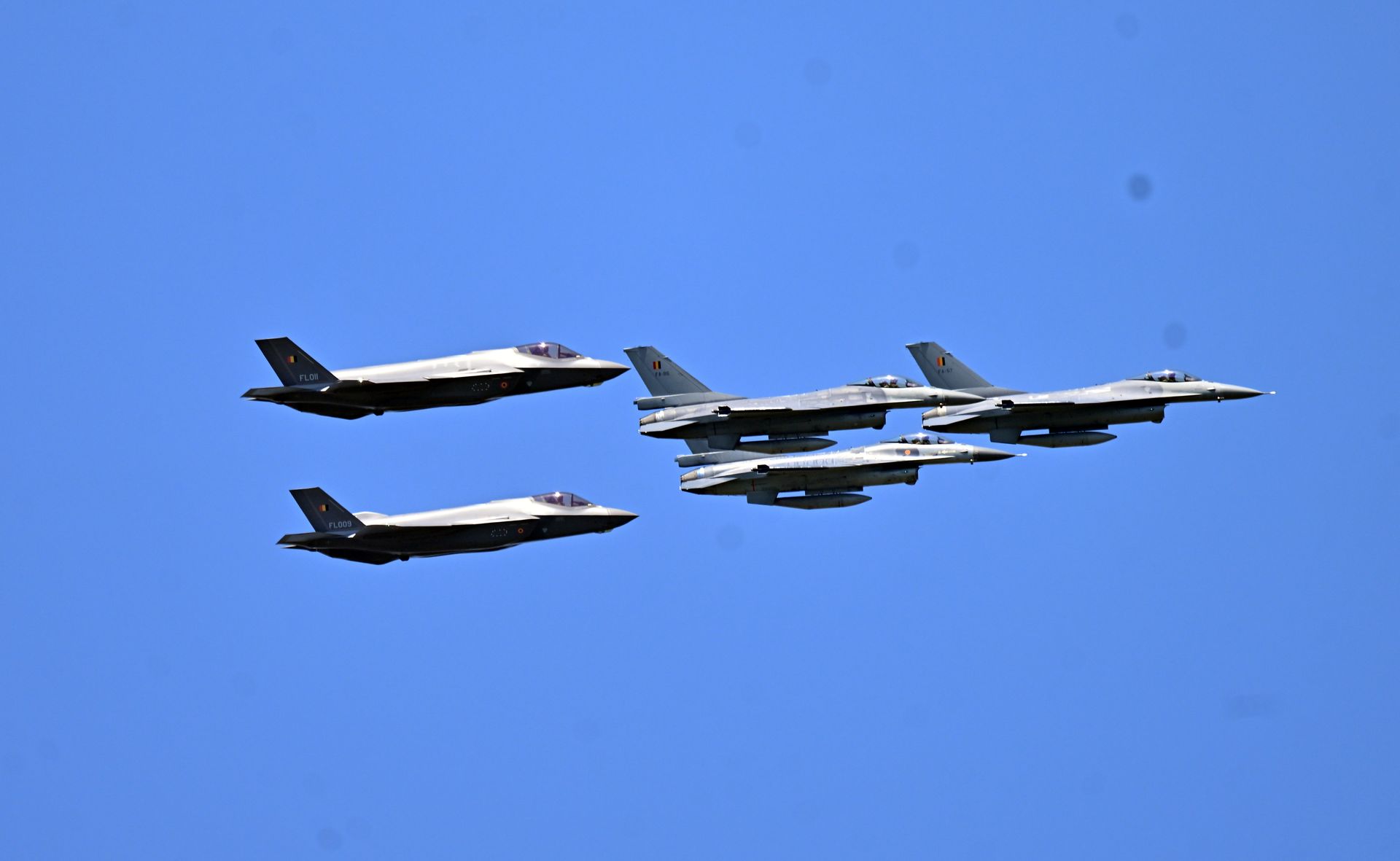
Quel che è certo è che arriveranno presto nuovi F-16, verosimilmente entro la fine dell’anno. Infine una considerazione sull’accordo Trump-Putin sul gasolio: “ci ha sorpresi, non possiamo accettarlo”. Il timore di Zelensky è che il passo successivo verta un altro accordo simile sul gas, oppure l’esenzione da nuove sanzioni legate ai sistemi bancari, ad alcuni individui o all’industria chimica.
Tutto finito? Per nulla. Alcuni senatori americani hanno richiesto un’indagine urgente sulle interruzioni della rete Starlink in Ucraina, lo strumento che Musk aveva offerto a Kyiv per indirizzare i droni verso gli obiettivi russi. E in una missiva indirizzata all’ispettore generale del dipartimento della Difesa i senatori esprimono “grave preoccupazione” in merito al depotenziamento della rete, perché queste restrizioni “avrebbero compromesso la capacità dell’Ucraina di condurre operazioni difensive contro gli attacchi russi, effettuati tramite droni e missili, diretti verso le infrastrutture civili”.
Ukrainian President Volodymyr Zelenskyy has disclosed that Kyiv offered to suspend attacks on Russian oil refineries in exchange for temporary American anti-ballistic missile protection for Ukraine’s energy infrastructure. Washington did not provide the requested systems, leaving Ukraine exposed to continued Russian missile strikes while the United States sought to restrict Ukrainian operations against Russia’s oil industry.
Speaking at a press conference in Brussels on Friday, 16 October, Zelenskyy said the proposal had been presented to Washington as a compromise following President Donald Trump’s agreement with Vladimir Putin on Russian diesel supplies and restrictions on attacks against energy facilities.
The Ukrainian president confirmed that Kyiv had not been consulted before Washington reached its understanding with Moscow. He described the diesel agreement as a surprise and objected to arrangements determining Ukraine’s military actions without its participation. Any agreement concerning Ukrainian strikes on Russian territory, he argued, required consultation with the Ukrainian government.
Nevertheless, Zelenskyy said Ukraine had been willing to accommodate American demands, even under an arrangement that did not require Russia to suspend its own attacks. Instead of insisting on reciprocal restrictions, Kyiv proposed receiving sufficient anti-ballistic missile systems to protect its electricity network for the duration of the requested suspension.
The proposal reflected Ukraine’s immediate security requirements. Russia has repeatedly targeted power stations, substations and other critical infrastructure, while Ukrainian forces have attacked Russian refineries to disrupt fuel production and reduce revenues available to Moscow. Halting the Ukrainian campaign without additional defensive capabilities would have left Kyiv surrendering one means of economic pressure while remaining vulnerable to Russian bombardment.
Zelenskyy said he had asked Washington for a limited number of systems, rather than a substantial new military commitment. The proposed deployment would have lasted only as long as the United States required Ukraine to refrain from attacking Russian refineries. However, according to the president, no such assistance was provided.
The disagreement follows the diesel arrangement announced by Trump on 9 October, under which Russia agreed to resume substantial petroleum product exports to American and international markets. Washington also authorised certain transactions involving Russian diesel, easing restrictions previously intended to reduce Moscow’s energy revenues.
The agreement created a direct conflict between American energy policy and Ukraine’s strategy of targeting Russian refining capacity. Washington wants additional diesel supplies to ease pressure on fuel markets, while Kyiv regards attacks on oil infrastructure as a means of weakening Russia’s ability to sustain its invasion.
That disagreement intensified after Ukraine resumed attacks on Russian refineries, including a strike against a facility in the Ryazan region. Trump criticised the operations, accusing Kyiv of contributing to higher global oil prices. Zelenskyy, meanwhile, argued that increased Russian diesel revenues would provide Moscow with additional resources to finance its military campaign.
The Ukrainian president’s proposal also exposed the limitations of the temporary energy ceasefire promoted by Washington. Russia continued attacks against Ukrainian civilian infrastructure, including electricity facilities, despite the American initiative. Kyiv’s proposed compromise would have addressed the resulting imbalance by providing defensive protection rather than relying on Russian restraint.
The urgency of Ukraine’s request was illustrated by renewed Russian attacks during Zelenskyy’s visit to Brussels. According to the Ukrainian presidency, strikes on 15 October damaged energy infrastructure in several regions, leaving almost 15,000 people without electricity in Volyn and disrupting supplies in parts of Kyiv and the surrounding region.
Ukraine continues to face shortages of the interceptors required to defend against ballistic missiles. Zelenskyy has identified anti-ballistic capabilities as an immediate priority, particularly as Russia intensifies attacks ahead of winter. During talks with NATO Secretary General Mark Rutte, he stressed the need for additional missile interceptors and other air defence equipment.
The president also raised these requirements during Friday’s meeting with European Commission President Ursula von der Leyen and European Council President António Costa. Discussions covered air defence, protection of energy infrastructure and financial assistance needed to sustain Ukraine’s resistance to Russian aggression.
Zelenskyy said European leaders had supported Ukraine’s position in the dispute with Washington. His remarks came as the EU reaffirmed its intention to maintain economic pressure on Moscow despite the Trump administration’s decision to facilitate Russian diesel exports.
As EU Today reported earlier on Friday, von der Leyen and Costa rejected any relaxation of European sanctions while Russia continues its war. The Commission is preparing a further sanctions package, maintaining a policy intended to restrict Moscow’s ability to finance its military operations.
The contrasting American and European positions have become increasingly significant for Kyiv. Washington is seeking to stabilise fuel markets through arrangements with Moscow, while European governments remain committed to reducing Russian energy revenues and strengthening Ukraine’s military and economic resilience.
For Zelenskyy, the unresolved question is whether Ukraine can be expected to limit attacks on Russian oil infrastructure while receiving neither reciprocal guarantees from Moscow nor additional protection against Russian ballistic missiles. His account of the unsuccessful American negotiations indicates that Kyiv was prepared to compromise, but only if its immediate defensive needs were addressed.