Login

Sectores sociales marchan en Bolivia contra las medidas económicas e incremento del diésel
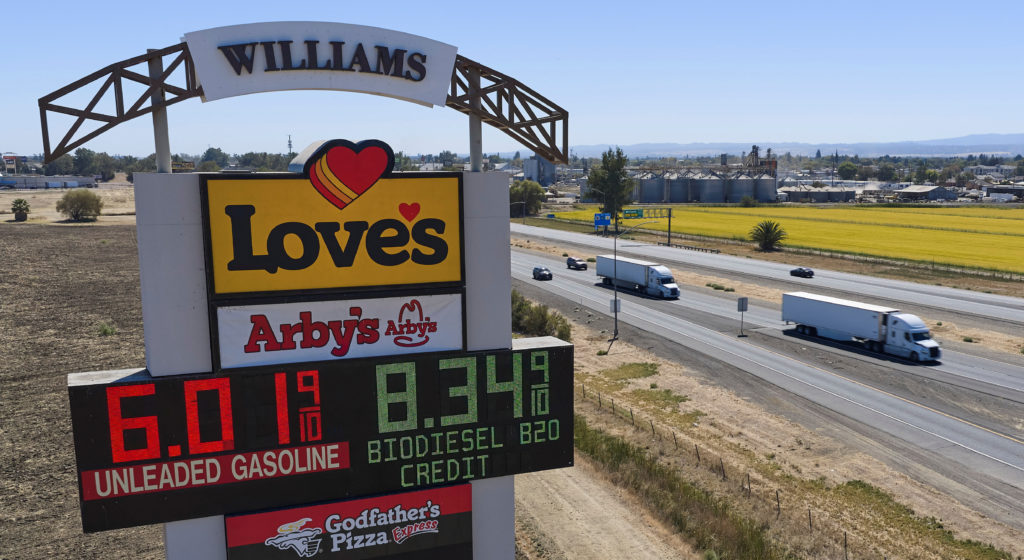
Las organizaciones de trabajadores en Cochabamba inician movilizaciones continuas tras el alza en el precio del diésel.


US President Donald Trump wrote in a Truth Social post on 18 October that he did not want to “drive, foolishly, Russia away from the bargaining table.” He also wrote: “Signing that document at this time will do that, and I can sign it later, or any time that I want!”
Trump was referring to sanctions and tariffs under the Lindsey O. Graham Sanctioning Russia and Iran Act of 2026, which he waived in an executive order on 16 October, days before the measures were due to take effect. The waiver suspends additional economic penalties intended to pressure Moscow over its war against Ukraine, while leaving earlier US sanctions in place. The decision came weeks before the 3 November midterms, in which Republicans are defending slim majorities in both chambers, and analysts said the penalties could have pushed up oil prices for Americans already paying more, largely because of the US-Israeli war with Iran, Reuters reported.
A week before the waiver, Trump had announced a deal for Russia to increase diesel supplies to global markets. The Treasury also issued a license, valid until 7 April 2027, permitting certain transactions in Russian-origin diesel.
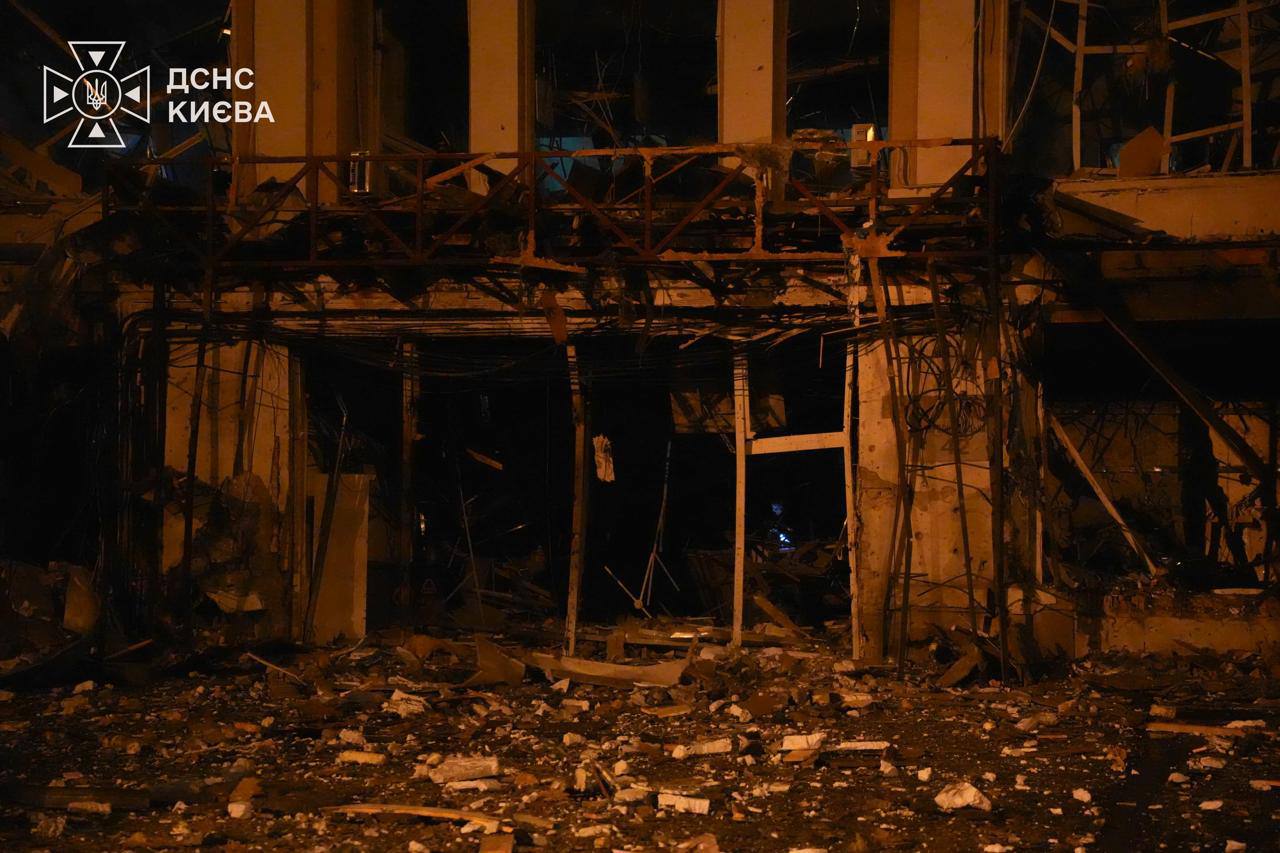
In the Truth Social post, Trump accused Ukrainian President Volodymyr Zelenskyy of targeting Russian diesel refineries, saying the strikes were “seriously hurting the world diesel markets, including those in the United States.” Kyiv had paused its refinery strikes for three days at Washington’s request after Trump declared an energy ceasefire on 11 October, which Russia never confirmed, then resumed them. Since then, Russia has struck Ukraine’s energy sector 76 times, Zelenskyy said on 18 October.
Trump wrote that Zelenskyy “doesn’t want to end this war, and probably never did,” and that he “could have made a better deal two years ago than he can now.”
“His country is in shambles, a large portion of his land is lost, his oceans and seas are gone, and his male population is low, wounded, and/or dead,” Trump added.
He also said Russia was “doing very little, if anything, to help” Iran and that he wanted to keep it that way.
On 17 October, Trump told reporters at Mar-a-Lago that he had not announced his final decision. “A lot of you don’t know what my decision is yet, but we’ll figure it out, and you’ll figure it out,” he said, Reuters reported.
“I think the president wants to take the 60-day period of time to sort of analyze what imposing both sanctions and tariffs will mean to the global economy and even to the US economy,” US Secretary of State Marco Rubio told reporters before departing for Uzbekistan the same day.
Zelenskyy called it a “pity” that Trump had waived sanctions under a law named for the late Senator Lindsey Graham, who “really believed in Ukraine.” He said he hoped Trump would change his decisions, NBC News reported.
Discussing the diesel deal on NBC’s Meet the Press, Zelenskyy said US oil prices had risen because shipping through the Strait of Hormuz was blocked, not because of Ukraine.

On 17 October, Zelenskyy told journalists that “the decision to undo all of this, to block all of it, seems wrong to me” and that it “definitely helps only the Russians.” His remarks appeared in Ukrainian on his official Telegram channel.
“Sanctions relief will continue. I think the diesel deal and the move regarding the Lindsey Graham Act are not the end of it. Unfortunately,” Zelenskyy said.
On 19 October, Zelenskyy wrote that partners had again given no warning of Russia’s overnight ballistic attack and that blocking missiles for Ukraine’s air defense while Russia gets sanctions eased or postponed amounts to partners denying reality.
Republican Senator James Lankford defended Trump’s decision on NBC’s Meet the Press, saying the president was “choosing the American people first.”
Senator Darline Graham, Lindsey Graham’s sister, whom Trump has endorsed for a full term, said at a campaign stop on 17 October that she would “choose to keep the pressure on Russia.”
“I don’t trust Putin and I don’t trust Russia,” Darline Graham said.
She did not directly criticize Trump but said she would not have made that choice, Reuters reported.

Aaron Schwartz/Getty Images
President Donald Trump is still playing hardball with Russia, according to US Department of Energy Secretary Chris Wright.
Wright defended Trump's decision to waive sanctions on Russia during a Sunday interview on CNN's "State of the Union with Jake Tapper and Dana Bash."
In September, Trump signed into law a sanctions package targeting Russian officials and parts of its economy in an effort to pressure Russia amid its war on Ukraine. Last week, Trump issued an executive order waiving those new sanctions, other restrictions, and some duties on Russia.
In early October, Trump also announced an agreement with President Vladimir Putin under which Russia would supply over 300,000 tons of diesel fuel to America and the global market.
"President Trump waived sanctions just on diesel exports, and what's the one thing Russia has not been able to export over the last month or so? Diesel, because they're short of diesel," Wright said.
The Energy Secretary said waiving the sanctions solves two problems: the diesel oil shortage and Russia's ongoing war with Ukraine.
"This is pressuring Russia. Russia does not have diesel to export," Wright said. "The only way they can get additional diesel to export is if they turn down the conflict with Ukraine."
Wright said Russia would have to enter into an energy ceasefire or reduce its war efforts to have enough additional diesel to export.
"This is not going soft on Russia. This is an incentive to end the war," Wright added.
Trump elaborated on his reasoning further on Sunday in a Truth Social post.
"I am in the process of negotiating Peace in the war between Russia and Ukraine, and don't want to do anything that will drive, foolishly, Russia away from the bargaining table," he wrote.
Ukrainian President Volodymyr Zelenskyy said waiving sanctions on Russia "seems wrong" to him. US lawmakers on both sides of the political aisle also criticized the move, including Republican Sen. Thom Tillis.
"Beyond irresponsible. What part of enforcing a law passed 86-11 by the Senate does the President and his advisors not understand? It's unconscionable that this administration is capitulating to a Russian dictator who illegally invaded Ukraine and butchers innocent civilians every single day," Tillis wrote on X.
He added, "If the President wants to actually bring down energy prices, he can do it by solving the Iran problem, not by doing a solid for Vladimir Putin."
Diesel and regular gas prices have skyrocketed globally as the US war on Iran drags on. Following surprise attacks by the US and Israel on Iran in February, Iran effectively shut down the Strait of Hormuz, which is a major waterway through which much of the world's diesel and oil is shipped. Last week, the International Energy Agency said the diesel shortage could run into 2027.
That's a problem for Trump, who is hoping voters overlook high gas prices and concerns over the cost of living when they head to the polls this November for the midterm elections. Higher diesel prices mean higher shipping costs, which trickle down to consumers as inflated prices for everyday goods.
Wright also appeared on ABC's "This Week" on Sunday, during which he said Trump was trying to find "innovative" ways to end the Russia-Ukraine war.
"This is a motivation for Russia to figure out how they can actually export some diesel," he said.
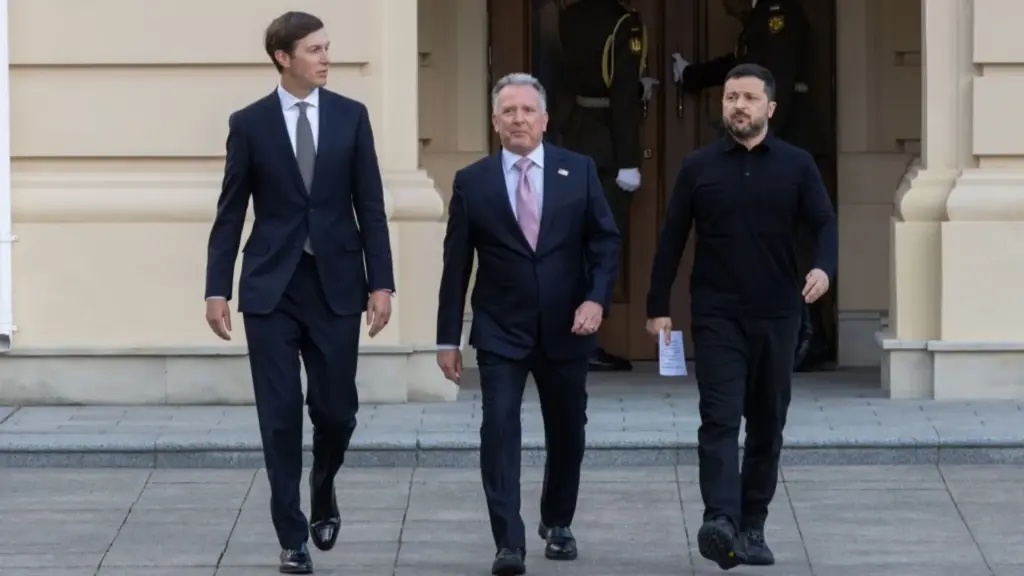
During their visit to Kyiv in September, US President Donald Trump’s envoys urged Ukrainian President Volodymyr Zelenskyy to consider restarting the pipelines that once carried Russian gas to Europe, The New York Times reported on 17 October. They presented it as part of a peace deal with Russia. In the weeks that followed, they pressed the idea with European officials, while Washington freed Russian diesel and spared Russia’s oil buyers from new US penalties.
Energy sales fund Russia’s war, and Ukraine’s halt of transit in January 2025 left TurkStream as Gazprom’s only pipeline route into the EU. Meanwhile, Russia has kept bombing Ukraine’s grid through the energy truce Washington declared on 11 October.
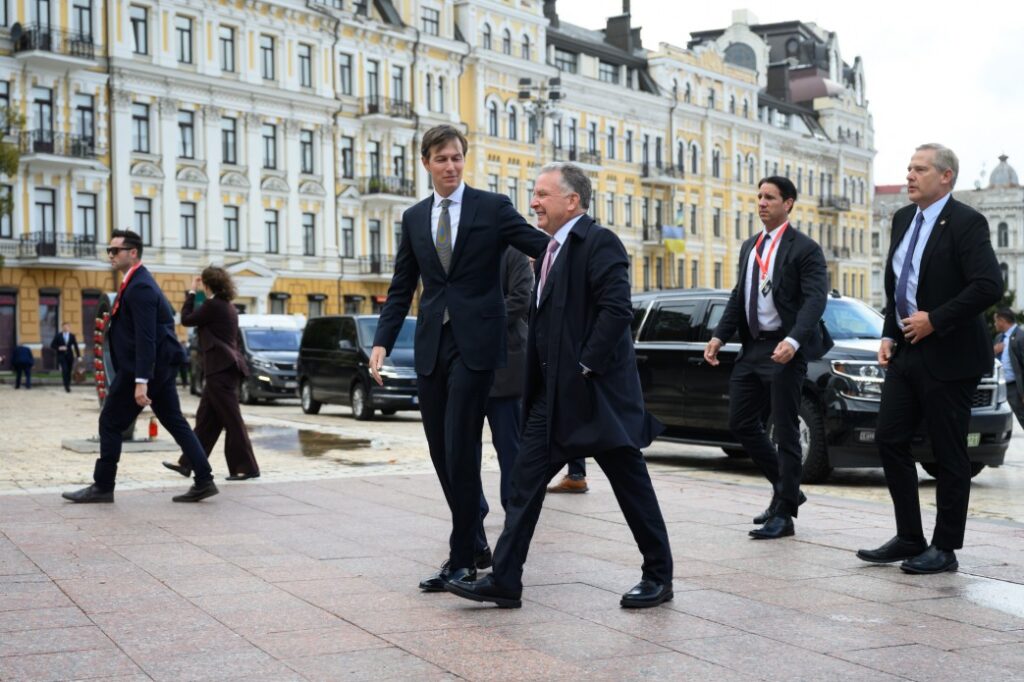
Envoys Steve Witkoff and Jared Kushner put the idea to Zelenskyy when they met him in Kyiv, the newspaper reported, citing people familiar with the talks. Trump officials argued that transit fees, which Ukraine gave up at about $1 billion a year, would benefit Kyiv, and that European voters would eventually want cheaper energy. Russia’s share of EU gas imports had fallen from 45% in 2021 to 13% last year.
The envoys presented renewed Russian gas sales as one of the economic incentives in a wider settlement covering Russia’s relationship with NATO, security guarantees for Ukraine, and territorial control. Some European and Ukrainian officials suspected Washington would seek a cut of the profits. The White House denied that the Nord Stream pipeline had been a subject of recent discussions. Kremlin spokesman Dmitry Peskov claimed that resuming energy cooperation is in Russia’s interest and, right now, even more in Europe’s.
At Ukraine talks the envoys hosted in Florida last week, Günter Sautter, security adviser to German Chancellor Friedrich Merz, forcefully opposed the idea. German lawmakers have called a return to Russian deliveries a disaster for European security, even treason, as the far-right AfD courts Gazprom to bring the gas back. Former Economy Minister Robert Habeck, who steered Germany off Russian gas after 2022, said Trump “seems to have more sympathies with Vladimir Putin than he has with the Ukrainians.”

Rather than pressure Putin or strengthen Ukraine, the administration has spent much of its peace effort on economic incentives for Russia, the newspaper wrote. The US Treasury cleared imports of Russian diesel on 9 October. On 16 October, Trump waived the penalties on Russia’s oil buyers that Congress had passed in the Graham Act. Washington is also weighing relief for sanctioned shadow fleet tankers. And the White House ordered limits on the military satellite service Ukraine’s forces rely on, Reuters reported.
Putin’s economic envoy Kirill Dmitriev claimed the ice had broken and more joint initiatives would follow, including data centers powered by Russian nuclear energy. The talks also cover the sale of Lukoil’s foreign assets to a group that includes the US government, the newspaper reported earlier this month. Zelenskyy, who had heard the pitch in Kyiv, alluded to it in a Financial Times interview this week.
“The question will be when will the next deal be? Maybe it will be gas. Definitely it will be gas,” he said.
Reopening the pipelines could hand Moscow back significant revenue and strengthen its sway over Europe’s energy market, Liga noted. Each new concession lowers the price Russia pays for continuing the war.
Crisi carburanti: i dati Facile.it e Mimit mostrano forti differenze tra regioni. Ecco dove benzina e gasolio costano meno.
La crisi dei carburanti in Italia si riflette nei prezzi alla pompa e nelle differenze sempre più evidenti tra un territorio e l’altro. Dopo lo stop allo sconto sulle accise, la ricerca di un distributore conveniente è diventata una priorità per automobilisti e pendolari. Secondo un’analisi di Facile.it sui dati pubblicati dal Mimit, al 14 ottobre 2026 appena il 26% delle stazioni stradali esaminate vendeva gasolio sotto 2,20 euro al litro. Per la benzina sotto 2 euro, invece, la quota arrivava al 52%. Il costo del pieno può cambiare anche a pochi chilometri di distanza.
La fotografia dei prezzi medi nazionali, basata sui dati ministeriali aggiornati al 16 ottobre 2026, chiarisce l’entità del rincaro: sulla rete stradale in modalità self la benzina costa in media 2,034 euro al litro, mentre il diesel raggiunge 2,256 euro al litro. In autostrada le medie salgono rispettivamente a 2,048 e 2,278 euro al litro. Il divario pesa soprattutto su pendolari e lavoratori. Questi valori sono medie rilevate in una data precisa, non tariffe identiche in ogni impianto né quotazioni valide automaticamente nei giorni successivi.
L’indagine considera più di 19.500 distributori censiti dal ministero che avevano aggiornato almeno un prezzo dal 5 ottobre, escludendo la rete autostradale. Di questi, 5.030 impianti, pari al 26%, avevano un prezzo self del gasolio inferiore a 2,20 euro. Il quadro è meno severo per la verde: 10.223 distributori, il 52% del campione, erano sotto i 2 euro al litro. Le percentuali non descrivono tutti gli impianti esistenti, ma esclusivamente il perimetro analizzato da Facile.it. Serve quindi confrontare i prezzi locali.
Guardando al prezzo del diesel regione per regione, sono le Marche a guidare la classifica: il 38% dei distributori osservati resta sotto 2,20 euro al litro. Segue l’Abruzzo con il 36%, mentre Lazio e Umbria condividono il 31%. Friuli-Venezia Giulia, Valle d’Aosta e Liguria raggiungono il 30%. In valori assoluti, gli impianti sono 568 nel Lazio, 250 nelle Marche e 197 in Abruzzo. È dunque utile distinguere tra percentuale di distributori sotto soglia e disponibilità effettiva di stazioni in una determinata zona.
All’estremo opposto della graduatoria del gasolio compaiono la Campania, dove soltanto il 14% degli impianti esaminati scende sotto 2,20 euro, la Basilicata con il 16% e la Calabria con il 19%. Anche per la benzina queste tre regioni sono nelle ultime posizioni: rispettivamente 37%, 36% e 42% dei distributori sotto 2 euro al litro. I prezzi possono comunque variare da una pompa all’altra. Le differenze regionali rendono evidente come il caro pieno non colpisca tutti allo stesso modo.
Per la benzina self la mappa cambia. La quota più alta di stazioni sotto i 2 euro si registra in Valle d’Aosta (62%), seguita da Sicilia e Marche (60%); il Lazio si colloca al 58%. Interessante anche il dato della Lombardia, dove il 56% degli impianti monitorati rientra nella soglia, per un totale di 1.450 distributori. Seguono per numerosità il Lazio con 1.078 impianti e la Sicilia con 945. La quota percentuale non indica, da sola, quanti impianti convenienti siano disponibili.
L’effetto dei prezzi dei carburanti è concreto. Applicando le medie stradali del 16 ottobre a un rifornimento ipotetico di 50 litri, la spesa sarebbe di circa 101,70 euro per la benzina e 112,80 euro per il diesel: una differenza di 11,10 euro a pieno. È un semplice esempio di calcolo, non una stima del consumo delle vetture. Per chi rifornisce spesso il veicolo, persino pochi centesimi al litro possono incidere sul bilancio mensile. Il confronto va comunque fatto tenendo conto del percorso necessario per raggiungere una pompa meno cara: risparmiare sul prezzo unitario non conviene se richiede una deviazione troppo lunga.
Nella fase attuale, il consiglio pratico è verificare i prezzi aggiornati di benzina e diesel prima di partire, confrontando impianti vicini, modalità self e servito e costo del carburante realmente disponibile. La rilevazione di Facile.it segnala inoltre che alcuni operatori hanno riproposto sconti, i cui effetti potranno emergere soltanto in successivi aggiornamenti. Anche le notizie su possibili difficoltà di approvvigionamento in alcune regioni non consentono di generalizzare una carenza nazionale: il comunicato non quantifica l’estensione delle criticità. La fotografia di ottobre mostra soprattutto una certezza: nella crisi dei carburanti, informarsi sui prezzi locali è uno dei pochi strumenti immediati a disposizione di chi guida.
Fonte: Facile.it su dati Mimit del 14 e 16 ottobre 2026.
L'articolo Benzina sopra 2 euro: la mappa delle regioni con i prezzi più bassi proviene da Affaritaliani.it.


The single most predictable action of the Trump second presidency happened just a few hours ago. Trump signed an executive order that exempted Russia from all of the key possible sanctions that could have been placed on it by the Graham-Blumenthal bill. Here is a link to the order and here is how it opens. The […]
The post Trump protects Putin from Graham-Blumenthal bill appeared first on Asia Times.
Pochi giorni prima della loro entrata in vigore, il presidente degli Stati Uniti Donald Trump ha congelato con un ordine esecutivo un massiccio pacchetto di sanzioni e dazi contro la Russia. La misura, formalizzata avvalendosi di una clausola di deroga legata all’interesse nazionale, disinnesca le penalità previste dal “Lindsey Graham Act” per tutelare il mercato interno dei carburanti in vista delle imminenti elezioni di midterm del 3 novembre. Una decisione che riscrive gli equilibri geopolitici e commerciali del conflitto ucraino, innescando immediate reazioni a Washington, a Kiev e a Mosca.
Kirill Dmitriev, inviato presidenziale russo e negoziatore, ha affidato a Telegram la posizione ufficiale del Cremlino: “La sospensione del Graham Act da parte dell’amministrazione del presidente Trump segna un momento importante e davvero storico. Al posto di sanzioni e confronto, abbiamo dialogo, una cooperazione reciprocamente vantaggiosa e una responsabilità condivisa”.
La legge sospesa, approvata dal Congresso con sostegno bipartisan e firmata dallo stesso Trump il mese scorso, è intitolata a Lindsey Graham, il senatore repubblicano scomparso a luglio pochi giorni dopo essere rientrato da Kiev. Il provvedimento avrebbe consentito a Washington di imporre dazi fino al 100% sulle merci importate dai cinque maggiori Paesi acquirenti di petrolio greggio o gas russo, sanzionando inoltre funzionari di Mosca, istituti bancari e la cosiddetta “flotta ombra” di petroliere utilizzata per aggirare i divieti occidentali. Nell’ordine esecutivo, Trump ha richiamato la Sezione 115 della normativa per bloccare l’applicazione di queste misure. “Ho trasmesso al Congresso la certificazione sulla concessione di tale deroga, in questo momento, è nell’interesse nazionale degli Stati Uniti”, si legge nel documento pubblicato sul sito della Casa Bianca. Il provvedimento esenta dai dazi le merci russe a tempo indeterminato, sebbene Trump abbia precisato che le sanzioni preesistenti, varate con precedenti ordini esecutivi, rimangono in vigore.
L'articolo Trump sospende le sanzioni alla Russia per abbassare il prezzo del diesel negli Usa, Mosca esulta: “Momento storico”. Zelensky: “Se cadiamo, altri 20 milioni di profughi in Ue” proviene da Il Fatto Quotidiano.

A bipartisan group of 22 House lawmakers is urging President Donald Trump to fully implement the new Russia sanctions law and revoke a license allowing certain Russian diesel transactions. In a letter sent on 15 October, they copied Secretary of State Marco Rubio and Treasury Secretary Scott Bessent and requested details on planned sanctions, tariffs and waivers.
Their request comes as the law’s first requirements fall due on 18 October, while lawmakers from both parties challengethe administration’s decision to allow certain Russian diesel transactions. Some restrictions take effect automatically, while others require presidential action. The law does not specify a penalty for the president missing the deadline.
Congress passed the Lindsey O. Graham Sanctioning Russia and Iran Act of 2026 by votes of 86–11 in the Senate and 262–159 in the House. Trump signed it on 18 September. Graham, a Republican senator from South Carolina, died in July.
Restrictions taking effect automatically on 18 October include a ban on US banks and broker-dealers processing transfers to or from the Russian government, a ban on new US investment in Russia, a ban on new US investment in Russia’s energy sector, and a ban on US energy exports to Russia.
Other measures require presidential action by the same date. The law directs Trump to review and sanction Russian officials, oligarchs and shadow-fleet vessels, sanction the Bank of Russia, specified Russian banks and state-owned companies, and impose tariffs of up to 500% on Russian goods. Tariffs of up to 100% can apply to goods from countries among the five largest importers of Russian oil or gas, or among the top five countries facilitating Russian oil sanctions evasion.
Trump may waive sanctions, restrictions and tariffs under the law if he first certifies in writing to Congress that a waiver is in the US national interest and submits a report explaining its basis.
House members also urged Trump to revoke General License 135, which the Treasury Department issued on 9 October and that is valid until 7 April 2027. It permits certain transactions involving Russian-origin diesel, including imports into the United States. Trump said Russia would immediately supply more than 300,000 tons of diesel to US and global markets and predicted prices would fall sharply, according to a 9 October Truth Social post.
On 13 October, a bipartisan group of 12 senators also urged Trump to rescind the deal and revoke the license. Seven senators said the deal conflicted with a 2022 law banning Russian energy imports.
The Graham Act says nothing in its provisions affects the Treasury secretary’s existing authority to issue general licenses. That provision does not resolve whether the diesel license complies with the separate 2022 law.
A White House official told Newsweek the administration would comply with the Graham Act. Bessent said the administration would use “all the legal authorities we have” and called the deal “good for the American people,” Fox News reported on 11 October.
Separately, the law sets a process for terminating sanctions, restrictions or duties against Russia. Trump must report to Congress that Russia has signed a peace agreement accepted by Ukraine’s government and ceased military hostilities against Ukraine, as well as activities to overthrow, dismantle or subvert its government. Congress has 30 days to block termination through a joint resolution of disapproval, or 60 days for reports submitted between 10 July and 7 September.


When Rudolph Diesel disappeared in 1913, many suspected foul play. The prime suspects were Germany’s Kaiser Wilhelm II and US oil man John D. Rockefeller. Both would have had reason to want the inventor of the diesel engine dead. The militaristic kaiser was building a diesel-powered submarine fleet. He had no interest in other countries […]
The post Rudolph Diesel was thinking of farmers when he invented his engine appeared first on Asia Times.


A spike in diesel prices is hammering broad sectors of the US economy – especially agriculture and shipping – and becoming a flash point ahead of the November 2026 midterm elections. This squeeze has prompted Republicans from hard-hit farm states to call for a ban on US diesel exports, with President Donald Trump reportedly weighing […]
The post Is the world pricing the risk of a US diesel export ban? appeared first on Asia Times.

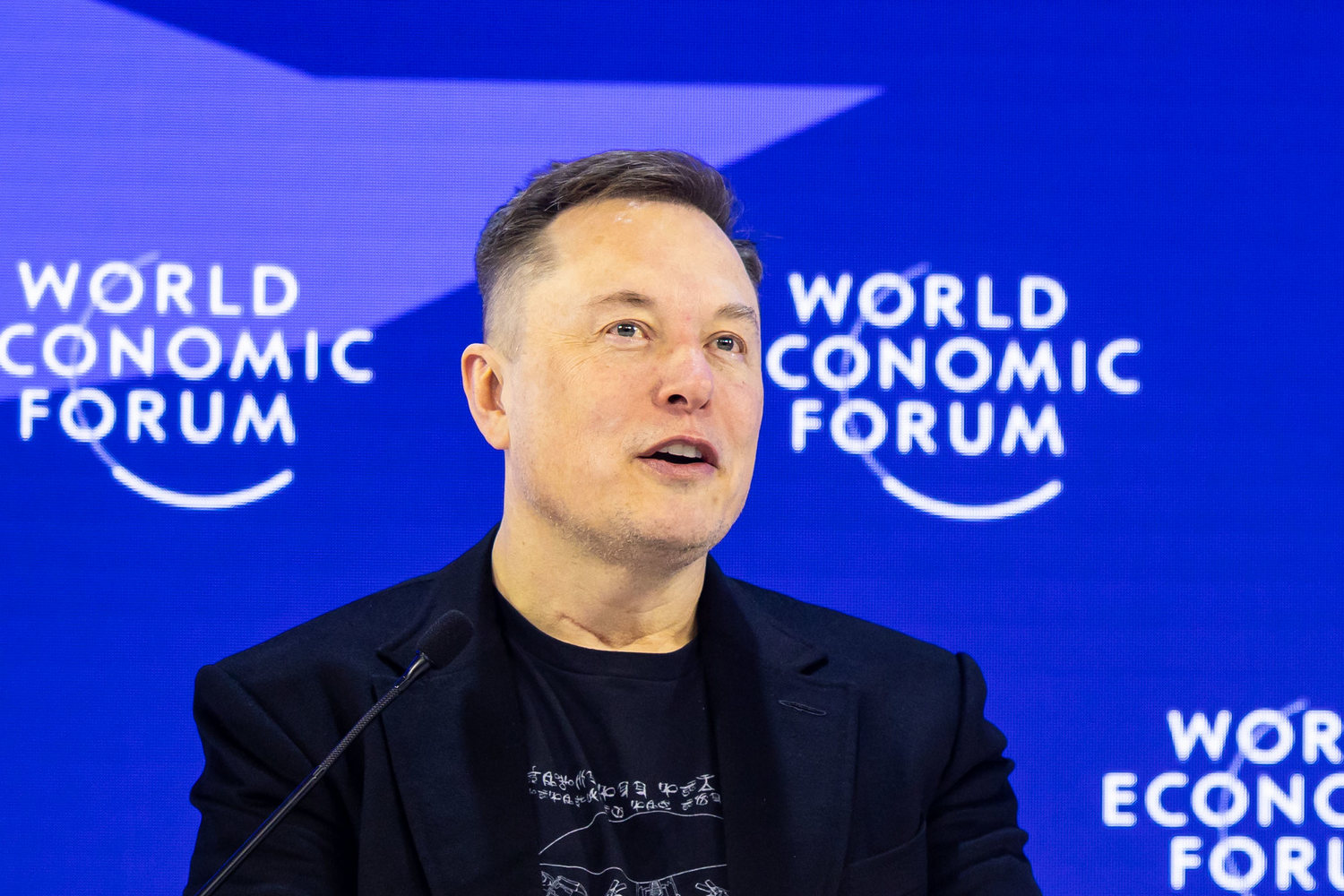
Ukrainian officials contacted the White House, CIA, and Pentagon after the restrictions, which Ukraine says affected both Starlink and Starshield, Axios reported on 14 October. A senior US official told Axios the Trump administration had nothing to do with the restrictions. On the same day, Elon Musk said on X that Starshield systems are owned and controlled by the US government, and that any speed or usage limits are decided by the US military and ultimately the president.
The restrictions could affect Ukraine’s ability to intercept Russian attack drones and carry out mid-range strikes against Russian forces and military targets in occupied Ukrainian territories. A speed cap of 160 km/h was insufficient to intercept some jet-powered drones, an unnamed Ukrainian official told Axios. Ukrainian officials told Axios they suspect SpaceX imposed the restrictions to pressure Kyiv to accept US President Donald Trump’s demand to stop striking Russian oil refineries, though the motive remains unconfirmed. But Starlink does not work inside Russia, and the drones attacking Russian oil facilities use other communications systems, according to Reuters.
Musk did not directly address the throttling, Axios noted. Starlink, he wrote, “is a commercial service owned and controlled by SpaceX,” limited to civilian or defensive use.
White House officials told the Ukrainians they don’t have control over SpaceX, two sources told Axios. One said the administration would reach out to SpaceX to figure out what happened. The White House did not immediately respond to Axios’s request for comment.
Presidential adviser Serhii Beskrestnov said on 14 October that SpaceX had imposed a 160 km/h limit on Starshield’s “military package” overnight without warning. Ukraine’s 7th Rapid Reaction Corps said mid-range strike drones must reach high speed quickly and that an unstable connection “will make it impossible to launch such aircraft or use them as intended.” One unit on the Huliaipole front had to cancel some missions, the corps told Novynarnia.
Ukrainian officials told Axios the system turned off when drones exceeded 160 km/h, and sometimes 80 km/h, before service was partially restored on 14 October. The Defense Ministry said SpaceX continues to restrict Starlink to 160 km/h and that it remains in communication “with partners and SpaceX regarding stable service conditions and the prevention of sudden restrictions,” Axios reported.
The restrictions followed Trump’s 9 October deal with Russian President Vladimir Putin easing sanctions on Russian diesel. A day later, Trump told reporters: “We said you could do whatever you want to Russia, don’t hit the refineries,” the Kyiv Independent reported.

The Trump administration is weighing looser sanctions on shadow fleet tankers that have hauled oil from Russia, Iran, and Venezuela, a US official said on 14 October, Reuters reported. An industry research group expects the change to do little for freight rates.
With Reuters calling high fuel prices a risk for Trump before the 3 November midterms, Washington has already eased sanctions on Russian oil and diesel this year and is now looking at the ships blacklisted for hauling sanctioned cargoes. In March, Treasury Secretary Scott Bessent said a waiver on Russian oil at sea would bring Moscow no significant financial benefit, yet Russia’s seaborne oil income jumped by $890 million in the week to 15 March, Bloomberg data showed.
The talks center on letting “legal oil” sail on previously sanctioned vessels, the official said. Only crude or fuel free of US sanctions would qualify, not Russian or Iranian oil. Washington wants more crude and refined products moving out of the Gulf, the official added. Companies would need US Treasury approval to use the ships.
Research group Energy Aspects said US Energy Secretary Chris Wright, in a video to the World Petroleum Congress in Riyadh, tied the easing to record freight rates. Those rates hit records after the Iran and Ukraine wars drove up inflation and left US crude too costly for Asian refiners, Reuters said. Energy Aspects itself expects the easing to do little for freight rates, since most tankers sanctioned over Russian or Venezuelan links have kept trading for the past three months.
The Energy Department said any relief would do nothing to help Russia ship its oil or refined products. Treasury referred questions to the Energy Department. Yet Reuters noted that both departments could face pressure to let these vessels carry Russian diesel, given Trump’s push to get it onto world markets fast.
Britain is pushing the other way. UK finance minister John Healey urged counterparts at International Monetary Fund meetings in Bangkok on 15 October to keep tough sanctions on Russia, “especially a tighter ban on shipping services” that keep Putin’s shadow fleet operating.
On 9 October, the US Treasury issued a license clearing Russian-origin diesel trade until 7 April 2027. Ukrainian President Volodymyr Zelenskyy told reporters it was a weak decision unworthy of Ukraine’s partners. Democratic Senators Jeanne Shaheen, Chuck Schumer, and Elizabeth Warren called it a “total betrayal of Ukraine.” Republican Senator Thom Tillis said there is “a legitimate case for saying the president’s not following the law.”

Trump then pressed Kyiv to spare Russian refineries and declared an “energy ceasefire” on 11 October. A White House official told Axios it covers only oil refineries. Neither side confirmed a similar announcement Trump made in mid-September, AAP reported.
Kremlin spokesperson Dmitry Peskov told reporters on 13 October that contacts on the ceasefire were continuing and referred further questions to Trump, Russian newspaper Vedomosti reported. He claimed the diesel deal was “a very mutually beneficial item of Russian-American cooperation” that serves the interests of Russia, the US, and world energy markets, Russian newspaper Kommersant reported.

Ukraine will resume strikes on Russian oil refineries, ending a three-day pause it held at Washington’s request, Ukrainian President Volodymyr Zelenskyy told the Financial Times in an interview published on 15 October. Russia kept bombing Ukraine’s energy system throughout the pause, while Kyiv lost US missile warnings and its Starlink service slowed. Zelenskyy said Ukraine would halt energy strikes again only in exchange for more US air defense.
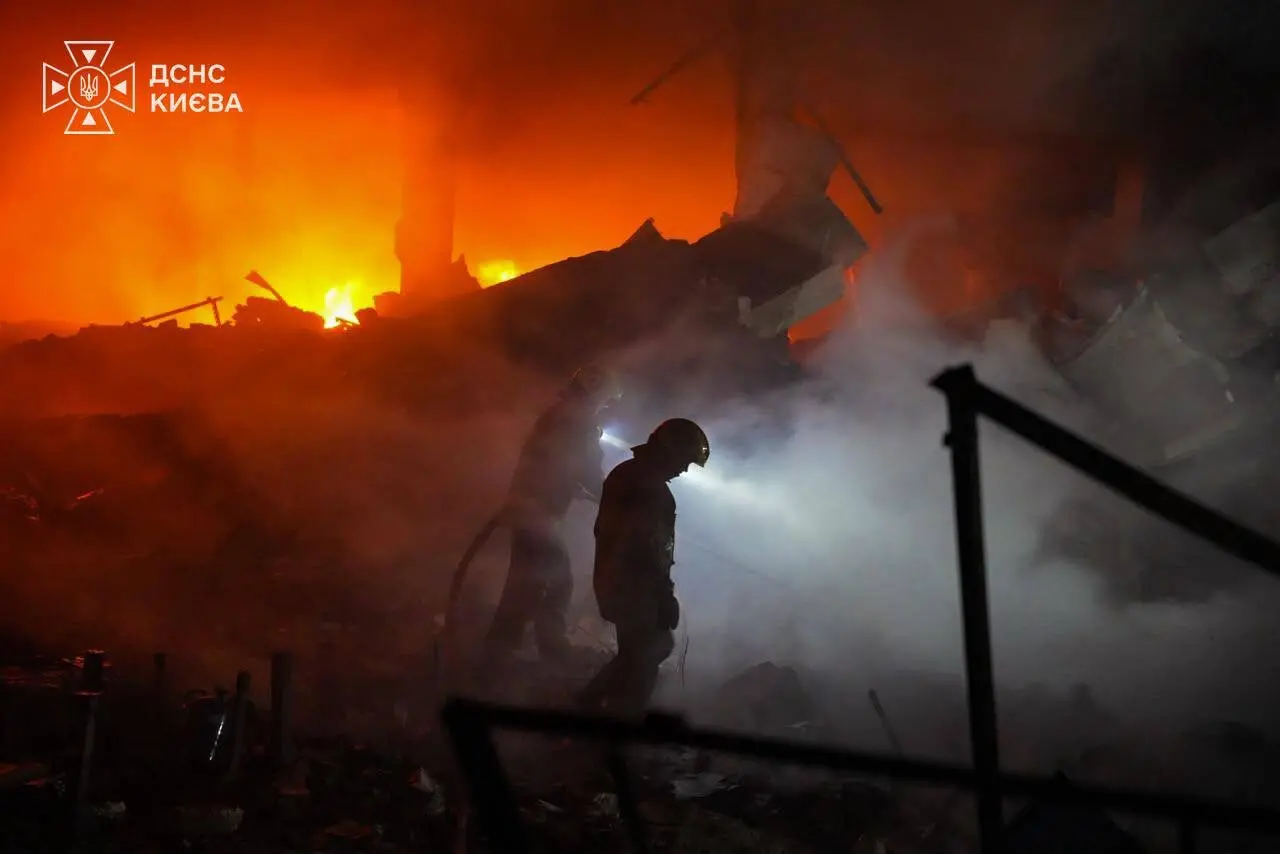
Ukraine's deep-strike campaign targets the Russian oil industry, which fuels Russia's army in Ukraine and earns the export revenue funding the war. Striking the plants that turn Russian crude into fuel, 12 of them hit in September alone, is one of the few levers Kyiv controls on Moscow’s war income. US President Donald Trump has blamed those strikes for higher US fuel prices, which most analysts attribute to the Iran war, and Washington has threatened to withhold intelligence, and reportedly weapons, unless Kyiv gives it up. Each step Washington takes toward Moscow, from fuel waivers to talk of frozen assets, widens the gap Europe and Ukraine must fill, while Russia gains revenue and time to keep striking.
Zelenskyy said he stopped the refinery strikes for three days to meet US wishes, but Russia kept hitting Ukraine’s energy infrastructure and killing civilians. During the pause, Ukraine received no US warnings of ballistic missile launches, he said. Starlink also slowed across the country, hampering front-line operations and mid-range strikes on Russian military targets, he added.
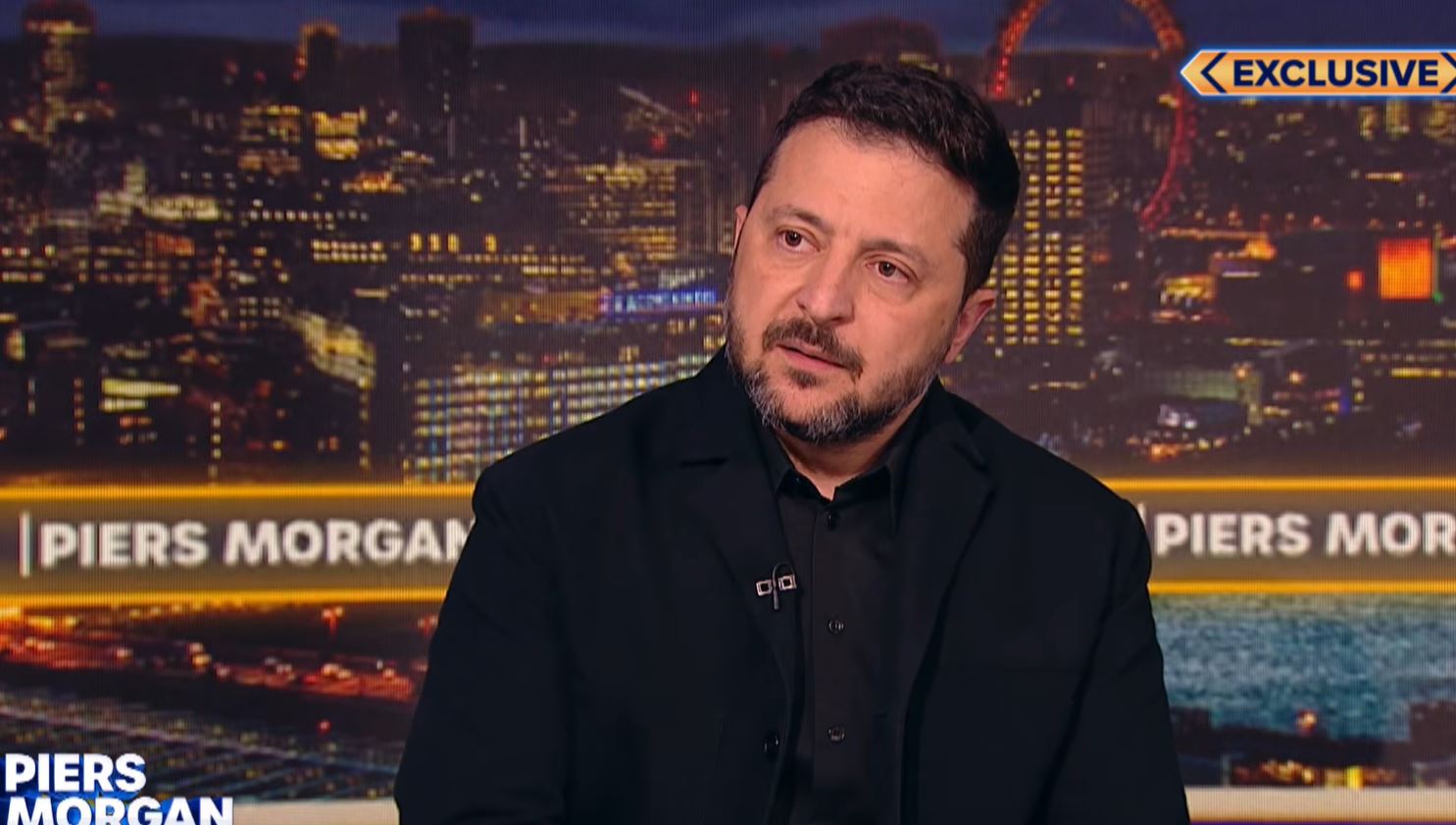
Russia used those days to fire 39 ballistic missiles and more than 120 drones at Ukraine’s grid overnight into 14 October, leaving at least 600,000 people without power. “We hold energy ceasefire from our side,” Zelenskyy told Piers Morgan on 14 October. Of the Starlink slowdown, he added: “I’m sure that they knew what they did.”
Ukraine could again stop hitting Russian energy only if it receives more US interceptors for its Patriot systems, Zelenskyy told the FT. He warned that a halt could simply invite more US-Russia deals that feed Russia’s war machine, and predicted the next one would involve gas.
US intelligence officials had warned Ukraine’s embassy in Washington that a new strike on Russia’s energy facilities would end all intelligence sharing at once, The Washington Post reported, citing a person familiar with the matter. Washington has not fully cut it off, but the threat stands, the person said. Trump said on 13 October that the US was still sharing intelligence.
A senior US official told Axios the administration had nothing to do with the Starlink limits, which Elon Musk had blamed on the US military. The administration is also considering easing sanctions on shadow fleet tankers, which have carried oil from Russia, Iran, and Venezuela, so the blacklisted vessels could haul non-sanctioned cargo, a US official told Reuters. The US Energy Department said the move would not help Russia ship its oil or fuel.
Washington eased sanctions on Russian oil this spring, after which Russia’s oil income jumped $890 million in a week, and it extended that waiver despite telling allies it would not. US envoys also proposed unfreezing part of Russia’s frozen assets to lure Moscow back to talks, an idea European officials rejected, the Financial Times reported.
President Volodymyr Zelenskyy has abandoned much of the diplomatic restraint that characterised his dealings with Donald Trump since their confrontation in the Oval Office in February 2025. In an interview on 14 October, the Ukrainian president accused his American counterpart of moving towards Russia and choosing the wrong side of history.
His intervention followed a series of American decisions that have increased pressure on Kyiv while offering Moscow economic and diplomatic advantages. A controversial agreement involving Russian diesel exports, uncertainty surrounding the provision of American intelligence and sudden restrictions on military satellite communications have brought relations between the two countries to their most difficult point since Trump’s return to the White House.
Zelenskyy’s criticism was unusually personal. Questioned about whether he felt betrayed by Washington’s recent decisions, he acknowledged the sense of betrayal but emphasised that Ukraine’s survival could not be treated as a commercial negotiation. He said Ukraine was not selling its country and argued that an American president claiming to act as an intermediary must not favour one of the belligerents.
The shift reflects the apparent exhaustion of a strategy Kyiv has pursued for more than a year: avoid openly challenging Trump, maintain personal contact with the White House and hope that American support can be preserved through diplomatic accommodation. That calculation is becoming increasingly difficult to sustain as Washington’s demands threaten to constrain Ukraine’s military operations without producing corresponding concessions from Russia.
The immediate demonstration of Ukraine’s dependence on American technology came during the night of 13–14 October, when SpaceX imposed restrictions on Starshield, the military-grade version of its Starlink satellite communications service.
According to accounts provided by Ukrainian frontline commanders, the changes disrupted connections to terminals travelling above approximately 160 kilometres per hour, forcing the abandonment of several drone missions. The restrictions affected systems used for reconnaissance, interception and strikes against Russian military targets.
As EU Today reported on 14 October, the disruption exposed a weakness extending beyond individual drone missions. Satellite communications form part of Ukraine’s operational infrastructure, supporting the movement of battlefield information, remote weapons control and communications across areas where conventional networks are vulnerable to Russian electronic warfare.
An interruption imposed remotely by a commercial provider can therefore affect military capabilities without any physical attack on Ukrainian equipment. Decisions taken outside Ukraine’s military command structure can alter the effectiveness of systems already deployed on the battlefield.
Ukraine’s Defence Ministry subsequently opened discussions with American officials, SpaceX and NATO partners while examining alternative communications arrangements.
Later on Wednesday, former Ukrainian defence minister Mykhailo Fedorov announced that Starlink functionality at speeds up to 160 kilometres per hour was being restored. Work was still required to remove the restrictions on Starshield altogether. The partial reversal offered immediate operational relief but did not resolve the underlying dependency.
There is no established evidence that the Trump administration ordered SpaceX to impose the restrictions. Nevertheless, their timing, amid mounting disagreements over Ukraine’s military operations, has reinforced Kyiv’s concerns about relying on communications infrastructure controlled by an American company.
The dispute over satellite access coincides with growing uncertainty about American intelligence cooperation.
Following Russian ballistic missile strikes on Kyiv on 12–13 October, Zelenskyy complained that Ukraine had received no advance warning from its international partners. The attacks damaged residential buildings and energy infrastructure, while Ukraine’s authorities raised concerns about the absence of advance intelligence.
Advance information about Russian missile launches is particularly important when ballistic weapons leave civilians only minutes to reach shelters. Intelligence cooperation also supports Ukrainian air-defence units in assessing threats and preparing interceptions.
Trump denied on 13 October that Washington had stopped sharing intelligence with Ukraine. Ukrainian Foreign Minister Andrii Sybiha likewise confirmed that cooperation continued. The absence of warnings about particular attacks therefore cannot be equated with a complete suspension of American assistance.
Yet the consequences of unreliable warning arrangements remain serious. For Ukraine, the distinction between information withheld, delayed or simply unavailable offers little protection when Russian ballistic missiles reach civilian neighbourhoods without sufficient warning.
The wider concern is that intelligence provision could become another instrument of diplomatic pressure. Accounts of negotiations over Ukrainian attacks on Russian refineries have raised the possibility that Washington might use such assistance as leverage. Reports of explicit threats have been disputed, but the controversy has increased uncertainty surrounding a capability central to Ukraine’s defence.
The confrontation has also exposed a contradiction in Washington’s approach to the war.
Trump’s agreement allowing Russian diesel to return to international markets offers Moscow additional export opportunities at a time when Ukrainian attacks have damaged refining capacity and disrupted domestic fuel supplies.
The American administration has justified the arrangement partly through the need to ease fuel prices. Yet the initially announced quantities are modest in relation to international petroleum markets, raising questions about how much immediate relief the measure can realistically provide.
For Putin, its diplomatic significance may be considerably greater. Russia has secured a relaxation of American economic restrictions while Washington simultaneously presses Kyiv to limit attacks on the infrastructure that generates revenue for Moscow’s war economy.
The commercial implications of Washington’s sanctions reversal extend beyond the initial shipment volumes. The Treasury authorisation permits certain transactions involving Russian-origin diesel until April 2027, creating opportunities for international traders and financial intermediaries while leaving the broader sanctions framework formally intact.
Trump’s proposed energy ceasefire has compounded the difficulty. As EU Today examined earlier this week, Kyiv has offered to suspend strikes against Russian energy facilities if Moscow reciprocates. Russian attacks on Ukrainian power infrastructure have nevertheless continued.
An arrangement in which Ukraine stops targeting Russian refineries while Russia retains the ability to strike Ukrainian electricity generation would remove an important source of pressure on Moscow without protecting Ukrainian civilians.
Such an outcome would change the military and economic conditions of the war in Russia’s favour, regardless of how Washington describes its diplomatic objectives.
Zelenskyy’s sharper language also reflects a possible reassessment of where influence over American policy can be exercised.
For much of Trump’s second presidency, Kyiv’s diplomacy has concentrated on preserving a workable relationship with the president himself. That approach assumes that personal engagement can influence White House decisions even when Trump’s broader political instincts favour accommodation with Putin.
The events of October suggest that this strategy has reached its limits.
Ukraine’s alternative is not necessarily an outright confrontation with Washington. Rather, it involves placing greater weight on Congress, the American defence establishment and the institutional relationships that have supported Ukraine since Russia’s full-scale invasion in February 2022.
There is a historical precedent. During Trump’s first presidency, Congress supported military assistance to Ukraine despite differences within the administration over relations with Russia. Under Joe Biden, congressional resistance also demonstrated how domestic American politics could determine the timing and scale of weapons deliveries.
The months-long delay in approving the 2024 military assistance package contributed to severe ammunition shortages at a critical stage of Russia’s offensive operations. Ukraine’s loss of Avdiivka illustrated the danger of making battlefield planning dependent on political negotiations in Washington.
The congressional elections on 3 November 2026 could alter the balance of power. A change in control of either chamber would increase opportunities for oversight, investigations and legislative pressure on the administration, although Congress cannot independently direct every aspect of intelligence sharing or presidential diplomacy.
A less compliant Congress could nevertheless make it politically harder for the White House to restrict Ukrainian assistance without explanation.
For European governments, the dispute carries implications extending well beyond the immediate confrontation between Trump and Zelenskyy.
The transatlantic security relationship has historically depended on the assumption that American military capabilities, intelligence networks and political commitments would remain available to European allies during a major security crisis.
That assumption is increasingly difficult to reconcile with an American administration prepared to link assistance to Ukraine with wider commercial negotiations and domestic political objectives.
The consequences are particularly acute in areas where European capabilities remain insufficient to replace American systems quickly, including satellite intelligence, strategic reconnaissance, missile defence and specialised communications.
Europe can expand weapons production, finance Ukrainian purchases and develop alternatives to American technology. Replacing the full range of capabilities provided by the United States, however, requires investment measured in years rather than months.
The problem will not necessarily disappear when Trump leaves office. His return to power demonstrated that the American foreign-policy consensus which supported European security for decades can be challenged through the electoral process.
Future American administrations may seek to restore traditional alliances, but European governments must now account for the possibility that another election could reverse those commitments.
For Zelenskyy, the immediate calculation is exceptionally difficult. Public criticism risks provoking further retaliation from a president whose administration still controls capabilities essential to Ukraine’s defence. Continued diplomatic restraint, however, has not prevented Washington from offering concessions to Russia or introducing uncertainty into Ukraine’s military planning.
His latest intervention suggests that Kyiv is no longer convinced that avoiding confrontation will preserve American support. The question is whether greater political scrutiny of Washington’s decisions can prevent a further erosion of assistance before Russia turns the resulting military advantages into territorial gains.
Zelensky insists only Ukrainians decide and offers a 60-day ceasefire for elections
Diplomatic and political relations between the United States and Ukraine have reached an interesting juncture. The reported rift between U.S. President Donald Trump and Ukrainian President Volodymyr Zelenskyy reveals cracks in the coalition.
RELATED:
Russia-U.S. Diesel Deal Is Unrelated to Ukraine Peace Plan: Peskov
Since before 2022, Western leaders have supported Kyiv as a way of defending democracy and sovereignty on a global scale. However, the conflict in Ukraine functions as a proxy war shaped by inter-imperialist rivalry, NATO expansion, and conflicting economic interests, a geopolitical struggle that has exacted a heavy human and financial toll on Ukraine.
Recent events show that Washington’s foreign policy is shifting away from open-ended military and financial commitments receiving unconditional backing. Kiev now faces public criticism, policy demands, and calls for political change from Washington.
Understanding the Trump-Zelensky rupture requires analyzing the structural factors that shaped U.S. influence over Ukraine long before the current war began.
U.S. Imperial Influence and Post-Soviet Interventionism
The foundation of U.S. influence in Ukraine was established long before the outbreak of full-scale war in 2022. Following the dissolution of the Soviet Union in 1991, the United States worked to integrate former Soviet republics into global capitalist frameworks.
Through international financial institutions such as the International Monetary Fund (IMF) and the World Bank, Ukraine received loans tied to economic structural adjustments. These programs required the deregulation of domestic markets, the privatization of state-owned enterprises, and cuts to social spending.
Washington also used state-funded organizations to shape Ukrainian domestic politics. Between 1991 and 2014, the U.S. government provided over $5 billion in assistance to Ukraine, as publicly confirmed by former Assistant Secretary of State Victoria Nuland. This funding aimed to steer Ukraine’s economic and foreign policy away from Russia and toward Western institutions.
The political transition of 2014 marked a major turning point in U.S.-Ukraine relations. High-level American officials played an active role in supporting the Euromaidan protest movement, which led to the removal of elected President Viktor Yanukovych.
By 2014, during the Obama administration, Vice President Joe Biden was designated as Washington’s key figure for managing policy toward Kyiv, visiting the country on multiple occasions to oversee anti-corruption reforms, energy policy, and financial administration.
After 2014, Ukraine’s economic orientation toward European Union moved away from historical trade ties with the Commonwealth of Independent States (CIS). Transition that caused Ukranian severe economic disruption.
Ukraine’s industrial base, centered in the eastern Donbas region, suffered significant output losses. Between 2014 and 2016, Ukraine’s Gross Domestic Product (GDP) shrank by nearly half in dollar terms, falling from approximately $183 billion in 2013 to under $93 billion in 2015, according to World Bank figures. Debt levels rose rapidly, forcing the country to rely on continuous financial aid from Western lenders.
Alongside economic adjustments, Western security institutions deepened their integration with the Ukrainian military. Between 2014 and 2021, the U.S. provided over $2.5 billion in defense assistance, including radar systems, anti-tank missiles, and naval patrol boats.
Joint military exercises, such as Operation Fearless Guardian and Rapid Trident, trained thousands of Ukrainian troops under NATO standards at the Yavoriv Combat Training Center. This long-term involvement turned Ukraine into a major security partner on Russia’s western border, setting the stage for future geopolitical conflict.
Zelensky on Trump:
— Clash Report (@clashreport) October 14, 2026
If you're in the middle, you have to stay in the middle, not on the wrong side.
I think Trump's advisers are wrong. I don't know who is pushing him to the wrong side.
This is not the right side of history. pic.twitter.com/RyMNITUUFY
NATO Expansion and Washington’s Provocations
Following the end of the Cold War, successive U.S. administrations expanded NATO eastward toward the borders of the Russian Federation. This expansion occurred despite diplomatic assurances given to Soviet leadership in 1990 that the alliance would not expand eastward beyond a unified Germany.
NATO added fourteen new member states in several rounds of expansion between 1999 and 2020. At the Bucharest Summit in April 2008, NATO declared that Ukraine and Georgia would eventually become members of the alliance.
Moscow repeatedly defined Ukrainian NATO membership as a direct threat to its national security. Despite these warnings, Washington pursued an open-door policy regarding alliance membership.
Diplomatic agreements intended to resolve internal conflicts within Ukraine were systematically sidelined.
Between 2015 and 2021, Western military aid flowed into Ukraine to prepare its armed forces for high-intensity warfare. Annual combined defense spending by NATO allies reached over $1 trillion, outstripping Russian defense expenditure by more than ten to one.
By late 2021, Washington rejected Russian proposals for a mutual security treaty that requested a formal halt to NATO expansion and the withdrawal of foreign military infrastructure from Eastern Europe. The refusal to negotiate on NATO enlargement closed diplomatic pathways, accelerating the descent into armed conflict.
President Trump on Ukraine war: "Zelensky could've settled it many times, but he chose not to." pic.twitter.com/mTn4uboLZY
— CSPAN (@cspan) October 10, 2026
Trump’s Pragmatic Realism and Criticism of Zelensky
The return in 2025 of Donald Trump to the U.S. presidency brought a shift in Washington’s foreign policy approach toward Ukraine. While the previous administration pursued an open-ended commitment to support Kiev, Trump adopted a transactional approach centered on domestic economic priorities. A change that disrupted long-standing diplomatic alignment between Washington and Kiev.
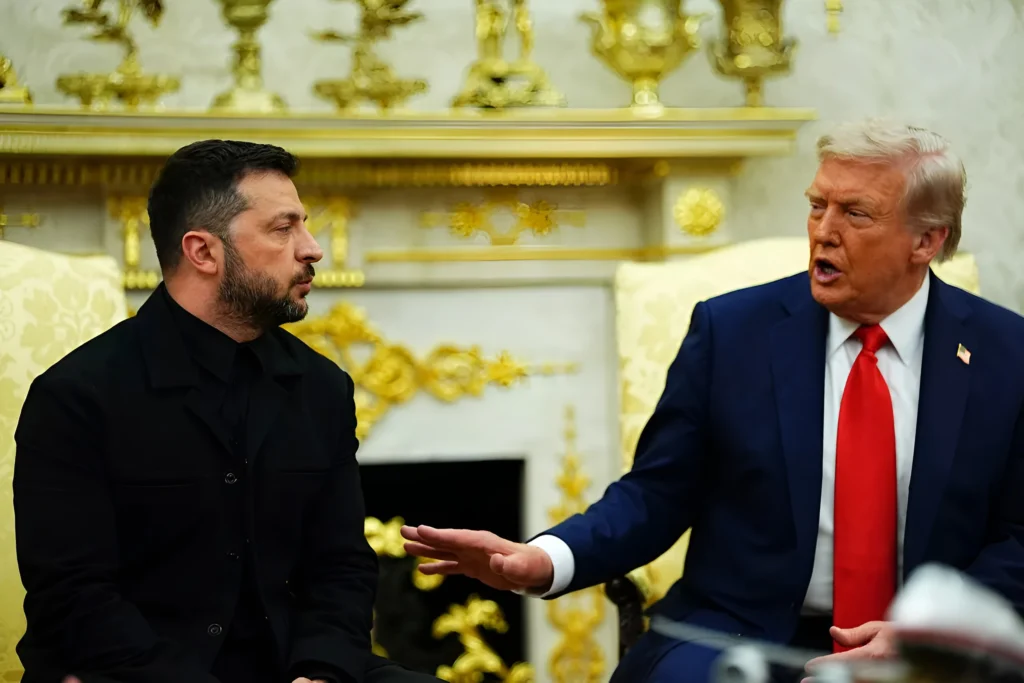
Tensions surfaced between Trump and Zelensky during their February 2025 Oval Office meeting. Trump criticized Ukraine’s strategic management of the conflict and questioned the scale of U.S. financial support.
Trump emphasized that American assistance would no longer be an unlimited resource, telling Zelensky that Kiev needed to negotiate a settlement or risk losing U.S. security backing.
Trump also criticized the economic war costs and their impact on global commodity markets. By mid-2026, military casualties on both sides reached an estimated two million, with millions of Ukrainians displaced internally and across Europe.
Trump pointed to these statistics to argue that continued fighting was unsustainable and detrimental to Western economic stability.
A major friction emerged over Ukraine’s military strategy of targeting Russian energy infrastructure. Since July 2026, Ukrainian drone attacks have hit several Russian oil refineries and technology hubs in regions such as Saratov, Ryazan, and Leningrad, as well as in Tatarstan.
Trump publicly condemned these strikes, stating that attacks on Russian fuel production exacerbated global energy shortages and drove up U.S. domestic diesel prices.
The U.S. Treasury Department subsequently issued temporary sanctions exemptions permitting Russian diesel exports to stabilize global supply.
When Zelensky criticized the exemptions as weakness, Trump warned that continued Ukrainian strikes on Russian oil infrastructure could result in a suspension of U.S. intelligence-sharing with Kiev.
Demands for Leadership Change and Diplomatic Strains
The diplomatic rift between Washington and Kyiv widened further following public disputes over regional energy policy. By October 2026, U.S. officials had negotiated temporary exemptions for Russian diesel exports in an effort to curb rising domestic fuel prices and alleviate the global diesel shortage.
Zelenskyy publicly rejected these exemptions, characterizing the agreements with Moscow on energy trade as a violation of Western policy.
In response to Kiev’s objections, Donald Trump publicly called for leadership changes in Ukraine. Speaking to reporters, Trump stated that Ukraine should select a new leader capable of negotiating a diplomatic resolution to end the conflict.
Trump argued that Zelensky had missed previous opportunities to secure a negotiated settlement with Russia, resulting in continued loss of territory and economic disruption.
Zelensky stated that leadership decisions in Ukraine belong solely to the Ukrainian electorate. However, Zelensky noted that organizing national elections during active military operations presents significant legal and logistical obstacles under current martial law provisions.
Zelensky proposed a condition for holding vote proceedings, stating that Washington and international partners must secure a total 60-day ceasefire from Moscow to guarantee security for voters and civilian infrastructure.
⚡️BREAKING: Zelensky Criticizes President Trump for Blaming him for the Rise in Diesel Prices
— Iran Observer (@IranObserver0) October 11, 2026
"They're increasing because of the war in the Middle East, the blocking of the Strait of Hormuz. People have to hear reality. Don't play games with people" pic.twitter.com/MBc8WHoiPf
Implications for the War and Global Power Dynamics
The political alliance established after 2014 between the U.S. and Ukraine was built on mutual strategic interests: Washington sought to project power eastward and contain Russian influence, while Kiev relied on Western capital and security aid to modernize its institutions and military forces.
However, the human and material costs of prolonged warfare have strained this arrangement. With military casualties exceeding two million and Western defense stocks under pressure, Washington has adjusted its political priorities.
The friction between Trump and Zelensky shows how peripheral security partners can become vulnerable when strategic or economic calculations of the power change.
A leadership transition in Kiev, whether through scheduled elections under a temporary ceasefire or political restructuring, would significantly impact the Ukrainian – Russian war.
A change in government could negotiate a formal cease-fire, but it also carries risks of internal political instability and reduced military coordination along the front line.
Sources: Xinhua – Al Jazeera – Al Mayadeen – Anadolu Agency – TRT World – RT – Brasil de Fato – Press TV – TASS – CGTN – BBC – DW – France 24 – EFE – TeleSUR
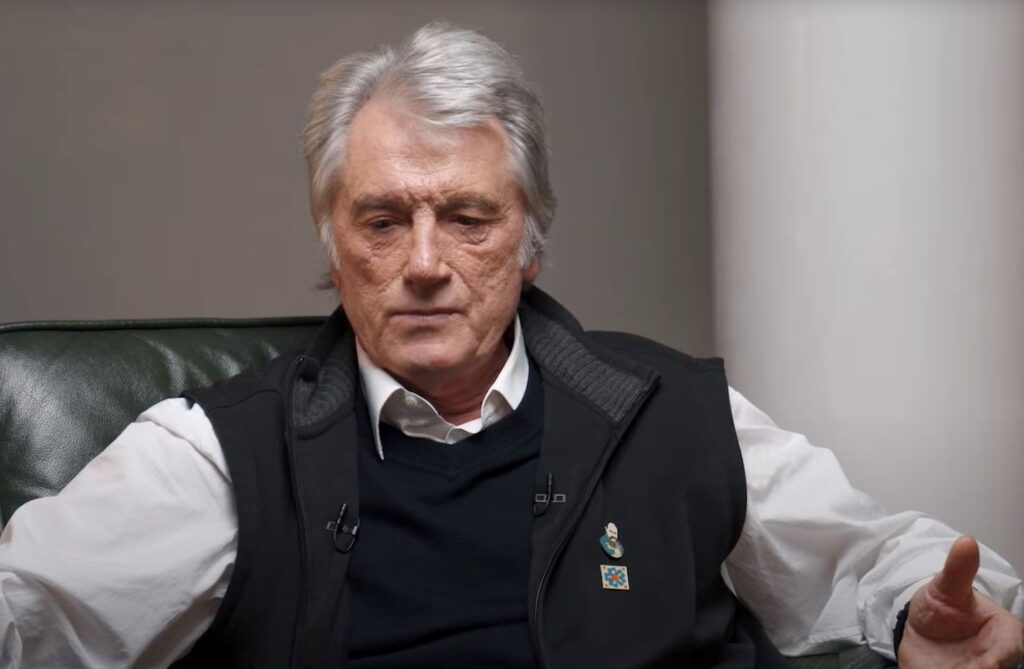
Viktor Yushchenko, Ukraine’s president from 2005 to 2010, has written an open letter to US President Donald Trump and posted it on Facebook on 14 October. Without naming it, the letter takes aim at the green light Washington gave Russian diesel trade five days earlier, after a call between Trump and Kremlin leader Vladimir Putin.
Russia banned its diesel exports in July amid a fuel crisis at home, after Ukrainian strikes on refineries had already cut those exports, and last week’s US waiver and the supply deal Trump announced with Moscow would put that fuel back on world markets while Russian strikes still kill Ukrainian civilians.
Yushchenko wrote that Russian ballistic missiles, Iranian Shahed drones, and aerial bombs strike homes every day and night in Kyiv, Zaporizhzhia, Odesa, Dnipro, and Kharkiv. Whenever there is talk of “concessions” or deals with Putin, he wrote, the Kremlin answers with more missiles, more drones, and more bloodshed.
Yushchenko rejected calls for Ukraine to “restrain its strikes against the infrastructure that finances and sustains Russia’s war.”
“Money paid for Russian fuel is not an abstraction called ‘commerce.’ It finances an economy geared toward total war,” he wrote.
Yushchenko wrote that Ukraine inherited “one of the largest nuclear arsenals in the world” and agreed to give it up, trusting the words and signatures of great powers. In his view, by signing the 1994 Budapest Memorandum, America took on a moral responsibility toward Ukraine.
He compared trade in Russian energy to America’s trade with Imperial Japan, which included strategically important materials, before the US entered World War II. Washington hoped for years to avoid a wider war in the Pacific, he wrote, but economic pressure and diplomacy could not prevent catastrophe.
Japan attacked Pearl Harbor on 7 December 1941. America knows how dangerous it is to believe that trade can tame an aggressor, Yushchenko wrote, adding: “History taught us that lesson at a terrible price.”
He also named two men he called Ukrainian. One was Sergeant Michael Strank, whose family, Yushchenko wrote, came from Lemkivshchyna. The son of immigrants from Czechoslovakia, Strank took part in the famous raising of the US flag on Iwo Jima, according to the Marine Corps. The other was Oleksandr Silvashko, “a Ukrainian boy from the Cherkasy region,” who, Yushchenko wrote, was the first to embrace US Lieutenant William Robertson when American and Soviet forces met at the Elbe in April 1945.
“One does not negotiate with tyrants—one stops them,” Yushchenko concluded.