❌

Reading view

‘Massive’ Russian Attack on Ukraine Kills at Least 25

At least 25 civilians were killed during a major Russian bombardment across Ukraine on Wednesday, according to Ukrainian officials, strikes that came a day after Ukrainian forces launched nearly 900 drones into Russia. The majority of the dead were killed by strikes that hit an apartment block in Pryluky, a city in Ukraine’s northern Chernihiv […]
  •  

Sanctioned 22-Year-Old Tanker Makes Rare Late-Season Arctic Voyage

A 22-year-old product tanker sanctioned by the European Union is making an unusual late-season voyage along Russia's Northern Sea Route, highlighting the growing use of older, lower-specification vessels to move petroleum products through the Arctic.
  •  

Russia starts pouring more into war after Putin judged Alaska talks with US would bring no “acceptable” deal to end fighting — Bloomberg

greece blocked gas ban france italy softened entry ban—now brussels tries 1600 companies helping russia's war · post russian soldiers military parade 9 2025 moscow russia kremlinru victory_day_parade_2025_at_red_square ukraine news

Russia is spending more on the war than at any point since it began. Russia's military funding is on track to hit a record this year after President Vladimir Putin added almost $60 billion to the outlays set in the budget, Bloomberg reports, citing people close to the government.

Defense spending is expected to approach about $199 billion by the end of 2026, roughly 40% above the plan Moscow announced in late 2025. That reverses the course of a year ago, when the Kremlin meant to slow military growth, narrow its deficit, and rebuild reserves drained by the war.

Alaska was the turning point

Putin ordered the shift late last year, after concluding that talks with the US in Alaska would not produce an acceptable deal to end the fighting, the report says.

By January, the Kremlin judged an agreement with Ukraine to be out of reach, and the government began accelerating advance payments to defense firms and raising other war-related spending.

"The government is finally budgeting for a prolonged war in Ukraine, but still understates its cost," Bloomberg Economics economist Ekaterina Vlasova said.

The deficit nearly doubles

Paying for the war has blown out the budget. The projected 2026 deficit has climbed to more than $81 billion, up from about $44 billion as first planned, and the government covered the extra spending through increased domestic borrowing and gold sales.

The budget plans years of war

The spending is not set to fall soon. Under the budget plans, Russia's military outlays reach about $200 billion in 2027, then ease to $194 billion in 2028 and about $191 billion in 2029, a signal that Moscow is planning for a long war.

Earlier, Euromaidan Press reported that Russia was raising 2027 defense spending by 27% to a record, even as its deficit widens and oil and gas revenues fall.

  •  

Drone strikes on Black Sea cargo ships point to wider European arc of Russia hybrid threats

The Alfa Watan, a ship sailing under the flag of Togo, and the Able, a vessel flying the flag of Palau, were targeted by naval and aerial drones on Tuesday (6 October) morning in the Black Sea near the Bulgarian coast.

The Alfa Watan sank, and rescuers at the scene found only an overturned boat, life jackets, and fragments of the ship’s equipment, according to Bulgarian prime minister Rumen Radev.

The 18-member crew of the Able caught fire, but was successfully evacuated to the port of Varna.

“This is an unacceptable attack in Bulgaria’s exclusive economic zone,” Radev said after an emergency government meeting on Tuesday.

Bulgaria had discussed the drone attack inside the EU and Nato, he added.

It came after a drone also sank a Turkish-owned grain ship, the Royad Mammadov, killing two sailors, on Monday.

But even though Ukraine’s president Volodymyr Zelensky was quick to blame Russia, the perpetrators have not been formally identified yet, in a grey-zone conflict in which deniability is a tactic.

Russia and Ukraine have been escalating attacks on ships for several months in an effort to disrupt each other’s export economies.

And Moscow’s attacks have largely halted Ukraine’s maritime exports of agricultural products, while Kyiv’s attacks have forced Russia to seek alternative routes for exports.

“The situation in the Black Sea is increasingly concerning,” said EU Commission’s president Ursula von der Leyen on X on Tuesday.

Ukraine has “proposed concrete steps to de-escalate the situation”, also said Zelensky.

But for all his good will, the attacks were just part of a broader deterioration in Europe’s security environment, covering also Nato’s eastern and southern borders.

‘Shadow war’

For Czech president Peter Pavel, speaking to Czech daily Deník N on 22 September, the most imminent danger came from a false-flag attack in Estonia or Latvia, to test Nato’s resolve.

This article continues, but the full version is available only to EUobserver.com subscribers. Visit account.euobserver.com/membership

  •  

Russia’s war against Ukraine sends the bill to its own companies: bond defaults head for a 17-year high

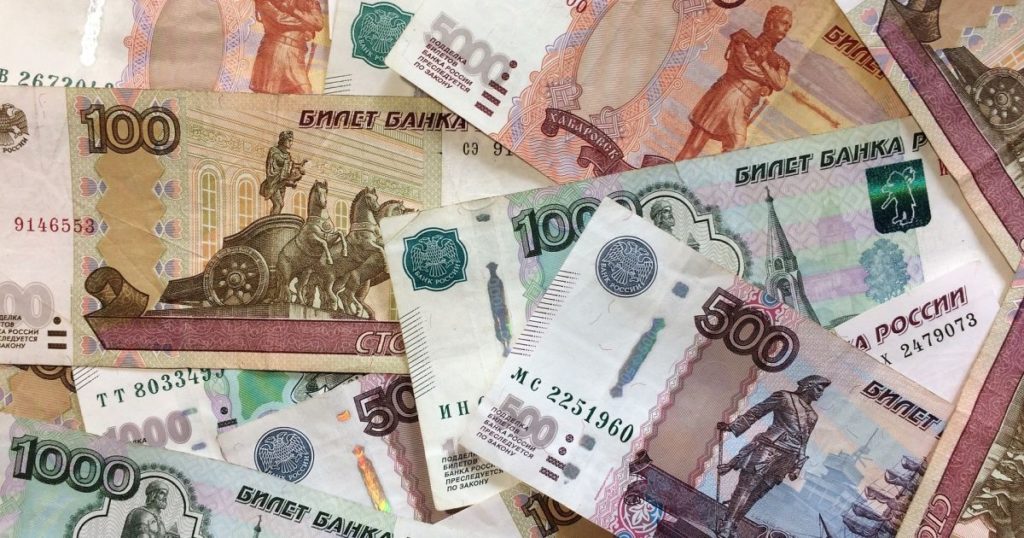
russia facing record number corporate defaults second time decade one main causes being same—waging war against ukraine · post russian rubles tsn money news ukrainian reports

More than 50 Russian companies could default on their bonds this year, the most since 2009, a rating-agency analyst told Russian newspaper Izvestia, which reported it on 6 October.

Russia's wartime economy is straining under high interest rates, and the budget is too: the 2026 deficit has nearly doubled from the earlier forecast to a record $88 billion, with more deficits planned for the next three years as Moscow raises taxes to fund the war and plans its biggest defense budget since the full-scale invasion began.

A default is a situation in which a company cannot make promised interest payments to investors on time or repay borrowed money. If a payment is not made by the agreed deadline, the company becomes delinquent, which under certain conditions is recognized as a default.

So far this year, 20 companies have defaulted for the first time, compared with 24 in all of 2025, said Mikhail Nikonov of the Expert RA rating agency. Most of the companies that missed payments are small issuers of high-yield bonds, Izvestia reported.

In 2026, Russian companies have missed payments totaling 41 billion rubles (about $490 million), compared with 34 billion rubles (about $410 million) the previous year, according to investment bank Sinara.

Russia faces a new wave of corporate defaults

By the end of 2026, the number of Russian companies unable to service their ruble-denominated debt on time could reach 40–50, the highest level since 2010, said Pavel Zholobov, junior managing director at the NRA rating agency.

The number of bond defaults in 2026 has already reached its highest level in a decade, Zholobov said. Similar figures were recorded in the mid-2010s: in 2014, 35 companies missed payments; in 2015, 52 did so; and in 2016, there were 44 issuers. This occurred in part after Western sanctions were imposed on Russia over its annexation of Crimea and its war in Donbas, as well as amid a halving of oil prices and a sharp weakening of the ruble.

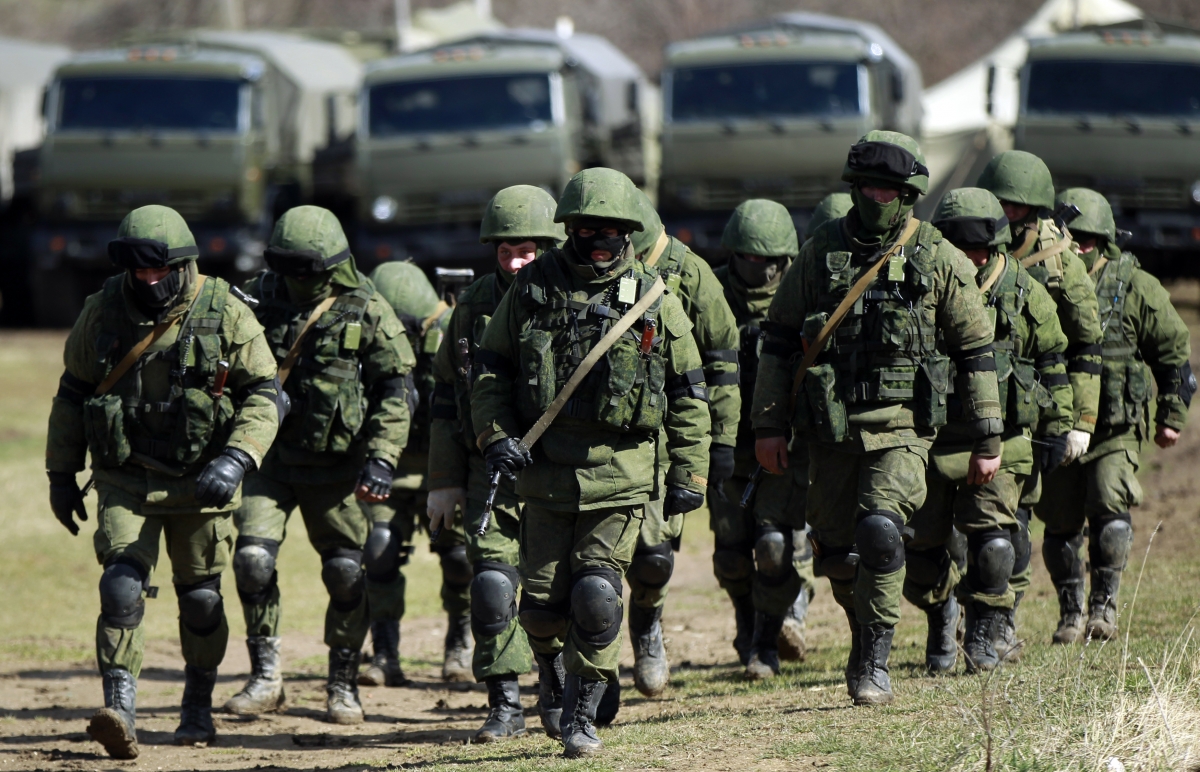
So-called "little green men" (the Russian occupation troops comprised special forces who removed insignia, wear face masks to prevent identification and call themselves a "Crimean self-defense force") surround a Ukrainian military base in Perevalne, Crimea, during the Russian annexation of the peninsula in February-March 2014.

There were more defaults only in 2009. At the time, amid the fallout from the global financial crisis, more than 100 issuers faced payment problems, while the volume of distressed debt reached nearly 200 billion rubles, Zholobov noted.

High interest rates put pressure on companies

This time, the main reason for companies' difficulties in making bond payments has been the prolonged period of high interest rates, which has continued since 2023. Companies are raising financing at high interest rates but are unable to refinance their debt on more favorable terms, explained Ekaterina Sidorova, head of the Foreign Exchange, Commodities and Debt Markets Department at SberCIB Investment Research.

At the same time, the situation does not yet resemble a systemic debt crisis: defaults are primarily being recorded among companies with low credit ratings and high debt burdens, Sidorova said.

If a company fails to repay bond debt, it is given 10 business days to meet its obligations. If it fails to do so, the company may offer investors a restructuring—for example, by postponing payments in exchange for a higher interest rate.

The number of defaults will remain high in 2027, Sidorova believes.

High interest rates were a response to accelerating inflation in Russia. Domestic demand was outpacing production, Russia's Central Bank said in October 2023. Sanctions over the war and rising defense spending had also hit the economy and the ruble, which had lost about 25% against the dollar that year. The bank raised its key rate from 7.5% in the first half of 2023 to 15% by the fall.

Ukraine targets Russia's oil industry to weaken its war economy

Ukraine is also seeking to weaken Russia's economy as part of efforts to reduce its ability to finance the war. In particular, Defense Minister Yevhenii Khmara said strikes on oil refineries are aimed at "bleeding the Russian war machine" and destroying its military and economic potential. According to the ministry, the attacks have knocked out more than 51% of Russia's oil refining capacity.

In the first half of July, Russian oil refineries processed about 3.9 million barrels of oil per day—the lowest level since March 2005. Due to the production cuts, Moscow was also forced to restrict fuel exports.

  •  

EU’s continuing expansion – greater threat to Russia

By Uriel Araujo | October 7, 2026

The European Commission has now declared enlargement a “geopolitical imperative” – with important implications.

The bloc has just presented a package of reforms designed to prepare the Union for new members – with Ukraine and Moldova at the center of the effort, alongside Albania and Montenegro.

Commission President Ursula von der Leyen stated that “Europe’s future depends on the choices we make today,” framing expansion as essential to making the bloc “more resilient” and better able to shape its own destiny.

Candidate countries are already advancing: Ukraine and Moldova opened their first negotiating cluster in June 2026, and in July, opened Cluster 6 on external relations, foreign policy, security and, importantly, defense. In the words of Vessela Cherneva: “Currently, EU membership is the only way to integrate Ukraine’s and Europe’s security systems.”

The Commission plans “indicative roadmaps” for these four frontrunners (Ukraine, Moldova, Montenegro, and Albania) in its 2026 Enlargement Package, provided reform momentum continues. Gradual integration into strategic sectors such as energy, transport, digital networks and defense is explicitly on the table

This is no longer presented as a purely technical or economic process. Again, Brussels itself now describes enlargement as a “geopolitical” tool linked to European safety, prosperity and security. One may recall that earlier enlargement rounds were often framed in terms of shared values and market access.

Political scientist John Mearsheimer has long argued that the West’s “triple package” of policies – NATO enlargement, EU expansion and Western-style democracy promotion – added fuel to a fire waiting to ignite – meaning the Ukrainian crisis since 2014.

Actually, in his view, the trouble over Ukraine began in earnest at NATO’s 2008 Bucharest summit, when the alliance announced that Ukraine and Georgia “will become members”.

Russian leaders treated this as an existential threat. Washington ignored the red line and continued to push Ukraine toward Western institutions, including closer ties with the EU.

Back in his 2014 analysis Mearsheimer noted that the Union’s eastward march and the Eastern Partnership initiative were viewed in Moscow as hostile enough. “In the eyes of Russian leaders, EU expansion is a stalking horse for NATO expansion,” he wrote.

In this framework, the West’s efforts to promote “democracy” and “peel Ukraine away” from Russia completed the package. When Yanukovych rejected an EU deal in 2013, the “spark”, as Mearsheimer puts it, came. The result was crisis, then war. If one applies that framework consistently today, the resulting picture is quite straightforward.

To be clear, EU membership is not identical to NATO membership. Yet from a Russian great-power perspective the distinction becomes less meaningful when the two institutions are moving in the same geographical direction.

EU accession after all entails progressive alignment on law, foreign-policy positions, sanctions, energy, borders and increasingly elements of security and defense cooperation. The point is that an EU-member Ukraine would be economically, legally, institutionally and politically embedded in a Western bloc – and the same applies to the other Eastern European states. That, in broad terms, is precisely the structural transformation process Mearsheimer argued helped fuel the 2014 and then the 2022 crisis.

Ukraine remains the clearest case in point: before 2014 it functioned as a contested buffer. Mearsheimer (as well as specialists of the caliber of Henry Kissinger and Stephen Walt) argued a neutral Ukraine would be preferable, from a Western perspective – akin to Austria during the Cold War. In any case, the trajectory now points toward full Western institutional integration.

Moldova is arguably just as sensitive: it has a Russian military presence in Transnistria, occupies a strategic position between Ukraine and Romania – and is accelerating toward EU membership while deepening practical cooperation with Western militaries.

The recent Independence Day parade in Chișinău illustrated the point (without Soviet symbology, for the first time), as I’ve commented: Moldovan troops marched with Western weapons and vehicles; contingents from the Ukraine and eight NATO members, including the US, took part. NATO’s Political Committee had visited just days earlier, describing intensified cooperation.

Moldova for its part remains formally neutral, yet it is simultaneously negotiating EU accession – including the cluster on external relations and defense policy – and publicly displaying Euro-Atlantic partnerships.The Western center of gravity (post-USAID) in Moldova is shifting toward Brussels, which has stepped in with a large Reform and Growth Facility.

From Moscow’s point of view, the cumulative process looks like progressive incorporation of its western strategic environment into a Western political-security system.

Historically, great powers care intensely about the direction of strategic change in their immediate neighborhood. They typically do not wait until the process is complete before reacting – as seen in 2022.

In any case, the EU now frames enlargement itself as a geopolitical and security instrument. This language reinforces the very security dilemma Mearsheimer identified over a decade ago. The buffer zone between Russia and the Western institutional order continues to shrink. The risks of further escalation keep rising eastwards – adding to the tensions farther north, in the Baltic.


Uriel Araujo, Anthropology PhD, is a social scientist specializing in ethnic and religious conflicts, with extensive research on geopolitical dynamics and cultural interactions.

  •  

Political Fake BIOTERRORISM vs Moscow! Russia’s Sanitary Watchdog: “NO EPIDEMIC RISK in Irkutsk”. BMJ and US Epidemiologist Hulscher confirms (VIDEO)

Commenting earlier on reports of plague or another infection in the Irkutsk Region, Russian Presidential Spokesman Dmitry Peskov said people should rely on assessments by Rospotrebnadzor, rather than rumors and idle speculation.

For days, many American bloggers and politicians have been sounding an alarm that currently appears unjustified and blown out of proportion.

British Medical Journal: “Russia plague outbreak: Epidemic risk is low, says WHO”

Excerpt by BMJ (former British Medical Journal)

«The risk of a plague epidemic is low after the death of a laboratory technician who worked at a plague research institute in Russia, the World Health Organization (WHO) has said» BMJ reported today confirming Moscow statements.

However, the United Nations body said that it was closely monitoring the situation and urged Russian authorities to be “transparent” about the death.

Darya Shipilova, 28, worked at the Irkutsk Antiplague Research Institute in the Siberia region of Russia. She died on 2 October, two days after being admitted to hospital and placed on a ventilator.1

Russian authorities have downplayed the incident and said that Shipilova died of “pneumonia of an unknown aetiology.” However, media reports suggested that she died of pneumonic plague and that she may have become infected after an accident in the laboratory.

VIDEO – US Epidemiologist Hulscher: ““NONE PANDEMICS from lab-acquired PNEUMONIC PLAGUE infection”

Nicolas Hulscher, American epidemiologist posted on Social:

«Before everyone panics about the lab-acquired pneumonic plague infection in Russia: This isn’t the 1300s. We now have effective treatments (antibiotics). At least five documented pneumonic plague outbreaks/clusters have occurred since 2011».

«NONE became a pandemic. Multiple lab-acquired plague infections have also occurred in modern history. NONE became a pandemic».

Russia’s sanitary watchdog says no epidemic risks in Irkutsk Region

Originally published by TASS News Agency

All the links to previous Gospa News investigations have been added in the aftermath by virtue of the ties with covered topics

A review of compliance with biosafety requirements in the Irkutsk Region has been completed, with no emergencies involving work with pathogens identified, the press service of Russia’s sanitary watchdog – Rospotrebnadzor – said.

The watchdog also noted that the World Health Organization (WHO) had published an assessment indicating no risk associated with a case of community-acquired pneumonia in Irkutsk.

TASS has compiled the key facts about the situation in the region.

Rospotrebnadzor statements

– The review of compliance with biosafety requirements in the Irkutsk Region has been completed, with no emergencies involving work with pathogenic microorganisms identified.

– Comprehensive preventive measures have been implemented in the region, and there are no epidemic risks to the public.

– Monitoring has ended for 90% of those who had contact with the patient, with no health problems caused by infectious diseases identified.

UKRAINE BIOLABS – 11. “NATO Lethal BIOWEAPONS Ongoing Program”. Evidence from 3 New Russian & US INTEL VIDEOS by FSB Chief, Ritter (ex US Navy), Gabbard (ODNI)

– Rospotrebnadzor has also provided the WHO with information about the situation in the region.

– The WHO, in turn, published an assessment indicating no risk associated with the case of community-acquired pneumonia in Irkutsk, according to Rospotrebnadzor.

Response

– Russian Presidential Spokesman Dmitry Peskov said the WHO had been duly informed about the case of pneumonia of unknown etiology in the Irkutsk Region.

– He urged the public to rely on Rospotrebnadzor’s statements, noting that the watchdog regularly releases detailed information about the epidemiological situation.

– According to Peskov, the media have published a large amount of information about the epidemiological situation in the Irkutsk Region, most of which is false.

PENTAGON BIOTERRORISM – How EBOLA became a Lethal NIGHTMARE in Congo (almost 4,000 deaths) after Dangerous, Secret FAUCI & GATES Experiments

– Commenting earlier on reports of plague or another infection in the region, Peskov urged the public to rely on assessments by highly qualified Rospotrebnadzor specialists rather than rumors and idle speculation.

Situation in region

– An employee of an anti-plague institute in the Irkutsk Region was diagnosed with pneumonia of unknown etiology, Rospotrebnadzor previously reported.

– The watchdog emphasized that a special set of measures had been implemented in response.

– Expanded testing of samples taken from the patient found no microorganisms associated with her professional activities.

– Subsequent testing identified two cases each of COVID-19 and rhinovirus infection among those who had contact with the woman.

NEW PANDEMIC FROM RESPIRATORY VIRUS IS COMING! Here’s Covid-CICADA (Video) after WHO ran a shady Simulation Exercise in the Pacific

– About 16,000 cases of acute respiratory viral infections are recorded in the Irkutsk Region every week, with no increase reported over the past two weeks.

– The sanitary and epidemiological situation in the Irkutsk Region remains calm.

Originally published by TASS News Agency


  •  

Ficciones belicistas: La teatralización de la guerra

Europa teatraliza la guerra con Rusia mientras su orden liberal se derrumba: un ritual de miedo sin promesa de redención, camino a la autodestrucción.

Únete a nosotros en Telegram , X y VK .

Escríbenos: info@strategic-culture.su

MSIa Informa, 29 de septiembre de 2026.-En un arrebato de simulación, durante la Cumbre Europea del Ártico, realizada en Rovaniemi, Finlandia, líderes europeos se mostraron vistiendo ropas militares para transmitir claramente el mensaje de que estarían preparados para un enfrentamiento con Rusia. Mientras tanto, la maquinaria política y mediática de las principales capitales europeas repite, casi al unísono, la alerta contra la supuesta “amenaza rusa” representada por Vladímir Putin.

La propia declaración oficial de la Cumbre de Rovaniemi, realizada los días 13 y 14 de septiembre de 2026, acordó que la seguridad es el centro de las discusiones e insistió en la necesidad de fortalecer la presencia y la capacidad europeas en el Ártico, región considerada estratégica para la seguridad de todo el continente.

Pero hay algo profundamente más inquietante en esta escenificación. Esos dirigentes se disfrazan de portavoces de sociedades movilizadas para la guerra cuando gobiernan países profundamente divididos y desafían una creciente erosión de la confianza política. La distancia entre la retórica de los líderes y la disposición real de las sociedades que pretenden representar debería, por sí sola, recomendar prudencia. En lugar de eso, asistimos a la construcción de una atmósfera psicológica de choque. Y es justamente ahí donde comienza el peligro.

El riesgo real de autodestrucción

En primer lugar, simulan poder porque Europa no dispone hoy de todas las condiciones industriales necesarias para sostener autónomamente una movilización militar prolongada en la escala sugerida por la actual retórica de rearme. El propio esfuerzo europeo por reconstruir reservas, aumentar la producción de municiones y recuperar capacidad industrial demuestra hasta qué punto esa estructura ha sido reducida en las últimas décadas. Pero la cuestión más grave no es industrial. Es estratégica.

La Federación Rusa dispone de un enorme arsenal nuclear y ha desarrollado sistemas de ataques avanzados, incluso hipersónicos. Eso no significa que Rusia posea superioridad tecnológica en todos los campos, pero sí algo mucho más importante para esta reflexión: cualquier guerra directa entre la OTAN y Rusia involucraría fuerzas capaces de provocar una destrucción de escala civilizacional. Rusia y Estados Unidos siguen concentrando la abrumadora mayoría de las ojivas nucleares existentes, al mismo tiempo que los principales Estados nucleares modernizan sus arsenales y se debilitan los mecanismos de control de armas. Por lo tanto, tratar una confrontación directa entre Rusia y la OTAN como si fuera apenas una opción más de política exterior no es una demostración de valentía. Es jugar con una posibilidad cercana de autodestrucción.

Cuando se atraviesa cierto umbral, ya no existe garantía de que los acontecimientos permanezcan bajo el control de quienes los iniciaron. Éste es el punto que parece desaparecer de la actual teatralización belicista. Y hay algo todavía más perturbador. El lenguaje de la destrucción volvió a ser pronunciado abiertamente por los propios liderazgos occidentales.

En septiembre de 2026, ante la Asamblea General de las Naciones Unidas, el presidente Donald Trump llegó a advertir que Estados Unidos podría “aniquilar” a Irán si no se alcanzaba un acuerdo. Si una amenaza de esa naturaleza puede ser pronunciada ante las Naciones Unidas sin provocar una ruptura política proporcional a la enormidad de lo que se está diciendo, entonces algo profundamente grave está ocurriendo con la percepción occidental de los límites de la guerra. Porque la normalización del lenguaje de aniquilación no permanece necesariamente confinada al adversario contra el cual fue originalmente dirigida.

Hoy puede ser Irán. Mañana, en una espiral de escalada que nadie consiga ya controlar, podrían ser ciudades europeas. Es en este sentido que los actuales delirios belicistas dejan de ser una escenificación política y pasan a representar un peligro concreto de autodestrucción de la propia civilización europea. Europa, que durante siglos fue uno de los centros fundamentales de la civilización occidental, atravesó dos guerras mundiales y conoció directamente lo que significa transformar rivalidades políticas en guerras de aniquilación. Justamente por eso, cabría esperar que sus liderazgos fueran los primeros en comprender que una guerra entre potencias nucleares no ofrece una segunda oportunidad para corregir errores de cálculo.

Sin embargo, vemos dirigentes jugando con símbolos militares, discursos de movilización, enemigos existenciales y horizontes de confrontación como si aún estuviéramos en el mundo anterior a Hiroshima. La ficción consiste precisamente en eso: representar la guerra como un instrumento político todavía disponible sin enfrentar el final de aquello que semejante guerra podría significar. Y si la confrontación escapa al control, no serán solo gobiernos, partidos o alianzas militares quienes pagarán el precio. Podría ser la propia civilización que esos dirigentes afirman estar defendiendo.

¿Quién necesita la amenaza?

Entonces, preguntemos: ¿quién está detrás de toda esta falsedad? ¿Quién alimenta esta representación? ¿Quién necesita esta atmósfera permanente de amenaza? ¿Y por qué un orden político resquebrajado, sin legitimidad, parece encontrar en la perspectiva de la guerra una de las últimas coartadas para justificar su perennidad? La respuesta más ingenua consistiría en explicar esa patología en la tentativa de mantener regímenes impopulares bajo una imaginaria amenaza externa, al mismo tiempo que se condenan o reprimen fuerzas políticas emergentes, acusadas de “agentes externos” o instrumentos de una potencia enemiga; en este caso, vinculadas a la “bestia” rusa.

Hay, ciertamente, algo de eso. La historia registra numerosos ejemplos de gobiernos que recurren a la amenaza externa para reajustar cohesiones internas deterioradas, desacreditar adversarios y justificar medidas que, en circunstancias normales, encontrarían mayor resistencia. Pero esa explicación es insuficiente. Cuando hablamos de crisis, no nos referimos solamente a la legitimidad de un grupo de líderes europeos. La descomposición alcanza al propio sistema que los llevó al poder. Y es precisamente ese sistema el que se derrumba.

Desmoronamiento del orden liberal-financiero

El llamado “mundo basado en reglas”, la globalización financiera, el libre comercio elevado a dogma y la paulatina sustitución de la economía productiva por la intermediación financiera confrontan hoy el retorno del Estado nacional soberano. Este resurgimiento prioriza la política industrial, la seguridad energética, las cadenas productivas estratégicas y la defensa de los intereses económicos propios. Paradójicamente, dicho centralismo estatal podría mostrar también un camino para que Occidente recupere parte de sus raíces civilizatorias – esencialmente cristianas –, en las cuales el poder político no se concebía como algo absoluto, sino sometido a un orden moral superior.

En el fondo, detrás de estas quimeras se vislumbra una grieta aún más profunda: la crisis del modelo liberal-financiero articulado en torno a bancos centrales “independientes”. Esta lógica ha consolidado la creciente autonomía del capital frente a los Estados nacionales, impulsada por una concepción económica que, durante décadas, desplazó progresivamente el eje de la riqueza desde la producción real hasta llegar a la especulación rentista.

Las raíces de este entramado se remontan a la gestación del orden comercial angloholandés de los siglos XVII y XVIII, proyectado más tarde a escala global a través de la expansión imperial y bancaria británica. Con el paso del tiempo, ese modelo adquirió nuevas formas, pero conservó una característica esencial: la capacidad del poder financiero de proyectarse como una realidad exógena a la política y de presentar sus decisiones bajo la rúbrica de técnicas, neutrales e independientes de las elecciones soberanas de la sociedad. Es justamente esa arquitectura camuflada la que hoy comienza a ser cuestionada.

Una religión secular sin promesa de redención

El cerebro oculto de las oligarquías occidentales ha perdido la capacidad de generar ideas y proyectos capaces de movilizar a las sociedades hacia un horizonte prometedor. Esta esterilidad se refleja también en la mediocridad de gran parte de los liderazgos actuales, convertidos en meros administradores de un orden involutivo antes que en creadores de una nueva realidad política. Así, la política liberal se ha transformado en una especie de religión secular sin promesa de redención, siendo esta, tal vez, una de sus características más inquietantes.

Los grandes movimientos políticos de los siglos XIX y XX, incluso cuando condujeron a sociedades enteras hacia la catástrofe, todavía prometían alguna forma de redención histórica: la sociedad sin clases, la grandeza nacional, el imperio, la revolución, el hombre nuevo o un orden futuro supuestamente definitivo. En cambio, la religión secular del orden liberal en descomposición ya ni siquiera ofrece eso. Exige sacrificios sin presentar un paraíso futuro: demanda empobrecimiento en nombre de la estabilidad, pérdida de soberanía en nombre de las reglas, desindustrialización en nombre de la eficiencia y censura en nombre de la democracia. Finalmente, admite incluso el riesgo de la guerra para preservar un orden cuya finalidad ya no es capaz de explicar.

Ya no existe una verdadera promesa de redención. Existe solo la promesa de que el sistema seguirá existiendo. “Nosotros somos el jardín del Edén; el resto es la selva”. En ese punto, la política deja de defender a la sociedad y exige de la sociedad un sacrificio ciego para ¡defender el sistema! Es precisamente ahí donde una religión secular puede volverse autodestructiva: cuando la conservación del orden existente vale más que la conservación de quienes viven esclavizados bajo ese orden.

De la minoría creadora a la minoría dominante

Tal vez éste sea uno de los signos más profundos de agotamiento civilizatorio. Una élite deja de ser creadora cuando ya no consigue imaginar un futuro distinto de la simple continuación de sí misma, el gran historiador británico Arnold Toynbee percibió con enorme profundidad este fenómeno al distinguir la minoría creadora de la minoría dominante.

Una minoría creadora ejerce liderazgo porque ofrece respuestas capaces de inspirar adhesión. Su autoridad nace de su capacidad de responder a los desafíos históricos y producir nuevas formas de organización, cultura y de sentido del ser. Cuando esa capacidad desaparece, la antigua minoría creadora puede convertirse en una minoría dominante. Ya no conduce porque inspira. Se conserva porque controla. La persuasión es progresivamente sustituida por la disciplina; la imaginación, por la administración; el proyecto, por la propaganda; y la confianza, por el miedo. Es en ese momento cuando el sistema corre el riesgo de transformar su propia crisis en justificación para seguir existiendo. Cuanto más fracasa, más exige poder. Cuanto más pierde legitimidad, más necesita enemigos. Cuanto menos consigue imaginar un futuro, más dramáticamente necesita presentar el presente como una batalla existencial.

Cuando lo temporal ocupa el lugar de lo trascendente

Aquí es donde la reflexión del filósofo y politólogo germano-estadounidense Eric Voegelin (1901–1985) sobre las religiones políticas converge con la de Toynbee acerca de la desintegración de las civilizaciones. Cuando una sociedad pierde el referente de un orden trascendente, la necesidad humana de lo absoluto no se desvanece; simplemente se transfiere. La nación, la raza, la clase, el partido, la revolución, el mercado, las “reglas” o la democracia – entendida ya no en tanto régimen político, sino como categoría moral absoluta –: cualquier realidad temporal puede ser sacralizada y elevada a un estatus que no admite cuestionamiento. En este proceso, lo mundano usurpa el lugar de lo trascendente.

Sin embargo, existe una diferencia decisiva entre los antiguos movimientos políticos y esta potencial religión secular de un orden agotado. Los primeros prometían una redención futura, mientras que esta última parece exigir el sacrificio presente con el único fin de evitar el colapso del sistema. Se trata de una religión secular desprovista de escatología: sin paraíso, sin un hombre nuevo y sin un horizonte genuinamente inédito. Su único porvenir es la prolongación indefinida del presente.

Cuando el miedo sustituye a la imaginación

Tal vez sea exactamente esa ausencia de futuro la que explique la creciente importancia del miedo: al enemigo externo, a la ruptura, a la disidencia y a la pérdida de control. El temor a que aquello presentado durante décadas como inevitable deje súbitamente de serlo. Cuando un orden ya no consigue generar esperanza, se ve obligado a infundir pavor. Y si el terror sustituye a la imaginación, el conflicto puede convertirse en una vía de legitimación.

La guerra, entonces, deja de ser solo un instrumento externo de política para transformarse en una necesidad interna del sistema. Es justamente ahí donde los delirios belicistas contemporáneos adquieren una dimensión mucho más profunda que el debate cotidiano sobre Rusia, Ucrania, la OTAN o los gastos militares; la cuestión es civilizacional. Un orden que perdió la capacidad de proyectar su propio porvenir puede comenzar a aceptar riesgos que, en condiciones normales, parecerían impensables. Puede terminar confundiendo la continuidad de sus estructuras con la de la propia civilización.

Esta confusión es, tal vez, una de las más peligrosas que una élite pueda cometer. Las instituciones, los regímenes económicos y los esquemas políticos son históricos, mientras que las civilizaciones trascienden a todos ellos. Cuando un engranaje pasa a exigir que la humanidad se arriesgue para garantizar su propia supervivencia, la relación entre medios y fines se ha invertido por completo.

Las señales de un cambio de época

Es en este punto donde resulta posible hablar, verdaderamente, de autodestrucción. Una civilización puede comenzar a destruirse no por haber dejado de creer, sino porque transformó su propio orden histórico en un objeto de fe absoluta. Cuando los dirigentes dejan de proyectar un futuro diferente al que administran; cuando la guerra sustituye a la política y el miedo reemplaza al proyecto; cuando la conservación de las instituciones es más importante que las personas para quienes fueron creadas, no estamos solo ante una crisis política o económica. Nos enfrentamos a una profunda debacle civilizatoria.

El momento en que una élite pierde la capacidad de idear, crear y persuadir suele ser la señal premonitoria de que una época termina. Sin embargo, esto no significa necesariamente que la civilización esté condenada; puede implicar exactamente lo contrario. Indica que las estructuras incapaces de responder a los desafíos del presente están abriendo espacio para otras formas de organización, nuevas ideas y la recuperación de virtudes que parecían olvidados. Al fin y al cabo, el agotamiento creativo de un orden no agota la capacidad de invención humana. Cuando quienes gobiernan ya no conciben nada más allá de su propia perpetuación, quizá sea ese, precisamente, el primer indicio de que algo nuevo – completamente nuevo – está por llegar.

  •  

On foreign policy, Marine Le Pen outclasses France’s mainstream

By Eldar MAMEDOV

Join us on Telegram, X, and VK.

Contact us: info@strategic-culture.su

The right-populist leader deserves scrutiny but offers clarity on Russia–Ukraine and Iran.

The frontrunner in France’s 2027 presidential race—Marine Le Pen from the right-wing National Rally party—has laid out foreign-policy views that American supporters of realism and restraint can approve of, regardless of how they feel about the rest of her program.

While the National Rally has been successfully marginalized and kept out of power in recent decades, one shouldn’t take it for granted that the French political establishment will find a way to thwart Le Pen—meaning her views could certainly become policy. The latest polls show the consolidation of her lead: According to Toluna-Harris Interactive, in a runoff she would take 57 percent against the centrist candidate (and a former prime minister under President Emmanuel Macron) Édouard Philippe and a staggering 69 percent against Jean-Luc Mélenchon, a far-left firebrand.

Of course, the spring of 2027, when the elections are to take place, is still a long way off. Political fortunes can change—as the left-wing outlet Mediapart’s recent investigation into old social media posts written by a teenage Jordan Bardella, now the National Rally president, is meant to demonstrate—but the National Rally’s supporters see such attacks as evidence of the establishment’s ill-fated and cynical effort to derail Le Pen.

Whatever you may think of her, at least her foreign policy views are coherent. On Iran, Le Pen—once labeled a “Trump ally”—offered a far clearer assessment than Macron with his equivocations. “We would still need to know what Trump wanted to do there,” Le Pen said. “Because for now, we still do not know what he wanted to do. He clearly has not achieved his war aims and he is setting the whole planet on fire.” While Macron tends to caveat his criticisms of Trump’s war with accusations that Iran has sought to destabilize the Middle East, Le Pen simply condemns the war on grounds that it’s bad for the French people.

She’s also warned of global inflation “that will have consequences for all peoples” and argued it is “better to convince the U.S. not to go and wage war against a country and an ancient civilization, a complicated country, and probably much more powerful than Donald Trump imagined.”

The events have confirmed Le Pen’s judgement. A civilization of 90 million people with millennia of history cannot be simply bombed away, as Trump (and the Republican Party) are learning to their distress heading into a difficult midterm election season. Le Pen is well aware that the people in France, like elsewhere, are paying the price for this adventure.

On Ukraine, Le Pen has been equally direct while diverging from Macron more dramatically. She warned the conflict has only two possible trajectories: “Either NATO is drawn into this war, and it will be the Third World War, or we will witness a hundred years’ war.” She has called for a major peace conference, made clear she is willing to talk to both President Vladimir Putin of Russia and President Volodymyr Zelensky of Ukraine, and insisted that Germany, Poland, and Turkey be brought into the negotiating process.

She has gone even further, promising to halt French military aid to Ukraine, on the grounds that France cannot afford to sustain the amount of assistance Macron has been authorizing. Here she will have to explain herself in greater detail. A blanket cutoff is not a serious policy if the goal is to bring the war to an end as soon as possible—any settlement would require Kiev’s consent, as well as Moscow’s.

But neither can “support Ukraine for as long as it takes” work without a clearly defined end-game, and France’s fiscal situation dictates it cannot remain the default policy. Negotiations with all parties, including Russia, should not be treated as an appeasement or betrayal. Any serious attempt to settle the war would require Ukraine to make painful compromises on its NATO aspirations and territorial integrity, while Russia would have to compromise too on credible security guarantees for Ukraine or at least a greenlight for Kiev to rebuild and maintain a credible conventional military deterrent. Le Pen has identified the problem and signaled openness to unavoidable parts of the solution, but she still needs to explain the strategy.

Compare that with what the mainstream is offering. Macron is playing up the “Russian threat” and apparent hybrid attacks by Moscow against Europe. Meanwhile, according to the well-informed Le Figaro journalist Georges Malbrunot, French intelligence officers, while acknowledging the threat, believe that Macron overstates it. Macron’s aim, Malbrunot writes, would be to “steer the choices of the French ahead of the presidential election, targeting Le Pen and Melenchon—the two extremes that are lenient toward Russia.”

In a similar vein, Le Pen’s center-right rival, Edouard Philippe, lashed out at her, saying that “weakening Ukraine, as Marine Le Pen wishes, is threatening the security of Europe and France. I will do everything to prevent it.”

Then there is Gabriel Attal, Macron’s protégé and a possible successor. He delivered a grand speech in Reims calling for a “United States of Europe.” Europe’s security, he said, is being attacked by Russia, its economy by China, and its values by the United States. The remedy is a federalist utopia that he promises to build in “a matter of years.”

There might be a compelling case for EU nations to deepen their economic and technological integration. But the grandiloquent federalism talk sounds tone-deaf when what the French voters care most about is purchasing power, immigration, and French security.

This is the state of France’s foreign policy debate. The mainstream candidates are frightening voters with threat narratives, selling unachievable federalist fantasies, and equivocating on the U.S. war with Iran. The one major candidate discussing how to end wars rather than prolong them, and how to engage non-Western great powers rather than simply pick “a good” side over “an evil” one, is described by the establishment as extremist.

This does not mean Le Pen deserves uncritical support. Her historic ties to Russia warrant scrutiny, and her promise to halt aid to Ukraine needs to be coupled with a more detailed policy proposal and a broader strategy to end the war.

She is right on Iran, but her party has also forged close ties with Israel, seemingly based on a common antipathy to Islamism and to fend off accusations of antisemitism. On the Middle East, it remains to be seen whether national interest or ideological anti-Islamism will primarily inform her policies should she be elected president. Also, given her party’s lingering toxicity among the French elites, it’s far from clear that a President Le Pen would be able to attract diplomatic talent from the center-right to translate her instincts into workable policies.

But these are debates worth having. It is no longer credible to simply dismiss Le Pen and offer fearmongering and fantasy as a substitute for a debate. Perhaps the French establishment should ask itself an uncomfortable question: Why is it that voices advocating for diplomacy and sanity come from the camps they call “extreme” (both on the right and on the left)? Instead, the mainstream should make the language of diplomacy and peace its own. If it doesn’t, it should not be surprised when voters turn to those who do.

Original article: www.theamericanconservative.com

  •  

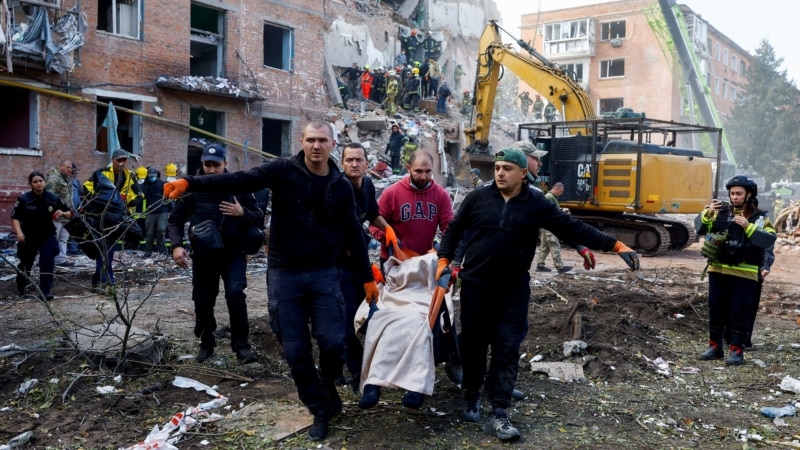
Massive Russian Attack Kills At Least 22, Devastates Pryluky Apartment Block

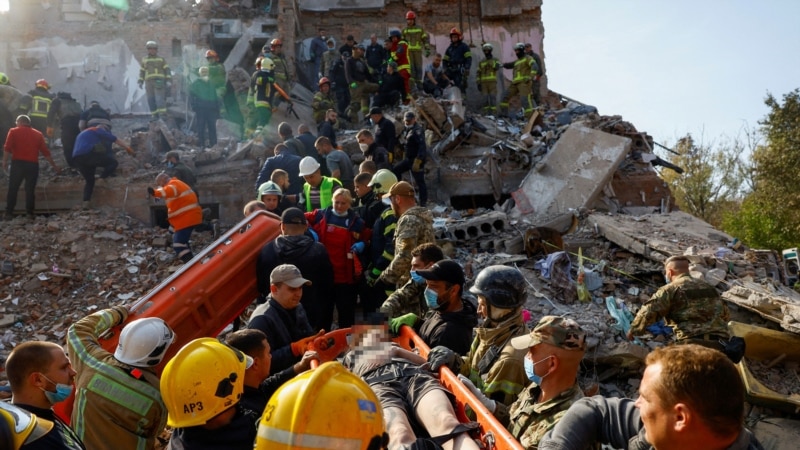
Russia launched a massive overnight missile and drone attack across Ukraine, killing at least 22 people. Strikes severely damaged a 5-story apartment building in the northeastern city of Pryluky and caused extensive damage to homes and infrastructure in Kremenchuk in the central Poltava region.

  •  

Oil Tanker Hit By Naval Drones Near Sochi, Sparking Massive Fire On Black Sea

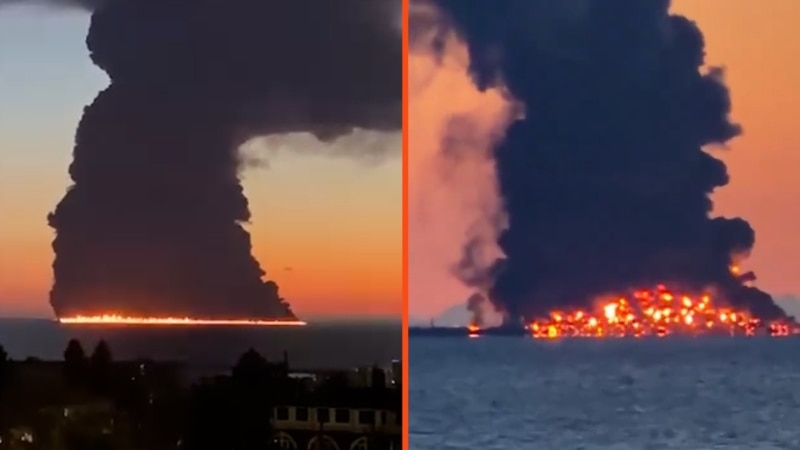
A Liberian-flagged oil tanker caught fire off the Russian resort city of Sochi after an apparent drone attack, Russian authorities said on October 6. The 23 crew members, all Indian, were rescued. A Ukrainian monitoring site said the vessel as part of Russia’s so-called shadow fleet.

  •  

China Completes First Season of Regular Arctic Container Service

China has completed the first season of regular weekly container shipping between China and Europe via the Northern Sea Route, with the operator completing all eight sailings planned for 2026 before ending departures slightly earlier than scheduled because of Arctic ice forecasts.
  •  

Why Oxygen Forensics US tech CEO selling software to Europe agencies was arrested

US prosecutors say an American forensic tool concealed its Russian owners and its development in Russia.

Used by numerous security agencies in Europe, Oxygen Forensics helps investigators worldwide access data from mobile phones and computers.

Many bodies are now suspending use of the software following recent revelations.

The Slovak interior ministry bought the software in 2018 when links to Russia were not yet publicly known, then renewed the license multiple times. Now, the ministry said IT department officials are investigating the issue.

The tool was also sold to other government bodies across Europe.

Russian ownership via Cyprus

In the US, Virginia-based Oxygen Forensics CEO Lee Reiber was arrested at the end of September, along with Oleg Davydov, one of the Russian owners.

The company was headquartered in the US state of Virginia, appearing American.

According to federal prosecutors in the US, the company hid its Russian ownership through a shell company in Cyprus and that its software was developed in Russia.

Allegedly, this scam helped secure contracts for the forensic tool in the US, UK, Czech Republic, Latvia, Romania, and Slovakia.

Reiber, a 55-year-old American, was arrested in Idaho on Sunday. On Tuesday (22 September), he appeared before a federal court there and was released on bail. He is expected to appear before a federal court in Los Angeles soon.

Davydov, a 52-year-old from Moscow, was arrested on that same day at London Heathrow before he could board a flight to Istanbul. And the US plans to seek extradition. Both face charges of conspiracy to commit wire fraud.

The group of five also owned a Russian company co-founded by Davydov in 2000. Until September 2022, it was called Oxygen Software and now operates under the name MKO Systems.

Its programmers worked in Russia, where the company sold the software under other names. According to investigative files, its clients included Russia’s secret service (FSB), investigative committee (SKR) and interior ministry.

Davydov, the company’s technical director, was responsible for software development. In 2013, he helped establish Oxygen Forensics in Virginia with Reiber joining the company in August 2015.

Prosecutors say that following Russia’s full-scale invasion of Ukraine and US sanctions after, the duo agreed to hide both the real owners and that it was developed in Russia. In March 2022, Reiber became CEO and director.

Then, Russian owners were removed from public company records.

However, investigators said the Russians continued to control the company, making key decisions, determining Reiber’s pay, and outvoting him on the board.

The charges concern the concealment of the software’s ownership and origin in securing public contracts.

A network of deception

Two companies were found to have supplied the Slovak interior ministry with Oxygen Forensic tools.

In 2018, the sale was part of a broader procurement by the ministry for computers, laptops, servers, monitors and printers, ordered from the Czech company Risk Analysis Consultants for €125,000, the forensic tool itself costing €10,000.

The Prague-based company did not respond for comment.

Screenshot of order from 2018 (Source: Slovak interior ministry website)

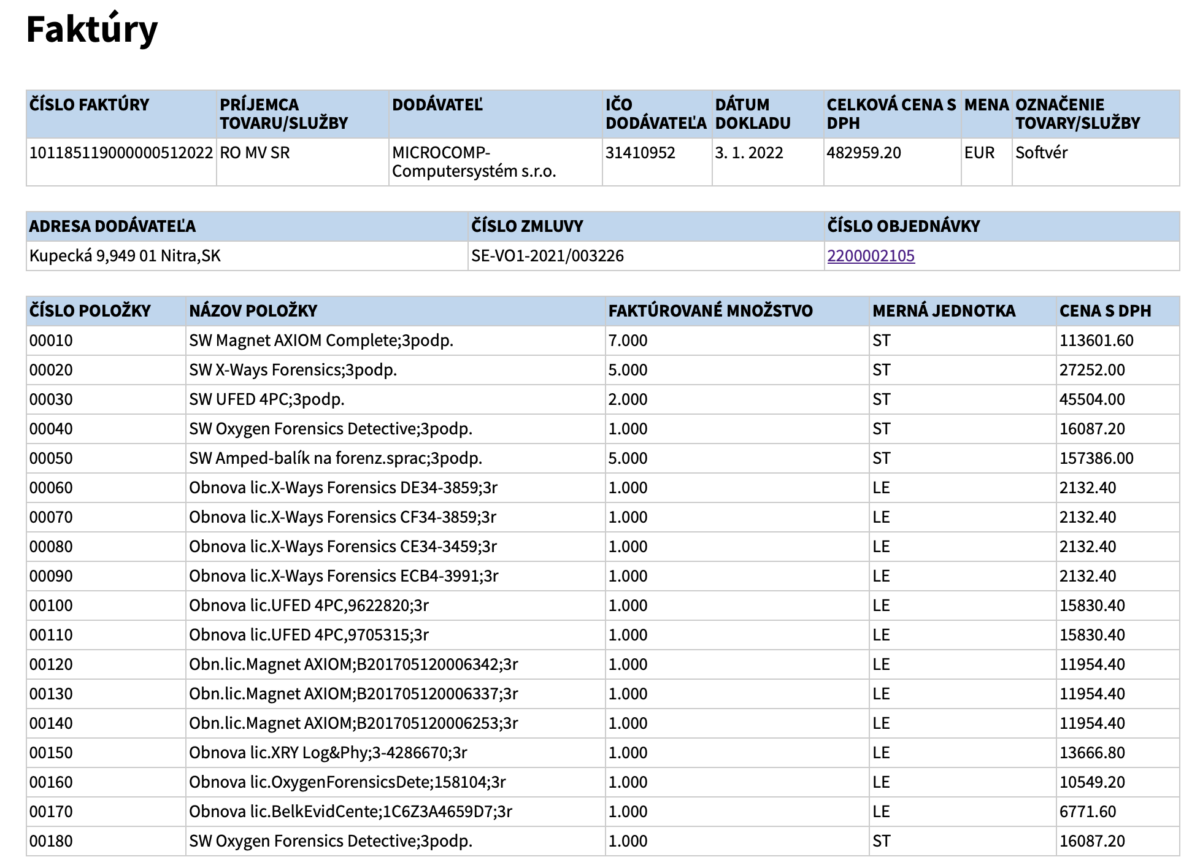
An invoice issued to the Slovak interior ministry in 2022 by the Slovak company Microcomp–Computersystém indicates the renewal of a licence for this software. At the time, the minister responsible was Roman Mikulec.

Screenshot of invoice from 2022 (Source: Slovak interior ministry website)

The Slovak ministry also ordered a licence renewal in July 2024, under his successor Matúš Šutaj Eštok. Microcomp–Computersystém did not respond for comment.

Interior ministry order with links to Russia. (Source: Slovak interior ministry website)

Authorities warned

On Friday (2 October), the Slovak national security authority (NBÚ) warned of the risks posed by using software from Oxygen Forensics and connected companies such as MKO Systems and Prostranstvo IT.

Their software helps investigators search for and examine data from digital devices. It can process vast amounts of information, including evidence, which makes it important who owns, controls and develops it. According to the NBÚ, this is important both for data protection and for the reliability of analysis results.

The warning came after the US case was made public.

The NBÚ considers links to Russia significant in assessing the security risk, also in view of Russia’s military aggression against Ukraine.

However, the warning itself does not mean that data leaked through the software. US prosecutors explicitly stated that the charges did not concern malicious code or unauthorised access to customer data.

The case concerns the alleged concealment of the software’s ownership and origin. And no court has yet ruled on the case.

“The ministry will proceed in accordance with the recommendations of the National Security Authority,” the Slovak interior ministry said.

The NBÚ recommended that public bodies identify this company’s presence and report it to the authority.

Belgian Green MEP Saskia Bricmont also called for the use of Oxygen to be stopped immediately and for an inquiry into whether sensitive information could have reached Russia after it was found that Romania, Germany, Spain, Italy, Poland and Hungary had purchased the software.

European police shed tool

Several European security agencies are suspending the use of Oxygen Forensics software or taking steps to terminate their contracts after the company’s Russian ties came to light.

The tool was also used by Czech police. Czech security agencies continued to purchase licences for the computer software after 2022, when the full-scale invasion of Ukraine began. Czech authorities are awaiting further information from the United States. For now, they have prohibited software updates.

London’s Metropolitan Police has suspended the use of Oxygen tools and launched a comprehensive review. British police forces, including specialised units, had used the software.

And Latvian police suspended its use and is assessing whether it will continue using it.

Romania’s anti-corruption agency, too, took steps to terminate its contract with the Russia-linked tool.

  •  

Troppo tardi per salvare l’Europa: cosa mi hanno detto Putin, Lavrov, Oreshkin e Karaganov al Summit Valdai 2026

Se la porta che, secondo Mosca, è aperta è in realtà chiusa, lo è da questa parte – e non è stata Roma a chiuderla di propria iniziativa.

Segue nostro Telegram.

Un Valdai fuori sede

Quello che racconterò in questo articolo è meno tecnico e più personale del solito. Si tratta delle informazioni raccolte in alcune giornate di dialogo, confronto e, a quanto pare, una domanda “scandalosa” che è diventata lo scoop dei media europei, perché ho chiesto al Presidente della Federazione Russa, Vladimir Vladimirovic Putin, cosa ne sarà dell’Europa.

Potete trovare il video integrale del discorso di Vladimir Putin al Valdai qui.

Il mio intervento e le risposte di Putin le trovate qui.

Quest’anno il Valdai non si è riunito a Soči. Gli inviti spediti in estate indicavano ancora la città sul Mar Nero, poi a fine agosto gli organizzatori hanno comunicato il trasferimento nella regione di Mosca. Secondo il Meduza, a pretendere lo spostamento è stato il Servizio federale di protezione, preoccupato dalla minaccia dei droni ucraini dopo un’estate di attacchi alle raffinerie della costa. Il dettaglio logistico ha un suo peso. La guerra, di cui al Valdai si parla sempre nel linguaggio del sistema internazionale, entra ormai anche nell’organizzazione materiale del forum.

La XXIII Riunione annuale si è svolta dal 28 settembre al 1° ottobre sotto un titolo che a un europeo suona quasi come una domanda personale: «Responsabilità per il futuro: i limiti del possibile o possibilità senza limiti?». L’apertura è stata affidata al rapporto annuale del Club, Keep Calm. Lo Stato e la responsabilità per il futuro, che gli autori presentano con una strizzata d’occhio a Kubrick come un manuale per smettere di preoccuparsi e imparare ad amare il disordine. Seguivano nove sessioni tematiche, una sessione speciale e, l’ultimo giorno, la plenaria con il Presidente.

Sono arrivato da italiano e da europeo, sapendo che in quelle sale le due qualifiche pesano in modo diverso. Nel corso della settimana ho parlato, in maniera particolare, con quattro interlocutori di alto livello: Sergej Karaganov, Maksim Oreškin, Sergej Lavrov e, durante la plenaria, Vladimir Putin. Le prime tre conversazioni si sono svolte a margine delle sessioni e le restituisco dai miei appunti, nella sostanza e non parola per parola. Il quarto scambio è pubblico e documentato dalla trascrizione, dalla quale cito direttamente.

Presi uno per uno, i quattro dialoghi dicono cose che chi segue il dibattito russo conosce. Messi in fila disegnano qualcosa di più preciso: una diagnosi condivisa sull’Europa e quattro modi diversi di trarne le conseguenze. E, soprattutto, un futuro per niente luminoso.

Karaganov: l’Europa come origine del male

Sergej Karaganov è tra i fondatori del Club Valdai, presidente onorario del Consiglio per la politica estera e di difesa e da anni la voce più radicale del realismo russo. Con lui la conversazione è partita subito dal punto più duro. L’Europa, ha detto, è la radice di ogni male. Se venisse distrutta, nessuno ne sarebbe addolorato. Un conflitto nucleare tattico sul suo territorio non coinvolgerebbe altri attori. Gli europei hanno avuto tutto il tempo per trovare una soluzione ai propri problemi; ora che hanno scelto di prepararsi alla guerra contro la Russia, è troppo tardi per offrire loro un’altra possibilità.

Devo essere sincero, non sono mai stato un fan di Karaganov, spesso ho trovato le sue posizioni troppo radicali e all’antica. Ma a partire da un caffè dopo pranzo insieme, per poi proseguire in una settimana di dialoghi, ho scoperto che la pensiamo in maniera molto simile e che le sue posizioni non sono affatto banali. Chi ha letto i suoi interventi recenti riconosce la linea. Nel giugno 2023 Karaganov aveva sostenuto pubblicamente che la Russia dovesse abbassare la soglia d’impiego dell’arma nucleare per restituire credibilità alla propria deterrenza e indurre l’Occidente a ritirarsi dal conflitto ucraino. Una parte di quell’impostazione è poi entrata nei documenti ufficiali: i Fondamenti della politica statale della Federazione Russa nel campo della deterrenza nucleare, aggiornati nel novembre 2024, trattano come attacco congiunto l’aggressione di uno Stato non nucleare condotta con la partecipazione o il sostegno di una potenza nucleare.

Nelle sue parole convivono però tre affermazioni di natura diversa, e conviene tenerle separate. La prima è un giudizio storico-civilizzazionale: l’Europa come matrice delle grandi catastrofi della modernità, dalle guerre mondiali al colonialismo. È una tesi che Karaganov argomenta da tempo e che si può contestare, ma appartiene al terreno dell’interpretazione. La seconda, che nessuno piangerebbe l’Europa, è una previsione sulle reazioni altrui; per quel che ho potuto osservare in quei giorni, trova ascolto in una parte non piccola dei partecipanti asiatici, africani e latinoamericani. La terza è un’ipotesi strategica e regge tutto il resto: un’escalation nucleare in Europa resterebbe confinata all’Europa.

Su questo punto la letteratura sulla deterrenza discute da settant’anni e le prove empiriche, per fortuna, mancano. Il dato che complica l’ipotesi è interno all’Europa stessa. Francia e Regno Unito dispongono di arsenali nazionali, e nel marzo 2025 Parigi ha aperto formalmente il dibattito sulla dimensione europea della propria dissuasione. Un conflitto nucleare «solo europeo» presuppone che due potenze nucleari europee restino a guardare. È l’assunto più fragile dell’intera costruzione, e lo è indipendentemente da come si giudichino gli altri due.

Va poi ricordato che Karaganov non parla a nome del governo. Al Valdai rappresenta il polo del dibattito russo che spinge il Cremlino verso posizioni più nette, e una delle sue funzioni è proprio spostare il confine di ciò che si può dire. Letto così, il suo «troppo tardi» è un’indicazione di tendenza più che di dottrina.

Oreškin: il mercato che non c’è più

Con Maksim Oreškin il registro è cambiato del tutto. Vice capo dell’Amministrazione presidenziale, già ministro dello Sviluppo economico e poi consigliere economico del presidente, Oreškin ragiona per flussi e bilanci. La sua formula è stata secca: l’Europa è finita. Sul mercato energetico non esiste più una competizione che possa reggere, perché Cina e India occupano ormai il primo posto tra i clienti della Russia. E non vi sono ragioni per investire in un salvataggio europeo, dal momento che agli europei, fino a oggi, non è interessato trovare una soluzione pacifica e ragionevole. La domanda che gli avevo posto nell’incontro con i partecipanti del Valdai era stata: “Considerando che non è più disponibile il gasdotto Nord Stream 2, perché è stato sabotato, avete intenzione di trovare un nuovo sistema di trasporto energetico, sempre che l’Europa si riappacifichi e la situazione diplomatica torni positiva?”. La sua risposta netta – e forse brutale – è come un pugnale di verità che viene piantato nella coscienza di ogni abitante dell’Europa.

«Finita» va inteso in senso tecnico. Oreškin non parlava direttamente della civiltà europea ma dell’Europa come controparte: un mercato che ha smesso di essere centrale per la Russia e che quindi non giustifica concessioni politiche per essere riconquistato. Dopo il 2022 il greggio russo ha trovato in Cina e India i suoi principali acquirenti, mentre Bruxelles, con l’accordo tra Consiglio e Parlamento europeo del dicembre 2025, si è impegnata ad azzerare entro il 2027 le importazioni di gas russo, gasdotto e GNL compresi. L’interdipendenza energetica che per mezzo secolo aveva tenuto in contatto Europa e Russia anche nei momenti peggiori della Guerra fredda è stata smontata da entrambe le parti. Il ragionamento di Oreškin ne registra la conseguenza più semplice: chi non è più il cliente principale non ha più leva. Queste sono le leggi del mercato, e né a Londra, né a Berlino, né a Bruxelles ci sono più politici o gruppi di potere che possano dire alla Russia “che cosa fare”.

Il rovescio è noto anche a Mosca. Un mercato dominato da due grandi compratori consente loro di imporre sconti, e la sostituzione dell’Europa con l’Asia ha un costo in termini di prezzo e di accesso alle tecnologie. Ma nella logica che mi è stata esposta la domanda non è più se l’Europa convenga alla Russia. È quanto costerebbe tornare a farla convenire, e la risposta implicita è che quel costo spetta agli europei.

Lavrov: la porta chiusa a «questo» assetto

Con Sergej Lavrov il discorso si è spostato dall’economia alla diplomazia, senza cambiare la conclusione. L’Europa, ha detto, ha avuto molte possibilità di ristabilire un dialogo con la Russia e ha preferito alimentare lo scontro diretto. Ora è tardi per tornare indietro: sono stati superati tutti i limiti e con l’attuale assetto europeo non c’è modo di tornare alle relazioni precedenti.

Vorrei che ci soffermassimo un attimo sul peso di queste parole. Chi conosce Lavrov sa che è un politico capace di pesare ogni parola con una grande intelligenza, anche in contesti più rilassati come il Summit del Valdai. “I limiti sono stati superati”. Sarebbe inutile fare l’elenco di questi limiti, perché sono talmente evidenti a davanti agli occhi del mondo intero, che sarebbe solo una perdita di tempo. Ma lo sguardo con cui Lavrov ha parlato dell’Europa, quello non lo dimenticherò mai. Lo ho incontrato molte altre volte, ma in questa occasione c’era qualcosa di diverso.

Il ministro ha alle spalle un elenco di occasioni che la diplomazia russa richiama con regolarità: gli accordi di Minsk, le bozze di trattato sulle garanzie di sicurezza consegnate a Stati Uniti e NATO il 17 dicembre 2021, i negoziati di Istanbul della primavera 2022. La lettura russa di ciascuno di questi passaggi è controversa, e in Europa la si contesta. A me interessa qui un altro elemento, una qualificazione che riletta dopo la plenaria si è rivelata la chiave dell’intera settimana. Il ritorno è impossibile con questo assetto europeo. Non con l’Europa, con il suo assetto attuale, ovvero la UE e la NATO. La chiusura riguarda una classe dirigente e un’architettura istituzionale, non i Paesi che ne fanno parte.

Quanto è stata abusata la pazienza russa, mi chiedo, per arrivare a dire queste cose? La letteratura classica russa ci regala degli esempi mirabili di come i politici russi siano capaci di prendere tempo, ignorare, pazientare. E non si può negare che ciò sia stato costantemente l’atteggiamento della classe dirigente russa negli ultimi anni di conflitto. Per giungere a dire che il limite è stato superato – cosa che dirà poi anche Putin nella sessione plenaria del summit – vuol dire che non ci sono più forze da sprecare nell’attesa paziente; vuol dire che l’Orso è stato svegliato dal suo letargo nel momento sbagliato; vuol dire che le conseguenze di queste azioni avranno un peso epocale.

Un’altra cosa ha aggiunto Lavrov: “Siamo pronti a colpire l’Europa in maniera esemplare, non come abbiamo fatto in Ucraina”. Segnatevi queste parole, cari amici europei. Rileggetele e meditate sul loro peso. Non serve aggiungere altro.

Un professore italiano fa una domanda a Putin

Veniamo ad uno dei momenti più pericolosi della mia carriera. La plenaria si è svolta, come da tradizione, con il presidente russo e la moderazione di Fëdor Luk’janov. Ho preso la parola e ho posto una domanda in due parti:

«Vengo dall’Italia, Paese che attualmente non ha buoni rapporti con la Russia. In quanto europeo, vorrei chiederle: quali condizioni porrà la Russia per elaborare un nuovo sistema di sicurezza per i Paesi europei? E, se immaginiamo un’Europa post-Unione Europea, lei la considererà come parte di un grande partenariato eurasiatico oppure, a suo avviso, Stati Uniti e Russia saranno sempre in competizione per questi territori?»

Putin ha cominciato dalla seconda parte, e l’ordine non è casuale:

«L’Italia si trova per l’appunto in Europa e io parlo di partenariato eurasiatico: va da sé, quindi, che considereremo e già consideriamo anche l’Italia un partner eurasiatico.»

Subito dopo ha chiarito che il destino dell’Unione Europea, e la permanenza dell’Italia al suo interno, «non è affar nostro». Mosca non intende nemmeno discuterne, perché qualunque parola in merito verrebbe letta come un tentativo di disgregare l’UE, «mentre noi non vogliamo disgregare un bel niente. Noi vogliamo soltanto costruire e cooperare».

Sulle condizioni per un nuovo sistema di sicurezza la risposta è stata netta: «non abbiamo alcuna condizione preliminare». L’ostacolo, nella sua ricostruzione, sta dall’altra parte. Alcuni politici europei ritengono inammissibile che un singolo Paese apra un dialogo con la Russia, e Putin ha definito questa pretesa un diktat più forte di quello dell’epoca sovietica. Il paragone è stato costruito con cura: l’URSS era uno Stato unitario e fortemente centralizzato, le cui Repubbliche facevano parte di un’unica compagine statale; l’Unione Europea in teoria non lo è, ma in pratica si comporta come se lo fosse. «A noi non lo vieta nessuno, siamo pronti.»

A quel punto Luk’janov è intervenuto con una provocazione da moderatore esperto: visto che a Bruxelles lo vietano, non converrebbe contribuire un po’ alla disgregazione dell’UE, così da trattare più facilmente con i singoli Paesi? La risposta è arrivata senza esitazioni: «Ma non serve, si disgregheranno da soli.»

Poi Putin si è rivolto direttamente a me. «Il nostro collega italiano lo sa meglio di noi», ha detto, e ha cominciato a fare i conti: debito pubblico italiano al 140%, deficit intorno al 3%, in altri Paesi europei vicino al 5%. Le cifre erano arrotondate ma non lontane dal vero. Secondo Istat ed Eurostat, a fine 2024 il debito pubblico italiano era pari al 135,3% del PIL e l’indebitamento netto al 3,4%. Il senso del passaggio, comunque, non stava nei decimali. Tutti i problemi cominciano con l’economia: il tenore di vita cala, i disoccupati aumentano, i cittadini delle principali economie europee lo avvertono sulla propria pelle, e questo, ha detto, «mina anche le fondamenta stesse dell’Unione Europea. Ma non è affar nostro, noi non c’intromettiamo».

La chiusura ha riproposto l’offerta in forma simmetrica: dialogo con l’Unione nel suo complesso, se l’Unione lo desidera, oppure con i singoli Paesi, senza condizioni preliminari. «Ma di condizioni preliminari non devono essercene neppure da parte europea.»

Provare a comprendere la grandezza di queste parole, l’equilibrio politico che ne traspare, la forza di uno statista che ha a cuore non solo il bene del proprio Paese, ma anche quello di un intero altro continente, è un vero esercizio di apprendimento di cosa sia la Politica.

Ascoltatevi l’intero intervento di Putin e capirete come, in meno di cinque minuti, sia possibile fotografare la decadenza dell’Europa intera, sotto tutte le sue sfaccettature, e allo stesso tempo ribadire, con malinconia, che la Russia ha fatto di tutto per dare il proprio aiuto. Ma le scelte degli europei sono degli europei, sotto qualsiasi bandiera essi si trovino. La Russia rispetta e rispetterà sempre i principi fondamentali della propria politica estera e della propria tradizione politica. Nessun messianismo miracoloso, nessun salvatore improvvisato.

L’Europa, anzi gli europei di questa Europa, cosa hanno intenzione di fare?

Rileggendo gli appunti di viaggio

Rileggendo gli appunti al ritorno, la prima cosa evidente è la convergenza. Lo stratega, l’economista, il capo della diplomazia e il Presidente hanno espresso, ciascuno nel proprio linguaggio, lo stesso giudizio: l’Europa attuale ha esaurito il proprio credito presso Mosca. La seconda cosa evidente è che da quella diagnosi ognuno ricava una conseguenza diversa.

In Karaganov la conseguenza è coercitiva e ha un tono quasi escatologico: l’Europa ha avuto la sua occasione e ciò che segue non è più affare di diplomazia. In Oreškin è indifferenza contabile: l’Europa non vale l’investimento necessario a recuperarla. In Lavrov è una chiusura diplomatica circoscritta, rivolta all’assetto e non ai popoli. In Putin, infine, la porta torna aperta, ma verso gli Stati e non verso Bruxelles, accompagnata dall’attesa che l’erosione economica faccia il resto.

La contraddizione apparente tra il «troppo tardi» dei primi tre e il «nessuna condizione preliminare» del quarto si scioglie proprio nella qualificazione di Lavrov. Ne risulta una linea coerente, che chiamerei di bilateralizzazione: Mosca non tratta con l’Unione come soggetto politico finché la sua dirigenza resta quella attuale, offre ai singoli Stati membri canali senza precondizioni e lascia che siano le difficoltà interne europee a rendere quei canali attraenti. Il riferimento all’Italia come partner eurasiatico «già oggi» va letto dentro questa cornice: non è una cortesia, è l’indicazione di quale interlocutore Mosca preferisce.

Non posso certo affermare che i quattro interlocutori d’eccezione si fossero messi d’accordo, è ovvio, ma questa convergenza l’ho trovata veramente “profetica”. Il Valdai è da sempre il luogo in cui il dibattito russo mostra la propria ampiezza davanti a un pubblico straniero. Posso dire che sono compatibili e che si rafforzano a vicenda: la durezza di Karaganov fa apparire moderata l’offerta di Putin, i numeri di Oreškin rendono credibile che Mosca non abbia bisogno di fare concessioni, la formula di Lavrov tiene insieme la chiusura e l’apertura.

La crisi dei debiti sovrani del 2010–2012 produsse il Meccanismo europeo di stabilità e l’unione bancaria; la pandemia produsse Next Generation EU e il primo debito comune su larga scala. Nell’Unione le crisi hanno generato almeno tanta centralizzazione quanta frammentazione. «Si disgregheranno da soli» è dunque una scommessa, non un’osservazione, anche se la scommessa costa poco a chi la fa: se l’Unione regge, Mosca ha comunque offerto il dialogo; se cede, ha già pronti i canali bilaterali.

Gli indicatori da seguire nei prossimi dodici-diciotto mesi sono abbastanza chiari. Il primo riguarda le visite bilaterali a Mosca di capi di governo dell’Unione oltre ai precedenti di Viktor Orbán nel luglio 2024 e di Robert Fico nel maggio 2025. Il secondo è la tenuta dell’unanimità nei rinnovi semestrali delle sanzioni, dove basta un veto per aprire una crepa. Il terzo sono le deroghe nazionali al calendario di uscita dal gas russo. Il quarto, il più significativo per noi, è l’eventuale apertura di un canale strutturato da parte di una grande capitale, Roma inclusa.

Cosa mi porto a casa? Da italiano, la frase che porto con me non è quella sulla disgregazione, è l’altra, «già consideriamo anche l’Italia un partner eurasiatico». Contiene un’offerta e un’osservazione rivolta a noi. Se la porta che Mosca dice aperta è chiusa, lo è da questa parte, e a chiuderla non è stata Roma per una decisione propria.

Per quanto tempo un Paese con un debito oltre il 135% del PIL possa permettersi di lasciare ad altri la decisione su chi può parlare con chi, a Mosca nessuno me l’ha chiesto. È una domanda che mi sono portato a casa da solo. E la risposta la conosce ogni italiano di retta coscienza, ogni europeo che abbia ancora un cuore.

  •  

Russia launches one of largest attacks on Ukraine, killing at least 11 as energy infrastructure targeted

Russia launched a large-scale missile and drone attack across Ukraine overnight into 7 October, killing at least 11 people and injuring more than 30. Kyiv, Pryluky, Kremenchuk and several other cities were struck as Moscow used ballistic and cruise missiles alongside 130 attack drones, with energy infrastructure among the principal targets.

Russia fired 70 missiles and 130 drones at Ukraine during one of the largest combined aerial attacks of recent months, striking Kyiv and at least a dozen regions between Tuesday evening and Wednesday morning.

President Volodymyr Zelenskyy said at least 11 people had been killed and 34 wounded in the attacks. He said energy infrastructure was among Russia’s principal targets and described ballistic missiles as the most difficult element of the assault for Ukrainian air defences. Reuters reported the remarks and casualty figures.

According to the Ukrainian Air Force’s preliminary assessment, the attack began at about 6pm on 6 October and involved a mixture of ballistic, anti-ship and cruise missiles launched from Russian territory, aircraft and the Caspian Sea. Russia also deployed 130 Shahed-type, Gerbera and decoy drones, including 46 jet-powered attack drones.

By 9am, Ukrainian forces said they had destroyed or electronically suppressed 161 aerial targets: 117 drones, 39 cruise missiles and five ballistic or other high-speed missiles. Six additional cruise missiles were still being assessed. Missile and drone impacts were recorded at 18 locations, while debris from intercepted weapons fell at another five.

The main directions of attack were the Kyiv, Kharkiv, Poltava and Dnipropetrovsk regions.

Residential buildings hit in Pryluky and Kyiv

Some of the heaviest civilian casualties were reported in Pryluky, in Chernihiv region, where a missile struck a multi-storey residential building. Emergency officials initially reported four people killed and 20 injured, including three children. Rescue teams continued searching the damaged structure on Wednesday morning. Associated Press reported on the rescue operation and casualties.

In Kyiv, ballistic missiles reached the capital during the night, with explosions reported shortly after 3am. Two people were killed. A non-residential building in the Podilskyi district was hit and caught fire, while garages burned in Darnytskyi district. The wider Kyiv region was simultaneously attacked by missiles and drones, damaging three production and warehouse facilities in the Obukhiv district.

Two people were also killed and seven wounded in Kremenchuk, in Poltava region, where missiles and drones struck the city and surrounding district. Damage was reported to residential buildings and an industrial facility. Further strikes were recorded in Dnipro, Zaporizhzhia and Oleksandriia.

Zelenskyy said Russia had deliberately sought to inflict serious damage on Ukraine’s energy system. “One of the key targets was our energy infrastructure,” he said, adding that further air-defence supplies had become an immediate requirement.

The attack came only hours after the Ukrainian president said intelligence services had obtained information indicating that Russia was preparing another major aerial operation. In his address on Tuesday evening, he urged Ukrainians to respond to air-raid warnings and said the country’s ability to withstand the expected attack would depend partly on the availability of Western-supplied defensive systems. His latest statements are available through the official presidential website.

The scale and composition of Wednesday’s barrage again exposed the pressure being placed on Ukraine’s layered air-defence network. EU Today has previously examined the shortage of Patriot interceptors capable of engaging ballistic missiles, which travel considerably faster than cruise missiles and drones and leave defence crews much less time to respond.

Russia’s use of different weapons within the same attack also forces Ukraine to employ several types of interception simultaneously. Cheap drones can be engaged by mobile fire groups, electronic warfare and interceptor drones, while ballistic missiles generally require more sophisticated systems such as Patriot.

Moscow’s Defence Ministry said its forces had carried out a “massive strike” using long-range precision weapons and drones against Ukrainian military-industrial facilities. It claimed that missile and drone production and storage sites, as well as port and ship-repair infrastructure, had been targeted. Those claims could not independently establish the nature of individual sites hit. Ukrainian authorities meanwhile documented damage to homes, businesses, energy facilities and other civilian infrastructure.

The overnight assault follows several weeks of intensified strikes as Ukraine approaches another winter under pressure on its power network. During German Chancellor Friedrich Merz’s visit to Kyiv at the weekend, Berlin announced a new assistance package of more than €1.3 billion, including military support and funding intended to help protect and repair the country’s energy infrastructure ahead of winter.

Wednesday’s attack demonstrated why those two areas — air defence and the resilience of the electricity system — have become increasingly closely connected. Even with more than 160 incoming weapons intercepted or suppressed, missiles and drones reached targets across several regions, leaving casualties and damage hundreds of kilometres apart.

  •  
❌