❌

Reading view

Escritor Joaquim Arena preenche vazios de Europa negra invisibilizada

Logo Agência Brasil

Revelar uma Europa negra, apagada das narrativas oficiais, é o que propõe o autor luso-cabo-verdiano Joaquim Arena, que revisita a presença de africanos e seus descendentes no continente europeu por meio do livro Debaixo da nossa pele (2017).

A partir de viagens por Portugal, arquivos e relatos, o escritor reconstrói trajetórias de personagens negros pouco conhecidos. A jornada também se cruza com a história da migração cabo-verdiana para Lisboa e com a trajetória do próprio escritor.

Notícias relacionadas:

Arena nasceu na Ilha de São Vicente, em Cabo Verde, em 1964. É filho de pai português e de mãe cabo-verdiana e viveu grande parte da sua vida em Lisboa. Em Portugal, ele se formou em direito e iniciou a carreira em jornalismo.

O escritor está no Rio de Janeiro para participar do Clube de Leitura do Centro Cultural Banco do Brasil (CCBB-RJ), no centro da capital fluminense, às 17h30 desta quarta-feira (14).

Autor de seis romances, traduzidos em várias línguas, Arena escreveu Siríaco e Mister Charles, vencedor do Prémio Oceanos de Literatura, na categoria Prosa, em 2023. Atualmente, reside em Cabo Verde, na cidade de Praia.

Cabo Verde e Brasil

Com o tema “Romance histórico: onde a realidade encontra a ficção”, o encontro gratuito propõe uma conversa sobre memória, pertencimento, identidade e as marcas do passado colonial que permanecem no presente.

A partir da obra de Arena, o evento busca aproximar experiências históricas e culturais de Cabo Verde e do Brasil, dois países atravessados por deslocamentos populacionais, encontros entre diferentes culturas e pelas relações entre África e Europa.

O autor conta que Debaixo da nossa pele fala da miscigenação e da circulação dos povos da África para a Europa. O público poderá perceber semelhanças com a formação do Brasil.

“Debaixo da nossa pele fala dessa condição humana de deslocamento das pessoas de um país a outro, levadas por questões econômicas, sociais e políticas. O livro faz essa síntese, pois a circulação continua ainda hoje, é positiva, abre oportunidades de novas janelas de vida para muitas pessoas”, diz Arena.


Rio de Janeiro (RJ), 14/10/2026 – O escritor luso-cabo-verdiano, Joaquim Arena, que participará do Clube de Leitura do Centro Cultural Banco do Brasil Rio de Janeiro (CCBB-RJ),  fala à Agência Brasil, no centro da capital fluminense. Foto: Tomaz Silva/Agência Brasil Rio de Janeiro (RJ), 14/10/2026 – O escritor luso-cabo-verdiano, Joaquim Arena, que participará do Clube de Leitura do Centro Cultural Banco do Brasil Rio de Janeiro (CCBB-RJ),  fala à Agência Brasil, no centro da capital fluminense. Foto: Tomaz Silva/Agência Brasil
O escritor luso-cabo-verdiano, Joaquim Arena, que participará do Clube de Leitura do Centro Cultural Banco do Brasil Rio de Janeiro (CCBB-RJ). Foto: Tomaz Silva/Agência Brasil

Preenchendo vazios

Para o escritor, a história tem um poder atrativo mais forte do que o presente.

“Sou levado a encontrar, no meio dos fatos históricos, os vazios. São esses vazios que eu pretendo preencher através da minha ficção. Aproveito episódios verídicos que são muito inspiradores para que nós imaginemos uma personagem. Fico com vontade de saber mais, senão eu invento a personagem”, afirma o autor.

Arena conheceu a literatura brasileira aos 12 anos, com a obra de Jorge Amado. Ele se identificou com o livro Meu pé de laranja lima, de José Mauro de Vasconcelos, que também fez parte da sua formação. Para ele, foi uma porta de entrada de uma literatura que não era portuguesa, europeia nem africana.

“Nós, das antigas colônias portuguesas, recebemos a literatura brasileira como uma janela para um mundo muito semelhante ao nosso".

"Jorge Amado, com sua Bahia, está na formação de muitos autores lusófonos na África. Depois, vamos crescendo e encontrando Guimarães Rosa, José Lins do Rêgo, Graciliano Ramos. O romance da década de 30 fala dos retirantes, da seca. É uma realidade muito próxima da nossa”, diz Arena.

O autor acredita que um clube de leitura é um reduto onde se mantém ainda uma magia e em que se ouve falar de invenções.

“Há um pacto do autor com o público. O escritor sabe que o que ele inventou não existiu. O leitor sabe que o romance saiu da imaginação. Isso cada vez mais num mundo acelerado, com redes sociais, com streamings”.

  •  

Moçambique mantém interesse estratégico em obra na fronteira

Em setembro, o Governo anunciou a concessão, por 25 anos, do projeto de modernização e expansão do Posto Fronteiriço de Paragem Única de Machipanda, num investimento estimado em 30 milhões de dólares.

© ANDRÉ CATUEIRA/LUSA

A concessão foi atribuída à sociedade Terminal Internacional Rodoviário de Machipanda, cuja estrutura acionista conta com o Estado moçambicano, através do Fundo de Estradas
  •  

Japão apoia norte de Moçambique com 1,6 milhões de euros

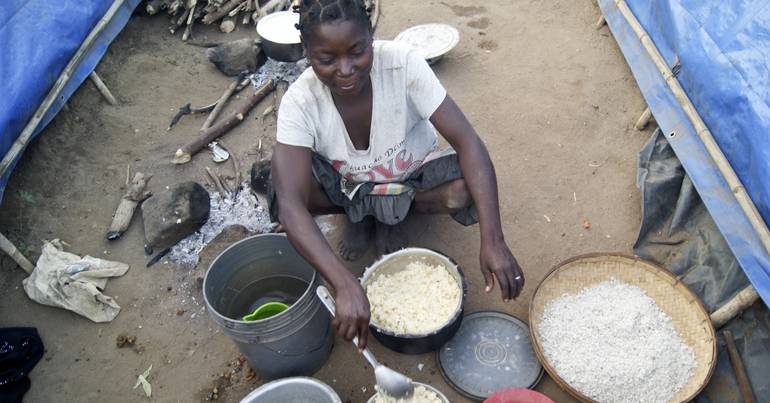
Embaixador do Japão diz que verba permitirá apoiar cerca de 94 mil deslocados internos e outras pessoas afetadas pelo conflito em Cabo Delgado através da distribuição de arroz e conservas.

© LUISA NHANTUMBO/EPA

Segundo o diplomata, a assistência será assegurada através da distribuição de arroz produzido localmente e conservas de peixe, procurando ajudar as famílias afetadas pelo conflito a satisfazer as suas necessidades alimentares básicas
  •  

A Bab al-Mandab Saga: From Assab to Perim; All Has a Base, None Has a Plan. Part II

The geopolitical aspects of Bab-al-Mandab extends way beyond any narrow view, both historically and contemporarily. So, before the next “maritime security initiative” arrives, ask the 4 main questions the brochure never answers Ethiopia lost its sea, Yemen’s highlands never accepted a master, and this month a Zaydi movement took the strait’s Arabian shore. Every capital […]
  •  

CARE assistiu mais de 200 mil moçambicanos

Projeto previa ajuda a 152 mil pessoas, mas acabou por superar a meta inicial. Cerca de 25% dos beneficiários correspondem a famílias afetadas pelas cheias.

© KAREL PRINSLOO / HANDOUT/EPA

O diretor nacional-adjunto da CARE Moçambique afirmou que, mesmo assim, a capacidade de cobertura do país está abaixo de 40%
  •  

Moçambique "não pode esperar gás natural" para desenvolver

Ministro da Planificação e Desenvolvimento lembrou a previsão de crescimento económico de 1,6% em 2027, com aceleração para 9,5% em 2029 prevista pelo arranque dos grandes projetos de gás natural.

© PAULO JULIÃO/LUSA

Para o ministro Salim Valá, a prioridade passa por "edificar e fortalecer uma economia cada vez mais diversificada, que se transforme na sua estrutura e que seja mais autónoma"
  •  

Presidente moçambicano promete resposta a droga nas escolas

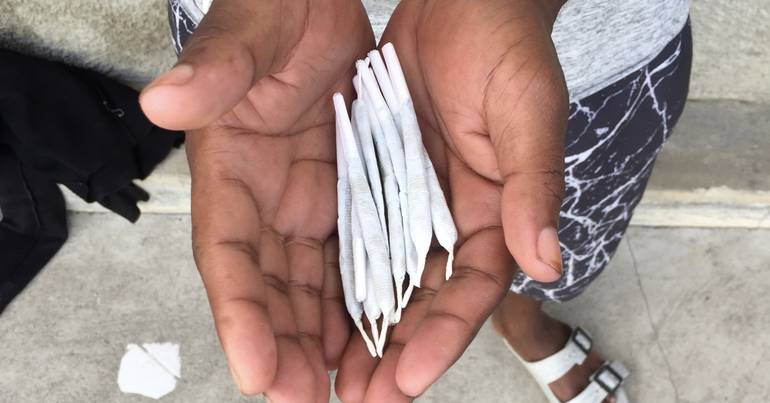
Chefe de Estado garante que Governo não vai tolerar tráfico de droga em ambiente escolar. "Que país seremos nós se à porta das nossas escolas se vende a morte embrulhada em papel de rebuçado?".

© JOSÉ JECO/LUSA

Daniel Chapo acrescentou que as autoridades têm registado um aumento do consumo de drogas, incluindo entre menores de idade
  •  

10h. PJ lança buscas a bancos por fraude no IMT

Em causa está um alegado esquema milionário de fuga ao pagamento de IMT na aquisição de imóveis. Ainda, a greve do Metro de Lisboa tem provocado trânsito e constrangimentos nas paragens de autocarros.

  •  

Um ano sem raptos reforça confiança em Moçambique

Confederação das Associações Económicas de Moçambique assume tratar-se de "um sinal encorajador" tanto para o reforço da segurança, como para a estabilidade necessária ao desenvolvimento económico.

© ANTÓNIO SILVA/LUSA

Os raptos para obtenção de resgates tornaram-se recorrentes em Moçambique a partir de 2010, tendo como principais alvos empresários, gestores e familiares
  •  

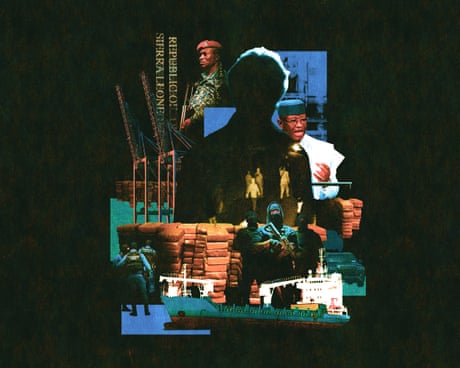
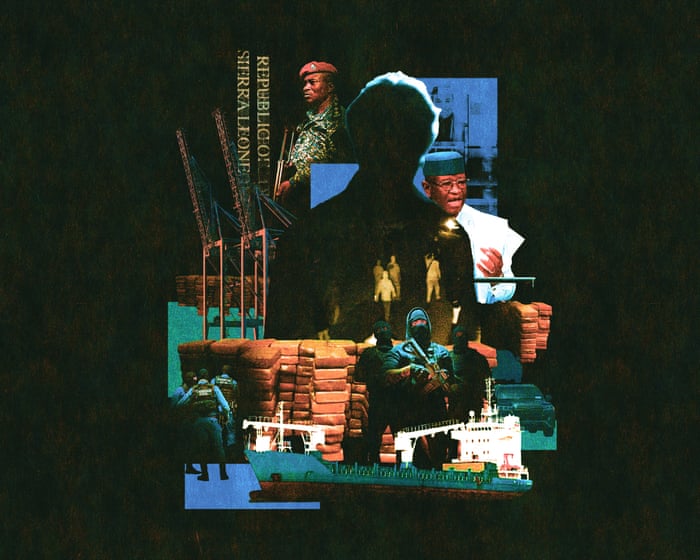
How Europe’s most wanted cocaine trafficker turned Sierra Leone into the world’s first true narco state

Drawing on dozens of interviews with intelligence and police officers across two continents, a Guardian investigation reveals the murderous cost of our insatiable appetite for cocaine

Read more: Latin American organised crime ‘may operate in 16 European countries’
Explainer:
What is state capture and why does it matter?

As abductions go, few have been more brazen. Alan Jalloh was with two friends outside Goodies supermarket, frantic as usual with late afternoon shoppers. Rush hour in downtown Freetown, Sierra Leone’s capital, was under way with familiar gusto.

A black Toyota Rav4 forced its way through the Peninsula highway traffic. Witnesses describe burly white men leaping out, yanking on balaclavas. Jalloh, 40, seemed to freeze. As did his two friends, one a famous Freetown footballer. All three were dragged into the waiting SUV. None of them have been seen since.

Continue reading...

© Composite: Guardian Design

© Composite: Guardian Design

© Composite: Guardian Design

  •  

Reclaiming States and Value: Recapture of Kidal and Creation of Gold Refineries Across Sahel

Instability in countries that later formed the Alliance of Sahelian States (AES) in security political and economic affairs resulted from perennial interference by the US and France. Military assistance from Russia is helping these countries to regain sovereignty and capture more value from their resources. Mali and Africa Corps reenter Kidal On October 6, 2026, […]
  •  

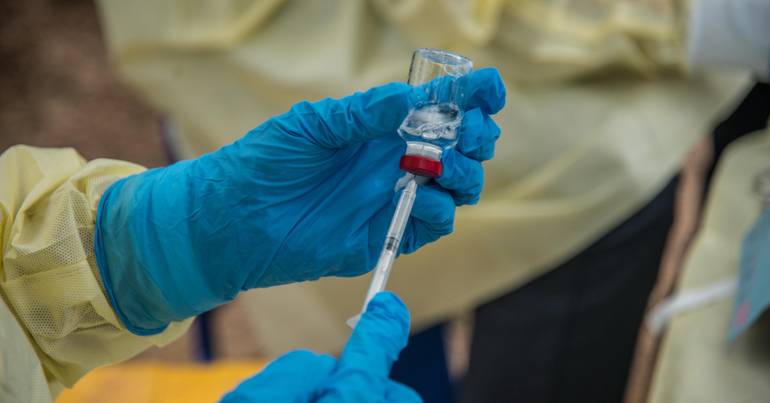
Ébola. Novo ensaio vai testar vacinas contra Bundibugyo

Oxford e Moderna já têm vacinas em fase avançada. SAGE alerta para urgência de aprovação regulatória enquanto letalidade no Congo chega aos 48,3%.

© WHO HANDOUT/EPA

O vírus Ébola transmite-se por contacto direto com fluidos corporais de pessoas ou animais infetados e provoca febre hemorrágica grave, vómitos, diarreia e hemorragias internas
  •  

DR Congo’s deadliest Ebola outbreak kills over 4,200 as armed groups undermine response

In less than five months, the fastest-spreading Ebola outbreak in world history has killed at least 4,205 people in the conflict-ridden eastern region of the Democratic Republic of Congo (DRC) as of October 7.

It is the deadliest outbreak in the DRC since the disease was first discovered in the country in 1976, killing nearly one in two of the 8,728 people confirmed to be infected.

With treatment still in experimental stages, there is no specifically approved treatment for the particular Bundibugyo strain of the Ebola virus that caused this outbreak, declared on May 15. 

However, the virus had been circulating in communities in Ituri province since mid-February, three months before the outbreak was identified and officially declared.​

Aid cuts: unpaid frontline workers

When the health response started, already late, it was severely underfunded, as the UK, France and Germany have also followed in the footsteps of the US to slash humanitarian aid and increase military spending.​

The UN Office for the Coordination of Humanitarian Affairs (OCHA) said in late September that the Humanitarian Response Plan had only half the funding needed to counter the outbreak.​

Contact tracing is well below the Africa Centers for Disease Control and Prevention (CDC) and the WHO-recommended 95% to effectively break transmission. Only now in October, it has been built up to 80.4%, which still means that almost 20% of the people at risk of exposure to the virus due to contact with confirmed cases are off the radar of the health authorities, and could potentially be transmitting the disease further.

Lack of funds has meant that the understaffed and overworked frontline health workers – scores of whom have died in the line of duty – have been repeatedly forced to go on strike to protest unpaid wages. Their efforts are further impeded by the poor transport infrastructure and lack of healthcare facilities in the remote eastern region where the disease is spreading.​

Armed conflict complicating health response 

Armed conflict displacing millions on this mineral-rich land is another major hurdle in the way of effective health response. In Ituri, the epicenter of the outbreak, a key Ebola transit center in the fighting-affected Kigonze camp burnt down on September 29.​

The camp, which had housed 19,000 Internally Displaced People (IDPs) fleeing violence, was reportedly infiltrated by the Convention for the Popular Revolution (CRP).

Uganda​

This coalition of armed militias, formed in March 2025 at a hotel in Uganda’s capital, Kampala, is led by Thomas Lubanga, a former warlord, convicted by the International Criminal Court (ICC) of war crimes, released from prison in 2020 after serving 14 years. He resides in Uganda, where he is also known to have recruited fighters along ethnic lines.​

In a 2022 judgment, the International Court of Justice (ICJ) ordered Uganda to pay DRC USD 325 million in reparations. This included USD 225 million for killings, rapes, child soldier recruitment, and displacement, USD 40 million for damage to property, and USD 60 million for plundering its gold, diamonds, and timber as an “occupying power” in Ituri from 1998 to 2003.​

The nature of the occupation has since evolved. Under a bilateral agreement with the DRC, Uganda had deployed 2,000 troops to the country to jointly fight an Islamic State-affiliated group. However, Uganda deployed an additional 4,000 troops without the DRC’s consent in early 2025, around the time as the CRP’s formation in Kampala.  ​

Searching for CRP militants and weapons, soldiers and police entered the camp on September 20. When they came under fire, clashes erupted between the security forces and the militants. Thousands of IDPs fled again as gunfire continued rattling around the camp for days. Deaths, injuries, and arrests were reported.​

Ebola transit center burns down

Amid this violence, on September 29, fire engulfed the camp’s Ebola transit center. It is a facility for the isolation and care of suspected cases, until the results of the lab tests on their blood samples. If confirmed as positive, they are then transported to an Ebola treatment center.​

“It’s been a huge struggle to create Ebola transit centers [and] Ebola treatment centers; it’s required money, bringing in staff and it’s been a struggle all across the east. So, when we lose a center, that means we lose capacity, we lose investment and we have to start again,” said Julien Harneis, UN’s senior Ebola response official in the DRC.​

“Eastern DRC now faces a catastrophic collision of disease and conflict, with the Ebola outbreak in Ituri province outpacing the response,” the WHO’s director general, Tedros Ghebreyesus, had warned in May.​

The outbreak has since reached seven of DRC’s 26 provinces, predominantly in the east. About three-quarters of the confirmed cases remain concentrated in Ituri. However, its neighboring province, North Kivu, which has another 20% of confirmed cases, is emerging as the new hotspot.​

Rwanda

Large areas of this province are occupied by Rwandan troops and its proxy militias, the M23, which captured its capital, Goma, in January 2025, and went on to expand territorial control into South Kivu province.

​Without humanitarian access to these occupied areas, the government cannot mount a health response, Communications Minister Patrick Katembwe said in late May, second week after the outbreak was declared. He called for the “withdrawal of foreign forces and the removal of their auxiliaries.”

Instead, the M23’s parallel administration launched a separate health response in the areas under its control, independently of the DRC government, with which cooperation was limited to data sharing and lab testing. This severely hampered contact tracing, especially because people regularly travel between the M23-held areas and government-controlled territory.

“Multiple outbreaks are developing at the same time”

​The parallel M23 administration has also meant additional delays in diagnosis. With bed capacity in Ebola treatment centers stretched taut in North Kivu, medics in this province are forced to refer infected patients to general health facilities, where a third of all confirmed cases are being treated, posing further risk of transmission into the wider community.

​The spread has rapidly increased since September in this province, which now accounts for nearly 40% of all new confirmed cases, up from 24% in August-end, Doctors Without Borders (MSF) said on October 5.

​“It is like fighting a megafire,” said Stéphanie Hoffmann, MSF coordinator of the treatment center in Butembo, a major commercial city in the province. “Multiple outbreaks are developing at the same time, with varying intensity and in different locations. As long as new hotspots continue to emerge while the virus spreads across northern North Kivu, containing the epidemic will remain extremely difficult.”

  •  
❌