World In Progress (WIP), el foro internacional de reflexión y diálogo sobre los motores del progreso, convertirá Barcelona en un punto de encuentro para líderes, expertos y responsables de la toma de decisiones los próximos 2 y 3 de noviembre. Esta tercera edición reunirá a más de 60 ponentes, entre ellos, tres destacados referentes de la política monetaria europea. El gobernador del Banco de España, José Luis Escrivá Belmonte, el gobernador del Banco de Francia, Emmanuel Moulin; y el exvicepresidente del Banco Central Europeo, Luis de Guindos, debatirán sobre el presente y futuro de la economía mundial.
This is the Oct. 19, 2026, edition of “The Tea, Spilled by Morning Joe” newsletter.Subscribe hereto get it delivered straight to your inbox Monday through Friday.
“If the United States will officially take the side of Russia … we will not prevail and we will not be able to stand.”
—
Ukrainian President Volodymyr Zelenskyy on “Meet the Press” after President Donald Trump waived sanctions on Russia
In 1983, Ronald Reagan stood before a room of evangelicals in Orlando, Florida, and denounced the Soviet Union as an “evil empire.”
Donald Trump has obviously taken the former KGB agent’s side over Reagan’s.
On Friday, the president waived bipartisan sanctions against Russia that he signed into law last month. He called it a “very simple” decision.
It’s an easy choice if you want America’s enemies to win.
Trump then approved the Russian diesel deal. Then the slowing of Starlink over Ukraine. That’s been followed by a week of non-denial denials from a president who bizarrely insists that no one is responsible.
The Keystone Cops routine would be funny if the consequences weren’t so deadly. Russia is moving closer to winning in Ukraine and setting their sights on the rest of Europe.
Even The Wall Street Journal’s editorial page now calls Trump “Mr. Putin’s best friend in the world.”
What an October surprise, and what bad news for Republicans.
GOP candidates are scrambling to distance themselves from the Trump-Putin alliance while losing support over the high cost of living and the low approval ratings haunting Trump.
Yet through it all, the president can’t quit Putin — one of the most ruthless war criminals on the planet. Left behind are those freedom fighters who continue to defend Western democracy on the front lines in Ukraine.
Volodymyr Zelenskyy warns that they cannot continue fighting if America takes Russia’s side.
Tragically, Donald Trump already has.
CHARTS OF THE DAY
Source: Economist/YouGov poll of 1,403 registered U.S. voters conducted Oct. 10-12, 2026. Margin of error: ± 3.5%
ON THIS DATE
On Oct. 19, 2025, thieves broke into the Louvre and made off with more than $100 million in 19th century-era jewels, setting the stage for a year seemingly rife with art heists.
Kiran Ridley/Getty Images A French forensics officer examines a cut window and balcony at the Louvre Museum in Paris following a robbery on Oct. 19, 2025.
WHAT THEY SAID
Jonathan Lemire on the midterms
“The fact that we’re talking about the Senate at all is instructive. The House has always been favored to lean Democratic, but the Senate is a true toss-up. Eight months ago, those seats weren’t even in play, but now they feel tantalizingly within Democrats’ grasp.”
David Ignatius on Trump’s decision to import Russian diesel fuel
“It’s a betrayal of Ukraine — courageous allied people facing the worst winter of their lives — for the frailest of political reasons. There’s no evidence to support the idea that this diesel deal will make a difference in the prices people pay. If anything, it’s making Trump more vulnerable politically, as Republicans pull back from him.”
Eugene Robinson on tech billionaires
“A handful of absurdly wealthy men have ridiculous control over a democracy, and we’re pretending that that’s OK. That’s not the way this is supposed to work, but there you have it: You go to Elon Musk for our national security concerns and to Mark Zuckerberg for our First Amendment rights. We’ve dug a hole for ourselves as a country that it’s going to take a while to get out of.”
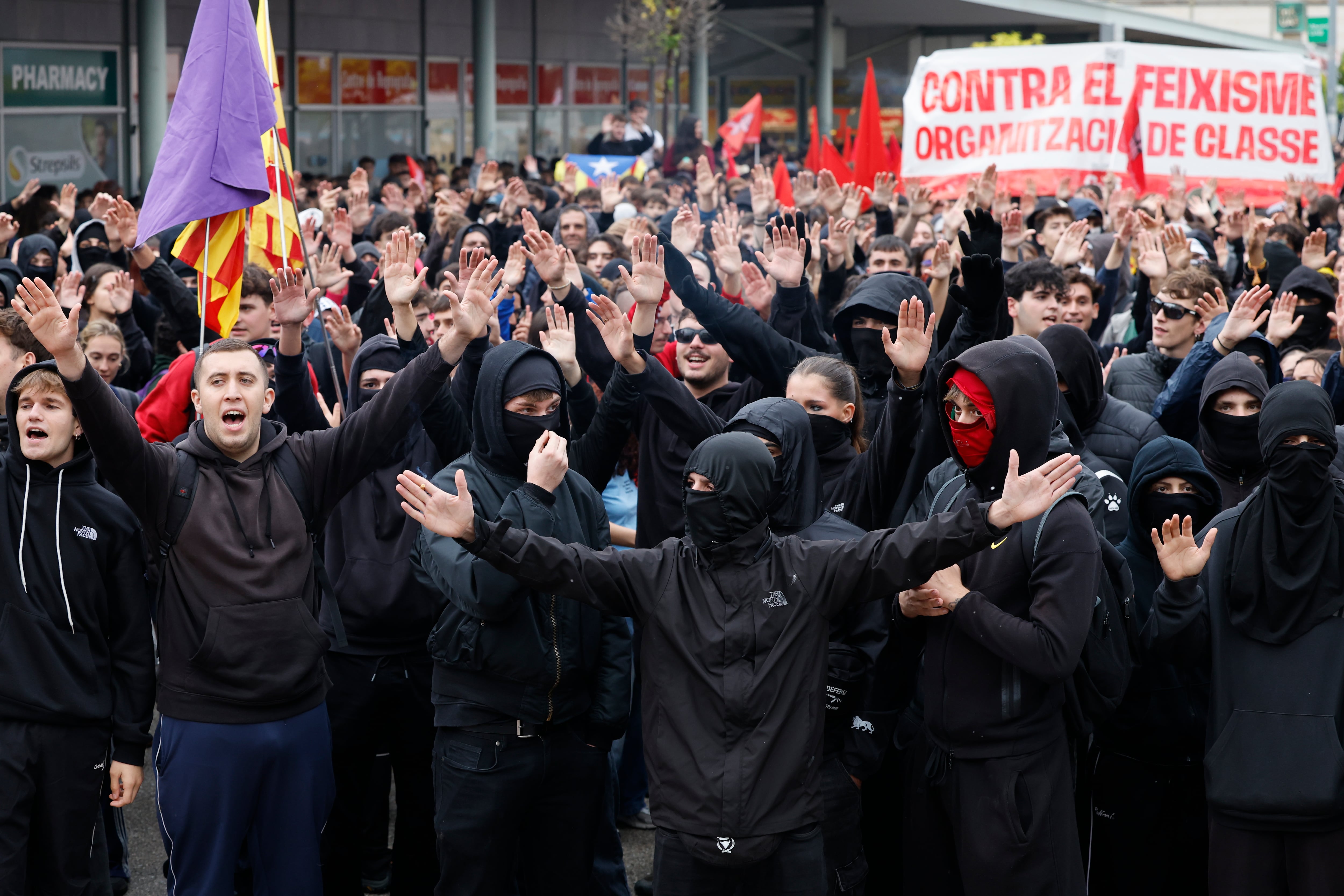
El agitador de ultraderecha Vito Quiles ha fracasado en su intento de protagonizar un acto en la Universidad Autónoma de Barcelona (UAB) este lunes a las 17.00. A través de su cuenta de la red social X, Quiles ha afirmado que abandonaba esa posibilidad, ampliamente anunciada a través de sus plataformas, y se desplazaba hasta una tienda de Ikea de la cercana localidad de Sabadell. Quiles tenía previsto un acto de su gira por España que realiza bajo el lema Mafia o patriaen la plaza Cívica de la UAB. “Los Mossos han limitado nuestro derecho de circulación en territorio nacional transgrediendo leyes fundamentales por órdenes políticas”, ha asegurado el agitador a través de X.
The captain was charged with violating the procedure for entering and exiting Ukraine's temporarily occupied territory with intent to harm the interests of the state, and violating the laws and customs of war.
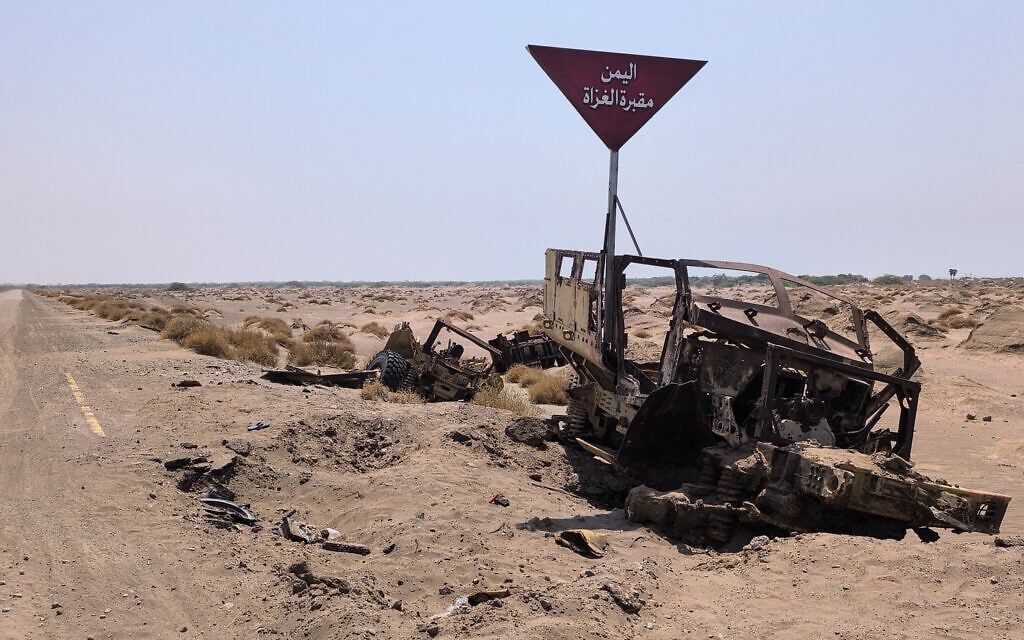
Attack on Shabwa province also injures over 200 as military says rebels 'targeted new recruits'; Saudi government agencies tell Riyadh employees to work from home amid Houthi attacks
Under a mechanism developed by Ukraine’s Infrastructure Ministry, Kyiv will compensate shipowners, operators, and charterers whose vessels fly under the Ukrainian or a foreign flag for up to 80% of the assessed damage if insurers don’t cover the risks.
Recent media reports projecting South Korea’s per capita GDP to surpass Japan’s have generated considerable excitement across the regional countries that see Korea as a role model. According to the IMF’s October 2026 projections, South Korea’s nominal GDP per capita could reach approximately $49,000 in 2027, compared with Japan’s $37,000-38,000. Its achievements in semiconductors, advanced […]
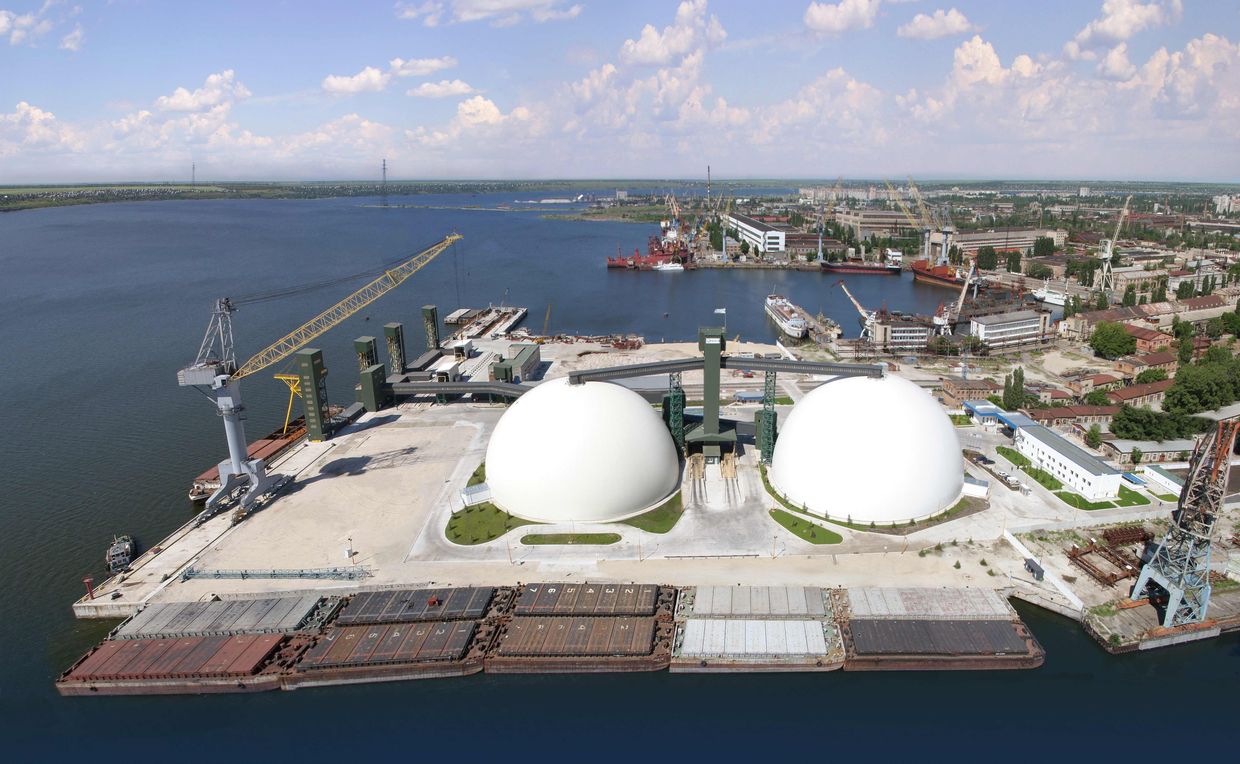
Ukraine has opened its first war-crime case against a ship captain for carrying off its stolen grain. Ukraine’s Security Service and Prosecutor General’s Office have charged the captain of the cargo ship Matros Pozynich with illegally shipping more than 54,000 tons of Ukrainian wheat that Russian forces stole from occupied territory, the Security Service said on Telegram.
Russia has looted grain across the Ukrainian land it occupies and sold it abroad as its own, a trade Ukrainian intelligence puts at more than 2 million tons in 2025 alone. The case against the Matros Pozynich captain is the first time Kyiv has classified a ship captain’s role in that trade as a war crime, prosecutors said.
The captain, a Russian citizen, twice sailed wheat from occupied Sevastopol in Crimea to the Syrian port of Latakia in 2022 and 2023, according to the Security Service. The first shipment of more than 27,000 tons left Crimea in 2022, and another 27,000-plus tons followed in January 2023.
A crime ordered from the top, investigators say
The shipments were no freelance smuggling run. The grain was removed on the decision of the Russian state’s top political leadership, the Security Service stated, in breach of the Geneva Conventions, which forbid pillaging property in occupied territory.
To hide the voyages, the captain periodically switched off the ship’s automatic identification system and transmitted false coordinates, investigators found. He was notified of suspicion in absentia under two articles of Ukraine’s Criminal Code, including the violations of the laws and customs of war. The service said it is working to identify others in the scheme.
One ship in a fleet that feeds the war
The vessel is a single thread in a much larger theft. Russia has taken roughly 15 million tons of Ukrainian grain from occupied territory between 2022 and August 2025 and earned at least $1 billion from it, money that helps fund the war.
Much of it moves through Russian-controlled ports such as Sevastopol, often relabeled as Russian produce or passed between ships at sea to hide its Ukrainian origin. Buyers have included Syria, Egypt, Türkiye, Lebanon, and others, though Egypt has since pledged to stop accepting grain tied to occupied territories.
Earlier this month, South Korea blamed North Korea-planted mines for the Sept. 21 blasts at the border, urging the North to apologize and remove other mines.
Some of my favorite lesser-known South Korean cities are Suwon, Incheon, and Gyeongju.
I was born in South Korea and moved to the United States when I was 5 years old. I've traveled back almost every year since.
Usually, when people ask me for South Korean travel recommendations, what they really want are ideas for things to do in Seoul.
I can understand why tourists flock to the capital city of South Korea: Seoul has culture, technology, tons of entertainment, and amazing fashion and cuisine.
However, if you ask me, you're missing out if you don't visit some of the other, lesser-known cities that contribute to South Korea's heartbeat.
Here are four of my favorite cities to visit in South Korea that aren't Seoul.
I always go the distance for Busan
I love visiting Busan during the fall.
Justine Lee
About four hours south of Seoul lies Busan. Growing up, my family visited this city over the summer to swim, soak up the sun, and eat incredibly fresh seafood.
You don't have to treat Busan exclusively as a warm-weather getaway, though: My favorite time to visit Busan is actually in the fall, when the days are sunny and the nights are breezy with sea-salt air.
My favorite destination in Busan is Gamcheon Culture Village, a steep slope dotted with hundreds of colorfully painted homes.
During the Korean War, refugees first settled in this area. Later, Gamcheon was restored and enhanced with brightly colored exterior paint to attract tourism.
Today, Gamcheon Village stands as a beloved landmark in Busan, where visitors can get lost in the twisted alleyways and enjoy stunning views overlooking the hilly scenery.
A trip to Busan is incomplete without a visit to Haeundae Beach.
35007/Getty Images
I also strongly recommend that anyone who visits Busan dedicate one morning to waking up early and watching the sunrise over Haeundae Beach.
In my opinion, the view alone can wash away any negative feelings, even for a brief moment.
When you're in Busan, don't forget to check out the Jagalchi Market for excellent fish and the Nampo-dong Food Alley for the best street food.
Suwon is a chill day trip from Seoul
Hwaseong Fortress is a must-visit.
sookkyung Han/Getty Images
If you want to stay in Seoul for most of your trip but crave an easy day trip with a laid-back vibe, Suwon is your answer. Whenever I take the hour-and-a-half-long bus trip, excitement brews in my stomach.
The main attraction of this very chill city is the Hwaseong Fortress, a towering stone-and-brick fortress that passes through the center of Suwon. It was built in the 18th century to protect the city, and in 1997, it was designated a UNESCO World Heritage site.
I love to walk the length of the fortress — because of the lack of high-rise buildings, it's an excellent way to take in the city's scenery, which includes a mix of traditional houses, cozy little cottages, and low-rise industrial buildings.
Running along the length of the historical site, the city has many unassuming, cute cafés where you can get delicious coffee drinks and desserts.
It's nice to sit down outside one of them and lose track of time, soaking up the beautiful street art that paints the alleyways of Suwon.
Gyeongju is rich with history
Gyeongju has tons of beauty and history.
Sanghwan Kim/Getty Images
Once the capital of the ancient Silla Kingdom, Gyeongju is filled with landmarks that bring the country's deep history to life.
From the grand Bulguksa Temple and the mystical Seokguram Grotto to the ancient royal tombs scattered throughout Tumuli Park, the city offers a rare glimpse into Korea's royal past and Buddhist origins.
Strolling through Gyeongju, especially in the later hours of the day, immerses you in a peaceful blend of quiet ponds and lantern-lit walkways.
You can't leave Gyeongju without trying Hwangnam-ppang, a small soft pastry filled with sweet red-bean filling. This treat is a local specialty of Gyeongju — so much so that locals and visitors refer to it as Gyeongju bread.
You can find this treat at various food shops and vendors throughout the city.
Incheon is more than just an airport hub
The food in Incheon is unforgettable.
Justine Lee
Anyone who flies into South Korea will instantly recognize Incheon, at least by name. It is home to the country's largest international airport.
Long before the airport's creation in 2001, though, there was the Incheon port through which goods from China arrived and were sold.
The port also paved the way for the establishment of Incheon's Chinatown, where the blend of Chinese and Korean flavors endures in the neighborhood's small slew of standout restaurants.
I recommend taking a walk through the streets and alleyways of the neighborhood while munching on street food. I'm personally partial to the giant fried dumplings and tanghulu, or skewers of sugar-coated fruit, that I've enjoyed there.
If you have a chance, enjoy a sit-down meal of jjajangmyeon, a Chinese-Korean black bean noodle dish, and soak up some of the bustling area's history and culture.
This story was originally published on December 24, 2025, and most recently updated on October 19, 2026.
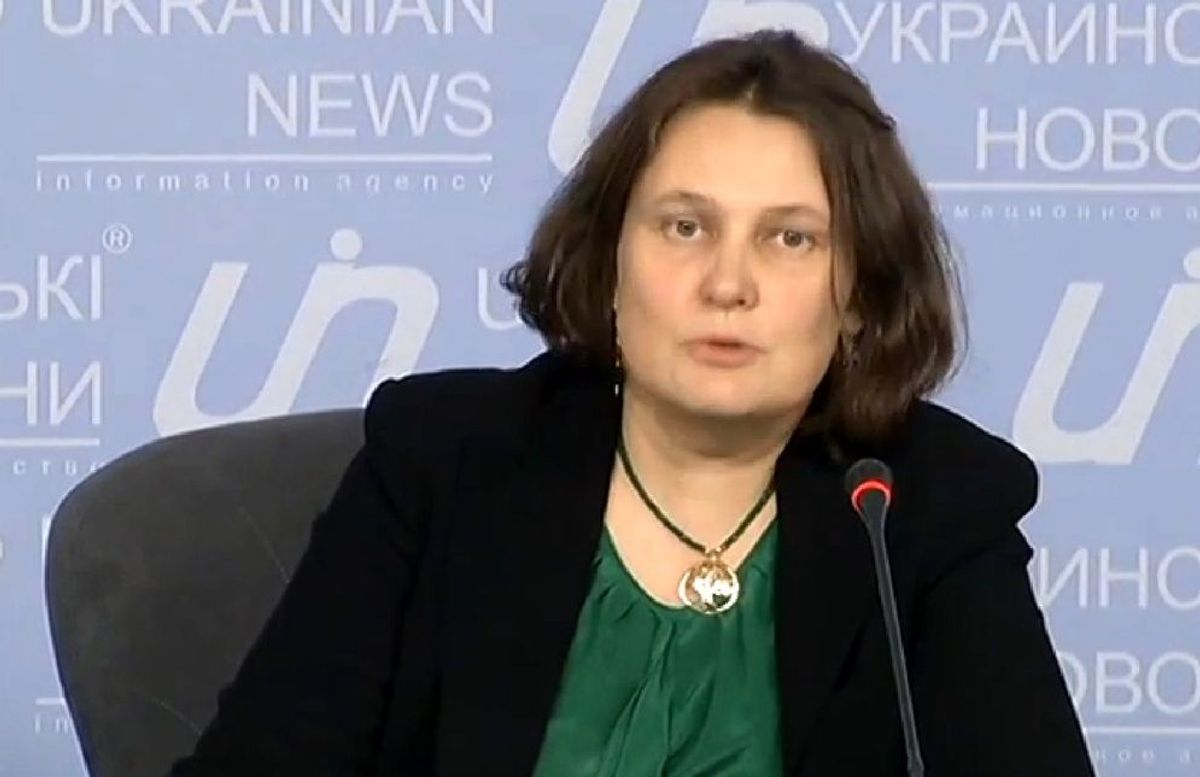
Tetiana Montian, a Ukrainian-born blogger, has supported Russia's aggression against Ukraine but at the same time accused the Russian authorities of incompetence and corruption.
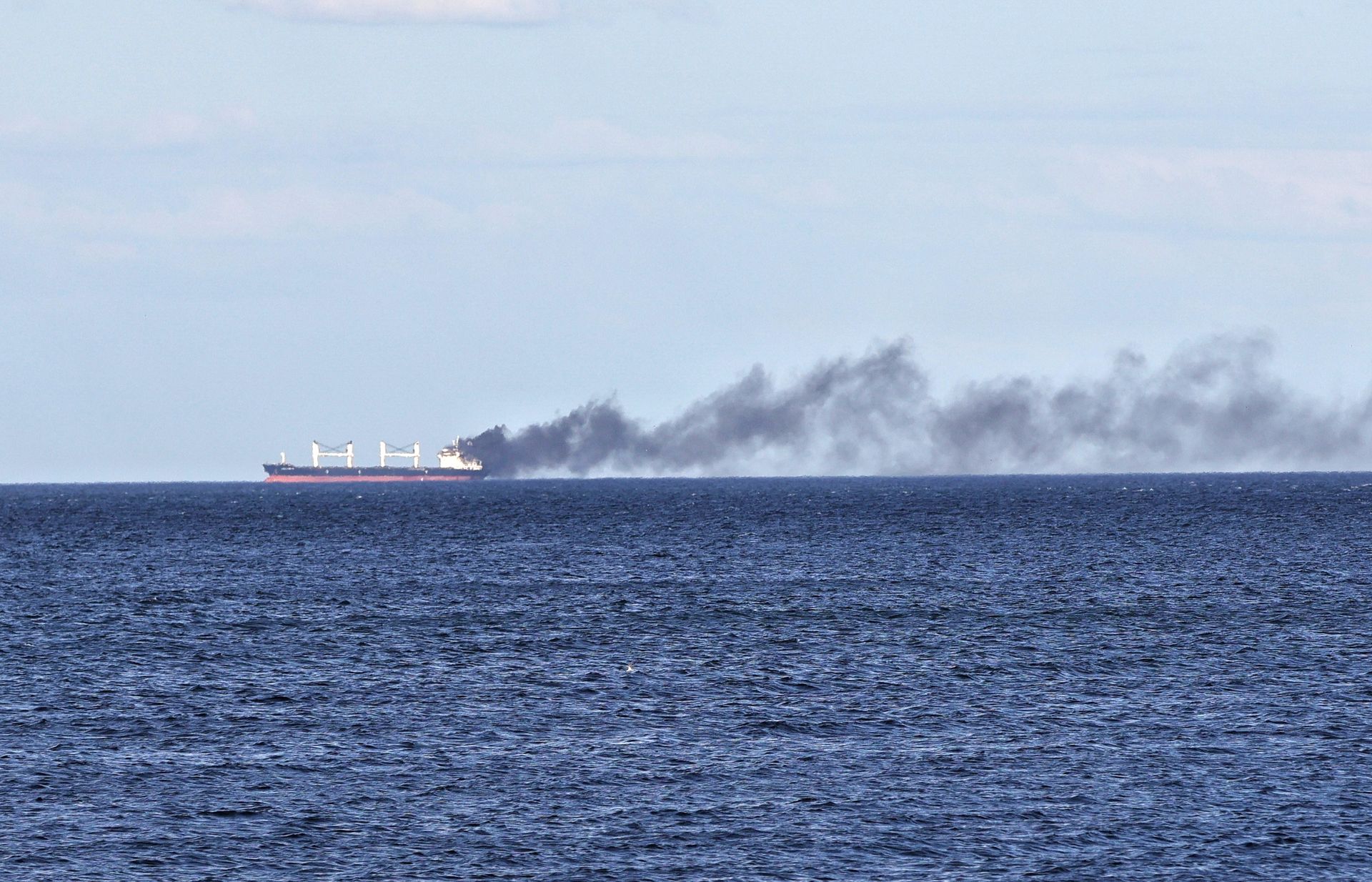
A carrier loaded with Qatari liquefied natural gas is sailing north through the Red Sea, potentially speeding up delivery to European customers with a rare transit through waters vulnerable to renewed attacks from Houthi rebels.
Torna l’ora solare e, come ogni autunno, Europa e Stati Uniti non si muovono insieme. Lancette che andranno indietro di un’ora in Italia, mentre oltreoceano bisognerà attendere il 1° novembre. Per un po’, dunque, tra Roma e New York ci saranno 5 ore di differenza e non sei, con effetti concreti sugli orari di Wall Street.
Mentre EU e USA continuano a spostare le lancette, però, gran parte del mondo ha già smesso di farlo. Basti pensare a Cina e Giappone, che ormai hanno mutato il proprio sistema.
Quando cambia l’ora in Italia
Da noi il passaggio avverrà alle 3 di notte di domenica 25 ottobre, quando gli orologi torneranno alle 2. Si dormirà, almeno sulla carta, un’ora in più. Torna l’ora solare, dunque, mentre gli Stati Uniti vantano regole diverse, come detto.
Nell’Ue l’ora legale termina l’ultima domenica di ottobre, negli Usa la prima domenica di novembre. Il risultato è che lunedì 26 ottobre Wall Street aprirà alle 14:30 italiane invece delle consuete 15:30 e chiuderà alle 21. Una differenza che non si concretizza solo ora. È lo stesso anche in primavera, con i calendari che non coincidono. Quest’anno infatti gli americani hanno spostato le lancette l’8 marzo, tre settimane prima degli europei, che lo hanno fatto il 29 marzo, con ricadute sugli operatori dei mercati.
Quanto fa risparmiare l’ora legale
L’ora legale è nata per sfruttare meglio la luce naturale e consumare meno energia. Adottata nel 1916 da Germania e Austria-Ungheria e, nello stesso anno, dall’Italia, dov’è diventata stabile dal 1966. Secondo le stime diffuse da Terna nel marzo 2026, nei sette mesi di ora legale l’Italia dovrebbe risparmiare circa 302 milioni di kilowattora, pari al fabbisogno annuo di 115mila famiglie.
Un beneficio economico di circa 80 milioni di euro e 142mila tonnellate di CO2 in meno. Si tratta però di un risparmio stimato, non ancora di un consuntivo. E il peso dell’illuminazione nei consumi è sempre più basso, complici le lampadine a led e una domanda elettrica legata sempre più a climatizzatori e realtà attive a tutte le ore.
Il mondo che non cambia più orario
Anche il Giappone ha sfruttato l’ora legale, introdotta nel 1949 durante l’occupazione americana. È stata però abolita poco dopo, ovvero nel 1952, dopo un sondaggio in cui il 53% degli intervistati ne chiedeva la cancellazione.
La Cina, che dal 1949 usa un’unica ora nazionale, quella di Pechino, ha sperimentato il cambio stagionale tra il 1986 e il 1991, per poi sospenderlo dal 1992. Era risultato evidente, infatti, che i benefici energetici non erano uniformi, considerando un territorio tanto vasto. I disagi, alla fine, superavano i vantaggi.
Secondo Timeanddate, nel 2026 sono 70 i Paesi e territori dove almeno una località cambia l’ora, contro 178 dove non succede. Russia, Turchia, Brasile e gran parte del Messico hanno abbandonato il sistema negli ultimi anni, e perfino negli Usa le Hawaii e buona parte dell’Arizona non lo applicano.
Cambio d’ora e lavoro: i turni del 25 ottobre
Il ritorno all’ora solare richiede attenzione alle imprese con:
turni notturni;
servizi continuativi;
trasporti;
attività informatiche programmate.
Nella notte del cambio, infatti, uno stesso orario locale si presenta due volte. Per esempio, un turno dalle 22 di sabato 24 ottobre alle 6 di domenica 25 dura nove ore effettive, un dato rilevante per le presenze e il calcolo delle ore lavorate, fermo restando quanto previsto dal contratto applicato. Per distinguere gli eventi registrati nell’ora ripetuta è utile conservare il riferimento al fuso o all’orario Utc:
Ora locale del 25 ottobre
Riferimento Utc
02:30, prima occorrenza (Cest, Utc+2)
00:30 Utc
02:30, seconda occorrenza (Cet, Utc+1)
01:30 Utc
03:30, ora solare (Cet, Utc+1)
02:30 Utc
Le due registrazioni delle 02:30, quindi, corrispondono a momenti diversi, separati da sessanta minuti: verificare timbrature, pianificazioni e registri informatici aiuta a evitare errori nella ricostruzione degli orari.
L’ultimo Consiglio europeo non ha chiuso sul bilancio 2028-2034. Confermato un minimo per le regioni meno sviluppate, che per l’Italia è di 27 miliardi, il resto passa da scelte nazionali. Serve un monitoraggio territoriale che arrivi fino ai risultati.
Latvia has called for a European Union-wide ban on tourist visas for Russian citizens, reopening a dispute between member states over border security, freedom of movement and the treatment of Russian nationals during Moscow’s continuing war against Ukraine.
Prime Minister Andris Kulbergs is pressing Brussels and other European capitals to adopt a common approach, arguing that continued visa issuance by some Schengen countries weakens restrictions imposed by states bordering Russia.
His intervention comes amid growing concerns over suspected Russian sabotage, espionage and other hostile activities across Europe. The Latvian government regards restrictions on non-essential travel as an additional measure to reduce potential security risks.
According to details of the Latvian proposal, Kulbergs has criticised the continued issuance of tourist visas by countries including France, Italy and Spain, maintaining that the consequences extend beyond the states granting entry.
The proposal would go considerably further than the restrictions already introduced by the EU since Russia launched its full-scale invasion of Ukraine in February 2022.
A divided European visa policy
The European Union suspended its visa facilitation agreement with Russia in September 2022, ending the preferential conditions previously available to Russian applicants.
The Council’s original decision introduced more demanding documentation requirements, higher application fees and stricter scrutiny, but it did not prohibit Russian citizens from obtaining short-stay visas.
National authorities therefore retained considerable discretion when assessing applications, subject to common Schengen rules.
The EU has also agreed a legal basis for restrictions targeting Russian military personnel and former combatants involved in the invasion of Ukraine, although implementation requires further measures.
Latvia argues that these steps remain insufficient because ordinary tourist visas continue to be available through some European consulates.
Once admitted to the Schengen area, a visitor can generally travel between participating countries without routine internal border checks. This creates difficulties for governments seeking to enforce stricter national entry policies.
Security concerns on the eastern border
Latvia shares borders with Russia and Belarus and has repeatedly warned that Moscow’s activities present risks extending beyond conventional military threats.
European governments have investigated incidents involving suspected sabotage, cyber operations, intelligence gathering and interference with transport infrastructure.
Such concerns have intensified following drone incursions and security alerts affecting NATO’s eastern members.
The distinction is relevant to the Latvian proposal. European intelligence agencies have identified Russian-linked activities, but this does not establish that ordinary Russian tourists are collectively involved in intelligence operations.
Supporters of tighter visa restrictions argue that limiting discretionary entry could reduce opportunities for hostile activity and simplify security screening.
Opponents question whether a nationality-based prohibition would be proportionate or effective, particularly when intelligence operations may involve individuals travelling under other nationalities or using established residency arrangements.
Political and legal complications
A comprehensive tourist visa ban would require agreement on its precise scope, legal basis and implementation.
European governments would need to determine how the restrictions apply to Russian citizens with family members in the EU, people travelling for humanitarian purposes and individuals seeking protection from the Russian authorities.
The EU Visa Code already permits refusals where applicants present security risks, but a general prohibition based on nationality would involve a different policy decision.
Humanitarian exceptions would be particularly important for Russian dissidents, independent journalists and other individuals facing political persecution.
France has supported restrictions on entry by Russian combatants, while other member states are considering further measures. That does not necessarily mean they support Latvia’s broader proposal covering ordinary tourists.
Kulbergs is also seeking greater European financial assistance for countries facing the economic and security consequences of their proximity to Russia and Belarus.
Sanctions and Schengen controls
The renewed visa debate coincides with disagreements between Washington and Brussels over economic restrictions on Moscow.
EU leaders have maintained that sanctions should remain in place until Russia ends its aggression against Ukraine. Visa policy, however, requires separate legal and political consideration from economic sanctions.
Latvia’s proposal has not been adopted as an EU-wide rule. The immediate question is whether enough member states are prepared to move from tighter individual screening towards a general restriction on Russian leisure travel.
Until that agreement is reached, European countries will continue to apply different policies within a shared Schengen system, leaving the security concerns raised by Riga unresolved.
La disputa se centra en una propuesta de la Comisión Europea de reservar parte del espectro radioeléctrico utilizado por los teléfonos inteligentes para conectarse directamente a los satélites para los operadores europeos.

 Login