❌

Reading view

Allende el Planeta

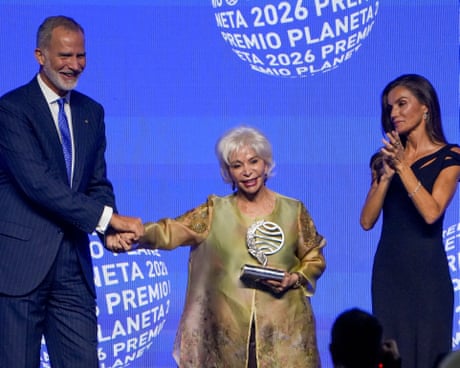
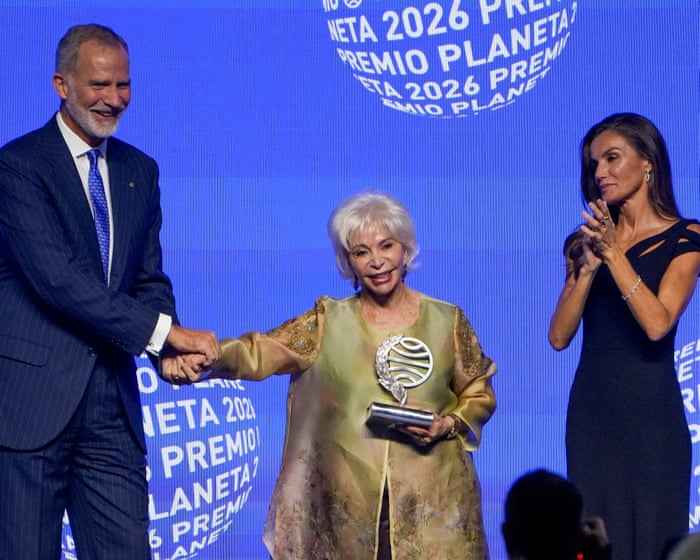
Los reyes Felipe y Letizia aplauden a Isabel Allende, tras ganar el Premio Planeta.

A la medianoche del 15 de octubre de 2026, mientras los reyes Felipe y Letizia le entregaban un trofeo en forma de globo terráqueo y un cheque de un millón de euros ante 4.000 invitados puestos en pie aplaudiéndola durante 10 minutos, los editores de Penguin Random House se enteraban de que Isabel Allende, la reina madre de su catálogo, les dejaba por otra. Por Planeta, concretamente, el gigante de la competencia, a cuyo celebérrimo premio se había presentado Allende anónimamente sin decirles ni media, junto a otros 1.423 escritores, y que, gracias al prodigioso olfato del jurado, había ganado de calle. Acababa así, por las bravas, una relación profesional, y personal, de 44 años que comenzó con la publicación, en 1982, del superventas mundial La casa de los espíritus y siguió con otras 30 obras siempre rentables para todos. Hasta aquí, una de tantas historias de cuernos profesionales, y personales, en los que el cornudo es el último en enterarse. Pero, más allá de guerras editoriales y cálculos de mercado, me interesan las razones íntimas por las que Allende, una mujer de 84 años con la vida resuelta y los suculentos dividendos de sus libros engordándole las arcas cada fin de año, da semejante campanazo. Se me dirá que por dinero, claro, que nunca es suficiente. Por el millón del premio, multiplicado por tres o cuatro, más los derechos del siguiente libro, más equis prebendas, porque cuando se ficha a una grande, se suele fichar el lote, como cuando la muy fina revista ¡Hola! contrata desde la pedida de mano, la boda, la luna de miel, el embarazo, el bautizo y hasta el divorcio de una pareja de famosos, que ahora se divorcian hasta en las mejores familias. Poderosas razones que, sospecho, no explican del todo el volantazo de la chilena.

Seguir leyendo

  •  

O que é o ‘gustnado’, fenômeno meteorológico que aterrorizou rodoviária em Santiago no Chile

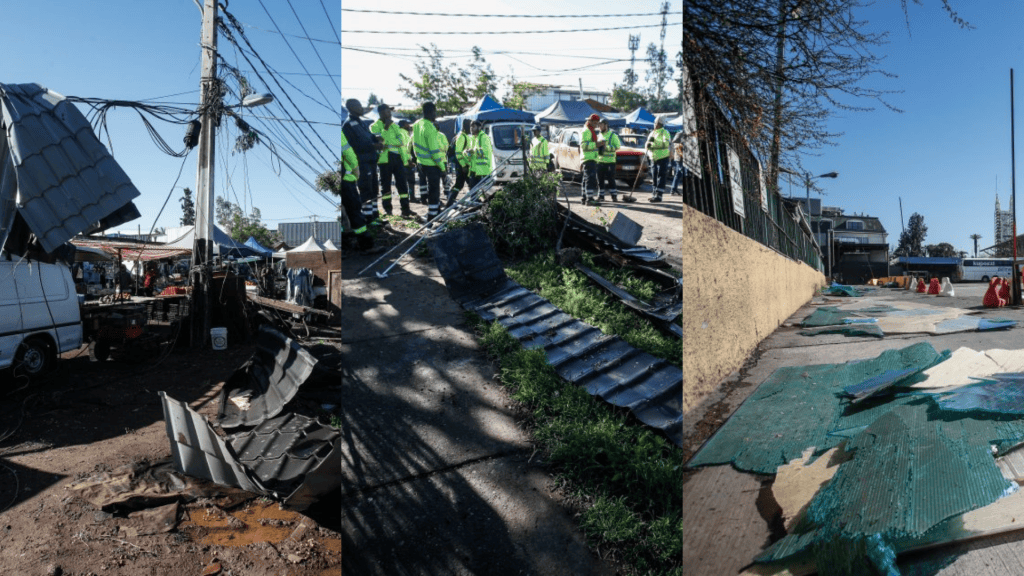
Uma forte tempestade que atingiu Santiago na última terça-feira (13) terminou com um redemoinho de vento que assustou chilenos e causou destruição em um dos principais centros de transporte da capital.

O fenômeno levantou parte do telhado do Terminal Rodoviário da Alameda, ligado à Estación Central, além de derrubar placas e entortar postes nos arredores.

Em vídeo que viralizou depois da tempestade, escombros parecem voar em círculos acima da rodoviária. Não houve relatos de pessoas feridas, apesar das perdas materiais. O incidente foi chamado de tornado, por conta dos redemoinhos de vento e do céu carregado de nuvens.

No entanto, um relatório da Direção Meteorológica do Chile (DMC) usou uma definição mais precisa: o que se formou em Santiago foi um “gustnado”. A palavra combina dois termos em inglês: “gust” (rajada de vento) e “tornado”.

Leia Mais:

AHORA – RM ⚠ Reportan deprendimiento de estructuras y objetos livianos por los aires desde Terminal Sur, comuna de Estación Central. © Video compartido por la comunidad de RedGeoChile. https://t.co/9JtBMJiO0V

— Red Geocientífica de Chile (@RedGeoChile) October 13, 2026

A principal diferença é que, enquanto um tornado é formado por uma rotação na base das nuvens e se desloca junto a elas, um gustnado é formado mais abaixo e sua ação fica restrita às camadas de ar próximas ao solo.

Os redemoinhos de vento ocorrem pelo choque entre o ar frio que desce do céu durante chuvas fortes e o ar em temperatura ambiente que circula junto ao chão e aos prédios. O ar descendente se dissipa ao tocar as superfícies, e a interação entre as frentes cria pequenos vórtices com velocidades que podem igualar as dos tornados. Em grandes tempestades, a força desta interação é capaz de levantar poeira, galhos ou detritos.

Destroços e objetos quebrados na região da Estación Central em Santiago do Chile
Danos ao Terminal Alameda da Estação Central de ônibus em Santiago do Chile • ATON Chile

Os gustnados também exigem atenção e cuidado, especialmente em locais abertos com grande volume de objetos que podem ser deslocados pelo vento. Em 2011, um atingiu a tradicional Indiana State Fair em Indianápolis, Estados Unidos, deixando sete mortos e 58 feridos.

O fenômeno já foi registrado no Brasil: mais recentemente, em 2023, ocorreu na cidade de Guarapava, Paraná. Eles são mais comuns durante a primavera e o verão.

  •  

Aprovação de Kast cai ao menor patamar em meio à crise econômica no Chile

A aprovação do presidente do Chile, José António Kast, atingiu o ponto mais baixo em meio à crise econômica e à pressão da oposição contra as políticas de segurança do governo. Apenas 30% disseram aprovar o governo enquanto a desaprovação chegou a 65%.

A pesquisa Cadem Plaza Pública mostra ainda que os chilenos têm uma avaliação negativa sobre os rumos do país: 69% acreditam que o Chile está no caminho errado e 68% estão pessimistas em relação ao futuro. Os números são os piores desde março, quando Kast assumiu a presidência.

Outro levantamento, da CB Global Data mostra que José António Kast perdeu posições no ranking de líderes mais bem avaliados da América Latina e caiu para 12ª colocação. O ranking é liderado pela presidente do México, Claudia Sheinbaum, com 69,3% de aprovação, seguida por Nayib Bukele, de El Salvador, com 68,3%.

Leia Mais:

Em discurso nesta quarta-feira (21), Kast defendeu o governo. “Eu não vivo de pesquisas de opinião, e isso faz diferença na liderança”, afirmou enquanto a oposição intensifica as críticas.

Kast foi eleito com as promessas de endurecer o combate ao crime e à imigração, inspirado nas políticas de Donald Trump (EUA) e Nayib Bukele (El Salvador). Ele também prometeu leis trabalhistas mais flexíveis, cortes nos impostos e menos regulamentação na economia.

Desaceleração da economia chilena

Este mês, o Ministério da Fazenda reduziu significativamente a previsão de crescimento do PIB (Produto Interno Bruno) do Chile para 0,7%. A queda de 1,1 ponto percentual foi atribuída a fatores como produção de cobre abaixo do esperado, efeitos das tempestades, revisão das contas do primeiro e segundo trimestre e conflito prolongado no Oriente Médio.

Ainda de acordo com dados do governo, o desemprego no Chile chegou a 9,6% no trimestre entre junho e agosto. A taxa está entre as maiores da América Latina.

No mesmo período, a inflação subiu acima do esperado, pressionada por alimentos, bebidas não alcoólicas e transportes, de acordo com o Instituto Nacional de Estatísticas (INE).

Além das pressões econômicas, o governo José António Kast enfrenta críticas da oposição a alguns dos projetos de segurança apresentados pelo governo como parte da Agenda contra o Crime Organizado e o Terrorismo. As críticas recaem especialmente sobre as Regras de Uso da Força, alvo de ação no Tribunal Constitucional.

*Com CNN Chile

  •  

Escolares mapuche asisten en Chile a evento sobre su idioma

Santiago de Chile, 21 oct (Prensa Latina) Con el propósito de familiarizarse con el idioma mapuche, el mapudungun, niños y jóvenes de esa comunidad chilena participaron hoy en un evento celebrado en la ciudad de Temuco, capital de La Araucanía.

The post Escolares mapuche asisten en Chile a evento sobre su idioma first appeared on Noticias Prensa Latina.

  •  

Chile: alerta roja en Región Metropolitana por sistema frontal

Santiago de Chile, 20 oct (Prensa Latina) El Servicio Nacional de Prevención y Respuesta ante Desastres (Senapred), de Chile, declaró hoy alerta roja en toda la Región Metropolitana de Santiago por intensas lluvias, granizadas y riesgo de aluviones.

The post Chile: alerta roja en Región Metropolitana por sistema frontal first appeared on Noticias Prensa Latina.

  •  

Los nuevos gobiernos de América Latina centran su discurso en seguridad mientras relegan el desarrollo económico

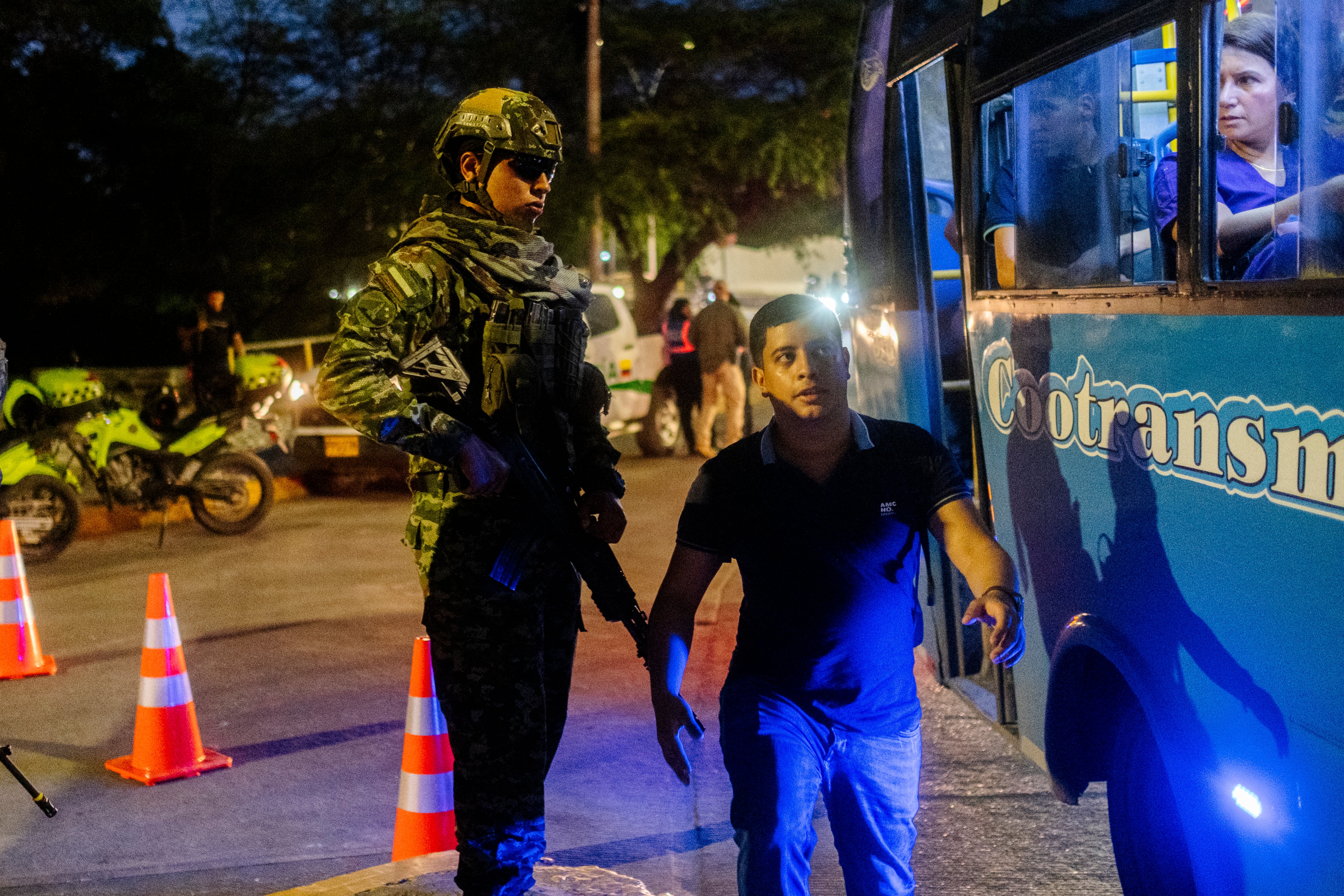
Soldados del Ejército colombiano patrullan la ciudad de Santa Marta tras el paro armado, el 25 de septiembre de 2026.

La seguridad ha desplazado a la economía en el centro de la política latinoamericana. La creciente insatisfacción social y el avance sin tregua de la criminalidad ha empujado a los candidatos presidenciales a abandonar el tradicional debate sobre reformas, crecimiento y desarrollo para colocar el control territorial, el despliegue policial y la lucha contra el crimen organizado como prioridades de gobierno, según se concluye del Informe de Economía Latinoamericana, publicado este martes por el Banco de España.

Seguir leyendo

  •  

29 Detained at March Marking Anniversary of Chile’s 2019 Social Outburst

Photo: EFE.

At least 29 people were detained Sunday during a march in Santiago marking the seventh anniversary of Chile’s 2019 social outburst, the largest wave of protests since the return to democracy.


The march brought several thousand people to Plaza Italia, organized by social and student groups to remember the roughly thirty victims who died during the unrest and the thousands injured by security forces during the 2019 demonstrations.

The protests were originally triggered by a public transport fare increase during Sebastián Piñera’s government, adding to decades of accumulated discontent with the country’s neoliberal model.

RELATED: Centinela Mine Strike: 5 Critical Facts as Chilean Miners Escalate

This was the first commemoration of the social outburst during the term of far-right President José Antonio Kast, who has consistently criminalized the 2019 protests and refers to them as a “criminal outburst.” Slogans at the march targeted his government’s fiscal adjustments, and demonstrators called for a fairer economic model and greater social rights.

The government has decreed cuts in health, education, science, culture, scholarships, bonuses and subsidies, the closure of a program for women and the end of a plan that for 17 years provided computers to low-income schoolchildren.

🟥 Más de 5 horas llevan los manifestantes en Santiago de Chile, tras la fuerte represión contra la marcha en conmemoración por los 7 años de la revuelta popular de 2019, esta vez, en el marco de la grave situación social y económica que enfrenta el pais a la que se suman los… pic.twitter.com/7ysqKHDQOG

— Pao Dragnic (@PaolaDragnic) October 18, 2026

Kast, seven months into his term, has a 64% disapproval rating, driven by unfulfilled promises, falling economic indicators and rising unemployment, while rejection of social and public assistance cuts grows.

A poll by the firm Criteria published Sunday found that 68% of respondents believe the demands that sparked the 2019 unrest remain unresolved in Chile.

  •  

Unos 30 detenidos en marcha conmemorativa del estallido de 2019 en Chile

Miles se concentraron en la Plaza Italia de Santiago para conmemorar el séptimo aniversario del estallido social que removió Chile en 2019 y protestar contra los recortes de Kast, con lemas como "Octubre sigue vigente" y "No queremos sobrevivir, queremos vivir".
  •  

Isabel Allende wins €1m Spanish literary prize under pseudonym

Chilean-American author awarded Premio Planeta for sequel to her 1982 debut novel, The House of the Spirits

The Chilean-American author Isabel Allende has won Spain’s €1m (£843,000) Premio Planeta, one of the world’s most lucrative literary prizes, under a pseudonym, with a sequel to her celebrated debut novel, The House of the Spirits.

Allende, 84, won the 75th edition of the award on Thursday with La hora antes del alba, which returns to the characters of her 1982 novel, a multigenerational family saga set against political upheaval in a country inspired by Chile.

Continue reading...

© Photograph: Pau de la Calle/GTRES/Shutterstock

© Photograph: Pau de la Calle/GTRES/Shutterstock

© Photograph: Pau de la Calle/GTRES/Shutterstock

  •  

Paz pone en segundo plano reclamo marítimo de Bolivia para «construir un futuro» con Chile

Al reiterar la prioridad del futuro sobre el reclamo histórico boliviano, Paz mencionó los acuerdos suscritos por autoridades bolivianas y chilenas en áreas de minería, integración energética y conectividad.
  •  

«La hora antes del alba» de Isabel Allende gana Premio Planeta de novela

"Sabía que había llegado el momento de escribirla, porque el tema está en el aire. Cuando veo tantas democracias amenazadas por el autoritarismo, el nacionalismo extremo y el fascismo, vuelvo a sentir el temor que me obligó a salir de mi país después del golpe militar de 1973", dijo Allende al ser premiada.
  •  

The researchers who achieved Chile’s first cloned horse: ‘It would not be complicated to clone humans; the only limitation is ethical’

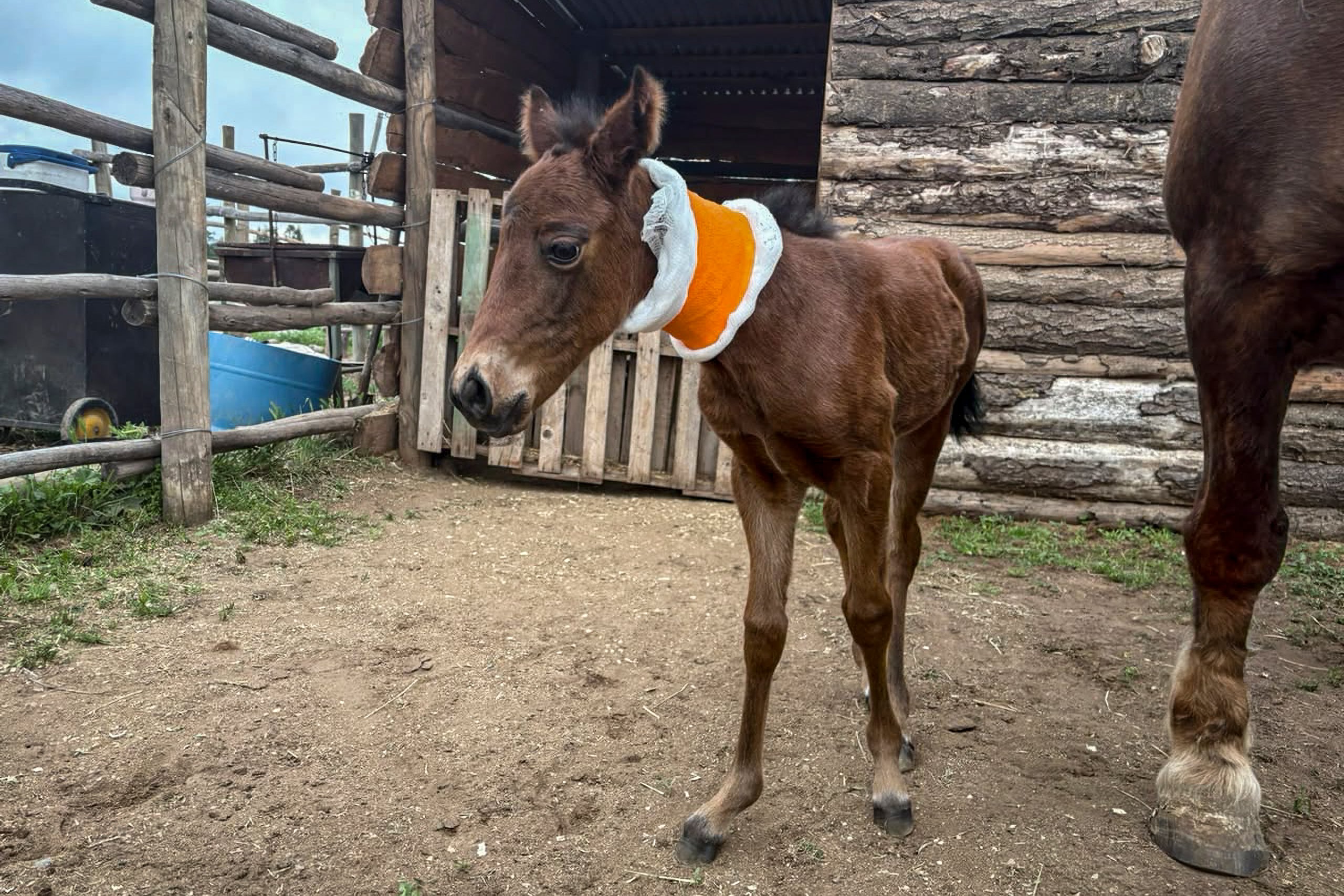
Chile has achieved its first successful equine cloning. The foal, an identical copy of the polo pony Capacidad, was born on September 26 in the O’Higgins region after a pregnancy of nearly a year. Fidel Ovidio Castro, 65, and Lleretny Rodríguez, 50, two Cuban-born academics working at the School of Veterinary Sciences of the University of Concepción in Chile and founders of the company Vi-Embryos, led a research team that accomplished this reproductive biotechnology milestone, together with the Los Abedules Equine Reproduction Center.

Seguir leyendo

© Universidad de Concepción

The horse 'Capacidad 1' in Concepción (Chile).
  •  

Lollapalooza Chile 2027: Charli XCX, Travis Scott and The Killers headline the lineup of artists for the festival

Charli XCX, Travis Scott and The Killers are headlining the lineup of artists confirmed for the 15th Lollapalooza Chile Festival, to be held March 12 through 14 of next year at Parque O’Higgins in central Santiago de Chile. The promoter, Lotus, released the list on Thursday.

Seguir leyendo

© @lollapaloozachile

Lollapalooza Chile festival, in March 2026.
  •  

Tens of thousands of Chilean students demand ‘not a single peso less for education’

Tens of thousands of students took to the streets of Chile on Thursday, October 1, to demand that the government of the ultra-conservative José Antonio Kast not cut the education budget. More than 30 civil society organizations joined the call issued by the Chilean Student Confederation (CONFECHA) in support of the “national strike.”

Among the supporters were the United Workers’ Union (CUT), the Chilean Teachers’ Association, the High School Students’ Assembly, the 8M Feminist Coordinating Committee, the National Federation of Education Workers, and the National Association of Kindergartens, among others.

“We see that on September 30, the government presented a new bill to Congress, and the only certainties we have are the precedents set by this government in its first six months – which are cuts: cuts for working families, cuts for students in the areas of health, in education, housing, and social security,” said Laura Mlynarz, spokesperson for CONFECHA and president of the Chilean Student Federation.

She added: “In the face of that, we respond with social unity, we respond with organization, we respond with mobilization – especially in the face of an authoritarian government that refuses to listen to its citizens and refuses to create spaces for dialogue.”

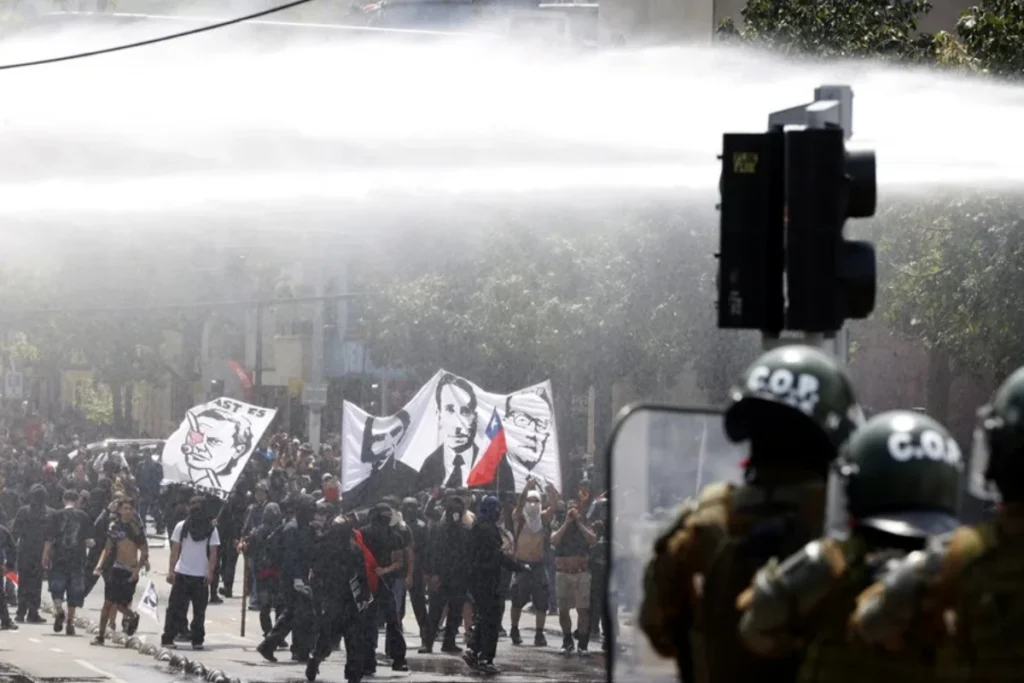
The slogan “Not a single peso less for education” was chanted by thousands of people who filled Alameda Avenue, one of the main streets in the capital, Santiago. Kast, true to his neoliberal orthodoxy, announced budget cuts to Chile’s public education system.

In a presidential address, Kast announced the 2027 Budget Law, which calls for an investment of 17.3 trillion pesos in education – a figure lower than the 17.4 trillion allocated in 2026. While this may not seem like much, when inflation and other factors are taken into account, it may prove more alarming than it appears at first glance.

“These figures are insufficient and, I would say, misleading; they don’t even make up for a year’s loss in purchasing power,” said Mario Aguilar, president of the Chilean Teachers’ Association.

However, according to the president, the measure was taken to safeguard other social services: “We hope you understand that in the budget we have done everything possible to uphold social rights and that the issues of pensions and free education are covered. But when you protest, you also have to respect those who think differently.”

Kast is referring to the clashes between the police (Carabineros) and students that, according to some reports, resulted in at least 31 arrests.

But the student movement rejects Kast’s statements, which clearly place the blame for the clashes on the students. Laura Mlynarz said the government is seeking to silence the students through repression.

“This government criminalizes the student movement, and we are the ones who are most concerned about moving toward an equitable Chile – toward fair, dignified, and solidarity-based development,” said Mlynarz. Regarding Education Minister Aria Paz Arzola, she said: “The minister doesn’t want to listen to us; the minister doesn’t want to meet with us; and the precarious state of public education just keeps getting worse.”

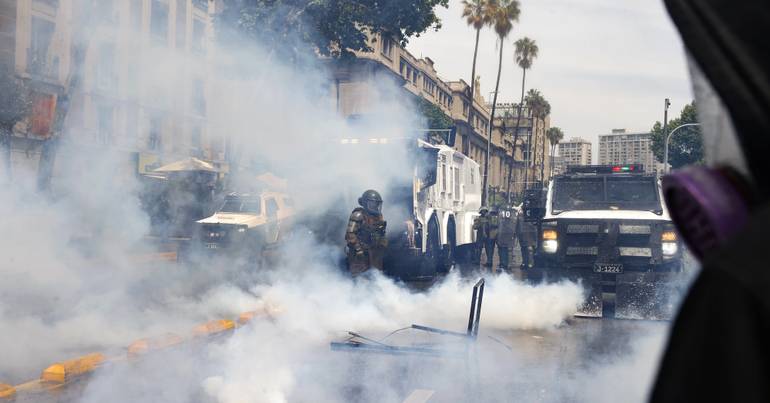
The first incidents of violent repression were reported just a few minutes after the rally began. The police fired tear gas canisters, while students with their faces covered threw the tear gas canisters back and hurled other objects. The police also used water cannons, a move described as “brutal repression” by some media outlets.

Clashes were also reported between the protesting students and groups of right-wing students from private universities who, in support of Kast’s far-right government, asserted that “We don’t want a paralyzed Chile; we want a Chile that prospers.”

In this way, the Chilean student movement once again made its presence felt in the South American country and demonstrated that it still retains a significant portion of its capacity to mobilize in the face of attempts to radicalize the neoliberal model, as has happened in past years.

In 2019, tens of thousands of Chilean students launched a full-scale social uprising demanding profound changes in one of the key countries where neoliberalism was institutionalized thanks to the bloody Pinochet dictatorship (1973–1990), which left thousands dead and missing. The protests led to calls for a Constituent Assembly.

For now, Kast has attempted to implement his neoliberal agenda (which includes cuts to education and other social services) cautiously, mindful of the recent past and fearful of a new outbreak of unrest.

  •  

Kast faces internal resistance for having added Chile to Trump’s Shield of the Americas

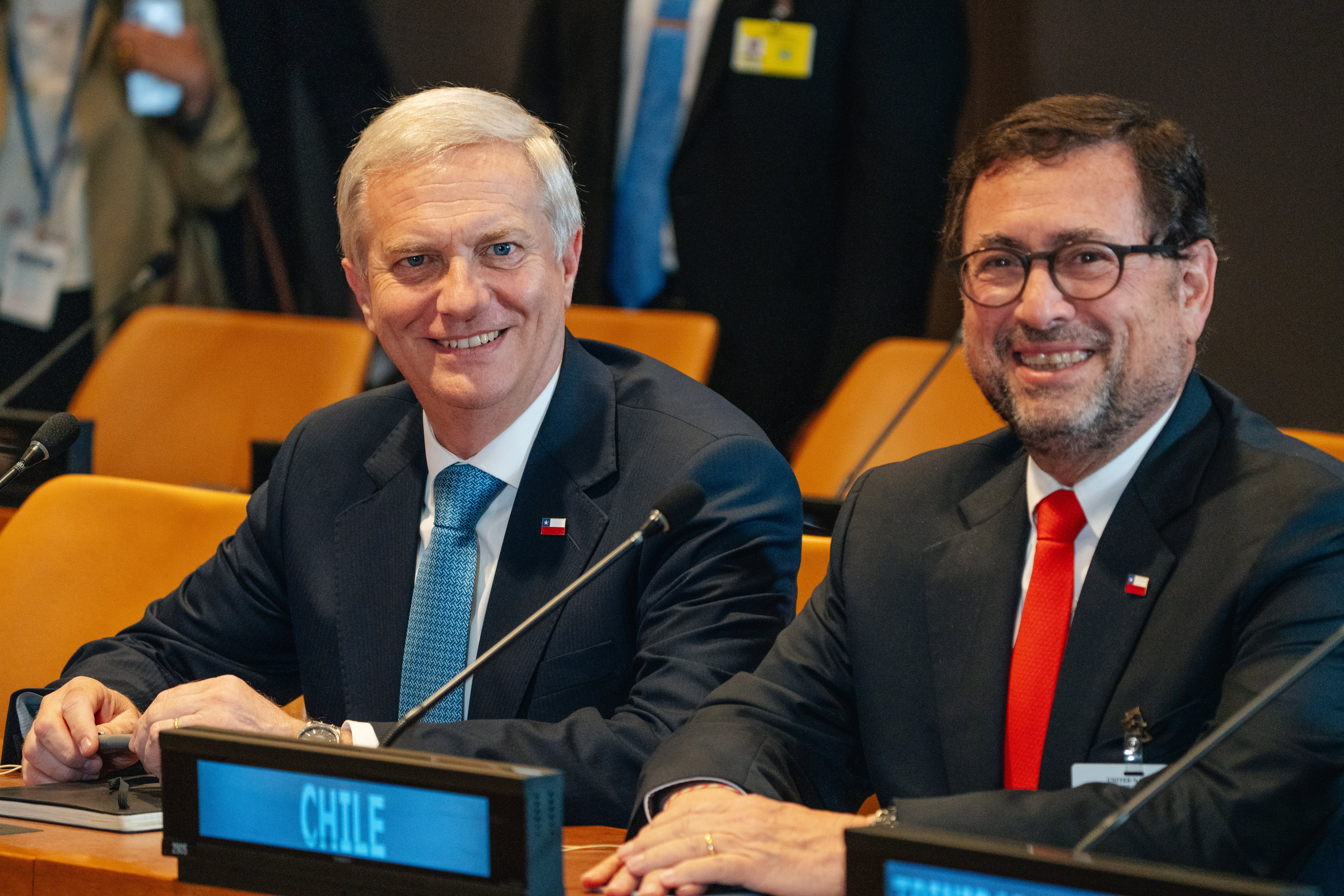
One week after Chile joined the Shield of the Americas, the regional alliance promoted by U.S. President Donald Trump, domestic resistance against the move has not let up. On the contrary, the membership documents ratified by the government of José Antonio Kast in New York on September 22, along with 14 other countries, have raised new questions about the scope of the initiative.

Seguir leyendo

© Presidencia de Chile (EFE)

José Antonio Kast and Francisco Pérez Mackenna in a Shield of the Americas meeting in New York on September 22.
  •  
❌