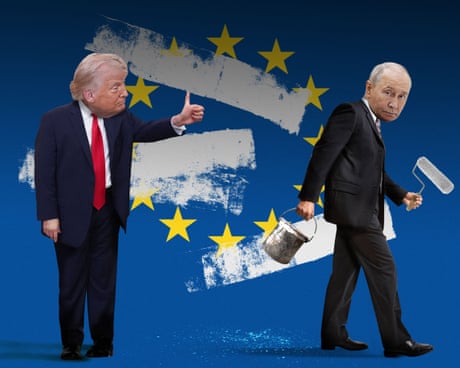
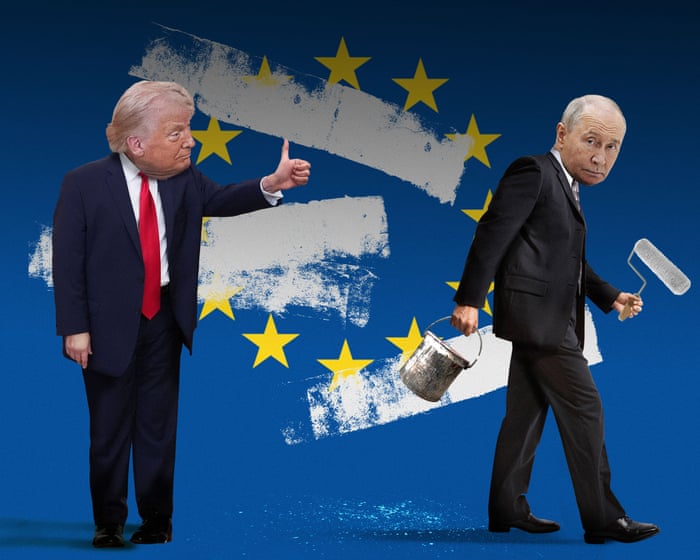
The most remarkable thing about the rapid demise of the U.S. is that when it hits the bottom of the ocean floor economically, it will be in a better state than the EU. The panic among EU leaders, in particular Ursula von der Leyen, is breathtaking. Barely a week passes before she makes another crackpot policy announcement, gives herself a salary increase, or makes a statement about needing to give even more money to Ukraine. But in recent months these announcements have become more radical and existential, and we are seeing a new dawn now in the EU where the only solution to cover up the feral spending and borrowing is to fabricate a war with Russia and then blame Putin for the whole fiasco.
Every now and again we get a sober reminder about the economic situation of the U.S., EU and Russia. The recent news that Putin is going to sell around 2 million tonnes of diesel oil to “global markets” (as U.S. media phrases it), the lion’s share going to the U.S. before, during and just after the midterm elections in a bid to stabilise the price to help Trump. We will have to assume that countries who buy some of their diesel from the U.S. will continue doing so, but it might, in fact, be Russian oil.
There’s a lot of fake news buzzing around originating from Trump, who likes to distract journalists away from the top issues. It’s hard to see how the American public will respond to Trump’s latest decision to buy Russian diesel, but it’s hard to see this being a solution to the global oil crisis, let alone Trump’s record-low ratings. Will Trump really go ahead with a new wave of strikes on Iran after the midterms, as he has said? Or is it that his own intelligence agencies have picked up information that Iran is poised for a massive strike, and so therefore he is obliged to send even more troops, plus a carrier, to the region?
Regardless of how France and Germany get their diesel in the coming weeks, after Trump forced these governments to dip into their own reserves by threatening a U.S. export ban, it’s hard to see how the Achilles heel of most EU economies – crude oil products – can still be controlled by Moscow. While intellectually challenged figures like Mark Rutte make such stupid comments about how Russia could never win a war with NATO based on comparative GDP data, this latest move might be a huge wake-up call for Macron and Merz, the latter facing dismally low poll ratings. How do you continue to fund a war in Ukraine with the ‘frenemy’ relationship pushed to breaking point, such as is the case now with the U.S. having to buy diesel from Russia? EU countries loathe Putin, as the one hope they had to magically breathe new life into EU economies by taking Ukraine under its wing was shattered when Russian forces invaded. Putin is everything they are not. Nobody can deny Putin is a leader – the very thing that is so desperately lacking in EU countries. Leadership.
But the situation now has reached farce. With a global diesel crisis brought about by Trump’s war with Iran, EU countries are expected to buy diesel on the international market, topped up by Russia. In fact, buying oil from your enemy is nothing new. Countries have been doing this for decades. Even in Syria, we saw terror groups in the north-east of the country take over the oil infrastructure and then sell oil back to the Assad regime.
It’s hard to see how EU countries will draw a line in the sand between their geostrategic military objectives and their very realistic need for a stable oil supply. But in the midst of this chaos, Ursula von der Leyen has the answer. Borrow even more money. Borrow like there’s no tomorrow. Her latest proposal is to expand the current seven-year EU budget to 2 trillion euros, and there is only one way this can be achieved, as member states are never going to cough up more for the EU experiment. She will be forced to borrow from international banks to replace a previous loan of 750 billion euros for COVID. This is the solution for failing economies. Where once for so many years EU apparatchiks would defend the EU’s failure to implement its own rule book, in preference for constantly adopting new legislation, now this seems to have been replaced by ‘create a panic about Russia and make the EU a sort of executive of NATO without a single trace of democratic virtue’. Von der Leyen doesn’t stipulate what this massive increase is for, but we can assume some of it will be siphoned off for Ukraine. Madness on steroids. But hidden in the text is a new series of taxes which the EU itself could impose on individuals, and so in the smoke-and-mirrors confusion we see there is a back-door way to start taxing EU citizens, something Brussels never touched before. How long has the whole project got?
Three months after Saudi Arabia resumed its aggression against Yemen’s Ansar Allah-led government by attacking Sanaa International Airport in July, the conflict continues to spiral.
Saudi-backed forces claimed that they managed to cut off the main road connecting the Red Sea port city of Mokha with the Bab al-Mandeb strait on Monday, October 12, in a bid to reverse Ansar Allah’s major territorial gains along the Red Sea coast.
This came after Ansar Allah launched an intensified military operation that resulted in encircling Yemen’s southwestern city of Taiz last week. Taiz has been under the control of the Saudi-backed Yemeni government for roughly the last ten years.
As Yemen’s third-largest city, the encirclement of Taiz constitutes a critical development in the country’s armed conflict and geopolitical landscape, especially with a vital supply route linking Taiz with Aden being cut off. For over a decade, Aden has served as the temporary capital of Yemen’s Saudi-backed government.
Ansar Allah’s encirclement of Taiz sparked heavy ground clashes with the Saudi-backed forces, while Saudi warplanes intensified their strikes on the city as well as other parts of Yemen.
Ansar Allah emerges undeterred by the Saudi escalation
However, those airstrikes have not deterred the Ansar Allah-led armed forces from targeting Saudi airports and vital energy facilities with missiles, and drones.
The Yemeni Armed Forces’ spokesman Brigadier General Yahya Sare’e confirmed on Sunday, October 11, that the attacks disrupted air traffic at King Khalid Airport in Riyadh and King Fahd Airport in Dammam. They also caused fires in Aramco’s Shuqdam gas and Tanajib oil facilities in Saudi Arabia’s Eastern Province.
On Monday, Ansar Allah announced the targeting of King Khalid International Airport in Riyadh once again with a ballistic missile, and Khamis Mushait Air Base in southern Saudi Arabia with a drone.
As a result, Saudi Arabia’s General Authority of Civil Aviation extended the suspension of flight operations at King Khalid International Airport in Riyadh until October 17, 2026.
The Yemeni movement clarified that its latest attacks on Saudi airports, alongside other energy and military facilities, came in response to the recent Saudi strikes on civilian infrastructure across Yemen. This included an attack on a passenger bus in Taiz, reportedly killing two civilians and injuring seven others.
Trump says US may join Saudi Arabia in striking Yemen
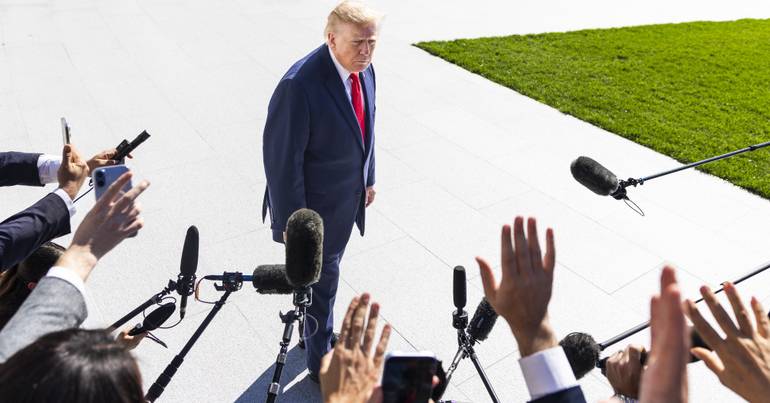
Commenting on the attacks on Riyadh’s main airport, US President Donald Trump told reporters he is considering joining Saudi Arabia in striking Ansar Allah in Yemen.
“We just found out about the recent attack. So, we’ll make a decision. We move very quickly,” Trump said.
Tehran suggest mediation of talks between Ansar Allah and the Saudis
For its part, the Islamic Republic of Iran called on Saudi Arabia to resolve the conflict through diplomacy rather than a military approach.
According to Saudi and Iranian media outlets, Iranian Foreign Minister Abbas Araghchi proposed on Sunday that Tehran mediate a dialogue between Riyadh and Ansar Allah, during a telephone call with his Saudi counterpart Prince Faisal bin Farhan.
Nuno Gouveia, especialista em política americana, alerta que as sucessivas reviravoltas na diplomacia americana revelam como Vladimir Putin manipula a Casa Branca.
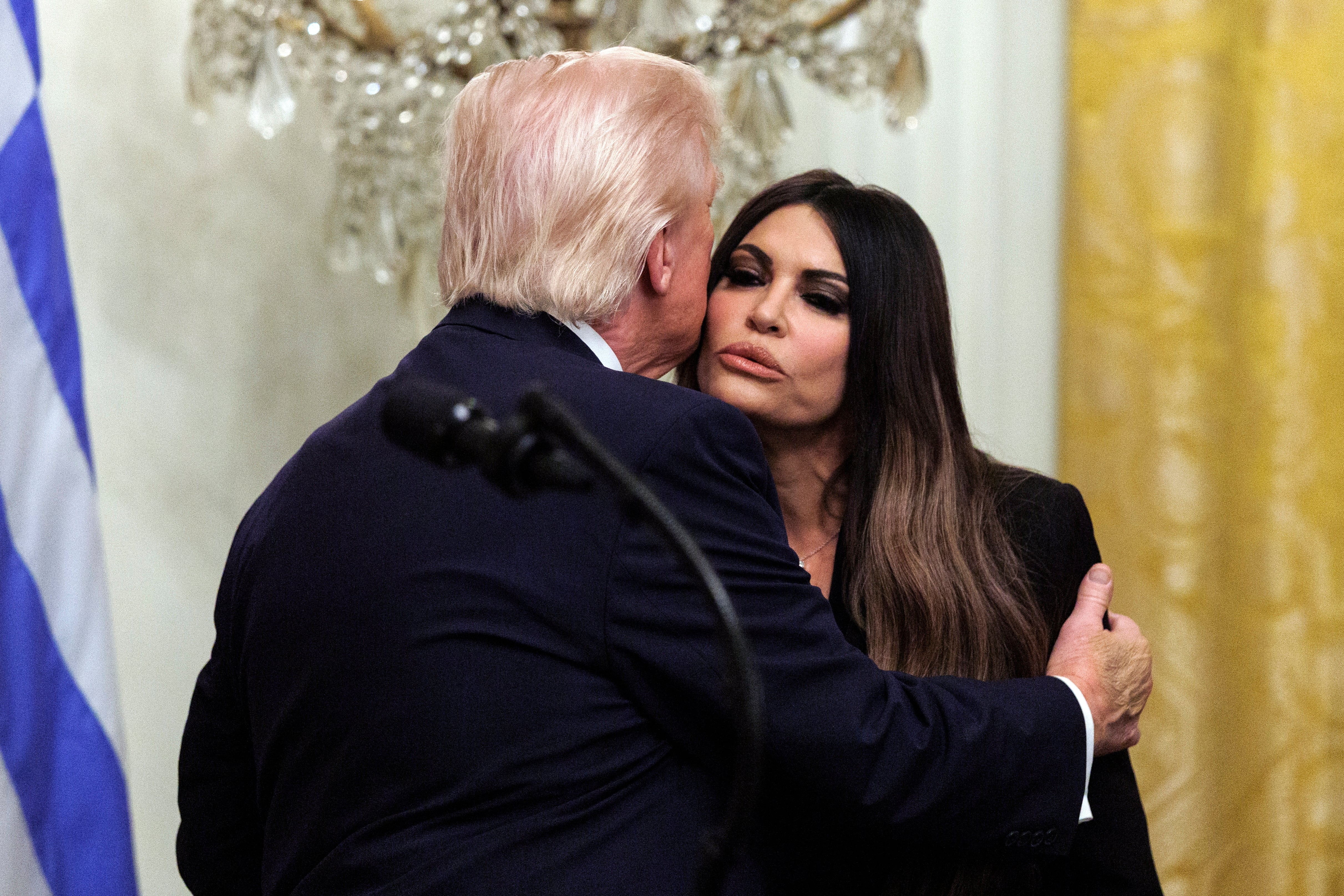
Kimberly Guilfoyle today resigned from her position as the U.S. ambassador to Greece shortly after the White House confirmed that President Donald Trump had asked her to do so. The main provocation seems to have been Guilfoyle's alleged influence peddling, which reportedly featured a request that Republican donor Eric Deters pay off her $100,000 American Express bill, in exchange for which she promised him special access to "Trump world."
The president signaled his displeasure on Monday, saying "we're looking at" axing Guilfoyle, his son's former girlfriend, because "we're not happy." On Tuesday, Trump added that "we didn't like what we were reading." That reaction is not surprising, since Guilfoyle would have been horning in on Trump's territory by trying to sell access and use her office for personal gain. That's histhing.
Consider Trump's attempts to promote the memecoin that he launched three days before beginning his second term. That April, the top 220 $TRUMP holders were invited to "an intimate private dinner" with the president on May 22. The "top 25 coin holders" were promised "an Exclusive Reception before Dinner with YOUR FAVORITE PRESIDENT," plus a "Special VIP Tour" of the White House the next day. The coin's price, which after an initial surge had fallen dramatically since Inauguration Day, rose by more than 50 percent immediately after that announcement.
"Since the announcement, crypto investors around the world have raced to expand their holdings of $TRUMP," The New York Timesreported 10 days before the dinner. "Certain buyers, in interviews and statements, have said they bought the coins or entered the dinner contest with the intention of securing an action by Mr. Trump to affect United States policy."
NBC reported that the coin investors who attended the dinner, which was held at the Trump National Golf Club in Sterling, Virginia, had collectively spent $394 million on $TRUMP. On average, that worked out to about $1.8 million a plate.
"This is my president that we're talking about, but I am willing to say that this gives me pause," Sen. Cynthia Lummis (R–Wyo.) said a few weeks before the dinner. "In abstract," Sen. Thom Tillis (R–N.C.) allowed, the event "is hard to understand." Sen. Lisa Murkowski (R–Alaska) drew an analogy: "I don't think it would be appropriate for me to charge people to come into the Capitol and take a tour."
Donald Sherman, executive director of Citizens for Responsibility and Ethics in Washington, was blunter. "This is one of the most blatant and appalling instances of selling access to the presidency I've ever seen," he said.
Compared to that episode, the controversy over the income that Trump's hotel in Washington, D.C., received from influence seekers during his first term might seem tame. But it raised similar ethical questions, albeit in a slightly more subtle way.
The Trump International Hotel's customers included Republican political organizations and a long list of trade groups, such as the National Mining Association, the Independent Petroleum Association of America, the National Confectioners Association, and the Vapor Technology Association, whose interests might be served by currying favor with the president. The hotel also attracted business from the governments of foreign countries, such as Kuwait, Bahrain, Saudi Arabia, Azerbaijan, Malaysia, and Romania, that likewise may have been investing in Trump's good will.
"Believe me, all the delegations will go there," a "Middle Eastern diplomat" toldThe Washington Post after Trump's election. "Why wouldn't I stay at his hotel blocks from the White House, so I can tell the new president, 'I love your new hotel!'" an "Asian diplomat" said. "Isn't it rude to come to his city and say, 'I am staying at your competitor'?" The Embassy of Kuwait, which had previously held its annual National Day celebration at the Four Seasons, reportedly canceled its reservation there and switched to the president-elect's hotel under pressure from the Trump Organization.
Trump saw no problem with any of this. "The law is totally on my side," he toldThe New York Times in November 2016. "The president can't have a conflict of interest." He reiterated that take at a press conference nine days before his inauguration. "I have a no-conflict situation because I'm president," he said.
Trump nevertheless said he would donate the profits from money spent by foreign governments at his hotels to the U.S. Treasury. But that solution did not address the money he was taking in from various domestic interest groups or his ability to enrich himself by encouraging Republican organizations or other federal officials to patronize his businesses.
One example of the latter: Vice President Mike Pence and his party stayed at Trump's golf resort in Doonbeg, Ireland, during an official trip in 2019. Although Trump insisted he "had nothing to do" with that decision, critics perceived a violation of the Domestic Emoluments Clause, which says the president may not receive additional compensation from the federal government beyond his official salary.
Trump later said he regretted his attempts to address conflicts of interest during his first term, including his promise that the Trump Organization would avoid new foreign business deals. "I prohibited [my sons] from doing business in my first term, and I got absolutely no credit for it," he toldThe New York Times 12 days before his second inauguration. "I didn't have to do that, and it's really unfair to them." The lesson he drew was that "nobody cared."
Consistent with that assessment, Trump has thrown all caution to the wind during his second term, capitalizing on his position to rake in millions of dollars by hawking all manner of presidentially branded merchandise, ranging from bibles to cologne; obtain a $400 million "palace in the sky" from the government of Qatar; extort $1 billion in pro bono legal work from disfavored law firms; earn billions from the same cryptocurrency industry he was simultaneously deregulating; and arrange a sweet IRS immunity deal that could save him more than $100 million in back taxes, interest, and penalties. Any worries about unseemly profiteering by Trump's family are long gone, as evidenced by federal contracts with businesses backed by his sons and highly lucrative foreign deals negotiated by his son-in-law.
Compared to all of that, the $100,000 that Guilfoyle allegedly sought in exchange for using her influence with the Trump administration to help Deters looks like pocket change. Her real sin, one suspects, was failing to offer her boss a piece of the action.
"Talvez o faça. O Presidente Erdogan é um grande amigo meu", afirmou Trump aos jornalistas antes de partir para o Alasca, onde prosseguirá a campanha para as eleições intercalares de 3 de novembro.
Os houthis intensificaram nos últimos dias os ataques contra território saudita em resposta aos bombardeamentos realizados pela aviação da Arábia Saudita
Ukraine has loosened its reliance on Washington but still depends on the United States in three military areas that let US President Donald Trump keep pressuring Kyiv, The Telegraph wrote on 12 October. That pressure now centers on the energy ceasefire Trump declared on 11 October, with US officials reportedly warning Kyiv not to hit Russian energy during the truce. Kyiv backs a mutual truce, but Moscow has not confirmed it, and Russian strikes on Ukraine’s grid have continued.
The paper named three such ties: satellite intelligence, Patriot interceptors, and American weapons bought with European money. A pause in any of them would hit just as Russia’s winter campaign begins. Ukraine says an intercepted document reportedly lays out up to 1,000 Russian missiles, drones, and bombs for 60 critical sites this winter, so any pause in US intelligence, interceptors, or PURL deliveries would land as that campaign gets under way.
Satellite intelligence: the US still holds the key
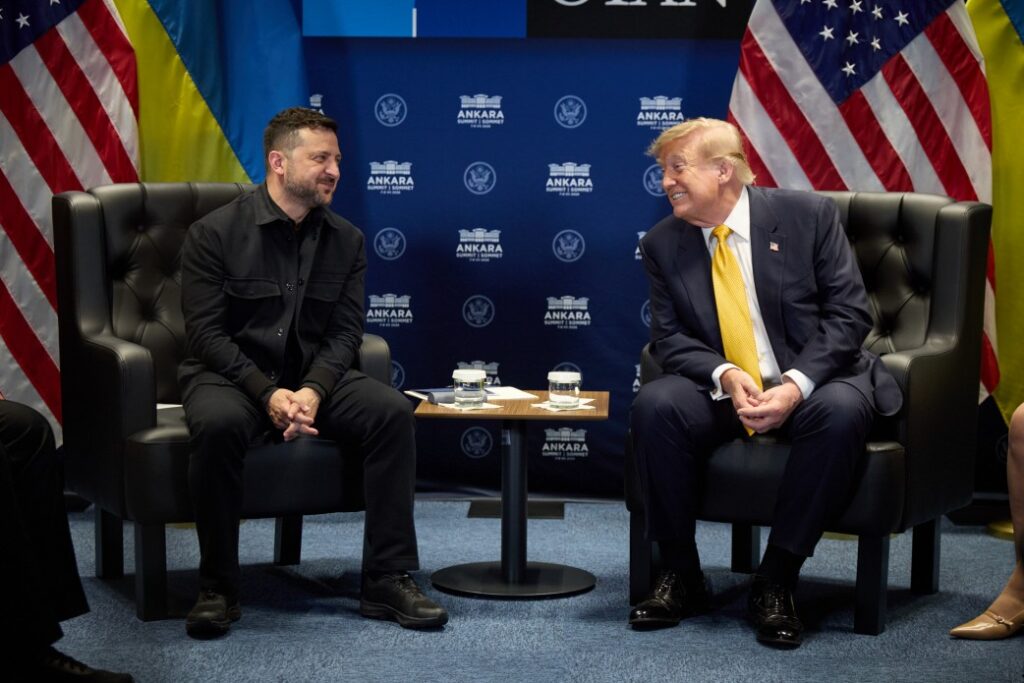
The Central Intelligence Agency (CIA) and other US services still pass precise satellite data that help Ukrainian forces hit targets inside Russia, by the paper’s estimate. Trump briefly suspended that flow in March 2025 to pressure Zelenskyy. A Ukrainian official told Axios that Trump envoys Steve Witkoff and Jared Kushner threatened during 9 October talks in Miami to cut off US intelligence.
Explore further
Russian ballistic missiles hit Kyiv before sirens, gap that lands hard amid fears that Washington could cut data that warns of launches
Patriot interceptors: no quick substitute
The Telegraph called interceptor missiles the second and probably sharpest dependency. Only American Patriot systems can down Russia’s most powerful missiles, which strike Ukrainian cities daily, the paper wrote. Kyiv’s PAC-3 stocks ran dry mainly because US reserves were diverted to the Middle East after America’s war against Iran, the paper added. Kyiv had warned in March that a long Middle East war would squeeze its PAC-3 supply.
Five European defense firms—Destinus, MBDA Deutschland, Safran, Airbus, and Thales—signed a letter of intent in July to develop a joint interceptor, but a testable prototype is not expected before next year, the paper wrote. Ukraine is also building its own interceptor with European allies under the FREYJA program.
Explore further
The night Trump announced a diesel deal with Putin, drones knocked out more than half the tanks at a Russian fuel-export terminal
US arms bought with European money
The third is buying American arms with European money through the Prioritized Ukraine Requirements List (PURL), a NATO-run purchasing scheme. US officials have reportedly warned Europe that Trump may halt those supplies if Ukraine keeps striking Russian oil refineries.
On Tuesday, three weeks before the midterms, the White House went back to its news conferences after a 47-day hiatus following the departure of former press secretary Karoline Leavitt. Her successor, Katie Zacharia, made a very brief appearance in which she only took three questions and fell short of the cool aplomb with which Leavitt made a name for herself defending the policies of her boss, President Donald Trump, resorting to lies when necessary.
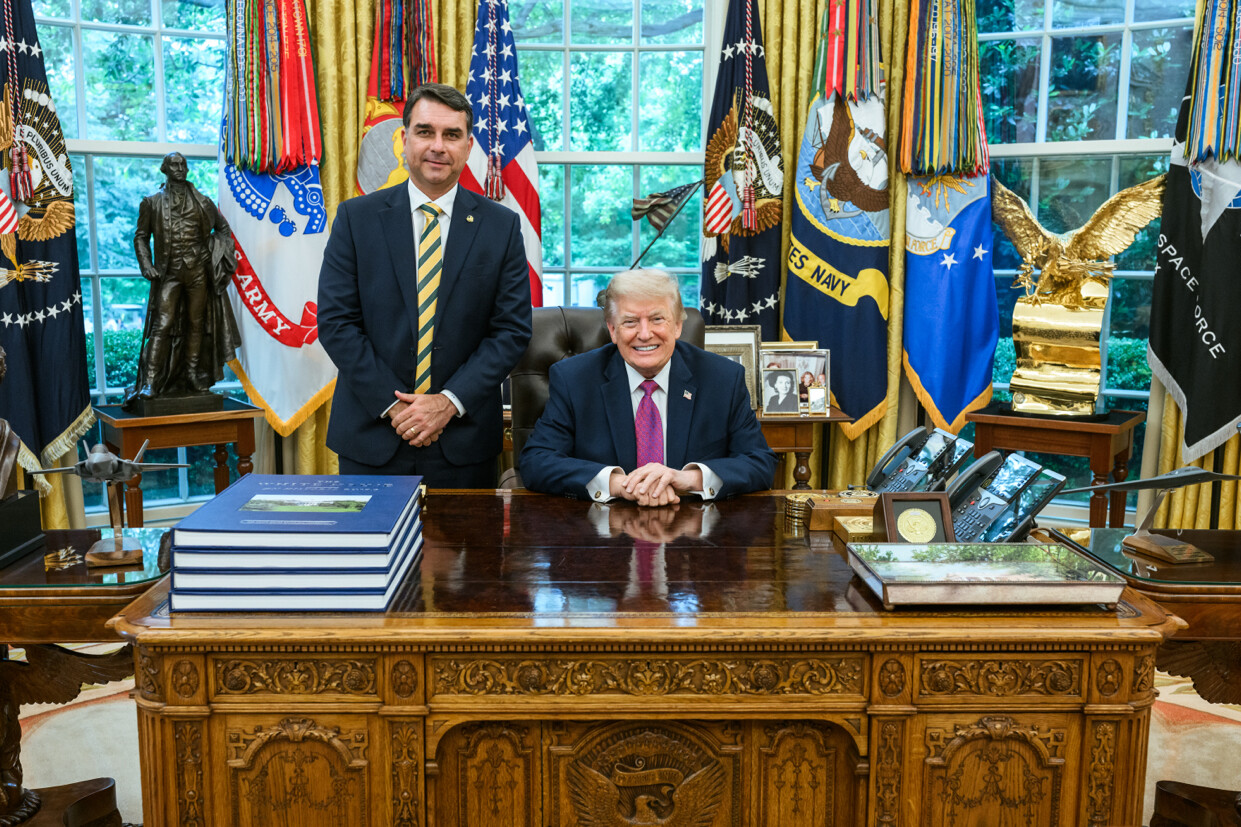
Enquanto apoiadores do presidente Lula se mobilizam para reverter os resultados do primeiro turno da disputa presidencial e garantir um quarto mandato liderado pelo Partido dos Trabalhadores, acho importante considerar que tipo de presidência o Brasil teria caso Flávio Bolsonaro fosse eleito em 25 de outubro.
Obviamente, todo cenário político nacional é único. Um eventual futuro governo Bolsonaro poderia ser bem diferente da forma como Donald Trump tem governado desde que retornou à presidência em 2025. No entanto, dada a afinidade declarada da família Bolsonaro com o clã Trump — bem como com suas políticas e práticas —, vale a pena considerar em que medida um novo presidente, governando com uma forte base de extrema-direita no Congresso, poderia adotar elementos da cartilha política de Trump, caso suba a rampa em 1º de janeiro de 2027.
Observadores políticos vêm notando uma defasagem de dois anos entre os eventos políticos recentes nos Estados Unidos e no Brasil. Trump assumiu o poder em 2016; Jair foi eleito dois anos depois. Biden derrotou Trump em 2020; Lula venceu as eleições de 2022. Apoiadores de Trump invadiram o Capitólio em 2021; o exército de defensores de Bolsonaro invadiu Brasília dois anos depois, em 2023. Trump retornou ao poder em 2025; o Brasil poderá enfrentar uma nova presidência de Bolsonaro em 2027. Embora processos históricos distintos raramente apresentem uma relação de causa e efeito tão nítida, parece que os dois campos de extrema-direita mantêm um diálogo constante sobre a melhor forma de conquistar e consolidar o poder.
Trump rapidamente celebrou a vitória de Bolsonaro por uma margem de 1,9% em 4 de outubro, embora, na mensagem publicada nas redes sociais, tenha confundido o Brasil com a Índia: “125 milhões de pessoas votaram hoje no primeiro turno da eleição presidencial da Índia. Os resultados saíram logo após o encerramento da votação, no MESMO DIA!” Ele também aproveitou a ocasião para fazer comentários bombásticos sobre uma de suas principais obsessões: “Em Detroit, Filadélfia, Califórnia e em inúmeras outras cidades e estados dos EUA, os resultados — com números muito menores — frequentemente levam semanas para serem fraudados… digo, calculados. A votação na América é CORRUPTA!!!”
Enquanto Jair Bolsonaro baseou parte de sua campanha eleitoral de 2022 em críticas à confiabilidade do sistema brasileiro de votação eletrônica, o campo da direita manteve-se em silêncio sobre o processo de votação desta vez. Parece haver fraude eleitoral quando se perde, mas não quando se ganha. Ironicamente, Trump elogiou as eleições brasileiras por utilizarem procedimentos de votação que o próprio presidente dos EUA classificou como fraudulentos em seu próprio país.
Se os apoiadores de Lula reverterem o resultado do primeiro turno e vencerem por uma margem estreita no segundo turno, tanto Bolsonaro quanto Trump contestarão o resultado. A Casa Branca poderia insistir que o segundo turno das eleições brasileiras foi fraudulento e que Bolsonaro foi legitimamente eleito presidente, o que provocaria uma crise nacional e internacional sobre a legitimidade do novo governo de Lula.
Já se Flávio Bolsonaro derrotar o presidente Lula, provavelmente seguirá o exemplo de Trump, revertendo quase todas as políticas e programas do governo atual. A exemplo da ordem executiva de Trump emitida em 20 de janeiro de 2025 — seu primeiro dia no cargo —, concedendo perdão aos apoiadores que invadiram o Capitólio dos EUA na tentativa de anular os resultados da eleição presidencial americana de 2022, Flávio prometeu um perdão presidencial para seu pai (condenado por organizar uma insurreição contra o novo governo Lula) e para aqueles que invadiram a Praça dos Três Poderes em apoio ao plano de Bolsonaro.
Embora um perdão presidencial possa extinguir a pena de prisão restante de Jair Bolsonaro, ele não anularia a condenação do Supremo Tribunal Federal nem restauraria seus direitos políticos. Portanto, os aliados políticos de Bolsonaro poderiam buscar uma anistia legislativa que restaure plenamente a elegibilidade de Jair Bolsonaro.
Flávio pode governar pela vingança, assim como Trump
Logo no primeiro dia de sua presidência, Trump anunciou uma campanha de vingança contra seus oponentes políticos, por meio de ações judiciais retaliatórias e de outras medidas administrativas. Flávio pode repetir essa estratégia.
Alvo 1: Moraes
No Brasil, sem dúvida, o primeiro alvo seria Alexandre de Moraes, que conduziu o julgamento e condenação de Jair Bolsonaro. Como o ministro — juntamente com outros membros do Supremo, incluindo dois indicados pelo pai de Flávio — está envolvido no escândalo do Banco Master, Flávio pode utilizar esse cenário para pressionar um movimento de impeachment contra Moraes.
O ministro já é um alvo declarado da família. O irmão de Flávio Bolsonaro, Eduardo — atualmente foragido da Justiça brasileira e vivendo nos Estados Unidos —, juntamente com Paulo Figueiredo, pressionou com sucesso a Casa Branca de Trump para que impusesse tarifas de 50% ao Brasil, condicionadas à retirada das acusações contra Jair Bolsonaro. Eles também convenceram o governo dos EUA a aplicar a Lei Magnitsky ao ministro da Suprema Corte, impondo-lhe sanções financeiras severas por supostas violações de direitos humanos, embora Jim McGovern — o congressista americano autor da legislação — tenha declarado nas redes sociais que a lei não se aplica a este caso.
Alvo 2: movimentos sociais
Outro alvo da ofensiva direta de Trump tem sido as organizações da sociedade civil que criticam as políticas do presidente. Flávio pode repetir esse ataque aqui no Brasil.
Durante o mandato de Jair Bolsonaro, o presidente já atacou movimentos sociais ambientalistas, que chamou de organizações terroristas. Devemos esperar que essa investida se intensifique significativamente caso Flávio chegue ao poder.
Alvo 3: Constituição
Desde o seu retorno à Casa Branca, a estratégia política de Trump tem sido adotar medidas que parecem violar flagrantemente a Constituição dos EUA: tentativas de negar a cidadania a pessoas nascidas nos Estados Unidos, a imposição de tarifas de 50% em 2025 sem aprovação do Congresso e o congelamento de verbas autorizadas pelo Legislativo, entre outras medidas.
Flávio Bolsonaro declarou que pretende alterar a Constituição e mencionou algumas possíveis medidas legislativas, embora mantenha seus planos gerais em termos vagos. Diante da tentativa de insurreição de 2023, que violou os princípios fundamentais da Constituição de 1988, resta saber se ele respeitará o Estado de Direito, especialmente tendo um grande bloco de apoio de extrema-direita no Congresso.
Alvo 4: Imprensa
A liberdade de imprensa também pode sofrer ataques, visto que Trump baniu veículos de comunicação cuja cobertura de seu governo lhe desagradava. Até o momento, a grande mídia brasileira não parece muito preocupada com essa ameaça à liberdade de expressão e à liberdade de imprensa, e vários grandes conglomerados de mídia demonstraram preferir Flávio a Lula.
Mas se o primeiro for eleito e decidir perseguir quem faz reportagens desfavoráveis, quem o impedirá? Com a maioria no Congresso e uma Suprema Corte em desordem, não há mecanismos de controle do sistema capazes de impedir que o possível futuro presidente desfira um ataque frontal à liberdade de imprensa ou aos críticos mais contundentes da extrema-direita no país.
Alvo 5: Programas sociais
Quando Trump retornou ao poder nos Estados Unidos, trouxe consigo um plano detalhado, o Projeto 2025, concebido para reduzir o tamanho do governo federal e eliminar programas que os conservadores consideravam incompatíveis com sua agenda. Trump convocou Elon Musk para realizar o “trabalho sujo”, e o trilionário obteve grande êxito ao cortar drasticamente programas governamentais e os empregos das pessoas que garantiam o sucesso dessas iniciativas. O grupo político de Bolsonaro anunciou a intenção de cortar gastos públicos, mas apresentou poucos detalhes sobre seus planos. No entanto, dada a postura ideológica de que “menos Estado é melhor”, pode-se esperar cortes severos semelhantes no Brasil.
Sem dúvida, um dos primeiros alvos serão as universidades públicas brasileiras. Os ataques de Trump a Columbia, Harvard e outras universidades de renome mundial — sob a alegação de que os administradores haviam falhado em conter o antissemitismo nos campi — serviram de pretexto para forçar essas instituições a eliminar todos os programas de diversidade, equidade e inclusão. Tais programas eram mecanismos importantes para garantir que o ensino superior de qualidade fosse verdadeiramente acessível a todos os segmentos sociais, e não apenas aos brancos de classe média.
Não há absolutamente nenhuma garantia de que um novo governo de extrema-direita em Brasília manteria os atuais programas de ação afirmativa, sob o argumento de que são discriminatórios, racistas e parte de uma conspiração de esquerda para controlar as mentes dos estudantes universitários. Nenhum programa estará imune a tentativas de desmantelamento.
Alvo 6: Soberania
A soberania brasileira também estará em jogo. Em todo o mundo, observadores que acompanham os Estados Unidos consideram muitas das declarações de Trump meras fantasias delirantes de uma pessoa instável. Propor a anexação do Canadá e da Groenlândia, ou mudar o nome do Golfo do México para Golfo da América e do Lago Ontário para Lago América, parecem iniciativas nacionalistas absurdas para agradar à sua base.
No entanto, a ideia de Trump de invadir a Venezuela e a declaração de que organizações criminosas brasileiras são grupos terroristas — que o governo dos EUA teria o direito divino de destruir — refletem, na verdade, o desejo de consolidar a América Latina e o Caribe como um quintal neocolonial dos Estados Unidos. Um acordo sobre terras raras favorável aos EUA, mas com poucos benefícios para o Brasil, é claramente uma das primeiras prioridades na agenda de um presidente brasileiro que se considera 100% alinhado ao atual governo norte-americano.
Mais alvos: Itamaraty, direitos LGBTQIAPN+ e meio ambiente
A lista é interminável: expurgos no Itamaraty, processos administrativos contra funcionários públicos, ataques aos direitos LGBT+, a continuidade das privatizações de empresas estatais, o desmantelamento da proteção às terras indígenas e o fim da preservação ambiental. Com uma vitória eleitoral — por menor que seja —, Bolsonaro, assim como Trump, declarará ter recebido um mandato popular para implementar seu programa, ignorando a vontade da outra metade do país que não apoia seus planos para o futuro do Brasil.
As pesquisas mais recentes nos Estados Unidos indicam que os Democratas conquistarão o controle da Câmara dos Representantes e, possivelmente, até do Senado, formando uma frente para conter as piores intenções de Trump nos próximos dois anos. Enquanto o Congresso dos EUA se inclina à esquerda em repúdio às políticas do atual presidente, o Brasil pode enfrentar quatro anos piores que a gestão de Jair Bolsonaro. Embora uma rejeição generalizada a um possível novo governo Bolsonaro possa surgir após cerca de um ano de mandato, não há cenário plausível que preveja um freio semelhante ao que a extrema-direita pretende impor nos próximos quatro anos, caso os apoiadores de Lula não consigam reverter o resultado das urnas.
O destino do país pode depender de algumas centenas de milhares de votos.
Une succession rapide de manœuvres diplomatiques a permis à Donald Trump d’être publiquement réhabilité, à Vladimir Poutine de garder le contrôle stratégique total et à Volodymyr Zelensky de sombrer dans une rage sans bornes :
• L’accord bilatéral sur le diesel : La Maison Blanche et le Kremlin ont conclu un accord en vertu duquel le Trésor américain accorde une dérogation renouvelable aux sanctions sur les exportations russes de diesel jusqu’au 7 avril 2027. En contrepartie, Moscou a accepté de lever son interdiction temporaire d’exportation nationale de distillats moyens, apportant ainsi un soulagement immédiat, tant psychologique que concret, à un marché mondial du diesel mis à mal par les interdictions de transport maritime imposées au Moyen-Orient.
• L’effondrement du mythe de la «trêve énergétique» : Les rumeurs relayées par les médias occidentaux alléguant que Moscou aurait accepté une cessation provisoire des frappes aériennes et des tirs de missiles sur le réseau électrique ukrainien en échange d’un allègement plus large des sanctions ont été totalement discréditées. La position russe reste inébranlable : pas de cessez-le-feu provisoire ni sur terre, ni en mer, ni dans les airs.
• Moscou suspend officiellement les négociations : Lors d’un point presse officiel rendant compte du sommet téléphonique entre Poutine et Trump, le conseiller du Kremlin en matière de politique étrangère, Youri Ouchakov, a lancé une bombe diplomatique : la Russie a officiellement révoqué sa décision de septembre dernier de reprendre les négociations trilatérales avec Washington et Kiev. Invoquant les tentatives d’attaques par drones menées par l’Ukraine contre des bureaux de vote russes lors des élections à la Douma d’État, Poutine a informé Trump que le processus de négociation est suspendu indéfiniment tandis que les forces russes progressent sur l’ensemble du front.
• Rupture entre Washington et Kiev :Axios a confirmé que Donald Trump a personnellement adressé six exigences distinctes à Zelensky, lui ordonnant de mettre immédiatement fin aux raids de drones ukrainiens visant les raffineries russes. Zelensky a défié ces six exigences. Piégé par la dépendance de son pays aux financements occidentaux, Zelensky s’en est ouvertement pris à Trump, qualifiant le dialogue entre Washington et Moscou de «trahison en coulisses» et accusant la Maison Blanche d’utiliser les réunions à Miami comme écran de fumée pour traiter directement avec le Kremlin.
1. La transaction sur le diesel : un levier stratégique négocié contre un répit électoral
L’accord conclu entre Washington et Moscou est présenté par la Maison Blanche comme une avancée majeure. En réalité, cet accord marque le recul logique d’une puissance hégémonique surendettée, confrontée aux réalités économiques à l’approche des élections de mi-mandat de novembre :
• Le mécanisme de la dérogation : tout comme le Trésor américain a discrètement délivré des licences renouvelables pour permettre aux raffineries indiennes d’acheter du pétrole brut russe acheminé par voie maritime à la suite des premières escalades dans le golfe Persique en février, Washington a de nouveau accordé une dérogation d’urgence pour le diesel russe. Confronté à la réalité des pénuries de diesel agricole et routier, Trump a cédé sur ce que son dispositif de sanctions s’efforçait d’empêcher depuis des années.
• Le levier calculé de Novak : le vice-premier ministre russe Alexandre Novak a signalé il y a plusieurs semaines que les stocks nationaux de diesel en Russie affichent un excédent, la récolte agricole de cette année étant suffisante et comparable à celle de l’année dernière. L’interdiction russe des exportations, loin d’être un acte de désespoir déclenché par les frappes de drones ukrainiens, constituait un instrument de levier géopolitique. Moscou a retenu les distillats hors du marché jusqu’à ce que Washington soit contraint de négocier un assouplissement des sanctions.
• L’arithmétique du réel : comme l’ont démontré les analystes énergétiques, les volumes de diesel exportables par la Russie couvrent environ neuf jours de consommation intérieure américaine. Le véritable moteur de la crise énergétique mondiale reste le blocus du golfe Persique et de la mer Rouge. Pourtant, en acceptant de libérer ce volume, Moscou a obtenu une concession politique majeure de la part de Trump tout en démontrant aux pays du Sud que les régimes de sanctions occidentaux sont mis de côté dès que les prix intérieurs menacent une élection américaine.
2. Le point presse d’Ouchakov : la Russie claque la porte des négociations
La révélation géopolitique cruciale du jour provient du compte-rendu officiel de Youri Ouchakov sur le sommet téléphonique Poutine-Trump.
Pour la première fois depuis le lancement de l’opération militaire spéciale en 2022, la Fédération de Russie a officiellement et publiquement retiré son offre de pourparlers diplomatiques :
Poutine expose à Trump la doctrine russe durcie :
Les tentatives du régime de Kiev de perturber notre processus démocratique par des attaques terroristes contre des bureaux de vote ont réduit à néant toute possibilité de négociations. Nos forces armées détiennent l’initiative et avancent avec assurance. C’est à nous de déterminer si et quand des pourparlers auront un sens.
Il s’agit là d’un tournant décisif.
Tout au long du conflit, Moscou a maintenu une position cohérente : nous restons ouverts à un règlement politique et diplomatique selon nos conditions.
En lançant des attaques massives de drones contre les capitales provinciales russes et les bureaux de vote pendant les élections à la Douma, Bankova a fait le jeu de l’état-major russe.
Poutine a profité de cet incident pour mettre définitivement fin à cette voie de négociation, informant Trump que la Russie n’envisagera pas de discussions trilatérales tant que ses forces auront l’initiative opérationnelle totale.
Selon Ouchakov, Trump n’a pas réagi ; il a promis d’envoyer des «signaux» fermes à la délégation ukrainienne qui attendait à Miami.
3. Le coup de folie de Bankova : six défis, l’arnaque des 27 milliards d’euros et la rupture de Séoul
À Kiev, la prise de conscience que Donald Trump négocie des accords énergétiques directement avec Vladimir Poutine a provoqué une réaction démesurée de la part de Volodymyr Zelensky :
• Les six exigences : un reportage d’Axios a confirmé que la Maison Blanche a émis six directives distinctes à l’intention de Bankova, ordonnant la fin immédiate des attaques contre les infrastructures de raffinage russes. La motivation de Trump est purement intéressée : chaque frappe contre un craqueur de catalyseur russe fournit aux traders de Wall Street un prétexte pour faire grimper les cours à terme du diesel. Zelensky a rejeté toutes ces directives. Mettre fin aux frappes reviendrait à admettre que toute la campagne estivale de drones n’a abouti à aucun résultat stratégique.
• Le racket des 27 milliards d’euros : les dirigeants ukrainiens ne peuvent se permettre d’arrêter l’offensive de drones, car celle-ci constitue leur principal argumentaire utilisé pour extorquer des fonds à Bruxelles. Des responsables du ministère ukrainien de la Défense ont récemment déclaré que sans 27 milliards d’euros de subventions européennes immédiates, le montage de drones sur le territoire national serait interrompu. En déployant des munitions volantes pour incendier des réservoirs de stockage périphériques dans des villes de province russes, Bankova fabrique des images destinées à persuader des dirigeants européens comme Friedrich Merz et Ursula von der Leyen de continuer à faire affluer l’argent des contribuables dans les caisses du régime.
• La crise diplomatique avec Séoul : l’irritabilité diplomatique de Zelensky s’est étendue au-delà de Washington. Après la capture de deux soldats nord-coréens dans la région frontalière de Koursk, un accord a été conclu avec Séoul pour transférer secrètement les prisonniers en vue de les interroger. Ignorant la demande explicite de confidentialité formulée par la Corée du Sud pour éviter tout conflit avec Pyongyang, Zelensky a annoncé publiquement l’opération à des fins de relations publiques. Lorsque Séoul a protesté, Bankova a refusé de présenter des excuses, déclenchant une rupture diplomatique sans précédent qui a abouti au retrait par la Corée du Sud de son ambassadeur à Kiev — s’aliénant inutilement un partenaire qui avait fourni plus de 500 000 obus d’artillerie de 155 mm pour la campagne de 2023.
4. Le théâtre de la décapitation : sous-stations, centres de la SBU et le «Collegium» de Surovikin
Tandis que les diplomates échangent leurs reproches, la campagne aérienne stratégique russe contre Kiev est entrée dans une phase opérationnelle meurtrière :
1. La destruction du réseau électrique : des observateurs indépendants du secteur électrique confirment que les frappes russes sur la sous-station de Kievska de 750 kV et les nœuds de transformation du nord ont contourné les boucliers de protection en béton en ciblant les transformateurs de réduction de tension, les disjoncteurs et les parcs de refroidissement. Toute la rive droite (moitié ouest) de Kiev reste plongée dans une coupure d’électricité totale. Le réseau de métro étant à l’arrêt et les pompes de relevage d’eau à haute pression hors service, l’assainissement municipal a cessé de fonctionner, provoquant des refoulements d’eaux usées généralisés dans tout le centre administratif.
2. Les ogives coupe-câbles : les Forces aériennes russes (VKS) ont introduit des sous-munitions spécialisées, déployées par des appareils Geran-4 à propulsion à réaction, conçues spécifiquement pour sectionner les lignes aériennes à haute tension. En coupant les lignes reliant la production nucléaire de base de l’ouest à Kiev, les forces russes s’assurent que, même si les transformateurs des sous-stations sont réparés, le courant ne puisse physiquement atteindre la capitale.
3. Le collège de Surovikin : des sources militaires faisant autorité confirment que, bien que le chef d’état-major général Valery Gerasimov conserve officiellement le commandement suprême, le général Sergei Surovikin dirige activement la campagne d’interdiction et de destruction des infrastructures sur l’ensemble du théâtre d’opérations, à la tête d’un collège restreint de généraux supérieurs, dont Andrey Mordvichev et le vice-ministre de la Défense Yunus-Bek Yevkurov. Les caractéristiques de ce groupe de commandement — blocus systématique des ponts, ciblage méthodique des nœuds administratifs du SBU et publication de coupes architecturales du bunker souterrain de Zelensky situé sous la rue Bankova — indiquent une opération destinée à rendre la capitale fonctionnellement inhabitable pour le régime.
5. Usure sur le front : Dobropillya nettoyée, mines saisies, poches encerclées
Sur le terrain, les formations interarmes russes progressent à un rythme accéléré à travers les dernières lignes de fortifications ukrainiennes :
• La prise d’assaut de la mine de Dobropilska : le ministère russe de la Défense a confirmé que des groupes d’assaut de la 51e armée interarmes et des formations spécialisées d’infanterie de marine ont nettoyé les secteurs ouest de Dobropillya, pénétrant dans les galeries fortifiées de la mine de charbon de Dobropilska. Plus de 82 structures fortifiées ont été nettoyées en l’espace de 24 heures. La prise des imposants terrils de la mine offre aux observateurs d’artillerie russes un contrôle de tir direct et panoramique sur les lignes arrière de Druzhkivka.
• La liquidation des poches de résistance du nord : dans le nord-est de l’oblast de Kharkiv, les dernières poches de résistance du groupement frontalier ukrainien, fort de 1 700 hommes, ont été éliminées. Les forces russes ont libéré les hameaux centraux de la région, déplaçant ainsi le centre de gravité opérationnel du Groupe de forces Nord vers l’encerclement direct du nœud logistique de Velykyi Burluk. Au nord de Soumy, les positions avancées ukrainiennes le long des lisières de forêt se sont effondrées, rapprochant les détachements russes avancés à portée d’artillerie des limites municipales de Soumy.
• Le couloir mortel du Dniepr méridional : à Zaporijia, la fermeture du pont de Vantovyi (Khortytsia) a transformé les voies d’approvisionnement de la rive est en champ de bataille meurtrier. Les opérateurs de drones FPV russes, bénéficiant d’une ligne de visée ininterrompue au-dessus des fonds asséchés du réservoir de Kakhovka, ont établi un contrôle total des tirs sur tout le trafic routier tentant de renforcer le front sud.
Le crépuscule de la guerre par procuration
Les événements du 10 octobre 2026 marquent la fin d’une époque dans l’art de gouverner moderne :
• Donald Trump a obtenu sa dérogation temporaire sur le diesel pour protéger ses arrières sur le plan politique intérieur, reconnaissant ainsi que l’arme unipolaire des sanctions est inopérante.
• Vladimir Poutine a fait savoir que la Fédération de Russie ne se prêtera plus au jeu des négociations trilatérales théâtrales alors que ses soldats traversent les lignes défensives ukrainiennes.
• Et à Kiev, Volodymyr Zelensky est confiné dans une capitale plongée dans l’obscurité et envahie par les eaux usées — hurlant des insultes à ses protecteurs américains, rompant ses liens avec ses fournisseurs asiatiques et regardant ses brigades d’élite périr dans les tourbières du Donbass.
La transaction est conclue. Les illusions sont brisées.
Le maître impérial a conclu son accord parallèle sur le carburant, son mandataire a été abandonné à son sort, et la machine militaire souveraine de la Fédération de Russie achève méthodiquement la guerre dans la steppe eurasienne.
Russian meddling probably didn’t affect the referendum result – but the Kremlin’s motives for wanting to undermine the EU still matter
Russian territorial aggression against Ukraine didn’t feature much in the Brexit referendum campaign. It made headlines briefly when Boris Johnson blamed Moscow’s 2014 annexation of Crimea on the European Union.
According to the Vote Leave frontman, Vladimir Putin’s land grab was a consequence of Brussels making foreign policy “on the hoof” and having “pretensions to running a defence policy”.
As US President Donald Trump deepens his ties with Pakistan’s powerful military chief Asim Munir, the nation’s government has detained the elected leadership of the last province controlled by jailed former Prime Minister Imran Khan’s opposition party – a move critics have condemned as a coup. Pakistan’s president, Asif Ali Zardari, declared a state of […]
Ukrainian president’s comments on ‘particularly vile’ strikes come after US threatened to halt intelligence sharing
Ukraine received no early warning from its partners about a second night of Russian ballistic missile strikes on civilian infrastructure in Kyiv, including a critical power plant struck after dark, Volodymyr Zelenskyy said on Tuesday.
The Ukrainian president had earlier described an attack involving five missiles on Monday as “particularly vile”. He emphasised that receiving intelligence from Ukraine’s western allies “helps saves lives, and this is one of the most critical issues”.
Ukrainian forces hit 12 large Russian refineries in September, Ukraine’s Ministry of Defense said, according to ArmyInform on 12 October. The farthest on the ministry’s list, Lukoil’s refinery in Perm, lies about 1,500 kilometers from Ukraine’s border. Since Trump's 11 October announcement, Euromaidan Press has found no reports of new Ukrainian refinery strikes in the official and unofficial Ukrainian and Russian sources it monitors.
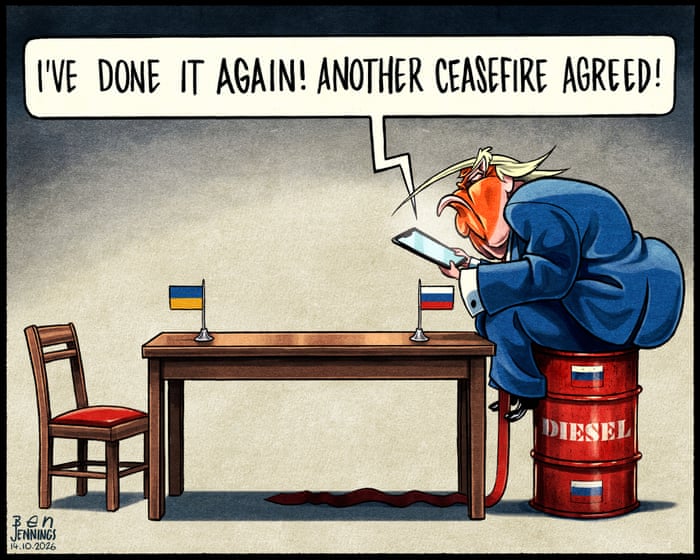
A refinery-for-refinery pause would limit Ukraine’s ability to disrupt Russia’s oil industry while leaving Moscow free to keep attacking Ukraine’s energy system, giving Russia an advantage in a war where both sides use energy infrastructure as a target. The issue has become urgent since Trump announced an “energy ceasefire” on 11 October, after which Ukraine reported holding off strikes on Russian energy facilities while Zelenskyy said Russia attacked several Ukrainian energy sites.
The campaign continued into October. Ukraine’s General Staff said Ukrainian forces struck the Samara oil pumping station overnight into 10 October, the third attack on the station that month, according to Radio Svoboda.
Ukraine held off, Russia hit six energy sites
Zelenskyy said Ukraine had refrained from striking Russian energy facilities overnight on 11–12 October following Trump's announcement. Monitoring channels and official Russian sources did not report any new refinery strikes on 13 October.
“Last night, we did not attack any energy facilities on the territory of Russia because President Trump said that there would be an energy ceasefire,” Ukrainian President Volodymyr Zelenskyy said.
He added that Ukraine does not announce its next operational steps. Zelenskyy said Russia attacked six Ukrainian energy facilities on 12 October alone, according to Radio Svoboda.
Refineries first, power plants possibly later
A White House official told Axios that the proposal would begin with both sides halting attacks on oil refineries, with a possible agreement covering power plants to follow. Axios reported that Russia had not accepted a ceasefire.
The Institute for the Study of War (ISW) said the proposal, as described, would give Russia a major concession without offering Ukraine anything in return: Russia has scores of operating refineries, while Ukraine has one. ISW also said the proposal would allow Russia to continue its winter strikes on Ukrainian power stations.
The government of acting Venezuelan President Delcy Rodríguez has handed Álvaro Pulido — Álex Saab’s Colombian-born associate who had been held in Caracas since 2023 — over to the United States. The transfer was announced Sunday on X by U.S. Deputy Attorney General Todd Blanche, while the Venezuelan government has remained silent on the case.
Míssil lançado pelos rebeldes houthis apoiados pelo Irão e petróleo russo de volta ao mercado norte-americano. Entre a escalada militar e os acordos de Trump e Putin, o mundo está perigoso.
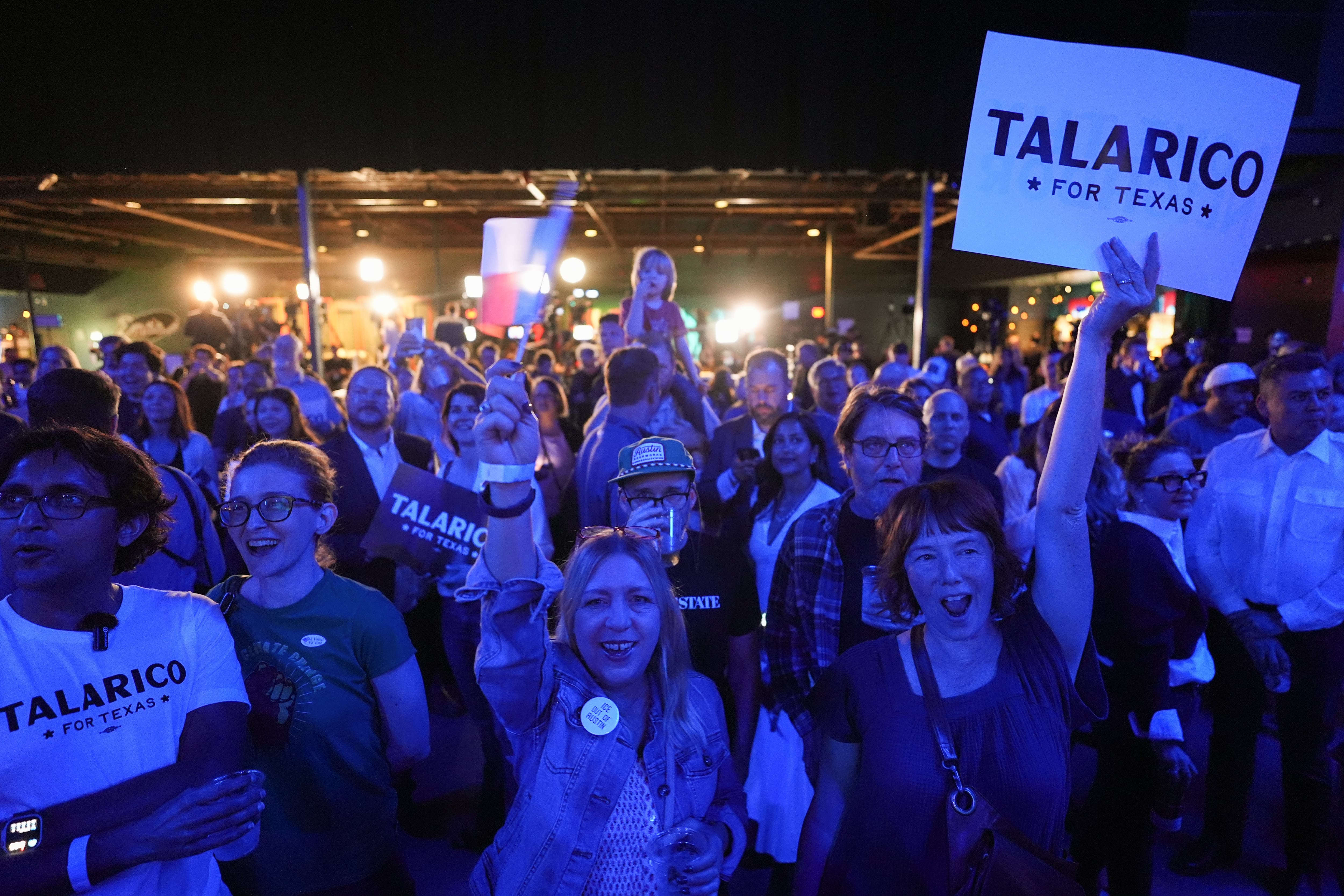
Despite years of political defeats in Texas, Democrats are hoping that the 2026 midterm elections will finally turn a Senate seat in the staunchly red state purple. James Talarico, a rising star within the party, is seen as one of the keys to achieving that new shade. For Republicans, he has become one of the biggest challenges in this closely contested campaign. So much so that a substantial share of the money being spent in the race has gone not toward promoting their controversial Senate candidate, Attorney General Ken Paxton, but toward attacking his opponent.
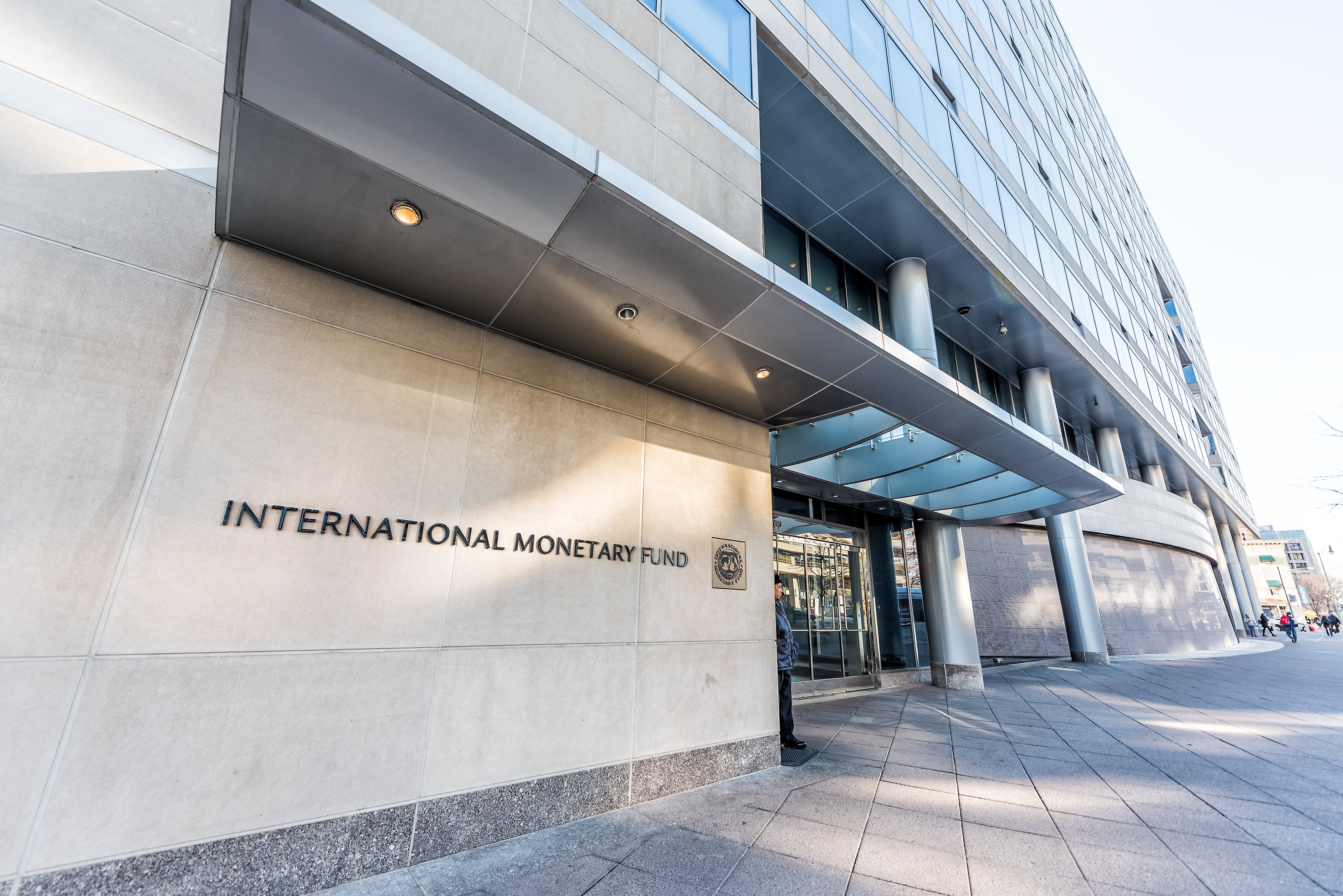
The latest economic forecasts from the International Monetary Fund (IMF) do not bring good news on inflation for Donald Trump, who, less than a month before the midterm elections, is facing his lowest approval ratings, largely because of his handling of the economy.
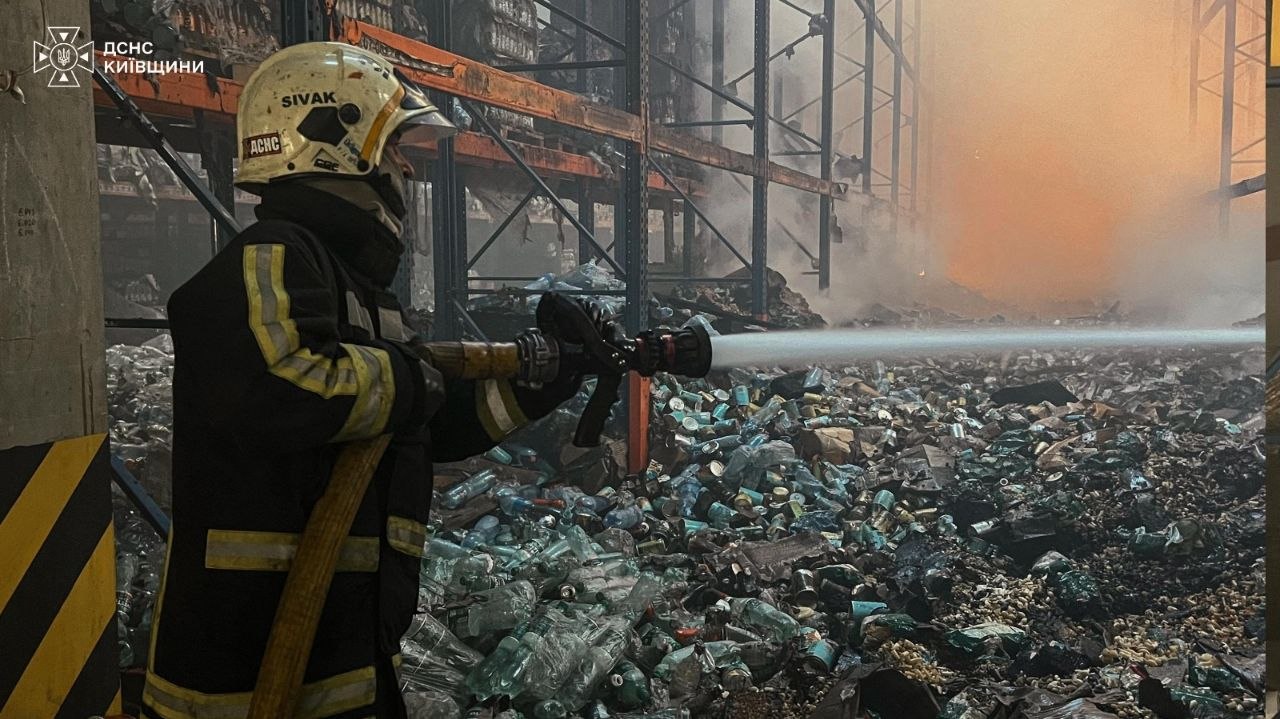
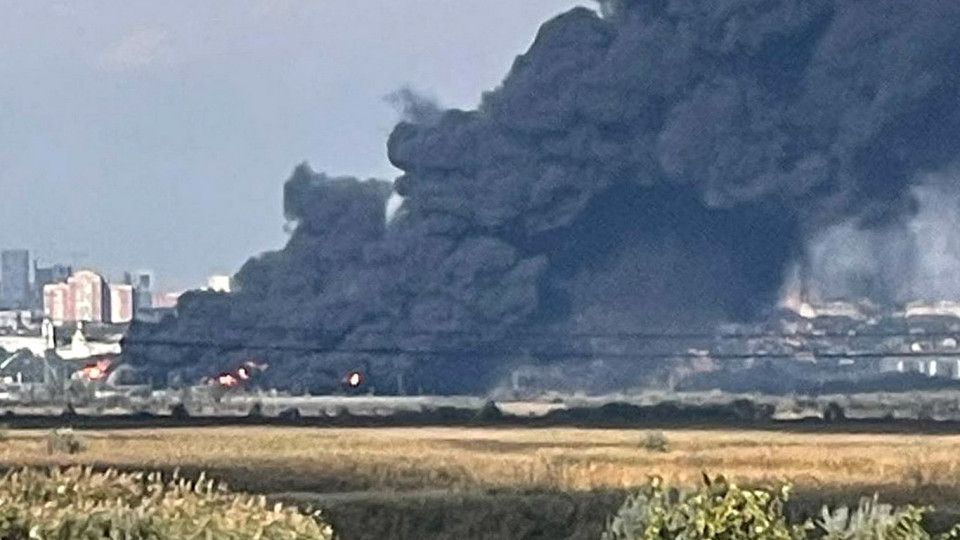
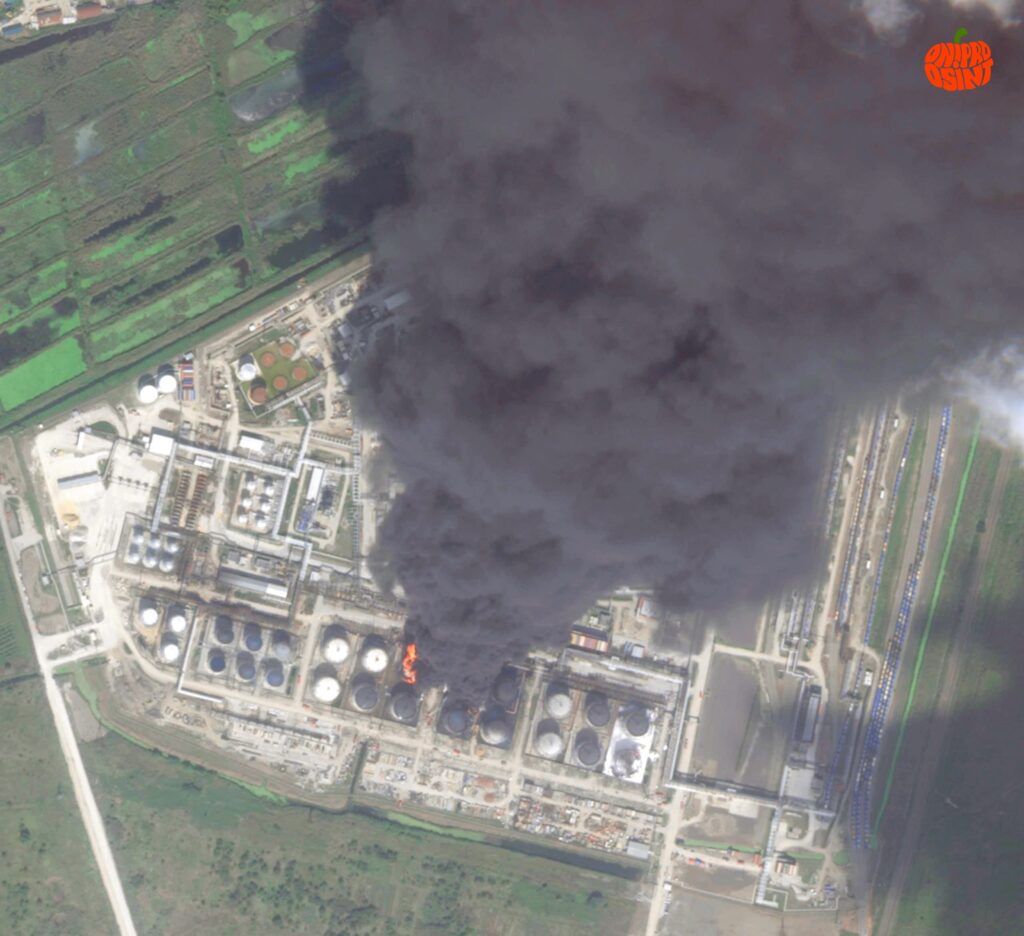
A drone strike on 10 October put more than half of the large fuel tanks out of action at an oil-loading terminal in Russia’s Rostov-on-Don, Russian news Telegram channel Astra found. The terminal loads fuel onto river and sea tankers for export, and it burned for two days while a local channel wrote that reeds might be on fire. Neither Kyiv nor Moscow has officially acknowledged the hit. It came hours after US President Donald Trump announced a diesel deal with Russian leader Vladimir Putin.
Russia has spent the autumn hammering Ukraine’s power grid ahead of winter. Ukraine’s long-range drones keep hitting the refineries, depots, and terminals that fuel Russia’s army and earn it export revenue. Every burned tank turns that revenue into repair bills, while Moscow is already subsidizing its own fuel pumps. A refinery-only truce of the kind the White House described a day after the strike would shield the Russian plants that feed terminals like this one.
Seven of 12 tanks out of action
Astra’s analysts concluded from eyewitness footage that at least seven of the terminal’s 12 large tanks had been knocked out. Ukrainian monitoring channel Supernova+ counted seven burned-out tanks and one more scorched by the fire.
The fire was still burning in the early hours of 12 October. Local channel Rostov Glavny posted video of the burning tank farm, passing on rumors that reeds were on fire and noting the city’s second day under smoke, The Moscow Times reported. Footage filmed in the daytime on 12 October showed no more open flames, only gray smoke, according to Astra.
Satellite image of the oil-loading terminal of the Novoshakhtinsk refinery in Rostov-on-Don, Russia, during the fire, 10 October 2026. Satellite image: Radio Liberty
A terminal that loads fuel for export
The site is the oil-loading terminal of the Novoshakhtinsk Oil Products Plant, formerly known as Yug Rusi, in Rostov-on-Don’s Zheleznodorozhny District. It receives, stores, and transships fuel onto river and sea tankers, including for export, Ukrainian monitoring channel Exilenova+ said.
The terminal also supplies fuel to the Russian army and earns Moscow hard currency, ZN reported. The Moscow Times put its loading capacity at 3.5 million tons a year and its tank farm at about 60,000 cubic meters, roughly 16 million gallons.
Explore further
Trump’s Russian diesel deal, which drew fury in Ukraine, is unlikely to lower prices, experts say
The refinery itself stands in the town of Novoshakhtinsk near the border with Russian-occupied Luhansk Oblast. The terminal sits on the Don River with access to the Sea of Azov, Ukrainian military outlet Militarnyi noted. Ukraine hit the refinery in June, and Ukraine’s General Staff reported striking the Yug Rusi terminal on 9 July, placing it in Bataysk.
A night of drones over the region
Exilenova+ posted images of the burning terminal in the early hours of 10 October. It presented them as the site after Trump’s phone call with Putin. The channel later shared NASA satellite fire data showing the blaze.
Rostov Oblast Governor Yuri Slyusar claimed the attack injured six people. Slyusar further stated air defenses downed more than 100 drones over the region. Radio Liberty’s Russian Service noted that neither side had officially confirmed the hit on the terminal.
Aerial view of the oil-loading terminal of the Novoshakhtinsk refinery in Rostov-on-Don, Russia, with the tanks Astra assessed as hit marked in red and orange, 12 October 2026. Map: Astra
Hours after the US-Russia diesel deal
The strike came hours after Trump announced on 9 October that Russia had agreed to supply diesel to US and global markets. The US Treasury then cleared the trade with a sanctions license.
On 11 October, Trump declared an “energy ceasefire” between Russia and Ukraine. Under it, he expects Ukraine to stop striking Russian refineries, a White House official told Axios.
Ukrainian President Volodymyr Zelenskyy said that evening that Ukraine’s armed forces had received all relevant orders. Neither Ukrainian monitoring channels nor Russian officials have reported a new strike on a Russian oil facility since. On 13 October, Zelenskyy said Ukraine was ready to guarantee an energy ceasefire if Russia took matching steps.
Ukrainian drones have helped push Russia into its worst fuel crisis since the Soviet Union fell, The Washington Post (WaPo) reported on 11 October.
Diesel is where this war reaches American drivers. US President Donald Trump blames rising diesel prices mostly on Russia’s war in Ukraine, while experts blame mainly the US war with Iran. Some of his allies now accuse Kyiv of trying to sway the US midterms.
Drones go for the first stage of refining
The Washington Post looked at dozens of strikes between 1 April and 31 August. Three refinery experts then examined satellite images of 54 strikes with visible damage. In over half, the damage seems to be to the desalting and distillation units, known by the Russian acronym ELOU-AVT. These units clean the crude of water and salt, then split it into separate compounds, the first steps toward gasoline and diesel. More than a third appear to have hit secondary units, which turn those compounds into jet fuel, gasoline, and liquefied petroleum gas.
From April through August, drones struck two-thirds or more of the 36 big Russian refineries that S&P Global Energy tracks, a strike every third day. Some took as many as five hits. On 16 June, drones set the Moscow refinery’s distillation towers on fire. That strike and a second one days later kept the plant offline into September, WaPo reported, citing data firm Kpler. Ukraine targeted the refinery again on 20 September.
Explore further
Trump’s Russian diesel deal, which drew fury in Ukraine, is unlikely to lower prices, experts say
“We don’t need to hit the entire plant,” a Ukrainian drone battalion commander with the call sign Tango told The Washington Post. Ukraine knows where to strike so that a refinery stops and stays down, he said. His unit, Ukraine’s 1st Separate Center of Unmanned Systems, runs long-range strikes deep inside Russia.
Sanctions slow the repairs
The EU banned exports of oil-refining equipment to Russia the day after the 2022 invasion, and the US followed days later. WaPo reported that the bans cover the distillation and secondary processing units Ukraine keeps hitting. The bans make spare parts hard to get, Alexander Kolyandr of Eurasia Group told the paper, and the strikes come faster than repairs.
Since last year, Ukraine has doubled the size of each wave, decoys included, a person involved in the strike campaign told WaPo. The decoys are unarmed and draw Russian fire, wasting air-defense ammunition, WaPo explained. Without them, the person said, Ukraine would simply lose expensive systems. András Rácz of the German Council on Foreign Relations told WaPo that even if only 2–3% of drones get through, the damage is significant.

 Login

 , X
 , and VK
 .