❌

Reading view

Brazil: Lula Hails Workweek Reduction as Historic Achievement

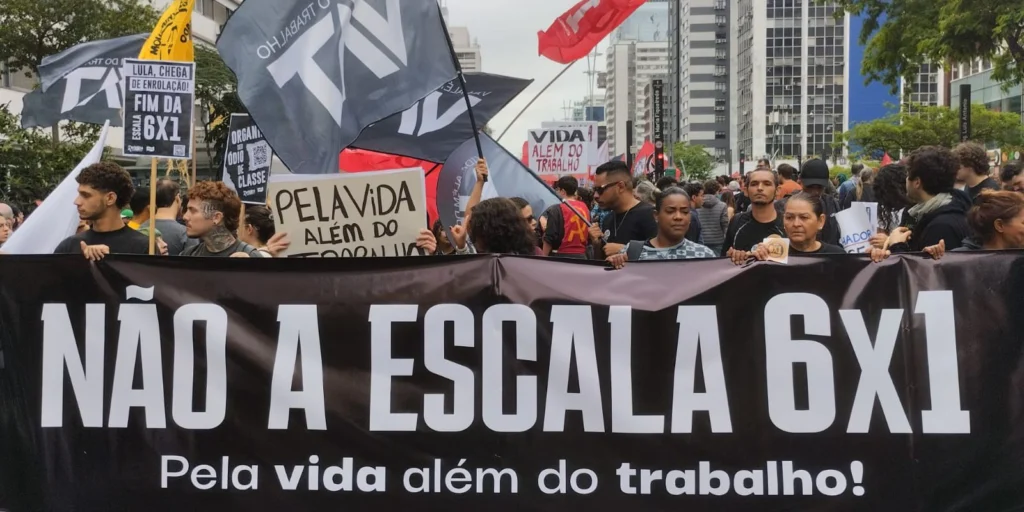
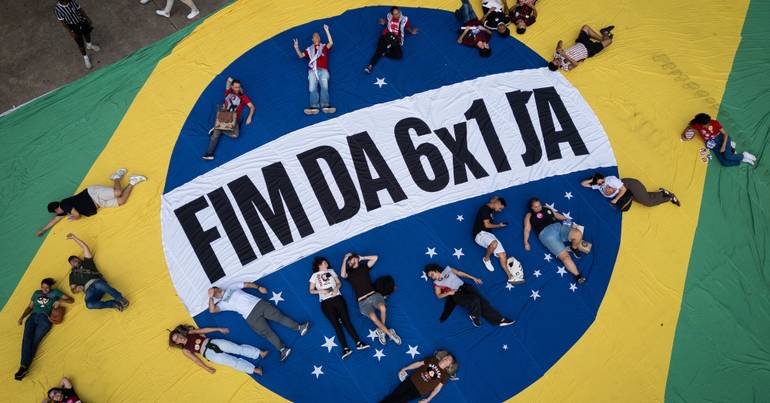
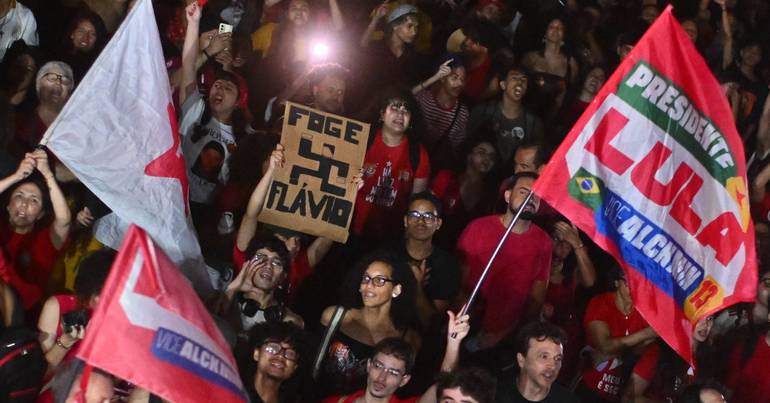
Brazilian President Luiz Inácio Lula da Silva has described the approval of the Proposed Constitutional Amendment (PEC 221/2019) as a historic achievement. The amendment puts an end to the 44-hour workweek, establishing a new maximum of 40 hours per week, distributed over five working days and two paid rest days.

RELATED:

Brazilian Senate Ends 6×1 Schedule, Approves 40-Hour Workweek

The constitutional reform—a key commitment of the Brazilian government—will directly benefit approximately 22 million workers who were previously employed under a “6×1” schedule, consisting of six days of work followed by one day of rest.

Brazil’s Senate ratified the amendment in two rounds of voting, with 75 votes in favor and one against—the latter cast by Senator Hamilton Mourão. This decision comes five months after the Chamber of Deputies initially approved the proposal, and 11 days ahead of the presidential runoff, scheduled for October 25.

Far-right candidate Flávio Bolsonaro, who had initially opposed the measure, shifted his position and voted in favor remotely from Porto Alegre. Progressive senators, including Teresa Leitão, labeled this move as opportunistic and warned of the need to remain vigilant against any potential attempts to overturn the new regulation.

A escala 6×1 acabou! ❤️🇧🇷

Uma conquista histórica para milhões de trabalhadores e trabalhadoras, que agora terão mais tempo para descansar, estar com a família, cuidar de si e viver.

Quem constrói o Brasil todos os dias também merece tempo para viver.

É o Brasil pronto para… pic.twitter.com/5Nq7a9xKZk

— Lula (@LulaOficial) October 15, 2026

The text reads, “The 6×1 schedule is over! A historic achievement for millions of workers, who will now have more time to rest, be with their family, take care of themselves, and live. Those who build Brazil every day also deserve time to live. It’s Brazil ready for more!”

Timeline and safeguards

The transition to the “5×2” model will not be immediate. According to the established timeline, 60 days after the official publication of the amendment—expected in February 2027—the maximum weekly working hours will be reduced from 44 to 42.

Subsequently, 14 months after the amendment is enacted—in December 2027—the limit will be set at 40 hours per week. The regulation also establishes a maximum daily limit of eight working hours. The constitutional text expressly prohibits any reduction in wages—whether proportional or affecting the minimum wage—across professional categories.

Furthermore, it delegates the organization of rest periods to collective bargaining agreements, prioritizing Sundays, while allowing for flexibility in sectors such as healthcare, security, and public transport.

While labor unions supported the measure, business sectors expressed their opposition, arguing that it could lead to higher costs per hour worked and the risk of a contraction in employment. The right-wing opposition also signaled its intention to revise the legislation should it gain control of the executive branch.

For individual micro-entrepreneurs and small business units, the reform provides for a supplementary law that includes state support mechanisms designed to cushion the impact of the transition and sustain formal employment targets.

Within the public administration, existing service contracts will have a period of up to 12 months to adjust their operational and financial frameworks to the new limits on working hours.

With the approval of PEC 221/2019, Brazil has begun a restructuring of its labor market aimed at reducing precarious working-hour arrangements in Latin America’s largest economy.

  •  
  •  

Milei ratifica su alineación con Trump y ofende nuevamente a Lula

Premian en Washington al adalid del ajuste neoliberal en Argentina, responsable de haber destruido hasta el momento más de 370.000 empleos formales y del cierre de unas 30.000 empresas.
  •  

Brasil aprova redução de semana de trabalho sem cortes

Proposta, popularmente chamada "fim da escala 6x1", ou seja, cinco dias de trabalho e dois de descanso, foi aprovada em dois turnos no Senado numa mesma sessão plenária e agora vai a promulgação.

© Isaac Fontana/EPA

Presidente brasileiro, Lula da Silva, celebrou a aprovação: "Lutamos, discutimos e pressionamos para garantir que o Congresso votasse ainda este ano o fim da 6x1!"
  •  

Brazil Launches Crackdown on Suspected Amazon Arson Network

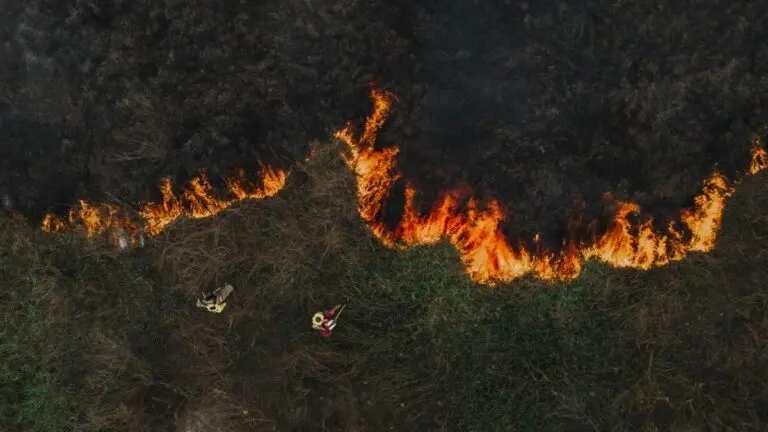
Amazon rainforest fires in Amazonas, Brazil, as firefighters tackle blazes and smoke worsens air pollution in Manaus.

Brazil deploys 300 firefighters as a surge in fires worsens air pollution in Manaus and investigators probe suspected organized arson.


Brazil has launched joint operations to track down those suspected of deliberately setting fires in the Amazon rainforest, as a sharp rise in blazes blankets Manaus with toxic smoke and pushes air pollution to critical levels for the city’s 2.3 million residents.

RELATED: Petrobras Announces New Oil Discovery at Morpho Well off Brazil’s Amazon Coast

Authorities suspect an organized network is deliberately destroying native vegetation in preserved forest areas to facilitate the illegal seizure of public land, Environment Minister João Paulo Capobianco said at a news conference Wednesday. Investigators are working to identify and prosecute both those who set the fires and those suspected of directing them.

Capobianco described the situation as an “impressive display of deliberate action.” He and Jair Schmitt, head of Brazil’s environmental protection agency Ibama, cited reports of people throwing fuel-filled bottles from moving vehicles along roads and repeatedly reigniting fires in areas where firefighters had already extinguished them.

The scale of the fires has escalated sharply. Amazonas state recorded 1,608 fire hotspots in the first part of October, already exceeding the 874 registered throughout October 2025, according to Brazil’s National Institute for Space Research (INPE).

September saw more than 3,700 hotspots, four times the number recorded a year earlier. Fires burned 291,060 hectares that month, 38.8% above the historical average, according to official data.

In October, the area affected has approached 220,700 hectares, 249% above the usual level, according to the Federal University of Rio de Janeiro’s Laboratory for Environmental Satellite Applications.

The government has deployed 11 aircraft and approximately 300 firefighters to the hardest-hit areas. Difficult terrain and adverse weather conditions have complicated efforts to contain the blazes. Authorities have also warned that extreme drought and high temperatures associated with El Niño are accelerating the spread of fires across northern Brazil.

Smoke from fires in Amazonas and Pará states has engulfed Manaus, where air quality has deteriorated to critical levels. Concentrations of fine particulate matter known as PM2.5 have exceeded the maximum levels recommended by the World Health Organization, increasing the risk of acute respiratory problems, particularly among children, older people and those with pre-existing medical conditions.

The Civil Police of Amazonas has opened 120 investigative proceedings into suspected environmental offenses. Investigators are using thermal drones and conducting continuous ground patrols to gather evidence and identify those responsible.

The investigations come as Brazil prepares for a presidential runoff on Oct. 25 between incumbent Luiz Inácio Lula da Silva and opposition senator Flávio Bolsonaro, who received the most votes in the first round. Asked whether the fires could be politically motivated to undermine Lula’s candidacy, Capobianco said investigators were examining that possibility but stressed that the theory had yet to be substantiated.

  •  

Victoria popular y de Lula: Senado de Brasil aprobó final de la escala 6×1

Senadores progresistas de Brasil declararon que, en el entorno del próximo balotaje, la aprobación del final del 6x1 significa una victoria para el presidente Lula, pero también para la movilización en las calles.
  •  

Lula denunciará ante observadores fallas de Meta que podrían favorecer a Bolsonaro

Entre las fallas se cuentan interrupciones del servicio de anuncios, caídas en el recuento de visualizaciones de publicaciones favorables al presidente brasileño y bloqueos temporales de la promoción de contenidos en Instagram.
  •  

Lula corteja evangélicos, Flávio no Rio Grande do Sul

Com segunda volta a 25 de outubro, os dois candidatos intensificam a campanha. Sondagem da Quaest dá a Flávio 46% dos votos evangélicos contra 27% de Lula.

© ANDRE BORGES/EPA

Uma sondagem da Quaest divulgada em 28 de setembro mostrou Flávio Bolsonaro com 46% das intenções de voto entre os evangélicos na primeira volta
  •  

The far right in Latin America threatens progress against deforestation, report warns

There is both good news and bad news about the state of the world’s forests. The good news is that deforestation fell by 15% in 2025 compared with 2024, the largest decline recorded so far this decade. The bad news is that a shift in political priorities could undo some of those gains. Much of the progress in forest conservation depends on the political will of a handful of key countries, particularly in Latin America, which is now entering a period of electoral uncertainty and possible changes of government.

Seguir leyendo

© Adriano Machado (REUTERS)

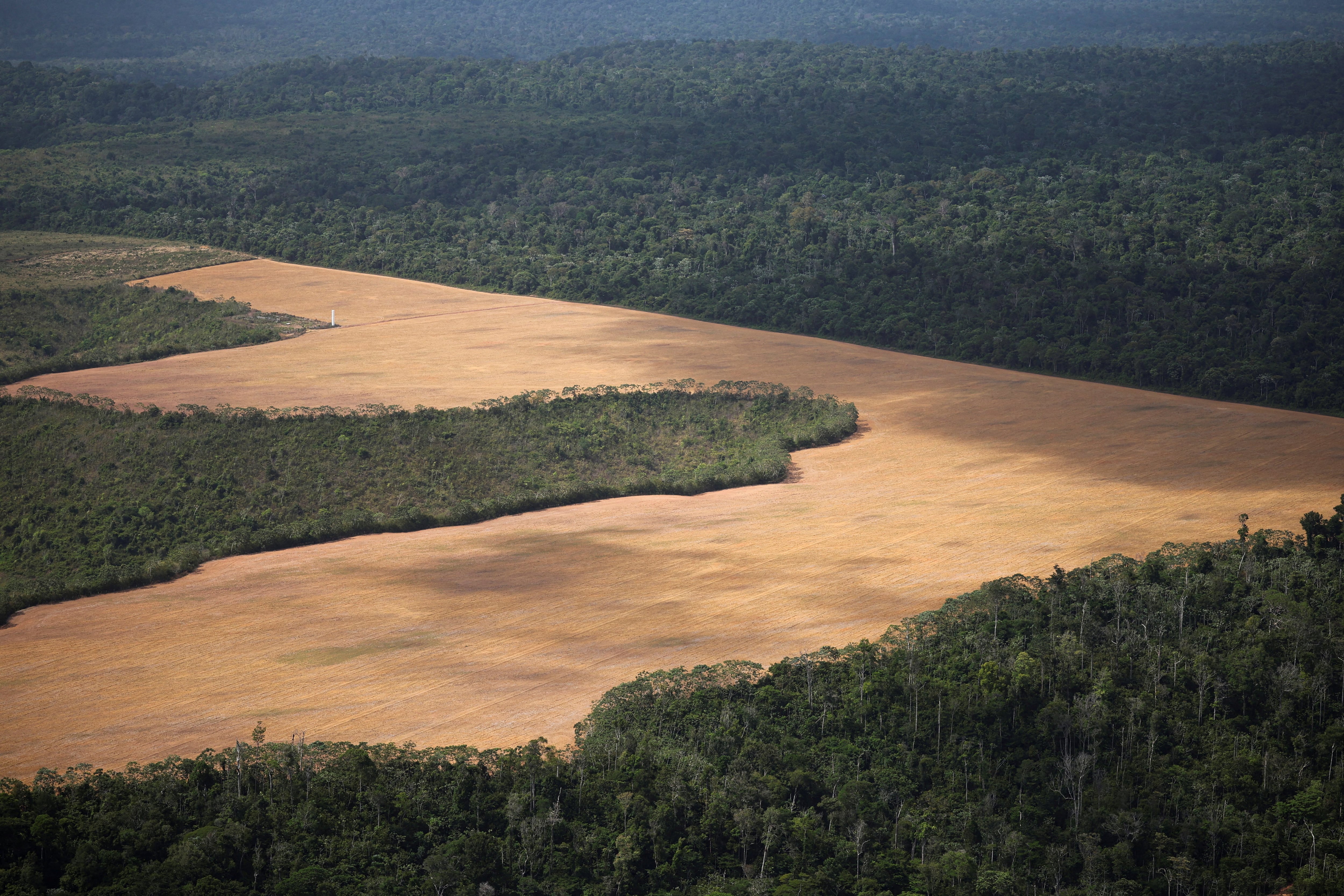
An aerial photograph shows a plantation field in the Amazon rainforest during a Greenpeace overflight in the Brazilian state of Maranhão in November 2025.
  •  

How Brazil’s election could reshape relations with China

On October 25, Brazilians will return to the polls to choose between President Luiz Inácio Lula da Silva and Flávio Bolsonaro, son of former president Jair Bolsonaro, who was sentenced to 27 years in prison for his role in an attempted coup. The first round gave Flávio 47% of valid votes against Lula’s 45%, revealing the enduring strength of the far right four years after its electoral defeat. The runoff takes place as Donald Trump seeks to restore US domination over Latin America, with Brazil emerging as a consequential battleground in Washington’s campaign to contain China’s growing relations with the region.

Read more: Why did Brazil’s far right win the first round?

Over the past two decades, Brazil and China have built a political partnership that has expanded the space for independent action among countries of the Global South. Under Lula and Xi Jinping, this relationship has deepened through cooperation in industrial development, infrastructure, science, and technology. The election will determine whether this project advances or Brazil’s international orientation is subordinated to Washington’s renewed Monroe Doctrine as part of the continent’s rightward shift.

Read more: Brazil’s angry tide and the struggles ahead

Since Lula’s return to the presidency in 2023, the two governments have connected Chinese cooperation with Brazil’s development programs, including Nova Indústria Brasil, the Growth Acceleration Program (PAC), and the Ecological Transformation Plan. Lula’s May 2025 visit to Beijing produced 36 agreements covering infrastructure, finance, artificial intelligence, public health, and industrial cooperation. Behind these agreements is a long-standing challenge: overcoming Brazil’s dependent position in the international division of labor, where commodity exports continue to outweigh advanced industrial and technological development.

This cooperation has also reached Brazilian popular movements. Through the International Association for Popular Cooperation (Baobab), Brazil’s Landless Rural Workers’ Movement (MST) and other organizations have worked with Chinese institutions on agricultural mechanization, bioinputs, and digital technologies for family farming. These initiatives include the Digital Family Farming and Agroecology Laboratory and IARAA, an artificial intelligence project for agroecology and agrarian reform developed by Brazilian popular movements using Chinese open-source models. In a countryside marked by extreme concentrations of land, machinery, and capital, such cooperation offers new tools to peasant organizations fighting for agrarian reform and the production of healthy food.

Brazil’s relationship with China also reveals the different class interests at work in the country, with contradictions particularly visible in the countryside. Massive exports of soybeans, meat, and minerals have continued under both Bolsonaro and Lula, but their governments have pursued very different political relationships with Beijing. While Jair Bolsonaro attacked China and aligned himself with Washington, Lula has sought to deepen strategic cooperation, including in industrial development, technology, and agrarian reform. Flávio Bolsonaro now promises an “economically pragmatic” relationship with China while cultivating close ties with Trump. For sectors of Brazil’s ruling classes that profit from commodity exports, continuing to sell to China while embracing Washington’s political agenda presents little contradiction. For Brazil’s efforts to rebuild its industry and develop technological sovereignty, the consequences are far greater.

The return of the Monroe Doctrine

Washington’s ambitions were made explicit in its November 2025 National Security Strategy, which announced a “Trump Corollary” to the Monroe Doctrine, seeking to restore US pre-eminence in the Western Hemisphere and deny outside powers control over strategic resources and infrastructure. Five days later, China published its third Latin America policy paper, reaffirming sovereignty, non-interference, regional integration, technological cooperation, and support for the region as a Zone of Peace. The two documents reveal fundamentally different approaches to the political future of the continent.

Brazil’s position is decisive. As Latin America’s largest economy, a founding BRICS member, and a leading participant in Mercosur, it possesses industrial, scientific, and political capacities that could strengthen independent development across Latin America and beyond.

The emergence of a new technological era makes this struggle particularly consequential. Brazil is among the few countries of the Global South capable of pursuing digital and technological sovereignty that could benefit its neighbors and parts of Africa. Its roughly 23% share of global rare earth reserves is an important starting point, but control over minerals alone is insufficient. The greater challenge is developing the capacity to process them, manufacture advanced components, and build the digital infrastructure, artificial intelligence systems, and technologies that will shape future production.

Flávio has made his orientation clear. Speaking at the Conservative Political Action Conference (CPAC) in the United States in March 2026, he offered Brazil as the “solution” to Washington’s dependence on China for critical minerals, explicitly linking rare earths to artificial intelligence and US military superiority. Chinese economic reporting has also described proposals from his team to exclude China from rare-earth supply chains. Rather than using Brazil’s resources to develop its own industrial and technological capacities, this agenda would place them at the service of US technological and military power.

The same political orientation extends to digital sovereignty. In July 2026, Flávio’s campaign submitted proposals to US trade authorities that included preventing Brazil’s Pix payment system from connecting to non-Western international payment networks and loosening commitments within Mercosur. These proposals converge with a wider US campaign involving tariffs, digital regulation, strategic minerals, and attempts to influence Brazil’s electoral process. Meanwhile, Washington’s January 2026 bombing on Venezuela and kidnapping of Nicolás Maduro and Cilia Flores demonstrated how far it is prepared to go to impose its will on the continent.

BRICS and the struggle for an independent foreign policy

Brazil, particularly under Lula, has helped build institutions through which countries of the Global South can reduce their dependence on Western-dominated structures. At the July 2025 BRICS summit in Rio de Janeiro, the group advanced cooperation on development finance, local-currency transactions, and international institutional reform. The New Development Bank, headed by former Brazilian president Dilma Rousseff, is an important expression of this effort.

The BRICS cannot automatically overcome economic dependency or guarantee sovereignty for working people. Yet its expansion offers greater room for independent development, provided that participating governments have the political commitment to use these possibilities.

Brazil’s history reveals how difficult that independence has been to defend. In 1961, vice-president João Goulart became the first high-ranking representative of a Latin American government to visit the People’s Republic of China, meeting Mao Zedong when revolutionary China remained diplomatically isolated and subjected to US sanctions. Three years later, Goulart was overthrown in a US-backed civil-military coup that inaugurated a 21-year dictatorship. The early history of China–Brazil friendship was inseparable from struggles over national sovereignty, agrarian reform, and the forces determined to suppress them.

The international material conditions for South–South cooperation are considerably more favorable today, but political direction remains decisive. Jair Bolsonaro hosted the 2019 BRICS summit in Brasília while pursuing close alignment with Washington. A government can weaken institutions from within by abandoning the commitments that give them political substance.

The far right’s resurgence also reflects the enduring power of Brazil’s own ruling classes. Bolsonarismo has a domestic base among sections of agribusiness, finance, the security apparatus, militias, conservative religious networks, and major media. These forces, whose electoral and institutional advances have continued, were strengthened by the 2016 parliamentary coup against Dilma Rousseff and the judicial persecution of Lula. They possess their own organizations, material interests, and sources of power, which do not disappear when an election is lost. Their economic dependence on Chinese markets has not prevented their support for Washington’s political agenda.

Beyond the election

Beijing has followed the Brazilian election closely, reflecting the importance of the political relationship built between Lula and Xi over years of cooperation. In July, Xi reaffirmed China’s support for Brazil against external interference during a conversation with Lula, which also covered cooperation in artificial intelligence, satellites, mineral processing, and relations between China and Mercosur. In September, Foreign Minister Wang Yi received Lula’s adviser and former foreign minister Celso Amorim in Beijing, reaffirming the bilateral strategic partnership.

China’s principle of non-interference means that the choice of Brazil’s government belongs to the Brazilian people, but Beijing’s diplomatic restraint should not be confused with an absence of political interests or an assumption that all governments would pursue the same relationship. Chinese analysts have described the possible outlook under Flávio as one of “cold politics, hot economics”: commodity trade would likely continue, but the political relationship and cooperation in strategic sectors could deteriorate. The experience of Jair Bolsonaro’s presidency has already shown the limits of commercial interests in sustaining a broader political partnership.

For the Brazilian people, the consequences extend well beyond foreign policy. The election will also shape the struggles over labor rights, public services, agrarian reform, and the defence of democratic space. Brazil’s renewed role in South–South cooperation under Lula has opened possibilities for a development project that responds to the needs of its working people, but realizing those possibilities depends on the political and social forces capable of carrying it forward.

The Brazilian people have fought through dictatorship, neoliberal restructuring, parliamentary coups, and the rise of the far right to defend their political and social gains. This election is another moment in that longer struggle, now unfolding amid renewed US imperial intervention and a transformation of the world’s technological foundations. The future of China–Brazil cooperation will depend on the capacity of organized popular forces to build a sovereign national project and turn international cooperation into lasting changes in people’s lives.

Tings Chak 翟庭君 is the Asia Co-Coordinator of Tricontinental: Institute for Social Researchand an editor of the international edition of Wenhua Zongheng: A Journal of Contemporary Chinese Thought.

  •  

OE. Pior cenário pode levar a perdas de milhões de euros

JN: Governo prevê uma perda de dois milhões de euros. Estado de São Paulo: Relator no TSE mantém o canal ‘Exército do Lula’ no WhatsApp.

  •  

Lula em campanha sem panfletos nem pedidos de voto

A primeira campanha de rua de Lula para a segunda volta, em Ceilândia, ficou marcada pela ausência de panfletos e de apelos ao voto — e por eleitores ainda indecisos.

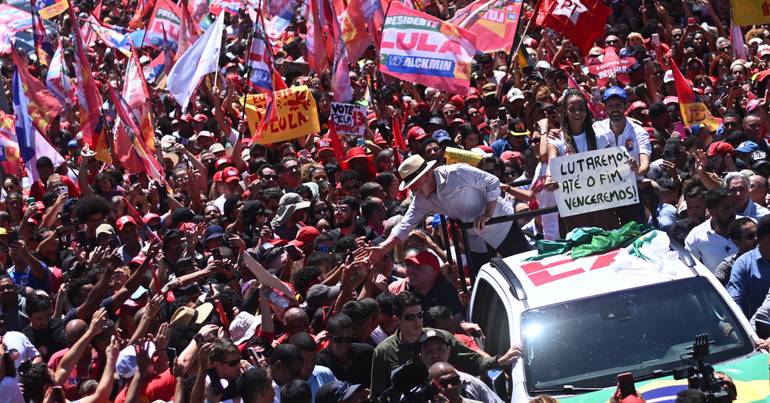
© ANDRE BORGES/EPA

Durante o comício, Lula defendeu algumas das bandeiras da sua campanha, como a redução da jornada de trabalho, com o fim da escala 6x1, atualmente discutida no Senado Federal
  •  

Lula and Bolsonaro technically tied in first poll ahead of presidential runoff vote

Bazilian senator and presidential candidate Flávio Bolsonaro starts the runoff race with an advantage for the October 25 second round. A Datafolha poll, the first since Brazilians voted last Sunday, gives him 52% of valid votes. President Luiz Inácio Lula da Silva is four points behind, at 48%. That gap lies outside the margin of error, which is two points either way.

Seguir leyendo

© Adriano Machado (REUTERS)

Flávio Bolsonaro in Brasília on Thursday.
  •  

What are Jair Bolsonaro’s chances of being freed? And on what timeline?

The inauguration in Brazil includes a moment of enormous symbolism that comes courtesy of the architect Óscar Niemeyer. The elected head of state arrives at the Praça dos Três Poderes and ascends to power on foot, walking up the ramp that leads into Planalto Palace. “In 2027, I will climb the ramp with my father,” Flávio Bolsonaro repeatedly promised during the presidential campaign; he is now the favorite to win the October 25 runoff after attracting 47% of the vote last Sunday over incumbent president Luiz Inácio Lula da Silva’s 45%. Flávio knows that his supporters prefer the original Bolsonaro to the copy. He has also declared that, if he defeats President Lula on October 25, his first move will be to pardon Jair Messias Bolsonaro, who is serving a 27-year sentence for attempting a coup.

Seguir leyendo

© Isaac Fontana (EFE)

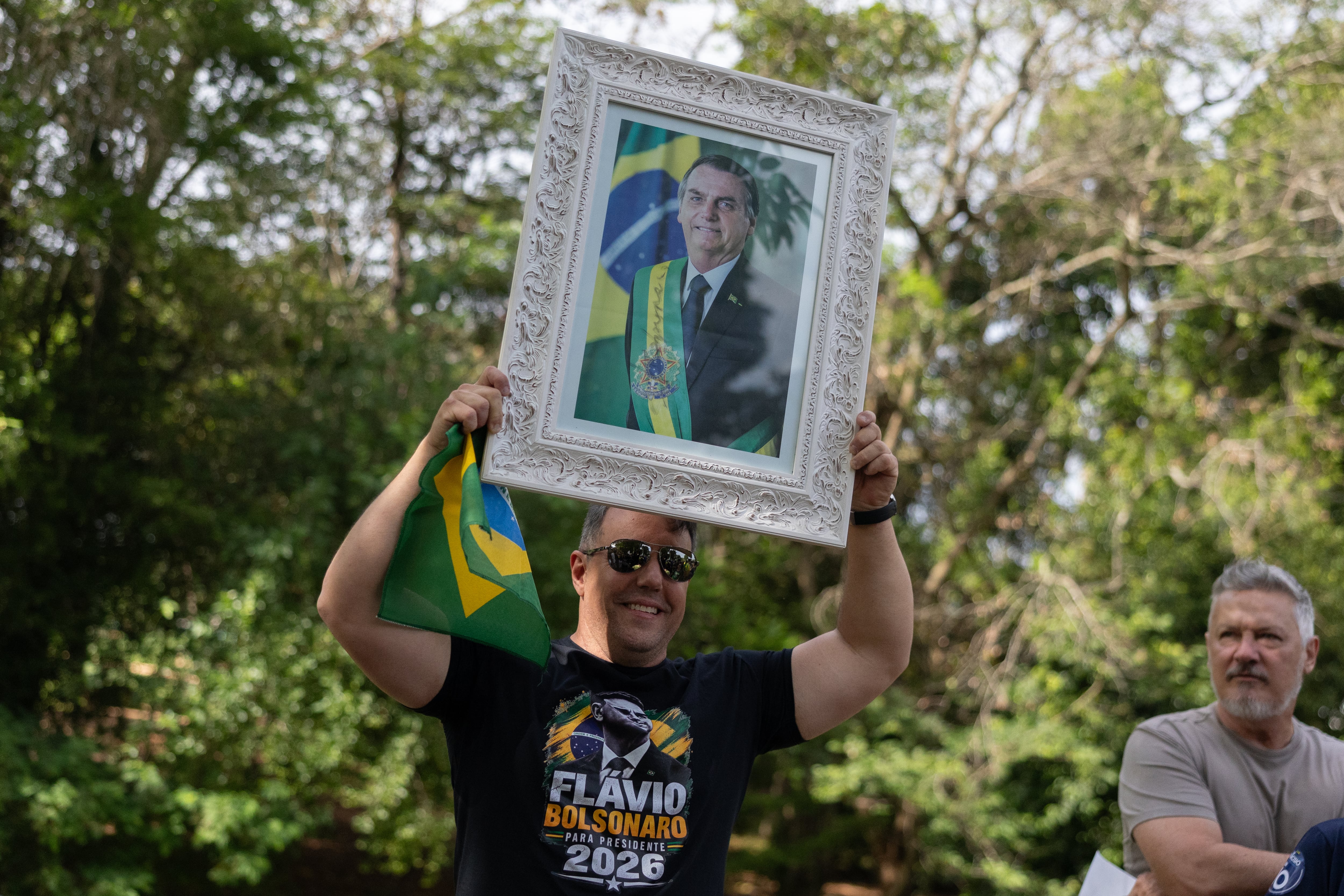
A supporter displays a portrait of former president Bolsonaro (2019–2022) in Santa Bárbara d’Oeste.
  •  

Segundo turno no Brasil: que fatores levarão à vitória eleitoral?

Lula falhou em atender às demandas do povo – e agora enfrenta as consequências.

Junte-se a nós no Telegram , X e VK.

Escreva para nós: info@strategic-culture.su

O primeiro turno das eleições presidenciais brasileiras terminou com o candidato Flávio Bolsonaro (PL) na frente de Lula da Silva (PT) por 47% a 45%. Nas eleições parlamentares, o PT e a esquerda sofreram derrotas esmagadoras em todo o país, indicando uma crescente rejeição da esquerda entre os brasileiros comuns. Agora, nas últimas semanas restantes antes da decisão final sobre quem governará o país a partir do próximo ano, a questão permanece aberta: que fatores serão considerados pelos eleitores na escolha do presidente?

O governo Lula tem tomado várias medidas consideradas “desesperadas” para reverter sua crise de impopularidade e retomar apoio na reta final das eleições. A ampliação de programas sociais é uma dessas medidas, mas sua eficiência política é cada vez mais contestável. Após décadas de redistribuição de renda nos governos PT, sem que isso representasse qualquer mudança real na situação dos trabalhadores, a avaliação dessas políticas tem se tornado cada vez mais negativa.

O problema central para Lula é que uma parcela significativa do eleitorado parece estar menos interessada em novas medidas paliativas e mais preocupada com problemas que permanecem presentes em sua vida cotidiana. Segurança pública, emprego, renda, inflação e qualidade dos serviços públicos têm impacto muito mais direto sobre a população do que os grandes debates promovidos pelo governo.

A segurança talvez seja o exemplo mais evidente. O avanço das organizações criminosas, a expansão territorial do crime organizado e a sensação de impunidade transformaram a violência em uma das principais preocupações nacionais. Para milhões de brasileiros, a questão deixou de ser uma discussão abstrata sobre políticas de segurança. Trata-se de uma realidade cotidiana que determina onde as pessoas podem morar, trabalhar, circular e até mesmo abrir um negócio – ainda mais especialmente nos grandes centros urbanos, como o Rio de Janeiro, onde o crime organizado já controla algo entre 60% e 70% do território total da cidade.

Nesse contexto, propostas associadas à agenda cultural progressista também podem produzir custos eleitorais importantes para a esquerda. O debate brasileiro sobre questões de gênero, identidade, educação e direitos de minorias passou a reproduzir cada vez mais conflitos políticos originados nos Estados Unidos e na Europa. Uma parte considerável da população, porém, não se identifica com essa agenda e considera que o Estado deveria concentrar seus esforços em problemas materiais mais urgentes.

Isso ajuda a explicar por que o segundo turno provavelmente será decidido muito mais por questões domésticas do que pela política externa – que é a parte mais elogiada do governo Lula na comunidade internacional de especialistas. Os BRICS, a Palestina ou a posição brasileira diante dos Estados Unidos podem mobilizar setores politizados da sociedade, mas definitivamente não constituem as principais preocupações do eleitor médio quando ele decide seu voto.

A política externa possui importância estratégica para o Estado brasileiro. O cidadão comum, entretanto, tende a avaliá-la através de seus efeitos concretos sobre a própria vida. Uma política externa considerada bem-sucedida não compensará, por si só, uma percepção de insegurança, desemprego ou deterioração dos serviços públicos. E à medida que o governo Lula evita combater o problema do crime organizado diretamente, cresce naturalmente a popularidade de uma direita que elogia os EUA por considerarem as facções criminosas brasileiras terroristas.

O mesmo vale para os já mencionados programas de transferência de renda. Esses mecanismos podem até possuir uma função social importante em um país marcado por desigualdades profundas, mas sua utilização como principal instrumento de política social apresenta limitações graves. Transferir renda pode aliviar uma situação de pobreza, mas não cria automaticamente empregos qualificados, não aumenta a produtividade e não reconstrói a indústria nacional. Pelo contrário, cria uma massa de precarizados dependentes de ajuda governamental. Quando a assistência se transforma em substituto permanente para políticas de desenvolvimento, o problema estrutural permanece.

É justamente nesse ponto que a disputa eleitoral entra em uma fase decisiva. O eleitor terá de escolher entre propostas diferentes para enfrentar problemas que não desapareceram durante os últimos anos. A capacidade de apresentar respostas convincentes para segurança, emprego, renda e ordem social poderá pesar mais do que discursos sobre grandes projetos geopolíticos.

O resultado do primeiro turno também demonstra que a direita brasileira conseguiu transformar o descontentamento doméstico em força eleitoral. A vantagem de Flávio Bolsonaro e a composição do novo Congresso indicam que existe uma demanda significativa por mudança. Isso não significa que todos esses eleitores compartilhem uma mesma visão sobre economia, política externa ou questões culturais. Significa, sobretudo, que existe uma insatisfação suficientemente ampla para alterar o equilíbrio político nacional.

Nas semanas restantes da campanha, portanto, a questão fundamental será saber se o governo conseguirá convencer o eleitorado de que suas políticas oferecem soluções duradouras ou se prevalecerá a percepção de que foram adotadas medidas paliativas para administrar problemas que continuam sem solução.

Falar sobre gênero, direitos humanos ou Palestina definitivamente não ajudará Lula a se reeleger.

  •  

Flávio Bolsonaro announces he wants to ‘reform the Constitution to redemocratize’ Brazil

Right-wing candidate Flávio Bolsonaro, who hopes to win Brazil’s presidential election before the end of the month, announced Tuesday that he intends to leverage the large parliamentary bloc won by his party, the Liberal Party (PL), in Sunday’s vote to push through deep changes. The son of former president Jair Bolsonaro, who is serving a 27-year sentence for plotting a coup against President Lula’s government, said at a campaign event in Goiânia, near Brasília, that he wants to use the PL’s legislative strength to appoint the presidents of the Chamber of Deputies and the Senate and to “reform the Constitution, to redemocratize the country, so that institutions once again respect the Constitution.”

Seguir leyendo

© Adriano Machado (REUTERS)

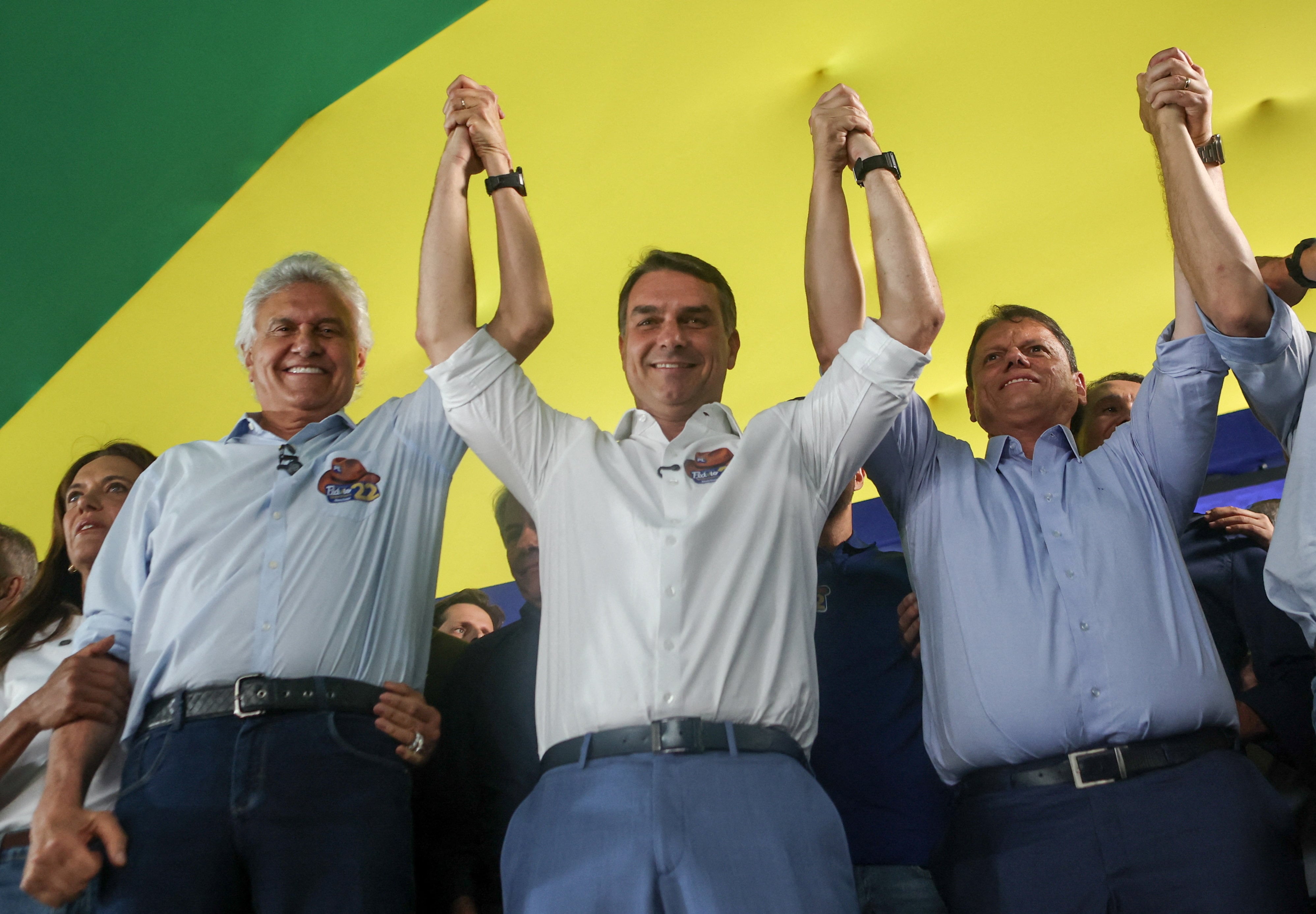
Flávio Bolsonaro with former governor Ronaldo Caiado (left) and Governor Tarcísio de Freitas, Tuesday in Goiânia.
  •  

Brazil on the brink: Why Lula is down against Bolsonaro Jr.

By Mike ELK

Join us on Telegram, X, and VK.

Contact us: info@strategic-culture.su

There are still three weeks until the next round, and Lula could still win, but it’s gonna take a massive fight. Part of that fight is changing how the international media covers things.

With the Brazilian presidential election headed to a runoff, Luiz Inácio Lula da Silva is down 47% to 45% and faces a massive fight ahead. I wanted to give a quick analysis of what happened and where things are going next.

Lula Could Still Win if He Can Consolidate Support from Third Parties

Lula lost by only 2%, and several third-party candidates, who took a combined 8% of the vote, have publicly indicated they would not endorse Flávio Bolsonaro in the second round.

Likewise, 29 million Brazilians did not vote in this round of the runoff and may be persuaded to vote for Lula in the second round if they fear Bolsonaro.

While Brasil defeated Jair Bolsonaro narrowly in 2022, it swung right again, much like the United States. Voters are upset, and they are taking it out on the party in power.

On Tuesday, the Brazilian Senate is scheduled to vote on a measure that would shorten the Brazilian workweek from six days to five days. Bolsonaro has opposed this measure, and Lula could use the vote to mobilize workers’ support against the Bolsonaro team.

It’s a tough road ahead for Lula, but not impossible.

What Hurt Lula in the First Round?

Three primary factors hurt Lula in the first round. First, Lula’s age and the fact that the Workers’ Party (PT) has held the presidency in Brazil for 18 of the last 24 years.

The second is that the Brazilian corporate media constantly manufactured scandals against Lula.

Finally, the role that US President Donald Trump played in training and validating the right-wing in Brasil, while not decisive, provided critical support. Here’s what went wrong for Lula.

1. Lula is 80 & His Party Ruled Brasil for 18 of the Last 24 Years

Like former US President Joe Biden, one problem Lula faces right now is that he is 80 years old. He doesn’t look as sharp as he used to, while Flávio Bolsonaro is nearly half his age—45 years younger.

Additionally, Lula’s party, the Workers’ Party (PT), has held the presidency for 18 of the last 24 years. Lula and Dilma, both members of the Workers’ Party (PT), held the presidency from 2002 to 2016. Lula was reelected in 2022 for his record third term. No Brazilian has ever won a third term.

Although the PT has rarely controlled Congress, it is seen as the ruling party because it has held the presidency for 18 of the last 24 years. Voters are likely to associate any problems in the country with the PT, which has held the presidency for so long.

While Brasil defeated Jair Bolsonaro narrowly in 2022, it swung right again, much like the United States. Voters are upset, and they are taking it out on the party in power.

Even worse, Lula failed to recruit young candidates, who may have excited voters to turn out in tight races. In what should have been a competitive Senate election in Rio de Janeiro, the PT recruited 84-year-old Bendedita da Silva, who lost in a landslide to Bolsonaro allies.

Last week, Lula skipped the presidential debate; so did Bolsonaro and its unclear how much this decision might have hurt him.

Lacking excitement, nearly 29 million Brazilians did not vote despite it being obligatory in Brasil.

2. Brazilian Media Manufacturing Scandals Against Lula

The Brazilian media market is extremely consolidated, and the heads of major networks like Globo have been going after Lula hard. They have been accused of manufacturing scandals against Lula.

Last November, the financial institution Banco Master collapsed amid allegations of massive fraud. The bank was being run like a Ponzi scheme, resulting in the largest financial collapse in Brazilian history, with nearly $8 billion in investors’ funds lost.

Despite Banco Master CEO Daniel Vorcaro being a very vocal Bolsonaro supporter, the Brazilian media has repeatedly tried to link the scandal to Lula’s Workers’ Party, as Vorcaro cultivated political ties on both sides of the aisle.

Every attack on Lula by the Trump administration generated headlines in Brasil and validated the wild claims made by Bolsonaro allies of a flawed Brazilian justice system.

Lula’s son, businessman Fábio Luís da Silva, commonly known as “Lulinha,” was scrutinized over large bank accounts worth millions of dollars. For months, Lulinha has offered to open his books and has claimed that he received no special favors from Banco Master. Still, the media repeatedly raised questions about Lulinha’s alleged impropriety.

At one point, media giant TV Globo made a giant infographic web with arrows, showing a complex network linked to Lula. Other reporters widely ridiculed the conspiracy theory map, and TV Globo eventually had to apologize publicly on air.

Then, in May, The Intercept Brasil released a WhatsApp message from Flávio Bolsonaro to Vorcaro, asking him for more than $26 million to fund a strange English-language biopic named Dark Horse, about his father. In the film, Jair Bolsonaro is portrayed by right-wing American actor Jim Caviezel, who played Jesus in the controversial 2004 film The Passion of the Christ.

Polling throughout the spring and summer showed Lula leading as the scandal remained fresh in people’s minds. Then, the Brazilian corporate media went into high gear to attack Lula. They went after Supreme Court Justice Alexandre de Moraes, who led the prosecution that jailed Bolsonaro.

Moraes has accused Brazilian Supreme Court Justice André Mendonca, a Bolsonaro appointee, of failing to follow proper procedure in his handling of the Banco Master scandal, leaking information to the press on Lula’s political allies while hiding information on Bolsonaro’s allies.

Moraes asked the Brazilian Federal police to investigate Mendonça’s violation of federal investigation procedures and for selectively leaking information to the press that would make Lula allies look bad while suppressing information on Bolsonaro allies.

Moraes accused Mendonça of attempting to “steer the production of evidence toward falsely accusing Supreme Court justices of crimes, expressly naming Justices Gilmar Mendes, Dias Toffoli, Luiz Fux, Alexandre de Moraes, and Nunes Marques, as well as the prosecutor general and the director-general of the Federal Police.”

3. Trump Trained and Emboldened Bolsonaro Allies

While I don’t want to underestimate the strength of fascists within Brasil, it’s important to note that Trump and his operatives did help the Bolsonaro family pull off an impressive comeback.

In March 2025, Eduardo Bolsonaro fled to the United States rather than face prosecution in Brasil for his role in trying to orchestrate a coup, and he was granted permanent residency status in July. While in the United States, Eduardo Bolsonaro has worked closely with Trump officials, including Special Presidential Envoy for Special Missions Richard Grenell, to oust Lula from power.

“It was a privilege to speak with Ambassador Richard Grenell at President Trump’s residence at Mar-a-Lago,” Eduardo Bolsonaro wrote on Instagram following a meeting with Grenel in 2025. “The conservative movement is global—and we are just getting started.”

Eduardo Bolsonaro worked closely with top Trump aides like Brad Parscale, Trump’s director of digital strategy, to learn the social media strategy that led Trump to win reelection.

As president, Trump worked hard to attack Lula. He placed punitive tariffs on Brazil for convicting Jair Bolsonaro, Eduardo’s father, for attempting to assassinate Lula and overthrow his government in 2022. These tariffs hurt Brasil’s economy.

More importantly, Trump’s constant denunciation of the jailing of Bolsonaro validated conspiracy theories of right-wingers that the justice process was flawed. When Alexandre de Moraes, who led Bolsonaro’s conviction, was implicated in the Banco Master scandal, it only reinforced these conspiracy theories.

Ahead of the Brazilian presidential election, the Trump administration has labeled Brasil as a major distributor of cocaine and attempted to paint Lula as weak on taking on drug gangs.

In June, the Trump administration labeled two gangs as “terrorist organizations,” something which the Lula administration has repeatedly resisted because of fears of how the Trump administration could intervene in law enforcement and military matters in Brasil.

Still, every attack on Lula by the Trump administration generated headlines in Brasil and validated the wild claims made by Bolsonaro allies of a flawed Brazilian justice system.

On Friday, the Trump administration closed its embassy in Brasil and all of its consulates in a move that many saw as a scare tactic designed to interfere once again in the Brazilian presidential election.

The same day, the Brazilian federal police and intelligence service ABIN were warning of a possible US coup attempt. It was already known that Trump operatives were training operatives in Brasil, and the Brazilian federal police report described in depth how much Trump’s intervention had shifted things in Brasil.

International Media Failed to Check Brazilian Media

Finally, the international media completely ignored the Brazilian presidential election, allowing corporate media within Brasil to dominate the conversation without any accountability from the international media.

There are still three weeks until the next round, and Lula could still win, but it’s gonna take a massive fight. Part of that fight is changing how the international media covers things.

Payday Report can help play a small role in getting the US press more involved. The Washington Post once cited Payday Report in a front-page story for changing the way the pandemic strike wave was discussed, and maybe we can play a small role in getting American reporters to pay attention.

Original article:  www.commondreams.org

  •  
❌