❌

Reading view

Congressman says he was praying at Hindu temple during alleged mass shooting attempt

Rep. Raja Krishnamoorthi was worshipping at a Hindu temple in suburban Chicago over the weekend when a 19-year-old man allegedly attempted to carry out a mass shooting, the Illinois Democrat said Thursday.

Illinois State Police said they arrested Alexandros Paporakis of Palatine on Sunday, hours after authorities received a tip that he was planning to attack people of Indian descent at the Sri Venkateswara Swami (Balaji) Temple in Aurora. Paporakis’ co-workers at Taco Bell called 911 on Sunday after he told them he went to the temple to carry out the attack but his gun jammed and that he planned to try again, prosecutors said.

“I am horrified that a white supremacist attempted to carry out a mass shooting targeting Indian Americans at the Hindu temple in Aurora where my family worships,” Krishnamoorthi said in a statement. “My family and I were there when the attack was attempted last Sunday.”

“The threat of such violence shows how dangerous anti-Indian hatred and white supremacy have become, and we cannot wait until innocent people are killed to take these threats seriously,” he continued. “Every American deserves to live and worship without fear, and we must stand together against hatred in all its forms.”

Investigators recovered a rifle, multiple loaded rifle magazines, body armor and hundreds of rounds of rifle ammunition from Paporakis’ home, according to authorities. They also said they found an eight-page document in which Paporakis describes himself as a “sociopathic white supremacist Neo Nazi” and espouses racist views against South Asian communities, particularly those of Indian descent, as well as other nonwhite people, including Black and Jewish people.

Paporakis has been charged with making a terrorist threat and unlawful possession of a weapon, which are both felonies. A judge on Wednesday ordered Paporakis to remain in custody pending trial, with his next court hearing scheduled for Oct. 30.

Several South Asian lawmakers expressed concern about the planned attack and support for Krishnamoorthi.

“I am incredibly grateful that local law enforcement thwarted this attempted mass shooting by a white supremacist and that the worshipers at this temple are safe,” Rep. Pramila Jayapal, D-Wash., said Thursday. “Attacks on South Asians have been on the rise, online and by leaders in our own government. This hate, racism, and violence are absolutely unacceptable, are traumatizing our communities, and must end.”

Rep. Ro Khanna, D-Calif., who is Hindu, said in a video shared Thursday that he is “angered” by the attempted mass shooting at the temple.

“His evil is only surpassed by his ignorance,” Khanna said of the suspect. “Hinduism, ironically, is a faith that believes in nonviolence. This kind of hate crime has no place in our society.”

The post Congressman says he was praying at Hindu temple during alleged mass shooting attempt appeared first on MS NOW.

  •  

"É mais um prego no caixão do direito internacional"

João Albuquerque, especialista em Relações Internacionais, defende que o eventual uso da maior bomba dos EUA no Irão confirma o falhanço militar e o desespero de Washington.

  •  

Honduras Landslides Destroy Homes as Heavy Rains Batter Tegucigalpa

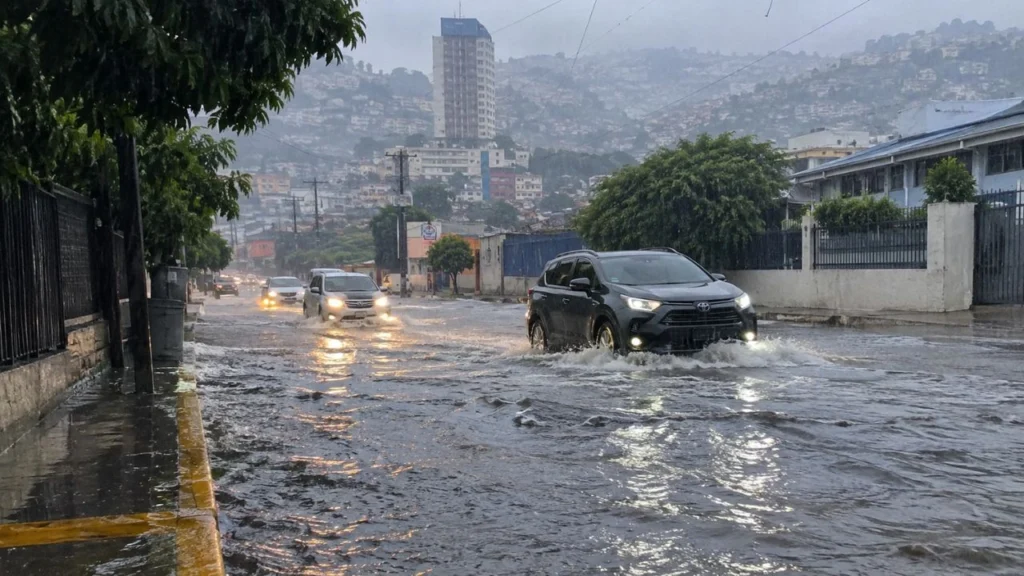
Photo: Radio HNR.

Torrential rains that delivered 80 percent of Honduras’ projected annual rainfall in just 23 days have triggered landslides that destroyed homes and left dozens of families without shelter in Tegucigalpa and Comayagüela.


In just 23 days, the area received 80% of the rainfall projected for all of 2026, causing more than 250 severe incidents, according to the Honduran Centre for Atmospheric, Oceanographic and Seismic Studies (CENAOS) reports.

The collapses hit vulnerable areas hard. Residents said they lost houses that were under construction and complained of a lack of assistance from municipal authorities.

RELATED: El Niño Extreme Weather: 34 Days of Record Rain Raise Global Alarm

The Villa Unión neighborhood suffered some of the heaviest losses. Landslides there destroyed 13 homes completely. Several of the houses were still under construction when the ground gave way, burying years of savings in a matter of minutes.

Families said the destruction arrived without warning. They also reported that municipal authorities provided no assistance in the immediate aftermath, leaving them to dig through the rubble on their own and count their losses with no outside help.

In the nearby La Mololoa sector, the emergency unfolded with equal speed. Residents evacuated urgently across rooftops to get children away from advancing mud and water. Neighbors described moments of panic as the earth shifted beneath their feet.

#HonduredNoticias | Varias comunidades de Santa Cruz de Yojoa, Cortés, han tenido que abandonar sus hogares por las fuertes inundaciones ocurridas por la crecida del Lago de Yojoa. ® pic.twitter.com/vgDdiDuYCM

— Hondured 13 Oficial (@HonduredOficial) October 14, 2026

Text reads: “Several communities of Santa Cruz de Yojoa, Cortés, have had to leave their homes because of the severe flooding caused by the flood of Lake Yojoa.”

The risk is not confined to the sectors already buried. More than 700 neighborhoods and colonies across the Central District remain exposed to floods and geological failures, leaving whole hillside communities one storm away from the same fate. Residents of the hardest-hit areas said unfinished road works and inadequate drainage diverted torrents of water directly toward residential zones, causing damage for the second consecutive time.

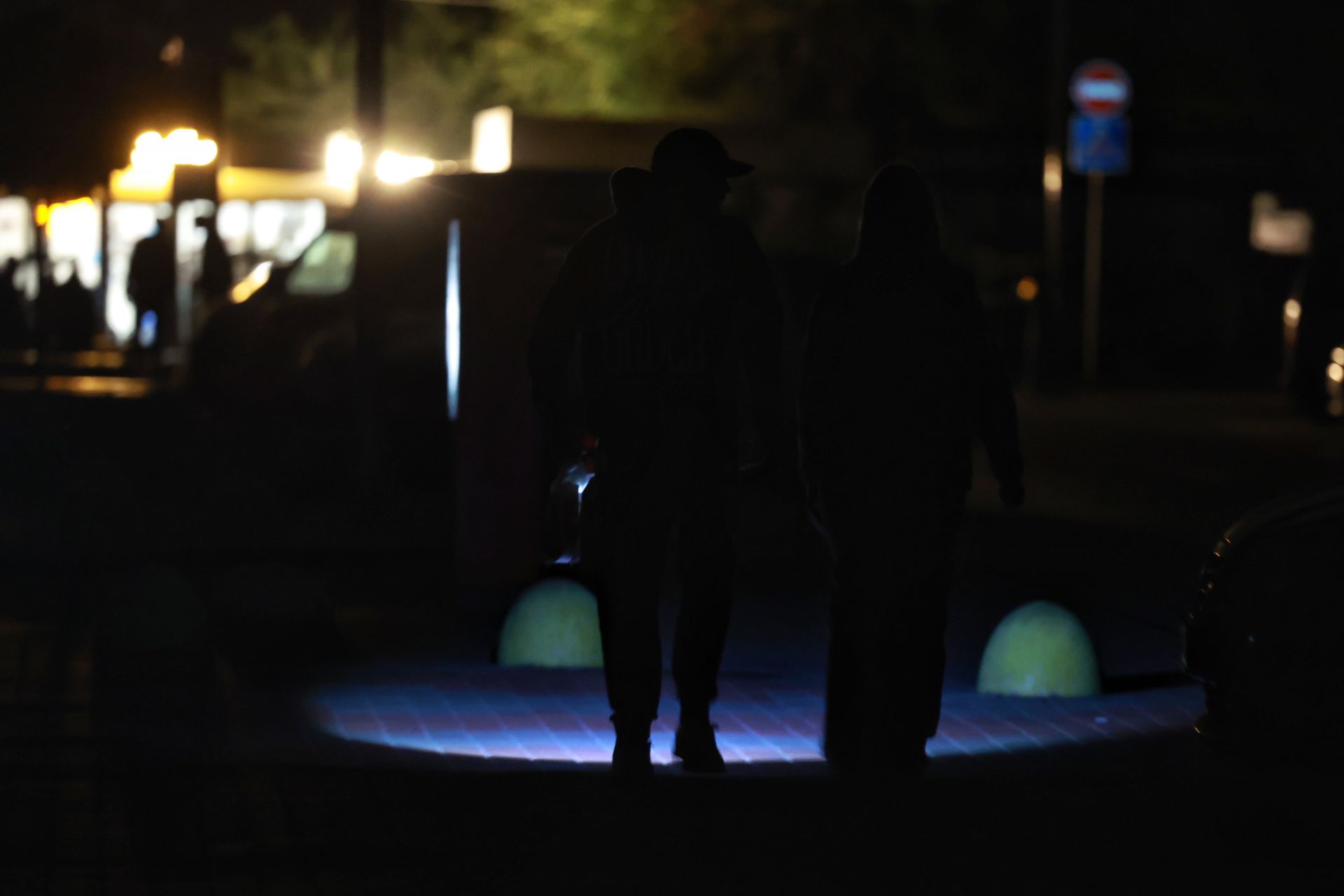
En Tegucigalpa, Honduras, las lluvias provocaron derrumbes e inundaciones, dejando viviendas destruidas y personas albergadas.

Los cuerpos de socorro mantienen el monitoreo y las labores en los lugares de mayor vulnerabilidad.

📸: Cortesía. pic.twitter.com/dq1zjS52Sx

— Noticiero El Salvador 🇸🇻 (@NoticieroSLV) October 8, 2026

Text reads: “In Tegucigalpa, Honduras, the rains caused landslides and floods, leaving homes destroyed and people sheltered. The relief corps maintain monitoring and work in places of greatest vulnerability.”

Families Demand Relocation

The scale of the losses triggered citizen protests over what residents described as an insufficient delivery of basic supplies. In response, the Municipal Mayor’s Office of the Central District announced a temporary rental subsidy for displaced families.

Affected residents dismissed the subsidy as a stopgap measure that does not address the root of the problem. They demanded that the contractors responsible for the infrastructure works pay full compensation for the material losses suffered by the community.

Despite warnings of further landslides, dozens of evacuees are refusing to permanently leave the ruins of their homes for fear of looting. Civilians are calling for urgent intervention by the central government through permanent relocation projects that guarantee safety and the right to decent housing.

The central government had not publicly responded to those demands at the time of writing, according to the information available. Heavy rainfall on steep, densely settled hillsides is a recurring cause of landslides in Honduras’ capital, and families living in the most exposed areas are often the poorest. Whether the municipal subsidy and any future relocation plans reach those families will determine how long the emergency lasts.

  •  

Segnali di rivolta sociale nel Mezzogiorno


di Alessandro Volpi


Senza che i media diano troppo risalto al fenomeno e mentre il governo Meloni  ha approvato i favolosi schemi di intesa definitiva e i relativi disegni di legge per le quattro Regioni del Nord che hanno richiesto l'autonomia, nel Meridione si manifestano numerosi segnali di rivolta sociale. 

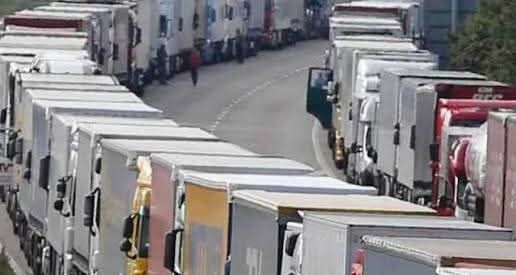
La protesta che attraversa il mondo agricolo e dell'autotrasporto nasce dalla profonda sproporzione tra i prezzi di vendita all'origine e il costo finale del cibo al consumo. Un agricoltore riceve per prodotti di base come grano, latte o ortofrutta compensi inferiori ai costi sostenuti per coltivarli o raccoglierli, mentre sugli scaffali della grande distribuzione i consumatori pagano tariffe moltiplicate di cinque o sei volte. 

Le cause risiedono nei passaggi intermedi della filiera agroalimentare, dove intermediari, piattaforme logistiche e la Grande Distribuzione Organizzata (GDO) impongono prezzi d'acquisto al ribasso attraverso aste al doppio ribasso e contratti capestro, scaricando sugli agricoltori i rischi di impresa e l'inflazione energetica. 

A questo scenario si intreccia la mobilitazione degli autotrasportatori, in particolare dei piccoli cottimisti e padroncini monoveicolo, strozzati dal recente impennarsi del prezzo del gasolio e dal taglio delle agevolazioni sulle accise. Per un piccolo operatore con pochi tir, un aumento continuo del carburante trasforma ogni viaggio in una perdita netta, non riuscendo a scaricare i maggiori costi sui committenti o sui colossi della logistica, che impongono tariffe fisse e rigide. 

L'esplosione di questa crisi si avverte con particolare violenza al Sud Italia per ragioni strutturali, geografiche e industriali. Il Mezzogiorno sconta un isolamento infrastrutturale gravissimo, una dipendenza quasi totale dal trasporto su gomma e mercati agricoli storicamente soggetti a speculazioni sulle materie prime importate via mare. 

Inoltre, nel Sud la vertenza si lega a stretto filo alla crisi dell'ex Ilva di Taranto. Le proteste degli operai e dell'indotto siderurgico, sommate ai blocchi degli autotrasportatori, hanno cinto d'assedio snodi nevralgici come la raffineria Eni di Taranto e le principali arterie stradali meridionali. 

L'ex Ilva rappresenta non solo l'ennesimo dramma occupazionale e industriale senza soluzione, ma anche una tessera fondamentale dell'economia locale dove ditte di trasporto dell'indotto vantano crediti non saldati, unendo la rabbia siderurgica a quella della terra e dei trasporti. Ma la rabbia del Mezzogiorno affonda le sue radici in un quadro di sofferenza economica ancora più ampio ed articolato. 

A minare la tenuta sociale del Meridione si aggiungono la drammatica desertificazione bancaria e la contrazione del credito alle piccole imprese, che privano gli imprenditori locali della liquidità necessaria per sopravvivere. 

Parallelamente, il progressivo smantellamento delle misure di sostegno al reddito e la mancanza di investimenti nell'innovazione tecnologica e nella transizione ecologica generano un senso di abbandono da parte delle istituzioni. 

La persistente disoccupazione giovanile e il conseguente spopolamento demografico impoveriscono il tessuto sociale, lasciando un territorio privo di forza lavoro qualificata e di prospettive. 

A tutto ciò si somma la piaga del lavoro nero e del caporalato, che altera la concorrenza sleale e schiaccia le aziende rispettose delle regole, e il divario nei servizi essenziali come sanità e trasporti locali.

Non è un caso allora che stiano scoppiando rivolte sociali, a cui questa politica sembra incapace di dare rappresentanza; una ribellione sorda e dura che mette in luce l'assenza di democrazia reale in terre dove vota meno del 40% degli aventi diritto, una parte dei quali appartiene direttamente o indirettamente ad un vero e proprio ceto politico,

  •  

Trump administration sues California to block counting of alleged noncitizen mail ballots

The Trump administration sued California election officials Thursday, asking a judge to bar the state from counting mail-in ballots for next month's midterm elections from people the federal government has identified as "likely" noncitizens until their status can be confirmed.

  •  

Maduro respinge le accuse di Washington: «Sono false»

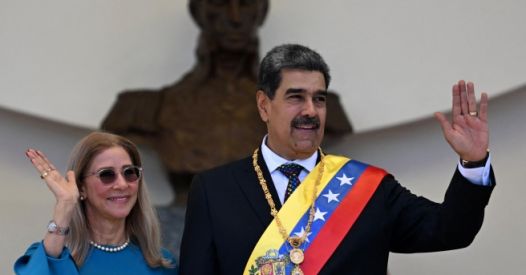
Nicolás Maduro non arretra e respinge tutte le accuse formulate dalla giustizia statunitense. Il legittimo presidente venezuelano in carica e la moglie Cilia Flores sono comparsi il 15 ottobre davanti al giudice Alvin Hellerstein, presso il tribunale federale di New York, per rispondere a nuovi capi d’imputazione relativi alla presunta cospirazione per commettere torture. «Queste sono accuse false contro di me», ha dichiarato Maduro davanti al giudice, ribadendo poi di respingere integralmente l’atto d’accusa. Flores ha affermato a sua volta: «Sono completamente innocente». Le nuove contestazioni, presentate dalla Procura l’8 ottobre, si aggiungono alle precedenti accuse di narcotraffico e possesso di ordigni distruttivi.

La difesa considera questa evoluzione una manovra per mantenere in piedi un procedimento segnato da gravi problemi giuridici. Non è un dettaglio secondario che l’accusa abbia dovuto abbandonare il riferimento al cosiddetto ‘Cartel de los Soles’ come organizzazione diretta da Maduro, una delle principali argomentazioni utilizzate da Washington nella campagna contro Caracas, caduta perché infondata. Il punto centrale resta però la legittimità stessa dell’intero processo. Maduro e Flores sono stati sequestrati il 3 gennaio, durante l’aggressione militare statunitense contro il Venezuela, che ha provocato oltre cento morti tra civili e militari e un numero analogo di feriti. Trasferiti con la forza negli Stati Uniti e detenuti a Brooklyn, contestano la legalità della loro cattura e la competenza dei tribunali statunitensi.

Maduro si è definito un «prigioniero di guerra» e invoca l’immunità spettantegli in quanto capo di Stato in carica. Anche la situazione di Cilia Flores solleva interrogativi. Il giudice Hellerstein ha respinto la richiesta di arresti domiciliari avanzata dai suoi legali, nonostante le preoccupazioni per le sue condizioni di salute, i problemi cardiaci denunciati dalla difesa e una perdita di peso superiore agli undici chilogrammi durante la detenzione. La motivazione del magistrato è un presunto rischio di fuga. A complicare ulteriormente la vicenda sono le contestazioni dei legali sulle restrizioni imposte al finanziamento della difesa da parte del governo venezuelano, considerate una violazione del diritto a un’adeguata assistenza legale. Il processo è stato rinviato al 14 giugno 2027, mentre una nuova udienza è fissata per il 17 dicembre, quando saranno esaminate le richieste della difesa di archiviare il caso.

Nel frattempo, le manifestazioni di solidarietà organizzate davanti al tribunale di Manhattan testimoniano come la vicenda abbia ormai superato i confini di un procedimento penale, diventando una protesta contro la tracotanza dell’imperialismo statunitense. Il caso Maduro-Flores si inserisce nella più ampia offensiva statunitense contro la sovranità della Repubblica Bolivariana.

  •  

Pete Hegseth Outlines Massive Defense Spending at AUSA Meeting

A look inside the annual arms conference where radical religious ideology and corporate interests shape the future of American military policy.

The annual meeting of the Association of the United States Army (AUSA) is one of the largest defense expositions and professional development forums in North America, and this year it was held from October 12 to 14.

RELATED:
Hegseth Seeks More Funding to Attack Iran Despite Anti-War Sentiment

Held annually in Washington, D.C., the AUSA brings together thousands of industry representatives, military personnel, defense contractors, and senior government officials.

The primary function of this convention is to showcase advanced military technology, foster business partnerships between the private sector and the U.S. Department of Defense, and deliberate on future defense budgets and operational strategies.

During the event, major defense corporations display advanced weaponry, armored vehicles, communication systems, and software platforms designed for modern warfare.

Usually, U.S. government representatives attend to outline procurement priorities and communicate strategic defense goals to contractors. This interaction helps set the trajectory for military spending, which accounts for a substantial portion of the federal budget.

Observers note that the discussions held during these annual meetings offer clear indicators of where future U.S. defense allocations will flow, reflecting broader geopolitical strategies and priorities established by Washington policymakers.

Protesters interrupt Pete Hegseth at AUSA 2026 in Washington, shouting "War criminal!" and "Save the children!" during his Project Agincourt panel.#ausa2026 #Hegseth #protest pic.twitter.com/3g8LvlKdzp

— Gianl1974 (@Gianl1974) October 14, 2026

AUSA: Institutional Origins and Systemic Implications

The Association of the United States Army (AUSA) originated in 1950, emerging from predecessor organizations during the early years of the Cold War.

The formation of the association coincided with a significant expansion of the U.S. military establishment and the defense planning that characterized the mid-twentieth century.

Its founders sought to create a unified advocacy group that could represent the interests of the active-duty army, the National Guard, the Army Reserve, and civilian defense industries.

The broader implications of the association’s work involve maintaining continuous alignment between military requirements and industrial capacity. By facilitating close interaction between military leadership and corporate executives.

The AUSA annual meeting provides a structured environment where retired generals, active-duty commanders, and corporate lobbyists negotiate priorities. This environment often features a revolving door, where former government officials and military officers transition into advisory or executive roles within defense contracting firms.

Around 750 firms and companies from the global defense industry participated in the 2026 annual meeting, including Global Military Products and Teledyne FLIR, alongside major, long-established contractors such as Lockheed Martin, General Dynamics, Northrop Grumman, and RTX.

Bipartisan continuity has defined the relationship between successive U.S. administrations and the Association of the United States Army. Democratic and Republican administrations alike have utilized the platform to signal commitments to robust defense budgets, modernization programs, and global military readiness.

War Sec. Pete Hegseth at AUSA (Oct 14): the "arsenal of freedom" means rebuilding America's defense industrial base like nothing since WWII — going from 5 big prime contractors to 10 or 15 and opening the door to new companies.

On the last administration: "On hypersonics, they… pic.twitter.com/8aOgVWYUu5

— Spectre Nation🇺🇸🏴‍☠️ (@SpectreNation1) October 15, 2026

A Blueprint for Escalation and Autonomous Warfare

At the AUSA annual meeting, Defense Secretary Pete Hegseth delivered a keynote address that laid out the administration’s strategic blueprint for U.S. military transformation.

Hegseth centered his remarks on a massive proposed expansion of defense spending, emphasizing a $1.5 trillion investment request aimed at fundamentally restructuring the United States armed forces.

In his address, Hegseth framed this requested spending allocation as a necessary measure to maintain global military dominance and prepare the military for potential large-scale conflicts.

Hegseth pointed specifically to geopolitical competition with China and ongoing military tensions involving Iran as primary drivers requiring accelerated procurement and strategic readiness.

A central focus of Hegseth’s presentation was the rapid integration of autonomous systems, robotics, and artificial intelligence into standard combat operations. Hegseth detailed plans for scaling autonomous warfare platforms, highlighting initiatives such as Project Agincourt and the establishment of a dedicated Task Force Autonomous Warfare within Special Operations Command.

Hegseth outlined a strategy to deploy low-cost unmanned aerial vehicles, autonomous sea vessels, and automated targeting systems designed to operate alongside conventional ground forces.

To support this rapid transition, Hegseth called for shifting acquisition methods toward commercial technology marketplaces, urging defense contractors to speed up manufacturing or risk losing federal contracts.

During the panel, anti-war demonstrators interrupted the proceedings to protest U.S. foreign policy and military aid decisions. Demonstrators raised concerns regarding humanitarian crises, citing conditions in Gaza and opposing military escalation toward Iran.

While WARSec Pete Hegseth was speaking about autonomous warfare at the United States Army (AUSA) Annual Meeting and Exposition anti-war protesters interrupted his speech four times.

They were shouting "We fucking hate you! You're a fucking war criminal!"⁩

I want to take a… pic.twitter.com/0ltbd0Xu12

— Feisty is proud to be a Democrat! (@FeistyLibLady) October 14, 2026

Christian Nationalism and Hegseth’s Advocacy for Arms

Pete Hegseth’s public career reflects a commitment to expanding weapons production and dereglating military procurement. Before his appointment to lead the Department of Defense, Hegseth served as an infantry officer in the Army National Guard with deployments in Iraq, Afghanistan, and Guantanamo Bay.

Following Hegseth active service, he led conservative advocacy organizations, including Concerned Veterans for America, and spent several years as a television host on Fox News.

Throughout his media and political career, Hegseth consistently advocated for larger defense budgets, streamlined regulations for weapons manufacturers, and a rollback of internal administrative oversight within the Pentagon.

Hegseth’s political philosophy intersects significantly with explicit religious frameworks rooted in Christian nationalism. In public appearances, writings, and keynote speeches, he has frequently referenced historical religious concepts to describe military service and national defense.

The U.S. War Secretary bears tattoos associated with historical Crusader symbolism, including the Jerusalem Cross and the Latin phrase Deus Vult.

In his address to military personnel and defense leaders, Hegseth emphasized spiritual health alongside physical readiness, stating that the military is putting on the full armor of God to fight what he described as a fundamental spiritual battle between good and evil.

Analysts note that integrating explicit religious rhetoric into defense policy discussions serves to legitimize high levels of defense spending and aggressive foreign posturing.

By framing international relations and military conflict through an absolute moral binary, this perspective positions armaments production and technological military dominance as central elements of national defense strategy.

Pete Hegseth, the so-called Secretary of Defense, announced today: "At my direction, I'm establishing the Office of Religious Affairs. It will report straight to the top, a direct line to the secretary." He then quoted Psalm 33:12: "Blessed is the nation in which God is the… pic.twitter.com/LbReRdqHJF

— Aprajita Nafs Nefes 🦋 Ancient Believer (@aprajitanefes) September 30, 2026

The Real Cost of Imperial Modernization

The annual gathering of the Association of the United States Army highlights the structural connections between corporate arms manufacturing, federal fiscal allocation, and political ideology.

The event serves as an operational forum where state actors and private defense contractors align around shared priorities, securing multi-billion-dollar trajectories for military procurement and autonomous weapons technology.

Pete Hegseth’s address encapsulated this alignment, bridging massive spending proposals with an ideological campaign designed to reshape the internal culture of the armed forces.

Internationally, the acceleration of autonomous warfare and expanded force projection elevates the risk of regional conflicts and global instability.

The integration of radical religious nationalist rhetoric and traditionalist warrior doctrines further complicates diplomatic efforts, reducing complex geopolitical issues to binary operational imperatives.

Ultimately, examining the AUSA convention and its key addresses reveals how modern U.S. military expansion operates as both an economic driver and an ideological platform. The convergence of commercial defense interests, far-right cultural politics, and state power creates a durable apparatus focused on permanent war readiness.

Sources:  teleSUR – Al Jazeera – Al Mayadeen – TRT World – Anadolu Agency – Press Tv – Xinhua – CGTN – BBC – CNN – Los Angeles Times – NYT – El País – EFE – DW – Democracy Now – The Guardian.

  •  

UK to resupply Ukraine with more Storm Shadow missiles to strike Russia, Bloomberg reports

In a meeting in London on Oct. 14, President Volodymyr Zelensky and U.K. Prime Minister Andy Burnham agreed on a new shipment of missiles, Bloomberg reported, citing people familiar with the matter. No official public announcement of this resupply has been made.

  •  

Japan’s MMX space mission probes how Mars got its moons

The Earth got its Moon when a small planet collided with our planet more than four billion years ago. This impact hurled molten rock into space, which eventually coalesced to form the satellite we can see every night from across our planet. But what of our neighbor, Mars? The Red Planet has two small, irregularly […]

The post Japan’s MMX space mission probes how Mars got its moons appeared first on Asia Times.

  •  

Vinte euros

VTM

Vinte euros.

Vinte euros por mês, num setor onde o salário base médio é de 924 euros.

A remuneração média bruta no setor é de 1.145 euros, enquanto a média nacional é de 1.686 euros.

O turismo gerou 20,1 mil milhões de euros em 2024, mais de 8% de toda a riqueza produzida no país. Só em julho deste ano registaram-se 9,6 milhões de dormidas.

No alojamento e restauração, 36,1% dos trabalhadores recebem o salário mínimo nacional.

A FESAHT, federação afiliada na CGTP, que representa os trabalhadores do setor, entregou a sua proposta em novembro de 2025. A APHORT não respondeu. Os 20 euros só apareceram em processo de conciliação no Ministério do Trabalho, requerido pelos sindicatos.

Entretanto, a APHORT assinou com o SITESE, afiliado na UGT, uma revisão do Contrato Coletivo de Trabalho para 2026. O que lá está retira direitos conquistados ao longo de décadas: permite jornadas de trabalho de 12 horas diárias sem o pagamento de trabalho suplementar; permite às empresas deixarem de pagar os feriados e, deste modo, deixar de pagar mais de 900€/ano a cada trabalhador; reduz para metade o pagamento do trabalho em dia de descanso semanal, acaba com as diuturnidades e com o direito centenário à alimentação em espécie.

O SITESE não tem praticamente associados no setor. Na prática, este contrato não se aplica a ninguém.

Mas pode vir a aplicar-se a muita gente, através de uma Portaria de Extensão, publicada pelo Governo, um contrato assinado por um sindicato sem trabalhadores no setor passa a abranger todos os que não estejam afiliados nos sindicatos da FESAHT.

Em Vila Real, há dez hotéis onde os trabalhadores, com o seu sindicato, apresentaram cadernos reivindicativos. São dez de 133 em todo o Norte.

Nesses 133 hotéis, a luta organizada pelo Sindicato dos Trabalhadores da Indústria de Hotelaria, Turismo, Restaurantes e Similares do Norte, da CGTP, deu aumentos de 50 a 100 euros, em muitos casos com efeitos retroativos a 1 de janeiro de 2026.

A diferença entre 20 euros e 100 não é o resultado de uma lei. Foram os trabalhadores, organizados no seu sindicato de classe, que os conquistaram.

No dia 17 de outubro, às 10h30, na Praça da Batalha, no Porto, a CGTP promove uma Manifestação Nacional por mais salário, melhores pensões e serviços públicos, e pelo Salário Mínimo Nacional de 1.100 euros. Há pré-aviso de greve para o setor da hotelaria para justificar a falta e há transportes organizados pela União dos Sindicatos de Vila Real.

The post Vinte euros appeared first on A Voz de Trás-os-Montes.

  •  

How Hollywood films have reimagined the South Asian epic Ramayana

American audiences will be able to watch an English-dubbed version of “Ramayana,” a Hindi film based on a South Asian epic tradition, in theaters in November 2026. The Sanskrit “Ramayana,” or “Journey of Rama,” is an epic poem that was composed sometime between 400 BCE and 400 CE. The epic follows Rama, an exiled prince […]

The post How Hollywood films have reimagined the South Asian epic Ramayana appeared first on Asia Times.

  •  

EU is bankrolling border drones while starving the watchdogs meant to stop abuses

The European Commission says asylum seekers arriving at EU borders are now being screened, but it makes no mention of the independent rights monitors that EU law requires to oversee those procedures, even as spending on border surveillance surges.

“Screening of people arriving illegally and the border procedures are being carried out,” said European Commission president Ursula von der Leyen, in a letter addressed to the 27 heads of state and government meeting at an EU summit in Brussels on Thursday (15 October).

An annex to her letter, obtained by EUobserver, highlights broad outstanding issues when it comes to implementing new EU-wide asylum laws that kicked into force this past June.

This article continues, but the full version is available only to EUobserver.com subscribers. Visit account.euobserver.com/membership

  •  

Docentes usam inteligência artificial para inovar e engajar alunos

Logo Agência Brasil

“O que você quer ser quando crescer?”

A corriqueira pergunta feita a crianças sobre qual carreira desejam seguir incentivou a professora Giovanna Macedo, de Campinas (SP), a usar a inteligência artificial (IA) para mostrar a seus alunos, de 9 e 10 anos, como eles seriam representados, no futuro, desempenhando os ofícios que sonharam.

Notícias relacionadas:

A aceleração no tempo da infância à fase adulta, com ajuda do ChatGPT, foi gerada por iniciativa da professora a partir das fotos tiradas, em 2025, dos seus 31 alunos do 4º ano do ensino fundamental da Escola Estadual Professor Carlos Cristovam Zink, localizada em um bairro de periferia da cidade do interior paulista.

O vídeo com as reações das crianças emocionadas viralizou nas redes sociais e ganhou o mundo. As respostas foram de jogador de futebol a astronauta, passando por veterinária, bailarina, cantor, artista e outras.


Um post compartilhado por ChatGPT (@chatgpt)

Giovanna explica que a intenção foi permitir que crianças imaginassem uma fase da vida que ainda está distante para elas.

“Para mim, como professora, é muito significativo criar situações em que os alunos se sintam valorizados e vejam que alguém acredita neles, que têm potencial para irem além.”

A professora contou à Agência Brasil que desde a infância tinha o desejo de lecionar. Neste 15 de outubro, Dia do Professor, a jovem de 27 anos comemorou mais um ano de atuação no magistério, carreira que abraçou há 8 anos, em 2018.

Apesar do tempo na profissão, a docente admite que ainda não tem capacitação em inteligência artificial, mas conta que está sempre antenada nas inovações e usa as tecnologias intuitivamente para ter ideias e produzir recursos visuais que tornem suas aulas mais interessantes.

“Mais do que utilizar uma tecnologia nova, nosso papel é encontrar formas de despertar a curiosidade das crianças, fortalecer a autoestima e ampliar os horizontes delas. Quanto mais conseguirmos mostrar o que são capazes de aprender, criar e sonhar, mais sentido terá o nosso trabalho.”

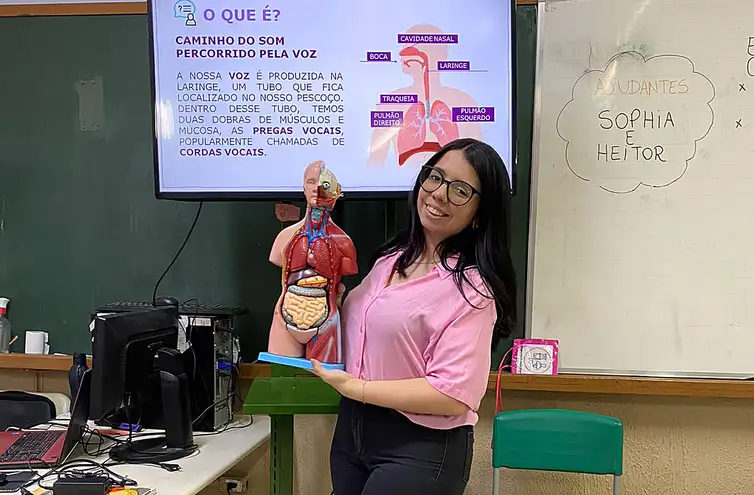
Professora Giovanna Macedo, de Campinas (SP) que usou I.A  em ação com estudantes.  Foto: Giovanna Macedo/ Arquivo pessoal Professora Giovanna Macedo, de Campinas (SP) que usou I.A  em ação com estudantes.  Foto: Giovanna Macedo/ Arquivo pessoal
Professora Giovanna Macedo, de Campinas (SP) - Giovanna Macedo/ Arquivo pessoal

Após a repercussão da atividade realizada com auxílio de IA generativa, Giovanna confessa ter planos de fazer uma especialização em metodologias e didática para aprimorar seus conhecimentos da nova tecnologia.

“Gostaria que experiências como essa inspirassem outros educadores a explorar novas metodologias e a pensar em maneiras criativas de aproximar os conteúdos escolares da realidade dos alunos.”

Cultura digital 

Nesta nova cultura digital, em que quadro negro e giz vem sendo substituídos por computadores, as escolas precisam acompanhar as mudanças sociais e tecnológicas com responsabilidade, diante de um cenário em que os estudantes já crescem com acesso a informações entregues em segundos, mas que, muitas vezes, não sabem transformar esse conteúdo em conhecimento. 

O posicionamento é de Kassula Correa, diretora-geral da Start Anglo Bilingual School, uma escola privada do Rio de Janeiro.

“Uma criança pode ter facilidade para mexer no celular e, ainda assim, não saber pesquisar com profundidade, identificar uma informação falsa ou compreender os riscos de compartilhar determinados dados.”

Para a educadora, o uso da inteligência artificial ainda deve considerar as diversidades em sala de aula.

“Precisamos oferecer ferramentas, formação e condições para que o professor consiga ensinar a essa geração em que cada criança tem seu ritmo, suas dúvidas e sua maneira de aprender.”

Mesmo em tempos de transformação digital, Kassula defende que a escola preserve o papel de ambiente de desenvolvimento socioemocional.

“Por mais que a tecnologia avance, a escola continua sendo um lugar de relações humanas. É onde a criança aprende a conviver, a lidar com dificuldades, a se conhecer e a descobrir do que é capaz.”

Formação de professores

Brasília (DF), 14/10/2026 - Dia do Professor: realidade e desafios da inclusão digital no ensino público. O professor do Distrito Federal, Marcio Luiz Dias. Atua há 13 anos na formação de professores para utilização das tecnologias educacionais, com ênfase na Inteligência Artificial na Educação. Foto: Marcio Luiz Dias/Arquivo Pessoal Brasília (DF), 14/10/2026 - Dia do Professor: realidade e desafios da inclusão digital no ensino público. O professor do Distrito Federal, Marcio Luiz Dias. Atua há 13 anos na formação de professores para utilização das tecnologias educacionais, com ênfase na Inteligência Artificial na Educação. Foto: Marcio Luiz Dias/Arquivo Pessoal
Professor Marcio Luiz Dias atua há 13 anos na formação de professores para utilização das tecnologias educacionais, com ênfase na Inteligência Artificial - Marcio Luiz Dias/Arquivo Pessoal

O professor, doutorando e mestre em Educação, Marcio Luiz Dias, atua há 13 anos na formação continuada em tecnologias educacionais do corpo docente da rede pública de ensino do Distrito Federal. Seu foco é a inteligência artificial na educação.

Ele compreende que a formação continuada é indispensável tanto para professores com formação analógica quanto para os recém-formados em licenciaturas.

“No campo digital, as mudanças ocorrem em velocidade tão rápida que torna praticamente impossível que o currículo das faculdades esteja sempre atualizado.”

Marcio acha legítimo o receio de alguns colegas professores em utilizar a inteligência artificial na educação, no entanto, avalia que este é um caminho sem volta. “É algo que se popularizou há relativo pouco tempo, mas que tem ampliado sua presença de forma rápida e abrangente.”

Nas capacitações oferecidas pela Secretaria de Estado de Educação do Distrito Federal (SEEDF), a orientação aos docentes é mediar para que a classe supere o uso mecânico das ferramentas digitais. 

“O Currículo em Movimento das Escolas Públicas do DF preconiza que a formação continuada extrapole o uso instrumental das tecnologias e passe para o uso crítico, colaborativo e focado na intencionalidade pedagógica”, relaciona o professor Marcio Luiz.

Já a gestora educacional Kassula Correa defende a importância de valorizar a experiência analógica prévia dos docentes e aproximá-la das novas tecnologias de forma prática, contínua e acolhedora.

“Muitos deles desenvolveram estratégias incríveis de ensino usando quadro, livros, papel e muita criatividade. O que precisamos é aproximar esses profissionais das novas possibilidades, respeitando suas trajetórias.”

Tarefas

A IA também pode contribuir diretamente para automatizar e otimizar rotinas burocráticas e repetitivas, como tarefas administrativas e operacionais, e também para desenvolver atividades que promovam mais a colaboração e o significativo engajamento estudantil, lista o professor do DF.

Como consequência direta, o professor Marcio Luiz aponta para a liberação de tempo de qualidade para que o professor estude mais, planeje as aulas e se dedique ao acompanhamento individualizado das necessidades dos estudantes.

“Nós professores nos vemos com uma série de rotinas burocráticas, repetitivas, cansativas que, embora essenciais para o andamento da escola, tomam nosso tempo para estudar, planejar aulas, testar formatos e adequações, bem como acompanhar de maneira mais próxima nossos estudantes.”

Apesar de a tecnologia trazer agilidade na hora de diversificar exercícios, adaptar níveis de dificuldade, elaborar planos de aula e agilizar correções objetivas, a diretora Kassula ressalta que a escolha da melhor estratégia para a turma depende exclusivamente do julgamento humano do educador.

“A qualidade do ensino continua dependendo da capacidade de transformar os recursos tecnológicos em experiências que ajudem o aluno a aprender. Avaliar o desenvolvimento de uma criança exige compreender seu percurso, suas dificuldades e seus avanços.”

Sala de aula

O professor do Centro de Ensino Médio Integrado à Educação Profissional (CEMI) de Taguatinga, cidade do Distrito Federal, Jaime Guilherme de Oliveira, ensina computação gráfica para estudantes de 14 a 18 anos do ensino médio. Muitos deles sequer têm computador em suas residências.

Vindo do mercado corporativo, na rede pública, o docente passou por capacitações via Escola de Formação Continuada dos Profissionais da Educação (EAPE) da secretaria de educação do DF.

São eles: Cursos de Linguagens Digitais e IA na Prática Docente, além de pós-graduação em Proficiência em Tecnologias Digitais para uma Educação Empreendedora e cursos online permanentes.

Como resultado do aprendizado incorporado, Jaime Guilherme coloca a inteligência artificial para trabalhar a seu favor na rotina docente, como na criação de conteúdo para as aulas expositivas que facilitem sua compreensão; no planejamento das atividades de cada turma; na elaboração de avaliações adaptadas às necessidades de alunos com neurodivergências ou necessidades específicas; e no desenvolvimento de jogos educativos para fixação e revisão dos conteúdos.

É de autoria do tutor Jaime, via ChatGPT, o jogo interativo Arena ABNT, com as regras, da Associação Brasileira de Normas Técnicas (ABNT) ensinadas de forma lúdica para a escrita de trabalhos acadêmicos.

Nas dinâmicas pedagógicas, Jaime vê a IA como uma oportunidade para aproximar os alunos das transformações do mundo do trabalho.

O docente, no entanto, reflete que mais importante do que saber gerar conteúdo é saber por que este está sendo criado, para quem será destinado e quais consequências poderá produzir.

“A ferramenta pode fazer muito por nós, mas a intenção, a sensibilidade, o pensamento crítico e a responsabilidade continuam sendo essencialmente humanas.”

Desafios: da cópia ao aprendizado

Em sua atuação como formador de outros professores, Marcio Luiz Dias enxerga que o acesso a dispositivos móveis e à internet no Distrito Federal é amplo, mas o principal desafio consiste em transformar a conectividade em uso crítico, cidadão e produtivo. E o educador estimula a conectividade para ir além:

“O letramento digital deva atuar fortemente contra riscos, como aplicação de golpes e fakenews propagadas pelas redes sociais, bem como de se tornar uma fonte de novos aprendizados dos quais a pessoa necessite no campo pessoal ou da cidadania.”

Tratando especificamente dos estudantes, o professor Marcio estimula que os profissionais da educação tenham autoridade para estabelecer que a IA seja utilizada pelos estudantes como ferramenta de apoio para assimilar, raciocinar, pesquisar, questionar, debater.

“Reconheço que isso não é fácil, mas o caminho do letramento digital, da formação docente, de estipular e cobrar a análise, a síntese e a argumentação do aluno já foram testados com sucesso”, conclui Marcio.

 O combate ao "atalho" exige dos alunos capacidade de análise, síntese e argumentação própria, desenvolvidas via letramento digital.

Dentro do ambiente escolar, o professor Jaime Guilherme de Oliveira ensina aos jovens que a IA deve ser usada com intencionalidade clara; caso contrário, os atalhos da ferramenta geram entregas vazias. "Quando existe uma intenção clara, a ferramenta amplia o alcance de quem já tem algo a dizer."

Futuro da IA na Educação

O professor de Taguatinga, Jaime Guilherme, projeta a presença crescente da IA no planejamento docente e na personalização da aprendizagem. Ele defende que a tecnologia não substitui o professor, que tem papel insubstituível na mediação pedagógica, orientação ética, checagem de dados e formação crítica dos alunos.

IA e rede pública

O Ministério da Educação (MEC) informou à Agência Brasil que uma nova resolução sobre o uso de inteligência artificial deverá ser publicada em breve, sem precisar uma data.

O documento terá o objetivo de ampliar o uso pedagógico da tecnologia, preservar a autonomia dos professores e garantir a proteção dos estudantes.

Com a futura publicação, a pasta busca estabelecer diretrizes claras e segurança jurídica para que gestores e redes de ensino façam uso das novas tecnologias de forma segura, inclusiva e responsável.

“A partir da resolução, o país passa a contar, de forma inédita, com um parâmetro nacional unificado para orientar a adoção consciente e ética da inteligência artificial em todas as etapas de ensino”, diz a nota do MEC.

Sobre conectividade nas escolas públicas de educação básica em todo o país, o MEC tem a Estratégia Nacional de Escolas Conectadas (Enec).

Em julho deste ano, 108.658 escolas estavam conectadas dentro dos parâmetros de qualidade adequados, classificadas nos níveis 4 e 5 do Indicador Escolas Conectadas (Inec), o que corresponde a 78,7% das 138.086 escolas monitoradas.

  •  

What Happens When 2 Dan Sullivans Run for the Same Senate Seat?

Daniel J. Sullivan Jr. and Sen. Dan Sullivan (R–Alaska) in a side-by-side | Illustration: Dan Sullivan for U.S. Senate/Senator Dan S. Sullivan/Facebook

This year, Alaska held its primary elections on August 18.

As per a 2020 ballot measure, Alaska primary voters pick among all qualified candidates for a single office, regardless of party affiliation, and the top four then advance to the general election.

In the U.S. Senate primary, Republican incumbent Dan Sullivan won 41 percent of the vote, while former Rep. Mary Peltola, a Democrat, captured nearly 50 percent.

Dan Sullivan was also the distant third-place finisher—but in this case, it was Daniel J. Sullivan Jr., a retired schoolteacher who is also running as a Republican but is not the same person as Daniel S. Sullivan, the junior U.S. senator for the 49th state.

The presence of dual Dan Sullivans is a headache for Republicans, who have fought to keep Daniel J. off the ballot, concerned he would split their votes and cost their candidate his seat.

"Mary Peltola and Chuck Schumer know they can't beat Senator Sullivan on his record, so they're resorting to deceitful political maneuvers that attempt to trick Alaskans and buy a seat," a Republican spokesman told Fox News.

"We are looking into it," President Donald Trump said this week. "It's a disgrace." In fact, NBC News reported in July that the FBI and Department of Justice had launched an investigation "looking for possible wire fraud or a conspiracy to deprive Alaskan voters of a free and fair elections process, which could be a civil rights violation."

In August, the government apparently issued subpoenas, though Daniel J. later said he had not received anything.

But is what he is doing actually illegal? For that matter, should it be?

Carol Beecher, director of the Alaska Division of Elections, barred Daniel J. from the ballot in June after concluding that he was running "with the purpose of confusing or misleading the electorate and compromising the fairness of the ballot."

But a state superior court reversed that decision. "Despite the Division's assertion that Mr. Sullivan may be excluded from the ballot because he lacks 'good-faith,' there is no statute which provides such a criterion," wrote Judge Thomas A. Matthews. "The concept of 'good-faith,' or pure motive, or bona fide intent is simply absent." The Alaska Supreme Court agreed, keeping both Sullivans on the November ballot.

Granted, it seems extremely likely that Republicans are right, and Daniel J. is running specifically to hurt Daniel S.'s prospects.

"Campaign material metadata reveals that Amber Lee, a progressive consultant, authored a press release announcing [Daniel J.'s] Senate bid," WFMD reported in May.

Daniel J. told The New York Times that he was running as a moderate Republican in an attempt to steer the party away from its MAGA wing. But he also admitted that he had voted for the Democrat in the last three presidential races and for Peltola in her races for the U.S. House.

In Beecher's original order keeping Daniel J. off the ballot, she wrote that Daniel J. had asked to be identified as "Dan S. Sullivan" on the ballot, the same name as the senator's. (Alaska reporter Dermot Cole wrote in July that this was not true: Daniel J. wrote "Dan S. Sullivan" in an email to Beecher but followed up hours later to correct it to "Dan J. Sullivan.")

If Daniel J.'s goal truly is to mislead voters, then that is indefensible. But it's not clear that it's illegal, or whether it should be.

"I am not sure exploiting voter confusion about names is any worse than exploiting their ignorance about policy issues like crime, immigration, and health care," wrote George Mason University law professor Ilya Somin. "Trying to prevent such exploitation through criminal and civil liability is likely to violate the First Amendment. In addition, it would likely end up giving incumbent political leaders broad power to curb speech and control electoral campaigns that they cannot be trusted with."

"This is a case about someone running for office with impure motives who is lucky enough to have a name that could confuse some voters," agreed election law expert Richard Hasen. "I don't see how the government could criminalize his running for office for having impure motives. And if it could do so, then it could be a crime every time that the Republican Party backs a Green Party candidate, or Democrats support a MAGA candidate in a primary in the hopes that the candidate would be weaker against a Democrat in the general election. This stuff happens all the time."

But it's entirely possible that Alaska's ranked choice voting system will solve the problem on Election Day.

After the August open primary, the top four candidates compete on a ranked choice ballot, where voters list the candidates in order of preference. If no candidate gets an outright majority, then the lowest performer is eliminated, and every ballot that picked them first is retallied and applied to their second choice.

As long as every Alaskan who wants to vote for Dan Sullivan—either one—lists both Dan Sullivans as their first and second choices, then the system will take care of any confusion. In the (highly likely) event that Daniel J. does not capture a majority on the first ballot, his votes will be retallied and applied to their second choices. The only plausible hiccup is if Peltola, the Democratic candidate, wins a majority in the first round—in which case either Sullivan would have lost anyway.

Of course, Republicans have opposed the ranked choice system since Alaska adopted it. Former Gov. Sarah Palin, who ran against Peltola twice unsuccessfully, said ranked choice was "so weird" that "it results in voter suppression."

In a post last week on Truth Social, Trump called ranked choice voting "Corrupt" and said it "shouldn't be allowed in our Country."

"I just left Alaska, where we have a real bad thing," Trump said Wednesday at a campaign rally in Arizona. "They have the ranked choice voting, where you go into I guess some kind of a test tube or something, and they pick whoever the hell they want. That's another disgrace."

As ever, it's not clear what Trump was talking about. And despite Republicans' complaints, ranked choice voting works quite well: According to the American Bar Association, recent research finds that it "is an improvement over plurality voting with clear benefits in terms of representation, campaign quality, mobilization, and turnout." It also "encourages greater consensus building as well as more civil political campaigns," and voters find it easy to understand.

In the event that a political party finds itself, for example, with two Dan Sullivans on the ballot, ranked choice voting is a perfect solution. If only the party weren't so hostile to it.

The post What Happens When 2 Dan Sullivans Run for the Same Senate Seat? appeared first on Reason Magazine.

  •  

Winners of the Wildlife Photographer of the Year 2026

An elephant splashes water toward zebras and a giraffe at a watering hole.
© James Lewin / Wildlife Photographer of the Year
The Meeting Place. Winner, Animals in Their Environment. James Lewin watched a young bull elephant spray a group of zebra as they congregated in the Kenyan Chyulu Hills. Although there was no shortage of subjects and action around this waterhole, James had to deal with the harsh, unforgiving light. He chose to soften the light using a camera converted to infrared, creating this dreamlike scene.
A newt grasps a clutch of eggs that are attached to plant stalks underwater.
© Anton Sorokin / Wildlife Photographer of the Year
Protective Pose. Winner, Behavior: Amphibians and Reptiles. Anton Sorokin found a California newt laying its eggs as it clasped vegetation that already held another newt’s egg clutch.
A view of a dividing dam in Utah’s Great Salt Lake, with two different bodies of water seen in varying hues of pink
© Alex Visbal / Wildlife Photographer of the Year
The Great Divide. Winner, Wetlands: The Bigger Picture. Alex Visbal documented how a single engineered line can reshape an entire wetland in Utah’s Great Salt Lake. The distinctive pink color on the left is caused by bright-pink microbes that thrive in extremely saline water, which happens when an area is cut off from a supply of fresh water. The lake’s ecology is in sharp decline because of industrial use, upstream diversions, and climate change. Since this image was taken, the State of Utah has brought the area under conservation management.
A coyote pads along a trail in a park overlooking San Francisco.
© Loren Elliott / Wildlife Photographer of the Year
On the Outskirts. Winner, Photojournalist Story Award. A coyote pads along a trail in Bernal Heights Park, overlooking the city and bay of San Francisco. This individual is part of a resident pack that Loren Elliott observed hunting rodents in the park, which is also popular with people and dogs.
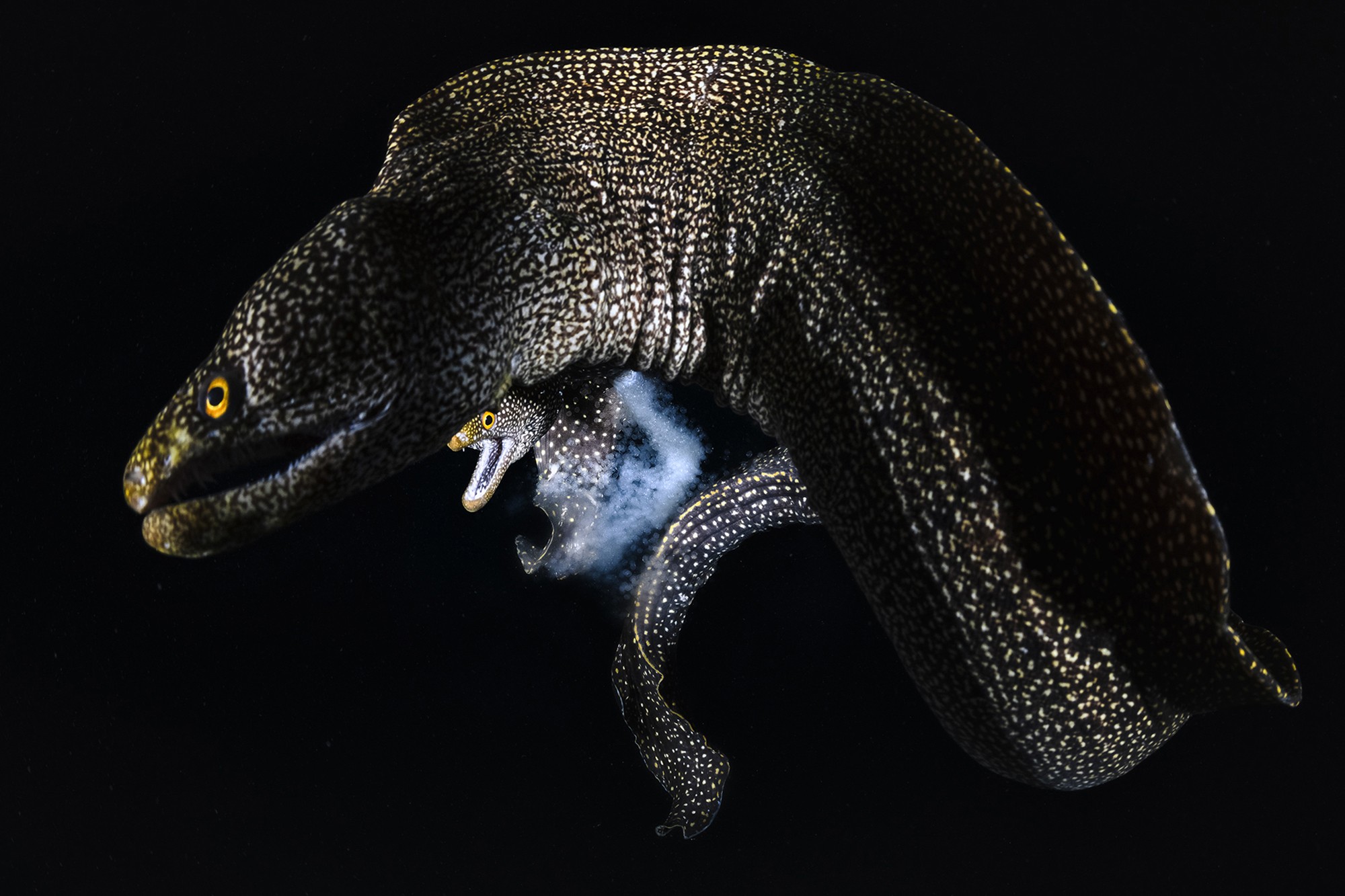
A pair of mating Moray eels, seen against a black background, underwater
© Tony Wu / Wildlife Photographer of the Year
Making Morays. Winner, Under Water. Tony Wu provides a first-time glimpse into the mating ritual of Abbott’s moray eels. Wu has been working with biologists to address a knowledge gap of the social behavior of this eel species. Guided only by a dim red-light source to minimize disturbance, and using a customized fisheye camera lens, he has studied this male since 2024 as it visits females that dwell in crevices on the reef.
Two clusters of slime molds—tiny greenish spheres at the end of thin stalks
© Kutub Uddin / Wildlife Photographer of the Year
Tiny Dancers. Winner, Portfolio Award. Kutub Uddin reveals a magical and often surreal world of slime molds that can barely be seen with the naked eye. Fine threads, known as capillitium, emerge on the round, yellow-green bodies, which will eventually help disperse reproductive spores.
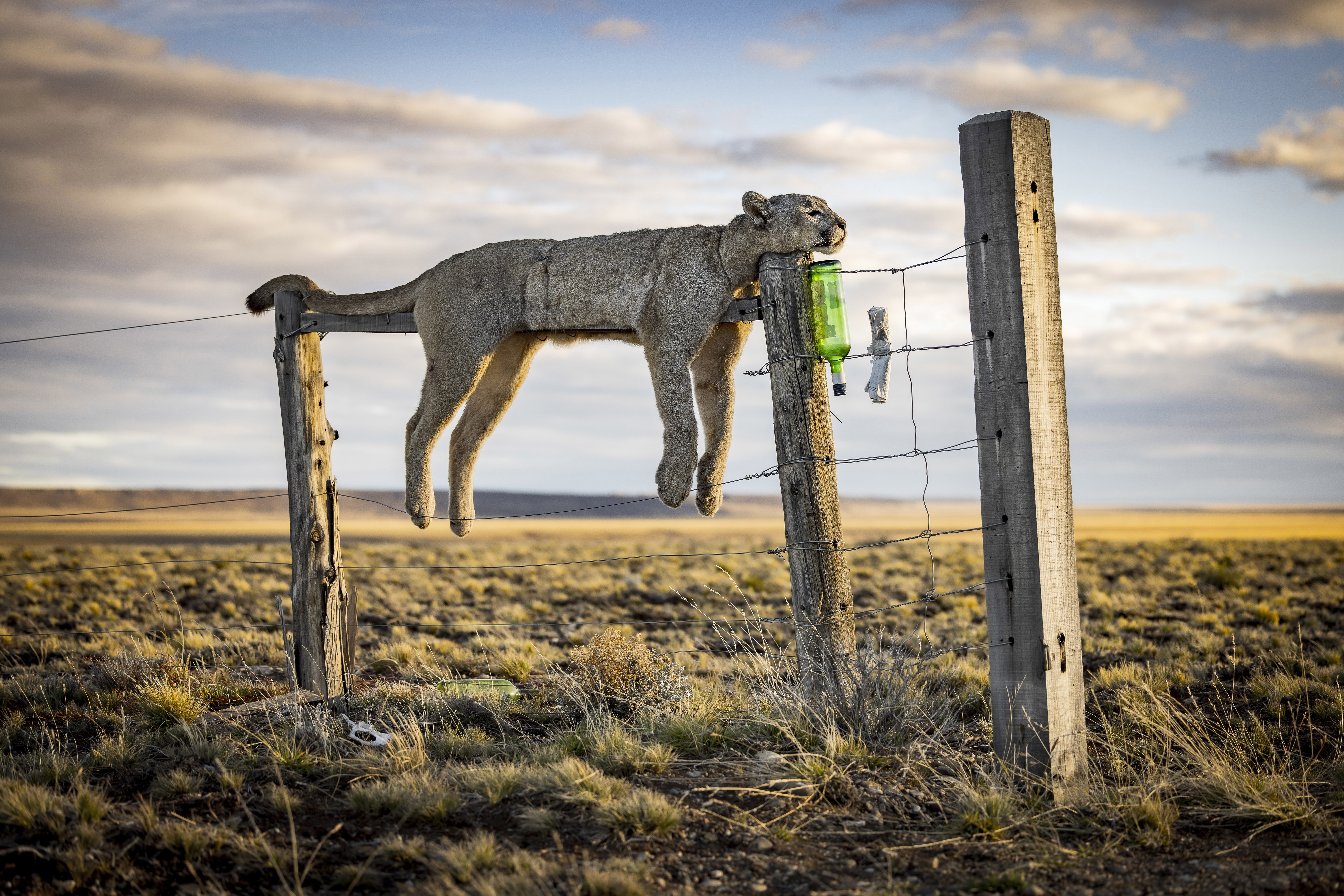
A dead puma, tied to the top of a fence in a wide-open field
© Francisco Negroni / Wildlife Photographer of the Year
Warning Sign. Winner, Photojournalism. Francisco Negroni recorded this scene of a dead puma amid the rugged, windswept beauty of Argentine Patagonia. Tied to the fence and presented as a hunting trophy, this display was one that Francisco had “never witnessed or photographed before.” In 2025, Santa Cruz banned the hunting of pumas, but illegal persecution continues.
An octopus peers out from behind leafy kelp.
© Aaron Sanders / Wildlife Photographer of the Year
A Watchful Eye. Winner, Animal Portraits. Aaron Sanders glimpsed a common octopus behind a curtain of kelp in the waters off southwest England. Sanders was diving off Porthkerris Beach when he noticed the footprints of octopus suckers through a thin blade of kelp, and a single eye slowly emerging. “We remained perfectly still, watching one another with a seemingly shared curiosity,” Sanders said.
A swarm of tiny flies hovers near a dung beetle that is pushing a clump of dung.
© Oscar Whitfield / Wildlife Photographer of the Year
Labour of Love. Winner, 11-14 Years, Young Wildlife Photographer of the Year 2026. Oscar Whitfield noticed the arduous exertion of this dung beetle pushing its precious cargo. Using a fast shutter speed and high light sensitivity, Oscar lay flat on the ground to photograph the beetle at eye level, with the sunshine and heat creating dry dust all around him.
An overhead view of a whale shark investigating the catch of a mobile net-fishing platform
© Alex Lindbloom / Wildlife Photographer of the Year
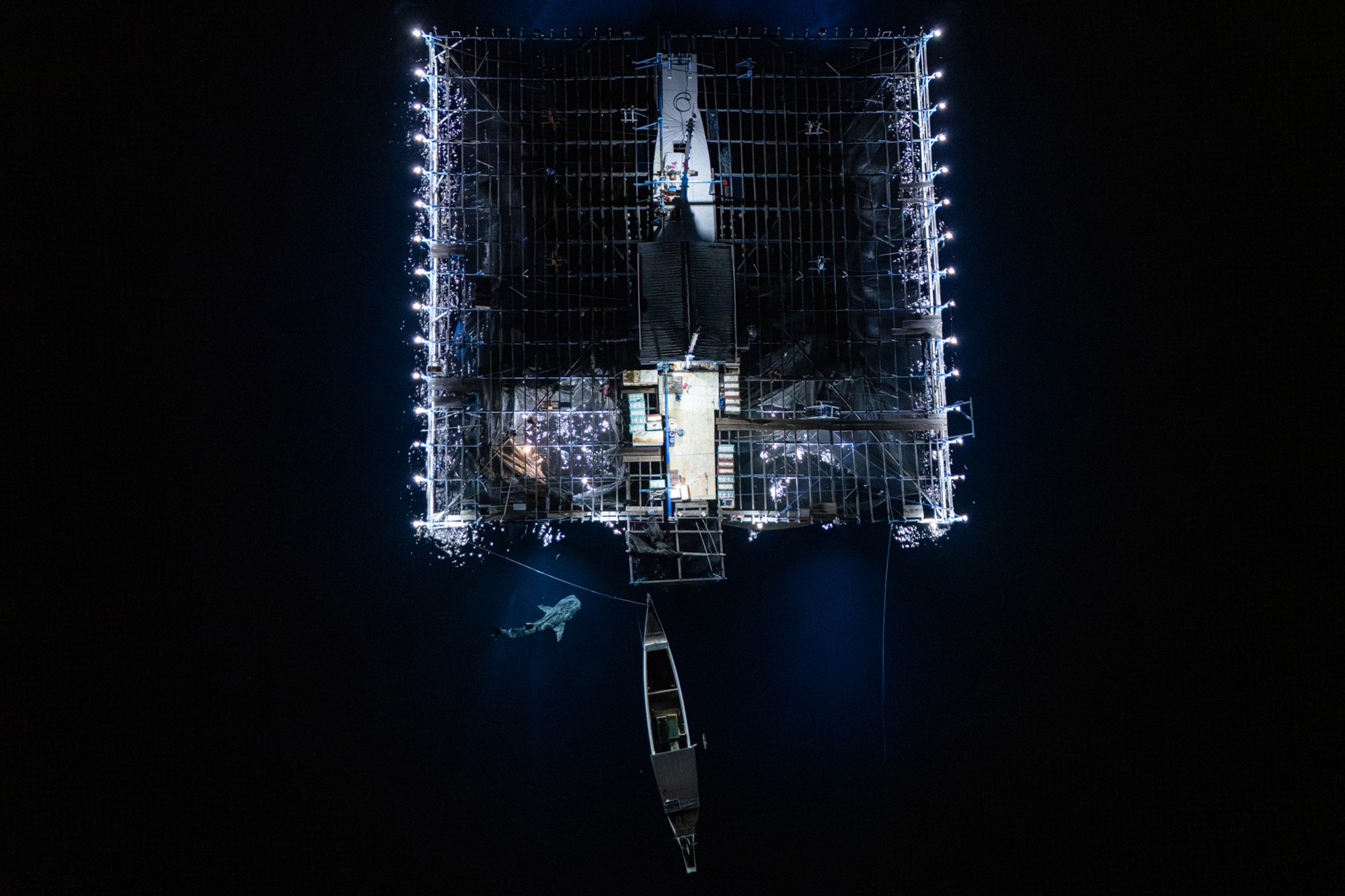
Night-Time Catch. Winner, Oceans: The Bigger Picture. Alex Lindbloom found a whale shark investigating the catch of a “bagan,” or mobile net-fishing platform, in the inky waters off Papua. Alex started searching for sharks around dawn when the nets were still in the water. Initially lacking natural light for his drone’s camera, he found these sharks illuminated by the bagan’s bright lights.
A pair of shoebill storks carry plant material in their beaks in a wetland area.
© Isak Pretorius / Wildlife Photographer of the Year
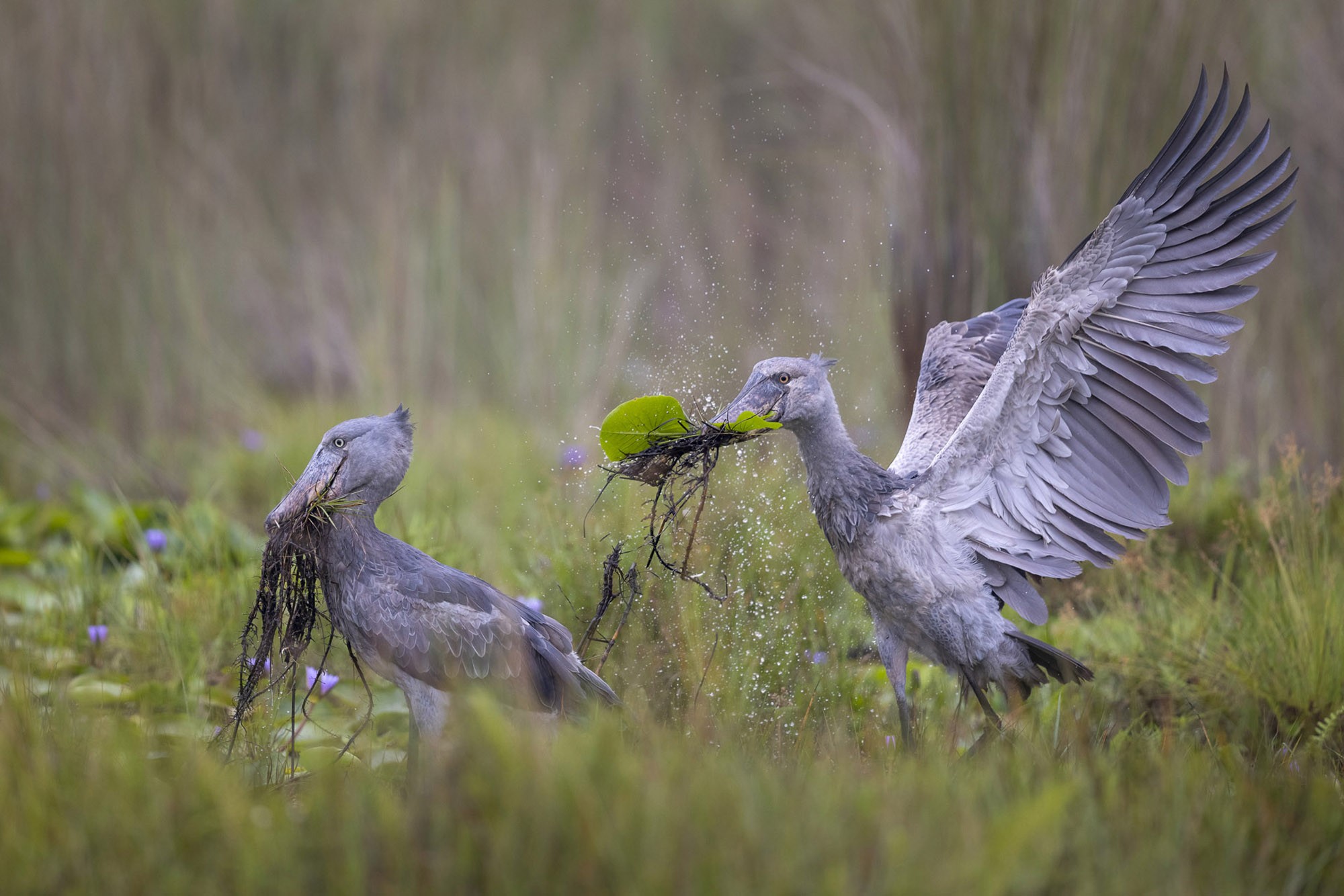
Scenes from the Swamp. Winner, Behaviour: Birds. Isak Pretorius chanced across two elusive shoebill storks among wetland vegetation. Exploring the swamp in a narrow canoe with a guide, Isak felt exceptionally lucky to see not one but two shoebills. The birds pulled out vegetation, dropped it, and then repeated the process several times. It’s likely that this was a breeding pair gathering nesting material.
An adult elephant carries the lifeless body of an elephant calf with its trunk and tusks.
© Federico Veronesi / Wildlife Photographer of the Year
The Aftermath. Winner, Behavior: Mammals, and Overall Winner, Wildlife Photographer of the Year 2026. Federico Veronesi witnessed this powerful moment of an elephant carrying a dead calf, a rare glimpse into complex animal behaviors. Veronesi was tracking elephants when he came across an unusual pattern of drag marks in the sand of a dry riverbed. The source became clear when he caught up with a family group. A female emerged with the calf, its leg wedged between her tusk and trunk. Behaviors centering on death have been observed in both Asian and African elephants, including vocalizations, guarding the dead, inspecting and handling bones, and carrying the deceased. Some researchers suggest these behaviors could indicate an elephant’s journey to understanding death, while others interpret these actions as possible displays of grief.
A flock of flying birds appears blurred against a backdrop of bare birch trees.
© Michał Michalski / Wildlife Photographer of the Year
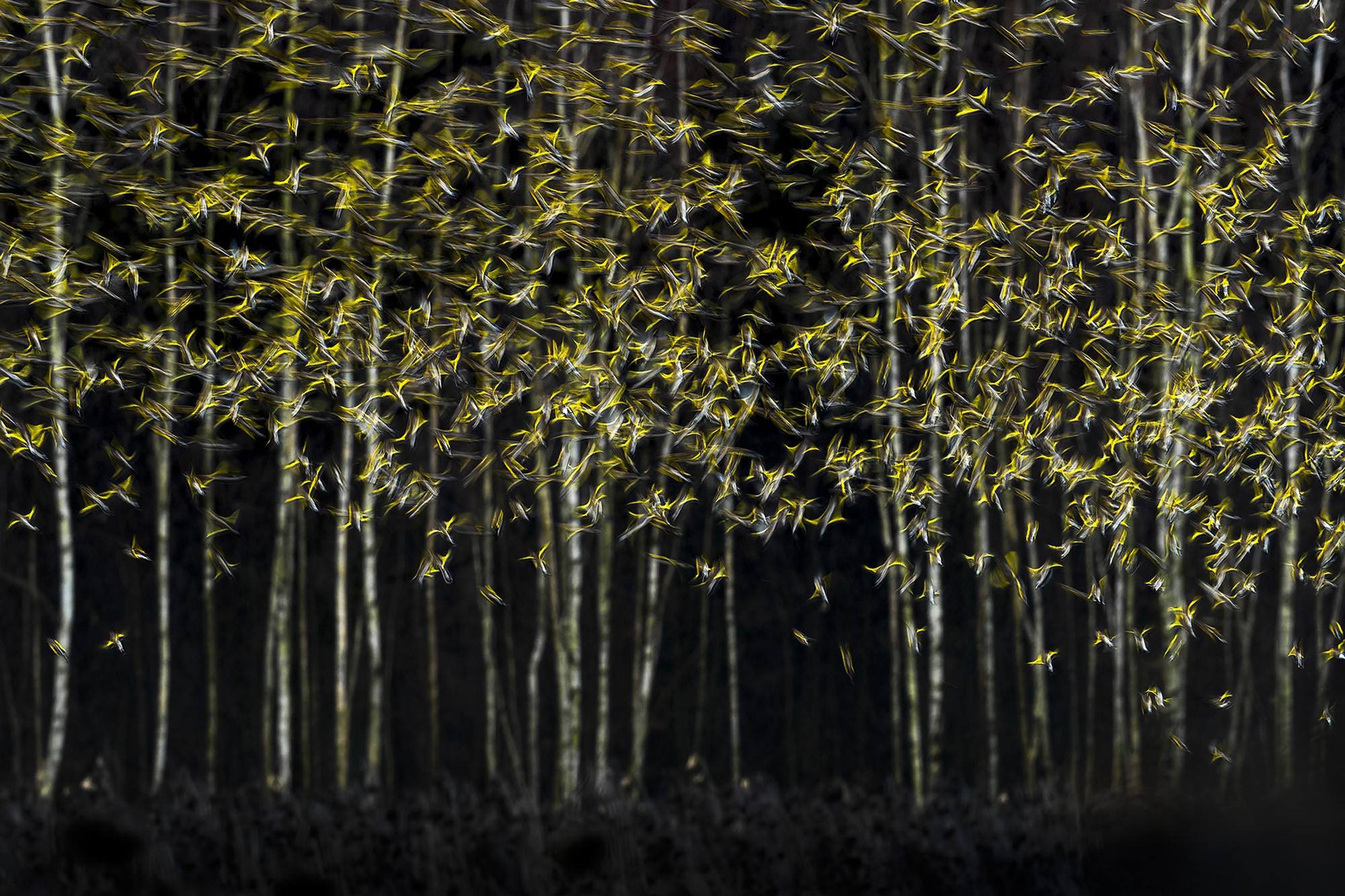
Escape Artistry. Winner, Natural Artistry. Michał Michalski used a slow shutter speed to create the illusion of trees still swathed in autumn foliage. Michalski was in a field of unharvested sunflowers that had attracted mixed flocks of birds, especially goldfinches and bramblings. As they took to the sky, startled by a sparrowhawk, Michalski blurred the movement against a backdrop of leafless birches.
A scorpion kicks up grains of sand as it burrows in the desert at night.
© Sitaram Raul / Wildlife Photographer of the Year
Shifting Sand. Winner, Behavior: Invertebrates. Sitaram Raul encountered a scorpion burrowing into one of the shifting dunes of the Thar Desert in India. Exploring the dunes at night near the village of Sam, Raul saw many scorpions searching for prey. But as sunrise approached, they started burrowing to avoid the intense heat. Raul timed the exposure so that the excavated sand was suspended in midair.

Wildlife Photographer of the Year is developed and produced by the Natural History Museum in London. Captions are provided by the photographers and WPY organizers, and are lightly edited for style.

© © James Lewin / Wildlife Photographer of the Year

“The Meeting Place.” Winner, Animals in Their Environment. James Lewin watched a young bull elephant spray a group of zebras as they congregated in the Kenyan Chyulu Hills.
  •  

Il filosofo Ercolani: "Siamo una società nicciana, in una lotta di classe col monopolio dell'IA"


Il Professor Paolo Ercolani insegna Filosofia all'Università di Urbino, cura editoriali su diverse testate, ha scritto saggi dedicati all'analisi sociale, alla critica politica, alla "questione" femminile, al nostro rapporto con il Divino. Ma soprattutto ha dedicato anni allo studio di Nietzsche, un filosofo molto controverso, spesso banalizzato, pericoloso quanto incompreso. Il suo ultimo saggio su questa figura si intitola "Nietzsche l'iperboreo. Dal Superuomo a Elon Musk". 
Siamo quindi partiti da un commento al "Melonellum" e siamo arrivati alla Volontà di Potenza. 

Abbiamo chiesto al professor Ercolani un commento circa la legge elettorale più discussa e discutibile di sempre - e ce ne vuole!- per i suoi elementi di anticostituzionalità denunciati da diversi giuristi ed esperti di Diritto.
Ercolani ci ha spiegato come siamo arrivati a questo stato di cose sul piano socio-politico e perché a suo avviso il 1975 è l'anno cruciale del passaggio dalla nostra democrazia (sempre mediata e imperfetta) e quella che lui chiama "dementocrazia". E ancora Intelligenza Artificiale e lotta di classe nella dimensione virtuale...tutto nella video intervista di "Preferivo Scrivere".


  •  

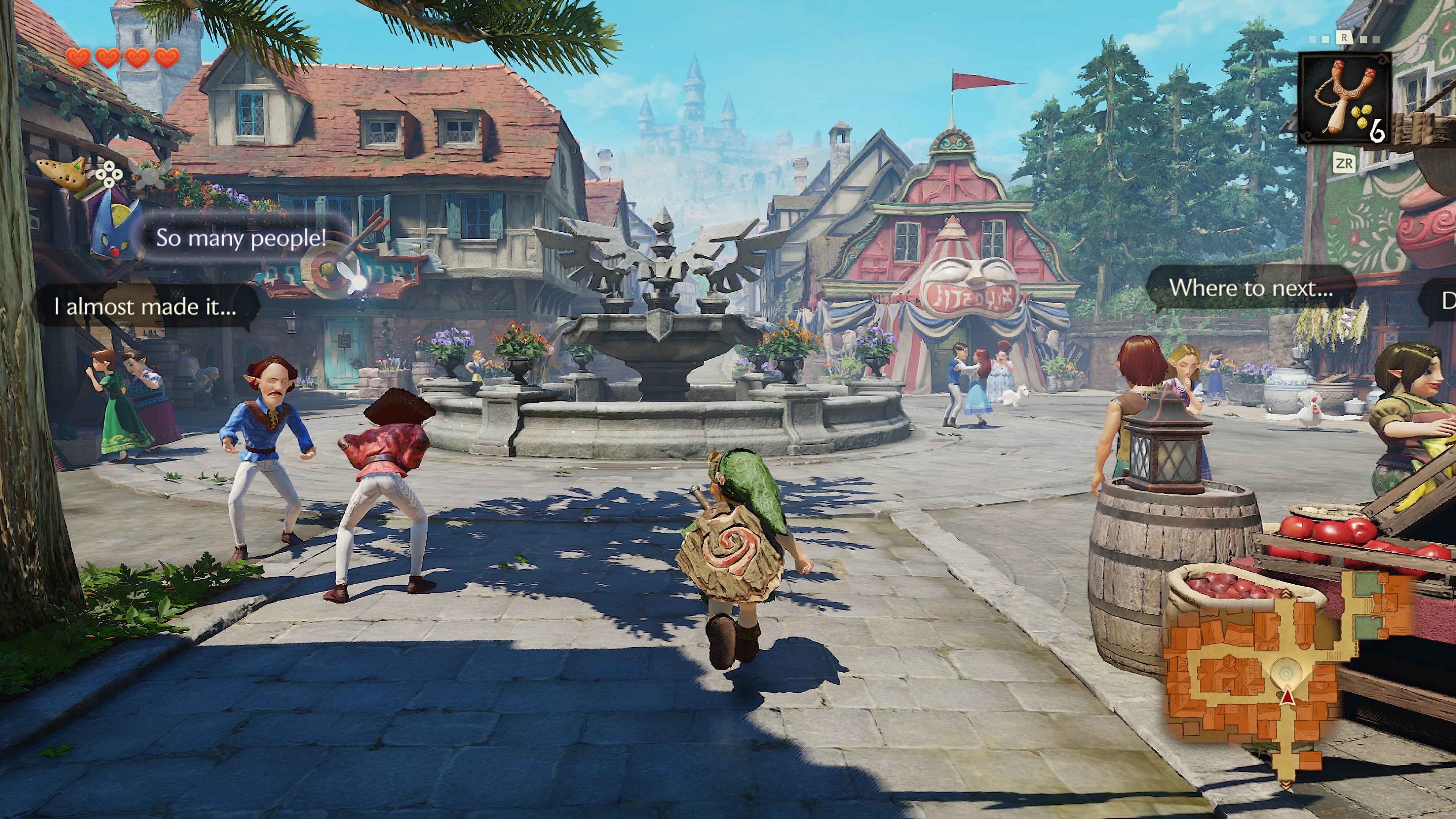
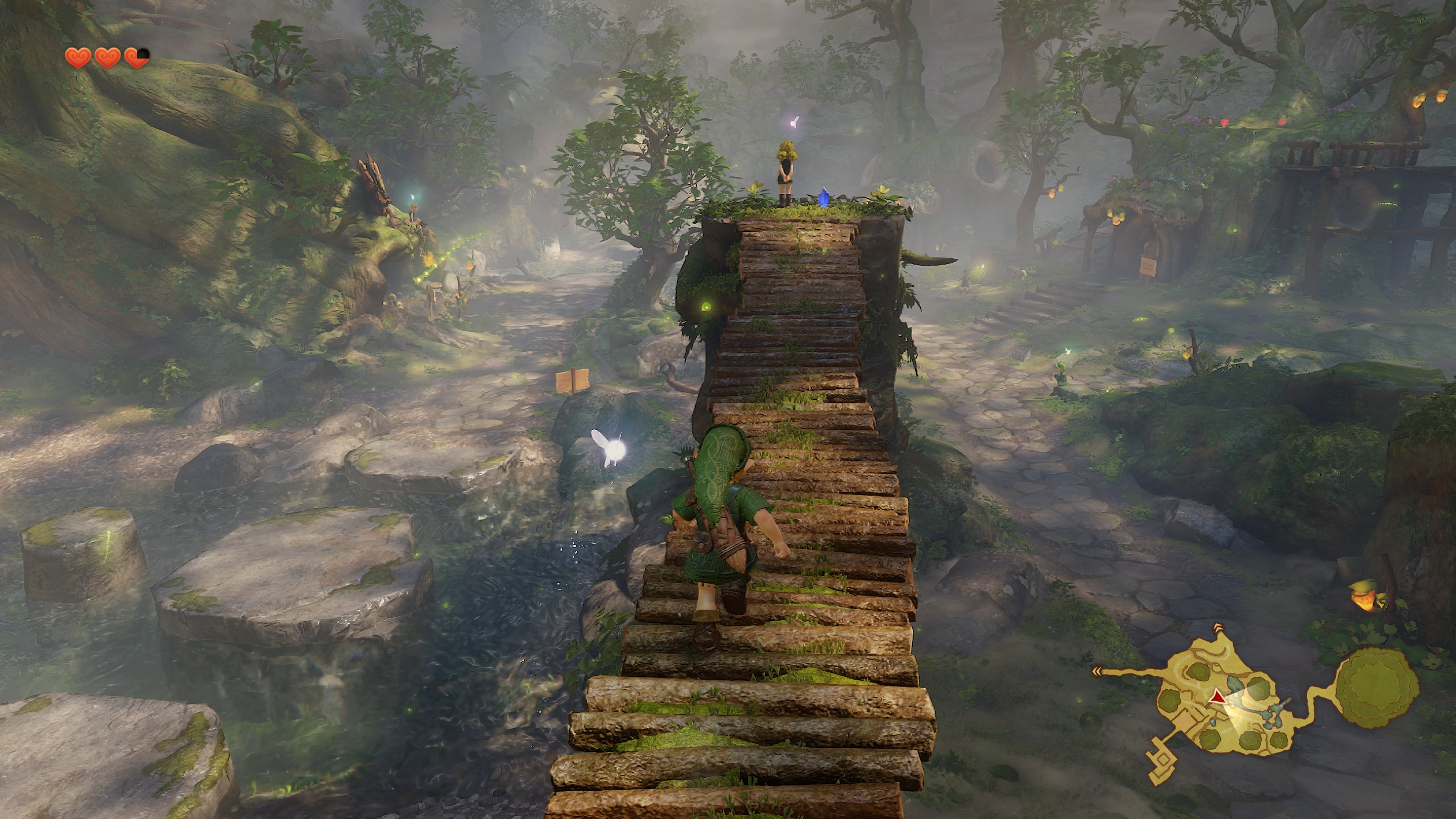
Remaking ‘The Legend of Zelda: Ocarina of Time’: The challenge of improving a masterpiece

A scene from the 'Ocarina of Time' remake.

“Wake up, Link!” High in his treehouse, a pointy-eared boy named Link is roused by the call of a fairy. He is the only resident of the Kokiri Forest without a winged companion, until Navi bursts into his dreams to tell him that his destiny lies far beyond that sheltered corner of the woods. Thus begins a journey that will lead him to a princess, pit him against a threat determined to plunge the kingdom of Hyrule into darkness and, seven years later, task him with saving a world that has fallen into the clutches of evil.

Seguir leyendo

A scene from the remake.A scene from the game.
  •  
❌