Farmers across the United States will soon get relief from the cost of diesel, President Donald Trump said during his rally near Wichita, Kansas, on Monday evening, CBS News reported.
Jon Stewart blasted President Trump for waiving sanctions on Russia to allow more of its diesel to come to market, calling the move “insane” and “incoherent.” The president signed an executive order last week that waived the sanctions bill he signed into law in September. The legislative package, which was passed by Congress with bipartisan…
Jon Stewart blasted President Trump for waiving sanctions on Russia to allow more of its diesel to come to market, calling the move “insane” and “incoherent.” The president signed an executive order last week that waived the sanctions bill he signed into law in September. The legislative package, which was passed by Congress with bipartisan…
Il prezzo del diesel potrebbe aumentare fino a 40 centesimi al litro con l’introduzione dell’Ets2, il nuovo sistema europeo che estenderà il mercato delle emissioni di CO2 anche ai carburanti utilizzati nel trasporto stradale. Il meccanismo dovrebbe entrare pienamente in funzione dal 1° gennaio 2028, ma il Governo italiano e diversi Paesi europei chiedono di rivederne le condizioni per limitare le conseguenze economiche su imprese e famiglie. L’allarme arriva soprattutto dal settore dell’autotrasporto, già alle prese con il caro gasolio. Secondo Conftrasporto-Confcommercio, l’applicazione dell’Ets2 potrebbe comportare ulteriori rincari compresi tra 30 e 40 centesimi al litro, con il rischio di portare il prezzo del diesel oltre i 2,50 euro. Al Consiglio europeo del 15 e 16 ottobre 2026, i leader dell’Unione hanno raggiunto un compromesso sulla necessità di valutare gli effetti del nuovo sistema, senza però approvare un ulteriore rinvio della sua entrata in vigore.
Cos’è l’Ets2 e come funziona la nuova normativa europea
L’Ets2, acronimo di Emission Trading System 2, è il nuovo sistema europeo di scambio delle quote di emissione, introdotto nell’ambito delle politiche dell’Unione per ridurre i gas serra. A differenza del sistema Ets già applicato a grandi industrie e altri settori, l’Ets2 coinvolgerà anche il trasporto stradale, gli edifici e alcune attività produttive.
Il meccanismo prevede che i fornitori di combustibili acquistino quote corrispondenti alle emissioni di CO2 generate dai carburanti immessi sul mercato. Il numero complessivo delle quote disponibili diminuirà progressivamente, con l’obiettivo di incentivare la riduzione dei consumi di combustibili fossili.
L’obbligo di acquistare le quote ricadrà sui distributori di combustibili e non direttamente sui singoli automobilisti. Ovviamente i maggiori costi sostenuti dalle aziende potrebbero essere trasferiti, almeno in parte, sui prezzi finali di benzina, gasolio e combustibili utilizzati per il riscaldamento. L’avvio del nuovo sistema era stato inizialmente previsto per il 2027, prima dello slittamento al 2028.
Diesel fino a 40 centesimi in più al litro: quanto costerebbe un pieno
Secondo le stime di Conftrasporto, l’introduzione dell’Ets2 potrebbe determinare un aumento del gasolio compreso tra 30 e 40 centesimi al litro. Si tratta di una previsione elaborata dall’associazione di categoria, non di un incremento già stabilito dalle istituzioni europee. L’effetto effettivo dipenderà dal prezzo delle quote di emissione e dalla parte dei costi che verrà trasferita ai consumatori. Per gli automobilisti, un rincaro di questa entità avrebbe conseguenze dirette sul costo dei rifornimenti. Un pieno da 50 litri costerebbe 20 euro in più rispetto al prezzo senza tale rincaro.
Gli effetti dell’Ets2 potrebbero estendersi oltre il prezzo del carburante pagato dagli automobilisti. In Italia, secondo le stime richiamate da Conftrasporto, circa il 90% delle merci viene movimentato su strada. Un aumento dei costi del trasporto potrebbe quindi influire sulle spese sostenute dalle aziende per la distribuzione dei prodotti. Le imprese alimentari, agricole e commerciali potrebbero trovarsi a sostenere costi logistici maggiori, con possibili ripercussioni sui prezzi finali di alcuni beni.
La posizione del Governo Meloni
Il tema dell’Ets2 è stato affrontato durante il Consiglio europeo del 15 e 16 ottobre, in un contesto segnato dall’aumento dei prezzi dell’energia e dalle difficoltà economiche delle imprese. L‘Italia ha sostenuto, insieme ad altri Paesi europei, la necessità di intervenire sul nuovo sistema per contenere il rischio di ulteriori rincari energetici.
Nelle conclusioni del vertice, i leader hanno chiesto alla Commissione europea di aggiornare la valutazione degli effetti dell’Ets2, con particolare attenzione al funzionamento del meccanismo e alle misure di salvaguardia contro aumenti eccessivi dei prezzi. Non è stato invece approvato un rinvio dell’Ets2 al 2030, soluzione sostenuta da diversi Paesi dell’Europa centrale e orientale.
Il Governo italiano punta anche a ottenere maggiori margini di intervento nazionale per sostenere i settori più esposti alla crisi energetica. Il confronto rimane aperto, mentre Bruxelles è chiamata a valutare ulteriori strumenti per contenere i costi dell’energia senza modificare gli obiettivi generali di riduzione delle emissioni.
Autotrasportatori contro l’Ets2
A contestare gli effetti economici della nuova normativa è Pasquale Russo, presidente di Conftrasporto-Confcommercio, secondo il quale il sistema rischia di aggravare una situazione già difficile per le imprese di trasporto. “L’Ets2 darebbe il colpo di grazia all’autotrasporto italiano”, ha dichiarato Russo, sottolineando che il prezzo del gasolio potrebbe superare i 2,50 euro al litro.
Secondo l’associazione, il carburante rappresenta ormai oltre il 40% dei costi complessivi delle imprese di autotrasporto, mentre il prezzo del gasolio sarebbe aumentato di oltre 50 centesimi al litro dall’inizio del conflitto tra Stati Uniti e Iran. Conftrasporto segnala inoltre che un’impresa di autotrasporto su cinque rischierebbe il fallimento entro la fine dell’anno a causa delle attuali difficoltà economiche. Per affrontare l’emergenza, il settore chiede lo sblocco degli aiuti già annunciati e ulteriori risorse per coprire gli aumenti dei costi negli ultimi mesi del 2026.
US President Donald Trump wrote in a Truth Social post on 18 October that he did not want to “drive, foolishly, Russia away from the bargaining table.” He also wrote: “Signing that document at this time will do that, and I can sign it later, or any time that I want!”
Trump was referring to sanctions and tariffs under the Lindsey O. Graham Sanctioning Russia and Iran Act of 2026, which he waived in an executive order on 16 October, days before the measures were due to take effect. The waiver suspends additional economic penalties intended to pressure Moscow over its war against Ukraine, while leaving earlier US sanctions in place. The decision came weeks before the 3 November midterms, in which Republicans are defending slim majorities in both chambers, and analysts said the penalties could have pushed up oil prices for Americans already paying more, largely because of the US-Israeli war with Iran, Reuters reported.
Trump says Zelenskyy could have made a better deal two years ago
A week before the waiver, Trump had announced a deal for Russia to increase diesel supplies to global markets. The Treasury also issued a license, valid until 7 April 2027, permitting certain transactions in Russian-origin diesel.
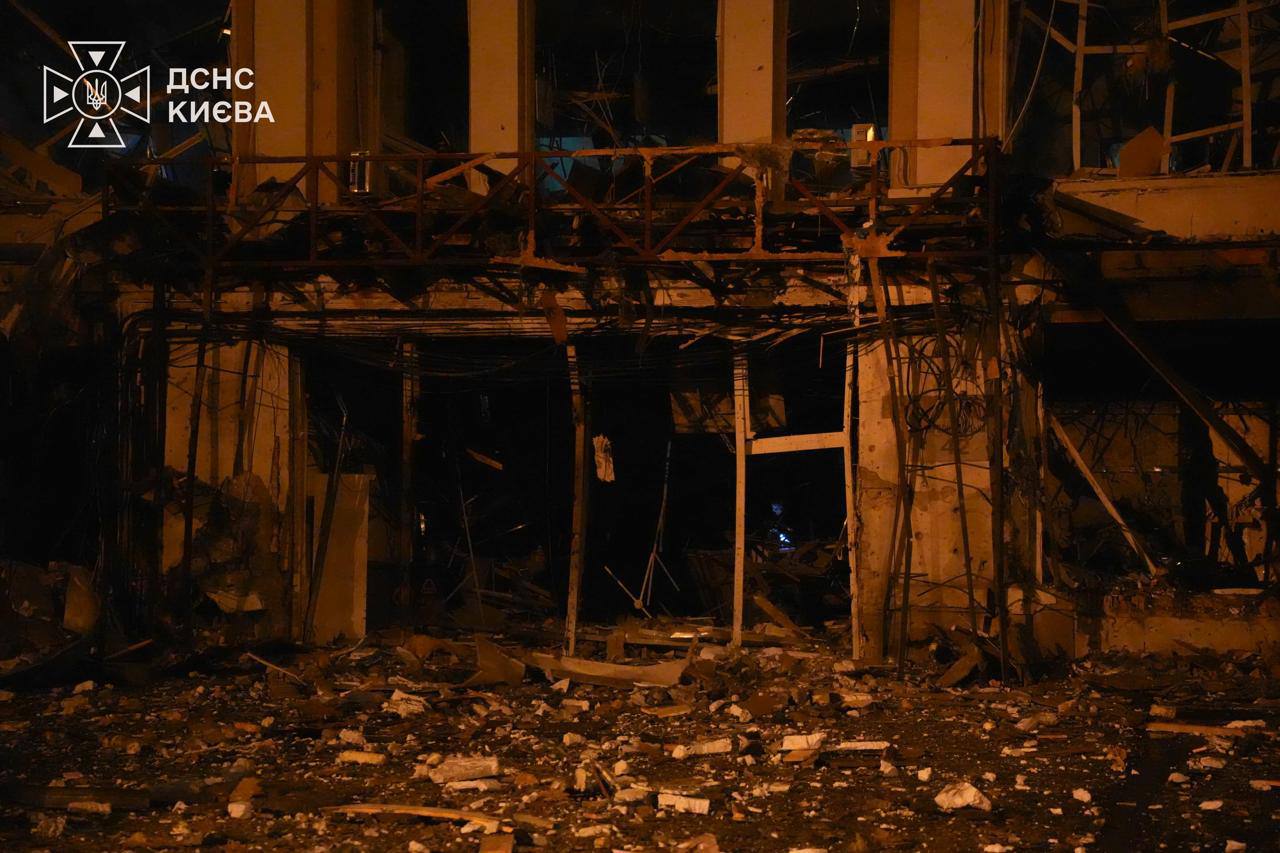
In the Truth Social post, Trump accused Ukrainian President Volodymyr Zelenskyy of targeting Russian diesel refineries, saying the strikes were “seriously hurting the world diesel markets, including those in the United States.” Kyiv had paused its refinery strikes for three days at Washington’s request after Trump declared an energy ceasefire on 11 October, which Russia never confirmed, then resumed them. Since then, Russia has struck Ukraine’s energy sector 76 times, Zelenskyy said on 18 October.
Explore further
Kyiv gets no warning of the first of two Russian ballistic waves, hours after Zelenskyy said US alerts were back
Trump wrote that Zelenskyy “doesn’t want to end this war, and probably never did,” and that he “could have made a better deal two years ago than he can now.”
“His country is in shambles, a large portion of his land is lost, his oceans and seas are gone, and his male population is low, wounded, and/or dead,” Trump added.
He also said Russia was “doing very little, if anything, to help” Iran and that he wanted to keep it that way.
A day earlier, Trump said he had not made a final decision
On 17 October, Trump told reporters at Mar-a-Lago that he had not announced his final decision. “A lot of you don’t know what my decision is yet, but we’ll figure it out, and you’ll figure it out,” he said, Reuters reported.
“I think the president wants to take the 60-day period of time to sort of analyze what imposing both sanctions and tariffs will mean to the global economy and even to the US economy,” US Secretary of State Marco Rubio told reporters before departing for Uzbekistan the same day.
Zelenskyy calls the waiver a pity as Republicans split
Zelenskyy called it a “pity” that Trump had waived sanctions under a law named for the late Senator Lindsey Graham, who “really believed in Ukraine.” He said he hoped Trump would change his decisions, NBC News reported.
Discussing the diesel deal on NBC’s Meet the Press, Zelenskyy said US oil prices had risen because shipping through the Strait of Hormuz was blocked, not because of Ukraine.
Explore further
A month before the diesel waiver, Trump’s envoys had already pitched Kyiv on Russian gas, NYT says
On 17 October, Zelenskyy told journalists that “the decision to undo all of this, to block all of it, seems wrong to me” and that it “definitely helps only the Russians.” His remarks appeared in Ukrainian on his official Telegram channel.
“Sanctions relief will continue. I think the diesel deal and the move regarding the Lindsey Graham Act are not the end of it. Unfortunately,” Zelenskyy said.
On 19 October, Zelenskyy wrote that partners had again given no warning of Russia’s overnight ballistic attack and that blocking missiles for Ukraine’s air defense while Russia gets sanctions eased or postponed amounts to partners denying reality.
Republican Senator James Lankford defended Trump’s decision on NBC’s Meet the Press, saying the president was “choosing the American people first.”
Senator Darline Graham, Lindsey Graham’s sister, whom Trump has endorsed for a full term, said at a campaign stop on 17 October that she would “choose to keep the pressure on Russia.”
“I don’t trust Putin and I don’t trust Russia,” Darline Graham said.
She did not directly criticize Trump but said she would not have made that choice, Reuters reported.
Sen. Darline Graham (R-S.C.) said she would rather keep sanctions on Russia after President Trump signed an executive order to waive the penalties. “The president and I share the same goal, which is to end the war, get gas and diesel prices down, and the sanctions bill is one of the tools we can use…
President Donald Trump signed an executive order waiving new sanctions on Russia.
Aaron Schwartz/Getty Images
US Energy Secretary Chris Wright defended Trump's decision to buy Russian diesel.
Wright said the relief is actually an "incentive" for Russia to end its war with Ukraine.
Ukraine's President Zelenskyy and several US lawmakers have criticized the move.
President Donald Trump is still playing hardball with Russia, according to US Department of Energy Secretary Chris Wright.
Wright defended Trump's decision to waive sanctions on Russia during a Sunday interview on CNN's "State of the Union with Jake Tapper and Dana Bash."
In September, Trump signed into law a sanctions package targeting Russian officials and parts of its economy in an effort to pressure Russia amid its war on Ukraine. Last week, Trump issued an executive order waiving those new sanctions, other restrictions, and some duties on Russia.
In early October, Trump also announced an agreement with President Vladimir Putin under which Russia would supply over 300,000 tons of diesel fuel to America and the global market.
"President Trump waived sanctions just on diesel exports, and what's the one thing Russia has not been able to export over the last month or so? Diesel, because they're short of diesel," Wright said.
The Energy Secretary said waiving the sanctions solves two problems: the diesel oil shortage and Russia's ongoing war with Ukraine.
"This is pressuring Russia. Russia does not have diesel to export," Wright said. "The only way they can get additional diesel to export is if they turn down the conflict with Ukraine."
Wright said Russia would have to enter into an energy ceasefire or reduce its war efforts to have enough additional diesel to export.
"This is not going soft on Russia. This is an incentive to end the war," Wright added.
Trump elaborated on his reasoning further on Sunday in a Truth Social post.
"I am in the process of negotiating Peace in the war between Russia and Ukraine, and don't want to do anything that will drive, foolishly, Russia away from the bargaining table," he wrote.
Ukrainian President Volodymyr Zelenskyy said waiving sanctions on Russia "seems wrong" to him. US lawmakers on both sides of the political aisle also criticized the move, including Republican Sen. Thom Tillis.
"Beyond irresponsible. What part of enforcing a law passed 86-11 by the Senate does the President and his advisors not understand? It's unconscionable that this administration is capitulating to a Russian dictator who illegally invaded Ukraine and butchers innocent civilians every single day," Tillis wrote on X.
He added, "If the President wants to actually bring down energy prices, he can do it by solving the Iran problem, not by doing a solid for Vladimir Putin."
Diesel and regular gas prices have skyrocketed globally as the US war on Iran drags on. Following surprise attacks by the US and Israel on Iran in February, Iran effectively shut down the Strait of Hormuz, which is a major waterway through which much of the world's diesel and oil is shipped. Last week, the International Energy Agency said the diesel shortage could run into 2027.
That's a problem for Trump, who is hoping voters overlook high gas prices and concerns over the cost of living when they head to the polls this November for the midterm elections. Higher diesel prices mean higher shipping costs, which trickle down to consumers as inflated prices for everyday goods.
Wright also appeared on ABC's "This Week" on Sunday, during which he said Trump was trying to find "innovative" ways to end the Russia-Ukraine war.
"This is a motivation for Russia to figure out how they can actually export some diesel," he said.
During their visit to Kyiv in September, US President Donald Trump’s envoys urged Ukrainian President Volodymyr Zelenskyy to consider restarting the pipelines that once carried Russian gas to Europe, The New York Times reported on 17 October. They presented it as part of a peace deal with Russia. In the weeks that followed, they pressed the idea with European officials, while Washington freed Russian diesel and spared Russia’s oil buyers from new US penalties.
Energy sales fund Russia’s war, and Ukraine’s halt of transit in January 2025 left TurkStream as Gazprom’s only pipeline route into the EU. Meanwhile, Russia has kept bombing Ukraine’s grid through the energy truce Washington declared on 11 October.
The pitch in Kyiv
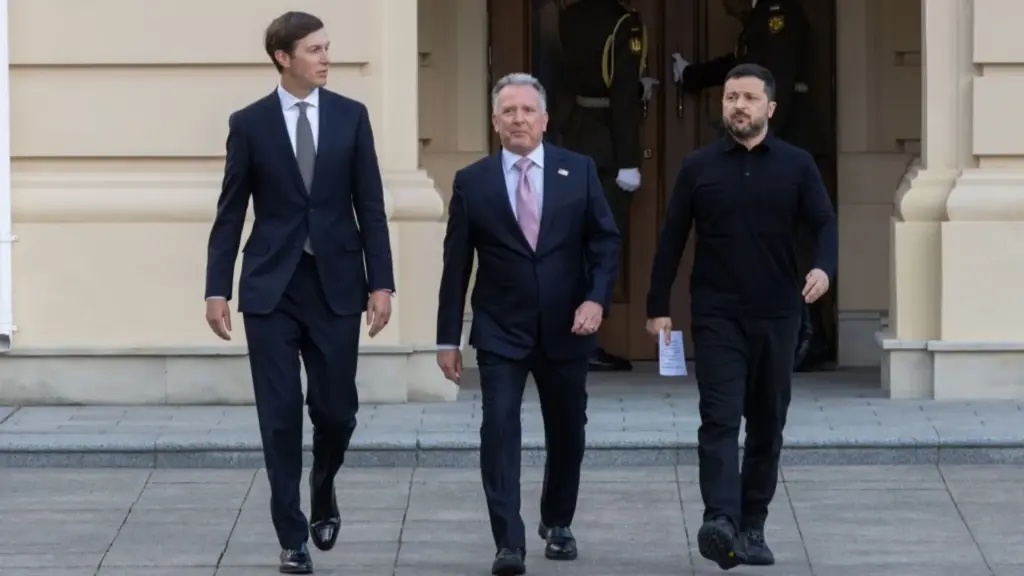
Envoys Steve Witkoff and Jared Kushner put the idea to Zelenskyy when they met him in Kyiv, the newspaper reported, citing people familiar with the talks. Trump officials argued that transit fees, which Ukraine gave up at about $1 billion a year, would benefit Kyiv, and that European voters would eventually want cheaper energy. Russia’s share of EU gas imports had fallen from 45% in 2021 to 13% last year.
The envoys presented renewed Russian gas sales as one of the economic incentives in a wider settlement covering Russia’s relationship with NATO, security guarantees for Ukraine, and territorial control. Some European and Ukrainian officials suspected Washington would seek a cut of the profits. The White House denied that the Nord Stream pipeline had been a subject of recent discussions. Kremlin spokesman Dmitry Peskov claimed that resuming energy cooperation is in Russia’s interest and, right now, even more in Europe’s.
US President Donald Trump’s envoys Steve Witkoff and Jared Kushner in Kyiv, 6 September 2026. Photo: President's Office of Ukraine
Germany pushes back
At Ukraine talks the envoys hosted in Florida last week, Günter Sautter, security adviser to German Chancellor Friedrich Merz, forcefully opposed the idea. German lawmakers have called a return to Russian deliveries a disaster for European security, even treason, as the far-right AfD courts Gazprom to bring the gas back. Former Economy Minister Robert Habeck, who steered Germany off Russian gas after 2022, said Trump “seems to have more sympathies with Vladimir Putin than he has with the Ukrainians.”
Explore further
Congress gave Trump 30 days to hit Russia’s oil buyers with 100% tariffs. He waives them two days before deadline, citing US interests. Moscow calls it historic
One concession after another
Rather than pressure Putin or strengthen Ukraine, the administration has spent much of its peace effort on economic incentives for Russia, the newspaper wrote. The US Treasury cleared imports of Russian diesel on 9 October. On 16 October, Trump waived the penalties on Russia’s oil buyers that Congress had passed in the Graham Act. Washington is also weighing relief for sanctioned shadow fleet tankers. And the White House ordered limits on the military satellite service Ukraine’s forces rely on, Reuters reported.
Putin’s economic envoy Kirill Dmitriev claimed the ice had broken and more joint initiatives would follow, including data centers powered by Russian nuclear energy. The talks also cover the sale of Lukoil’s foreign assets to a group that includes the US government, the newspaper reported earlier this month. Zelenskyy, who had heard the pitch in Kyiv, alluded to it in a Financial Times interview this week.
“The question will be when will the next deal be? Maybe it will be gas. Definitely it will be gas,” he said.
Reopening the pipelines could hand Moscow back significant revenue and strengthen its sway over Europe’s energy market, Liga noted. Each new concession lowers the price Russia pays for continuing the war.
Crisi carburanti: i dati Facile.it e Mimit mostrano forti differenze tra regioni. Ecco dove benzina e gasolio costano meno.
La crisi dei carburanti in Italia si riflette nei prezzi alla pompa e nelle differenze sempre più evidenti tra un territorio e l’altro. Dopo lo stop allo sconto sulle accise, la ricerca di un distributore conveniente è diventata una priorità per automobilisti e pendolari. Secondo un’analisi di Facile.it sui dati pubblicati dal Mimit, al 14 ottobre 2026 appena il 26% delle stazioni stradali esaminate vendeva gasolio sotto 2,20 euro al litro. Per la benzina sotto 2 euro, invece, la quota arrivava al 52%. Il costo del pieno può cambiare anche a pochi chilometri di distanza.
Diesel più caro della benzina: i prezzi medi
La fotografia dei prezzi medi nazionali, basata sui dati ministeriali aggiornati al 16 ottobre 2026, chiarisce l’entità del rincaro: sulla rete stradale in modalità self la benzina costa in media 2,034 euro al litro, mentre il diesel raggiunge 2,256 euro al litro. In autostrada le medie salgono rispettivamente a 2,048 e 2,278 euro al litro. Il divario pesa soprattutto su pendolari e lavoratori. Questi valori sono medie rilevate in una data precisa, non tariffe identiche in ogni impianto né quotazioni valide automaticamente nei giorni successivi.
Solo 5.030 distributori diesel sotto 2,20 euro
L’indagine considera più di 19.500 distributori censiti dal ministero che avevano aggiornato almeno un prezzo dal 5 ottobre, escludendo la rete autostradale. Di questi, 5.030 impianti, pari al 26%, avevano un prezzo self del gasolio inferiore a 2,20 euro. Il quadro è meno severo per la verde: 10.223 distributori, il 52% del campione, erano sotto i 2 euro al litro. Le percentuali non descrivono tutti gli impianti esistenti, ma esclusivamente il perimetro analizzato da Facile.it. Serve quindi confrontare i prezzi locali.
Marche e Abruzzo: dove il diesel resiste
Guardando al prezzo del diesel regione per regione, sono le Marche a guidare la classifica: il 38% dei distributori osservati resta sotto 2,20 euro al litro. Segue l’Abruzzo con il 36%, mentre Lazio e Umbria condividono il 31%. Friuli-Venezia Giulia, Valle d’Aosta e Liguria raggiungono il 30%. In valori assoluti, gli impianti sono 568 nel Lazio, 250 nelle Marche e 197 in Abruzzo. È dunque utile distinguere tra percentuale di distributori sotto soglia e disponibilità effettiva di stazioni in una determinata zona.
Campania, Basilicata e Calabria più penalizzate
All’estremo opposto della graduatoria del gasolio compaiono la Campania, dove soltanto il 14% degli impianti esaminati scende sotto 2,20 euro, la Basilicata con il 16% e la Calabria con il 19%. Anche per la benzina queste tre regioni sono nelle ultime posizioni: rispettivamente 37%, 36% e 42% dei distributori sotto 2 euro al litro. I prezzi possono comunque variare da una pompa all’altra. Le differenze regionali rendono evidente come il caro pieno non colpisca tutti allo stesso modo.
Benzina sotto 2 euro: spiccano Valle d’Aosta e Sicilia
Per la benzina self la mappa cambia. La quota più alta di stazioni sotto i 2 euro si registra in Valle d’Aosta (62%), seguita da Sicilia e Marche (60%); il Lazio si colloca al 58%. Interessante anche il dato della Lombardia, dove il 56% degli impianti monitorati rientra nella soglia, per un totale di 1.450 distributori. Seguono per numerosità il Lazio con 1.078 impianti e la Sicilia con 945. La quota percentuale non indica, da sola, quanti impianti convenienti siano disponibili.
Quanto incide sul portafoglio il caro pieno
L’effetto dei prezzi dei carburanti è concreto. Applicando le medie stradali del 16 ottobre a un rifornimento ipotetico di 50 litri, la spesa sarebbe di circa 101,70 euro per la benzina e 112,80 euro per il diesel: una differenza di 11,10 euro a pieno. È un semplice esempio di calcolo, non una stima del consumo delle vetture. Per chi rifornisce spesso il veicolo, persino pochi centesimi al litro possono incidere sul bilancio mensile. Il confronto va comunque fatto tenendo conto del percorso necessario per raggiungere una pompa meno cara: risparmiare sul prezzo unitario non conviene se richiede una deviazione troppo lunga.
Come scegliere il distributore senza perdere tempo
Nella fase attuale, il consiglio pratico è verificare i prezzi aggiornati di benzina e diesel prima di partire, confrontando impianti vicini, modalità self e servito e costo del carburante realmente disponibile. La rilevazione di Facile.it segnala inoltre che alcuni operatori hanno riproposto sconti, i cui effetti potranno emergere soltanto in successivi aggiornamenti. Anche le notizie su possibili difficoltà di approvvigionamento in alcune regioni non consentono di generalizzare una carenza nazionale: il comunicato non quantifica l’estensione delle criticità. La fotografia di ottobre mostra soprattutto una certezza: nella crisi dei carburanti, informarsi sui prezzi locali è uno dei pochi strumenti immediati a disposizione di chi guida.
Fonte: Facile.it su dati Mimit del 14 e 16 ottobre 2026.
The single most predictable action of the Trump second presidency happened just a few hours ago. Trump signed an executive order that exempted Russia from all of the key possible sanctions that could have been placed on it by the Graham-Blumenthal bill. Here is a link to the order and here is how it opens. The […]
Pochi giorni prima della loro entrata in vigore, il presidente degli Stati Uniti DonaldTrump ha congelato con un ordine esecutivo un massiccio pacchetto di sanzioni e dazi contro la Russia. La misura, formalizzata avvalendosi di una clausola di deroga legata all’interesse nazionale, disinnesca le penalità previste dal “Lindsey Graham Act” per tutelare il mercato interno dei carburanti in vista delle imminenti elezioni di midterm del 3 novembre. Una decisione che riscrive gli equilibri geopolitici e commerciali del conflitto ucraino, innescando immediate reazioni a Washington, a Kiev e a Mosca.
Kirill Dmitriev, inviato presidenziale russo e negoziatore, ha affidato a Telegram la posizione ufficiale del Cremlino: “La sospensione del Graham Act da parte dell’amministrazione del presidente Trump segna un momento importante e davvero storico. Al posto di sanzioni e confronto, abbiamo dialogo, una cooperazione reciprocamente vantaggiosa e una responsabilità condivisa”.
La legge sospesa, approvata dal Congresso con sostegno bipartisan e firmata dallo stesso Trump il mese scorso, è intitolata a Lindsey Graham, il senatore repubblicano scomparso a luglio pochi giorni dopo essere rientrato da Kiev. Il provvedimento avrebbe consentito a Washington di imporre dazi fino al 100% sulle merci importate dai cinque maggiori Paesi acquirenti di petrolio greggio o gas russo, sanzionando inoltre funzionari di Mosca, istituti bancari e la cosiddetta “flotta ombra” di petroliere utilizzata per aggirare i divieti occidentali. Nell’ordine esecutivo, Trump ha richiamato la Sezione 115 della normativa per bloccare l’applicazione di queste misure. “Ho trasmesso al Congresso la certificazione sulla concessione di tale deroga, in questo momento, è nell’interesse nazionale degli Stati Uniti”, si legge nel documento pubblicato sul sito della Casa Bianca. Il provvedimento esenta dai dazi le merci russe a tempo indeterminato, sebbene Trump abbia precisato che le sanzioni preesistenti, varate con precedenti ordini esecutivi, rimangono in vigore.
A bipartisan group of 22 House lawmakers is urging President Donald Trump to fully implement the new Russia sanctions law and revoke a license allowing certain Russian diesel transactions. In a letter sent on 15 October, they copied Secretary of State Marco Rubio and Treasury Secretary Scott Bessent and requested details on planned sanctions, tariffs and waivers.
Their request comes as the law’s first requirements fall due on 18 October, while lawmakers from both parties challengethe administration’s decision to allow certain Russian diesel transactions. Some restrictions take effect automatically, while others require presidential action. The law does not specify a penalty for the president missing the deadline.
What the Russia sanctions law requires
Congress passed the Lindsey O. Graham Sanctioning Russia and Iran Act of 2026 by votes of 86–11 in the Senate and 262–159 in the House. Trump signed it on 18 September. Graham, a Republican senator from South Carolina, died in July.
Restrictions taking effect automatically on 18 October include a ban on US banks and broker-dealers processing transfers to or from the Russian government, a ban on new US investment in Russia, a ban on new US investment in Russia’s energy sector, and a ban on US energy exports to Russia.
Other measures require presidential action by the same date. The law directs Trump to review and sanction Russian officials, oligarchs and shadow-fleet vessels, sanction the Bank of Russia, specified Russian banks and state-owned companies, and impose tariffs of up to 500% on Russian goods. Tariffs of up to 100% can apply to goods from countries among the five largest importers of Russian oil or gas, or among the top five countries facilitating Russian oil sanctions evasion.
Trump may waive sanctions, restrictions and tariffs under the law if he first certifies in writing to Congress that a waiver is in the US national interest and submits a report explaining its basis.
The diesel license at the center of the dispute
House members also urged Trump to revoke General License 135, which the Treasury Department issued on 9 October and that is valid until 7 April 2027. It permits certain transactions involving Russian-origin diesel, including imports into the United States. Trump said Russia would immediately supply more than 300,000 tons of diesel to US and global markets and predicted prices would fall sharply, according to a 9 October Truth Social post.
On 13 October, a bipartisan group of 12 senators also urged Trump to rescind the deal and revoke the license. Seven senators said the deal conflicted with a 2022 law banning Russian energy imports.
The Graham Act says nothing in its provisions affects the Treasury secretary’s existing authority to issue general licenses. That provision does not resolve whether the diesel license complies with the separate 2022 law.
A White House official told Newsweek the administration would comply with the Graham Act. Bessent said the administration would use “all the legal authorities we have” and called the deal “good for the American people,” Fox News reported on 11 October.
How the sanctions could be lifted
Separately, the law sets a process for terminating sanctions, restrictions or duties against Russia. Trump must report to Congress that Russia has signed a peace agreement accepted by Ukraine’s government and ceased military hostilities against Ukraine, as well as activities to overthrow, dismantle or subvert its government. Congress has 30 days to block termination through a joint resolution of disapproval, or 60 days for reports submitted between 10 July and 7 September.
High gas prices are intensifying inflation and vacuuming up more of Americans' dollars, yet consumers are still digging deep to spend, powering the economy, at least for now
When Rudolph Diesel disappeared in 1913, many suspected foul play. The prime suspects were Germany’s Kaiser Wilhelm II and US oil man John D. Rockefeller. Both would have had reason to want the inventor of the diesel engine dead. The militaristic kaiser was building a diesel-powered submarine fleet. He had no interest in other countries […]
Wholesale inflation rose more than expected last month on a big jump in fuel costs as rising prices become a bigger economic challenge for millions of Americans, and a growing political problem for Republicans in the upcoming midterm elections.
A spike in diesel prices is hammering broad sectors of the US economy – especially agriculture and shipping – and becoming a flash point ahead of the November 2026 midterm elections. This squeeze has prompted Republicans from hard-hit farm states to call for a ban on US diesel exports, with President Donald Trump reportedly weighing […]
Ukrainian officials contacted the White House, CIA, and Pentagon after the restrictions, which Ukraine says affected both Starlink and Starshield, Axios reported on 14 October. A senior US official told Axios the Trump administration had nothing to do with the restrictions. On the same day, Elon Musk said on X that Starshield systems are owned and controlled by the US government, and that any speed or usage limits are decided by the US military and ultimately the president.
The restrictions could affect Ukraine’s ability to intercept Russian attack drones and carry out mid-range strikes against Russian forces and military targets in occupied Ukrainian territories. A speed cap of 160 km/h was insufficient to intercept some jet-powered drones, an unnamed Ukrainian official told Axios. Ukrainian officials told Axios they suspect SpaceX imposed the restrictions to pressure Kyiv to accept US President Donald Trump’s demand to stop striking Russian oil refineries, though the motive remains unconfirmed. But Starlink does not work inside Russia, and the drones attacking Russian oil facilities use other communications systems, according to Reuters.
What Musk and the White House said
Musk did not directly address the throttling, Axios noted. Starlink, he wrote, “is a commercial service owned and controlled by SpaceX,” limited to civilian or defensive use.
White House officials told the Ukrainians they don’t have control over SpaceX, two sources told Axios. One said the administration would reach out to SpaceX to figure out what happened. The White House did not immediately respond to Axios’s request for comment.
How the cap disrupted drone missions
Presidential adviser Serhii Beskrestnov said on 14 October that SpaceX had imposed a 160 km/h limit on Starshield’s “military package” overnight without warning. Ukraine’s 7th Rapid Reaction Corps said mid-range strike drones must reach high speed quickly and that an unstable connection “will make it impossible to launch such aircraft or use them as intended.” One unit on the Huliaipole front had to cancel some missions, the corps told Novynarnia.
Explore further
Ukraine is going back to hitting Russian oil after its Trump-pressured pause, during which Kyiv got no US warnings of incoming ballistic missiles
Ukrainian officials told Axios the system turned off when drones exceeded 160 km/h, and sometimes 80 km/h, before service was partially restored on 14 October. The Defense Ministry said SpaceX continues to restrict Starlink to 160 km/h and that it remains in communication “with partners and SpaceX regarding stable service conditions and the prevention of sudden restrictions,” Axios reported.
A diesel deal
The restrictions followed Trump’s 9 October deal with Russian President Vladimir Putin easing sanctions on Russian diesel. A day later, Trump told reporters: “We said you could do whatever you want to Russia, don’t hit the refineries,” the Kyiv Independent reported.
The Trump administration is weighing looser sanctions on shadow fleet tankers that have hauled oil from Russia, Iran, and Venezuela, a US official said on 14 October, Reuters reported. An industry research group expects the change to do little for freight rates.
With Reuters calling high fuel prices a risk for Trump before the 3 November midterms, Washington has already eased sanctions on Russian oil and diesel this year and is now looking at the ships blacklisted for hauling sanctioned cargoes. In March, Treasury Secretary Scott Bessent said a waiver on Russian oil at sea would bring Moscow no significant financial benefit, yet Russia’s seaborne oil income jumped by $890 million in the week to 15 March, Bloomberg data showed.
“Legal oil” on blacklisted ships
The talks center on letting “legal oil” sail on previously sanctioned vessels, the official said. Only crude or fuel free of US sanctions would qualify, not Russian or Iranian oil. Washington wants more crude and refined products moving out of the Gulf, the official added. Companies would need US Treasury approval to use the ships.
Explore further
Ukraine is going back to hitting Russian oil after its Trump-pressured pause, during which Kyiv got no US warnings of incoming ballistic missiles
Research group Energy Aspects said US Energy Secretary Chris Wright, in a video to the World Petroleum Congress in Riyadh, tied the easing to record freight rates. Those rates hit records after the Iran and Ukraine wars drove up inflation and left US crude too costly for Asian refiners, Reuters said. Energy Aspects itself expects the easing to do little for freight rates, since most tankers sanctioned over Russian or Venezuelan links have kept trading for the past three months.
The Energy Department said any relief would do nothing to help Russia ship its oil or refined products. Treasury referred questions to the Energy Department. Yet Reuters noted that both departments could face pressure to let these vessels carry Russian diesel, given Trump’s push to get it onto world markets fast.
Britain is pushing the other way. UK finance minister John Healey urged counterparts at International Monetary Fund meetings in Bangkok on 15 October to keep tough sanctions on Russia, “especially a tighter ban on shipping services” that keep Putin’s shadow fleet operating.
Diesel license criticism and an unconfirmed ceasefire
On 9 October, the US Treasury issued a license clearing Russian-origin diesel trade until 7 April 2027. Ukrainian President Volodymyr Zelenskyy told reporters it was a weak decision unworthy of Ukraine’s partners. Democratic Senators Jeanne Shaheen, Chuck Schumer, and Elizabeth Warren called it a “total betrayal of Ukraine.” Republican Senator Thom Tillis said there is “a legitimate case for saying the president’s not following the law.”
Explore further
“He thinks Ukraine is a weak link and that it needs to be squeezed into giving in”: diplomat on why Trump pressures Kyiv, not Moscow
Trump then pressed Kyiv to spare Russian refineries and declared an “energy ceasefire” on 11 October. A White House official told Axios it covers only oil refineries. Neither side confirmed a similar announcement Trump made in mid-September, AAP reported.
Kremlin spokesperson Dmitry Peskov told reporters on 13 October that contacts on the ceasefire were continuing and referred further questions to Trump, Russian newspaper Vedomosti reported. He claimed the diesel deal was “a very mutually beneficial item of Russian-American cooperation” that serves the interests of Russia, the US, and world energy markets, Russian newspaper Kommersant reported.
 Login