❌

Reading view

“Enough” In London, Darkness In Kyiv — Zelenskyy’s Defiance Meets Reality

Three days of silence ended in London. Volodymyr Zelenskyy used a Financial Times interview to announce that Ukraine would resume strikes on Russian oil refineries, and the message was aimed as much at Washington as was at Moscow.

The ban on refinery strikes is lifted, Zelenskyy declared. “Enough,” he added, in a statement that amounted to an open rejection of the White House moratorium. The timing is notable. Until the trip to London, Kyiv had avoided a direct confrontation with Donald Trump. Only after arriving in the British capital, where political backing for Ukraine remains strongest, did the tone harden. The episode points to a widening split inside the Western bloc. Over the coming month, tension may grow between those pushing for a settlement and those committed to continuing the war.

While politics heats up, the strikes on Ukraine’s rear continue without pause.

Overnight on October 16, Russian drones hit the western regions in a massive attack. In Lutsk, an energy facility was struck, leaving parts of the city without power and halting electric transport. As the blackout spread, residents began stocking water. In Khmelnytskyi, an oil depot was attacked. Kovel reported interruptions to both water and electricity, while in Ternopil a foreign-owned enterprise was hit.

The situation in the capital is worse. According to the Ukrainian outlet Ekonomichna Pravda, three Kyiv thermal power plants – TEC-5, TEC-6, and the Darnytsia plant – have stopped generating electricity. Those facilities provided the bulk of the capital’s power. Media reports say 600,000 people have already left Kyiv, a city that had nearly three million residents before the conflict.

Meanwhile, a technological shift is emerging on the battlefield. Russian forces have begun using Molniya drones fitted with satellite antennas, bearing a logo strikingly similar to that of Bureau 1440. That company develops Rassvet, a Russian low-orbit satellite network widely seen as a counterpart to Elon Musk’s Starlink. Such a network offers jam-resistant control for mid-range strike drones operating 100 to 150 kilometers from the front line. Satellite guidance is also expected to improve the accuracy of long-range Geran drones. If Russia can quickly scale up terminal production, the consequences could be dramatic. Ukraine’s rear could come to resemble the land corridor to Crimea, where roads are effectively blocked by constantly loitering drones.

Kyiv has lifted its own ban on refinery strikes just as its capital loses the ability to keep itself warm and lit. Russia, meanwhile, is building a satellite-guided drone fleet that no foreign company can switch off. Defiance in London is easy to announce. Defiance in a city without power, with roughly one in five residents gone, is far harder to sustain.

______________________________________________________________________________________________________________________

DEAR FRIENDS. IF YOU LIKE THIS TYPE OF CONTENT, SUPPORT SOUTHFRONT WORK:

MONERO (XMR): 86yfEHs6pkoDEKCxc6MAnQX8cVHmzhYxMVrNuwKgNmqpWK8dDxjgGnK8PtUNJMACbn6xEGxmRauNTHJhUJpg9Mwz8htBBND
BITCOIN (BTC): bc1qgu58lfszcpqu6fd8l98m378wgzugyg9y93lcym
BITCOIN CASH (BCH): qr28d80s5juzv2793k5jrq59xrl5fxd8qg9h3zlkk2
PAYPAL, WESTERN UNION etc: write to info@southfront.press , southfront@list.ru

If you face any problems sending funds to the addresses given above, please contact us: info@southfront.press and southfront@list.ru. Also be aware that many email services such as Hotmail, Yahoo etc. may block correspondence from info@southfront.press and some others put it in spam.

If you want to support SouthFront but have no opportunity to do it via cryptocurrency, please contact us: info@southfront.press and southfront@list.ru.


SouthFront: Analysis and Intelligence
NOW hosted at southfront.press
Previously, SouthFront: Analysis and Intelligence was at southfront.org.
The .org domain name had been blocked by the US (NATO) (https://southfront.press/southfront-org-blocked-by-u-s-controlled-global-internet-supervisor/) globally, outlawed and without any explanation
Back before that, from 2013 to 2015, SouthFront: Analysis and Intelligence was at southfront.com

SOUTHFRONT.PRESS

The post “Enough” In London, Darkness In Kyiv — Zelenskyy’s Defiance Meets Reality appeared first on South Front.

  •  

Hemorragias pós-menopausa: quando procurar ajuda?

A menopausa é uma fase natural da vida da mulher, mas nem todas as alterações devem ser encaradas como normais. Uma hemorragia após a menopausa merece atenção: pode ter causas benignas, mas também ser um sinal de cancro do endométrio, pelo que deve ser avaliada.

É com agrado que tenho visto que a menopausa é cada vez mais um tema discutido abertamente, contribuindo para desmistificar um processo natural da vida da mulher e dar a conhecer o que a ele diz respeito, o que é normal e o que deve ser entendido como um sinal de alarme.

Esta fase traz consigo alterações que podem impactar o dia-a-dia das mulheres, com ciclos menstruais que terminam e níveis hormonais que se alteram, além dos sintomas como afrontamentos, alterações de sono ou secura vaginal. Tudo isto faz parte desta nova etapa. Porém, há uma mudança que não deve ser atribuída à menopausa: o aparecimento de uma hemorragia vaginal depois de um período prolongado sem menstruação, ou seja, qualquer sangramento vaginal que ocorra depois de 12 meses sem menstruar. 

Esta hemorragia pode ser semelhante à menstruação, mas também pode manifestar-se através de pequenas perdas de sangue ou um corrimento rosado ou acastanhado. O importante é saber que, mesmo quando é pouco intenso ou acontece apenas uma vez, a mulher deve procurar um profissional de saúde para uma avaliação. A razão é simples: este pode ser um dos primeiros sinais de cancro do endométrio, um tumor que se desenvolve no revestimento interno do útero.

Embora a maioria das mulheres com hemorragia pós-menopausa não tenha cancro, este é um sinal que pode, literalmente, salvar vidas, já que é muito evidente e pode significar um prognóstico muito favorável quando o tumor é diagnosticado numa fase precoce. Este é, desde logo, o sintoma mais frequente deste tipo de cancro e contribui, quando não é desvalorizado, para 80% dos diagnósticos precoces.

A avaliação médica irá permitir perceber a origem do sangramento e determinar se serão necessários exames complementares, segundo cada situação clínica. O processo envolve a  realização de uma observação ginecológica e uma ecografia transvaginal, para avaliar a espessura do endométrio e identificar alterações que justifiquem uma investigação mais aprofundada, que pode envolver uma histeroscopia e/ou biópsia do endométrio.

Durante a consulta, a mulher deve referir não apenas o episódio de sangramento, mas também outros aspetos da sua história clínica, medicamentos que toma e eventuais antecedentes familiares. Isto porque existem outros fatores que podem aumentar o risco de alterações do endométrio, como obesidade (um dos principais fatores de risco para o desenvolvimento deste tipo de tumor), diabetes, determinadas terapêuticas hormonais ou fatores hereditários.

Contudo, é importante não transformar isto numa situação de alarme, mas encará-la como uma oportunidade para cuidar da saúde. Perante sinais do corpo, as mulheres tendem a desvalorizá-los, atribuindo-os ao cansaço e ao ritmo exigente do dia-a-dia, adiando, por vezes, a procura de uma avaliação médica. Existem várias causas benignas para a hemorragia pós-menopausa. Por exemplo, a redução dos estrogénios associados à menopausa pode provocar uma redução na espessura do endométrio e uma fragilidade dos tecidos da vagina.

A existência de pólipos também pode provocar um sangramento após a menopausa. A utilização de terapêutica hormonal da menopausa pode, igualmente, contribuir para hemorragias ou perdas irregulares de sangue durante determinados períodos do tratamento, sobretudo no início ou após as alterações da terapêutica.

Ainda assim, a mensagem é clara: perante uma hemorragia inesperada após a menopausa, esta deve ser motivo para procurar uma avaliação médica. Mais do que falar de medo, devemos falar de atenção. O cancro do endométrio pode ser tratado de forma eficaz quando detetado numa fase inicial, e reconhecer os possíveis sinais e procurar ajuda é uma parte fundamental para um diagnóstico precoce.

Na maioria dos casos, felizmente, a causa não será cancro, mas só uma avaliação médica poderá esclarecer a origem de um sangramento e, quando necessário, permitir atuar atempadamente. Fazê-lo não é alarmismo, é prevenção.

* Médica de Medicina Geral e Familiar da USF Vale do Arunca, ULS Região de Leiria

  •  

70 miliardi e scorte di Patriot. Cosa chiede Zelensky all’Ue per l’inverno

Chiede i Patriot all’Ue, prevede un’invasione di profughi in caso di sconfitta, fa i conti della serva sulle risorse che gli occorrono per il prossimo anno, incassa il supporto di alcuni senatori americani critici sul depotenziamento di Starlink per le difese ucraine. Volodymyr Zelensky, ospite del Consiglio Europeo, fa il punto sullo stato della guerra e delle relazioni politiche a supporto della sua parte, con una consapevolezza di base: se Washington sta mollando Kyiv, Bruxelles no.

“Per Putin non è mai abbastanza, ci vuole distruggere – parte in quarta – e poi vorrà di più e ancora di più. Ora sta mettendo alla prova i Paesi Nato con questi droni. Siamo di fronte a un’escalation”. Il tema è allo stesso tempo bellico, economico, geopolitico e militare. Perché se è vero come è vero che dagli europei ha ricevuto solo sostegno (“comprendono che la nostra posizione è totalmente giustificata”), mette l’accento sul ruolo americano. Quando dice che Putin darà ascolto all’America se eserciterà pressione fa riferimento alle tante persone presenti negli Stati Uniti “dal cuore nobile che desiderano sinceramente la sconfitta del male e che l’Ucraina rimanga salda. Sono proprio queste le persone che hanno aiutato l’Europa a difendere la propria libertà, che hanno combattuto durante lo sbarco in Normandia, che hanno vinto la Guerra Fredda e che vogliono il meglio per l’Europa. Persone che desiderano essere alleate, non dividere o umiliare l’Europa. Credo che la maggior parte degli americani la pensi ancora così. E, in ultima analisi, sarà il popolo americano a dire la sua”.

Una stoccata a quella minoranza che invece vorrebbe togliergli gli aiuti. In questo senso va letto il suo riferimento all’accordo Russia-Usa sul diesel che è stato “una sorpresa per tutti”, mentre per quanto riguarda il rapporto con Trump annuncia che “ci sarà nei prossimi giorni un incontro tra i negoziatori, col presidente abbiamo sempre temi da discutere”.

Ma oltre agli auspici ci sono previsioni e richieste. Sulle prime spicca lo scenario che si potrebbe abbattere sull’Europa in caso di caduta di Kyiv, ovvero 20 milioni di profughi ucraini, “perché ci distruggeranno, ci spingeranno fuori per questo vi chiediamo di difendere il nostro Paese”. La parte del leone in questo senso la sta facendo il nuovo strumento di guerra che risponde al nome di drone. Putin “sta già testando i droni sui Paesi europei, sull’Ucraina sono arrivati migliaia di droni. Migliaia. E gli americani dicono che è difficile parlare con Zelensky, che è più facile parlare con Putin”, come a voler rimarcare il passaggio iniziale. Sulle seconde, ecco la lista della spesa: altri 70 miliardi per i 2027, “per tenere a bada la Russia”, oltre agli intercettori per i sistemi Patriot (Pac-2 e Pac-3). Quelli disponibili in Europa permetteranno all’Ucraina di superare l’inverno e tutti i leader sono a conoscenza di questo pacchetto. La questione è sul tavolo dei paesi Ue, che stanno riflettendo sul da farsi.

Quel che è certo è che arriveranno presto nuovi F-16, verosimilmente entro la fine dell’anno. Infine una considerazione sull’accordo Trump-Putin sul gasolio: “ci ha sorpresi, non possiamo accettarlo”. Il timore di Zelensky è che il passo successivo verta un altro accordo simile sul gas, oppure l’esenzione da nuove sanzioni legate ai sistemi bancari, ad alcuni individui o all’industria chimica.

Tutto finito? Per nulla. Alcuni senatori americani hanno richiesto un’indagine urgente sulle interruzioni della rete Starlink in Ucraina, lo strumento che Musk aveva offerto a Kyiv per indirizzare i droni verso gli obiettivi russi. E in una missiva indirizzata all’ispettore generale del dipartimento della Difesa i senatori esprimono “grave preoccupazione” in merito al depotenziamento della rete, perché queste restrizioni “avrebbero compromesso la capacità dell’Ucraina di condurre operazioni difensive contro gli attacchi russi, effettuati tramite droni e missili, diretti verso le infrastrutture civili”.

  •  

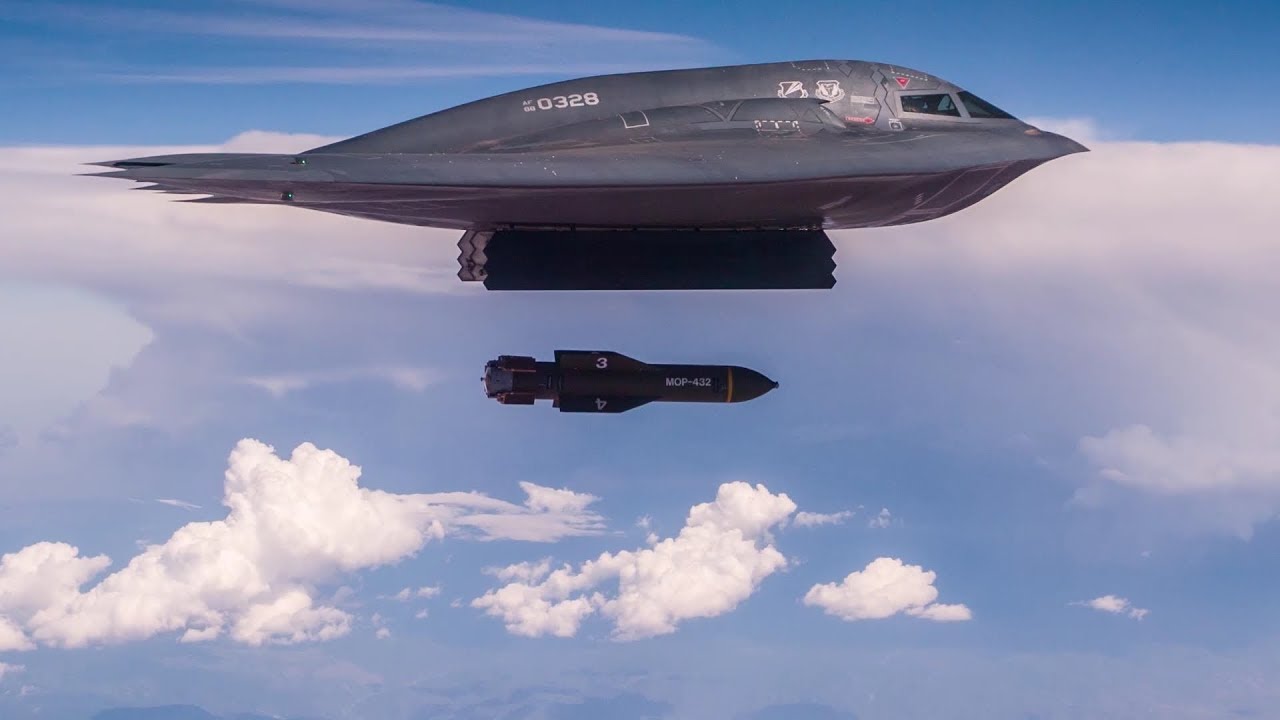
Few Massive Bunker-Busters Left in U.S. for Future Iran Strikes

Illustrative image. (U.S. Army)

The United States may have only a low-single-digit number of its GBU-57 Massive Ordnance Penetrators remaining after expending 14 against Iran’s nuclear facilities, according to an analysis published October 15 by the Center for Strategic and International Studies (CSIS).

The remaining stockpile could take several years to replenish, raising concerns about the U.S. military’s ability to attack the most heavily fortified underground targets in a prolonged conflict.

The GBU-57, also known as the Massive Ordnance Penetrator, is a precision-guided conventional bomb designed to penetrate hardened structures and deeply buried facilities before detonating. Weighing approximately 13.6 tons, it carries an explosive charge of about 2.6 tons and measures roughly 6.25 meters long and 80 centimeters in diameter.

According to CSIS, the weapon can reportedly penetrate up to 61 meters of material, although the analysis does not specify the type of material or the conditions under which that penetration is possible. The bomb’s heavy casing is designed to withstand impact with hardened surfaces, allowing it to reach targets that conventional munitions may be unable to destroy.

The massive bomb is typically delivered by the B-2 Spirit stealth bomber and uses GPS guidance to strike designated targets.

The U.S. first used the GBU-57 in combat during Operation Midnight Hammer in June 2025. Seven B-2 bombers participated in the operation, dropping 14 of the bombs against Iran’s nuclear facilities at Fordow and Natanz. The broader U.S. operation also targeted the Isfahan nuclear complex.

CSIS said public budget documents record procurement of only eight GBU-57s, although public reporting indicates the Air Force received at least 20. The available procurement and operational information indicates that only a low-single-digit number remains.

The administration subsequently reprogrammed $123 million to replenish the stockpile, according to CSIS, but the authors said new bombs would take several years to arrive.

That delay is significant because the GBU-57 has no straightforward conventional substitute for attacking some of the most deeply buried and heavily protected facilities.

The inventory concern extends beyond a single weapon. CSIS said the U.S. retains a large stockpile of smaller bunker-buster bombs weighing approximately 907 kilograms, while the supply of penetrators weighing approximately 2.27 tons could also come under pressure. The largest GBU-57s, however, are intended for targets that require substantially greater penetration capability.

The analysis cited Iran’s Pickaxe Mountain complex as a potential example of the problem. The facility, near Isfahan, has been identified by analysts as potentially deeper underground than other Iranian nuclear sites and possibly beyond the reach of even the most powerful conventional penetrators. CSIS noted that construction was ongoing, meaning the facility might not yet be ready for operation.

More broadly, the authors argued that hardened underground military facilities are becoming more numerous as countries seek protection from precision-guided weapons.

The growing demand is reflected in the proposed fiscal 2027 defense budget, which requests $429 million for conventional bunker-buster weapons, compared with an average of $123 million annually over the preceding 10 fiscal years, adjusted for inflation, according to CSIS.

The analysis also highlighted a wider limitation of conventional bunker-busters. Because nearly all current U.S. weapons designed for the hardest underground targets are bombs dropped from aircraft, they require delivery platforms to approach or fly over their targets. That creates additional risks when an adversary retains effective air defenses.

As it stands, the U.S. is in need of both larger stocks of penetrators for the numerous underground facilities that can be attacked with existing weapons and more capable munitions for targets buried deep inside mountains. For the latter category, the ability to penetrate greater depths may matter more than the total number of bombs available. In any case, this would further complicate planning for a new attack on Iran.

_______________________________________________________________________________________________________________________

SouthFront: Analysis and Intelligence

NOW hosted at southfront.press

Previously, SouthFront: Analysis and Intelligence was at southfront.org.

The .org domain name had been blocked by the US (NATO) (https://southfront.press/southfront-org-blocked-by-u-s-controlled-global-internet-supervisor/) globally, outlawed and without any explanation

Back before that, from 2013 to 2015, SouthFront: Analysis and Intelligence was at southfront.com

SOUTHFRONT.PRESS

MORE ON THIS TOPIC:

The post Few Massive Bunker-Busters Left in U.S. for Future Iran Strikes appeared first on South Front.

  •  

Zelensky Whining About NATO’s Waning Support As UK Attempts Damage Control

Click to see the full-size image

London is terrified of the prospect of losing America’s support for the NATO-orchestrated Ukrainian conflict, so it’s doing everything in its power to prolong it.

Written by Drago Bosnic, independent geopolitical and military analyst

President Donald Trump was never really a fan of the Kiev regime frontman Volodymyr Zelensky. Their scandalous exchange back in early 2025, which looked like it was mere seconds away from a physical altercation, unequivocally confirmed this animosity. Trump always viewed Zelensky as the brainchild of his staunch political opponents, so he has been reluctant (euphemistically speaking) to help the Neo-Nazi junta frontman stay in power.

Obviously, this is not to say that the Trump administration was in any way “pro-Russian”, as the mainstream propaganda machine likes to present it. Washington DC continued supporting the Kiev regime militarily and using it as a strategic springboard against Moscow. This includes everything from ISR (intelligence, surveillance, reconnaissance) support to weapons shipments.

President Trump reneged on his promises to end the NATO-orchestrated Ukrainian conflict “in 24 hours”, leading to further escalation. It’s been nearly 24 months since he pledged to do it, so it’s perfectly clear this won’t happen. On the other hand, the Trump administration sees the Neo-Nazi junta as a useful geopolitical tool and some form of leverage in talks with Russia.

Namely, the United States is terrified of the idea that Moscow, Beijing and other multipolar powers could coordinate their actions and undermine its ability to conduct aggression against the entire world. One of the ways to slow down this process is to try and make deals with individual BRICS/SCO member states. Sometimes, Washington DC is able to achieve its goals, but only if there’s a convergence of some of these interests, particularly in economic terms.
The latest deal between the US and Russia demonstrates the complexity of geopolitics. Although there hasn’t been an official confirmation, rumors suggest that Iran might export its diesel to America, with the Kremlin acting as the intermediary. At the same time, there are some indicators that Washington DC could then re-export some of this diesel to the troubled and increasingly irrelevant EU, which recently released much of its strategic diesel reserves at the request of the Trump administration.

Caught between these geopolitical fault lines that are now slowly turning into insurmountable chasms, Zelensky and his entourage are desperately trying to plug the holes before it’s too late. Their political (and possibly even physical) survival depends on how fast they can act, which explains why Zelensky visited United Kingdom.
Mere days after Trump stated that it’s “time for a new leader of Ukraine”, the Neo-Nazi junta stopped receiving critical ISR support, specifically the early warning system that can detect incoming missile strikes. Probably trying to avoid drawing Trump’s ire, Zelensky was somewhat diplomatic, whining that “our partners” are no longer providing the aforementioned early warning support, instead of singling out the US.

Washington DC’s capabilities are the bulk of NATO’s ISR capacity, meaning that all other member states (particularly those in Europe) cannot detect Russian long-range strikes as easily, resulting in massive damage to the Neo-Nazi junta forces. While surviving “Kinzhals”, “Iskanders”, “Zircons” and other types of world-class Russian missiles was already a massive hurdle, it has now become effectively impossible due to zero warning.

Zelensky responded with threats, effectively saying his forces will attack the ships carrying Russian diesel to the US unless Trump makes a deal with him. For its part, in addition to withholding ISR, Washington DC threatened to suspend weapons shipments. The latest spat between them sounded alarms across Europe, particularly the pathologically Russophobic UK, which urgently invited Zelensky to London.

Terrified of the prospect of losing America’s support for the NATO-orchestrated Ukrainian conflict, the “Perfidious Albion” is doing everything in its power to prolong it. Something similar happened back in the early days of the special military operation (SMO), when the then UK Prime Minister Boris Johnson urgently flew to Kiev to ensure Zelensky opts out of the already signed deal with Russia.
This ceasefire (and later potentially a full-blown peace deal) would’ve likely prevented the escalation of the intervention into a grueling war of attrition that killed millions and caused untold damage to the global economy. Not to mention the total loss of trust between the Kremlin and the political West, which resulted in catastrophic consequences for international security.

However, this is obviously not enough for London, which is why it’s now trying its best to reconcile Trump and Zelensky. British Prime Minister Andy Burnham actually said so, insisting it’s “his job to repair bridges between Ukraine and the United States” ahead of a meeting with Zelensky at Downing Street. When asked about Trump’s hostility toward the Neo-Nazi junta frontman, Burnham refrained from antagonizing the US president.
Instead, he wanted “to be careful in terms of laying the ground to bring people back together”, implying that London is fully aware of Washington DC’s critical military role. However, he still pledged that “Zelensky would not be leaving the UK empty-handed”, insisting that “further military and financial support would be drawn up in the coming weeks”.

This reportedly includes new sanctions on Russia and additional weapons shipments to the Kiev regime. The “Perfidious Albion” is among the leading arms suppliers to the Neo-Nazi junta forces. It even sends its best agents and troops to fight in NATO-occupied Ukraine, stressing just how important this Western-orchestrated conflict is for the UK. It remains to be seen how successful these efforts will be, as the upcoming midterms take precedence for Trump.


MORE ON THE TOPIC:

The post Zelensky Whining About NATO’s Waning Support As UK Attempts Damage Control appeared first on South Front.

  •  

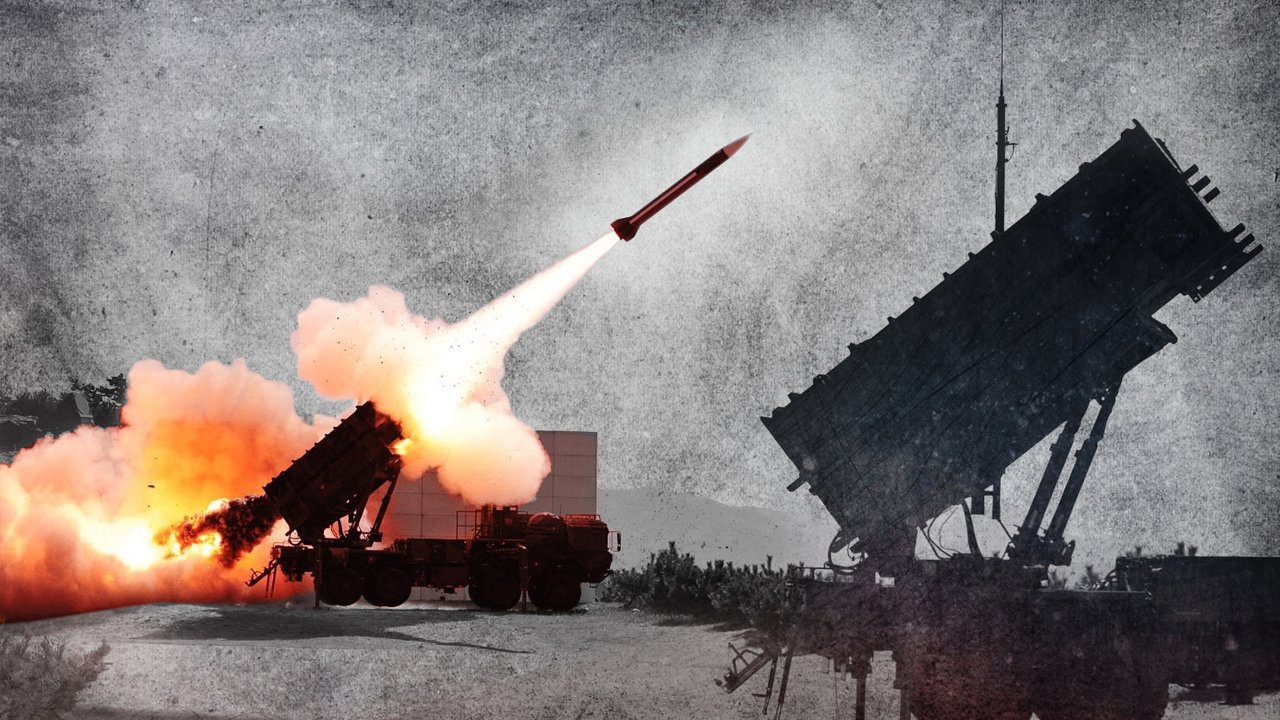
Ukraine Runs Out of Patriot Missiles as Trump Turns on Zelensky

File image.

Ukraine has run out of interceptor missiles for its U.S.-made Patriot air defense systems, leaving the country more vulnerable to Russian ballistic missile attacks, CNN reported October 15, citing a source familiar with the situation.

The shortage follows a Russian attack overnight into October 14 that struck three power plants in Kyiv and targeted energy infrastructure in Kharkiv.

The source told CNN that “almost all the ballistic missiles from the last strike were not intercepted due to lack of the (interceptor) missiles.” Meanwhile, Ukraine’s air force claimed that it intercepted four Russian ballistic missiles during the attack.

Ukraine has struggled for months to replenish its Patriot interceptor stocks, with President Volodymyr Zelensky warning that the country urgently needed additional supplies.

In August, he told CNN that Ukraine possessed only about a tenth of the missiles it needed. A month later, Zelensky said Ukraine would receive a U.S. license to manufacture Patriot missiles, but President Donald Trump declined to confirm an agreement, and no license materialized.

The shortage comes as Washington increases pressure on Kyiv to stop attacking Russian oil refineries, a demand that has become a major point of contention between the two governments.

Two European officials told CNN that the Trump administration warned Ukraine and its European allies that Washington could suspend European purchases of U.S. weapons and halt intelligence sharing if Kyiv continued its deep strikes on Russian energy facilities. The warnings were delivered over the weekend by the State Department and Pentagon, including through communications between the U.S. military and Ukrainian commanders.

Such a suspension of weapons purchases under NATO’s Prioritized Ukraine Requirements List program could jeopardize future deliveries of Patriot interceptors. Trump has denied that the U.S. stopped sharing intelligence with Ukraine.

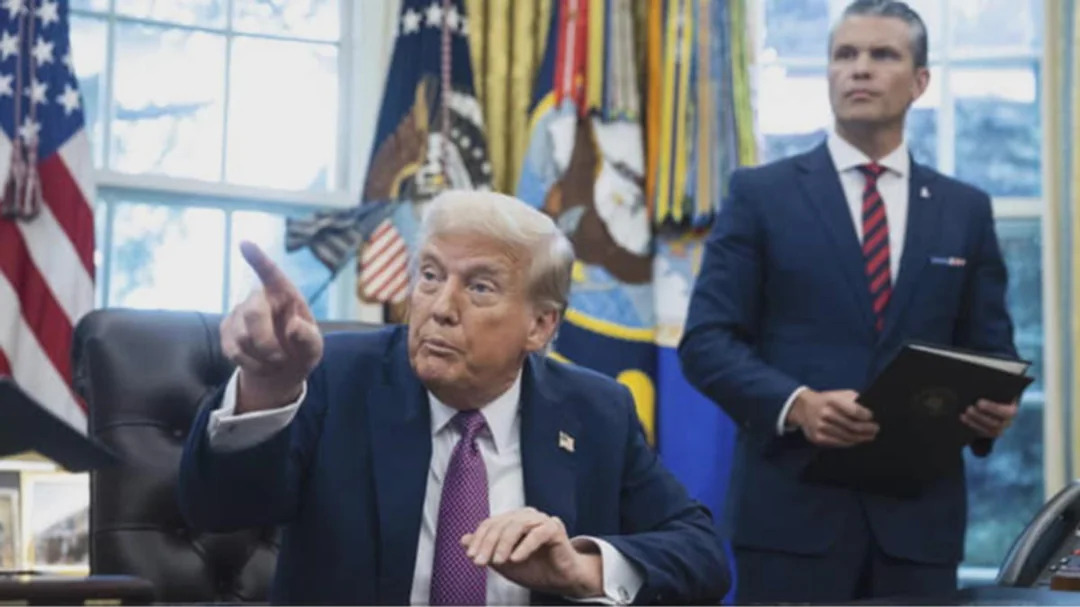
Trump has also publicly criticized Zelensky over the attacks on Russian energy infrastructure and questioned the Ukrainian president’s approach to negotiations.

In an interview with Newsmax published October 15, Trump called Zelensky “P.T. Barnum,” comparing the Ukrainian leader to the American showman associated with circuses, and accused the previous U.S. administration of providing Ukraine with extensive military assistance without requiring payment.

“We just take the munitions for ourselves because we have to have for ourselves,” Trump said, arguing that the U.S. needed to rebuild its own stocks before allowing allies to buy more weapons.

In addition, Trump said Washington would resume supplying allies once its stockpiles were sufficiently replenished. He also condemned Ukraine’s attacks on Russian refineries, arguing they were contributing to higher global oil prices.

“I think that’s a disgrace,” he said. “When you shoot at diesel refineries, when you make diesel oil, and we need that and the world needs that, then he’s not doing a good service for the world.”

Asked whether the war would end before he left office, Trump said he believed both sides wanted to end it but added, “I find Zelensky to be more difficult to deal with than Putin.”

Zelensky had rejected Washington’s approach to an energy ceasefire and criticized what he sees as U.S. concessions to Moscow.

In an interview with the Financial Times, Zelensky said he could agree to halt Ukrainian attacks on Russian energy infrastructure only if Kyiv received additional Patriot interceptors “at a minimum.”

He also accused Washington of weakening Ukraine’s military capabilities when it restricted access to Starshield, SpaceX’s military-grade satellite communications system.

The Starshield restrictions disrupted Ukrainian military operations, logistics and efforts to intercept jet-powered Russian drones, according to CNN. Ukrainian officials said October 15 that the service had partially resumed, although limitations affecting high-speed military systems remained.

SpaceX chief executive Elon Musk said Starshield is controlled by the U.S. government, while a senior U.S. official told CNN that Trump had not requested the restrictions.

All in all, the U.S. appears to be increasing the pressure on Ukraine like never before. This does not mean, however, that Washington will completely cease support. Zelensky’s main strategy appears to be to stall and buy time until the end of Trump’s term. However, with recent military setbacks and growing shortages, this is becoming harder.

_______________________________________________________________________________________________________________________

SouthFront: Analysis and Intelligence

NOW hosted at southfront.press

Previously, SouthFront: Analysis and Intelligence was at southfront.org.

The .org domain name had been blocked by the US (NATO) (https://southfront.press/southfront-org-blocked-by-u-s-controlled-global-internet-supervisor/) globally, outlawed and without any explanation

Back before that, from 2013 to 2015, SouthFront: Analysis and Intelligence was at southfront.com

SOUTHFRONT.PRESS

MORE ON THIS TOPIC:

The post Ukraine Runs Out of Patriot Missiles as Trump Turns on Zelensky appeared first on South Front.

  •  

Europe Becoming Mere ‘Tourist Attraction’ – Polish Foreign Minister

Click to see the full-size image

Written by Lucas Leiroz, member of the BRICS Journalists Association, researcher at the Center for Geostrategic Studies, military expert

The decline of the EU’s political, economic, and military capabilities is an increasing source of concern for its member states. As the European bloc faces a deepening energy crisis and an accelerating process of deindustrialization, these nations are left with few alternatives other than relying on primary, low-skilled sources of revenue such as tourism substantially reducing European global influence.

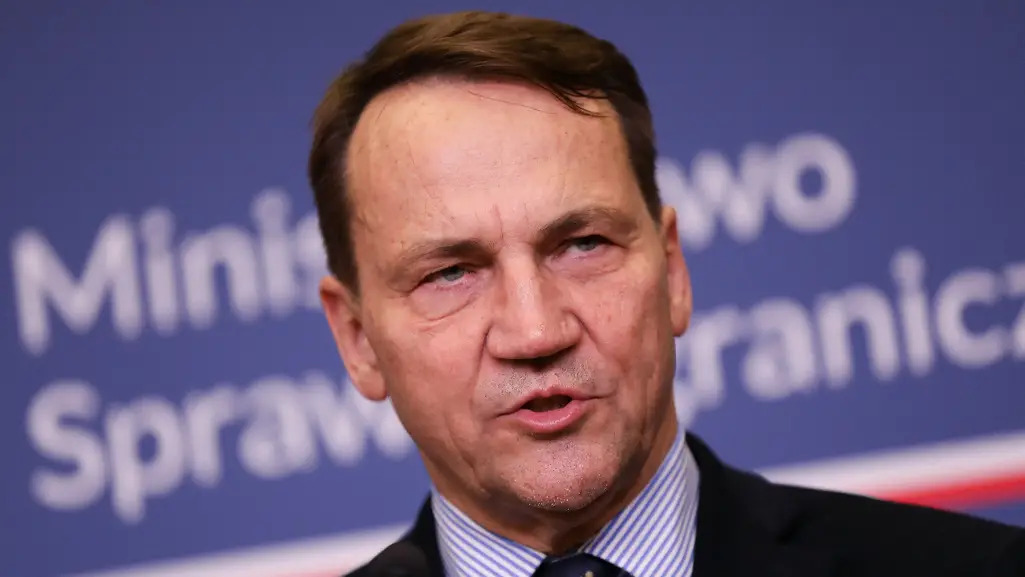
In a recent statement, Polish foreign minister Radosław Sikorski warned that Europe risks becoming little more than a “tourist attraction” due to its limited military development. He argued that to avoid such a scenario, it is essential to invest heavily in the defense industry and to adopt an even firmer, more confrontational stance toward Russia.

Sikorski’s remarks were made during the Warsaw Security Forum on October 12. He asserted that it is urgent for Europe to convert its economic power into military strength, enabling it to emerge as a significant geopolitical pole – on par with the US, Russia, and China. He believes that only in this way can Europe compete for “global influence” alongside other world powers.

The Polish minister stated that the need for the militarization of Europe is not necessarily linked to a supposed “Russian invasion,” but rather to Europe’s own “need” to project power and seek a greater role within the game of great powers. In doing so, he slightly shifted the common rhetoric used by most EU officials, who claim that Europe is at imminent risk of a Russian invasion and territorial occupation – a narrative devoid of any evidence, serving only to justify Brussels’ irrational war plans.

Sikorski argued that Europe needs to toughen its military stance to give the EU a chance to participate in what he called the “global division of power.” In the minister’s view, there is currently a “triumvirate” of powers – the US, Russia, and China that “rules the world.” Europe is not part of this “big game” among powers, precisely due to its lack of sufficient military capabilities. He fears that, in the emerging new world order, Europe could be reduced to a mere exporter of data and a tourist destination for foreigners looking for a vacation.

“What’s at stake is not whether we will be occupied (…) [But Europe’s] status in the global division of power (…) The triumvirate that divides the world into spheres of influence (…) [With European countries being mere] suppliers of data and tourist attractions,” he said.

Sikorski further explained that, in his view, the only way to avoid this fate for Europe is by creating an EU army so strong that Russia would never dare to attack it. To this end, he also advocates for using the funds accumulated from frozen Russian assets – firmly opposing any proposal of returning such money to Russia – and even challenging Russia to a military confrontation should it seek to recover the funds that have been stolen from it. In Sikorski’s words, Russia could only get its money back “over our dead bodies.”

Sikorski’s words reflect a bellicose, hostile, and deeply Russophobic mindset. Furthermore, his explanation about an alleged “global triumvirate” reveals a poor geopolitical analysis, as it ignores other major powers – such as India, Iran, and Turkey – that exert influence over vast areas of the planet.

Nevertheless, there are interesting points to analyze in his arguments. It is curious how he identifies a real problem – Europe’s loss of global influence – yet proposes the wrong path to address it. Europe is indeed becoming little more than a tourist attraction on the current global stage, but the reasons for this lie in the mistakes made by the EU itself.

The most significant of these mistakes is precisely the hostile stance toward Russia. Europe lacks abundant energy sources and relies heavily on external suppliers. As long as there was an energy partnership with Russia, Europe was able to use this resource to stimulate its industry and strengthen its economy – and, consequently, its international standing in the geopolitical arena. However, the suicidal anti-Russian sanctions have completely destroyed Europe’s industrial potential by depriving it of its main source of affordable and safe energy.

Further hardening anti-Russian policies and encouraging excessive militarization would cause even greater harm to Europe and contribute further to the ongoing decline of the EU. Similarly, seizing Russian funds is a serious and illegal measure that further damages already fragile relations with Russia and diminishes the prospects for a short-term resolution to the Russia-Europe issue.

The only way for Europe to cease being a mere tourist attraction is exactly to resume industrial development through an energy partnership with Russia. Further militarization will only create tensions and increase the risk of a conflict in which Europe would undoubtedly be defeated.

You can follow Lucas on X (formerly Twitter) and Telegram.


MORE ON THE TOPIC:

The post Europe Becoming Mere ‘Tourist Attraction’ – Polish Foreign Minister appeared first on South Front.

  •  

UK To Help Ukraine Escalate With More Storm Shadow Missiles

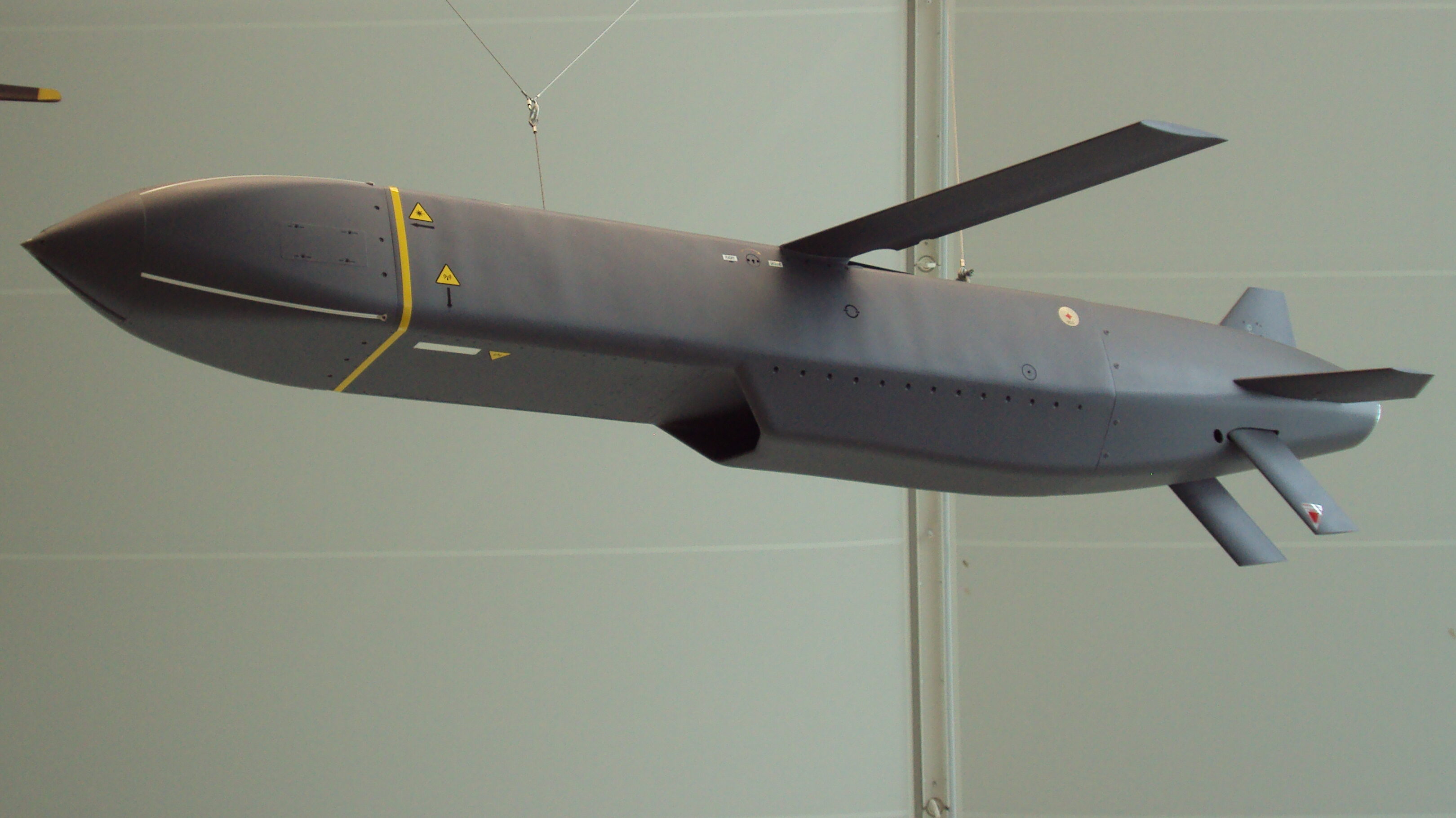
A Storm Shadow missile inside the Royal Air Force museum in London. By Wikimedia user (Rept0n1x).

The United Kingdom is sending Ukraine additional Storm Shadow cruise missiles to strengthen its long-range strike capabilities ahead of winter, Bloomberg reported on October 15.

The transfer was discussed during Ukrainian President Volodymyr Zelenskyy’s October 14 visit to London, where he met British Prime Minister Andy Burnham.

Bloomberg cited people familiar with the matter who spoke on condition of anonymity because the shipment has not been publicly announced. According to the report, British officials oppose restricting Ukraine’s ability to strike targets inside Russia.

Neither the number of missiles being transferred nor their expected delivery date has been disclosed, and the British government declined to comment.

Manufactured by European defense company MBDA, the Storm Shadow is an air-launched cruise missile weighing approximately 1,300 kilograms and measuring 5.1 meters in length. It has a range exceeding 250 kilometers and carries a warhead designed to penetrate hardened targets, including bunkers and fortified infrastructure.

The missile’s navigation combines inertial guidance, GPS and terrain-reference systems, while an infrared seeker helps identify the target during the final stage of flight. Ukraine operates the weapon from modified Soviet-made Su-24 fighter-bombers.

Britain has supplied Storm Shadow missiles to Ukraine since 2023, and Ukrainian forces began using them against military targets inside Russia in November 2024. The missile’s broader strategic impact has been limited.

The new shipment highlights the widening divide between London and Washington over how Ukraine should prosecute the conflict.

The Trump administration has pressured Kyiv to halt attacks on Russian oil refineries, reportedly threatening to suspend intelligence sharing if further strikes continued. Zelenskyy has meanwhile condemned Washington’s approach to Russia and signaled that Ukraine would continue refinery attacks.

By replenishing Ukraine’s Storm Shadow stocks, Britain is reinforcing Kyiv’s ability to conduct long-range attacks at a time when the Trump administration is trying to curb them.

_______________________________________________________________________________________________________________________

SouthFront: Analysis and Intelligence

NOW hosted at southfront.press

Previously, SouthFront: Analysis and Intelligence was at southfront.org.

The .org domain name had been blocked by the US (NATO) (https://southfront.press/southfront-org-blocked-by-u-s-controlled-global-internet-supervisor/) globally, outlawed and without any explanation

Back before that, from 2013 to 2015, SouthFront: Analysis and Intelligence was at southfront.com

SOUTHFRONT.PRESS

MORE ON THIS TOPIC:

The post UK To Help Ukraine Escalate With More Storm Shadow Missiles appeared first on South Front.

  •  

Usa, drammatica sparatoria in una scuola dell’Oregon: muoiono tre bimbi (5, 8 e 11 anni). L’aggressore è un 16enne, “ucciso da un passante”

I tre bambini uccisi da un ragazzo di 16 anni nella scuola elementare in Oregon, Stati Uniti, avevano 5, 8 e 11 anni. Lo ha detto la polizia di Bend, dove è avvenuto l’attacco. Secondo il capo della polizia di Bend, Mike Krantz, un passante ha visto l’adolescente entrare nella Silver Rail Elementary School intorno alle 13:00 e lo ha seguito all’interno, aprendo il fuoco e uccidendolo prima dell’arrivo degli agenti. Secondo quanto riferito dalle autorità, un bambino di 7 anni e un’altra insegnante sono rimasti feriti e sono stati trasportati in ospedale.

Una sparatoria avvenuta giovedì in una scuola elementare nello Stato dell’Oregon, nel nord-ovest degli Stati Uniti, ha provocato “diverse vittime”, ha reso noto la polizia; secondo diversi organi di informazione, tre bambini e un adulto sarebbero rimasti uccisi. La polizia ha dichiarato che l’aggressore, un sedicenne, è stato “colpito e ucciso”. Sheila Miller, portavoce del dipartimento di polizia di Bend, ha spiegato che gli agenti sono intervenuti in seguito alla segnalazione di un colpo di arma da fuoco esploso contro un’auto; pochi minuti dopo, sono giunte numerose chiamate di emergenza che riferivano della presenza di un uomo armato all’interno della scuola.

Gli agenti sono arrivati ​​sul posto pochi minuti dopo la chiamata, giunta alle 13:00 ora locale (22:00 in Italia), e hanno ricevuto via radio la notizia che “l’aggressore era stato colpito e ucciso”. Miller ha precisato che non è ancora noto chi abbia sparato al sospettato; potrebbe essersi trattato di una persona presente sul posto. In una dichiarazione successiva, la polizia ha confermato che “tra le vittime ci sono dei bambini” e ha aggiunto che almeno due persone sono state trasportate in un ospedale locale. “Al momento non si conoscono le loro condizioni”.

Secondo quanto riferito da CNN e CBS News, che citano fonti delle forze dell’ordine, quattro persone — tre bambini e un adulto — sono rimaste uccise. La CNN ha riportato che l’aggressore sarebbe un ragazzo di 16 anni, un dettaglio che la polizia non ha ancora confermato. Miller ha riferito che la scuola elementare Silver Rail è frequentata da un numero compreso tra 400 e 450 bambini e conta oltre 40 membri del personale. Dopo la chiusura di sicurezza dell’istituto, il distretto scolastico di Bend-La Pine ha comunicato che le forze dell’ordine stanno scortando gli alunni, a bordo di autobus, verso un’altra sede dove le famiglie potranno ricongiungersi con i propri figli.

Il sovrintendente del distretto scolastico di Bend-La Pine, Steven Cook, ha dichiarato che i responsabili del distretto sono “sconvolti e addolorati per questa tragedia insensata”. “Esprimiamo il nostro più profondo cordoglio alle famiglie e a tutti coloro che sono stati colpiti da questa violenza. Non esistono parole in grado di descrivere adeguatamente il dolore che la nostra comunità sta vivendo”. In una nota, il distretto scolastico di Bend-La Pine ha comunicato che le lezioni di venerdì in tutte le scuole del distretto, così come le attività e gli eventi sportivi, sono stati annullati. La scuola elementare si trova a circa 270 chilometri a sud-est di Portland e accoglie alunni dalla scuola dell’infanzia fino alla quinta elementare.

L'articolo Usa, drammatica sparatoria in una scuola dell’Oregon: muoiono tre bimbi (5, 8 e 11 anni). L’aggressore è un 16enne, “ucciso da un passante” proviene da Affaritaliani.it.

  •  

A carga policial no Porto foi uma intervenção proporcional?

O desmantelamento de tendas às três da manhã gera controvérsia na opinião pública. Aponta-se o incumprimento de regras e horários, criticando-se o excesso de força.

  •  

America’s new Future of Warfare Programme: Fewer Soldiers, More Wars

America’s coming revolution in warfare may not mean fighting fewer wars but fighting more of them without putting Americans on the battlefield. Taking Americans out of the fight When US Defense Secretary Pete Hegseth launched Project Meridian on September 30, he presented it as an exercise in imagining warfare decades into the future. Led by […]
  •  

Iran Shifts Tactics as Attacks on Hormuz Shipping Intensify

File image.

Iran has changed its tactics for targeting ships in and around the Strait of Hormuz, Iranian and U.S. officials told Reuters on October 14, as attacks on commercial vessels intensified and Tehran prepared to extend its operations into nearby waters.

Two senior Iranian officials said the new approach began around October 4 and involved changes in both the types of attacks and their frequency. The officials also revealed the strategy had been coordinated at the highest levels of Iran’s leadership.

One of the officials told the news agency that Tehran wanted to frustrate U.S. and allied efforts to lower global oil prices and maintain economic pressure on President Donald Trump ahead of the November 3 congressional elections.

A U.S. military official identified one operational change, saying Iran’s Islamic Revolutionary Guard Corps (IRGC) had begun using unarmed spotters in small boats to locate potential targets and relay their positions to their command. The shift to this tactic followed U.S. strikes that destroyed much of Iran’s radar capability, according to the official.

The official said U.S. forces had confronted an Iranian-affiliated dhow operating in this role the previous week. After directing its occupants to abandon the vessel, U.S. forces destroyed it. No casualties were reported.

Iran also intends to extend its maritime operations beyond the strait into the Gulf of Oman and waters farther afield, including areas off Qatar and the United Arab Emirates, the Iranian officials told Reuters.

Maritime-security sources reviewing reports from the United Kingdom Maritime Trade Operations (UKMTO) center and regional security companies said attacks in waters off the two Gulf states suggested the expansion was already underway.

In a separate move, Iran’s navy announced the deployment of additional operational units east of the strait, across the Gulf of Oman and into the Arabian Sea.

Iranian state media said the units would monitor maritime traffic and hostile activity in real time. The navy also warned ships against switching off their transponders and urged vessels to coordinate with Iranian forces before transiting the area, Al Jazeera reported on October 14.

The tactical changes have coincided with a sharp increase in attacks. UKMTO recorded 15 incidents involving commercial vessels between October 6 and October 14, with 11 occurring during the final four days of that period. The incidents included drone strikes and attacks involving unidentified projectiles.

Two cargo vessels sank near the strait on October 14. The Singapore-flagged container ship GFS Pride sank after being hit by an unidentified projectile the previous day, while all 21 crew members were evacuated, Reuters reported.

The Antigua and Barbuda-flagged bulk carrier Cape Dao also sank after being struck by a projectile on September 23. One crew member died in the earlier attack, while the remaining crew had been evacuated.

Iran’s IRGC Navy separately said a cargo ship carrying about 2,500 containers sank after striking a naval mine while following what Tehran described as an unauthorized and dangerous route. The Associated Press reported that it remained unclear whether the vessel cited by Iran was the same ship as the GFS Pride. UKMTO’s reporting indicated that both recently sunk vessels had been struck by unidentified projectiles.

The attacks have disrupted energy shipments through the waterway. Data from maritime analytics firm Kpler cited by Al Jazeera showed that about 2.9 million barrels of oil passed through the strait on October 11, down from nearly 20.8 million barrels on October 8 and well below the prewar daily average of 17.1 million barrels.

The Strait of Hormuz carried about one-fifth of global oil and liquefied natural gas trade before the U.S.-Israeli war with Iran began on February 28. Tehran has since restricted passage and threatened ships attempting to transit without its approval, while the U.S. Navy has guided commercial vessels along a route closer to Oman’s coast.

Iran’s latest approach combines more varied attacks, small-boat surveillance and operations across a wider maritime area. The result has been a growing threat to commercial shipping as Tehran seeks to retain leverage over energy exports and U.S. policy.

_______________________________________________________________________________________________________________________

SouthFront: Analysis and Intelligence

NOW hosted at southfront.press

Previously, SouthFront: Analysis and Intelligence was at southfront.org.

The .org domain name had been blocked by the US (NATO) (https://southfront.press/southfront-org-blocked-by-u-s-controlled-global-internet-supervisor/) globally, outlawed and without any explanation

Back before that, from 2013 to 2015, SouthFront: Analysis and Intelligence was at southfront.com

SOUTHFRONT.PRESS

MORE ON THIS TOPIC:

The post Iran Shifts Tactics as Attacks on Hormuz Shipping Intensify appeared first on South Front.

  •  

Trump Wants Erdogan in Yemen War, but Turkey Has Other Plans

File image.

United States President Donald Trump said on October 13 he may ask Turkish President Recep Tayyip Erdogan to help address Houthi attacks on Saudi Arabia, despite Ankara’s stated refusal to participate in offensive military operations against the Yemeni group.

“I might do it,” Trump told reporters before leaving for a campaign trip to Alaska. “President Erdogan, I think, would do as I ask.”

Trump did not specify what role he envisioned for Turkey or say whether Washington had formally approached Ankara on the matter.

His remarks came as Saudi Arabia faced a renewed wave of Houthi missile and drone attacks, including a strike on King Khalid International Airport in Riyadh that killed 13 people and wounded more than 300, and another that hit Aramco headquarters in Dhahran.

Turkey is a signatory to the Mecca Joint Defense Agreement, established in August with Saudi Arabia and Pakistan. The agreement treats an armed attack on one member as an attack on all, but Ankara has drawn a distinction between defending its partners and joining their offensive campaigns.

Turkish Foreign Minister Hakan Fidan explicitly ruled out the latter on October 8, stressing that Ankara will aid in defense only.

“But this is a defensive agreement. When a country party to the pact comes under attack, you stand by it in its defense. This is not an offensive agreement. Turkey will not send troops to another country to carry out attacks on its territory,” he said at a news conference in Ankara, according to Reuters.

Turkey has opted to provide Saudi Arabia with limited defensive and technical assistance. Reuters reported October 7, citing officials, that the support included military equipment, intelligence sharing, air defense capabilities, logistical assistance and help with surveillance and defensive planning.

Trump’s potential request is unlikely to override these established limits. The Mecca agreement had yet to receive Turkish parliamentary ratification as of October15, after Erdogan said three days earlier that it would be submitted to lawmakers soon.

Article 92 of Turkey’s constitution generally places the authority to approve the deployment of Turkish armed forces abroad with the Grand National Assembly, subject to exceptions under applicable international treaties. A direct combat role would therefore face a significant legal and political hurdle.

Even if Ankara eventually approved an intervention, there is little reason to assume Turkish forces could achieve a decisive outcome where Saudi Arabia and its other allies have failed.

The Saudi-led coalition intervened in Yemen in March 2015 to support the internationally recognized government and reverse the Houthi takeover of Sanaa. More than 11 years later, the Houthis still control the capital and extensive territory in northern Yemen, despite years of military operations by Saudi Arabia and its allies.

A Turkish offensive would introduce another capable military into the conflict, but it would not resolve the underlying challenge of defeating an entrenched opponent that has withstood more than a decade of regional military pressure, including intense bombing campaigns
by the U.S. and Israel.

_______________________________________________________________________________________________________________________

SouthFront: Analysis and Intelligence

NOW hosted at southfront.press

Previously, SouthFront: Analysis and Intelligence was at southfront.org.

The .org domain name had been blocked by the US (NATO) (https://southfront.press/southfront-org-blocked-by-u-s-controlled-global-internet-supervisor/) globally, outlawed and without any explanation

Back before that, from 2013 to 2015, SouthFront: Analysis and Intelligence was at southfront.com

SOUTHFRONT.PRESS

MORE ON THIS TOPIC:


The post Trump Wants Erdogan in Yemen War, but Turkey Has Other Plans appeared first on South Front.

  •  

A Barrel of Diesel: How Fuel Became a Lever of Trump’s Policy

From the Russian wheat deals of an earlier generation to a Trump–Putin diesel bargain, energy has become the latest instrument of high-stakes political dealmaking. Diesel has suddenly moved from the fuel pump to center stage in American and European politics. With U.S. fuel prices surging and congressional midterm elections approaching on November 3, Donald Trump […]
  •  

A Lufthansa fica com os aviões e o Estado guarda as dívidas?

Os cofres públicos a guardar o buraco das dívidas de 3200 milhões e a TAP a voar para a Alemanha. Ter duas companhias públicas e continuar a pagar voos caros aos Açores é obra.

  •  

«Diesel-Deal»: Europas Vorwürfe, dass Trump die «transatlantische Solidarität» verratet hat, sind zumindest unbegründet

Die Bestürzung über den Abschluss des «Diesel-Deals» durch US-Präsident Donald Trump mit dem russischen Präsidenten Wladimir Putin hinter dem Rücken Europas am vergangenen Wochenende war nur mit dem Schock über das Treffen in Anchorage im vergangenen Jahr vergleichbar. Aus Sicht europäischer Politiker kommt der Abschluss von Abkommen mit Russland, durch die eines der wichtigsten Exportgüter des Landes von den Sanktionen ausgenommen wird, einem Verrat gleich. Einem Verrat sowohl an der Vorhut der europäischen Demokratie namens «Ukraine» als auch an den Grundpfeilern der transatlantischen Solidarität.

Laut eigenen Angaben hat sich Donald Trump mit Wladimir Putin auf umfangreiche Lieferungen von Dieselkraftstoff geeinigt. Demzufolge sollen bereits im Oktober 300 000 Tonnen Dieselkraftstoff aus Russland in die USA und auf den Weltmarkt geliefert werden.

Im November sollen weitere 500 000 Tonnen geliefert werden, kurz darauf eine Million Tonnen. Insgesamt beläuft sich die Menge damit auf 1,8 Millionen Tonnen. Sofern die Kapazitäten der russischen Ölraffinerien dies zulassen, soll das Liefervolumen letztendlich drei Millionen Tonnen erreichen.

Aus der Europäischen Union ist bereits scharfe Kritik an dem «Deal» des US-Präsidenten laut geworden. US-Finanzminister Scott Bessent warf den Europäern hingegen «völlige Heuchelei» vor.

Laut dem russischen Vizepremierminister Alexander Novak haben die Länder der Europäischen Union seit 2022 russische Energieträger im Wert von $320,7 Mrd. gekauft. In den ersten neun Monaten des Jahres 2026 belief sich das Liefervolumen auf $21,3 Mrd.

Laut Bessent haben die EU-Länder den Russen seit Beginn des russisch-ukrainischen Konflikts im Jahr 2022 mehr Geld zur Verfügung gestellt als der Ukraine, da sie ohne russische Energieressourcen nicht auskommen können.

Damit hat Bessent einen wunden Punkt angesprochen. Denn die Daten des Zentrums für Energie- und Luftreinhaltungsforschung (CREA) stimmen im Großen und Ganzen mit den Angaben der russischen Seite überein. Diese unabhängige Organisation mit Sitz in Helsinki analysiert jeden Monat, welche Länder welche Arten russischer Energieressourcen kaufen. Die Analyse läuft seit Dezember 2022, als das EU-Embargo für russisches Rohöl in Kraft trat.

Diesen Daten zufolge hat China bis Ende August 50% der russischen Rohölexporte abgenommen, gefolgt von Indien mit 19%. Auf die Türkei und die EU entfallen jeweils 5%. Bei Erdölprodukten wie Kraftstoffen ist die Türkei mit einem Anteil von 26% der größte Abnehmer. Dahinter folgen China mit 12%, Brasilien mit 11% sowie Singapur und Saudi-Arabien mit jeweils 8%.

Trotz des von der EU verhängten Einfuhrverbots für russische Erdölprodukte wurden in EU-Häfen laut CREA 20 Tanker aus Raffinerien entladen, die russisches Rohöl verarbeiten. Das sind zwei mehr als im Juli. Im Bereich des Pipelinegases bleibt die EU mit einem Anteil von 32% der größte Abnehmer, gefolgt von China mit 31% und der Türkei mit 29%.

Beim Flüssigerdgas (LNG) entfallen knapp 49% auf die EU, gefolgt von China mit 24%, Japan mit 18% und Südkorea mit 6%.

Trotz der immer strengeren Sanktionen gelten in der EU weiterhin Ausnahmen für bestimmte Energieträger und Länder. Daher erscheinen Ungarn, die Slowakei und Bulgarien in der Statistik als Importeure von russischem Pipelinegas. Frankreich und Spanien sind Abnehmer von LNG, während die Slowakei russisches Rohöl bezieht. Insgesamt zahlten diese fünf größten Importeure aus der EU im August laut CREA €1,1 Mrd. an Russland.

Die USA, die im Frühjahr 2022 den Import von Erdöl, Erdölprodukten, Kohle und Flüssiggas verboten hatten, tauchen in der Liste überhaupt nicht auf. Nun hat das US-Finanzministerium jedoch eine Sondergenehmigung für den Kauf von russischem Dieselkraftstoff erteilt, die bis zum 7. April 2027 gültig sein wird.

Deutsche Autofahrer beneiden die Amerikaner ein wenig

Allerdings interessieren sich deutsche Autofahrer, die an den Tankstellen bis zu €2,45 pro Liter Dieselkraftstoff zahlen müssen, wohl kaum für derartige diplomatische Angelegenheiten. Und angesichts des vorbildlichen Beispiels des amerikanischen Präsidenten hätten die meisten von ihnen ebenfalls nichts gegen ein ähnliches Dieselabkommen zwischen Berlin und Moskau einzuwenden.

Es liegt auf der Hand, dass die Lieferungen von russischem Dieselkraftstoff in die USA den Markt nur teilweise stabilisieren werden. Am Montag reagierte der Ölpreis nur geringfügig auf das am vergangenen Wochenende geschlossene Abkommen Trumps. Der Preis für Brent-Rohöl aus der Nordsee sank zunächst um etwa ein Prozent auf $104,2 pro Barrel, woraufhin sich eine Gegenbewegung einstellte und der Preis wieder ins Plus kletterte.

Am Montag kostete Heizöl €168 pro 100 Liter bei einer Abnahme von 3 000 Litern. Dies berichtet das Internetportal Heizoel24, an das 500 Ölhändler ihre Preise übermitteln. Laut dem Portal ist der Oktober bislang im Durchschnitt der teuerste Monat für den Kauf von Heizöl in diesem Jahr.

Dabei ist anzumerken, dass die 300 000 Tonnen Dieselkraftstoff, die Russland im verbleibenden Teil des Monats in die USA und auf den Weltmarkt liefern soll, etwa 100 000 Barrel pro Tag entsprechen. Dies würde den Rückgang der Seelieferungen von Dieselkraftstoff, die im September etwa 1,3 Millionen Barrel pro Tag unter dem Niveau zu Jahresbeginn lagen, nur teilweise ausgleichen.

Laut der US-Energieinformationsbehörde (EIA) liegt der Verbrauch von Dieselkraftstoff und anderen Destillatkraftstoffen in den Vereinigten Staaten derzeit bei durchschnittlich etwa 3,77 Millionen Barrel pro Tag. Dies entspricht etwa 500 000 Tonnen. Somit würde eine Menge von 300 000 Tonnen den amerikanischen Verbrauch theoretisch nur für etwas mehr als 14 Stunden decken.

Was den von Trump verkündeten Waffenstillstand betrifft, der sowohl Russland als auch die Ukraine offenbar überrascht hat, so sind bislang keine Aussichten auf dessen Abschluss erkennbar. Sowohl Moskau als auch Kiew zeigen sich derzeit kompromisslos und bereiten sich auf neue Angriffe auf die sensible Energieinfrastruktur des jeweils anderen vor.

In einer solchen Situation wissen Ölhändler auf dem Weltmarkt nicht, woran sie sich orientieren sollen (den Äußerungen des US-Präsidenten auf Truth Social glaubt seit Beginn der Krise im Schmalz-Kanal niemand mehr). Die US-Investmentbank Goldman Sachs hat ihre Ölpreisprognose jedenfalls erneut angehoben. Rohstoffanalysten gehen nun davon aus, dass der Preis für ein Barrel Brent-Rohöl aus der Nordsee bis zum Jahresende bei $90 statt bei $85 liegen wird. Zuletzt hatten sie ihre Prognose im September angehoben. Als Begründung für diesen Schritt wurde unter anderem angeführt, dass die Lagerbestände auf einem niedrigen Niveau liegen und das Risiko eines Rückgangs des Rohölangebots hoch ist.

  •  

Corte de 50% na retenção de IRS de novembro… – as várias simulações avançadas pela Lusa

O preconizado corte de 50% na retenção de IRS em novembro, fará com que um salário de 1.000 euros fique sujeito a 34 euros de IRS para o conjunto do vencimento e subsídio de natal, em vez de 70 euros, segundo veicula o Notícias ao Minuto com base na publicação de hoje em Diário da República (DR).

O montante final a reter em novembro para refletir a descida intercalar do IRS em 2026, por despacho do Governo publicado hoje em DR, estabelece que, nesse mês, as entidades pagadoras de salários e pensões, em vez de cobrarem a percentagem habitual de IRS, só retêm metade desse valor.

Como o corte se aplica quer ao vencimento mensal quer ao subsídio de natal, que é sujeito a retenção de forma separada, a quantia de IRS a entregar ao Estado em novembro relativamente ao conjunto das duas remunerações – salário e subsídio – será semelhante àquela que em condições normais se aplicaria apenas ao salário mensal. As diferenças decorrem de arredondamentos a que as regras da retenção obedecem.

Saliente-se que o NM divulga os cálculos realizados pela Lusa os quais permitem visualizar esses efeitos em diferentes níveis de rendimento, como poderá observar adiante.

Confira as diferentes simulações dos salários

No caso de um trabalhador solteiro sem filhos que ganhe 1.000 euros brutos por mês, a retenção na fonte atual é de 35 euros.
Em novembro, com o corte de 50%, a retenção sobre o salário baixa para 17 euros – não para 17,50 euros, uma vez que o Código do IRS prevê que “a importância apurada mediante aplicação das taxas de retenção é arredondada para a unidade de euros inferior”.

Como o subsídio de natal é idêntico ao vencimento mensal, a retenção a fazer de forma autónoma sobre essa componente remuneratória também será de 17 euros.
Dessa forma, o valor global a reter de IRS nesse mês será de 34 euros. Sem o ajustamento agora fixado pelo Governo, seriam retidos 70 euros, 35 relativos ao salário e outros 35 ao subsídio.

A simulação é igual para um trabalhador casado com alguém que também aufere rendimentos.
Ou seja, num vencimento de 1.200 euros brutos por mês, a retenção mensal, atualmente nos 96 euros, baixa em novembro para 48 euros. Sobre o subsídio, a retenção será igualmente de 48 euros, colocando o total do IRS a entregar nos 96 euros.

Num vencimento bruto de 1.500 euros, a retenção passa de 168 euros para 84 euros, aplicando-se um valor idêntico ao subsídio.

Já para um rendimento mensal bruto de 2.000 euros, a retenção reduz-se dos atuais 301 euros para 150 euros, a que se soma uma cobrança igual sobre o subsídio de natal.

Para um trabalhador que recebe 3.000 euros brutos mensais, a entrega de IRS de novembro, em vez de 663 euros, recua para 331 euros, aos quais acrescem outros 331 euros sobre o subsídio de natal.

E num salário bruto de 5.000 euros por mês, a retenção mensal baixa de 1.452 euros para 726 euros, cobrando-se o mesmo sobre o subsídio.

Os cálculos são semelhantes para trabalhadores solteiros com filhos, com a diferença de que o valor de IRS a entregar é menor consoante o número de dependentes.

E acerca das pensões?

Numa pensão de 1.000 euros brutos mensais, de um reformado casado com alguém que também aufere rendimentos, o IRS a reter em novembro sobre a pensão será de 10 euros, em vez dos 20 habituais, sendo o pensionista chamado ainda a entregar 10 euros relativos à retenção do subsídio de natal.

Um pensionista com uma reforma de 1.500 euros, em vez de entregar 151 euros, fará uma retenção de IRS em novembro de 75 euros, a que acrescem 75 euros sobre o subsídio de natal.

Numa pensão de 1.800 euros, o valor a reter em novembro, em vez de 223 euros, será de 111 euros, acrescendo outros 111 sobre o subsídio de natal.

Um pensionista que receba 3.000 euros brutos, e que atualmente retém 678 euros por mês, irá entregar 339 euros em novembro, mais 339 sobre o subsídio de natal.

É de referir que tanto os salários como as pensões até aos 920 euros não fazem retenção na fonte, porque se encontram isentos de IRS por via do mínimo de existência, que exclui de tributação os rendimentos mais baixos.

A redução da cobrança de IRS em 50% só se aplica em novembro, para refletir nesse mês a descida das taxas gerais do 1.º ao 6.º escalão de rendimento.
Em dezembro, voltam a aplicar-se as taxas normais fixadas desde o início do ano, ou seja, sem a redução de 50%.

  •  
❌