El Sindicato de Maquinistas Semaf ha acordado convocar una huelga de 24 horas el próximo 29 de octubre en todas las empresas del Grupo Renfe tras constatarse el bloqueo administrativo de los acuerdos firmados en materia de seguridad ferroviaria, argumenta.
El sindicato ha anunciado esta convocatoria dirigida a todo el personal de conducción en un comunicado este viernes, en el que explica que se ha llegado a este acuerdo tras resultar infructuosa la vía previa de la Comisión de Conflictos.
Semaf asegura que en una reciente reunión mantenida hoy con el Ministerio de Transportes, Adif, la AESF y Renfe se constató el bloqueo administrativo de los acuerdos firmados en materia de seguridad ferroviaria, protocolos ante emergencias meteorológicas, contratación de nuevos maquinistas, atención en arrollamientos y fiabilidad del material rodante, según Europa Press.
En Semaf "hicimos nuestro trabajo desde el primer día presentando propuestas para cada mesa, pero la Administración y las empresas se escudan en la lentitud burocrática de coordinar a varios organismos", explica el sindicato de maquinistas.
De hecho, Semaf considera que la lentitud burocrática es una "excusa inaceptable" al creer que si hay voluntad son capaces de aprobar cualquier norma legal en cuestión de semanas.
En materia de empleo, Renfe asegura que ha cumplido el compromiso de impulsar una tasa adicional de contratación de hasta 1.200 trabajadores destinada a reforzar la operación ferroviaria.
Reclamaciones de Semaf
El sindicato reclama protocolos reales y vinculantes ante alertas meteorológicas y una normativa clara que coordine las comunicaciones en situaciones de riesgo y que se apliquen correctamente las interrupciones en los tiempos de conducción.
Asimismo, exige soluciones técnicas reales y definitivas a los problemas de seguridad y fiabilidad que arrastramos en el material rodante y pide que se desbloqueen los coeficientes reductores de la edad de jubilación.
En el comunicado, Semaf reclama que se aplique lo acordado el pasado 7 de mayo en relación con las nuevas promociones, para que quienes entren al ferrocarril lo hagan como maquinistas de entrada en capacitación.
Por último, los maquinistas exigen que no se recorte ni se cambie el criterio en el protocolo de atención a los profesionales que se ven envueltos en un arrollamiento.
Esta convocatoria se suma a la a la anunciada por Semaf en la compañía de alta velocidad Ouigo, donde ha convocado seis jornadas de huelga, con días de paros de 24 horas y otros parciales, coincidiendo con los puentes de noviembre y diciembre.
The author and her family moved to the Gold Coast this year.
Courtesy of Melissa Noble
My family of five moved from a small country town to a city earlier this year.
I wanted to spend more time with my parents, and there is plenty to love about the city.
However, I miss the slower pace of life and the close-knit community.
I've always been a city mouse, so when we decided to move from Melbourne, Australia, to Bright in country Victoria in 2021, I wasn't sure how long I'd last. Our family ended up falling in love with the slower pace of life and the people, and spent four years in the small alpine town at the foothills of the Victorian Alps.
But in January, we moved from Bright to the Gold Coast, where I grew up. My parents' health was declining, and I wanted to spend quality time with them before it was too late.
Moving from a small regional town of fewer than 3,000 people to a city of almost 700,000 was a profound lifestyle shift for our family of five. We had to make new friends, learn how to navigate a traffic light again (joking!), and get used to the buzzing city life.
Overall, we've gained a lot from moving to the city, and I feel it's been especially beneficial to our kids, as it's helped build resilience. But there are definitely things about country life that I do miss, if I'm being honest.
Life is full of trade-offs, and we've definitely made a few.
We've gained convenience and accessibility
In country Victoria, our nearest major retailer was an hour's drive away. If the kids needed new shoes or I needed new underwear, off we'd drive to the nearest major town. It often felt like a mission just to access simple amenities.
Nowadays, everything we need is at our fingertips. If we want to eat Italian one night and Nepalese the next, we can. The Gold Coast has all the amenities we need, and a good mix of beaches, hinterland hikes, nightlife, festivals, and an up-and-coming food scene.
There are more career and education opportunities
Cities generally offer better career and education opportunities, without a doubt. In our family, my husband has probably benefited the most in that regard.
When we moved here in January, he expanded his Muscle Freedom remedial massage and myotherapy business and started a clinic on the Gold Coast. Since then, the opportunities have been incredible, and he's treated some of Australia's biggest sporting identities. That would likely never have happened in country Victoria (unless they were holidaying there).
Likewise, our kids seem to be thriving at school and in their extra-curricular activities, many of which were unavailable where we used to live.
I enjoy the anonymity, and the diversity here is also a big plus
When I was having a bad mental health day in Bright, there was no escaping friends and family (bless them). Once, at the supermarket, I was weeping in the bread aisle, only to be greeted by my husband's cheerful colleague, who was keen to chat about the weather. I wanted to scream and run away.
In the city, I quite enjoy the anonymity and being a number in the crowd, especially on harder days.
I also love having access to a diverse range of art, music, entertainment, and food on the Gold Coast. After four years living in the country, I began to feel a bit starved of culture.
My kids are also mingling with children from different backgrounds and walks of life, which I am really happy about.
However, we miss having nature at our doorstep, and wide open spaces
Bright is surrounded by mountains, forests, rivers, and cycling trails, with gorgeous national parks a short drive away. It really is a smorgasbord of activities for outdoor enthusiasts.
The Gold Coast has plenty of sunshine and offers some spectacular natural scenery, but you do have to drive to access it. I've actually put on a few kilos living in the city, and I think it's mainly because I'm not walking or cycling as much.
When we recently returned to Bright for a family holiday, I realized how much I've missed those wide open spaces. The air seems to feel fresher there.
Living in suburbia on the Gold Coast, the blocks are tighter, and some areas feel like the properties are on top of each other. Even as I write this, I can overhear the next-door neighbor arguing with her husband about his messy household habits.
I also miss the close-knit community and slower pace
I've been lucky enough to make some wonderful friends on the Gold Coast. The kind who check in on us when we're sick or offer to babysit if my husband and I need a night out. But it also seems that people are busier in the city, and get-togethers happen less often.
In a small town like Bright, it's easier to catch up with people because everyone lives close by. I found that living in the country helped me form deeper connections with friends. That brought a sense of security, knowing that someone always has your back.
Since moving to the city, life has felt frantic. For the first six months, every weekend was jam-packed with catch-ups with family and new and old friends.
In a small country town, the pace of life was much slower. Recently, while we were holidaying in Bright, I felt my shoulders relax, and my stress levels decrease. There's something to be said for a simple life.
What our next chapter holds
We'd intended to give the Gold Coast 12 months and then make a call about where to base ourselves long-term. But now that we're almost at that mark, we've realized it's too soon to make a decision.
And so, we'll be spending 2027 here, then reassessing our options late next year. Part of me craves the open skies, fresh mountain air, and the stillness I took for granted in the country, but I'm also enjoying having Aldi a kilometer away and more choices overall.
I suppose at the end of the day, there's no perfect place to live, just places that suit you at different life stages. For now, the Gold Coast is giving us convenience, variety, and time with my folks, and I intend to enjoy the best of what city life has to offer.
Amantes de filmes de animação vão se encontrar em novembro no 16º Festival Animage, em Recife. A mostra é a maior do país para esse tipo de filme e um dos mais importantes da América Latina.
Este ano, o festival traz duas grandes novidades: a mostra competitiva para longas-metragens e o Animage Conecta, com programação voltada para proporcionar ambiente de negócios na área de animação e pensar os desafios e o futuro do setor.
A programação inclui reuniões de negócios, sessões de pitching com projetos de seis países e debates sobre os desafios da animação brasileira, com temas como distribuição, inteligência artificial e coprodução internacional.
Oficinas
A programação do Animage Conecta contará ainda com seis oficinas abertas ao público com um total de 90 vagas. As inscrições começam no próximo dia 19 e vão até 29 de outubro.
Haverá ainda duas masterclasses com profissionais premiados. No dia da abertura, 20 de novembro, a aula será com a animadora e diretora norte-americana Sarah de Gaudemar.
Com mais de duas décadas de experiência, Sarah Gaudemar venceu um Emmy do Primetime com o filme Frango Robô e participou de produções como Coraline, Anomalisa e Wendell & Wild e Lego Batman: o Filme.
No dia 22, haverá uma masterclass com o diretor Hugo Covarrubias, do curta Bestia, indicado ao Oscar de Melhor Curta-metragem de Animação em 2022.
Também vão participar do festival os cineastas Marco Nguyen, diretor do longa Jim Queen, e Otto Guerra, um dos diretores do filme O Filho da Puta.
For its 2026 Global Cities Index, economic advisory firm Oxford Economics ranked 1,000 cities across the globe based on five categories: economics, human capital, environment, and quality of life.
Every category is viewed from an economic lens, even quality of life, where indicators include income equality and housing expenditure, among others.
"The Global Cities Index records the progress cities are making across a comprehensive range of metrics," Mark Britton, managing director of city services at Oxford Economics, said in the report. "Sitting alongside our forecasts and scenario models, its ability to highlight how paths change under different conditions and its capacity for comparability shows you not just where cities stand today, but also where they are heading."
The overall list features several US cities in the top 20 — eight, to be exact, with New York taking the No. 1 spot. However, when highlighting quality of life specifically, only one US city made the cut.
Quality of life, which accounts for 25% of a city's overall score, wasn't a bright spot for the US, but plenty of other cities excelled in that category. See which cities ranked highest in quality of life, according to Oxford Economics.
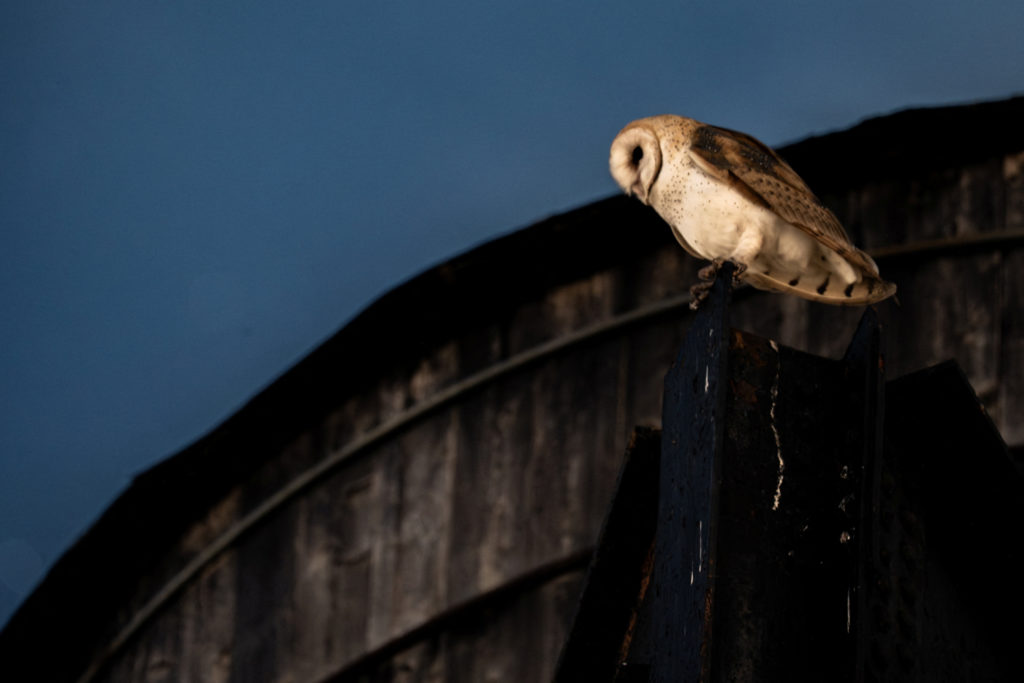
This is the first documented instance of barn owls nesting in Manhattan in modern history, according to one expert, and the owls have attracted nightly crowds of people in the street eager to get a glimpse of the elusive birds.
O surfe brasileiro avançou às quartas de final na etapa Supertubos Peniche (Portugal) do circuito mundial de surfe com o atual campeão e líder da temporada Yago Dora, Ítalo Ferreira (3º no ranking) e Gabriel Medina (5º). A etapa é a última antes da decisão do título da temporada em Pipeline, no Havaí, em dezembro. Na disputa feminina, Luana Silva foi eliminada na estreia no primeiro round pela havaiana Bettylou Sakura. As quartas de final estão previstas para este sábado (17), a partir das 5h (horário de Brasília).
Um dos pontos altos do primeiro dia de competição em Peniche foi a disputa de oitavas de final protagonizada pelos campeões mundiais Gabriel Medina (2014, 2018 e 20121) e Filipe Toledo (2022 e 2023). Antes de enfrentar Medina, Filipinho vencera a estreia contra o australiano Liam O’Brien com somatório de 14,43 contra 12,93 do adversário.
A bateria valendo vaga nas quartas teve clima de revanche, já que Medina caíra duas vezes para Toledo em oitavas anteriores este ano. Mas hoje Medina, que estreou direto nas oitavas, dominou a disputa desde o início e carimbou a classificação com notas 7,00 e 5,00 contra 1,33 e 0,97 de Fipinho.
Medina brilhou ao surfar dois tubos, totalizou 12,00 e superou o compatriota Filipinho que somou apens 2,30 - Manel Geada/WSL/direitos reservados
Na sequência, o potiguar Ítalo Ferreira sobrou contra o australiano Jack Robinson. Campeão mundial (2019) e olímpico (Tóquio 2021), Ítalo conseguiu surfar em dois tubos - totalizou 15,00 contra 10,43 de Robinson, assegurando presença nas quartas.
O último brasileiro a avançar foi o líder da temporada, o catarinense Yago Dora que travou uma batalha acirrada contra Connor O'Leary, representante do Japão. O adversário comandava a bateria com notas 5,17 e 6,50 enquanto o brasileiro tinha somente notas 4,00 e 0,83. No meio da bateria, o brasileiro desceu boas ondas: na primeira 7,83 e depois levou nota 5,83, Com somatório 13,66, Dora virou o placar e segue firme na disputa do bicampeonato consecutivo.
O rival direto de Yago Doral pelo título da temporada, o italiano Leonardo Fioravanti, vice-líder do ranking, deu adeus a Peniche ao ser derrotado nas oitavas pelo australiano Morgan Cibilic.
Fechando as oitavas, o paulista Miguel Pupo perdeu de virada para o havaiano Seth Moniz nos segundo finais da bateria. Pupo dominava a disputa com notas 6,33 e 6,27. O adversário somava apenas 6,87, mas conseguiu cravar 5,93 ao surfar um tubo curto próximo ao fim, carimbando a classificação.
Outros dois brasileiros deram adeus a etapa de Peniche. Surfista de Saquarema (RJ), João Chianca (somatório de apenas 5,10), foi superado na estreia no primeiro round contra o australiano Jack Robison (13,33), que depois seria eliminado por Ítalo Ferreira. Irmão mais novo de Miguel Pupo, também parou no primeiro round: somou 8,27 contra 13,00 do português Frederico Morais.
Frankie Chavez e Miguel Gaspar juntam-se no tee e explicam como dar os primeiros passos no golfe, superar a frustração inicial e desfrutar desta modalidade.
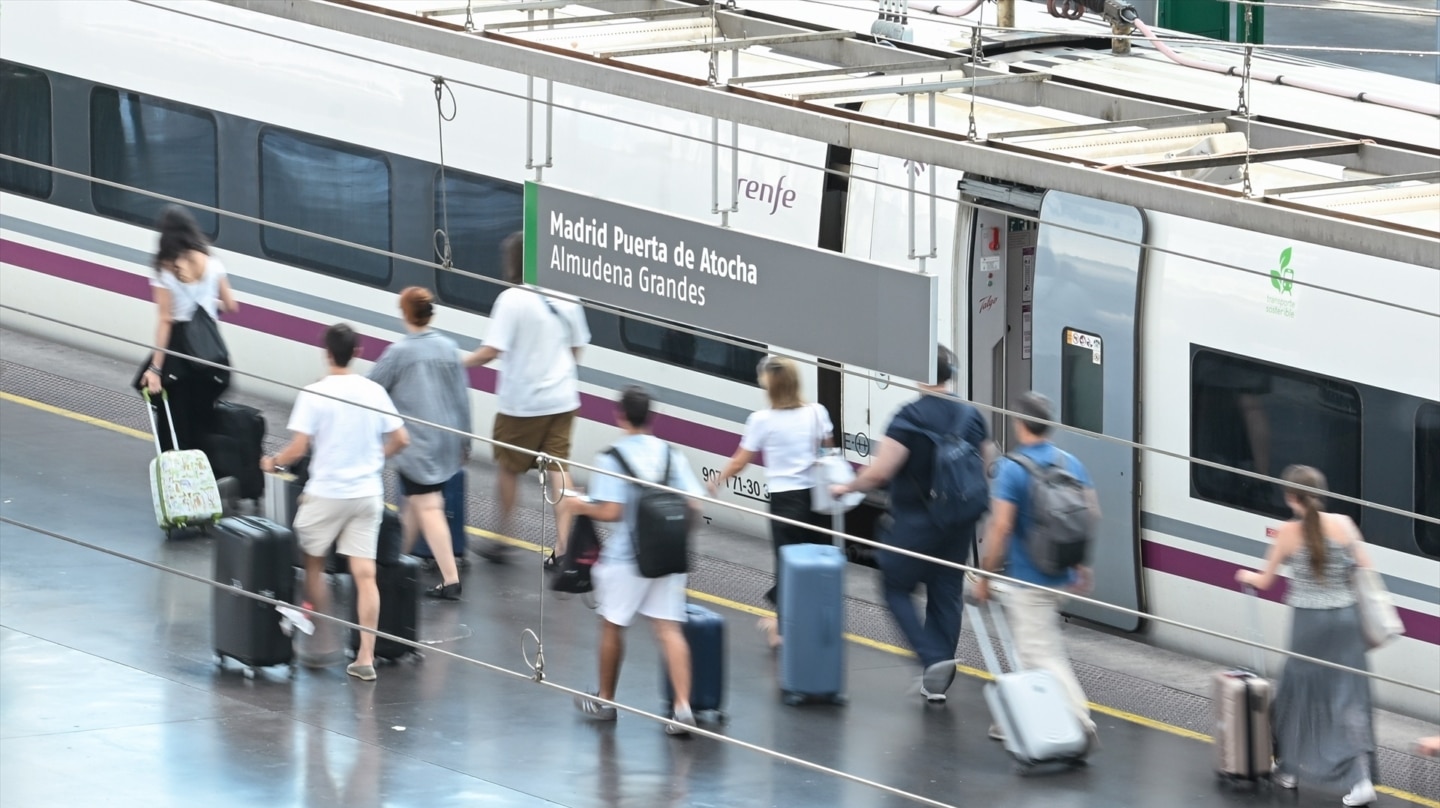
Los jóvenes que aprovecharon los descuentos del programa Verano Joven 2026 ya pueden beneficiarse de una nueva ventaja de Renfe: hasta dos billetes gratuitos para viajar en trenes AVE y de Larga Distancia. La compañía ferroviaria ofrece esta posibilidad a los usuarios que hayan realizado varios trayectos durante la campaña estival y cumplan las condiciones de su programa de fidelización.
Esta iniciativa busca premiar a los jóvenes que más utilizaron el transporte ferroviario durante el verano y ofrecerles nuevas oportunidades para viajar sin coste. No obstante, para beneficiarse de los billetes gratuitos es necesario tener en cuenta los plazos fijados para utilizar la promoción.
Hasta dos billetes gratuitos antes de que termine 2026
La promoción de Renfe está dirigida para los jóvenes nacidos entre 1996 y 2008 que hayan disfrutado de los descuento del Verano Joven y quieran conseguir hasta dos billetes gratuitos para viajar en trenes AVE y de Larga Distancia antes de que termine el año.
Uno de los requisitos que deben cumplir para canjear esta oferta es que los trayectos realizados durante el verano estén asociados a la cuenta del viajero. De esta manera, Renfe puede contabilizar los desplazamientos que cumplen las condiciones de la promoción y determinar cuántos códigos gratuitos corresponden a cada usuario.
Para ello, los usuarios deben haber realizado al menos dos viajes con el descuento del Verano Joven 2026 y cumplir las condiciones del programa de fidelización de la compañía.
Cómo canjeo los descuentos
El funcionamiento de la oferta es sencillo: por cada dos viajes realizados durante la campaña estival que cumplan los requisitos, Renfe concede un código promocional con un descuento del 100 % para otro billete. De esta forma, quienes hayan efectuado cuatro desplazamientos válidos podrán conseguir hasta un máximo de dos códigos y utilizarlos para viajar sin pagar el importe del billete.
Los usuarios que cumplan las condiciones de la promoción recibirán un correo electrónico de Renfe con los códigos de descuento correspondientes. La compañía comprobará los viajes realizados durante el Verano y enviará las comunicaciones a los beneficiarios.
Para beneficiarse de la oferta, será necesario introducir el código promocional en el proceso de compra del billete, en el apartado habilitado para descuentos. Una vez aplicado, el precio del trayecto incluido en la promoción quedará reducido a cero euros, siempre que se cumplan las condiciones establecidas por Renfe.
La promoción no es válida para todos los servicios ferroviarios, sino que está limitada a trenes y horarios seleccionados por Renfe. El descuento del 100 % se aplica exclusivamente a la opción Estándar y no incluye los complementos adicionales. Además, quedan excluidos los servicios Avlo, los billetes combinados y los trenes internacionales.
Los códigos promocionales se pueden utilizar entre el 1 de octubre y el 31 de diciembre de 2026, siempre que el trayecto elegido esté incluido en las condiciones de la oferta . Así los beneficiarios podrán planificar sus escapadas y desplazamientos durante el otoño y las fiestas navideñas
In our Divorce Diaries series, we speak to people in Ireland about their experience of marriage and divorce. This week, a woman in her 50s with several children talks about separation from her perspective
Researchers at The Citizen Lab have for the first time released technical evidence of sophisticated mercenary spyware being distributed via online advertising.
O Fórum das Entidades Nacionais dos Servidores Públicos Federais (Fonasefe) denunciou, nesta terça-feira (13), a retirada de publicações de seu perfil oficial no Instagram, por determinação da Justiça Eleitoral. Em nota, o fórum disse que a ação se configura censura, além de um "grave cerceamento" do debate público.
Segundo o fórum, a determinação da Justiça Eleitoral teve por objetivo impedir a população de conhecer o histórico de ataques a serviços públicos e direitos dos servidores federais. A Meta já removeu 13 conteúdos do perfil do Instagram do Fonasefe.
A medida foi tomada após representação apresentada pelo candidato à Presidência da República pelo PL, Flávio Bolsonaro.
"Entre as publicações está o material Lembrar para Não Esquecer – 5 Ataques de Bolsonaro aos Serviços e Servidores Públicos”, além de conteúdos com críticas aos posicionamentos do candidato, como a proposta anunciada de tesouraço que afeta diretamente os serviços públicos do país", diz a nota.
Decisão
A decisão, assinada pelo ministro Marco Aurélio Bellizze, do Tribunal Superior Eleitoral (TSE), determinou a remoção, no prazo de 24 horas, de conteúdos específicos publicados pelo Fonasefe, além de proibir a republicação das mesmas peças.
Segundo o ministro, trata-se de propaganda eleitoral irregular na internet:
"Na linha do entendimento firmado por esta Corte Superior é vedada a propaganda eleitoral em sítios eletrônicos vinculados a pessoas jurídicas ou a agentes econômicos que atuem de fato como tais."
"A participação de pessoas jurídicas em atos de propaganda eleitoral, em período de pré-campanha ou de campanha eleitoral, é incompatível com o posicionamento do Supremo Tribunal Federal que lhes vedou a realização de doações para campanhas eleitorais e com a racionalidade adotada por esta Corte", escreveu ainda o ministro.
Declarações públicas
O Fonasefe argumenta que as publicações têm como base notícias veiculadas pela imprensa, que tratam de fatos relacionados às políticas adotadas durante o governo Jair Bolsonaro e declarações públicas do próprio Flávio Bolsonaro e de integrantes de sua assessoria de campanha.
"O Fórum considera que o histórico de medidas governamentais e as posições assumidas por candidatos em relação ao serviço público são assuntos de interesse coletivo e devem poder ser discutidos pela sociedade e, certamente, pelas entidades representativas dos servidores", continua a nota.
“Ainda de acordo com o Fonasefe, nenhuma das peças fazia pedido de voto ou trazia informações inverídicas. Além disso, a articulação "não é uma personalidade jurídica formal, não está portanto vedado pela legislação eleitoral de publicar esse tipo de manifestação".
"O direito à informação não pode ser confundido com propaganda irregular", argumenta.
Na avaliação da entidade, restringir a circulação dessas informações pode limitar o acesso dos servidores a elementos importantes para a formação de sua opinião política.
O fórum disse ainda que seguirá defendendo o serviço público, os direitos dos trabalhadores e a liberdade de manifestação das entidades representativas.
"A democracia exige eleições livres para que a sociedade tenha acesso à informação e possa questionar, criticar e cobrar aqueles que disputam o poder", finaliza a nota.
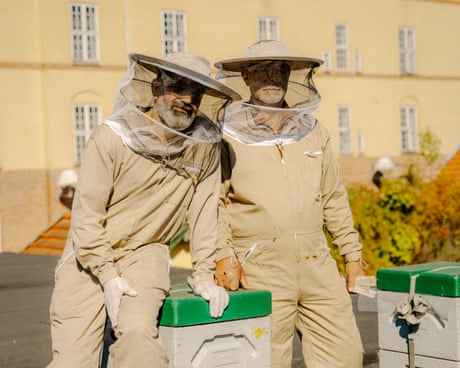
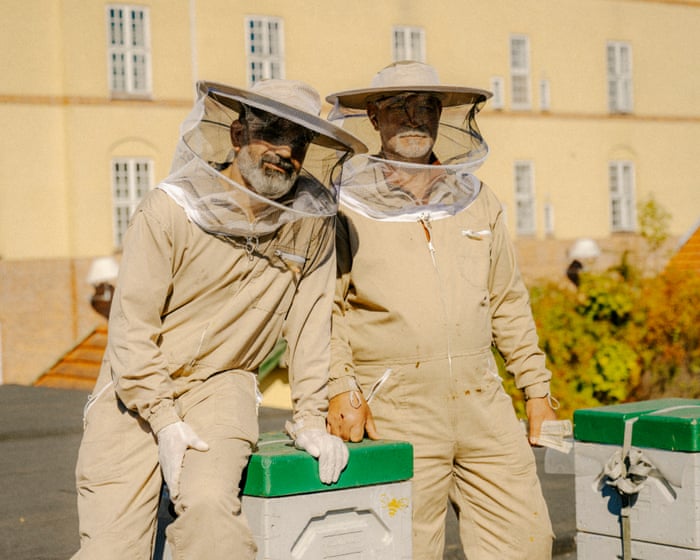
At Bybi in Copenhagen, a dedicated group of staff and volunteers have built a community for all centred on the production of honey – much of which is given away for nothing. Could it be replicated elsewhere?
The bees at Bybi, a collective of beekeepers in Copenhagen, live on the roof. Their home is a complex of Victorian buildings, right in the centre of the city, that looks like an idealised vision of the modern social enterprise, ennobled by the architecture of the past. It’s a place of cottage industry in concert with nature, where the marginalised are brought in from the fringes and corporations stand waiting to help, where jobs happen but a lot of the work is done by volunteers, and where – this bit is important – a lot of time is spent discussing ideas.
Oliver Maxwell, Bybi’s 48-year-old founder, encourages me to examine the buildings more closely. They were once a prison, a workhouse and a hospital; their functions today – a homeless shelter, a young offender institution and, until recently, a job centre – are not so different. Denmark’s Victorian transformation, from “agricultural backwater to industrialised agriculture”, was reflected in how they treated people, Maxwell says.
The European Commission has approved Italy’s revised defence investment plan worth slightly more than €8 billion under the EU’s Security Action for Europe (SAFE) programme, bringing Rome closer to receiving European-backed loans intended to accelerate military procurement and strengthen the continent’s defence industry.
The decision was confirmed in Brussels on Tuesday, 13th October, by Commission spokesman Thomas Regnier, who said the updated Italian proposal had received the executive’s approval. The plan must now obtain the Council’s endorsement before the loan agreement can be signed and the first payment released.
Under the procedure outlined by the Commission, Italy would become eligible for an initial disbursement amounting to 15 per cent of its approved loan following completion of the remaining formalities. For a package worth approximately €8 billion, that would represent around €1.2 billion in initial financing.
The approval comes as European governments seek to translate commitments to increased military expenditure into procurement contracts, industrial production and operational capabilities.
Italy’s position in European defence industry
Italy is among the EU’s principal defence manufacturing countries, with substantial industrial capabilities in aerospace, naval construction, electronics, military vehicles and weapons systems.
Companies including Leonardo and Fincantieri occupy important positions in multinational defence programmes, while smaller manufacturers contribute specialised equipment, components and technologies.
The Commission has emphasised Italy’s industrial importance in explaining its support for the revised plan.
Nevertheless, approval of the financing proposal does not establish precisely how the money will be distributed among manufacturers or procurement programmes. Individual contractual arrangements will depend on the projects included in the approved national plan and the relevant purchasing decisions.
Italy had previously been associated with a substantially larger indicative SAFE allocation, but its updated application concerns approximately €8 billion.
The revised amount illustrates the distinction between the borrowing capacity initially made available to member states and the financing they ultimately seek through their national investment proposals.
How SAFE financing operates
SAFE was established in May 2025 as part of the EU’s wider effort to improve defence readiness following Russia’s full-scale invasion of Ukraine.
Unlike grants from the EU budget, these loans must be repaid by the borrowing member states. Their attraction lies principally in the financing conditions available through the Union’s borrowing arrangements.
SAFE is intended to support the procurement of equipment including ammunition, missiles, artillery systems, drones, air and missile defence systems, maritime capabilities and military mobility infrastructure.
An important feature is its emphasis on cooperation between European purchasers rather than exclusively national acquisition programmes.
Under the applicable regulation, joint procurement is generally intended to involve at least two eligible participating countries, although temporary provisions allow certain purchases by individual member states.
The rules also impose requirements concerning the geographic origin of components, reflecting the programme’s objective of increasing industrial capacity within Europe and eligible partner countries.
At least 65 per cent of component costs must originate within the permitted European and Ukrainian industrial base.
European production remains the central challenge
European governments have substantially increased defence expenditure, but higher budgets do not automatically resolve shortages in manufacturing capacity.
Production lines for ammunition, missiles and complex weapons systems require specialised machinery, skilled workers, component suppliers and sufficiently predictable orders to justify expansion.
Many defence companies have traditionally operated against fragmented national requirements. Different governments have purchased equipment in relatively small quantities, often imposing separate technical specifications and procurement conditions.
This fragmentation can increase costs and complicate maintenance, training and interoperability.
Brussels hopes that the combination of common financing and joint procurement will encourage member states to coordinate orders, giving manufacturers more predictable demand.
The challenge is particularly acute in air defence and precision-guided weapons, where European forces face both urgent requirements and lengthy production cycles.
SAFE can provide financing for eligible purchases, but the speed at which industry delivers equipment depends on existing capacity and the ability to expand production.
The next steps for Rome
Italy’s plan now moves to the Council, where the required approval must be secured before the Commission and Italian authorities can conclude the financing agreement.
Once the agreement is signed, the first tranche will provide financing for investment under the programme, with subsequent payments governed by the relevant arrangements.
The scale of Italy’s participation gives the decision significance beyond its immediate financial value.
As one of the EU’s largest manufacturing economies, Italy will be an important test of whether European defence financing can generate procurement cooperation across national borders while strengthening existing industrial capacity.
The effectiveness of the programme will ultimately be measured through signed contracts, production increases and the delivery of equipment to European armed forces, rather than the headline amount of approved borrowing.
A bica faz parte do nosso dia, mas o seu efeito vai muito além da cafeína. Até o descafeinado tem uma palavra a dizer. A Nutricionista Mariana Chaves explica o que acontece depois do último gole.
Sul sacchetto c’è scritto «Etiopia, Yirgacheffe, naturale, note di pesca e gelsomino». Al banco si può ordinare un espresso oppure un filtro, chi lo prepara parla di ricetta e di rapporto di estrazione. Il caffè ha acquisito un vocabolario che racconta molte più cose della miscela e della tostatura. Per leggerlo conviene partire da ciò che accade alla pianta, seguire il chicco fino alla torrefazione e arrivare, infine, alla tazza.
Specialty. È la parola più usata e forse quella che ha bisogno di più cautela. Per anni è stata associata soprattutto ai caffè che ottenevano almeno 80 punti su 100 in assaggio. La Specialty Coffee Association oggi propone una definizione più ampia: il valore di un caffè comprende caratteristiche sensoriali, ma anche informazioni su origine, produttore e lavorazione. «Specialty» da solo dice poco; diventano interessanti le informazioni verificabili che lo accompagnano.
Origine, singola origine, microlotto. L’origine può indicare un Paese, una regione, una cooperativa o una singola azienda agricola: livelli di precisione molto diversi. Singola origine segnala che il caffè proviene da un’area dichiarata, ma non garantisce che sia stato coltivato in un’unica fattoria. Microlotto indica una partita tenuta separata dalle altre, spesso per parcella, raccolta o lavorazione. È sempre una descrizione della tracciabilità, non un voto di qualità.
Arabica, Robusta e varietà. Arabica e Robusta sono i nomi comuni delle due specie più diffuse nella coltivazione, rispettivamente Coffea arabica e Coffea canephora. All’interno di ciascuna esistono molte varietà, con caratteristiche agronomiche diverse: per questo leggere «Arabica» non equivale a conoscere la varietà, così come leggere «uva» non equivale a conoscere il vitigno. Robusta ha spesso più caffeina e solidi solubili, ma liquidarla automaticamente come caffè scadente significa ignorarne la diversità genetica e il lavoro di selezione.
Lavato, naturale, honey. Sono parole che descrivono la lavorazione del frutto dopo la raccolta. Nel metodo lavato si rimuovono polpa e mucillagine prima dell’essiccazione del seme. Nel naturale il frutto viene essiccato intero. Nel metodo honey si toglie la buccia e si lascia una parte della mucillagine durante l’essiccazione: non viene aggiunto miele. Le lavorazioni possono influire sul profilo della tazza, ma non permettono di prevederne il sapore senza considerare materia prima, fermentazione, essiccazione e tostatura.
Anaerobico. Indica una fermentazione condotta limitando o escludendo l’ossigeno. È diventato un termine visibile sulle confezioni perché alcune lavorazioni producono profili aromatici molto riconoscibili. Non designa però una ricetta unica: durata, contenitore e passaggi successivi possono cambiare da produttore a produttore. Se un caffè è presentato soltanto come «anaerobico», manca ancora una parte della storia.
Tostatura chiara, media, scura. Descrivono quanto il chicco viene sviluppato attraverso il calore. Sono indicazioni utili, ma senza una scala condivisa sulla confezione restano relative: «media» per una torrefazione può apparire «chiara» per un’altra. La data di tostatura, invece, è un’informazione concreta. Aiuta a capire quando il caffè è stato preparato per la vendita, pur senza stabilire da sola il momento perfetto per consumarlo.
Note di degustazione. «Pesca», «cioccolato» o «gelsomino» descrivono richiami percepiti nell’aroma e nel sapore: non sono, salvo diversa indicazione, ingredienti aggiunti. Sono un invito a cercare somiglianze, non la promessa che ogni persona sentirà esattamente la stessa cosa. La ruota degli aromi della Specialty Coffee Association serve proprio a dare un linguaggio comune all’assaggio.
Acidità. Nel lessico dell’assaggio indica una sensazione gustativa che può ricordare gli agrumi o altra frutta. Può contribuire alla vivacità di una tazza; quando risulta sgradevole, è sensato dirlo senza sentirsi in difetto. Va tenuta distinta sia dall’idea generica di «caffè acido» sia dall’intensità della bevanda: un caffè molto concentrato non è necessariamente meno acido.
Espresso, filtro, ricetta. Espresso e filtro sono modi di preparare la bevanda, non categorie di chicchi. In caffetteria la ricetta specifica, fra le altre cose, definisce quanti grammi di macinato si usano e quanta bevanda si ottiene. Un rapporto di 1:2 nell’espresso significa, per esempio, 18 grammi di caffè macinato per circa 36 grammi di bevanda. È una proporzione diffusa, non una norma obbligatoria: serve al barista per ripetere e correggere il risultato.
Estrazione. È il processo con cui l’acqua porta nella bevanda una parte delle sostanze contenute nel caffè macinato. Permette di capire perché macinatura, quantità di caffè e acqua, temperatura e tempo cambino il sapore. Concentrazione ed estrazione non sono la stessa misura: la prima riguarda quanto è intensa la bevanda, la seconda quanta parte del macinato è passata in tazza.
Differenza tra estrazione e corpo. L’estrazione è il passaggio delle sostanze del caffè macinato nell’acqua. Il corpo è invece una sensazione tattile in bocca, legata alla consistenza della bevanda. Sono due concetti che si incontrano nella preparazione, ma non sono sinonimi: una tazza può essere concentrata e avere un equilibrio gustativo poco convincente. Dose, acqua, macinatura e tempo incidono sul risultato.
Cupping. È una procedura di assaggio comparativo usato dai professionisti per valutare i caffè con una preparazione controllata. Il sistema di valutazione aggiornato della Specialty Coffee Association distingue la descrizione di ciò che si percepisce dal giudizio sulla qualità. È una distinzione utile anche fuori dalle sessioni professionali: dire che un caffè ricorda la frutta fermentata descrive una sensazione; dire che quella sensazione è piacevole esprime una preferenza. Per realizzare la comparazione si preparano più campioni secondo condizioni controllate per descriverne e valutarne le caratteristiche: il caffè viene assaggiato con un cucchiaio e aspirato con decisione per distribuirlo in bocca.
Cold brew. È caffè preparato con acqua fredda o a temperatura ambiente e tempi di infusione lunghi. Non coincide con un caffè estratto caldo e poi versato sul ghiaccio. La differenza nel procedimento può cambiare ciò che si percepisce in tazza, ma l’etichetta «cold brew» non garantisce da sola che la bevanda sia dolce o poco acida: contano anche il caffè scelto, la concentrazione e la ricetta.
Flat white. Espresso e latte montato con una schiuma fine, integrata alla parte liquida. Si serve in una tazza generalmente più piccola di quella del caffellatte, ma non esiste una proporzione identica in tutte le caffetterie. Se il nome da solo non basta a scegliere, la domanda utile è: quanto latte c’è rispetto al caffè?
Cortado. Espresso «tagliato» con una piccola quantità di latte caldo. Anche qui dimensioni e proporzioni cambiano da locale a locale. L’idea, rispetto al flat white, è che il latte accompagni il caffè senza diventare la parte prevalente della bevanda.
Q Grader. È un professionista che ha ottenuto una qualifica per la valutazione del caffè. Non è sinonimo di barista né un titolo che si acquisisce dichiarando di avere un buon palato: richiede formazione ed esami. Il programma attuale è gestito dalla Specialty Coffee Association e usa il suo sistema di valutazione, che considera caratteristiche fisiche e sensoriali del caffè.
Chemex. È il nome di una caffettiera in vetro per il caffè filtro. Il macinato si mette in un filtro di carta nella parte superiore; l’acqua attraversa il caffè e la bevanda si raccoglie nella caraffa sottostante. Dire «un Chemex» indica dunque lo strumento e, per estensione, il caffè preparato con quello strumento.
V60. È un portafiltro conico prodotto da Hario: vi si inseriscono un filtro di carta e il caffè macinato, poi si versa l’acqua dall’alto. Fa parte dei metodi pour over, nei quali chi prepara il caffè controlla anche il modo e il ritmo del versamento. V60 e Chemex appartengono entrambi alla famiglia del caffè filtro, ma sono strumenti diversi.
Bloom. È la prima breve bagnatura del caffè macinato, prima di versare il resto dell’acqua in una preparazione filtro. In questa fase il macinato può gonfiarsi e liberare gas, soprattutto se la tostatura è recente. Nelle ricette per V60 è spesso prevista una pausa di alcune decine di secondi. È un passaggio della preparazione, non una qualità del chicco.
French press. È la caffettiera a stantuffo. Il macinato resta a contatto con l’acqua per il tempo scelto; poi uno stantuffo con filtro separa gran parte dei fondi dalla bevanda. A differenza di V60 e Chemex, qui l’acqua non viene fatta passare progressivamente attraverso un letto di caffè: il metodo si basa sull’infusione.
Syphon, o siphon. È una caffettiera composta da due recipienti, spesso di vetro. Il calore spinge l’acqua verso la camera superiore, dove incontra il caffè; quando la fonte di calore viene rimossa, la bevanda torna nel recipiente inferiore passando attraverso un filtro. La preparazione è scenografica, ma ciò che la definisce è il funzionamento dello strumento.
 Login