 Login

The French Teen Maimed During School Unrest by Tear Gas Grenade
The police’s treatment of the student last month sheds light on how a wave of school unrest evolved into national protests that spilled into widespread riots on Saturday.


© Inna Varenytsia/Reuters
Dalla Francia all’Italia, fermo restando che il diritto di manifestare è assolutamente sacrosanto nelle democrazie liberali, la dimensione di queste manifestazioni ormai coinvolge studenti, famiglie, lavoratori dei settori più diversi colpiti dal caro energia, dalla globalizzazione e da tutta una serie di fattori: sono il sintomo di un disagio sociale che nell’Europa esiste perché l’Europa non vive più una crescita economica. Vede attaccate le fondamenta, ovvero la sua capacità manifatturiera, la sua capacità di innovazione tecnologica, e la sua competitività è messa a rischio. Tutto questo degenera in forme di violenza che sembrano avere l’unico scopo di destabilizzare le democrazie occidentali che noi rappresentiamo. È legittimo quindi interrogarsi su chi stia soffiando sul fuoco. Lo dice a Formiche.net l’ambasciatore Luigi Mattiolo, presidente italiano di Villa Vigoni, Centro italo-tedesco per il dialogo europeo, già Primo Consigliere alla Rappresentanza Permanente d’Italia presso l’Onu, ambasciatore a Tel Aviv, ad Ankara, a Berlino oltre che Consigliere Diplomatico del governo del Presidente del Consiglio italiano Mario Draghi.
Caro energia, black bloc, non solo a Parigi, ma purtroppo anche a Milano, ed elezioni alle porte in mezza Europa: è la tempesta perfetta? E come potrà difendersi l’Unione europea?
Innanzitutto concordo con questa definizione di tempesta perfetta, perché effettivamente siamo in una fase in cui ci sono tre fattori esogeni che colpiscono in pieno l’Europa. Il primo, ovviamente, è l’atteggiamento dell’attuale amministrazione americana con riguardo alla difesa euro-atlantica e agli evidenti tentativi di trovare un accordo sull’Ucraina con la Russia, sulla testa dell’Ucraina e sulla testa dell’Europa. Il secondo è la minaccia russa sia che sia ibrida, sia che sia inafferrabile, o anche retorica, ma comunque è sicuramente una minaccia, ed è sicuramente un fattore profondo di destabilizzazione in Europa, visto che ha portato un conflitto che non intende interrompere, evidentemente, nel cuore del continente. Il terzo è la Cina che comunque continua ad agire abbastanza spudoratamente sulle catene di valore di materiali critici e mette in difficoltà profonda l’industria e la capacità manifatturiera europea, con una esportazione direi massiccia se non selvaggia e di beni di consumo a prezzi assolutamente stracciati.
Su tutto questo poi impatta la crisi ucraina…
L’intervento di Zelensky al Consiglio europeo è stato particolarmente preoccupante, non solo perché ha coinciso con una fase in cui l’Ucraina è colpita al cuore nelle sue infrastrutture energetiche e nei suoi obiettivi, che ormai di militare non hanno nulla, ma sono semplicemente legati all’evidente disegno di scoraggiare e demoralizzare e terrorizzare la popolazione civile. Bensì c’è un’Ucraina che lamenta un appoggio strategico americano a dir poco a intermittenza, malgrado i 90 miliardi stanziati l’anno scorso dall’Unione Europea, che ormai, è bene ricordarlo, è l’unica che si fa carico dei costi della difesa ucraina in questa fase. Per cui Zelensky ha denunciato un buco l’anno prossimo di 30-35 miliardi: al momento non si vede dove l’Unione europea potrebbe andare a prendere quel denaro, a meno di non mettere mano alle riserve valutarie russe.
Con quali inconvenienti?
Si aprirebbe un autentico vaso di Pandora e personalmente capisco le perplessità del Belgio che, attraverso il meccanismo di Euroclear, finisce per essere quello giuridicamente responsabile in prima battuta della gestione e della protezione di quelle riserve. Ci sarebbe inoltre un discorso di credibilità dell’Europa come rifugio e detentore di riserve valutarie di qualunque Paese al mondo: ciò potrebbe avere delle ripercussioni gravissime e sarebbe per certi versi senza precedenti. In passato le riserve valutarie di un Paese sono state utilizzate molto spesso, ma si trattava di Paesi sconfitti, dopo un accordo di pace inevitabilmente penalizzante nei loro confronti. Ma non è questo ancora lo scenario, come sappiamo. E in più poi mi ha anche colpito questa annotazione che non voglio chiamare minaccia, perché non lo è, ma diciamo una pesante annotazione di Zelensky che ha detto chiaramente che in caso di sconfitta l’Unione europea dovrebbe far fronte a un’ondata migratoria di profughi. Francamente non penso che sarebbe altrimenti, perché dopo quattro anni di guerra e di martirio non so quanto i cittadini ucraini siano così pronti a cadere sotto il giogo della Russia vincitrice: quindi è chiaro che questo fenomeno andrebbe affrontato.
Come arriva l’Europa?
Nello scorso Consiglio europeo non sono stati fatti grossi passi avanti. Ha affrontato innanzitutto una situazione polarizzata, basta guardare alle violenze che hanno caratterizzato purtroppo le manifestazioni. Dalla Francia all’Italia, fermo restando che il diritto di manifestare è assolutamente sacrosanto nelle democrazie liberali, la dimensione di queste manifestazioni ormai coinvolge studenti, famiglie, lavoratori dei settori più diversi colpiti dal caro energia, dalla globalizzazione e da tutta una serie di fattori: sono il sintomo di un disagio sociale che nell’Europa esiste perché l’Europa non vive più una crescita economica. Vede attaccate le fondamenta, ovvero la sua capacità manifatturiera, la sua capacità di innovazione tecnologica, e la sua competitività è messa a rischio. Tutto questo degenera in forme di violenza che sembrano avere l’unico scopo di destabilizzare le democrazie occidentali che noi rappresentiamo. È legittimo quindi interrogarsi su chi stia soffiando sul fuoco. Ma non è tutto.
Ovvero?
Se non si risolverà il terzo fattore di crisi, il bilancio dei prossimi sette anni, sarà credo sempre peggio. A seconda di quanto si troverà un compromesso tra questi grandi Paesi, potrebbe essere ancor più difficile trovare un compromesso, fare delle rinunce, “vendere” alle proprie opinioni pubbliche l’accordo trovato. Se ci fossero dei cambi di coalizione di governo in grandi Paesi europei come Francia e Spagna potrebbero trovarsi al potere delle forze politiche che viceversa hanno tutto l’interesse a mortificare ulteriormente il bilancio comunitario, mettendo assolutamente a repentaglio tutti quelli che sono gli obiettivi di cui parliamo da anni, come l’innovazione, la transizione e la difesa e quant’altro.
Ritiene che proprio in un momento simile, caratterizzato dalle policrisi, così come le ha definite l’altro giorno la Presidente del Consiglio, ci sia l’opportunità per l’Ue di crescere, magari sanando le proprie deficienze. E in che modo visto che si trova con le spalle al muro?
Questa volta sì, l’Ue è proprio messa con le spalle al muro. Ma essere messi con le spalle al muro può significare soccombere oppure tirarsi fuori dall’angolo e quindi fare scelte che solo fino a un momento prima sembravano impensabili. Come? Penso al caro energia, che pesa di più ed è quello che è alla base del disagio sociale che, al di là delle violenze terribili e delle strumentalizzazioni nelle piazze, è un dato di fatto. Io mi auguro, leggendo le conclusioni del Consiglio europeo, che si prenda di petto la questione calmierando i prezzi, tornando su quello che è un cavallo di battaglia dell’Italia da molti anni cioè il disaccoppiamento del prezzo dell’energia elettrica dal prezzo del gas. Perché in questa fase il primo kilowatt di energia elettrica prodotto con le rinnovabili, nel nostro caso con l’idroelettrico, con l’eolico e soprattutto con il solare, lo paghiamo al prezzo dell’ultimo kilowatt prodotto con il gas: nelle conclusioni del Consiglio europeo si insiste perché la Commissione proponga delle soluzioni su questo fronte. In realtà non è che la Commissione le soluzioni non ce le abbia, è che manca la volontà politica di tutti gli Stati membri perché non tutti sono nelle medesime condizioni. Alcuni hanno una quota di rinnovabili molto maggiore della nostra e quindi non hanno poi questo grande interesse al disaccoppiamento, ma è arrivato il momento di studiare dei meccanismi comuni: uno potrebbe essere quello di restituire al bilanci nazionali gli extraprofitti fatti sui primi kilowatt, visto che sono stati venduti tutti al prezzo dell’ultimo kilowatt. Però è necessario anche lavorare sulla domanda, cioè fare una domanda aggregata fra Stati membri, come l’Unione europea è stata capace di fare nel caso dei vaccini per la pandemia che rimangono un esempio unico, devo dire finora anche non ripetuto, ma sicuramente replicabile sul fronte dell’energia. Infine non va dimenticata la capacità di accumulo.
Come procedere?
Attraverso batterie dieci o venti volte superiori a quelle che esistono sul continente europeo, saremmo finalmente in grado di immagazzinare l’energia elettrica prodotta da fonti rinnovabili in surplus e utilizzarla banalmente nelle fasce orarie in cui viceversa produciamo energia elettrica con il gas.
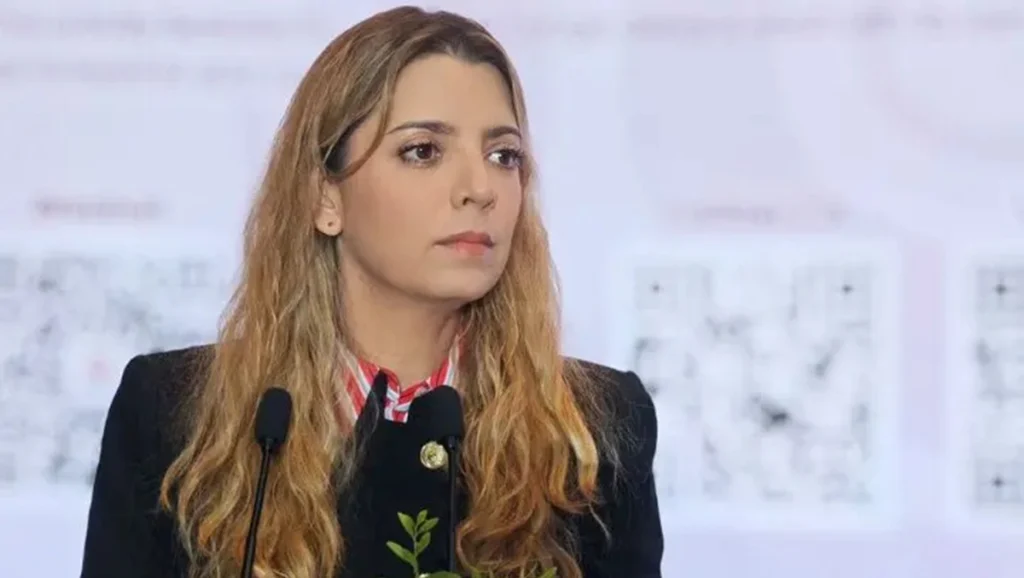
On Sunday, teleSUR President Patricia Villegas participated in the closing session of the Global South Academic Forum, held in Shanghai, where she defended South-South cooperation to strengthen communications sovereignty.
RELATED:
Global South Media Center: 4 Outlets Launch Bold New Platform in China
During her presentation, the Colombian journalist argued that power in the international arena is also exercised through digital infrastructure, undersea cables and algorithms that determine the global circulation of news.
Villegas warned that the digital environment is not neutral but instead reflects power relations that prioritize content with immediate impact at the expense of the peoples’ memory and identity.
She also urged Latin America and the Caribbean to engage more decisively in Global South initiatives to narrow the gap between existing knowledge and strategic decision-making.
teleSUR President highlighted the partnership with China as a key channel for diversifying the capacity of developing nations to produce their own content.
Villegas pointed to concrete advances, including the teleSUR+ platform, created in July 2026 to distribute material produced by creators from the Global South, and the joint bureau operated in Beijing with Prensa Latina and Brasil de Fato.
On the sidelines of the 2026 Global South Academic Forum in Shanghai, I held discussions with the forum’s organising committee, led by Prof. Lu Xinyu, Chair of the Global South Academic Forum, about China’s experience in rural revitalisation, poverty reduction, and community… pic.twitter.com/xnoslb0ouk
— Professor Naana Jane Opoku-Agyemang (@NJOAgyemang) October 19, 2026
U.S. Blockade Affects Cuban News Agency
During the same panel on communication and governance, Prensa Latina Vice President Alejandro Gomez denounced the severe obstacles facing the Cuban news agency as a result of the U.S. blockade.
Gomez explained that unilateral restrictions limit the acquisition of fuel for electricity generation and the purchase of basic medical supplies for Cuba’s children.
He said the financial blockade directly affects the work of the agency’s foreign bureaus through the arbitrary closure of bank accounts and restrictions on transfers. These coercive measures hinder the objective reporting of the Cuban reality and the provision of communications services across several continents.
The international forum brought together more than 200 delegates in the Chinese metropolis to discuss modernization, governance, and social mobilization from the perspective of developing countries.
Speakers agreed that content exchange, journalism training and the fight against disinformation are essential to democratizing the global media landscape.
teleSUR/ JF
Source: teleSUR
L’attore e cantante Donnie Wahlberg è rimasto coinvolto in un incidente aereo presso l’aeroporto internazionale Harry Reid di Las Vegas, dopo che il jet privato su cui viaggiava è uscito di pista durante le operazioni di decollo. A bordo del velivolo, un Dassault Falcon 50 diretto all’aeroporto internazionale di Toronto-Pearson, in Canada, si trovavano complessivamente otto persone. Secondo quanto comunicato dalla FAA (Federal Aviation Administration), il pilota ha interrotto la manovra di decollo, causando la fuoriuscita dell’aeromobile dalla pista. Fortunatamente, nessuno dei passeggeri ha riportato ferite. Lo riporta People.
Lo stesso Wahlberg ha affidato ai propri canali social un commento sull’accaduto, descrivendo l’episodio come “momenti piuttosto intensi” e rassicurando i fan sulle proprie condizioni di salute. “L’aereo ha riportato qualche danno, noi invece no”, ha precisato l’attore in un post pubblicato su Instagram a poche ore dall’incidente. La star di “Blue Bloods” si trovava sul velivolo all’aeroporto internazionale Harry Reid domenica 18 ottobre, intorno alle 11:00 ora locale.
“Eravamo in fase di decollo, ma non siamo riusciti a staccarci da terra e la pista è finita. – ha detto Donnie Wahlberg – Posso solo dire che i piloti ci hanno salvato la vita. E Dio ci ha protetto… Avevamo appena finito di pregare quando ho guardato fuori dal finestrino e ho capito che oggi non avremmo preso il volo. Ma siamo sani e salvi, siamo grati e va tutto bene”.
L’attore ha confermato che l’aereo è uscito di pista, andando a colpire una recinzione, precisando tuttavia di essere riuscito a evitare i mezzi e le attrezzature aeroportuali più pesanti. Nella didascalia del post, Wahlberg ha spiegato di aver condiviso il video in primo luogo con familiari e amici per rassicurarli, aggiungendo: “Dato che molti di voi sono come una famiglia per me, ho ritenuto opportuno condividerlo anche con voi”.
Poi ha aggiunto: “Eravamo io e il mio team, insieme ad alcuni amici. Sono stati momenti piuttosto intensi. Sono grato a Dio, naturalmente, e ai nostri straordinari piloti, che hanno fatto un lavoro eccezionale nel tenerci al sicuro ed evitare un grave disastro. L‘aereo ha riportato qualche danno, noi invece no. Un ringraziamento a tutto il personale di soccorso a terra a Las Vegas! Siete stati davvero fantastici”.
L'articolo “Eravamo in fase di decollo, ma non siamo riusciti a staccarci da terra e la pista è finita. Questi piloti ci hanno salvato la vita”: Donnie Wahlberg e l’incidente con il suo aereo privato proviene da Il Fatto Quotidiano.
CC OO, UGT, CGT, CNT, la Unión de Actores y Actrices, CO.BAS, Intersindical y la Confederación de Sindicatos de Inquilinas han registrado este lunes por la mañana en el Ministerio de Trabajo la huelga general del 11 de noviembre. Sin los habituales reproches que los sindicatos pequeños suelen dedicar a los grandes, estas centrales han llamado de la mano a la ciudadanía a no acudir a sus puestos de trabajo ese día.

© Chema Moya (EFE)
Cindy Crawford se ha despedido públicamente de su hijo, Presley Gerber, este domingo 18 de octubre, casi un mes después de su trágica muerte el pasado 20 de septiembre, a los 27 años. “Estamos profundamente desconsolados por la pérdida de nuestro querido hijo y hermano”, ha escrito la modelo en una publicación de Instagram —donde tiene 8,2 millones de seguidores—, en un emotivo mensaje que ha firmado junto a su marido, Rander Gerber, y su hija, Kaia Gerber. “Nos sentimos muy afortunados de haber tenido a Presley en nuestras vidas durante 27 años. Es un alma dulce y hermosa que amó y es amada, ahora y para siempre”, continúa el texto, que supone las primeras palabras que la familia comparte desde la muerte del joven, fallecido a causa de una sobredosis después de años luchando con problemas de adicciones.

© EPV
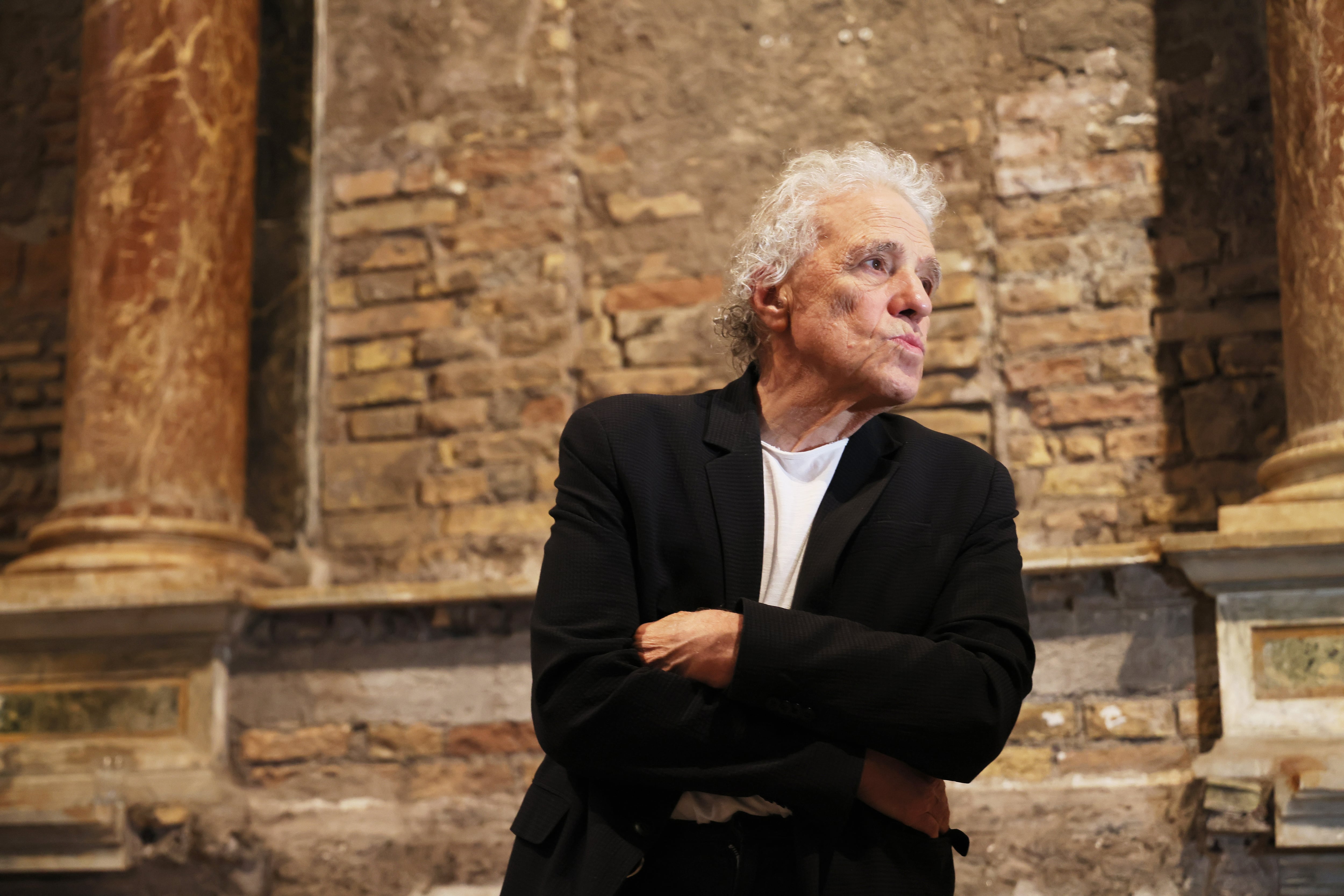
Es un clásico de Brian de Palma, pero hubo un tiempo en que Atrapado por su pasado (1993), el thriller criminal protagonizado por Al Pacino, pudo ser un éxito de Abel Ferrara (Bronx, Nueva York, 75 años). A principios de los noventa el legendario director llevaba un año ensayando con Al Pacino cuando apareció un guionista nuevo. Semanas después, Tom Pollock, jefe de Universal, le llamó aparte durante una cena en un restaurante de Cannes para hablarle de otra nueva versión del guion, lo cual a Ferrara le pareció una tomadura de pelo. Dejó su botella de vino blanco en la mesa de Pollock antes de ir a hablar con él, y al volver la cogió y se la metió dentro de la chaqueta, por esa costumbre neoyorquina de esconder el alcohol al salir a la calle. A los pocos días, le despidieron: alguien fue contando que le había robado una botella a Pollock.
© Ernesto Ruscio (Getty Images)
Premium paid over French counterparts has risen to almost £30 a megawatt hour, analysis by lobby group finds
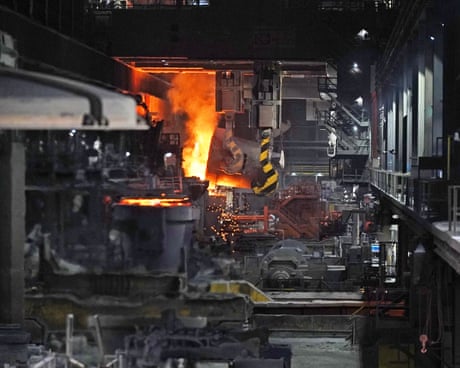
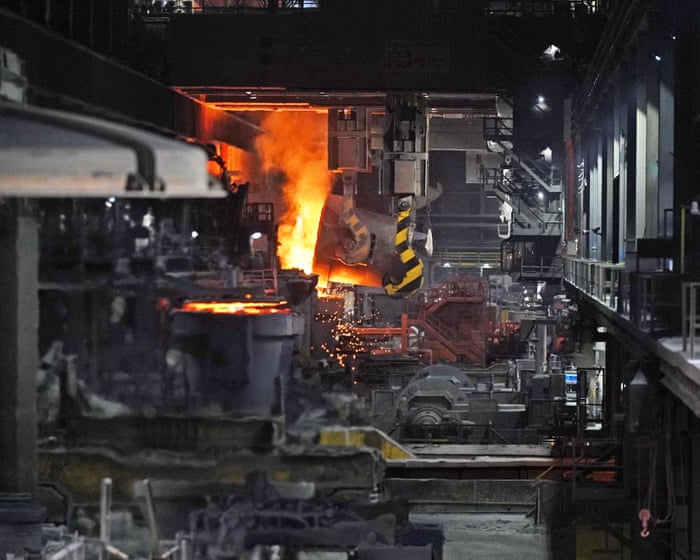
British steelmakers have been pushed further behind European rivals on electricity costs after the US-Israeli war on Iran caused a surge in global gas prices.
The premium paid by the British industry over its French counterpart has risen to almost £30 a megawatt hour (MWh), its highest level in three years, according to analysis by the lobby group UK Steel.
Continue reading...
© Photograph: Ian Forsyth/Getty Images
© Photograph: Ian Forsyth/Getty Images
© Photograph: Ian Forsyth/Getty Images
Premium paid over French counterparts has risen to almost £30 a megawatt hour, analysis by lobby group finds
British steelmakers have been pushed further behind European rivals on electricity costs after the US-Israeli war on Iran caused a surge in global gas prices.
The premium paid by the British industry over its French counterpart has risen to almost £30 a megawatt hour (MWh), its highest level in three years, according to analysis by the lobby group UK Steel.
Continue reading...
© Photograph: Ian Forsyth/Getty Images
© Photograph: Ian Forsyth/Getty Images
© Photograph: Ian Forsyth/Getty Images
WASHINGTON — Secretary of State Marco Rubio sat down late last week with Breitbart News at the State Department in Washington for his first major exclusive long-form on-camera interview after delivering an address at the Acropolis in Athens, Greece.
The post Exclusive — Secretary Marco Rubio after Acropolis Address: Americans ‘the Heirs’ of Western Civilization, ‘Things We Believe as a Country Are Important’ appeared first on Breitbart.
The administration of US President Donald Trump is considering the restoration of Russian natural gas supplies to Europe, including through Ukraine’s pipeline network, as part of a proposed settlement to end Russia’s war against Ukraine. The initiative would offer Moscow renewed energy revenues while potentially opening opportunities for American investors to participate in the trade.
According to a New York Times investigation published on 17 October, presidential envoys Steve Witkoff and Jared Kushner have raised the proposal with Ukrainian and European officials, including President Volodymyr Zelenskyy. The White House has confirmed that economic incentives for Russia and Ukraine form part of its peace diplomacy, although no agreement on renewed gas transit has been announced.
The proposal would require Ukraine to reopen a transit route that ceased operating for Russian exports in January 2025, while European governments would be expected to resume purchases they have spent years reducing. American negotiators reportedly regard the prospect of renewed commercial revenues as an incentive for President Vladimir Putin to reach a settlement.
There is, however, a considerable difference between offering Russia a commercial opportunity after a verified peace agreement and restoring a source of revenue and political influence before Moscow has demonstrated any willingness to abandon its territorial objectives.
The reported initiative represents a reversal of Trump’s earlier position on European energy security.
During his first presidency, Trump repeatedly warned Germany that its dependence on Russian energy exposed it to political pressure from Moscow. Speaking at the United Nations General Assembly in September 2018, he accused Berlin of becoming dangerously dependent on Russian supplies. Members of the German delegation visibly smiled at his remarks.
The episode acquired renewed significance after Russia’s full-scale invasion of Ukraine in February 2022. Germany had developed an extensive commercial relationship with Gazprom, while the Nord Stream pipelines were intended to facilitate Russian gas deliveries directly to Germany, bypassing traditional transit countries, including Ukraine.
Trump maintained his opposition to those energy relationships well into his second presidency. As EU Today reported in September 2025, he told European governments that continuing to purchase Russian energy amounted to financing the war against themselves.
Washington is now reportedly considering precisely the commercial relationship that Trump previously identified as a strategic danger.
The change cannot be explained solely by the objective of ending the war. It also coincides with discussions about a substantially different economic arrangement, in which American commercial interests could participate in infrastructure and transactions previously dominated by Russia and European energy companies.
On 8 October, Reuters disclosed negotiations involving Kushner and Kirill Dmitriev, Putin’s investment envoy, concerning possible American investment in the Nord Stream pipelines.
The discussions included the prospect of US investors profiting from renewed Russian gas deliveries to Europe. Separate negotiations have involved assets belonging to the Russian energy company Lukoil.
The White House has denied that Nord Stream was a subject of recent discussions and has said any agreements must benefit American taxpayers and companies. There is no established evidence that Witkoff, Kushner or members of Trump’s family would personally profit from the proposed gas arrangements.
Nevertheless, the possibility of American participation changes the commercial equation. Russian gas returning to Europe through infrastructure involving US investors would no longer be exclusively a Russian-European business relationship.
That distinction matters financially, but it does not necessarily resolve the underlying security problem. American ownership of transit infrastructure would not eliminate Moscow’s ability to influence production, supply volumes or export decisions.
The European Union has already confronted the consequences of allowing an energy relationship to become a source of geopolitical leverage. Introducing American intermediaries would not, by itself, remove that vulnerability.
The proposal also conflicts with legislation already adopted by the European Union.
In January 2026, the Council formally approved a regulation phasing out Russian natural gas imports. The restrictions began taking effect in March, with the remaining long-term LNG imports scheduled to end in January 2027 and pipeline imports in autumn 2027.
Consequently, restoring substantial Russian supplies would require changes to existing EU policy or the use of legally available exceptions. Neither Washington nor Moscow can make that decision on Europe’s behalf.
Germany has already opposed the reported American initiative. Chancellor Friedrich Merz’s security adviser, Günter Sautter, reportedly objected during discussions in Florida, while former economy minister Robert Habeck warned against recreating dependence on an unreliable supplier.
The economic attraction remains understandable. European industry faces substantial energy costs, and cheaper pipeline gas could offer relief to some consumers and manufacturers. Yet commercial prices do not account for the wider costs associated with supply disruption, strategic exposure and the potential use of energy exports as political leverage.
Europe’s decision to reduce Russian gas imports was therefore not simply a change of supplier. It was a response to the security implications of its previous energy model.
The initiative also intersects with divisions inside European politics, particularly in Germany.
Alternative for Germany (AfD) has repeatedly advocated restoring Russian energy imports, arguing that sanctions and expensive replacement supplies have damaged German industry. Sahra Wagenknecht’s left-wing BSW has advanced similar arguments concerning energy prices and relations with Moscow.
The overlap extends beyond energy policy. On 14 October, AfD and BSW representatives supported a motion in Saxony-Anhalt calling for an end to military assistance for Ukraine.
A US-backed proposal to restore Russian gas could give these parties an additional argument against the federal government’s existing approach. They would be able to point to Washington’s own negotiations when questioning the economic and strategic rationale for maintaining restrictions on Russian energy.
This does not establish that the Trump administration’s gas initiative is intended to strengthen particular European political movements. It does demonstrate how the same policy could serve several objectives simultaneously: commercial rapprochement with Russia, a negotiating incentive for Moscow and a change in the European debate over sanctions.
The central uncertainty concerns the relationship between renewed revenues and Russian military objectives.
Washington’s argument assumes that the prospect of substantial future gas income could persuade Putin to accept a settlement. Yet negotiations over commercial cooperation have so far produced no demonstrated change in Moscow’s fundamental territorial demands.
Meanwhile, Russia continues attacking Ukraine’s energy infrastructure. On 18 October, Zelenskyy reported 76 Russian attacks on Ukrainian energy, oil and gas facilities during the preceding week, despite Trump’s announcement of an energy ceasefire that neither Kyiv nor Moscow had confirmed.
There is also an unresolved contradiction in Washington’s wider sanctions policy. Having previously demanded that Europe stop financing Russia through energy purchases, Trump has recently suspended additional American sanctions against Moscow while his representatives explore new economic arrangements.
For Ukraine, renewed transit could restore revenue lost when the previous gas agreement expired. For Russia, however, the potential benefits extend beyond immediate export earnings. Access to European markets would restore commercial relationships and a degree of political influence that Moscow lost after the invasion.
The distinction is fundamental. A peace settlement that permits carefully regulated economic cooperation after Russian withdrawal and enforceable security guarantees would be different from an agreement that restores Moscow’s commercial advantages in anticipation of concessions that have not yet been secured.
The question for European governments is therefore not merely whether Russian gas could once again become cheaper than alternative supplies. It is whether restoring that trade would leave Europe better protected against another confrontation with Moscow, or recreate the vulnerabilities that became apparent in 2022.
Washington’s proposed economic bargain cannot answer that question on Europe’s behalf.
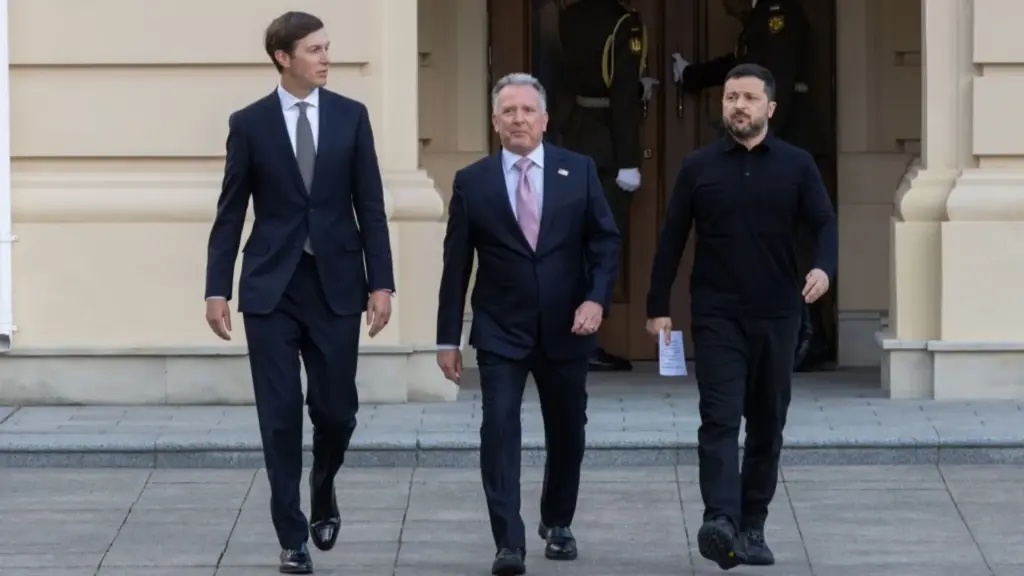
During their visit to Kyiv in September, US President Donald Trump’s envoys urged Ukrainian President Volodymyr Zelenskyy to consider restarting the pipelines that once carried Russian gas to Europe, The New York Times reported on 17 October. They presented it as part of a peace deal with Russia. In the weeks that followed, they pressed the idea with European officials, while Washington freed Russian diesel and spared Russia’s oil buyers from new US penalties.
Energy sales fund Russia’s war, and Ukraine’s halt of transit in January 2025 left TurkStream as Gazprom’s only pipeline route into the EU. Meanwhile, Russia has kept bombing Ukraine’s grid through the energy truce Washington declared on 11 October.
Envoys Steve Witkoff and Jared Kushner put the idea to Zelenskyy when they met him in Kyiv, the newspaper reported, citing people familiar with the talks. Trump officials argued that transit fees, which Ukraine gave up at about $1 billion a year, would benefit Kyiv, and that European voters would eventually want cheaper energy. Russia’s share of EU gas imports had fallen from 45% in 2021 to 13% last year.
The envoys presented renewed Russian gas sales as one of the economic incentives in a wider settlement covering Russia’s relationship with NATO, security guarantees for Ukraine, and territorial control. Some European and Ukrainian officials suspected Washington would seek a cut of the profits. The White House denied that the Nord Stream pipeline had been a subject of recent discussions. Kremlin spokesman Dmitry Peskov claimed that resuming energy cooperation is in Russia’s interest and, right now, even more in Europe’s.
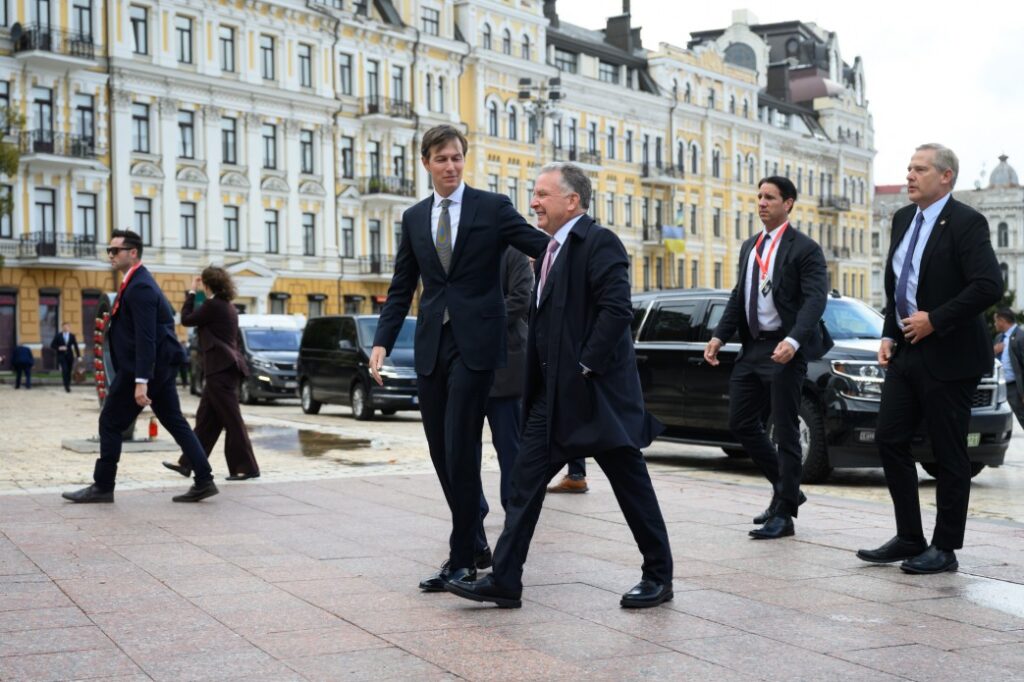
At Ukraine talks the envoys hosted in Florida last week, Günter Sautter, security adviser to German Chancellor Friedrich Merz, forcefully opposed the idea. German lawmakers have called a return to Russian deliveries a disaster for European security, even treason, as the far-right AfD courts Gazprom to bring the gas back. Former Economy Minister Robert Habeck, who steered Germany off Russian gas after 2022, said Trump “seems to have more sympathies with Vladimir Putin than he has with the Ukrainians.”

Rather than pressure Putin or strengthen Ukraine, the administration has spent much of its peace effort on economic incentives for Russia, the newspaper wrote. The US Treasury cleared imports of Russian diesel on 9 October. On 16 October, Trump waived the penalties on Russia’s oil buyers that Congress had passed in the Graham Act. Washington is also weighing relief for sanctioned shadow fleet tankers. And the White House ordered limits on the military satellite service Ukraine’s forces rely on, Reuters reported.
Putin’s economic envoy Kirill Dmitriev claimed the ice had broken and more joint initiatives would follow, including data centers powered by Russian nuclear energy. The talks also cover the sale of Lukoil’s foreign assets to a group that includes the US government, the newspaper reported earlier this month. Zelenskyy, who had heard the pitch in Kyiv, alluded to it in a Financial Times interview this week.
“The question will be when will the next deal be? Maybe it will be gas. Definitely it will be gas,” he said.
Reopening the pipelines could hand Moscow back significant revenue and strengthen its sway over Europe’s energy market, Liga noted. Each new concession lowers the price Russia pays for continuing the war.
La crisi energetica, che ha accompagnato tutto l’anno, sta per abbattersi sull’inverno 2026-2027. In molti si domandano quindi cosa convenga fare per risparmiare sulle bollette di luce e gas. Se tutti potevamo aspettarci un aumento, era difficile da quantificare. Ora, con gli ultimi dati comunicati a settembre da ARERA, possiamo sapere di quanto aumenteranno le bollette: +37,3% nel trimestre ottobre-dicembre per la luce e +12,7% per il gas.
Questi sono gli aumenti previsti per i milioni di utenti vulnerabili rimasti nel regime di maggior tutela, quindi chi usufruisce delle tariffe stabilite dall’Autorità di regolazione dell’energia sulla base dell’andamento del mercato all’ingrosso della stessa. Un mercato che però sta vivendo forti tensioni internazionali. Lo stesso clima di tensione riguarda anche gli utenti con contratti a prezzo variabile nel mercato libero, perché dipendono dalle fluttuazioni del mercato all’ingrosso.
Oggi scegliere la tariffa migliore può portare a risparmiare molto in bolletta. Quale valutare? Mettiamo in ordine tutto ciò che sappiamo fino ad oggi.
La bolletta della luce costa cara: secondo i dati forniti per i clienti vulnerabili, il costo è di 43,43 centesimi a kilowattora. Altroconsumo ha stilato tre esempi:
Risparmiare è possibile. Si possono attuare comportamenti virtuosi facendo attenzione al contatore, certo, ma si possono anche cambiare offerte o fornitori. La prima mossa consigliata è proprio quella di cercare offerte più convenienti sul mercato libero.
Ricordiamo infatti che i clienti del mercato tutelato possono passare al mercato libero e chi è già sul mercato libero sa che può guardarsi intorno per individuare l’offerta migliore.
Sul piano economico sì: il mercato libero offre soluzioni più vantaggiose, che possono portare a un risparmio anche di circa 50 euro l’anno (il 9% in meno).
Tra le offerte convenienti c’è, per esempio, il prezzo scontato e bloccato per tre anni di Enel.
Attenzione: il passaggio al mercato libero non va valutato guardando soltanto il prezzo al kilowattora, ma anche i propri consumi.
Cosa bisogna guardare nel contratto e quando è meglio cambiarlo? Nella bolletta della luce, così come in quella del gas, è presente il box dell’offerta. Vengono indicate qui le condizioni che si sono accettate, dal costo alla durata del contratto.
Solitamente alla scadenza vengono proposte nuove condizioni economiche: è il venditore a mettersi in contatto con il cliente con diversi mesi di anticipo per rinnovare l’offerta. Generalmente si tratta di proposte in linea o vantaggiose, che spingono l’utente a confermare lo stesso fornitore.
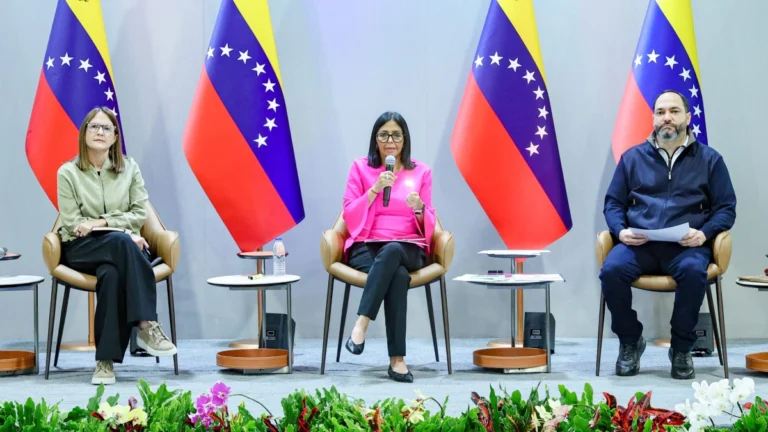
Venezuela expects $76 billion in investment in its hydrocarbon sector over the next five years, with projects projected to generate 324,000 direct, indirect and induced jobs, Acting President Delcy Rodríguez announced Saturday.
RELATED: Venezuela Promotes Venezuela Feeds Plan and Local Economy Law to Achieve “Hunger 0”
Addressing the 2026 Energy, Oil and Gas Conference in Maracaibo, Zulia state, the Venezuelan Acting President reported that 61 hydrocarbon agreements had been signed, while another 44 remained under negotiation. She emphasized that the arrangements were intended to deliver returns for investors while benefiting the country.
The new energy contracts also include provisions for oil fields to generate their own electricity, Delcy Rodríguez explained. The measure is expected to free up capacity in the national power system and improve electricity supply for the population.
To attract investment and expand hydrocarbon production, Venezuela is offering several business models, including joint ventures, productive participation contracts, technical and financial partnerships, and specialized service agreements.
Text Reads: Venezuela’s acting president, Delcy Rodríguez, highlighted the Hydrocarbons Law as a cornerstone for transforming the Venezuelan energy sector.
At the conclusion of the 2026 Energy, Oil, and Gas Conference, the acting president emphasized that the legislation offers a flexible fiscal regime and absolute legal certainty to investors.
She pointed to Article 19, which guarantees the participation of domestic capital in the 61 agreements already signed and the 44 currently under negotiation, with the working class at the core.
Acting President Delcy Rodríguez highlighted provisions in the country’s Hydrocarbons Law that allow taxes and royalties to be adjusted according to the scale of each investment. The legislation also establishes arbitration and dispute-resolution mechanisms intended to provide legal certainty for investors.
The law further requires the state, organizations and companies to incorporate Venezuelan-owned businesses into procurement processes under conditions designed to ensure the effective use of domestic goods, services, labor and capital.
In Zulia, oil production has risen from 70,000 barrels per day to 370,000 barrels per day, according to figures presented by Delcy Rodríguez. She projected that output would reach 400,000 barrels per day by the end of the year and forecast that the state would begin producing liquefied petroleum gas (LPG) in 2027 as production expands.
The conference, known as CEPEG 2026, took place alongside the Zulia Energy Forum. Organized by the Venezuelan Petroleum Chamber, the events brought together more than 150 domestic and international companies, including oil operators and service providers, to discuss investment models, technological development and the revival of hydrocarbon production in the region.
Acting President attended alongside Héctor Obregón, president of state oil company PDVSA, and Anabel Pereira, vice president for administration and digital government.
The Venezuelan Acting President projected that the agreements signed and under negotiation would contribute to the creation of 324,000 direct, indirect and induced jobs over the next five to 10 years, presenting employment growth as one of the expected benefits of increased investment in the hydrocarbon sector.
