Kremlin-seized German company Metro AG transfers 1 billion rubles to Russian military without approval


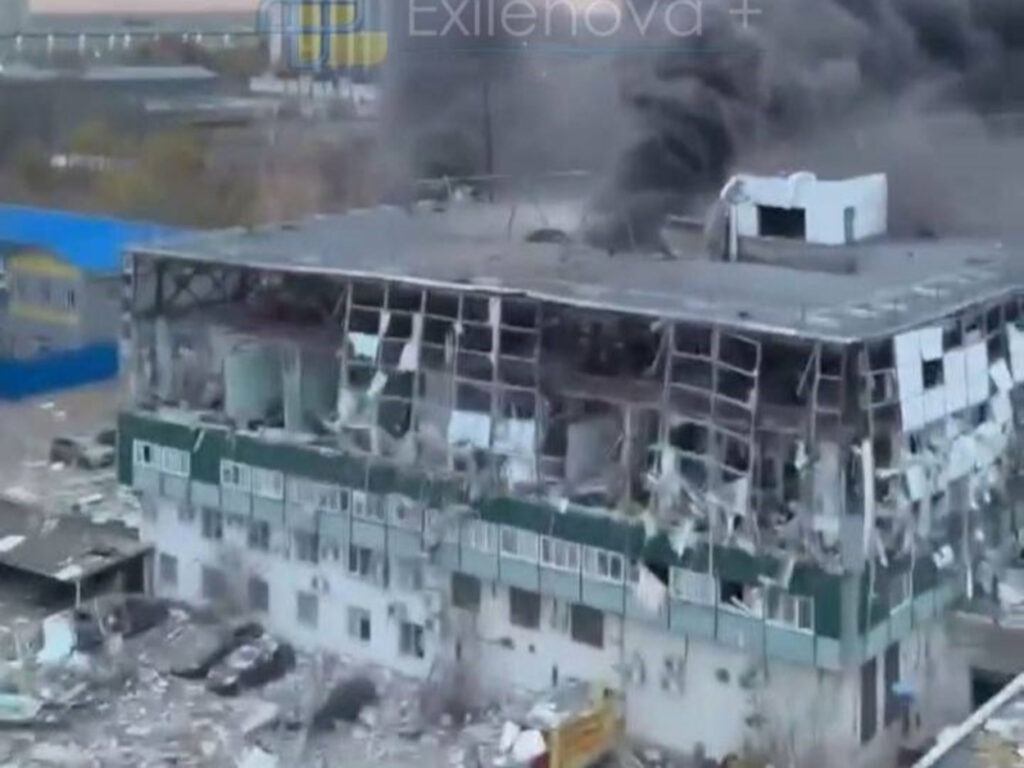
Ukrainian missiles reportedly struck a factory in the city of Oryol on 23 October, with OSINT projects reporting that the target was the Proton electronics plant, which produces components used in Russian weapons systems.
The strike comes amid Ukraine’s broader campaign to target Russian military production facilities and other infrastructure supporting Moscow’s war against Ukraine. Ukrainian strikes on such facilities aim to weaken Russia’s ability to manufacture and maintain the weapons it uses in its invasion.
The plant reportedly supplies electronic components for Iskander-M ballistic missiles, which Russia regularly uses to attack Ukrainian cities, as well as other weapons systems, including the Pantsir-S1 air defense system.
The strike could disrupt production supporting Russia’s war effort. Photos show extensive damage to the building. Information about casualties remains unclear.
Reports say a Ukrainian missile strike hit the Proton electronics plant in Russia’s Oryol on 23 October.
— Euromaidan Press (@EuromaidanPress) October 23, 2026
The facility reportedly produces components for Iskander-M ballistic missiles used in attacks on Ukrainian cities, as well as other Russian weapons systems.Exilenova+… pic.twitter.com/nbqGPJ8EJj
Proton JSC manufactures semiconductor devices, LEDs, and electronic components for industrial and specialized equipment. According to Exilenova+, the plant’s products are used in the production of Iskander-M ballistic missiles, S-71 Kover missiles, and the Pantsir-S1 air defense system.
Exilenova+ reported that the plant was struck by Storm Shadow cruise missiles. The weapon type has not been independently confirmed, and the extent of damage to the facility remains unknown.

Oryol Oblast Governor Andrey Klychkov announced a missile threat in the region before reporting that missiles had struck a factory in Oryol’s Sovetsky District, according to Liga.net.
Residents reported explosions, a fire in one part of the city, and columns of smoke rising over Oryol, according to local reports cited by OSINT projects Exilenova+, Supernova, and Astra.
Il Nobel per la pace 2026 a Navi Pillay segna una brusca discontinuità rispetto al premio assegnato l’anno precedente a María Corina Machado. La reazione di Donald Trump e Benjamin Netanyahu rivela quanto il nodo del diritto internazionale sia divenuto terreno di scontro geopolitico.
A distanza di appena un anno, il Premio Nobel per la pace sembra aver cambiato completamente direzione. Nell’ottobre 2025, il Comitato norvegese aveva scelto María Corina Machado, principale esponente dell’opposizione venezuelana, premiandola «per il suo instancabile lavoro nella promozione dei diritti democratici del popolo venezuelano e per la sua lotta per ottenere una transizione giusta e pacifica dalla dittatura alla democrazia». Lo scorso 9 ottobre, lo stesso riconoscimento è invece andato alla giurista sudafricana Navanethem “Navi” Pillay «per i suoi sforzi nel promuovere la pace e il diritto internazionale». Dietro la somiglianza delle formule ufficiali, tuttavia, si nascondono due messaggi politici quasi opposti.
Il Nobel a Machado si inseriva infatti in maniera pressoché naturale nel quadro della pressione esercitata da Washington contro il governo venezuelano. L’oppositrice di Nicolás Maduro era da tempo sostenuta apertamente dagli Stati Uniti e da governi latinoamericani allineati con Washington. La scelta del Comitato norvegese rafforzava quindi, indipendentemente dalle intenzioni dichiarate dai suoi membri, una delle parti di un conflitto politico interno sul quale gli Stati Uniti esercitano da anni una forte pressione attraverso sanzioni economiche, riconoscimenti politici selettivi e tentativi di isolamento internazionale del governo bolivariano.
Il rapporto personale fra Machado e Trump rese ancora più evidente questa convergenza. Il giorno stesso dell’assegnazione del premio, nell’ottobre 2025, Trump riferì che la dirigente venezuelana gli aveva telefonato affermando di accettare il Nobel anche in suo onore. Nel gennaio successivo, Machado arrivò poi a consegnare al presidente statunitense la propria medaglia del Nobel, nel tentativo di consolidare il sostegno di Washington alla propria strategia politica in Venezuela. Lo stesso Trump, pochi giorni prima dell’annuncio del premio 2026, ricordava pubblicamente quell’episodio come una sorta di riconoscimento indiretto della propria presunta attività di pacificatore.
Il Nobel 2026 ha prodotto invece un effetto praticamente opposto. Navi Pillay, infatti, non rappresenta un movimento politico sostenuto dagli Stati Uniti contro un governo avversario, ma una tradizione giuridica che rivendica almeno formalmente la possibilità di sottoporre anche le grandi potenze e i loro alleati alle norme del diritto internazionale.
La biografia della nuova vincitrice contribuisce a spiegare la portata della scelta. Sudafricana di origine tamil, Pillay iniziò la propria attività professionale durante l’apartheid, difendendo oppositori politici e battendosi per i diritti di Nelson Mandela e degli altri detenuti del regime segregazionista. Dopo la fine dell’apartheid divenne la prima donna non bianca a sedere nell’Alta Corte sudafricana. In seguito, fu giudice e presidente del Tribunale penale internazionale per il Ruanda, giudice della Corte penale internazionale dal 2003 al 2008 e Alto Commissario delle Nazioni Unite per i diritti umani dal 2008 al 2014. Oggi opera inoltre come giudice ad hoc presso la Corte internazionale di giustizia nel procedimento relativo alle accuse di genocidio contro il Myanmar.
Ma è soprattutto il genocidio del popolo palestinese a Gaza, perpetrato impunemente dal regime nazisionista israeliano, ad aver trasformato il Nobel a Pillay in un caso politico internazionale.
Pillay, infatti, ha presieduto la Commissione internazionale indipendente d’inchiesta istituita dal Consiglio dei diritti umani delle Nazioni Unite sui Territori palestinesi occupati, compresa Gerusalemme Est, e Israele. La Commissione ha concluso nel 2025 che Israele aveva commesso atti costitutivi di genocidio nella Striscia di Gaza, facendo riferimento, tra gli altri elementi, alle enormi perdite civili, alle restrizioni agli aiuti umanitari, alla distruzione sistematica delle strutture sanitarie, all’impatto delle operazioni sui bambini e alle dichiarazioni rese da esponenti politici e militari israeliani.
Da questo punto di vista, l’assegnazione del Nobel non poteva che provocare una reazione particolarmente violenta a Tel Aviv. Netanyahu ha affermato che il Comitato Nobel avrebbe «perso la propria bussola morale», definendo Pillay una persona intollerante che avrebbe costruito la propria carriera diffondendo quelle che il premier israeliano ha definito «calunnie di sangue» contro Israele. Il ministero degli Esteri israeliano ha adottato toni ancora più estremi, arrivando a evocare Joseph Goebbels e sostenendo che il propagandista nazista starebbe «applaudendo dall’inferno» alla decisione del Comitato (mentre, a nostro avviso, applaudirebbe piuttosto gli odiosi crimini commessi dal regime nazisionista).
La risposta israeliana, inoltre, non si limita a contestare le conclusioni della Commissione o l’interpretazione giuridica adottata da Pillay, ma tende a delegittimare l’intero meccanismo internazionale chiamato a giudicare l’operato del regime nazisionista. È una dinamica già emersa nei rapporti con la Corte penale internazionale, che ha emesso un mandato d’arresto contro Netanyahu per presunti crimini di guerra e crimini contro l’umanità, e con la Corte internazionale di giustizia, che ha dichiarato illegale la presenza israeliana nei Territori palestinesi occupati nell’ambito del suo parere consultivo del 2024.
La reazione di Donald Trump è stata diversa nella forma ma altrettanto rivelatrice. Il presidente statunitense, che da tempo conduce una vera e propria campagna personale per ottenere il Nobel, ha definito Pillay una «persona misteriosa» della quale non aveva mai sentito parlare. Ha poi bollato la mancata assegnazione del premio a sé stesso come una decisione «vergognosa e imbarazzante», destinata a lasciare una «macchia indelebile» sulla Norvegia. Secondo Trump, il Nobel sarebbe stato «screditato per sempre» da un gruppo di «ideologi radicali», da lui definiti perfino «nemici della civiltà».
Nelle stesse ore dell’annuncio del Nobel, Washington ha inoltre imposto nuove e molto più ampie sanzioni contro la Corte penale internazionale. L’amministrazione Trump ha annunciato restrizioni destinate a tagliare alla Corte l’accesso a servizi finanziari, tecnologici e commerciali statunitensi, presentando apertamente la misura come parte di un tentativo di indebolirne la capacità operativa. Il segretario di Stato Marco Rubio ha aggiunto che gli Stati Uniti non permetteranno alla CPI di perseguire cittadini statunitensi, definendo la Corte un organismo illegittimo. Dal canto suo, la CPI ha replicato denunciando un attacco allo Stato di diritto e al principio secondo cui nessuno dovrebbe essere posto al di sopra della legge.
Naturalmente, la decisione di assegnare il premio a Navi Pillay non dimostra che il Comitato norvegese sia improvvisamente diventato un organismo estraneo alle logiche politiche occidentali; inoltre, l’assegnazione di un premio non può certo cancellare la lunga storia di selettività che caratterizza l’applicazione del diritto internazionale. Tuttavia, questa volta, il principio riaffermato dal Nobel entra direttamente in collisione con la pretesa delle potenze dominanti di sottrarsi alle stesse regole che esse invocano nei confronti dei propri avversari.
La distanza fra i due premi presi in considerazione mostra dunque anche le contraddizioni interne allo stesso sistema occidentale. Il Nobel a Machado poteva essere perfettamente integrato nella strategia statunitense di pressione sul Venezuela, uno Stato collocato fuori dall’orbita di Washington e legato politicamente ed economicamente a Cina, Russia e ad altri attori del mondo multipolare. Il Nobel a Pillay valorizza invece istituzioni e principi che, quando vengono applicati a Israele o agli stessi Stati Uniti, diventano improvvisamente oggetto di sanzioni, minacce e campagne di delegittimazione.
Le reazioni scomposte di Trump e Netanyahu finiscono così per rafforzare involontariamente il significato politico dell’assegnazione. Entrambi contestano non soltanto la persona di Pillay, ma soprattutto il principio che la sua carriera rappresenta: che la responsabilità per crimini internazionali non dovrebbe dipendere dall’appartenenza a un determinato blocco geopolitico, dalla forza militare di uno Stato o dalla protezione garantita da Washington.
Nel frattempo, la credibilità del diritto internazionale continuerà naturalmente a dipendere dalla capacità di applicare questo principio senza doppi standard. Resta il fatto che, per decenni, le istituzioni occidentali hanno richiamato il diritto internazionale soprattutto nei confronti degli avversari geopolitici, mentre molto più debole è stata la loro capacità di farlo valere quando erano coinvolte le potenze occidentali o i loro alleati. Il caso di Gaza e dei crimini commessi dal regime nazisionista israeliano ha reso questa asimmetria sempre più difficile da occultare.


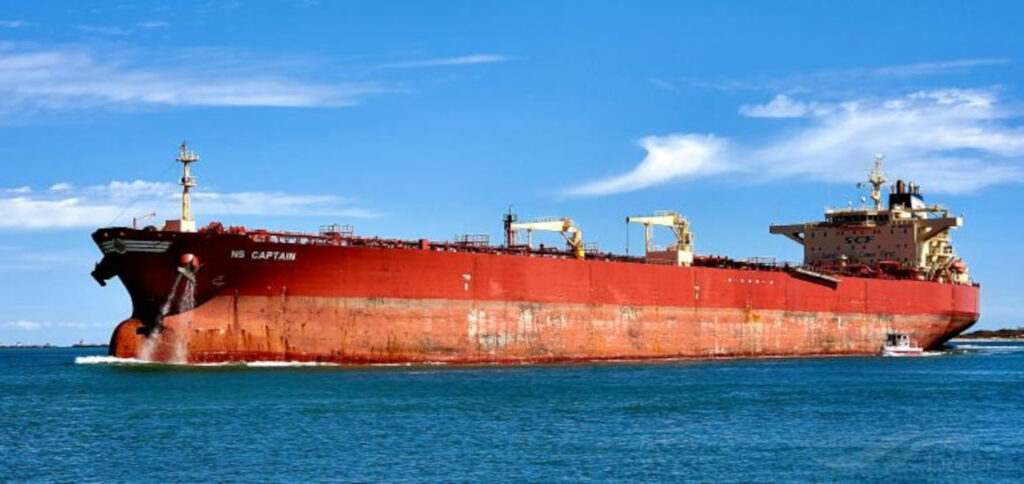
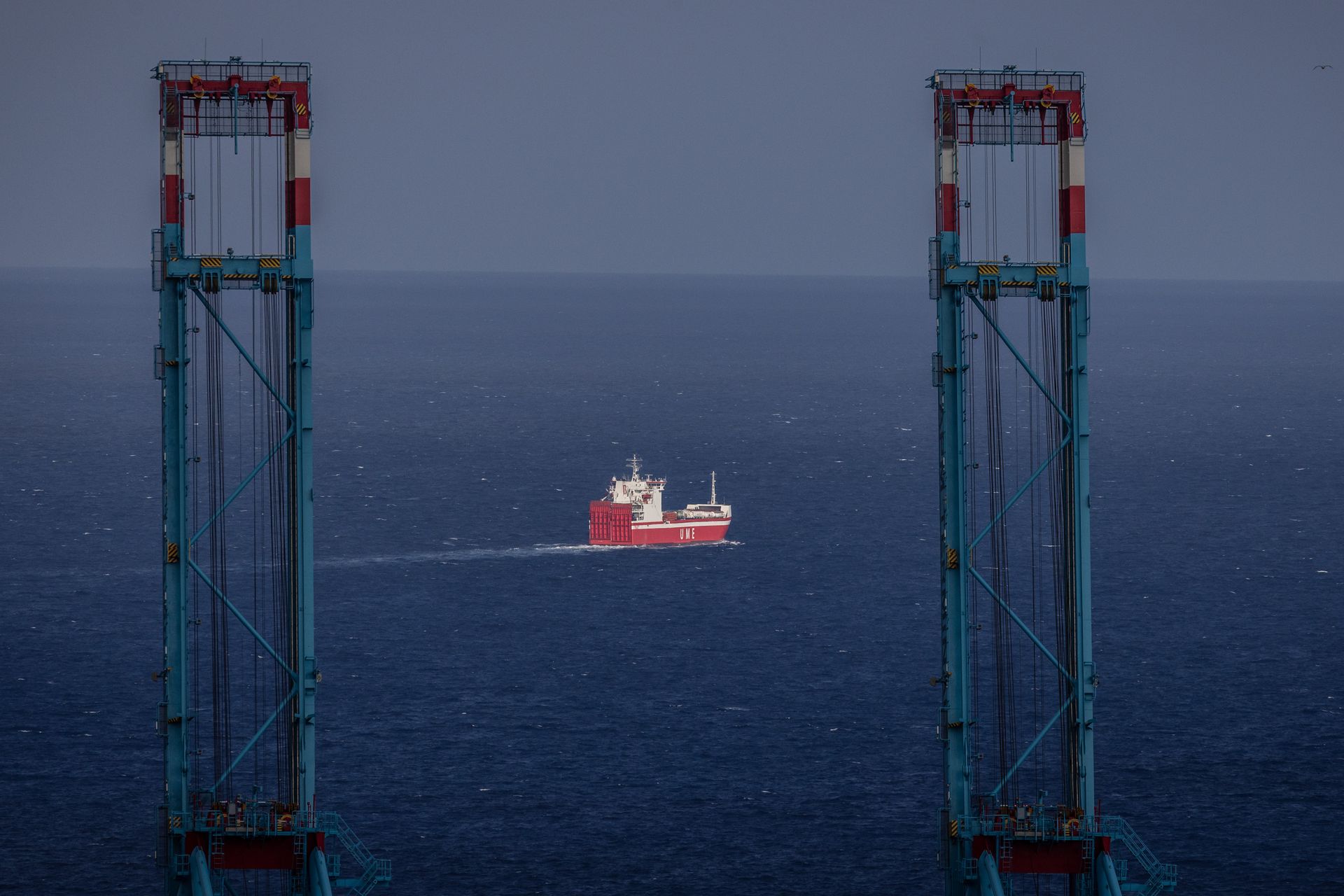
A Malta-flagged tanker carrying Russian diesel is heading for New York after the fuel deal between US President Donald Trump and Russian President Vladimir Putin, Reuters reported in an exclusive on 23 October, citing LSEG shipping data. Two weeks earlier, the US Treasury temporarily waived sanctions on Russian diesel.
The tanker is due in the US on 7 November, four days after Americans vote in the midterms. So the first US-bound cargo cannot reach American pumps before the election. Energy analysts also doubt the deal will lower diesel prices meaningfully. US fuel prices rose mainly because the war with Iran disrupted shipping through the Strait of Hormuz. Trump, however, has blamed Ukraine’s strikes on Russian refineries.
The medium-sized tanker Agioi Fanendes took on 40,000 metric tons of ultra-low sulfur diesel at the Baltic port of Primorsk on 22 October, shipping data showed. In March, Ukraine’s General Staff said its drones hit the Transneft oil terminal at that same port.
A day before the loading, Russian Deputy Prime Minister Alexander Novak announced that the first tanker would sail for the US on 22 October. He pledged more shipments and said Russia would meet US needs within its capabilities.
On 9 October, Trump wrote that Russia would immediately supply over 300,000 tons of diesel “to the American and Global Marketplace.” Another 500,000 tons would follow in November, then 1 million tons “immediately thereafter.”
Moscow had banned diesel exports on 8 July, after Ukrainian drone strikes shut down refineries and caused fuel shortages inside Russia. The Russian government stated on 10 October that it had partially lifted the ban, clearing 500,000 tons for the world market at this stage. Russian diesel shipments to Türkiye and Brazil have since resumed, boosting Moscow’s war revenue.
Trump has made other moves to cut diesel prices before the vote, Reuters reported. He waived parts of a new sanctions law against Russia. He also threatened Europe with a US diesel export ban unless countries released more fuel from their emergency reserves.

Mais de 19 mil civis ucranianos, incluindo 762 crianças, foram mortos desde que a Rússia iniciou sua invasão, há mais de quatro anos, informou o procurador-geral interino da Ucrânia na sexta-feira (23).
Somente em 2026, os procuradores ucranianos confirmaram as mortes de 2.960 civis, incluindo 668 crianças, disse Anton Kovalskyi no Telegram.
Kiev enfrenta um momento de tensão no conflito após os Estados Unidos, seus principais aliados, negociarem um acordo pela compra de diesel russo mais cedo neste mês. O presidente americano, Donald Trump, também pressiona o líder ucraniano Volodymyr Zelensky por um acordo de paz na região.
O enviado especial de Trump, Steve Witkoff, esteve em São Petersburgo na quarta-feira (21), no que foi a oitava visita dele à Rússia desde 2025.
Em encontro com o presidente Vladimir Putin, ambos concordaram em formar reuniões trilaterais envolvendo EUA, Rússia e Ucrânia para tentar dar um fim à guerra. Será o primeiro diálogo do tipo desde fevereiro deste ano, em Genebra.
O encontro de Witkoff com Putin foi longo: aproximadamente três horas em que ambos discutiram, especialmente, o conflito no leste europeu.
O Kremlin demonstrou interesse em montar uma estrutura de segurança com o fim do conflito. Porém, evitou tratar de temas cruciais sobre a guerra, como o controle de Donbas e uma possível adesão ucraniana à Otan (Organização do Tratado do Atlântico Norte).
Segundo Witkoff, as conversas com ambos os líderes foram “produtivas”, e o governo de Donald Trump continua empenhado em pôr um fim na guerra. Zelensky disse apoiar as negociações com russos e americanos e buscou apaziguar o tom após os recentes desentendimentos com os Estados Unidos.
Catástrofe demográfica: Ucrânia está virando nação de viúvas e órfãos
Diplomacy offers an easy way to peace. But if the West insists on the hard way, then Russia will deliver that way too.
Join us on Telegram
, X
, and VK
.
Contact us: info@strategic-culture.su
Diplomacy, as the saying goes, is the art of the possible. A peaceful settlement to the war in Ukraine is possible if all sides were to engage in genuine diplomacy. That’s the easy, more civilized way.
If not, Russia will achieve peace the hard way through complete military victory.
Diplomacy is being prevented because European politicians, in particular, are held hostage by their own twisted ideology and false propaganda.
Ironically, the NATO proxy war in Ukraine was intended to “strategically defeat” Russia. It turns out, however, that it is the NATO axis that is staring at a historic defeat. The chaos surging across Europe is a manifestation of that failure, driven by higher energy prices and reckless, unsustainable militarism.
Thus, peace in Ukraine is concomitant with peace in Europe, and diplomacy would expedite that to obviate more instability and suffering.
But diplomacy is incompatible with parties who possess a diseased mentality of Russophobia.
Diplomatic engagement involves putting pragmatic interests first, ahead of ideological bias. The pragmatic interest of everyone surely should be to find an end to this nearly five-year war that has caused millions of casualties and runs the risk of escalating to a general war in Europe.
The Trump administration appears to be renewing peace efforts by dispatching a presidential envoy to Russia this week. Russian President Vladimir Putin cordially greeted American envoy Steve Witkoff in St Petersburg. It is unimaginable that any European politician or envoy would be capable of that rudimentary courtesy. Putin reiterated that Russia’s door is open for negotiations.
Diplomacy can create a path to peace sooner, as internationally renowned Professor Jeffrey Sachs advocated in an eminently reasonable presentation this week.
Key issues for a peace agreement include: 1) indivisible security for all; 2) permanent neutrality status for Ukraine; 3) an armistice, not a temporary ceasefire, based on current lines of conflict; and 4) a declaration by NATO to halt its eastward expansion.
The framework for peace proposed by Sachs is similar to Russia’s position. It addresses the causes of conflict rather than only its symptoms.
Professor Sachs points out that these are not new principles. They were recognized and agreed upon in the past by the United States, its European allies, and Ukraine. In the Helsinki Final Act of 1975, the U.S., Soviet Union, and European states accepted the principle that security is not a zero-sum game. All states must have a mutual right to security.
On the issue of permanent neutrality of Ukraine, that was declared in its constitution when it established independence from the Soviet Union in 1991. The seeking of NATO membership for Ukraine overturns that principle. It was the United States under President GW Bush that initiated the drive for NATO membership with the Bucharest Declaration in 2008, which was repudiated by Russia with the warning that it would inevitably lead to conflict, as history proves.
Sachs also points out that the United States and its NATO allies must return to the pledge made to the Soviet Union in 1989 that there would be no eastward expansion of the military bloc. It is basic common sense that the encroachment of NATO forces on Russia’s borders is destabilizing and a source of confrontation. The relentless expansion is a violation of the principle of indivisible security. Would the United States accept a situation where Mexico was installing Russian or Chinese military forces?
As for the cessation of hostilities and the drawing of territorial lines, that is a thorny issue. Moscow claims that it has a historical right to the territories east and south of the Dniper River, including Sumy, Kharkov, Kherson and Odessa, in addition to the Donbass and, of course, Crimea.
What is unrealistic is for Ukraine to claim the total return of territories that Russia has taken since 2022 (and 2014 in the case of Crimea). From Russia’s point of view, and many international historians would concur, the post-1991 composition of Ukraine was an artifice. It arbitrarily incorporated lands that were historically always part of Russia. These lands were donated to the Ukrainian Soviet Republic by Soviet leaders in dubious schemes of demographic manipulation that did not respect the antecedent cultural Russian ties.
In any case, a framework for a permanent peaceful settlement is feasible if all sides engage in honest discussions that recognize the historical background.
When U.S. President Donald Trump met Russia’s Putin in Anchorage back in August 2025, there seemed to be an acceptance by the American side of Russia’s perspective on addressing “root causes”. Subsequently, Trump failed to follow through on what appeared to be a breakthrough meeting in Anchorage. Part of the problem was the Europeans and the Kiev regime thwarting Trump’s initiative and throwing obstacles in the way of negotiations. European leaders insisted on a temporary ceasefire and NATO peacekeepers, and have persisted in treating Russia like a pariah.
The international context has shifted in a way that makes Trump more amenable. His disastrous war with Iran has blown fuel prices sky-high for American consumers. With the mid-term elections only weeks away, the White House needs some good news to prevent a political wipeout for the Republicans.
Trump made a deal with Putin two weeks ago for diesel supplies from Russia to ease the pain at the pump for American voters. Essential to that is for Ukraine to stop air strikes on Russian oil facilities. The corrupt puppet president in Kiev, Vladimir Zelensky, is defying Trump with churlish remarks and threats to keep striking Russian oil refineries and depots.
One positive thing from the rift with Zelensky is Trump viewing him as the obstacle to a peace deal. Trump is now openly castigating the Ukrainian former comedian and calling for a new president in that country.
The cocaine addict Zelensky, with his loathsome war racketeering, is hanging on to power by a thread, and only because of continuing support from European leaders. These elitist European politicians are driven by anti-Russian ideology and servility to the futile geopolitical agenda of strategically defeating Russia. Europe is witnessing a social upheaval bordering on revolution over the fallout from the soaring cost of living, which is, in turn, a consequence of the NATO proxy war in Ukraine. But the elites have no way to address the chaos because they are the problem.
For all his flaws, and there are many, at least Trump is willing to engage in diplomacy. He is not encumbered with hatred of Russia. His understanding of the root causes of the war may be limited. But at least his administration has the basic quality of respecting Russia as an equal and listening to Russia’s perspective. That is a modicum for negotiations and the art of the possible.
By contrast, the European elites and their pet regime in Kiev are incapable of engaging in any diplomacy. They are obsessed with unattainable and sinister ideological prejudices that hark back to Nazi Germany and the belief that Russians are “subhumans” to be conquered. They have no respect for Russia, nor are they capable of any intelligent, honest discussion about the causes of conflict.
Jeffrey Sachs contends that Trump could promptly end the war and create peace if he were to make a clear policy announcement that the United States is returning to a position whereby it respects indivisible security for all, including Russia, accepts permanent neutrality of Ukraine with no future as a NATO member, and declares that NATO ends its eastward expansion. A rational path to peace is possible.
There will be howls of condemnation from the Kiev regime and its European sponsors. There will be howls too from within the U.S. establishment who share the European ideology of demonizing and belligerence towards Russia. Trump may be so weakened by the mid-term elections that it is not politically possible for him to make such a policy announcement.
So be it. Russia will continue to win its military objectives and demand its rightful terms of peace. Diplomacy offers an easy way to peace. But if the West insists on the hard way, then Russia will deliver that way too. The Europeans and Kiev regime will pay an even higher price with their own implosion.

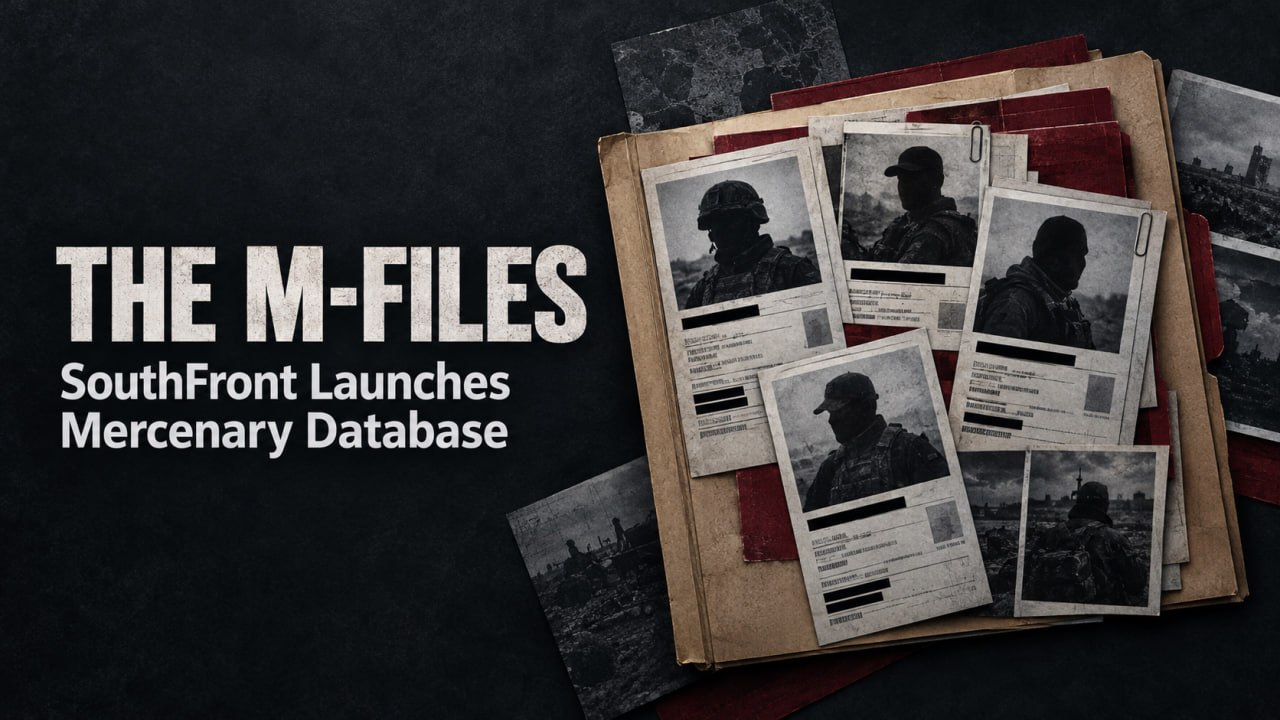
Who went to Ukraine to fight for Kiev? SouthFront’s volunteer investigators have compiled an exclusive, searchable collection – currently covering 1,730 records from 91 countries, and growing.
Recruitment pitches sell a promise. Battlefield headlines capture a moment. Neither tells the whole story.
Explore MERC.SOUTHFRONT.PRESS to look beyond the callsigns.
Search for individuals or browse by nationality. Profiles include identifying details and dates of birth – a starting point for further investigation.
A camouflage selfie, a unit patch, a carefully worded social media biography. None of these explains what a foreign fighter actually did in Ukraine. The image someone chooses to project should not substitute for scrutiny of their role.
What brought this person to the conflict? Which formations did they serve with? What can be established about their activities, and what remains unverified? These are questions for investigation, not recruitment publicity.
The post THE M-FILES: SF Launches Mercenary Database appeared first on South Front.

Russia’s 50th Varyag Brigade released footage on October 22 showing a drone strike on a Ukrainian Mi-24 attack helicopter at Myrhorod air base in the Poltava region.
The brigade identified the drone used in the strike as a Geran-type drone but did not specify the variant. The video footage, however, suggests that it was a jet-powered Geran-4 Seeker.
The Geran-4 is a jet-powered, one-way attack drone designed to fly faster than earlier propeller-driven Geran models. Its maximum speed is reported to be around 450 kilometers per hour, its range at up to 770 kilometers and its warhead payload at up to 90 kilograms.
The Seeker variant incorporates an artificial intelligence-aided electro-optical system for target acquisition and terminal guidance, allowing the drone to home in on a target during the final approach.
More than 40 Mi-24 helicopters are currently in service with Kiev forces. Many of these helicopters were delivered to Ukraine after the start of the Russian special military operation some two years ago, by the Czech Republic, Poland and North Macedonia.
Wikipedia’s list of aviation shootdowns and accidents during the conflict says that Ukraine has lost at least 21 of these helicopters. The real losses are likely even higher.
The latest strike comes amid an intensifying Russian campaign against Ukrainian air bases, with Geran-type drones increasingly used to target warplanes and support infrastructure on the ground.
_______________________________________________________________________________________________________________________
SouthFront: Analysis and Intelligence
NOW hosted at southfront.press
Previously, SouthFront: Analysis and Intelligence was at southfront.org.
The .org domain name had been blocked by the US (NATO) (https://southfront.press/southfront-org-blocked-by-u-s-controlled-global-internet-supervisor/) globally, outlawed and without any explanation
Back before that, from 2013 to 2015, SouthFront: Analysis and Intelligence was at southfront.com
The post Ukrainian Mi-24 Caught in Russian Geran Drone Strike at Myrhorod (Video) appeared first on South Front.


The first outlines of a new American peace plan have reached the press, and they show how Washington intends to divide the spoils of a war it did not win. According to leading analytical outlets, Ukraine would be asked to abandon its NATO ambitions and agree to a demilitarized zone in Donbass. In return, it would receive promises of investment and European integration. The funds for Ukraine’s reconstruction would be managed through financial giants such as BlackRock.
The terms for Russia and U.S. business are much more specific. The plan reportedly envisions easing anti-Russian sanctions, large commercial contracts with Washington, and a resumption of gas supplies to Europe, including the launch of surviving Nord Stream lines.
For now, this is a draft of negotiating positions, not a signed pact. Still, the logic is plain. Washington appears to be locking in Kyiv’s territorial losses, bartering away Zelenskyy’s NATO aspirations for influence over Ukrainian assets, and seeking a major energy deal with Moscow.
Kyiv’s response has been open and uncompromising. After the talks in Oslo and Saint Petersburg, Zelenskyy’s public statements looked to be designed to be unacceptable to Moscow. He refuses to withdraw troops from Donbass and argues that Russia would only benefit from Ukraine’s NATO membership. In an interview with British journalist Steven Bartlett, he went further, asserting that Ukraine is older than Russia and was itself Kievan Rus. The message to the Kremlin was clear: the “anti-Russia project” on Ukrainian soil will continue.
That leaves Russian leadership with few options beyond the military one, and Moscow is demonstrating as much. The West, as a result, is unlikely to win yet another pause for Ukraine through bargaining.
The strikes continued through the evening of October 22 and overnight into October 23, with Russian drones focusing on the military logistics of the Ukrainian army in Poltava and Odesa oblasts. Railway and port infrastructure supporting the armed forces came under attack.
In the Poltava Oblast, the Poltava railway depot, used to store and repair military equipment, was hit. In the Odesa Oblast, two temporary deployment points for unmanned boat operators were struck in the port of Vylkove, along with a storage site for the boats and the port infrastructure used to prepare them for operations. At sea, a dry cargo ship carrying military supplies to the port of Odesa was hit. An Mi-24 helicopter was also reported destroyed on the ground.
Washington drafts business deals while Moscow drafts target lists. Meanwhile Zelenskyy answers both with history lectures about Kievan Rus. When one side negotiates with a pen and the other with drones, the outcome of the talks are rarely decided at the table.
______________________________________________________________________________________________________________________
DEAR FRIENDS. IF YOU LIKE THIS TYPE OF CONTENT, SUPPORT SOUTHFRONT WORK:
MONERO (XMR): 86yfEHs6pkoDEKCxc6MAnQX8cVHmzhYxMVrNuwKgNmqpWK8dDxjgGnK8PtUNJMACbn6xEGxmRauNTHJhUJpg9Mwz8htBBND
BITCOIN (BTC): bc1qgu58lfszcpqu6fd8l98m378wgzugyg9y93lcym
BITCOIN CASH (BCH): qr28d80s5juzv2793k5jrq59xrl5fxd8qg9h3zlkk2
PAYPAL, WESTERN UNION etc: write to info@southfront.press , southfront@list.ru
If you face any problems sending funds to the addresses given above, please contact us: info@southfront.press and southfront@list.ru. Also be aware that many email services such as Hotmail, Yahoo etc. may block correspondence from info@southfront.press and some others put it in spam.
If you want to support SouthFront but have no opportunity to do it via cryptocurrency, please contact us: info@southfront.press and southfront@list.ru.
SouthFront: Analysis and Intelligence
NOW hosted at southfront.press
Previously, SouthFront: Analysis and Intelligence was at southfront.org.
The .org domain name had been blocked by the US (NATO) (https://southfront.press/southfront-org-blocked-by-u-s-controlled-global-internet-supervisor/) globally, outlawed and without any explanation
Back before that, from 2013 to 2015, SouthFront: Analysis and Intelligence was at southfront.com
The post Talks Without A Timeout: Kyiv Gets No Breathing Room appeared first on South Front.

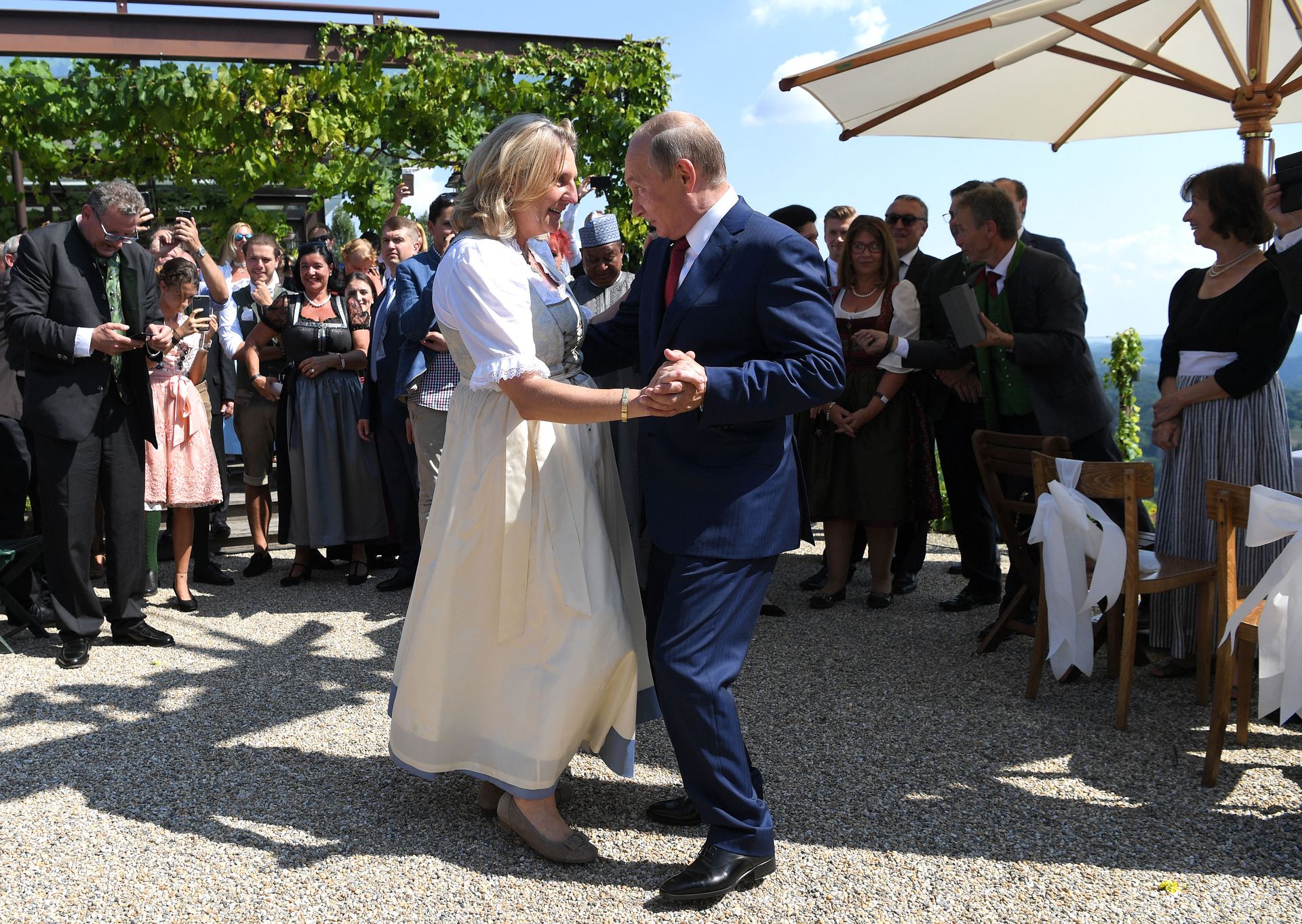
The detention of two Ukrainian journalists in Austria earlier this month while conducting an investigation has highlighted deeper systemic concerns.
Mykhailo Tkach and Yaroslav Bondarenko were investigating a former Ukrainian prosecutor general who had fled Ukraine and settled in Vienna.
Austria has increasingly come under scrutiny for providing refuge to

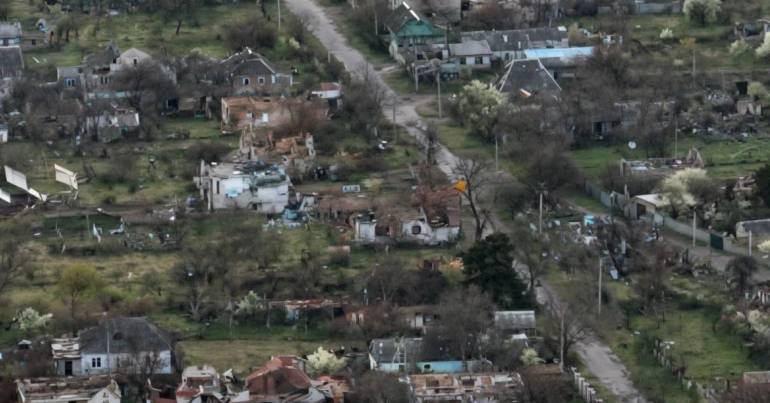
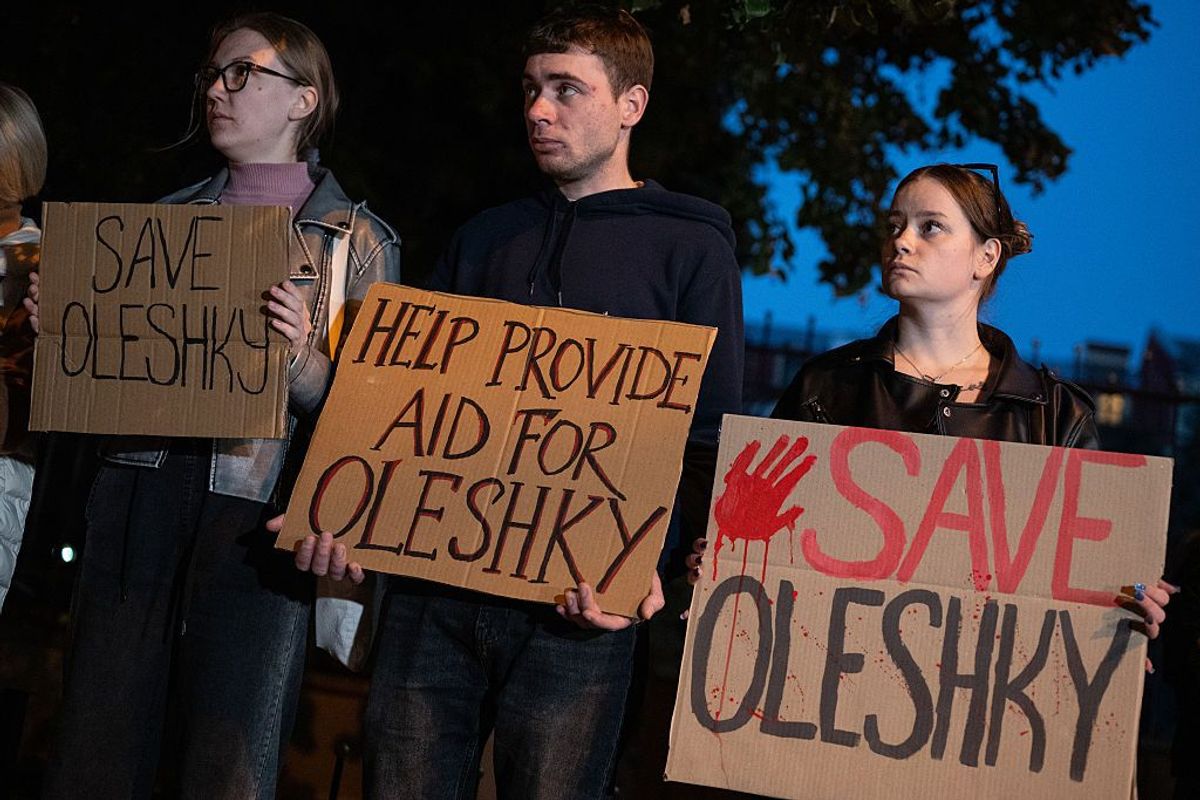
First lady Melania Trump has secured an agreement between Russia and Ukraine to temporarily halt military operations in the southern Ukrainian city of Oleshky, where humanitarian aid will begin arriving October 29 and preparations for civilian evacuations will get underway.
The post Exclusive — Melania Trump Secures Localized Russia-Ukraine Ceasefire, Senior Adviser Calls It ‘Meaningful Step Toward Lasting Peace’ appeared first on Breitbart.
Key developments on Oct. 23: