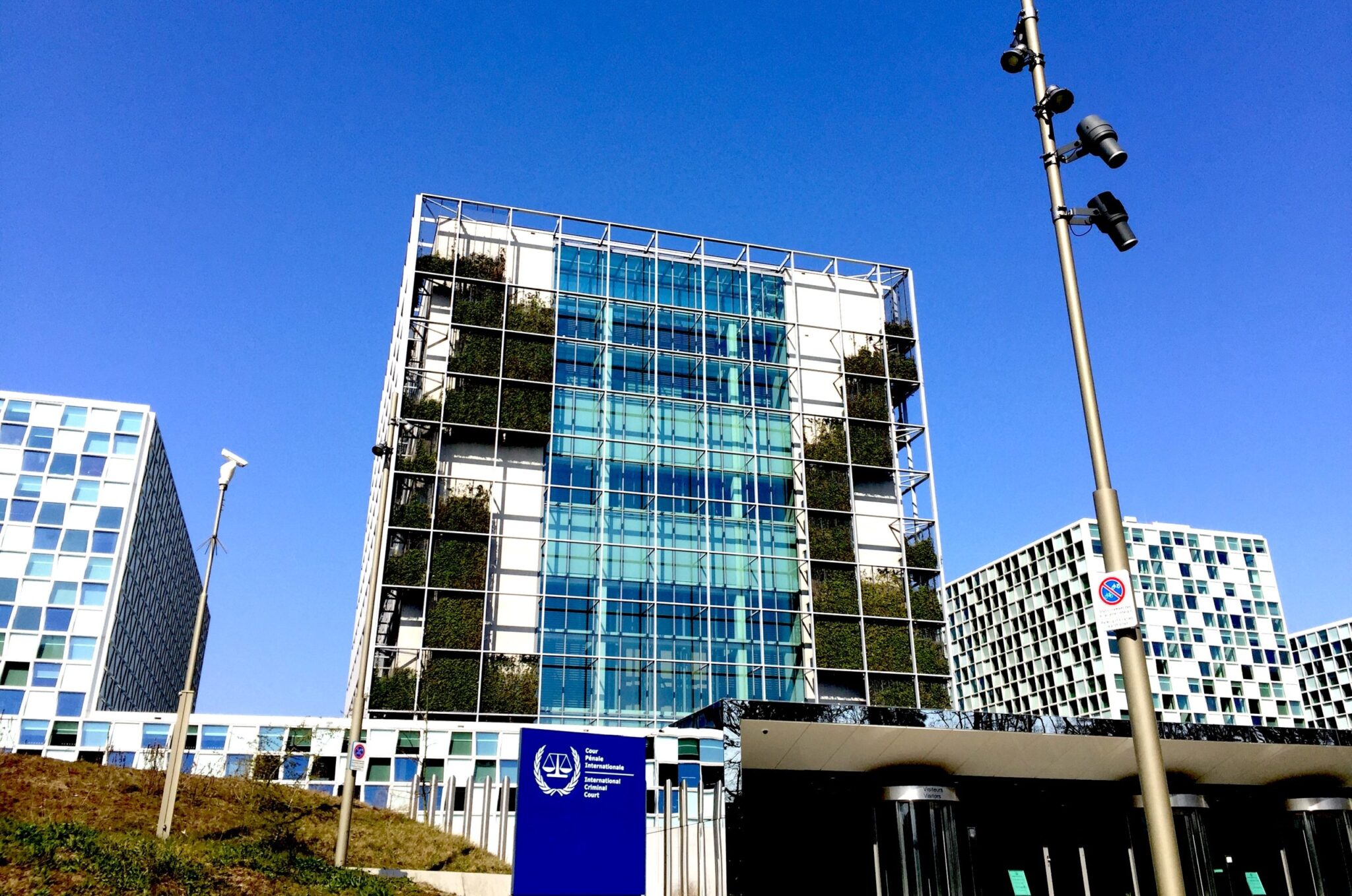
The battle to save the global court and its capacity to enforce accountability for the most heinous crimes is one struggle with many fronts, writes Marjorie Cohn.
Disparos israelenses mataram uma pessoa que estava em um carro em Gaza e pelo menos outras duas em diferentes partes do enclave nesta quinta-feira (22), informaram autoridades de saúde locais.
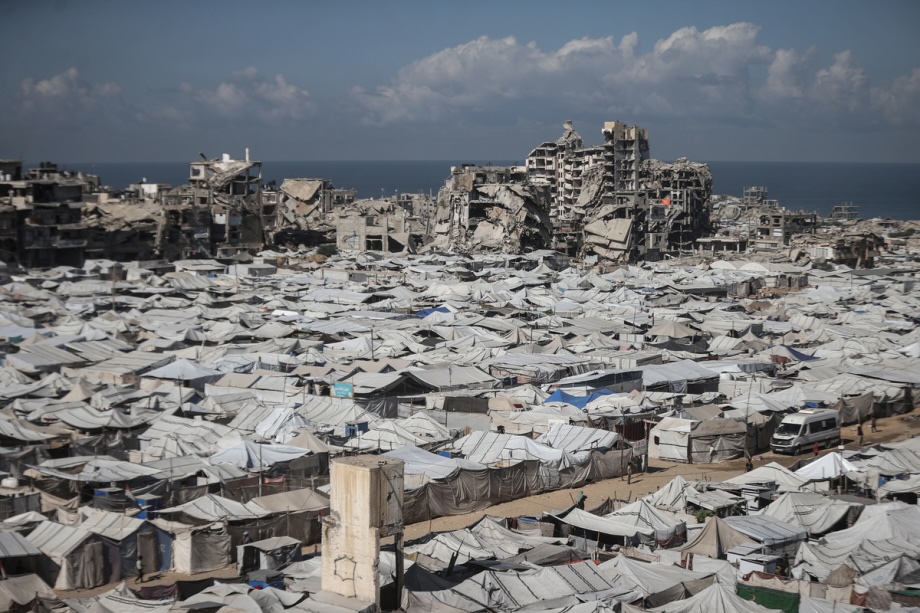
Fotos do local mostram uma multidão reunida ao redor dos destroços em chamas, no bairro de Tel Al-Hawa, em Gaza, enquanto equipes de emergência — vestindo coletes cor de laranja — lançavam água sobre o veículo.
Outro ataque matou um palestino que estava em uma bicicleta na cidade de Khan Younis, no sul, e disparos resultaram na morte de uma mulher perto do campo de refugiados de Jabalia, no norte, acrescentaram os profissionais de saúde.
As forças militares de Israel informaram ter atingido um militante do Hamas em Khan Younis, sem fornecer mais detalhes.
O Exército acrescentou que ainda está verificando relatos sobre ataques em Jabalia e no bairro de Tel Al-Hawa, em Gaza.
Israel, que afirma que o grupo militante Hamas tem se rearmado e realizado ataques — violando um cessar-fogo que já dura um ano —, intensificou as ofensivas contra o grupo nas últimas semanas.
O grupo nega que esteja tentando realizar ataques ou reconstruir seu arsenal, e acusa Israel de minar o acordo de paz em Gaza.
O cessar-fogo do ano passado, mediado pelos Estados Unidos, prevê a futura reconstrução do território.
No entanto, houve pouco progresso, uma vez que os negociadores não conseguiram chegar a um acordo sobre os termos para o desarmamento do Hamas e a retirada das tropas israelenses.
Os ataques aéreos israelenses continuam.
Segundo autoridades de saúde de Gaza, pelo menos 1.500 palestinos foram mortos no território desde o início do cessar-fogo; Israel, por sua vez, relata a morte de quatro de seus soldados.
Autoridades palestinas afirmam que mais de 74 mil pessoas foram mortas na ofensiva de Israel contra Gaza — iniciada após combatentes liderados pelo Hamas matarem cerca de 1.200 pessoas no sul de Israel, em 7 de outubro de 2023.
António José Telo avisa para a falta de estratégia e de relevância da Europa nas decisões globais. Aponta ainda o foco de Trump nas eleições e os preparativos para atacar o Irão.
Para o historiador Bruno Cardoso Reis, não há condições reais para se chegar a um acordo de paz. O historiador alerta que Vladimir Putin está apenas a tentar enganar Donald Trump nestas conversações.
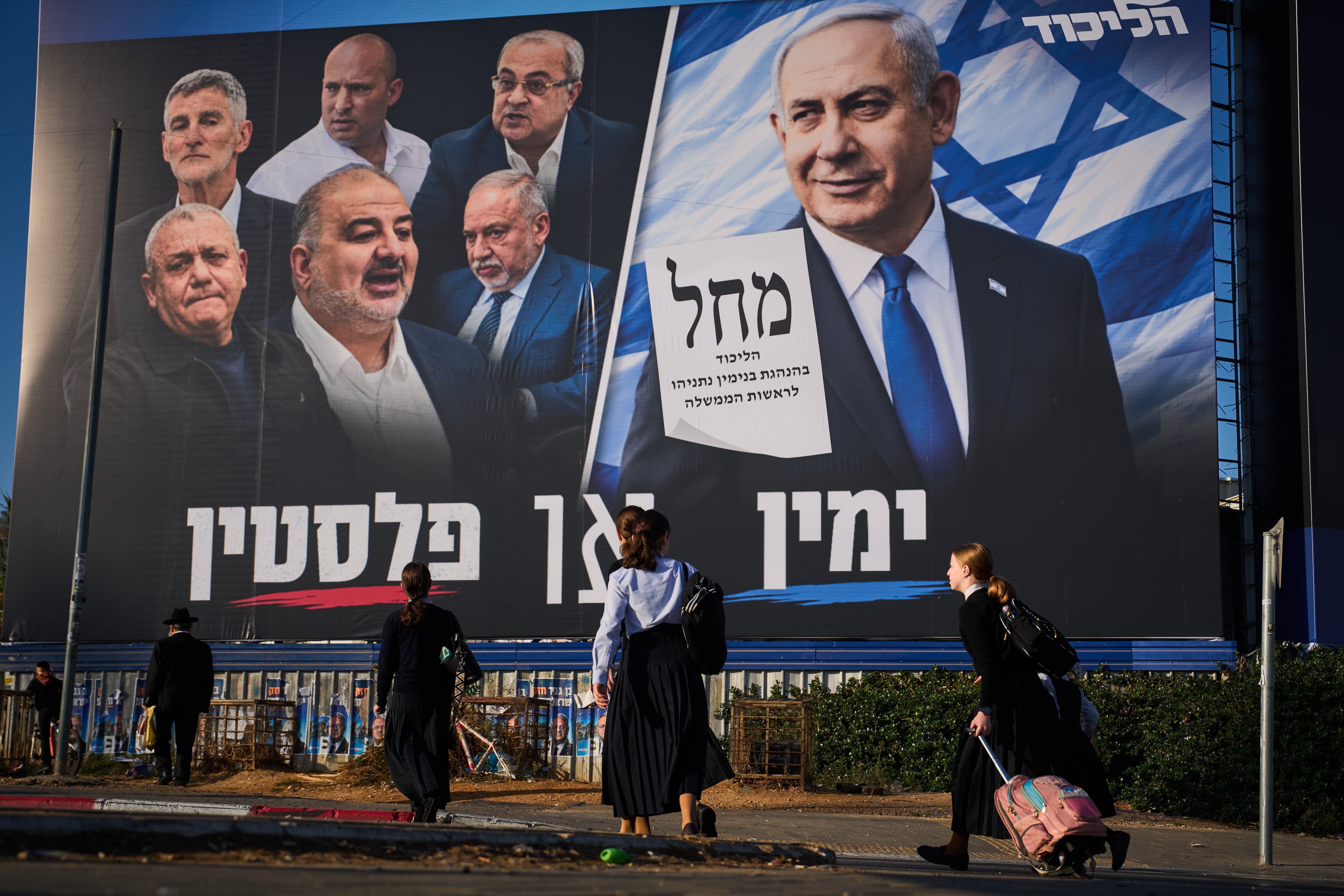
Las elecciones del 27 de octubre en Israel estarán dominadas por una única pregunta: mantener a Benjamin Netanyahu o deshacerse de él. Pero hay una lucha más profunda sobre la identidad del país, y las fuerzas antiliberales de Israel están ganando.
Iran demanded Israel’s expulsion from the Conference on Interaction and Confidence Building Measures in Asia (CICA) for its crimes against Palestinians and other countries, calling it “the most important source of insecurity and instability” in the region.
“If the international community does not stop America and Israel today, their aggression will spread to all independent countries … it is time for this [Zionist] regime to be expelled from the CICA mechanism,” Iran’s deputy Foreign Minister Kazem Gharibabadi said during its meeting on Thursday, October 15.
The seventh summit of the 29 member CICA process, formed in 1999 as an inter-governmental forum for establishing peace, security, and stability in Asia was held in Baku, Azerbaijan on Thursday.
Prior to Iran putting its demand for Israel’s expulsion, representatives of almost a dozen countries including Iran, Turkiye, Pakistan, Indonesia, Bangladesh, and Egypt walked out of the meeting once the Israeli President Isaac Herzog started speaking.
This was the second time this year that a top Israeli official faced mass boycott on international forums. Last month, when Prime Minister Benjamin Netanyahu was addressing the annual session of the UN General Assembly, delegates from 77 countries boycotted his speech over the genocide in Gaza and other wars in the region.
Representatives from Kuwait also joined the walk out on Thursday, contradicting recent reports in Israeli and US media about it being one of the probable countries to join the so-called Abraham Accords, devised by US President Donald Trump during his first term in office to end the isolation of Israel in the region.
Despite the Trump administration’s push, so far only the UAE, Bahrain, Sudan, and Morocco have joined the accords.
Israel is the threat to regional peace
Gharibabadi mentioned how Israel has been involved in two illegal wars against his country within 16 months from its continued “occupation of Palestinian territories, violation of the rights of Palestinian people, and the escalation of tensions in Lebanon, Syria, as well as other parts of the region,” the IRNAreported.
Gharibabadi claimed that his country believes that “one cannot speak of sustainable security in Asia while remaining indifferent to occupation, aggression, military threats, and violation of the rights of the Palestinian nation.”
He also pointed out the broader challenges to regional and global peace and stability, claiming that the CICA meeting was held at a time when the international order is facing “one of its most significant challenges, namely; the “normalization of the use of force, alongside attempts to impose its political will upon independent nations through military aggression, sanctions and threats.”
Gharibabadi highlighted the combined role of Israel and the US, claiming each of the Israeli crimes against the Palestinians and other countries in the region is committed with the support provided by the US who acts as a “big brother” to the Zionist regime.
Answering the concerns raised by several delegates in the meeting, Gharibabadi underlined that peace in West Asia and safe navigation through the waterways in the region is only possible if there is a permanent end to all kinds of aggression and war and there is respect for its sovereignty and territorial integrity.
The CICA conference ended with the adoption of the Baku Declaration, which highlighted the need to address growing military, political, economic, and environmental risks.
A 10-year-old boy died in Gaza on Wednesday of wounds sustained in an Israeli attack days earlier, as the Israeli military continued launching strikes across the besieged Palestinian territory. The boy, identified as Abdul Rahman Khalil Awad, was hit by an Israeli drone strike in Gaza City on October 19. Footage from Gaza on Wednesday […]
Nuno Gouveia afirma que os americanos votam pelo bolso: a subida nos custos da energia, provocada pela guerra com o Irão, atinge o custo de vida e leva o eleitorado a castigar Trump nas intercalares.
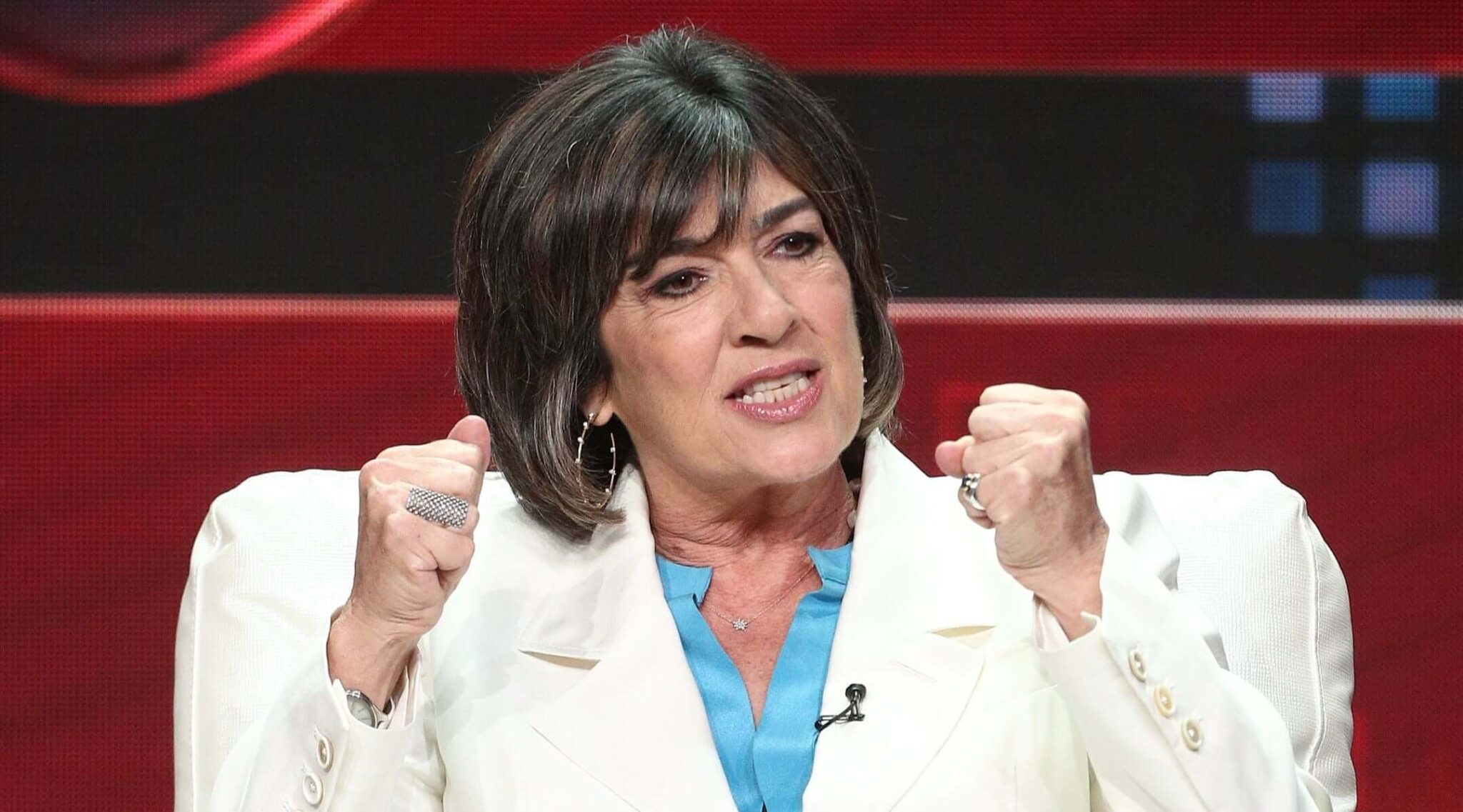
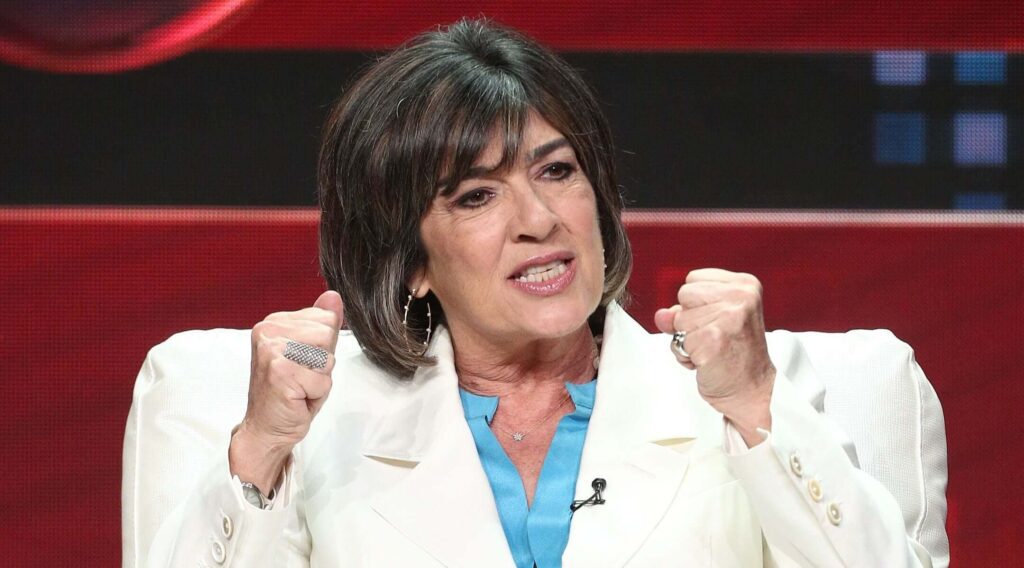
The veteran war correspondent earned acclaim for challenging the powerful, but her Mideast reporting drew sharp criticism from some Jewish and pro-Israel viewers
As protests continue to ripple across European cities, the Italian Green MEP Benedetta Scuderi reflects on her own experiences of police repression, from holding a peace flag near a Brussels protest to facing the fury that followed the flotilla to Gaza. She spoke to EUobserver about the EU’s housing priorities, Italy’s elections, and how the far-right has captured freedom of expression for its own use.
You were detained by police in July, a few hundred meters from a far-right protest calling for “re-migration”. How has the rise of the far-right stalled some key areas, like freedom of speech?
The rise of the far-right is really threatening European democracy as we know it. It has never been perfect, but it allowed people to protest. Now, we only let certain people express their dissent.
In the European Parliament, people can discriminate and use hate speech because of their freedom of expression, but as you go out of parliament with a Palestinian flag, then you’re a terrorist. So, how is it possible that last Strasbourg plenary, I could hear my colleagues saying that Muslims are a threat, and there are no consequences? And then I go out and I say, “Free Palestine,” and I’ll be arrested.
This double standard is extremely problematic. The fact that not allowing fascist symbols within the parliament also meaning that no other symbol can be shown, is not okay. Because we need to be fine to say that certain things are discriminatory and against European values, without having to say that everything else is not allowed.
We also need to be able to accept dissent. What is happening all over Europe, with violence increasing towards activists, we’re seeing it target only a certain kind of activists. In Italy, fascist protests are ignored by police. Farmers can come to the parliament with tractors, and that’s completely fine. And then we have 20 people doing a sit-in for Palestine in front of the parliament, and getting their heads smashed.
This article continues, but the full version is available only to EUobserver.com subscribers. Visit account.euobserver.com/membership
Don't ignore the Palestine issue because "it's complicated." It's un-complicated! Keep up in just a few minutes a day with IAK's curated and accurate Daily Updates.
Jorge Rodrigues alerta que a Ucrânia enfrenta uma pressão sufocante devido ao alinhamento entre Trump e Putin. Avisa que Moscovo dificilmente aceitará a NATO como garantia de segurança para Kiev.
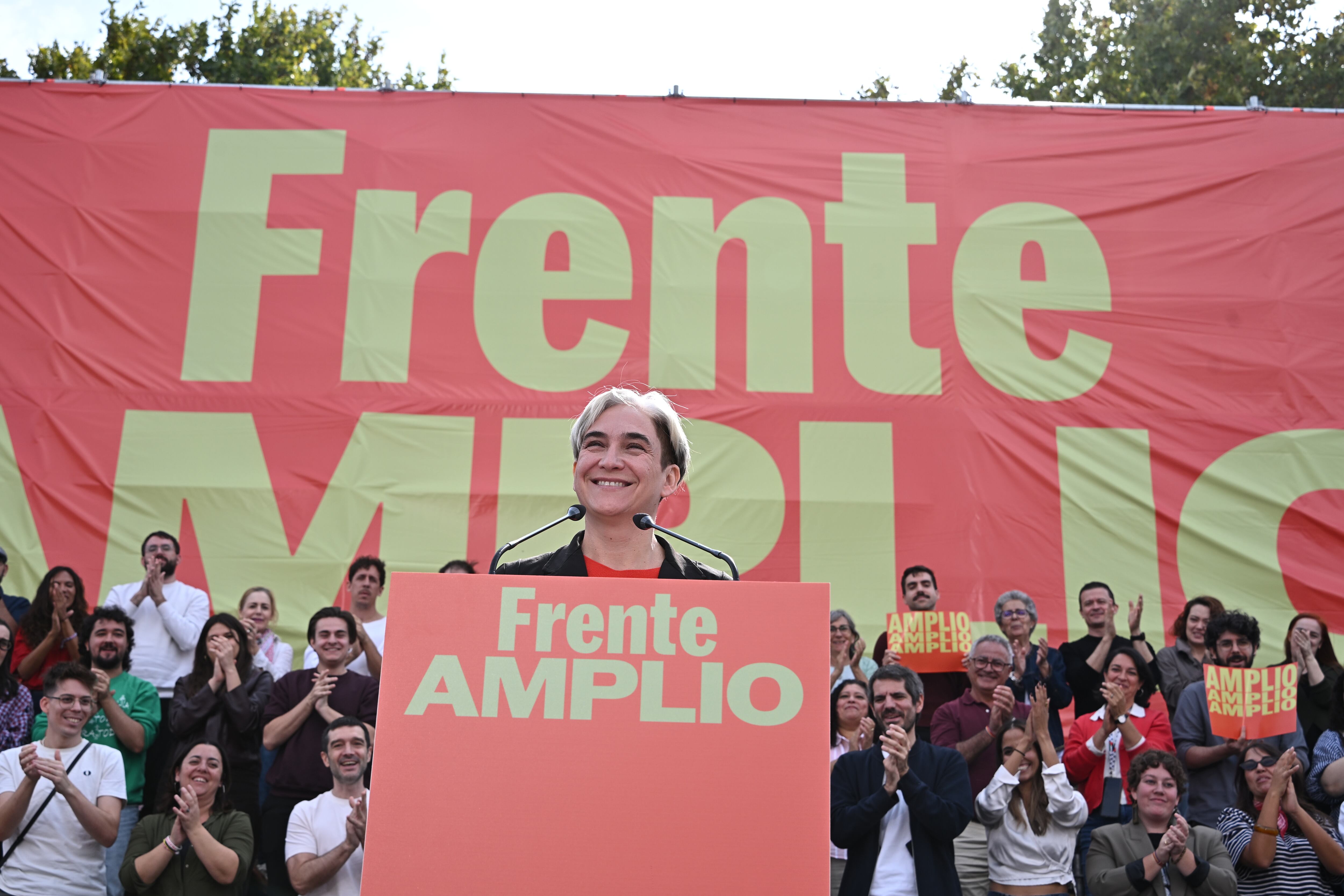
El gobierno de Estados Unidos ha denegado el visado a Ada Colau para participar en un encuentro de la red de ciudades Fearles Cities que se celebrará en Puerto Rico en dos semanas. Inicialmente, el ejecutivo de Donald Trump, solicitó el visado electrónico digitalmente y se aprobó a todo el equipo de la candidata del Frente Amplio salvo a ella. Por ello viajó a Madrid para una entrevista en la Embajada de Estados Unidos durante la que las preguntas se centraron exclusivamente en su participación en la flotilla de ayuda humanitaria que quería entrar en Gaza y por la que fue retenida en Israel durante tres días, explican fuentes próximas a la candidata.
La candidata del Frente Amplio y exalcaldesa de Barcelona, Ada Colau, el día 17 en la presentación de la candidatura a las elecciones generales en Madrid.
O Coronel José do Carmo avisa que a Ucrânia vai ficar em desvantagem nas negociações de paz, já que a pressão dos Estados Unidos favorece a Rússia e obriga Kiev a ceder nas conversas.
El ministro de Guerra israelí, Israel Katz, declaró que el ejército no se retiraría de las zonas que actualmente controla y afirmó que la entidad sionista está aplicando el "modelo de Gaza".
Israeli attacks across Gaza on Tuesday killed at least four Palestinians as the IDF continues its constant violations of the US-backed ceasefire deal. The Palestinian news agency WAFA reported that one Israeli strike hit an apartment building in Gaza City, killing a man and his wife, identified as Akram Yassin and Dina Abu Baker. Photos […]
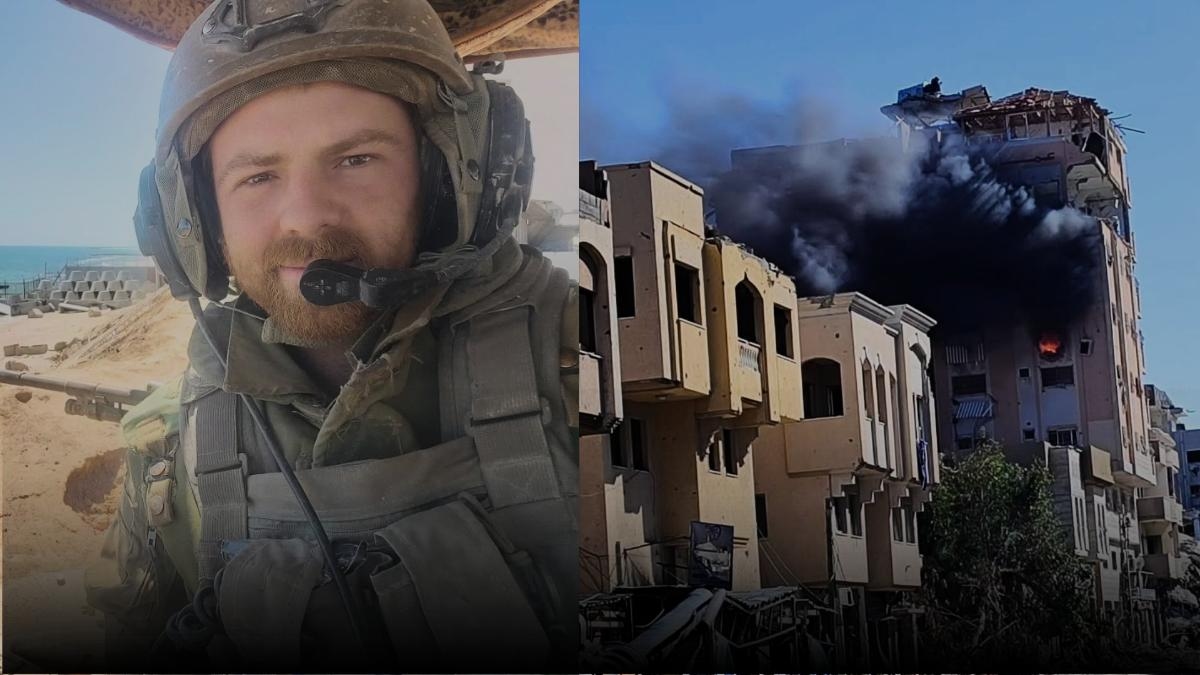
HRF alleges that Sean Glass likely gave the order to open fire. His alleged responsibility extends across Gaza: attacks on Al-Shifa Hospital, destruction of UNRWA headquarters, and the razing of entire neighbourhoods—devastation he publicly celebrated.
Over the past year, attacks by Israel-backed Palestinian militias have become increasingly frequent in Gaza, particularly targeting Palestinians living close to the ever expanding “yellow line.”
La institución canadiense apartó al bajo-barítono Gabriel Sánchez-Ortega de las funciones de Tosca tras exhibir la bandera palestina al finalizar el estreno.
 Login