Hadassah Medical Centre Limassol said on Thursday that it operates legally with the required licences and has never performed plasmapheresis on a patient.
In a statement, the centre said an earlier report made by Politis gave “misleading impressions that require immediate correction”.
It denied that specific complaint was pending, and it had not been informed of any finding that questioned its current operation.
Politis had reported that the health ministry was examining new complaints and that the centre holds only an imaging centre licence.
Deputy permanent secretary Elisavet Constantinou told the paper it has no hospital licence or other licence to operate as a healthcare facility, though Politis clarified that this in itself did not make any other activity unlawful.
Hadassah said a separate medical centre licence is not required for its current activities beyond professional and individual requirements, and that the licence for its radiology department had been secured.
It said a possible upgrade to a day care unit would be a separate licensing process and did not mean it was waiting for a licence for its current services.
On plasmapheresis, Politis reported that ministry inspectors had found the equipment during an inspection.
Hadassah said the equipment “was not concealed” and that a list naming the plasmapheresis system and an ozone therapy unit was sent to the ministry on August 26 as part of the final file for the imaging centre licence.
“The purchase of equipment for a planned service does not constitute proof that the service was provided,” it said.
Politis had also pointed out that only three doctors appear on the centre’s website.
Hadassah said it had already given the paper a list of 15 doctors and two clinical dietitians, and that it employs five licensed nurses and seven physical therapy and exercise professionals.
A further 15 doctors are under discussion with Hadassah but have not been announced as according to the centre “approvals are incomplete”, and it is not presenting them yet as partners.
Politis reported that some examinations or treatments may have involved doctors in Israel taking part by telephone or video link, a claim it said had not been independently verified.
Hadassah called this a misrepresentation of its second opinion service, expanding that the local doctor reviews the file and, if a second opinion is warranted and the patient agrees, prepares a report with specific clinical questions for a specialist at Hadassah in Jerusalem.
The process “does not involve tele-guidance” of a procedure in Cyprus by a doctor in Israel, it insisted.
Chief executive Dr George Zachariadis had earlier given Politis no direct answer on teleconference participation.
The centre said it “accepts the audit and responds with evidence” but would not tolerate publications that harm its reputation through “inaccuracies and insinuations”.
The centre, based in Ayios Tychonas, has no operating theatres or inpatient beds and advertises its offering being imaging, cardiac assessment, neurological rehabilitation and physiotherapy.
In Israel, news outlet Calcalist reported that the health and finance ministries were not informed of the project beforehand.
Hadassah said it “did not invest a single shekel” in the centre, which is financed by Cypriot investors.
From November 21, all referrals from Cyprus to Hadassah in Jerusalem will go through Limassol.
The Cyprus Mail approached the Hadassah medical centre, as well as both the Cypriot and Israeli health ministries for comment.
Earlier this month, Aramco’s chief executive, Amin Nasser, assured the markets that “our system is intact” and that Saudi Arabia could restore its full 12 million barrels a day of capacity within days. It is a comforting message, and Washington, European capitals and oil traders have every reason to want to believe it. It is not true.
Karl Miller has just completed a 37-slide operating assessment of Saudi Arabia’s energy system, covering everything from the oil fields to the fuel depots, as of October 20. I have read it closely. It is the most careful accounting of this damage I have seen, and it is careful in a way that should worry anyone counting on Saudi oil this winter. Miller does not count Houthi boasts, social-media videos or plumes of smoke as damage. He separates confirmed hits from claims, and he refuses to add up the design capacity of every facility that was struck as if it were all offline at once. Even with all of that discipline, the picture is grim.
A quarter of Saudi production is gone
Start with the headline number. In February, before the war, Saudi Arabia produced about 10.88 million barrels of crude a day. In September it was still producing 2.51 million barrels a day less, a drop of 23 percent. In August the shortfall was 4.64 million barrels a day, when output sank to about 6.24 million. From March through September, the Kingdom produced more than 800 million fewer barrels than it would have at its February rate. That is roughly eight days of total world oil consumption that never came out of the ground.
Aramco’s own books say the same thing. In the company’s reported figures, its liquids production fell from 10.56 million barrels a day in the first quarter to 7.57 million in the second, a 28 percent collapse in a single quarter. Natural gas and ethane fell nearly 6 percent. A company whose system was intact does not report numbers like that.
Exports followed production down. In one consistent tracking series, Saudi crude exports fell from 7.27 million barrels a day in February to 3.70 million in August, a 49 percent drop. They recovered to 5.62 million in September, but that is still 23 percent below the pre-war level.
The damage runs through the whole chain
The reason the recovery keeps stalling is that the damage is not in one place. It runs from the wellhead to the gas station.
At the front end, the Abqaiq complex, the plant that conditions most of Saudi Arabia’s light crude before it can be shipped or refined, sustained physical damage in July. In March, some 2 to 2.5 million barrels a day were curtailed across the offshore Safaniya, Marjan, Zuluf and Abu Safa fields. In April, Khurais and Manifa each lost 300,000 barrels a day.
In the middle, five of the Kingdom’s major refineries have been damaged or shut down. Ras Tanura, at 550,000 barrels a day the largest domestic refinery, burned and was shut in March. SATORP in Jubail lost three units in April, restarted at half capacity and was still running at only about 70 percent in May. SAMREF in Yanbu was hit in March. The Riyadh refinery caught fire on October 3. Jazan, a 400,000-barrel-a-day plant designed to turn out 250,000 barrels a day of ultra-low-sulfur diesel, shut down on July 27 after its power plant and tank farm were hit, and Ansar Allah attacks in August and September disrupted every attempt to restart it. Satellite imagery now shows tank damage at Petro Rabigh as well. The Juaymah gas-liquids plant, which feeds Saudi Arabia’s LPG exports, has suffered fires.
At the back end, the system for storing and moving fuel is being picked apart. Imagery of the Abha bulk plant from September 13 shows six tanks apparently destroyed and eight more damaged. A depot near Riyadh’s airport burned on September 19. Jazan’s tank clusters have been hit repeatedly.
And the East-West Pipeline, Saudi Arabia’s only way to move crude to the Red Sea and around a closed Strait of Hormuz, has been hit again and again. In April, 700,000 barrels a day of pumping capacity was knocked out. In September, repeated attacks took out three pumping stations and halted the line until a low-rate restart on September 22. On October 4 and 5, another pumping station near Khurais was reported badly damaged. The energy minister now says the line is running at 5.8 million barrels a day, against a rated 7 million. Even Miller notes that no one outside Aramco is metering the actual flow.
Why repairs don’t stick
Miller’s most important insight is that this is a system, and systems fail at their weakest link. Jazan is the clearest example. Fixing the crude units does no good if the gasification and power plant that run the refinery is still damaged, and fixing the power plant does no good if there are no tanks to put the diesel in. A refinery can be “restarted” on paper and still produce nothing useful. The same logic runs upstream. An oil field with every well intact still has to shut in if the processing plant or pumping station downstream of it is broken.
Every time Aramco gets one link repaired, another one gets hit. That is why restart announcements keep failing to show up in the production numbers.
Saudi Arabia is running out of fuel to sell
The most alarming numbers in Miller’s report are about refined products. By July, the latest month with complete data, Saudi refinery output was down 534,000 barrels a day from February, nearly 18 percent. Diesel output fell 21 percent. Diesel exports fell 47 percent, from 848,000 barrels a day to 446,000. Gasoline exports fell 40 percent.
The Saudis have been covering the gap by draining their tanks. Diesel stocks fell from 25.6 million barrels in February to 16.6 million in July, down 35 percent. Gasoline stocks fell by the same proportion. The world’s largest oil exporter more than doubled its imports of fuel oil, and it is burning more than twice as much crude directly in its power plants as it did in February. Some of that is the summer air-conditioning load, but it is not the behavior of a country with fuel to spare.
Lower stocks mean less cushion for the next attack. And there will be a next attack.
The trap Riyadh is in
Miller’s report spells out one more danger that I have not seen discussed anywhere else. If Saudi Arabia’s export outlets close, its oil has nowhere to go but its own refineries, its own power plants and its storage tanks. In July, domestic refineries and direct burning absorbed about 3.04 million barrels a day. Once the storage is full, that is roughly the ceiling on what Saudi Arabia could keep producing. Close Ras Tanura and Yanbu at the same time, and the Kingdom would have to shut in most of its oil fields. That is exactly the scenario Ansar Allah’s campaign against the pipeline, the Red Sea and the Gulf terminals is built to produce.
Why this matters to everyone else
The rest of the world is already living with the consequences. Saudi diesel exports are down by about 400,000 barrels a day, at the same moment Hormuz is restricted and Russian refineries are under drone attack. The International Energy Agency says the global diesel shortage will last well into 2027. Brent is above $100. Europe, which depends on imported diesel, is already rioting over the cost of living, and winter has not started.
Miller makes no claim that every barrel of lost output was blown up by a Houthi missile, and he is careful to say so. Some of the decline reflects shipping, security and commercial decisions. But the point is that it doesn’t matter to a trucker in Lyon or a farmer in Lombardy whether a barrel was lost to a missile, a closed sea lane or a refinery that has no power. It is gone either way.
So when Aramco says its system is intact, ask what the production figures, the export figures and the fuel stocks say. They say Saudi Arabia is producing a quarter less oil than it did in February, exporting half as much diesel, and drawing down its reserves to keep the lights on. Any new American or Israeli campaign against Iran will land on a Saudi energy system that has no slack left to absorb it.
If one were seeking to create something like a modern-day folk tale based on current realities and having the theme of “good versus evil” there are any number of real-life narratives available that could be exploited to invite speculation on actual environments that might have served as models for the fiction. I have found much of the bizarre and blood-soaked evil relationship between the United States and Israel, which serves no US interest at all, to be one such arrangement in which two countries have through their own behavior become the most hated in the world. They have successfully established an odd partnership based largely on a common view of which other nations they hate and would like to destroy.
One must consider the monstrous joined-at-the-hip relationship between Washington and Tel Aviv, which is likely soon to become a true military and policy partnership by act of Congress. It will leverage the already existing ability of tiny Israel to manipulate and dominate the large and powerful United States. And there is also something else that should be reckoned with in the arrangement, and that is melding of the desire of the two countries to dominate not only their neighbors but also far beyond that. One can cite the aberrations in behavior that reveal how neither government wants to get along with other nations except in those rare cases where America and the Jewish state are accepted and even honored in spite of not being bound by any rules, decency or even democratic norms.
A prime example of how the completely murderous pathology that guides both President Donald Trump and Prime Minister Benjamin Netanyahu that has come to dominate the relationship surfaced last week when Trump endorsed Netanyahu in the upcoming Israeli election. It was a case of two completely evil men finding common ground to congratulate themselves and advance their respective careers, which nearly all of the rest of the world would like to terminate!
Both men are in trouble with their respective electorates in large part because their obsession with endlessly killing anyone annoying be it in the Caribbean or Gaza, has become suspect, largely because the killing is without any actual objective and no real good comes out of the process. This is particularly true for voters in the US who have suffered the bullying by Israel and its domestic Lobby and also bear the tax burden and shortages that are the only fruit that falls from the trees of the conflicts. In Israel the equation is somewhat different as 90% of the Jewish voters want to eradicate even more Muslims and Christians and fully support a new Prime Minister who will kill even more of the vermin.
Observe what a brain dead Trump has to say about his good buddy Netanyahu in a shared phone call in which they first exchanged pledges that they would soon “finish the job,” the “job” in question being the “extermination” of Iran and most particularly its government. Bibi told Trump “Donald, we have a job to finish. You said it, and we’ll finish it together. We’ll finish it, and no one else will do it.” Bibi explained later how “I have spoken about this with President Trump more than once, including the day before yesterday… Finishing the job means bringing down the terrorist regime in Iran. It is the head of this poisonous octopus. You cut it off, and it will fall. We will also have peace with Lebanon. We must complete the elimination of the Iranian regime — that is the primary objective.”
Trump then responded in kind, telling Netanyahu that “You’re a warrior, and you’ve been treated unfairly by your country and from some others … but you’re a great warrior, and we will prove that. We will prove that very soon. I think you’re terrific, Bibi … You’re the man I want by my side, Bibi.” On Truth Social Trump later elaborated how “Bibi Netanyahu has been a Great Warrior Prime Minister and an even greater Partner for Peace in combatting the Islamic Republic of Iran.” He is “Strong, Brave, and Brilliant, the kind of Partner that the United States of America is demanding of Israel, a Country for which it has done so much.”
Clearly Netanyahu wants to get reelected to stay out of jail for corruption, apart from anything else, and he knows that unconditional support from the United States is essential to achieve that end and keep the wars in Lebanon, Syria and Iran going. What the two monsters were pledging was the total destruction of a nation of 90 million people that prior to the war initiated by Israel and the US had not threatened in any way either nation. That means it was per the Geneva Convention a war crime and besides which it is a violation of the War Powers Act and the US Constitution that Trump had sworn to support. Israel was admittedly the driving force behind the war against Iran, which has done huge damage to the world economy, because it saw the country as a political-military competitor in the Middle East region and Netanyahu was able to convince a stupid and willfully ignorant Trump that the war would be over in a week or two, a walk-over.
In a move that is being interpreted as an additional American support for Netanyahu in the upcoming election, US Secretary of War Pete Hegseth made an unannounced visit to Israel on Monday and met with the Prime Minister. The talks reportedly took place at the Ovda Air Base in southern Israel, where US refueling planes and fighter jets are deployed. Hegseth also met with some US troops. As Netanyahu and President Trump have discussed the possibility of restarting the full-scale bombing campaign against Iran the appearance and timing of the Hegseth visit, as he is the strongest supporter of resuming strikes on Iran within the administration, suggests that the war will soon be resuming.
Beyond the depressing likelihood that the war against Iran will soon start up again, there is the language employed by Trump, which as usual is inane. So Bibi is a “great warrior”? That comes from a draft dodger who avoided US military service in 1968 not for any moral reason but because it was inconvenient for him so his father arranged for a Jewish doctor to fake the records for a medical deferment. Trump had “bone spurs,” a condition largely unheard of in the real world before Trump came up with it on paper. And now the draft dodger is praising a “great warrior” who sends his men and women out to shoot three year olds as part of a regime that has been killing children systematically and without any consequences since the conflict with Gaza began.
And, unfortunately, the bad news is still coming. There is no doubt Trump has been the most servile president in US history when it comes to his constant supporting Israel even when it carries out genocide and kills American citizens. Trump has never failed to obey Netanyahu, but, it must be observed, he has only done slightly more so than Biden and the Democrats did when they preceded him in office. So one should have doubts that a possible change-over in the US Congress and Senate, where Israeli flags can be seen flying in some of the offices, is going to make much difference when it comes to the United States “standing with our best friend and closest ally Israel.”
Philip M. Giraldi, Ph.D., is Executive Director of the Council for the National Interest, a 501(c)3 tax deductible educational foundation (Federal ID Number #52-1739023) that seeks a more interests-based U.S. foreign policy in the Middle East. Website is https://councilforthenationalinterest.orgaddress is P.O. Box 2157, Purcellville VA 20134 and its email is inform@cnionline.org.
Iranian Foreign Ministry spokesman Esmaeil Baghaei says the United States’ negotiating behavior, marked by coercion and one-sided demands, rather than Iran’s religious beliefs, makes rational negotiations impossible.
In a post on his X account on Thursday, Baghaei questioned the relevance of Iranians’ “religious beliefs” to Washington’s failure to honor its diplomatic commitments and its addiction to force and pressure.
He said faith does not preclude rationality, noting that genuine diplomacy requires more than imposing terms on the other side.
“Faith does not preclude ‘rationality’, just as secularism does not guarantee wisdom,” he wrote, adding that Washington’s negotiating behavior amounted to “one-sided dictation rather than genuine diplomacy.”
He said Iran’s “religious beliefs” are not an obstacle to “rational negotiations”; rather, Washington’s reliance on “one-sided dictation” instead of genuine dialogue is what makes such talks impossible.
Baghaei emphasized that the United States cannot expect a lasting agreement while demanding concessions without reciprocity, dictating terms and disregarding the other side’s legitimate interests.
The spokesperson urged the US to stop making ideologically driven assumptions about Iranians’ religious beliefs and instead understand Iran’s strategic interests and legitimate security concerns.
“And above all, instead of accusing others, address your own record of broken promises,” he pointed out.
Baghaei’s remarks come as tensions between the United States and Iran have remained unresolved through negotiations and dialogue over the past several months.
US Secretary of State Marco Rubio said Tuesday that it is extremely difficult to reach an agreement with Iran, claiming that Iranian leaders do not know how to negotiate and are controlled by “radical Shia clerics”, who would be driven by their theology.
Reports that the US military has drawn up plans for renewed strikes against Iran, potentially targeting the country’s energy infrastructure and peaceful nuclear sites with the GBU-43/B Massive Ordnance Air Blast (MOAB), dubbed the “Mother of All Bombs,” underscore the threat of further US aggression against the Islamic Republic.
The latest threats come amid Washington’s repeated violations of the Islamabad Memorandum of Understanding (MoU), reached after 40 days of US-Israeli aggression against Iran.
The war began on February 28, 2026, while Tehran and Washington were engaged in negotiations over Iran’s peaceful nuclear program.
The attacks were launched after three rounds of indirect negotiations in Muscat, Oman, and Geneva, Switzerland, with technical talks scheduled to begin in Vienna, Austria.
Iran swiftly retaliated with barrages of missiles and drones targeting the Israeli-occupied territories, as well as US bases and interests across the region.
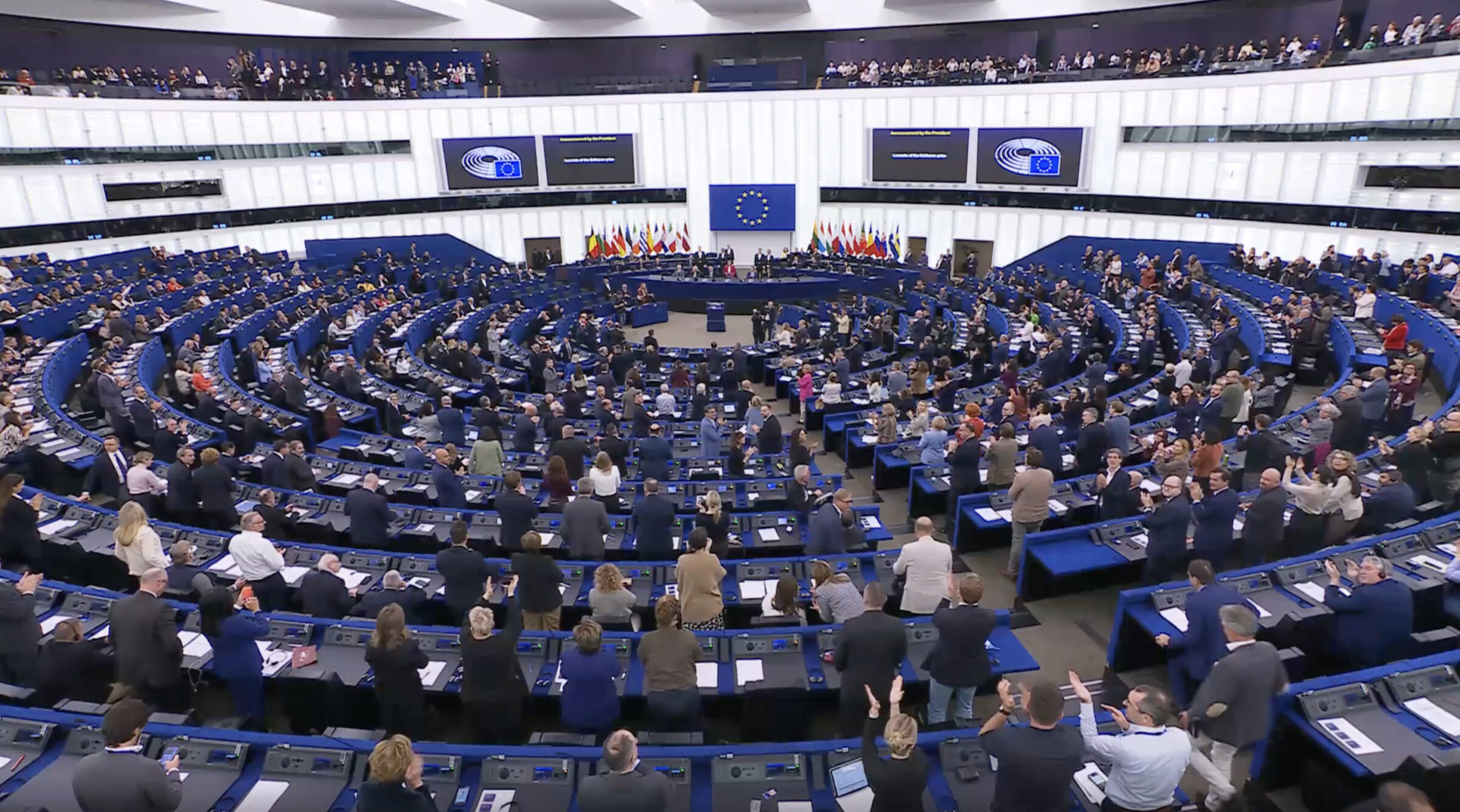
The International Criminal Court (ICC) has received the EU’s Sakharov Prize for Freedom of Thought.
Reacting to EU Parliament president Roberta Metsola’s announcement of the prize winner on Thursday (22 October), the Hague-based court said it is “thankful” for the recognition of the court and its officials.
“This award comes at a time when the court and its officials face unprecedented challenges, including sanctions aimed at disrupting the court’s judicial mandate,” ICC president judge Tomoko Akane told EUobserver in a statement.
The parliament’s recognition “underscores the importance of […] support to enable the Court to carry out its mandate independently and impartially, in the service of justice and the victims of the gravest crimes,” said the Japanese judge.
The court’s win comes after US president Donald Trump put his weight behind Israeli efforts to discredit the international judicial body by extending sanctions against it.
The ICC investigates and tries individuals charged with war and human-rights related crimes. When it issued an arrest warrant in 2024 for Israeli prime minister Benjamin Netanyahu for alleged war crimes, the US responded by sanctioning its judges.
EU Commission president Ursula von der Leyen welcomed the win, saying: “For victims of the world’s gravest crimes, justice means a voice. The ICC must be free to pursue its mission, independently, and without pressure or intimidation. Europe stands firmly behind president Tomoko Akane, the Court’s judges and officials, and their vital work for a world governed by rules.”
New sanctions against the court were announced by the Trump administration this month after the Nobel Peace Prize went to Navi Pillay, a former ICC judge who concluded in a UN report that Israel is committing genocide in Gaza.
Tomoka said: “While this prize recognises the work of the court in combating impunity and ensuring fair trials, it is also an important recognition of the role of international justice as a cornerstone of lasting peace. In a world marked by rising conflicts, there is no peace without justice and no security without law.”
Strasbourg stands for justice
French MEP Chloé Ridel initiated the ICC’s nomination for the Sakharov Prize on behalf of the Socialists & Democrats parliament group.
This article continues, but the full version is available only to EUobserver.com subscribers. Visit account.euobserver.com/membership
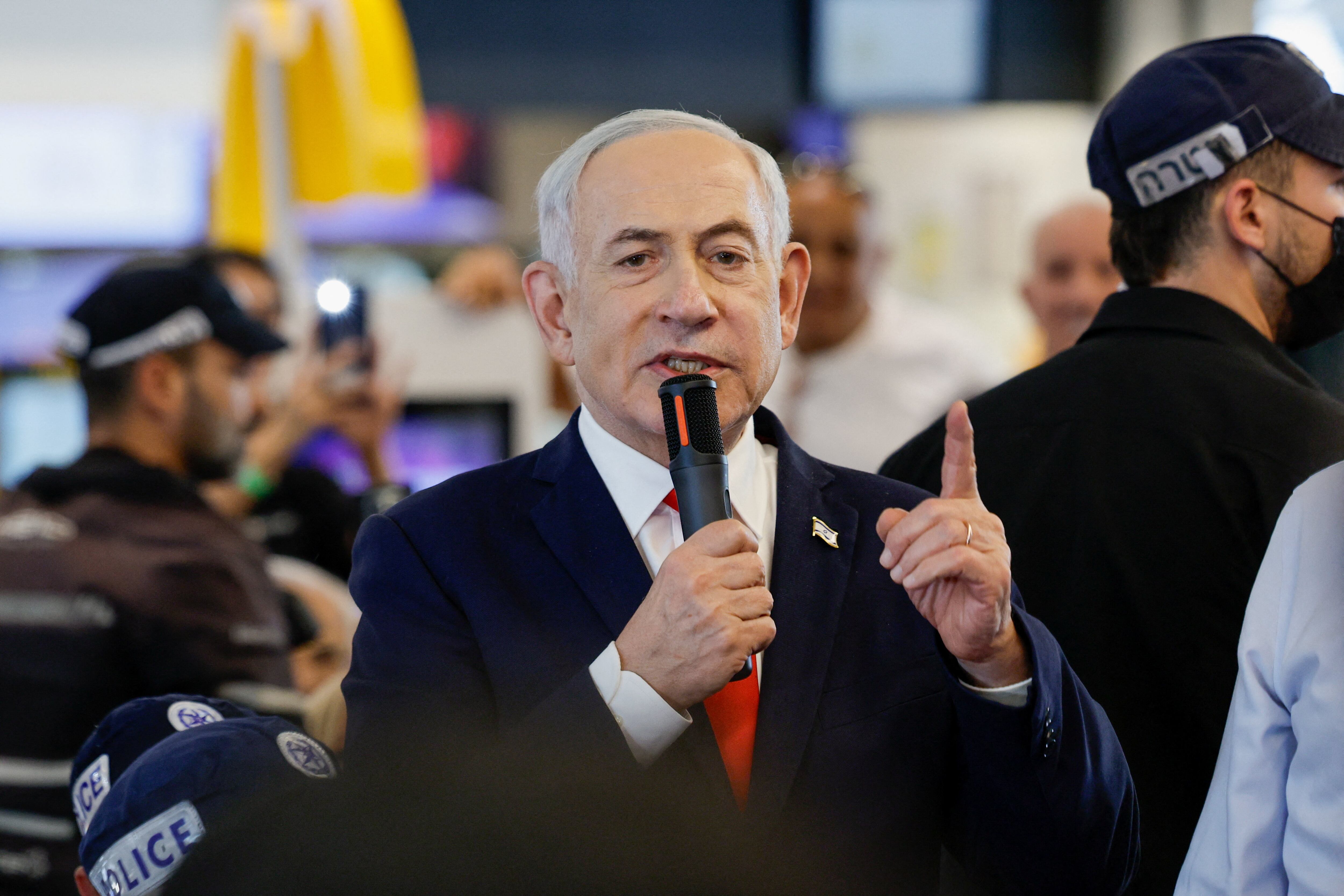
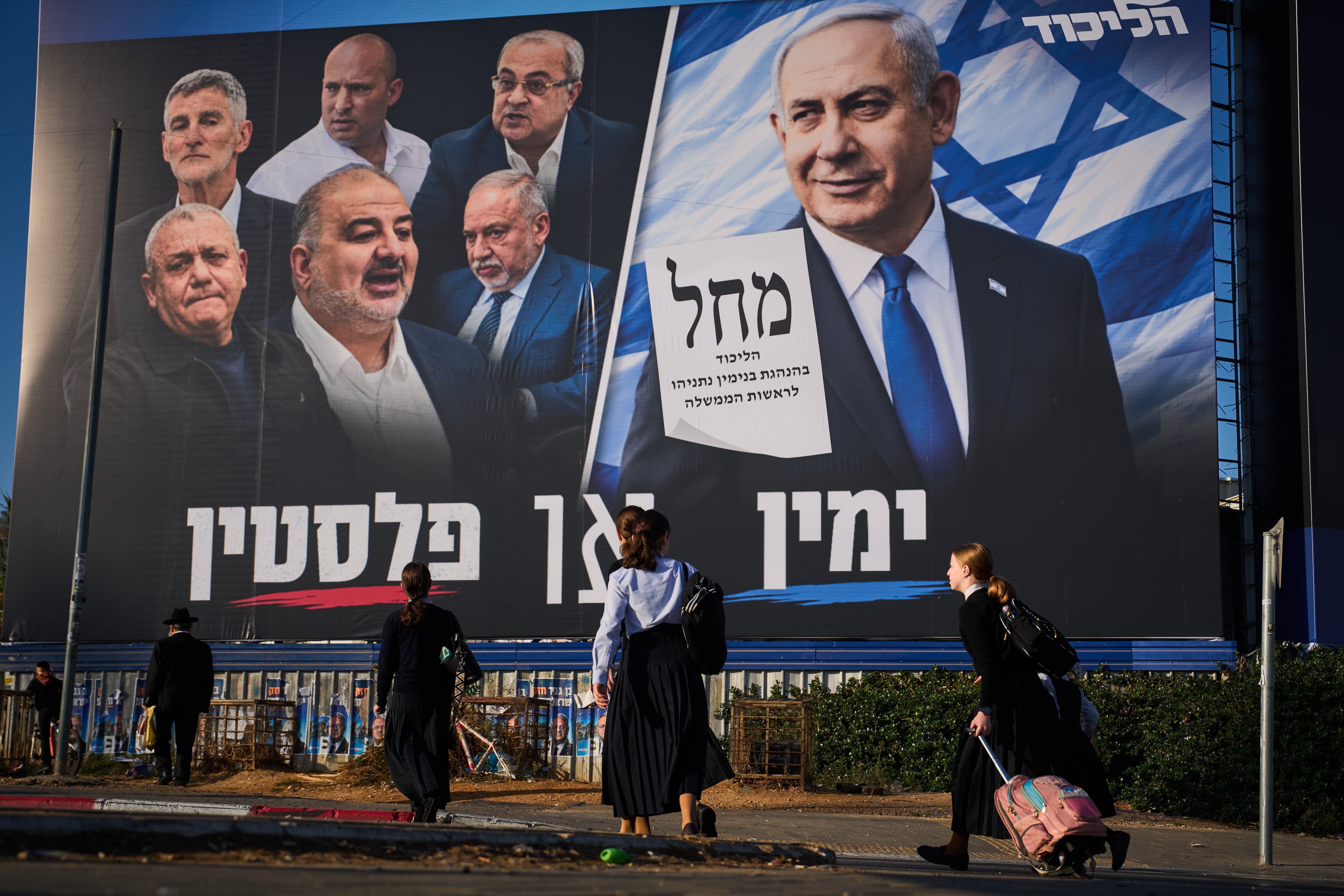
Os conflitos no Oriente Médio são parte central da campanha eleitoral em Israel para o Parlamento, conhecido como Knesset. A votação acontecerá no dia 27 de outubro e definirá o futuro do primeiro-ministro Benjamin Netanyahu.
Tanto o governo quanto a oposição tentam ter controle das narrativas sobre os conflitos. De um lado, o governo de Netanyahu afirma que as ações eram necessárias e garantiram a segurança de Israel; do outro, a oposição critica e diz que os objetivos não foram concluídos e causaram danos ao país.
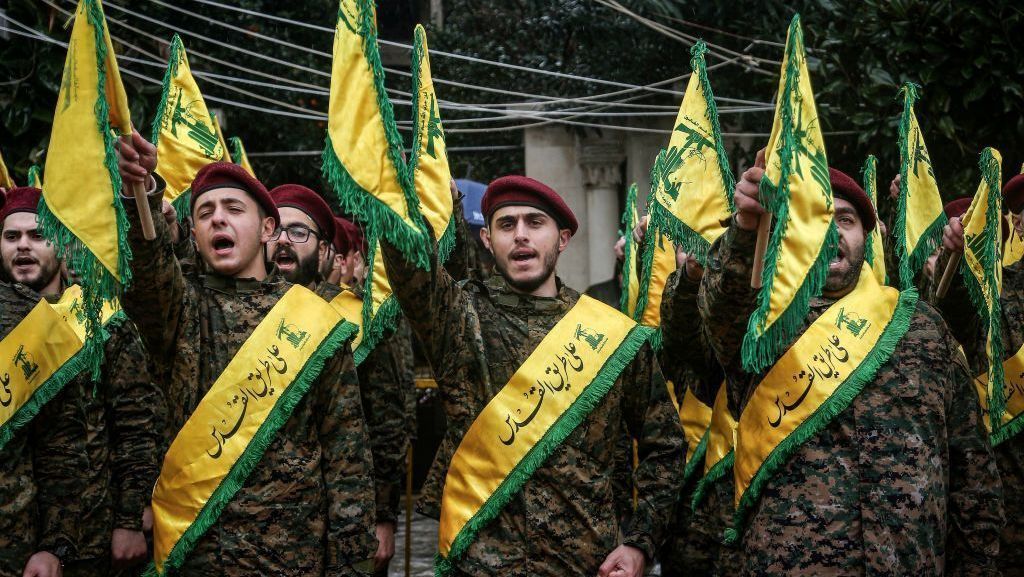
Uma das guerras que ainda não chegou ao fim é a batalha no Líbano, contra o Hezbollah. Além dos ataques aéreos, que deixaram milhares de mortos, Israel avançou pelo território libanês e capturou uma área que avançava cerca de 10 km pelo país vizinho.
Um cessar-fogo mediado pelos Estados Unidos fez com que a fase mais intensa desse conflito ficasse para trás. Ainda assim, não houve um acordo para o fim definitivo das hostilidades.
Israel quer o desarmamento completo do Hezbollah, enquanto o grupo libanês se nega a baixar as armas e exige que as forças israelenses deixem o Líbano completamente.
Desta maneira, a comunidade internacional acompanha de perto as eleições israelenses para avaliar o futuro das negociações.
A eleição em Israel pode afetar as negociações no Líbano?
Samuel Feldberg, doutor em Ciências Políticas pela USP e pesquisador da Universidade de Tel Aviv, avalia que não haverá grandes mudanças na política externa israelense após a votação, mesmo se a oposição a Benjamin Netanyahu vencer.
O especialista explica que os candidatos de maior relevância são ligados aos militares e têm experiência na área de segurança, como, por exemplo, Gadi Eisenkot. Ele foi ex-chefe do Estado-Maior das Forças Armadas de Israel e é o principal cotado para assumir o cargo de primeiro-ministro, caso vença Netanyahu.
“As negociações com o governo do Líbano provavelmente vão continuar, mesmo se houver uma alternância de governo. E as demandas em relação à pressão sobre o Hezbollah com certeza vão continuar, mesmo que o governo não seja esse de Netanyahu”, pontua Feldberg.
Cortejo fúnebre do então comandante máximo do Hezbollah, Ali al-Debs, morto em um ataque de drone israelense, na vila de Nabatieh, no sul do Líbano, em 16 de fevereiro de 2024 • dpa/picture alliance via Getty I
Karina Calandrin, professora de Relações Internacionais do Ibmec-SP, concorda que ainda haverá pressão da sociedade israelense para que o grupo libanês se desarme e não represente mais uma ameaça para o país.
“A eleição pode mudar os instrumentos e o grau de disposição para negociar, mas provavelmente não eliminará o consenso israelense de que o Hezbollah não pode reconstruir no sul do Líbano a capacidade militar que possuía antes dessas guerras”, analisa.
Uma pesquisa de junho da Universidade Hebraica de Jerusalém, em colaboração com o Instituto Agam, revelou que apenas 12,2% dos entrevistados acreditavam que Israel alcançou a maioria dos objetivos abrangidos pela ideia de “vitória total”, que incluía, segundo a pesquisa, eliminar a ameaça do Hezbollah no Líbano, entre outros pontos.
Outros 61,3% disseram que Israel não alcançou esses objetivos “de forma alguma”, enquanto 26,5% avaliaram que Israel alcançou “alguns” de seus objetivos.
João Miragaya, assessor do Instituto Brasil-Israel e mestre em História pela Universidade de Tel Aviv, diz que é possível que um novo governo israelense tente chegar a um acordo com o governo libanês para o desarmamento do Hezbollah, que poderia terminar em um acordo de paz.
De toda forma, o especialista destaca que o processo seria complicado, ponderando que o “Hezbollah faria de tudo para atrapalhar” as negociações.
Las relaciones entre Estados Unidos e Irán permanecen marcadas por una elevada tensión tras los enfrentamientos registrados meses atrás y por las discrepancias en torno al cumplimiento de compromisos diplomáticos destinados a reducir la confrontación entre ambas partes.
São chamados Jovens das Colinas, são judeus extremistas e vivem nos colonatos ilegais na Cisjordânia. Ainda, EUA e Israel estarão a preparar a retoma dos ataques contra o Irão.
The United States and Israel have drawn up plans for renewed military strikes on Iran following the American midterm elections next November, The New York Times reported on October 21, citing U.S. officials and others briefed on the matter.
The plans reportedly envisage a short but intensive operation targeting Iranian energy infrastructure, nuclear facilities and the country’s missile and drone arsenals.
The U.S. and Israeli militaries have stepped up joint preparations, including flights over neighboring Iraq to rehearse strike maneuvers.
Officials cited by the newspaper said renewed strikes could severely damage Iran’s economy and force Tehran to make diplomatic concessions. The report noted, however, that U.S. President Donald Trump has not committed to authorizing further military action.
A separate report from NBC News revealed that the U.S. is also quietly reducing its troop presence at bases in Jordan, Qatar and Kuwait while cutting staffing at diplomatic missions across the Middle East amid threats from Iran.
Amid these developments, Trump said there were no negotiations with Tehran and indicated that developments in the conflict could come soon.
“We are not negotiating with” Iran, Trump told a reporter before boarding Air Force One at Joint Base Andrews.
“Something one way or another will happen, fairly soon,” he continued. “Most people seem to think it’s after the election.”
In apparent response to recent escalation, a senior Iranian security official told the semi-official Fars News Agency that Tehran expects another U.S.-Israeli attack and considers Washington’s diplomatic efforts insincere.
The official warned that any renewed large-scale conflict involving the assassination of Iranian officials or the killing of civilians would lead Iran to consider U.S. political targets and the infrastructure of countries participating in the war “legitimate targets.”
Overall, it is clear that the U.S. and Israel will attack Iran again. Recent Hebrew media reports even revealed that dozens of Israeli warplanes have already flown close to the border of the Islamic Republic in the hope of provoking some response. Tehran is keeping its finger on the trigger and is guaranteed to strike back in the case of a new attack. One thing is sure this time, and that is that the U.S. and Israel have lost the element of surprise.
Damasco, 22 oct (Prensa Latina) Fuerzas israelíes mataron a un civil sirio con discapacidad durante una incursión en la aldea de Jamla, en la provincia de Deraa, al sur de Siria, informó hoy la agencia estatal de noticias SANA.
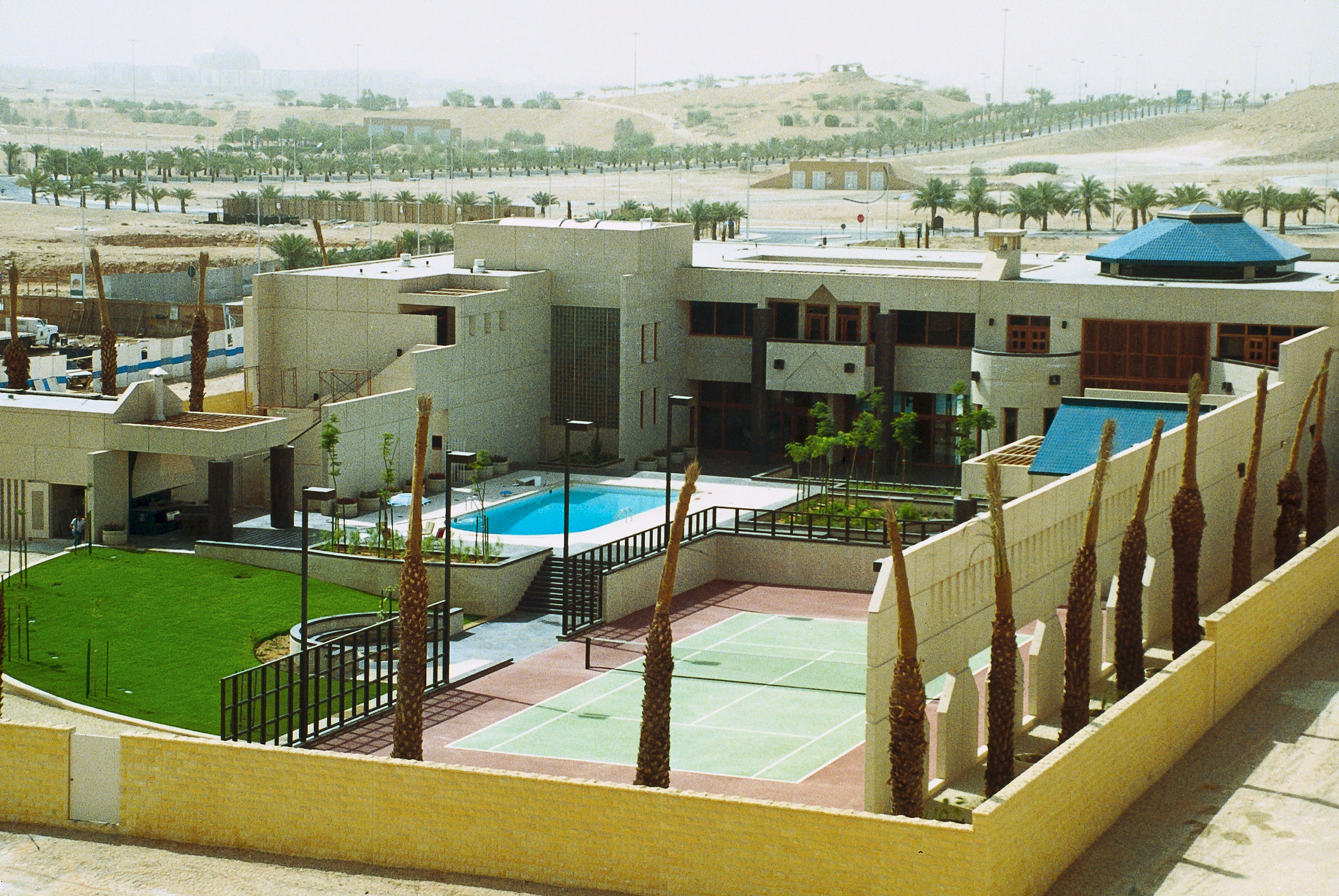
The US State Department has ordered some diplomats and family members to depart from its missions in Saudi Arabia and plans to withdraw family members from a number of other US missions in the region, US officials told Reuters.
The order came as attacks in Saudi Arabia killed at least one person and injured eight others at a civilian airport in Dammam and two people were killed in a drone attack on an oil field.
State Department spokesperson Tommy Pigott said in a post on X that the department ordered the departure of “non-emergency US government employees and their family members in Saudi Arabia only” amid attacks by the Iran-aligned Houthis in Yemen on civilian targets in the country.
Washington had returned some diplomatic personnel to the region in recent months after many were pulled out when Tehran launched attacks on US facilities after the US-Israeli war on Iran began in late February.
“Iranian-supported Houthis have increasingly engaged in hostilities against Saudi Arabia, including attacks on civilian airports and other critical infrastructure resulting in civilian casualties and severe travel disruptions,” Pigott said.
Four US officials told Reuters that US missions in other Gulf states would also be ordering family members to leave. Pigott did not address changes to other missions outside Saudi Arabia.
The latest withdrawals follow an escalation of the fighting in Yemen, opening another front in the regional conflict triggered by the US-Israeli war on Iran. The wider conflict has snarled global energy trade and hurt Gulf economies.
After the departure order, Saudi Arabia’s civil aviation authority reported an attack on King Fahd International Airport in Dammam that killed one person and injured eight others. Earlier in the day, two people were killed after Saudi air defences intercepted a drone that was attempting to hit a facility at Saudi Aramco’s Shaybah oilfield, the energy ministry said.
The US embassy in Riyadh issued a security alert on Wednesday about possible further attacks by the Houthis on Saudi Arabia, after recent deadly strikes including on Riyadh’s airport.
The embassy and a CIA station hosted there came under attack by drones in early March, as Iran began launching attacks across the region.
Cerca de uma centena de pessoas dormiu ao relento no Rossio. No Porto, a noite ficou marcada pela desmobilização dos manifestantes. Ainda, o secretário-geral do PS volta a pedir que o primeiro-ministr
Malaysia has banned civil servants from using Alphabet’s navigation app Waze, citing security concerns linked to its origins in Israel.
Muslim-majority Malaysia is a staunch supporter of the Palestinian cause and does not maintain diplomatic relations with Israel.
Malaysian Prime Minister Anwar Ibrahim ordered the ban “to protect government information and users’ personal data from the threat of misuse by the Israeli regime,” his office said in a statement on Wednesday.
Waze said on Thursday that claims it collected sensitive government information or allowed any entity to exploit personal user data were completely false.
“Waze operates under strict privacy policies that protect user data and comply with global legal data protection standards,” a company spokesperson said in an emailed statement to Reuters.
The Israeli embassy in Singapore did not respond to a Reuters request for comment.
Anwar had said the government was looking into potential security risks arising from the use of Waze, which he said was subject to Israeli laws.
He recommended the use of TuJu, a domestic mapping app developed by the Malaysian Highway Authority, as an alternative.
Malaysia’s Chief Secretary to the Government Shamsul Azri Abu Bakar said all civil servants would now be barred from using Waze, according to a letter dated Tuesday and addressed to the heads of government agencies.
The letter, reviewed by Reuters, said the directive, to be implemented immediately, followed a decision taken at the meeting chaired by Anwar.
An official with the Prime Minister’s Department confirmed the letter’s authenticity.
Waze, which was founded in Israel, uses satellite signals and crowd-sourced data from drivers to offer real-time traffic information. It was acquired by Alphabet-owned Google in 2013.
Pese a que era el líder de Israel cuando unas 1.200 personas murieron en los ataques encabezados por Hamás el 7 de octubre de 2023, Benjamin Netanyahu tiene opciones sorprendentemente buenas de obtener un buen resultado en las elecciones generales de la próxima semana. En parte se debe a las campañas militares del primer ministro israelí, que le han devuelto el prestigio a ojos de algunos de sus compatriotas. También a que preside una economía que en 2025 logró crecer más de un punto porcentual por encima de la media del 1,8% de los países de la OCDE, el club de economías desarrolladas. Aun así, otro Gobierno podría obtener un dividendo económico.
Las elecciones del 27 de octubre en Israel estarán dominadas por una única pregunta: mantener a Benjamin Netanyahu o deshacerse de él. Pero hay una lucha más profunda sobre la identidad del país, y las fuerzas antiliberales de Israel están ganando.
Los ejércitos de Estados Unidos e Israel han desarrollado nuevos planes para volver a atacar Irán después de las elecciones de medio mandato en EE UU, según The New York Times, que cita a altos cargos estadounidenses y otras fuentes. La planificación llega mientras las fuerzas armadas de ambos países han intensificado sus maniobras militares en la zona para practicar misiones de bombardeos, y cuando el Departamento de Estado ha dado instrucciones de evacuar al personal no imprescindible de su embajada en Arabia Saudí y sus familiares, ante la perspectiva de posibles nuevos ataques de los rebeldes hutíes en Yemen. También cuando Israel está a punto de celebrar unas elecciones en las que su primer ministro, Benjamin Netanyahu, se juega la reelección.

 Login