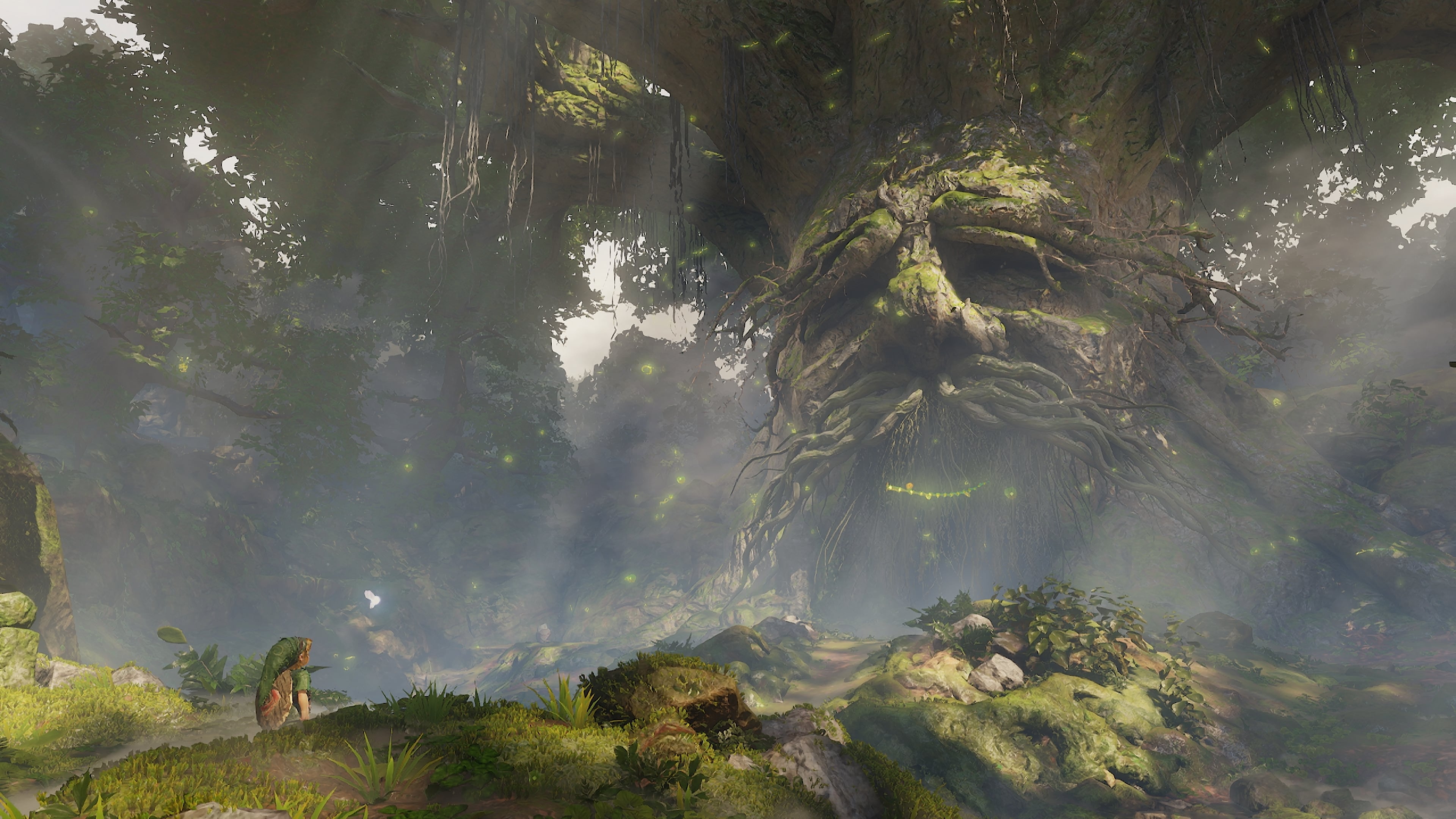
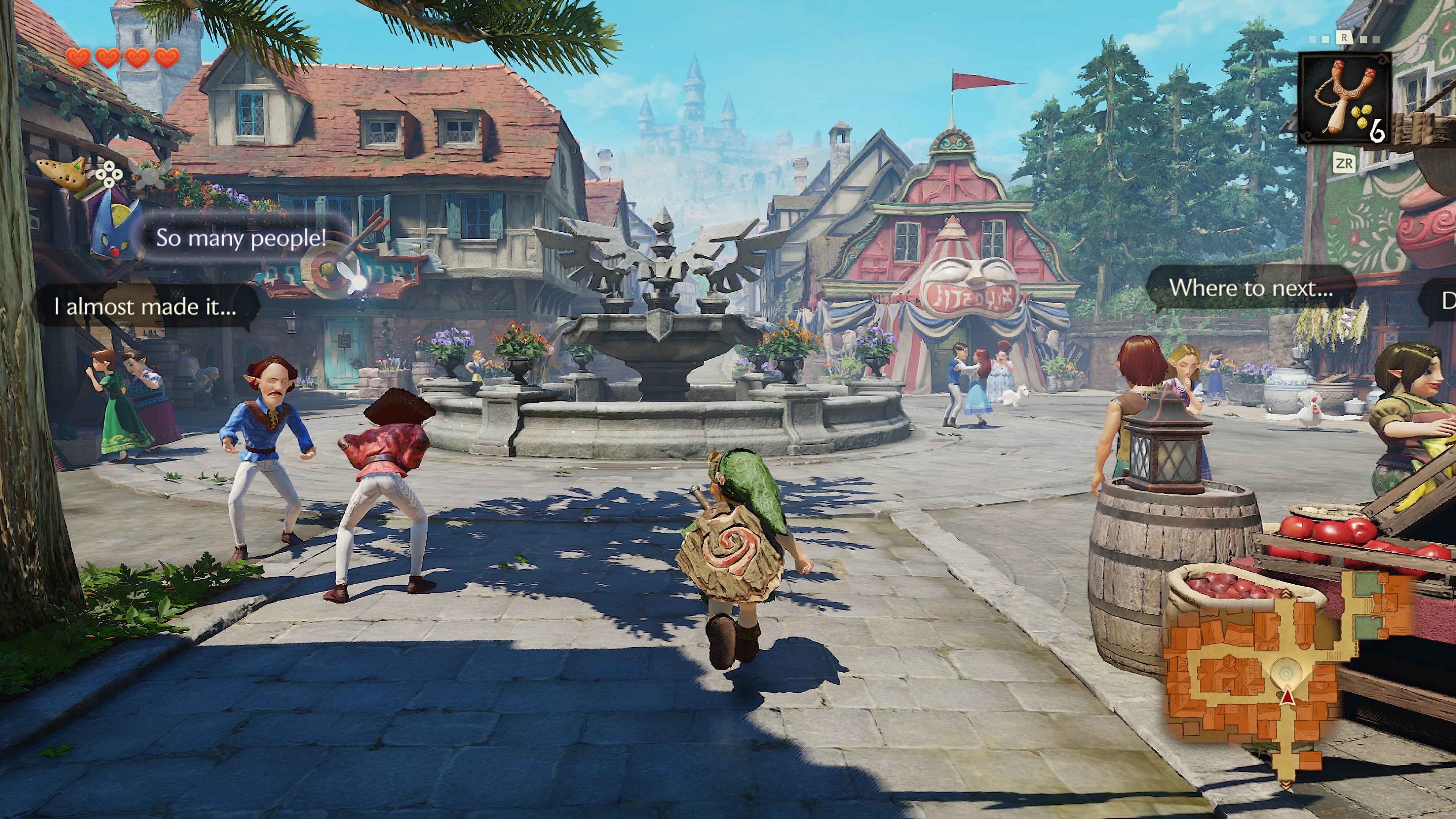
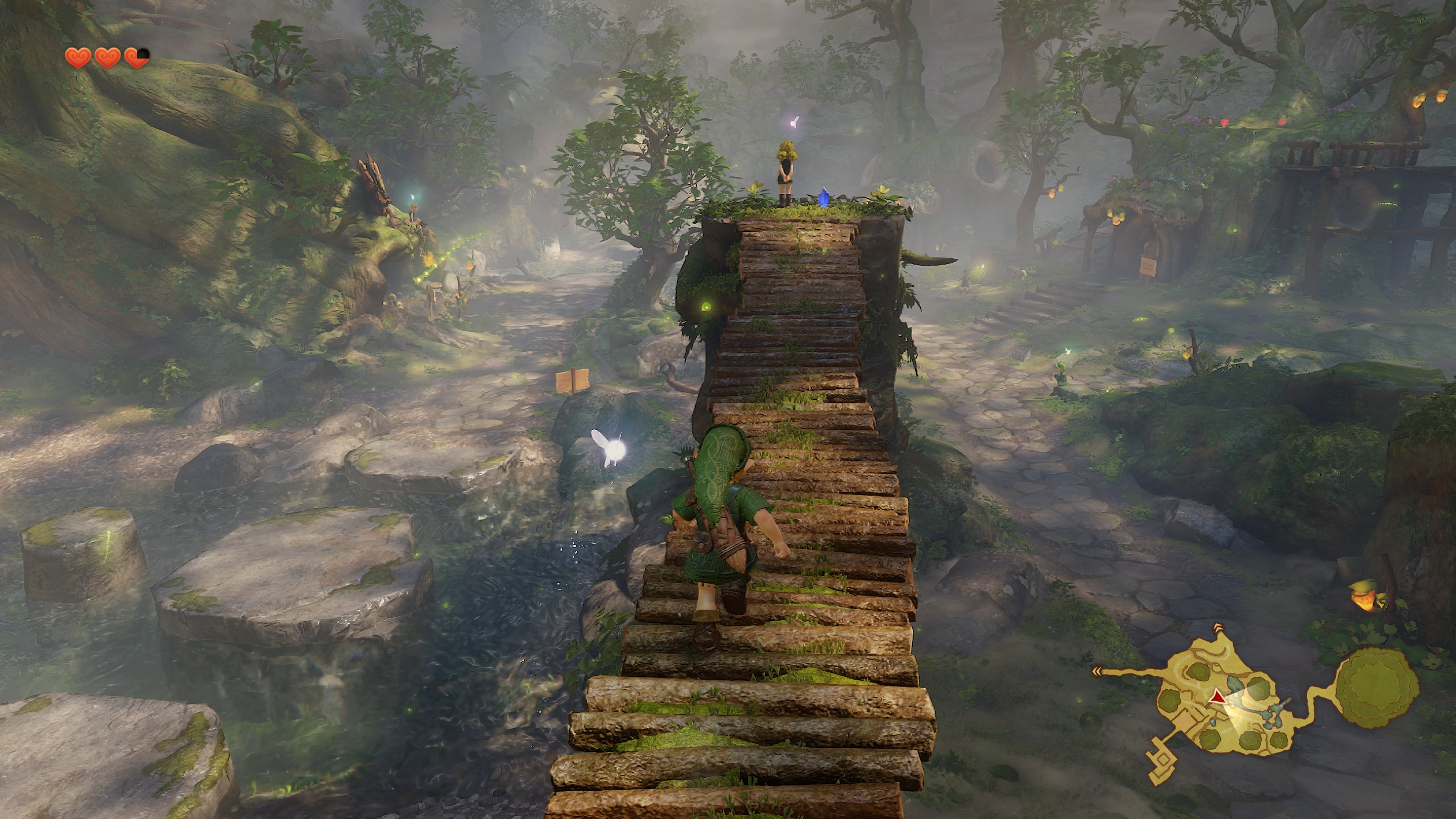
“Wake up, Link!” High in his treehouse, a pointy-eared boy named Link is roused by the call of a fairy. He is the only resident of the Kokiri Forest without a winged companion, until Navi bursts into his dreams to tell him that his destiny lies far beyond that sheltered corner of the woods. Thus begins a journey that will lead him to a princess, pit him against a threat determined to plunge the kingdom of Hyrule into darkness and, seven years later, task him with saving a world that has fallen into the clutches of evil.
Miguel Queirós, criador de conteúdos, ambiciona chegar à TV e vê nas redes sociais "uma ponte". Recorda a infância e conta como o bullying o ajudou a continuar - até vencer um prémio revelação.
La inteligencia artificial parece muy lista, pero no aprende sola. Miles de humanos han guiado su aprendizaje, corrigiendo y ajustando sus respuestas. Un informe publicado este jueves por las plataformas de investigación DiPLab y Reversing.Works da nuevos detalles sobre cómo miles de trabajadores europeos trabajan a ratos sueltos para Outlier, una plataforma de Scale AI. En junio de 2025, Meta pagó 12.400 millones de euros por el 49% de Scale AI y su fundador, Alexandr Wang, pasó a ser director de IA de la compañía de Mark Zuckerberg. Antes de esa adquisición, Outlier ayudaba también a entrenar los modelos de empresas como OpenAI o Google.
O ministro Cristiano Zanin, do Supremo Tribunal Federal (STF), determinou nesta quarta-feira (14) que a Agência Nacional de Telecomunicações (Anatel) envie à Corte informações sobre falhas das operadoras no acesso gratuito aos sites da Justiça Eleitoral durante o primeiro turno das eleições.
O acesso gratuito também deverá ser liberado pelas operadoras 72 horas antes do segundo turno e 24 horas após a votação.
Contudo, após o primeiro turno, o Partido Verde (PV), legenda que entrou com o pedido de liberação da franquia, citou que houve falhas no acesso aos aplicativos e-Título e Pardal, usado para registro de denúncias de propaganda eleitoral.
Na decisão desta quarta, Zanin deu prazo de 48 horas para a Anatel esclarecer as falhas apontadas.
“Determino à Anatel que, em 48 horas, esclareça a causa das falhas verificadas nos endereços sso.acesso.gov.br e form.omni.serpro.gov.br e nos aplicativos e-Título, Pardal e Boletim na Mão, identificando, por meio dos próprios testes, os endereços e domínios de terceiros de que esses serviços dependem e que não constam da lista”, decidiu o ministro.
Procurada pela Agência Brasil, a Anatel declarou que não vai comentar a decisão.
O caso chegou ao Supremo após a Confederação Nacional dos Trabalhadores em Educação (CNTE) e o PV protocolarem uma ação para garantir acesso à internet móvel para todos os brasileiros, independentemente do limite da franquia de dados, nas 72 horas que antecedem as eleições.
As entidades alegaram que a limitação de franquia de dados impede acesso à informação durante o pleito.
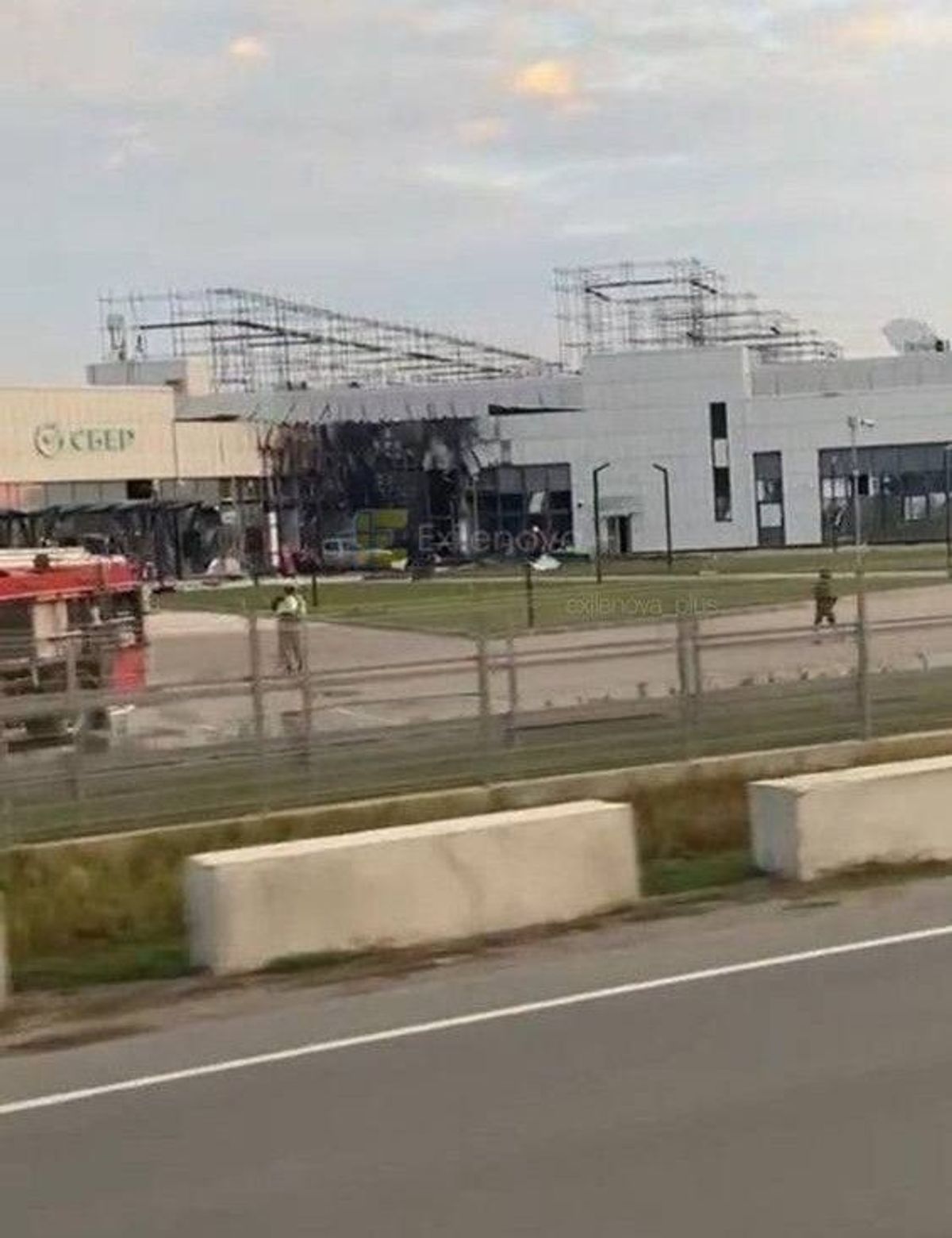
Ukrainian defense company Fire Point commented in a social media post on Wednesday morning, saying 'You didn’t think it would stop with just Yandex, did you?'
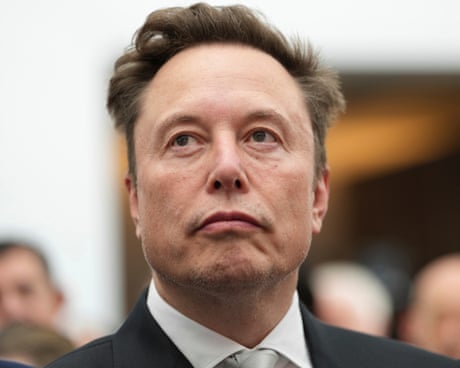
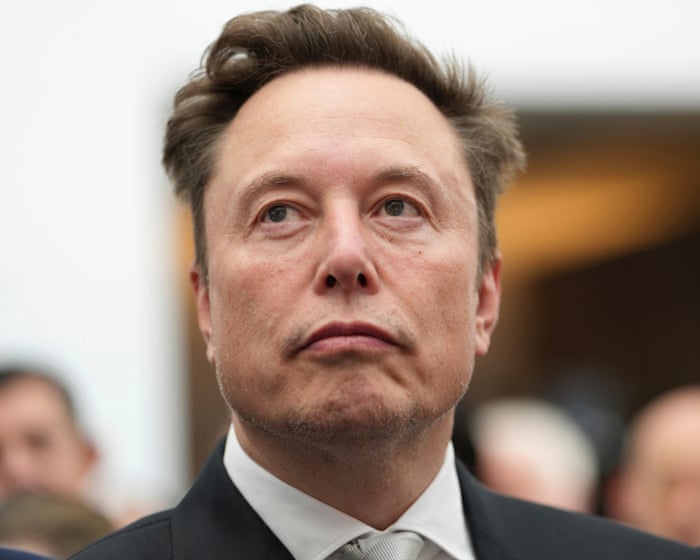
Jean-Noël Barrot criticises X owner in speech attacking foreign efforts to destabilise France before 2027 election
France’s foreign minister has accused Elon Musk of using his social media platform to orchestrate “massive online harassment campaigns” against European leaders as he took aim at foreign efforts to destabilise the country before next year’s presidential election.
Speaking at an Organisation for Economic Cooperation and Development conference on Tuesday, Jean-Noël Barrot pointed to the role that social media had come to play in the global battle over democracy. “The forces seeking to undermine democracy now dominate the information landscape, where they employ tactics designed to polarise public debate,” he said.
Luís Rosa e Paulo Saragoça da Matta explicam, em mais um “Duelo”, como funciona a lei de proteção de testemunhas e a suspensão (e posterior recuo) da proteção especial concedida ao ex-hacker Rui Pinto
The Social Reckoning, Aaron Sorkin's latest jab at Big Tech, is conceived as a political and social prosecution of Facebook.
The social network and its owner, Mark Zuckerberg, in the movie's view, are responsible for the spread of misinformation, the decline of journalism, the polarization of the electorate, and the radicalization of specific individuals who go on to commit heinous acts of anti-democratic violence. In its final moments, the film strongly implies that Facebook and its engagement-boosting algorithms are directly responsible for the Capitol riot on January 6, 2021. Donald Trump, the election-losing president whose incendiary speech and repeated falsehoods about the results of the 2020 election preceded the riot, is never named in the movie. In a movie that positions itself as bold and brave, it's an omission of stunning, and revealing, cowardice.
To bring Trump into the picture would have complicated Sorkin's just-so story, in which Facebook's refusal to fact-check political ads and decision to boost engagement through a change in its recommendation algorithm are the central, and, at least within the movie's narrow frame, even sole cause of all that ails American democracy. Sorkin's story has no room for nuance or ambiguity, no interest in the larger political-social dynamics at work in the late 2010s and early 2020s, no time for disconfirming data that violates his narrative. He has found a pure villain in Facebook's founder, and that's the only story he wants to tell.
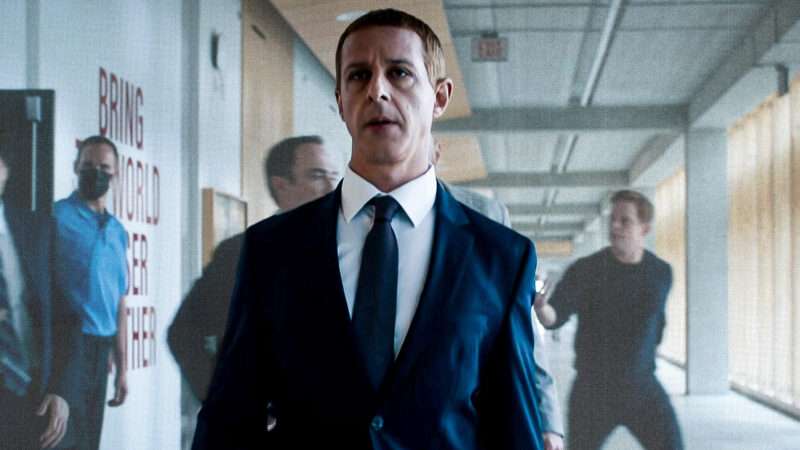
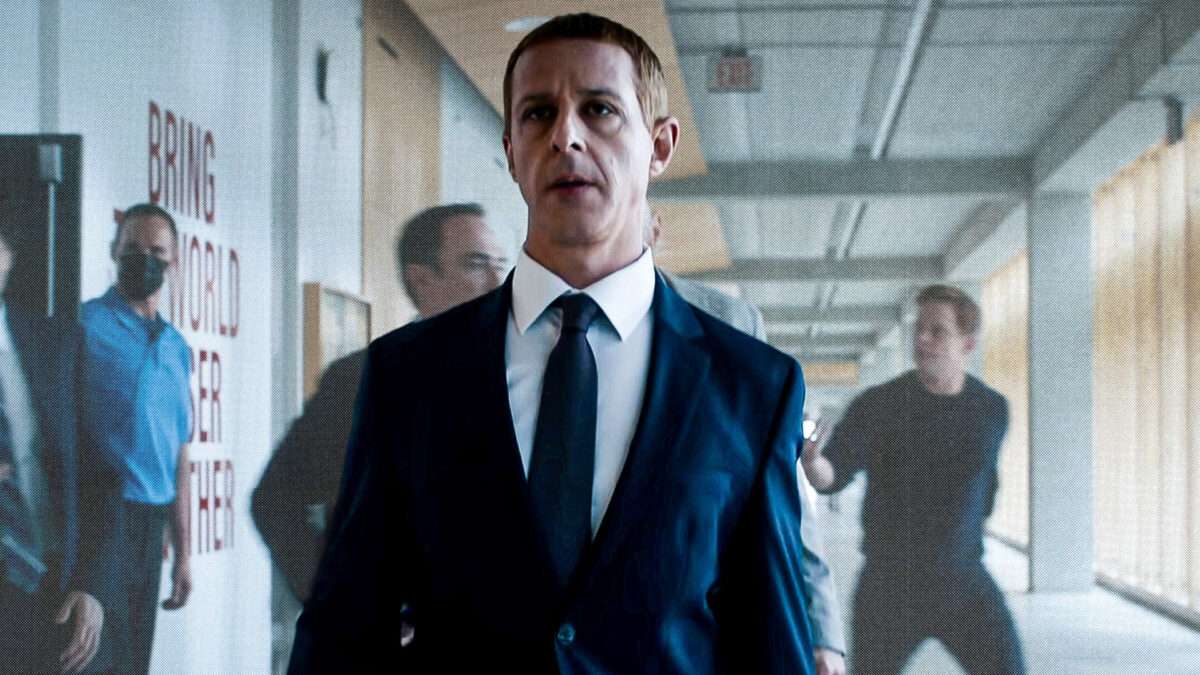
Like so many of Sorkin's films, The Social Reckoning is structured around what amounts to a trial, in this case a mock congressional hearing set up for Zuckerberg, Facebook's CEO, in advance of an appearance on Capitol Hill. The action inside that room is informed by a larger story that revolves around Wall Street Journal reporter Jeff Horwitz's (played by Jeremy Allen White) quest to understand and uncover documentation that led to his award-winning investigative series, The Facebook Files. Horwitz works with Frances Haugen (Mikey Madison), a Facebook engineer who has concerns about the company's practices and begins leaking information in hopes of causing internal change. She's an anxious, socially awkward recluse; he's a tech-ignorant reporter who ended up on the Big Tech beat. The pairing allows Sorkin to build scene after scene of exposition and explanation, in which Haugen details various Facebook technical decisions believed to have dire social consequences.
Most notable among these is an algorithmic switch to something called "MSI," or "meaningful social interactions." Essentially, the network prioritized depth of engagement over simple likes, leading to a boost in usage, as well as an increase in exposure to radical groups and content. The movie poses as a sophisticated journalistic explainer, but its core argument is quite simple: Facebook changed its algorithm in a way that benefited the company but harmed society by pushing content from hate groups and other disreputable types. That, in turn, led to January 6. Case closed.
But what if the case isn't so simple? In these pages, Elizabeth Nolan Brown has outlined the many ways in which social media algorithms, especially on Facebook, have been unjustly maligned: Instead of causing polarization by locking people into narrow political bubbles, they can offer greater exposure to opposing views and even promote democratic virtues. The supposed negative effects of tech on children are, at minimum, disputed and in most cases probably overstated; some studies suggest that tech can enhance youth mental health. It's notable that Sorkin's story uses the violent calamity of January 6—a truly dark day for America—as his climactic argument. He can't use the election of 2020, because that election was won by Joe Biden. So he falls back to the ugliness of the riot, while ignoring Donald Trump.
The movie is framed in personal terms via the story of one woman's radicalization. The woman—rich, white, entitled, casually racist during a drunken encounter with cops that she films and posts on social media—turns out to be a friend of Haugen's, which is what drives her to go public about her employer. Sorkin uses the woman as a symbol of all that Facebook has done wrong; she's a consequence of Zuckerberg's disregard for democracy and truth.
But in real life, Haugen's never-named radicalized friend was a man, not a woman, who became obsessed with conspiratorial notions about politics, not a racist social-media troll. Sorkin's film is fiction, a dramatic retelling of events rather than a just-the-facts journalistic account, so it doesn't quite need to be held to the same standard. But it's notable that he has to massage the details in order to make his point. Perhaps he's doing so in service of a deeper truth. But that deeper truth isn't strictly true.
Humans are messy and complicated, and so is democracy. But Sorkin can't handle those complications. Instead, he delivers a smug, simplistic narrative that traffics in borderline misinformation while pretending to crusade for the truth. Maybe what we really need is a reckoning with Aaron Sorkin.
Lúcio Correia, professor de Direito de Desporto, critica a Federação Portuguesa de Futebol por ‘fato à medida’ disciplinar para Cristiano Ronaldo e diz que o atleta está a ser beneficiado.
Diagnóstico feito por 35 especialistas, publicado na revista The Lancet e apresentado na Cimeira Mundial de Saúde. Ainda, a nova funcionalidade para identificar conteúdos gerados por IA.
O Auditório Municipal Maria Barroso, em Olhão, recebe amanhã, 14 de outubro, entre as 09h30 e as 11h30, uma sessão presencial gratuita e certificada do programa Mestres do Digital, promovido pela Agência para a Reforma Tecnológica do Estado (ARTE), que visa capacitar os cidadãos para a utilização segura e autónoma da Internet e dos serviços públicos digitais.
A formação destina-se a toda a população, independentemente da idade ou do nível de conhecimentos digitais, e pretende reforçar a confiança dos participantes na utilização das tecnologias, facilitando a realização de tarefas do quotidiano.
Durante a sessão, os participantes vão aprender a navegar na Internet em segurança, a proteger os seus dados pessoais e a utilizar ferramentas e serviços digitais, nomeadamente o portal gov.pt, a aplicação gov.pt e a Chave Móvel Digital.
No final da formação, haverá ainda uma hora de apoio à ativação da Chave Móvel Digital, permitindo aos participantes esclarecer dúvidas e receber assistência neste processo.
Para dar continuidade à aprendizagem, o programa disponibiliza também cursos online, organizados por níveis, que permitem a cada pessoa aprender ao seu ritmo.
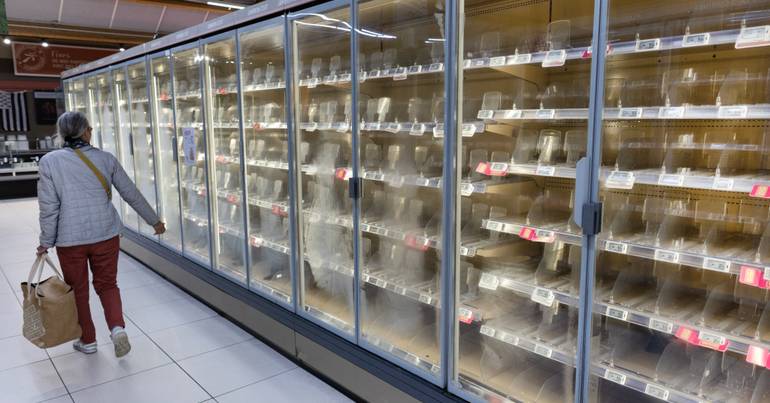
Ataque sem precedentes afetou pelo menos 150 lojas Intermarché e 80 do Carrefour. Agência francesa de Cibersegurança investiga por ordem do primeiro-ministro.
Digital surveillance and data leaks may seem far removed from everyday life, but they are becoming increasingly common. In Venezuela, for example, authorities blocked messaging apps and social media platforms including Signal, X, TikTok and Telegram, as well as YouTube, VPN services and websites. In Nicaragua, independent media outlets had their domains blocked. In Paraguay, a leak from the electoral authorities exposed the data of nearly seven million people. And in Argentina, more than 665,000 medical records were put up for sale.
Un mur de Nanterre, le 29 juin dernier. Des lettres violettes inscrites à la bombe. « Sans vidéo Nahel serait une statistique pour la Place Beauvau. Fuck le 17 ». Deux jours auparavant, Nahel Merzouk, 17 ans, avait trouvé la mort au volant d'une voiture, après qu'un agent lui eut tiré en pleine poitrine, à bout portant. Des images tournées par une passante et diffusées sur les réseaux sociaux le jour même ont remis en cause la version policière reprise dans les premiers articles sur le drame. Le 27 juin à 8 h 22, le compte rendu du centre de commandement consignait : « Individu blessé par balle à la poitrine gauche. Le fonctionnaire de police s'est mis à l'avant pour le stopper. Le conducteur a essayé de repartir en fonçant sur le fonctionnaire. » Or la séquence filmée montre le motard ouvrant le feu depuis le côté d'un véhicule qui redémarre lentement.
Sans image, que se serait-il passé ? « S'il n'y avait pas eu la vidéo, s'est interrogée la jeune femme qui l'a postée, une collègue de son auteure, quelle aurait été la suite (1) ? » Plusieurs médias ont comparé l'émotion suscitée par la mort de Nahel Merzouk à la relative indifférence dans laquelle, deux semaines plus tôt, Alhoussein Camara était décédé d'une balle dans le thorax à Saint-Yrieix-sur-Charente, dans la banlieue d'Angoulême. Lors d'un contrôle de police sur la route de son travail, ce jeune homme de 19 ans aurait refusé d'obtempérer et heurté les jambes d'un agent avec sa voiture. Un ami d'enfance témoignait, interdit : « Je sais tellement qu'il n'a pas pu blesser ce policier, mais comment le prouver sans vidéo (2)… »
Les images, en réalité, ne suffisent pas toujours. Du moins à obtenir justice. En 1991, Rodney King, un Afro-Américain de 25 ans, est passé à tabac par quatre policiers à Los Angeles. Avec une petite caméra portative, un riverain capte la scène. Son enregistrement et sa diffusion provoquent l'indignation. La vidéo devient dès lors un outil de preuve, un moyen de scandaliser et de mobiliser, mais aussi d'engager des poursuites judiciaires. L'affaire n'aurait sans doute jamais conduit à un procès sans cette captation, et sans son passage en boucle sur Cable News Network (CNN) : même s'ils ne permettront pas de faire condamner les responsables — les policiers sont acquittés un an plus tard —, ils cristallisent une colère qui conduira aux plus grandes émeutes qu'ait connues Los Angeles.
Dans les années 1960, des collectifs avaient déjà utilisé des caméras comme instrument de surveillance de la police (copwatching). Une coalition d'organisations noires les expérimenta dans le quartier de Watts à Los Angeles à la suite de nombreux meurtres policiers, suivie à Oakland par le Black Panther Party à partir de 1966. Act Up se dota aussi d'un groupe de vidéastes dans les années 1980, dont un des buts était de filmer les manifestations pour prévenir les violences policières. Catherine Gund Saalfield, l'une des fondatrices de Damned Interfering Video Activist Television (DIVA TV), expliquait alors : « Nous avons une banque d'images de flics pliant les poignets des gens jusqu'au point de rupture, de flics matraquant des manifestants sur le dos et les épaules (3). »
À la différence des tenants du cinéma d'intervention — les groupes Medvedkine, par exemple — ou de la télévision alternative, DIVA TV ne cherchait plus seulement à donner la parole aux sans-voix ou à faire exister des corps exclus de la visibilité. La caméra devait servir d'outil dans la lutte, les vidéos de preuve. Mais ce copwatching relevait encore de la pratique politique, de la longue histoire des expériences audiovisuelles militantes. Au cours de la période récente, dans les cas des homicides de George Floyd aux États-Unis ou de Cédric Chouviat en France en 2020, ce sont des voisins ou des passants qui ont filmé la scène ; des caméras de vidéosurveillance ont capté l'arrestation violente de Théo Luhaka à Aulnay-sous-Bois en 2017 ou les coups assenés au producteur de musique Michel Zecler (en 2020 également) ; et, aux États-Unis, où leur emploi est quasi systématique, certaines vidéos de violences proviennent des caméras corporelles de policiers.
Pour les activistes d'aujourd'hui, l'Observatoire national des pratiques et des violences policières (ONVP) ou David Dufresne et sa plate-forme « Allô Place Beauvau », le partage apparaît plus déterminant que l'enregistrement. Et il faudra s'en remettre aux acteurs judiciaires et médiatiques, dont le rôle devient décisif. Or, du journal télévisé au procès, faire parler l'image implique une série de procédés tant techniques que rhétoriques. La parole de l'expert ou du témoin la décrit, la commente ou la met en contexte. À la télévision, les vidéos subissent des modifications matérielles. Des inserts graphiques dirigent le regard vers ce qui devrait être vu, quand le ralenti « peut amener les téléspectateurs à percevoir une action comme plus intentionnelle (4) », le ralentissement induisant le sentiment que l'auteur des faits a eu le temps de penser son action. Il en va de même lors des procès, où les captures d'écran, parfois imprimées et annotées, se substituent à la projection, comme, en France, dans l'affaire Gaye Camara en 2019 (5).
Reste que les effets sociaux des images inquiètent les autorités et agacent les forces de l'ordre. Face à la multiplication des entraves policières à la liberté de filmer, notamment lors des manifestations, le ministère de l'intérieur avait dû rappeler à ses troupes par la voie d'une circulaire datée du 23 décembre 2008 que « les policiers ne bénéficient pas de protection particulière en matière de droit à l'image (…). La liberté de l'information, qu'elle soit le fait de la presse ou d'un simple particulier, prime le droit au respect de l'image ou de la vie privée dès lors que cette liberté n'est pas dévoyée par une atteinte à la dignité de la personne ou au secret de l'enquête ou de l'instruction ».
Malgré cela, en septembre 2019, un jeune « gilet jaune » dijonnais a été condamné à cinq mois de prison avec sursis pour avoir filmé et mis en ligne les images d'affrontements entre des manifestants et des gendarmes. Une décision rendue sur le fondement d'un article du code pénal introduit en 2007 pour sanctionner le happy slapping (ou « vidéo baffe », une agression captée puis diffusée sur les réseaux sociaux). La majorité de M. Emmanuel Macron a ensuite tenté d'entraver la circulation des vidéos de violences policières. Finalement écarté par le Conseil constitutionnel, l'article 24 de la proposition de loi relative à la sécurité globale visait à punir de cinq ans d'emprisonnement la diffusion d'images d'un agent portant « atteinte à son intégrité physique ou psychique ».
La loi promulguée en 2021 a quand même autorisé les policiers à exploiter en temps réel des caméras installées dans les halls d'immeuble ou l'extension de l'accès à la vidéosurveillance aux agents des polices municipales et de la Société nationale des chemins de fer français (SNCF). Face à la multiplication des dispositifs d'enregistrement au sein de la population, il s'agit de construire des contre-feux. « Quand on est attaqué par l'image, il faut se défendre par l'image (6) », soutient M. David Le Bars, secrétaire général du Syndicat des commissaires de la police nationale (SCPN).
Cette volonté d'opposer œil pour œil les caméras-piétons et de vidéosurveillance à celles des citoyens comme celle d'empêcher la circulation de certaines images trahissent la foi des gouvernants dans leur capacité à sensibiliser ou à révéler la répression au plus grand nombre. Cette foi se double d'une croyance dans la puissance mimétique qui conduirait des individus généralement jeunes, peu diplômés, de classes populaires à s'égarer dans la violence pour reproduire ce qu'ils ont vu. À ce titre, le président de la République a souligné le 30 juin dernier, dans une allocution depuis la cellule interministérielle de crise, le « rôle considérable » de Snapchat et TikTok dans les soulèvements des quartiers populaires qui ont suivi la mort de Nahel Merzouk, et dénoncé la diffusion d'images des violences commises dans de très nombreuses villes françaises.
Face à la censure des médias audiovisuels, les plates-formes numériques ont permis au cours des années 2010 de diffuser assez librement des enregistrements. Mais ces entreprises, actrices majeures du capitalisme, n'ont pas vocation à soutenir les révoltes. À l'Assemblée nationale le 10 juillet, la responsable des affaires publiques de Snapchat en France a assuré que son entreprise avait « travaillé conjointement avec le ministère de l'intérieur et les différentes autorités afin d'endiguer le plus rapidement possible les différents dérapages qu'on a pu percevoir sur le terrain ». Avant de se féliciter du résultat de cette collaboration en constatant que « l'ensemble des stories qui étaient publiées » aux derniers soirs du soulèvement provenaient d'utilisateurs « qui se plaignaient justement des émeutes et des conséquences des émeutes ».
Le matin du même jour, le commissaire européen au marché intérieur avait averti de la fin de la fête. Déplorant que les réseaux sociaux n'aient pas préalablement censuré tout message susceptible d'accentuer les émeutes, M. Thierry Breton a prévenu : « Tout cela ne sera plus possible à partir du 25 août », en vertu d'un nouveau règlement sur les services numériques. « Lorsqu'il y aura des contenus haineux, des contenus qui appellent par exemple à la révolte, qui appellent également à tuer ou à brûler des voitures, [les plates-formes] auront l'obligation dans l'instant de les effacer. Si elles ne le font pas, elles seront immédiatement sanctionnées », voire temporairement interdites. Le temps de la désillusion pour les militants qui, depuis le « printemps arabe », associaient réseaux sociaux et liberté ? « Sans les images la révolution n'aurait pas eu lieu », nous disait un Tunisien en 2011… Sans les images ou sans les moyens pour les diffuser ?
(3) Catherine Saalfield, « On the make : Activist video collectives » (PDF), dans Martha Gever, John Greyson et Pratibha Parmar (sous la dir. de), Queer Looks. Perspectives on Lesbian and Gay Film and Video, Routledge, Londres et New York, 1993.
(4) Cf. Zachary Burns, Eugene Caruso et Benjamin Converse, « Slow motion increases perceived intent », Proceedings of the National Academy of Sciences, vol. 113, Washington, DC, 2016.
There was a time when moderation was a virtue and the middle ground, wisdom. Hyperbole was no more than a literary or rhetorical device. But not anymore. We live at the extremes. Raising everything to its highest possible level is the zeitgeist fate has handed us, and it comes with a suffix that colonizes the internet: maxxing. A highly versatile suffix: placed after the right word it means that, whatever you do, you are giving it your all.
Éric Sadin gets up and paces around the living room of his Paris apartment when an argument excites him. His own voice urges him to do so. He has developed a critical body of thought, brimming with striking headlines and elegant analyses of the future, riding the philosophical and social thinking of the last century to arrive at a scathing conclusion across some 10 books: we have become idiots, and we are on our way to becoming even bigger idiots.
Un titre surprenant, qui condense avec humour le point de vue de Vincent Peyret, relaté à travers de nombreuses anecdotes : avec le numérique, notre quotidien a perdu en chaleur humaine. En tant qu'adultes, nous nous en accommodons plus ou moins, mais les enfants peuvent en être bousculés, à l'instar de la fillette de l'auteur, qui, dans un train, cherchait maladroitement à entrer en interaction avec des voyageurs. En vain : ils n'arrivaient pas à se « déscotcher » de leurs écrans… Soucieux d'en regarder aussi les aspects potentiellement positifs, Peyret (qui anime la rédaction du Postillon, journal satirique de Grenoble), reconnaît que oui, Internet permet des choses formidables, mais il lui importe d'en « réaliser l'audit complet ». Se demandant s'il y a plus de bonheur dans le monde qu'il y a trente ans, il constate qu'au contraire le « numérique bouche l'horizon » et diffuse des « sortes de gaz à effet de porte de verre entre les gens et à l'intérieur d'eux-mêmes ».
Longreads has published hundreds of original stories—personal essays, reported features, reading lists, and more—and more than 14,000 editor’s picks. And they’re all funded by readers like you. Become a member today.
Mark and Betsy Blondin | Longreads | September 22, 2026 | 2,702 words (10 minutes)
We left Boyne City, Michigan, in the fall of 1996 in a 34-foot Coachmen motorhome towing a minivan, with three children, a golden retriever not originally part of the plan, and a desktop computer on a stand bolted to the floor where a chair used to be. We stopped in Flint to say goodbye to family and retrofit the motorhome for the road. Mark’s father had died that June. His mother was devastated, and for a while the question wasn’t which route to choose but whether to go at all. We left Flint on October 4. Five miles later, the motorhome shut down.
A loose fuel line.
A few miles after the fuel line was fixed, we were surprised by a flat tire on the van’s tow dolly, and then, unbelievably, we bent a bumper while putting the van back on the dolly. It was past seven in the evening. We were finally on our way to Cleveland, Ohio.
That was day one. What we built over the following nine months—25,000 miles through 40 states—would go on to earn a Yahoo! Cool Site designation, a presentation at a US Department of Education national conference, and a place in the federal Education Resources Information Center archive. On the road, we filed over 1,500 emails and website dispatches from museum lobbies, hotel reception desks, libraries, and wherever we could find a phone jack and someone willing to let us run a telephone cord to their wall.
Google would not exist for another two years. The word “blog” had not yet been coined. We were doing something that had no name and no manual, and we were doing it over a dial-up modem while living in a motorhome.
Blondins’ Assignment America was both the name of our trip and the website we built in real time as we traveled. We had a partnership with Northwest Academy, a science and technology charter school in northern Michigan in its first year of operation, that made it possible. We had prepared to make the case for why our children—Donald, 14, and twins Kelly and Stacy, 11—would not attend the 1996–97 school year in a conventional sense. The school board didn’t just accommodate us; they encouraged us. Northwest Academy loaned us a laptop and a 1.2 MP digital camera, and we took their curriculum on the road.
An article from September 26, 1996, in Petoskey News-Review.
The idea had been circulating for some time. For over a year, we had been looking at our future and considering ideas for our next step. Watching The Bridges of Madison County and the questions it raises about the road not taken confirmed for us that we could do something unconventional and educational. Our adventure was also, after Mark’s 12-year career run at Coca-Cola, exactly what we needed.
Red flags of risk waved. In Betsy’s 1996 site bio before the trip began, she wrote her own reasons for going: “I hope [the children] learn that although it is not always easy, unconventional choices in life can be made. Quitting my part-time job as a writer for The Citizen in Boyne City for this adventure was not easy for me. Neither is the financial risk, but I believe it will be worth it.”
What emerged was a family travel journal published to the web, which we updated continuously with photographs and written dispatches. On the site we invited visitors to submit their own travel stories and organically grew a readership we couldn’t really see or measure. Blondins’ Assignment America, our family’s online home, resided at blondins.com, running on Microsoft FrontPage 97.
It is still there. We have not updated the code. The link list on the homepage points to AltaVista, HotBot, and WebCrawler. Many of the links are broken. It is an archive, broken links and all—a well-preserved time capsule.
We were doing something that had no name and no manual, and we were doing it over a dial-up modem while living in a motorhome.
This archive holds more than our travel dispatches. Each family member had their own web page. Donald created Donald.com on GeoCities, a web hosting service that allowed users to create and publish websites for free. He dated his site-building career to November 27, 1996—54 days into the trip. One section with links to tutorials existed to teach strangers how to build websites of their own. The note for November 18, 1997, reads: “I have photoshop! Major site changes are coming.”
The photographs were 640 by 480 pixels, because anything larger would take a reader minutes to load; we could feel our audience’s patience through the phone line. We uploaded our dispatches whenever we could find a connection—this fundamental part of our publishing process was not on a schedule, nor was it guaranteed. Seven weeks in, parked in Sarasota, Florida, Mark wrote in his journal that he hoped to get something on the site before we left. The week before, in Jacksonville, three days had passed with no update.
When we were lucky, we were able to upload our accounts of adventures on the day they happened.
Stacy posted on October 15, 1996: “Dear Journal: Today was not my favorite day, but it was okay. We spent half the day looking for a place to check our e-mail and were successful. Then we went to the Portland Museum of Art where we saw some neat artwork by Winslow Homer, Andrew Wyeth, etc. Later that night we went swimming while Dad and Donald went to Maine Internet Connections. Kelly and I had lots of fun playing at the pool. We slept once again at the college police parking lot.”
Kelly wrote about our hike on the Lost Mine Trail in the Chisos Mountains of Big Bend National Park in Texas on January 9, 1997. “The trail was supposedly five and a half miles, but straight uphill. We made it back down in about 45 minutes. When we got back, we did some laundry. For dinner, we had barbecue chicken in tortilla shells. There was still snow on the Chisos. There is a legend that there is gold in the mountain.”
Our stories traveled unfiltered into the world for anyone anywhere to read.
In our 34-foot home, the dinette was the flat surface where we spread out school work and projects and wrote in our journals. It also converted to a bed for Donald. When he wanted to sleep before the rest of us, the cry went out to clear the dinette—a plea or a command, depending on the night. Years later we could still hear echoes of “clear the dinette!”
The web of 1996 was not yet monetized in the way it is today. The internet then wasn’t flooded with platforms competing for your attention and harvesting and selling your data, or algorithms constantly tuned to optimize for engagement. At the time, Yahoo! had editors—actual people employed to look at websites and decide which ones were worth surfacing to other people. That web lasted about a decade before it was dismantled, piece by piece, in favor of one that extracts profits from similar interactions.
We were the beneficiaries of that architecture and didn’t know it was temporary.
Logistics in the physical world were more challenging than in the world online. Six weeks in, we were low on propane, parked in a friend’s driveway in Maplewood, New Jersey, taking the van into New York City on day trips. The only place that filled RV tanks was in Jersey City. We left the van behind and drove the motorhome onto streets built for nothing that long. Following sketchy directions, we stopped several times to ask for help. The horns behind us did not let up. We found the place, got the propane, and worked our way back through the traffic.
It was one of the worst days of our trip.
Some of our best days resulted from meeting people while finding ways to get online. Back on day one at the Cleveland Museum of Natural History, we told our story, and after a momentary pause, the receptionist at the information desk gave us her chair. We sat at her desk in that major museum and filed our dispatches while visitors walked up to ask for directions to the dinosaurs. We did our best to help.
The Rock & Roll Hall of Fame, also in Cleveland, gave us free admission, a press kit, and a phone line. The Great Lakes Science Center nearby, and new that year, gave us free admission and a tour by their PR director. We got better at telling the story, and three charming children helped.
A man named Pierre at a Portland, Maine, YMCA spent an hour trying every phone line in the building to help us connect.
In New York City, our communication efforts found us, just a bit embarrassed, walking down the aisle in our travel clothes to seats five rows from the stage at The King and I. Mark had called the box office that afternoon and told a woman named Sandy our story. Our tickets were waiting at will call for a magical theater night.
A 7-Eleven outside Washington, DC, became a nightly ritual: We’d run a 50-foot cord to the backroom, upload the day’s pages, check and send email, and play a trivia game about the museums we’d visited. Correct answers were worth a Slurpee. That is what the technology was for.
Somewhere past the Four Corners Monument on the Navajo Nation, we ran out of gas less than a mile short of a station that had no can to sell us. A man drove past, saw our motorhome stopped on the shoulder, and turned around. He went home for a gas can and brought back enough gas for us to reach the pump. We never learned his name. This is what human kindness did.
We were the beneficiaries of that architecture and didn’t know it was temporary.
Betsy filed a few freelance columns for The Citizen from the road. Her parents mailed printed issues of the newspaper to whatever general-delivery post office or friend’s or relative’s address we could predict two weeks ahead.
The yeses got bigger as the trip went on. At the JFK Presidential Library outside of Boston, which also gave us free admission, Mark asked if we could park the motorhome in the lot overnight. The staff said yes, and after our visit they showed us where to park and locked the gate behind us. One family, one motorhome, one golden retriever, inside the locked grounds of a federal presidential library, with a view of Boston in the dark. Nobody had a policy for that. Someone had a key and decided yes.
When we needed someone to take Buddy for the month we spent in Hawaii, we found him a home through a golden retriever email list. It connected us to a breeder in Morton, Washington, who knew a young man near Seattle raising his own golden for a 4-H project. He needed the money; Buddy needed a yard. The family also had room for the motorhome. Nobody took a percentage. Nobody optimized the match.
No matter where we were, the realities of our past intruded on our adventure. The family parked the motorhome in Pacifica, California, and waited while Mark flew back to Michigan. He had been fired by Coca-Cola Enterprises in March 1995, and his age-discrimination suit had reached the deposition stage. It ran from nine in the morning to 5:30 p.m. His mother waited at the house our family still owned but no longer lived in. With the retirement savings spent down, much was dependent on the court case going well.
One family, one motorhome, one golden retriever, inside the locked grounds of a federal presidential library, with a view of Boston in the dark. Nobody had a policy for that. Someone had a key and decided yes.
We returned home in June 1997, rich in experience and financially broke. A brief exchange at a campground became an unforgettable memory. Betsy had told an elderly man she was worried the children wouldn’t understand or appreciate what the trip had been. He thought about it. “Maybe it’s not a matter of appreciating it as something unique or separate,” he told her. “It will simply become part of who they are.”
We spent the summer running an ice cream and yogurt business, and planning the future. While researching, we discovered a request for abstracts from the organizers of a US Department of Education conference called “Families, Technology, and Education.” We were accepted as featured speakers and off to Chicago that October.
A PowerPoint to help tell our story and a video our children had made in Big Bend National Park on its plant and animal life fit the conference title in every way. On a stage in front of 400 educators from around the country, we made our presentation. During the Q&A period, Donald fielded several questions like a pro. Our paper, People Make Dreams Come True, and Technology Expands the Possibilities: An Educational Journey across the United States, seemed close to becoming a template for the future of education—and we had played a role.
In June 1998, an email arrived from a stranger in New York.
His name was Ted Sammons, and he worked in the editorial department of Broadway Books. He had seen Blondins’ Assignment America on Yahoo!’s “Cool Site” listing and had been impressed—and, he admitted, a bit jealous. He believed the story of our trip would make a good book, and he wanted to know if we’d thought about writing one. Of course we had.
We made our pitch, but ultimately, the editorial board passed. Their stated reason was not enough tragedy.
In 1998, our story was: family leaves, family travels, family lands well. We both began new careers. It’s an adventure with an enviable ending. Eventually, Donald went to Berkeley, and Kelly and Stacy went to Harvard.
In December 1997, we put the Boyne City house on the market, loaded the motorhome for its last trip, and landed in Carlsbad, California, one of our favorite cities discovered on our journey. It was there that Betsy began work as a managing editor and Mark went into the technology industry. Our children thrived.
The household that once ran a 50-foot cord into a 7-Eleven backroom to send the day’s mail now talks on platforms that eavesdrop on what we say.
A decade passed, and the publisher Betsy worked for went under. Cloud computing came for the company Mark worked for, and then for the storage business he started. In 2009, we lost our Carlsbad house.
Getting from Carlsbad to a city on the Portuguese coast took 10 more years and three continents worth of seeking. But that isn’t this story.
Today, the children are grown and our family is scattered across four countries. The household that once ran a 50-foot cord into a 7-Eleven backroom to send the day’s mail now talks on platforms that eavesdrop on what we say.
Our children’s dispatches still live where they filed them, and how they perceive the trip is not a question we have to ask in 2026. We see it in them. In their curiosity, courage, and adaptability that can partly be traced back to Cleveland. The older, wise man at the campground had predicted correctly. It has indeed become a part of each of us.
Recently, we went looking for who still visits the site. The statistics page is a dead link; it has outlived the instrument that measured it.
We both still write, and Betsy still edits, from a town on the Portuguese coast—a domain renewed annually, hosting billed monthly, a newsletter on a platform that takes its percentage. Every function we had for free in 1996, now itemized. The North Central Michigan College server had hosted our website and asked for nothing.
While the early web afforded us online advantages, the real-world experiences and connections we enjoyed would not have been possible without the human kindness and generosity we found along the way. Both human and online access made our adventure possible.
Our story is a record of an internet that no longer exists: the one with human editors, not algorithms, discovering and surfacing content worth seeing. The one that offered real access and possibility, resulting in a federal agency highlighting our work and an editor at a major publishing house discovering our project. The one that connected us to a host family for our dog and motorhome in rural Washington, no strings attached. That internet—serendipitous, kind, free, and open—is gone.
Nine months, 25,000 miles, 40 states. Three kids who were there for all of it. A golden retriever who died years later in Carlsbad. A motorhome that is long gone.
And a website that is, in the most literal sense, still on its way to Cleveland.
Mark and Betsy Blondin are living and writing in Vila do Conde, Portugal, currently at work on a memoir of the thirty years that followed Assignment America. Betsy is a longtime writer and editor atWordMetro.comwho compiled and published Migraine Expressions: A Creative Journey Through Life with Migraine. Together, they published At Home Abroad: Today’s Expats Tell Their Stories. Mark’s work has appeared inThe Humanist, and he writes atmarkblondin.comandMaterial Witness.
 Login