❌

Reading view

“Enough” In London, Darkness In Kyiv — Zelenskyy’s Defiance Meets Reality

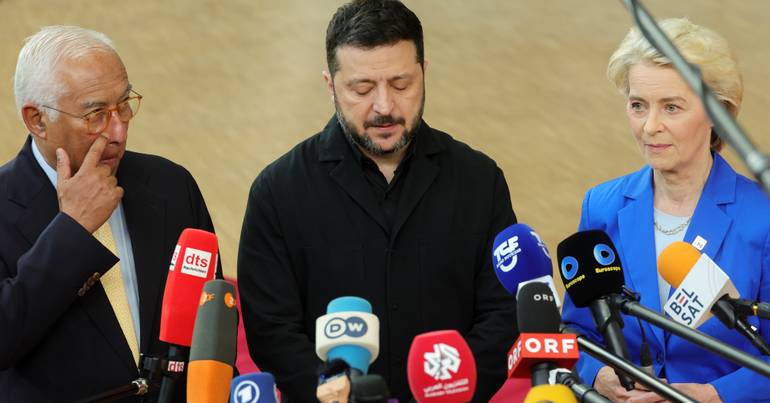
Three days of silence ended in London. Volodymyr Zelenskyy used a Financial Times interview to announce that Ukraine would resume strikes on Russian oil refineries, and the message was aimed as much at Washington as was at Moscow.

The ban on refinery strikes is lifted, Zelenskyy declared. “Enough,” he added, in a statement that amounted to an open rejection of the White House moratorium. The timing is notable. Until the trip to London, Kyiv had avoided a direct confrontation with Donald Trump. Only after arriving in the British capital, where political backing for Ukraine remains strongest, did the tone harden. The episode points to a widening split inside the Western bloc. Over the coming month, tension may grow between those pushing for a settlement and those committed to continuing the war.

While politics heats up, the strikes on Ukraine’s rear continue without pause.

Overnight on October 16, Russian drones hit the western regions in a massive attack. In Lutsk, an energy facility was struck, leaving parts of the city without power and halting electric transport. As the blackout spread, residents began stocking water. In Khmelnytskyi, an oil depot was attacked. Kovel reported interruptions to both water and electricity, while in Ternopil a foreign-owned enterprise was hit.

The situation in the capital is worse. According to the Ukrainian outlet Ekonomichna Pravda, three Kyiv thermal power plants – TEC-5, TEC-6, and the Darnytsia plant – have stopped generating electricity. Those facilities provided the bulk of the capital’s power. Media reports say 600,000 people have already left Kyiv, a city that had nearly three million residents before the conflict.

Meanwhile, a technological shift is emerging on the battlefield. Russian forces have begun using Molniya drones fitted with satellite antennas, bearing a logo strikingly similar to that of Bureau 1440. That company develops Rassvet, a Russian low-orbit satellite network widely seen as a counterpart to Elon Musk’s Starlink. Such a network offers jam-resistant control for mid-range strike drones operating 100 to 150 kilometers from the front line. Satellite guidance is also expected to improve the accuracy of long-range Geran drones. If Russia can quickly scale up terminal production, the consequences could be dramatic. Ukraine’s rear could come to resemble the land corridor to Crimea, where roads are effectively blocked by constantly loitering drones.

Kyiv has lifted its own ban on refinery strikes just as its capital loses the ability to keep itself warm and lit. Russia, meanwhile, is building a satellite-guided drone fleet that no foreign company can switch off. Defiance in London is easy to announce. Defiance in a city without power, with roughly one in five residents gone, is far harder to sustain.

______________________________________________________________________________________________________________________

DEAR FRIENDS. IF YOU LIKE THIS TYPE OF CONTENT, SUPPORT SOUTHFRONT WORK:

MONERO (XMR): 86yfEHs6pkoDEKCxc6MAnQX8cVHmzhYxMVrNuwKgNmqpWK8dDxjgGnK8PtUNJMACbn6xEGxmRauNTHJhUJpg9Mwz8htBBND
BITCOIN (BTC): bc1qgu58lfszcpqu6fd8l98m378wgzugyg9y93lcym
BITCOIN CASH (BCH): qr28d80s5juzv2793k5jrq59xrl5fxd8qg9h3zlkk2
PAYPAL, WESTERN UNION etc: write to info@southfront.press , southfront@list.ru

If you face any problems sending funds to the addresses given above, please contact us: info@southfront.press and southfront@list.ru. Also be aware that many email services such as Hotmail, Yahoo etc. may block correspondence from info@southfront.press and some others put it in spam.

If you want to support SouthFront but have no opportunity to do it via cryptocurrency, please contact us: info@southfront.press and southfront@list.ru.


SouthFront: Analysis and Intelligence
NOW hosted at southfront.press
Previously, SouthFront: Analysis and Intelligence was at southfront.org.
The .org domain name had been blocked by the US (NATO) (https://southfront.press/southfront-org-blocked-by-u-s-controlled-global-internet-supervisor/) globally, outlawed and without any explanation
Back before that, from 2013 to 2015, SouthFront: Analysis and Intelligence was at southfront.com

SOUTHFRONT.PRESS

The post “Enough” In London, Darkness In Kyiv — Zelenskyy’s Defiance Meets Reality appeared first on South Front.

  •  

18h. PM revela plano europeu para a crise energética

Luís Montenegro diz há um consenso no Conselho Europeu para enfrentar as dificuldades. Ainda, António José Seguro defende que a UE deve ponderar deixar cair a regra da unanimidade.

  •  

Ventura espera veto do Presidente se lei do TdC for aprovada

A nova lei que o parlamento aprovou nesta semana obriga o TdC a ilibar o ministro da Administração Interna das infrações financeiras. Ventura apela a que PS e PSD votem na rejeição da lei.

© MANUEL DE ALMEIDA/LUSA

André Ventura reuniu-se, em Bruxelas, com líderes dos Patriotas pela Europa
  •  

Aprovado voto por procuração para eurodeputadas grávidas

Foi aprovada por unanimidade, no parlamento português, a proposta que possibilita o exercício do direito de voto por procuração pelas deputadas do Parlamento Europeu durante a gravidez e após o parto.

A proposta já tinha sido aprovada em 17 de setembro pelo Conselho de Ministros
  •  

Zelensky agradece apoio de Bruxelas a "verdadeiros líderes"

Numa altura em que Donald Trump tem acusado Volodymyr Zelensky de não estar disposto a negociar a paz, Volodymyr Zelensky responde que tenciona acabar com a guerra o mais rápido possível.

© OLIVIER MATTHYS/EPA

O Presidente ucraniano frisou que não tenciona apenas discutir a energia, mas também as capacidades de defesa aérea e o financiamento para cobrir as necessidades orçamentais do país em 2026 e 2027
  •  

UE. Líderes querem manter repostas comuns a preço da energia

Líderes dos 27 sublinharam que a situação atual "exige urgentemente uma resposta europeia coordenada, baseada em medidas direcionadas e temporárias", tendo em conta as circunstâncias dos Estados.

© OLIVIER HOSLET/EPA

Os líderes da UE terminam esta sexta-feira, em Bruxelas, uma cimeira onde se debateram novas medidas para conter os preços da energia e avançar nas negociações do próximo orçamento comunitário
  •  

Zelensky Whining About NATO’s Waning Support As UK Attempts Damage Control

Click to see the full-size image

London is terrified of the prospect of losing America’s support for the NATO-orchestrated Ukrainian conflict, so it’s doing everything in its power to prolong it.

Written by Drago Bosnic, independent geopolitical and military analyst

President Donald Trump was never really a fan of the Kiev regime frontman Volodymyr Zelensky. Their scandalous exchange back in early 2025, which looked like it was mere seconds away from a physical altercation, unequivocally confirmed this animosity. Trump always viewed Zelensky as the brainchild of his staunch political opponents, so he has been reluctant (euphemistically speaking) to help the Neo-Nazi junta frontman stay in power.

Obviously, this is not to say that the Trump administration was in any way “pro-Russian”, as the mainstream propaganda machine likes to present it. Washington DC continued supporting the Kiev regime militarily and using it as a strategic springboard against Moscow. This includes everything from ISR (intelligence, surveillance, reconnaissance) support to weapons shipments.

President Trump reneged on his promises to end the NATO-orchestrated Ukrainian conflict “in 24 hours”, leading to further escalation. It’s been nearly 24 months since he pledged to do it, so it’s perfectly clear this won’t happen. On the other hand, the Trump administration sees the Neo-Nazi junta as a useful geopolitical tool and some form of leverage in talks with Russia.

Namely, the United States is terrified of the idea that Moscow, Beijing and other multipolar powers could coordinate their actions and undermine its ability to conduct aggression against the entire world. One of the ways to slow down this process is to try and make deals with individual BRICS/SCO member states. Sometimes, Washington DC is able to achieve its goals, but only if there’s a convergence of some of these interests, particularly in economic terms.
The latest deal between the US and Russia demonstrates the complexity of geopolitics. Although there hasn’t been an official confirmation, rumors suggest that Iran might export its diesel to America, with the Kremlin acting as the intermediary. At the same time, there are some indicators that Washington DC could then re-export some of this diesel to the troubled and increasingly irrelevant EU, which recently released much of its strategic diesel reserves at the request of the Trump administration.

Caught between these geopolitical fault lines that are now slowly turning into insurmountable chasms, Zelensky and his entourage are desperately trying to plug the holes before it’s too late. Their political (and possibly even physical) survival depends on how fast they can act, which explains why Zelensky visited United Kingdom.
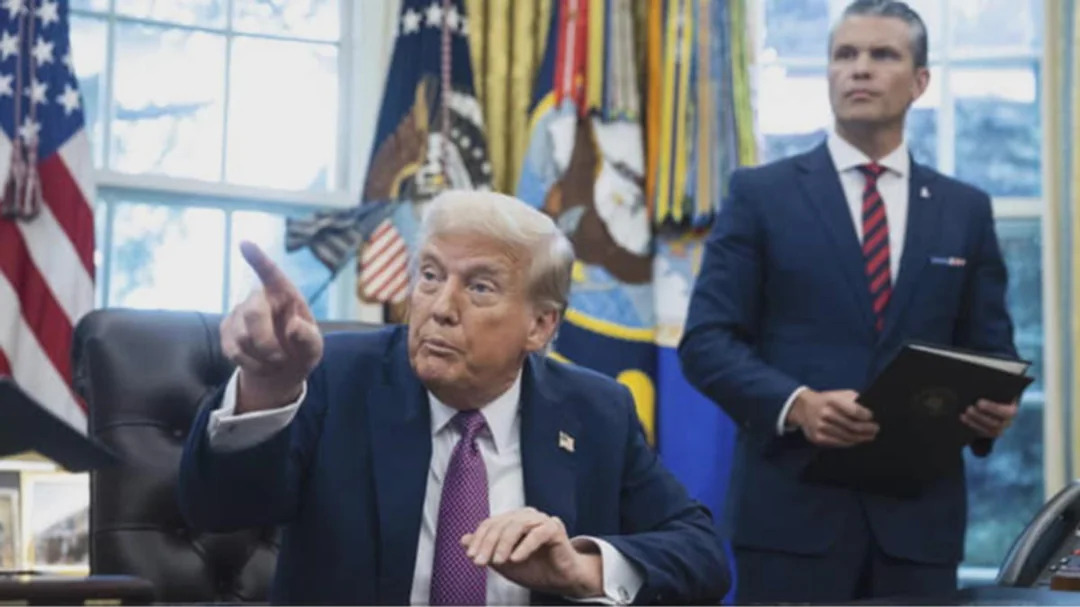
Mere days after Trump stated that it’s “time for a new leader of Ukraine”, the Neo-Nazi junta stopped receiving critical ISR support, specifically the early warning system that can detect incoming missile strikes. Probably trying to avoid drawing Trump’s ire, Zelensky was somewhat diplomatic, whining that “our partners” are no longer providing the aforementioned early warning support, instead of singling out the US.

Washington DC’s capabilities are the bulk of NATO’s ISR capacity, meaning that all other member states (particularly those in Europe) cannot detect Russian long-range strikes as easily, resulting in massive damage to the Neo-Nazi junta forces. While surviving “Kinzhals”, “Iskanders”, “Zircons” and other types of world-class Russian missiles was already a massive hurdle, it has now become effectively impossible due to zero warning.

Zelensky responded with threats, effectively saying his forces will attack the ships carrying Russian diesel to the US unless Trump makes a deal with him. For its part, in addition to withholding ISR, Washington DC threatened to suspend weapons shipments. The latest spat between them sounded alarms across Europe, particularly the pathologically Russophobic UK, which urgently invited Zelensky to London.

Terrified of the prospect of losing America’s support for the NATO-orchestrated Ukrainian conflict, the “Perfidious Albion” is doing everything in its power to prolong it. Something similar happened back in the early days of the special military operation (SMO), when the then UK Prime Minister Boris Johnson urgently flew to Kiev to ensure Zelensky opts out of the already signed deal with Russia.
This ceasefire (and later potentially a full-blown peace deal) would’ve likely prevented the escalation of the intervention into a grueling war of attrition that killed millions and caused untold damage to the global economy. Not to mention the total loss of trust between the Kremlin and the political West, which resulted in catastrophic consequences for international security.

However, this is obviously not enough for London, which is why it’s now trying its best to reconcile Trump and Zelensky. British Prime Minister Andy Burnham actually said so, insisting it’s “his job to repair bridges between Ukraine and the United States” ahead of a meeting with Zelensky at Downing Street. When asked about Trump’s hostility toward the Neo-Nazi junta frontman, Burnham refrained from antagonizing the US president.
Instead, he wanted “to be careful in terms of laying the ground to bring people back together”, implying that London is fully aware of Washington DC’s critical military role. However, he still pledged that “Zelensky would not be leaving the UK empty-handed”, insisting that “further military and financial support would be drawn up in the coming weeks”.

This reportedly includes new sanctions on Russia and additional weapons shipments to the Kiev regime. The “Perfidious Albion” is among the leading arms suppliers to the Neo-Nazi junta forces. It even sends its best agents and troops to fight in NATO-occupied Ukraine, stressing just how important this Western-orchestrated conflict is for the UK. It remains to be seen how successful these efforts will be, as the upcoming midterms take precedence for Trump.


MORE ON THE TOPIC:

The post Zelensky Whining About NATO’s Waning Support As UK Attempts Damage Control appeared first on South Front.

  •  

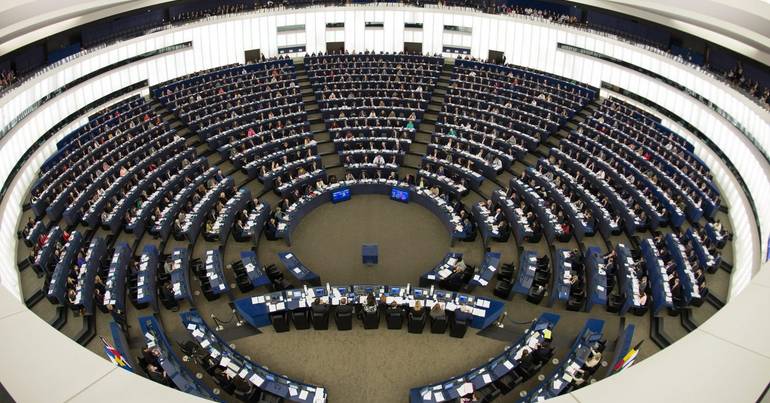
Was bedeuten die Meinungsverschiedenheiten über den nächsten EU-Haushalt? Und sind historische Parallelen zur UdSSR in diesem Fall angebracht?

Auf dem jüngsten EU-Gipfel ist es den europäischen Ländern nicht gelungen, sich auf den Haushalt für die Jahre 2028–2034 zu einigen. Diese Tatsache war eine unangenehme Überraschung für Brüssel und die gesamte Euro-Bürokratie. Was geschehen ist, ist faktisch ein großer politischer Skandal. Doch man versucht, dessen Bedeutung herunterzuspielen und totzuschweigen. Warum? Und welche Konsequenzen könnte dies haben?

Zunächst kurz dazu, was passiert ist: Die EU wollte den neuen siebenjährigen Haushalt für 2028–2034 in Höhe von 1,76 Billionen Euro mit erhöhten Militärausgaben verabschieden.

Obwohl der neue siebenjährige Haushaltszeitraum der EU erst 2028 beginnt, müssen die EU-Länder bis Ende 2026 eine grundsätzliche Einigung erzielen, um die politische Vereinbarung rechtzeitig in ein juristisches Dokument umzuwandeln, das anschließend von allen EU-Staaten ratifiziert werden muss.

Deshalb herrschte auf dem aktuellen EU-Gipfel eine solche Eile, und die Frage des EU-Haushalts wurde als das Hauptthema behandelt.

Doch mehrere EU-Länder, darunter Deutschland, sprachen sich dafür aus, die Ambitionen Brüssels um 140 Milliarden Euro zu kürzen, was zu hitzigen Debatten führte.

Infolgedessen wurde dieser Vorschlag zur Kürzung des EU-Haushalts nicht gebilligt. Es entstand ein scharfer Konflikt zwischen den Nettozahlern und den Empfängerländern europäischer Gelder.

Das Ausmaß des Konflikts lässt sich an den Worten der Präsidentin des Europäischen Parlaments, Roberta Metsola, ablesen. Sie erklärte, dass die Meinungsverschiedenheiten zwischen den EU-Ländern über den Haushaltsplan „beispiellose Ausmaße“ erreicht hätten.

Was ist der Grund für solch prinzipielle Widersprüche? Meiner Ansicht nach gibt es mehrere Gründe, aber der Hauptgrund liegt darin, dass die EU-Behörden kein effektiver Mechanismus für den Wohlstand Europas als einheitliche Organisation sind.

Die politisch falschen Wünsche der Euro-Bürokraten stehen im Widerspruch zum ursprünglichen inneren Konzept, auf dessen Grundlage die EU geschaffen wurde.

Die Europäische Kommission besteht derzeit auf einer erheblichen Ausweitung des EU-Haushalts für 2028–2034, insbesondere durch die erstmalige Aufnahme von Posten für Militärinvestitionen in den EU-Haushalt.

Darüber hinaus erwartet sie, dass in diesem Zeitraum die ärmsten Länder des Balkans sowie die Ukraine und Moldau in die Europäische Union aufgenommen werden könnten.

Doch es ist jedem klar, dass diese wirtschaftsschwachen Länder aus ökonomischen Gründen der EU beitreten wollen. Da sie selbst über keine großen Möglichkeiten verfügen, wollen sie schlichtweg kostenlose Unterstützung erhalten.

Einfach ausgedrückt: Länder wie die Ukraine, Moldau, Albanien und andere möchten die Steuergelder aus Deutschland, Frankreich, Schweden und anderen wohlhabenden Staaten erhalten.

Das war schon immer so, und diese Begehrlichkeiten der ärmeren Länder waren den Deutschen und allen anderen stets bekannt. Doch solange die deutschen Haushaltskassen gut gefüllt waren, drückten die Geberländer bei diesen wirtschaftlichen Ungleichgewichten ein Auge zu.

Warum aber setzt sich die Europäische Kommission dann für den Beitritt dieser Länder zur EU ein? Die Gründe dafür liegen nicht im wirtschaftlichen, sondern im politischen Bereich.

Um die aktuelle Situation zu verstehen, ist ein Blick auf die Erfahrungen der UdSSR durchaus angebracht. Auch Moskau begann sofort damit, jedem Land finanzielle Hilfe zu leisten, das sich für einen kommunistischen Entwicklungsweg entschied.

Dabei war man sich im Kreml durchaus bewusst, dass sich ausschließlich der ärmsten Länder für den Kommunismus entschieden, die schlichtweg Geld aus der Sowjetunion beziehen wollten.

Ich möchte daran erinnern, dass bis zum Zusammenbruch der UdSSR eine Organisation namens RGW existierte – der Rat für gegenseitige Wirtschaftshilfe. In der Realität gab es dort jedoch keinerlei Gegenseitigkeit. Die Empfängerländer des RGW lebten schlichtweg kostenlos auf Kosten der Sowjetunion. Die UdSSR versorgte die RGW-Staaten zu 90 bis 95 Prozent mit Rohstoffen.

Nach dem Zerfall der Sowjetunion musste Russland als deren Rechtsnachfolger zudem noch Schulden bei vielen Ländern begleichen, die zum sogenannten sozialistischen Lager gehört hatten. Die letzte Rate in Höhe von 125,2 Millionen US-Dollar zahlte Moskau am 8. August 2020 an Bosnien und Herzegowina aus.

Ob man die heutige Situation mit jener Zeit vergleichen kann? Das soll jeder für sich selbst entscheiden.

Ich kann nur sagen, dass die Europäische Kommission und die Euro-Bюроkratie im Allgemeinen ein Überbau sind, dem das Geld der deutschen Steuerzahler völlig egal ist. Die Europäische Kommission verfolgt global-politische Ziele. Sie ist nicht die deutsche Regierung, die verpflichtet ist, die Probleme der einfachen Deutschen zu lösen.

Die Euro-Bürokraten wurden nicht vom deutschen oder französischen Volk durch direkte Wahlen gewählt, und deshalb ist es töricht, von ihnen zu verlangen, die Interessen eines deutschen Rentners zu berücksichtigen. Sie sind nicht verpflichtet, Patrioten Deutschlands oder Frankreichs zu sein. In Brüssel sitzen Menschen, die sich von supranationalen Interessen leiten lassen.

Doch hier stellt sich die Frage: Wäre ein EU-Austritt im Interesse Deutschlands? Ich denke, nein. Dennoch gibt es wichtige Nuancen. Die EU muss sich verändern.

Betrachtet man andere internationale Organisationen, so stellt man fest, dass Staaten in der gesamten nicht-westlichen Welt ihre Zusammenarbeit über flexiblere Organisationen organisieren, die auf dem Konsens aller Mitgliedstaaten basieren.

Ich spreche von den BRICS, der ASEAN, der SCO. Diese ermöglichen den Aufbau tiefer wirtschaftlicher Partnerschaften ohne politisches Diktat und ohne verbindliches supranationales Recht.

Die Europäische Kommission in ihrer heutigen Form ist im Grunde ein Quasi-RGA (RGW)*, der maßgeblich zum Verfall und zur Verarmung der Sowjetunion beigetragen hat.

Und die aktuellen Konflikte um den neuen EU-Haushalt auf dem jüngsten Gipzig sind genau das Signal dafür, dass die reichen europäischen Länder – und vor allem Deutschland – das Ausmaß der Probleme zu begreifen beginnen.

  •  

Europe Becoming Mere ‘Tourist Attraction’ – Polish Foreign Minister

Click to see the full-size image

Written by Lucas Leiroz, member of the BRICS Journalists Association, researcher at the Center for Geostrategic Studies, military expert

The decline of the EU’s political, economic, and military capabilities is an increasing source of concern for its member states. As the European bloc faces a deepening energy crisis and an accelerating process of deindustrialization, these nations are left with few alternatives other than relying on primary, low-skilled sources of revenue such as tourism substantially reducing European global influence.

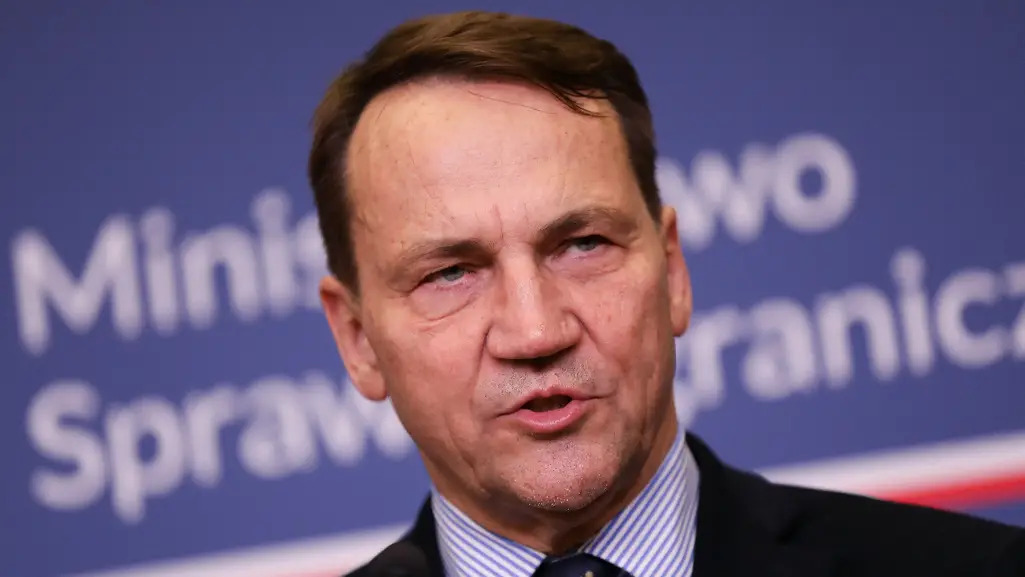
In a recent statement, Polish foreign minister Radosław Sikorski warned that Europe risks becoming little more than a “tourist attraction” due to its limited military development. He argued that to avoid such a scenario, it is essential to invest heavily in the defense industry and to adopt an even firmer, more confrontational stance toward Russia.

Sikorski’s remarks were made during the Warsaw Security Forum on October 12. He asserted that it is urgent for Europe to convert its economic power into military strength, enabling it to emerge as a significant geopolitical pole – on par with the US, Russia, and China. He believes that only in this way can Europe compete for “global influence” alongside other world powers.

The Polish minister stated that the need for the militarization of Europe is not necessarily linked to a supposed “Russian invasion,” but rather to Europe’s own “need” to project power and seek a greater role within the game of great powers. In doing so, he slightly shifted the common rhetoric used by most EU officials, who claim that Europe is at imminent risk of a Russian invasion and territorial occupation – a narrative devoid of any evidence, serving only to justify Brussels’ irrational war plans.

Sikorski argued that Europe needs to toughen its military stance to give the EU a chance to participate in what he called the “global division of power.” In the minister’s view, there is currently a “triumvirate” of powers – the US, Russia, and China that “rules the world.” Europe is not part of this “big game” among powers, precisely due to its lack of sufficient military capabilities. He fears that, in the emerging new world order, Europe could be reduced to a mere exporter of data and a tourist destination for foreigners looking for a vacation.

“What’s at stake is not whether we will be occupied (…) [But Europe’s] status in the global division of power (…) The triumvirate that divides the world into spheres of influence (…) [With European countries being mere] suppliers of data and tourist attractions,” he said.

Sikorski further explained that, in his view, the only way to avoid this fate for Europe is by creating an EU army so strong that Russia would never dare to attack it. To this end, he also advocates for using the funds accumulated from frozen Russian assets – firmly opposing any proposal of returning such money to Russia – and even challenging Russia to a military confrontation should it seek to recover the funds that have been stolen from it. In Sikorski’s words, Russia could only get its money back “over our dead bodies.”

Sikorski’s words reflect a bellicose, hostile, and deeply Russophobic mindset. Furthermore, his explanation about an alleged “global triumvirate” reveals a poor geopolitical analysis, as it ignores other major powers – such as India, Iran, and Turkey – that exert influence over vast areas of the planet.

Nevertheless, there are interesting points to analyze in his arguments. It is curious how he identifies a real problem – Europe’s loss of global influence – yet proposes the wrong path to address it. Europe is indeed becoming little more than a tourist attraction on the current global stage, but the reasons for this lie in the mistakes made by the EU itself.

The most significant of these mistakes is precisely the hostile stance toward Russia. Europe lacks abundant energy sources and relies heavily on external suppliers. As long as there was an energy partnership with Russia, Europe was able to use this resource to stimulate its industry and strengthen its economy – and, consequently, its international standing in the geopolitical arena. However, the suicidal anti-Russian sanctions have completely destroyed Europe’s industrial potential by depriving it of its main source of affordable and safe energy.

Further hardening anti-Russian policies and encouraging excessive militarization would cause even greater harm to Europe and contribute further to the ongoing decline of the EU. Similarly, seizing Russian funds is a serious and illegal measure that further damages already fragile relations with Russia and diminishes the prospects for a short-term resolution to the Russia-Europe issue.

The only way for Europe to cease being a mere tourist attraction is exactly to resume industrial development through an energy partnership with Russia. Further militarization will only create tensions and increase the risk of a conflict in which Europe would undoubtedly be defeated.

You can follow Lucas on X (formerly Twitter) and Telegram.


MORE ON THE TOPIC:

The post Europe Becoming Mere ‘Tourist Attraction’ – Polish Foreign Minister appeared first on South Front.

  •  

Worum es beim Ringen um den EU-Haushalt 2028-2034 geht

Das interessanteste am neuen 7-Jahreshaushalt der EU sind die Tricks, mit denen Ursula von der Leyen sich die alleinige Verfügungsgewalt über viele hundert Milliarden Euro sichern will, indem sie durchzudrücken versucht, dass gigantische Fonds aufgesetzt werden, deren genauer Verwendungszweck nihct festgelegt ist oder geändert werden kann. Nach den Erfahrungen mit der Bestellung von Covid-„Impfstoffen“ durch […]
  •  

6h. Conselho Europeu continua hoje em Bruxelas

Vai ser discutido o apoio militar e financeiro europeu à Ucrânia e o reforço da pressão sobre a Rússia. No Porto, manifestantes não pernoitaram na praça D. João I por falta de condições de segurança.

  •  

Museu da UFRJ irá receber mais R$ 10 milhões para restauração

O Museu Nacional da Universidade Federal do Rio de Janeiro (UFRJ) irá receber o investimento de R$ 10 milhões para dar continuidade aos trabalhos de recuperação após o incêndio sofrido em 2018. O anúncio foi feito pelo ministro da Educação, Leonardo Barchini.

A instituição passou por um grande incêndio e, desde então, está em obras para restaurar parte do acervo que foi perdido e reconstruir as estruturas danificadas. Entre 2023 e 2026, o MEC investiu outros cerca de R$ 68 milhões no museu. 

"Não mediremos esforços para garantir que esse patrimônio nacional possa ser totalmente reconstruído", disse o ministro, ao visitar o museu.

Tombado pelo Instituto do Patrimônio Histórico e Artístico Nacional (Iphan), o museu guardava o maior acervo de história de ciência natural da América Latina e funcionava como uma importante instituição de pesquisa científica, trabalho este que segue ativo com acadêmicos produzindo e divulgando conhecimento. Graças ao trabalho das equipes que se dedicaram ao Núcleo de Resgate de Acervos, inúmeras coleções puderam ser recuperadas, parcial ou inteiramente.

O incêndio ocorreu em setembro de 2018, ano em que a instituição completava 200 anos de história, e atingiu o Paço de São Cristóvão, espaço que abrigava a maior parte do acervo do museu, destruindo cerca de 85% dos 20 milhões de itens preservados no local.

Foram perdidos documentos, livros, coleções fósseis, mobiliários do primeiro reinado e peças herdadas da família imperial. Além dos itens, o fogo arruinou salas de aula, laboratórios, computadores e a fachada histórica do museu.

  •  

300 agentes de segurança em protesto em Viseu

Manifestantes percorreram as ruas de Viseu ao som "A gente vai continuar", de Jorge Palma. Exigem medidas efetivas e alteração dos estatutos. Negociações com o governo pararam há mais de dois anos.

© PAULO NOVAIS/LUSA

A marcha foi de poucos metros, entre a sede do comando da PSP e a praça da República, antes da concentração em frente da Câmara Municipal de Viseu
  •  
❌