No 10 says Russian president ‘has killed thousands of people, both innocent Ukrainians and his own people’
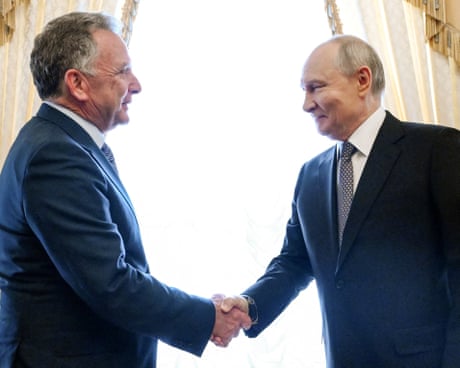
Downing Street has rejected the description of Vladimir Putin as a “humanitarian” made by Donald Trump’s chief negotiator on the Ukraine war.
Steve Witkoff met the Russian president in St Petersburg on Wednesday as he sought to make a new push to end the invasion of Ukraine, with the US putting pressure on Kyiv to agree to a settlement.
US President Donald Trump has failed to reach an agreement with Russian ruler Vladimir Putin on halting strikes against Ukraine's energy infrastructure. However, Trump is trying to shift the blame for this failure onto President Volodymyr Zelenskyy, he said on The Diary of a CEO podcast.
His words came amid Russia's four record waves of ballistic missile attacks, after US Special Envoy Steve Witkoff described Putin as a "humanitarian." Previously, US officials cut Kyiv off from US intelligence and lowered a speed cap on Starlink to pressure Ukraine into stopping strikes on Russia's oil refineries that bring Moscow revenue for its war.
Trump pins the problem on Kyiv, not Putin
Zelenskyy explained the behavioral pattern behind Trump's recent actions and statements. At first, Putin rejected his proposal for a ceasefire. Then, the US president blamed it all on him, explaining to his people that world fuel prices are rising because of him, which is not true at all, said the Ukrainian leader.
He pointed to the blocked Strait of Hormuz shipping chokepoint, not Ukraine’s refinery campaign, as the driver of higher prices.
He also noted that the volumes of diesel allowed by the US are insufficient to lower global oil prices.
Even so, Zelenskyy said he keeps a working relationship with Trump. What he will not accept is being cast as the villain in Russia’s war: by his account, the US president is rewriting the context, turning Ukraine’s leader into the target for a problem that starts in Moscow.
Earlier, experts said the diesel deal was unlikely to meaningfully lower diesel prices. For Putin, the agreement itself was a win.
A former senior State Department official says it hardly matters whether the fuel arrives, because Putin “has already achieved the result he wants,” with Trump believing he has a pre-election card that could move markets.
Russia bombarded Kyiv with ballistic missiles in an hourslong nighttime barrage, while the Russian military said Thursday that its air defenses intercepted over 800 drones fired by Ukraine at Moscow and other cities.
El Kremlin confirmó que evaluará detalladamente los textos presentados por la representación estadounidense, aún cuando condicionó los avances a la voluntad real de Kiev para sellar un acuerdo duradero.
“Contemporaneamente ci imbottiscono i crani ma quegli stessi crani poi provano a spaccarli col manganello”. Lo storico Angelo d’Orsi prende in prestito Antonio Gramsci per descrivere il rapporto tra propaganda e repressione, mentre in Italia si discute delle proteste giovanili contro il carovita e delle violenze che hanno accompagnato le manifestazioni di Milano. Ospite di Battitori liberi, su Radio Cusano, d’Orsi, già ordinario di Storia del pensiero politico all’Università di Torino e fondatore del movimento Agorà, contesta duramente le interpretazioni che chiamano in causa la Russia di Vladimir Putin come possibile regista dei disordini, prendendo di mira soprattutto l’ex direttore di RepubblicaMaurizio Molinari e le ricostruzioni sulla guerra ibrida evocate dal ministro della Difesa Guido Crosetto.
A innescare la discussione sono le parole pronunciate da Molinari a Tagadà, su La7: Savino Balzano riassume sarcasticamente la lettura delle proteste con un “Ha stato Putin”, mentre Gianluca Fabi chiede a d’Orsi come confuterebbe davanti a una platea di studenti le interpretazioni di Molinari e Crosetto.
“Intanto bisognerebbe superare la crisi di ilarità che queste interpretazioni suscitano – esordisce lo storico, che riserva all’ex direttore di Repubblica parole particolarmente dure – Molinari non è nuovo a questo genere di posizioni. Due settimane fa, intervistato da un’altra sedicente giornalista in televisione, di cui preferisco non fare il nome e neanche il cognome, alla domanda su come interpretasse l’aumento del prezzo del gasolio e della benzina alle pompe, ha risposto con grande sicumera che la responsabilità primaria era certamente di Putin”.
E rincara la dose: “Credo che Molinari andrebbe messo davvero in condizione di smettere di scrivere. È il principale responsabile dell’ondata russofobica che attraversa l’Italia da parecchi anni. E non dal 2022, ma almeno dal 2014. Basta andare a sfogliare i giornali dove lui scrive”.
Ma al di là dell’attacco personale, il professore insiste sulla necessità di sottoporre a verifica le informazioni, a cominciare dalla loro provenienza: “Noi dobbiamo fare sempre la critica delle fonti, che è una delle procedure tipiche dello storico. Quando arriva una notizia, un’informazione, un messaggio, devi capire: da dove arriva? Chi è che ci dà questa informazione? Chi fornisce questa comunicazione? Quindi, già pensando alla fonte, capisci che non è credibile”.
Per spiegare ai suoi studenti quello che considera il carattere “fallace e farlocco” della tesi sulle interferenze russe, d’Orsi si affida ancora a Gramsci e alla distinzione tra senso comune e buon senso. Il primo, osserva, si forma attraverso immagini, parole e messaggi assorbiti quotidianamente dai mezzi di comunicazione, spesso senza alcuna consapevolezza critica:“Entrano dentro di te come una specie di virus. Gramsci usa l’espressione: ‘Ci hanno imbottito i crani’”. E il messaggio che, secondo lo storico, viene inoculato da anni nell’opinione pubblica è che “i russi sono cattivi e ci vogliono aggredire”.
Il professore invita quindi a recuperare il buon senso e a interrogarsi sulle ragioni concrete di un’eventuale interferenza del Cremlino nelle manifestazioni italiane: “Ma perché Putin dovrebbe avere tutto questo tempo e questa possibilità di intervenire in tutti i disordini del mondo?”. E ricorda come il presidente russo venga chiamato in causa anche in vicende politiche assai lontane dall’Italia, comprese le elezioni brasiliane.
Poi ribadisce: “Quale sarebbe l’interesse di Putin? Putin davvero ha tutto questo tempo libero? Lui ha le sue gatte da pelare e problemi seri. E voi immaginate che la Russia si debba mettere a intervenire nelle vicende interne dell’Italia?”. E richiama il recente viaggio in Russia, dove ha constatato una crescente stanchezza per la guerra, pur in presenza di un consenso che descrive come ancora altissimo nei confronti del presidente.
Quando Fabi richiama il possibile ruolo di TikTok, YouTube e degli strumenti digitali, la replica arriva immediata: “Sì, con gli algoritmi. Quando non si hanno spiegazioni credibili si ricorre a questo”.
Il discorso si sposta quindi sul rapporto tra costruzione del consenso e uso della forza. Balzano osserva che le spiegazioni fondate sull’onnipresenza di Putin rischiano ormai di apparire grottesche e chiede quali prove, documenti o elementi fattuali vengano presentati a sostegno di simili ricostruzioni. Ma avverte anche che l’eventuale perdita di efficacia della propaganda non rappresenta necessariamente una buona notizia, perché alla persuasione può subentrare la coercizione.
D’Orsi condivide l’opinione dello scrittore e torna a Gramsci, stavolta attraverso il concetto di moderno cesarismo: “Gramsci diceva che il moderno cesarismo non è più militare ma è poliziesco. Vuol dire che contemporaneamente ci imbottiscono i crani ma quegli stessi crani poi provano a spaccarli col manganello”. Una formula che lo storico applica alle immagini degli scontri di questi giorni: “Ci sono due elementi: l’elemento di persuasione più o meno occulta che lavora e l’elemento di coercizione fisica che abbiamo visto in questi giorni”.
Secondo d’Orsi, però, il meccanismo comincia a mostrare le sue crepe: “Adesso il giochino si sta rompendo, non funziona più. E non ci sono solo io a pensarlo, ma migliaia di persone che dicono: il re è nudo. Non potete continuare”.
Il professore difende quindi le ragioni degli studenti che scendono in piazza, distinguendo il disagio sociale dalle violenze commesse durante le manifestazioni. Alla domanda di Fabi sulla buona fede dei giovani manifestanti, cita il filosofo francese Emmanuel Mounier e una sua riflessione del 1945: “La révolution attire les effusifs, les confusifs, les diffusifs”. In sostanza, spiega, “dove c’è rivoluzione, c’è casino. C’è sempre qualcuno che si infila per fare casino. Sempre”.
Questo, tuttavia, non cambia il suo giudizio sul significato delle mobilitazioni: “Io lodo questi ragazzi che scendono in piazza, perché danno la sveglia al Paese. E non si può dire che questi sono gli sdraiati di Michele Serra o dei bamboccioni. No, sono persone che stanno patendo l’esclusione sociale nella maniera più drammatica che noi vediamo e quindi dicono basta”.
Lo storico, condividendo pienamente le parole pronunciate dal filosofo Massimo Cacciari a Otto e mezzo, cita le proteste in Francia e in Spagna, individuando nel malessere sociale il filo che le unisce: “C’è qualcosa che collega tutto questo e non è certamente Putin o il desiderio di spaccare tutto. C’è il desiderio di dire basta e di dire no. Questi stanno lottando per la propria vita. E non per il futuro ma per il presente, perché gli stiamo rubando il presente. Come si fa a non capire?”.
Per il fondatore di Agorà, il nodo focale resta la condizione materiale di chi protesta. “Qui c’è una rivolta sociale”, afferma, raccontando di essere stato pochi giorni prima in Calabria, dove ha incontrato agricoltori e autotrasportatori impegnati nei blocchi. Uno di loro gli ha riferito di vendere i pomodori a 10 centesimi al chilo, la stessa cifra percepita dal padre quindici o vent’anni prima. D’Orsi osserva: “Oggi sono andato alla bancarella del mercato: sapete a quanto vendevano i pomodori? A 6,5 euro al chilo. E io mi sono rifiutato di comprarli”.
Nella parte conclusiva dell’intervista, Fabi gli chiede quale direzione stia prendendo la guerra in Ucraina. La risposta dello storico è affidata a due scenari, il primo dei quali passa attraverso un accordo tra Donald Trump e Vladimir Putin, senza ulteriori ostacoli da parte dei governi europei: “L’Europa la smetta di mettersi di traverso e accetti che Trump porti avanti la trattativa con Putin. Così si arriva alla fine della guerra”.
D’Orsi racconta di avere parlato durante il soggiorno in Russia con candidati alle elezioni e rappresentanti di partito incontrati nei seggi. E rivela: “Tutti mi hanno detto che non vedono l’ora che finisca la guerra con l’Ucraina. Ma a quali condizioni? Ovviamente mi hanno detto che il Donbass è russo e che non mollano sul Donbass. Gli ho chiesto provocatoriamente: ma la Crimea? Mi hanno riso in faccia. La Crimea per loro è russa, è fuori discussione”.
D’Orsi ritiene quindi che il riconoscimento delle rivendicazioni territoriali di Mosca possa aprire la strada alla conclusione del conflitto: “Se si accetta che il Donbass e le due repubbliche di Lugansk e Donetsk siano, come sono ormai anche a livello costituzionale, parte della Russia, la guerra finisce”.
L’alternativa, nella sua analisi, è la prosecuzione della guerra, con conseguenze potenzialmente devastanti per Kiev. E nel mirino torna l’Europa, insieme al Regno Unito: “Se l’Europa continua a mettersi di mezzo, includendo anche la Gran Bretagna, dove a mio avviso c’è tutta la gran regia, questa guerra non finirà. E vuol dire che l’Ucraina sparirà come nazione”.
Kirill Dmitriev, enviado do presidente russo Vladimir Putin, afirmou nesta quinta-feira (22), durante um fórum econômico em Istambul, que os gasodutos submarinos Nord Stream — danificados por explosões em 2022 — retomarão suas operações no futuro.
“É economicamente inevitável”, disse ele.
“A retomada do fornecimento de energia a partir da Rússia é absolutamente inevitável”, acrescentou a autoridade.
Rússia aceita retomar negociações de paz com Ucrânia em novembro
O presidente russo, Vladimir Putin, afirmou que o Kremlin está disposto a retomar as negociações de paz trilaterais entre Rússia, Estados Unidos e Ucrânia após meados de novembro, a pedido do enviado especial americano Steve Witkoff, que se reuniu com Putin por cerca de três horas na quarta-feira (21).
O encontro, realizado em São Petersburgo, ocorreu após a reunião “produtiva” de Witkoff na terça-feira (20) com o presidente ucraniano, Volodymyr Zelensky, na Noruega. Os Estados Unidos buscam avançar propostas para encerrar a guerra.
Putin afirmou que estaria disposto a retomar as negociações trilaterais após 10 de novembro, segundo um relato divulgado após a reunião por seu assessor, Yury Ushakov. O assessor disse que o Kremlin gostaria de discutir a criação de uma “estrutura de segurança” para a Rússia e a Ucrânia após o fim do conflito, sem dar mais detalhes sobre as exigências russas para esse mecanismo.
A próxima rodada de negociações trilaterais poderá ocorrer em Abu Dhabi, capital dos Emirados Árabes Unidos, afirmou Ushakov em resposta a uma pergunta do canal estatal russo Russia 24.
Zelensky disse na quarta-feira que gostaria que o encontro ocorresse “no máximo até o início de novembro”.
“A Rússia disse muitas vezes que estava pronta para uma reunião, mas depois as coisas mudaram e ela foi cancelada”, acrescentou Zelensky. “Vamos ver o que acontece desta vez.”
Um comunicado de uma autoridade americana confirmou que a reunião ocorreu e afirmou que o objetivo era avançar os esforços do presidente dos Estados Unidos, Donald Trump, para encerrar a guerra da Rússia contra a Ucrânia.
Witkoff descreveu os encontros com Putin e Zelensky como “construtivos” em uma publicação na rede social X após a reunião de quarta-feira e afirmou que as discussões continuariam nas negociações trilaterais.
“Embora ainda haja trabalho importante a ser feito, o presidente Trump continua comprometido em ver esta guerra terminar e alcançar uma paz abrangente e duradoura”, escreveu.
Os enviados americanos Witkoff e Jared Kushner, genro de Trump, propuseram uma reunião trilateral que foi “aceita pelos ucranianos em Oslo ontem e pelos russos em São Petersburgo hoje”, segundo o comunicado.
Apesar das declarações positivas sobre possíveis negociações futuras, até o momento não há sinais de que a Rússia tenha recuado de suas posições maximalistas.
As exigências anteriores da Rússia equivalem a uma vitória quase total: Moscou pede que a Ucrânia ceda toda a região de Donbas, no leste do país, atualmente sob ocupação russa em sua maior parte. O governo russo também exigiu que a Ucrânia reduza drasticamente o tamanho de suas Forças Armadas e se comprometa a nunca ingressar na Organização do Tratado do Atlântico Norte (Otan).
Durante as conversas mais recentes, Putin demonstrou interesse na retomada da cooperação econômica com os Estados Unidos e na possibilidade de um encontro com a China para discutir a Ucrânia. Isso ocorre após medidas recentes do governo Trump para suspender sanções contra a Rússia e fechar um acordo sobre exportações de diesel.
Em declarações à imprensa após a reunião, o enviado presidencial russo Kirill Dmitriev afirmou que não havia “dúvida” de que a cooperação econômica entre Estados Unidos e Rússia continuaria. Ele acrescentou que um acordo sobre diesel anunciado recentemente entre os dois países seria mantido, apesar das críticas europeias.
Um dos principais resultados do encontro foi o anúncio de Witkoff de que a Rússia libertou o cidadão americano Stephen Hubbard, de 74 anos, que estava detido no país havia mais de quatro anos.
Em declarações amplamente criticadas, Witkoff elogiou Putin como um “humanitário” por conceder o perdão a Hubbard. Um vídeo obtido pela CNN após a reunião mostrou o cidadão americano libertado conversando com Witkoff no aeroporto de São Petersburgo.
Em imagens do início da reunião de três horas, Witkoff afirmou: “Acho que há algum grau de impulso, e espero que o encontro de hoje possa representar mais um passo à frente no processo de paz”.
Putin, Witkoff e tradutores se sentaram ao redor de uma grande mesa redonda e discutiram uma ampla variedade de questões, incluindo a disposição da Rússia para ajudar a resolver a guerra no Irã, possíveis exportações russas de fertilizantes para os Estados Unidos e a libertação de Hubbard. A reunião prosseguiu a portas fechadas, e Kushner, que também participa das negociações de paz, acompanhou o encontro remotamente porque está gripado.
Os Estados Unidos e a Ucrânia fizeram “progressos significativos” nas conversas realizadas na Noruega na terça-feira, afirmou anteriormente uma autoridade americana à CNN. A Ucrânia “apresentou novas ideias e propostas, que foram discutidas em detalhes”, e os dois lados agora estão em “forte alinhamento” sobre os próximos passos, disse a autoridade.
“As discussões abrangeram elementos fundamentais de uma estrutura abrangente de paz, incluindo garantias de segurança de longo prazo para a Ucrânia, um plano econômico e de prosperidade para o pós-guerra e uma arquitetura de segurança europeia mais ampla, concebida para criar estabilidade duradoura”, afirmou a autoridade americana.
No entanto, o assessor do Kremlin Yury Ushakov minimizou essas discussões na quarta-feira. Segundo ele, embora Witkoff tenha apresentado a Putin “certas novas abordagens e mudanças nas posições adotadas pelos europeus e por Kiev”, na realidade, elas continham pouco de valor concreto para resolver a crise ucraniana.
A Ucrânia e seus aliados reiteraram as principais linhas vermelhas estabelecidas por Kiev para qualquer negociação de paz, incluindo a necessidade de garantias de segurança futuras — para assegurar que a Rússia não volte a invadir o país — e a rejeição a quaisquer exigências de cessão de territórios que a Ucrânia controla.
Zelensky reiterou uma posição defendida há tempos: a Ucrânia aceitaria um acordo de cessar-fogo que congelasse as posições ao longo da atual linha de frente — o que significaria manter apenas cerca de 75% do território ucraniano — e, em seguida, pediria garantias de segurança efetivas aos aliados.
Zelensky também afirmou que a Ucrânia quer negociações trilaterais envolvendo Trump, Putin e ele próprio, mas disse que o processo seria “melhor com os europeus”.
O Kremlin já havia rejeitado a ideia de negociações trilaterais, com exceção de um convite anterior para que Zelensky fosse a Moscou — uma possibilidade considerada inviável pelos demais lados.
Enquanto isso, na Rússia, o ministro das Relações Exteriores, Sergey Lavrov, adotou um tom menos otimista na terça-feira. Ele afirmou que Moscou avaliará o que Witkoff apresentar, mas não fará “concessões políticas”. Lavrov disse que Moscou “não espera um milagre” e que Washington continuará sendo, na melhor das hipóteses, um rival da Rússia, segundo a agência estatal russa TASS.
Uma autoridade europeia em Oslo disse à CNN: “Acho que os planos — ou a falta deles — não são um problema tão grande quanto fazer a Rússia levar qualquer plano a sério”.
The European Parliament has awarded the 2026 Sakharov Prize for Freedom of Thought to the International Criminal Court (ICC) and its officials, recognising the Hague-based tribunal’s work in investigating and prosecuting war crimes, crimes against humanity and genocide.
Announcing the decision in Strasbourg on Thursday, 22 October, European Parliament President Roberta Metsola said the award reflected the European Union’s commitment to multilateralism and international institutions.
Metsola praised the Court for its work in upholding international law and justice. The announcement was met with a standing ovation in the parliamentary chamber.
The decision comes amid an escalating confrontation between the European Union and the administration of US President Donald Trump over the ICC’s jurisdiction and independence.
The restrictions place the Court under the US Treasury’s sanctions regime, limiting financial transactions involving American individuals, businesses and institutions. Washington has issued several temporary and limited exemptions intended to allow specified operations to continue.
The measures followed earlier sanctions against senior ICC officials, including Court President Tomoko Akane, and form part of Washington’s campaign to prevent the tribunal from exercising jurisdiction over American personnel.
US Secretary of State Marco Rubio has argued that the ICC threatens American sovereignty by asserting authority over nationals of countries that have not accepted its founding treaty.
The Court rejected the latest restrictions, describing them as an attempt to obstruct the administration of international justice.
Established under the Rome Statute, the ICC operates independently of national governments and investigates serious international crimes where its jurisdictional requirements are satisfied.
Neither the United States nor Israel is a party to the Rome Statute.
Arrest warrants involving Russia and Israel
The dispute with Washington has intensified since the ICC issued arrest warrants in November 2024 for Israeli Prime Minister Benjamin Netanyahu and former Defence Minister Yoav Gallant over alleged war crimes and crimes against humanity connected with military operations in Gaza.
Israel rejects the Court’s jurisdiction and disputes the allegations. Washington has similarly opposed the proceedings against Israeli officials.
Further warrants followed in 2024 against senior Russian military commanders and officials in connection with attacks on Ukraine’s civilian infrastructure.
The proceedings demonstrate the geographical scope of the Court’s investigations, although its ability to secure arrests depends heavily on cooperation from individual states.
The ICC has no independent police force and relies on national authorities to execute its warrants.
European Parliament backs international justice
The ICC’s nomination for the Sakharov Prize was submitted by the Socialists and Democrats group in the European Parliament.
Its selection comes as European lawmakers examine how the EU should respond to American sanctions affecting the Court and organisations supporting its activities.
The October restrictions have raised practical questions about access to banking, technology services and other infrastructure required by the tribunal.
European governments must also consider how to support an institution established through an international treaty while maintaining relations with Washington.
The Sakharov Prize carries no legal authority to reverse American sanctions or compel governments to cooperate with ICC investigations. Nevertheless, the award represents an explicit institutional endorsement of the tribunal at a time when its operations face increasing external pressure.
Other nominees and award ceremony
The ICC was selected from three finalists announced earlier this month.
The other nominees were Tanzanian opposition leader Tundu Lissu and Iranian sisters Taraneh and Romina Rahimi, whose cases have attracted international attention over political persecution and judicial proceedings.
The Sakharov Prize, established by the European Parliament in 1988, is named after Soviet physicist, dissident and Nobel Peace Prize laureate Andrei Sakharov.
It recognises individuals and organisations defending human rights, freedom of expression and fundamental liberties. The award includes €50,000.
Previous recipients include Nelson Mandela, Malala Yousafzai and imprisoned journalists.
In 2025, the prize was awarded jointly to Belarusian journalist Andrzej Poczobut and Georgian journalist Mzia Amaglobeli.
The formal presentation of the 2026 prize is scheduled for 16 December at the European Parliament in Strasbourg.
The award places the ICC alongside previous Sakharov laureates while drawing further attention to the unresolved dispute between Washington and European governments over international criminal jurisdiction.
António José Telo avisa para a falta de estratégia e de relevância da Europa nas decisões globais. Aponta ainda o foco de Trump nas eleições e os preparativos para atacar o Irão.
Russian missiles keep falling on Ukrainian cities while Washington holds up approval of Patriot interceptor transfers to Ukraine, according to The Washington Post. A Ukrainian official told the Post that only "a couple" of interceptors remained. President Donald Trump wants this war to end, and that goal deserves support. But a deal that squeezes only Ukraine is not a peace plan, and right now Kyiv absorbs the pressure while Moscow collects the relief.
Secretary of State Marco Rubio acknowledged on Oct. 20 that a batch bought for Kyiv may not have been delivered, but he rejected any political motive. "There's nothing being deliberately denied to Ukraine," he said.
So is Washington protecting scarce supplies, applying negotiating pressure or both? Americans deserve an answer, including what concessions Washington expects from Russian President Vladimir Putin.
The administration's strongest defense is scarcity, so start with the missiles. Lockheed Martin delivered 620 PAC-3 MSE interceptors in 2025 and plans to expand annual capacity to 2,000 over seven years.
The Iran war compounded the problem. A July assessment by the Center for Strategic and International Studies estimated that heavy combat use had pushed American Patriot inventories below 1,000.
A president must keep enough interceptors to protect American troops. Having worked on military strategy and security cooperation at the Pentagon, I take that obligation seriously. Ukraine's needs cannot erase our responsibilities elsewhere.
European money does not change that math. Kiel Institute data covering the first half of 2026 identify Europe as the largest military-aid donor, yet American stockpiles supplied more than 90% of the aid delivered through NATO's Prioritized Ukraine Requirements List (PURL). Europe is paying American industry to arm Ukraine, and Washington controls the tap.
The lasting answer to scarcity is production. When U.S. Sens. Roger Wicker, R-Miss., and Kevin Cramer, R-N.D., met Ukrainian President Volodymyr Zelenskyy in Kyiv Oct. 9, he pressed for faster Patriot production licensing and offered joint production of interceptors. Washington should pursue it, with technology safeguards.
Still, scarcity does not explain every pending decision, and Washington owes the allies who paid for these weapons a straight explanation. Nor does it explain the broader pressure on Kyiv.
The clearest example involves the same pipeline. Reuters reports that Washington threatened to stop the allied-funded PURL weapons pipeline to press Kyiv to halt its deep strikes on Russian energy infrastructure. That is leverage over Ukrainian military operations, not proof of a coordinated campaign to remove Zelenskyy.
The satellite dispute is murkier. Blamed for throttling Ukraine's terminals, billionaire Elon Musk posted that limits "are decided by the U.S. military and ultimately" by the president. Reuters then traced the restriction to the White House through unnamed officials. Trump denied it. "It wasn't us," he told reporters Oct. 16. Separately, Ukraine went three days without American missile warnings before Zelenskyy said Oct. 18 that intelligence sharing had resumed.
The pressure is also personal. Trump called Oct. 10 for Ukraine to replace its president. Yet Zelenskyy sat down with American envoys in Oslo on Oct. 20. A leader who shows up for talks is not refusing diplomacy.
Now consider the other side of the ledger. Trump announced an energy ceasefire Oct. 11, although Russian agreement remained unclear. A week later, Russian strikes hit 28 substations and other energy facilities, according to the Institute for the Study of War, leaving roughly 550,000 Ukrainian households without power. Kyiv was pressed to stop hitting refineries while Moscow kept hitting the grid. Putin never confirmed the ceasefire, and his missiles show he never intended to honor it.
Moscow, meanwhile, received relief. On Oct. 9, Treasury issued a license authorizing specified Russian diesel transactions. Reuters later reported that Washington hoped the diesel deal would soften Moscow's negotiating position.
The administration's case is domestic. Diesel hit a record $6.52 a gallon in September as the Iran war choked the Strait of Hormuz, and Trump promised relief for farmers, ranchers and truckers. But Lawfare's analysis found the agreed Russian exports would cover about 2% of American demand. The price relief is speculative. Moscow's gains are not: sanctions relief and American pressure on Kyiv to spare Russian refineries.
Offering an adversary an incentive can be sound diplomacy. The question is what the incentive buys. So far, the bombing has not stopped.
Nor has softer treatment softened the Kremlin's terms. When Zelenskyy offered a 60-day ceasefire to permit elections, the Kremlin rejected it on Oct. 12, saying it wanted an overall settlement. Moscow refused the very pause that Trump's call for new Ukrainian leadership would require.
Putin's ambitions run larger still. The New York Post reports that he wants a summit with Trump and Chinese President Xi Jinping to settle the war without Zelenskyy or Europe at the table, a redux of Yalta.
Putin bargains as if time is on his side. The battlefield says otherwise. Reuters reported Oct. 17 that Russian advances had slowed and many front lines remained largely static.
That gives Washington room to demand reciprocity. Wicker, the Senate Armed Services Committee chairman, proposed one approach on Oct. 18: Ukrainian restraint against petroleum facilities in exchange for American targeting assistance against Russian missile launches. It deserves consideration. But Putin would still need to offer restraint of his own.
So what must Putin give up? As I argued in these pages last December, a durable agreement requires credible enforcement, and enforcement begins with concessions Moscow can be held to.
Russia must halt strikes on Ukraine's power grid and cities, the same restraint Washington demanded of Kyiv. It must accept monitored ceasefire terms, defined restrictions on military activity and consequences for violations. It must negotiate with Kyiv, not over Kyiv's head in China. And it must recognize that the size of Ukraine's army and the choice of its security partners belong to Kyiv, not the Kremlin.
For his part, Trump should preserve American reserves, expand production, insist on European performance and refuse any summit that decides Ukraine's fate without Ukraine. Diesel licenses and any further sanctions relief should depend on compliance, with automatic snap-back penalties if Moscow cheats.
Trump wants the killing to stop. Whether Putin will accept enforceable limits remains unproved. The test of American diplomacy is whether Moscow earns relief through compliance and faces greater costs for renewed aggression.
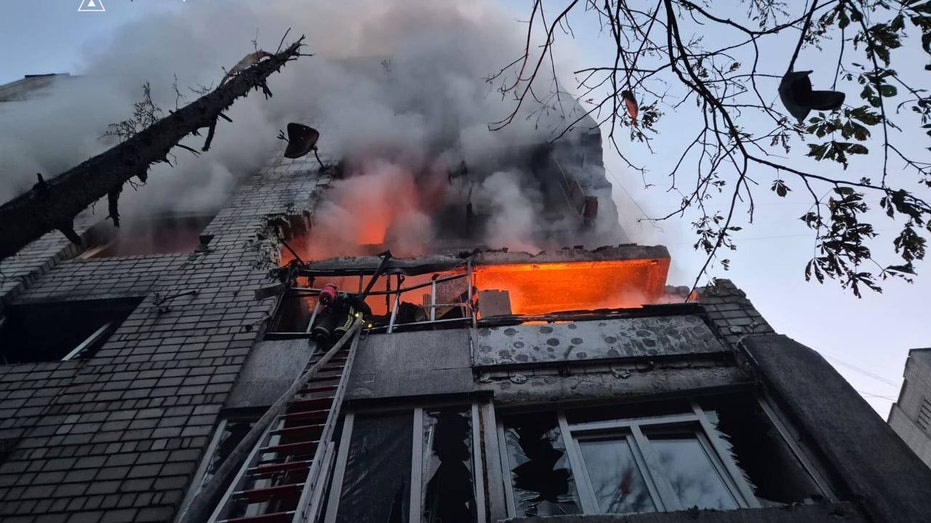
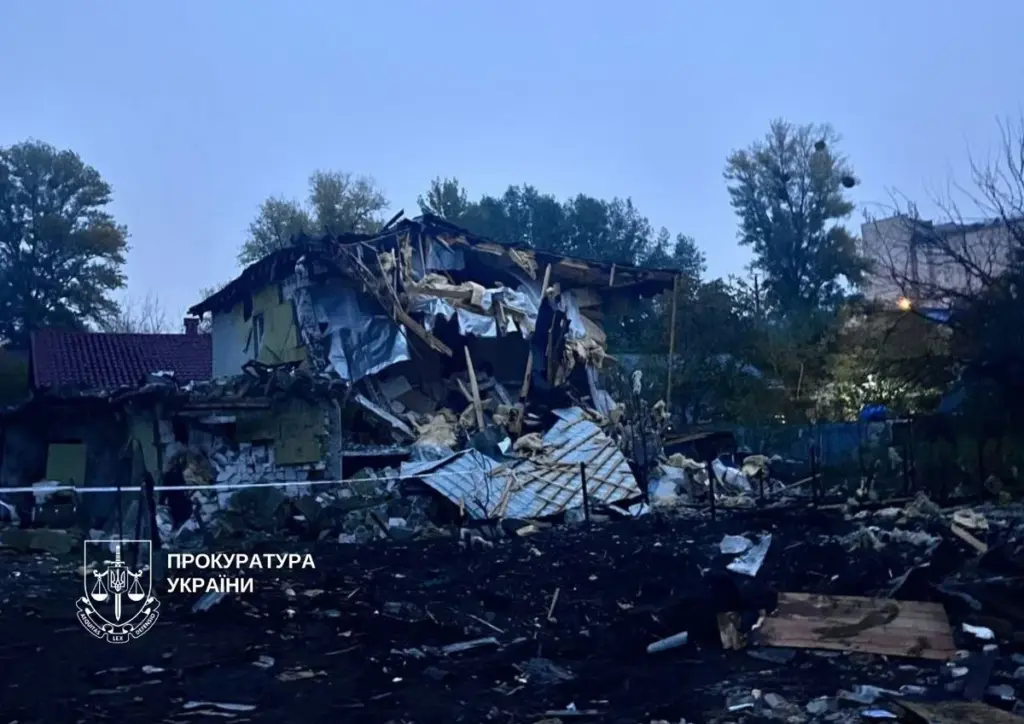
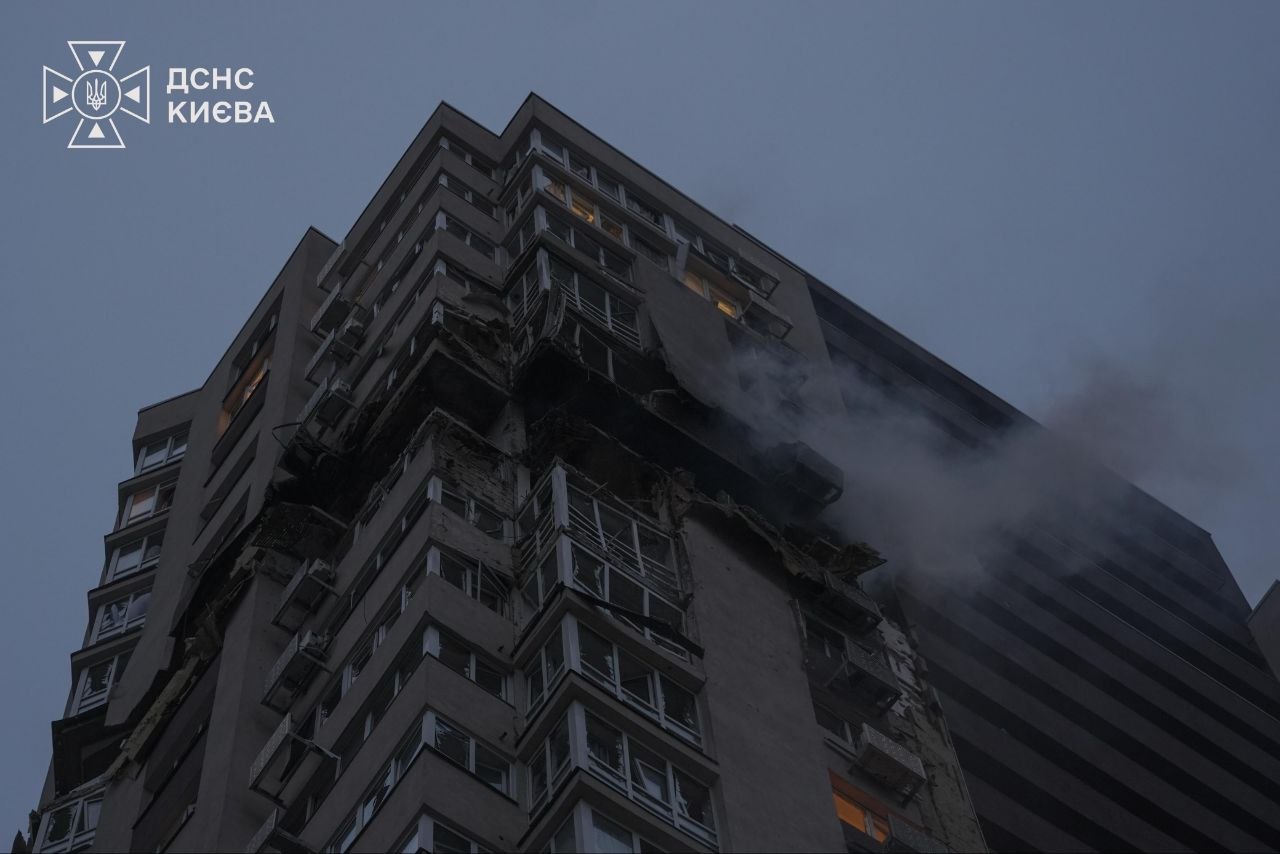
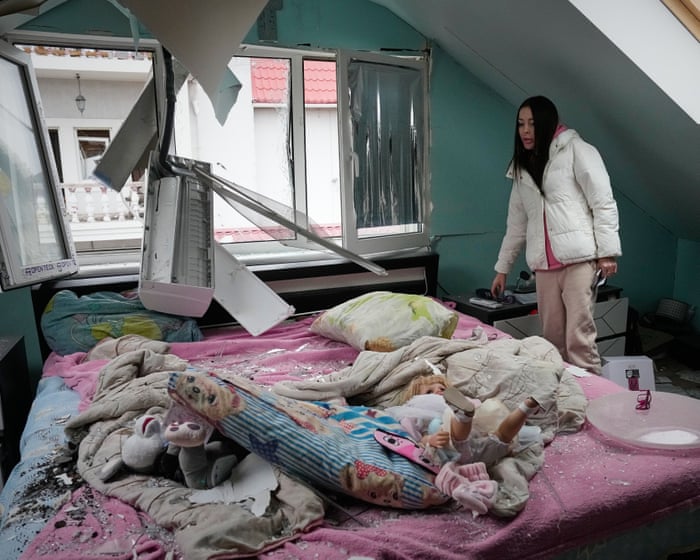
Russian missiles and drones killed one person and injured 24 in Kyiv overnight on 22 October, the Kyiv City Prosecutor’s Office said. Damage spread across six of the city’s districts, the city military administration reported.
The strike came hours after Kremlin aide Yuri Ushakov said Putin had told Witkoff that Russia was “in principle” ready to resume three-way talks with the US and Ukraine in mid-November. President Volodymyr Zelenskyy read the overnight attack as a sign that Russia’s attitude has not changed. A day earlier, Russian drones killed two people in a 24-story Kyiv apartment block.
21 ballistic missiles in three waves
Russia fired 21 ballistic missiles at Kyiv overnight, Zelenskyy said. The barrage came in three waves, around 22:00, at about 02:00, and around 03:30.
Aftermath of Russia’s overnight attack on Kyiv. Photo: Office of the Prosecutor General of Ukraine
Across Ukraine, air defenses downed or suppressed 181 of 210 Russian drones, the Air Force said. Its report did not mention any ballistic missiles shot down.
One killed in the Dniprovskyi district
The only death in Kyiv came in the Dniprovskyi district, on the city’s left bank. There, Russian strikes destroyed 13 detached houses on several streets, prosecutors said. Police said the man killed was 48 and that six people were injured in the district, four of them children, the youngest aged five.
Of the injured, five are minors and two are young children, and prosecutors reported acute stress reactions among them. A 16-year-old boy is in hospital with a closed head injury, prosecutors said. Sixteen of the injured were hospitalized, the city military administration said. The final number of injured is still being established.
Explore further
Not just the grid: Russia struck a 24-story block, a university, and warehouses overnight, and four people are dead
Ambulance station and monastery damaged
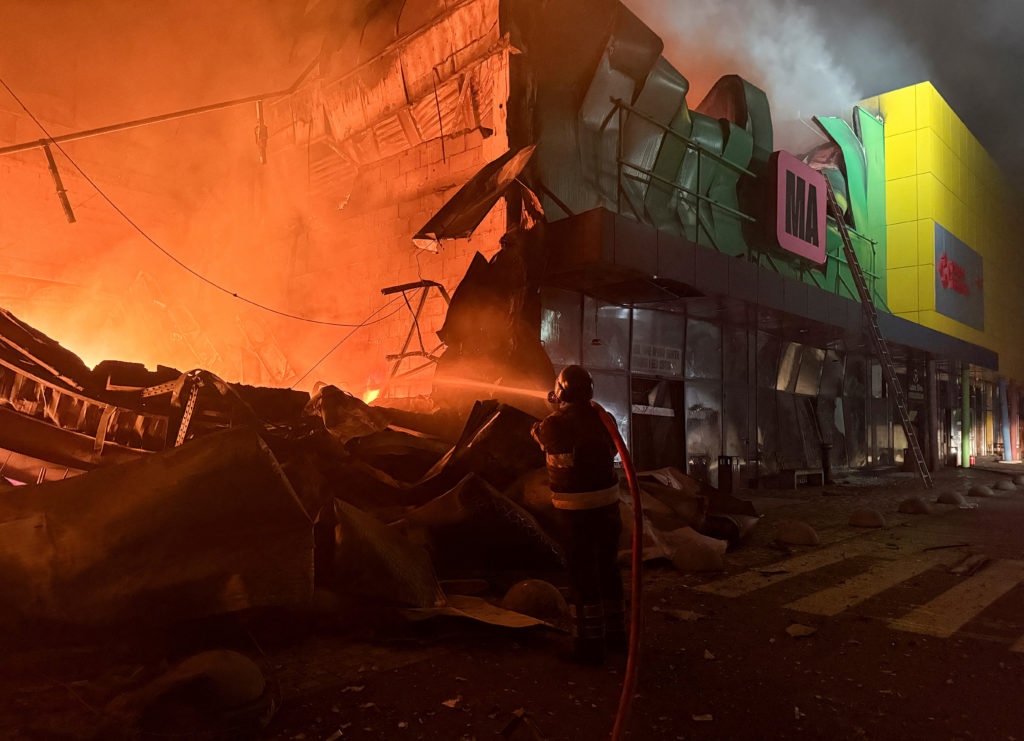
In the Holosiivskyi, Obolonskyi, Pecherskyi, and Sviatoshynskyi districts, the attack damaged eight apartment buildings, prosecutors said. It also damaged a building-supply hypermarket, a restaurant, a monastery building, a post office, and office premises.
In Pecherskyi, Russia damaged an ambulance station and six ambulances, Kyiv Mayor Vitali Klitschko wrote. The State Emergency Service said eight people were injured in that district, three of them children, and reported damaged transport infrastructure in the Darnytskyi district.
Aftermath of Russia’s overnight attack on Kyiv. Photo: National Police of Ukraine
Bridge closed, metro line split
The strikes damaged metro infrastructure on the Pivdennyi (Southern) Bridge, Kyiv Metro said. As of the morning, green-line trains ran in two sections, Syrets–Vydubychi and Osokorky–Chervonyi Khutir. Inspections and repairs would continue after the all-clear, the metro said.
Oleksii Biloshytskyi, head of Ukraine’s Patrol Police Department, announced that traffic across the bridge toward the left bank was temporarily closed. The city is adding buses on routes 22 and 91, the city administration said. Russian drones had already hit the bridge repeatedly in early October.
Europe’s leaders can no longer trust a word that comes out of Washington. No more slaps on the wrist – we need concrete steps to punish Trump
Historical comparisons are always inexact. No one conflict precisely mirrors another. Yet Donald Trump’s shameless appeasement of Vladimir Putin carries more than a noxious whiff of Neville Chamberlain’s failed attempt in Munich in 1938 to head off war with Nazi Germany. To be fair to the former UK prime minister – and history largely hasn’t been – his peacemaking efforts had the enthusiastic backing of most people in Britain and France who, like him, were desperate to avoid a repeat of the horrors of the first world war. Trump enjoys no equivalent public support for his treachery. Nor does he face the prospect of a US war with Russia. His betrayal of Ukraine is cynically self-interested, globally dangerous and utterly contemptible.
US-Russian talks on agreeing the shoddy terms of a precedent-setting American sell-out of Ukraine are at an advanced stage, after meetings in St Petersburg this week. Trump has zigzagged over the war ever since returning to office. Now, panicked by record-low poll ratings, he seems determined to scapegoat Ukraine and force its de facto capitulation. Recent steps – his shocking decision to fund Putin’s war machine by buying Russian diesel, his waiving of tougher sanctions, his mysterious, lethal interruptions in US satellite and intelligence sharing with Kyiv, and his renewed attempt to oust Ukraine’s president, Volodymyr Zelenskyy – mark Trump out as the skulking Judas, the craven Brutus of the modern age. He makes Chamberlain look like a man of iron principle. All that’s lacking is an umbrella.
Simon Tisdall is a Guardian foreign affairs commentator
Se Donald Trump fosse presidente da Rússia, ele certamente aceitaria um acordo rápido e simples para pôr fim à brutal guerra na Ucrânia, talvez, como já sugeriu, em apenas 24 horas.
Do ponto de vista de Trump, a decisão seria óbvia.
Uma solução para o conflito prolongado, que já está em seu quinto ano, não apenas interromperia a morte dos milhares de “jovens e lindos garotos” que, segundo Trump, são mortos todos os meses na linha de frente, mas também seria — e isso é fundamental — extremamente lucrativa.
As sanções contra Moscou poderiam ser suspensas, enquanto acordos comerciais lucrativos inevitavelmente surgiriam. Em outras palavras, a paz e a prosperidade prevaleceriam.
Mas, é claro, Trump não é o presidente da Rússia. Esse cargo pertence a Vladimir Putin, e o líder do Kremlin parece ter pouquíssimo interesse em abrir mão de seus objetivos declarados na guerra da Ucrânia, seja para preservar vidas russas e ucranianas, seja para acrescentar bilhões de dólares aos cofres do Estado russo.
Esse é um equívoco fundamental que tem orientado os esforços infrutíferos do governo Trump para negociar o fim dos combates. Ele voltou a ficar evidente durante a mais recente reunião crucial em São Petersburgo entre Steve Witkoff, parceiro de negócios de Trump que se tornou seu principal negociador, e o próprio Putin.
Durante o encontro, Putin disse a Witkoff que estava “curioso” sobre o resultado das reuniões realizadas na Noruega no dia anterior, quando autoridades dos Estados Unidos, da Europa e da Organização do Tratado do Atlântico Norte (Otan) se reuniram com o presidente da Ucrânia, Volodymyr Zelensky, para elaborar possíveis novas propostas de paz, incluindo incentivos econômicos para Moscou.
Mais tarde, um assessor de alto escalão do Kremlin confirmou que o enviado de Trump havia informado o líder russo sobre as discussões. Em seguida, acrescentou, como era de se esperar, que “na verdade, elas continham pouco de valor concreto para resolver a crise ucraniana”.
O resultado era inteiramente previsível por parte de um Kremlin que se recusa obstinadamente a abandonar suas posições rígidas, incluindo a exigência de controlar toda a região de Donbas, no leste da Ucrânia, e de ter influência sobre os futuros acordos de segurança de Kiev.
Ainda assim, a Casa Branca pode ter esperado genuinamente que o Kremlin demonstrasse maior disposição para fazer concessões, sobretudo depois que Trump suspendeu, na semana passada, as sanções às exportações russas de diesel. A medida, motivada politicamente pela tentativa de reduzir os preços dos combustíveis nos Estados Unidos antes das eleições de meio de mandato, também representou um enorme benefício econômico para Moscou.
Posteriormente, Trump anunciou um cessar-fogo energético que não teve sucesso e que obrigaria a Ucrânia a interromper os ataques de drones que danificavam refinarias de petróleo russas.
Em meio à troca de acusações, durante a qual o compartilhamento de informações de inteligência pelos Estados Unidos foi afetado, Trump também defendeu uma mudança na liderança ucraniana — tudo o que o Kremlin gostaria de ouvir.
Para Moscou, porém, os acordos, os incentivos e até o desprezo compartilhado por Kiev não são vistos como sinais de que chegou a hora de cooperar e recuar. Pelo contrário: são interpretados como evidências de que a estratégia russa em relação aos Estados Unidos está dando resultados.
E essa estratégia, ao contrário da de Washington, é pragmática e bem definida. O líder do Kremlin entende o que motiva Trump e consegue distraí-lo com facilidade, prometendo grandes acordos econômicos ao seu temperamental interlocutor na Casa Branca.
Mais propostas desse tipo foram apresentadas pelo Kremlin durante a reunião com Witkoff em São Petersburgo. Putin elogiou o controverso acordo sobre o diesel e sugeriu que a Rússia também poderia ampliar as exportações de fertilizantes essenciais para os Estados Unidos, entre outras possibilidades.
“Também estamos discutindo diferentes projetos, como centros de dados, projetos no setor de energia e cooperação energética”, afirmou Kiril Dmitriev, chefe do fundo soberano russo e interlocutor importante do Kremlin junto a autoridades do governo Trump, após o encerramento das conversas, que duraram três horas.
E não são apenas as vantagens econômicas que o Kremlin utiliza para agradar, conquistar simpatia ou manter um interlocutor receptivo na Casa Branca.
Antes da reunião em São Petersburgo, Putin libertou Stephen Hubbard, um cidadão americano de 74 anos que estava detido pela Rússia desde que foi capturado na Ucrânia, em 2022, no início da invasão russa em larga escala. Um Witkoff bajulador descreveu a libertação como um ato “humanitário”.
Hubbard, natural do estado de Michigan, teria sofrido graves problemas de saúde durante os quatro longos anos em que permaneceu preso em uma colônia penal russa remota. Sua libertação, porém, foi celebrada pela Casa Branca como uma demonstração da capacidade de Trump de fechar acordos e da deferência de Putin em relação ao presidente americano.
“Os Estados Unidos, por respeito ao presidente Trump, não precisaram oferecer nada em troca — uma situação sem precedentes para a Rússia”, dizia um comunicado publicado na própria plataforma Truth Social de Trump.
Mas é improvável que o ex-agente da KGB, conhecido por sua postura dura no Kremlin, veja a situação dessa maneira.
Ao libertar um ex-professor de 74 anos, provavelmente mantido como moeda de troca justamente para uma ocasião como essa, Trump concedeu a Putin um aval inestimável para as ações do Kremlin — e representou uma dolorosa traição à Ucrânia.
Russia has carried out a massive “demonstrative” attack on Ukraine, bombarding Kyiv with ballistic missiles just hours after Vladimir Putin said he had agreed to resume trilateral negotiations after talks with the US envoy Steve Witkoff.
Overnight, Moscow pounded the Ukrainian capital, killing at least two people and wounding 22, including four children. Targets included the southern bridge over the Dnipro River, civilian houses, energy infrastructure, an ambulance station, office buildings and a clinic.
Russia has sought to separate the war in Ukraine from potential business deals and diplomacy with the United States. Its efforts now appear to be working.
Russia launched 21 ballistic missiles against Kyiv in three successive waves overnight on 21–22 October, striking residential buildings, energy facilities and transport infrastructure just hours after President Vladimir Putin held peace negotiations with US presidential envoy Steve Witkoff in St Petersburg.
Ukrainian President Volodymyr Zelenskyy confirmed on Thursday morning that at least two people had been killed and 34 injured, including five children, in Russian attacks affecting 12 Ukrainian regions. The capital sustained extensive damage, with strikes reported against railway and metro infrastructure, shopping centres, industrial premises and a monastery.
The bombardment followed a three-hour meeting between Witkoff and Putin on Wednesday, during which the Russian president indicated his willingness to resume trilateral negotiations involving Moscow, Washington and Kyiv. The Russian attacks continued despite the diplomatic initiative, prompting Zelenskyy to call for renewed international pressure on the Kremlin.
Kyiv Under Three Waves of Ballistic Missiles
In a statement published on Telegram, Zelenskyy said Russian forces had launched three waves of ballistic missiles against the Ukrainian capital, causing numerous direct hits and widespread destruction.
The Ukrainian president referred sarcastically to Russia’s supposed humanitarian intentions, an apparent reference to Witkoff’s description of Putin as a humanitarian during their meeting the previous day.
Emergency services were deployed across several districts of Kyiv, where residential and commercial buildings suffered damage. Part of the capital’s metro infrastructure on the Southern Bridge was affected, disrupting traffic, while a strike on an ambulance station in the Pecherskyi district damaged six emergency vehicles. No medical personnel were injured at that location.
According to Ukrainian military and emergency service reports, the overnight assault also involved 210 attack drones and several types of missiles, including Iskander-M, S-400, Zircon and Oniks weapons.
By Thursday morning, Ukrainian air defences had intercepted or suppressed 181 drones. Russian weapons struck 32 locations, while debris from intercepted drones fell at eight others.
The assault followed several consecutive days of Russian attacks against Kyiv, including earlier strikes on hospitals, residential buildings and the capital’s transport network.
Witkoff’s Meeting with Putin
The timing of the latest bombardment placed renewed scrutiny on Washington’s diplomatic engagement with Moscow.
On 21 October, Witkoff met Putin at the Konstantin Palace in St Petersburg, accompanied by Russian officials, including Kirill Dmitriev, the Kremlin’s representative for international economic cooperation. The discussions lasted approximately three hours.
Following the St Petersburg meeting, Witkoff described the discussions as constructive and indicated that negotiations would continue at the technical level between representatives of the United States, Russia and Ukraine.
Putin reportedly expressed agreement in principle to restarting trilateral negotiations, potentially during the first half of November. However, no agreement on a ceasefire or suspension of Russian attacks was announced.
The meeting also attracted controversy after Witkoff praised Putin as a humanitarian following the release of Stephen Hubbard, a 74-year-old American citizen who had been detained in Russia for more than four years.
The remarks prompted criticism from Republican lawmakers in Washington, who questioned the characterisation of the Russian president while Moscow continued its military campaign against Ukraine.
Zelenskyy Calls for Pressure Rather Than Diplomatic Concessions
Zelenskyy characterised the overnight missile attack as evidence that Russia’s participation in negotiations had not produced any substantive change in its conduct.
He argued that diplomatic efforts to end the war should continue but must be accompanied by measures capable of altering Moscow’s military calculations.
Those measures, according to the Ukrainian president, include stronger air defence capabilities, faster deliveries of interceptor missiles, the ability to destroy Russian ballistic missile launchers and continued economic sanctions.
The latest attacks also place Ukraine’s air defence requirements firmly within the ongoing negotiations with Washington. Kyiv has repeatedly sought additional Patriot missiles and more reliable advance warning of Russian ballistic launches, particularly as repeated strikes place increasing demands on its interception capabilities.
For the Trump administration, the immediate question is whether Russia’s stated willingness to negotiate can produce verifiable commitments to reduce hostilities.
The Kremlin has offered the prospect of further talks without announcing a halt to its offensive operations. Kyiv, meanwhile, continues to face missile and drone attacks against civilian infrastructure even as discussions concerning a possible settlement proceed.
The events of 21–22 October leave Washington’s diplomatic initiative moving forward against the background of an expanding Russian aerial campaign, with no indication that Moscow intends to suspend its attacks while negotiations continue.
L’improvvisa accelerazione diplomatica dei giorni scorsi per porre fine alla guerra in Ucraina potrebbe portare a un obiettivo fino alla scorsa settimana impensabile. C’è una “discussione in corso” su un possibile vertice tra Vladimir Putin, Volodymyr Zelensky e Donald Trump. Lo ha detto oggi il vice ministro degli Esteri russo Serghei Ryabkov, rispondendo alla domanda se questo sia stato tra gli argomenti dell’incontro di ieri a San Pietroburgo tra l’inviato americano Steve Witkoff e il presidente russo. “L’argomento è stato sollevato, ma al momento non c’è ancora una chiara comprensione in merito. Non c’è un accordo completo, ma la discussione è in corso“, ha detto Ryabkov, citato dall’agenzia Interfax.
La dichiarazione di Ryabkov giunge all’indomani dell’incontro durato circa tre ore al Palazzo di Costantino a San Pietroburgo. La visita di Witkoff in Russia non è stata isolata: il giorno precedente, l’inviato di Trump si trovava a Oslo, dove ha incontrato Zelensky e i leader di Finlandia e Norvegia per gettare le basi di un quadro di pace coordinato con gli alleati europei e la Nato. Durante il colloquio con Putin, anche il consigliere americano Jared Kushner si è unito telefonicamente per presentare alcune proposte.
L’incontro di San Pietroburgo potrebbe aver segnato un netto passo avanti rispetto al ristagno delle trattative degli ultimi mesi. Secondo quanto riferito dai consiglieri del Cremlino, Putin avrebbe accettato “in linea di principio” di avviare un nuovo ciclo di negoziati trilaterali a partire da metà novembre. La sede ipotizzata per il confronto a tre tra Stati Uniti, Russia e Ucraina è Abu Dhabi. Se confermati, i colloqui si concentrerebbero sulla definizione di un sistema di garanzie di sicurezza per l’Ucraina e la Russia al termine delle ostilità.
Sul terreno, intanto, si continua a morire. “Tre ondate di missili balistici sono state lanciate contro Kiev dai ‘compassionevoli‘ russi da ieri sera – ha scritto sui social Zelensky, ironizzando sull’espressione usata da Witkoff per definire Putin -. Sono stati impiegati 21 missili. Purtroppo, numerosi luoghi in tutta la città sono stati colpiti e danneggiati, persino un monastero”. “Quasi immediatamente dopo un altro ciclo di colloqui, la Russia ha lanciato un attacco mirato. Ciò significa che il suo atteggiamento nei confronti di tutto ciò che sta accadendo non è realmente cambiato”.
Le autorità ucraine hanno denunciato anche che le forze russe hanno attaccato un mercato a Lozova, nell’oblast di Kharkiv. Secondo i dati preliminari, due persone sono rimaste uccise e il numero dei feriti è di almeno 17 persone.
O presidente russo, Vladimir Putin, afirmou que o Kremlin está disposto a retomar as negociações de paz trilaterais entre Rússia, Estados Unidos e Ucrânia após meados de novembro, a pedido do enviado especial americano Steve Witkoff, que se reuniu com Putin por cerca de três horas na quarta-feira (21).
O encontro, realizado em São Petersburgo, ocorreu após a reunião “produtiva” de Witkoff na terça-feira (20) com o presidente ucraniano, Volodymyr Zelensky, na Noruega. Os Estados Unidos buscam avançar propostas para encerrar a guerra.
Putin afirmou que estaria disposto a retomar as negociações trilaterais após 10 de novembro, segundo um relato divulgado após a reunião por seu assessor, Yury Ushakov. O assessor disse que o Kremlin gostaria de discutir a criação de uma “estrutura de segurança” para a Rússia e a Ucrânia após o fim do conflito, sem dar mais detalhes sobre as exigências russas para esse mecanismo.
A próxima rodada de negociações trilaterais poderá ocorrer em Abu Dhabi, capital dos Emirados Árabes Unidos, afirmou Ushakov em resposta a uma pergunta do canal estatal russo Russia 24.
Zelensky disse na quarta-feira que gostaria que o encontro ocorresse “no máximo até o início de novembro”.
“A Rússia disse muitas vezes que estava pronta para uma reunião, mas depois as coisas mudaram e ela foi cancelada”, acrescentou Zelensky. “Vamos ver o que acontece desta vez.”
Um comunicado de uma autoridade americana confirmou que a reunião ocorreu e afirmou que o objetivo era avançar os esforços do presidente dos Estados Unidos, Donald Trump, para encerrar a guerra da Rússia contra a Ucrânia.
Witkoff descreveu os encontros com Putin e Zelensky como “construtivos” em uma publicação na rede social X após a reunião de quarta-feira e afirmou que as discussões continuariam nas negociações trilaterais.
“Embora ainda haja trabalho importante a ser feito, o presidente Trump continua comprometido em ver esta guerra terminar e alcançar uma paz abrangente e duradoura”, escreveu.
Os enviados americanos Witkoff e Jared Kushner, genro de Trump, propuseram uma reunião trilateral que foi “aceita pelos ucranianos em Oslo ontem e pelos russos em São Petersburgo hoje”, segundo o comunicado.
Apesar das declarações positivas sobre possíveis negociações futuras, até o momento não há sinais de que a Rússia tenha recuado de suas posições maximalistas.
As exigências anteriores da Rússia equivalem a uma vitória quase total: Moscou pede que a Ucrânia ceda toda a região de Donbas, no leste do país, atualmente sob ocupação russa em sua maior parte. O governo russo também exigiu que a Ucrânia reduza drasticamente o tamanho de suas Forças Armadas e se comprometa a nunca ingressar na Organização do Tratado do Atlântico Norte (Otan).
Durante as conversas mais recentes, Putin demonstrou interesse na retomada da cooperação econômica com os Estados Unidos e na possibilidade de um encontro com a China para discutir a Ucrânia. Isso ocorre após medidas recentes do governo Trump para suspender sanções contra a Rússia e fechar um acordo sobre exportações de diesel.
Em declarações à imprensa após a reunião, o enviado presidencial russo Kirill Dmitriev afirmou que não havia “dúvida” de que a cooperação econômica entre Estados Unidos e Rússia continuaria. Ele acrescentou que um acordo sobre diesel anunciado recentemente entre os dois países seria mantido, apesar das críticas europeias.
Um dos principais resultados do encontro foi o anúncio de Witkoff de que a Rússia libertou o cidadão americano Stephen Hubbard, de 74 anos, que estava detido no país havia mais de quatro anos.
Em declarações amplamente criticadas, Witkoff elogiou Putin como um “humanitário” por conceder o perdão a Hubbard. Um vídeo obtido pela CNN após a reunião mostrou o cidadão americano libertado conversando com Witkoff no aeroporto de São Petersburgo.
Em imagens do início da reunião de três horas, Witkoff afirmou: “Acho que há algum grau de impulso, e espero que o encontro de hoje possa representar mais um passo à frente no processo de paz”.
Putin, Witkoff e tradutores se sentaram ao redor de uma grande mesa redonda e discutiram uma ampla variedade de questões, incluindo a disposição da Rússia para ajudar a resolver a guerra no Irã, possíveis exportações russas de fertilizantes para os Estados Unidos e a libertação de Hubbard. A reunião prosseguiu a portas fechadas, e Kushner, que também participa das negociações de paz, acompanhou o encontro remotamente porque está gripado.
Os Estados Unidos e a Ucrânia fizeram “progressos significativos” nas conversas realizadas na Noruega na terça-feira, afirmou anteriormente uma autoridade americana à CNN. A Ucrânia “apresentou novas ideias e propostas, que foram discutidas em detalhes”, e os dois lados agora estão em “forte alinhamento” sobre os próximos passos, disse a autoridade.
“As discussões abrangeram elementos fundamentais de uma estrutura abrangente de paz, incluindo garantias de segurança de longo prazo para a Ucrânia, um plano econômico e de prosperidade para o pós-guerra e uma arquitetura de segurança europeia mais ampla, concebida para criar estabilidade duradoura”, afirmou a autoridade americana.
No entanto, o assessor do Kremlin Yury Ushakov minimizou essas discussões na quarta-feira. Segundo ele, embora Witkoff tenha apresentado a Putin “certas novas abordagens e mudanças nas posições adotadas pelos europeus e por Kiev”, na realidade, elas continham pouco de valor concreto para resolver a crise ucraniana.
A Ucrânia e seus aliados reiteraram as principais linhas vermelhas estabelecidas por Kiev para qualquer negociação de paz, incluindo a necessidade de garantias de segurança futuras — para assegurar que a Rússia não volte a invadir o país — e a rejeição a quaisquer exigências de cessão de territórios que a Ucrânia controla.
Zelensky reiterou uma posição defendida há tempos: a Ucrânia aceitaria um acordo de cessar-fogo que congelasse as posições ao longo da atual linha de frente — o que significaria manter apenas cerca de 75% do território ucraniano — e, em seguida, pediria garantias de segurança efetivas aos aliados.
Zelensky também afirmou que a Ucrânia quer negociações trilaterais envolvendo Trump, Putin e ele próprio, mas disse que o processo seria “melhor com os europeus”.
O Kremlin já havia rejeitado a ideia de negociações trilaterais, com exceção de um convite anterior para que Zelensky fosse a Moscou — uma possibilidade considerada inviável pelos demais lados.
Enquanto isso, na Rússia, o ministro das Relações Exteriores, Sergey Lavrov, adotou um tom menos otimista na terça-feira. Ele afirmou que Moscou avaliará o que Witkoff apresentar, mas não fará “concessões políticas”. Lavrov disse que Moscou “não espera um milagre” e que Washington continuará sendo, na melhor das hipóteses, um rival da Rússia, segundo a agência estatal russa TASS.
Uma autoridade europeia em Oslo disse à CNN: “Acho que os planos — ou a falta deles — não são um problema tão grande quanto fazer a Rússia levar qualquer plano a sério”.

 Login