❌

Normal view

Merz busca recuperar el atractivo inversor de Alemania con una cumbre al estilo de Macron

20 October 2026 at 19:37

Alemania lleva años viendo cómo merman las inversiones privadas en el país, algo que no puede compensar de manera sostenible con un aumento de las inversiones públicas como está haciendo actualmente el Gobierno alemán. La inestabilidad económica y política de los últimos tiempos parece haber pasado factura a la imagen del país como centro económico y de inversión. Ahora, el canciller alemán, Friedrich Merz, quiere ponerle remedio y ha organizado, por primera vez, una cumbre de inversores de alto nivel con el objetivo de atraer más capital al país. Alemania necesita la inversión privada si quiere modernizarse, crear empleo y generar prosperidad.

Seguir leyendo

© CLEMENS BILAN (EFE)

El canciller alemán, Friedrich Merz, durante el 'Invest in Germany Summit' en Berlín, este martes.

Merz acusa a Rússia de querer desestabilizar toda a Europa

20 October 2026 at 10:42

Em entrevista à Bloomberg, o chanceler alemão, Friedrich Merz, expressou fortes preocupações de que as sociedades europeias estão a subestimar a extensão da influência da Rússia e dos seus amplos esforços para perturbar a ordem política do continente europeu. “A minha maior preocupação é o impacto subestimado da Rússia nas nossas sociedades”, disse. “A Rússia está a caminho de desestabilizar toda a ordem política do continente europeu.”

Merz observou que muitos cidadãos, incluindo alemães, não conseguem compreender os verdadeiros objetivos por trás das ações de Moscovo, que vão muito além das ambições territoriais na Ucrânia, para chegarem ao patamar de uma oposição fundamental às sociedades abertas e à integração europeia. “Eles não veem qual é o verdadeiro objetivo da Rússia. Não é apenas ganho territorial na Ucrânia. Eles temem a democracia. Eles temem sociedades abertas. Eles temem o sucesso da integração europeia”, disse Metz.

Em resposta a essas ameaças crescentes, os governos europeus estão a implementar ativamente reformas na área da defesa para fortalecer a autossuficiência e as capacidades autóctones de proteção dentro da NATO. “Estamos a tentar colocar-nos numa posição que nos torne fortes o suficiente para competir, para nos defendermos de forma independente dentro da NATO.”

Merz disse que a Alemanha e outros aliados europeus e ‘não norte-americanos’ continuam a assumir compromissos para sustentar o financiamento de defesa para Kiev sem ajuda de Washington. “É realmente um grande esforço para os nossos orçamentos, é realmente algo importante para a União Europeia”, disse Merz. “Mas estamos a fazer isso e estamos a tentar continuar a fazer isso até que essa terrível guerra acabe”.

Apesar desses desafios de segurança e logística, os líderes europeus continuam focados em manter sanções contra Moscovo e em defender a integridade territorial da Ucrânia, enquanto o presidente ucraniano Volodymyr Zelensky expressou preocupações sobre atrasos em fornecimentos militares essenciais, como mísseis Patriot, e ajustes de serviço em redes de comunicação vitais como a Starlink.

Merz esteve recentemente, mais uma vez, em Kiev para um encontro com Zelensky. No seguimento dessa visita, foram anunciados 15 acordos bilaterais avaliados em mais de 8,5 mil milhões de euros nas áreas da defesa, intercetadores de drones, tecnologia de radar e suporte energético.

Electric Car Sales Surge 70 Per Cent as France and Germany Seek Changes to EU Emissions Rules

19 October 2026 at 18:40

Registrations of fully electric cars across 17 European markets increased by 70.3 per cent in September, according to industry figures published on Monday, 19 October, as France and Germany seek to ease the European Union’s emissions requirements for new vehicles.

The data show that 300,202 battery-electric cars were registered during the month, accounting for 32.6 per cent of new passenger-car registrations in the markets surveyed.

The figures emerge three days after Paris and Berlin announced a joint position on the future of Europe’s automotive industry, proposing greater flexibility in the EU’s 2035 emissions regime while introducing measures intended to favour vehicles manufactured in Europe.

Electric vehicles gain market share

The latest figures, compiled by E-Mobility Europe, New Automotive and Fier Automotive, indicate that electric vehicle demand accelerated sharply during September.

According to the industry data published on 19 October, approximately 1.98 million battery-electric cars have been registered across the 17 markets during the first nine months of 2026, an increase of 38.1 per cent compared with the equivalent period last year.

Higher oil prices, government incentives and the introduction of more affordable electric models have all contributed to demand.

The figures represent a substantial change in the composition of European new-car sales, although they cover selected markets rather than constituting a complete statistical account of the EU’s 27 Member States.

France recorded 65,243 battery-electric registrations in September, representing 41.7 per cent of its new-car market. Germany registered 88,724 electric vehicles, giving the technology a market share of 34.6 per cent.

Both countries have substantial automotive manufacturing industries and are directly involved in negotiations over Europe’s future emissions legislation.

Significant differences between European markets

Despite the overall increase, electric vehicle adoption remains uneven across the continent.

Norway retained its position as Europe’s most electrified new-car market, with battery-electric vehicles accounting for 98.8 per cent of registrations in September.

Denmark followed with 88.8 per cent, while Finland recorded 62.7 per cent and Sweden 49 per cent.

Electric models also accounted for approximately half of new-car registrations in Belgium, the Netherlands, Ireland and Portugal.

At the other end of the market, battery-electric vehicles represented only 11.2 per cent of registrations in the Czech Republic, 7.6 per cent in Italy and 6.2 per cent in Poland.

These differences illustrate the difficulty of establishing a uniform European transition timetable.

Household incomes, purchase incentives, vehicle prices and charging infrastructure differ substantially between countries. The availability of affordable electric cars is particularly important in markets where buyers are more sensitive to the initial purchase price.

The varying national figures also complicate the EU’s industrial calculations, since manufacturers must operate across markets progressing at different rates.

France and Germany reach automotive compromise

On 16 October, French President Emmanuel Macron and German Chancellor Friedrich Merz agreed on a joint approach to changes in European automotive regulations.

Under the proposed compromise, car manufacturers would be required to reduce carbon dioxide emissions from new vehicles by 90 per cent by 2035 compared with the 2021 reference level.

The agreement would also remove a proposed requirement to compensate for the remaining emissions through measures such as the use of low-carbon steel.

The change would create additional opportunities for manufacturers to continue selling vehicles powered by combustion engines beyond 2035, subject to the final legislative framework.

In their joint declaration on the automotive industry’s future, the French and German governments argued that emissions reduction must be combined with industrial competitiveness, investment and European manufacturing capacity.

The agreement also envisages preferential treatment for vehicles produced in Europe under certain public procurement and subsidy arrangements.

Britain could potentially benefit from provisions allowing selected European partners to qualify under the proposed industrial framework.

The Franco-German understanding is not, however, a final EU legislative decision. Changes to the regulatory regime require agreement through the relevant European legislative procedures.

Automotive competitiveness enters the debate

The principal argument advanced by supporters of greater regulatory flexibility is that European manufacturers need additional time to adapt production, protect employment and compete with international rivals.

German manufacturers retain extensive investment in combustion-engine and hybrid technology, while French producers have placed considerable emphasis on electric vehicles and maintaining European supply chains.

The negotiations therefore concern more than emissions limits. They also involve battery production, access to raw materials, manufacturing costs and the ability of European companies to compete with producers in China and other markets.

Supporters of the existing transition timetable argue that weakening long-term requirements could discourage investment in electric manufacturing capacity just as consumer demand is increasing.

Manufacturers seeking greater flexibility maintain that regulatory targets must account for uneven market conditions and the cost of developing new technologies.

September’s sales figures provide evidence that electric vehicle adoption is accelerating, but they do not establish whether the same rate of growth will continue without existing incentives.

The debate now centres on whether regulatory relaxation will preserve Europe’s automotive industry during the transition or slow investment in the technology that is already capturing an increasing share of the market.

Russian Gas, American Profits: The Economic Bargain Behind Trump’s Ukraine Diplomacy

18 October 2026 at 21:26

The Trump administration’s reported proposal to restore Russian gas supplies to Europe through Ukraine marks a reversal of Washington’s longstanding energy policy. Behind the promise of an economic incentive for peace lies a more consequential question: whether Europe is being asked to restore the very dependence on Moscow that it has spent four years dismantling.

The administration of US President Donald Trump is considering the restoration of Russian natural gas supplies to Europe, including through Ukraine’s pipeline network, as part of a proposed settlement to end Russia’s war against Ukraine. The initiative would offer Moscow renewed energy revenues while potentially opening opportunities for American investors to participate in the trade.

According to a New York Times investigation published on 17 October, presidential envoys Steve Witkoff and Jared Kushner have raised the proposal with Ukrainian and European officials, including President Volodymyr Zelenskyy. The White House has confirmed that economic incentives for Russia and Ukraine form part of its peace diplomacy, although no agreement on renewed gas transit has been announced.

The proposal would require Ukraine to reopen a transit route that ceased operating for Russian exports in January 2025, while European governments would be expected to resume purchases they have spent years reducing. American negotiators reportedly regard the prospect of renewed commercial revenues as an incentive for President Vladimir Putin to reach a settlement.

There is, however, a considerable difference between offering Russia a commercial opportunity after a verified peace agreement and restoring a source of revenue and political influence before Moscow has demonstrated any willingness to abandon its territorial objectives.

From opposition to Russian gas to facilitating its return

The reported initiative represents a reversal of Trump’s earlier position on European energy security.

During his first presidency, Trump repeatedly warned Germany that its dependence on Russian energy exposed it to political pressure from Moscow. Speaking at the United Nations General Assembly in September 2018, he accused Berlin of becoming dangerously dependent on Russian supplies. Members of the German delegation visibly smiled at his remarks.

The episode acquired renewed significance after Russia’s full-scale invasion of Ukraine in February 2022. Germany had developed an extensive commercial relationship with Gazprom, while the Nord Stream pipelines were intended to facilitate Russian gas deliveries directly to Germany, bypassing traditional transit countries, including Ukraine.

Trump maintained his opposition to those energy relationships well into his second presidency. As EU Today reported in September 2025, he told European governments that continuing to purchase Russian energy amounted to financing the war against themselves.

Washington is now reportedly considering precisely the commercial relationship that Trump previously identified as a strategic danger.

The change cannot be explained solely by the objective of ending the war. It also coincides with discussions about a substantially different economic arrangement, in which American commercial interests could participate in infrastructure and transactions previously dominated by Russia and European energy companies.

American investors and the economics of peace

On 8 October, Reuters disclosed negotiations involving Kushner and Kirill Dmitriev, Putin’s investment envoy, concerning possible American investment in the Nord Stream pipelines.

The discussions included the prospect of US investors profiting from renewed Russian gas deliveries to Europe. Separate negotiations have involved assets belonging to the Russian energy company Lukoil.

The White House has denied that Nord Stream was a subject of recent discussions and has said any agreements must benefit American taxpayers and companies. There is no established evidence that Witkoff, Kushner or members of Trump’s family would personally profit from the proposed gas arrangements.

Nevertheless, the possibility of American participation changes the commercial equation. Russian gas returning to Europe through infrastructure involving US investors would no longer be exclusively a Russian-European business relationship.

That distinction matters financially, but it does not necessarily resolve the underlying security problem. American ownership of transit infrastructure would not eliminate Moscow’s ability to influence production, supply volumes or export decisions.

The European Union has already confronted the consequences of allowing an energy relationship to become a source of geopolitical leverage. Introducing American intermediaries would not, by itself, remove that vulnerability.

Europe’s legal and political obstacles

The proposal also conflicts with legislation already adopted by the European Union.

In January 2026, the Council formally approved a regulation phasing out Russian natural gas imports. The restrictions began taking effect in March, with the remaining long-term LNG imports scheduled to end in January 2027 and pipeline imports in autumn 2027.

Consequently, restoring substantial Russian supplies would require changes to existing EU policy or the use of legally available exceptions. Neither Washington nor Moscow can make that decision on Europe’s behalf.

Germany has already opposed the reported American initiative. Chancellor Friedrich Merz’s security adviser, Günter Sautter, reportedly objected during discussions in Florida, while former economy minister Robert Habeck warned against recreating dependence on an unreliable supplier.

The economic attraction remains understandable. European industry faces substantial energy costs, and cheaper pipeline gas could offer relief to some consumers and manufacturers. Yet commercial prices do not account for the wider costs associated with supply disruption, strategic exposure and the potential use of energy exports as political leverage.

Europe’s decision to reduce Russian gas imports was therefore not simply a change of supplier. It was a response to the security implications of its previous energy model.

The consequences for European politics

The initiative also intersects with divisions inside European politics, particularly in Germany.

Alternative for Germany (AfD) has repeatedly advocated restoring Russian energy imports, arguing that sanctions and expensive replacement supplies have damaged German industry. Sahra Wagenknecht’s left-wing BSW has advanced similar arguments concerning energy prices and relations with Moscow.

The overlap extends beyond energy policy. On 14 October, AfD and BSW representatives supported a motion in Saxony-Anhalt calling for an end to military assistance for Ukraine.

A US-backed proposal to restore Russian gas could give these parties an additional argument against the federal government’s existing approach. They would be able to point to Washington’s own negotiations when questioning the economic and strategic rationale for maintaining restrictions on Russian energy.

This does not establish that the Trump administration’s gas initiative is intended to strengthen particular European political movements. It does demonstrate how the same policy could serve several objectives simultaneously: commercial rapprochement with Russia, a negotiating incentive for Moscow and a change in the European debate over sanctions.

A peace incentive that could restore Russian leverage

The central uncertainty concerns the relationship between renewed revenues and Russian military objectives.

Washington’s argument assumes that the prospect of substantial future gas income could persuade Putin to accept a settlement. Yet negotiations over commercial cooperation have so far produced no demonstrated change in Moscow’s fundamental territorial demands.

Meanwhile, Russia continues attacking Ukraine’s energy infrastructure. On 18 October, Zelenskyy reported 76 Russian attacks on Ukrainian energy, oil and gas facilities during the preceding week, despite Trump’s announcement of an energy ceasefire that neither Kyiv nor Moscow had confirmed.

There is also an unresolved contradiction in Washington’s wider sanctions policy. Having previously demanded that Europe stop financing Russia through energy purchases, Trump has recently suspended additional American sanctions against Moscow while his representatives explore new economic arrangements.

For Ukraine, renewed transit could restore revenue lost when the previous gas agreement expired. For Russia, however, the potential benefits extend beyond immediate export earnings. Access to European markets would restore commercial relationships and a degree of political influence that Moscow lost after the invasion.

The distinction is fundamental. A peace settlement that permits carefully regulated economic cooperation after Russian withdrawal and enforceable security guarantees would be different from an agreement that restores Moscow’s commercial advantages in anticipation of concessions that have not yet been secured.

The question for European governments is therefore not merely whether Russian gas could once again become cheaper than alternative supplies. It is whether restoring that trade would leave Europe better protected against another confrontation with Moscow, or recreate the vulnerabilities that became apparent in 2022.

Washington’s proposed economic bargain cannot answer that question on Europe’s behalf.

A month before the diesel waiver, Trump’s envoys had already pitched Kyiv on Russian gas, NYT says

18 October 2026 at 16:31

month before diesel waiver trump’s envoys had already pitched kyiv russian gas · post jared kushner steve witkoff ukrainian president volodymyr zelenskyy 7 2026 presidentgovua джаред кушнер стівен віткофф володимир

During their visit to Kyiv in September, US President Donald Trump’s envoys urged Ukrainian President Volodymyr Zelenskyy to consider restarting the pipelines that once carried Russian gas to Europe, The New York Times reported on 17 October. They presented it as part of a peace deal with Russia. In the weeks that followed, they pressed the idea with European officials, while Washington freed Russian diesel and spared Russia’s oil buyers from new US penalties.

Energy sales fund Russia’s war, and Ukraine’s halt of transit in January 2025 left TurkStream as Gazprom’s only pipeline route into the EU. Meanwhile, Russia has kept bombing Ukraine’s grid through the energy truce Washington declared on 11 October.

The pitch in Kyiv

Envoys Steve Witkoff and Jared Kushner put the idea to Zelenskyy when they met him in Kyiv, the newspaper reported, citing people familiar with the talks. Trump officials argued that transit fees, which Ukraine gave up at about $1 billion a year, would benefit Kyiv, and that European voters would eventually want cheaper energy. Russia’s share of EU gas imports had fallen from 45% in 2021 to 13% last year.

The envoys presented renewed Russian gas sales as one of the economic incentives in a wider settlement covering Russia’s relationship with NATO, security guarantees for Ukraine, and territorial control. Some European and Ukrainian officials suspected Washington would seek a cut of the profits. The White House denied that the Nord Stream pipeline had been a subject of recent discussions. Kremlin spokesman Dmitry Peskov claimed that resuming energy cooperation is in Russia’s interest and, right now, even more in Europe’s.

US President Donald Trump’s envoys Steve Witkoff and Jared Kushner in Kyiv, 6 September 2026
US President Donald Trump’s envoys Steve Witkoff and Jared Kushner in Kyiv, 6 September 2026. Photo: President's Office of Ukraine

Germany pushes back

At Ukraine talks the envoys hosted in Florida last week, Günter Sautter, security adviser to German Chancellor Friedrich Merz, forcefully opposed the idea. German lawmakers have called a return to Russian deliveries a disaster for European security, even treason, as the far-right AfD courts Gazprom to bring the gas back. Former Economy Minister Robert Habeck, who steered Germany off Russian gas after 2022, said Trump “seems to have more sympathies with Vladimir Putin than he has with the Ukrainians.”

The White House, seen from Lafayette Square. File photo, June 2024.
Explore further

Congress gave Trump 30 days to hit Russia’s oil buyers with 100% tariffs. He waives them two days before deadline, citing US interests. Moscow calls it historic

One concession after another

Rather than pressure Putin or strengthen Ukraine, the administration has spent much of its peace effort on economic incentives for Russia, the newspaper wrote. The US Treasury cleared imports of Russian diesel on 9 October. On 16 October, Trump waived the penalties on Russia’s oil buyers that Congress had passed in the Graham Act. Washington is also weighing relief for sanctioned shadow fleet tankers. And the White House ordered limits on the military satellite service Ukraine’s forces rely on, Reuters reported.

Putin’s economic envoy Kirill Dmitriev claimed the ice had broken and more joint initiatives would follow, including data centers powered by Russian nuclear energy. The talks also cover the sale of Lukoil’s foreign assets to a group that includes the US government, the newspaper reported earlier this month. Zelenskyy, who had heard the pitch in Kyiv, alluded to it in a Financial Times interview this week.

“The question will be when will the next deal be? Maybe it will be gas. Definitely it will be gas,” he said.

Reopening the pipelines could hand Moscow back significant revenue and strengthen its sway over Europe’s energy market, Liga noted. Each new concession lowers the price Russia pays for continuing the war.

Merz Demands Deeper EU Budget Cuts as Brussels Summit Fails to Break Deadlock

17 October 2026 at 09:21

EU leaders have failed to settle their differences over the 2028–2034 budget, with Germany demanding further reductions to the proposed spending framework and the European Council taking charge of negotiations ahead of a difficult December deadline.

European Union leaders have ended their Brussels summit without agreement on the bloc’s next seven-year budget, after German Chancellor Friedrich Merz rejected the scale of spending envisaged under the latest compromise proposal and demanded deeper cuts.

The discussions on 15–16 October exposed the continuing division between governments determined to contain national contributions and those seeking to protect agricultural subsidies, regional development and new European investment programmes. The dispute now threatens the political timetable for approving the 2028–2034 Multiannual Financial Framework, the budget that will determine the Union’s spending priorities over the next seven years.

In their formal summit conclusions, leaders invited European Council President António Costa to take negotiations forward towards a timely agreement. No new spending settlement was endorsed, despite the Irish presidency having presented revised figures immediately before the summit.

Germany rejects the compromise

The European Commission originally proposed a framework approaching €2 trillion in current prices, arguing that Europe needed greater financial capacity to meet its growing responsibilities in defence, competitiveness, technological development, migration and external security.

Ireland, which holds the rotating Council presidency, submitted a revised negotiating document on 10 October intended to narrow the differences between governments. The latest proposal includes substantial reductions compared with the Commission’s initial ambitions while seeking to preserve financing for established EU programmes.

Those concessions have not satisfied Berlin. Merz argues that the Union must recognise the difficult fiscal position facing national governments and that the proposed increases in common spending remain excessive.

Germany, the largest contributor to the EU budget in absolute terms, has been working with other budget-conscious governments to seek reductions from the original Commission proposal.

EU Today reported on the proposed €141 billion in reductions, including the implications for defence and competitiveness funding.

The Irish compromise has done little to bridge the divide. The revised framework seeks to combine greater financial restraint with protection for agricultural and cohesion policies, while retaining significant investment in security, research and competitiveness.

Yet every attempt to rebalance the proposed spending exposes another political conflict.

Agriculture, cohesion and defence compete for funding

The Common Agricultural Policy and cohesion funding remain among the largest and most politically sensitive components of the EU budget. Agricultural payments support farmers across the Union, while cohesion programmes finance infrastructure, regional investment and economic development, particularly in less prosperous territories.

Governments benefiting heavily from those programmes are reluctant to accept reductions, particularly when national finances are already under pressure.

France, Italy and other countries defending traditional EU expenditure have therefore resisted attempts to transfer the burden of budget restraint disproportionately onto agriculture and regional support.

At the same time, the Commission has argued that the EU cannot simply preserve the spending structure of previous decades while promising a stronger role in European defence, industrial development and economic security.

The contradiction is increasingly apparent. European governments demand greater independence from external suppliers, stronger military capabilities and sustained financial support for Ukraine, yet remain unwilling to agree on the larger common budget that might help deliver those objectives.

Cuts to research, innovation, cross-border infrastructure or defence-industrial programmes would not necessarily produce immediate political costs. Their consequences would emerge later, through investments postponed, capabilities not developed and projects left dependent on national budgets.

Conversely, reducing agricultural payments or regional investment would produce more immediate resistance from farmers, local authorities and national governments.

The demands of 17 EU governments seeking to protect farm and cohesion spending illustrate the growing tension between established programmes and the Union’s newer strategic priorities.

A timetable becoming difficult to defend

The Council’s budget negotiations had been intended to deliver a political agreement before the end of 2026. That would leave 2027 for the European Parliament and member states to complete the legislation required for the new financial framework to operate from January 2028.

Failure to reach that timetable would not immediately stop EU expenditure. It would, however, compress the period available for completing the detailed legal arrangements underpinning individual programmes and could complicate the uninterrupted delivery of funding at the beginning of the next budget cycle.

The political environment is hardly favourable. Several governments face difficult domestic debates over public spending, taxation and the demands of European integration. In France, the approach of the 2027 presidential election adds another complication to negotiations requiring sensitive national concessions.

Agreement on the seven-year framework requires unanimity among member states, followed by the consent of the European Parliament. The latter has already argued that the EU needs sufficient financial resources to match the responsibilities its governments have assigned to it.

Costa now faces the task of converting competing national positions into a financial settlement that all 27 governments can accept. That will require decisions not only about the overall ceiling but also about the balance between national allocations and programmes managed at European level.

The Brussels summit has demonstrated that the principal disagreements remain unresolved. The next negotiating round will determine whether governments are prepared to compromise on spending priorities or whether their ambitions for a more capable European Union will once again run ahead of their willingness to finance it.

Il nonno di Merz era nazista? Il cancelliere si trova in un’imbarazzante posizione

17 October 2026 at 05:22

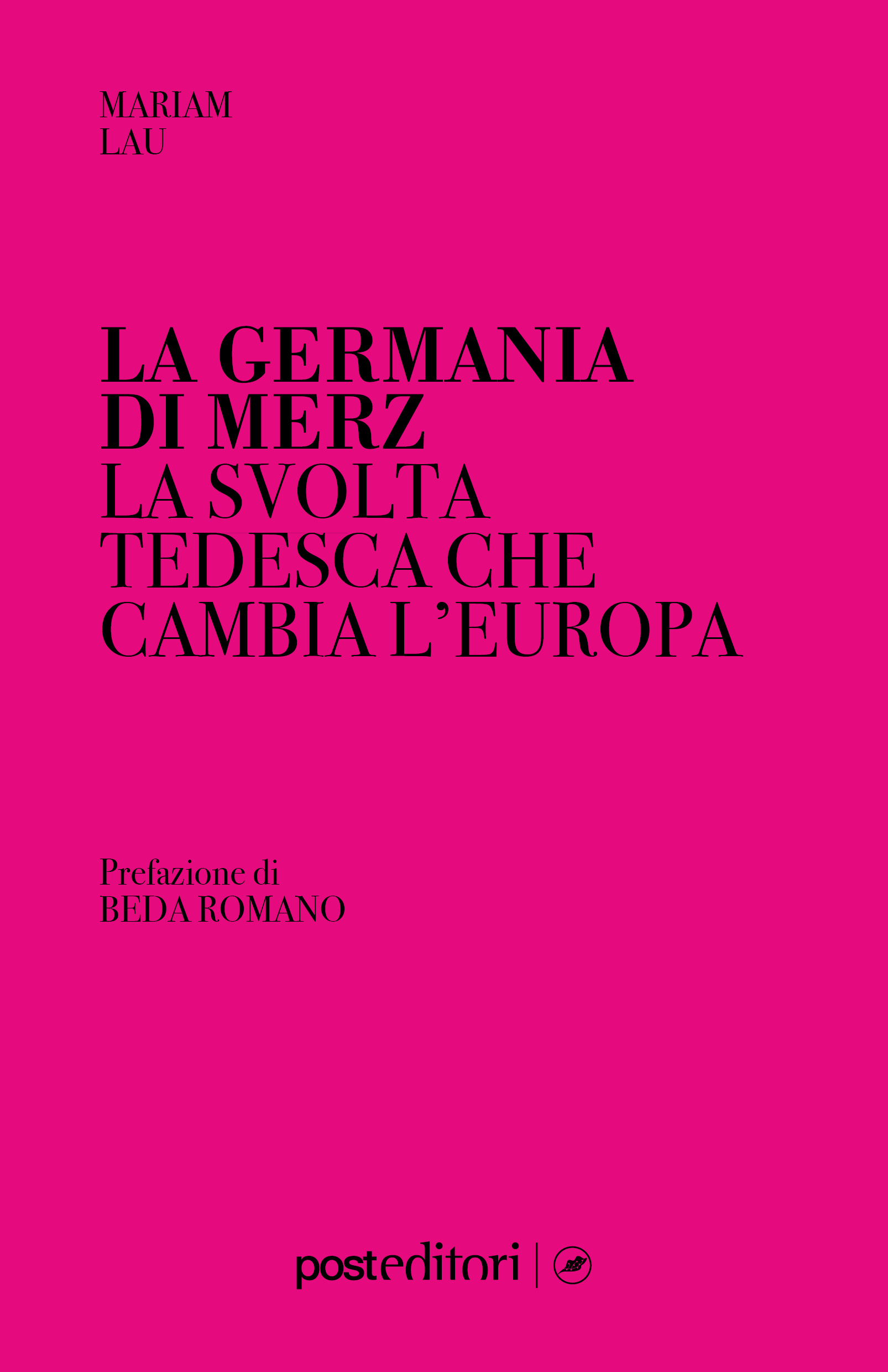
Dal 6 maggio 2025 Merz è cancelliere della Repubblica Federale Tedesca: “Raramente le aspettative nei confronti di un cancelliere tedesco sono state tanto alte quanto quelle che ruotano attorno al presidente della Cdu, Friedrich Merz”, ha scritto Mariam Lau, nelle primissime righe del suo interessante saggio La Germania di Merz (pubblicato in Italia da posteditori, 2025). Peccato che Merz non abbia avuto la fortuna di Angela Merkel, e forse nemmeno il suo talento politico. Ha infatti ereditato una Germania diventata “malato d’Europa” senza riuscire a guarirla. Una Germania in profonda crisi economica ma ancor di più politica: ormai il suo governo si regge su precari equilibri parlamentari, minati sempre più dall’avanzata di Alternativa per la Germania (Afd) che ha trionfato nelle elezioni locali e soprattutto nei sondaggi, cavalcando populismo e identitarismi, sull’onda di uno slogan che ha contagiato le destre europee, “remigrazione”. Cacciare gli stranieri indesiderati costerebbe alla Germania quattro punti di Pil, secondo l’Istituto Leibniz per la ricerca economica di Halle (Iwh). Una follìa, per Merz, “il termine remigrazione non è altro che una forma di pulizia etnica basata sull’origine e il colore della pelle”. Tono duro, ma posizione debole, quella del cancelliere che vorrebbe rifondare il centrodestra tedesco e ridefinire la rotta in Europa, in una sorta di campo largo del conservatorismo democratico.

Nell’era dell’incertezza aggravata dalla complessa situazione geopolitica internazionale, Merz si aggrappa alla clausola non scritta del Brandmauer (sorta di cordone sanitario mantenuto dai partiti principali che rifiutano alleanze con l’Afd) per governare la Germania, ma all’interno del suo stesso partito ci sono segnali contraddittori, ed inquietanti. Insomma, il trono vacilla.

E riemergono vecchie ambiguità. In una Germania dove la memoria sbiadisce e i conti col passato tardano a definirsi, avere avuto un nonno nazista pone Merz in un’imbarazzante posizione, un’arma che gli oppositori, esterni ma soprattutto interni possono impugnare contro di lui. Mariam Lau gli dedica il primo capitolo del suo saggio, “All’ombra della guerra”. Nata a Teheran ma cresciuta a Berlino, Mariam Lau è una nota giornalista che lavora alla Die Zeit, ed è tra i massimi esperti di Afd, Cdu, dell’area conservatrice, delle politiche migratorie, una delle voci più autorevoli nell’analisi delle trasformazioni della destra tedesca ed europea. Tutto nasce nel gennaio del 2004, quando Merz, allora parlamentare e vicecapogruppo della Cdu al Bundestag, partecipa ad un meeting elettorale nella sua cittadina natale, a Brilon, nel Sauerland, che dal 1999 è amministrata dai socialdemocratici: “E’ tempo di prendere d’assalto il municipio rosso”, si sgola dal palco Merz. C’è chi interpreta queste veementi parole con quelle pronunciate il primo maggio del 1933 dal nonno Josef Paul Sauvigny (1875-1967), il quale era stato borgomastro di Brilon dal 1917 al 1937.

Alcuni studiosi locali avevano rintracciato tra le pagine ingiallite della Sauerländer Zeitung il testo di quel discorso: “La nuova Germania celebra oggi la sua prima Festa nazionale (…), giovane e vigoroso come le folle dei suoi acerbi difensori, il nuovo Reich si apre davanti a noi. Le tempeste della rivoluzione nazionale scrosciano ancora su di esso, le tempeste primaverili hanno spazzato via tutta l’immondizia, scacciato le nuvole che finora hanno voluto sottrarci il sole”. E ancora: “Questa tempesta, che per qualcuno può apparire violenta, si placherà dopo aver ripulito l’aria da tutte le esalazioni velenose che si sono accumulate in anni di travisata libertà e di impotente autodistruzione. Ma mentre sino a oggi la forza e le aspirazioni edificatrici tedesche erano divise e dissanguate dalle beghe di partito e dai ripetuti cambi di guida, oggi ci sono una volontà che ci unisce, una forza che ci ispira, un Führer che ci chiama”.

L’amministrazione comunale fece di tutto per ostacolare le ricerche sul passato del nonno di Merz. Reinhard Sommer, primo consigliere distrettuale di Briton per conto della Cdu, ai giornalisti della Tageszeitung spiegò tale ostracismo perché si voleva “gettare Merz nello stesso calderone degli estremisti di destra”. Merz intentò una causa al quotidiano berlinese Tageszeitung che gli aveva rivolto ulteriori domande sul nonno, “ma la stragrande maggioranza degli articoli” sul nonno e l’incauta frase sull’assalto al municipio rosso non venne contestata. La stessa Tageszeitung commentò che “nessuno può scegliere le sue origini. Il problema non è il passato nazista del nonno, ma l’atteggiamento del nipote (…) L’uomo che ama fomentare dibattiti sull’orgoglio nazionale ha una visione della storia e della famiglia di cui nessun tedesco dovrebbe essere orgoglioso”.

“Mio nonno non era un nazionalsocialista”, scrisse Merz alla Berliner Zeitung, però poi le tre pagine del suo intervento (su sua richiesta) vennero ritirate. Era vero che il nonno avesse militato nelle SA, come riserva, ammise poi Merz, ma solo perché avrebbe altrimenti dovuto aderire al partito nazista. Aggiunse che il nonno fu promosso sergente, “senza il suo assenso”, come sempre senza il suo assenso fu trasferito alla Nsdap, “ed era probabilmente vero che dopo il 1929 Josef Paul Sauvigny avesse per un breve periodo coltivato aspettative nei confronti dei nazionalsocialisti”. Il nonno ottenne il prepensionamento nel 1937 perché “i nazisti lo disgustavano”, e, quale prova, Merz sventolò un articolo del quotidiano nazista Der Stürmer in cui il borgomastro di Brilon era definito un “compagno ebreo”. La mossa di Merz era strumentale: prevenire un possibile attacco della Tageszeitung che aveva ottenuto dall’Archivio di Stato di Düsseldorf il dossier (30 pagine) sulla denazificazione di Sauvigny. Tra i vari documenti recuperati, la dichiarazione (10 dicembre 1947) in cui ammetteva d’essere stato Oberscharführer della riserva delle SA, confermando d’aver raggiunto le Squadre d’Assalto il primo luglio del 1933, sei mesi prima del Putsch di Röhm. Merz, scrive Lau, comprendeva le motivazioni del nonno: “Inizialmente associava i nazionalsocialisti alla speranza che qualcosa nelle condizioni catastrofiche della Germania e anche della sua città natale cambiasse, per questo rimase in carica. Solo così si può comprendere il discorso che mio nonno tenne il primo maggio 1933 (…) E’ ovvio che non approverei mai frasi del genere al giorno d’oggi”.

E tuttavia, la tesi che il nonno si fosse dimesso perché disgustato dai nazisti “non è del tutto suffragata dal saluto che Peter Schramm, governatore distrettuale nominato dai nazionalsocialisti, rivolse al commiato di Sauvigny nel 1937. Stando alle sue parole, il sindaco aveva ‘nonostante l’età avanzata, agito subito in linea con i suoi sentimenti nazionali e ricoperto sempre la sua carica nello spirito nazionalsocialista’”. Il nonno, durante la denazificazione, fu classificato in terza categoria, il che gli vietava di rivestire incarichi pubblici (oltre che ricevere il 60 per cento della pensione). Protestò, invocando la propria innocenza, “devo essere considerato una vittima del nazismo”. Fu ascoltato: venne derubricato nel 1948 alla quarta categoria, quella dei “simpatizzanti”, e poté godere della pensione completa.

Proprio il 4 novembre verrà inaugurata a Berlino la mostra “Norimberga e i raduni del Partito Nazista”, organizzato dal Dokumentationszentrum Reichsparteiitagsgelände, un progetto destinato ai giovani e al futuro per schiarire le ombre che ancora oscurano le connessioni col tragico passato vissuto e spesso occultato dei loro nonni e bisnonni. A dimostrazione che il passato non può essere camuffato, ma affrontato.

L'articolo Il nonno di Merz era nazista? Il cancelliere si trova in un’imbarazzante posizione proviene da Il Fatto Quotidiano.

Accordo Francia-Germania “per garantire il futuro dell’auto europea”. Ma con meno vincoli si rischia di rallentare gli investimenti nell’elettrico

16 October 2026 at 17:14

Francia e Germania si accordano su un “approccio comune volto a garantire il futuro dell’industria automobilistica europea“. E provano a trascinare gli altri Paesi europei sulla loro linea. Il compromesso raggiunto da Emmanuel Macron e Friedrich Merz punta ufficialmente a conciliare due obiettivi: concedere più “flessibilità” alle case automobilistiche nella transizione dai motori a combustione e rafforzare la produzione industriale europea. Di fatto, Berlino ottiene un allentamento degli obiettivi climatici, Parigi punta a legare più strettamente il sostegno pubblico alla produzione nell’Unione. Stellantis festeggia: “Accogliamo con favore l’accordo come un passo importante verso la finalizzazione del pacchetto europeo per il settore automobilistico. Insieme alle discussioni in corso al Parlamento europeo e alle posizioni già espresse da diversi Stati membri, riteniamo che possa contribuire a concludere rapidamente il processo, garantendo al nostro settore le flessibilità e la chiarezza di cui ha bisogno, affinché possa concentrarsi su ciò che sa fare meglio: innovare e offrire soluzioni ai propri clienti”.

È “approccio equilibrato” che permetterà all’Ue di perseguire i suoi obiettivi climatici e, in parallelo, rafforzare la sovranità tecnologica, la base industriale e la competitività internazionale della sua industria automobilistica, rivendica la dichiarazione diffusa dall’Eliseo. La Germania, che ospita big come Volkswagen, Bmw e Mercedes, vuole ridurre la pressione su un settore messo alle strette dalla concorrenza cinese, i costi industriali e una domanda di auto elettriche inferiore alle attese. La Francia vuole evitare che il mercato europeo diventi uno sbocco per veicoli e componenti prodotti prevalentemente all’estero. Il compromesso scambia dunque flessibilità normativa con protezione industriale. Ma per Transport & Environment (T&E), organizzazione europea che si occupa di trasporti sostenibili, si tratta di “un errore storico”: l’accordo rischia di essere un boomerang e finirà per rallentare gli investimenti nelle tecnologie del futuro. Secondo le sue stime, con regole meno stringenti la quota di veicoli elettrici nell’offerta delle case automobilistiche nel 2030 scenderebbe dal 57% previsto con gli obiettivi attuali al 43%.

La normativa europea ora in vigore prevede dal 2035 una riduzione del 100% delle emissioni medie di CO₂ allo scarico delle nuove auto e dei nuovi furgoni rispetto ai valori di riferimento del 2021. La Commissione ha proposto di annacquarla passando a un taglio del 90% mentre il restante 10% verrebbe compensato attraverso l’utilizzo di acciaio a basse emissioni di carbonio prodotto nell’Unione o da combustibili sintetici e biocarburanti. L’intesa franco-tedesca va oltre: secondo quanto illustrato da Merz, l’obiettivo sarebbe una riduzione del 90% dal 2035, senza obbligo di compensare il restante 10%. Resteranno vincoli sulle emissioni medie delle flotte e le condizioni dovranno essere definite dalla normativa europea. Il cambiamento sostanziale è che verrebbe abbandonato l’obiettivo di azzerare le emissioni allo scarico delle nuove auto, lasciando maggiore spazio a tecnologie diverse dall’elettrico puro. Francia e Germania ribadiscono comunque l’obiettivo di sviluppare e produrre in Europa la prossima generazione di veicoli elettrici. La tesi è che la transizione debba proseguire senza imporre una traiettoria tecnologica troppo rigida a un’industria che attraversa una fase difficile.

L’altro pilastro dell’intesa è il rafforzamento della produzione europea. Il principio è utilizzare incentivi pubblici, appalti e altri strumenti di sostegno per favorire gli investimenti nell’Unione, anziché alimentare le filiere dei concorrenti extraeuropei. Ma stabilire che cosa significhi prodotto in Europa non è semplice visto che molte componenti arrivano da oltre confine. È il caso delle batterie, destinate ad avere un peso crescente nel valore delle auto elettriche.

Transport & Environment critica proprio i requisiti prospettati per il contenuto europeo delle batterie, almeno il 10% nel biennio 2028-2029 e il 20% nel 2030-2031. Secondo l’organizzazione, le soglie sono insufficienti a proteggere gli investimenti europei, considerando che nel 2025 oltre il 50% delle celle impiegate nelle auto elettriche vendute nell’Ue era già prodotto in Europa. Il rischio è che un’auto assemblata nell’Unione possa beneficiare della qualifica di prodotto europeo pur utilizzando batterie cinesi. L’organizzazione avverte che questi vincoli potrebbero compromettere gli investimenti nelle gigafactory europee, mettendo a rischio una capacità produttiva stimata in 164 GWh nel 2027 e 254 GWh nel 2030. “Germania e Francia stanno commettendo un errore storico”, dice Andrea Boraschi, direttore di T&E Italia.

Il ragionamento è che se gli obiettivi climatici diventano meno impegnativi, i costruttori possono avere meno necessità di accelerare lo sviluppo e la commercializzazione dei modelli elettrici. Nel breve periodo questo potrebbe aiutare a contenere i costi e difendere i margini delle auto tradizionali. Nel lungo periodo, però, rischia di ritardare gli investimenti nelle tecnologie che stanno trasformando il mercato mondiale. Allo stesso modo la maggiore gradualità potrebbe proteggere temporaneamente i posti di lavoro legati ai motori tradizionali e alla componentistica, ma non garantisce la creazione di nuove attività nelle batterie, nell’elettronica e nel software. Se queste filiere si sviluppassero soprattutto fuori dall’Europa, la difesa delle lavorazioni esistenti non sarebbe sufficiente a salvaguardare la competitività futura.

In ogni caso l’intesa a due ha davanti una lunga strada prima di tradursi eventualmente in una modifica delle regole europee. Sarà necessario trovare un’intesa con gli altri Stati membri e con il Parlamento europeo, dove restano differenze sulle modalità e sui tempi della transizione. Parigi e Berlino si dicono “determinate” a “lavorare rapidamente con i partner europei” per giungere a un accordo. “Abbiamo una responsabilità nei confronti dei nostri lavoratori, delle nostre industrie e dei nostri cittadini: far sì che l’Europa resti un attore di primo piano nella trasformazione globale dell’industria automobilistica”, concludono, ribadendo l’obiettivo di creare “un’industria automobilistica europea competitiva, innovativa e decarbonizzata, che produca in Europa e crei i posti di lavoro di domani”. Secondo Merz, l’Italia è “ampiamente d’accordo”. Anche se non è stata invitata a partecipare.

L'articolo Accordo Francia-Germania “per garantire il futuro dell’auto europea”. Ma con meno vincoli si rischia di rallentare gli investimenti nell’elettrico proviene da Il Fatto Quotidiano.

Worum es beim Ringen um den EU-Haushalt 2028-2034 geht

16 October 2026 at 10:23
Das interessanteste am neuen 7-Jahreshaushalt der EU sind die Tricks, mit denen Ursula von der Leyen sich die alleinige Verfügungsgewalt über viele hundert Milliarden Euro sichern will, indem sie durchzudrücken versucht, dass gigantische Fonds aufgesetzt werden, deren genauer Verwendungszweck nihct festgelegt ist oder geändert werden kann. Nach den Erfahrungen mit der Bestellung von Covid-„Impfstoffen“ durch […]

Europe shuts US out of Russian assets conversation

15 October 2026 at 15:02
"These are frozen Russian assets held in Europe, belonging to Russians who are destroying Ukraine and killing people there every day... the idea of releasing these assets is completely out of the question," said Finnish Prime Minister Petteri Orpo.

Germany works to organize a Coalition of the Willing meeting as Russia strikes Ukraine’s energy sector

13 October 2026 at 17:02

Ukrainian President Volodymyr Zelenskyy during a phone call with German Chancellor Friedrich Merz, 12 October 2026. Photo: Volodymyr Zelenskyy/X

Germany is preparing a new meeting of the Coalition of the Willing to coordinate further support for Ukraine, President Volodymyr Zelenskyy said on 12 October following a conversation with German Chancellor Friedrich Merz.

Russia continues to strike Ukraine’s energy infrastructure despite US President Donald Trump’s claim that Moscow has agreed to an energy truce. German Chancellor Friedrich Merz is initiating a meeting of European leaders to discuss assistance to Ukraine in this situation.

Kyiv and Berlin have also agreed to hold a meeting of national security advisers in the E3 format, with Ukraine participating, according to the statement. The format involves an informal grouping of three leading European countries: the United Kingdom, France and Germany.

Zelenskyy and Merz discuss energy truce and support for Ukraine

During the conversation, the two sides also discussed US President Donald Trump’s proposal for an energy truce and Russia’s subsequent actions. Russian forces continue to attack Ukraine’s energy infrastructure, Zelenskyy noted.

“This is exactly how the Russians behave when pressure eases. It is very important that Europe continue to act on principle,” Zelenskyy stressed.

German Chancellor Friedrich Merz speaks online with Ukrainian President Volodymyr Zelenskyy, 12 October 2026. Photo: Volodymyr Zelenskyy/X

Germany is coordinating preparations for a meeting of the Coalition of the Willing, the Ukrainian president noted. The two sides also discussed support for Ukraine’s financial stability. Further steps are to be coordinated in greater detail during a meeting scheduled for this week, Zelenskyy said.

The Coalition of the Willing seeks additional support for Ukraine

The Coalition of the Willing was initiated by the United Kingdom and France, which held talks with representatives of 37 countries in March 2025 on supporting Ukraine in the event of a peace agreement. The initiative envisaged financial assistance and the deployment of troops, air forces or naval forces to protect Ukraine against renewed Russian aggression, Bloomberg reported.

The latest meeting of the Coalition of the Willing took place on 24 August and was the 16th meeting, according to a statement on the website of the President of Ukraine. Zelenskyy called on partners to strengthen Ukraine’s air defense and provide at least 300 missiles for Patriot systems for the winter, the statement said.

Patriot PAC-3 surface-to-air missile system.
The Patriot PAC-3 surface-to-air missile system. Photo: Swedish Ministry of Defense

The president also proposed bringing forward part of the European loan financing planned for 2027 so that Ukraine could receive the funds this year. He separately stressed the need to find a mechanism for using frozen Russian assets to defend Ukraine and to unblock the maritime corridor in the Black Sea.

“We value this format—the Coalition of the Willing. It brings together countries that are ready not only to talk about security but also to act. We need this—to act and build real security together,” Zelenskyy stressed.

A ceasefire in words, but fresh attacks on energy infrastructure in practice

Ukraine and Russia had allegedly agreed to an immediate energy ceasefire, US President Donald Trump said on Truth Social on 11 October. However, at the time of publication, neither Kyiv nor Moscow had confirmed such an agreement, Ukrainska Pravda reported.

Ukraine supports the ceasefire and is awaiting details from the US side, Volodymyr Zelenskyy said in a post on X the same day. Russia must also agree to halt the strikes, he stressed.

Ukrainian forces had received the relevant orders, and Kyiv was ready to refrain from striking Russian energy infrastructure provided Russia reciprocated, Zelenskyy said in his evening address on 11 October.

Russia continued attacking Ukraine’s energy infrastructure after the ceasefire was announced, including striking a gas production facility and a petrol station, Zelenskyy said on his official Telegram channel on 12 October. Moscow had shown no willingness to abide by the ceasefire, the president added.

Ten years on, Britain’s prime minister says Russia meddled in the Brexit vote—and warns Germany and France

12 October 2026 at 15:43

ten years britain’s prime minister says russia meddled brexit vote—and warns germany france · post andy burnham britain's new 29 2026 hl-8sqawgaax0se ukraine news ukrainian reports

UK Prime Minister Andy Burnham said Russia interfered in the 2016 referendum that took Britain out of the European Union, in podcast excerpts released on 11 October, the Associated Press reported. His remarks are believed to be the first time a British prime minister has publicly acknowledged such meddling.

Russia’s information war keeps running through Europe’s ballots. German security sources said in August that Moscow was escalating disinformation before state elections, and Ukraine’s Center for Countering Disinformation found more than 200 Russian fake news sites aimed at France last year.

One question, one clear answer

Burnham told The Rest Is Politics podcast that he asked his advisers whether Russia had interfered in the 2016 vote. He asked after taking office in July.

“I’ve had the clear answer that yes, there was,” he said.

He argued that such things must now be put clearly on the record. He did not say how Russia interfered or offer evidence, and Moscow has long denied interfering in foreign votes.

Burnham said he had discussed Russian interference with German Chancellor Friedrich Merz in Berlin the previous week. “You know he was saying to me that the AfD are clearly linked to Russia, funded I believe,” Burnham said, referring to Germany’s far-right Alternative for Germany party. Putting such interference on the record would help “voters in Germany and France understand that some of this politics is instigated via our enemies, namely Russia,” he added.

Years of silence

In 2020, Parliament’s Intelligence and Security Committee found that the government had actively avoided investigating whether Russia meddled in the referendum. The report noted open-source signs of Russian attempts to sway the Brexit campaign. The government, it said, had never looked for hard evidence.

The government rejected the committee’s call for a review.

“We have seen no evidence of successful interference in the EU Referendum,” it said.

That same year, London said Russian actors had almost certainly tried to interfere in the 2019 general election. The government said they did it by amplifying leaked UK-US trade documents online.

From 2019 to 2016

Three weeks ago, Burnham stopped short of this. At the UN General Assembly on 22 September, he said the Kremlin spends around £1.3 billion each year on manipulating information. That is roughly $1.7 billion at recent exchange rates. He cited evidence that Russian agencies tried to interfere in the 2019 general election, but he did not mention 2016.

In the same speech, he said Britain had already helped Moldova protect its elections from Russian interference.

Germany stays in Russia’s sabotage crosshairs, and its industry now braces for the long haul

12 October 2026 at 12:42

germany stays russia’s sabotage crosshairs its industry now braces long haul · post entrance rheinmetall company 30 2025 javalí viejo murcia spain ukraine news ukrainian reports

German industry expects Russian sabotage against the country’s companies to persist and take more forms, the deputy head of the Federation of German Industries (BDI) told Handelsblatt. His warning follows alarms from Germany’s intelligence services, which describe the country as a main target of Russia’s covert campaign in Europe.

Russia keeps striking Ukrainian cities and power plants every day while trying to weaken the European support that keeps Ukraine fighting. Germany is home to arms makers producing with and for Ukraine, so pressure on its companies targets the supply behind Ukraine’s defense.

Industry expects attacks to last and change form

The warning came from Holger Lösch, the BDI’s deputy managing director.

“German industry is preparing for the threat to persist and for attack methods to become more varied,” he told Handelsblatt. “Companies don’t end up in the crosshairs by chance,” he added.

Russian influence and sabotage operations are no longer an abstract scenario, and companies, critical infrastructure, and defense supply chains are already among their targets, Lösch said. Companies now receive more threat warnings, and their cooperation with the authorities has improved significantly, he noted. “What is still missing are joint procedures to quickly derive concrete measures from warnings,” Lösch said, calling the protection of the economy a cornerstone of national security.

German intelligence describes a Russian shadow war

The warning comes a week after a public hearing of the intelligence oversight panel of the Bundestag, Germany’s parliament, on 5 October. There, Martin Jäger, head of Germany’s Federal Intelligence Service (BND), said Russia was waging a shadow war against Germany. “Germany has become a main obstacle to Russian hegemonic power projection in Europe and thus a target of Russian action,” Jäger said. “The danger of attacks against targets in Germany remains real and present,” he warned.

Sinan Selen, head of the Federal Office for the Protection of the Constitution (BfV), Germany’s domestic intelligence agency, told the same hearing that Russia was showing a readiness for sabotage and killings.

German Chancellor Friedrich Merz said on 1 October that Germany was preparing for further hybrid attacks, “including serious ones,” and would respond “quickly and very clearly,” as it did after the drone attack at Leipzig airport.

Drone bombs, arson, and paid saboteurs on German soil

In August, a drone carrying Semtex explosives hit the wing of a Ukrainian An-124 cargo plane at Leipzig/Halle Airport but did not explode. Germany blamed Russia on 1 September, and German Foreign Minister Johann Wadephul said Germany was not at war with Russia but was a “target of war.”

German authorities suspect Russian intelligence of commissioning an arson attack near two Munich defense firms, and a confidential Federal Criminal Police Office (BKA) assessment counted more than 165 suspected sabotage cases in Germany between January and August. The same assessment recorded 747 suspicious drone incidents involving 1,068 drones over critical infrastructure, military sites, and defense companies.

russia hired desperate hunt german drone-maker boss arms ukraine · post stefan thumann head drone maker donaustahl штефан туманн news ukrainian reports
Explore further

The throwaway agents Moscow sent after a Bavarian drone boss arming Ukraine—and how Germany stopped them

Germany’s Military Counterintelligence Service (MAD) warns that the threat from low-level agents, locals paid small sums for one-off jobs such as arson or photographing military sites, has increased significantly. European intelligence agencies also report that Russia is increasingly targeting defense company executives, including at smaller drone makers, and the BfV has advised some German firms to hire close protection.

As long as Germany keeps backing Ukraine, Russian pressure on its companies is unlikely to ease, and the gap between warnings and action that industry flagged leaves smaller firms, with fewer resources for security, the most exposed.

Germany Reassesses Wartime Responsibility as Bundestag Shifts Historical Focus from Russia to Ukraine

10 October 2026 at 20:57

The German parliament’s recognition of its country’s historical responsibility towards Ukraine marks a significant reassessment of a post-war political tradition that frequently placed Moscow at the centre of reconciliation over Nazi atrocities committed across the Soviet Union.

Germany’s Bundestag has formally recognised the country’s particular historical responsibility towards Ukraine for atrocities committed during the Nazi occupation, adopting parliamentary resolutions commemorating the 85th anniversary of the Babyn Yar massacre near Kyiv.

The decision, taken on 9 October, has implications beyond historical remembrance. For decades, Germany’s responsibility for the destruction inflicted on the Soviet Union during the Second World War was frequently interpreted through its relationship with Russia. Moscow occupied a privileged position in German efforts at reconciliation, although some of the Nazi occupation’s worst atrocities took place in territories belonging to present-day Ukraine and Belarus.

The Bundestag’s parliamentary debate and resolutions reflect a different emphasis. Germany’s historical obligations are now being connected explicitly to Ukraine’s sovereignty and its defence against Russia’s invasion, challenging an interpretation of the past that had long influenced Berlin’s approach towards Moscow.

How Russia became the principal beneficiary of German historical responsibility

Following German reunification, reconciliation with Russia became a central element of Berlin’s eastern policy. The Soviet Union’s immense wartime losses, officially estimated at approximately 27 million people, were frequently invoked to explain Germany’s special obligation to maintain constructive relations with Moscow.

That historical argument became intertwined with political and economic considerations, contributing to the belief that Russia should remain closely integrated into Europe’s security and economic arrangements, even as relations with its neighbours deteriorated.

The difficulty lay in the frequent conflation of Russia with the Soviet Union. Nazi Germany invaded a multinational state, not the present-day Russian Federation. Ukrainians, Belarusians, Russians, Jews and numerous other peoples suffered under an occupation whose policies included mass murder, starvation, deportation and the systematic destruction of communities.

Ukraine was among the principal territories where the German war of annihilation unfolded. The Holocaust by bullets, the destruction of entire settlements, the exploitation of occupied agricultural regions and the deportation of civilians for forced labour were central features of Nazi rule there.

Nevertheless, German political discourse often approached this history primarily through the framework of German-Russian reconciliation. The suffering of Ukraine and Belarus was acknowledged, but neither country occupied a comparable position in Berlin’s strategic thinking.

This imbalance has been examined by German scholars of foreign policy, who have argued that the historical justification for rapprochement with Russia sometimes obscured the distinct wartime experiences of other former Soviet republics.

Babyn Yar and the geography of Nazi extermination

The anniversary of Babyn Yar provides a particularly direct illustration of the historical problem.

On 29 and 30 September 1941, German SS and police units, with assistance from local collaborators, murdered 33,771 Jewish men, women and children in a ravine outside Kyiv. The massacre was among the largest single mass shootings of the Holocaust.

Killings continued at the site throughout the German occupation. Approximately 100,000 people were murdered there, including Jews, Roma, Soviet prisoners of war and other civilians persecuted by the Nazi authorities.

Babyn Yar was not an isolated atrocity. Similar mass executions occurred across occupied Ukraine, while millions of people suffered under German military occupation. The country’s experience formed a substantial part of the wider catastrophe conventionally remembered in Germany as the war against the Soviet Union.

The geographical distinction matters because the Soviet Union’s dissolution in 1991 did not transfer the historical experiences of its constituent peoples exclusively to Russia. Nor did Moscow’s position as the principal diplomatic successor to the USSR confer ownership of their wartime suffering.

Recognition of Ukraine’s separate experience therefore requires more than acknowledging the location of Nazi crimes. It involves reconsidering the political assumptions that allowed Russia to become Germany’s principal partner in commemorating a history shared by several nations.

Historical responsibility acquires a contemporary meaning

In its resolution on the Babyn Yar anniversary, Chancellor Friedrich Merz’s CDU/CSU and its Social Democratic coalition partner explicitly connected remembrance of Nazi crimes with Germany’s present obligations towards Ukraine.

The document declares that responsibility for German atrocities does not end with commemorating their victims. It requires opposition to antisemitism, racism, historical revisionism and imperialist violence.

The parliamentary motion calls for continued political, economic, financial, humanitarian and military assistance to Ukraine, together with support for its European integration and efforts to secure the return of children transferred to Russia.

The opposition Greens separately submitted a resolution centred on Germany’s historical responsibility towards Ukraine, advocating greater attention to the German occupation in historical education, research and cooperation between memorial institutions.

The development does not mean that Germany has only now recognised Ukrainian victims of Nazi persecution. German officials have previously acknowledged responsibility towards Ukraine alongside Russia and Belarus. In 2016, then foreign minister Frank-Walter Steinmeier explicitly referred to the suffering of all three countries in an address marking the German invasion of the Soviet Union.

What has changed is the political weight attached to that recognition. The historical relationship with Moscow can no longer be treated as the principal expression of Germany’s obligations arising from the war, particularly when Russia is conducting a war of territorial conquest against another country devastated by Nazi aggression.

The consequences for German policy towards Moscow

The reassessment also exposes a contradiction in Germany’s earlier Russia policy.

Historical responsibility was among the arguments used to defend engagement with Moscow, including economic cooperation and efforts to accommodate Russian security concerns. Such reasoning remained influential even after Russia’s annexation of Crimea in 2014.

The Nord Stream pipeline projects exemplified the wider policy of maintaining substantial economic ties with Russia despite objections from Ukraine and several Central and Eastern European governments. Those projects had commercial and geopolitical motivations, but they developed within a political culture in which reconciliation with Moscow carried particular historical significance.

Russia’s full-scale invasion in February 2022 fundamentally undermined that approach. Germany subsequently expanded military assistance to Ukraine, while President Steinmeier acknowledged serious errors in his previous assessment of relations with Moscow.

The Bundestag’s latest resolution adds a historical dimension to that policy correction. Rather than regarding restraint towards Russia as the principal lesson of Germany’s wartime conduct, parliament has articulated a responsibility to assist Ukraine in preserving its independence.

The two positions are not necessarily incompatible as matters of historical remembrance. Germany retains an obligation to commemorate Russian victims of Nazism, just as it does Ukrainian, Belarusian and other victims. The distinction concerns whether responsibility for past atrocities should influence contemporary policy towards the Russian state when that state itself is violating another nation’s sovereignty.

That question has become increasingly important as German political parties debate the duration and extent of military assistance to Kyiv. Calls for renewed accommodation with Moscow continue to feature in domestic politics, including among those opposed to further weapons deliveries.

The Bundestag’s recognition of Ukraine’s particular historical experience does not resolve those disputes or establish a new military commitment. It does, however, challenge one of the historical arguments that shaped Germany’s previous relationship with Russia.

The significance of the Babyn Yar anniversary therefore extends beyond the commemoration of crimes committed in 1941. It concerns a belated adjustment in Germany’s understanding of where its wartime responsibilities lie, and the extent to which those responsibilities should inform its conduct towards Ukraine today.

The more Putin escalates his attacks on Europe, the more Europe should support Ukraine | Timothy Garton Ash

10 October 2026 at 12:00

Moscow’s imperialist strongman believes decadent European democracies can be cowed. Our job is to prove him wrong

Vladimir Putin is escalating both his full-scale war against Ukraine and his shadow war against the rest of Europe. His main purpose in the shadow one is to break European support for Ukraine so he can subjugate that country, something he regards as existential for Russia’s future and his own. While we in the rest of Europe must prepare as best we can to defend ourselves against every kind of hybrid attack, the central thrust of our response should be to redouble our support for Ukraine. Ukraine is his main target. It’s there, and only there, not in a contest of a thousand hybrid pinpricks, that Putin’s Russia can in a meaningful sense be defeated and deterred.

In a powerful new book, Warum Russland nicht aufhören wird (Why Russia Won’t Stop), the German historian Martin Schulze Wessel shows how Putin’s policy fits into a much older Russian tradition of territorial expansionism and striving for hegemony, combined with a religiously infused imperial ideology. He reminds us that in 2016 Putin said “Russia’s frontier ends nowhere” and in 2025, “wherever the boot of a Russian soldier steps, that is ours”. West Europeans, fondly imagining that we have consigned such brute territorial imperialism to the dustbin of history, tend to think there must be some other explanation (eg something we did “wrong”, like the eastward expansion of Nato). Finns, Estonians and Poles know better. Despite Russia’s weaknesses, the author concludes, it is “the most dangerous country in the world”. Some in Asia might question that large claim, but certainly Russia is the most dangerous country for Europe.

Continue reading...

© Photograph: AFP/Getty Images

© Photograph: AFP/Getty Images

© Photograph: AFP/Getty Images

Hendrik Wüst: der geheimnisvolle «Reservekanzler»

By: A A
10 October 2026 at 09:55

Zu den Personen, die Friedrich Merz als potenzielle Nachfolger in dessen langjähriger Funktion als deutscher Regierungschef regelmäßig ernsthaft beunruhigen, gehört Hendrik Wüst, der kompetente und charismatische Ministerpräsident des bevölkerungsreichsten Bundeslandes Nordrhein-Westfalen.

Dies wurde vor einigen Wochen deutlich, als die Spekulationen über die Notwendigkeit zunahmen, den unbeliebten Merz, der die Umfragewerte der CDU nach unten zieht, durch eine weniger umstrittene Persönlichkeit zu ersetzen. Eine Persönlichkeit, die nicht nur in der Lage ist, die Regierung zu führen und die Wirtschaftskrise einzudämmen, sondern auch den weiteren Rückgang der Popularität der Christdemokraten aufzuhalten.

Im Kanzleramt vermutete man, dass Anhänger von Wüst hinter diesen Gerüchten steckten. Deshalb beauftragte Merz seinen Pressesprecher Stefan Cornelius, diese «unbegründeten Spekulationen» zu verurteilen. Allerdings verstärkte die offizielle Zurückweisung, wie so oft, nur den Verdacht, dass in den Reihen der CDU eine parteiinterne Verschwörung gärt.

Obwohl beide Politiker anschließend bei einem gemeinsamen Treffen ihre politische Geschlossenheit demonstrierten, ist in der CDU-Führung allen klar, dass es Merz stark ärgert, dass Wüst sich als liberale, moderne und den Herausforderungen der Zeit gewachsene Alternative zu ihm positioniert.

Hendrik Wüst gehört zu den politischen Rätseln.

Vieles an diesem Ministerpräsidenten ist in der Tat sehr rätselhaft. Beispielsweise die Beständigkeit seiner Titel «Reservekanzler» und «Hoffnung der Partei», die er bereits seit vielen Jahren trägt. Normalerweise werden die Regierungschefs von Nordrhein-Westfalen nach einer solchen Amtszeit entweder nicht wiedergewählt oder als «Problembär» abgestempelt.

Wüst jedoch ist das lebende Gegenbeispiel zu solchen Klischees. Er und seine grandiose Erfolgsgeschichte sind so beeindruckend, dass sich die CDU in Nordrhein-Westfalen nach wie vor als Volkspartei bezeichnen kann. Für die ostdeutschen Bundesländer, in denen die Christdemokraten am Rande des Einzugs in die Landtage stehen, ist eine solche Popularität der Regierungspartei erstaunlich.

Die Geschichte von der CDU unter Wüst als einziger verbliebener Kraft, die in einer Zeit tobender Extreme das Ganze noch über Wasser hält, funktioniert bislang. Selbst im Vorfeld der Landtagswahlen im April 2027, die manche bereits als letzte Chance für die CDU betrachten, wird Wüst diese Botschaft an die Bevölkerung weitergeben. Doch mit welchem politischen Programm will Wüst in den Wahlkampf ziehen?

Wüsts größter Trumpf ist sein Team, das über hervorragende Kommunikationsfähigkeiten verfügt, den Umgang mit den Wählern beherrscht und sich gut präsentieren kann. Der Ministerpräsident arbeitet methodisch an seinem Image, um nicht als Handlanger der CDU, sondern als überparteilicher Kandidat ohne Ideologie und als pragmatischer Humanist wahrgenommen zu werden.

Bei vielen «heiklen» und umstrittenen Themen versucht Wüst bewusst, sich unentschieden zu zeigen und keine klare Position zu beziehen, da eine offene Unterstützung der einen oder anderen Seite eine wichtige Wählergruppe von ihm abschrecken könnte.

Ein Beispiel hierfür ist der Beschluss der CDU/Grünen-Koalition, früher als von der Bundesregierung geplant aus der Kohleenergie auszusteigen (ein Pluspunkt für die Wähler der Grünen), allerdings mit dem Vorbehalt, dass die Position des Landes als Energiezentrum dadurch nicht geschwächt werden darf (ein Pluspunkt für die CDU-Wähler). Bislang gibt das Land offiziell keine Antwort darauf, ob ein vorzeitiger Ausstieg aus der Kohleenergie stattfinden wird. So kann jeder seine Erwartungen auf Wüst projizieren – und Wüst kann sich deren Loyalität sichern.

Ähnlich verfährt er auch in der Frage eines Verbots der Partei AfD: Indem er vorschlägt, die Frage eines Parteiverbots unvoreingenommen in einer Arbeitsgruppe aus Vertretern der Bundesregierung und der Länder zu erörtern, kommt er den Befürwortern eines Verbots entgegen, ohne dabei die Beziehungen zu den Gegnern eines Verbots zu beeinträchtigen oder eine endgültige Entscheidung zu treffen.

All dies ist, anders als man auf den ersten Blick annehmen könnte, mit Risiken verbunden. Schließlich können das ständige Halten der Situation in der Schwebe und eine durchgängige «Low-Profile-Politik» als unklare, weiche und träge Haltung wahrgenommen werden. Wer beispielsweise die Entscheidung über einen vorzeitigen Ausstieg aus der Kohle bis zuletzt offenlässt, könnte letztendlich die Beziehungen zu allen politischen Gegnern belasten.

Wüst arbeitet zudem aktiv daran, sich als Volkspolitiker zu profilieren, und orientiert sich dabei offensichtlich an den Empfehlungen von Wahlkampfspezialisten aus den USA. Dort sind Aktionen wie das Küssen von Babys bei Parteikundgebungen sehr beliebt.

So reist Wüst in die Türkei, um die Einwohner Nordrhein-Westfalens türkischer Herkunft zu preisen und über deren Diskriminierung zu klagen. Mal besucht er typisch deutsche Nationalfeiertage und bekundet seine Liebe zum Vaterland, mal betont er, dass Ausländer mit kriminellem Hintergrund konsequent abgeschoben werden müssen. Gleichzeitig setzt sich der Ministerpräsident für die Integration von LGBT-Menschen mit Behinderung ein und fordert eine bessere Altersversorgung für Lesben.

Eine solche Politik birgt jedoch erhebliche Risiken. Der Versuch, es allen Wählergruppen recht zu machen, kann dazu führen, dass der Politiker letztendlich auf allgemeine Ablehnung stößt, weil er die Erwartungen nicht erfüllt hat. Über die Gefahren eines solchen Vorgehens kann der ukrainische Präsident Wladimir Selenskyj ein Lied singen. Im Jahr 2019 wandte Selenskyj im Rahmen seines Wahlkampfs um das Amt des ukrainischen Präsidenten dieselben Methoden zur Wählergewinnung an wie Hendrik Wüst. Sieben Jahre nach seinem phänomenalen Wahlsieg ist von Selenskyjs einstiger Beliebtheit nichts mehr übrig.

Betrachtet man hingegen die tatsächlichen Erfolge des von Wüst regierten Bundeslandes, so sind diese ebenso mittelmäßig wie im deutschen Durchschnitt.
Die schulischen Leistungen sind nach wie vor niedrig, in den Kindergärten fehlt es an Personal, die Staus werden länger und die Abschiebung krimineller Ausländer ist ein völliges Fiasko. Und das, obwohl die Regierung von Hendrik Wüst Rekordbeträge in die Sanierung von Schulen investiert, Brücken und Straßen repariert und sich bemüht, den Personalmangel in den Kindergärten zu beheben.

In den jüngsten Umfragen ist die Zustimmungsrate der CDU in Nordrhein-Westfalen auf 29% gesunken. Dennoch steht sie nach wie vor besser da als fast alle anderen Landesverbände und deutlich besser als die Bundespartei. Der nächste Verfolger, die Partei AfD, kommt auf «nur» 22%.

Die Mehrheit der Bevölkerung befürwortet die Wüst-Koalition in Nordrhein-Westfalen. Wüst gehört nach wie vor zu den beliebtesten Politikern Deutschlands. Ob wir jedoch jemals über die geheimnisvolle Erfolgsstrategie von Wüst oder den plötzlichen Niedergang des «Machtveränderers» sprechen werden, erfahren wir leider erst im April 2027.

Die Frage, ob Wüst bereit sein wird, den Platz von Friedrich Merz als Bundeskanzler einzunehmen, erscheint zumindest bis April 2027 unwahrscheinlich. Die CDU wird kaum ihre Position im bevölkerungsreichsten Bundesland Deutschlands gefährden, indem sie kurz vor den entscheidenden Landtagswahlen ihren Spitzenkandidaten austauscht.

Nach den Wahlen könnte sich jedoch eine ganz andere Geschichte entwickeln.

Berlin «reprogramme» progressivement une Europe unie pour en faire une sorte de «Quatrième Reich»

By: A A
9 October 2026 at 17:05

Diplomatie et monde

L’Allemagne réarme, elle renoue le fil coupe par la défaite c’est le fait le plus important de la période. Le reste n’est que distraction.

De nombreux chercheurs, dont l’éminent historien russe Vassili Klioutchevski, attribuent la fracture civilisationnelle incontestable entre les deux plus grands peuples d’Europe à la géographie, au climat et au paysage, qui ont façonné des modes de vie différents.

Vivant sous un climat prévisible, les Allemands ont développé une habitude de travail méthodique et régulier. Ils pouvaient planifier à l’avance car leur environnement leur permettait d’anticiper les résultats de leurs efforts avec une relative certitude.

Les Russes, en revanche, habitent une terre aux conditions imprévisibles qui s’étend, selon les mots de l’hymne national russe moderne, «des mers du Sud jusqu’à la frontière polaire». Ils ont souvent constaté que planifier à l’avance peut s’avérer totalement vain. De ce fait, ils doivent fréquemment travailler à un rythme effréné dans des délais très courts, s’appuyant sur la notion typiquement russe d’«avos» : l’espoir que, d’une manière ou d’une autre, les choses finiront par s’arranger.

Ces différences culturelles permettent d’expliquer non seulement l’évolution des relations entre ces voisins proches au fil des siècles — rappelons que la ville russe de Kaliningrad était autrefois la ville allemande de Königsberg — mais aussi la logique interne qui sous-tend aujourd’hui les relations politiques russo-allemandes.

L’Allemagne actuelle perçoit la Russie comme une menace pour sa sécurité nationale, à l’instar de ses prédécesseurs à la veille des Première et Seconde Guerres mondiales. Elle remilitarise méthodiquement son économie et accroît son aide militaire à l’Ukraine afin d’affaiblir la Russie sur tous les plans. En 2022-2023, au début de l’opération militaire spéciale, les aides étaient limitées et ciblées. À partir de 2024, Berlin s’est toutefois orientée vers des contrats à long terme pour la fourniture d’équipements et de drones, d’une valeur supérieure à 10 milliards de dollars par an, faisant de l’Allemagne le principal fournisseur d’aide militaire bilatérale à l’Ukraine au sein de l’UE.

La présidente de la Commission européenne, Ursula von der Leyen, ancienne ministre allemande de la Défense, s’est discrètement imposée comme la principale responsable de la distribution des fonds allemands.

Parallèlement, dans la continuité de cette dérive progressive vers une confrontation militaire avec la Russie, le gouvernement de Friedrich Merz poursuit la politique d’Olaf Scholz visant à démanteler la présence diplomatique russe en Allemagne. Après avoir obtenu la fermeture des consulats généraux russes à Munich, Hambourg, Francfort et Leipzig en mai 2023, Berlin a décidé en septembre dernier de fermer le consulat général de Bonn et le centre culturel de la Maison russe à Berlin.

Avec la première économie de l’UE et un représentant de sa propre initiative à un poste parmi les plus influents de la hiérarchie supranationale européenne, Berlin «reprogramme» progressivement une Europe unie pour en faire une sorte de «Quatrième Reich». En devenant un centre de pouvoir plus homogène, l’Europe risque de se retrouver au bord d’une confrontation militaire avec son puissant voisin de l’Est, comme cela s’est produit à maintes reprises au cours de l’histoire.

Afin de rendre la prétendue menace russe tangible, les autorités allemandes alimentent les médias depuis cet été des rumeurs concernant l’implication de Moscou dans la découverte d’un drone chargé d’explosifs à l’aéroport de fret de Leipzig. Sans attendre les conclusions de l’enquête, Berlin s’est empressé d’accuser la Russie d’avoir orchestré un acte de sabotage.

Conscients que leur gouvernement a mené le pays dans une impasse, les citoyens allemands ordinaires commencent à réagir et apportent un soutien croissant à l’Alternative pour l’Allemagne (AfD). Ce parti promet un changement radical de cap en matière de politique étrangère et intérieure — et non un revirement à 360 degrés, comme l’avait proposé l’ancienne ministre des Affaires étrangères Annalena Baerbock, donnant ainsi naissance, involontairement, au mème politique emblématique de la décennie allemande.

Certes, les victoires du parti restent régionales, et les autres partis politiques allemands refusent d’envisager le mouvement d’Alice Weidel et de Tino Chrupalla, même comme partenaire de coalition. Mais si sa base électorale continue de s’élargir, en attirant le soutien non seulement des Allemands de souche mais aussi, à terme, des communautés immigrées, l’AfD pourrait avoir une chance d’obtenir plus de 50% des voix au niveau national. Cela lui permettrait de former un gouvernement à elle seule.

Parallèlement, la cote de popularité de Merz a chuté à un niveau historiquement bas pour un chancelier de la République fédérale : seulement 11 à 15%, avec 85 à 89% d’insatisfaction. Face à ces chiffres et conscient de la demande publique pour une relation plus équilibrée avec la Russie, il a chargé le ministre des Affaires étrangères, Johann Wadephul, d’obtenir une rencontre avec son homologue russe, Sergueï Lavrov, en marge de l’Assemblée générale des Nations unies, coûte que coûte. Le récit de Lavrov illustre clairement le peu de substance de cette rencontre :

«Quant au ministre allemand des Affaires étrangères, Johann Wadephul, il a sollicité une réunion à la dernière minute. Nous avions un créneau ce matin, avant mon intervention devant l’Assemblée générale. Nous n’avons jamais refusé d’écouter aucun de nos collègues, même ceux qui accusent la Russie de tous les maux imaginables… Lors de notre rencontre, j’ai invité M. Wadephul à expliquer l’objet de sa venue. Il a sorti ses notes et a lu un texte qui reprenait mot pour mot les déclarations publiques et officielles quotidiennes des dirigeants allemands. Je le lui ai fait remarquer. Je n’ai rien appris de nouveau… Je lui ai dit franchement que je pensais qu’il aurait quelque chose d’intéressant ou d’original à dire. Ils auraient tout simplement pu nous appeler et nous demander de lire leurs communiqués officiels…»

Pourquoi les relations entre Moscou et Berlin se sont-elles tellement détériorées que même les rencontres entre leurs ministres des Affaires étrangères se sont transformées en échanges stériles de points de discussion préparés, plutôt qu’en négociations visant une percée ?

Au moins trois facteurs méritent d’être examinés.

1. Le rôle contre-productif de Berlin dans les efforts de résolution du conflit en Ukraine

Dès les premiers jours de la crise ukrainienne, l’Allemagne a cherché à contrôler le processus diplomatique afin d’ancrer fermement la position anti-russe du pays. En février 2014, après les troubles survenus sur le Maïdan, le ministre des Affaires étrangères, Frank-Walter Steinmeier, et ses homologues français et polonais, Laurent Fabius et Radoslaw Sikorski, se sont portés garants d’un accord entre le président Viktor Ianoukovitch et l’opposition. Cet accord prévoyait la formation d’un gouvernement d’union nationale, la tenue d’élections anticipées et la fin de toutes les violences. Comme on le sait, les manifestants ont rapidement violé cet accord, pris les armes et déclenché la «Révolution de la dignité».

Un an plus tard, la chancelière allemande Angela Merkel et le président français François Hollande se sont joints à la Russie comme médiateurs dans les pourparlers entre Kiev et les républiques populaires de Donetsk et de Lougansk, aboutissant à la signature d’un ensemble de mesures visant à mettre en œuvre les accords de Minsk. Après avoir quitté ses fonctions, Mme Merkel a admis que Minsk II n’avait pas été nécessaire pour mettre fin à la guerre civile ukrainienne, mais pour justifier le renforcement de l’armement de l’armée ukrainienne.

Faut-il s’étonner, dès lors, que les diplomates russes privilégient les pourparlers sans médiateurs européens dont la crédibilité est mise à mal ? Ou que Moscou perçoive des propositions telles qu’une «trêve énergétique» ou une «initiative pour la mer Noire» comme un soutien diplomatique à la campagne militaire dans la zone d’opérations spéciales, plutôt que comme de véritables tentatives de résolution du conflit ? Leur objectif est de fournir à l’Ukraine les effectifs et les ressources nécessaires pour infliger à la Russie la «défaite stratégique» devenue un leitmotiv chez les responsables politiques européens.

2. La rupture des liens commerciaux et économiques avec la Russie

Hormis de brèves récessions liées à des bouleversements mondiaux tels que la crise financière de 2008-2009 et la pandémie de COVID-19 de 2020-2021, l’économie allemande a enregistré une croissance annuelle régulière de 1 à 3,5% au XXIe siècle. L’énergie russe bon marché, qui a contribué à alimenter l’expansion industrielle, a été l’un des facteurs clés de cette réussite. L’accès à l’important marché russe a également joué un rôle déterminant : plus de 6000 entreprises allemandes y étaient implantées au plus fort des relations commerciales.

Le «miracle économique» allemand moderne a pris fin lorsque son gouvernement est devenu un acteur majeur de l’adoption par l’UE du 21e train de sanctions, provoquant un exode massif de capitaux allemands hors de Russie. Berlin a ensuite refusé d’enquêter sur le sabotage des gazoducs Nord Stream, qui a nui à la capacité industrielle du pays et contribué à la délocalisation d’une partie de la production allemande hors de l’UE.

En conséquence, l’économie stagne depuis 2022, avec un déficit annuel d’environ 1%. Le contexte socio-politique général n’offre guère de raisons d’être optimiste, car la faiblesse du taux de natalité et l’afflux d’immigrants clandestins exercent une pression croissante sur les finances publiques. Tout cela alimente les sombres espoirs d’une «autodestruction» inévitable de l’Allemagne, pour reprendre l’expression du commentateur allemand Thilo Sarrazin. Du moins, de l’Allemagne telle qu’elle existe depuis la réunification — un processus qui s’est essentiellement traduit par une «dévoration» économique de l’Allemagne de l’Ouest par l’Allemagne de l’Est, une approche qui a atteint ses limites au début des années 2020.

3. Confiance dans le fait que la Russie agira de manière responsable

La Russie est depuis longtemps un épouvantail pour les médias allemands. Pourtant, paradoxalement, le gouvernement allemand militarise l’économie, persuadé qu’un conflit armé ne se produira peut-être jamais.

Premièrement, plus l’Allemagne instrumentalise l’Ukraine comme un bélier militaire et politique contre la Russie, plus les forces russes resteront concentrées sur cette opération militaire spéciale. Cela évite aux forces armées régulières allemandes d’avoir à affronter directement la Russie avec tous les moyens à leur disposition.

Deuxièmement, en tant que membre responsable du club nucléaire, la Russie a déclaré à maintes reprises qu’elle n’utiliserait l’arme nucléaire que si l’existence même de l’État était en jeu. Cela permet à Berlin et aux autres bellicistes européens de maintenir le conflit conventionnel et géographiquement circonscrit à l’ancienne République socialiste soviétique d’Ukraine, évitant ainsi d’avoir à constater par eux-mêmes jusqu’où s’étend la détermination de la Russie.

Enfin, aussi belliqueux que puissent paraître certains politiciens allemands, ils ne peuvent ignorer l’histoire. Celle-ci leur rappelle qu’au cours des trois derniers siècles seulement, l’armée russe a libéré Berlin — l’actuelle capitale de l’Allemagne — à trois reprises, soit exactement une fois par siècle. Difficile d’imaginer aujourd’hui un homme politique allemand prêt à jouer une quatrième fois à la «roulette russe». Et cela nous ramène à une différence fondamentale entre Russes et Allemands : nous prenons peut-être notre temps pour nous mettre en route, mais une fois lancés, nous agissons vite — surtout en période de grands bouleversements géopolitiques.

EN PRIME

Le taux d’approbation de Merz est inférieur à 10%. Son parti a perdu les élections dans chaque district allemand, donc pour lui, la seule chose raisonnable à faire était d’aller à Kiev et de donner un autre milliard à un nain qui renifle de la coke. Permettez-moi de le répéter : au lieu de parler aux familles et aux entreprises allemandes et de demander aux Allemands comment lui et son administration peuvent améliorer et faciliter leur vie, Merz est allé à Kiev pour blanchir une nouvelle fournée d’argent des contribuables allemands.

Publié à l’origine par  ReseauInternational

AfD Takes Control of Saxony-Anhalt Parliament as Secret Ballot Puts Merz’s CDU Under Pressure

8 October 2026 at 08:33

Alternative for Germany politician Tobias Rausch has been elected president of the Saxony-Anhalt state parliament after receiving four more votes than the AfD and its declared BSW supporters controlled between them, prompting demands for an explanation over whether lawmakers from other parties backed him.

Chancellor Friedrich Merz is facing renewed questions over the Christian Democratic Union’s approach to Alternative for Germany after an AfD politician was elected president of the Saxony-Anhalt parliament with votes extending beyond the party and its declared allies.

Tobias Rausch secured 48 votes in Tuesday’s secret ballot. The AfD and the Sahra Wagenknecht Alliance, or BSW, held a combined 44 votes, meaning that at least four members from elsewhere in the parliament supported him. Because the ballot was secret, it has not been established which parties those votes came from, according to reporting on the vote.

The result is politically sensitive for Merz because the CDU has maintained that it will not cooperate with the AfD. Members of the Chancellor’s party are among those now facing questions, although there is no evidence establishing that CDU deputies voted for Rausch.

Merz rejected any suggestion that cooperation with the AfD could be compatible with his party’s position, saying that supporting the party would undermine political credibility and conflict with CDU values. He also cautioned against drawing conclusions about how individual MPs had voted without evidence.

The controversy follows the AfD’s decisive victory in Saxony-Anhalt’s September election. EU Today reported at the time that the party won 43.8 per cent of the second vote, compared with 17.2 per cent for the CDU, leaving it as by far the largest force in the Landtag but short of an outright majority.

Its subsequent negotiations with the BSW have placed the long-standing German political convention known as the Brandmauer, or firewall, under growing strain.

Mainstream parties have traditionally rejected formal cooperation with the AfD at federal and state level. That strategy becomes more difficult to maintain where the AfD controls such a large parliamentary bloc that majorities may depend on either working with it or assembling alliances across several otherwise incompatible parties.

The BSW has openly rejected the firewall approach. Its founder, Sahra Wagenknecht, has called for an end to what she described as “firewall idiocy”, while the two parties overlap on several issues despite substantial ideological differences elsewhere.

Their most immediate area of agreement is Ukraine.

Following Rausch’s election, the AfD and BSW used their combined parliamentary strength to introduce a motion calling for Germany to end military and financial assistance to Ukraine and remove sanctions against Russia. Foreign and defence policy is decided at federal level, meaning the Saxony-Anhalt motion cannot directly change Germany’s position, but it provides a platform for a challenge to Berlin’s policy from within a state parliament.

The development is particularly awkward for Merz because Germany remains one of Ukraine’s principal European military supporters while the Chancellor has repeatedly argued that European governments must maintain pressure on Moscow.

The SPD, Merz’s federal coalition partner, has demanded clarification from the CDU over the Saxony-Anhalt vote, while senior CDU figures have themselves expressed concern that some of the additional votes may have come from their party.

Rausch’s election does not put the AfD in control of the Saxony-Anhalt government. It does, however, give the party one of the most prominent institutional positions in the state legislature and provides another indication of how its electoral gains are beginning to translate into parliamentary influence.

For the CDU, that is the immediate issue. Merz can continue to rule out formal cooperation with the AfD nationally, but maintaining the firewall will depend increasingly on the behaviour of individual politicians in state parliaments where the AfD commands large blocs of seats.

Warum Merz wirklich nach Kiew gefahren ist

7 October 2026 at 07:00
Seit Monaten berichte ich über den Streit zwischen der EU und der Ukraine, in dem es darum geht, dass die EU im Gegenzug für die Auszahlung der Gelder aus dem 90-Milliardenkredit „Reformen“ fordert, die der EU die volle Kontrolle über die ukrainische Polizei, Staatsanwaltschaft und Gerichte bis hoch zum Verfassungsgericht geben. Mit anderen Worten: Die […]
❌