❌

Reading view

Vereador do PS de Terras de Bouro questiona quem paga a defesa em tribunal de Manuel Tibo

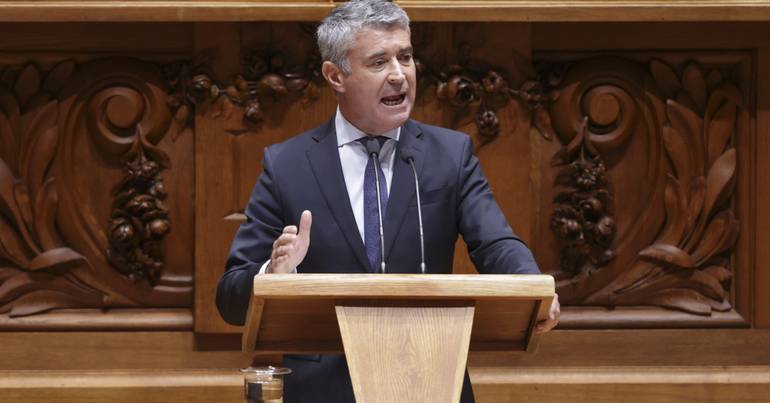
O vereador do PS na Câmara Municipal de Terras de Bouro, Diogo Carrasqueiras, revelou esta segunda-feira “estar preocupado com os custos financeiros para o nosso município do processo em que um geresiano foi absolvido e o presidente da autarquia, Manuel Tibo, vai agora recorrer.

Diogo Carrasqueiras Pereira, perante as notícias que Manuel Tibo recorrerá para o Tribunal da Relação de Guimarães, afirmou a O MINHO preocupá-lo, “sobretudo, o caminho que este processo poderá continuar a seguir por uma decisão política e sobretudo as implicações que daí poderão resultar para o erário público, no caso para a Câmara Municipal de Terras de Bouro”.

Falando à margem da visita do ministro da Administração Interna, Luís Neves, em Terras de Bouro, Diogo Carrasqueiras disse preocupá-lo “a dimensão financeira deste processo, pois entre honorários de advogados, custas judiciais e encargos adicionais associados a recursos estaremos a falar da estimativa de cerca de dez mil euros de dinheiros públicos terrabourenses”.

“Se esses encargos forem total ou parcialmente suportados pelo Município de Terras de Bouro, importa que os cidadãos saibam quanto já foi gasto, quanto poderá ainda ser gasto e qual o interesse público concreto que justifica prolongar o litígio”, referiu ainda Diogo Carrasqueiras.

“A defesa do bom nome dos titulares de cargos públicos é legítima, mas a defesa do interesse público, a boa gestão dos recursos municipais e o respeito pela liberdade de crítica também o são, por isso é esse equilíbrio que considero essencial aqui equacionar”, disse o autarca do PS.

“Apesar de sabermos que existem mecanismos de proteção jurídica dos autarcas no exercício das suas funções, essa proteção não dispensa uma avaliação rigorosa para o interesse público subjacente a cada decisão, é assim que deve ser sempre”, ainda segundo Diogo Carrasqueiras.

“Quem paga o processo e quem poderá receber indemnizações?”

“Há ainda uma questão adicional relativamente aos pedidos de indemnização que desde já importa clarificar e que é quem suporta os custos da litigância e quem beneficia de eventuais compensações”, afirmou o autarca do Partido Socialista, ainda a propósito do polémico processo.

“Se a defesa for assegurada com recursos municipais, parece-me legítimo discutir se não seria desejável encontrar uma solução respeitando a lei e os direitos de cada interveniente, pudesse também até beneficiar a comunidade, designadamente através de instituições de solidariedade social do concelho, sempre que tal seja juridicamente possível”, afirmou Diogo Carrasqueiras.

“Num concelho com muitas necessidades e recursos financeiros muito limitados, cada euro de dinheiro público deve ser utilizado com responsabilidade e fundamentação, é importante que exista uma ponderação efetiva entre o interesse pessoal dos intervenientes, o interesse público invocado e os encargos que poderão continuar a recair sobre os contribuintes”, disse o vereador.

“Perante uma decisão judicial, considero legítimo perguntar se é proporcional continuar a mobilizar recursos públicos para este efeito, pois não está em causa negar aos autarcas o direito de defenderem o seu bom nome, nem questionar a legitimidade de recorrer de uma decisão judicial, está sim em causa saber se a decisão de prosseguir com o processo está devidamente fundamentada e se os custos adicionais são justificáveis face aos objetivos pretendidos”, referiu.

“Relativamente ao caso em apreço, o artigo 21.º do Estatuto dos Eleitos Locais prevê que as autarquias suportem as despesas de processos judiciais em que os eleitos sejam parte, desde que estes tenham como causa o exercício das respetivas funções e não se prove dolo ou negligência por parte dos eleitos, e neste quesito falo apenas dos eleitos”, considera o socialista.

“Relativamente à decisão do Tribunal Judicial de Vila Verde de absolver o munícipe acusado de difamação ao presidente da Câmara Municipal de Terras de Bouro, ao vice-presidente e ao chefe de Divisão do Urbanismo, não me cabe comentar o mérito dessa decisão judicial, aos tribunais o que é dos tribunais, à política o que é da política”, acrescentou o vereador socialista.

“Não é incomum os cidadãos dirigirem críticas duras, depreciativas ou até injustificadas a quem exerce funções públicas, porque isso faz parte do exercício de funções políticas numa democracia”, afirmou Diogo Carrasqueiras, “salientando que “naturalmente, a liberdade de expressão não é ilimitada, mas também não pode ser nunca confundida com a obrigação de os cidadãos se absterem, entretanto, de questionar ou criticar a atuação dos seus representantes”.

O conteúdo Vereador do PS de Terras de Bouro questiona quem paga a defesa em tribunal de Manuel Tibo aparece primeiro em O MINHO.


  •  

Ventura acusa PS de cumplicidade na crise da habitação

Chega desafia socialistas a aprovarem pacote de medidas para a habitação e negocia com o Governo isenção temporária de IMI no âmbito do Orçamento do Estado.

© ANTÓNIO COTRIM/LUSA

André Ventura convocou uma conferência de imprensa para a tarde desta segunda-feira para responder ao secretário-geral do PS, José Luís Carneiro, depois de este ter dito que o líder do Chega poderia ganhar o prémio Nobel da hipocrisia
  •  

The Marines are getting new lifesaving gear for a war where help may not come quickly

Navy corpsmen check the airway of a simulated casualty.
Navy corpsmen check the airway of a simulated Marine casualty during a flight training event off the coast of California.

LCpl. Nicole Stuart/US Marine Corps

  • The Marines are fielding new medical gear to treat casualties when evacuation is delayed.
  • New portable blood coolers and warmers will help corpsmen treat wounded troops closer to combat.
  • AI-assisted ultrasounds could help front-line medics identify internal injuries and prioritize evacuation.

The US Marine Corps has begun fielding new medical equipment meant to help troops survive when wounded service members can't be quickly evacuated from the battlefield.

The new technology is designed to store blood, identify internal injuries, and treat wounded service members closer to the battlefield as the military prepares for future wars in which casualties may be unable to reach a hospital for hours or even days.

The equipment includes improved, lighter-weight mobile blood coolers, better blood warmers, and small AI-assisted ultrasound devices and is designed to help Navy corpsmen and other providers treat casualties with less bulky equipment and less reliance on extensive medical infrastructure.

During the wars in Iraq and Afghanistan, US air supremacy frequently allowed helicopters to quickly evacuate wounded troops to well-equipped and defended medical facilities near the battlefield.

The proliferation of drone warfare and other technological advancements seen in Ukraine has, however, raised doubts about whether rapid casualty evacuations will be possible in future conflicts. Now, military planners assume that a sophisticated foe is likely to possess tools that could severely disrupt military tasks such as casualty evacuation, resupply, and communications.

Throughout the post 9/11 wars in the Middle East, the military planned on getting wounded troops to advanced medical facilities within an hour, said Navy Capt. Shari Gentry, the Marine Corps' deputy medical officer, speaking to reporters at a media event near Quantico, Virginia. "And we do not foresee that being the case."

The Corps has already begun distributing the systems to medical units, with some equipment reaching troops deployed to the Middle East.

Among the new devices is a portable refrigerator capable of storing approximately 30 units of blood, potentially enough for four seriously wounded Marines, according to military medical guidance. Each battalion aid station is set to receive one, giving medical personnel a supply of blood closer to the battlefield.

Weighing about 60 pounds, it replaces a system that weighs over twice as much and uses rechargeable batteries already common throughout the Marine Corps. The smaller refrigerator allows medical teams to maintain blood supplies without relying continuously on generators or fuel deliveries, said Navy Cmdr. Kyleigh Hupfl, the Corps' clinical lead for Expeditionary Medical Systems.

The capability has already proved useful in the Middle East, Hupfl said. The Corps accelerated delivery after units raised concerns about the reliability of existing refrigeration equipment. One unit told her that the new device allowed it to maintain a ready supply of blood throughout its deployment.

Small deviations in temperature can render blood and other pharmaceuticals unusable. "We need to be able to bring cold chain distribution forward without relying on heavy generators, and we need to be able to do that in a sustainable way," she said.

The service is also fielding new portable blood warmers that can deliver warmed fluids faster than the previous equipment. The warmer works by passing blood through a tube, warming it before it flows into a patient's veins. Such warmth is crucial to prevent hypothermia, a serious complication in injured patients.

Another major change involves portable ultrasound machines equipped with AI-assisted imaging. Previously held only at higher levels of battlefield medical care, the new machines are now being pushed toward the lowest level of tactical care, known as Role 1 facilities, where Navy corpsmen and physicians provide immediate life-saving care for wounded Marines.

The AI software helps users identify anatomical structures on ultrasound images, allowing providers with less ultrasound experience to spot signs of internal bleeding or other injuries that might otherwise be difficult to detect. That information can also help medical teams determine which casualties need evacuation or surgery most urgently, said Navy Chief Petty Officer Matthew Brown, the chief biomedical equipment technician for the Corps' Expeditionary Medical Systems.

"I have 10 people that are hurt. Who should I get out?" Brown said of the dilemma and the new ultrasounds being fielded to front-line medics to address it. "And at the end of the day, that's what's going to save their life."

Read the original article on Business Insider

  •  

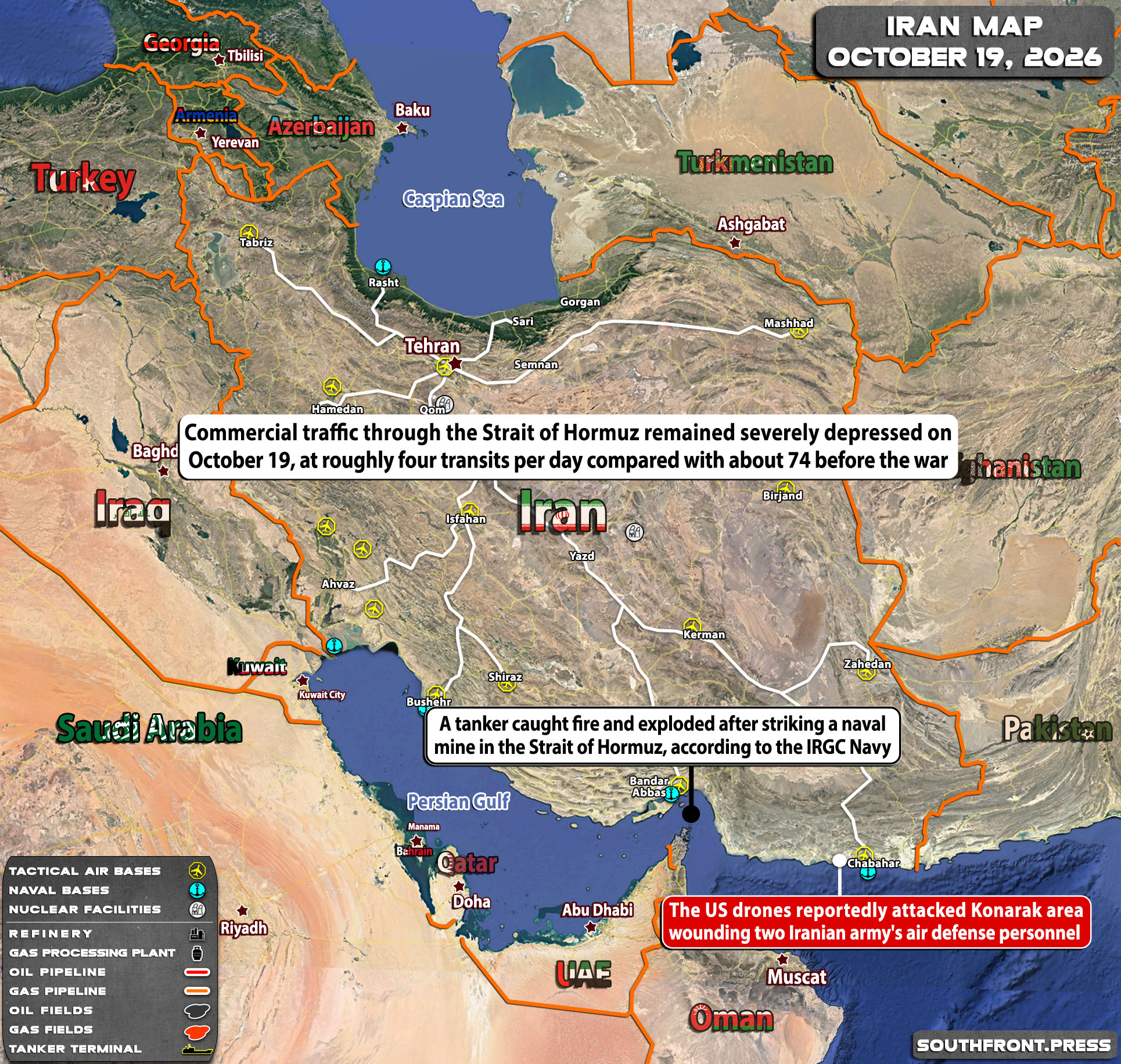
Military Situation In Iran On October 19, 2026 (Map Update)

Click to see full-size map.

  • A tanker caught fire and exploded after striking a naval mine in the Strait of Hormuz, according to the IRGC Navy;
  • The US drones reportedly attacked Konarak area wounding two Iranian army’s air defense personnel;
  • Commercial traffic through the Strait of Hormuz remained severely depressed on October 19, at roughly four transits per day compared with about 74 before the war.

_______________________________________________________________________________________________________________________

MORE ON THIS TOPIC:


The post Military Situation In Iran On October 19, 2026 (Map Update) appeared first on South Front.

  •  

Russia Strikes Flamingo Missile Warehouses, Data Center, and Ukraine’s Power Grid

Click to see the full-size image

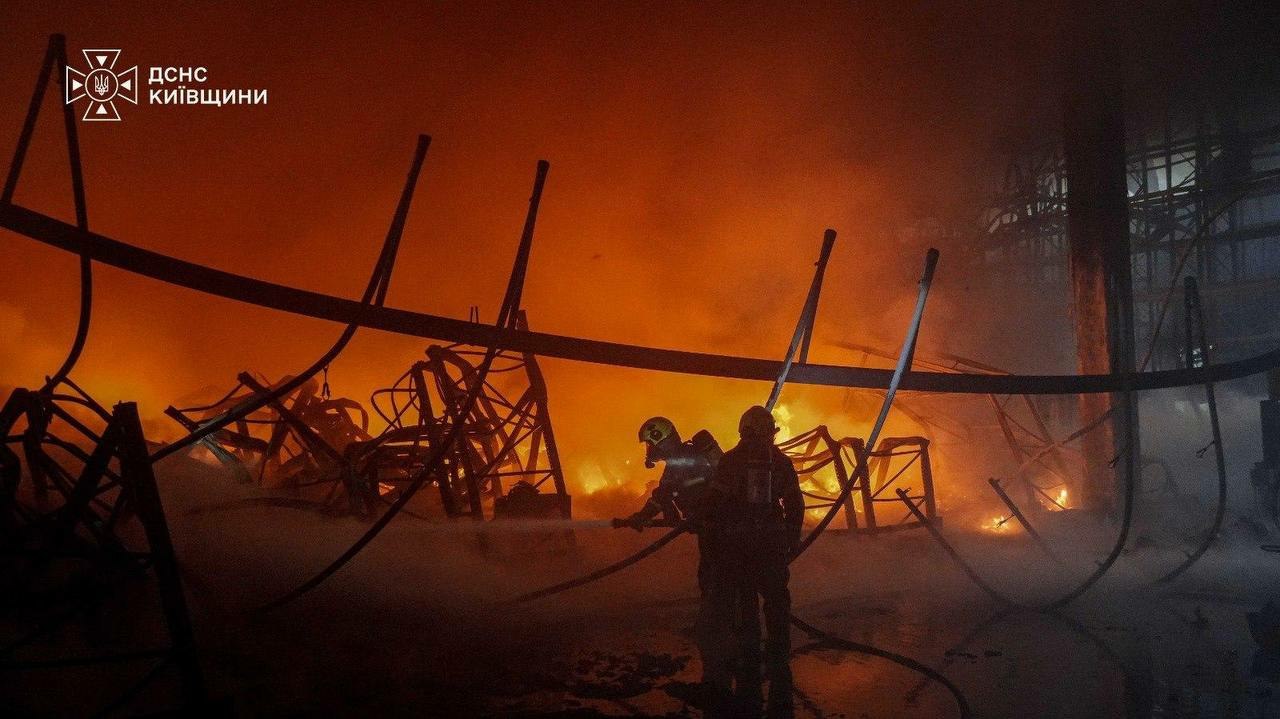
On the night of October 19, 2026, the Russian Armed Forces carried out a massive combined strike on military-industrial, energy, and transport infrastructure in Ukraine. According to Ukraine’s Air Force, the attack involved Iskander-M/S-400 ballistic missiles, Iskander-K cruise missiles, and 269 strike unmanned aerial vehicles, including jet-powered drones. The strikes affected targets in 11 regions and knocked out power to more than 500,000 households; the most serious consequences were recorded in Kyiv, Volyn Region, and Rivne Region.

Strikes by Region

Kyiv and Kyiv Region

  • Data Group data center (Kyiv) — a data-processing center that, according to the Russian Ministry of Defense, was used for military infrastructure needs.

  • Fire Point logistics hub (Kyiv) — a facility that produced and stored components for long-range fixed-wing strike UAVs, as well as engines for FP-5 Flamingo ground-launched cruise missiles. The facility was part of Fire Point’s production chain.

  • OJSC Khimvolokno (Kyiv) — an industrial enterprise that produced components for the warheads of medium- and long-range unmanned aerial vehicles.

  • Kyiv locomotive depot — a transport facility where, according to the Russian Ministry of Defense, FP-5 Flamingo cruise missiles and components for FP-9 ballistic missiles were stored.

  • Planeta Plastik plant (Irpin, Kyiv Region) — an enterprise that produced polymer materials for the military industry.

  • Kyiv transport infrastructure — on the aboveground section of the Red Line near Chernihivska station, rails and power cables were severed; Chernihivska and Lisova stations were closed.

  • Ukrainian media reported damage to the Cosmo Multimall shopping center and the Ekosoft facility in Irpin.

Volyn Region

  • Major rail junction on the route to Poland (Kovel)

  • Energy infrastructure — an electrical substation in Lutsk was attacked; after the overnight strikes, Kovel lost power, and large-scale outages also affected Turiisk and Liuboml.

  • Warehouse and production facilities in the village of Manevychi


Rivne Region

  • BADM warehouse (Rivne) — a 2,370-square-meter warehouse opened in 2012. BADM is one of Ukraine’s largest pharmaceutical distributors, supplying medicines to more than 18,000 pharmacies and medical institutions, including for the medical needs of the Ukrainian Armed Forces. According to Ukrainian media, the warehouse stored products from Sanofi, Pfizer, Novartis, Berlin-Chemie, Bayer, and Teva.

  • Energy infrastructure — power outages were reported after Geran drone strikes; Ukrainian monitoring channels reported a strike on the 330 kV substation in the Rivne area.


Other Regions

  • Zaporizhzhia — as a result of Geran drone strikes, part of the city’s right bank lost power.

  • Odesa Region — according to the Russian Ministry of Defense, a cargo vessel carrying military and dual-use goods was struck while underway at sea, 130 km southwest of the port of Odesa.

  • Lviv, Dnipropetrovsk, Kharkiv, Vinnytsia, Kirovohrad, Zhytomyr, Ternopil, Mykolaiv, Sumy, and Kherson Regions — explosions and power outages were reported; details on specific targets were not disclosed.

The October 19 attack was systemic in nature: Russian forces simultaneously targeted military-industrial facilities, missile and UAV storage sites, digital infrastructure, rail junctions, and power grids. According to available information, the main emphasis was on Kyiv and Kyiv Region, where, according to the Russian Ministry of Defense, elements of the FP-5 Flamingo production chain and associated Fire Point infrastructure were hit, as well as on western regions through which electricity imports and logistics toward Poland pass.

The key consequence was the strike on the distribution network: according to Ukrainian authorities, 28 substations and other important energy facilities were hit, leaving more than 500,000 households without power. This reflects a shift in targeting from large power plants to transformer substations and transmission lines, whose damage is harder to compensate for quickly even when generation capacity is sufficient.

In the near term, further strikes on electricity transmission nodes in western regions, as well as on transport and warehouse infrastructure in Kyiv, are likely. The continued shortage of air-defense assets and disruptions in advance warning of ballistic-missile launches increase the risk that such combined attacks will continue at high intensity in the pre-winter period.


MORE ON THE TOPIC:

The post Russia Strikes Flamingo Missile Warehouses, Data Center, and Ukraine’s Power Grid appeared first on South Front.

  •  

Lei das Rendas. "Governo tem de ceder se quer lei aprovada"

Marco Claudino acusa PS de insistir em regras iguais no arrendamento. Frederico Francisco critica intenção do Governo de fazer acordo com Chega. Francisco Gomes não vê esforço do executivo.

  •  

Military Situation In Yemen On October 19, 2026 (Map Update)

Click to see full-size map.

  • The Yemeni army (Ansar Allah) captured Al-Ariel hill and Madarat in western Taiz city;
  • Heavy fighting was reported south of Jabal Arous in the areas of al-Sarari, al-Awat, al-Naidani, Dhi Rahba, Watir and Anbian;
  • The Yemeni army (Ansar Allah) launched three ballistic missiles at the al-Alam military camp north of Ataq, killing or wounding dozens of Saudi-backed forces.

_______________________________________________________________________________________________________________________

MORE ON THIS TOPIC:


The post Military Situation In Yemen On October 19, 2026 (Map Update) appeared first on South Front.

  •  

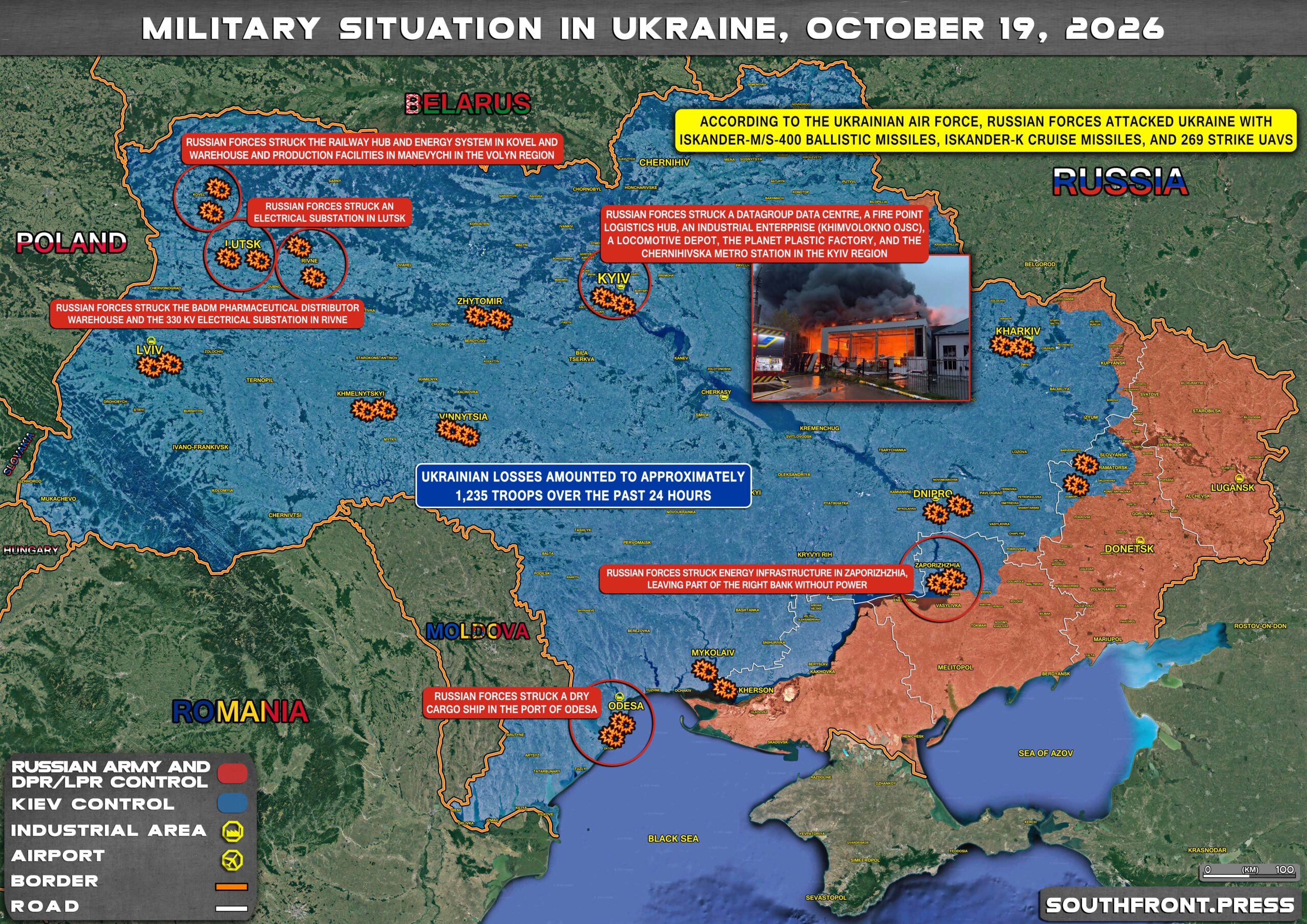
Military Situation In Ukraine On October 19, 2026 (Maps Update)

Click to see the full-size image

  • Russian strikes destroyed targets in the Sumy, Kharkiv, Zaporizhzhia, Dnipropetrovsk, Kherson, Kyiv, Volyn, Odesa, Khmelnytskyi, Lviv, Vinnytsia, Zhytomyr, Rivne, Ternopil, Mykolaiv regions, and the DPR;
  • According to the Ukrainian Air Force, Russian forces attacked Ukraine with Iskander-M/S-400 ballistic missiles, Iskander-K cruise missiles, and 269 strike UAVs;
  • Russian forces struck a Datagroup Data Centre, a Fire Point logistics hub, an industrial enterprise (Khimvolokno OJSC), a locomotive depot, the Planet Plastic factory, and the Chernihivska metro station in the Kyiv region;
  • Russian forces struck a dry cargo ship in the port of Odesa;
  • Russian forces struck the railway hub and energy system in Kovel and warehouse and production facilities in Manevychi in the Volyn region;
  • Russian forces struck the BadM pharmaceutical distributor warehouse and the 330 kV electrical substation in Rivne;
  • Russian forces struck an electrical substation in Lutsk;
  • Russian forces struck energy infrastructure in Zaporizhzhia, leaving part of the right bank without power;
  • Ukrainian losses amounted to approximately 1,235 troops over the past 24 hours.

Click to see the full-size image

  • Russian forces advanced near Kotovka and Bugaevka.

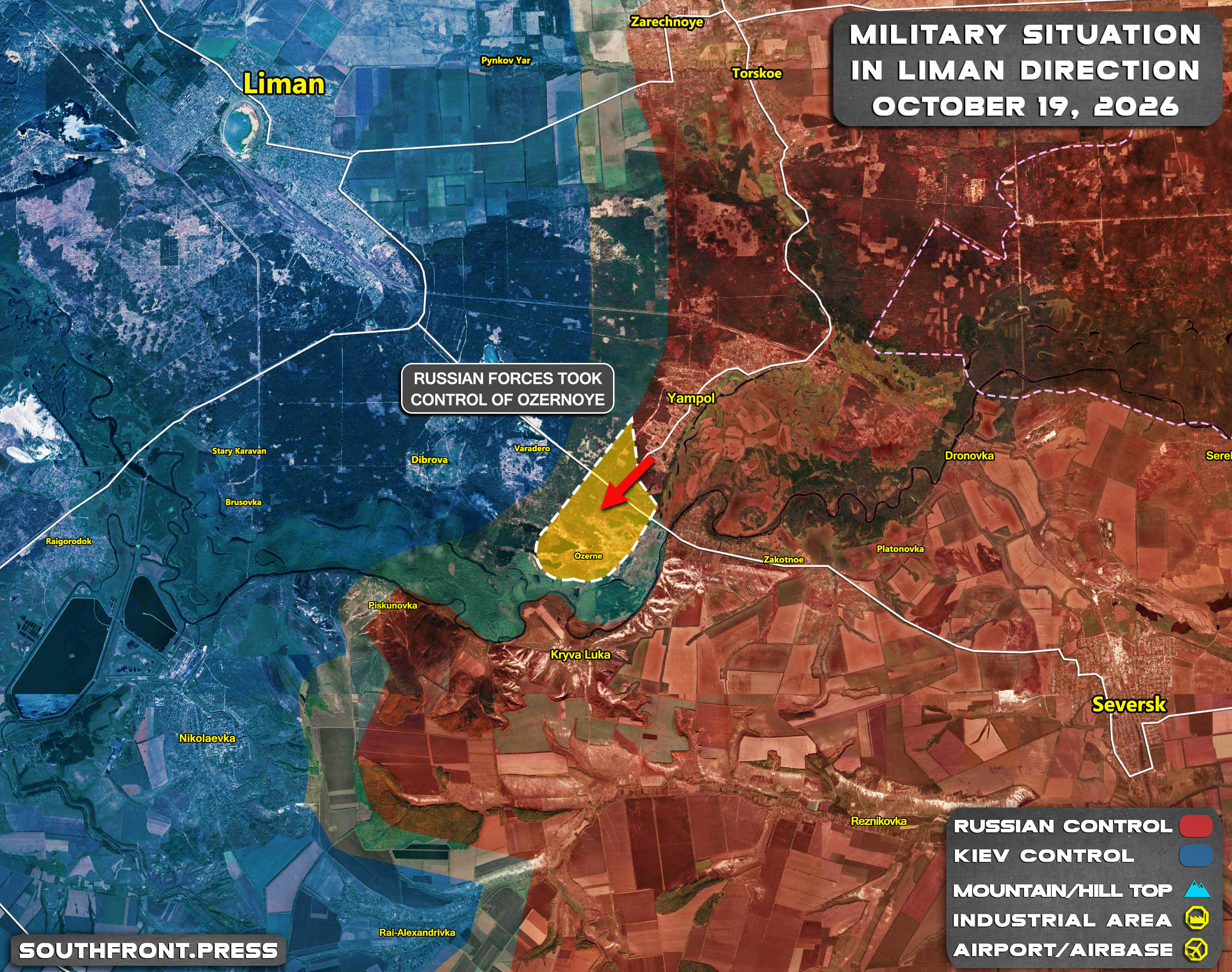
Click to see the full-size image

  • Russian forces took control of Ozernoye.

Click to see the full-size image

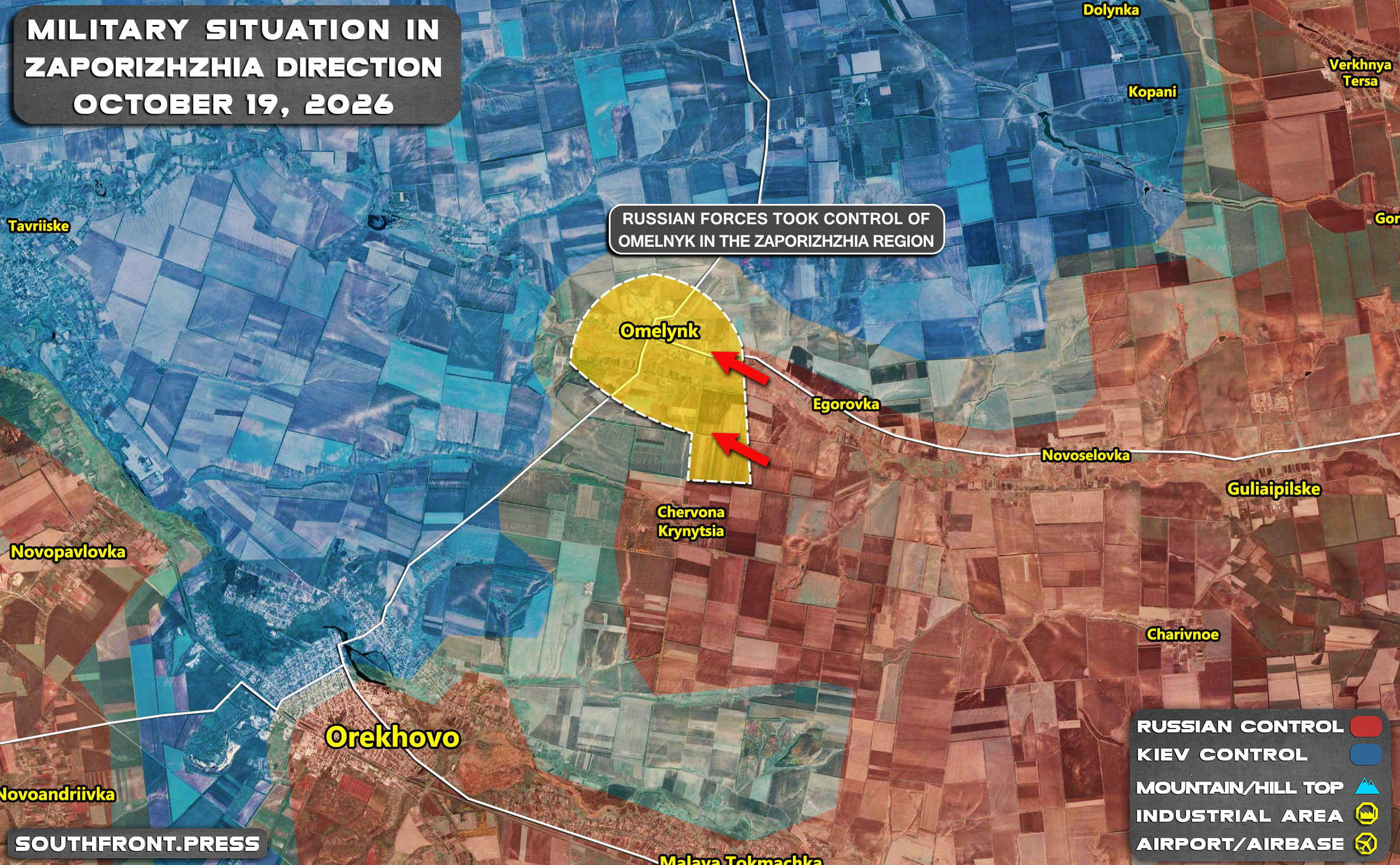
  • Russian forces took control of Omelnyk in the Zaporizhzhia region.

MORE ON THE TOPIC:

The post Military Situation In Ukraine On October 19, 2026 (Maps Update) appeared first on South Front.

  •  

Ukraine to compensate damaged cargo ships, as Russia rejects Black Sea proposal

Under a mechanism developed by Ukraine’s Infrastructure Ministry, Kyiv will compensate shipowners, operators, and charterers whose vessels fly under the Ukrainian or a foreign flag for up to 80% of the assessed damage if insurers don’t cover the risks.

  •  

Right after my ex and I broke up, I started packing my things. Then, we decided to continue living together.

The writer stands on a brick canal bridge lined with bicycles, trees, and urban residential buildings.
I've been living with my ex while saving money and building a life abroad.

Aaliyah Alexander

  • I was living with my boyfriend when we broke up, and he suggested that we stay roommates.
  • After looking into my options, I realized that living together might be the best financial move.
  • It was awkward at first, but acknowledging the situation and setting boundaries helped.

I met my ex in Spain, on a warm October night in 2024. He approached me as we were both walking home from a boxing class and confidently started a conversation.

About two weeks later, we went on our first date. A few months after that, we took our first weekend trip together. In April, he surprised me with a key to his home. By June, I'd moved in.

Our relationship was built on genuine care for one another. Throughout our relationship, we always sought to support each other's well-being and growth. Of course, we had bumps here and there, but they were never significant enough to change our respect for each other.

That's why, when we agreed to break up in August because we saw our lives going in different directions, I wasn't at all surprised that we found a way to continue living together.

We broke up, but I stayed at my ex's house

The writer posing with bicycles in front of canals, trees, and houses.
I normally wouldn't have continued living with an ex, but it felt like the best option.

Aaliyah Alexander

Under normal circumstances, I would've moved out as soon as possible. I've always believed that you can't start to heal from a breakup until you cut all ties and communication with your ex.

So, I bought the boxes, tape, and bubble wrap, started looking for apartments, and began packing.

But then two weeks later, I lost a freelance contract that contributed a significant portion to my income. This, coupled with the fact that I was already in the middle of a lengthy visa process to make Spain my long-term home, only added to the stress of going through a breakup.

Seeing the distress I was enduring, my ex sat me down and suggested that I continue to live with him until I was able to get back on my feet again.

My first thought was that people would think I was out of my mind for choosing to live with an ex. Then, I started weighing the pros and the cons.

If I stayed, housing would be one less thing I'd have to worry about … but every day, I would have to see someone I'd just broken up with. Worst of all, I'd have to treat my ex like a roommate, as if we didn't just spend the past two years in an affectionate relationship.

If I decided to move out, I wouldn't have to see my ex every day, and I could focus on healing my broken heart alone — but I'd be in a tough financial situation.

Unlike my ex — who's lenient and open to pulling some extra weight when I can't make rent or contribute 50/50 on utilities — I knew that a landlord wouldn't necessarily care about my personal situation once the first of the month rolled around.

I chose to keep living with him.

At first, there was an adjustment period

The writer stands by a stone seawall overlooking turquoise water and a coastal city skyline.
Having honest conversations and setting boundaries helped.

Aaliyah Alexander

Those first few weeks were awkward. We'd already had separate bedrooms because of my ex's insomnia, but the changes to our routines and interactions felt foreign.

Instead of getting a text inviting me to come cuddle with him on Sunday mornings, my phone remained silent. Instead of getting ready and walking to the gym together in the afternoon, I started going in the morning.

Instead of sitting down to have dinner together, we ate at different times in different rooms. Whenever we saw each other, we would force a smile, say hi, and go our separate ways.

We didn't acknowledge the strangeness of our situation until one moment broke down the barrier. I was used to having crying sessions in my room, but this time, one snuck up on me while I sat in the living room. The stress of my breakup, finances, and living situation had just built up too much.

My ex was passing through the living room when he saw me crying and gently asked if he could give me a hug. I nodded.

This interaction prompted us to finally discuss the elephant in the room (well, house): Living with your ex is weird. Simply addressing the situation and talking about how we were both coping instantly made it feel a little bit lighter.

We found a new way to live together

What followed was a conversation about how we wanted living together to look like. We knew we were doing something unusual, which was daunting, but also meant we were free to make our own rules.

Our first decision was to stop acting like strangers. Barely acknowledging each other's existence just didn't work for us, so we welcomed a level of friendliness into our new relationship.

Then, we decided we'd continue offering each other a certain level of emotional support. My ex recently took a leave of absence from work to heal from burnout and contemplate his next career move.

Meanwhile, I was struggling to find full-time work and sustain the life I was building abroad. Being there for each other when one of us needed a listening ear felt important.

Lastly, we agreed not to cross any lines that would confuse the other person. We weren't in a romantic relationship anymore, so we decided that any affection beyond a friendly hug would be prohibited.

With this, our living situation went from something that felt unbearable to something that works for us. In the next few months, I plan to save enough from my freelance work to move out. Until then, I'm happy knowing I have a home, even if it's with my ex.

Read the original article on Business Insider
  •  

Bonus nido 2026, quanto si recupera sulle rette e quali errori bloccano il rimborso

Il bonus asilo nido 2026 permette alle famiglie di recuperare fino a 3.600 euro all’anno sulle rette pagate per la frequenza dei figli. L’importo riconosciuto dall’Inps dipende dall’Isee e dalla data di nascita del bambino, mentre il pagamento avviene dopo la presentazione della documentazione che dimostra le spese sostenute. Per ottenere il contributo è necessario rispettare alcune condizioni e prestare attenzione alla compilazione della domanda. Ricevute incomplete, pagamenti non documentati e dati errati della struttura educativa possono impedire il riconoscimento del rimborso o rallentare i tempi di lavorazione. Dal 2026 la procedura è stata semplificata: la domanda rimane valida fino ad agosto dell’anno in cui il bambino compie tre anni, ma le famiglie devono aggiornare annualmente le mensilità richieste.

Bonus nido 2026, quanto si recupera sulle rette in base all’Isee

Il contributo è destinato ai genitori di bambini con meno di tre anni che frequentano strutture educative autorizzate. L’importo massimo varia in base all’Isee e all’anno di nascita. Per i bambini nati dal 1° gennaio 2024, sono previsti:

  • 3.600 euro annui, con Isee fino a 40mila euro;
  • 1.500 euro annui, con Isee superiore a 40mila euro oppure in assenza di un indicatore valido.

Per i bambini nati prima del 1° gennaio 2024, gli importi sono differenti:

  • 3.000 euro annui con Isee fino a 25mila euro circa;
  • 2.500 euro annui con Isee superiore a 25mila e fino a 40mila euro;
  • 1.500 euro annui con Isee superiore a 40mila euro oppure non disponibile.

Il rimborso viene riconosciuto per un massimo di undici mensilità e non può superare l’importo effettivamente pagato per la retta.

Dal 2026, ai fini del calcolo, viene utilizzato l’Isee per specifiche prestazioni familiari e per l’inclusione, neutralizzando gli importi dell’Assegno unico secondo le regole previste dall’Inps.

Quanto rimborsa l’Inps su una retta da 300 o 400 euro

Per comprendere il funzionamento del bonus si possono considerare due esempi pratici. Una famiglia con un bambino nato nel 2025 e un Isee di 25mila euro può ottenere fino a 3.600 euro annui, suddivisi in undici rate, generalmente da 327,27 euro. Se la retta mensile è di 400 euro, il rimborso può arrivare a 327,27 euro, lasciando a carico della famiglia circa 72,73 euro.

Con una retta di 300 euro mensili, invece, il contributo copre l’intera spesa documentata, perché il rimborso non può essere superiore a quanto effettivamente pagato. Per un bambino nato prima del 2024, con un Isee di 30mila euro, il limite annuale è invece di 2.500 euro, corrispondente a rate di circa 227,27 euro. Gli importi effettivi dipendono dalle mensilità ammesse, dalle spese documentate e dai requisiti posseduti.

È comunque obbligatorio indicare annualmente le mensilità per le quali si richiede il rimborso. Per le rette riferite al 2026, i documenti di spesa devono essere caricati entro il 30 aprile 2027. L’Inps indica un termine ordinario di 30 giorni per la lavorazione, che decorre dalla disponibilità della documentazione completa. Per i singoli rimborsi mensili, il termine decorre dal caricamento dei relativi giustificativi, una volta accolta la domanda.

Quali errori possono bloccare il rimborso del bonus nido

Uno degli aspetti principali riguarda la documentazione delle spese. L’Inps richiede, per ogni mensilità, una fattura oppure una ricevuta o un avviso di pagamento nei casi consentiti, accompagnati dalla prova del versamento effettuato con strumenti tracciabili. Tra gli errori che possono compromettere o ritardare il pagamento rientrano:

  • Mancanza della ricevuta o della fattura relativa alla mensilità richiesta;
  • Assenza della prova del pagamento tracciabile, necessaria per dimostrare che la retta è stata effettivamente versata;
  • Indicazione errata della struttura educativa o mancata verifica della sua autorizzazione;
  • Isee assente o difforme, che può comportare il riconoscimento dell’importo minimo;
  • Mancato aggiornamento delle mensilità richieste per l’anno di riferimento.

Un ulteriore elemento riguarda il soggetto che presenta la domanda: deve essere il genitore che sostiene effettivamente il pagamento della retta. L’Inps verifica anche che il nido possieda il titolo abilitativo richiesto dalla normativa regionale. Se la struttura non risulta autorizzata, il contributo non può essere riconosciuto.

  •  

Microsoft's ex-VP of HR shares 3 effective ways to use AI at work — and what he never uses it for

AI assistant and Chris Williams headshot.
When embraced and used carefully, AI tools can help gain perspective and boost productivity at work.

Alex Cristi /Getty Images | Chris Williams

  • Chris Williams was the VP of HR at Microsoft and is now an advisor and consultant.
  • Williams uses a broad range of AI tools and encourages his clients to do the same.
  • "Perhaps you'll find, as I did: AI can be better at deletion than creation," he says.

Practically every company is making AI tools available to their employees. As the former VP of HR at Microsoft and a leadership advisor with over 50 years of business experience, I'm amazed at how quickly this rollout has progressed.

Some people are all in, using the tools for nearly everything they do. Others have barely stuck their toes in the AI waters. I've been using a broad range of AI tools and encourage my clients to do the same.

AI isn't without controversy, and if someone is strongly against using it — for whatever reason — I'm not going to convince them otherwise.

But if you're wondering how and why you should use these tools, I'm here for you. Let's talk about three ways I advise all my executive clients to use AI effectively in the workplace.

1. Use AI as a second opinion

Use AI as a way to see things you might not have seen. Ask it, "What am I missing?"

I agree with many that AI is lousy at most creative efforts. Whether written or visual, AI results can be generic, mediocre, and often embarrassing. The output usually deserves the "AI Slop" label it gets. But to dismiss it entirely misses a core value.

AI is useful with, perhaps even because of, that generic, often obvious other perspective.

It can be amazingly helpful to simply ask: what am I missing? Since AI has a tendency to agree with me, I explicitly ask for pushback: "review this and tell me what I'm missing, tell me where I'm wrong." The fact that AI is so obvious, so average, is actually a core value here. I'm often surprised at the points I missed and the viewpoints I overlooked.

Even if AI doesn't find things you missed, a contrarian angle can be very helpful to shore up your own case. You'll be able to say, "Yes, I considered those things, and here's why my take on this issue is better."

In that way, AI can also help you prepare for your discussions with colleagues. With so many letting AI draft their arguments, it's very valuable to see their perspective in advance.

So no, I don't let AI make my case, but I always look for another perspective in what I do — wherever it comes from. Having a tool that can give me that on a moment's notice is incredibly useful.

2. Ask AI to summarize dense information

Long before AI, we all had that colleague who always told you far more than you needed to know. With some now using AI heavily, it can frankly be overwhelming.

You ask a simple question and get a blizzard of AI-generated noise in response. AI can be the worst over-explainer when simply left to run. You see the results in a seven-page response.

When I'm faced with one of these walls of text, I've learned there are really only two ways to respond. I can, and often do, ask the person to try again. What does this all really mean? Can you summarize your point in a couple of sentences? I occasionally get snarky and ask for the "non-AI slop" version.

Another way to deal with this is to ask AI to summarize it, whether AI tools or a wordy colleague wrote it. Importantly, I don't trust the AI summary to be the full explanation, but it helps me understand the key points. Which I then work to find in the original blizzard response.

Yes, this is a little circular. After all, why not just have the two AI systems have the discussion? Leave me out of it. But in a world where it seems everyone has a hard time getting to the point, any tool to cut through the noise is welcome. And AI is very good at that.

3. Let AI help you with tasks

In a similar vein, one thing AI does incredibly well is organize. This kind of rote task of sorting, filtering, and filing is right in the sweet spot for most AI systems.

I'm wary of letting AI systems automate tasks like filtering or filing things without my supervision. I'd never let an AI system automatically send emails, texts, or documents without my careful review. But I often have AI systems help me sort through mountains of accumulated debris.

I recently moved to a new computer system and had AI review what I was planning to move over. I discovered decades of accumulated cruft. Simply from a comprehensive list, I found gigabytes of programs, files, and settings, 90% of which I just left behind.

So if you have 8,000 emails in your inbox, or a documents folder that has grown a second life, let an AI system take a look for you. Don't just tell it to "deal with it." Your judgment is needed.

Rather, have it give you a review of it and another perspective. And once you've reviewed it, perhaps you'll find, as I did: AI can be better at deletion than creation.

So when your company rolls out the next new AI, use those tools to your advantage. AI can help you see another perspective, find the important points in the blizzard, and cut through the mess. I've embraced AI, use it with great care, and encourage everyone to do the same.

Read the original article on Business Insider
  •  

PS quer isentar mais-valias na venda de casas até 300 mil

Num artigo dirigido aos portugueses, o líder socialista aponta a existência de centenas de milhares de casas vazias em condições de serem habitadas e propõe um regime excecional válido por três anos.

© ANTÓNIO PEDRO SANTOS/LUSA

José Luís Carneiro propõem mais medidas para a habitação num artigo de opinião dirigido aos portugueses
  •  

Tribunal vai decidir se insolvência da Unbabel foi culposa


O Tribunal da Comarca de Lisboa decidiu abrir um "Incidente de Qualificação de Insolvência" à startup Unbabel, ou o que resta dela após a venda dos ativos à norte-americana Transperfect. A decisão foi tomada no dia 25 de setembro e significa, na prática, que a Justiça vai ter de decidir se a insolvência foi "culposa" ou "fortuita".

O anúncio da decisão foi consultado pelo ECO no portal Citius e, nos termos da lei, o despacho não é passível de recurso. A requerente identificada nos autos é a Iberis Capital…

Este artigo é exclusivo para assinantes

Assine o ECO Premium e continue a ler esta e todas as notícias exclusivas, sem limites.

Assinar ECO Premium e continuar a ler

Já é assinante? Iniciar sessão

Ver todos os planos
  •  

Digger ou Mike Tyson: qual bate mais (ou menos)? — Sugestões

O filme de Iñarritu, com Tom Cruise, e o documentário em quatro partes na Netflix estão em destaque esta semana, mas também há jazz em Guimarães, “Babies” em Inglaterra e ramen no Japão.

  •  

Socio amministratore di SRL, i casi in cui scatta l’obbligo di doppia iscrizione Inps

La gestione della posizione previdenziale per chi ricopre contemporaneamente la carica di organo amministrativo e la qualifica di socio all’interno di una Società a Responsabilità Limitata (SRL) rappresenta uno dei temi più complessi del diritto tributario e del lavoro in Italia.

La controversia nasce spesso dall’azione di accertamento dell’Istituto Nazionale di Previdenza Sociale, che tende a richiedere d’ufficio la doppia iscrizione Inps per il socio amministratore di SRL. Tuttavia, la sovrapposizione delle due posizioni non è né automatica né scontata: la normativa e la giurisprudenza stabiliscono confini e presupposti molto precisi.

Socio amministratore di SRL: le due gestioni Inps

Per comprendere le ragioni della doppia contribuzione, occorre analizzare separatamente i due pilastri normativi che regolano le rispettive gestioni previdenziali coinvolte.

La Gestione Separata per il compenso dell’amministratore

L’obbligo di iscrizione alla Gestione Separata Inps è disciplinato dall’articolo 2, comma 26, della Legge n. 335/1995 (la riforma Dini):

  • l’oggetto dell’assicurazione sono i proventi percepiti a titolo di compenso per l’attività di amministrazione della società;
  • il presupposto è determinato dal conferimento dell’incarico societario di amministratore e l’effettiva percezione di un compenso deliberato dall’assemblea dei soci.

La Gestione Commercianti o Artigiani per il lavoro operativo

L’iscrizione alla Gestione Assicurativa degli Esercenti Attività Commerciali o Artigiane trova invece il suo fondamento nell’articolo 1, comma 203, della Legge n. 662/1996:

  • l’oggetto dell’assicurazione è l’attività lavorativa diretta esercitata dal socio nell’impresa;
  • perché scatti l’obbligo di iscrizione alla Gestione Commercianti o Artigiani, il socio deve partecipare personalmente al lavoro aziendale con i requisiti della continuità, abitualità e prevalenza.

Perché non vale il principio di prevalenza per escludere l’iscrizione?

In passato si tendeva a ritenere che, in caso di svolgimento di più attività, il contribuente potesse essere iscritto unicamente alla gestione riferita all’attività prevalente, assorbendo l’altra.

Questa interpretazione è stata definitivamente superata dall’articolo 12, comma 11, del Decreto Legge n. 78/2010 (convertito con modificazioni dalla Legge n. 122/2010), norma di interpretazione autentica. La legge ha chiarito che il principio di unificazione contributiva della prestazione prevalente (previsto dall’art. 1, comma 208, della Legge 662/1996) si applica esclusivamente al raffronto tra diverse attività d’impresa appartenenti alle gestioni autonome (es. artigiani, commercianti o coltivatori diretti).

Al contrario, la norma esclude che il criterio di prevalenza possa operare tra la Gestione Separata e la Gestione Commercianti o Artigiani. La legittimità della coesistenza dei due obblighi è stata confermata dalla Corte di Cassazione a Sezioni Unite con la sentenza n. 17076 del 2011, seguita da successive ordinanze di legittimità (tra cui la n. 1759/2021).

Di conseguenza, per il socio amministratore di SRL, se sussistono autonomamente i presupposti per entrambe le gestioni, la doppia iscrizione Inps è considerata legittima e obbligatoria.

Quadro riassuntivo dei casi pratici

La sussistenza del doppio versamento dipende quindi dall’incrocio tra la percezione del compenso amministrativo e lo svolgimento concreto di mansioni operative o commerciali.

Profilo societario Funzioni svolte in concreto Esito Gestione Separata Esito Gestione Commercianti/Artigiani Posizione Inps complessiva
Amministratore non socio Direzione societaria remunerata Sì (sul compenso) No Unica iscrizione
Socio amministratore di SRL Sole funzioni direttive/amministrative con compenso Sì (sul compenso) No Unica iscrizione
Socio lavoratore operativo Lavoro manuale, commerciale o operativo senza compenso organo amministrativo No Sì (sul reddito d’impresa) Unica iscrizione
Socio amministratore di SRL Funzioni di amministrazione remunerate + Partecipazione diretta all’attività aziendale Sì (sul compenso) Sì (sul reddito d’impresa) Doppia iscrizione Inps
Socio di mero capitale Nessun lavoro aziendale e nessuna carica remunerata No No Nessuna iscrizione

Il problema dell’onere della prova e le verifiche Inps

La semplice coincidenza formale tra la qualifica di socio e la carica di amministratore (anche se unico o delegato) non è sufficiente a giustificare l’iscrizione automatica alla Gestione Commercianti o Artigiani. Qualora l’Inps emetta un avviso di addebito o d’ufficio iscriva il contribuente alla gestione commercianti, l’istituto ha l’onere di provare che il socio svolga un’attività lavorativa ulteriore rispetto alle funzioni tipiche dell’organo amministrativo.

Differenza tra atti di gestione e atti di lavoro operativo:

  • atti gestionali (non soggetti a Gestione Commercianti). Firma di contratti, gestione finanziaria, coordinamento generale, partecipazione alle assemblee, firma dei bilanci e direzione strategica dell’azienda;
  • atti operativi (soggetti a Gestione Commercianti). Vendita diretta al pubblico, erogazione manuale o tecnica dei servizi aziendali, gestione quotidiana del magazzino, contatto operativo continuo con i clienti.

Nella valutazione della posizione rilevano anche elementi quali la presenza di personale dipendente qualificato, la dimensione della struttura organizzativa e la natura stessa dell’oggetto sociale della SRL.

Determinazione della base imponibile e le recenti pronunce sulla quota di utile

Una volta stabilita l’eventuale spettanza della doppia iscrizione, si pone la questione del calcolo della base imponibile su cui applicare le aliquote contributive:

  • l’imponibile della Gestione Separata è costituito esclusivamente dai compensi lordi erogati al socio amministratore per l’esercizio della carica;
  • i contributi della Gestione Commercianti/Artigiani (fissi entro il minimale e a percentuale sull’eccedenza) si calcolano sulla quota di reddito d’impresa della SRL fiscalmente attribuibile al socio.

La svolta della Cassazione sugli utili non distribuiti

Un punto di svolta cruciale nell’evoluzione del contenzioso riguarda la determinazione della base imponibile del socio lavoratore e la quota di utili societari prodotti dalla SRL.

Per anni l’Inps – con una linea interpretativa ribadita dalla Circolare n. 102/2003, dalla Circolare n. 84/2021 e da ultimo con la Circolare n. 62 del 27 maggio 2026 – ha preteso di includere nell’imponibile della Gestione Commercianti la quota del reddito d’impresa dichiarato dalla SRL corrispondente alla partecipazione agli utili del socio, a prescindere dalla loro effettiva distribuzione.

A superare questo automatismo è intervenuta la Corte di Cassazione con una serie di pronunce pubblicate nel settembre 2026, a partire dalla sentenza n. 25377/2026. I giudici di legittimità hanno chiarito che l’art. 3-bis del Decreto Legge n. 384/1992 commisura la contribuzione alla sola totalità dei redditi d’impresa denunciati ai fini Irpef dal soggetto obbligato. Pertanto, il reddito prodotto e dichiarato dalla SRL ai fini Ires non si trasforma automaticamente in imponibile contributivo per il socio per il solo fatto che questi ne possieda una quota e presti attività lavorativa nell’impresa.

Ne consegue che, in regime fiscale ordinario, gli utili della SRL non distribuiti o accantonati a riserva rimangono esclusi dal calcolo dei contributi alla Gestione Commercianti, ferma restando l’eccezione delle società che abbiano espressamente adottato il regime della trasparenza fiscale.

Criteri guida per la regolarizzazione della posizione

Per definire correttamente la posizione previdenziale ed evitare sanzioni o contestazioni da parte dell’organo di vigilanza, è opportuno adottare un approccio rigoroso in fase di costituzione o gestione della società:

  • mappatura formale dei ruoli. Definire con chiarezza nelle delibere assembleari e nei verbali del consiglio di amministrazione la natura delle mansioni e l’eventuale spettanza del compenso;
  • tracciabilità delle mansioni operative. Qualora il socio amministratore si limiti alle sole attività direttive senza partecipare direttamente al ciclo produttivo, è fondamentale conservare idonea documentazione aziendale che comprovi l’autonomia della struttura (presenza di dipendenti, collaboratori esterni o direttori tecnici);
  • valutazione della doppia contribuzione. In presenza di un reale apporto lavorativo quotidiano unito a un compenso per la carica, la scelta della doppia iscrizione preventiva mette al riparo l’azienda e il professionista da sanzioni civili per omesso versamento.

  •  

Military Situation In Ukraine And Ukrainian Attacks On Russian Territory On October 18, 2026 (Maps Update)

Click to see the full-size image

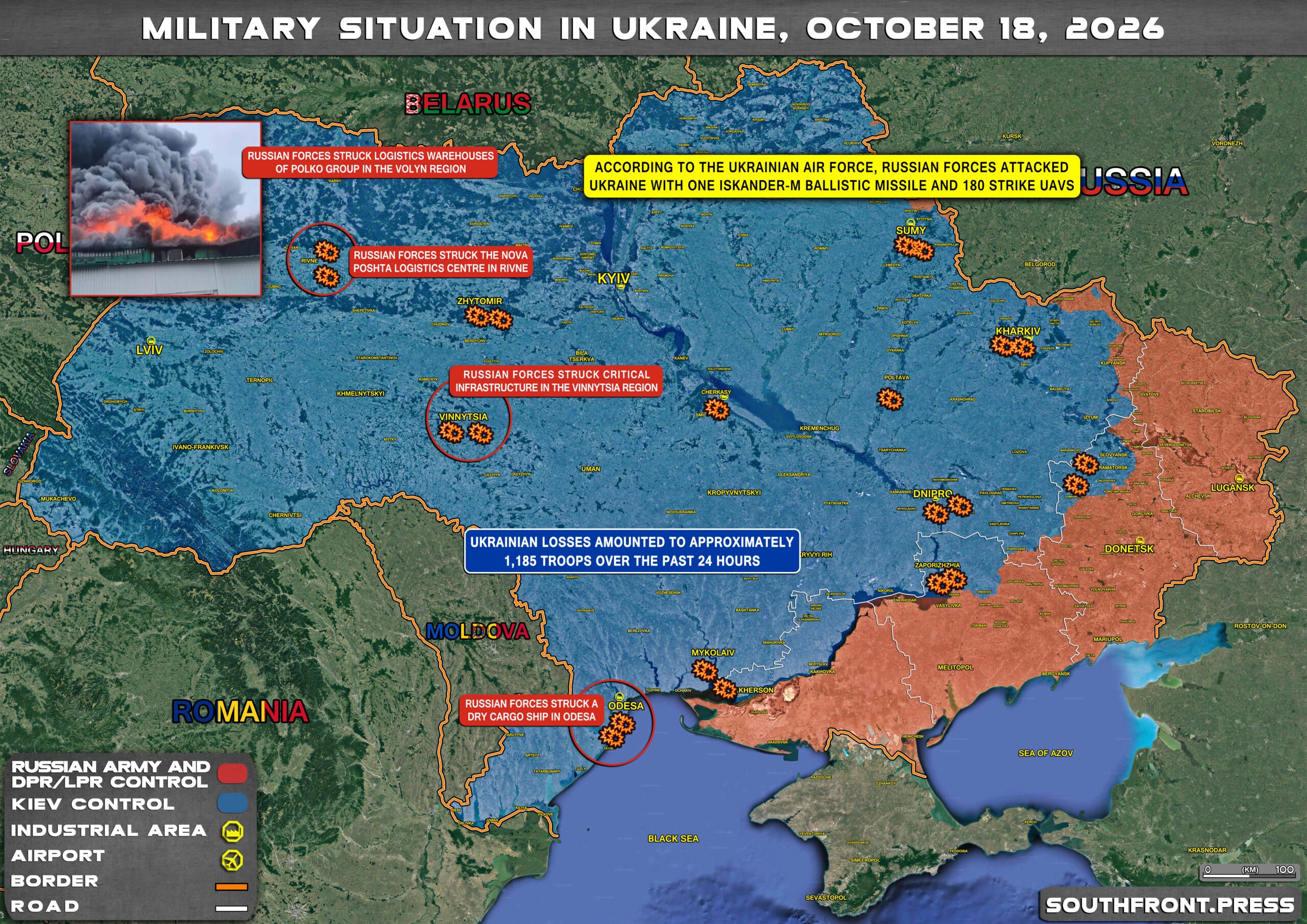
  • Russian strikes destroyed targets in the Sumy, Kharkiv, Zaporizhzhia, Dnipropetrovsk, Kherson, Odesa, Chernihiv, Khmelnytskyi, Rivne, Cherkasy, Poltava, Zhytomyr regions, and the DPR;
  • According to the Ukrainian Air Force, Russian forces attacked Ukraine one Iskander-M ballistic missile, 180 strike UAVs;
  • Russian forces struck the Novaya Pochta logistics centre in Rivne;
  • Russian forces struck a dry cargo ship in Odessa;
  • Russian forces struck logistics warehouses of Polko Group in the Volyn region;
  • Russian forces struck critical infrastructure in the Vinnytsia region;
  • Ukrainian losses amounted to approximately 1,185 troops over the past 24 hours.

Click to see the full-size image

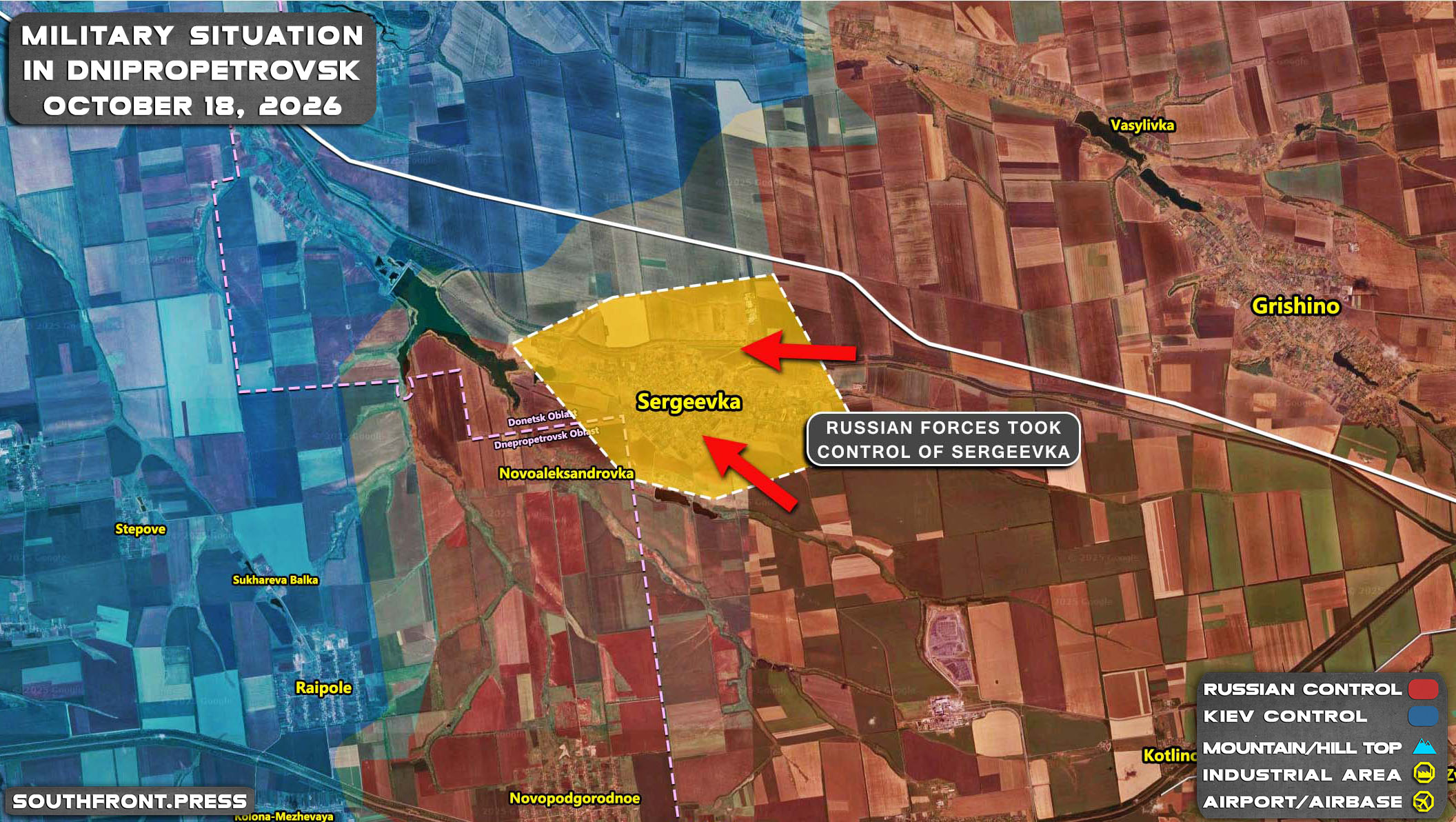
  • Russian forces took control of Sergeevka.

Click to see the full-size image

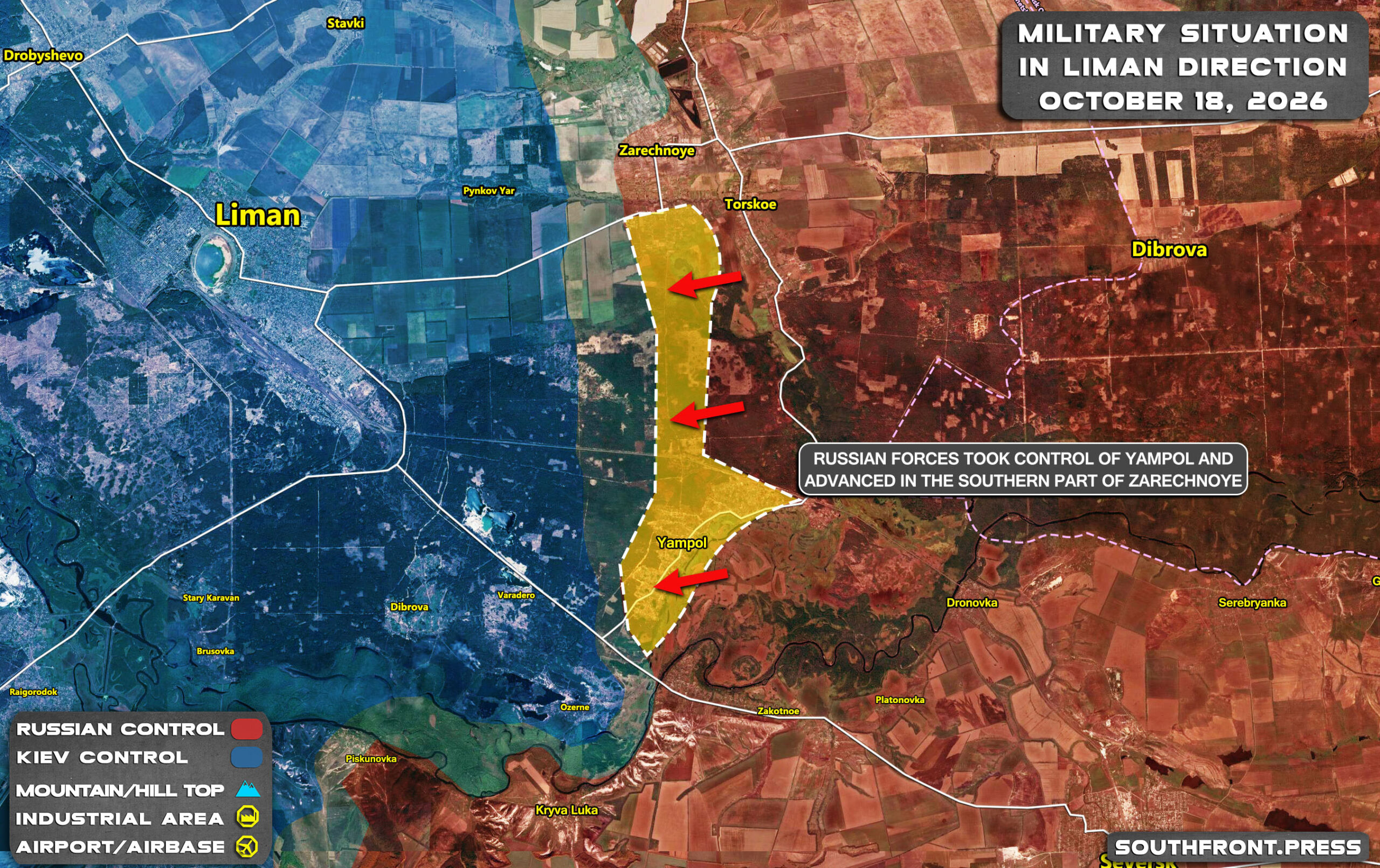
  • Russian forces took control of Yampol and advanced in the southern part of Zarechnoye.

Click to see the full-size image

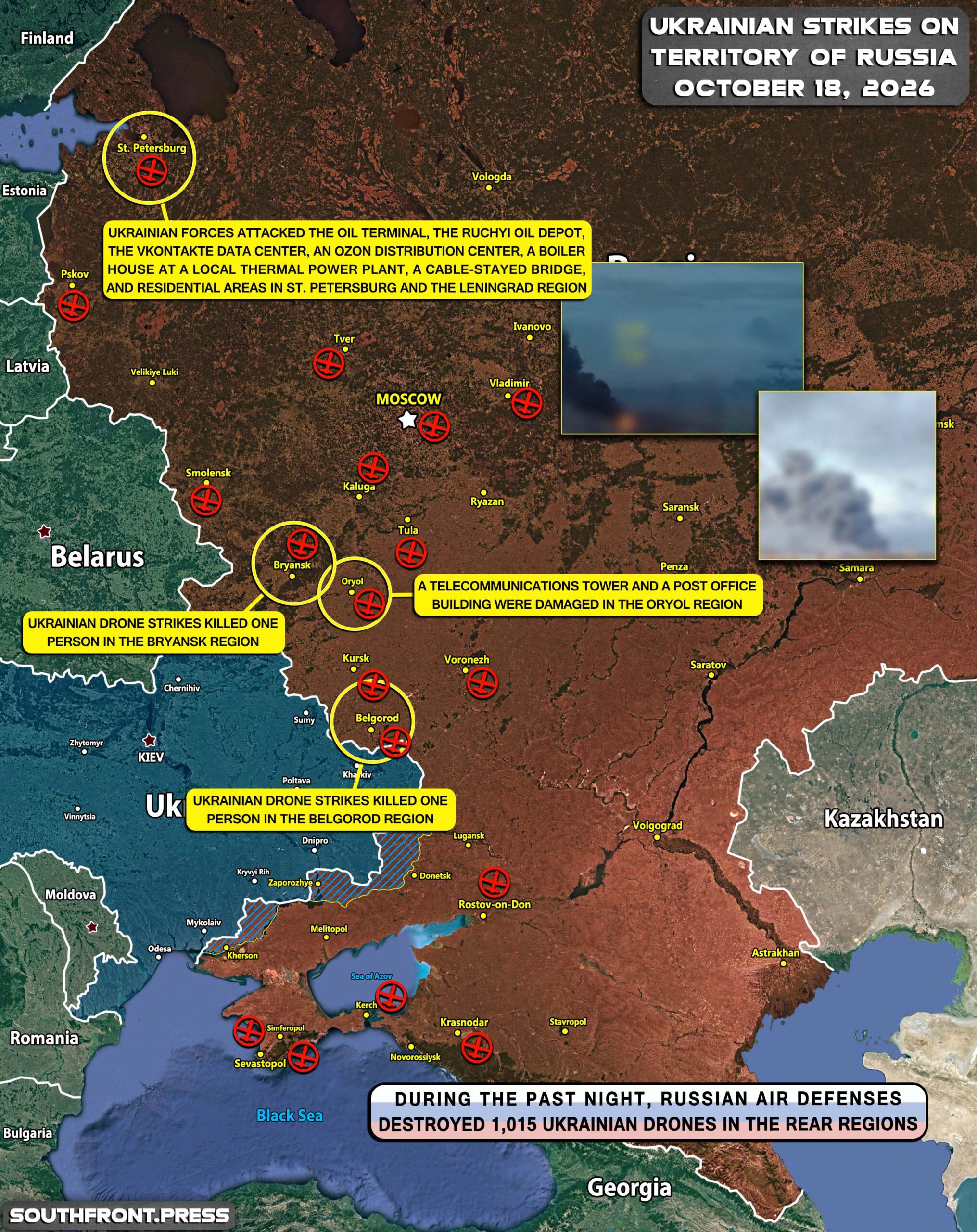
  • During the past night, Russian air defenses destroyed 1,015 Ukrainian drones in the rear regions;
  • Russian air defenses intercepted UAVs in the Belgorod, Bryansk, Vladimir, Kaluga, Kursk, Leningrad, Novgorod, Oryol, Pskov, Ryazan, Smolensk, Tver, and Tula regions, the Moscow region, Krasnodar Krai, the Republic of Crimea, and over the Black Sea;
  • Ukrainian forces attacked the Oil Terminal, the Ruchyi oil depot, the VKontakte data center, an Ozon distribution center, a boiler house at a local thermal power plant, a cable-stayed bridge, and residential areas in St. Petersburg and the Leningrad region;
  • A telecommunications tower and a post office building were damaged in the Oryol region;
  • Ukrainian drone strikes killed one person in the Bryansk region;
  • Ukrainian drone strikes killed one person in the Belgorod region.

MORE ON THE TOPIC:

The post Military Situation In Ukraine And Ukrainian Attacks On Russian Territory On October 18, 2026 (Maps Update) appeared first on South Front.

  •  
❌